

European Maine Coon: Complete Guide to European Bloodlines, Size, Personality & Appearance
If you’ve been searching for a European Maine Coon, you’ve probably noticed they’re often described as larger, more dramatic, and more “wild-looking” than other Maine Coons. But what exactly is a European Maine Coon, and is it actually a different breed?
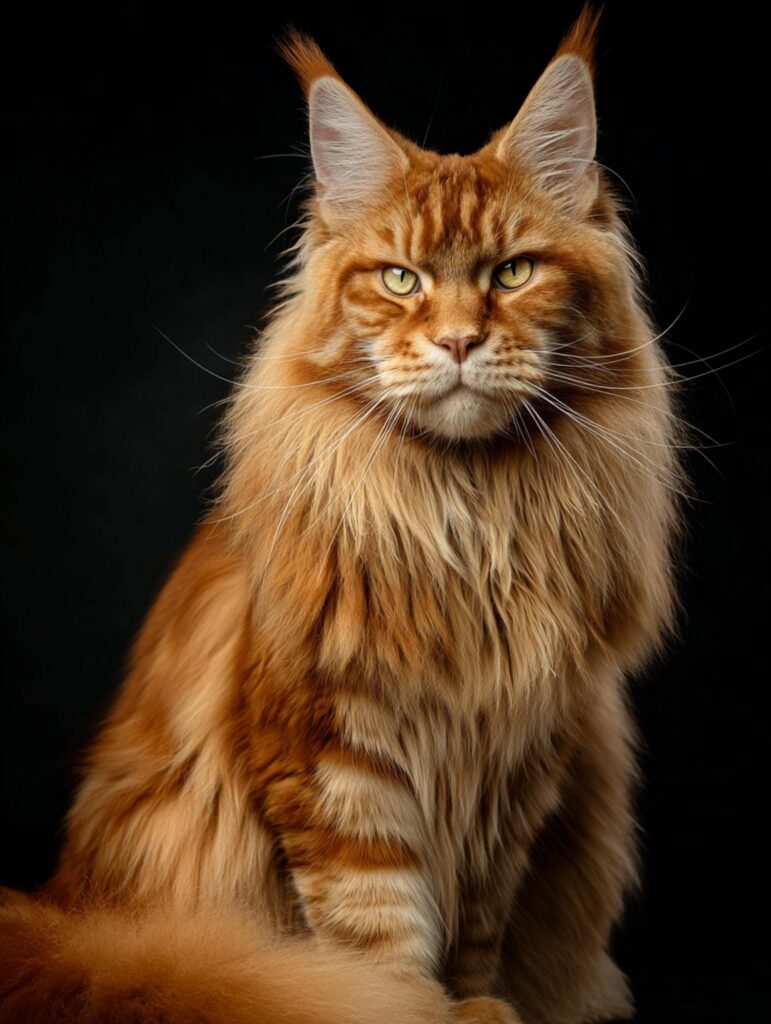
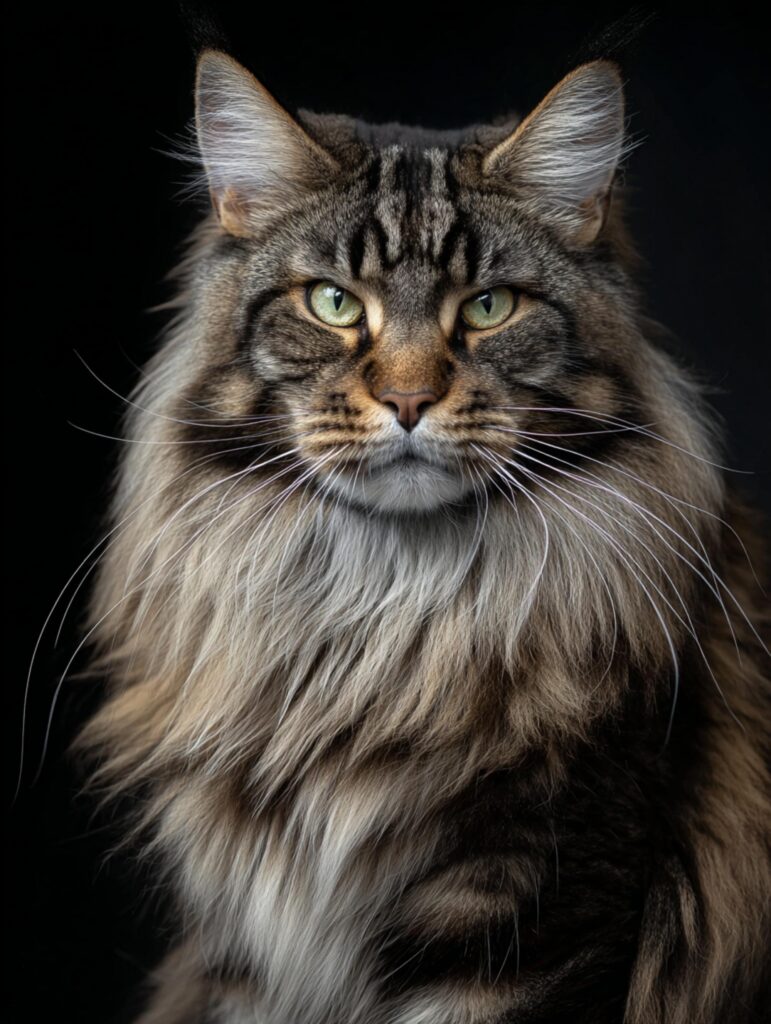
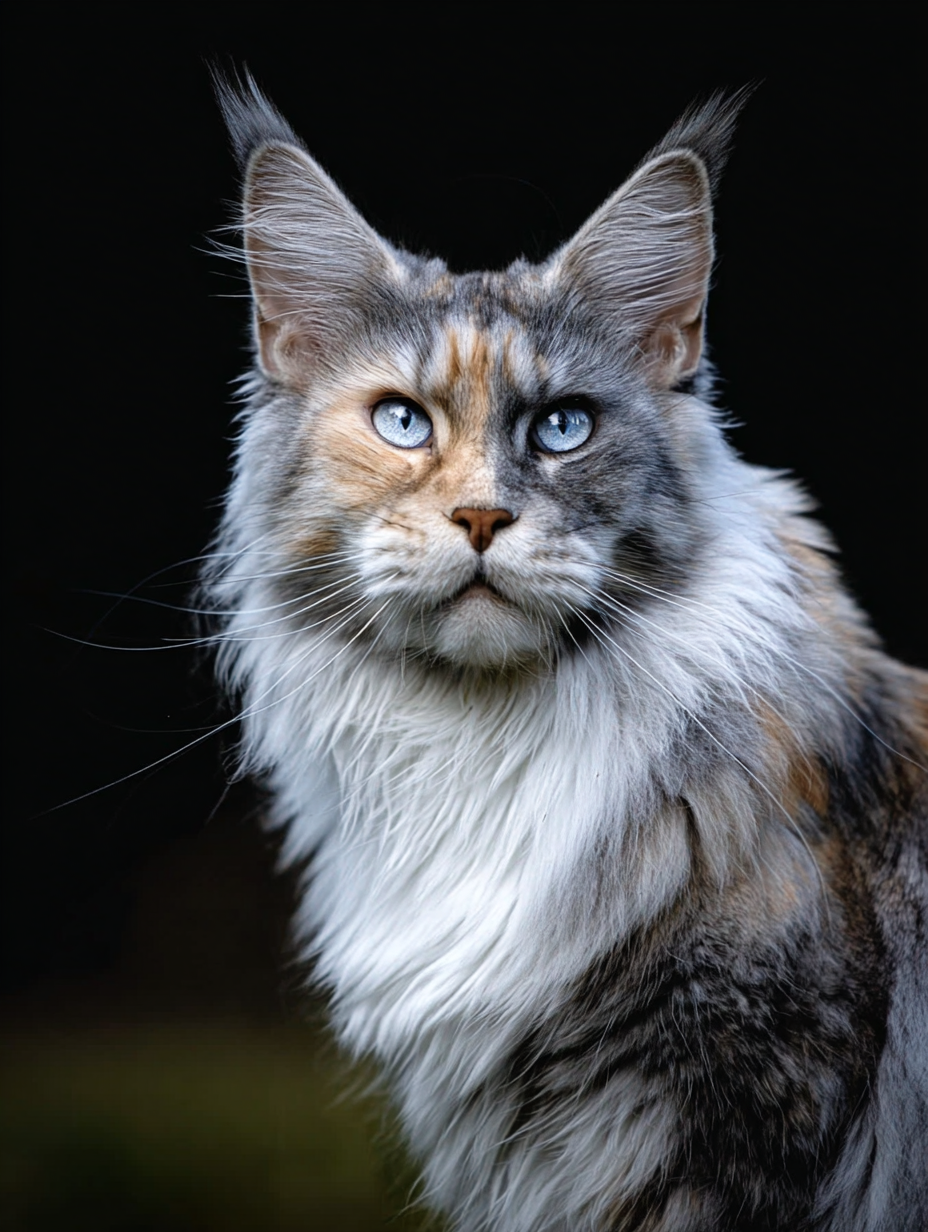
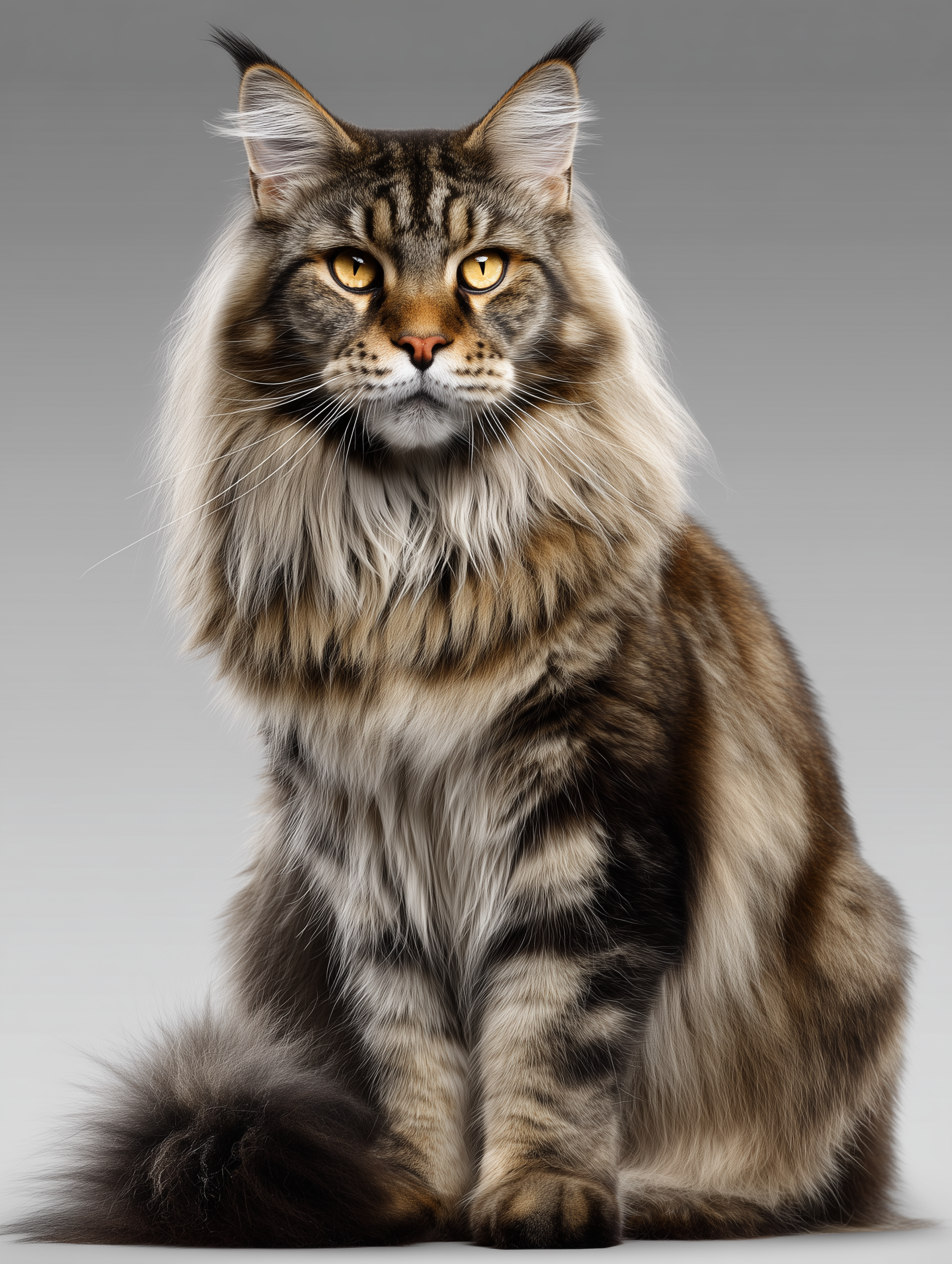
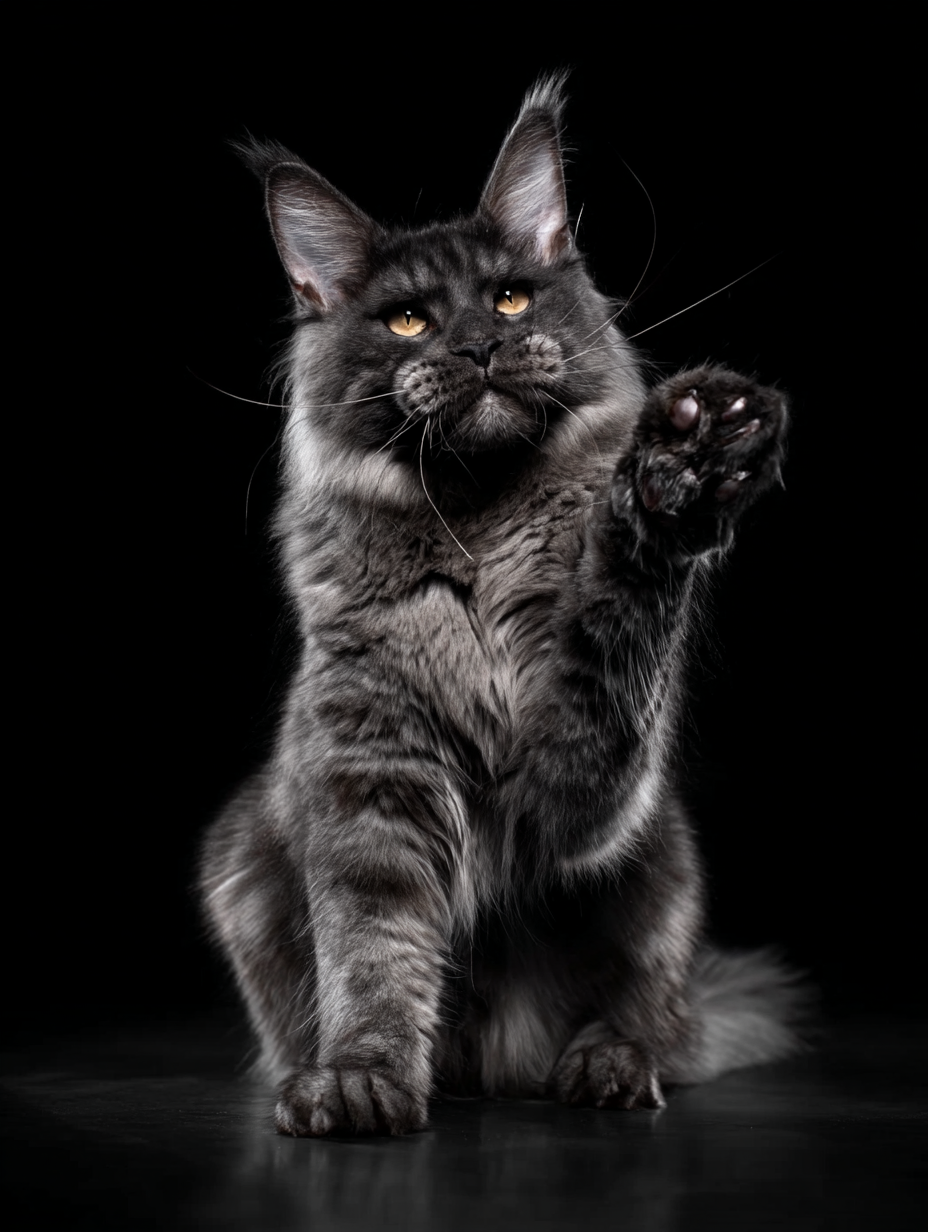
The short answer is no. A European Maine Coon is not a separate breed. The term describes a Maine Coon with European bloodlines or European breed type, not a cat that must be born in Europe. European breeders spent decades selecting for certain physical traits, including taller ears with pronounced lynx tips, a larger square muzzle, heavier bone structure, and a powerful, rectangular body. These characteristics became known collectively as the European Maine Coon look.
Today, European Maine Coons are bred throughout the world, including the United States. Many respected breeders have imported foundation cats from Europe or developed breeding programs using established European pedigrees. As a result, a kitten born in Pennsylvania, Florida, Texas, or California may have the same European bloodlines as one born in Poland, Germany, Italy, or the Czech Republic.
Understanding this distinction is important because European refers to ancestry, not geography. Responsible breeders focus on preserving health, temperament, structure, and breed type rather than simply where a kitten is born.
In this guide, you’ll learn exactly what defines a European Maine Coon, how European bloodlines compare to American lines, expected size, personality, health, lifespan, grooming needs, common colors, and what to look for when choosing a breeder.
Quick Facts About European Maine Coons
| Feature | European Maine Coon |
|---|---|
| Breed | Maine Coon |
| Separate breed? | No |
| Meaning of “European” | Bloodlines and breed type |
| Recognized by CFA & TICA? | Yes |
| Origin of bloodlines | European breeding programs |
| Bred today | Worldwide, including the United States |
| Adult weight | 12 to 25+ pounds |
| Height | 10 to 16 inches |
| Length | Up to 40 inches including tail |
| Coat | Long, dense, weather-resistant |
| Temperament | Gentle, intelligent, affectionate, social |
| Life expectancy | 12 to 15+ years |
| Best suited for | Families, children, other pets |
A European Maine Coon is a Maine Coon with European bloodlines, not a separate breed. These cats are known for their large size, square muzzle, tall ears, heavy bone structure, and gentle temperament. This guide explains their appearance, personality, health, lifespan, colors, grooming needs, and how to choose a responsible breeder.

What Is a European Maine Coon?
A European Maine Coon is a Maine Coon whose pedigree traces back to European breeding programs. Although the name suggests a different breed, European Maine Coons are simply one expression of the same Maine Coon breed recognized by organizations such as CFA and TICA.
The phrase became popular because many European breeders emphasized a distinctive style through selective breeding. Over time, cats with taller ears, more pronounced lynx tips, heavier bone structure, a larger rectangular body, and a bold square muzzle became strongly associated with European bloodlines. These features create the striking appearance many people picture when they search for a European Maine Coon.
It’s important to understand that there is no official “European Maine Coon” breed standard. Whether a Maine Coon comes from European or North American bloodlines, it remains the same breed and is judged according to the same registry standards. The differences are largely the result of breeding preferences rather than separate breed classifications.
Today, many European-line Maine Coons are born outside Europe. Responsible breeders throughout North America have spent years importing foundation cats and carefully preserving these bloodlines through selective breeding. That means a kitten born in the United States can have authentic European ancestry while benefiting from local veterinary care, early socialization, and responsible breeding practices.
When choosing a European Maine Coon, the bloodline itself should only be one part of your decision. Health testing, pedigree, temperament, socialization, and breeder ethics are far more important than whether a kitten was physically born in Europe.

European Maine Coon vs American Maine Coon
One of the most common questions prospective owners ask is whether there’s a difference between a European Maine Coon and an American Maine Coon. While you’ll often see these terms used online, it’s important to understand that they are not separate breeds.
Both are Maine Coons recognized by organizations like TICA and CFA. The differences come from bloodlines and breeding preferences, not from separate breed standards. Over time, many European breeders selected for a more dramatic appearance, while North American breeders often maintained a look closer to the breed’s original natural development.
That doesn’t mean every European Maine Coon looks the same or every American Maine Coon shares identical features. There is considerable overlap between bloodlines, especially as responsible breeders around the world continue to exchange breeding cats and preserve genetic diversity.
If you’re just starting your research, be sure to read our Complete Maine Coon Guide. It covers everything you need to know about Maine Coons, including their personality, size, health, lifespan, grooming, costs, and what to expect before bringing a kitten home.
→ Read our Complete Maine Coon Guide
European Maine Coon vs American Maine Coon Comparison Table
| Feature | European Maine Coon | American Maine Coon |
|---|---|---|
| Breed | Maine Coon | Maine Coon |
| Head | Larger, longer head with stronger angles | Slightly softer, more rounded appearance |
| Muzzle | Prominent square muzzle with a powerful chin | Square muzzle, often less pronounced |
| Ears | Tall ears with dramatic lynx tips and wider placement | Medium to large ears with moderate furnishings |
| Body | Long, rectangular, muscular | Long and balanced with athletic proportions |
| Bone Structure | Heavy, substantial bone | Strong bone with slightly lighter overall build |
| Coat | Dense, shaggy, weather-resistant coat | Long, flowing coat with seasonal variation |
| Expression | Bold, alert, almost wild appearance | Gentle, sweet, natural expression |
| Temperament | Affectionate, intelligent, playful | Affectionate, intelligent, playful |
| Popularity | Increasing demand among enthusiasts | Traditional style seen throughout North America |
| Health | Depends on health testing and breeding practices | Depends on health testing and breeding practices |
| Show Style | Often emphasizes dramatic type and structure | Often reflects a more moderate, traditional appearance |
Head and Facial Structure
The head is one of the first differences people notice.
European bloodlines often produce a longer head with stronger facial angles, giving the cat a more powerful profile. American Maine Coons typically have a slightly softer, more natural expression while still maintaining the square muzzle required by the breed standard.
Neither style is more “correct.” They simply reflect decades of different breeding preferences.
Muzzle and Chin
European Maine Coons are well known for their bold, square muzzle.
The muzzle often appears deeper and more rectangular, creating the lion-like look many people associate with European bloodlines. American Maine Coons also have square muzzles, but they’re often less exaggerated and blend more gradually into the rest of the face.
Ears and Lynx Tips
Large ears are a hallmark of every Maine Coon, but European bloodlines often emphasize them even further.
Many European Maine Coons have taller ears, heavier furnishings, and longer lynx tips that contribute to their striking appearance. These features have become one of the defining characteristics people search for when looking for European-style cats.
Body and Bone Structure
European Maine Coons are frequently described as more substantial.
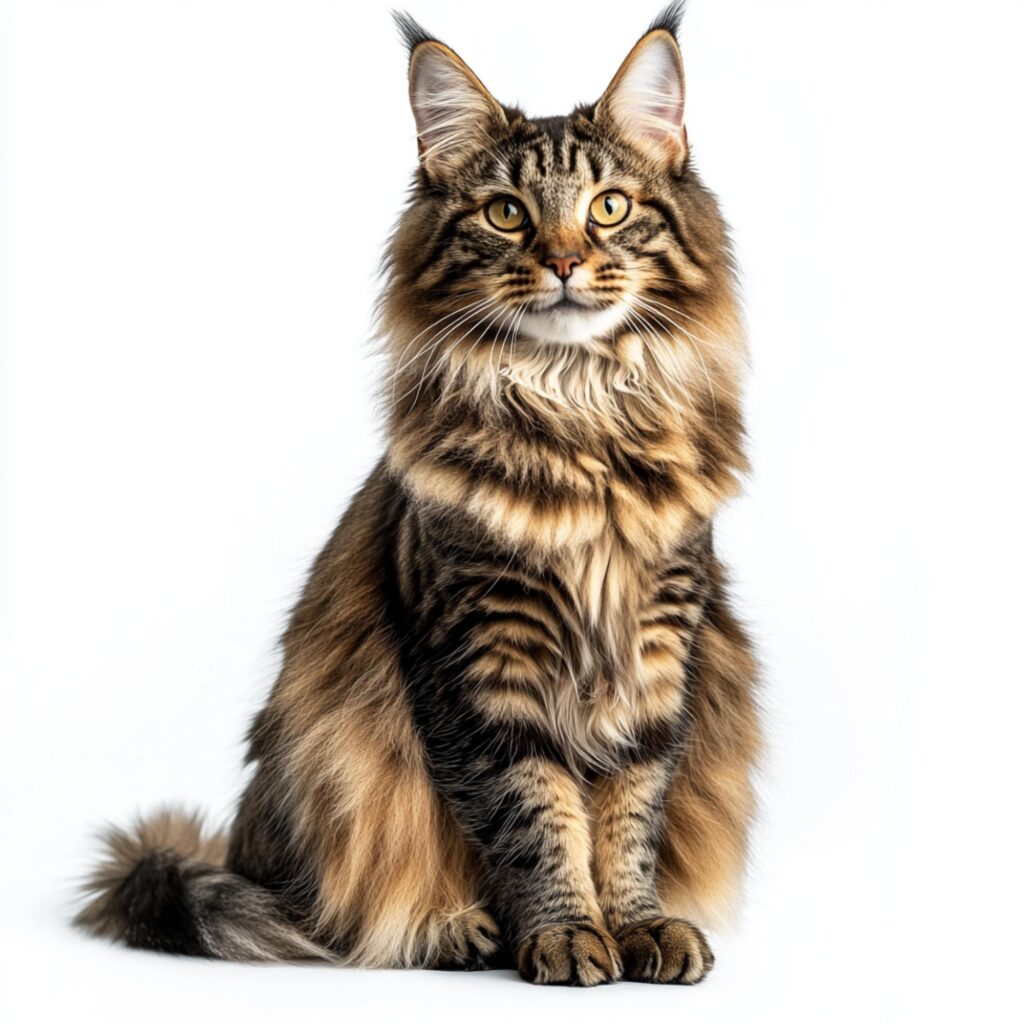
Many have heavier bone, broader chests, thicker legs, and a longer rectangular body. This doesn’t necessarily mean every European Maine Coon is larger than every American Maine Coon, but the overall impression is often one of greater size and strength.
Genetics, nutrition, and individual family lines play a much larger role than geography alone.
Coat
Both European and American Maine Coons have the breed’s signature long, weather-resistant double coat.
European lines sometimes appear shaggier because of their heavier ruff, fuller britches, and more dramatic overall presentation, but coat quality varies considerably between individual cats and breeding programs.
Expression
This is where the visual difference is often most noticeable.
European Maine Coons are frequently described as having a bold, almost wild expression created by their taller ears, angular head, and prominent muzzle.
American Maine Coons often have a softer, more approachable appearance while still retaining the breed’s characteristic alert expression.
Neither look affects the cat’s personality.
Temperament
One of the biggest misconceptions is that European Maine Coons have a different personality than American Maine Coons.
They don’t.
A cat’s temperament is shaped far more by genetics, early socialization, responsible breeding, and individual personality than by whether its bloodlines originated in Europe or North America.
Well-bred Maine Coons, regardless of bloodline, are known for being:
- Affectionate without being overly demanding
- Gentle with children
- Social with family members
- Intelligent and highly trainable
- Playful well into adulthood
- Confident around other pets when properly introduced
When choosing a kitten, focus on the breeder’s commitment to temperament just as much as appearance.
Health
European bloodlines are not automatically healthier than American bloodlines, and American bloodlines are not inherently healthier than European ones.
The health of any Maine Coon depends on responsible breeding practices.
Look for breeders who perform appropriate health screening for conditions such as:
- Hypertrophic cardiomyopathy (HCM)
- Spinal muscular atrophy (SMA)
- Hip health evaluations when appropriate
- Comprehensive DNA testing
- Routine veterinary care
Health testing, pedigree research, and thoughtful breeding decisions are far more important than the country associated with a cat’s ancestry.
Which One Is Better?
Neither European nor American Maine Coons are objectively better.
If you’re drawn to dramatic features like taller ears, a stronger square muzzle, and heavier bone structure, you may prefer European bloodlines.
If you appreciate a more moderate, traditional appearance, an American-style Maine Coon may be exactly what you’re looking for.
In either case, the most important factors remain the same: health-tested parents, excellent socialization, responsible breeding, and a temperament that matches your family. Those qualities will have a much greater impact on your experience than whether your kitten’s pedigree traces back to Europe or North America.

European Maine Coon Size
One of the biggest reasons people are drawn to European Maine Coons is their impressive size. Thanks to decades of selective breeding, many European bloodlines are known for producing cats with substantial bone structure, long rectangular bodies, and a powerful overall appearance.
While European Maine Coons are often larger than the average domestic cat, there is no guaranteed size simply because a cat has European bloodlines. Genetics, nutrition, sex, and the individual breeding program all influence how large a Maine Coon will become.
Unlike many breeds that reach adulthood within a year, Maine Coons mature slowly and continue developing long after most cats have finished growing.
European Maine Coon Size Chart
| Measurement | Male | Female |
|---|---|---|
| Height | 10 to 16 inches | 8 to 14 inches |
| Weight | 15 to 25+ pounds | 10 to 15 pounds |
| Body Length | Up to 40 inches (including tail) | Up to 36 inches (including tail) |
| Growth Period | 3 to 5 years | 3 to 4 years |
| Full Maturity | Around 4 to 5 years | Around 3 to 4 years |
Why Do European Maine Coons Grow So Slowly?
Unlike many cat breeds that reach their adult size around 12 to 18 months of age, European Maine Coons continue developing for several years.
During this time, you’ll notice changes beyond simple weight gain. The chest broadens, muscles become more defined, the mane grows fuller, the head becomes more substantial, and the cat develops the powerful appearance the breed is known for.
Males typically continue filling out longer than females, with some not reaching their full size until nearly five years of age.
Because of this slow development, it’s perfectly normal for a one-year-old European Maine Coon to still look lanky or unfinished. With proper nutrition, exercise, and responsible breeding, these cats gradually develop into the large, athletic companions many families admire.

European Maine Coon Personality
Despite their bold appearance, European Maine Coons are famous for having one of the gentlest personalities in the cat world. They’re often described as affectionate, intelligent, and easygoing, making them an excellent choice for families, singles, and multi-pet households alike.
It’s easy to fall in love with their striking looks, but for many owners, their personality becomes the reason they never want another breed.
Affectionate Without Being Overly Demanding
European Maine Coons enjoy being close to their people.
Many follow their owners from room to room, greet them at the door, and enjoy spending time nearby without constantly asking to be held. They tend to form strong bonds with their families while still maintaining an independent streak.
Rather than being lap cats all day, they’re more likely to sit beside you on the couch or supervise whatever you’re doing around the house.
Social and Family-Oriented
Maine Coons generally thrive on interaction.
They enjoy being involved in family life and often prefer spending time where people are rather than hiding away in another room. This social nature makes them well suited to busy households where they receive regular attention and enrichment.
Highly Intelligent
European Maine Coons are exceptionally smart cats that enjoy solving problems and learning new things.
Many quickly learn household routines and can even be taught behaviors such as:
- Coming when called
- Walking on a harness
- Playing fetch
- Using puzzle toys
- Learning simple commands
Because of their intelligence, they benefit from interactive play and activities that challenge both their minds and bodies.
Playful Well Into Adulthood
Unlike some breeds that become more sedentary with age, Maine Coons often remain playful for many years.
Many continue chasing toys, climbing cat trees, and engaging in interactive games long after reaching adulthood. Their playful nature is one reason they’re sometimes described as having a “kitten-like” personality well into maturity.
Why Are They Called “Dog-Like”?
One of the most common descriptions you’ll hear is that Maine Coons are dog-like.
This nickname comes from behaviors such as:
- Following family members around the house
- Greeting visitors
- Enjoying interactive games
- Learning routines quickly
- Walking on a harness
- Forming strong bonds with their owners
While every cat is unique, these traits have helped make the breed one of the most popular companion cats in the world.
Are They Good With Children?
Well-socialized European Maine Coons are typically excellent family cats.
Their patient, gentle nature often makes them a good fit for respectful children who understand how to handle cats appropriately. As with any pet, interactions should always be supervised, especially with younger children.
Are They Good With Dogs?
Many European Maine Coons adapt well to living with cat-friendly dogs when introductions are handled properly.
Their confident personalities and relaxed temperament often make the transition smoother than it is for more timid breeds. Early socialization and gradual introductions remain the key to successful multi-pet households.
Can They Live in Apartments?
Yes.
Although they’re one of the largest domestic cat breeds, European Maine Coons can do very well in apartments provided they receive enough exercise and enrichment.
Large cat trees, climbing shelves, scratching posts, puzzle feeders, and daily interactive play are far more important than the size of the home itself.
Personality Comes From More Than Bloodlines
Many people assume European Maine Coons have a different temperament than American Maine Coons, but that’s a common misconception.
While genetics certainly influence personality, a kitten’s temperament is shaped just as much by responsible breeding, early socialization, daily handling, and its individual personality.
The best breeders select parents for both health and temperament, raise kittens in a home environment, expose them to everyday household experiences, and spend countless hours socializing them before they ever join their new families.
In the end, a well-socialized Maine Coon from health-tested parents is far more likely to become a confident, affectionate companion than one chosen based solely on whether its bloodlines are described as European or American.

European Maine Coon Colors
One of the biggest misconceptions about European Maine Coons is that they come in different colors than American Maine Coons. They don’t.
European Maine Coons can be found in virtually every color and pattern recognized within the Maine Coon breed. The term European describes the cat’s bloodlines and overall type, while color is determined entirely by genetics.
Whether you prefer a dramatic black smoke male, a classic brown tabby, or a striking solid white Maine Coon, the most important considerations are still health, temperament, and responsible breeding.
If you’re new to Maine Coon color genetics, start with our Complete Maine Coon Colors Guide, where you’ll learn how colors, patterns, silver genes, smoke coats, and eye colors are inherited.
Black European Maine Coon
Black European Maine Coons are known for their bold appearance and striking contrast against their large ears, square muzzle, and heavy bone structure. Their solid black coat highlights the dramatic features that European bloodlines are famous for.
Related guide: Black Maine Coon
Blue European Maine Coon
The Blue Maine Coon color is the dilute version of black, creating a beautiful slate-gray coat with a soft, elegant appearance. Blue European Maine Coons often have an especially plush coat that complements their impressive size.
Related guide: Blue Maine Coon
Red (Orange) European Maine Coon
Often called orange Maine Coons, the official breed term is red. These cats range from deep copper to bright orange and are almost always tabby because of how the red gene affects coat pigmentation.
Related guides:
Cream European Maine Coon
Cream Maine Coons are the dilute version of red, producing a soft ivory or pale peach-colored coat. Their gentle coloring contrasts beautifully with the bold facial features often seen in European bloodlines.
Related guide: Cream Maine Coon
Smoke European Maine Coon
Smoke Maine Coons are among the most sought-after color varieties.
Each hair is white at the base with colored tips, creating a dramatic “smoke” effect when the cat moves. Black smoke, blue smoke, and red smoke European Maine Coons are especially popular because they emphasize the breed’s large size and luxurious coat.
Related guide: Black Smoke Maine Coon
Silver European Maine Coon
Silver Maine Coons inherit the silver inhibitor gene, which removes warm pigment from the undercoat while creating stunning contrast throughout the coat pattern.
The Silver tabbies and shaded silvers are particularly eye-catching in European bloodlines.
Related guide: Silver Maine Coon and Grey Maine Coon
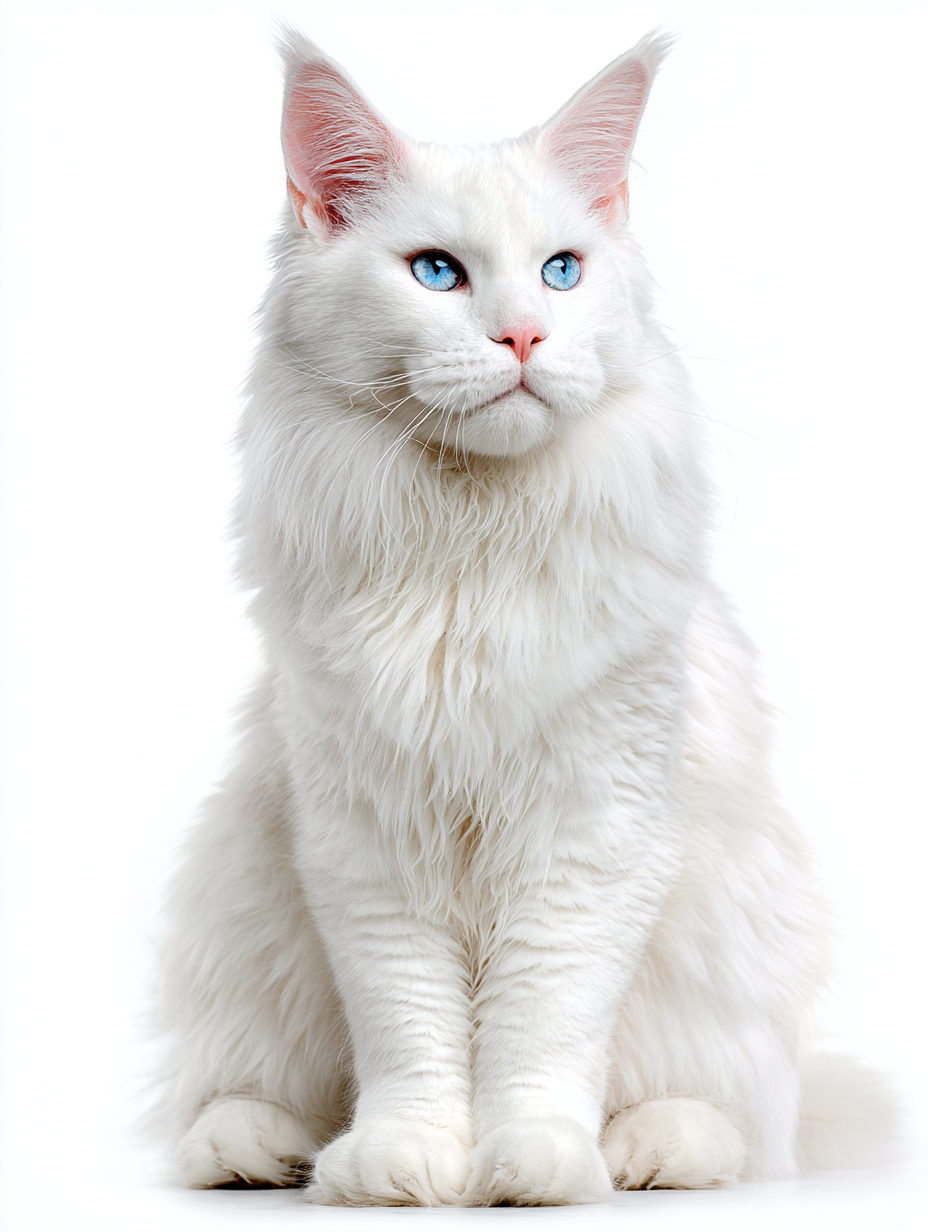
White European Maine Coon
White European Maine Coons have an elegant, regal appearance that showcases the breed’s large ears, long body, and impressive coat.
Eye color may be blue, gold, green, or odd-eyed depending on genetics.
Related guide: White Maine Coon
Tabby European Maine Coon
The tabby pattern is one of the oldest and most recognizable Maine Coon coat patterns.
European Maine Coons may be classic tabby, mackerel tabby, ticked tabby, or patched tabby in a variety of colors. The bold markings often accentuate the breed’s muscular body and expressive facial features.
Related guide: Tabby Maine Coon and Maine Coon M Tabby Markings
Tortoiseshell European Maine Coon
Tortoiseshell Maine Coons combine black and red pigments to create a beautiful patchwork coat.
Nearly all tortoiseshell Maine Coons are female because of the genetics responsible for this unique coloration.
Related guide: Tortoiseshell Maine Coon
Polydactyl European Maine Coon
Although polydactyl refers to extra toes rather than coat color, many people searching for European Maine Coons are also interested in this historic trait.
Polydactyl Maine Coons can occur in nearly every recognized color and pattern and remain especially popular among enthusiasts because of their connection to the breed’s early history.
Related guide: Polydactyl Maine Coon
Explore More Maine Coon Colors
Whether you’re drawn to black smoke, silver tabbies, solid white, or vibrant red coats, remember that color does not determine personality, intelligence, or health. A well-bred European Maine Coon should always be selected based on health-tested parents, excellent temperament, and responsible breeding practices first, with color coming second.

Are European Maine Coons Bigger?
One of the biggest reasons people search for European Maine Coons is the belief that they’re significantly larger than American Maine Coons. The honest answer is often yes, but not always.
Many European bloodlines have been selectively bred for a larger, more substantial appearance. As a result, it’s common to see European Maine Coons with heavier bone structure, broader chests, longer bodies, and a more powerful overall build.
However, European bloodlines do not guarantee a larger cat.
Genetics vary from one breeding program to another, and even kittens from the same litter can mature to different sizes. Some American-line Maine Coons grow larger than European-line cats, while some European Maine Coons mature into more moderate-sized adults.
Genetics Matter More Than Geography
The size of a Maine Coon is determined by genetics, not simply by whether its pedigree traces back to Europe.
Every kitten inherits hundreds of genes from both parents, and those genes influence:
- Adult weight
- Height
- Body length
- Bone structure
- Muscle development
- Coat quality
- Growth rate
This is why two European Maine Coons can look noticeably different from one another.
Look at the Parents
If you’re hoping for a particularly large Maine Coon, the best predictor is the kitten’s parents, not the word “European” in the advertisement.
Responsible breeders can often show you:
- The adult sire
- The adult dam
- Previous offspring from the same pairing
- Growth patterns within their bloodlines
Seeing mature relatives provides a much better idea of how a kitten is likely to develop than relying on marketing terms alone.
Size Should Never Be the Only Goal
While impressive size is part of the Maine Coon’s appeal, it should never come at the expense of health.
The best breeding programs prioritize:
- Excellent temperament
- Strong overall structure
- Genetic health
- Longevity
- Sound movement
- Responsible breeding practices
A healthy, well-balanced Maine Coon with excellent structure will almost always be a better companion than one bred solely to become as large as possible.

Health
European Maine Coons are generally healthy cats when they come from responsible breeding programs. Like all purebred cats, however, they have inherited risks for certain genetic conditions that ethical breeders work hard to reduce through health testing and careful breeding decisions.
When choosing a European Maine Coon, health testing should always be a higher priority than size, color, or pedigree alone.
Hypertrophic Cardiomyopathy (HCM)
Hypertrophic cardiomyopathy (HCM) is the most well-known inherited heart disease affecting Maine Coons.
The condition causes the walls of the heart to thicken, making it more difficult for the heart to pump blood efficiently. Some cats never develop symptoms, while others may experience heart failure or blood clots later in life.
Responsible breeders reduce this risk by:
- DNA testing breeding cats when appropriate
- Performing regular cardiac screening
- Removing affected cats from breeding programs
Spinal Muscular Atrophy (SMA)
Spinal muscular atrophy (SMA) is an inherited neurological disorder that affects muscle development.
Affected kittens develop weakness in the hind legs but typically do not experience pain. Because a reliable DNA test is available, responsible breeders can avoid producing affected kittens through informed breeding decisions.
Polycystic Kidney Disease (PKD)
Although PKD is far less common in Maine Coons than in some other breeds, many responsible breeders still include it as part of comprehensive genetic screening.
PKD causes fluid-filled cysts to develop within the kidneys, potentially leading to kidney disease later in life.
Routine DNA testing helps breeders identify carriers and make responsible breeding choices.
Hip Dysplasia
Because Maine Coons are one of the largest domestic cat breeds, they’re more susceptible to hip dysplasia than many smaller breeds.
Hip dysplasia affects the way the hip joint develops and can contribute to arthritis or reduced mobility as a cat ages.
Responsible breeders work to reduce this risk by selecting breeding cats with healthy structure and sound movement.
DNA Testing
Modern DNA testing allows breeders to screen for several inherited conditions before a breeding pair is ever matched.
While no genetic test can guarantee a lifetime free of disease, comprehensive health screening greatly reduces the likelihood of passing known inherited conditions to future generations.
When speaking with a breeder, don’t hesitate to ask what health testing has been performed on both parents.
Responsible Breeding
The health of a European Maine Coon depends far more on the breeder than on whether the cat has European or American bloodlines.
Responsible breeders typically:
- Perform appropriate DNA testing
- Screen breeding cats for inherited diseases
- Maintain detailed pedigrees
- Select for temperament as well as structure
- Avoid close inbreeding
- Provide regular veterinary care
- Raise kittens in a clean, enriched home environment
These practices contribute far more to a kitten’s long-term health than appearance alone.
Longevity
With excellent care and responsible breeding, European Maine Coons commonly live 12 to 15 years, and many live even longer.
A combination of genetics, nutrition, preventive veterinary care, healthy body weight, and an indoor lifestyle all contribute to a longer lifespan.
Nutrition
Proper nutrition plays an important role throughout a Maine Coon’s life, especially during the breed’s unusually long growth period.
Because these cats continue developing for several years, they benefit from a balanced, high-quality diet that supports healthy muscle development without encouraging excessive weight gain.
Any dietary changes should be made gradually and discussed with your veterinarian, particularly during kittenhood.
Maintaining a Healthy Weight
European Maine Coons are naturally large cats, but large does not mean overweight.
A healthy Maine Coon should have:
- Strong muscle tone
- Good overall body condition
- A visible waist when viewed from above
- Ribs that can be felt beneath a light layer of fat
Excess weight places additional stress on the joints and heart and can increase the risk of arthritis, diabetes, and other health problems.
Maintaining an appropriate body weight through proper nutrition, regular exercise, and routine veterinary care is one of the simplest ways to help your Maine Coon live a long, healthy life.

Grooming
European Maine Coons are surprisingly easy to maintain compared to what many people expect. Their long, weather-resistant coat doesn’t usually require daily grooming, but a consistent routine helps prevent tangles, reduces shedding, and keeps the coat looking its best.
Starting grooming while your Maine Coon is still a kitten makes the process much easier throughout adulthood.
Brushing
Brushing is the most important part of grooming a European Maine Coon.
Most adults benefit from brushing two to three times per week, although cats with particularly full coats may need more frequent grooming during seasonal shedding.
Pay close attention to areas that are prone to tangles, including:
- Behind the ears
- Under the front legs
- Around the collar area
- The stomach
- The britches on the back legs
- The tail
Regular brushing removes loose hair before it forms mats and helps distribute natural oils throughout the coat.
Bathing
Unlike dogs, Maine Coons rarely need frequent baths.
Most healthy indoor cats only require bathing when they become unusually dirty, develop greasy coats, or before a cat show.
When bathing is necessary:
- Use a cat-safe shampoo
- Rinse thoroughly
- Dry the coat completely
- Brush after the coat dries
Introducing baths during kittenhood helps many Maine Coons tolerate bathing later in life.
Nail Care
Trim your Maine Coon’s nails every two to four weeks.
Regular nail trimming protects furniture, prevents painful overgrowth, and reduces the chance of nails becoming caught in carpet or fabric.
Providing sturdy scratching posts also helps maintain healthy claws between trims.
Dental Care
Dental health is often overlooked but plays an important role in your cat’s overall well-being.
Ideally, teeth should be brushed several times each week using a toothpaste formulated specifically for cats.
Routine veterinary dental exams and professional cleanings may also be recommended as your Maine Coon ages.
Ear Care
Check your Maine Coon’s ears every week.
Healthy ears should appear clean, light pink, and free of strong odor or excessive wax.
Only clean the ears if necessary using a veterinarian-approved ear cleaner, and never insert cotton swabs deep into the ear canal.
Seasonal Shedding
European Maine Coons usually shed more heavily during the spring and fall as their coats adjust to seasonal changes.
During these periods, increasing brushing to several times per week can dramatically reduce loose hair throughout the home while helping prevent mats from forming.
Although shedding increases seasonally, Maine Coons typically lose hair year-round to some degree.
Exercise
European Maine Coons may be calm indoors, but they’re also athletic cats that benefit from regular physical and mental activity.
Daily exercise helps maintain healthy body weight, supports joint health, prevents boredom, and provides an outlet for their natural climbing and hunting instincts.
Cat Trees
Large, sturdy cat trees are one of the best investments for a Maine Coon owner.
Because of their size, European Maine Coons need cat furniture designed to support their weight comfortably. Tall climbing trees with wide platforms allow them to stretch, climb, and observe their surroundings from above.
Puzzle Toys
European Maine Coons are highly intelligent and enjoy solving problems.
Puzzle feeders, treat-dispensing toys, and interactive games provide valuable mental stimulation while encouraging natural foraging behaviors.
Rotating toys regularly helps keep them interesting.
Climbing
Climbing is a natural behavior for Maine Coons.
Wall shelves, climbing towers, window perches, and multi-level cat trees encourage exercise while giving your cat safe places to explore and rest.
Vertical space is especially valuable for apartment living.
Harness Walks
Many Maine Coons can be trained to walk on a harness with patience and positive reinforcement.
Introducing a properly fitted harness during kittenhood often makes training easier. Some Maine Coons enjoy exploring quiet outdoor spaces under close supervision, providing both physical exercise and mental enrichment.
Not every cat enjoys walks, and they should never be forced, but many Maine Coons adapt well to harness training.
European Maine Coon Kittens
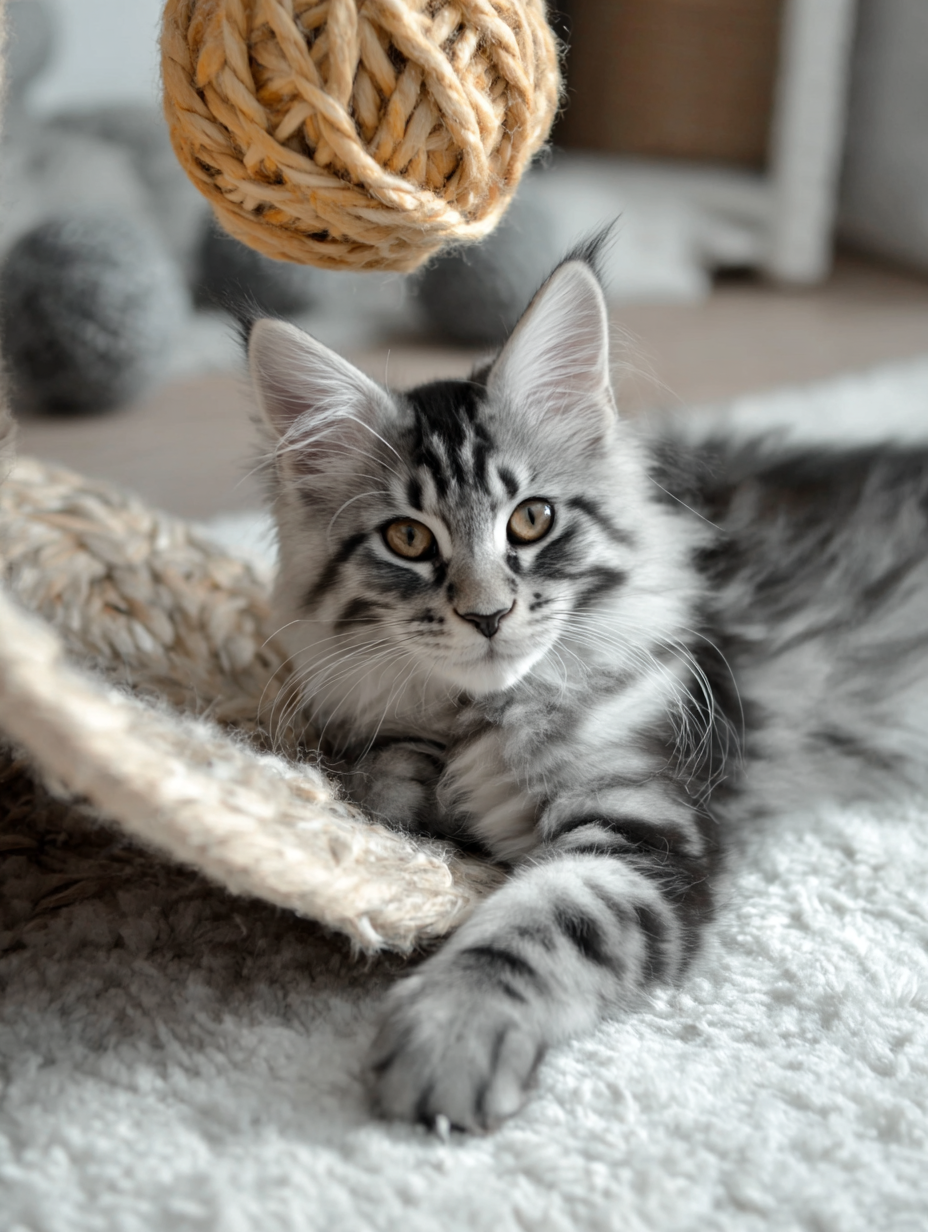
European Maine Coon kittens grow and mature much more slowly than most other cat breeds. While many kittens reach their adult size within a year, Maine Coons continue developing for several years.
During this time, you’ll notice changes in body size, coat, muscle development, and facial structure as they gradually mature into adults.
8 Weeks
At around eight weeks, European Maine Coon kittens are curious, playful, and rapidly learning about the world around them.
Their personalities are beginning to emerge, but they’re still developing physically and emotionally. This is an important stage for early socialization, gentle handling, and positive experiences.
12 Weeks
By twelve weeks, most European Maine Coon kittens are ready to join their new families.
They’re becoming more confident, using the litter box reliably, eating independently, and adjusting well to household routines. Although they may appear large compared to other kittens, they’re still only at the beginning of their growth.
6 Months
At six months, European Maine Coons often experience rapid growth.
Long legs, oversized paws, and a lean body are completely normal during this stage. Many kittens look slightly awkward as they grow into their adult proportions.
Their playful personality remains strong, and they benefit from plenty of interactive play and enrichment.
1 Year
A one-year-old European Maine Coon may look like an adult, but it still has significant growing left to do.
The chest continues widening, muscles develop further, the coat becomes fuller, and the head gradually becomes broader and more mature.
Many owners are surprised by how much their cat changes after its first birthday.
3 Years
By three years of age, most European Maine Coons are approaching their mature appearance, although some males continue filling out until four or even five years old.
The mane becomes fuller, bone structure appears more substantial, and the powerful expression associated with European bloodlines becomes much more noticeable.
This slow development is one of the unique characteristics that sets the Maine Coon apart from many other cat breeds.
How to Choose a European Maine Coon Breeder
Finding a European Maine Coon breeder involves much more than choosing the kitten with the biggest ears or the fluffiest coat. The quality of the breeder has a far greater impact on your future cat’s health, temperament, and longevity than whether the pedigree is described as European.
Because demand for European bloodlines has grown rapidly, the term “European Maine Coon” is sometimes used as a marketing phrase even when a breeder cannot document those bloodlines. Before placing a deposit, take time to evaluate the breeder as carefully as you would the kitten.
What to Look For in a European Maine Coon Breeder
A responsible breeder should be able to provide:
- Documented European pedigrees when European bloodlines are advertised
- Registration through TICA, CFA, or another recognized registry
- Health testing for breeding cats, including appropriate DNA screening
- Kittens raised in a clean, home environment with daily socialization
- Veterinary records and age-appropriate vaccinations
- A written contract that clearly explains health guarantees and breeder policies
- Lifetime breeder support after your kitten goes home
No responsible breeder should rely solely on phrases like “European quality” or “European type” without being able to explain the pedigree behind those claims.
Beware of European Maine Coon Scams
Unfortunately, European Maine Coons are one of the most commonly targeted breeds in online pet scams.
Scammers frequently steal photos and videos from legitimate breeders and advertise “rare European Maine Coon kittens” at prices that seem too good to be true. Once payment is sent, the kitten either never exists or additional fees suddenly appear for shipping, insurance, customs, or veterinary paperwork.
Common warning signs include:
- Prices that are dramatically lower than reputable breeders
- Requests for payment through wire transfers or irreversible payment methods
- No live video calls with the kitten
- Stolen photos copied from other websites or social media pages
- No health testing information or pedigree documentation
- Refusal to answer detailed questions
- Pressure to send a deposit immediately
A reputable breeder should be happy to answer questions, provide documentation, and help you feel comfortable before you make a commitment.
Our European Maine Coon Program
At Almonte Cats, our breeding program is built on carefully selected European bloodlines chosen for health, temperament, structure, and longevity. Every kitten is raised in our home, receives extensive early socialization, and comes from health-tested parents.
If you’re considering adding a European Maine Coon to your family, we invite you to learn more about our available kittens and upcoming litters.
See Maine Coon Kittens Available

Are European Maine Coons Worth It?
For many families, the answer is yes, but only if you’re looking for the unique qualities that make the Maine Coon such a beloved companion.
European Maine Coons are often more expensive than the average purebred cat because responsible breeding requires significant investment in health testing, imported bloodlines, veterinary care, nutrition, and early socialization. While the initial purchase price may be higher, many owners feel the long-term value comes from bringing home a healthy, well-adjusted kitten that has been thoughtfully bred and raised.
Ultimately, whether a European Maine Coon is worth it depends on your expectations, lifestyle, and commitment to caring for a large, intelligent cat.
Cost
European Maine Coons generally cost more than many other cat breeds, particularly when they come from established European bloodlines and health-tested parents.
The price often reflects the breeder’s investment in:
- Health testing and DNA screening
- High-quality nutrition
- Veterinary care
- Registration and pedigree documentation
- Early socialization
- Responsible breeding practices
A lower purchase price isn’t always a better value if it comes at the expense of health or temperament.
Temperament
One of the biggest reasons people choose a European Maine Coon is its personality.
Well-bred Maine Coons are known for being affectionate, intelligent, playful, and highly social. They often form strong bonds with their families, enjoy interactive play, and adapt well to homes with children and other pets.
Remember that temperament is influenced far more by genetics and early socialization than by whether a cat has European or American bloodlines.
Health
A healthy kitten starts with a responsible breeder.
European bloodlines alone do not make a Maine Coon healthier, but breeders who prioritize health testing, thoughtful breeding decisions, and proper veterinary care give their kittens the best possible start in life.
Choosing a breeder who screens for inherited conditions and raises kittens in a clean, enriching environment is one of the best investments you can make.
Longevity
With proper care, a healthy diet, routine veterinary visits, and regular exercise, European Maine Coons commonly live 12 to 15 years, with many enjoying even longer lives.
Their lifespan depends on many factors, including genetics, preventive healthcare, nutrition, maintaining a healthy weight, and keeping them safely indoors.
Lifestyle
European Maine Coons thrive in homes where they’re treated as part of the family.
They’re a great fit for owners who can provide:
- Daily interaction and companionship
- Plenty of play and enrichment
- Large cat trees and scratching posts
- Regular grooming
- Routine veterinary care
- A safe, indoor environment
Although they’re adaptable enough to live in apartments or large homes, they do best with owners who have the time to meet their physical and mental needs.
The Bottom Line
If you’re simply looking for the biggest cat possible, a European Maine Coon may not always meet your expectations. Individual size varies, and no breeder can guarantee that every kitten will become exceptionally large.
However, if you’re looking for a cat with a striking appearance, gentle personality, high intelligence, and the potential to become a loyal companion for many years, a well-bred European Maine Coon is an excellent choice.
The real value isn’t found in the word “European.” It’s found in choosing a kitten from a breeder who prioritizes health, temperament, responsible breeding, and lifelong support. Those qualities will have a much greater impact on your experience than pedigree alone.

Avoiding European Maine Coon Scams
European Maine Coons have become one of the most searched cat varieties online, which unfortunately means they’ve also become one of the most common targets for pet scams. Before placing a deposit, take time to verify that you’re working with a reputable breeder.
Warning Signs
- Prices that seem unusually low
- No live video calls with the kitten
- Requests for wire transfers or irreversible payment methods
- No health testing information
- No written contract
- No TICA or CFA registration
- Stolen photos or inconsistent information
How to Buy Safely
Choose a breeder who can provide:
- Health-tested parents
- Registration through a recognized cat registry
- Live video calls
- Veterinary records
- A written contract
- Ongoing support after your kitten goes home
A responsible breeder should welcome your questions and never pressure you into making a quick decision.
Frequently Asked Questions About European Maine Coons
What is a European Maine Coon?
A European Maine Coon is a Maine Coon cat with bloodlines that trace back to European breeding programs. The term describes a particular style or type within the breed rather than a separate breed. Many European-line Maine Coons are born in the United States and other countries outside Europe.
Are European Maine Coons real?
Yes. European Maine Coons are real, but they’re not a separate breed. The term is commonly used to describe Maine Coons with pedigrees developed through European breeding programs that emphasize certain physical characteristics, such as a stronger square muzzle, taller ears, and heavier bone structure.
Are European Maine Coons a separate breed?
No. European Maine Coons and American Maine Coons are both Maine Coons. Organizations such as TICA and CFA recognize only one Maine Coon breed standard. The differences are the result of bloodlines and selective breeding, not separate breed classifications.
Are European Maine Coons bigger?
Often, yes, but not always. Many European bloodlines are known for producing larger, heavier cats with substantial bone structure. However, adult size depends on genetics, nutrition, sex, and the individual breeding program rather than European ancestry alone.
Why do European Maine Coons have bigger ears?
Many European breeders have selected for taller ears with pronounced lynx tips because they contribute to the bold, wild appearance many enthusiasts admire. Ear size is an inherited trait that varies between individual bloodlines.
Why are European Maine Coons more expensive?
European Maine Coons often cost more because responsible breeders invest in imported bloodlines, health testing, DNA screening, veterinary care, quality nutrition, and extensive early socialization. The purchase price reflects the breeder’s investment in producing healthy, well-adjusted kittens.
How much do European Maine Coons weigh?
Adult males typically weigh 15 to 25 pounds or more, while females usually weigh 10 to 15 pounds. Individual size varies depending on genetics, nutrition, and overall health.
Do European Maine Coons live longer?
European Maine Coons generally have a life expectancy of 12 to 15 years, with many living even longer when provided with proper veterinary care, a balanced diet, regular exercise, and a healthy indoor lifestyle.
Are European Maine Coons healthier?
European bloodlines are not automatically healthier than American bloodlines. Health depends on responsible breeding practices, genetic screening, routine veterinary care, and proper nutrition. Choosing a health-tested breeder is far more important than choosing a particular bloodline.
Can European Maine Coons live in apartments?
Yes. Despite their large size, European Maine Coons adapt well to apartment living when they receive enough exercise, climbing opportunities, scratching posts, and daily interaction. Enrichment matters more than square footage.
Are European Maine Coons good with children?
Yes. Well-socialized European Maine Coons are typically gentle, patient, and affectionate with respectful children. As with any cat, young children should always be supervised and taught how to interact appropriately.
Are European Maine Coons good with dogs?
Many European Maine Coons do very well with cat-friendly dogs when introductions are gradual and supervised. Their confident, social personalities often help them adjust successfully to multi-pet households.
Are all European Maine Coons imported from Europe?
No. Many European-line Maine Coons are born in the United States. Their ancestry may trace back to imported European breeding cats, but the kittens themselves are often bred and raised by American catteries.
Can you get a European Maine Coon in the United States?
Yes. Many reputable breeders throughout the United States specialize in European bloodlines or incorporate imported European cats into their breeding programs. These kittens are born domestically while preserving the characteristics associated with European pedigrees.
Do European Maine Coons shed more?
Not necessarily. European Maine Coons have the same long, weather-resistant double coat as other Maine Coons. Shedding varies between individual cats and typically increases during the spring and fall, regardless of bloodline.
Which registries recognize European Maine Coons?
There is no separate registry for European Maine Coons because they are not a separate breed. Cats with European bloodlines are registered as Maine Coons through organizations such as TICA, CFA, and FIFe, depending on the breeder and country.
Are European bloodlines better?
Not inherently. European bloodlines are popular because many people prefer their dramatic appearance, including larger ears, stronger square muzzles, and heavier bone structure. However, the best Maine Coon is one that comes from health-tested parents, has an excellent temperament, and is raised by a responsible breeder. Those qualities are far more important than whether a pedigree traces back to Europe or North America.
Related Maine Coon Posts
Continue learning about the breed with these in-depth guides:
- Maine Coon Guide: Learn how large Maine Coons become, what influences their adult size, and what to expect as they mature.
- Maine Coon Growth Chart: Follow your kitten’s development from birth through adulthood with age-by-age growth milestones.
- American Maine Coon vs European Maine Coon: Compare appearance, structure, personality, and common misconceptions about these popular bloodlines.
- Maine Coon Personality: Discover why Maine Coons are known for their affectionate, intelligent, and family-friendly temperament.
- Maine Coon Lifespan: Learn how long Maine Coons typically live and the factors that influence longevity.
- Maine Coon Colors: Explore every recognized Maine Coon color, pattern, smoke variation, silver coat, and eye color.
- Maine Coon Kitten Price Guide: Understand what influences the cost of a Maine Coon kitten and what you can expect to pay from a responsible breeder.
- Maine Coon Health: Learn about common inherited conditions, health testing, and how responsible breeding helps reduce genetic risk.
- Maine Coon Cat Care: Find out how to care for your Maine Coon’s coat, nails, ears, teeth, and seasonal shedding.
- Available Maine Coon Kittens: View our available kittens, upcoming litters, and learn more about bringing home a European-line Maine Coon.
Final Thoughts
European Maine Coons have earned a reputation for their striking appearance, impressive size, and gentle personalities, but it’s important to remember what the term actually means.
A European Maine Coon is not a separate breed. It refers to a Maine Coon with European bloodlines or European breed type, shaped by generations of selective breeding for characteristics such as a strong square muzzle, tall ears, heavy bone structure, and a powerful overall appearance. It does not mean the cat must be born in Europe, nor does it describe where a breeder is located.
Whether a kitten is born in Europe, Pennsylvania, or anywhere else in the world, the qualities that matter most remain the same. Look for a breeder who prioritizes health testing, thoughtful breeding decisions, excellent temperament, early socialization, and lifelong support for the families who welcome their kittens home.
When those foundations are in place, a European-line Maine Coon can become an affectionate, intelligent, and loyal companion for many years. While their dramatic appearance may first capture your attention, it’s their personality, health, and lifelong bond with their family that truly make this remarkable breed so special.
Sources
- The International Cat Association (TICA). Maine Coon Breed Information & Breed Standard. https://tica.org/breed/maine-coon/
- Cat Fanciers’ Association (CFA). Maine Coon Breed Profile. https://cfa.org/breed/maine-coon/
- Fédération Internationale Féline (FIFe). Maine Coon Breed Standard. https://fifeweb.org/breeds/breeds_prf_stds.php
- Cornell University College of Veterinary Medicine. Cornell Feline Health Center. https://www.vet.cornell.edu/hospitals/companion-animal-hospital/feline-health-center
- UC Davis Veterinary Genetics Laboratory. Cat Genetic Testing. https://vgl.ucdavis.edu
- Orthopedic Foundation for Animals (OFA). Feline Health Database (Maine Coon). https://ofa.org/chic-programs/browse-by-breed/?breed=MC
- American Association of Feline Practitioners (AAFP). Feline Care Guidelines. https://catvets.com
- International Cat Care (iCatCare). Cat Care and Health Resources. https://icatcare.org







Read the Comments +