
RagaMuffin Kittens for Sale: Availability, Price, Temperament & What to Expect
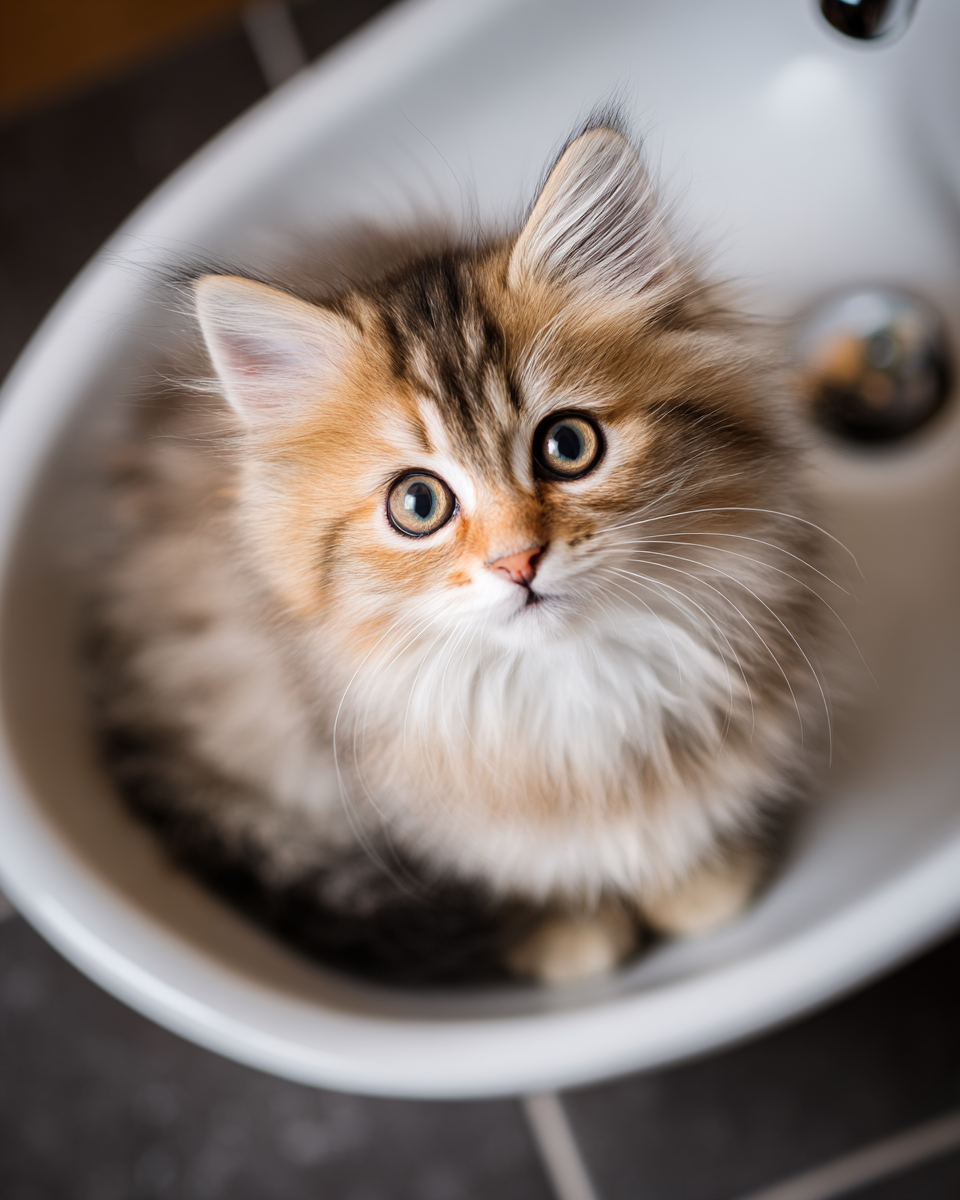
History & Origin of the RagaMuffin
The RagaMuffin is one of the newest pedigreed cats in the CFA world, but its history is deeply tied to the original IRCA Ragdolls created by Ann Baker in the 1960s. When disagreements arose among early breeders, several IRCA lines split away and continued developing their cats under a new name — the “RagaMuffin.”
While the cats carried much of the gentle temperament and heavy bone of the original Ragdoll, the breeders who stayed with the RagaMuffin worked toward a cat with:
- a more rounded muzzle
- a walnut-shaped eye
- a shorter nose with a defined nose dip
- a thicker, plushier coat
- a broader color and pattern range
These early breeders introduced limited, controlled outcrosses (including Persians, Himalayans, and domestic longhairs) to strengthen genetic diversity and establish predictable type.
Today, the RagaMuffin is a fully recognized CFA breed, with a clearly defined standard and strict pedigree requirements — but still confused frequently with non-pedigreed Ragdoll mixes.
RagaMuffin Breed Recognition
Recognized by CFA
CFA is the main and most authoritative registry for purebred RagaMuffins.
CFA requires three generations of documented RagaMuffin lineage for a kitten to be registered and shown.
TICA: Not Recognized for Championship
TICA does not recognize the RagaMuffin for championship status and registers Ragdoll crosses as “foundation RagaMuffins.”
This means a TICA-only “RagaMuffin” may not actually be a purebred cat.
Other Registries Accepting RagaMuffins
- ACFA
- GCCF (UK)
- CCA-AFC (Canada)
- WCF (Europe)
These registries also require strict multi-generation pure RagaMuffin pedigrees.
For buyers:
A real RagaMuffin kitten should be CFA-registered or dual-registered with another registry that recognizes the breed officially.
If someone claims a RagaMuffin is “TICA only,” that is a major red flag.
RagaMuffin Kittens for Sale — What to Expect
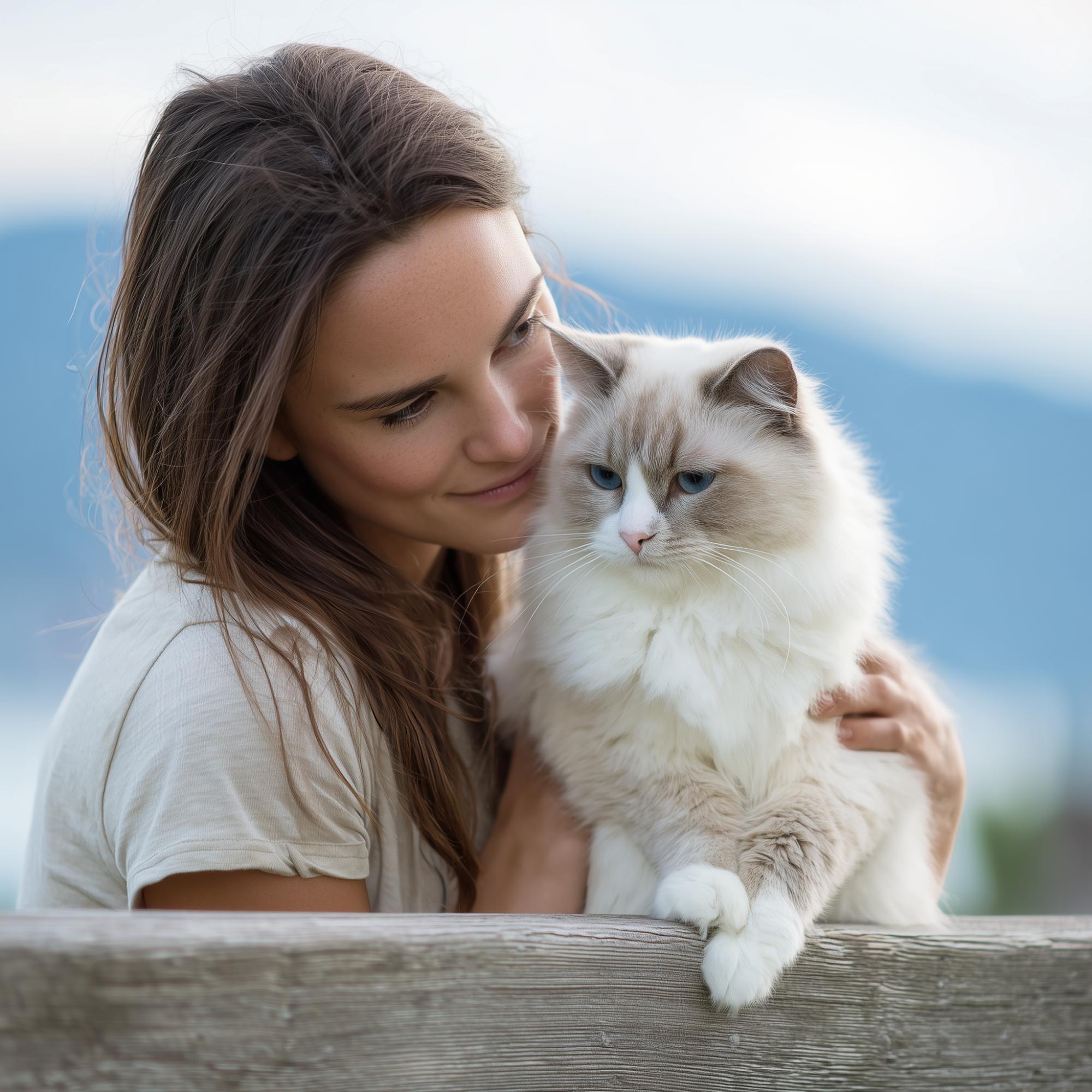
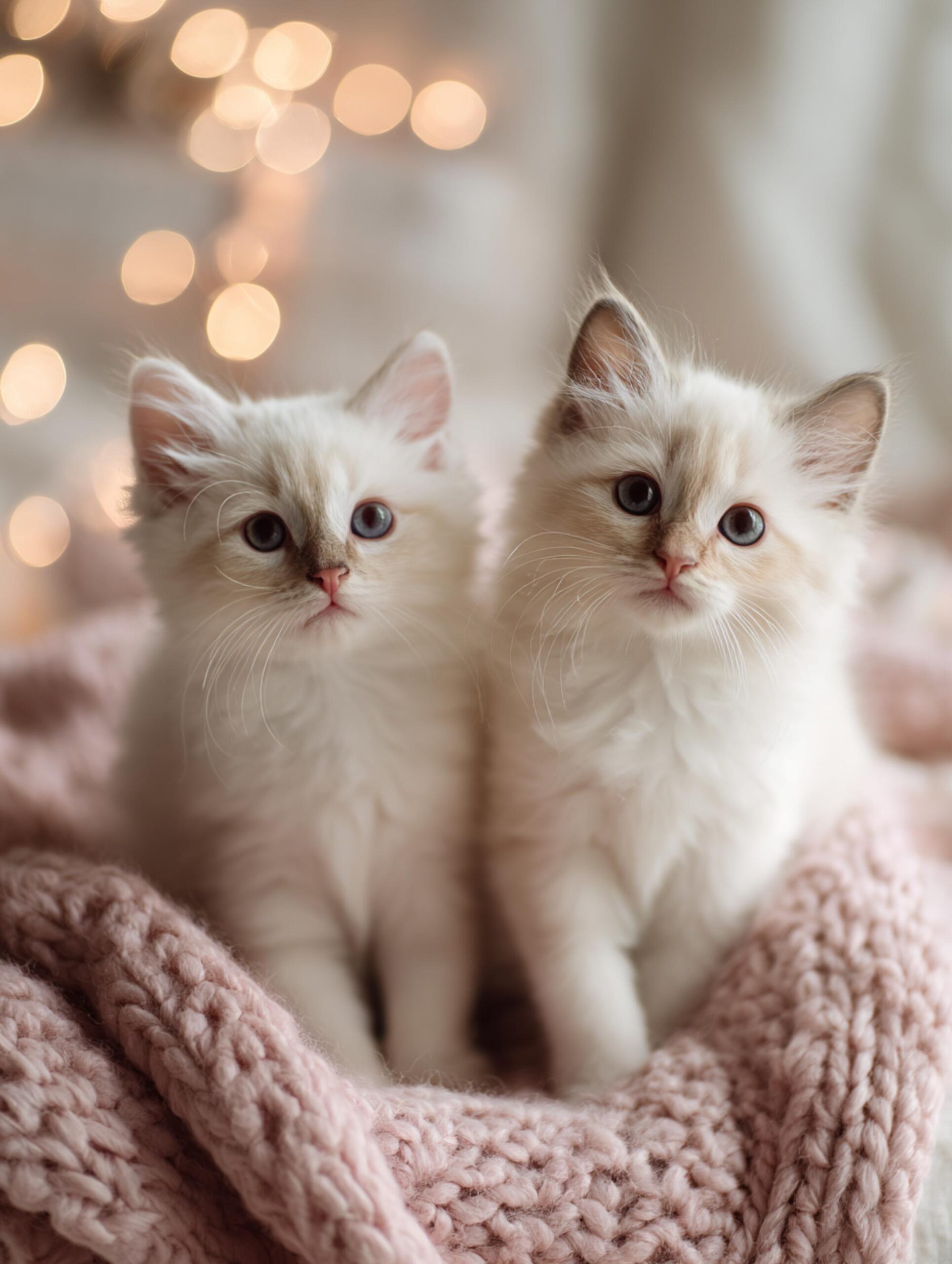
RagaMuffin kittens are beloved for their plush coats, soft expressions, and famously gentle, cuddly temperaments. They fit beautifully into family homes, quiet homes, and multi-pet households due to their mellow, affectionate, people-oriented nature.
Typical RagaMuffin Kitten Qualities
- Sweet, cuddly, very affectionate
- Carried around like a “teddy bear”
- Low prey drive compared to athletic breeds
- Social, people-focused, friendly to strangers
- Excellent with calm children and seniors
- Very adaptable, quiet, and patient
- Plush, bunny-like coat that rarely mats
They are known as “the sweethearts of the cat world” — and their temperament is often more predictable than Ragdolls because CFA requires strict lineage documentation.
RagaMuffin Kitten Appearance
The RagaMuffin’s look is extremely distinctive once you know what to watch for. Unlike Ragdolls (long nose, oval eyes, pointed colors), RagaMuffins have:
Key Features
- Walnut-shaped eyes (large, open, expressive)
- Shorter nose with a visible nose dip
- Full cheeks and rounded muzzle
- Substantial bone, heavier body
- Plusher, thicker coat than a Ragdoll
- Extremely soft mid-length fur
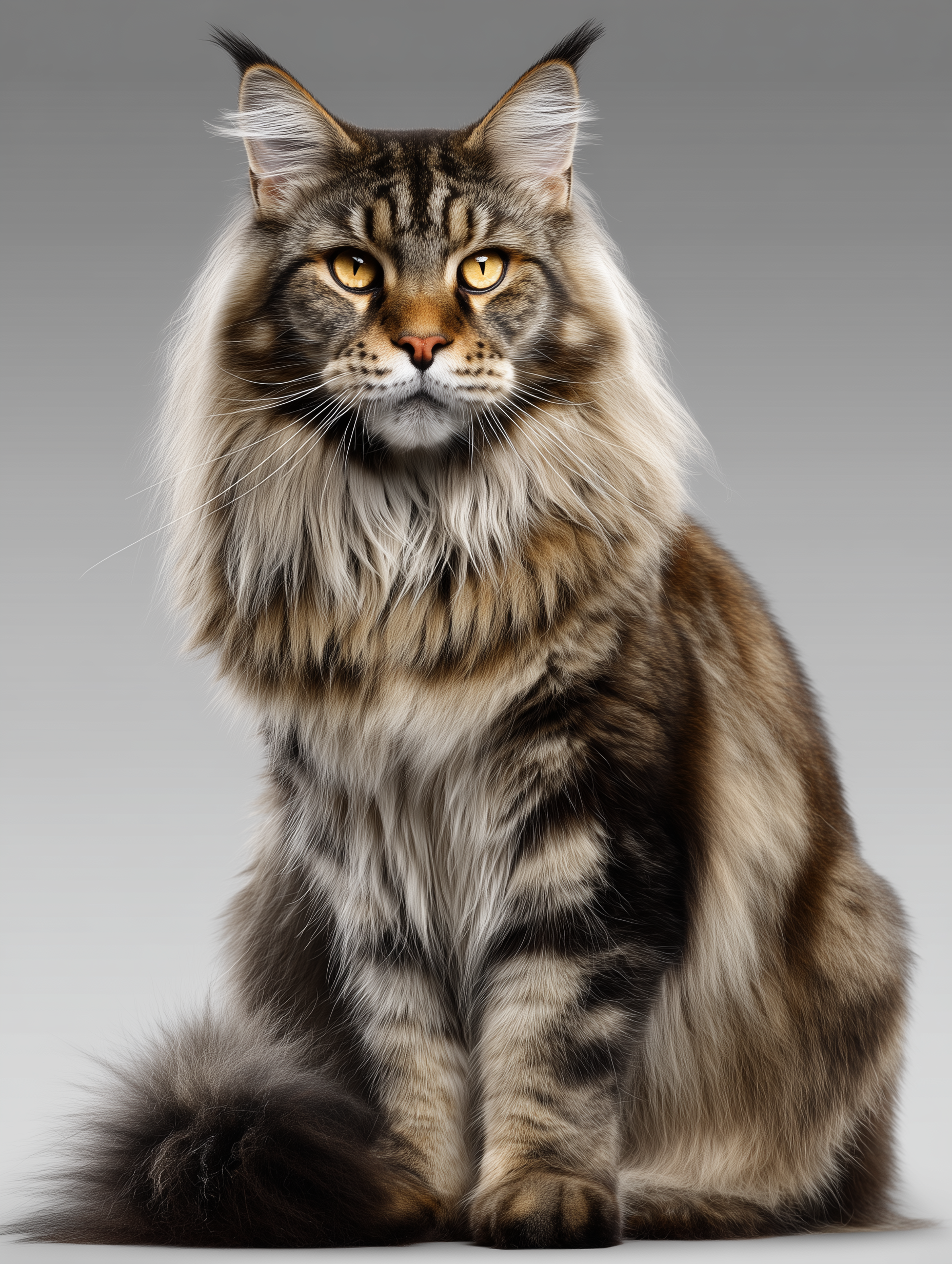
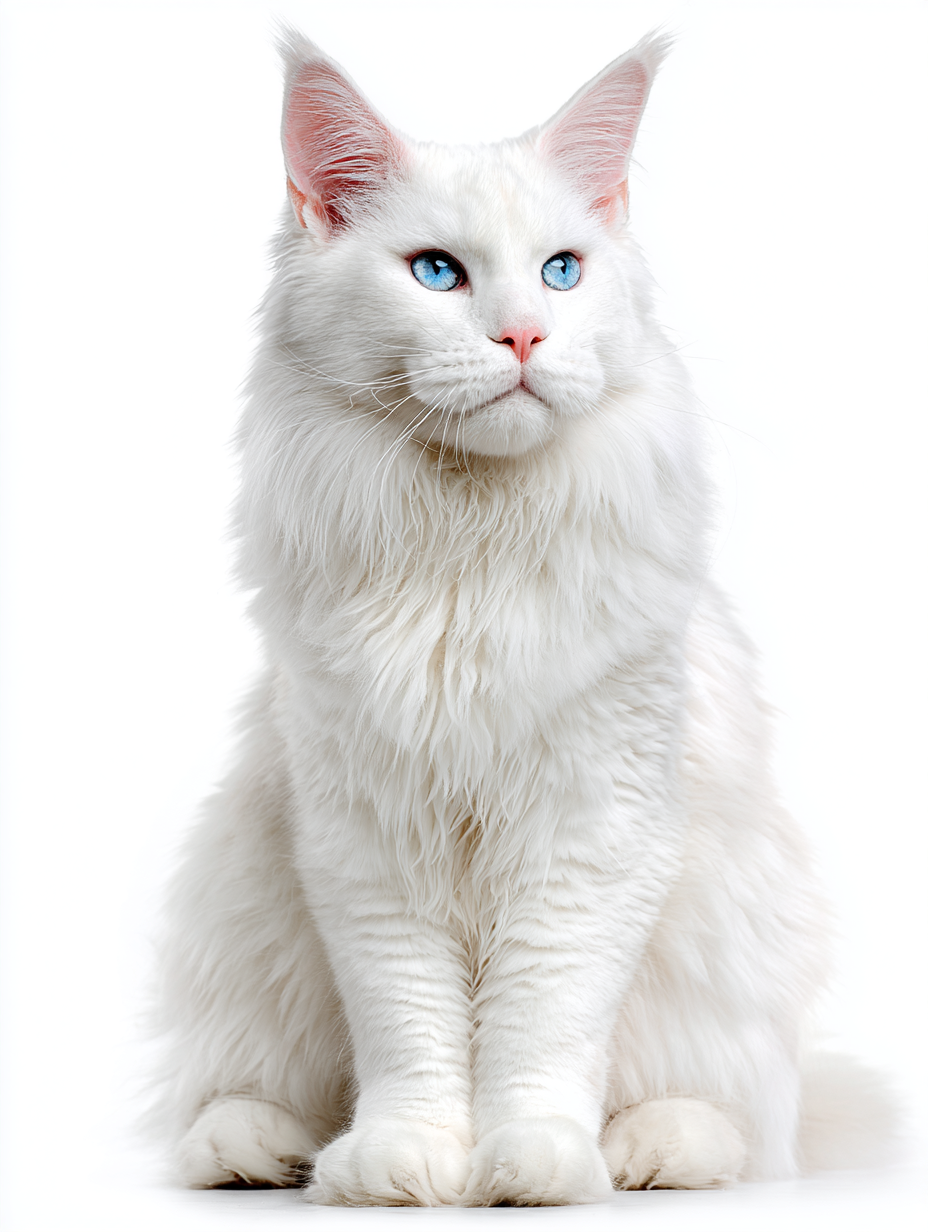
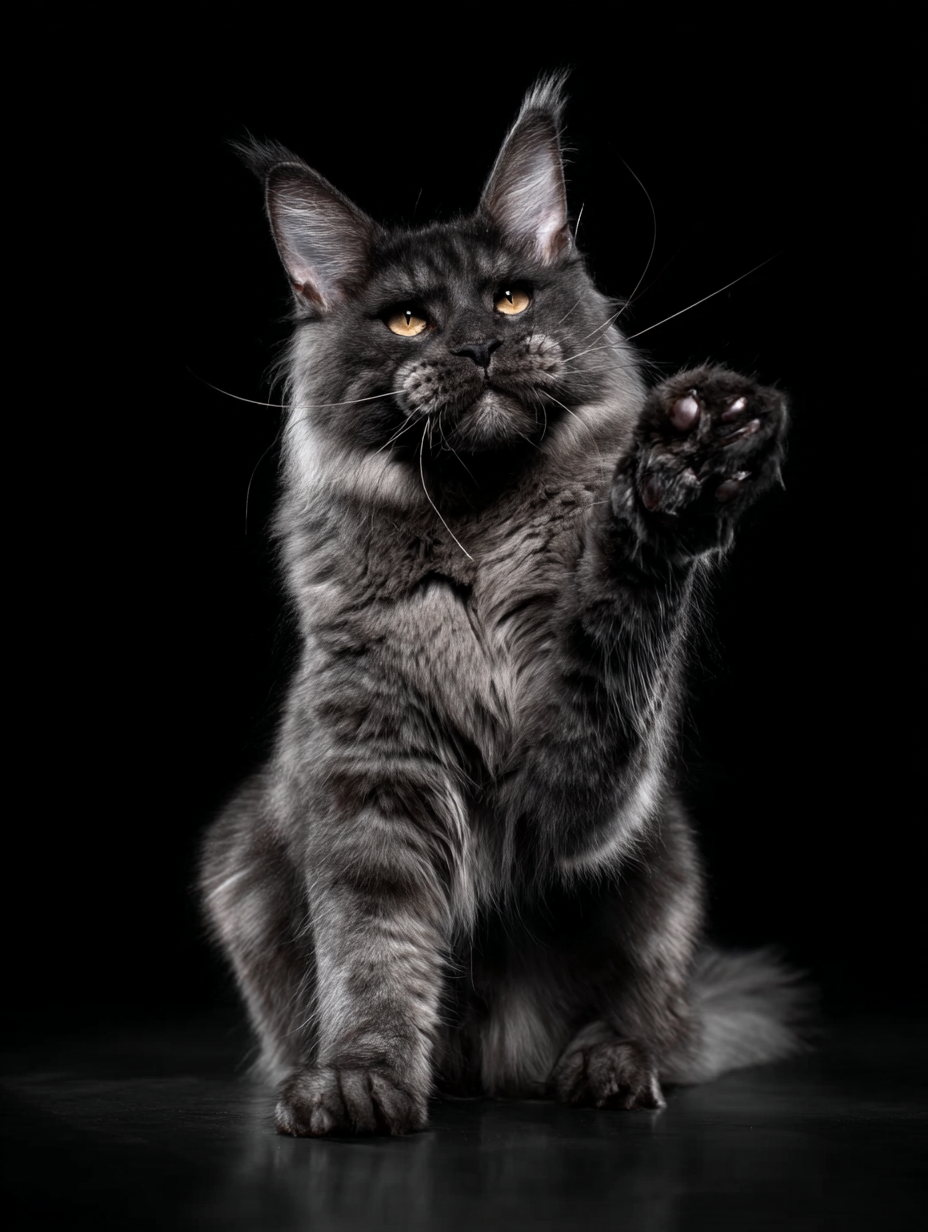
- Wide variety of colors and patterns (including non-pointed)
Their coats drape differently than Ragdolls and feel more “rabbit-soft” and fluffy rather than silky.
Important note:
Because they come in every color and pattern, scammers often label any sweet longhair as a “RagaMuffin” even if it has no pedigree.
RagaMuffin Kitten Colors
Unlike Ragdolls, RagaMuffins are not restricted to pointed patterns.
They can appear in:
- Solids
- Bicolors
- Minks
- Sepias
- Shaded
- Silver
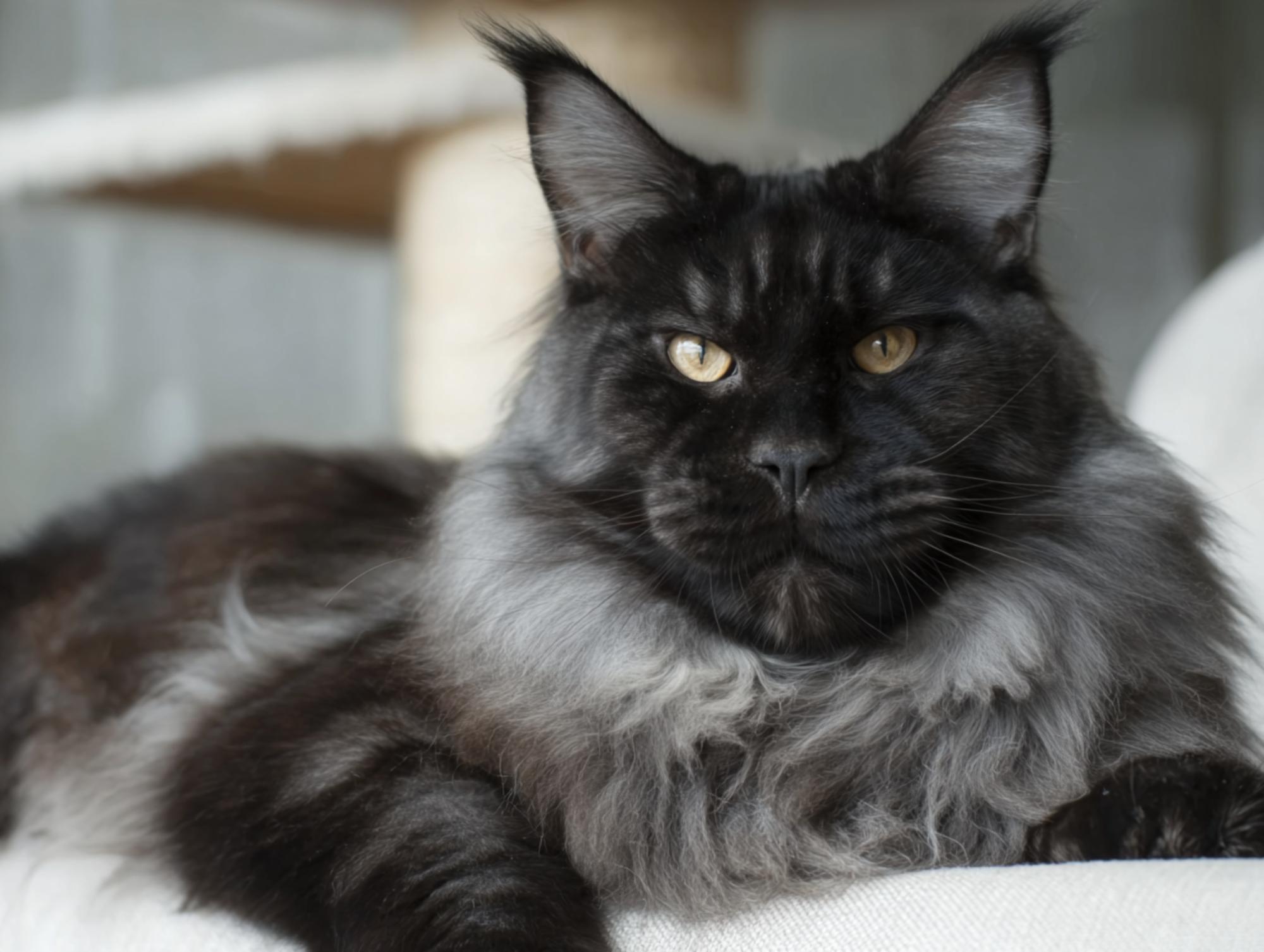
- Smoke
- Vans
- Tabbies
- Tortoiseshell
- Reds & creams
- Blues, lilacs, chocolates, cinnamons
This broad palette is one reason they are frequently misrepresented — many longhair mixes look superficially similar.
Are RagaMuffin Kittens Good Family Pets?
Absolutely. RagaMuffins are one of the best breeds for families due to their:
- tolerant temperament
- soft and quiet nature
- low activity level
- gentle, patient handling
- love of people and companionship
They are not typically destructive, not hyper, and not demanding.
Their personalities stay calm from kittenhood into adulthood.
However — they are not suitable for buyers seeking high-energy, athletic, or vocal cats. They’re the opposite of Bengals, Siamese, or Orientals.
RagaMuffin Kitten Price: How Much Do RagaMuffin Kittens Cost?
RagaMuffin kittens range widely in price depending on pedigree, registration, color, and breeding quality. Because this is a CFA-recognized breed with stricter lineage requirements than Ragdolls, the cost reflects the difficulty of producing true multi-generation RagaMuffins.
Typical RagaMuffin Kitten Price Range
- Pet Quality: $1,500–$3,000
- Show Quality: $3,000–$5,000+
- Rare Colors (chocolate, lilac, silver, sepia): $3,500–$6,000
- Retired Adults: $300–$800
Why RagaMuffins Are Expensive
- Limited number of legitimate CFA breeders
- Three-generation pedigree requirement
- High cost of cardio/health testing
- Plusher coats and heavier bone require careful pairing
- More complex outcross rules in certain registries
Red Flags for Low Prices
If you see “RagaMuffin kittens” for:
- $300–$900
- TICA-only registered
- No pedigree provided
- Only pointed kittens available
- All kittens are the same color
…it is almost certainly a Ragdoll mix, not a RagaMuffin.
A legitimate RagaMuffin breeder will never hide parent photos, refuse lineage documentation, or sell kittens at “bargain prices.”
RagaMuffin Kitten Personality & Temperament
The RagaMuffin temperament is one of the biggest reasons buyers fall in love with the breed. They are famously gentle, extremely affectionate, and known for their patient, laid-back nature.
What RagaMuffin Kittens Are Like
- Quiet, sweet, and highly social
- Enjoy being picked up and carried
- Follow their people from room to room
- Love gentle children and relaxed households
- Not demanding or needy
- Happy to sit on laps, nap near you, or be held like a baby
They are sometimes compared to “living teddy bears” because of their calm demeanor and willingness to be cuddled.
How They Compare to Ragdolls
RagaMuffins tend to be:
- Slightly more rounded in facial structure
- More plush-coated
- More tolerant of handling
- More open to strangers
- Less vocal
- More adaptable to change
Temperament is remarkably consistent across the breed due to strict CFA pedigree standards.
Coat Care, Grooming & Shedding
RagaMuffins have a mid-length, ultra-plush, bunny-soft coat, which is one of their most desirable features. Unlike many longhaired breeds, their fur is designed to resist tangles.
How Much Do They Shed?
Shedding levels are moderate and occur mostly seasonally. Their coat is easier to manage than a Persian or Himalayan coat, but fuller and thicker than a Ragdoll’s.
Grooming Recommendations
- Brush 1–2× per week using a slicker or metal comb
- Increase brushing during spring/fall shedding
- Trim nails every 2–3 weeks
- Clean ears gently as needed
- Optional grooming sprays can enhance shine
Their coat is low-maintenance for a longhaired cat, making them ideal for first-time longhair owners.
RagaMuffin Kitten Health: What Buyers Need to Know
RagaMuffins are generally healthy cats, but buyers should be aware of the breed’s foundations and potential health considerations.
Potential Health Concerns
- Hypertrophic Cardiomyopathy (HCM): screening recommended
- PKD (rare today): mostly eliminated in reputable lines
- Obesity: breed can be food-driven
- Joint strain: due to their heavy bone
The breed benefits enormously from controlled outcrosses (allowed only in certain registries) to maintain genetic diversity.
Healthy Breeders Will Provide:
- HCM screening on parents
- DNA testing when relevant
- Vaccination records
- Parasite prevention
- 1–2 year health guarantee
- CFA registration showing multi-generation lineage
A real RagaMuffin breeder is always transparent about genetic health and pedigree.
Why Pedigree Matters: Avoiding RagaMuffin Mixes & Scams
The RagaMuffin breed faces more scams than many others because so many longhaired domestic mixes resemble them superficially.
Buyers must understand that many cats advertised online as “RagaMuffins” are simply:
- Ragdoll mixes
- Persian mixes
- Domestic longhairs
- Cats mislabeled for a higher sale price
The Most Common Scam
Sellers claiming:
“TICA-registered RagaMuffin kittens.”
TICA does not recognize the breed for championship.
TICA registers Ragdoll crosses as “foundation RagaMuffins,” which means the cats can be 50–100% Ragdoll and only vaguely resemble a true RagaMuffin.
What a Real RagaMuffin Pedigree Looks Like
A legitimate RagaMuffin should be:
- Registered with CFA, ACFA, GCCF, CCA-AFC, or WCF
- Traced back three generations with only RagaMuffin ancestors
- From a breeder who openly discusses outcross rules and lineage
If a Seller Can’t Provide Pedigree Proof:
The kitten is not a purebred RagaMuffin.
This is one of the biggest buyer traps in the cat world.
How to Choose a Responsible RagaMuffin Breeder
A good breeder will:
- Provide CFA registration
- Show pedigree documentation
- Offer health guarantees
- Allow you to see parents
- Perform kitten temperament evaluations
- Socialize kittens in-home
- Raise kittens on high-quality food
- Be transparent about lineage, color genetics, and breed development
A bad breeder will:
- Sell “cheap” RagaMuffins
- Offer TICA-only registration
- Hide pedigree information
- Refuse to explain breed history
- Have multiple litters year-round
- Deny known breed differences between Ragdolls and RagaMuffins
What You Should Expect in a Kitten Contract
- Spay/neuter requirement
- Health guarantee
- Return policy
- Proof of vaccinations
- Proof of registration
The more transparent the breeder is, the more likely the kitten is a true RagaMuffin.
RagaMuffin Kitten Colors & Rare Varieties
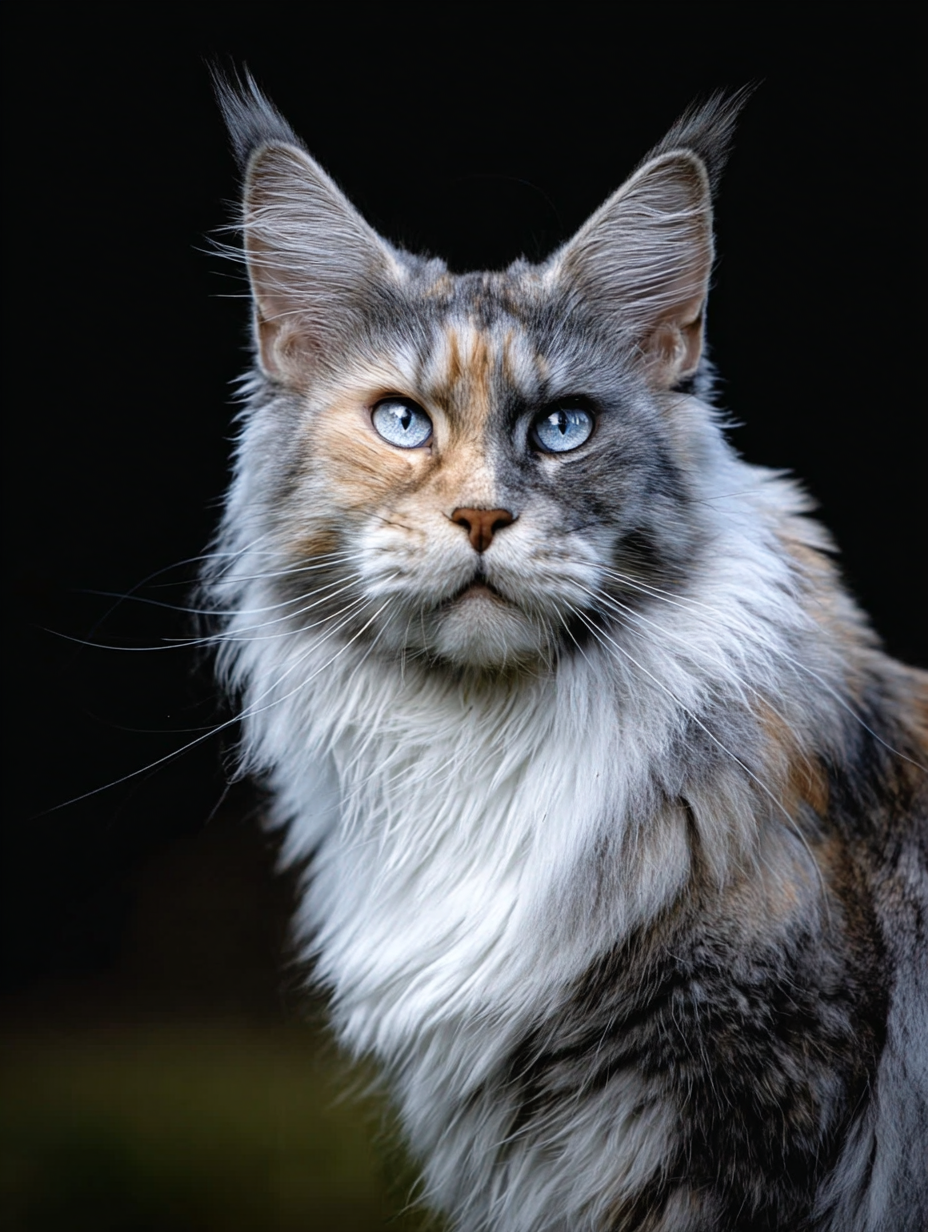
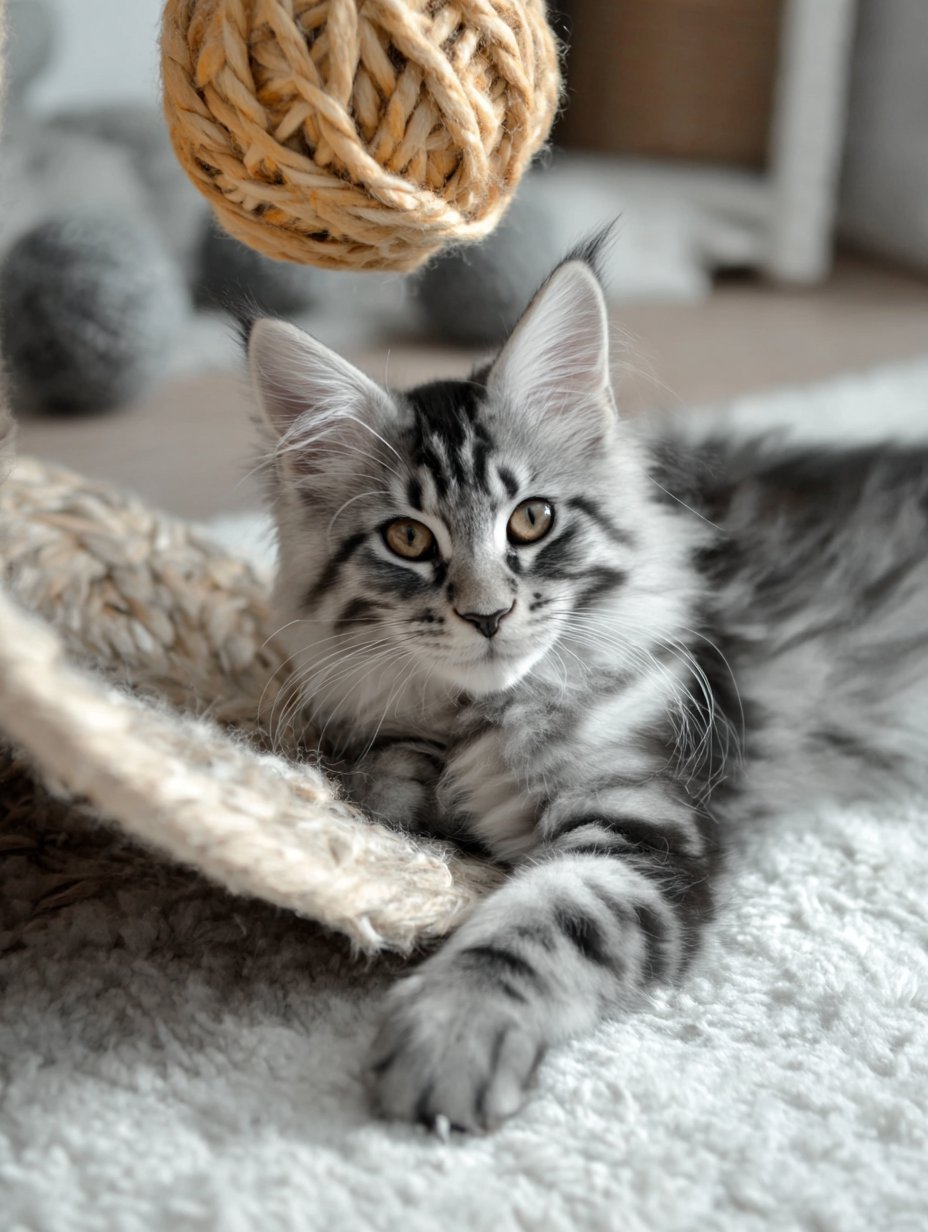
One of the defining features of the RagaMuffin breed is its extraordinary color diversity. Unlike Ragdolls, which are limited to pointed patterns, RagaMuffins come in almost every coat color and pattern imaginable. This wide palette is part of what makes the breed so visually striking — and also why so many scammers mislabel random longhair kittens as “RagaMuffins.”
Common RagaMuffin Colors
- Blue
- Black
- Red
- Cream
- Brown tabby
- Blue tabby
- Tortoiseshell
- Calico
- Bicolor
Less Common Colors
- Lilac
- Chocolate
- Cinnamon
- Fawn
These lines are more difficult to produce ethically, and prices may be higher.
Rare & Highly Desired Varieties
- Silver (blue silver, black silver, red silver, chinchilla silver)
- Smoke (black smoke, blue smoke, cream smoke)
- Sepia
- Mink
- Shaded (silver shaded, gold shaded)
Rare colors like chocolate, lilac, sepia, or silver-smoke RagaMuffins can easily command $3,500–$6,000+, especially from CFA-registered breeders who have invested decades into maintaining healthy color lines.
Important note for buyers:
Many “rare-colored RagaMuffins” online are simply Persian or Ragdoll mixes.
CFA pedigree verification is essential.
RagaMuffin vs Ragdoll: What’s the Difference?
This is one of the most common questions buyers ask, and it’s not surprising — both breeds share historical roots, gentle temperaments, and similar coat lengths. But the differences are distinct and noticeable once you understand them.
Appearance Differences
RagaMuffin
- Full, rounded muzzle
- Shorter nose with clear dip
- Walnut-shaped eyes (more open, sweeter expression)
- Wider color palette (including non-pointed)
- Plushier, denser coat
Ragdoll
- Longer nose; straight profile
- Oval eyes
- Only pointed or mink/sepia variants
- Silky, flowing coat
Temperament Differences
Both breeds are gentle and affectionate.
But:
- RagaMuffins are more adaptable, easygoing, and often lap-friendly.
- Ragdolls may be slightly more independent, less tolerant of frequent handling, and more structured.
Pedigree Differences
- CFA recognizes RagaMuffins with strict pedigree rules.
- TICA recognizes Ragdolls and does not offer championship recognition for RagaMuffins.
This leads to the biggest buyer mistake:
A TICA “RagaMuffin” is usually a Ragdoll mix — not a real RagaMuffin.
What RagaMuffin Kittens Are Like in the First 12 Weeks
RagaMuffin kittens are famously sweet from birth, but their first 12 weeks play a major role in personality, confidence, and future adaptability.
0–4 Weeks
- Eyes open early
- Very calm temperament
- Begin bonding quickly with humans
- Develop quiet social cues
4–8 Weeks
- Become highly affectionate
- Start following humans
- Purring becomes consistent
- Litter training begins
- Socialization with siblings is essential
8–12 Weeks
- Coat becomes noticeably plusher
- Personalities “set in” — soft, cuddly, people-oriented
- Learn gentle handling, grooming, and home routines
- Ideal adoption age: 12–14 weeks for emotional development
A well-raised RagaMuffin from a reputable breeder will already feel like a “calm, velvety teddy bear” by 12 weeks.
Home Setup for a RagaMuffin Kitten
Because RagaMuffins are mellow and affectionate, setting up your home properly helps them transition smoothly and maintain their signature peaceful temperament.
Essential Supplies
- Low-sided litter box for easy entry
- High-quality kitten food (wet + dry)
- Scratching posts with soft textures
- A quiet initial setup room
- Plush beds (they love soft surfaces)
- Gentle grooming tools
- Water fountains or fresh bowls
What RagaMuffins Need Emotionally
- Predictable routines
- Soft-speaking households
- Calm introductions
- Frequent holding and gentle petting
- A lot of closeness and companionship
Not Recommended For
- High-energy homes
- Homes that want athletic or high-drive cats
- People who travel constantly
- Environments with rough handling or loud pets
RagaMuffins thrive on gentle social connection and will follow their people everywhere if they feel safe.
Red Flags When Buying a RagaMuffin Kitten
Because RagaMuffins are often misrepresented, buyers need to know the most common signs of scams or low-quality breeders.
Major Red Flags
- TICA-only registration (“RagaMuffin” is not championship-recognized in TICA)
- No pedigree provided
- All-pointed kittens (usually Ragdoll mixes)
- Kittens under $1,000
- Refusal to show parents or registration
- Dozens of kittens available year-round
- “Teacup RagaMuffin” (fake)
- Claims the breed is hypoallergenic (false)
- No contract or health guarantee
- No HCM testing
The Tica Ragamuffin Pedigree Scam
“RagaMuffin kittens for sale — TICA registered without pedigrees.”
Translation: Ragdoll mix.
If a breeder produces real RagaMuffins, they can show you:
- CFA papers
- multi-generational RagaMuffin pedigrees
- proper type in both parents
Anything less is not the real breed.
RagaMuffin Kitten FAQ
Are RagaMuffin kittens real purebred cats or just Ragdoll mixes?
RagaMuffins are a real, fully recognized purebred cat under CFA, ACFA, GCCF, WCF, and CCA-AFC. They originated from IRCA Ragdoll lines but developed into a separate breed with different type, structure, and temperament. Where confusion arises is TICA: TICA does not recognize the RagaMuffin for championship, and therefore registers Ragdoll crosses as “foundation RagaMuffins.” This leads to tons of mislabeled kittens. A true RagaMuffin should always come with CFA registration and a multi-generation pedigree proving all ancestors are RagaMuffins.
Why are RagaMuffins confused with Ragdolls?
Because the breeds share early ancestry, both are large, affectionate longhairs with gentle personalities. However, RagaMuffins have a shorter nose, walnut-shaped eyes, a thicker, plushier coat, and a broader color range. Ragdolls are restricted to pointed patterns, while RagaMuffins come in nearly every color and pattern. Many sellers misuse the name “RagaMuffin” for any fluffy kitten, especially on TICA pedigree shortcuts, which adds to the confusion.
What is the difference between a RagaMuffin and a Ragdoll?
Ragdolls have a longer nose, straighter profile, oval eyes, and a silky coat. RagaMuffins have a more teddy-bear face, a shorter nose with a dip, a rounder head, a significantly plushier coat, and a calmer, softer temperament. RagaMuffins are also allowed in far more colors — solids, tabbies, torties, bicolors, silvers, smokes, sepia, and mink — whereas Ragdolls are always pointed, mink, or sepia.
Are RagaMuffins good family pets?
Yes. RagaMuffins are one of the most family-friendly cat breeds in the world. They are patient, affectionate, quiet, and exceptionally tolerant with children. They enjoy being held, carried, and cuddled—rare traits in the cat world. Their low prey drive makes them safe around seniors and gentle dogs.
Are RagaMuffin kittens cuddly?
Extremely. RagaMuffins are known as “teddy bear cats” because they relax completely when picked up and love being held. They enjoy staying close to their people and often follow family members from room to room.
Do RagaMuffin kittens need a lot of exercise?
No. They are a calm, low-to-moderate activity breed. They enjoy playtime but are not high-energy or destructive. Wand toys, feather teasers, and 10–15 minutes of daily play keep them satisfied.
How big do RagaMuffins get?
Females typically reach 10–15 pounds, while males average 12–20 pounds. They grow slowly and may continue filling out until 3–4 years old. Their substantial bone and body mass are part of the breed’s charm.
Do RagaMuffins shed a lot?
They shed moderately, mainly in seasonal cycles. Their coat is plush and full, but surprisingly low-maintenance for a longhair cat. Weekly brushing keeps shedding controlled and prevents loose undercoat buildup.
Do RagaMuffins have a high-maintenance coat?
No. Their coat is thick and luxurious but resistant to matting. Routine weekly brushing is enough for most cats. Their fur is designed to stay soft and plush without heavy grooming demands.
Are RagaMuffins hypoallergenic?
No breed is truly hypoallergenic, including the RagaMuffin. While their coat produces less dander than some breeds, anyone with allergies may still react. Meeting the kitten and discussing allergies with the breeder is important.
Do RagaMuffins get along with dogs?
Generally, yes. Because they are calm, social, and tolerant, RagaMuffins pair well with well-mannered dogs. Their gentle nature makes them ideal for multi-pet households, as long as introductions are gradual and respectful.
How long do RagaMuffins live?
The typical lifespan is 12–18+ years, with many healthy, pedigree RagaMuffins reaching their late teens. Good genetics, indoor living, proper diet, and routine veterinarian care contribute to longevity.
Are RagaMuffins healthy cats?
Yes, overall. Controlled outcrosses used early in the breed helped maintain genetic diversity. Reputable breeders screen for HCM and occasionally PKD. Most health risks in RagaMuffins are preventable with proper breeding and routine checkups.
Do RagaMuffins have any known genetic issues?
The two main concerns are hypertrophic cardiomyopathy (HCM) and, less commonly today, polycystic kidney disease (PKD). These are generally managed through responsible breeding. Obesity can also be an issue due to their mellow nature.
Are RagaMuffins expensive?
Purebred RagaMuffin kittens typically cost:
- $1,500–$3,000 for pet quality
- $3,000–$5,000+ for show or rare colors
Kittens priced below $1,000 are almost always mixes or scams.
Why are some “RagaMuffin” kittens so cheap?
Cheap kittens are almost always:
- Ragdoll mixes
- Domestic longhairs
- TICA-only “foundation RagaMuffins”
- Not CFA registered
- Produced by backyard breeders
Real RagaMuffins require lineage documentation and cost more due to strict pedigree requirements.
What colors do RagaMuffins come in?
Almost every color and pattern exists in the breed, including:
- solids
- torties
- bicolors
- tabbies
- calicos
- minks
- sepias
- silver and smoke
- shaded
This is one of the broadest color ranges of any longhair breed.
Do RagaMuffins need a special type of home?
They thrive in calm, loving households where they can be near their people. They do not require high-energy environments and are not suitable for extremely busy or chaotic homes where they may feel overwhelmed.
Are RagaMuffins good with kids?
Yes. Their patience, calm energy, and tolerance make them one of the best breeds for respectful children. They do not startle easily and enjoy being held gently.
Do RagaMuffins like to be held?
Yes. They are uniquely comfortable being held, carried, cradled like a baby, or resting on laps. Many will go limp in your arms, similar to the Ragdoll temperament.
How can I tell if a kitten is a real RagaMuffin?
A real RagaMuffin must have:
- CFA registration
- Three generations of RagaMuffin-only ancestors
- Proper breed type (rounded features, walnut eyes, plush coat)
- Documentation from an established cattery
Anything TICA-only or lacking lineage is a Ragdoll mix.
What questions should I ask a RagaMuffin breeder?
Ask for:
- CFA registration
- Pedigree copies
- Parent photos
- HCM testing proof
- Kitten vet records
- Spay/neuter agreement
- Health guarantee
Ethical breeders provide everything without hesitation.
Do RagaMuffins travel well?
Yes. Their calm demeanor helps them handle travel better than high-energy breeds. That said, proper acclimation and a secure carrier are important.
Are male or female RagaMuffins better?
Both genders have similar temperaments—sweet, affectionate, and laid-back. Males may be slightly more attention-seeking, while females may be more reserved, but these differences are mild and vary by individual.
Are RagaMuffins good apartment cats?
Yes. Their quiet nature, low exercise needs, and affectionate temperament make them excellent apartment cats. They are not loud, destructive, or high-climbing like active breeds.
Should I choose a RagaMuffin or a Ragdoll?
Choose a RagaMuffin if you want:
- More color choices
- A rounder teddy-bear look
- A plusher coat
- A kitten raised under strict CFA lineage rules
Choose a Ragdoll if you prefer a pointed cat and a silkier coat.
Choose a Healthy, Ethical, Fully Registered Kitten
If you love the soft, affectionate temperament of the RagaMuffin but want a fully registered, ethically bred kitten with predictable health and temperament, explore our kittens at Almonte Cats.
Our kittens are:
- CFA or dual-registered
- Raised in-home with structured socialization
- From health-tested, carefully selected lines
- Handled daily for confident, affectionate temperaments
- Guaranteed with transparent paperwork and support
Whether you’re drawn to plush longhairs like RagaMuffins, or prefer the iconic teddy-bear look of the British Shorthair, we offer kittens raised with the highest standards of care.
More Cat Articles from Almonte Cats
- Why You Need a Golden British Shorthair
- RagaMuffin Lifespan: How Long Do They Live?
- RagaMuffin vs Ragdoll Comparison
- How to Spot Fake “RagaMuffin” Kitten Scams
- British Shorthair vs Ragdoll Cats
Sources & Veterinary References
- The International Cat Association (TICA) – British Shorthair Breed Standard
https://tica.org/breeds/breed-standards/british-shorthair-bs - Cat Fanciers’ Association (CFA) – British Shorthair Breed Profile
https://cfa.org/british-shorthair/ - Cornell Feline Health Center – General Feline Longevity & Senior Care
https://www.vet.cornell.edu/departments-centers-and-institutes/cornell-feline-health-center - American Association of Feline Practitioners – Senior Cat Care Guidelines (AAFP)
https://catvets.com/guidelines - Royal Veterinary College – Longevity & Causes of Death in Cats Study
https://www.rvc.ac.uk/vetcompass - National Library of Medicine – Longevity & Mortality in Domestic Cats (Peer-Reviewed Study)
https://pubmed.ncbi.nlm.nih.gov/30730974/ - American Veterinary Medical Association – Cat Health & Indoor vs Outdoor Safety
https://www.avma.org/resources/pet-owners/petcare/cats-and-outdoors - ASPCA – Indoor Cat Life Expectancy & Safety
https://www.aspca.org/pet-care/cat-care - Wisdom Panel / Optimal Selection – Feline Genetic Health Overview
https://www.wisdompanel.com/en-us/cat - PawPeds – British Shorthair Health Program & Genetic Guidance
https://www.pawpeds.com/cms/index.php/en/ - American College of Veterinary Nutrition (ACVN)
https://acvn.org/ - PetMD – Senior Cat Nutrition & Lifespan Health
https://www.petmd.com/cat





Read the Comments +