
Siberian Kittens for Sale: What to Know Before You Buy
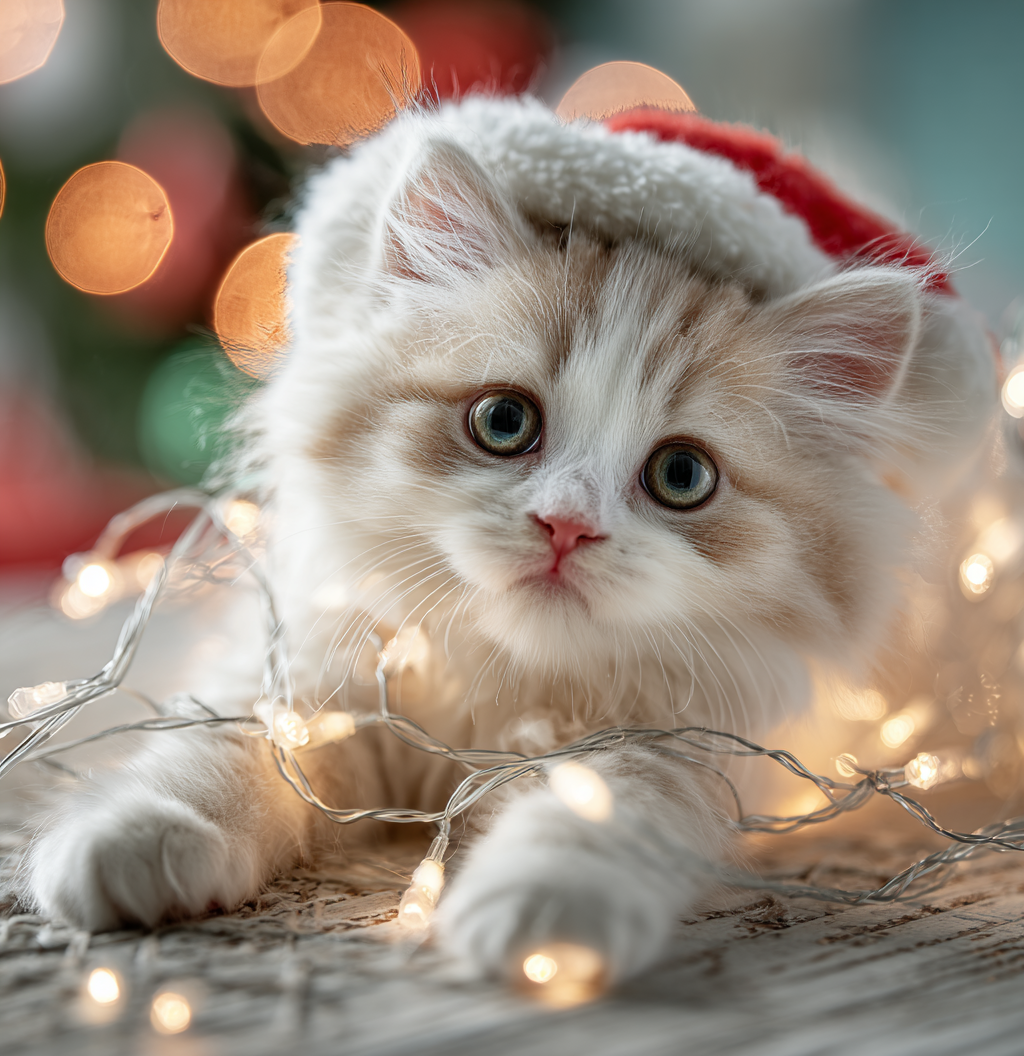
Siberian cats are one of the oldest natural breeds in the world, originating from the cold forests of Russia. Known for their semi-long triple coat, expressive eyes, athletic build, and warm, affectionate temperament, Siberians combine beauty with surprising hardiness. They are often described as confident, sturdy, people-focused cats who enjoy companionship while remaining agile and playful well into adulthood.
Because Siberians developed naturally rather than through extreme selective breeding, they retain strong immune systems, healthy skeletal structure, and excellent overall balance. Families searching for a majestic, longhaired cat that is both robust and deeply social often gravitate toward the Siberian for its adaptability and even temperament.
This guide explains Siberian kitten personality, structure, grooming, health, color variations, pricing, registration considerations, and what to look for when choosing a responsibly bred Siberian kitten.
Siberian Kitten for Sale — Quick Overview
| Category | What to Expect |
|---|---|
| Breed | Siberian Cat |
| Temperament | Social, confident, people-oriented |
| Energy Level | Moderate to moderately high; playful and interactive |
| Family Compatibility | Excellent with children and multi-pet households when properly introduced |
| Grooming Needs | Moderate; regular brushing for dense triple coat |
| Allergy Considerations | Some allergy-sensitive individuals tolerate Siberians better; no cat is fully hypoallergenic |
| Health Focus | Health-tested parents; emphasis on heart health, weight management, and dental care |
| Socialization | Raised in-home with early handling and household exposure |
| Vet Care Before Go-Home | Age-appropriate vaccinations, health checks, parasite prevention |
| Go-Home Age | Typically 12–16 weeks (breed-appropriate development) |
| Indoor/Outdoor | Best suited for indoor homes |
| Ideal Homes | Families, professionals, multi-pet homes, first-time cat owners |
| Availability | Limited litters; advance planning recommended |
| Reservation Process | Application, approval, and reservation once a match is confirmed |
Searching for a Siberian Kitten?
Choosing the right Siberian starts with understanding the breed’s health, temperament, and care needs. See Available Kittens.
History & Origin of the Siberian Cat
The Siberian is Russia’s national cat and traces its lineage back over a thousand years. This breed developed through natural selection in the harsh climate of Siberia, where only the healthiest, strongest, and most structurally balanced cats could survive freezing winters, heavy snowfall, and rugged terrain.
Key Historical Points
- Documented in Russia as early as the 900s
- Farm cats, monastery cats, and forest cats contributed to the gene pool
- Introduced to the United States in the 1990s
- Quickly became known for robust health and luxurious coats
- Played a foundational role in developing the Neva Masquerade (pointed Siberian)
Because of their natural development rather than human-engineered features, modern Siberians retain remarkable vitality, intelligence, and environmental adaptability.
Siberian Breed Recognition & Registration
Siberians are fully recognized by major cat associations worldwide, and registration plays an important role in preserving the breed’s health, structure, and diverse coat colors.
Recognized By:
- TICA
- CFA
- WCF
- FIFe
- GCCF
Both traditional (full-color) Siberians and pointed Siberians (known as Neva Masquerade) are recognized, although certain registries separate them into different divisions.
Why Registration Matters
Registered Siberian kittens can be tracked through:
- verified pedigrees
- health-tested parentage
- proper color classification
- lineage free from unregulated mixing
Because Siberians are popular among families seeking a longhaired companion with robust health, registration ensures predictable traits and protection against misrepresented “Siberian mixes” commonly sold online.
Siberian Kitten Appearance & Breed Characteristics
Siberians have a distinctive look that sets them apart from other longhaired breeds like the Maine Coon, Norwegian Forest Cat, or Ragdoll. Their structure is powerful yet rounded, with a flowing semi-long coat.
Key Physical Traits
- Medium to large, muscular body
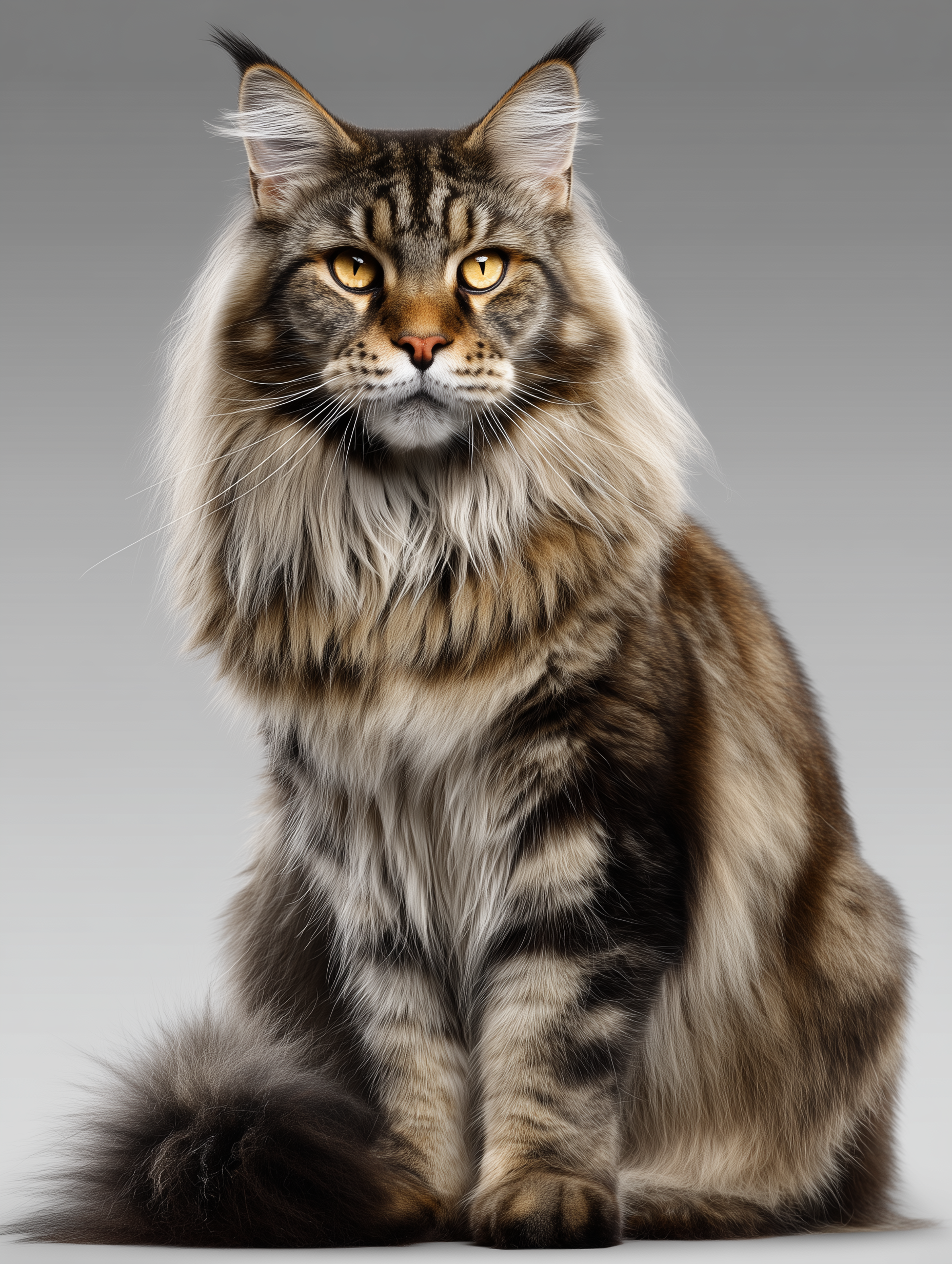
- Showy coat with triple layers (guard hairs, awn hairs, down)
- Broad, rounded head with gentle contours
- Large, oval eyes that appear expressive and alert
- Substantial bone and strong hindquarters
- Semi-long tail with heavy pluming
- Ear furnishings for cold protection
Coat Type
Siberians have a renowned triple coat, which varies seasonally:
- Thicker, denser, and longer in winter
- Lighter and softer in summer
It is not as mat-prone as Persian coats but still requires responsible maintenance to keep healthy.
Siberian Kitten Colors & Patterns
Siberians come in one of the largest natural color ranges of any breed. Their color diversity is one of their defining strengths.
Accepted Colors
- Brown tabby
- Black
- Blue
- Red
- Cream
- Silver
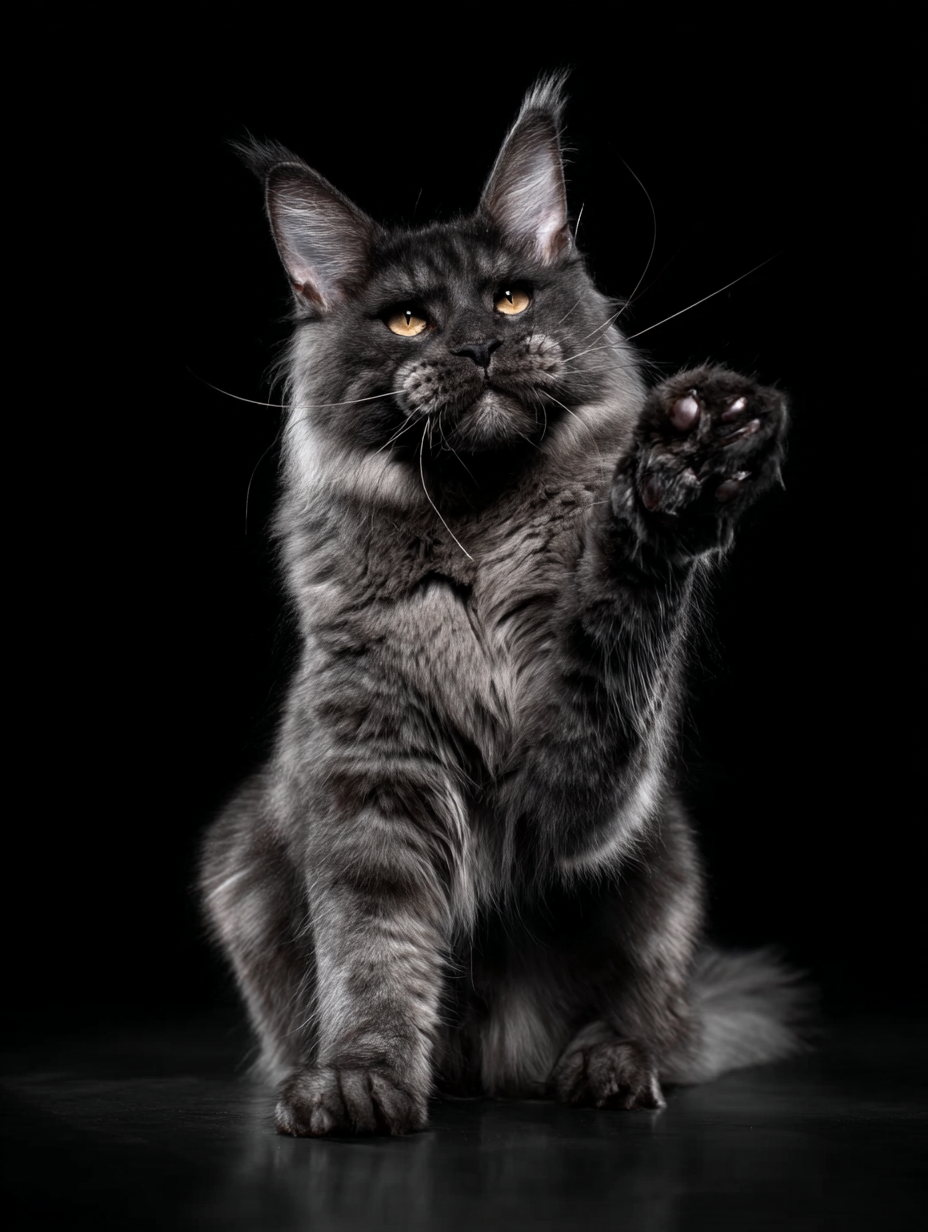
- Smoke
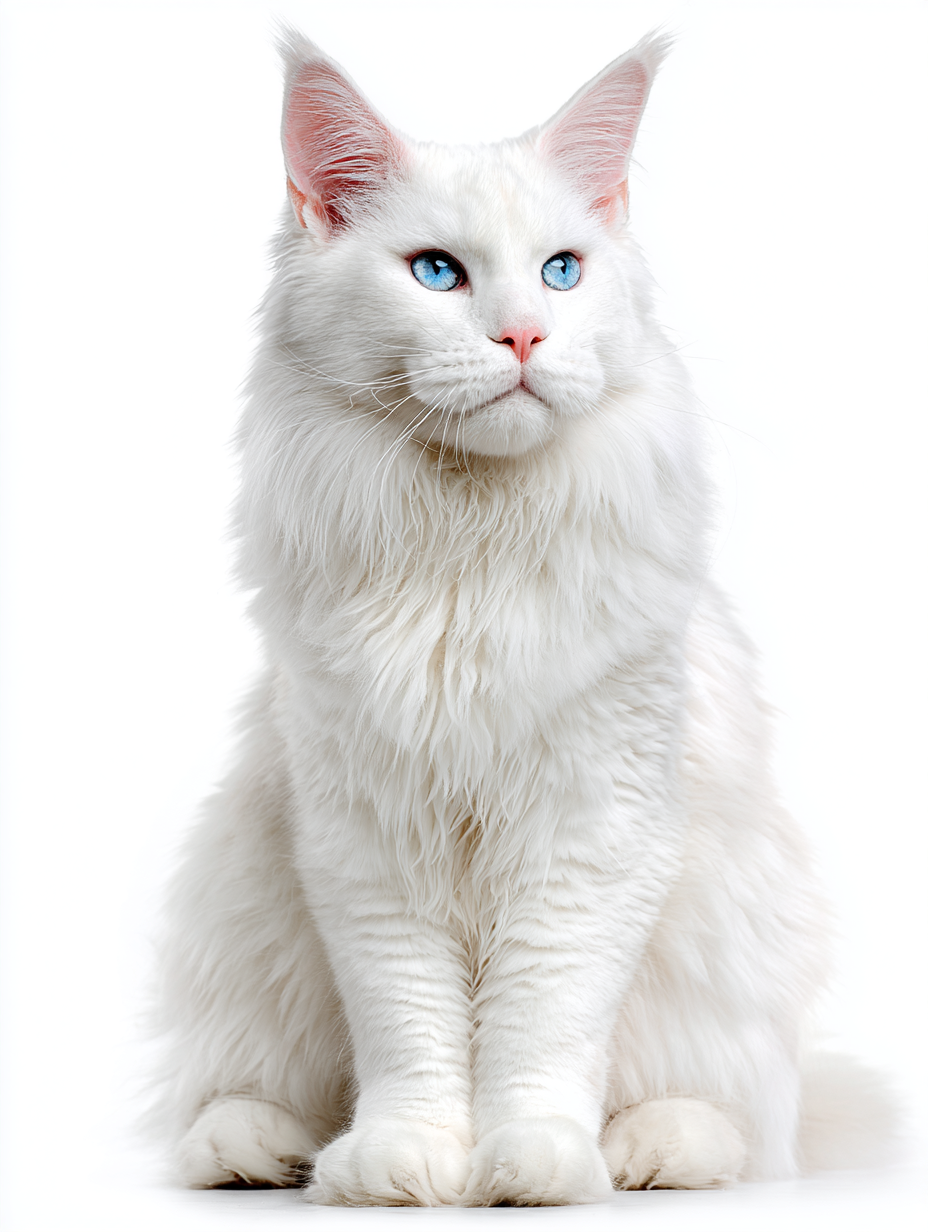
- White
- Tortie and torbie
- Pointed (Neva Masquerade)
Patterns Include:
- Classic tabby
- Mackerel tabby
- Spotted tabby
- Solid
- Bicolor
- Van
- Colorpoint
- Shaded and tipped varieties
Because Siberians developed naturally, almost all traditional cat colors exist in the breed.
Siberian Kitten Temperament & Personality
Siberians are affectionate, confident, and socially intuitive cats. They form strong bonds with their people yet maintain enough independence to avoid clinginess. They are highly intelligent and thrive on moderate interaction, gentle play, and daily companionship.
Temperament Highlights
- Warm, friendly nature
- Excellent with respectful children
- Highly social with people and other pets
- Curious but not hyperactive
- Playful throughout adulthood
- Intelligent problem-solvers
- Adaptable to apartments or houses
Despite their athletic ability, they balance energy with calmness, making them excellent family companions.
Siberian Kitten Price: What to Expect
Siberian kittens fall into a mid-to-premium price range due to their popularity, natural breed longevity, and the cost of importing or maintaining genetically diverse breeding lines. Prices vary based on registration, lineage, color, demand, and breeder practices.
Typical Siberian Kitten Prices
- Pet-quality Siberian kittens: $1,800–$3,000
- Show/breeder quality: $3,000–$5,500
- Rare colors (silver, smoke, high-quality Neva Masquerade): $2,500–$5,000
- Retired adults: $300–$900
Lower prices usually indicate:
- mixed-breed kittens sold as “Siberian”
- no registration
- no health testing
- questionable breeding conditions
- no proof of HCM/PKD screening
Siberians are a high-demand breed, and many reputable breeders run waitlists. Rush-sale litters or discounted kittens should be treated with caution.
Are Siberians Really Hypoallergenic? Facts vs Myths
Siberians became extremely popular because of widespread claims that they are “hypoallergenic.” While Siberians may produce lower levels of Fel d 1, the main allergen in cats, the reality is more nuanced.
What the Research Shows
Studies suggest some Siberians produce less Fel d 1, but not all Siberians do, and levels vary between cats — even within the same litter. There is no guarantee that a Siberian kitten will be hypoallergenic.
What Helps Allergy-Sensitive Families
- spending time with the specific kitten
- regular grooming
- HEPA filtration
- washing bedding frequently
- feeding high-protein diets
- maintaining coat and skin health
- keeping the home vacuumed
Myth to Avoid
“Siberians are allergy-proof.”
There is no such thing as an allergy-proof cat. Siberians can be more tolerable for some families, but results vary widely.
This section helps filter out unrealistic expectations and prevents unhappy placements.
Siberian Grooming Needs
Siberians are often marketed as “low-maintenance longhairs,” but this is only partially true. Compared to Persians or Himalayans, they require less grooming — but they still need consistent coat care.
Coat Characteristics
- triple-layered coat
- water-resistant texture
- less prone to matting than Persians
- seasonal blowouts (heavy shedding)
Regular Grooming Routine
- brush 2–3 times per week
- increase to daily brushing during shedding seasons
- use a metal comb to reach the down layer
- occasional baths if coat becomes greasy
- check behind legs, underarms, and belly for tangles
- maintain nails and ear cleanliness
Seasonal Coat Changes
Siberians undergo dramatic changes in coat thickness:
- Winter: heavy, plush, full mane
- Summer: far lighter, less dense coat
Grooming intensity should adjust seasonally to avoid mats and excessive shedding indoors.
Siberian Health & Genetic Considerations
Siberians are one of the healthiest longhaired breeds due to their natural development, but no breed is completely risk-free. Ethical breeders screen for several important conditions.
Common Health Considerations
- HCM (Hypertrophic Cardiomyopathy): must be monitored in breeding cats
- FeLV/FIV: should be screened
- Obesity: Siberians love food and can gain weight easily
- Gingivitis and periodontal issues: regular dental care needed
- Allergic dermatitis: sometimes linked to environmental triggers
- Joint health concerns: especially in heavier, large-bodied lines
Though Siberians are often portrayed as “problem-free,” responsible veterinary care and screening are still essential.
Indoor vs Outdoor Living for Siberians
Because Siberians are confident, athletic cats, many people assume they do well outdoors. However, Siberians still face the same risks as any domestic breed if allowed outside.
Why Siberians Should Be Indoor Cats
- theft (Siberians are highly valuable)
- predators
- cars
- contagious diseases
- parasites
- territorial fights
- cold-weather ice injuries (despite their heritage)
Ideal Indoor Environment
Siberians thrive with:
- climbing structures
- sturdy cat trees
- puzzle feeders
- interactive toys
- window perches
- gentle but regular play
Their athleticism means they appreciate enriched indoor homes, but they do not require extreme levels of activity.
How to Identify a True Siberian vs a Mix
Because Siberians are in high demand, many mixed-breed kittens are mislabeled as “Siberians.” Understanding what defines a real Siberian protects families from scams.
Traits of a True Siberian
- substantial bone and muscular build
- expressive oval eyes
- semi-long triple-layer coat
- rounded head with gentle contours
- slight “lynx tips” on ears (common but not required)
- bushy tail
- balanced, athletic movement
Pedigree & Registration
A true Siberian kitten should come with registration from:
- CFA
- TICA
- WCF
- GCCF
- FIFe
Red Flags for Mixes
- wedge-shaped head
- tall, slim body
- short coat or single coat
- straight profile lacking Siberian roundness
- no paperwork
- extremely low prices
- kittens offered at very young ages
Understanding these traits helps avoid purchasing domestic longhairs incorrectly marketed as Siberians.
How to Choose a Responsible Siberian Breeder
Because Siberians are in high demand and often marketed as “hypoallergenic,” the breed attracts both excellent breeders and a worrying number of opportunistic sellers. Choosing a responsible breeder ensures predictable temperament, strong health, correct structure, and a kitten that will remain sound well into adulthood.
What a Responsible Breeder Demonstrates
- Transparent communication
- Registration through major registries (CFA, TICA, WCF, GCCF, FIFe)
- Health testing for HCM and PKD
- Vaccination and veterinary records
- Clean, in-home raising environments
- Clear contracts outlining spay/neuter, health guarantees, and return policies
Ethical breeders also focus on maintaining moderate, natural Siberian traits rather than exaggerated features or oversized lines, which can compromise health long term.
Warning Signs of Poor Breeding
- “Hypoallergenic guarantee” claims (not possible)
- Kittens under 10–12 weeks
- No health testing documentation
- No website or only social media listings
- No photos of parents
- Very low prices for “purebreds”
- High-pressure sales tactics
Because Siberians are profitable, many non-pedigreed domestic longhairs are falsely labeled as “Siberian forest cats.” Pedigrees and transparency help prevent these misrepresentations.
Expanded Siberian Kitten Colors & Patterns
Siberians display one of the richest natural color palettes of any longhaired breed. Their variety stems from centuries of natural evolution rather than engineered selective breeding.
Traditional Colors
- Brown tabby
- Black
- Blue
- Red
- Cream
- Tortie and torbie
- Silver
- Smoke
- White
Neva Masquerade (Colorpoint Siberians)
These are the pointed Siberians with blue eyes. Colors include:
- Seal point
- Blue point
- Red/flame point
- Cream point
- Seal lynx point
- Blue lynx point
- Torbie/tortie point
These cats have the same structure as traditional Siberians but differ in coat pattern and eye color.
Rare or Complex Color Expressions
- Shaded silver
- Chinchilla silver
- Golden tabby
- Black smoke
- Blue smoke
- Silver torbie
- Dilute tortie
Because Siberians developed naturally in cold climates, subtle variations in undercoat, shading, and ticking often appear as they mature.
Siberian Kitten Buyer Checklist
A structured checklist helps prevent common mistakes and supports responsible breed education. This section mirrors your other “buyer readiness” guides and encourages selectivity without sounding sales-oriented.
Before Adopting, Confirm:
- Registration through a reputable registry
- DNA testing for PKD
- Echocardiograms or HCM screening history
- Proof of vaccinations and deworming
- Clear photos of both parents
- Age of kitten (Siberians should go home at 12–16 weeks)
- Kitten raised indoors and socialized in a clean environment
- Detailed contract outlining expectations and health guarantees
Lifestyle Considerations
- ability to provide moderate daily grooming
- time for interactive play
- safe indoor environment
- willingness to maintain regular veterinary care
- understanding of seasonal shedding
- preparation for a large-bodied, athletic adult cat
This helps ensure that homes are properly prepared for a Siberian’s specific needs.
Siberian Kitten Behavior & Development Stages
Siberians develop slowly and predictably, with each stage shaping their personality and physical appearance. Understanding these phases helps future owners set appropriate expectations.
8–12 Weeks
- rapid neurological development
- early socialization
- early play skills emerge
- coat still short and fluffy
- eye color begins to stabilize
- kittens form strong people bonds
3–6 Months
- bursts of playful, athletic energy
- coordination improves
- coat thickens significantly
- personality becomes more defined
- curiosity increases
6–12 Months
- adolescence
- strong build begins to show
- coat shifts seasonally
- confidence grows
- behaviors fluctuate with hormonal maturity (before spay/neuter)
1–3 Years
- full maturity
- complete muscle development
- coat reaches full density and length
- temperament fully stabilizes
- adult body size achieved
Siberians grow into one of the most balanced combinations of beauty, athleticism, and affectionate companionship.
Are Siberians Good Family Cats?
Siberians are widely appreciated for their warm, intuitive nature. Their social intelligence and sturdy build make them excellent companions for many household types.
Why Siberians Fit Well Into Many Homes
- gentle with respectful children
- adaptable to multi-pet homes
- playful yet not overly demanding
- excellent emotional awareness
- thrive on routine interaction
- tolerate moderate noise and activity better than some longhair breeds
Not Ideal For
- homes unable to support seasonal grooming
- people expecting a hypoallergenic guarantee
- households wanting a strictly “lap-only” cat
- families leaving cats alone for very long hours
Overall, Siberians balance affection, independence, and sociability better than many high-maintenance longhair breeds.
Siberian Kitten FAQ
Are Siberian kittens truly hypoallergenic?
Siberians are often promoted as hypoallergenic because some individuals produce lower levels of Fel d 1, the primary cat allergen. However, this varies from cat to cat, and there is no guarantee that any Siberian kitten will reduce allergy reactions. Some families experience fewer symptoms, while others notice no difference at all. The only reliable method is spending time with the specific kitten and using environmental controls such as HEPA filters, clean bedding, and consistent grooming.
Do Siberian kittens shed a lot?
Yes. Siberians shed heavily during their seasonal “coat blows,” especially in spring and fall. Outside of those periods, they shed moderately. Their triple-layer coat is dense and insulating, meaning loose hair builds up quickly without regular brushing. A weekly grooming schedule keeps shedding manageable, and daily care is needed during seasonal transitions.
How big do Siberian cats get?
Siberians are a medium-to-large natural breed. Males often reach 12–17 pounds, while females commonly range 8–12 pounds. Some lines produce even larger cats, especially those with strong traditional Russian bloodlines. They grow slowly and may take up to five years to reach full physical maturity.
What colors do Siberian kittens come in?
Siberians come in a wide range of natural colors, including brown tabby, black, blue, red, cream, tortie, torbie, silver, smoke, and white. The pointed variety, called the Neva Masquerade, adds seal, blue, flame, cream, and lynx point variations. Because Siberians evolved naturally, the breed supports nearly every traditional feline color and pattern.
Are Siberian kittens good with children?
Siberians tend to be patient, sturdy, and tolerant, making them a good match for respectful children. They enjoy interaction, moderate play, and social engagement without being overly fragile. Structured introductions and gentle handling support positive long-term relationships.
Do Siberians get along with dogs?
Siberians adapt well to calm, cat-safe dogs. Their confident and social nature allows them to coexist successfully when dogs are gentle and properly introduced. Slow, supervised introductions ensure the cat feels secure before interactions become relaxed and routine.
Do Siberian kittens need a lot of grooming?
Compared to Persians or Himalayans, Siberians require less maintenance—but they still need consistent grooming. Their triple coat should be brushed 2–3 times per week, and daily brushing is recommended during shedding seasons. Regular coat care prevents tangles, reduces shedding, and keeps the fur healthy.
How much do Siberian kittens typically cost?
Pet-quality Siberian kittens usually range from $1,800–$3,000, while show-quality or breeding prospects can cost $3,000–$5,500. Rare colors, imported lines, or Neva Masquerade patterns may fall into the higher range. Prices lower than $1,500 should be treated carefully, as they often indicate unregistered or mixed-breed kittens.
Are Siberians healthy cats?
Siberians are one of the healthiest natural breeds, but they are not immune to genetic concerns. Reputable breeders screen for hypertrophic cardiomyopathy (HCM), PKD, and other lineage-specific risks. Regular veterinary care, nutrition, weight management, and grooming also influence long-term wellbeing. See Siberian Cat Health Overview for more details.
How active are Siberian kittens?
Siberian kittens are playful, athletic, and curious. They enjoy climbing, exploring, and interactive play. Their energy levels are moderate—not as intense as Bengals but more active than Persians. Most Siberians maintain a playful streak well into adulthood while still appreciating calm downtime.
Do Siberians like to be held or cuddled?
Many Siberians enjoy close contact and will happily curl up near their people, but they are not typically floppy or dependent. They prefer companionship, gentle touch, and interactive bonding while still retaining a degree of independence. Each kitten’s cuddle preference varies with personality and socialization.
Do Siberians meow a lot?
Siberians tend to be moderately vocal. They communicate with soft meows, chirps, trills, and quiet chatter. Their vocalizations are usually expressive rather than constant. They are less talkative than Siamese-type breeds but more conversational than extremely quiet cats.
How long do Siberian cats live?
Most Siberians live 12–18 years, with many reaching their early 20s when provided good nutrition, indoor safety, and responsible veterinary care. Their natural development and genetic diversity contribute to impressive longevity.
Do Siberians mature slowly?
Yes. Like many large, natural breeds, Siberians develop gradually. Full physical and behavioral maturity often occurs between 3 and 5 years of age, with continued coat changes and muscle development throughout young adulthood.
Are Siberians indoor or outdoor cats?
Siberians should be kept strictly indoors. Despite their robust build and winter heritage, they face the same danger from cars, predators, parasites, territorial fights, and theft as any domestic cat. Enriched indoor environments meet their physical and mental needs far more safely.
What kind of environment do Siberians thrive in?
Siberians do well in environments that offer:
- moderate daily interaction
- climbing structures
- safe enrichment
- predictable routines
- clean, climate-controlled spaces
Their adaptable temperament allows them to settle into apartments or larger homes as long as their need for stimulation and companionship is met.
Do Siberians tolerate being left alone?
Siberians handle independence better than clingy breeds but still prefer regular interaction. Long daily absences may lead to boredom or reduced social bonding. Multi-pet homes, structured enrichment, and interactive toys help maintain emotional balance.
What should Siberian kittens eat?
A Siberian kitten’s diet should include high-quality animal protein, moisture-rich wet food, and essential fatty acids to support coat, skin, and muscle development. Because this breed grows slowly and has a dense coat, consistent nutrition is essential. Avoid filler-heavy formulas or low-moisture diets.
Are Siberians suitable for people with allergies?
Possibly, but never guaranteed. Some individuals with mild allergies find Siberians more tolerable due to reduced allergen production in certain lines. Others experience typical or strong allergic reactions. Time spent with the kitten prior to adoption is the only reliable indicator.
Do Siberian kittens change color as they grow?
Some do. Neva Masquerade kittens, in particular, develop more noticeable point contrast as they age. Silver, smoke, and shaded Siberians may also show increased contrast during their first year. Traditional tabbies and solids generally maintain consistent coloration but undergo seasonal changes in coat density.
How intelligent are Siberians?
Siberians are deeply intelligent and skilled problem-solvers. They enjoy puzzle toys, interactive games, and activities that challenge their mind. Their intelligence contributes to trainability—they often learn routines, names, and household patterns quickly.
Are Siberians destructive?
Not typically. Siberians are active enough to need enrichment, but they are not hyperactive or chaotic. Providing scratching posts, climbing structures, and regular play prevents unwanted behavior. Their balanced temperament makes them more predictable than very high-energy breeds.
Can Siberians live with other cats?
Yes. Siberians are social and tend to integrate well with other friendly, well-socialized cats. Gradual introductions help prevent tension. Their confident nature helps them adapt well in multi-cat households when structure and boundaries are maintained.
How long should Siberian kittens stay with their breeder?
Siberians typically go home at 12–16 weeks, depending on development. This allows time for proper immune strengthening, socialization, coordination development, and early grooming habits. Leaving too early can create behavioral and health challenges.
Is a Siberian kitten right for me?
A Siberian may be a good match if you appreciate an affectionate, interactive, athletic companion with a luxurious coat and strong presence. They require moderate grooming, indoor living, and regular engagement. Understanding their energy level, coat care needs, and slow maturation helps ensure a long, positive relationship.
Do Siberians get hairballs easily?
Siberians can develop hairballs, especially during seasonal shedding when their triple coat releases large amounts of undercoat. Regular brushing, hydration, and a moisture-rich diet significantly reduce the frequency of hairballs. Many owners find that consistent grooming during coat-blow seasons makes the biggest difference, as loose fur is removed before it can be swallowed.
Are Siberians high-maintenance compared to other longhaired breeds?
Siberians are moderate-maintenance cats. Their coat is thick and luxurious, but the texture is less prone to severe tangling than Persian or Himalayan coats. Weekly brushing is usually enough outside shedding seasons. Their grooming needs are comparable to Maine Coons or Norwegian Forest Cats — not low but far easier than ultra-longhair breeds.
Do Siberians prefer one person or the whole family?
Most Siberians bond with an entire household rather than a single individual. They tend to divide affection evenly, visiting different people throughout the day and adapting to whoever is available for play or companionship. Their social intelligence allows them to form strong bonds without becoming overly dependent on one person.
How quickly do Siberian kittens develop their adult coat?
Siberians begin forming their adult coat around 6–12 months, but the full triple-layer density often takes 2–4 years to mature. This is especially true for Neva Masquerade cats, whose point contrast and coat volume often become more pronounced with age. Seasonal variations continue throughout the cat’s life.
Are Siberian kittens noisy or quiet?
Siberians fall in the middle of the vocality scale. They are not constant talkers, nor are they silent cats. Their communication tends to be soft, expressive, and purposeful — small chirps, trills, and gentle meows. Vocalization often increases during play, greetings, and when requesting attention.
Do Siberians travel well?
Many Siberians tolerate travel better than other longhaired breeds due to their confident and adaptable nature. They can adjust to carriers, car rides, and new environments with proper introduction and positive reinforcement. Longer trips may still require anxiety prevention strategies, but they are typically less stressed than more delicate or anxious breeds.
Do Siberians scratch furniture?
Siberians have strong claws and enjoy vertical and horizontal scratching. Without proper enrichment, they may scratch furniture out of instinct rather than misbehavior. Providing stable scratching posts, tall cat trees, and regular nail trims encourages appropriate scratching and preserves household items.
Is it normal for a Siberian kitten to be shy at first?
Yes. Siberians are highly observant and often take a few days to assess a new environment before fully engaging. Once comfortable, they typically become affectionate, curious, and social. Slow introductions, predictable routines, and gentle encouragement help shy kittens gain confidence.
Do Siberians need specific toys or enrichment?
Siberians enjoy enrichment that taps into their natural athleticism and intelligence. They do well with puzzle toys, wand toys, climbing structures, and toys that encourage problem-solving. Because they are not hyper-breeds, short, purposeful play sessions throughout the day meet their needs effectively.
Do Siberians enjoy water?
Many Siberians display a curiosity toward water, a trait believed to stem from their natural Russian heritage. Some will dip their paws in water bowls, follow running water, or watch showers with interest. While not all enjoy baths, their coat is water-resistant and dries more quickly than other longhaired breeds.
Looking for an Ethically Raised, Adorable Kitten?
If you appreciate confident, affectionate, well-structured longhaired breeds and value transparency, health testing, and ethical breeding practices, explore the kittens available at Almonte Cats.
Our cattery focuses on:
- healthy, moderate-type lines
- structured in-home socialization
- CFA and TICA registered parents
- genetic and cardiac testing
- predictable temperament and conformation
- lifetime breeder support
While we do not currently breed Siberians, we offer longhaired and shorthair kittens raised with the same attention to health, ethics, and early training that families expect from a premium cattery.
Related Siberian Cat Resources
If you are researching Siberian cats and allergies, these in-depth guides may also help you decide whether this breed fits your home, health needs, and lifestyle:
- Siberian Cat Complete Guide:
The Siberian cat adapts well to family life, multi-pet homes, and a wide range of living environments. - Siberian Cat Size
Find detailed weight and size info with charts. - Siberian Kittens Week by Week
See Siberian kittens, growth charts and more. - Siberian Cat Health Overview:
Breed-specific health considerations, preventative care, and how skin and coat health influence dander production. - Siberian Cats for Families
Siberian cats are well suited for family life due to their confidence, adaptability, and social nature. - Siberian Cat Personality:
Siberian cats are social, intelligent, and adaptable companions with balanced energy and stable behavior. - Are Siberian Cat Hypoallergenic?
A focused guide explaining why Siberian cats may or may not be a good fit for allergy issues. - Siberian Cats for People With Allergies:
Siberian cats may improve the odds for some allergy-sensitive people, but there are no guarantees.
Sources & Veterinary References
- The International Cat Association (TICA) – British Shorthair Breed Standard
https://tica.org/breeds/breed-standards/british-shorthair-bs - Cat Fanciers’ Association (CFA) – British Shorthair Breed Profile
https://cfa.org/british-shorthair/ - Cornell Feline Health Center – General Feline Longevity & Senior Care
https://www.vet.cornell.edu/departments-centers-and-institutes/cornell-feline-health-center - American Association of Feline Practitioners – Senior Cat Care Guidelines (AAFP)
https://catvets.com/guidelines - Royal Veterinary College – Longevity & Causes of Death in Cats Study
https://www.rvc.ac.uk/vetcompass - National Library of Medicine – Longevity & Mortality in Domestic Cats (Peer-Reviewed Study)
https://pubmed.ncbi.nlm.nih.gov/30730974/ - American Veterinary Medical Association – Cat Health & Indoor vs Outdoor Safety
https://www.avma.org/resources/pet-owners/petcare/cats-and-outdoors - ASPCA – Indoor Cat Life Expectancy & Safety
https://www.aspca.org/pet-care/cat-care - Wisdom Panel / Optimal Selection – Feline Genetic Health Overview
https://www.wisdompanel.com/en-us/cat - PawPeds – British Shorthair Health Program & Genetic Guidance
https://www.pawpeds.com/cms/index.php/en/ - American College of Veterinary Nutrition (ACVN)
https://acvn.org/ - PetMD – Senior Cat Nutrition & Lifespan Health
https://www.petmd.com/cat





Read the Comments +