
Bengal Kittens for Sale: Breed Overview
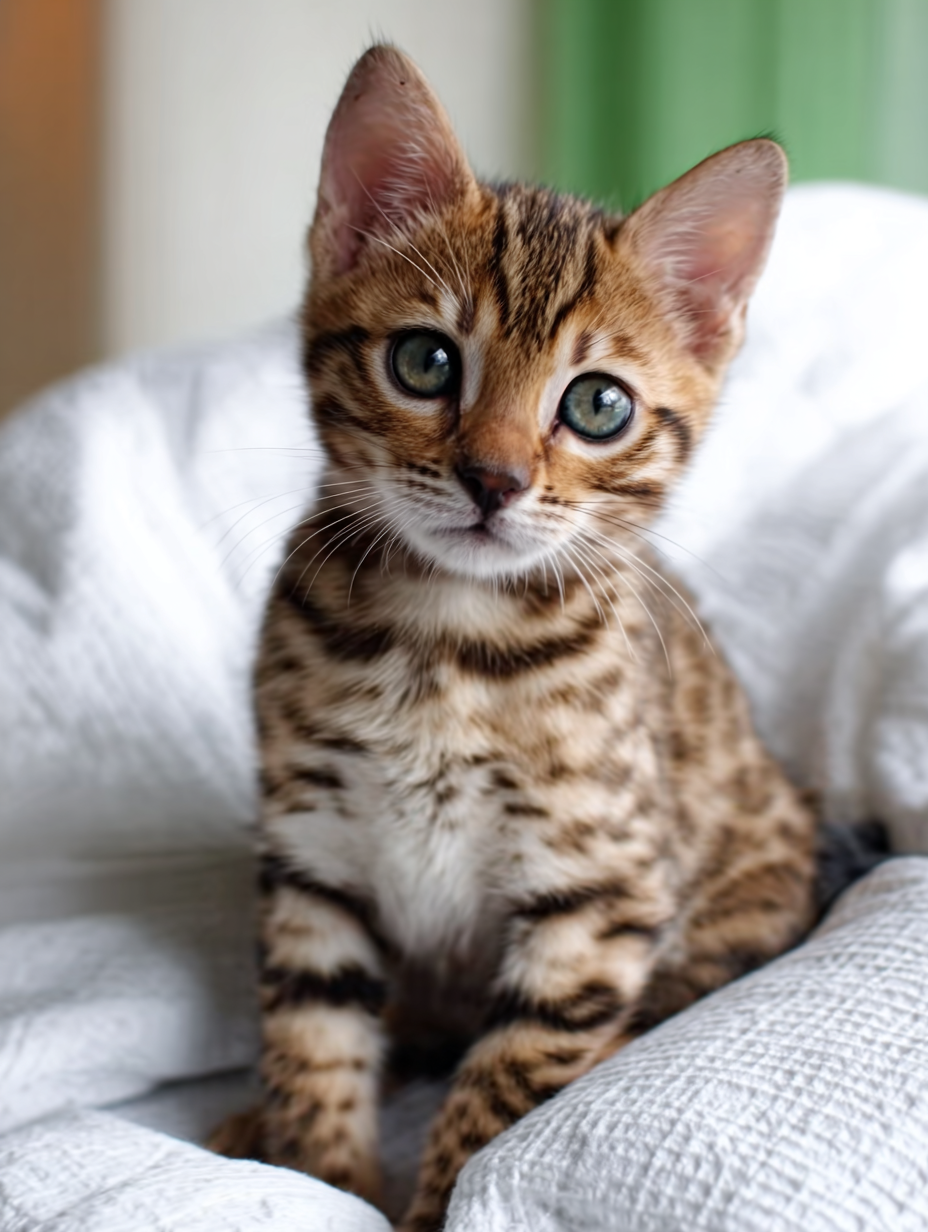
Bengal kittens are one of the most visually striking companion cats in the world, famous for their leopard-like rosettes, athletic build, and high intelligence. A well-bred Bengal is confident, outgoing, social, and curious—thriving in homes that appreciate active, interactive cats who enjoy play, enrichment, and daily engagement. Though they look wild, Bengal kittens from reputable, domestic bloodlines are fully domesticated, affectionate, and deeply attached to their families.
This guide covers Bengal kitten prices, temperament, colors, grooming needs, health testing, registration standards, and how to evaluate breeders when searching for Bengal kittens for sale. Because Bengals are one of the most counterfeited and misrepresented cat breeds online, accurate information is essential for families wanting a genuine, predictable Bengal kitten raised with stable temperament and health.
Bengal Kitten Breed Summary
| Category | Details | Notes |
|---|---|---|
| Breed Name | Bengal | SBT (Stud Book Tradition) only for pets |
| Temperament | Intelligent, active, social, curious | Needs enrichment and interaction |
| Average Price | $2,000–$6,000+ | Higher for elite rosettes or rare colors |
| Coat Type | Short, sleek, tight, often glittered | Minimal matting, low maintenance |
| Colors | Brown, snow, silver, charcoal, marbled | Rosetted patterns highly valued |
| Energy Level | High | Requires daily stimulation |
| Shedding | Low–moderate | Seasonal increases |
| Good With Kids? | Yes, respectful children | Very social and people-oriented |
| Good With Dogs? | Yes, with proper introductions | Confident and adaptable |
| Hypoallergenic? | No | No breed is allergic-proof |
| Lifespan | 12–18+ years | Longer with indoor life and quality care |
| Registry | TICA, CFA, WCF, GCCF | Must be SBT for pet homes |
| Health Testing Needed | HCM, PKDef, PRA-b | Responsible breeders always test |
| Indoor/Outdoor | Indoor only | High theft and roaming risk |
History & Origin of the Bengal Cat
The Bengal breed began in the 1960s when domestic cats were crossed with Asian Leopard Cats (ALC). By the 1980s, breeders shifted the focus from hybrid novelty to creating a fully domestic cat with wild beauty, affectionate temperament, and predictable generational traits.
Only SBT Bengals (Stud Book Tradition) — cats four or more generations removed from the leopard cat — are allowed to be sold as pets or shown in CFA and TICA.
Key Milestones
- Early experimental pairings in the U.S.
- Breed development driven by Jean Mill
- Selective breeding removed wild temperament while preserving coat patterns
- SBT Bengals became the standard for ethical breeding
- TICA recognized the Bengal breed in 1983
- CFA granted full recognition in 2016
Today’s Bengal is a fully domestic breed with no wild genetics in temperament or behavior.
Bengal Breed Recognition & Registration
Bengals are fully recognized by the major registries:
- TICA
- CFA
- WCF
- GCCF
- ACFA
Why SBT Status Matters
Only SBT Bengals:
- have stable, predictable temperament
- can legally be sold as pets
- can be shown in major registries
- are fully domestic and safe for homes
- meet breed standards for structure and coat
Anything labeled “F1–F3 hybrid,” “high percentage Bengal,” or “wild Bengal” is not an SBT Bengal and should not be sold as a typical pet. Ethical breeders never place hybrid-generation kittens into pet homes.
Bengal Appearance & Structure
Bengals are defined by their striking coat and athletic body.
Defining Traits
- muscular, athletic build
- long, lean body with strong bone
- thick tail with rounded tip
- broad muzzle with whisker pads
- large, expressive oval-to-almond eyes
- medium-small rounded ears
- powerful legs and catlike gait
Coat Patterns
Bengals have one of the most unique coat types in the pet world.
The coat is:
- short
- silky
- tight to the body
- often glittered (shimmering in sunlight)
- low-maintenance
Their patterns are what make the breed iconic.
Bengal Colors & Patterns
Bengals come in recognized and non-standard colors. Ethical breeders produce only colors approved by major registries.
Recognized Colors
Brown (Black) Tabby
- most common and iconic
- warm gold, tan, or tawny background
- rosetted or marbled patterns
Snow Bengals
Includes:
- Seal Lynx Point
- Seal Mink
- Seal Sepia
Often have striking blue or aqua eyes.
Silver Bengals
- high contrast
- black markings on pale silver background
Patterns
Rosetted
Large, open rosettes resembling jaguars or leopards.
Spotted
Smaller spots distributed evenly.
Marbled
Flowing, horizontal pattern unique to Bengals.
Bengal Color & Pattern Summary
| Color Type | Description | Notes |
|---|---|---|
| Brown Rosetted | Gold or tawny with black/brown rosettes | Most iconic Bengal pattern |
| Snow | Lynx, mink, sepia | Blue or aqua eyes possible |
| Silver | Pale background, high contrast | Very popular for show type |
| Charcoal | Dark mask and cape effect | Rare and dramatic |
| Marbled | Flowing horizontal pattern | Unique among Bengal colors |
Bengal Kitten Temperament
Bengals are active, bright, interactive cats requiring enrichment and daily engagement. They are best suited to homes that enjoy mentally stimulating breeds rather than mellow, low-activity cats.
Temperament Traits
- intelligent and problem-solving
- confident, curious, and people-oriented
- playful throughout adulthood
- highly bonded to family
- often enjoy water, climbing, puzzle toys
- trainable (many learn fetch, leash walking, and tricks)
- vocal when seeking attention or stimulation
A well-socialized Bengal kitten is affectionate, loyal, and outgoing, provided their energy needs are met.
Ragdoll vs British Shorthair vs Bengal Temperament Comparison Table
| Trait | Bengal | British Shorthair | Ragdoll |
|---|---|---|---|
| Energy Level | High | Low | Low–moderate |
| Trainability | Excellent | Moderate | Moderate |
| Affection Level | High | High | Very high |
| Independence | Low | High | Medium |
| Best For | Active households | Quiet families | Relaxed homes |
Bengal Kitten Price
Bengal kittens typically range from $2,000 to $6,000+ depending on color, pattern quality, registration, and breeder experience.
Price Factors
- SBT status
- rosette size and clarity
- coat quality (glitter, contrast, pattern flow)
- breeder’s health testing program
- rare colors such as snow or silver
- reputation and show lines
- neuter/spay included
- temperament evaluation
- geographic availability
Bengals marketed at unusually low prices are almost always:
- mixed breeds
- unregistered
- poorly socialized
- lacking proper health testing
- not from SBT lines
Bengal Kitten Price Table
| Category | Price Range | What Affects Price |
|---|---|---|
| Pet Quality SBT Bengal | $2,000–$3,500 | Pattern clarity, contrast, registration |
| High-Quality Rosetted Bengal | $3,500–$5,500 | Large rosettes, glitter, flow, show lines |
| Rare Colors (Snow, Silver, Charcoal) | $3,800–$6,000+ | Color rarity and quality |
| Show or Breed Quality | $5,000–$7,500+ | Exceptional structure, lineage, and type |
Understanding Bengal Cat Generations: F1–F4 vs. SBT Bengals (Legality, Temperament & What’s Allowed)
Bengal cats are often marketed by “generation” — F1, F2, F3, F4, and SBT. These labels refer to how far removed the cat is from the Asian Leopard Cat (ALC), the wild species originally used in the creation of the breed.
What the Generations Mean
- F1 Bengal:
50% wild ALC × domestic cat
Very large, extremely high-energy, unpredictable, often illegal. - F2 Bengal:
~25% wild
Still extremely active, vocal, and difficult to house. - F3 Bengal:
~12% wild
Slightly reduced intensity but still not ideal pets for most homes. - F4 Bengal:
4–6 generations removed
Still inconsistent in temperament and energy. - SBT Bengal (“Stud Book Traditional”):
The only generation considered a true domestic Bengal.
SBT Bengals are bred Bengal-to-Bengal for at least three generations, making them:- legal in most regions
- predictable in temperament
- accepted by TICA and CFA
- suitable family companions
Early-generation Bengals (F1–F4) are not domestic pets. Their behavioral needs exceed what typical owners can provide.
Are Early-Generation Bengals Legal in Every State? No — Many Restrictions Apply
U.S. laws vary widely. Most states allow SBT Bengals, but restrict or ban F1–F4 Bengals due to their wild ancestry.
States With Restrictions or Additional Requirements
(Regulations may change; always verify locally.)
- New York – F1–F4 Bengals are banned. Only SBT Bengals are legal.
- Hawaii – All Bengals are banned regardless of generation.
- Georgia – F1 Bengals banned; later generations restricted in some counties.
- Alaska – Permit required for Bengal ownership in certain areas.
- Delaware – Some counties require permits for early generations.
- Connecticut – Early-generation Bengals restricted.
- Seattle, WA – F1–F4 banned within city limits.
- Denver, CO – F1–F4 banned.
Where Bengals Are Generally Legal
Most states allow SBT Bengals (F5+ or domestic lines) without difficulty, including:
- Pennsylvania
- Florida
- Texas
- California
- Ohio
- Virginia
- North Carolina
- Illinois
- Michigan
- Massachusetts
Still, individual cities or counties may apply their own laws, so buyers must check local ordinances.
Why Early-Generation Bengals Are Regulated
States impose restrictions for several reasons:
1. Wild-Ancestry Behavior
F1–F4 Bengals often display:
- territorial spraying
- extreme prey drive
- destructive behavior
- high anxiety and reactivity
This is not “bad behavior” — it’s normal for wild hybrids, but not safe or manageable for most homes.
2. Welfare Concerns
Early-generation Bengal hybrids:
- do not adapt well to indoor living
- can become stressed or aggressive
- require enclosures, outdoor runs, or specialized housing
- have unpredictable responses to new environments, pets, or children
Many end up surrendered because families were not informed about their needs.
3. Environmental Risk
Regulators fear escapes, wildlife disruption, and potential hybridization risks.
Why Only SBT Bengals Should Be Sold as Pets
SBT Bengal kittens are:
- fully domestic
- predictable in personality
- legal in most states
- recognized by TICA & CFA
- bred for temperament, health, and consistency
SBT Bengals:
- use litter boxes reliably
- bond well with families
- adapt to indoor life
- have stable energy levels (still high, but manageable)
- have predictable temperament traits
Ethical breeders do not sell F1–F4 generations as pets.
Pet-quality Bengals should always be SBT.
How to Confirm a Bengal’s Generation Before Purchase
To avoid illegal or unstable early-generation hybrids, buyers should confirm:
- TICA pedigree showing SBT status
- No Asian Leopard Cat parent or grandparent
- Three+ Bengal-to-Bengal generations
- Registration paperwork from a reputable breeder
- No sellers using terms like “high wild content,” “half wild,” or “F1 Bengal” for pets
If a breeder cannot provide documentation, assume the cat is not SBT.
Quick Comparison Table: Bengal Generations & Legality
| Generation | % Wild Ancestry | Temperament | Legal Status | Suitable as Pets? |
|---|---|---|---|---|
| F1 | 50% ALC | Highly unpredictable, territorial, destructive | Banned or restricted in many states | ❌ No |
| F2 | ~25% ALC | Intense, reactive, high-stress | Restricted in multiple states | ❌ No |
| F3 | ~12% ALC | Still inconsistent and challenging | Restricted in some areas | ⚠️ Rarely |
| F4 | 6% ALC | Some stabilization, but still variable | Sometimes restricted | ⚠️ Not ideal |
| SBT (F5+) | 100% domestic Bengal | Stable, social, affectionate, predictable | Legal in most states | ✅ Yes |
Feeding Bengal Kittens: Nutrition for Growth & Coat Quality
Bengal kittens develop rapidly during their first year and require high-quality nutrition to support muscle development, digestive stability, and coat clarity. Because they are an athletic, high-metabolism breed, their diet must focus on animal-based protein and moisture-rich formulas.
What Bengal Kittens Need
- High-animal-protein wet food
- Balanced kitten dry food with meat as the first ingredient
- Omega-3 and omega-6 fatty acids for coat clarity and skin health
- Moisture-rich meals to support kidney and urinary health
- Controlled carbohydrates to prevent energy crashes
Bengals thrive when fed small, frequent meals during kittenhood. Their sleek coats become glossier, more vibrant, and intensely contrasted when protein levels are adequate and fillers are minimized.
Grooming Bengal Kittens
Bengals have one of the easiest coats to maintain. Their short, tight, silky coat sheds lightly and rarely mats. Despite low maintenance, grooming still plays an essential role in bonding and reducing loose hair around the home.
Basic Grooming Routine
- Weekly brushing with a soft bristle brush
- Nail trimming every 2–3 weeks
- Regular ear checks
- Occasional baths to enhance coat shine (optional)
- Dental care with dental treats or vet-approved gels
Their coat often has a natural iridescent “glitter,” especially in high-quality lines, which becomes more pronounced with quality nutrition.
Health & Genetic Testing for Bengal Kittens
Bengals are generally robust cats, but responsible breeding requires genetic testing to avoid preventable conditions. Ethical breeders screen for the following:
Essential Health Tests
HCM (Hypertrophic Cardiomyopathy) Screening
HCM is a heart thickening disorder seen in several breeds. Annual cardiac scans in breeding adults help reduce risk.
PKDef (Pyruvate Kinase Deficiency)
A recessive genetic condition causing anemia. Only PKDef-negative or properly paired carriers should be bred.
PRA-b (Progressive Retinal Atrophy – Bengal variant)
An inherited vision disorder. DNA testing prevents the disease entirely.
General Health Considerations
- digestive sensitivity in early kittenhood
- preference for high-quality protein
- possible increased activity requiring calories
- healthy muscle development
Choosing kittens from fully health-tested lines dramatically improves longevity and temperament stability.
Indoor vs Outdoor Living for Bengal Cats
Despite their wild appearance, Bengals are strictly indoor cats. Their curiosity, athleticism, and strong prey-drive make them vulnerable outdoors.
Why Bengals Must Stay Indoors
- high theft risk due to unique appearance
- danger from cars and predators
- territorial disputes with neighborhood animals
- exposure to parasites, viruses, and toxins
- risk of getting lost during high-energy roaming
- illegal in some areas to allow hybrid-looking cats to roam
Bengals do exceptionally well indoors when their space is enriched with climbing structures, daily play, and puzzle toys.
Enrichment Needs for Bengal Kittens
Bengals require structured physical and mental stimulation. Without proper enrichment, they can become bored, restless, or vocal.
Best Enrichment for Bengals
- Tall cat trees and vertical climbing routes
- Interactive wand toys
- Puzzle feeders
- Window perches for birdwatching
- Leash training (optional)
- Daily fetch games or chase activities
- Water play, since many Bengals enjoy baths or fountains
A highly enriched environment transforms Bengal kittens into confident, affectionate adults who are deeply bonded to their families.
Red Flags When Searching for Bengal Kittens for Sale
Because Bengals are extremely popular on social media, they are frequently misrepresented. Many listings advertise unregistered mixes as “purebred Bengals,” or worse, sell early-generation hybrids illegally.
Major Red Flags
- No TICA or CFA registration
- Kittens without SBT status
- Advertised as F1–F3 hybrids (not appropriate or legal for pets in many regions)
- Low prices under $1,000
- Photos that do not show real rosettes
- Tall ears, narrow body, or domestic tabby body shape
- No health testing provided
- Breeders unwilling to show parents or pedigrees
- Multiple breeds sold by the same seller
- “Rare snow Bengal for $400” type listings (common scam pattern)
Ethical Alternatives for Families Wanting a Calmer Cat
Bengals are extraordinary cats, but they are not the right fit for every household. Their energy, intelligence, and physicality require time, enrichment, and engagement. Families seeking the Bengal look without the Bengal activity level often do better with a calmer breed.
British Shorthair
The British Shorthair has the dense plush coat, round features, and soft expression that many people admire — but with a temperament that is steady, quiet, and relaxed. They adapt well to households wanting a peaceful companion who enjoys affection without demanding constant activity. Their grooming needs are minimal, and their predictable, stable nature suits families, professionals, and first-time cat owners.
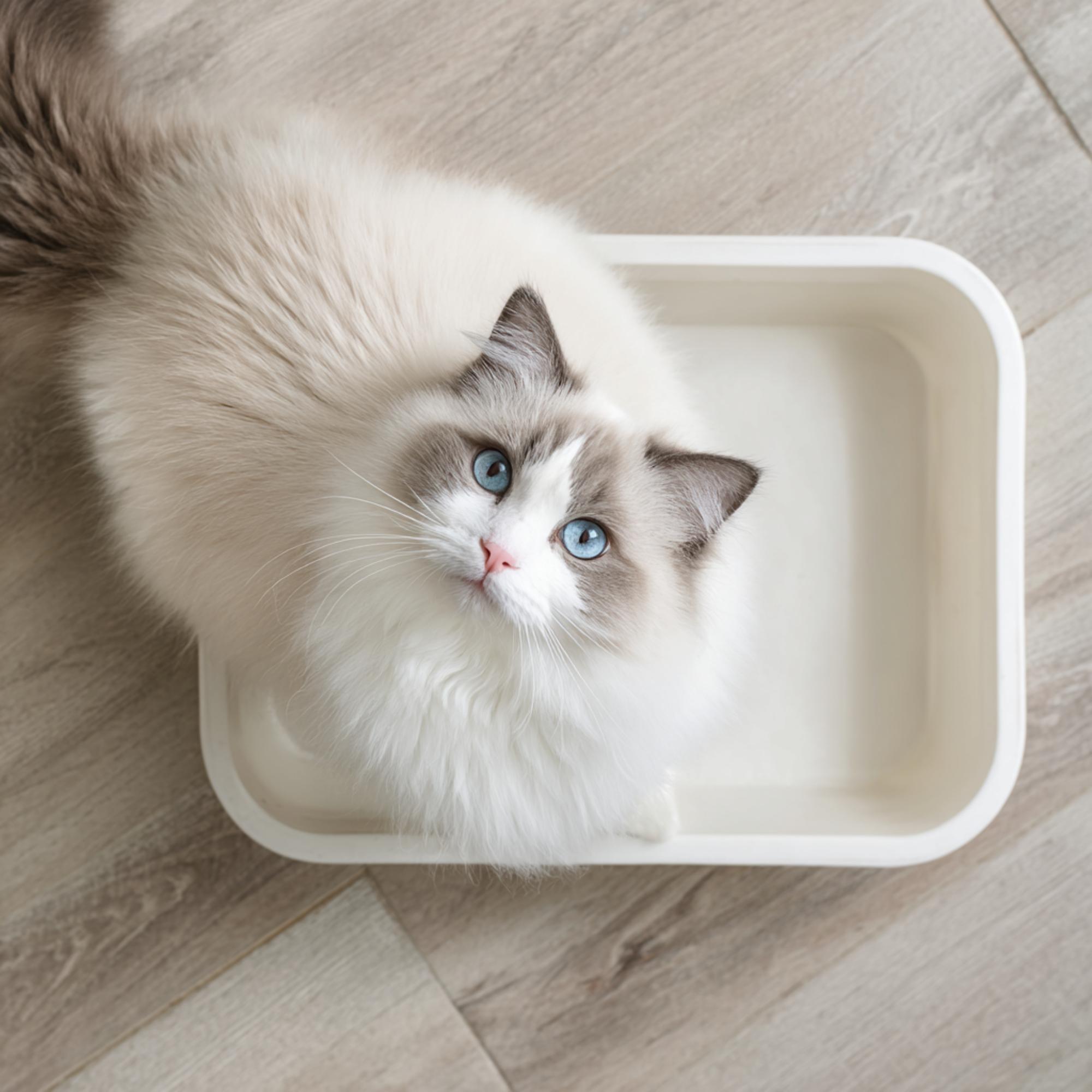
Ragdoll
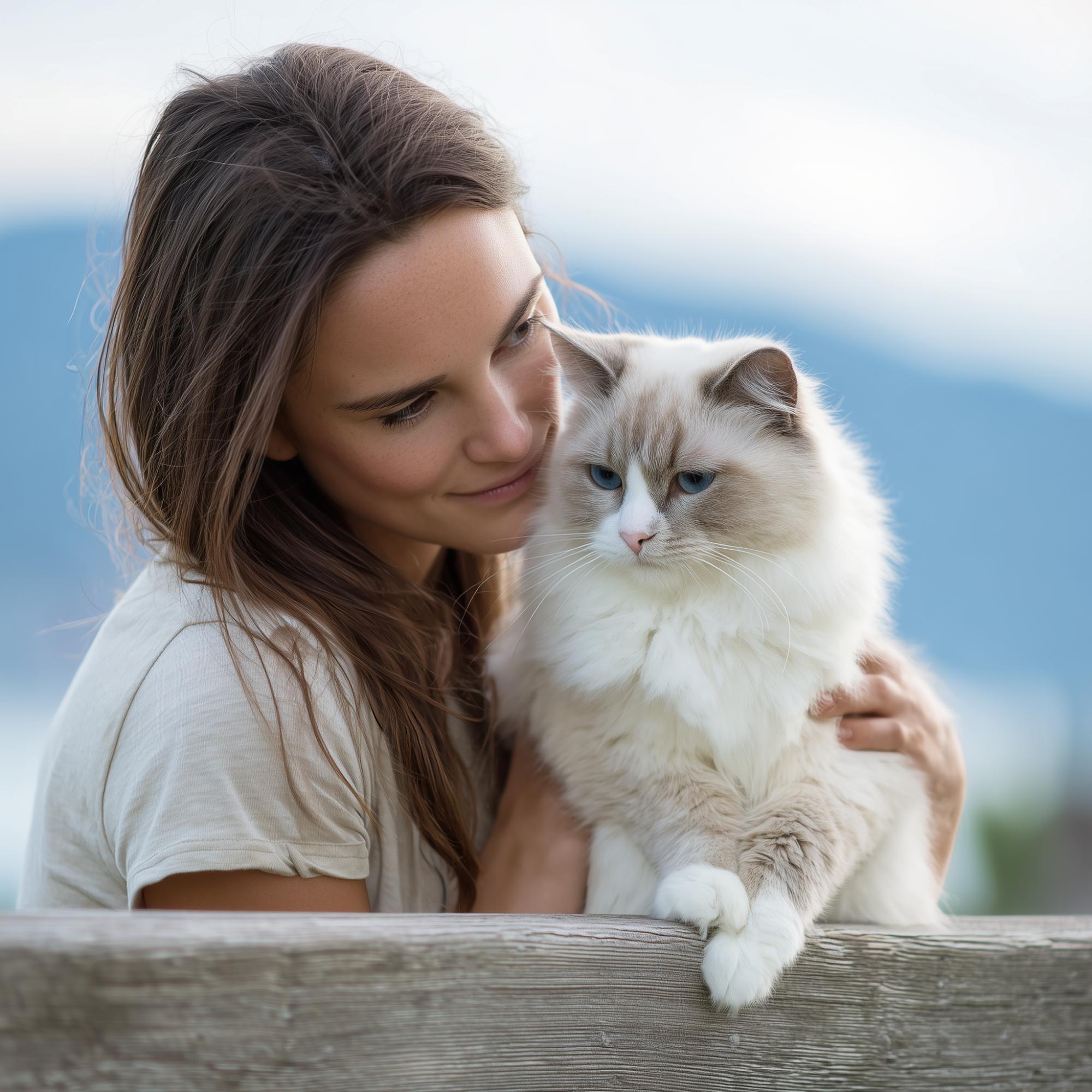
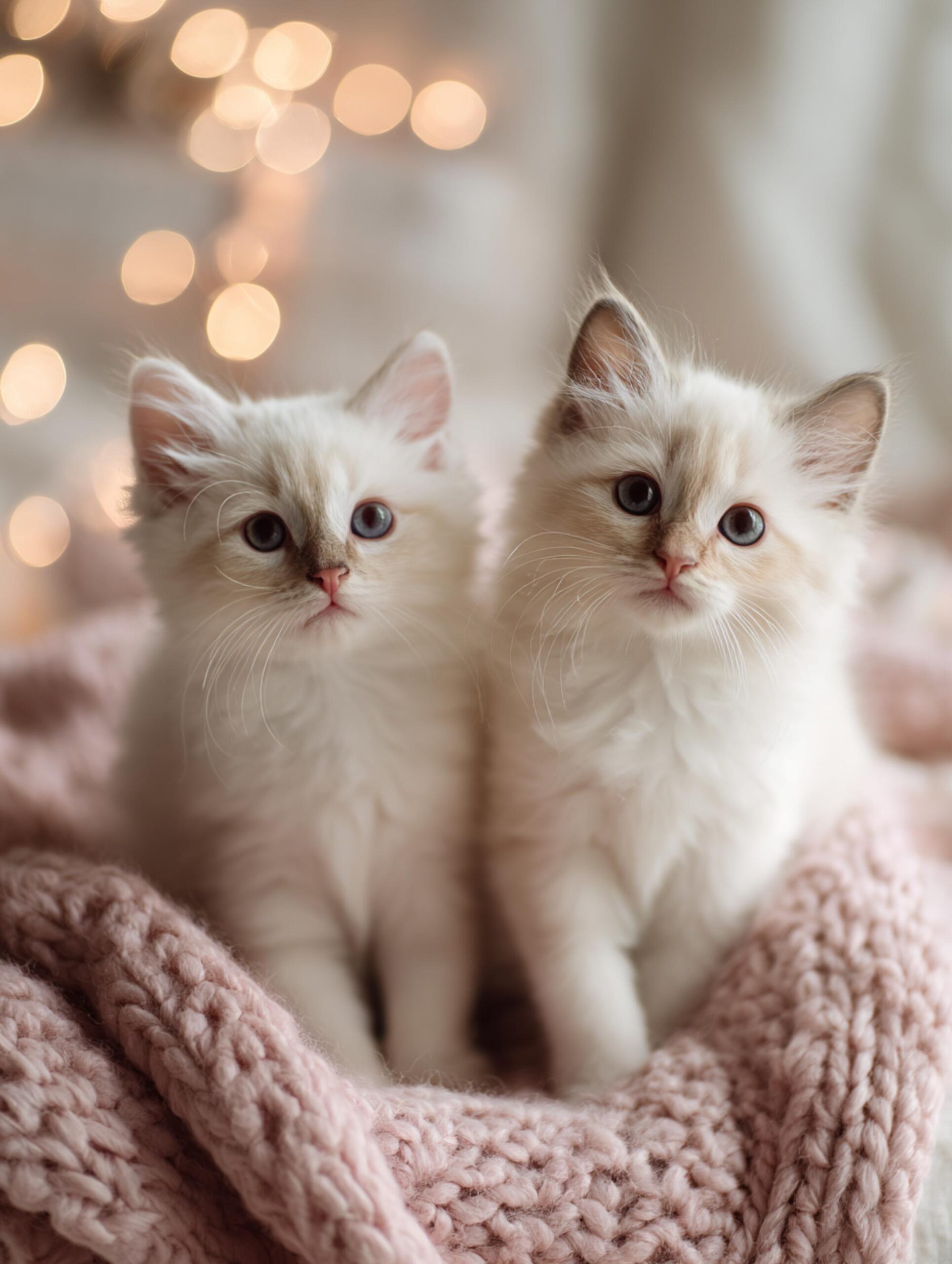
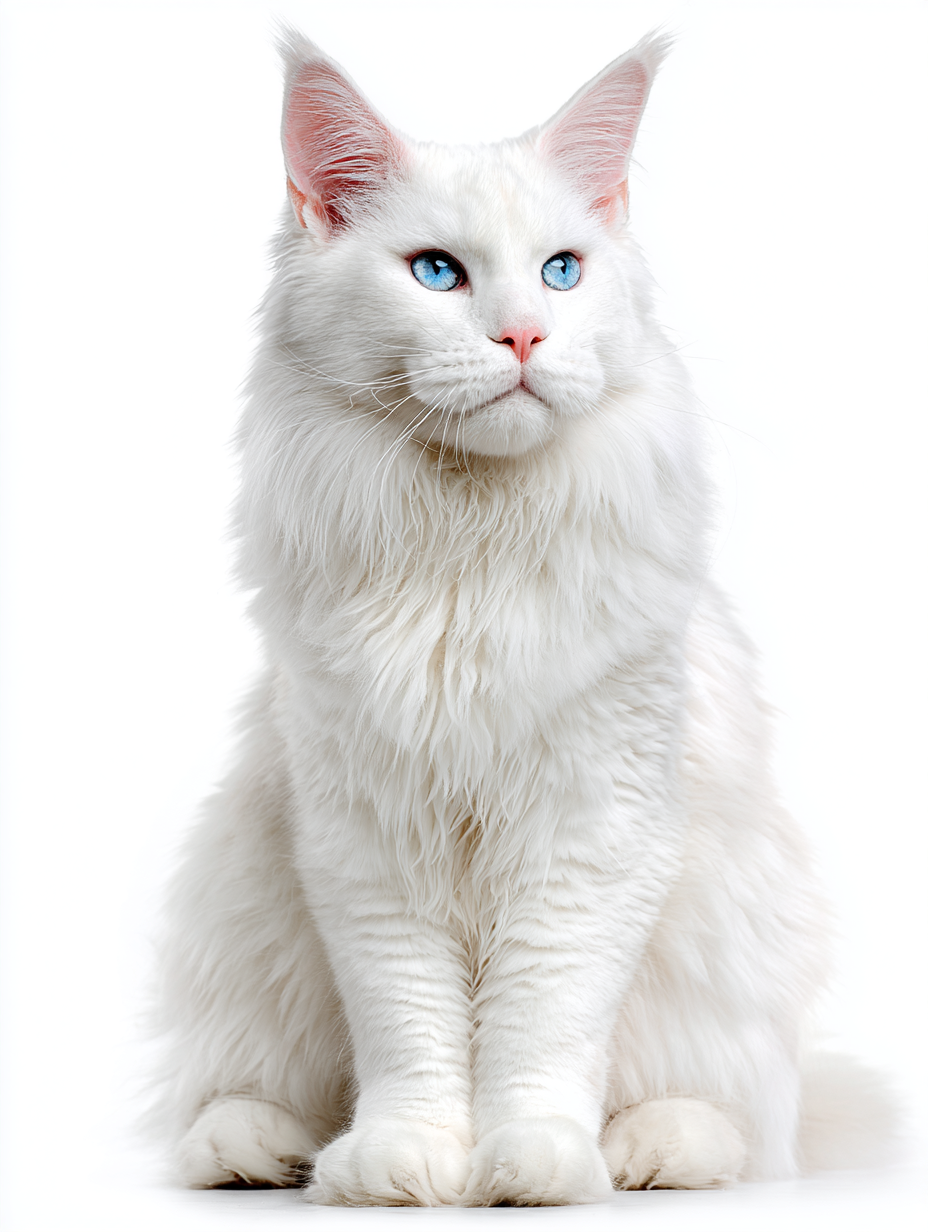
Ragdolls offer an elegant appearance, blue eyes, and a gentle, people-oriented personality. They are known for their calm demeanor and tendency to follow their humans from room to room without the intensity or independence commonly seen in Bengals. Ragdolls thrive in homes that want a social, affectionate companion who fits naturally into a low-stress lifestyle.
Exotic Shorthair
With their soft teddy-bear features, thick plush coat, and easygoing personality, Exotic Shorthairs provide an appealing alternative to the Bengal’s high drive. They maintain a sweet, affectionate temperament similar to Persians but with shorter, easier-to-manage coats. Exotics enjoy companionship and gentle play without the need for constant stimulation.
Selkirk Rex
Selkirks have a unique curly coat, expressive face, and mellow nature that sets them apart. They are affectionate, humorous, and attached to their families, but far less demanding in terms of physical activity or household structure. Their temperament is often described as “sweet and stable,” making them an excellent option for those wanting personality without chaos.
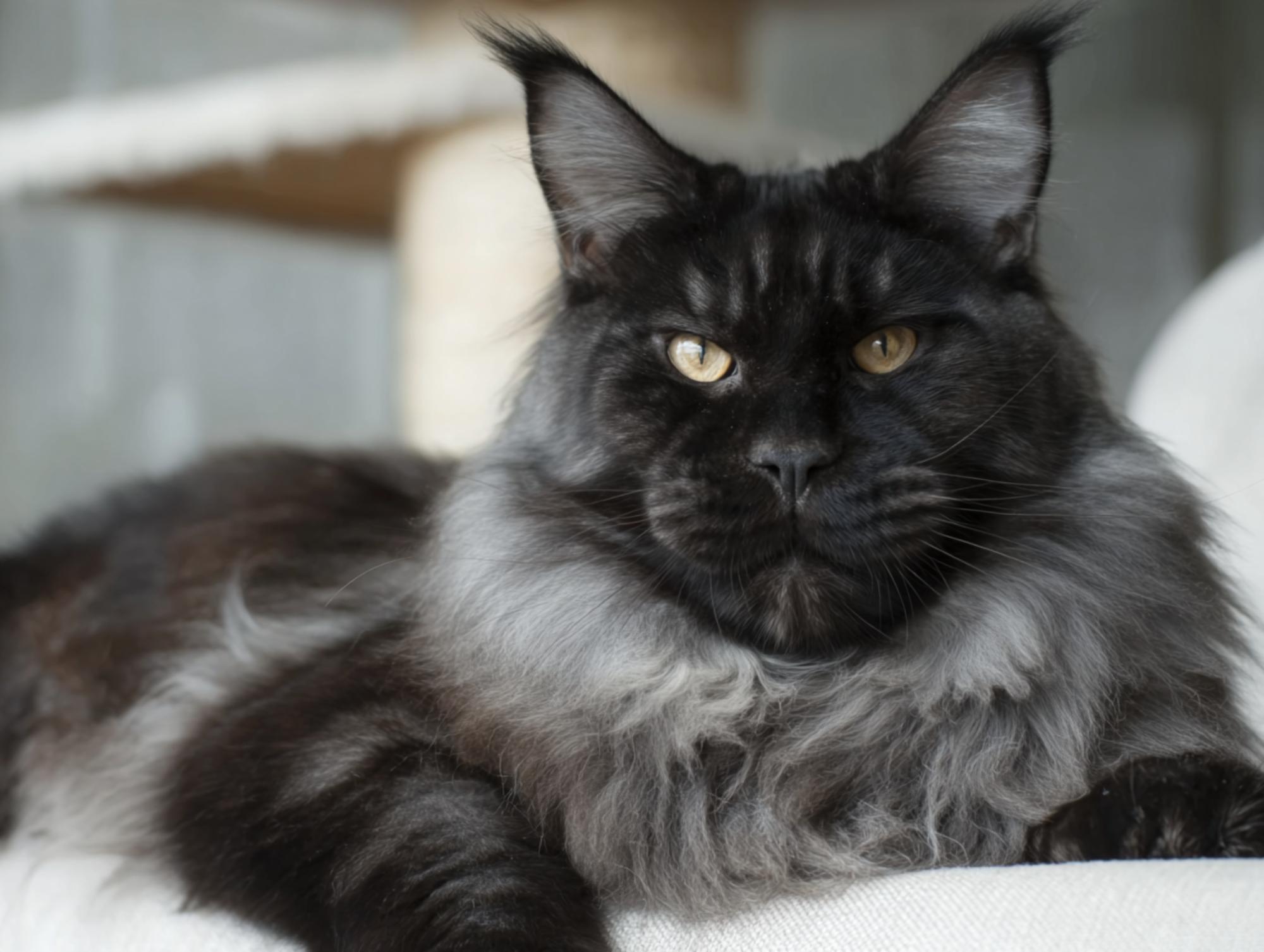
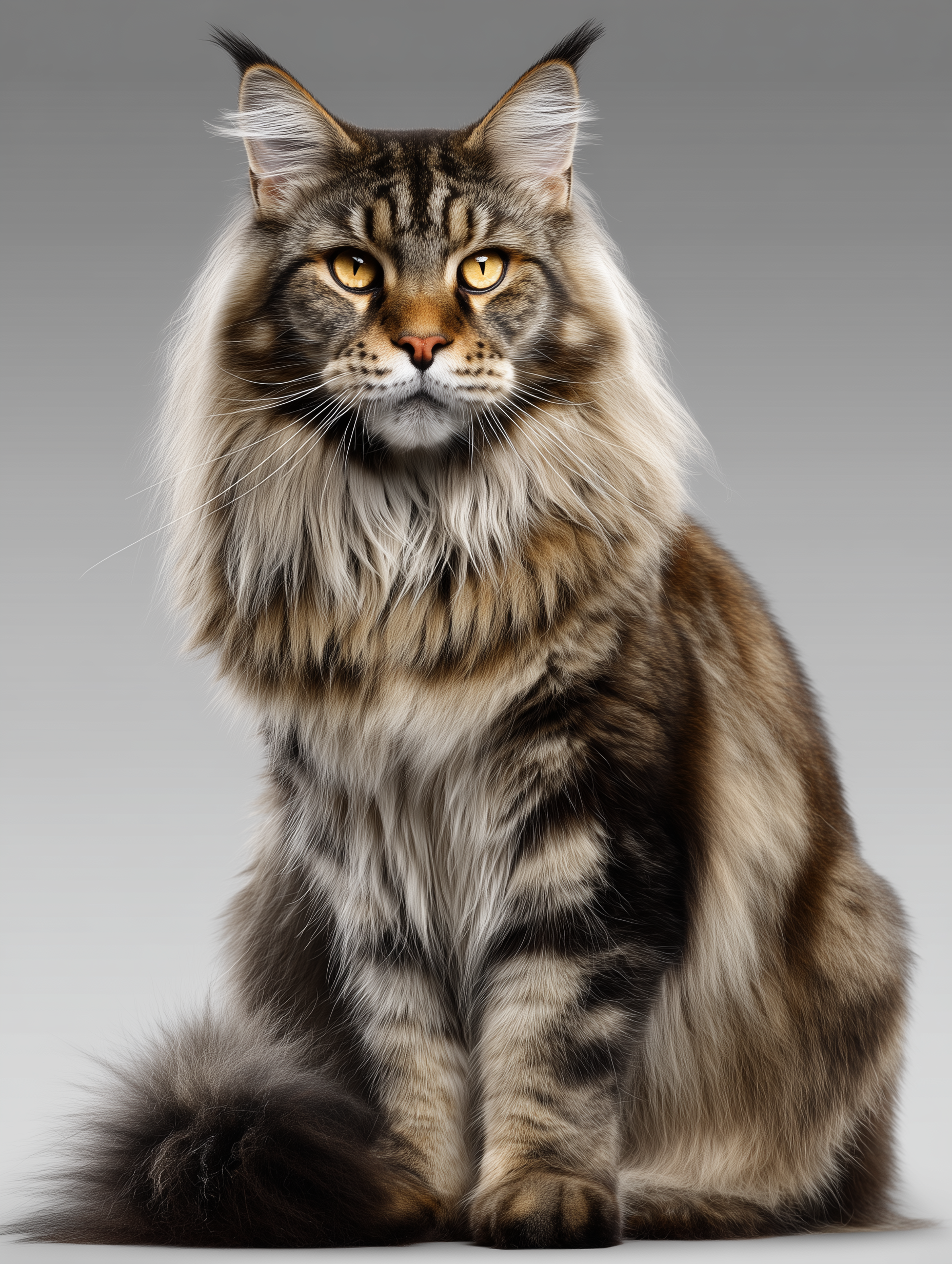
Maine Coon
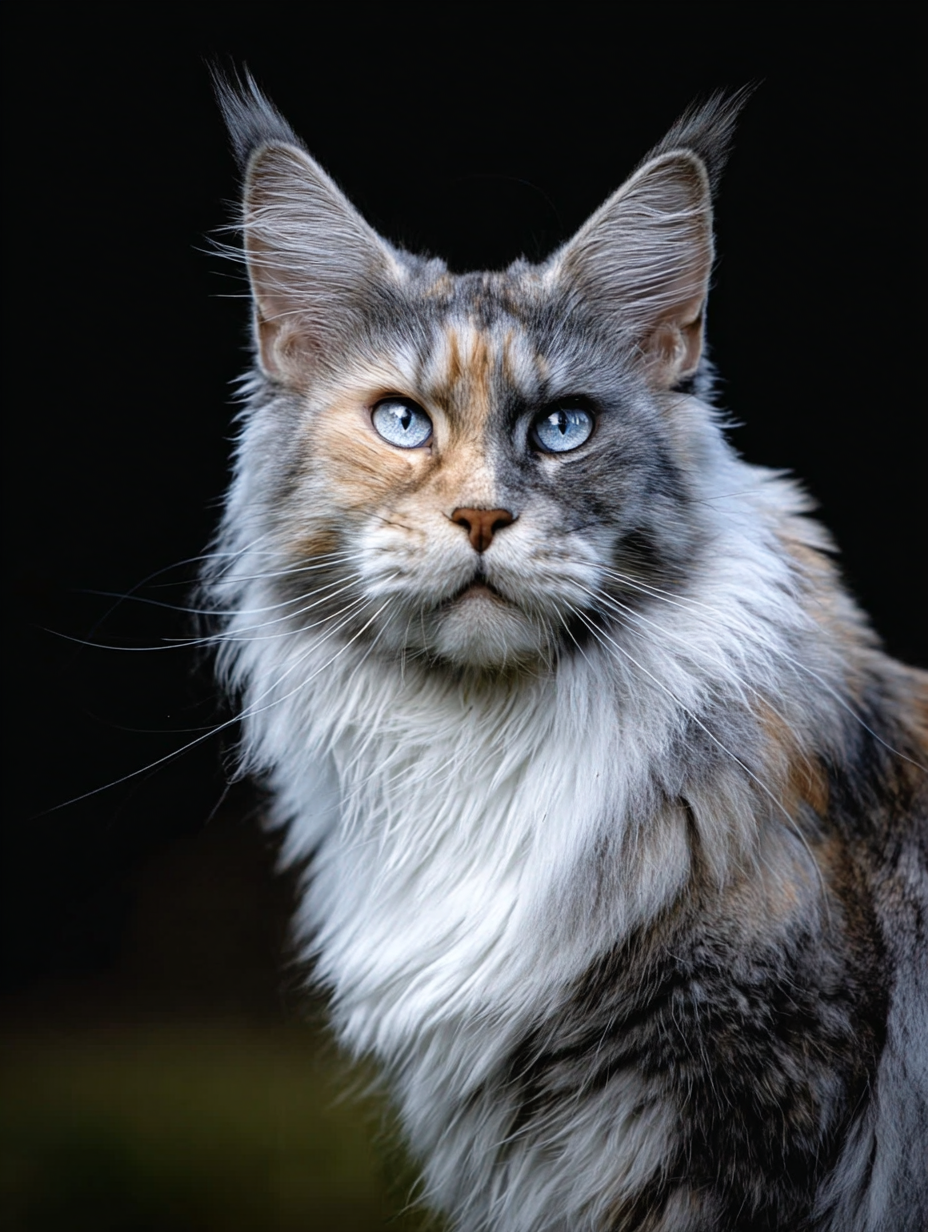
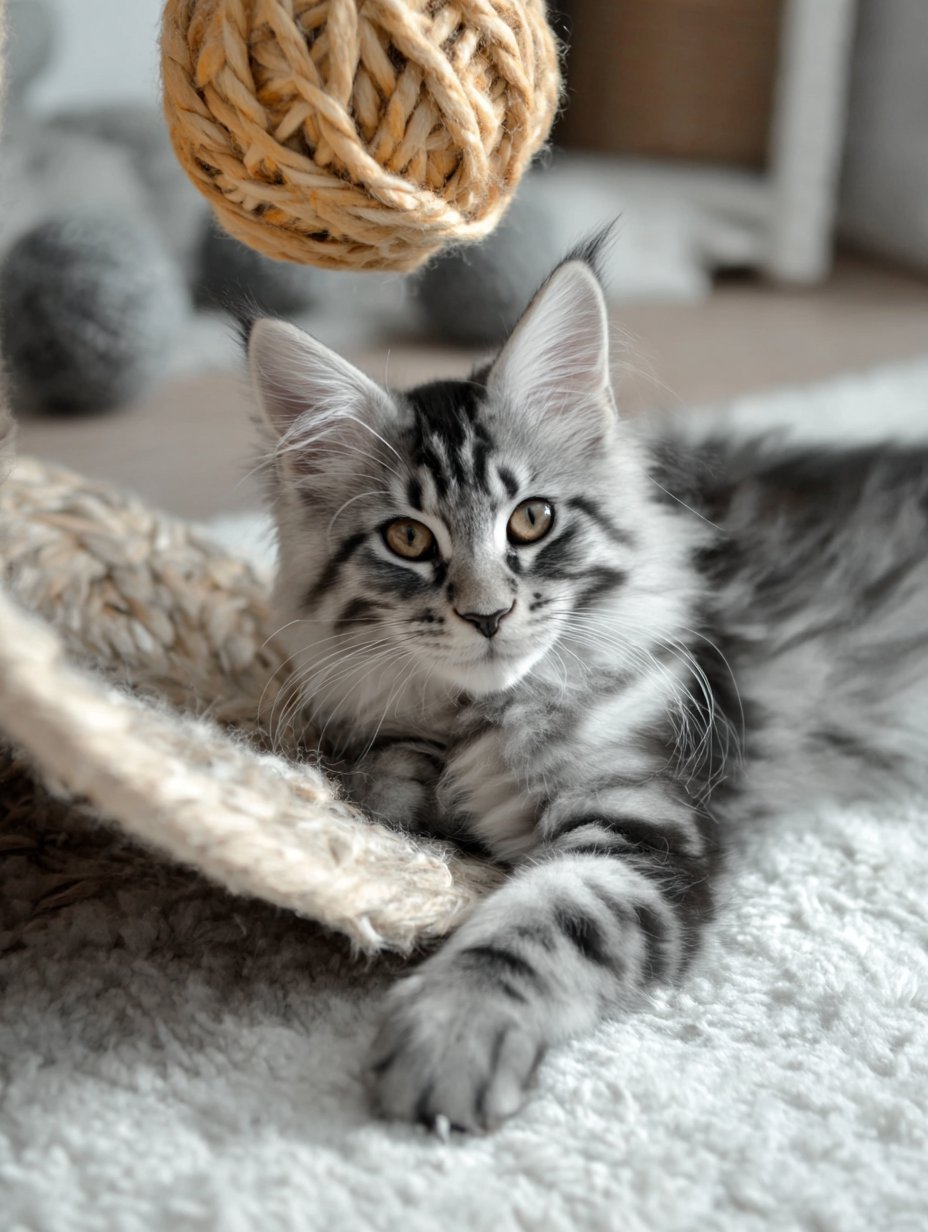
Known as friendly, tolerant, and highly adaptable, Maine Coons offer size, beauty, and social behavior without the hyperactivity of the Bengal. They enjoy play, interaction, and exploration, but their energy levels are moderate and manageable. Maine Coons typically fit well into families, multi-pet homes, and environments where a calmer but still interactive cat is ideal.
Preparing Your Home for a Bengal Kitten
The transition from breeder home to new home is important for Bengals, as they are highly observant and sensitive to changes in environment and routine. Preparing an enriched, structured space helps your kitten feel secure and confident.
Best Setup for the First Week
- a quiet, kitten-proof starter room
- one or two litterboxes (low entry for kittens)
- a stable place for food and water
- vertical climbing options (cat tree, shelves)
- soft bedding and hiding spaces
- interactive toys ready for daily play
- a scratching post or horizontal scratcher
Start small. Once the kitten is comfortable, gradually expand access to the rest of the home.
How to Reserve a Bengal Kitten
Reputable breeders follow a predictable, transparent process that protects you, the kitten, and the breed.
Typical Reservation Steps
- application or brief interview
- deposit or waitlist placement
- pedigree access and health testing disclosure
- contract outlining rights, responsibilities, and health guarantee
- regular photo and video updates
- spay/neuter completion or agreement
- pickup or arranged transport
What Every Contract Should Include
- registration (TICA and/or CFA)
- SBT status
- health testing of parents (HCM, PKDef, PRA-b)
- return policy
- spay/neuter terms
- genetic or congenital guarantee
This ensures you are working with a serious breeder, not a backyard seller or unverified social media listing.
Bengal Cat Lifespan & Long-Term Care
The average Bengal lifespan is 12–18 years, with many living into their late teens when raised indoors with good nutrition and preventive healthcare.
How to Support a Healthy Bengal Lifespan
- feed high-quality, moisture-rich diets
- maintain a healthy weight (obesity reduces lifespan)
- encourage daily play
- enrich the environment with climbing, puzzles, and routine
- keep the cat indoors only
- schedule annual wellness exams
- maintain dental hygiene
- use puzzle feeders and structured mealtimes
Because Bengals are smart and physically gifted, their mental stimulation is as important as physical care for long-term wellbeing.
Behavioral Traits to Understand Before Bringing Home a Bengal
Bengals are affectionate, social cats, but they express that affection through activity, communication, and involvement in their environment.
Typical Bengal Behaviors
- following their people from room to room
- “helping” with activities like typing, laundry, or cleaning
- climbing onto shoulders or high shelves
- chirping, trilling, or talking
- investigating running water
- playing fetch or chase games
- testing latches, doors, and puzzles
They thrive when treated as active family companions rather than passive lap cats.
Why Ethical Breeding Matters in Bengals
Because Bengals are visually striking and extremely popular on social media, unethical breeders often cut corners, resulting in unstable temperament, unpredictable health, and misrepresented kittens.
Risks of Low-Quality Breeding
- high-reactivity or impulsive behavior
- excessive fearfulness rather than confidence
- improper rosettes (spots instead of true rosettes)
- digestive issues and chronic diarrhea
- lack of glitter gene expression
- no generational stability
- lineage too close to early hybrids (not suitable for pet homes)
What Ethical Programs Provide
- fully domestic SBT lines
- stable temperament and predictable structure
- health-tested parents
- correct rosettes, contrast, and glitter
- in-home socialization
- correct early handling and environmental exposure
This is essential for families who want a Bengal with the temperament and structure the breed is known for.
Frequently Asked Questions About Bengal Kittens
Are Bengal kittens good family pets?
Bengal kittens are excellent companions for active families who enjoy interactive, intelligent, and playful cats. They thrive when people engage with them daily and provide an enriched environment. They may be overwhelming for very quiet households or for families wanting a mellow, low-activity cat, but in the right home they are affectionate, confident, and deeply bonded.
Are Bengal cats safe around children?
Yes, when properly socialized. SBT Bengals (fully domestic lines) are predictable, people-oriented, and enjoy interactive play. They do best with respectful children who understand boundaries. Their intelligence and high energy make them fun family cats, but supervision is recommended with toddlers.
Do Bengal cats get along with dogs?
Many Bengals are highly compatible with well-mannered dogs. Their confidence and athleticism allow them to adapt quickly, especially when introduced correctly. Calm, non-aggressive dogs usually become play partners or companions, as Bengals are social and curious by nature.
Are Bengals good indoor cats?
Yes. Bengals must be kept indoors because of their strong prey drive, curiosity, and high risk of accidents or theft. Indoors, they thrive when provided with vertical space, puzzle toys, climbing structures, and daily play sessions.
How active are Bengal cats?
Bengals are one of the most energetic and athletic cat breeds. They prefer climbing, running, exploring, and puzzle-solving. If a family wants a low-maintenance lap cat, the Bengal is not the best match. If they want an intelligent partner who engages with the home environment, Bengals excel.
Are Bengal cats noisy or talkative?
Bengals can be vocal when they want attention, stimulation, or environmental changes. Their voices range from chirps and trills to expressive meows. They use vocalization to communicate needs and often “talk back” during interactive moments.
Do Bengal kittens scratch furniture?
Any active breed may scratch furniture without proper outlets. Bengals need multiple scratching posts, climbing trees, horizontal scratchers, and structured enrichment. When provided with correct resources, they scratch appropriate areas and preserve home items.
Do Bengal cats shed?
Bengals shed lightly compared to longhaired breeds. Their short, sleek coat rarely mats and generally produces minimal hair. Shedding increases during seasonal changes, but weekly brushing controls loose fur effectively.
Are Bengals hypoallergenic?
No. Bengals are not hypoallergenic, although some people with mild allergies report fewer symptoms due to the breed’s short, sleek coat. Allergies vary by individual, and no responsible breeder should promise hypoallergenic traits.
Do Bengal cats like water?
Many Bengals are fascinated by water. They may play with faucets, watch showers, dip their paws into bowls, or enjoy supervised bathing. This water curiosity is normal and stems from their active, inquisitive nature.
What colors do Bengal kittens come in?
Recognized patterns include brown rosette, snow lynx, snow mink, snow sepia, silver, charcoal, and marbled. Rosettes range from donut rosettes to paw-print, arrowhead, and clouded patterns. Non-standard or unregistered colors should be viewed cautiously.
What is an SBT Bengal?
An SBT (Stud Book Tradition) Bengal is at least four generations removed from the Asian Leopard Cat and is fully domestic. Only SBT Bengals are recognized for pets and show. F1–F3 hybrid Bengals should never be sold as household pets.
How much does a Bengal kitten cost?
Most Bengal kittens cost $2,000–$6,000+ depending on pattern, contrast, glitter, breeder reputation, health testing, and show potential. Exceptional kittens with elite rosettes or rare colors may exceed this range.
Why are Bengal kittens so expensive?
Creating healthy, well-typed Bengals requires extensive genetic testing, selective pairing, lineage tracking, ethical socialization, and structured handling. Many online “Bengals” are actually domestic mixes, so the price reflects true pedigree quality and health assurance.
Do Bengals have health issues?
Ethically bred Bengals are generally healthy, but responsible breeders screen for HCM (heart disease), PKDef (anemia), and PRA-b (retinal atrophy). Selecting tested lines dramatically reduces long-term risk.
Are Bengals aggressive?
No. Well-bred SBT Bengals are affectionate, confident, and social. Misbehavior usually stems from boredom, lack of stimulation, or unethical breeding practices. Properly bred Bengals should never show unprovoked aggression.
Do Bengal cats make good lap cats?
Some Bengals enjoy lap time, but many prefer to sit beside their people rather than on them. They show affection through play, interaction, and involvement. As they mature, many become more cuddly.
Do Bengals escape easily?
Their intelligence and problem-solving skills make them skilled escape artists if doors, screens, or windows aren’t secured. Bengal-proofing your home is essential, especially during kittenhood.
How long do Bengal cats live?
Most Bengals live 12–18 years, with many reaching their late teens when kept indoors, fed high-quality diets, and supported with routine veterinary care.
Do Bengal kittens get bored easily?
Yes. Bengals thrive on mental stimulation. Without enrichment, they may vocalize, over-groom, or get into trouble. Daily play, puzzle feeders, and climbing options prevent behavioral issues.
Are Bengal cats good for apartments?
Yes — if the owners provide enough stimulation. They need tall cat trees, interactive play, and puzzles, but they adapt well to apartment life when their environment is enriching.
Do Bengal cats bond strongly with their owners?
Very strongly. Bengals are highly social and often form deep, loyal bonds with their families. They enjoy participating in daily activities and may follow their people from room to room.
Should Bengal kittens be spayed or neutered?
Yes. Altering ensures temperament stability, prevents spraying or territorial behaviors, and supports long-term health. Most breeders sell kittens already fixed or with mandatory spay/neuter agreements.
How can I tell if a Bengal kitten is purebred?
Look for TICA or CFA registration, SBT notation, documented health testing, correct rosettes, glittered coat, and the trademark muscular structure. Domestic tabbies will not display true Bengal contrast or pattern flow.
Why are so many Bengal kittens sold online not real Bengals?
Because Bengals are extremely in-demand, many backyard sellers market mixed-breed kittens as “Bengals.” Without registration, testing, or correct type, these kittens lack Bengal structure, behavior, and pattern predictability.
Looking for a Well-Socialized Companion With Predictable Temperament?
If you love the beauty and structure of premium pedigreed cats but prefer calmer, more low-drama breeds than Bengals, explore the kittens at Almonte Cats.
We specialize in:
- ethically bred, temperament-tested kittens
- in-home socialization for stable personalities
- CFA/TICA registered bloodlines
- transparent health testing
- structured support from reservation to adulthood
Whether you’re seeking a plush British Shorthair, a gentle Ragdoll, or a carefully selected longhaired kitten, our cattery prioritizes health, structure, temperament, and lifelong support.
Sources & Veterinary References
- The International Cat Association (TICA) – British Shorthair Breed Standard
https://tica.org/breeds/breed-standards/british-shorthair-bs - Cat Fanciers’ Association (CFA) – British Shorthair Breed Profile
https://cfa.org/british-shorthair/ - Cornell Feline Health Center – General Feline Longevity & Senior Care
https://www.vet.cornell.edu/departments-centers-and-institutes/cornell-feline-health-center - American Association of Feline Practitioners – Senior Cat Care Guidelines (AAFP)
https://catvets.com/guidelines - Royal Veterinary College – Longevity & Causes of Death in Cats Study
https://www.rvc.ac.uk/vetcompass - National Library of Medicine – Longevity & Mortality in Domestic Cats (Peer-Reviewed Study)
https://pubmed.ncbi.nlm.nih.gov/30730974/ - American Veterinary Medical Association – Cat Health & Indoor vs Outdoor Safety
https://www.avma.org/resources/pet-owners/petcare/cats-and-outdoors - ASPCA – Indoor Cat Life Expectancy & Safety
https://www.aspca.org/pet-care/cat-care - Wisdom Panel / Optimal Selection – Feline Genetic Health Overview
https://www.wisdompanel.com/en-us/cat - PawPeds – British Shorthair Health Program & Genetic Guidance
https://www.pawpeds.com/cms/index.php/en/ - American College of Veterinary Nutrition (ACVN)
https://acvn.org/ - PetMD – Senior Cat Nutrition & Lifespan Health
https://www.petmd.com/cat





Read the Comments +