
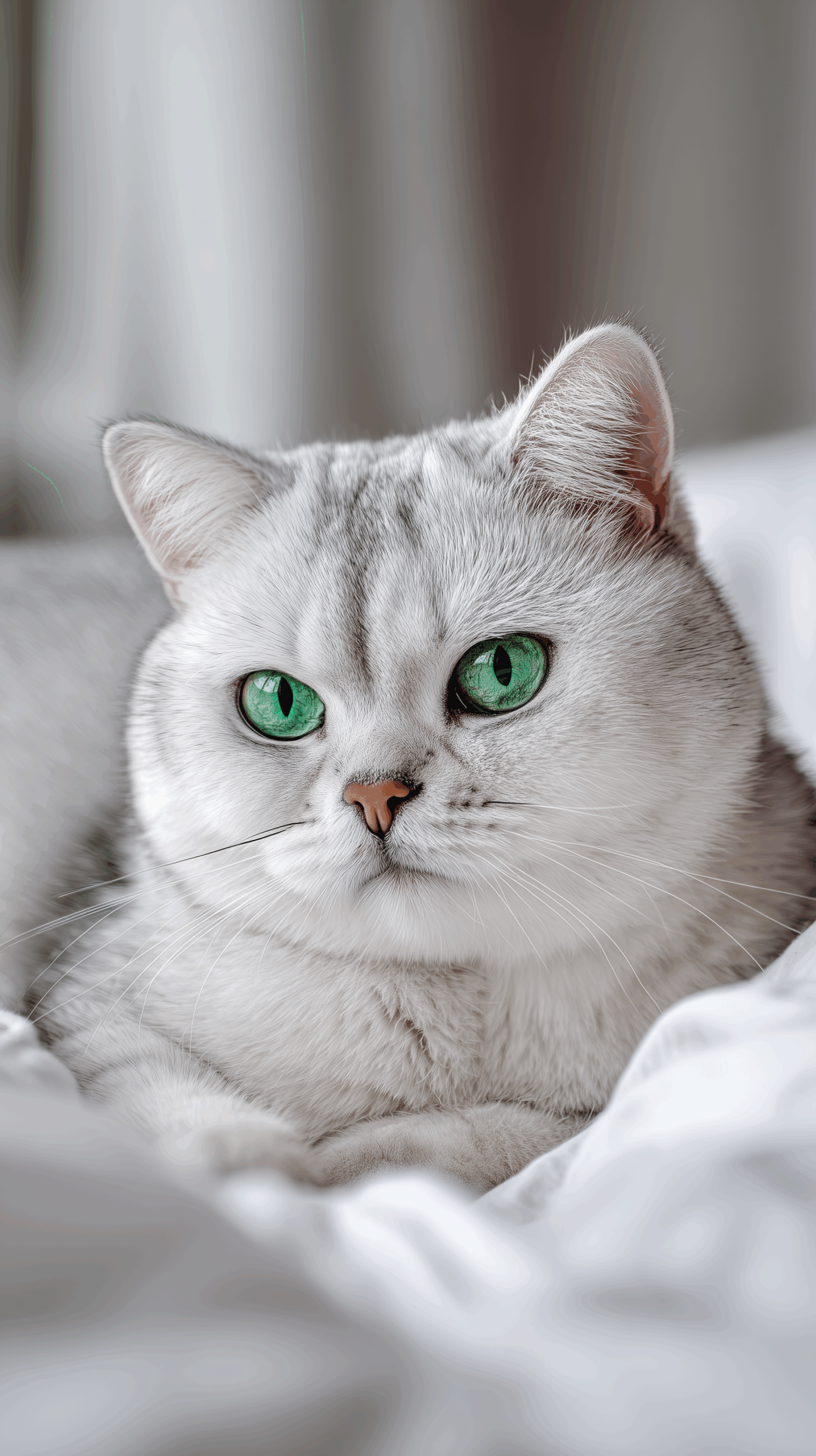
Why Apartment Life Requires the Right Cat Breed
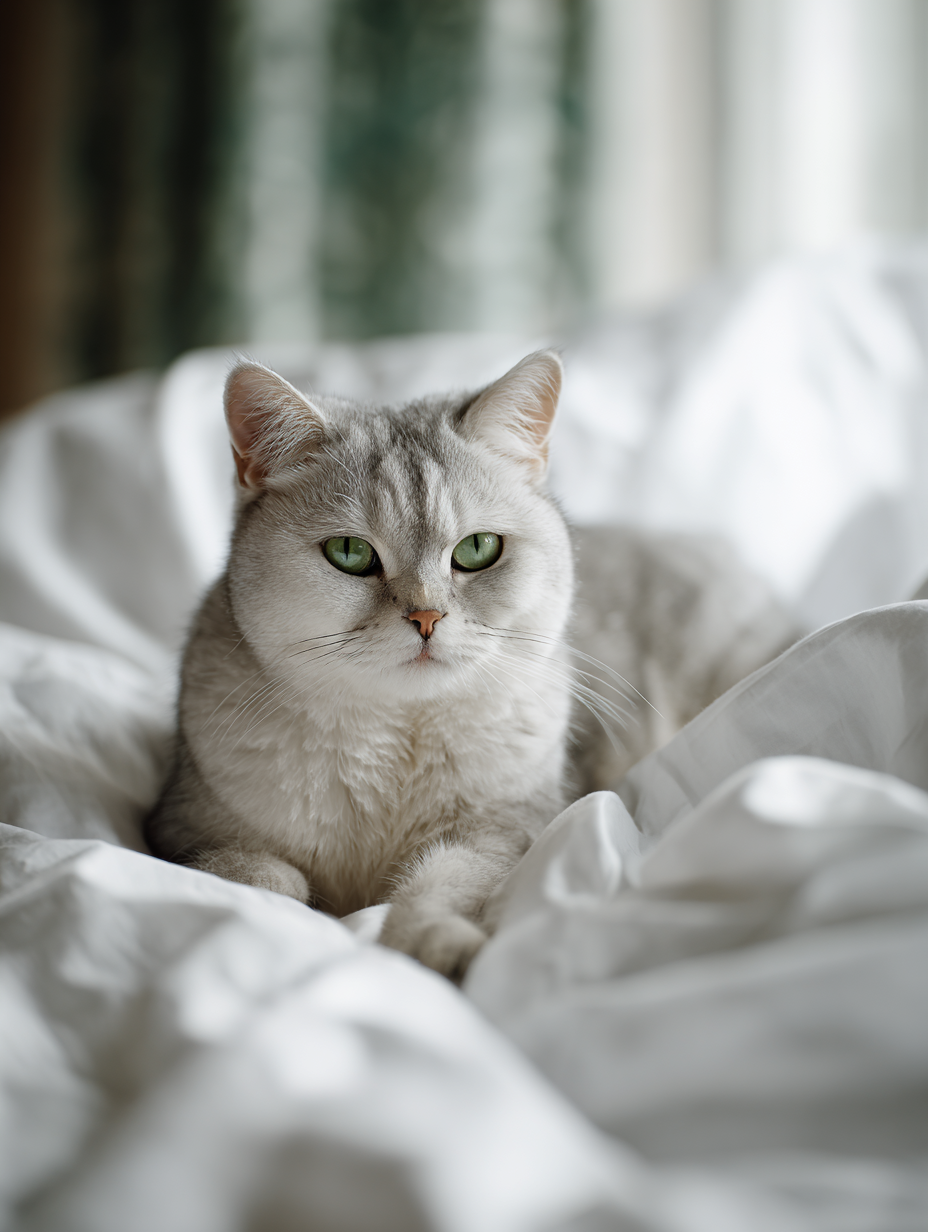
What are the best cat breeds for apartments? Apartment living is very different from living in a house, especially from a cat’s perspective. Multi-unit buildings create a unique mix of noise, structure, airflow, smells, space limitations, and environmental variables that can overwhelm the wrong breed and deeply soothe the right one.
Quick Summary: The 7 Best Cat Breeds for Apartments
The best apartment cats are calm, quiet, adaptable, and comfortable with predictable indoor routines. Ragdolls, British Shorthairs, Persians, Russian Blues, Maine Coons, Scottish Folds, and RagaMuffins consistently rank as the top breeds for small homes thanks to their steady energy, soft vocalization, and relaxed indoor behavior. Each of these breeds thrives in compact spaces, handles shared-wall living well, and fits naturally into the lifestyle of modern apartment residents.
Best Cat Breeds for Apartments by Temperament
| Breed | Noise Level | Activity | Grooming | Alone-Time Tolerance | Best For |
|---|---|---|---|---|---|
| Ragdoll | Very Low | Low–Moderate | Medium | Moderate | Small apartments, families |
| British Shorthair | Very Low | Low | Low | Excellent | Busy owners, studios |
| Persian | Very Low | Low | High | Moderate | Quiet households |
| Russian Blue | Very Low | Low–Moderate | Low | Excellent | Allergy-sensitive apartments |
| Maine Coon | Low | Moderate | Medium | Great | Families, gentle homes |
| Scottish Fold | Low | Low | Low | Great | Calm environments |
| RagaMuffin | Low | Low–Moderate | Medium | Moderate | Affectionate indoor homes |
Many people assume “any cat can live in an apartment,” but behavior science tells us otherwise.
The most successful apartment cats share several traits:
Low Vocalization
Neighbor walls are thin. Breeds that frequently yowl, chirp, trill, or demand attention can cause landlord complaints or tension between neighbors. The calmest indoor breeds — like the Ragdoll and British Shorthair — use minimal vocalization and communicate more through body language.
Low-to-Moderate Activity Needs
Apartments lack long corridors, multiple rooms, and outdoor access. Cats that need acres of territory or intense energy outlets (like Bengals and Abyssinians) often become destructive or stressed in small environments.
Emotional Stability
Apartment noises include:
- door slams
- dogs barking in the hallway
- elevator dings
- footsteps from above
- dishwashers or dryers from adjacent units
Breeds with low reactivity and slow nervous systems adapt far better.
Comfort With Indoor-Only Living
Some breeds need outdoor stimulation or extensive climbing opportunities.
Others are content with:
- a window perch
- a soft bed
- a gentle routine
- predictable human presence
- low-impact enrichment
These cats thrive indoors and stay emotionally balanced.
Ranking Criteria for the Best Cat Breeds for Apartments
To create this definitive top 7 list, each breed was evaluated according to the following criteria:
1. Noise Level (Quietest Cats for Apartments)
Search intent: “What is the calmest indoor cat?”
Breeds were ranked by vocalization frequency, volume, and intensity.
2. Energy Level & Territory Requirements
The least successful apartment breeds tend to:
- pace
- scream
- require constant stimulation
- climb aggressively
- become destructive
Calmer breeds are comfortable in studios, condos, and even single-room setups.
3. Independence & Alone-Time Tolerance
What are the best indoor cats that can be left alone?
Some breeds are intensely social (Siamese, Burmese, Abyssinian) and develop separation anxiety.
The top 7 breeds handle alone-time well.
4. Emotional Stability & Noise Tolerance
What cat breeds can handle apartment building noise?
Breeds that handle hallway noise, new visitors, and building sounds perform best.
5. Grooming Needs
Apartment life magnifies mess:
- small spaces exaggerate shedding
- one room may contain litter, food, grooming fur, and bedding
- odor travels faster through smaller environments
Breeds with predictable coats and manageable grooming rank higher.
6. Hypoallergenic Traits (Where Applicable)
Search intent: “best hypoallergenic cats for apartments”
The Russian Blue appears on the list specifically for this reason. They are potentially more hypoallergenic then some of the more popular indoor breeds.
Why These 7 Breeds Were Chosen
This article ranks Ragdoll, British Shorthair, Persian, Russian Blue, Maine Coon, Scottish Fold, and RagaMuffin as the top 7 apartment cat breeds because they consistently demonstrate:
- ✓ low vocalization
- ✓ low-to-moderate activity
- ✓ strong adaptability
- ✓ excellent indoor-only suitability
- ✓ emotional predictability
- ✓ calm, quiet body language
- ✓ good litter habits
- ✓ stable social temperament
These traits make these breeds not just capable of indoor living — but actually thrive in it.
This is also why Bengals, Abyssinians, Savannahs, Orientals, and other high-energy breeds do NOT appear on this list.
1. Best Apartment Cat: Ragdoll
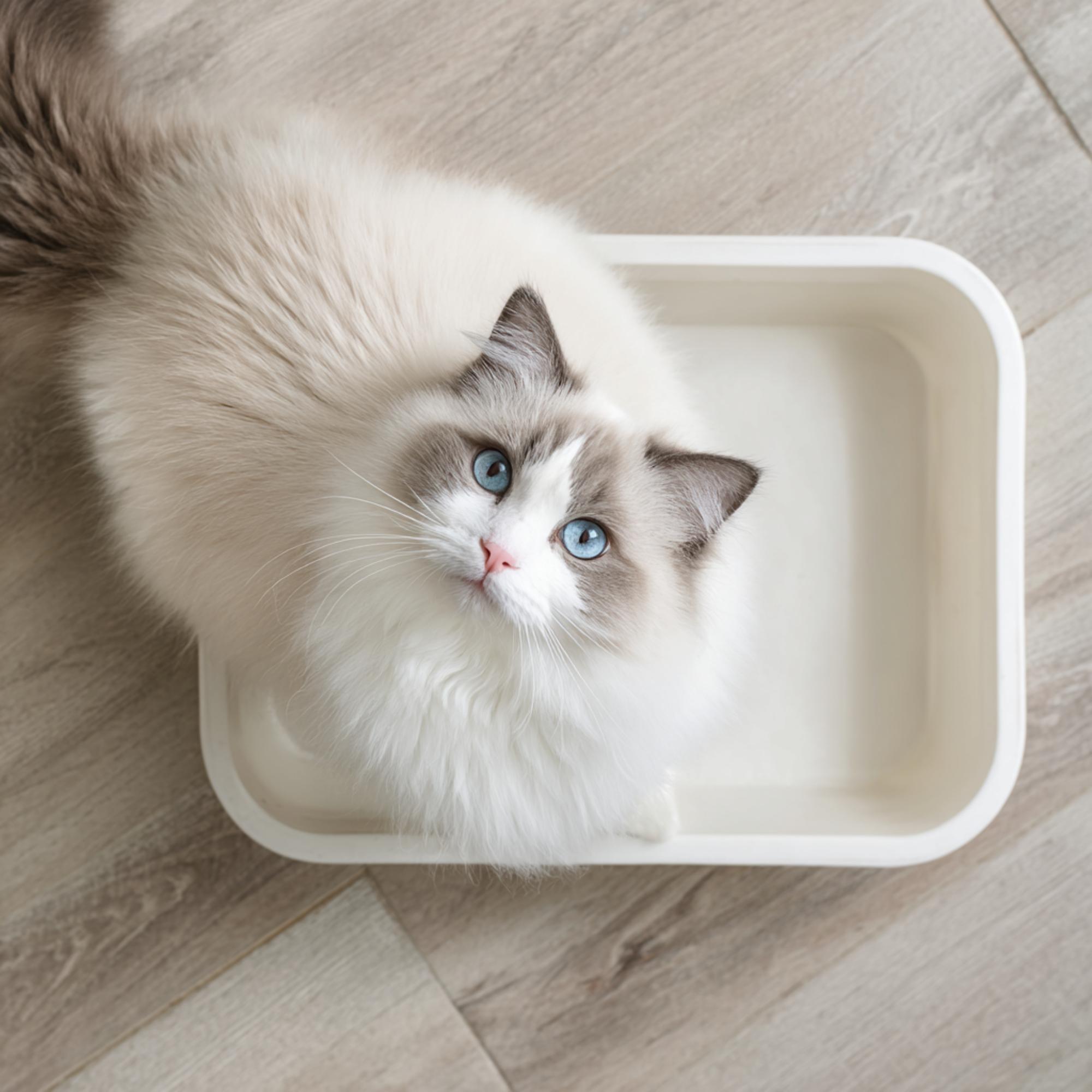
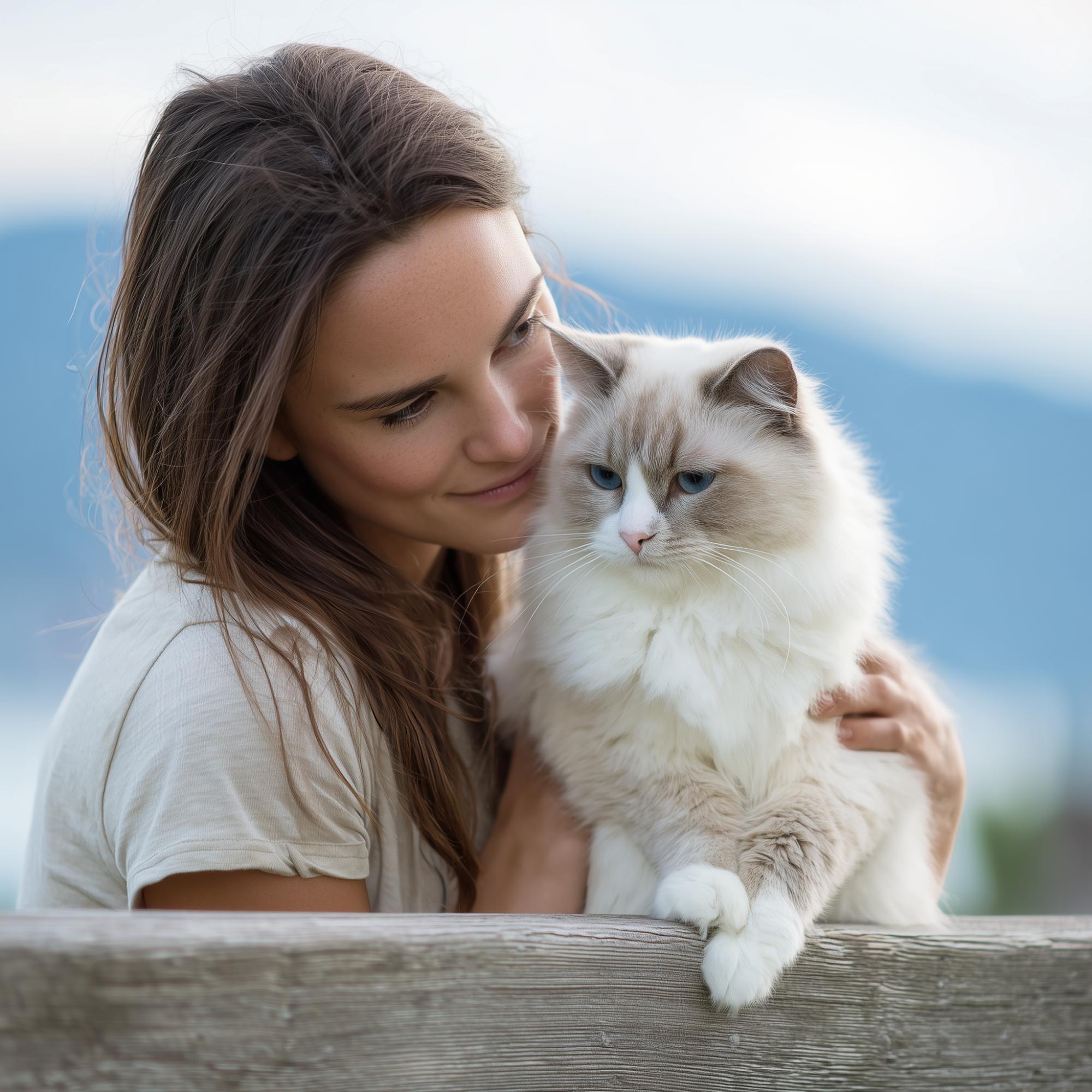
Ragdolls consistently rank as the calmest indoor cat breed and the best cat for small apartments, studios, and condos.
They’re famously gentle, emotionally steady, and slow-moving — exactly what apartment life demands.
Why Ragdolls Are #1
- extremely low vocalization
- rarely zoom or jump aggressively
- no strong prey drive indoors
- non-destructive
- adapt beautifully to being indoor-only
- deeply attached to their families (but not anxious)
Ragdolls tend to follow their owners from room to room and settle wherever you are — they aren’t territorial, loud, or reactive.
Apartment Strengths
- excellent for families with children
- adaptable to apartment noises
- affectionate without being demanding
- thrive without large spaces
- enjoy soft play, not high-impact athletics
- lovely for seniors and calm homes
Ragdolls excel in exactly the environments where many breeds would become stressed.
2. Best Apartment Cat: British Shorthair
British Shorthairs are often described as the perfect apartment cat for professionals, because they are quiet, independent, and need very little space.
They’re famous for being composed and gentle, with one of the lowest vocalization levels of any breed.
Why British Shorthairs Rank So High
- extremely low noise
- low energy
- very low grooming
- highly responsible with litter boxes
- emotionally independent but affectionate
- excellent with alone-time
- thrive on quiet routines
British Shorthairs were historically working cats that learned to conserve energy indoors — which makes them naturally suited for apartments today.
Apartment Strengths
- ideal for people working full-time
- great for small apartments or studios
- no separation anxiety
- calm during neighborhood noise
- minimal shedding and mess
This breed is one of the quietest cats in the world, making it perfect for shared-wall living.
3. Best Apartment Cat: Persian
Persians are one of the most serene, slow-paced, and indoor-oriented breeds on earth. They prefer soft environments, gentle humans, and quiet homes — the very definition of apartment living.
Why Persians Excel Indoors
- extremely low activity
- extremely quiet
- relaxed, slow movement patterns
- naturally calm nervous system
- excellent for small homes
- emotionally gentle and predictable
Persians are peaceful, loving cats who are content with a window perch and a soft bed.
Apartment Strengths
- perfect for quiet apartments
- ideal for seniors or relaxed households
- low reactivity to hallway noise
- absolutely thrive as indoor-only cats
The only challenge is grooming — but temperament-wise, Persians are one of the single best indoor cats ever created.
4. Best Apartment Cat: Russian Blue (Best Hypoallergenic Cat for Apartments)
The Russian Blue is one of the quietest, cleanest, and lowest-allergen-producing cats, making it a top choice for apartments — especially for allergy-sensitive families. Their compact size and graceful demeanor fit small spaces perfectly.
Why Russian Blues Excel in Apartments
Russian Blues naturally have a calm, observant temperament and form deep but polite bonds with their owners. They are not clingy, not destructive, and not high-drama.
Their dense double coat traps dander, reducing shedding — one reason they’re often called the best hypoallergenic cat for apartments.
Apartment-Friendly Traits
- Very low vocalization — often silent
- Low shedding & low odor
- Calm, emotionally stable
- Enjoy quiet routines
- Self-entertaining and independent
- Excellent litter box habits
- Adapt well to small spaces
Russian Blues thrive in homes where peace, consistency, and routine matter.
Perfect For
- allergy-sensitive homes
- quiet apartments or condos
- working professionals
- adults wanting a soft-tempered, clean cat
Russian Blues are indoor-only by nature and deeply suited for apartments.
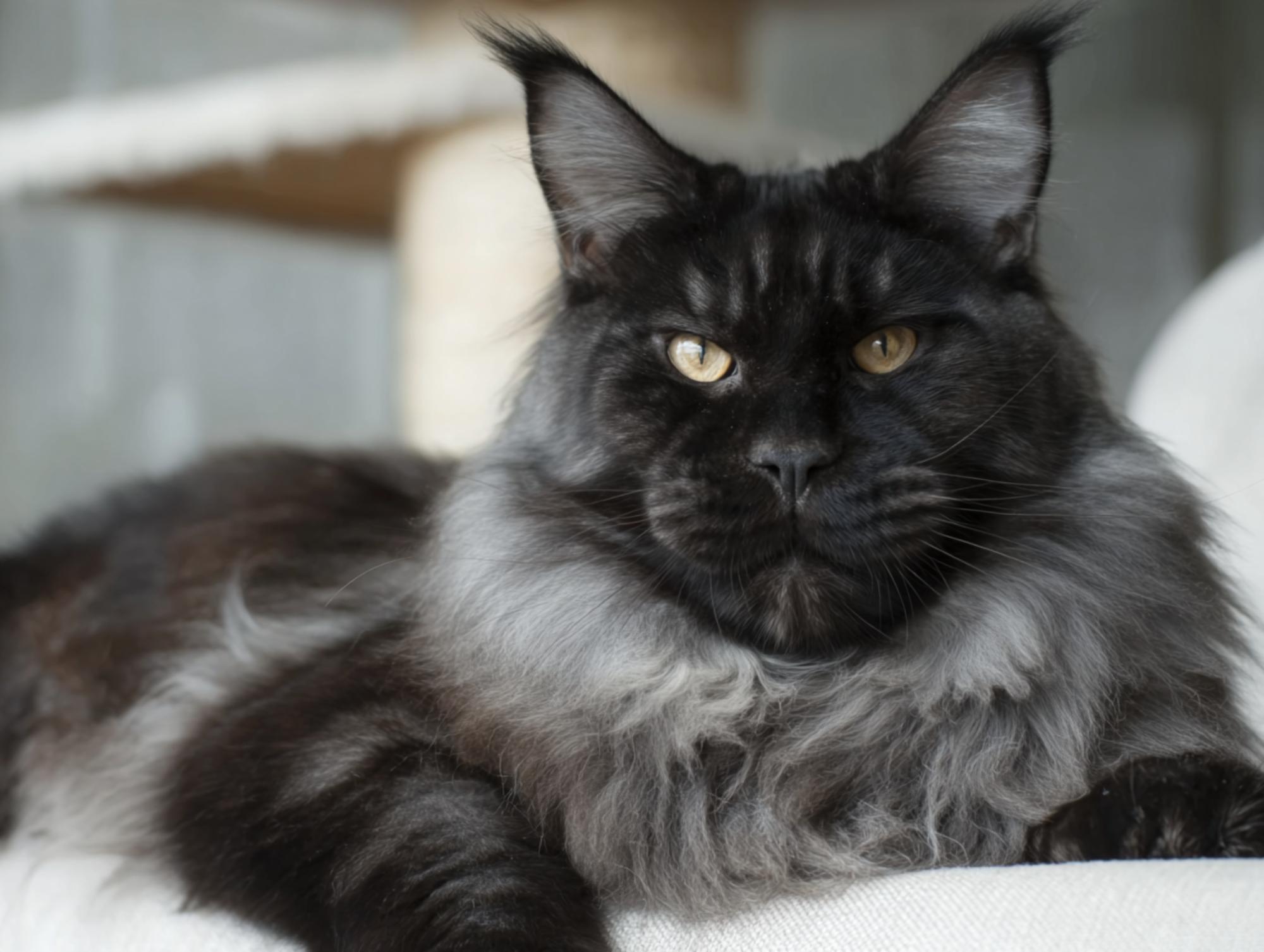
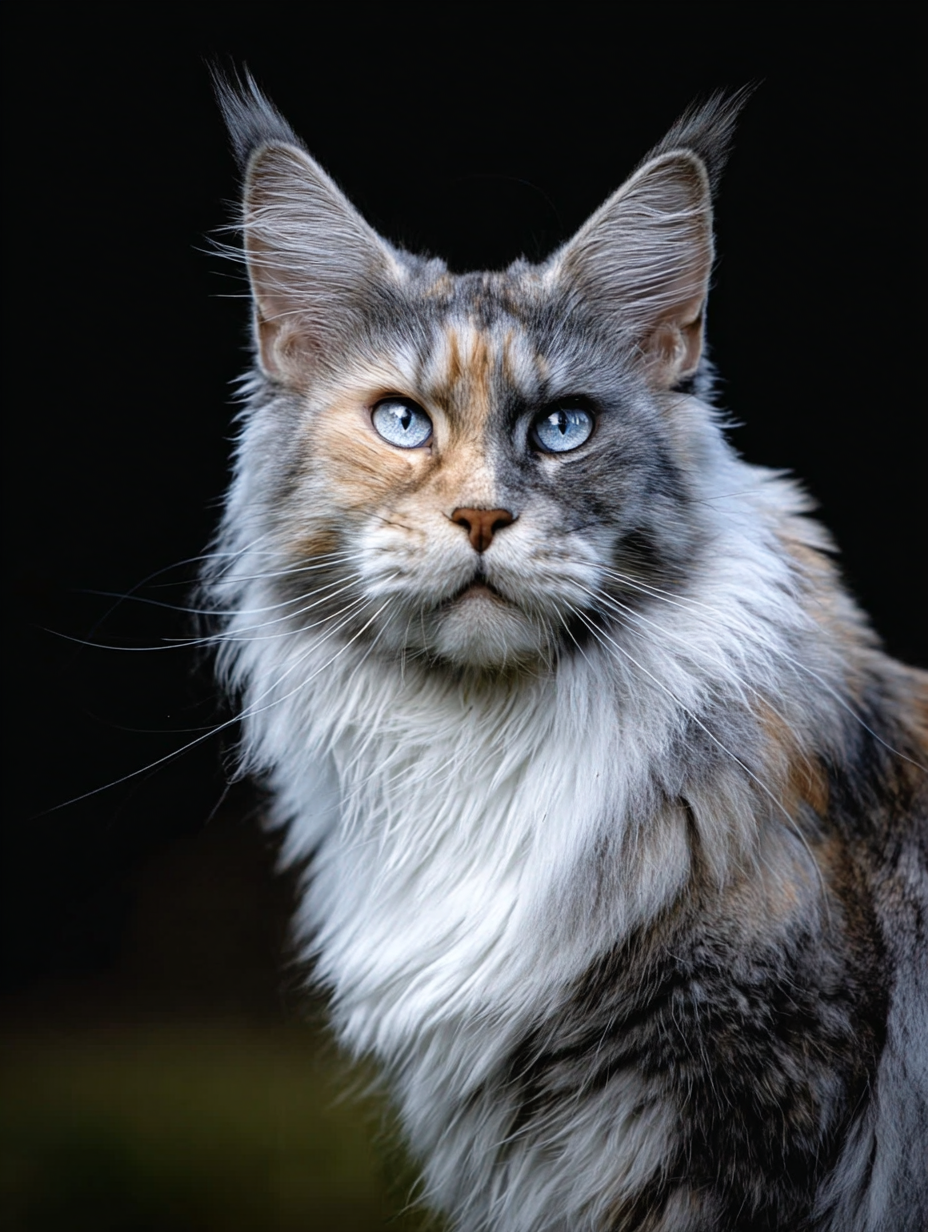
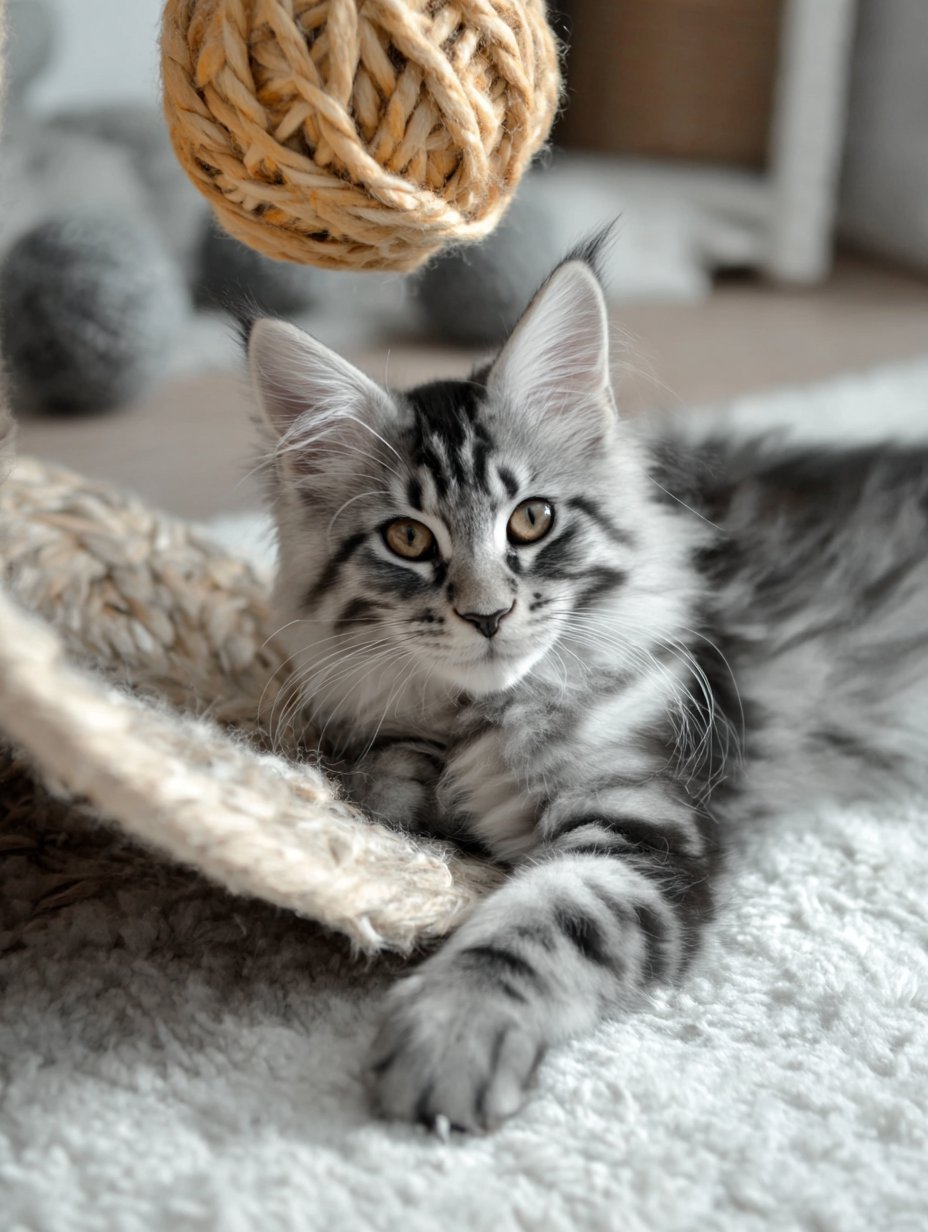
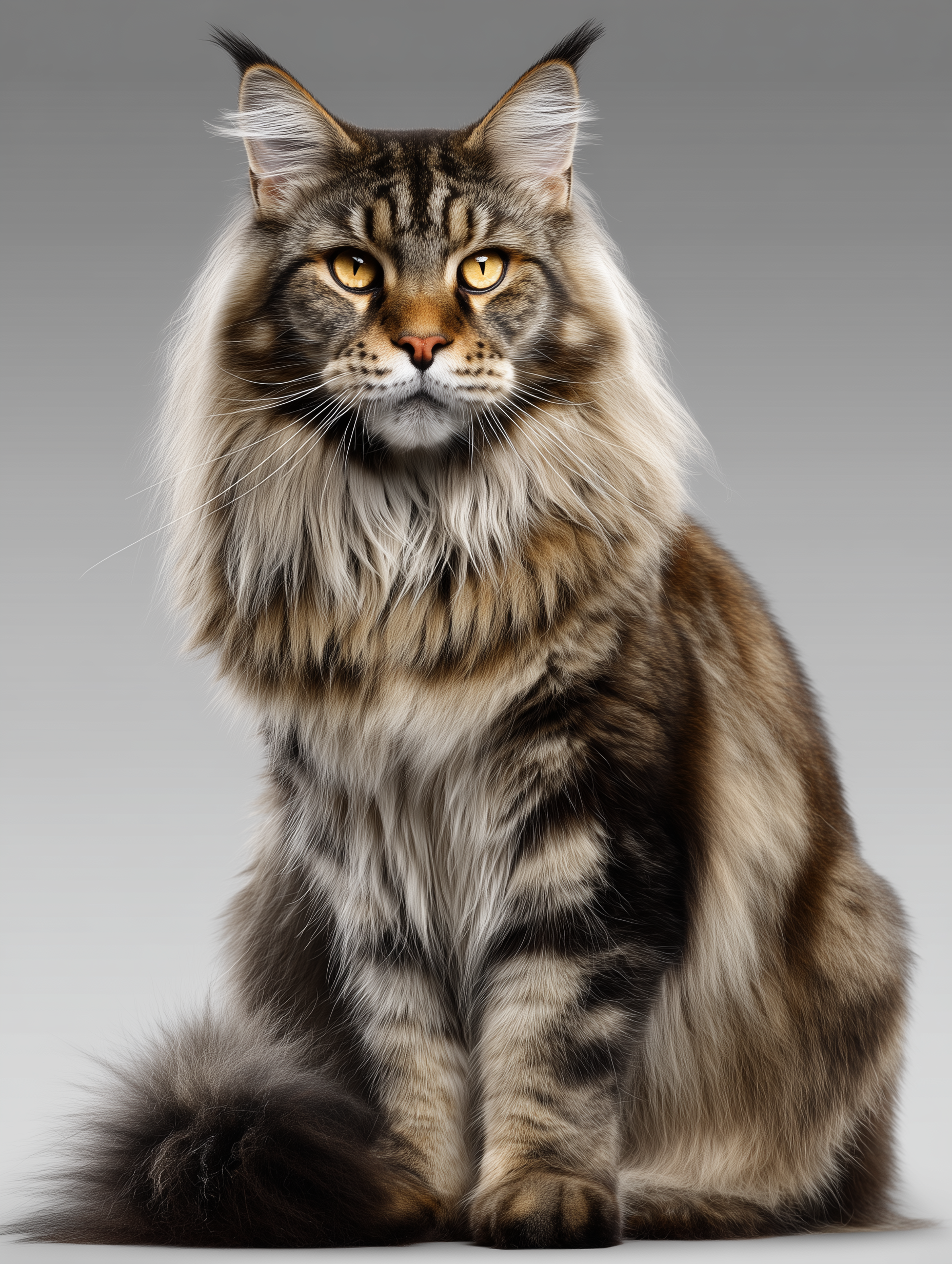
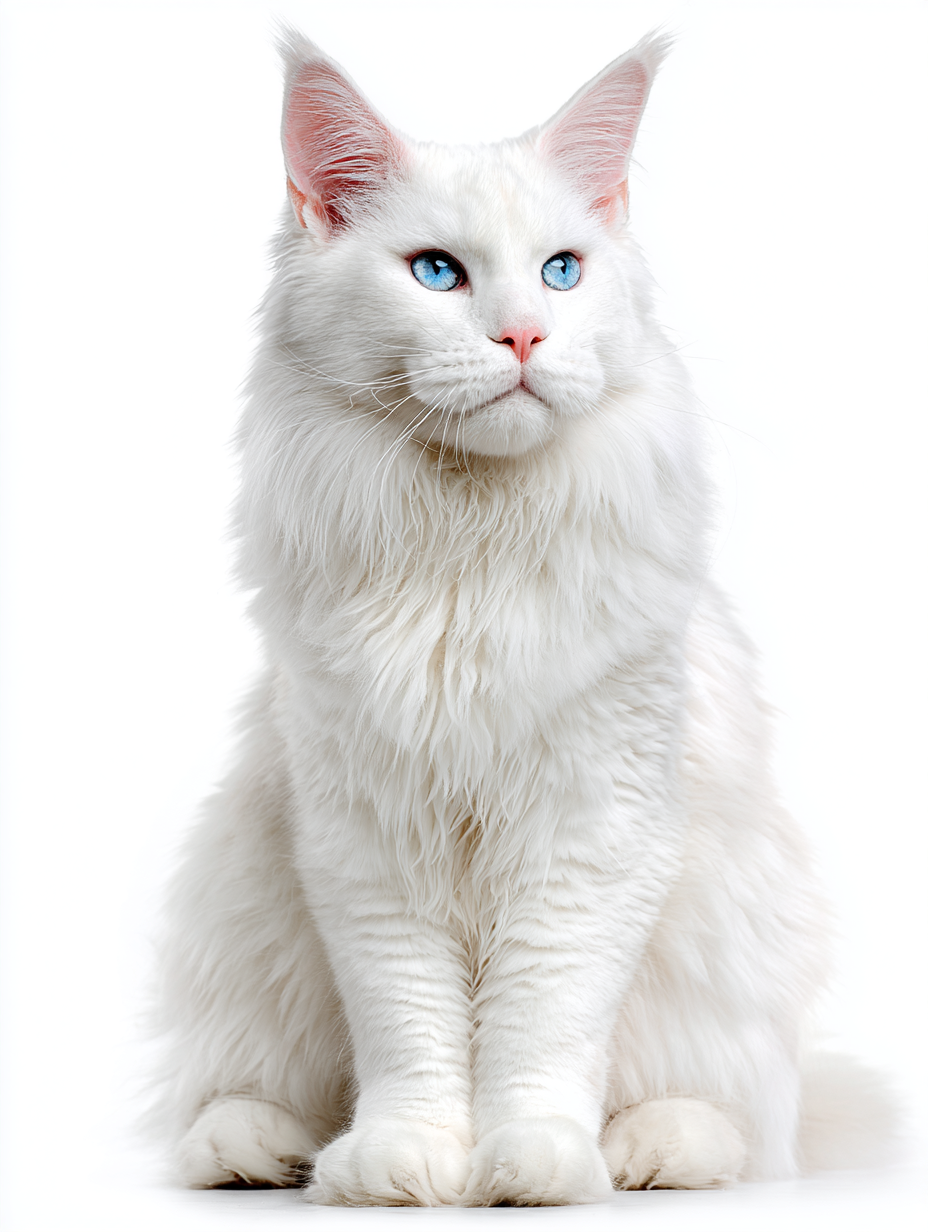
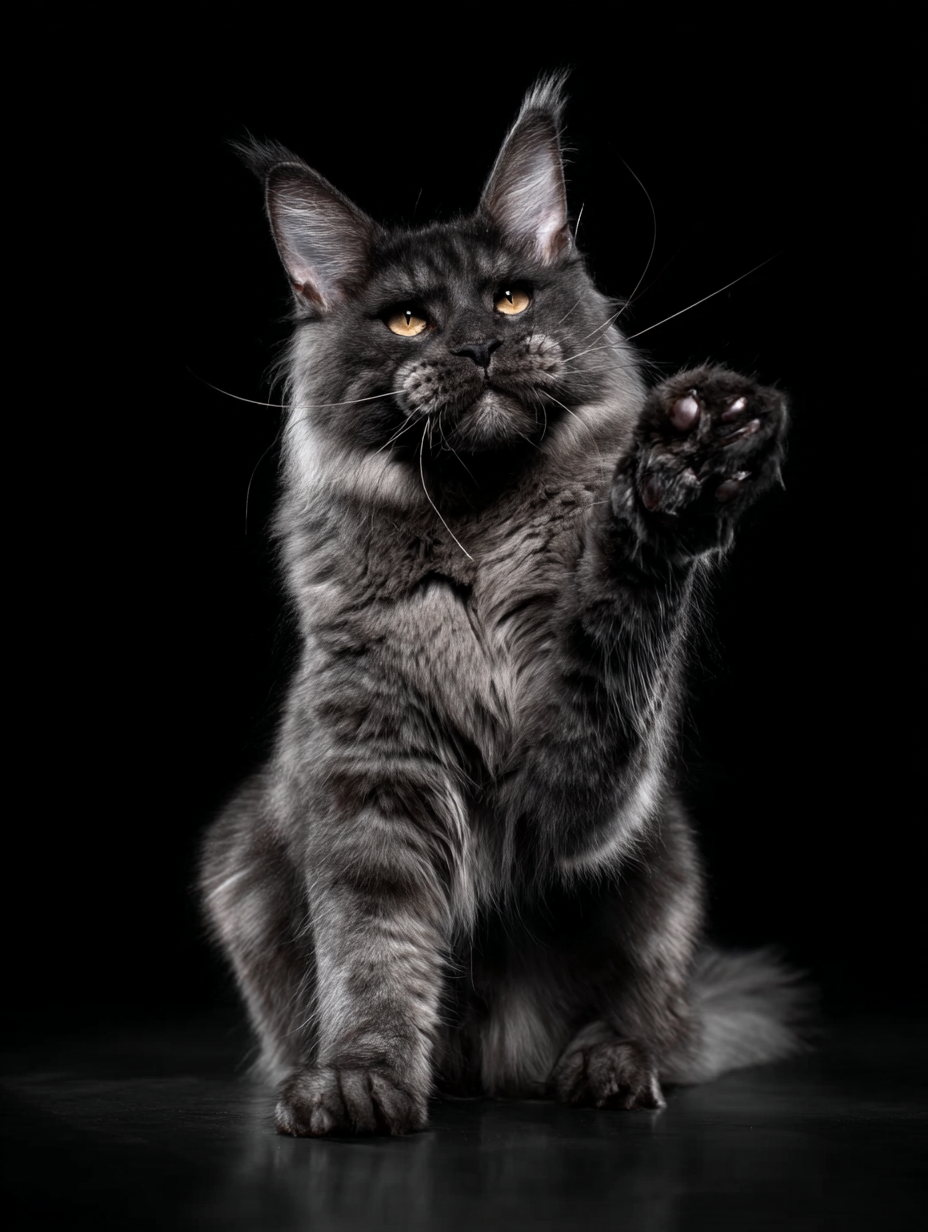
5. Best Apartment Cat: Maine Coon (Gentle Giant, Shockingly Apartment-Friendly)
Although they are the largest domestic cat breed, Maine Coons adapt remarkably well to apartment life. Their calm, doglike temperament and stable, easygoing nature make them wonderful indoor companions.
Why Maine Coons Work in Apartments
Despite their size, Maine Coons are:
- slow-paced
- extremely gentle
- emotionally balanced
- tolerant of children and other pets
- quiet (soft chirps instead of meows)
They do not display the frantic, high-driven energy seen in athletic breeds like Bengals.
Apartment-Friendly Traits
- Moderate activity (not hyperactive)
- Calm, friendly temperament
- Low noise and low reactivity
- Very adaptable to indoor-only lifestyles
- Enjoy lounging and observing
- Secure with routine
They thrive with vertical space rather than running space — one cat tree and a window perch are usually enough.
Perfect For
- families
- multi-pet apartments
- people wanting a gentle large cat
- people wanting a doglike companion
The Maine Coon’s stable personality is a major reason they can live happily in small spaces.
6. Best Apartment Cat: Scottish Fold
Scottish Folds are known for their gentle expressions, soft voices, and mellow demeanor. They are quiet indoor companions who bond deeply with their families, making them one of the safest apartment choices.
Why Scottish Folds Fit Apartment Life
Folds have a quiet, contemplative nature. They observe more than they explore, and they rarely vocalize unless necessary. Their soft-footed movement makes them ideal for small homes and studios.
Apartment-Friendly Traits
- Very quiet
- Low activity
- Low grooming needs
- Soft, affectionate temperament
- Comfortable in predictable environments
- Do not demand constant attention
They adapt beautifully to indoor-only life and small spaces.
Important Note
Folds should only come from ethical breeders who pair Fold × Straight, not Fold × Fold.
You can reference this ethically without telling anyone what to do.
Perfect For
- apartments with gentle adults
- calm households
- people who prefer soft, affectionate companions
The Scottish Fold’s peaceful nature makes them ideal for close living quarters.
7. Best Apartment Cat: RagaMuffin (Calm, Cuddly, Easygoing)
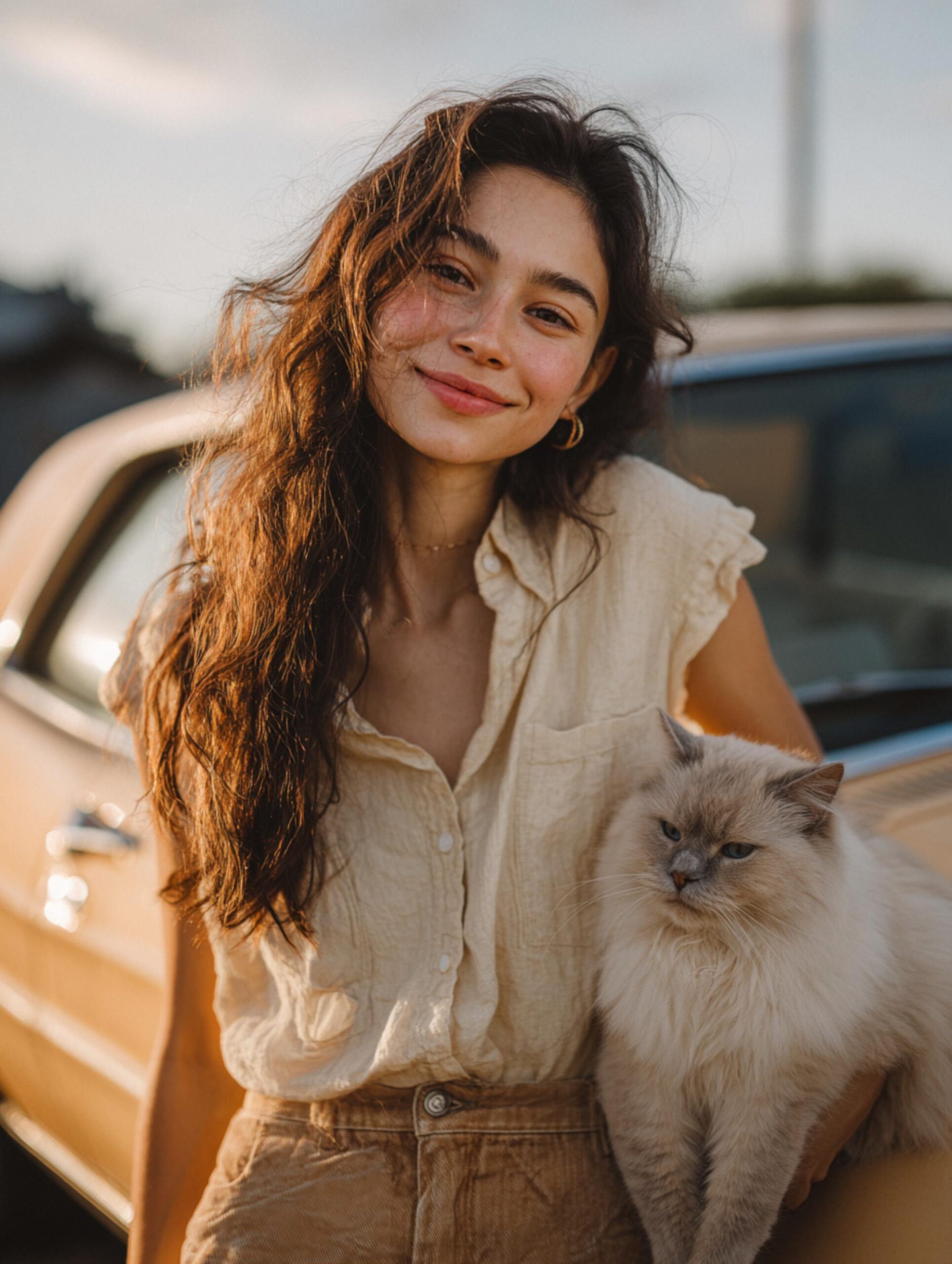
RagaMuffins are one of the sweetest indoor cats. They’re calm, cuddly, predictable, and excellent for families. Their gentle personality and steady behavior make them great in apartments of any size.
Why RagaMuffins Thrive Indoors
Their temperament is built around soft affection and relaxed movement. They enjoy being held, petted, and spending time with people — without the intense attention-seeking seen in clingy breeds.
Apartment-Friendly Traits
- Low vocalization
- Gentle, low-drama personality
- Low to moderate activity
- Sweet, people-oriented behavior
- Excellent with children and seniors
- Adapt well to small spaces
RagaMuffins are naturally indoor-focused and remain emotionally stable in quiet apartments.
Perfect For
- families
- seniors
- people wanting a soft, affectionate lap-cat
- calm homes wanting predictable indoor cats
They are one of the most loving, non-reactive indoor breeds.
Worst Cat Breeds for Apartments (and Why They Struggle)
Certain breeds do poorly in apartments due to high activity, high noise, territorial instincts, or emotional sensitivity. They may be wonderful cats — just not suited for tight indoor spaces.
Breeds NOT Recommended for Apartments
Bengal
- extremely high energy
- needs climbing, running, stimulation
- very vocal
- becomes destructive when bored
Search intent match: worst cats for apartments, cats that can’t be left alone.
Savannah (illegal in many cities + too active)
- large
- wild ancestry
- requires extensive vertical space
- high prey drive
- illegal in many states and apartments
Oriental Shorthair
- extremely vocal
- intense separation anxiety
- high need for attention
Abyssinian / Somali
- nonstop motion
- requires climbing, exploration, and territory
- easily bored in apartments
Devon Rex / Cornish Rex
- high energy
- vocal
- clingy
These breeds are wonderful for large, enriched homes — but not apartments.
How to Set Up an Apartment for a Cat
This section targets long-tail keywords like:
- best indoor cat setups
- apartment cat essentials
- how to make a small apartment cat-friendly
- how to enrich indoor cats
Even calm breeds need enrichment. You don’t need space — you need structure.
1. Create Vertical Space
A single cat tree or two sturdy shelves gives even large breeds (like Maine Coons) enough elevation.
2. Provide Window Access
A window perch is the #1 enrichment tool for apartment cats.
This satisfies:
- mental stimulation
- birdwatching
- territory observation
3. Add Soft Beds in Multiple Zones
Cats need more than one resting area to feel secure. Place multiple beds or a cat tree in a corner where the cat can remove themselves from the main area but still feel included in the surroundings.
4. Use Litter Box Placement Strategically
In small apartments, litter placement affects:
- odor
- stress
- elimination habits
Avoid corners with low airflow or walkways with foot traffic.
5. Offer Low-Impact Play
Breeds on your list prefer:
- wand toys
- tunnels
- rolling toys
- occasional interactive play
Calm indoor cats thrive on short, predictable play sessions.
6. Maintain Routine
Small-space cats depend on:
- routine feeding
- predictable enrichment
- stable environments
The top 7 cat breeds for apartments excel in these conditions.
Best Apartment Cat Breeds for Busy Owners
For many apartment residents, long workdays and predictable routines mean choosing a cat who can remain content, secure, and emotionally stable during extended periods alone. The best apartment cats for busy owners share a handful of essential traits: low vocalization, relaxed energy levels, strong independence, and an ability to self-regulate stress without destructive behaviors. These breeds maintain calm indoor temperaments, adapt well to quiet daytime hours, and welcome affection when their people return home.
Below are the top breeds that consistently thrive in apartments where owners work full-time or maintain long daily schedules.
British Shorthair
British Shorthairs are one of the most self-sufficient cat breeds in existence. Their strong independence, low-noise communication, and naturally relaxed demeanor make them exceptionally well-suited for apartment dwellers with busy routines.
They spend much of the day napping, observing, or quietly exploring their surroundings without demanding interaction. British Shorthairs handle solitude with ease, rarely develop separation anxiety, and maintain emotional stability even when left alone for a standard workday. Their calm, low-drama temperament sets them apart as one of the top breeds for full-time workers.
Why They Excel for Busy Owners:
- very low vocalization
- independent but affectionate
- extremely low-maintenance
- calm energy that fits small spaces
- predictable, stable behavior patterns
They’re ideal for studios, high-rise apartments, and homes with consistent routines.
Russian Blue
Russian Blues are known for their serene, tidy, and emotionally balanced personalities. They appreciate companionship but do not require constant engagement, making them ideal for owners who work long hours. Their preference for calm environments, paired with their strong sense of routine, helps them feel secure even when left alone during the day.
Russian Blues self-entertain quietly, avoid destructive behaviors, and maintain good manners in compact living spaces. They are also naturally clean and gentle movers, making them highly compatible with apartment living.
Why They Excel for Busy Owners:
- thrive on predictable schedules
- low-shedding and easy to groom
- quiet, gentle communication
- strong bond without clinginess
- hypoallergenic tendencies support clean, stress-free apartments
Their independence, combined with a deeply affectionate nature, makes them a dependable choice for people who want a calm cat that adapts well to indoor life.
Maine Coon
Despite their impressive size, Maine Coons are surprisingly mellow and adaptable for apartment living. Their calm, confident temperament allows them to handle alone time well, provided they have cozy resting spots and slow-paced enrichment waiting for them at home.
Maine Coons enjoy gentle companionship and social interaction, but they do not demand constant attention. They tend to spend much of the day lounging or observing rather than over-energizing themselves, making them well-suited to full-time workers who want a large, affectionate cat without the high activity level of more intense breeds.
Why They Excel for Busy Owners:
- patient, easygoing temperament
- low vocalization compared to many breeds
- emotionally stable during owner absence
- adaptable to both small and moderate-size apartments
- good at balanced self-play and quiet rest
Their combination of gentleness and independence makes them ideal for owners who want a “big cat energy” companion without high maintenance needs.
Scottish Fold
Scottish Folds have soft, peaceful temperaments and a strong ability to adapt to predictable routines. They often bond closely with their families, yet remain calm and self-possessed throughout the day. Their gentle nature, low activity needs, and quiet presence make them well-suited to apartment life where owners may be gone for many hours at a time.
Scottish Folds typically spend their alone time resting, observing windows, or lounging in favorite spots. Their emotional stability and low-stress responses help them maintain comfort and consistency even in smaller living environments.
Why They Excel for Busy Owners:
- quiet and emotionally gentle
- content with predictable alone-time
- low jumping, roaming, or high-intensity activity
- low vocalization that suits shared-wall buildings
- stable, soft-natured personalities
Their peaceful disposition makes them a good match for apartments that value quiet living and slow, steady companionship.
Best Apartment Cat Breeds for Busy Owners
Some cats adapt effortlessly to long workdays and predictable routines. Low vocalization, independence, and emotional stability are the most important traits.
British Shorthair
One of the most self-sufficient cat breeds. Comfortable with quiet alone time and excellent for full-time workers living in apartments.
Russian Blue
Calm, tidy, and independent. Thrives with routine. Enjoys companionship but does not demand constant attention.
Maine Coon
Despite their size, Maine Coons thrive on gentle companionship and handle daytime solitude well.
Scottish Fold
Bonded but peaceful. Stays emotionally stable during routine alone-time and fits well into calm apartment lifestyles.
Best Hypoallergenic Cats for Apartments
Allergies can be especially challenging in apartments where airflow is limited and dander circulates easily. Choosing breeds known for lower allergen output, cleaner grooming habits, or reduced shedding can make apartment life significantly more comfortable. While no breed is completely hypoallergenic, some produce fewer triggers and are much easier to manage in small indoor spaces.
Russian Blue
Russian Blues are one of the most reliable low-allergen breeds for apartment living. Their dense double coat traps loose hairs and prevents dander from dispersing through small rooms. They shed very little compared to most breeds and groom themselves with exceptional cleanliness.
Why the Russian Blue Works in Apartments:
- minimal shedding
- tight, plush coat reduces airborne dander
- naturally clean and tidy
- quiet and stable for shared-wall environments
They are an excellent choice for individuals sensitive to cat allergens who live in compact homes.
Siberian
Siberians are commonly associated with lower levels of Fel d1 — the main allergen responsible for reactions in humans. While levels vary between individuals, many Siberian lines produce significantly reduced allergens and perform well in apartment settings due to their calm, affectionate nature.
Why the Siberian Works in Apartments:
- some lines produce substantially less Fel d1
- affectionate but not overly intense
- moderate shedding that can be managed with routine grooming
- balanced temperament suitable for indoor life
They are especially appealing to families wanting a hypoallergenic longhaired cat with a stable personality.
Sphynx
Despite being hairless, the Sphynx is not allergen-free — but many people with moderate allergies find they react far less severely to Sphynx cats compared to heavily shedding breeds. With no fur to trap dander, regular bathing helps remove oils and allergens, making them one of the most manageable breeds for sensitive apartment dwellers.
Why the Sphynx Works in Apartments:
- no fur means no shedding or airborne hair
- allergens are easier to remove through bathing
- affectionate and people-oriented, ideal for indoor environments
- incredibly clean and adaptable to small spaces
Their warm, velvety skin and expressive personality make them a unique hypoallergenic option for individuals committed to regular grooming.
Best Apartment Cats for Families (Kids, Couples, and Multi-Pet Homes)
Some apartment-friendly breeds are especially suited to families due to their steady temperaments and tolerant behavior.
Ragdoll
Gentle, patient, and relaxed around children. Known for easy handling and soft communication.
Maine Coon
Large but steady-natured. Works well with children, seniors, and multi-pet environments.
RagaMuffin
Affectionate with consistent, calm interactions. Ideal for family apartments wanting a loving, predictable companion.
Persian
Quiet, serene temperament suited to gentle households and low-energy families.
These breeds maintain harmony in tight living quarters and adapt easily to predictable home routines.
Best Cats for Studios vs. One-Bedroom Apartments
Different apartment layouts change how cats experience their environment.
Studio Apartments
In a single-room home, cats require:
- strong emotional stability
- low noise
- predictable sleeping behavior
- minimal territorial drive
Best breeds for studios:
- British Shorthair
- Russian Blue
- Persian
- Scottish Fold
One-Bedroom Apartments
With more separated spaces, cats can handle:
- moderate curiosity
- mild playfulness
- higher social needs
Best breeds for one-bedroom apartments:
- Ragdoll
- RagaMuffin
- Maine Coon
- Russian Blue
These pairings optimize temperament and space usage.
Best Apartment Cats for Small Spaces
| Category | Top Breeds |
|---|---|
| Best for Studios | British Shorthair, Russian Blue, Persian |
| Best for One-Bedroom Apartments | Ragdoll, RagaMuffin, Maine Coon |
| Best for Busy Owners | British Shorthair, Russian Blue, Scottish Fold |
| Best for Low Shedding | Russian Blue, British Shorthair |
| Best Longhaired Apartment Cats | Ragdoll, RagaMuffin, Persian |
| Most Allergy-Friendly | Russian Blue, Siberian, Sphynx |
| Worst Breeds for Apartments | Bengal, Savannah, high-energy hybrids |
Common Myths About the Best Cat Breeds for Apartments
Myth 1: Cats Need Large Homes to Be Happy
Many people assume cats require big houses or open spaces to thrive, but most apartment-friendly breeds are naturally low-activity and prefer cozy, controlled environments. Calm breeds like Ragdolls, British Shorthairs, Persians, and Scottish Folds are perfectly content in small apartments as long as they have soft resting areas, stable routines, and moderate enrichment.
Myth 2: Large Cats (Like Maine Coons) Don’t Belong in Apartments
Size alone does not determine suitability for apartment life. Despite their big frames, Maine Coons are gentle, slow-moving, and emotionally steady. They are often more adaptable to small spaces than smaller but high-drive breeds like Bengals or Abyssinians.
Myth 3: Longhaired Cats Create Too Much Mess for Apartments
Long coats do not automatically mean poor apartment compatibility. Ragdolls, RagaMuffins, and Persians shed predictably, groom gently, and move calmly, resulting in surprisingly manageable indoor maintenance. The real challenge comes from high-activity cats who shed as they run, jump, and climb—not calm longhaired breeds.
Myth 4: Quiet Cats Are Always Low-Maintenance
A quiet cat is not necessarily an easy cat. Some breeds with soft voices may still require intensive grooming or emotional support. The best apartment breeds balance low vocalization with emotional stability, moderate grooming needs, and easy indoor adaptability.
Myth 5: Hypoallergenic Cats Don’t Cause Any Allergies
No cat is truly allergen-free. Even low-allergen breeds like the Russian Blue, Siberian, and Sphynx can trigger reactions in sensitive individuals. The difference is that these breeds produce fewer airborne triggers, making them easier to manage in compact living spaces—but not completely risk-free.
Myth 6: All Cats Can Adjust to Apartment Living
Some breeds struggle significantly in apartments, especially high-energy or territorial cats. Bengals, Savannahs, and other hybrid lines often require more stimulation, climbing space, and environmental complexity than an apartment can provide. Breed selection matters greatly in tight living quarters.
Myth 7: Cats Left Alone During the Workday Become Depressed
Healthy, well-matched apartment breeds such as British Shorthairs, Russian Blues, and Scottish Folds handle daytime solitude extremely well. The issue is not alone-time itself, but whether the cat’s temperament aligns with an indoor, structured lifestyle. Independent, calm breeds thrive even during long work hours.
Best Cat Breeds for Apartments Frequently Asked Questions
Which cat breeds are truly the best for apartment living?
The best apartment cats are calm, low-vocal, adaptable to small spaces, and comfortable with predictable routines. Ragdolls, British Shorthairs, Persians, Russian Blues, Maine Coons, Scottish Folds, and RagaMuffins consistently fit these traits. They handle limited square footage well, avoid high-intensity territorial behavior, and create a quiet, peaceful environment suitable for multi-unit living.
What makes a cat suitable for small apartments or studio spaces?
Compact living works best with breeds that have steady energy levels, minimal reactivity, and low roaming instincts. Cats suited for small apartments prefer resting, window-watching, and slow exploration rather than constant climbing or sprinting. Breeds with soft, predictable temperaments adapt most naturally to one-room environments.
Which cat breeds are the calmest for indoor life?
The calmest indoor cat breeds include the Ragdoll, British Shorthair, Persian, and Scottish Fold. These cats are known for quiet movement, limited vocalization, and stable personalities. Their gentle approach to daily life makes them ideal companions for apartments with shared walls and noise considerations.
What cat breeds handle being left alone during the workday?
British Shorthairs, Russian Blues, Maine Coons, and Scottish Folds tolerate alone time well due to their independent nature. They remain emotionally secure, self-regulate stress, and maintain good behavior rhythms without constant attention. These breeds are excellent matches for full-time workers.
Which cat breeds are the quietest for apartment living?
British Shorthairs, Russian Blues, Persians, and Ragdolls are among the quietest cat breeds. They rarely vocalize loudly, communicate softly, and do not engage in high-volume crying or yowling. This makes them excellent choices for buildings with thin walls or strict noise policies.
Are Ragdolls good apartment cats?
Ragdolls are among the top apartment cats due to their extremely calm personalities and gentle behavior. They enjoy companionship, adapt easily to indoor life, and do not require large amounts of space. Their relaxed temperament suits small homes, studios, and family apartments equally well.
Can a British Shorthair live happily in a small apartment?
British Shorthairs are exceptionally well suited for small apartments. They value routine, enjoy peaceful environments, and prefer lounging to high-intensity play. Their independence and low-maintenance lifestyle make them particularly ideal for compact urban homes.
Are Maine Coons too large for apartments?
Despite their size, Maine Coons adapt surprisingly well to apartment living. They are slow-moving, gentle, and emotionally steady. As long as they have vertical perches, soft places to rest, and moderate enrichment, Maine Coons thrive in both small and medium-sized apartments.
Which cats are best for allergy-sensitive apartments?
Russian Blues, Siberians, and Sphynx cats are among the most allergy-friendly options. Russian Blues shed minimally and have dense coats that trap dander. Siberian lines often produce lower Fel d1 levels. Sphynx cats require bathing but release far fewer airborne allergens into a small indoor space.
Which cat breeds are the worst for apartment living?
High-energy, highly vocal, or territorial breeds tend to struggle in small indoor environments. Bengals, Savannahs, and other hybrid or high-drive breeds typically require far more space, climbing structures, and stimulation than an apartment can provide. Without adequate outlets, they may develop restlessness, destructive behavior, or excessive vocalization.
Which apartment cat breeds need the least exercise?
Persians, British Shorthairs, and Scottish Folds have naturally low exercise needs. These breeds enjoy gentle play sessions but prefer slow, relaxed movement over energetic activity. Their calm pace makes them ideal for apartments where space is limited and intense physical exertion isn’t possible.
What cat breeds are best for quiet apartment buildings?
Breeds with soft, minimal vocalization patterns are most compatible with quiet complexes. Ragdolls, Persians, British Shorthairs, and Russian Blues rarely make loud noises and communicate subtly. Their peaceful nature prevents noise conflicts with neighbors and supports stress-free apartment living.
Which cats adapt well to apartment routines and schedules?
Cats that thrive on predictability adapt best to apartment routines. British Shorthairs, Russian Blues, RagaMuffins, and Ragdolls naturally fall into consistent rest–play–meal cycles and remain emotionally stable with regular schedules. Their ability to self-regulate makes them easy to integrate into structured indoor environments.
Which cats bond closely without being overly demanding?
Ragdolls, Russian Blues, RagaMuffins, and Scottish Folds bond strongly to their families yet maintain polite, low-drama companionship. They enjoy affection without constant neediness, making them perfect for apartment residents who want connection without pressure or clinginess.
Are Persian cats good for apartments with limited space?
Persian cats are one of the most apartment-suited breeds due to their serene, slow-paced lifestyle. They prefer lounging to climbing, rarely run at high speeds, and are content with small living areas. Their quiet temperament fits perfectly into compact or multi-unit housing.
What cat breeds stay calm in small or crowded environments?
Breeds with steady nervous systems and low reactivity levels do best in small or densely populated buildings. Ragdolls, British Shorthairs, Russian Blues, and Persians remain composed even in environments with hallway noise, shared walls, or frequent foot traffic outside the door.
Which cats are best for apartment residents who travel occasionally?
Independent breeds such as British Shorthairs and Russian Blues handle occasional short trips well when provided with proper care arrangements. Their emotional stability and predictable behavior help them maintain calm routines during brief owner absences.
Which cat breeds handle limited climbing space the best?
Scottish Folds, Persians, British Shorthairs, and Ragdolls do not rely heavily on vertical climbing for stimulation. They are comfortable with floor-level lounging areas, soft bedding, and gentle enrichment rather than high cat trees or wide-access climbing zones.
What cats are best for apartment dwellers who work from home?
Ragdolls, RagaMuffins, and British Shorthairs make excellent work-from-home companions. They enjoy quiet presence, nap peacefully nearby, and avoid disruptive behaviors. Their calm companionship enhances a home office environment without demanding excessive attention.
Which cat breeds thrive in low-stimulus environments?
Breeds with mellow, thoughtful personalities excel in low-stimulus apartments. British Shorthairs, Persians, Ragdolls, and Scottish Folds naturally gravitate toward peaceful indoor settings. They thrive with gentle enrichment and low-noise surroundings, making them ideal for calm, minimalist homes.
Which apartment-friendly cats are best for first-time owners?
Ragdolls, British Shorthairs, and RagaMuffins are often recommended for first-time cat owners in apartments. Their predictable behavior, gentle nature, and easy indoor adaptability make them straightforward companions for individuals learning feline care. These breeds rarely exhibit high-drive behaviors that overwhelm beginners, creating a calm, manageable introduction to cat ownership.
Which cat breeds are easiest to groom in apartments?
Shorthaired breeds such as British Shorthairs and Russian Blues are the easiest to maintain in compact spaces. Their coats shed minimally, require simple weekly brushing, and do not create the heavy hair buildup that long-haired cats often produce. These grooming advantages keep apartment cleaning quick and effortless.
Which cats are best for apartments with children or other pets?
Ragdolls, Maine Coons, and RagaMuffins have the steady emotional profiles needed to handle gentle children and coexist with other pets in close quarters. Their patience, soft body language, and tolerance for noise make them well-suited for multi-species or family apartments.
Are there longhaired breeds that still work well in apartments?
Yes. Ragdolls, RagaMuffins, Persians, and Maine Coons are longhaired breeds that adapt well to apartment living due to their calm demeanor and low activity levels. Their movement is slow and deliberate, reducing the space needed for play and exercise while still providing a soft, luxurious indoor presence.
Which cat breeds cause the least disruption in shared-wall housing?
Quiet, mild-mannered breeds such as British Shorthairs, Russian Blues, and Persians cause minimal disruption in shared-wall environments. Their soft voices, peaceful routines, and preference for relaxed indoor living prevent noise complaints and maintain harmony in multi-unit buildings.
Can large breeds like Maine Coons or RagaMuffins really thrive in apartments?
Large breeds can thrive when their temperament—not just their size—is the deciding factor. Maine Coons and RagaMuffins are gentle giants with even, slow-paced energy. Their preference for lounging, window-watching, and light play means they adapt comfortably to smaller homes as long as they receive affection and environmental enrichment.
Which apartment-friendly breeds shed the least?
Russian Blues shed very lightly, and British Shorthairs have dense coats that release minimal hair compared to many other breeds. These two breeds are excellent choices for apartments where shedding must be carefully managed, especially in small spaces where loose hair accumulates quickly.
What traits make a cat a poor fit for apartment living?
Cats with extremely high energy, intense prey drive, loud vocalization, or strong territorial tendencies typically struggle in apartments. Breeds that require extensive vertical space, outdoor access, or constant stimulation—such as Bengals and other hybrid lines—are less compatible with compact homes and shared-floor buildings.
Which cat breeds remain playful without overwhelming an apartment?
Ragdolls, RagaMuffins, Scottish Folds, and Russian Blues provide gentle, thoughtful play without the intense bursts of activity some breeds display. Their moderate to low energy keeps them stimulated while maintaining peaceful apartment dynamics.
How can apartment residents choose a breed that fits their lifestyle?
Choosing the right breed depends on evaluating temperament, energy level, grooming needs, vocalization, and independence. Calm, low-moderate energy cats with predictable indoor behavior—such as Ragdolls, British Shorthairs, Persians, and Russian Blues—offer the most reliable fit for apartments of any size. Prioritizing emotional stability and low noise ensures a harmonious living experience in small homes.
Choosing the Ideal Apartment Cat
Apartment living has specific demands — limited space, close neighbors, predictable routines, and a preference for calm, low-maintenance companions. The best apartment cats share a blend of emotional stability, gentle energy, and adaptability that allows them to thrive indoors without stress or overstimulation.
Ragdolls, British Shorthairs, Persians, Russian Blues, Maine Coons, Scottish Folds, and RagaMuffins each bring their own strengths: quiet temperaments, affectionate but manageable companionship, and an ability to self-regulate during long workdays. Whether you prefer a serene longhaired cat, an independent shorthaired breed, or a gentle giant with slow, thoughtful movement, these seven breeds offer predictable behavior and peaceful apartment-friendly personalities.
With the right match, even the smallest studio can feel warm, calm, and complete — filled with a relaxed, indoor-loving cat who fits seamlessly into your lifestyle.
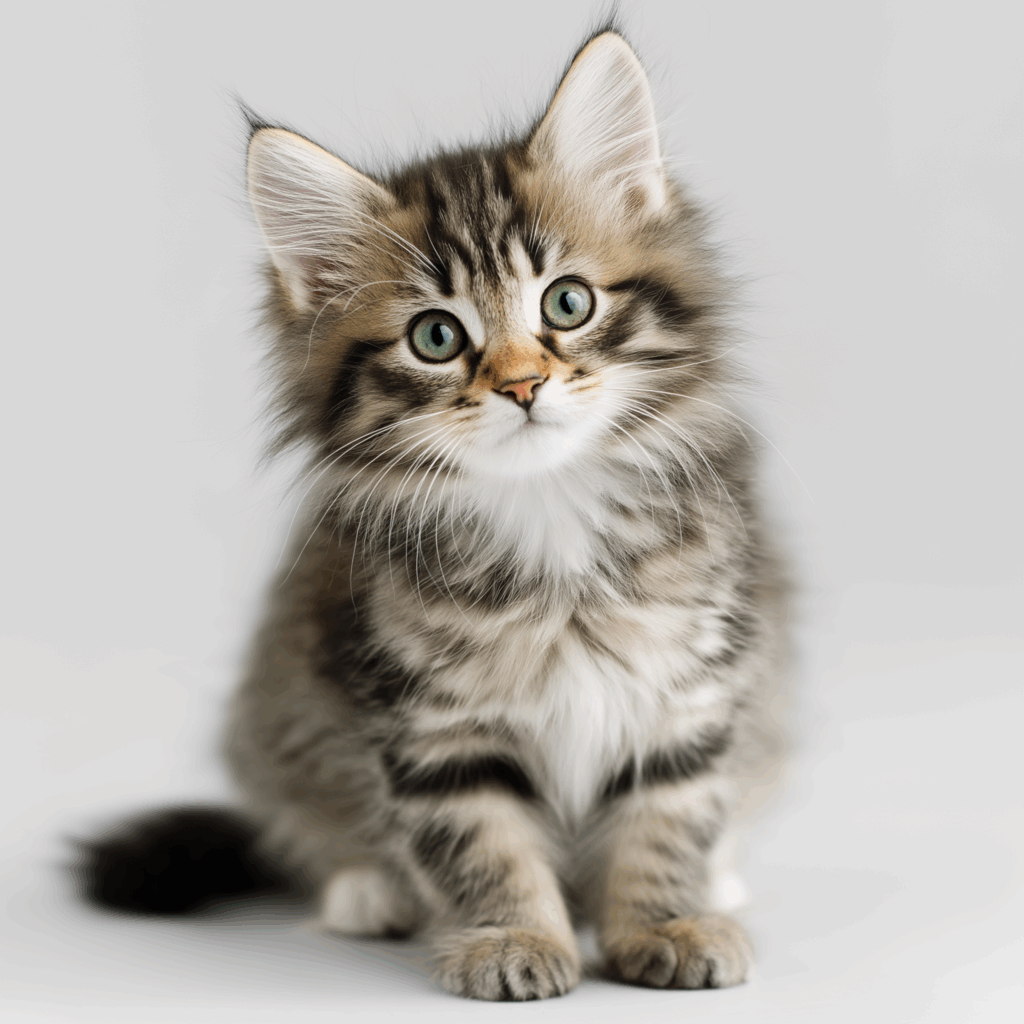
Looking for a Calm, Apartment-Friendly Kitten?
If you’re searching for a gentle, well-socialized kitten who thrives indoors, explore our Ragdoll, British Shorthair, and Maine Coon kittens at Almonte Cats.
Each kitten is raised in-home, health-tested through responsible programs, and prepared for a peaceful life in small or large apartments alike.
Sources & References
- Cat Fanciers’ Association (CFA) – Official breed standards and temperament descriptions
https://cfa.org/ - The International Cat Association (TICA) – Breed behavior profiles and registry information
https://tica.org/ - American Association of Feline Practitioners (AAFP) – Indoor cat health, environmental needs, and stress reduction
https://catvets.com/ - Cornell University College of Veterinary Medicine – Feline behavior, activity levels, and environmental enrichment
https://www.vet.cornell.edu/ - UC Davis Veterinary Medicine – Feline environmental requirements, stress, vocalization, and behavior
https://www.vetmed.ucdavis.edu/ - Merck Veterinary Manual – Breed predispositions, indoor cat care recommendations, and health insights
https://www.merckvetmanual.com/ - Journal of Feline Medicine and Surgery – Research on indoor cat wellbeing, enrichment, and environmental impact
https://journals.sagepub.com/home/jfm - International Journal of Animal Behavior & Welfare – Studies on cat stress, noise sensitivity, and apartment suitability
(Access through: https://www.sciencedirect.com) - ASPCA – Indoor cat care, apartment adaptation, and behavior expectations
https://www.aspca.org/ - Human–Animal Bond Research Institute (HABRI) – Studies on low-stress breeds and human lifestyle compatibility
https://habri.org/





Read the Comments +