
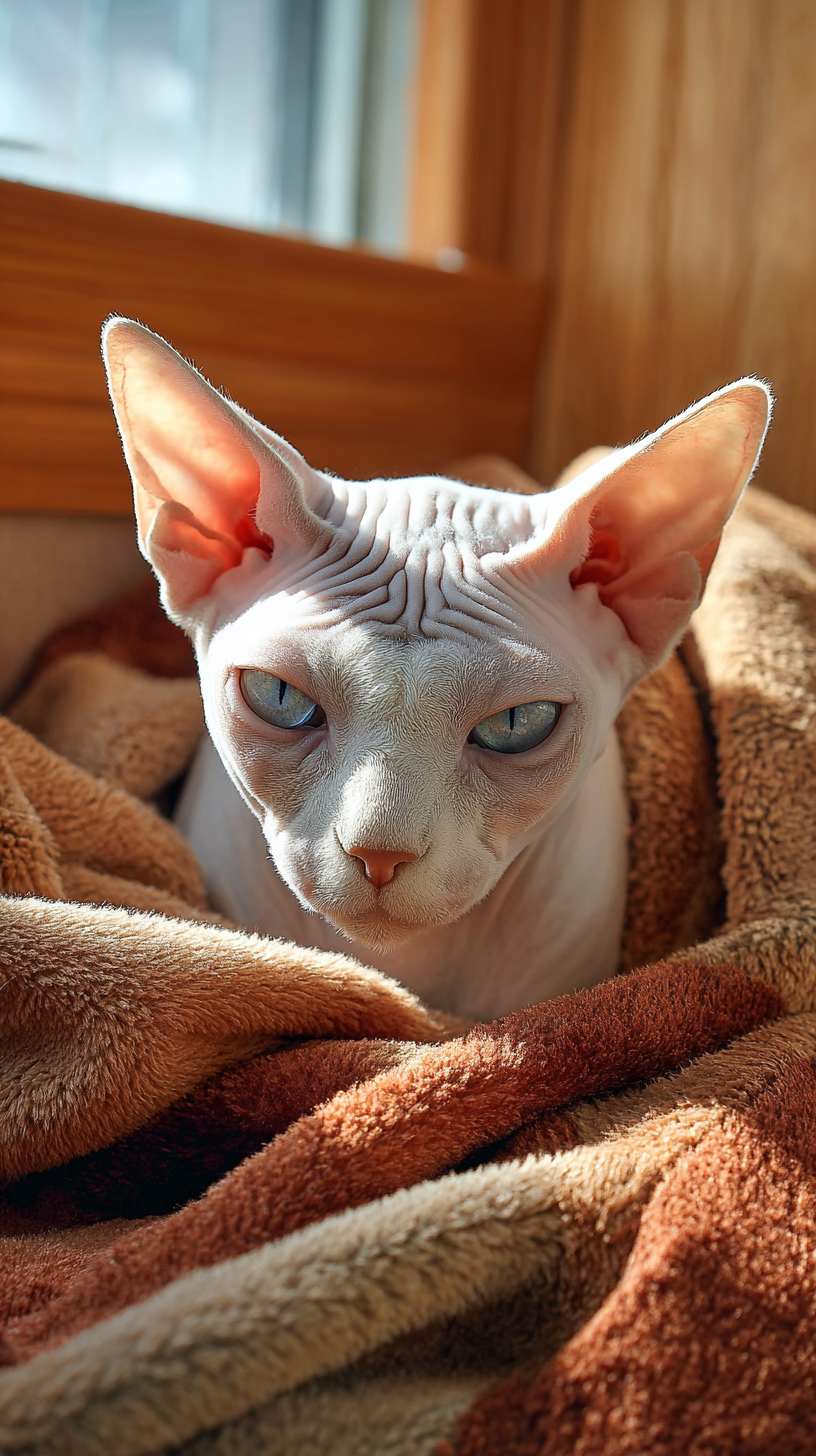
Sphynx Kittens for Sale | Prices, Colors, Care Needs & What to Know Before You Reserve
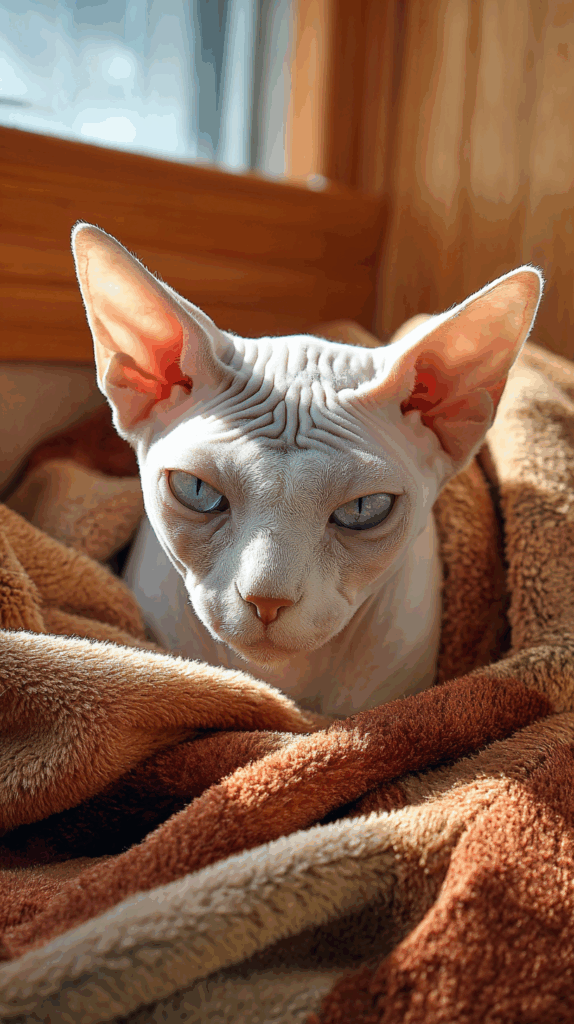
Where can I find Sphynx kittens for sale? Sphynx kittens are one of the most recognizable breeds in the world — hairless, warm to the touch, incredibly affectionate, and deeply people-oriented. Families searching for a kitten that lives for companionship, thrives on attention, and bonds intensely with its people often fall in love with this breed instantly.
See info about how to find an ethical Sphynx breeder, and healthy Sphynx kittens for sale.
Sphynx Kitten for Sale Quick Facts
| Category | Details |
|---|---|
| Coat Type | Hairless (peach-fuzz texture), requires regular bathing |
| Temperament | Affectionate, people-oriented, social, high-energy |
| Shedding Level | Minimal/no fur shedding, but produces skin oils |
| Allergy-Friendly? | Low shedding but not hypoallergenic |
| Price Range | $2,500–$5,500+ depending on quality & pedigree |
| Ideal Home | Owners wanting a social, interactive companion |
| Care Level | High (bathing, ear cleaning, nail care) |
What Makes the Sphynx a Special Companion?
Sphynx cats are known for being one of the most interactive and affectionate breeds. They behave more like tiny, devoted shadows than independent felines. A Sphynx won’t simply share your home — they want to be part of your daily routines, sit on your lap, sleep under your blankets, greet you at the door, and follow you from room to room.
They thrive in households that enjoy social, people-focused pets. Their personality makes them ideal for:
• families who want a cat that feels like a companion
• people who work from home
• owners who enjoy cuddly, attentive cats
• homes that appreciate a playful, clown-like temperament
• individuals who want deep emotional connection
Sphynx kittens bond quickly and remain affectionate throughout their lives. They are confident, outgoing, and thrive when included in everyday activity.
Sphynx Temperament & Personality
The Sphynx is one of the most charismatic breeds, known for high intelligence, humor, and an almost dog-like desire to interact with people. Many owners describe them as “velcro cats” — affectionate, expressive, and constantly seeking warmth and closeness.
Temperament traits include:
• extremely people-oriented
• highly social and friendly with strangers
• playful and energetic, especially as kittens
• loves being held, snuggled, and carried
• coexists beautifully with gentle dogs and other cats
• rarely shy — most are confident, curious, and bold
A well-raised Sphynx kitten does not grow into a skittish or aloof adult. They maintain their affectionate nature throughout their life, making them one of the most rewarding breeds for interactive families.
Sphynx Size, Build & Appearance
While the Sphynx is often associated with its hairlessness, the breed standard includes much more than the absence of fur. They are medium-sized cats with muscular bodies, a rounded abdomen, prominent cheekbones, and large, lemon-shaped eyes that give them their iconic look.
Key physical traits:
• medium size with a solid, muscular frame
• large ears with open, bat-like shape
• warm, suede-like skin texture
• visible wrinkles around the shoulders, neck, and face
• strong, athletic body with excellent agility
• expressive, intense eye shape
Sphynx cats feel warm to the touch due to the lack of insulating fur, and many owners describe them as “living hot-water bottles.” Their warmth, combined with their affectionate nature, makes them one of the most cuddly and interactive breeds.
Coat Types, Patterns & Colors (Yes — Sphynx Cats Do Have Colors!)
Although Sphynx cats are hairless, they still come in a full spectrum of traditional feline colors and patterns. Their skin pigment reflects the color the fur would have been. This creates beautiful variations across the breed.
Common Sphynx colors include:
• black
• blue
• cream
• red
• white
• chocolate
• lilac
• tortie
• calico
• pointed
• tabby patterns (mackerel, classic, spotted)
Some Sphynx cats have a slight peach-fuzz texture, while others are extremely smooth. Both are normal. Wrinkles vary by bloodline — heavier facial and shoulder wrinkles are often considered desirable.
Sphynx Eye Colors
Sphynx cats have some of the most striking eye colors in the cat world. Their large, prominent eyes allow the colors to stand out even more dramatically.
Common eye colors include:
• gold
• copper
• green
• blue
• aqua
• odd-eyed combinations
Eye color is linked to genetics and sometimes pattern type (for example, pointed Sphynx cats often have blue eyes). All eye colors are accepted when paired with correct structure and health.
Sphynx Kittens for Sale: Personality, Care, Price & What to Expect
About the Sphynx Cat
The Sphynx is one of the most recognizable and unusual cat breeds in the world. Known for its hairless appearance, oversized ears, expressive eyes, and velvety skin, this breed is affectionate, highly social, and deeply people-oriented. Their lack of fur does not mean low maintenance; Sphynx cats require more skincare, more bathing, and a more controlled environment than most breeds.
Families looking for a deeply interactive companion often fall in love with the Sphynx. They thrive in warm, indoor homes where they can cuddle, follow their humans everywhere, and enjoy plenty of attention. Despite their dramatic look, their personality is soft, playful, and exceptionally loving.
Breed Personality & Temperament
Sphynx cats are extroverted and human-focused. They behave more like Velcro pets than independent cats. They seek warmth, affection, and constant companionship. Many enjoy riding on shoulders, burrowing under blankets, greeting guests at the door, and engaging in long interactive play sessions.
They are also extremely intelligent. Puzzle toys, activity feeders, and routine mental stimulation help prevent boredom in this high-energy breed. They do not tolerate long hours of isolation, and they bond strongly to their owners. For families wanting a deeply attentive, interactive pet, the Sphynx is one of the most responsive breeds.
Appearance: Coat, Colors & Structure
Although commonly thought of as “hairless,” most Sphynx cats are covered in a soft layer of peach-fuzz that feels like warm suede. Their skin displays the same patterns a furred cat would: solid, tabby, tortie, pointed, bicolor, mink, and more. Wrinkling across the face, neck, and shoulders is a signature feature and adds to their expressive look.
Their large ears, lemon-shaped eyes, and muscular build give them a regal, sculpted appearance. They are medium-sized cats with high metabolism and warm bodies. Because they lack insulation, they crave heat sources—sunbeams, blankets, laps, and heated beds are essentials in a Sphynx household.
Grooming & Maintenance Needs
The Sphynx is one of the highest-maintenance breeds due to its unique skincare requirements. Without fur to absorb oils, their skin accumulates residue that must be managed through regular bathing. Most Sphynx cats need full baths every 1–2 weeks to prevent buildup, odors, and skin irritation.
Ears also require weekly cleaning because they produce more wax than furred breeds. Nails should be clipped regularly, and the folds between wrinkles should be wiped gently to keep debris from collecting. Their skin is sensitive and prone to dryness, so balanced diets with omega fatty acids help maintain healthy texture and tone.
Despite being “hairless,” the Sphynx is not hypoallergenic. They still produce Fel d 1 in saliva and skin oils, and reactions vary widely among allergy sufferers.
Diet & Nutrition Requirements
Sphynx cats have faster metabolisms than most breeds, which means they require calorie-dense nutrition and consistent meal routines. High-quality diets rich in protein and healthy fats help support their skin, muscle development, and overall energy levels.
Dry skin in Sphynx cats often improves significantly with omega-3 and omega-6 supplementation. Hydration is also important, so feeding a combination of wet and dry food helps maintain skin elasticity and general wellness. Because they burn energy quickly to keep warm, free-feeding or multiple daily meals are common practices in Sphynx homes.
Are Sphynx Cats Good for Families?
Sphynx cats are affectionate, curious, and extremely social, making them excellent companions for families, couples, or individuals who work from home. They adapt well to households with children and other pets when introductions are done properly. Their desire for interaction means they enjoy active homes where people are present and engaged.
However, they are not ideal for people seeking a low-maintenance or independent cat. Sphynx cats want continual companionship and thrive when they receive plenty of attention and physical closeness. They are happiest in warm indoor environments and do not tolerate cold, drafts, or outdoor living.
If you’re drawn to affectionate, people-focused cats with healthy pedigrees and exceptional temperaments, feel free to explore our available kittens from other breeds while you research whether a Sphynx is right for your lifestyle.
Sphynx Kittens for Sale: Temperament, Care, Pricing & What to Expect
Sphynx Cat Personality: What Makes This Breed So Unique
The Sphynx cats are often described as charismatic, people-focused, and emotionally expressive companions. They thrive on connection and prefer to be in the same room as their people, whether that means curling up on a warm lap, following you from room to room, or vocalizing for attention. Their social nature makes them ideal for households that want an interactive cat with dog-like engagement.
Despite the “hairless” reputation, they are not fragile or aloof. Sphynx cats enjoy play, confident exploration, high perches, and puzzle toys that challenge their intelligence. Their personalities tend to be warm, affectionate, outgoing, and adaptable. They integrate well into active homes, multi-pet families, and environments where someone is home frequently.
Because they bond closely, a Sphynx kitten often becomes a deeply attached family companion who prefers physical closeness and consistent attention.
Appearance & Coat Type (Hairless Is a Misleading Term)
The Sphynx is best known for its nearly hairless appearance, though most have a soft, suede-like texture rather than true bareness. Their coat may feel like warm velvet, peach fuzz, or ultra-fine down depending on genetics. This unique skin type is what gives the breed its signature look—and its special care requirements.
Wrinkles are a hallmark feature, especially around the legs, neck, shoulders, and muzzle. Their bodies are muscular and athletic, with prominent cheekbones, open ears, expressive lemon-shaped eyes, and a sleek, elegant outline. Skin colors and patterns range from solid to tabby to bicolor to mink-like tones, all visible directly on the skin.
Seasonal changes, hormones, and temperature can slightly alter how much fuzz a Sphynx displays, but they always maintain their characteristic hairless aesthetic.
Are Sphynx Cats Hypoallergenic?
Despite the absence of fur, Sphynx cats are not hypoallergenic. They still produce Fel d 1, the primary cat allergen found in saliva, dander, and skin secretions. Because they lack a dense coat to trap these proteins, allergens can transfer directly to hands, clothing, bedding, and furniture.
For mild allergy sufferers, the Sphynx may be easier to manage with consistent cleaning, bathing, and air filtration. But for moderate or severe allergy households, they typically do not solve symptoms. Their grooming needs also mean they require more frequent bathing than other breeds, which can increase exposure to skin oils.
Homes considering a Sphynx should test exposure to an adult Sphynx cat before committing.
Sphynx Kitten Care Basics (Skin, Ears & Temperature)
Sphynx kittens require a care routine that focuses on skin health and warmth. Because they have no fur to absorb natural oils, their skin must be cleaned regularly to prevent buildup. Baths every 1–2 weeks keep them comfortable and healthy, while daily wipe-downs may be helpful for active kittens.
Ears produce more wax than coated breeds and need weekly cleaning. Nails also require frequent attention, as oils accumulate around the nail beds. Sphynx kittens must be kept warm with blankets, soft beds, and access to sunlit windows. In winter months, many owners use heated beds or soft sweaters—though these must be washed regularly to prevent irritation.
Their care routine is structured but not overwhelming, and most owners quickly settle into a rhythm that keeps their kitten glowing and healthy.
Ideal Homes for Sphynx Kittens
Sphynx kittens do best in homes that enjoy interaction and can provide daily companionship. They are not suited for long hours of solitude or environments where owners prefer independent cats. Their social and emotional nature means they thrive in households with someone home frequently, children who enjoy gentle handling, or other pets who appreciate playful companionship.
Warm homes, soft bedding, stable routines, and interactive play all help a Sphynx kitten reach its full potential. Owners must also be ready for the care commitment—bathing, ear cleaning, nail care, and regular skincare are part of a healthy Sphynx lifestyle.
Families who want an affectionate, people-oriented cat that participates in daily life often find the Sphynx to be the most engaging and intelligent breed they’ve ever owned.
Sphynx Kitten Prices: What Influences Cost
Sphynx kittens typically range from $2,500 to $6,000+ depending on pedigree, skin color, pattern, breeder reputation, and whether the kitten is intended for a pet home or an advanced breeding program. Rare colors, exceptional conformation, and imported lines may sit at the higher end of the range.
Factors influencing price include:
• health testing of breeding cats
• early socialization and handling
• proper bathing and skincare routines from birth
• high-quality nutrition for skin development
• pedigree, lineage, and registry status
• responsible ethical practices by the breeder
Sphynx Kitten Price Comparison
| Quality Level | Description | Typical Price |
|---|---|---|
| Pet Quality | Standard colors, great temperament, no breeding rights | $2,500–$3,500 |
| Show Quality | Exceptional type, standout structure, rarer colors | $4,000–$6,000+ |
| Rare Colors | Blue, chocolate, cinnamon, odd-eye, bicolor, mink/sepia | $4,500–$7,000+ |
| Retired Adults | Spayed/neutered, 1–5 years old | $800–$2,000 |
See Our Currently Available Kittens
If you love the personality of the Sphynx but want a healthy, ethically bred kitten with a similar affectionate temperament, you’re welcome to explore our available kittens from other breeds known for their social, people-oriented nature.
Sphynx Kittens for Sale: Everything You Need to Know Before Bringing One Home
Sphynx Kitten Temperament & Personality
The Sphynx kittens tend to be extremely people-oriented and thrive on companionship. They greet visitors at the door, stay close to their owners, and prefer to sleep against warm bodies. Despite their elegant, statuesque appearance, they are cheerful, social, and constantly seeking interaction. Their affectionate nature makes them one of the most engaging breeds for families who want a kitten that genuinely enjoys human company.
They also develop strong bonds with their household. Sphynx kittens tend to follow their owners from room to room, supervise daily routines, and rarely choose to be alone. Families who appreciate a “human-focused” breed find the Sphynx deeply rewarding, especially when socialized from a young age.
Because they are intelligent and interactive, they respond beautifully to structured play, positive reinforcement, and puzzle toys. Their confidence makes them well-suited for multi-pet homes when introduced thoughtfully.
Sphynx Kitten Care Requirements
Caring for a Sphynx kitten is more hands-on than caring for coated breeds. Their lack of fur changes how their skin behaves and demands regular attention. Natural oils build up on the skin, creating the need for routine bathing, ear cleaning, and occasional nail-area hygiene.
Weekly baths help maintain healthy skin and prevent oil accumulation that can irritate sensitive areas. Gentle cat-safe cleansers maintain their natural balance while preventing dryness. Ears must be cleaned weekly because the absence of hair allows wax to accumulate more quickly.
Temperature regulation is also an important part of Sphynx care. Kittens enjoy warm blankets, cozy areas, and heated beds during colder months. Their metabolism tends to run high, so they appreciate high-quality diets rich in protein, fat, and moisture.
Sphynx Kitten Grooming & Hygiene
Although Sphynx kittens do not shed, they are not low-maintenance. Without fur to absorb skin oils, their bodies can accumulate residue on their paws, stomachs, and folds. Grooming routines focus not on brushing, but on cleanliness and skin health.
Routine bath time should feel predictable and calm. Warm water helps relax the kitten, and post-bath cuddles help maintain comfort and bonding. Some kittens prefer sponge baths, while others do well with full baths every one to two weeks.
Owners should also monitor nails for oil buildup, wipe folds with fragrance-free cloths, and maintain clean bedding to reduce residue. With consistent routines, Sphynx kittens remain comfortable and maintain their signature smooth, warm feel.
Sphynx Kitten Feeding & Nutrition
Sphynx kittens require nutrient-rich, balanced diets that support their fast growth and active metabolism. Their bodies work harder to stay warm, meaning they burn calories more quickly than many other breeds. High-quality kitten formulas with muscle-building proteins and healthy fats help them develop properly.
Moisture-rich foods support healthy skin, digestion, and hydration. Some owners supplement with raw or gently cooked diets under veterinary guidance. Small, frequent meals often work best for young Sphynx kittens, ensuring consistent energy throughout the day.
Omega fatty acids are especially beneficial for maintaining skin integrity. These nutrients help balance natural oils and support a smooth, hydrated surface.
Sphynx Kitten Health & Veterinary Care
Early veterinary care is essential for building a healthy foundation. Sphynx kittens require routine wellness exams, vaccinations, parasite prevention, and screening for hereditary concerns such as hypertrophic cardiomyopathy (HCM). Ethical breeders prioritize early health monitoring and heart testing in breeding adults.
Because their skin is more exposed, Sphynx kittens may require additional attention to scratches, sensitivities, or irritations. Environmental cleanliness also matters more, as dirt and dust can stick to the skin more easily than to fur.
High-quality veterinary partnerships help ensure the kitten grows strong through every developmental stage. Establishing a preventive-care routine early helps Sphynx kittens flourish long-term.
Living With a Sphynx Kitten
Life with a Sphynx kitten is energetic, affectionate, and filled with constant interaction. They nestle under blankets, perch on shoulders, and eagerly join every household activity. Their warmth-seeking behavior brings them close to their owners daily, often choosing laps and chests as their preferred sleeping spots.
Because of their intense need for companionship, they are best suited for homes where someone is present frequently or where there are other playful, friendly pets. Sphynx kittens thrive in environments that offer enrichment, cozy resting areas, and plenty of daily engagement.
Their curious personalities and love for warmth make them charming companions for people who want an active, socially invested kitten.
FAQ Sphynx Kittens for Sale
Are Sphynx kittens really hairless?
Sphynx cats are not completely hairless—they have a fine, suede-like down that gives their skin a warm, peachy texture. This texture can vary from almost smooth to lightly fuzzy depending on genetics. Their “hairlessness” is caused by a recessive gene that affects follicle development, which means they still produce skin oils, dander, and normal feline allergens.
Are Sphynx cats hypoallergenic?
No. Sphynx cats are not hypoallergenic. They still produce Fel d 1, the primary cat allergen, through saliva and skin oils. Some people feel better around Sphynx cats because they shed less hair, but the allergen is still present and can accumulate on clothing, bedding, and surfaces.
How much do Sphynx kittens cost?
In the USA, the typical Sphynx kitten price ranges from $2,500 to $5,000+, depending on color, quality, breeder reputation, pedigree, and geographic location. Rare colors like blue, odd-eye, mink, or solid white often cost more. Breeders offering health-tested lines, proper socialization, and responsible practices typically fall on the higher end of the range.
Why are Sphynx kittens so expensive?
The cost reflects the breed’s reproductive challenges, health screening requirements, and intense husbandry needs. Responsible breeders scan for HCM, manage temperature-controlled nurseries, bottle-raise weaker kittens when needed, and invest heavily in veterinary care. Hairless kittens are physically delicate, making early care more expensive.
What should I look for in a reputable Sphynx breeder?
Look for breeders who:
• perform regular HCM scans
• allow you to meet parents through video
• raise kittens indoors with socialization
• provide a written health guarantee
• delay spay/neuter until safe
• use ethical breeding practices
Avoid breeders who offer “instant availability,” no contract, no vet records, or excessively low prices.
Do Sphynx cats get cold easily?
Yes. Sphynx cats lack insulation and are highly sensitive to drafts. They require warm indoor environments, soft sweaters during colder months, and heated beds or pads to stay comfortable. Owners should maintain warm home temperatures, especially for kittens.
How often do Sphynx cats need baths?
Typically every 1–2 weeks, depending on the individual cat. Sphynx skin produces oils that would normally be absorbed into a coat. Without fur, these oils accumulate on the skin, ears, and nail beds, requiring routine bathing and cleaning to prevent buildup.
Do Sphynx kittens require special skincare?
Yes. You must clean ears, trim nails, wipe folds, and use fragrance-free products. Kittens often get oily quickly and may need gentle cleansing multiple times per week. Owners with allergies to detergents or fragrances should choose hypoallergenic grooming products.
Are Sphynx cats high maintenance?
Very. Their skincare alone is more work than most breeds. They also require warmth, careful sun exposure management, frequent bathing, ear cleanings, and very high-quality nutrition to support their metabolism. Prospective owners must understand the commitment before buying a Sphynx kitten.
What is the Sphynx temperament like?
Sphynx cats are extremely affectionate, social, vocal, intelligent, and people-oriented. They bond closely to their families and dislike being left alone for long hours. Many follow their owners from room to room, sleep under blankets, and crave constant companionship.
Are Sphynx cats good for families?
Yes—if the family can handle the grooming requirements. They are gentle with children, friendly with guests, and love attention. However, busy households must prepare for routine skin care and cleaning to maintain hygiene.
Do Sphynx cats get along with other pets?
Generally yes. They are social and enjoy company. However, they can feel cold easily, so pairing them with calm, respectful animals is ideal. Rough dogs or high-energy kittens may scratch their exposed skin unintentionally.
Do Sphynx kittens have health issues?
Common health concerns include:
• HCM (Hypertrophic Cardiomyopathy)—requires routine scans
• Skin infections due to improper bathing
• Ear infections from oil buildup
• Dental disease (common in the breed)
• Respiratory sensitivity in some lines
Choosing a responsible breeder drastically reduces risk.
How long do Sphynx cats live?
With excellent care, most live 12–15 years, though longevity depends heavily on genetic health and regular veterinary oversight, including heart scans.
Can Sphynx kittens go outside?
They should not be outdoors unsupervised. Their skin burns quickly, they lose heat fast, and they are vulnerable to temperature changes. Indoor-only living is essential for their safety.
Are Sphynx cats good apartment pets?
Yes. Their affectionate nature and moderate activity level make them ideal for apartments. They are quiet, people-focused, and adapt well to small spaces as long as they have warmth and daily interaction.
Do Sphynx cats eat more than regular cats?
Yes. Their metabolism works harder to maintain body heat, so they often require slightly more food or calorie-dense diets. Many thrive on high-protein, high-quality wet and dry food regimens.
Do Sphynx cats smell?
They can accumulate oil and debris on the skin, causing odor if not bathed regularly. A properly groomed Sphynx should not smell strongly.
Are Sphynx kittens fragile?
They are more delicate than coated breeds due to skin exposure, inability to regulate temperature well, and sensitivity to rough play. They must be handled with care.
How do I find Sphynx kittens for sale without being scammed?
Use verified breeder directories, ask for video calls, request parent scans, references, and contracts, and avoid “cheap” listings. Scams are extremely common due to the breed’s popularity.
What age can Sphynx kittens go home?
Most reputable breeders send Sphynx kittens home between 12–16 weeks, after they have completed vet checks and early vaccinations.
Do Sphynx cats get sunburned?
Yes. They must avoid direct sunlight, especially through windows. Sunscreens for humans are not safe; shade and indoor living are essential.
Is a Sphynx kitten right for me?
It depends on whether you can commit to warm environments, frequent bathing, skincare routines, and high-quality diet. For the right owner, they are deeply loyal and loving companions.
Sources
- Cornell University College of Veterinary Medicine – Feline Health Center
General cat health, genetics, behavior, and breed-neutral medical guidance.
https://www.vet.cornell.edu/departments-centers-and-institutes/cornell-feline-health-center - International Cat Association (TICA) – Sphynx Breed Overview
Registry information, breed characteristics, and history.
https://tica.org/breeds/browse-all-breeds?view=article&id=851:sphynx-breed&catid=79 - Cat Fanciers’ Association (CFA) – Sphynx Breed Profile
Breed description, recognition, and structural standards.
https://cfa.org/sphynx/ - American College of Allergy, Asthma & Immunology (ACAAI)
Scientific information about pet allergies, dander, and environmental allergen control.
https://acaai.org/allergies/allergic-conditions/pet-allergies/ - Indoor Biotechnologies – Fel d 1 Allergen Research
Gold-standard research on cat allergens and how Fel d 1 behaves in environments.
https://inbio.com/fel-d-1-allergen-information/ - Journal of Feline Medicine and Surgery (JFMS)
Peer-reviewed medical and behavioral studies, including coat/skin health and grooming science.
https://journals.sagepub.com/home/jfm - Merck Veterinary Manual – Cat Health & Dermatology
Scientific reference for skin, coat, and health conditions relevant to Sphynx care.
https://www.merckvetmanual.com/cat-owners - VCAA – Veterinary & Comparative Allergy Research
Research on environmental allergen reduction strategies and air filtration.
https://www.ncbi.nlm.nih.gov/pmc/articles/PMC/ - UC Davis Veterinary Genetics Laboratory
Genetic testing, breed-related disorder information, hereditary conditions.
https://vgl.ucdavis.edu





Read the Comments +