
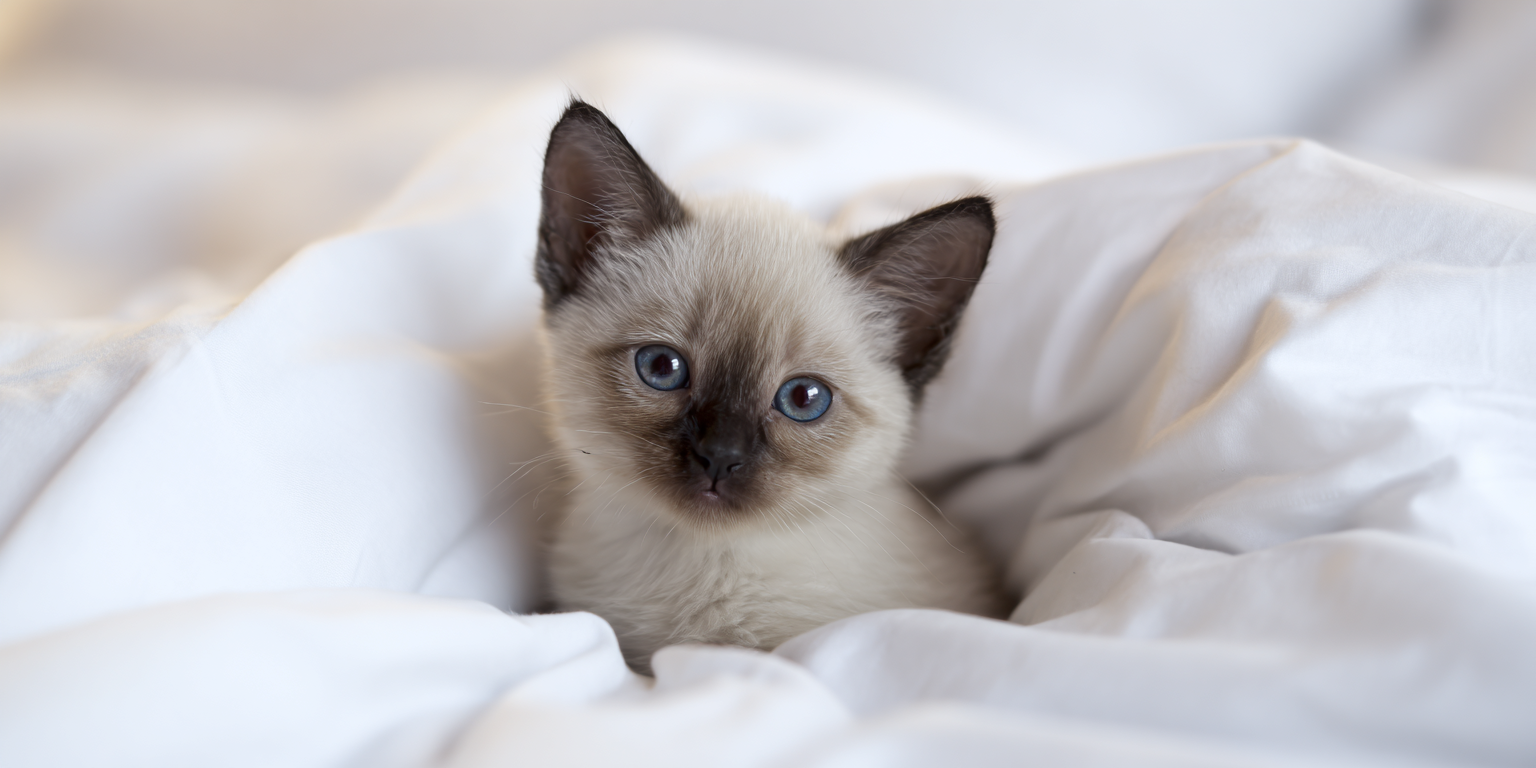
Siamese Kittens for Sale: Prices, Colors, Breeders, and Kitten Photos
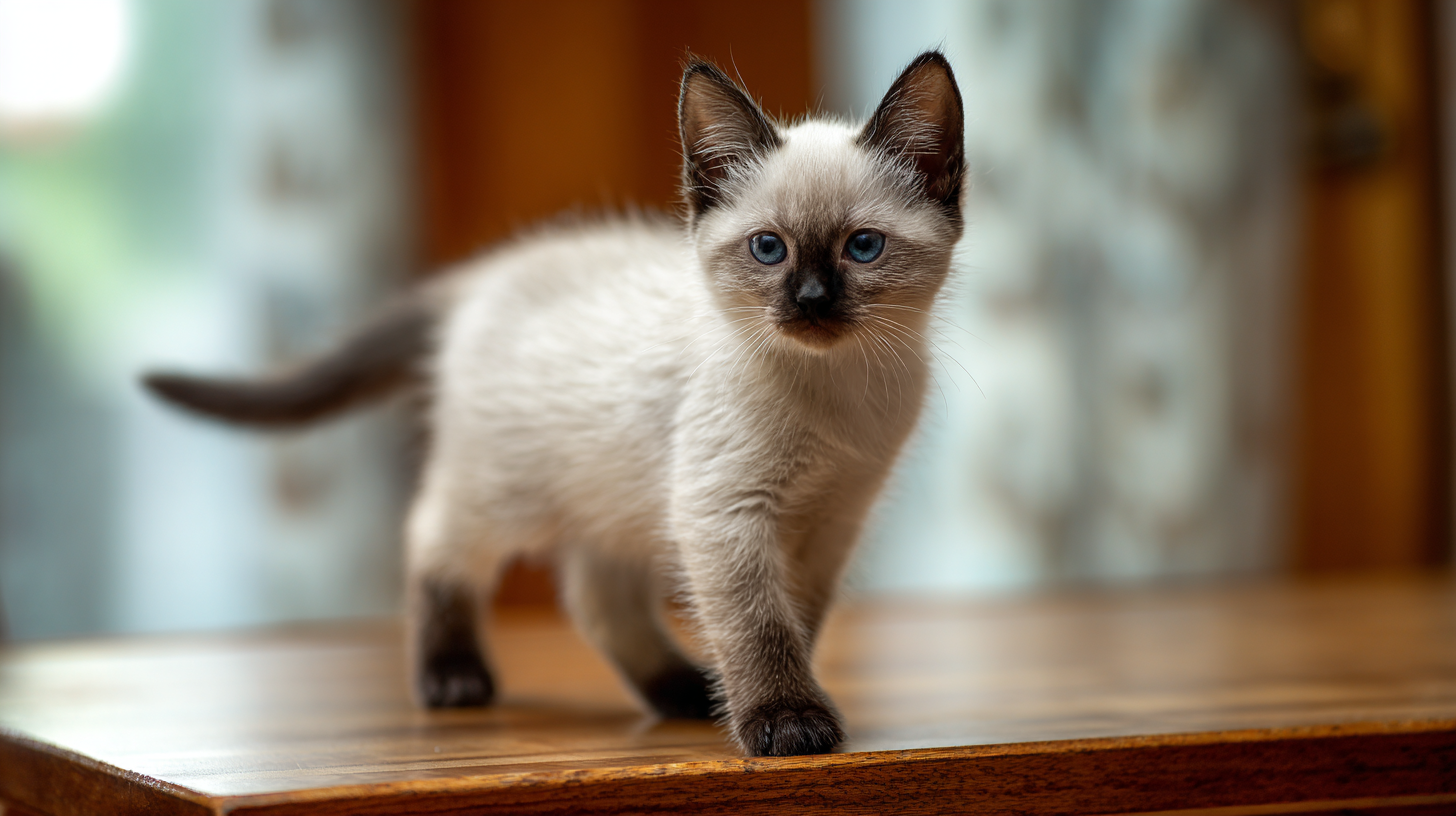
What Makes Siamese Kittens So Popular?
Siamese kittens remain one of the most in-demand purebred cats in the United States. People search for them because of their predictable temperament, high intelligence, striking pointed coloration, and strong generational consistency. They have some of the most recognizable breed traits: blue almond-shaped eyes, sleek coats, vocal communication, and loyal attachment patterns.
Their popularity also comes from variety. Siamese kittens can be traditional applehead type or the modern wedge type, and they appear in multiple color points—seal, blue, chocolate, lilac, lynx, flame, tortie points, and more. This combination of predictable traits and multiple color options makes them a popular luxury cat choice.
Siamese Kitten for Sale Summary Table
| Category | Summary |
|---|---|
| Price Range (USA) | $1,200–$2,500+ depending on pedigree, color, and breeder reputation. |
| Availability | High demand; many reputable breeders use waitlists with deposits. Some buyers wait 6–12 months for specific colors or sex preferences. |
| Temperament | Vocal, social, people-oriented, high-engagement breed. Needs daily interaction. |
| Energy Level | High; thrives in active homes and with attentive owners. |
| Colors Available | Seal point, blue point, chocolate point, lilac point, plus variations like lynx or tortie depending on the breeder. |
| Ideal Owner | People who want an interactive, affectionate, intelligent companion and are home often. |
| Coat Care | Low-maintenance short coat; regular brushing helps reduce shedding and maintain shine. |
| Eye Color | Striking sapphire blue eyes; kittens lighten and refine in shade as they mature. |
| House Preparation | Safe setup with high perches, interactive toys, litter areas, and kitten-proofed spaces. |
| Feeding Needs | High-protein, high-quality diet to support their active metabolism and lean muscle. |
The Siamese cat breed is a favorite with luxury owners and families alike.
Siamese Kitten Prices
Siamese kitten prices vary based on type, lineage, color, and breeder reputation. Across the U.S., Siamese kitten prices typically range from $1,200 to $3,500+ depending on the specifics:
| Category | Average Price Range |
|---|---|
| Pet-quality Traditional/Applehead | $1,200–$1,800 |
| Pet-quality Wedge/Show Type | $1,800–$2,800 |
| Rare Colors (Flame, Tortie, Lynx) | $2,000–$3,500 |
| Show-quality or Titled Lines | $3,000–$4,000+ |
| Imported Siamese Kittens | $3,500–$6,000+ |
High-demand areas like California, New York, Florida, and Texas generally see the highest pricing. Kittens from CFA or TICA registered lines with genetic health testing typically cost more due to breeder investment.
Buyers searching “Siamese kittens for sale near me” usually find that well-bred kittens are reserved early, and reputable breeders maintain waitlists.
Types of Siamese Kittens
Siamese kittens fall into two main structural categories:
Traditional (Applehead Siamese)
• Rounder head
• Thicker body type
• Calmer, quieter communication
• Often easier for families seeking the older-style Siamese look
• Typically more moderate energy
Modern/Wedge Siamese
• Extremely angular, refined head shape
• Long, slender frame
• High energy, more vocal, highly interactive
• Preferred in most show-ring standards
• Often come from imported or titled lines
Both are genetically Siamese. The difference lies in breed development preferences over time.
Siamese Kitten Colors Explained
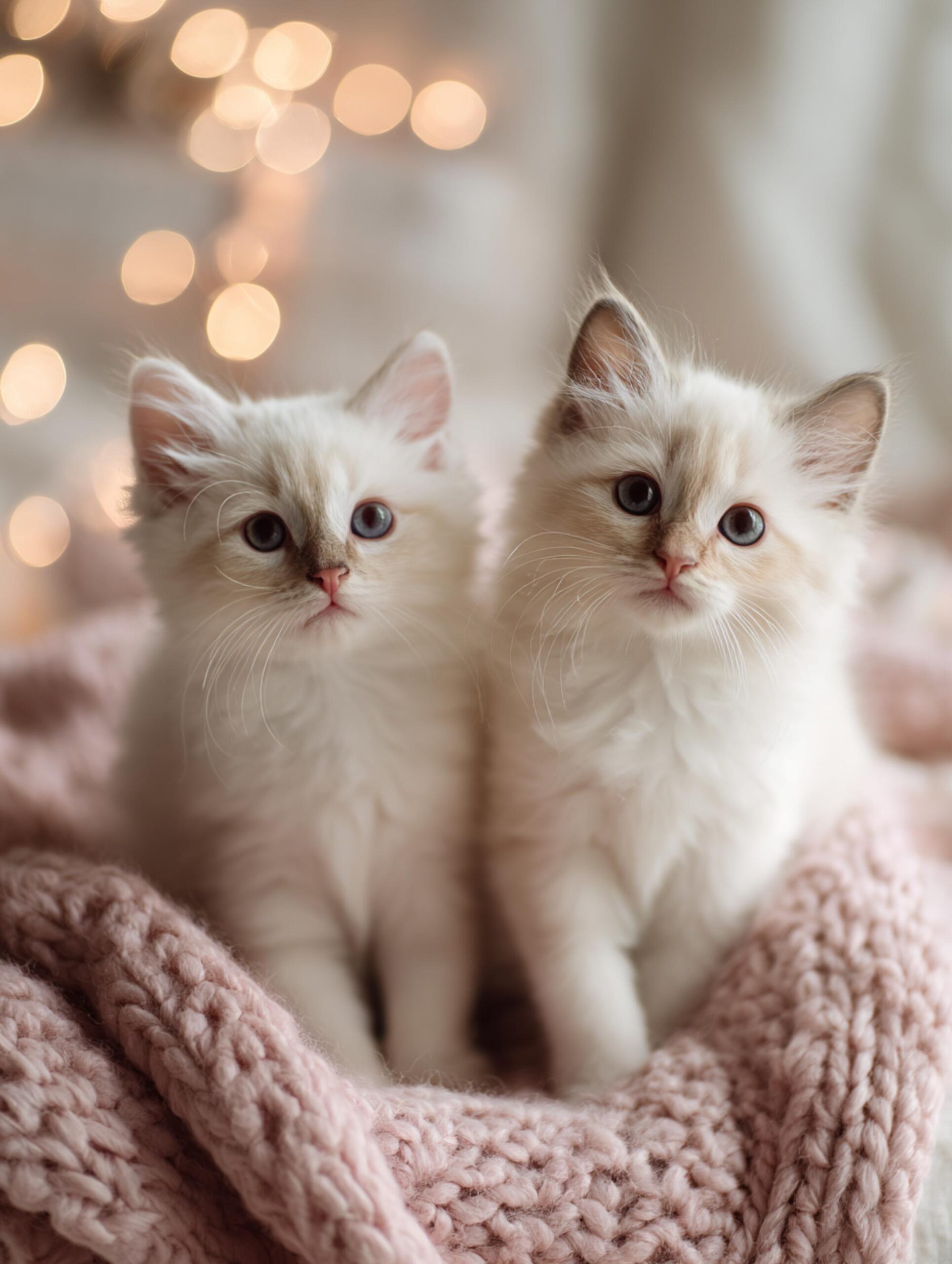
Siamese kittens are born completely white, and their point coloration darkens over the first 8–12 weeks. Buyers searching by color (ex: “blue point Siamese kittens for sale”) should know what each point means:
Seal Point
• Dark brown, nearly black points
• Pale cream body
• One of the most requested colors in the U.S.
Blue Point
• Slate gray points
• Frosty, cooler-toned body
• Soft, gentle contrast
Chocolate Point
• Warm milk-chocolate points
• Ivory body tone
• Lightest contrast next to lilac
Lilac Point
• Pinkish-gray points
• Magnoliacream body
• Rare and highly sought after
Lynx, Tortie, Flame Points
• Considered specialty colors
• Often priced higher due to limited availability
• Commonly found in specific breeding programs
How to Choose a Legitimate Siamese Breeder
Buyers searching for “Siamese breeders near me” often struggle to separate reputable programs from scammers and kitten mills. Key indicators of a legitimate breeder include:
• They offer in-depth information on lines, health, temperament, and care
• They allow video calls, visits when appropriate, or virtual meet-the-kitten sessions
• They provide contracts, receipts, and health guarantees
• They test for genetic conditions relevant to Siamese lines
• They maintain transparent pricing
• They show proof of registration with TICA or CFA
• They provide regular updates, photos, and developmental notes
Red flags include:
• Prices far below market average
• Pressure to send money quickly
• No video proof of kittens
• No parents shown
• No contract
• Refusal to provide veterinary documentation
Health Screening & What a Responsible Breeder Should Provide
A reputable Siamese breeder maintains transparent, documented health practices that protect the long-term soundness of the kitten. Because Siamese lines carry several inherited conditions, buyers typically look for breeders who follow industry-standard testing protocols and provide verifiable records before kittens go home.
Essential health screenings include:
• Progressive Retinal Atrophy (PRA-rdAc): A genetic test confirming whether the kitten is clear, carrier, or affected.
• Hypertrophic Cardiomyopathy (HCM): Annual cardiac examinations through a veterinary cardiologist for breeding adults.
• Feline Leukemia (FeLV) & Feline Immunodeficiency Virus (FIV): Negative test status for all queens, studs, or household cats.
• Patellar Stability Checks: Ensuring no predisposition to knee instability, which can appear in some lines.
• General Panel Testing: Respiratory panel, fecal testing, and parasite checks depending on region and veterinary protocols.
Responsible breeders maintain:
• full veterinary exam documentation
• vaccination dates
• deworming schedule
• feeding guide + transition plan
• microchip information
• spay/neuter status or agreement
Not every Siamese cattery will check all the boxes. Choose a Siamese breeder that you feel aligns best with you expectations.
What Comes With a Siamese Kitten From a Reputable Breeder
Most reputable Siamese breeders include a consistent set of standards to ensure kitten health and long-term stability. While every cattery differs, typical inclusions are:
• Veterinary health exam
• Age-appropriate vaccinations
• Deworming and parasite checks
• Microchipping
• Written health guarantee (1–3 years common)
• Genetic testing on parents (PRA, retinal issues, etc.)
• TICA or CFA registration papers (pet or show rights)
• Spay/neuter contract or early altering
• Starter food and transition guide
• Socialization experience with household noises, litter training, and early handling
Kittens sold without registration, without proof of parent testing, or at unusually low prices often indicate backyard breeding or poor-quality sourcing.
Siamese Kitten Availability & Waitlists
Many Siamese breeders use a waitlist system because litters are limited and they do not want to overbreed their females. Most breeders require a deposit to join the waitlist, and for high demand programs, some clients wait up to a year—or longer—to secure their ideal kitten. Waitlists may be organized by color preference, sex preference, or whether a buyer is looking for a pet or show-quality kitten.
Deposits are commonly required to hold a place in line and are usually non-refundable, as they represent a buyer’s commitment to eventually selecting a kitten from the program. Some breeders announce available kittens only after their initial evaluations are complete, while others allow buyers to reserve much earlier in the process.
Availability shifts depending on the time of year. Spring and summer often have more litters, while fall and winter can have fewer kittens posted or offered. Imported Siamese kittens may appear periodically depending on breeder partnerships and transport timelines.
Siamese Cat Personality Overview
Siamese cats are known for their predictable temperament, consistent breed traits, and strong genetic uniformity. Their behavior follows long-established patterns across most lines. They have a high activity level, strong vocal communication habits, rapid learning ability, and a stable social drive that makes them easy to condition into household routines. Siamese kittens adapt quickly to structured environments and respond well to early handling, environmental enrichment, and scheduled interactions.
Their intelligence impacts daily life: they explore, test boundaries, and investigate new stimuli. Behavioral patterns include chirping, meowing, following humans, object play, and interactive engagement with daily household movements. Their attachment tendencies are predictable—Siamese kittens form strong preferences for familiar humans and maintain those bonds through adulthood. Their high trainability leads to reliable response patterns when owners implement early training protocols such as clicker training, recall conditioning, litter box predictability, and mat/place training.
Because Siamese cats retain kitten-like energy well into adulthood, their behavior remains consistent for many years, giving owners a stable long-term temperament profile.
Understanding Siamese Kitten Temperament & Energy Level
Siamese kittens typically display high vocality, strong social bonding, and elevated activity levels. They are interactive, attention-seeking, and quick to learn routine patterns. Their communication style includes chirping, yowling, and frequent meowing, which is a standard breed characteristic.
Temperament traits usually observed in kittenhood include:
• high curiosity
• strong attachment behaviors
• fast learning in training tasks
• preference for interactive play
• sensitivity to noise and environmental changes
Temperament can vary by line, with some breeders selecting for more moderate vocal levels or calmer energy profiles. Prospective buyers should ask breeders about the parents’ behavior, as Siamese social traits are strongly influenced by genetic line.
Coat Colors, Patterns & Genetic Variations in Siamese Kittens
Siamese kittens are born completely white, and their color points develop gradually during the first 8–12 weeks of life. Their colors deepen with age, temperature, and genetics. Buyers searching for Siamese kittens typically look for clarity of points, contrast, and eye-color intensity, so having accurate descriptions helps them compare litters across breeders.
Most Common CFA/TICA-Recognized Colors
• Seal Point: Warm cream body with dark brown—nearly black—points. The most iconic and highest-contrast color.
• Blue Point: Light bluish-white body with slate-gray points. Softer contrast; popular for families wanting a pale coat.
• Chocolate Point: Ivory body with milk-chocolate points. Lighter than seal and prone to warm undertones.
• Lilac Point: Glacial white body with pinkish-gray points. Genetically the palest and slowest-developing color.
Uncommon or Controversial Colors (Varies by Registry)
• Flame/Red Point
• Lynx/Tabby Point
• Tortie Point
• Cinnamon & Fawn (rare)
These occur through colorpoint shorthair influence or hybridization, depending on breeder line.
Siamese Kitten Growth Timeline & Development
Siamese kittens develop quickly with predictable milestones:
- 0–2 Weeks: Eyes open early, typically around day 7–10. Point colors begin forming.
- 3–5 Weeks: Increased coordination, litter curiosity, exploration phase.
- 6–8 Weeks: Strong social imprinting, play-fighting, mastering sprinting/jumping.
- 8–12 Weeks: Stable mobility, strong cognitive leaps, accelerated point darkening.
- 12–20 Weeks: Rapid muscle development, strong bonding patterns, predictable vocal behaviors.
- 6–12 Months: Final adult size, adult-level voice, refined point color and contrast.
Their mental development parallels their physical growth. Siamese kittens learn quickly, recognize routines, and respond to environmental cues earlier than many breeds. Their intelligence makes them receptive to early training, establishing long-term household compatibility.
Siamese Kitten Care Requirements
Siamese kitten care focuses on structure and predictability. Their thin, short coat requires minimal grooming, but their high energy level makes environmental enrichment essential. Key components include rotational toys, vertical climbing structures, puzzle feeders, and designated rest zones.
Litter box maintenance is important due to the Siamese cat’s strong scent sensitivity and preference for clean spaces. High-protein diets with balanced amino acids support lean muscle development and coat quality. Hydration routines—such as fountains or multiple water stations—are helpful due to their active metabolism.
Early nail trimming, dental conditioning, and desensitization to carriers, crates, and travel equipment ensures smooth long-term maintenance.
Eye Color in Siamese Cats
Siamese cats are known for their distinct blue eyes, which develop gradually as kittens age. Newborn Siamese kittens are born with cloudy, soft blue eyes that begin to clarify over the first several weeks. As pigment stabilizes, the eye color shifts into a more vivid, saturated blue typical of the breed. The intensity of the blue varies by line, point color, and light exposure during photography.
True Siamese cats always retain blue eyes because the Himalayan gene (cs) that creates the pointed pattern also restricts pigment in the iris. This is why you never see green- or gold-eyed Siamese; any deviation indicates a different breed or a mix. Eye depth, shape, and brilliance become more apparent around 10–12 weeks as development progresses and structure settles.
Breeders track eye clarity, pupil symmetry, and early visual behavior during evaluations, as these traits help assess conformation quality in kittens destined for show or breeding homes.
Grooming Requirements for Siamese Cats
Siamese cats have short, fine coats that lie close to the body and shed lightly throughout the year. Their grooming needs are minimal compared to medium- or longhaired breeds, but routine care still helps maintain coat condition and reduce scattered dander. Weekly brushing removes loose hairs, improves skin circulation, and keeps the coat smooth and even.
Because Siamese cats produce natural skin oils, grooming also distributes these oils evenly across the coat, preventing dryness or buildup. Bathing is optional and typically only necessary if a kitten becomes dirty or oily; excessive bathing can dry out the skin and increase loose flakes. Nail trimming, ear checks, and dental care are standard maintenance tasks. Many breeders introduce these routines early so kittens transition smoothly into their new homes.
Consistent grooming also helps reduce allergens on the coat surface, making routine brushing beneficial for sensitive households.
How to Socialize Your Siamese Kitten
Socialization is one of the most important parts of raising a Siamese kitten. This breed is naturally people-oriented, vocal, attentive, and deeply bonded to their families, but they still need structured exposure to new experiences to grow into confident, well-adjusted adults. Socialization should begin the day your kitten comes home and continue consistently for the first 12–16 weeks.
Socialization goals include:
- Building confidence around new people
- Teaching calm interactions with children
- Developing comfort around household noises
- Encouraging friendly behavior with other pets
- Reducing fear-based behaviors like hiding or over-vocalizing
Daily socialization ideas:
- Invite calm visitors to meet the kitten for short periods
- Handle paws, ears, tail, belly, and neck gently every day
- Introduce supervised play sessions with well-mannered adult pets
- Use positive reinforcement during new experiences (treats, praise, toys)
- Expose the kitten to everyday noises: vacuum, dishwasher, doorbell, TV
New object + environment rotation:
- Cardboard boxes
- Different floor textures
- Cat tunnels
- Cat-friendly shelves
- New toys every few days
Socialization builds lifelong temperament. A properly socialized Siamese becomes a confident, affectionate, loyal adult who adapts well to travel, grooming, and household changes.
How to Desensitize Your Siamese Kitten
Desensitization teaches your Siamese kitten to stay relaxed when exposed to stimuli that might otherwise cause stress. This is especially important for Siamese, who are smart, expressive, and emotionally sensitive.
Start early and progress slowly. The goal is exposure without overwhelm.
Key areas to desensitize:
- Nail trims
- Ear cleaning
- Teeth brushing
- Bathing
- Carrier training
- Car rides
- Handling by strangers (veterinarians, groomers)
- Sudden noises
Simple desensitization exercises:
- Touch the paws for 2–3 seconds, treat, repeat daily
- Place kitten in the carrier for 1–2 minutes with treats inside
- Turn on clippers or a blow dryer across the room while feeding
- Sit in the car with the engine off before attempting short drives
- Gently introduce a soft toothbrush with flavored toothpaste
During every session:
- Keep sessions short (2–5 minutes)
- Reward constantly
- End before the kitten becomes overwhelmed
- Repeat each micro-step for several days before advancing
With steady exposure, Siamese kittens grow into adults who remain calm during vet visits, grooming appointments, and household changes.
What to Feed Your Siamese Kitten
Siamese kittens grow quickly, remain active throughout the day, and maintain a naturally slender, athletic body type. They require a nutrient-dense, high-quality diet that supports brain development, bone strength, digestion, and muscle tone.
Core nutrition guidelines:
- Choose a kitten-specific diet until at least 12 months
- Look for foods rich in animal protein (chicken, turkey, rabbit, salmon)
- Include omega-3 and omega-6 for skin, coat, and cognitive support
- Avoid fillers when possible (excess corn, wheat, soy)
- Ensure proper moisture intake through canned food or added hydration
Feeding schedule:
- 3–4 small meals per day for kittens under 6 months
- 2–3 meals per day for kittens 6–12 months
- Fresh water accessible at all times
Optional additions:
- Freeze-dried raw toppers for extra protein
- Probiotic supplements for gut stability
- DHA-rich foods for brain development
- Safe kitten treats for training
A balanced diet prevents digestive upset, supports healthy growth, and helps maintain the sleek coat Siamese cats are known for.
How to Prepare Your Home for a Siamese Kitten
Preparing your home before your Siamese kitten arrives ensures a smoother transition, reduces stress, and creates a safe environment for exploration. Siamese kittens are curious, intelligent, and highly interactive, so a well-prepared home prevents accidents and supports healthy development.
Kitten-proofing essentials:
- Secure all electrical cords
- Remove toxic plants
- Block off small gaps behind appliances
- Tie up blind cords
- Store chemicals out of reach
Set up the kitten’s dedicated space:
- A quiet room for the first 24–72 hours
- A cozy bed or soft blanket
- Food and water bowls
- A kitten-safe litter box
- A scratching post or vertical scratcher
- A few toys for comfort and enrichment
Environmental enrichment:
- Cat trees
- Window perches
- Cat tunnels
- Feather teasers
- Interactive puzzle toys
Before the kitten arrives, also prepare:
- A travel carrier
- Kitten-safe grooming tools
- A variety of toys
- A schedule for feeding and litter scooping
- A safe introduction plan for other pets
First-day routine:
- Allow the kitten to explore one room at a time
- Keep introductions slow and predictable
- Maintain low noise levels
- Establish your feeding and litter schedule immediately
A well-prepared home reduces the risk of stress and helps your Siamese kitten settle in quickly, confidently, and safely.
FAQ: Siamese Kittens for Sale
How much do Siamese kittens cost?
Siamese kitten prices typically range from $1,200–$3,000+ depending on pedigree, color, breeder reputation, region, and whether the kitten is placed as pet, show, or breed quality. Kittens with documented lineage, genetic testing, or rare point colors often fall at the higher end. Prices may also vary based on demand, waitlist length, and seasonality.
Why are Siamese kittens so expensive?
Costs reflect parent health testing, veterinary care, genetic screening, high-quality nutrition, routine handling, early socialization, and breed-specific raising practices. Reputable breeders also invest in cattery sanitation, stud service fees, registration, and neonatal care.
What age can a Siamese kitten go home?
Most Siamese kittens go home at 12–14 weeks. This allows time for:
- early vaccinations
- social development
- litter training
- weaning stability
- color progression for accurate evaluation
Leaving earlier can disrupt development and makes health monitoring more difficult.
Are Siamese cats good for first-time cat owners?
Siamese cats are intelligent, interactive, and routine-oriented. They work well for owners who want an engaging, conversational breed. They may not fit every lifestyle, as they require predictable interaction and structured enrichment. Their behavior is more dog-like than many breeds.
Are Siamese kittens hypoallergenic?
No. Siamese cats are not hypoallergenic and produce typical amounts of Fel d 1. Grooming, cleaning routines, and air purification can help reduce allergen exposure, but no Siamese kitten will be allergy-free.
What should I look for in a reputable Siamese breeder?
Look for breeders who provide:
- pedigree documentation
- health testing for parents
- genetic screening
- vaccination and deworming records
- written contract and health guarantee
- consistent communication
- clear photos/videos of living conditions
Avoid breeders with no contract, no health documentation, or unusually low pricing.
How do Siamese kittens develop their point colors?
Siamese kittens are born solid white or cream. Point colors develop gradually due to temperature-sensitive pigmentation. Most kittens show visible points by 4–6 weeks, but full coloration continues to intensify over the first year.
Do Siamese cats change color as they age?
Yes. Their color deepens with:
- colder temperatures
- maturity
- coat density changes
- seasonal shifts
Adults living in cooler climates often develop darker body shading.
What do Siamese kittens eat?
Most breeders feed:
- high-protein wet food
- balanced kitten kibble
- added omega oils
- species-appropriate nutrition focused on lean muscle development
A predictable feeding schedule supports digestion and stable energy.
Are Siamese cats good with kids or other pets?
They typically integrate well with:
- respectful children
- other cats
- compatible dogs
- structured households
Their social nature makes them adaptable when introduced properly and gradually.
Do Siamese cats require a lot of attention?
They prefer predictable routines and human interaction. They do best in homes where someone is around frequently or where there is another compatible pet.
How vocal are Siamese cats?
Siamese cats are known for being highly vocal. Their communication style includes chirps, meows, “conversations,” and attention-seeking vocalizations. This trait varies, but owners should expect above-average noise levels.
Are Siamese cats prone to health problems?
Common concerns may include:
- dental issues
- respiratory sensitivities
- GI sensitivities
- breed-associated genetic traits
A reputable breeder screens for known risks and provides documentation.
How long do Siamese cats live?
Most Siamese cats live 14–20 years with proper nutrition, enrichment, and veterinary care.
What supplies should I buy before bringing home a Siamese kitten?
Essentials include:
- kitten-safe litter box
- scratching posts
- hideaways and climbing areas
- interactive toys
- slow-feeders or puzzle feeders
- grooming tools
- carrier
- soft bedding
- vet-approved food
How do I prepare my home for a Siamese kitten?
You’ll need to secure:
- wires and cables
- household plants
- small items they could swallow
- open stair gaps
- unstable furniture
- drafty areas
- high-traffic zones
Creating one dedicated “safe room” during the transition helps reduce stress.
Do Siamese kittens travel well?
They adapt with early desensitization. Exposure to:
- carriers
- car motion
- new rooms
- short trips
helps kittens build confidence.
Should I spay or neuter my Siamese kitten?
Most breeders require spay/neuter for pet-quality kittens. Altering reduces marking behaviors and stabilizes energy.
Are blue-eyed Siamese guaranteed?
Yes. Purebred Siamese cats have blue eyes. The exact shade varies from pale ice-blue to deeper sapphire depending on genetics.
Can I reserve a Siamese kitten in advance?
Yes. Many breeders require:
- a deposit to join the waitlist
- a signed contract
- color/sex preferences
- communication during evaluations
Some families wait up to a year for a specific look or lineage.
Are Siamese cats indoor-only?
Most breeders require indoor-only placement for safety and health consistency.
How big do Siamese cats get?
Siamese typically reach:
- 8–14 pounds
- lean, athletic frames
- long legs and wedge-shaped heads
Growth continues until about one year.
Are Siamese kittens easy to train?
Yes. Their intelligence makes them responsive to:
- clicker work
- puzzle feeders
- harness training
- routines
Training supports energy management.
What coat colors do Siamese kittens come in?
Recognized point colors include:
- seal
- blue
- chocolate
- lilac
- red
- cream
- lynx point
- tortie point
Each develops differently during early life.
Do Siamese cats shed a lot?
Shedding is moderate. Their single coat sheds less than thick double-coated breeds but still requires routine grooming.
Why do some Siamese kittens look cross-eyed?
Slight eye divergence appears in some lines due to historical coloration genetics. Modern breeders select for straighter alignment.
Can Siamese kittens be left alone?
Short periods are fine. Extended isolation can cause stress. Many owners adopt in pairs to provide companionship.
What is included in a Siamese kitten purchase?
Most responsible breeders include:
- health certificate
- vaccinations
- early socialization
- parasite prevention
- microchip
- registration papers
- feeding guide
- written contract
Explore Reputable, Ethical Catteries
If you’re beginning your search for a Siamese kitten, take your time, research breeders carefully, and prioritize programs that focus on health, temperament, and transparent practices.
If you’d like to follow updates from ethical breeders offering healthy, well-raised kittens, you can browse our available kittens and upcoming litters here:
Sources
- • Cat Fanciers’ Association (CFA) – Siamese Breed Standard
https://cfa.org/siamese/ - • The International Cat Association (TICA) – Siamese Overview
https://tica.org/breeds/browse-all-breeds?view=article&id=882:siamese&catid=79 - • VCA Animal Hospitals – Kitten Care Basics
https://vcahospitals.com/know-your-pet/kitten-care - • Cornell Feline Health Center – Feline Vaccination Guidelines
https://www.vet.cornell.edu/departments-centers-and-institutes/cornell-feline-health-center/health-information/feline-vaccination-guidelines - • AAHA Feline Vaccination & Health Guidelines
https://www.aaha.org/aaha-guidelines/ - • WSAVA Feline Vaccination Guidelines
https://wsava.org/wp-content/uploads/2020/01/WSAVA-Vaccination-Guidelines-2015.pdf - • ASPCA – Preparing Your Home for a Kitten
https://www.aspca.org/pet-care/cat-care/general-cat-care - • AAFP Feline Behavior & Socialization Resources
https://catvets.com/guidelines/practice-guidelines/behavior-guidelines - • PetMD – Siamese Cat Breed Information
https://www.petmd.com/cat/breeds/c_ct_siamese - • UC Davis Veterinary Medicine – Feline Nutrition Recommendations
https://www.vetmed.ucdavis.edu/services/nutrition





Read the Comments +