
Do Ragdoll Cats Get Along With Dogs? Everything to Know About Ragdoll Cats and Dogs Living Together
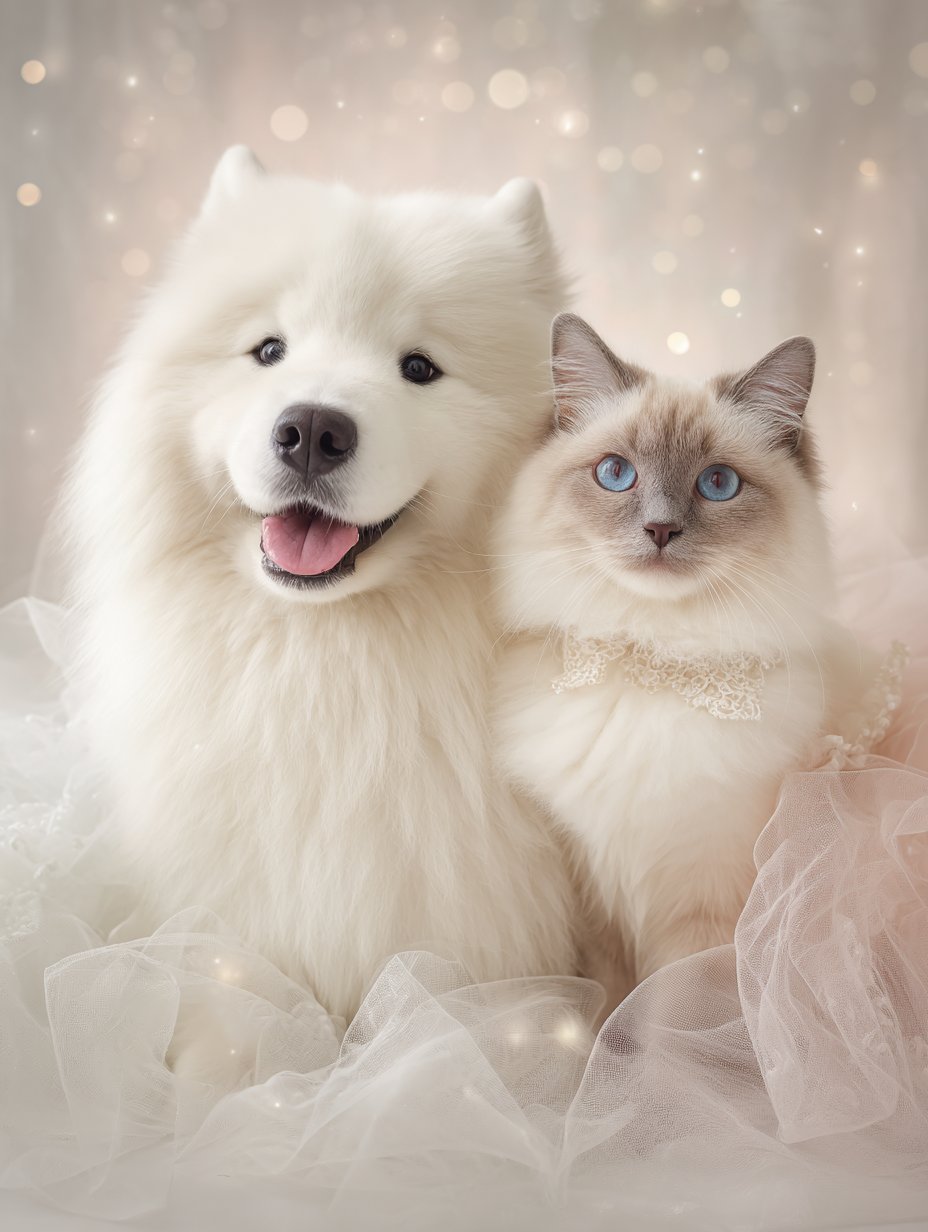
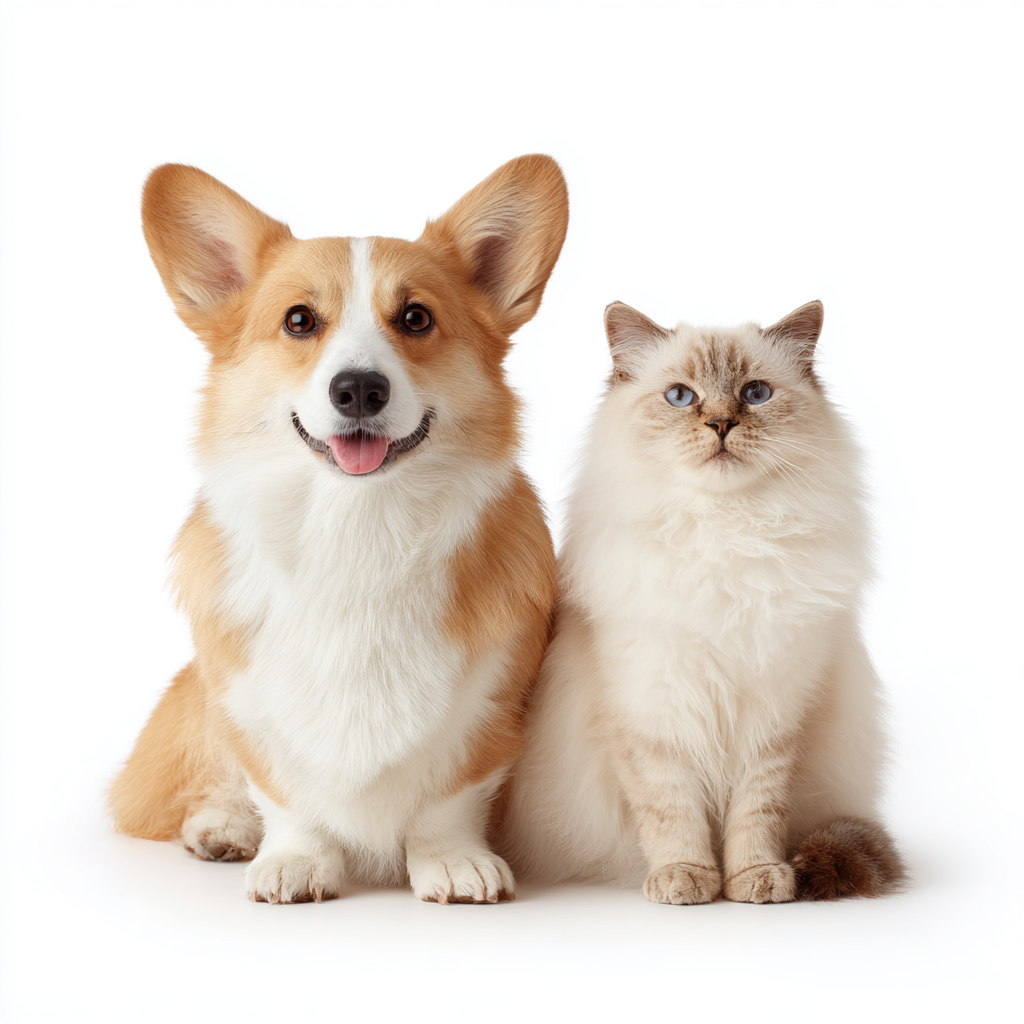
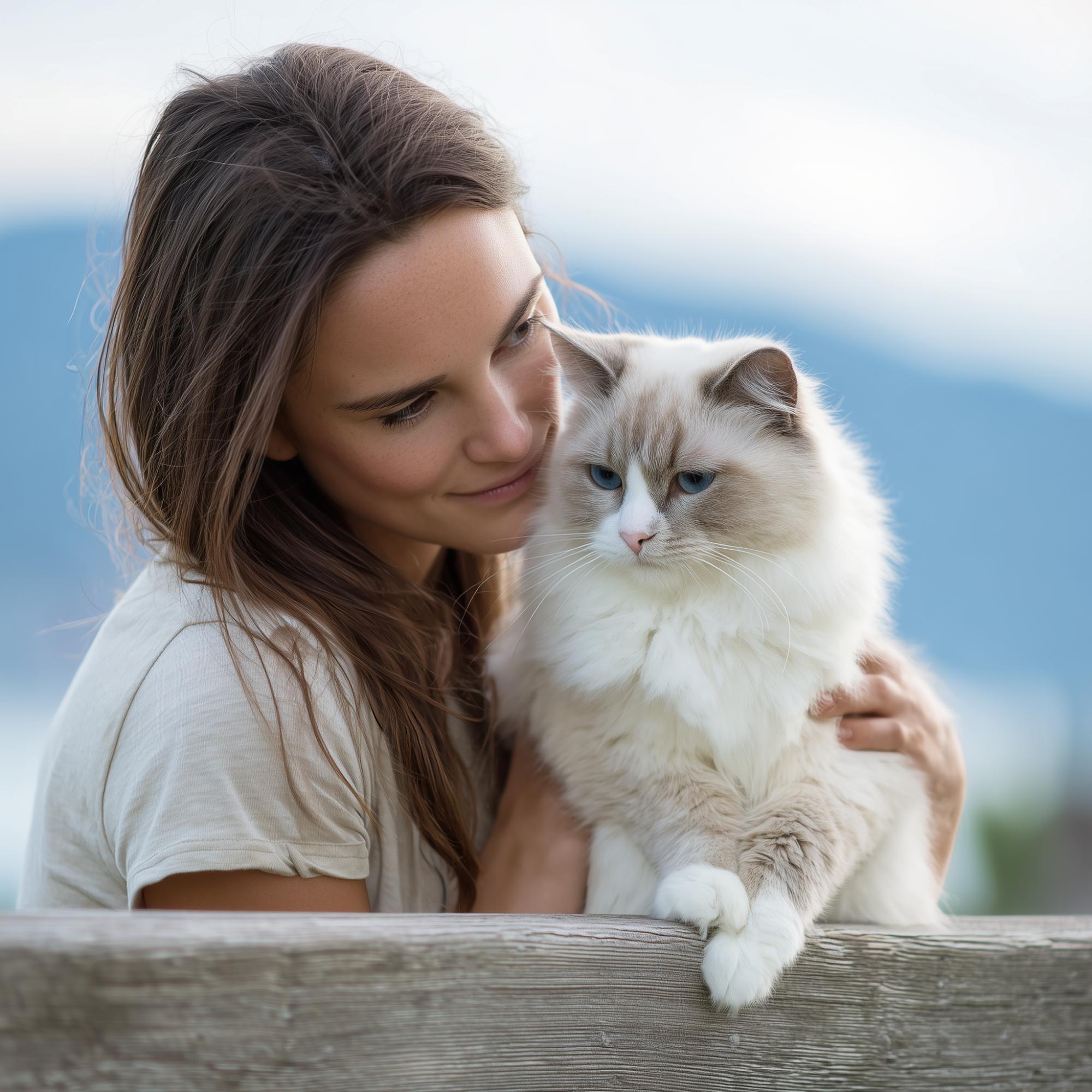
Do Ragdoll cats get along with dogs? Many families wonder this when they want both a ragdoll cat and a dog in the same home. Ragdoll cats are calm, gentle, and friendly, which helps them get along with kind and well-behaved dogs. When both pets meet slowly and safely, they can learn to trust each other and even become close buddies. This post explains why Ragdolls do well with dogs, how to introduce them the right way, and what types of dogs make the best companions.
Quick Comparison: Ragdoll Cats and Dogs Living Together
| Topic | Summary |
|---|---|
| Overall Compatibility | Ragdoll cats are among the most dog-friendly breeds due to their gentle and tolerant temperament. |
| Best Dog Matches | Calm, low-prey-drive breeds such as Golden Retrievers, Poodles, Cavaliers, Bernese Mountain Dogs, and trained mixed breeds. |
| Introduction Difficulty | Low to moderate. Slow, structured introductions significantly increase success. |
| Behavior Strengths | Affectionate, relaxed, social, and non-territorial, making them ideal for multi-species families. |
| Common Challenges | High-energy dogs, rough play, chasing instincts, resource guarding, or noisy environments. |
| Do Ragdolls Need Companions? | They thrive with companionship and often benefit from living with a calm, respectful dog. |
| Signs of Bonding | Shared resting spaces, gentle interactions, mutual curiosity, and following each other around the home. |
| Special Considerations | Provide vertical spaces, separate feeding zones, and supervised early meetings to support confidence. |
Ragdoll Personality Overview and Why They Often Do Well With Dogs
Ragdoll cats are known for their calm, tolerant, and people-focused temperament. Their gentle nature makes them one of the most dog-friendly cat breeds. They are less territorial than many cats and rarely use aggression as a first response. This temperament reduces conflict during early introductions with dogs and supports peaceful, long-term cohabitation. Ragdoll cats prefer routine and predictable interactions, which allows them to bond with dogs that share their environment.
Are Ragdoll Cats Good With Dogs?
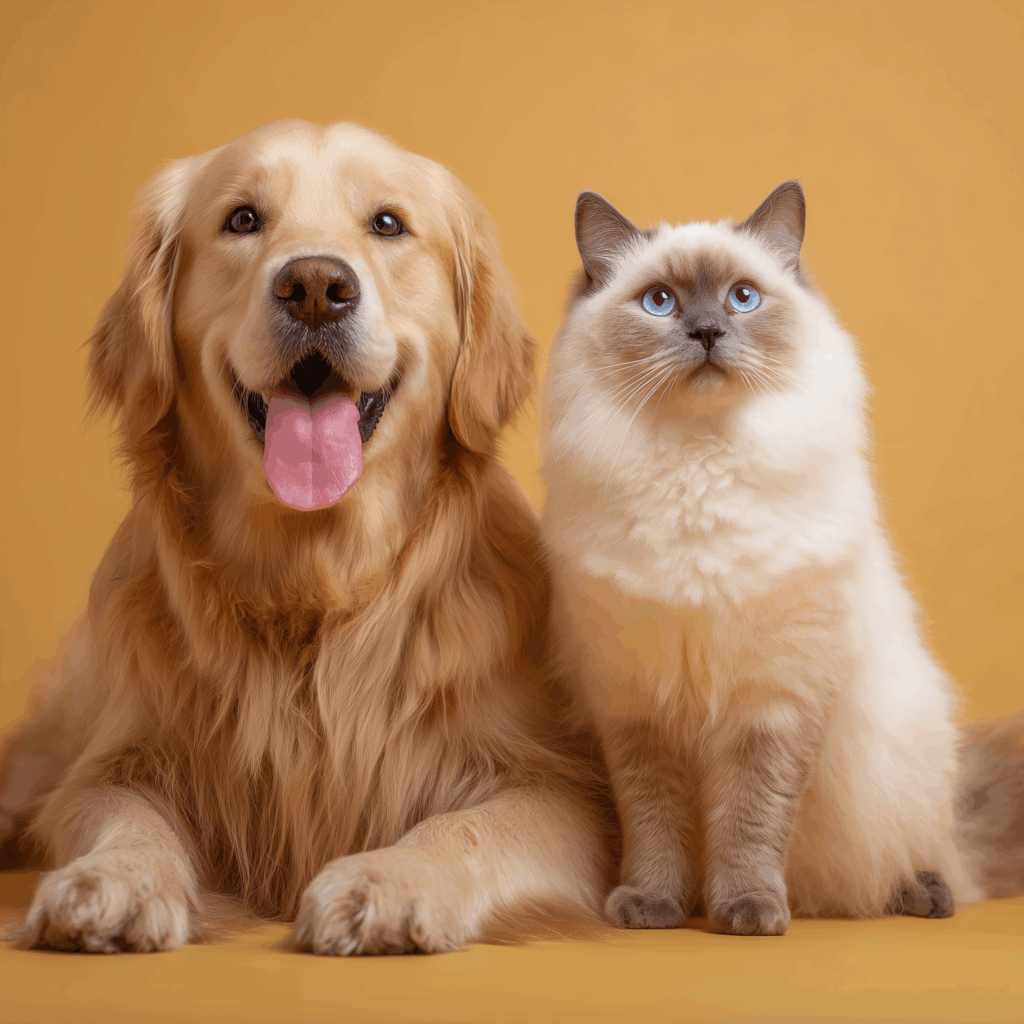
Most Ragdoll cats adapt extremely well to dogs, especially when the dog is well-mannered, respectful of space, and introduced slowly. Their easygoing nature allows them to coexist with calm breeds such as Golden Retrievers, Labradors, Poodles, Bernese Mountain Dogs, and other companion-minded dogs. Ragdolls are confident, relaxed, and less prone to fear-based hiding, making them more open to canine companionship. While every individual varies, the breed’s average temperament makes them one of the top cat breeds for multi-species homes.
Why Ragdolls Tolerate Dogs Better Than Many Cat Breeds
Ragdolls exhibit low prey drive and high social drive. They form attachments to people and household animals rather than relying on territorial instincts. Their slow, relaxed movements prevent triggering predatory chasing in most dogs. Because Ragdolls do not startle easily, they stay emotionally stable when a dog moves quickly or makes sudden noises. This resilience reduces conflict and helps create harmony in mixed homes. Their desire for companionship often leads them to follow dogs around, share beds, or rest nearby.
Ragdoll Cats and Dogs Living Together: What a Healthy Relationship Looks Like
A balanced cat-dog household includes predictable routines, structured feeding areas, positive reinforcement, and safe zones for the Ragdoll. A well-matched dog respects feline signals such as slow blinking, tail swishing, and choosing space. Successful households often report Ragdolls grooming the family dog, sleeping close by, or participating in shared play. Over time, many dogs adjust their energy levels to match the cat, creating a calm rhythm. Harmony becomes easier when both pets have clear boundaries and consistent daily structure.
Do Ragdoll Cats Need a Companion?
Ragdolls are deeply social and rarely thrive in total solitude. While they do not require a dog specifically, many enjoy having a companion animal. A respectful dog can fulfill the Ragdoll’s desire for companionship and reduce loneliness during long work hours. Homes where a Ragdoll spends significant time alone often notice improved behavior, confidence, and emotional stability when a compatible dog is added. Companionship supports the breed’s mental health and creates a richer home environment.
What Dogs Are Good With Ragdoll Cats? Ideal Breeds and Temperament Traits
Calm, trainable, and low-prey-drive dogs are the best match for Ragdolls. Breeds commonly recommended for cat households include Golden Retrievers, Labradors, Standard Poodles, Miniature Poodles, Cavalier King Charles Spaniels, Maltese, Great Pyrenees, Bernese Mountain Dogs, Bichons, and other gentle guardian or companion breeds. Ideal canine traits include tolerance, low reactivity, soft play style, and willingness to share space. Even high-energy breeds can succeed if they respond well to training and understand the difference between prey and play.
How to Introduce a Ragdoll Cat to a Dog Safely
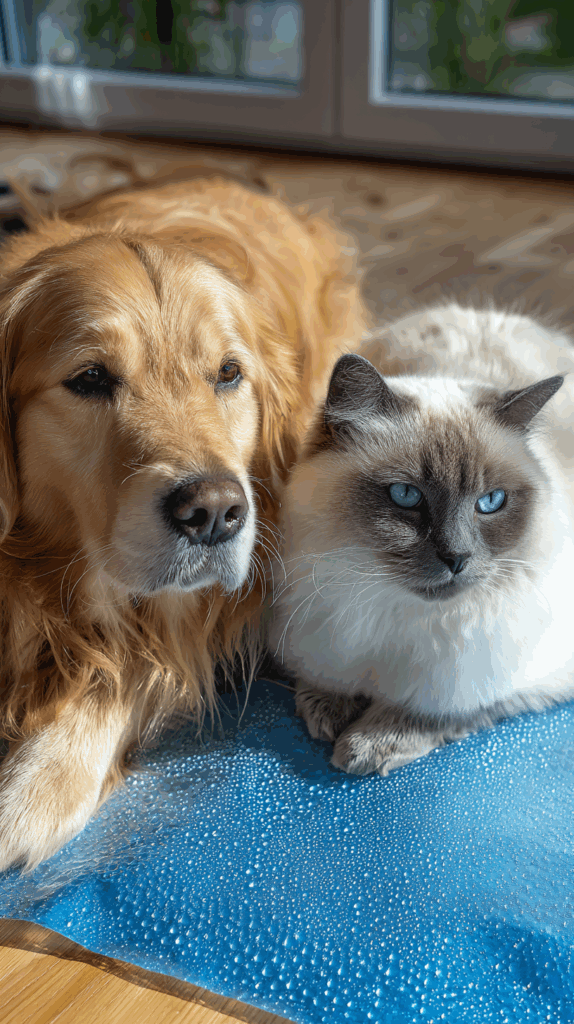
A structured introduction is essential for building a cooperative relationship between a Ragdoll cat and a dog. Slow pacing prevents stress, fear, and territorial tension. The safest introductions begin with scent exchange: blankets, bedding, or soft toys swapped between the animals to create familiarity before physical contact. Controlled visual exposure through gates or cracked doors encourages the Ragdoll to observe the dog’s behavior without pressure. Once the cat shows relaxed body language—upright tail, slow blinking, normal grooming—short supervised interactions can be added. Dogs should remain leashed or calmly restrained during the first meetings to avoid chasing or lunging. Positive reinforcement such as treats and calm praise helps both animals associate one another with security and comfort. Gradually increasing interaction duration allows trust to build at a natural pace. Many Ragdolls begin to show curiosity and social interest within days, though some may require several weeks depending on personality and past experiences.
Essential Body Language to Watch During Cat–Dog Introductions
Successful integration depends on reading both animals accurately. Ragdolls tend to display subtle signals when overwhelmed. Slight ear rotations, tail twitching, crouched posture, or small lip licks can indicate nervousness. A calm, confident Ragdoll maintains a loose body posture, upright tail, and normal breathing. Dogs also give clear cues: soft eyes, slow wagging tails, relaxed mouths, and careful sniffing indicate safe intent. Stiff posture, direct staring, raised hackles, or rapid tail wagging may signal overstimulation or prey drive. Tracking these early signals prevents negative experiences and allows the handler to redirect behavior before tension escalates. When both animals show relaxed, curious body language repeatedly over several sessions, they are ready for increased freedom around one another.
Creating Safe Zones for Ragdolls in Dog-Friendly Homes
Ragdolls thrive when they have elevated resting areas, private feeding stations, and predictable escape routes. Tall cat trees, shelves, and quiet rooms create vertical territory that dogs cannot reach, reducing stress and providing a sense of control. Covered beds, tunnels, and hiding nooks allow the Ragdoll to choose solitude when needed. Food and litter areas must remain OFF-limits to the dog, since interference with these essential resources often leads to conflict. Baby gates with small pet doors, motion-deterrent mats, and strategic furniture placement help maintain separation without isolating the cat socially. These zones also support smooth bonding by giving the Ragdoll confidence to approach the dog voluntarily rather than react defensively.
Training Dogs to Respect Ragdoll Cats
Training plays a major role in whether a dog can successfully live with a Ragdoll cat. Dogs with good impulse control, reliable recall, and strong “leave it” or “stay” cues pose far fewer risks. Reward-based training teaches dogs to maintain calm behavior around the cat, lowering the likelihood of chasing or rough play. Consistency is vital; dogs learn best when expectations are the same every day. Slow-paced training sessions, short leash walks inside the home, and structured greetings help reinforce respectful behavior. When a dog understands that gentle interactions lead to praise, enrichment, or treats, the cat becomes a positive and non-threatening part of the environment. Over time, many dogs develop protective, nurturing behavior toward their Ragdoll companion.
Common Challenges Between Ragdoll Cats and Dogs
Even compatible animals experience occasional misunderstandings. High-energy dogs may accidentally overwhelm a Ragdoll with excited movements, causing the cat to retreat or swish its tail in annoyance. Resource guarding can occur if either animal feels protective over food, toys, or sleeping spaces. Sudden barking or chasing can momentarily trigger stress responses in a Ragdoll, especially during the first few weeks. Territorial issues can arise in smaller living spaces where escape routes are limited. However, most of these challenges resolve through training, environmental management, and routine. Ragdolls adapt well to predictability and quickly learn patterns in the dog’s behavior, allowing harmony to develop naturally.
How Age Affects Compatibility Between Ragdolls and Dogs
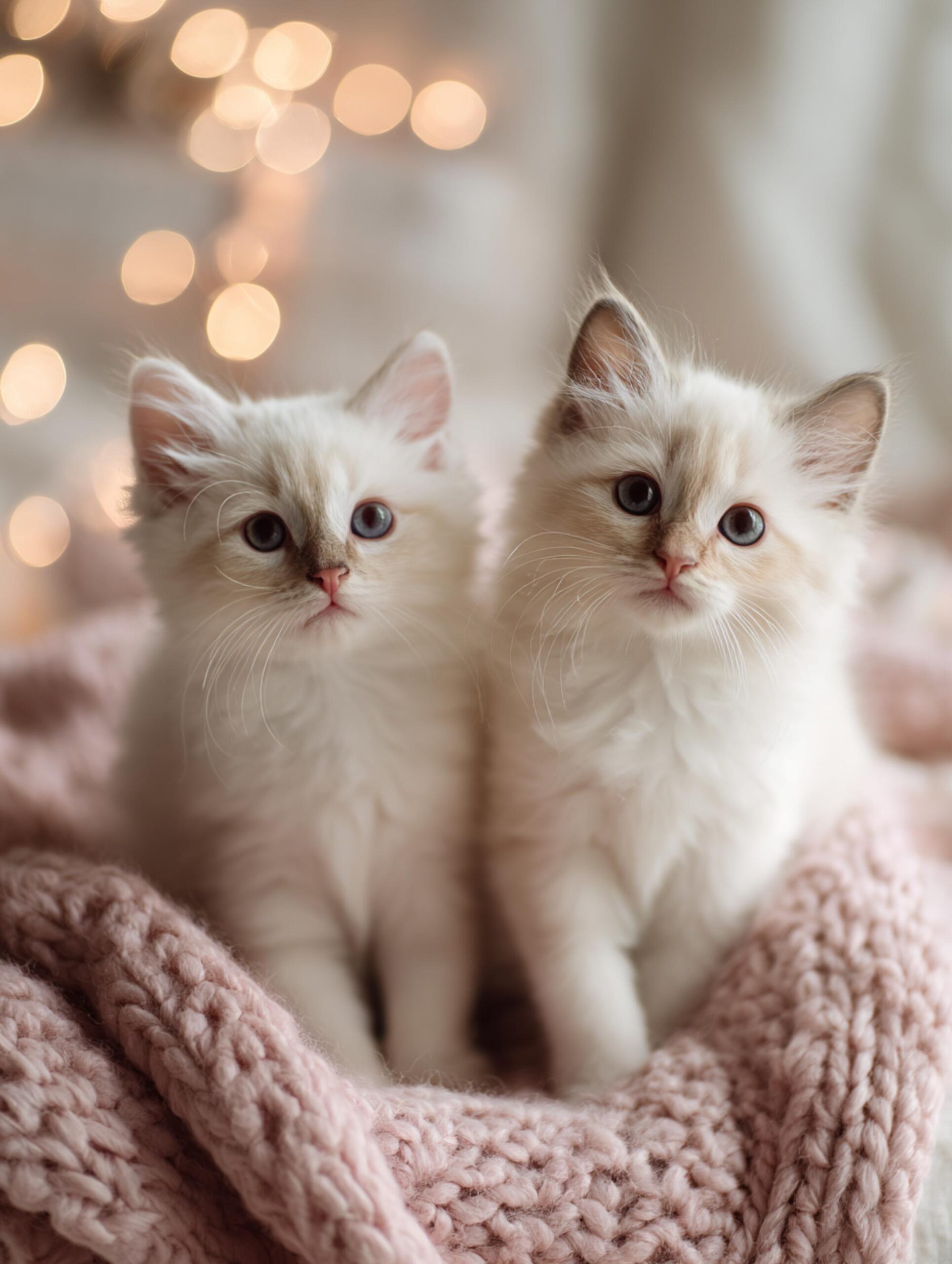
Age plays an important role in shaping relationships. Ragdoll kittens tend to bond quickly with calm, well-socialized dogs because kittens are naturally curious and open to new experiences. Adult Ragdolls can also form strong attachments but may require slower introductions due to established preferences and routines. Senior Ragdolls are often more sensitive to noise, excitement, and abrupt movements. In these cases, a quiet dog with steady behavior creates the best match. Similarly, puppies may overwhelm a Ragdoll with energetic play unless carefully monitored. Well-trained adult dogs usually offer the smoothest transition because they understand boundaries and display predictable behavior. Matching energy levels and temperaments creates the strongest long-term partnerships.
How to Build Positive Associations Between a Ragdoll and a Dog
Positive associations help both animals feel secure and comfortable. Gradually pairing pleasant experiences with each other’s presence supports long-term bonding.
- Many households use feeding time to build goodwill because shared routines promote calm coexistence.
- Treats, quiet enrichment toys, and calm verbal reinforcement help both animals remain relaxed during early interactions.
- Short sessions prevent overstimulation and allow the Ragdoll to approach at its own pace.
Working in short, predictable intervals reduces stress and increases confidence. Over time, these repeated positive interactions help reinforce the idea that each pet brings safety, stability, and companionship.
Play Styles: Understanding the Differences Between Ragdolls and Dogs
Ragdolls are gentle, slow-moving cats with soft play styles that differ from most dogs. Matching these differences improves harmony.
• Ragdolls prefer feather wands, slow chases, rolling balls, and light pounces.
• Many dogs use their mouths, paws, or quick bursts of chasing during play.
• Structured play prevents confusion where a dog’s enthusiasm might overwhelm the cat.
Because their instincts differ, supervised play helps both animals learn boundaries. When each animal understands how the other communicates during play, shared activities become safer and more enjoyable.
Establishing a Routine That Supports Ragdolls and Dogs Living Together
A predictable routine allows both species to feel secure. Ragdolls respond especially well to consistent timing and structured interactions.
• Regular feeding times reduce resource-related stress.
• Predictable exercise periods for dogs create calmer indoor behavior that benefits the cat.
• Quiet evening routines support bonding opportunities.
When both pets understand the daily rhythm, tension decreases and cooperation increases. Ragdolls that anticipate calm, familiar patterns adapt more quickly and willingly to the presence of a dog.
What to Avoid During Early Introductions
Certain actions can delay progress or create setbacks during cat-dog introductions. Preventing these mistakes helps maintain a peaceful environment.
• Unsupervised interactions before trust is built may trigger fear or defensive behavior.
• Forced proximity—placing the animals too close—can damage confidence and lead to avoidance.
• Allowing high-energy dogs to rush the cat can create long-term fear responses.
Avoiding these common pitfalls ensures that the Ragdoll cat feels safe and that the dog learns patience. Early boundaries create a strong foundation for a stable long-term relationship.
Signs a Ragdoll Cat and Dog Are Starting to Bond
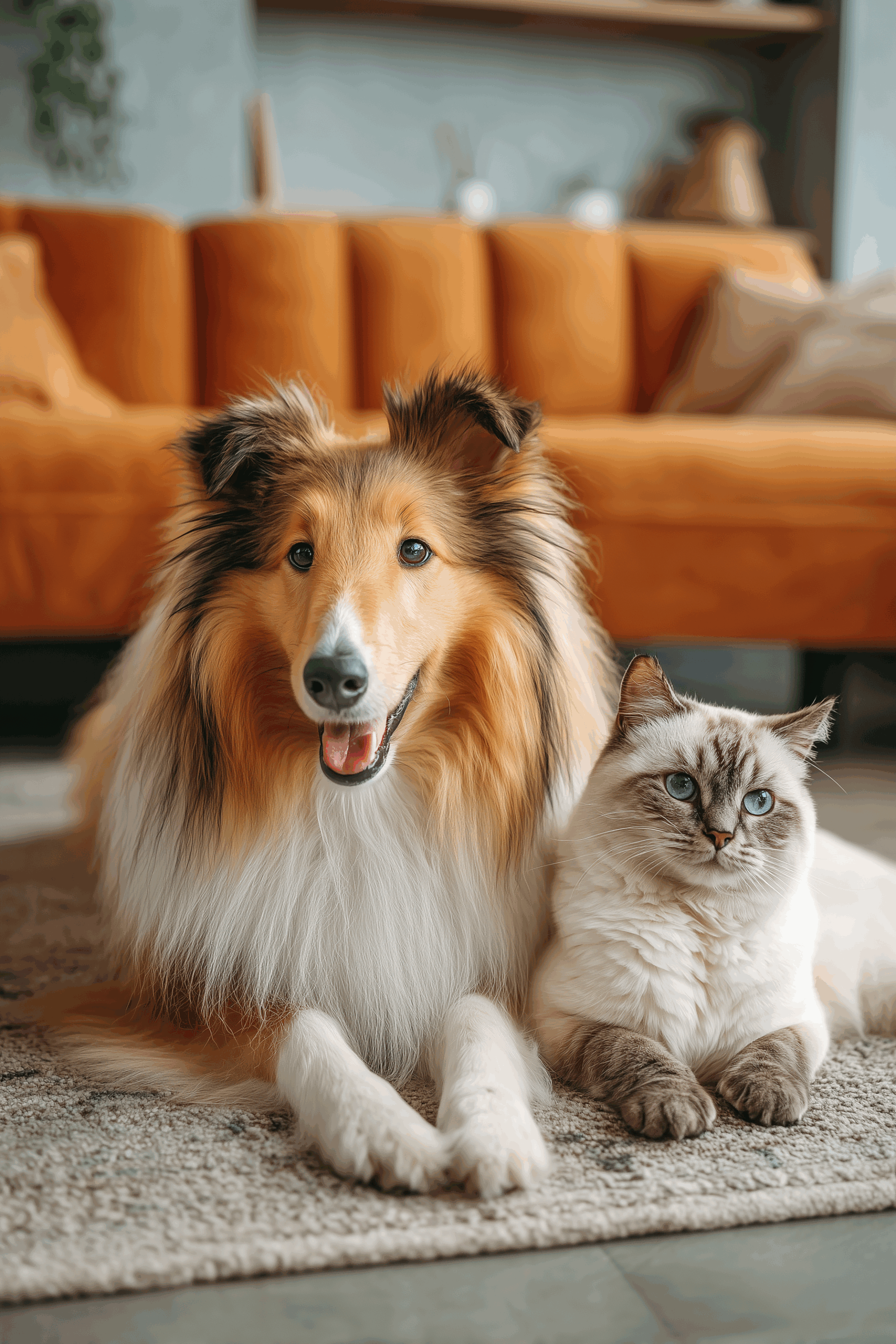
Several behaviors indicate a healthy, developing friendship. These early signs show that the animals are moving toward trust and companionship.
• Mirroring calm body language signals mutual comfort.
• Choosing to nap within the same room demonstrates emotional safety.
• Engaging in gentle nose-touches or walking near each other shows curiosity and acceptance.
These interactions often appear gradually, building week by week. As trust forms, the Ragdoll may follow the dog from room to room, groom its fur, or join it during rest periods.
Managing High-Energy Dogs Around Ragdolls
High-energy dogs can succeed with Ragdolls when given structure, training, and the right outlets. Ragdolls value calm environments, so balancing canine energy is essential.
- Daily exercise sessions help regulate excitement and reduce spontaneous chasing.
- Mental enrichment—puzzles, scent games, and chew toys—keeps the dog focused and calm indoors.
- Short, controlled greetings prevent overwhelming the cat.
When energy is properly managed, high-drive dogs learn to adapt their play style. This adjustment allows the Ragdoll to feel secure and helps prevent stress-based retreating or avoidance.
The Best Home Setups for Ragdolls and Dogs Living Together
A well-arranged home supports harmony between a Ragdoll cat and a dog by reducing conflict points and creating balance between shared areas and private zones.
• Elevated spaces such as cat trees, windowsill perches, and shelving give the Ragdoll confidence and control.
• Separate feeding stations prevent resource guarding and reduce stress during mealtimes.
• Quiet rooms with closing doors allow the Ragdoll to retreat when necessary.
A thoughtfully organized environment allows both the cat and dog to move about freely without feeling threatened, which lays the groundwork for consistent trust and cooperation.
How Ragdoll Temperament Influences Multi-Pet Households
Ragdoll cats thrive in social environments and usually adapt gracefully to multi-pet households. Their unique traits make them especially receptive to canine companionship.
• Soft vocalizations and gentle movements reduce the chance of triggering prey drive in dogs.
• High social tolerance supports coexistence even in active households.
• Affectionate tendencies encourage bonding with both humans and animals.
Because they seek connection over dominance, Ragdolls often become the emotional center of mixed-species homes, providing stability and calm for the entire household dynamic.
Dogs That May Not Be Ideal For Ragdoll Cats
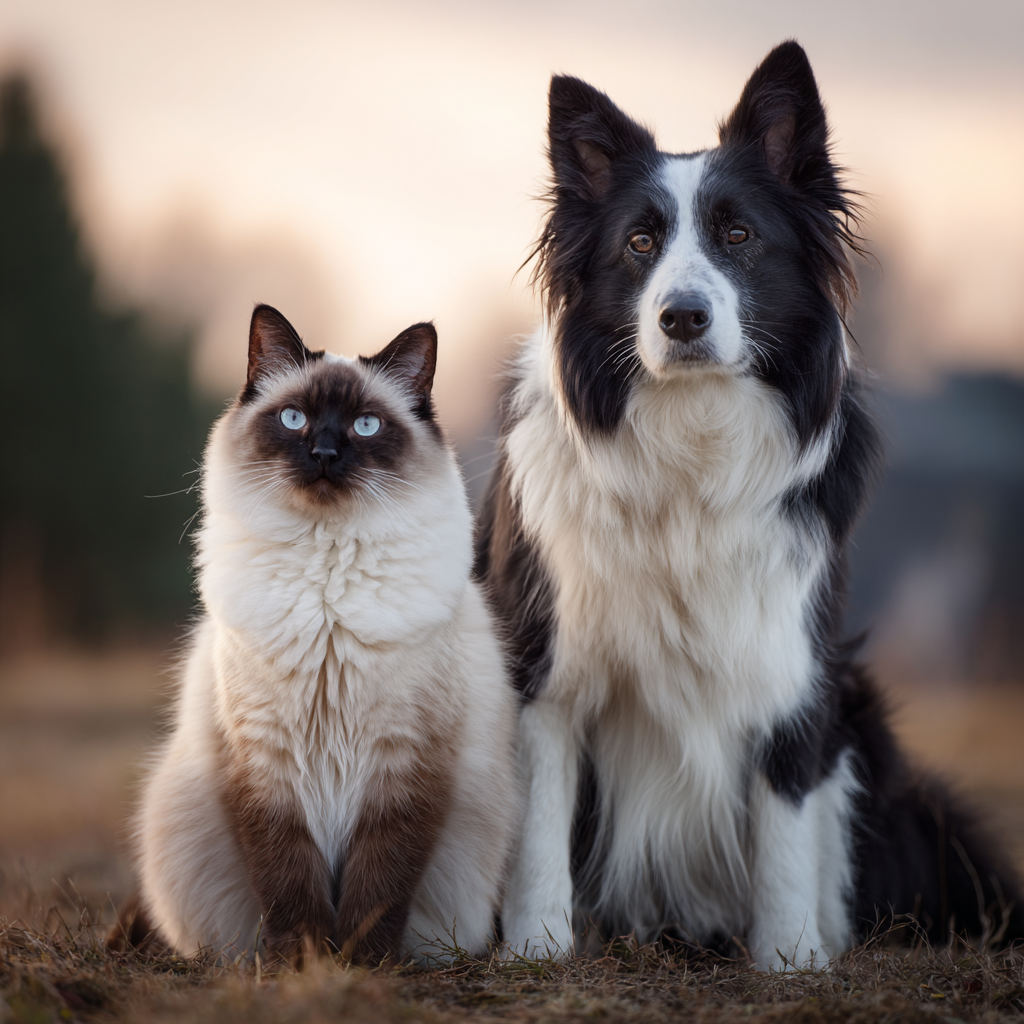
While many dogs coexist peacefully with Ragdolls, certain types present more challenges. Early identification helps prevent mismatched pairings.
- High-prey-drive breeds may see fast-moving cats as chase opportunities.
- Strong herding breeds might nip or try to corral a Ragdoll during movement.
- Reactive or anxious dogs may struggle with a cat’s subtle signals.
These breeds can still succeed with careful training, but households benefit from realistic expectations. Matching temperament and energy levels is essential for long-term success.
Helping a Ragdoll Adjust to a Newly Adopted Dog
When a dog enters the home after the Ragdoll has already established territory, transition requires patience and structure.
• Gradual territory introduction protects the cat’s confidence.
• Short, supervised meetings create positive early memories.
• Offering high-value treats or interactive toys during exposure reduces stress.
A methodical approach allows the Ragdoll to process the changes without feeling overwhelmed. With time and consistency, many cats begin to view the dog as an enriching addition rather than a disruption.
Helping a Dog Adjust to a Newly Adopted Ragdoll
Introducing a new Ragdoll to a dog-centered household requires an equally careful process.
• Smell-based introductions reduce novelty-based reactivity.
• Leashed greeting sessions prevent accidental chasing or crowding.
• Calm reinforcement teaches the dog to associate the cat with quiet behavior.
With repeated calm exposures, dogs learn that the Ragdoll is a permanent and valued member of the home. Over time, the dog often shifts from curiosity to protective or affectionate behavior.
How Ragdolls Communicate Boundaries With Dogs
Understanding feline communication prevents misunderstandings and protects both animals. Ragdolls display subtle indicators when they need space or feel unsure.
• Gentle tail swishes, slow blinks, and sideways glances show mild stress.
• Retreating to higher ground signals a desire for distance.
• Turning ears outward or flattening them indicates rising tension.
Recognizing these early cues allows handlers to adjust the environment before conflict develops. As the dog learns to respect these signals, trust deepens and interactions become more predictable.
Extended FAQ: Ragdoll Cats and Dogs
Do Ragdoll cats prefer certain types of dogs?
Ragdolls tend to bond best with calm, predictable dogs that respect boundaries. Breeds known for gentle temperaments often create the smoothest relationships because their energy levels align well with the cat’s easygoing nature. Dogs that communicate softly and avoid rough play help the Ragdoll feel secure. Over time, these preferred matches develop balanced, stable companionship.
Is it possible for a Ragdoll cat to dislike a dog?
Yes, individual personalities vary, and not every Ragdoll automatically accepts every dog. Some may feel stressed around high-energy or unpredictable canine behavior. With structured introductions and gradual exposure, many Ragdolls become tolerant even if they are initially hesitant. If stress continues long-term, temperament mismatching may be the underlying cause.
Can Ragdolls and dogs share the same litter box room or feeding area?
Separate feeding areas are strongly recommended because close proximity can cause resource guarding or anxiety. Litter boxes should be located where dogs cannot access them, ensuring privacy and preventing unsafe ingestion of litter. Ragdolls rely on clean, quiet bathroom spaces for comfort. Separation supports confidence and reduces unnecessary conflict.
How do Ragdolls communicate with dogs?
Ragdolls use subtle signals such as tail movements, ear positioning, slow blinks, and body posture. These cues help dogs understand whether the cat wants space or interaction. Many dogs learn to recognize these signals and adjust their behavior accordingly. As communication improves, harmony becomes more consistent.
Do Ragdoll cats get jealous of dogs?
Ragdolls can experience mild jealousy if they feel overlooked, especially during high-attention moments with the dog. Ensuring equal affection prevents tension and supports emotional stability. Structured routines help the cat know what to expect, reducing insecurity. Most jealousy fades as the cat and dog develop trust.
Can a Ragdoll and a dog be left alone together?
Only once full trust, predictability, and calm interactions have been demonstrated over time. Early in the relationship, supervision is essential to prevent accidents or misunderstandings. Once the cat confidently approaches the dog and shows relaxed body language, unsupervised periods may become safe. Each situation depends on the dog’s training and the Ragdoll’s comfort level.
Do Ragdolls ever act dominant over dogs?
Some Ragdolls display mild dominance, such as choosing favored resting areas or asserting space through gentle swats. These behaviors are typically harmless and serve as communication, not aggression. Calm dogs often accept these cues and maintain peaceful relationships. Dominance from the cat usually settles once boundaries are understood.
Are Ragdolls fragile or easily injured by dogs?
Ragdolls have sturdy bodies but prefer gentle interactions due to their calm nature. Rough play from a dog can lead to accidental injury, especially in kittens or seniors. Controlled introductions and well-trained dogs minimize risk. With proper management, households rarely experience injuries between these two species.
Do Ragdolls like to play with dogs?
Some Ragdolls enjoy quiet, gentle interaction with dogs, especially once trust forms. Many prefer parallel play—being near the dog without direct physical engagement. Dogs that match the cat’s pace help create enjoyable shared play sessions. Over time, play can become a bonding activity if both choose it willingly.
Can a Ragdoll help calm an anxious dog?
Some dogs benefit emotionally from the presence of a steady, gentle Ragdoll cat. The cat’s stable energy can reduce anxiety in reactive or nervous dogs. With time, dogs may follow the Ragdoll’s calm cues, creating a more balanced home environment. These soothing effects vary by individual temperament.
What if the dog is afraid of the Ragdoll?
Dogs unfamiliar with cats may feel unsure or startled by feline movements or smells. Ragdolls typically respond gently, which helps ease canine anxiety. Controlled exposure and positive reinforcement help the dog learn that the cat is safe. As predictability increases, fear usually decreases.
Will neutering or spaying affect how Ragdolls get along with dogs?
Spaying or neutering often increases emotional stability and reduces territorial tendencies. Ragdolls already have low aggression levels, but the procedure can further support calm companionship. It also reduces stress-related hormones that may influence early interactions. This makes introductions smoother in many multi-pet households.
Can Ragdoll cats and dogs share outdoor spaces?
Only in secure, supervised environments. Ragdolls are indoor-oriented cats and do not have strong survival instincts outdoors. Dogs may thrive outside, but shared outdoor time should always be monitored. Safe spaces with high ground options help protect the cat if it feels unsure.
Do Ragdolls ever bond more with the dog than with people?
Some Ragdolls form exceptionally strong animal-to-animal bonds and may follow the dog more than their human family. These relationships develop gradually and reflect the cat’s high social drive. Even so, Ragdolls remain affectionate and human-oriented, balancing attachments across the household. Strong bonds with both humans and dogs are common.
Can a Ragdoll cat help a dog with separation anxiety?
A calm, steady Ragdoll may reduce loneliness for dogs with mild separation anxiety. While not a cure, companionship can ease stress during absence periods. Dogs that draw comfort from other animals often settle faster when a Ragdoll is present. Severe anxiety still requires training or professional support.
What age Ragdoll is best for homes with dogs?
Kittens are flexible and adapt quickly to dogs if the dog is calm and supervised. Adult Ragdolls also integrate well but may take longer to build trust. Seniors do best with gentle, quiet dogs that respect space. Matching energy levels ensures smoother transitions at every life stage.
Are Ragdolls more trusting of dogs than other cats?
Yes, they are known for their unusually friendly and tolerant personalities. Their low territorial drive makes them less reactive to new animals. This natural openness creates smoother first impressions and easier bonding. Compared to many breeds, Ragdolls show more stable behavior around dogs.
Do Ragdolls hiss or growl at dogs?
They may hiss or growl during early introductions if they feel threatened or unsure. These sounds serve as communication rather than aggression. Once the dog learns boundaries and behaves calmly, these vocalizations typically stop. Persistent hissing may indicate that the introduction needs to slow down.
Can a dog and a Ragdoll share a home with other pets too?
Yes, many households successfully house Ragdolls, dogs, and additional animals such as other cats, small pets, or birds. Structure and management ensure that each species has its needs met. Ragdolls adapt well to multi-pet lifestyles when routines remain predictable. Dogs with good training usually handle diverse environments confidently.






Read the Comments +