
White Ragdoll Cats: Color, Genetics, Blue Eyes, Personality, and Kittens
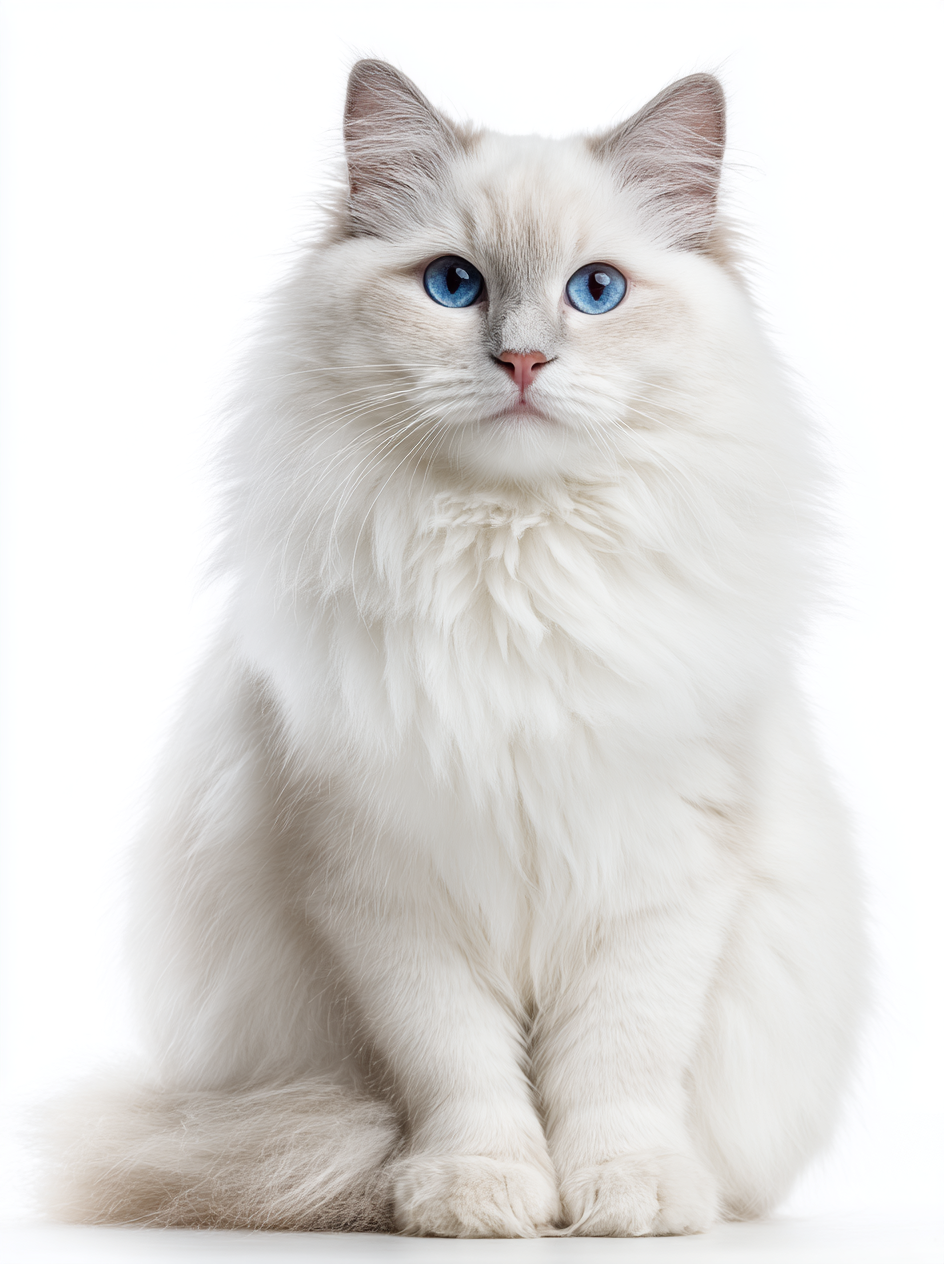
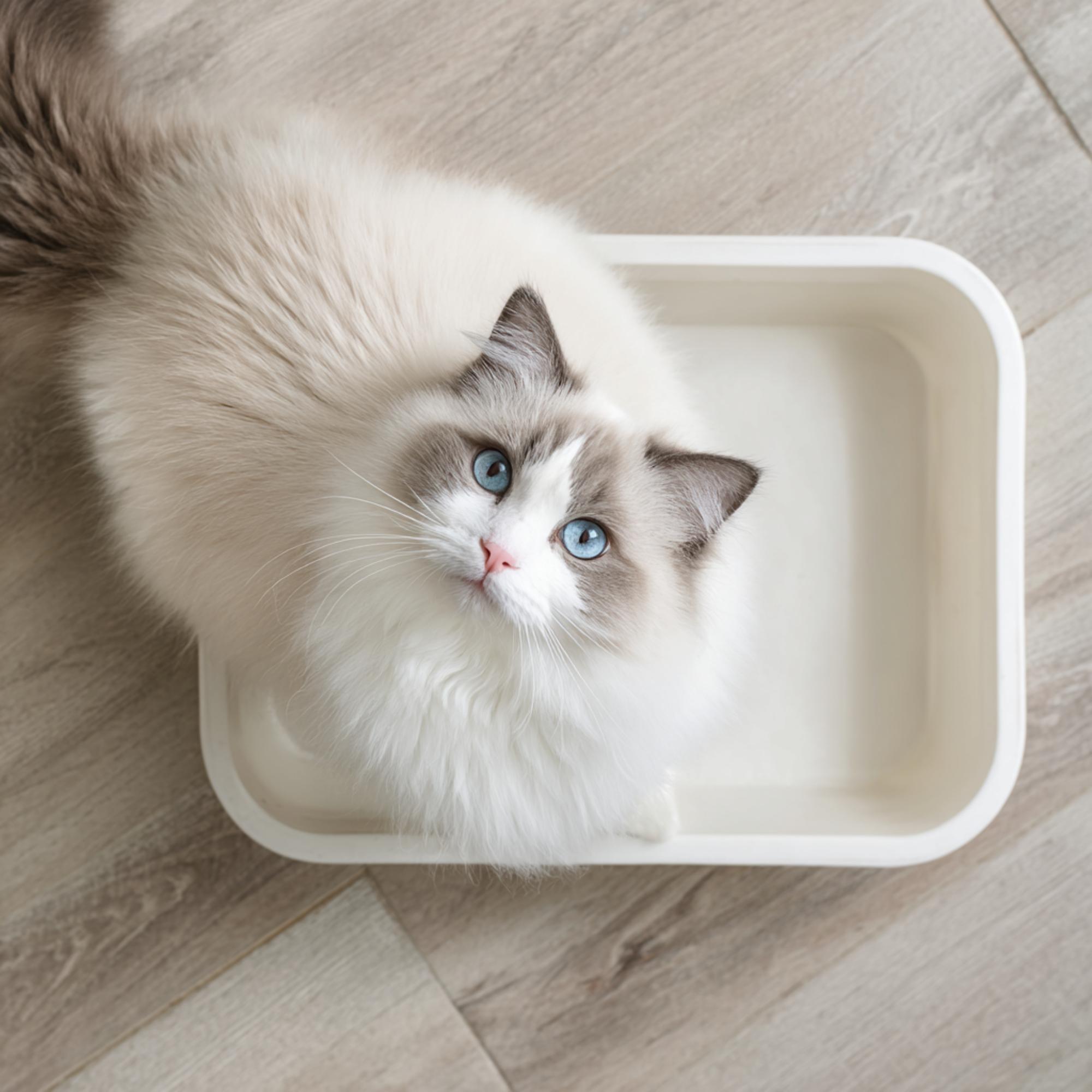
White Ragdoll cats are a stunning and highly sought-after variation of the breed. Their pure white fur is caused by the dominant white gene, which masks all underlying colors. White Ragdolls can have blue, copper, gold, green, or odd eyes, and some may have hearing differences if they inherit blue eyes. They require simple but consistent grooming to prevent staining around the chin, eyes, paws, and tail. White Ragdolls are gentle, affectionate, and floppy like all Ragdolls, and they remain pure white throughout life.
This guide explains everything you need to know about white Ragdolls, including coat genetics, eye color possibilities, personality traits, grooming needs, hearing considerations, and what to expect when bringing home a white Ragdoll kitten.
Quick Summary: White Ragdoll Cats
| Topic | Key Points |
|---|---|
| Color Genetics | Caused by the dominant white gene that masks all underlying colors. |
| Eye Colors | Blue, gold, copper, green, and odd eyes. Blue and odd-eyed white Ragdolls are the rarest. |
| Personality | Gentle, playful, intelligent, loyal, and family-friendly. Color does not affect temperament. |
| Grooming | Easy to maintain. Requires extra cleaning for tear stains and chin areas. |
| Hearing | Some blue-eyed white cats may have hearing differences, but many hear normally. |
| Size and Build | Large, muscular structure typical of the breed. Adults reach full size at three to four years. |
| Rarity | Less common than bicolors and traditional pointed patterns. Odd-eyed and blue-eyed whites are specialty types. |
| Kittens | Born all white with blue eyes. Eye color may change between six and twelve weeks. |
Searching for a Ragdoll Kitten for Sale
If you are here to find your very own Ragdoll kitten check out our Purebred Ragdoll Kittens for Adoption. We do not specialize in white ragdolls, but have some other adorable color patterns.
At Almonte Cats, every kitten is:
- TICA / CFA registered from fully health-tested parents
- Raised in-home for confident, affectionate temperaments
- Vet-checked, vaccinated, and microchipped before going home
We advise our families to reserve early — our litters are produced in limited numbers each year to preserve quality and true Maine Coon type.
What Makes a Ragdoll White
A white Ragdoll is not a separate breed. The white color is caused by a dominant genetic trait called the “dominant white gene.” This gene masks all other coat colors underneath. That means a white Ragdoll may genetically be a blue, seal, flame, lilac, chocolate, or another color, but the white gene covers it completely.
Key points about white Ragdoll genetics:
- White is a masking color, not a pigment color.
- The cat’s true underlying color is hidden.
- White Ragdolls can produce nonwhite kittens depending on parents.
- The white gene affects fur and sometimes eye color.
- Because the white gene is dominant, even one parent with the gene can produce white kittens.
Are White Ragdolls Purebred and Can They Be Registered?
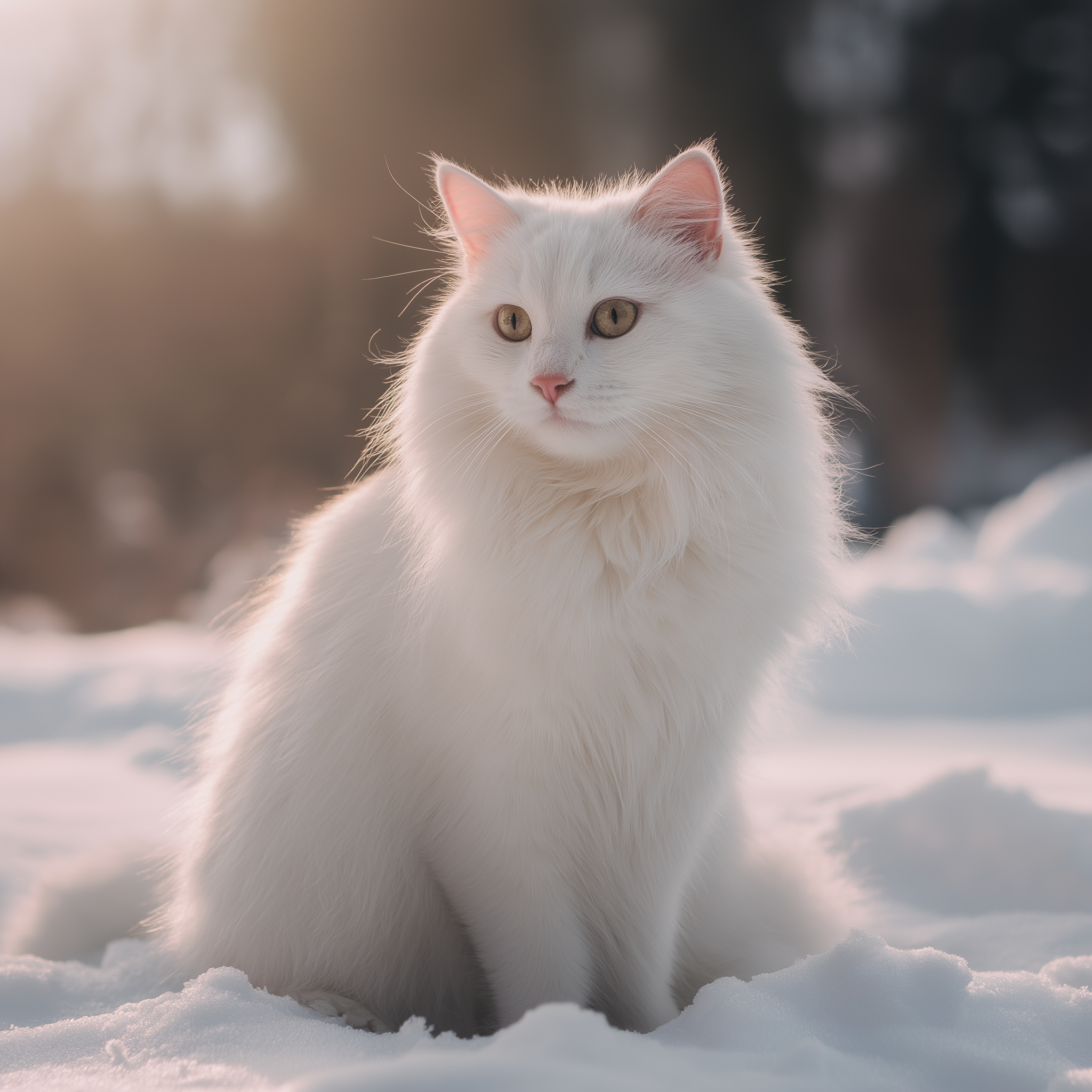
White Ragdolls can be fully registered with major cat associations such as TICA and CFA, and they are considered completely purebred when they come from registered Ragdoll parents. White is an accepted color variation, and the presence of the dominant white gene does not prevent a kitten from receiving pedigree papers or meeting breed standards.
A white Ragdoll is genetically the same as any traditional Ragdoll; the dominant white gene simply masks the cat’s true underlying color, which may be seal, blue, chocolate, lilac, flame, or another standard pattern. This masking affects only the appearance of the coat and does not alter the breed’s structure, temperament, or purebred status.
The dominant white gene can also influence eye color by blocking pigment, which is why some white Ragdolls have blue or odd eyes. When the masking effect is strong enough to create blue eyes, it can sometimes be linked to congenital deafness in one or both ears. Even with this possibility, white Ragdolls remain fully registrable, authentic, and pedigree-true members of the Ragdoll breed.
White Ragdoll Eye Colors
Eye color in white Ragdolls is one of the most fascinating parts of the color.
A white Ragdoll can have:
- Blue eyes
- Gold eyes
- Copper eyes
- Green eyes
- Odd eyes (one blue and one gold or green)
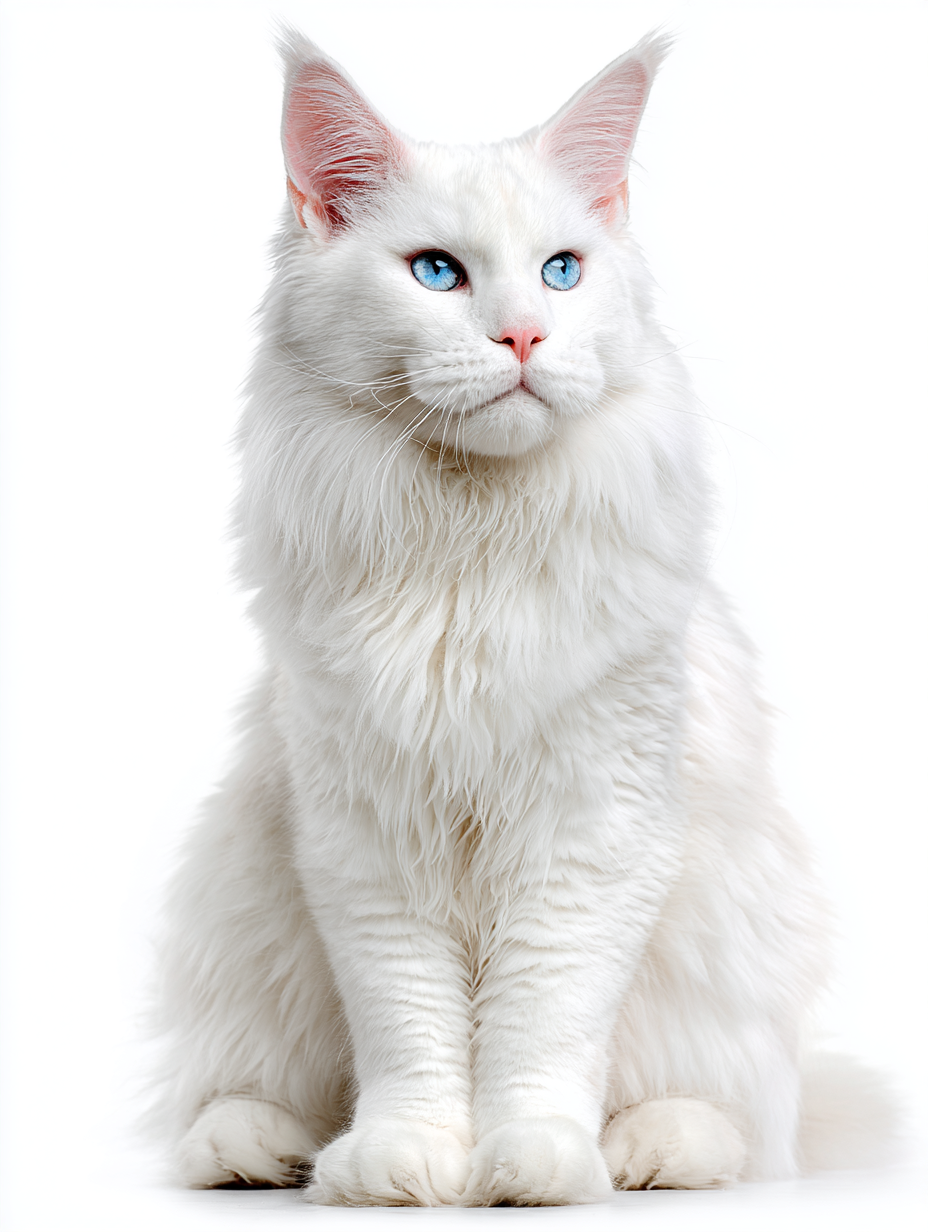
The most asked questions online include “white Ragdoll with blue eyes” and “white Ragdoll kitten blue eyes.” Blue eyes in white Ragdolls are possible because the white gene blocks pigment from forming in the iris. Odd eyes are also common because pigment may appear in only one eye.
Do white Ragdoll kittens always have blue eyes?
At birth, yes. All kittens start with blue eyes. White kittens may keep blue eyes, but nonwhite kittens will not.
Are blue-eyed white Ragdolls rare?
Not extremely rare, but they are highly desirable due to their striking appearance.
Can white Ragdolls have hearing issues?
White cats with blue eyes sometimes have hearing differences. Not all blue-eyed white Ragdolls are affected. Many hear perfectly in both ears. Those with odd eyes may have normal hearing in the pigmented-eye side.
Responsible breeders test hearing when needed.
Chin Cleaning and Oil Control in White Ragdolls
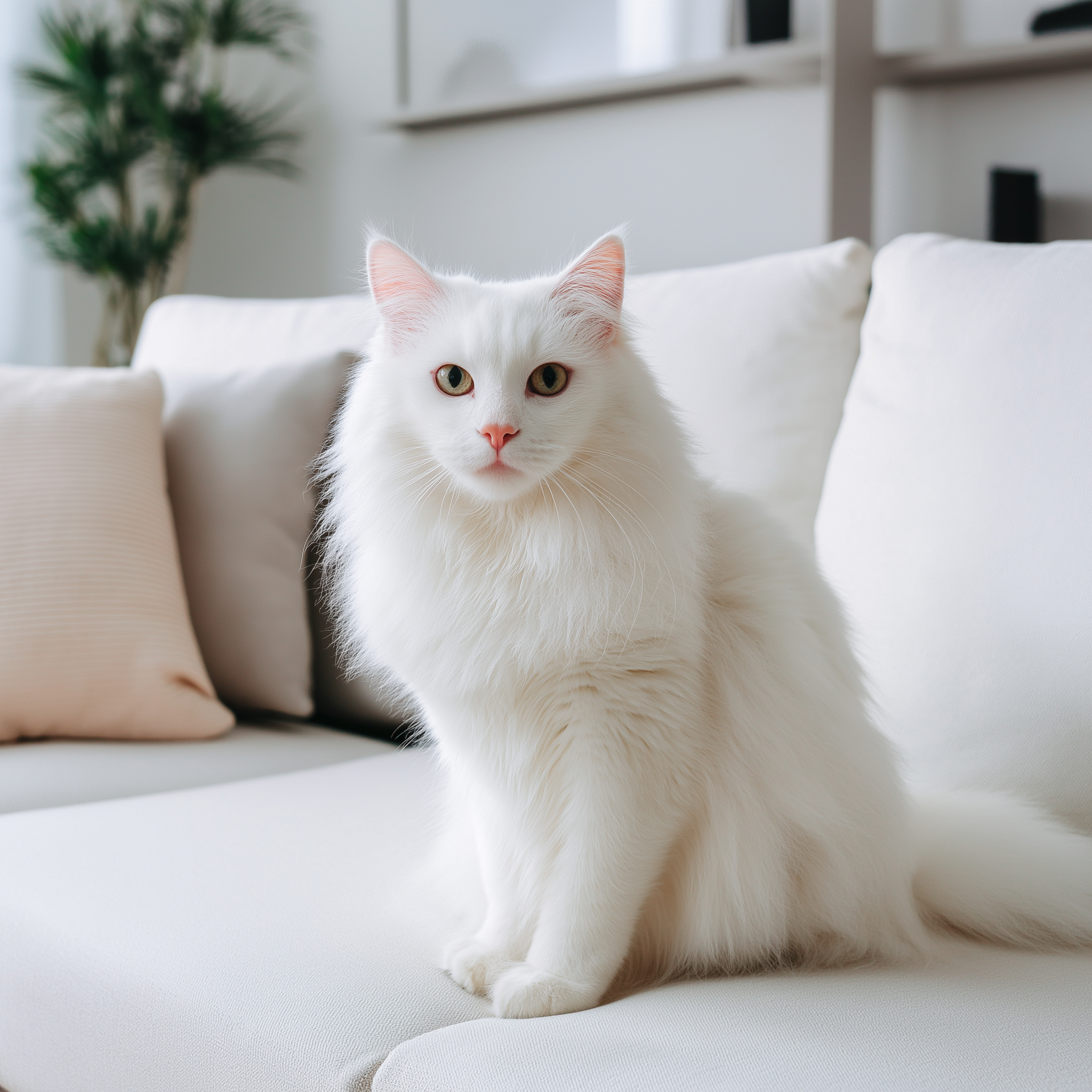
White cats, including white Ragdolls, tend to show chin oils more easily because light fur highlights even small amounts of buildup. Over time, the chin area can appear yellow, slightly dirty, or dull if it is not cleaned regularly. Since the Ragdoll has a naturally soft, semi-long coat, oils can cling to the fur and become noticeable faster than on darker-colored breeds. Regular chin care keeps the fur bright, reduces staining, and prevents minor skin irritation.
How to manage it effectively:
- Wipe the chin daily or every other day with a pet-safe cleanser.
This prevents oil buildup and keeps the fur bright. Gentle wipes also keep the skin underneath clean and comfortable. - Use stainless steel or ceramic food bowls to reduce bacteria buildup.
Plastic bowls can trap bacteria and cause irritation, which is why most breeders recommend avoiding them entirely. - If mild feline acne appears, switch to a gentle, medicated wipe.
These wipes, especially those recommended by veterinarians, help control clogged pores and prevent the formation of small chin pimples.
Simple, consistent care keeps the chin area clean, bright, and healthy in white Ragdolls.
Tangle Management and Coat Care
White Ragdolls generally have low-maintenance coats, but certain areas—especially around the neck and tail—can trap debris or form small tangles more easily. Their semi-long fur is soft and silky, but it still benefits from routine brushing to prevent knots and keep the coat clean. Because white fur shows even light dirt and dust, routine grooming also helps keep the color bright and fresh-looking.
Brush or comb these key areas regularly:
- The ruff – This thicker fur can trap food crumbs or dust.
- Behind the ears – Small tangles form quickly here.
- The tail – Long tail fur can drag or pick up dust.
- Flanks – Helps reduce body tangles.
- The hind end – Keeps fur clean and prevents matting.
Regular brushing prevents tangles, removes debris, and keeps the coat fluffy, soft, and photo-ready every day.
Paw and Tail Whitening
Because white paws and tails come into contact with floors, litter, and household surfaces more often, they tend to pick up dirt faster than darker coats. The fur in these areas, especially between the toes, can discolor slightly from natural oils, litter dust, or daily activity. Brightening these areas keeps the cat looking crisp, polished, and clean.
Ways to keep them bright and fresh:
- Spot clean with a damp cloth.
This removes light dirt without requiring a full bath. - Use whitening shampoo on paws during baths.
These shampoos help lift stains and brighten fur safely. - Trim fur between paw pads to reduce dirt collection.
Shorter fur helps prevent debris from sticking. - Use grooming powder on the tail base between baths.
This lifts oils and keeps the tail fluffy and white.
These quick steps make a big difference in day-to-day brightness and help maintain a clean appearance between grooming sessions.
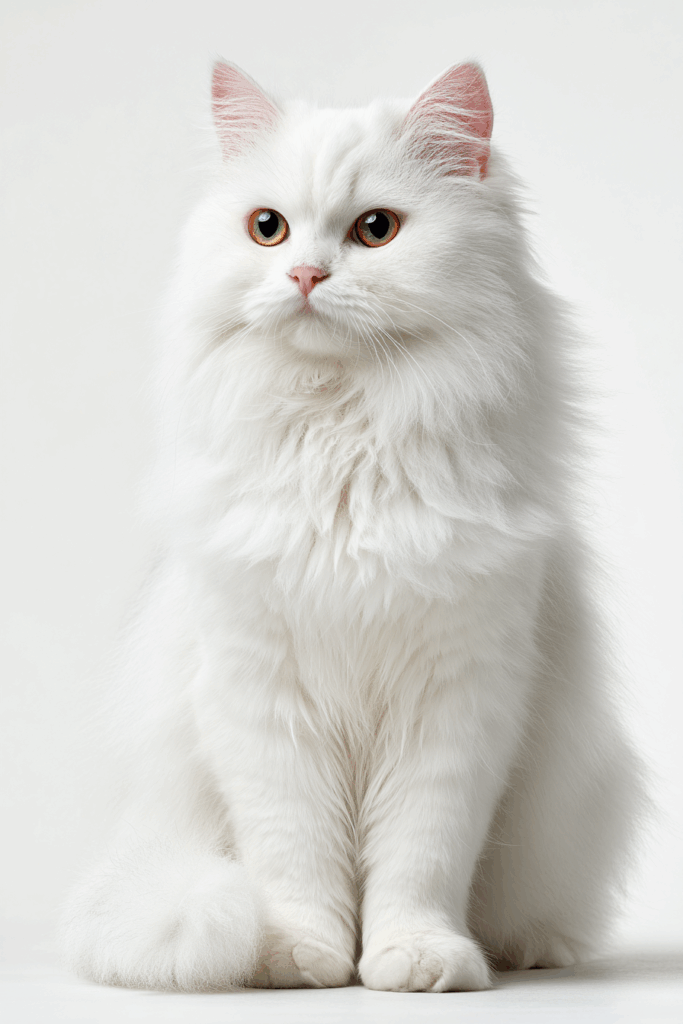
How Often Should a White Ragdoll Be Groomed
A simple grooming routine keeps a white Ragdoll looking bright, healthy, and stain-free. Regular care is far more effective than trying to fix discoloration after it appears. Ragdolls have semi-long coats that rarely mat, but their white color makes daily upkeep more noticeable.
Weekly care should include:
- Full brushing to remove dirt, loose fur, and early tangles.
- Eye area cleaning to reduce tear staining.
- Chin wipe to remove oils and prevent acne.
- Paw wipe to keep the toes bright.
- Ear check to make sure no debris or wax buildup is present.
Monthly or as needed:
- Bath to freshen the coat and brighten the color.
- Deep coat shampoo for stubborn staining.
- Tail and ruff brightening using whitening products or powders.
White fur stays at its best when it is maintained regularly rather than waiting for discoloration to become noticeable.
Grooming for Photos and Shows
If you want your white Ragdoll to look especially bright and polished for photos—whether for social media, family pictures, or show events—you can perform a quick grooming routine designed specifically for maximum brightness.
For best results:
- Bathe 24 to 48 hours before photos.
This gives the coat time to settle into its natural texture. - Blow dry the coat fully.
Drying increases volume and makes the fur appear fluffy and cloud-like. - Use grooming chalk or powder for last-minute touch ups.
These products brighten areas that tend to show slight discoloration. - Clean the eye area the morning of photos.
This makes the cat look refreshed and prevents staining from appearing in close pictures. - Brush the ruff outward for maximum fluff.
This frames the face and enhances the dramatic “angelic” look white Ragdolls are known for.
Even everyday pet kittens photograph beautifully with just a little extra grooming.
White Ragdoll Kitten and Where to Find One
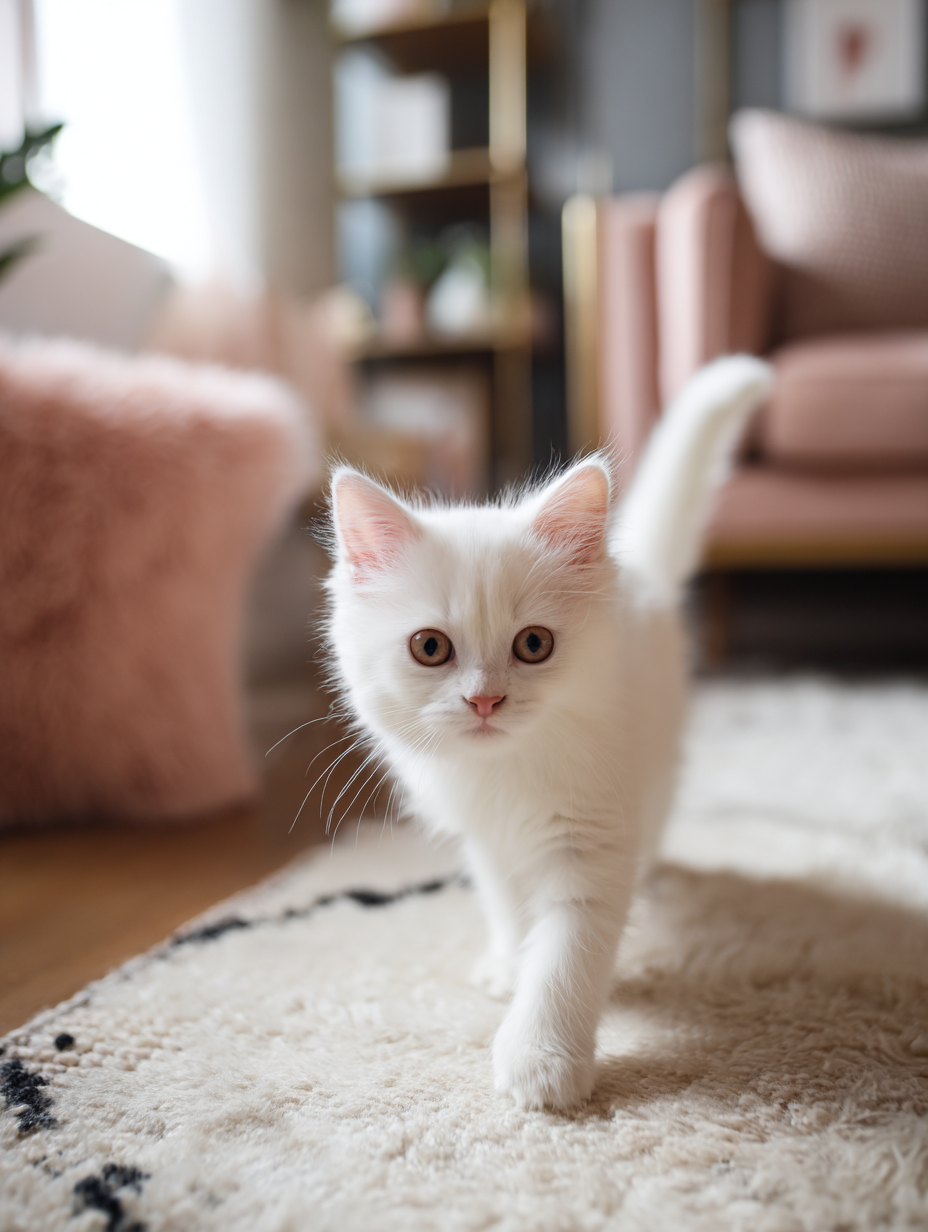
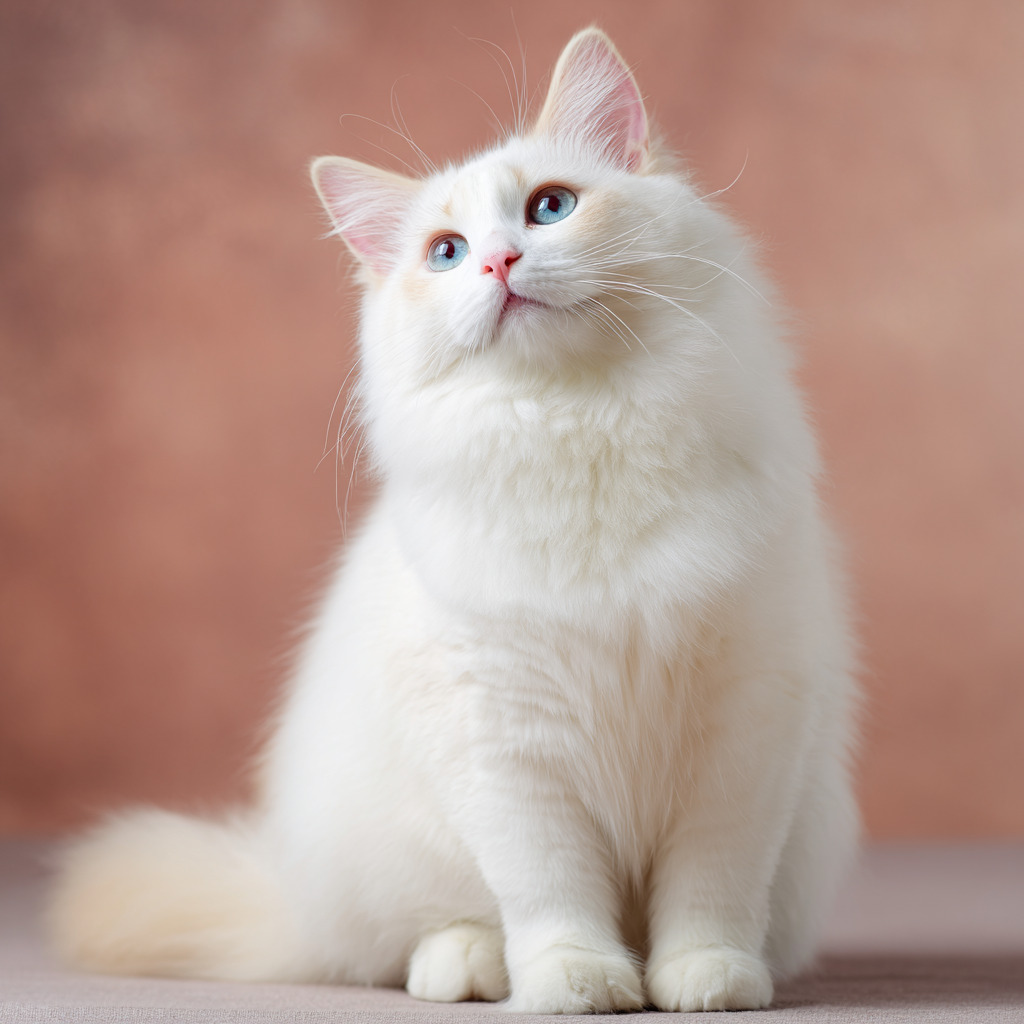
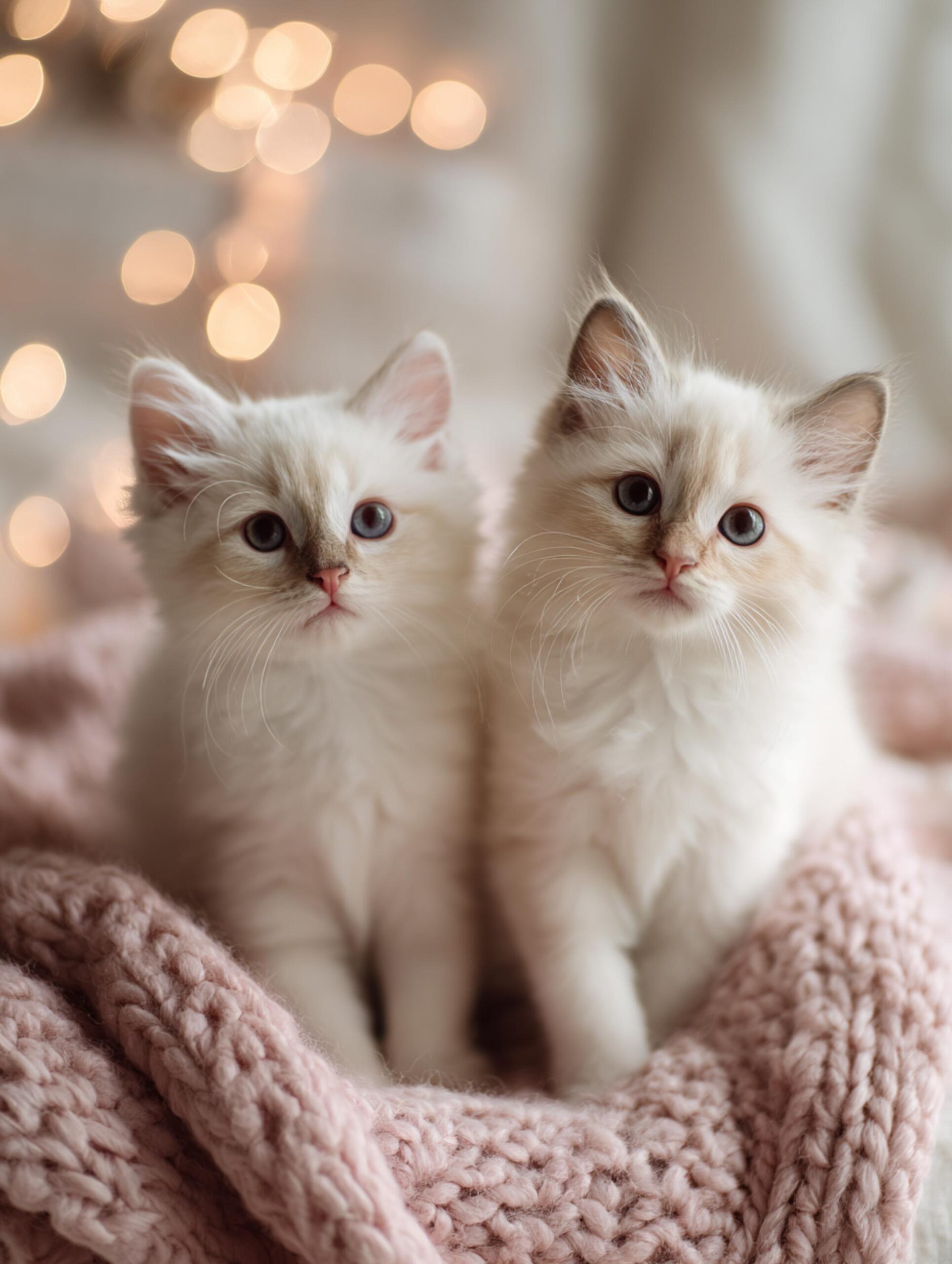
White Ragdoll kittens are born snow white, with soft pink noses and paw pads. Their eye color begins as blue at birth and may change between 6 and 12 weeks depending on genetics. Some kittens keep blue eyes throughout life, especially if they inherit the dominant white gene strongly, while others develop gold, green, or copper tones.
White Ragdoll kittens often stand out in a litter because their pure color is bright and instantly eye-catching. Parents with the white gene can produce white kittens even when one parent is not white, making the color somewhat predictable depending on genetics.
These kittens are highly photogenic from the moment they open their eyes, which is why many families specifically seek out the white variation.
White Ragdoll Price and Availability
White Ragdolls are considered a specialty color within the breed. This means that pricing often reflects demand, rarity, and the specific traits that make a particular kitten stand out. Eye color potential is especially influential because blue-eyed white and odd-eyed white Ragdolls are among the most requested color types.
Pricing typically reflects:
- Rarity
- Eye color potential
- Breeder quality
- Line type
- Registration
- Health testing
Average cost of a white Ragdoll kitten:
- $3,500 to $5,500 for pet quality
- $5,500 to $7,000 for show-quality or odd-eyed kittens
Blue-eyed white and odd-eyed white Ragdolls consistently have the highest demand and tend to be reserved quickly.
Are White Ragdolls Rare
White Ragdolls are less common than pointed, bicolor, and mitted patterns, but they are not extremely rare. Their rarity depends on how many breeders in a region work with the dominant white gene and how often they produce kittens with desirable eye colors. Because the white gene is dominant, breeders can consistently produce white kittens by pairing a white Ragdoll with a nonwhite mate.
The combination of rarity, demand, and visual appeal makes the white Ragdoll one of the most requested specialty colors.
White Ragdoll vs. Albino Cat
White Ragdolls are not albino. Albino cats lack pigment entirely—including in the eyes—and often have red or very pale pink eyes. A white Ragdoll, by contrast, carries a coat-masking gene that hides its true color underneath. This gene affects coat appearance but does not remove pigment from the eyes or skin.
Underneath the white coat, a Ragdoll may genetically be seal, blue, lilac, chocolate, flame, or another standard Ragdoll color.
White Ragdoll Eye Color Chart
| White Ragdoll Eye Color | How Common It Is | Notes |
|---|---|---|
| Blue eyes | Common | Caused by pigment masking in the iris. Bright and highly desirable. |
| Copper eyes | Moderately common | Develops as kittens mature and pigment increases. |
| Gold eyes | Common | Popular choice and often appears in non-blue white kittens. |
| Green eyes | Less common | Occurs when pigment partially returns to the iris. |
| Odd eyes | Rare | One blue eye, one gold or green eye; extremely photogenic. |
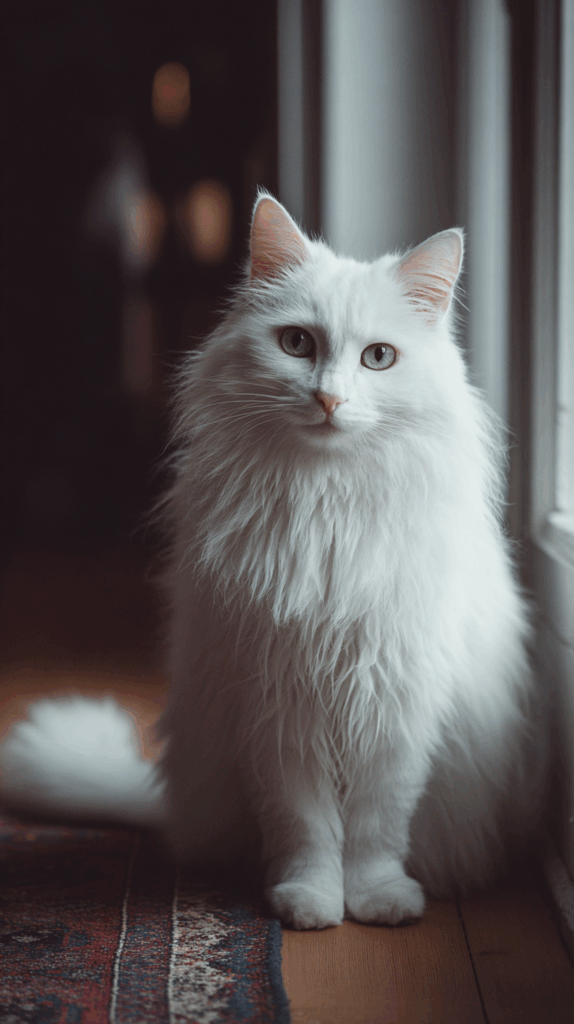
White Ragdoll Coat Types
The White Ragdolls can appear in:
- Pure solid white
- White with faint cream undertones caused by indoor lighting
- White with dark ear lining
- White with soft pink nose leather
Their coat remains fully white for life, and unlike some pointed colors, they do not develop shading as they age. Lighting differences and seasonally thicker coats may influence how warm or cool the white appears, but the cat remains genetically white.
Do White Ragdolls Sunburn
White Ragdolls are more sensitive to sunlight because their skin—especially the areas with less fur—contains less pigment. This pigment protects darker cats naturally, but white cats need a bit more attention. The most sunburn-prone areas include:
- Ear tips
- Nose
- Eye rims
- Skin around the lips
- Areas with thinner fur coverage
Sunburn can cause irritation, redness, peeling, and long-term skin damage if exposure occurs regularly. While white Ragdolls do not need to avoid all sun exposure, it is safest to limit midday sun and encourage indoor lounging during harsh light hours. Screened porches, shaded patios, and UV-filtering window films provide extra safety.
Indoor-only living is recommended for white cats to protect their skin and prevent sun-related health issues over time.
Sun Safety Tips for White Ragdolls
White Ragdolls benefit greatly from simple, preventative sun care routines. These steps keep their skin safe and allow them to enjoy natural light without risk.
Easy ways to prevent sunburn:
- Provide shade during outdoor or patio time.
- Avoid midday sun when UV levels peak.
- Use UV-blocking window film on sunny windows where the cat naps.
- Supervise outdoor time to make sure the cat doesn’t lie in direct sunlight too long.
- Groom regularly so the coat stays thick enough to cover thin-skinned areas.
- Check the nose and ears for redness after sun exposure.
- Offer indoor enrichment so the cat doesn’t seek sun-heavy outdoor spots.
These simple practices keep sensitive areas safe and support long-term skin health.
FAQ About White Ragdoll Cats
1. Are white Ragdoll cats rare?
White Ragdoll cats are less common than traditional pointed patterns but are not considered extremely rare. Their rarity depends on how many breeders in a region work with the dominant white gene. Because the gene is dominant, producing white kittens is predictable when at least one parent is white. They are still viewed as a specialty color due to high demand and unique appearance.
2. Do white Ragdolls always have blue eyes?
All white Ragdoll kittens are born with blue eyes, but not all will keep their blue eyes into adulthood. Eye color may shift to gold, copper, or green between 6 and 12 weeks. Those with strong genetic expression of the white gene are more likely to retain blue eyes. Blue-eyed and odd-eyed white Ragdolls remain the rarest combinations.
3. Can a white Ragdoll have hearing issues?
White cats with blue eyes have a slightly higher chance of having hearing differences. However, many blue-eyed white Ragdolls hear perfectly in one or both ears. Odd-eyed white Ragdolls may have normal hearing on the pigmented-eye side. Responsible breeders often conduct BAER tests to check hearing when needed.
4. What makes a Ragdoll cat white?
White Ragdolls carry a dominant white gene that masks all underlying colors. This gene hides the cat’s true genetic pattern, which can be seal, blue, lilac, chocolate, flame, or other traditional Ragdoll colors. While the fur appears entirely white, genetically the cat still belongs to a standard Ragdoll color category. White is a masking color, not a pigment itself.
5. Do white Ragdoll kittens stay white as they grow?
Yes, white Ragdolls stay white throughout life because the dominant white gene fully covers the underlying color. Some may appear warmer or cooler depending on lighting or seasonal coat thickness. They do not develop shading like pointed Ragdolls do. The coat remains pure white from kittenhood to adulthood.
6. Are white Ragdolls harder to groom?
White Ragdolls are not harder to groom than other colors, but stains show more easily on their fur. Regular brushing, chin cleaning, and eye care prevent most discoloration. Simple routines keep the coat bright and clean with minimal effort. White fur is easy to maintain as long as grooming is done consistently.
7. Why do white Ragdolls get tear stains?
White fur makes natural tear drainage more visible. Tear staining is common during teething, seasonal irritation, or exposure to dust. It is not usually a health issue and is easy to manage with regular eye cleaning. As kittens mature, tear staining often reduces naturally.
8. Can white Ragdolls sunburn?
Yes, white Ragdolls are more sensitive to sunlight because their skin contains less pigment. Sunburn can affect the ears, nose, and other thinly furred areas. It’s best to limit direct midday sun and provide shaded or indoor environments. UV-blocking window film is helpful for cats that love sunny perches.
9. What eye colors can white Ragdolls have?
White Ragdolls can have blue, copper, gold, green, or odd eyes. Blue and odd eyes are the rarest and most sought after. Eye color often stabilizes between 6 and 12 weeks of age. Each eye color combination is determined by how the white gene interacts with pigment development.
10. Do white Ragdolls get along with other cats or dogs?
White Ragdolls have the same gentle, friendly temperament as Ragdolls of any color. They typically get along well with other cats and respectful dogs. Their calm nature makes them adaptable in multi-pet homes. Color does not influence personality or sociability.
11. Are white Ragdolls more expensive than other colors?
White Ragdolls are often priced higher because they are considered a specialty color, especially if they have blue or odd eyes. Their rarity, eye color potential, and breeder quality influence the final cost. Show-quality or odd-eyed white kittens typically sit at the top of the price range. While not the rarest Ragdoll color, they are consistently in high demand.
12. Do white Ragdolls require special shampoos?
White Ragdolls benefit from whitening or brightening shampoos that help lift stains and keep the coat bright. Purple or blue-tone shampoos neutralize yellowing around the paws, chin, and tail. Degreasing shampoo can be used occasionally in oily areas. Always choose cat-safe products to preserve coat texture and skin health.
13. Can a white Ragdoll be shown in cat shows?
Yes, white is an accepted color in many registries, including CFA and TICA. White Ragdolls can compete in championship classes as long as they meet all breed standards. Eye color is not restricted, and odd-eyed white Ragdolls can be shown as well. Proper grooming enhances their striking appearance in the ring.
14. How big do white Ragdolls get?
White Ragdolls grow to the same size as other Ragdolls. Males typically reach 15–20 pounds, while females average 10–15 pounds. Their growth process is slow and steady, with full maturity reached around three to four years. The large build and soft coat contribute to their signature “teddy bear” appearance.
15. Are white Ragdolls more sensitive to dirt?
White Ragdolls may appear to get dirty faster simply because their coat shows stains more easily. The fur itself is not different, just the visibility of blemishes or dust. Regular wiping of paws, chin, and tail helps maintain brightness. A routine grooming schedule solves most discoloration issues quickly.
16. What food bowls help prevent chin acne in white Ragdolls?
Stainless steel and ceramic bowls are best for preventing chin acne and staining. Plastic bowls can harbor bacteria that irritate the skin, leading to chin discoloration. Raised feeders also help by keeping the chin less exposed to oils and residue. Clean bowls daily for best results.
17. Why does my white Ragdoll look slightly cream in photos?
Lighting can cause white fur to appear cream or warm-toned in certain photos. Indoor lighting, sunlight reflections, and shadows create the illusion of tinting. The actual coat remains genetically white. This is normal for all white-coated breeds, especially during winter when the fur thickens.
18. Do white Ragdolls get more ear wax than other colors?
All Ragdolls produce similar amounts of ear wax, but buildup may appear more noticeable against white fur. Regular ear checks help keep the area clean and prevent discoloration around the ear base. Using a gentle ear cleanser once or twice monthly keeps the ears fresh. Ear staining is purely cosmetic and easy to manage.
19. Can white Ragdolls have long whiskers and eyelashes like other colors?
Yes, white Ragdolls often have striking white whiskers and pale eyelashes that match their coat. These lighter features give them a soft, angelic appearance. Some may have slightly darker ear lining or whisker roots depending on underlying genetics. All of these variations are normal and part of their charm.
20. Are odd-eyed white Ragdolls more valuable?
Odd-eyed white Ragdolls are often considered more valuable due to rarity and high visual appeal. Producing odd eyes consistently is difficult because it requires specific genetic combinations. Many families specifically seek odd-eyed kittens for their unique, dramatic look. These kittens usually fall into the upper end of the price range.
21. Do white Ragdolls shed more than other colors?
White Ragdolls shed the same amount as other Ragdolls, but their loose fur is more visible on furniture and clothing. Regular brushing helps manage shedding and keeps the coat clean. Seasonal changes may increase shedding, especially in spring and fall. Color does not affect shedding rate—only how noticeable it is.
22. Are white Ragdolls harder to keep indoors because they like the sun?
White Ragdolls enjoy sunny spots like all cats, but they can sunburn more easily due to low skin pigment. Indoor living is safer because it reduces UV exposure and protects from outdoor risks. Providing shaded window perches and UV-filtered window film satisfies their love for sunlight. This allows them to enjoy warmth without damaging their sensitive skin.
23. Can white Ragdolls live in hot or sunny climates?
Yes, white Ragdolls can live comfortably in warm climates as long as sun exposure is managed. Indoor, climate-controlled environments are ideal for long-term skin protection. Shade, cool spots, and indoor enrichment help prevent overheating and sunburn. Cats in sunny regions especially benefit from UV-blocking window film.
24. Do white Ragdolls get stains from food easily?
Light-colored fur around the mouth and chin can show food stains more easily than darker coats. Choosing stainless steel bowls and wiping the face after meals helps reduce discoloration. Switching to cleaner formulas or avoiding wet foods with heavy dyes can also help. A simple grooming routine prevents long-term staining.
25. Are white Ragdolls good for photography?
White Ragdolls are exceptionally photogenic due to their bright fur, pink features, and stunning eye colors. Their coat reflects light beautifully, which creates crisp, high-contrast images. With a bit of grooming, even everyday pet kittens look show-worthy in photos. Social media families often choose white Ragdolls because they stand out in pictures.
26. How do I prevent yellowing in my white Ragdoll’s coat?
Yellowing occurs from natural oils, saliva, litter, or environmental dust. Whitening shampoos, grooming powders, and regular brushing help maintain brightness. Wiping paws, chin, and tail base also reduces discoloration. Keeping bedding clean and using high-quality grooming products makes a noticeable difference.
27. Do white Ragdolls have different personalities than other Ragdolls?
No, coat color does not influence temperament. White Ragdolls share the same affectionate, gentle, and easygoing personality the breed is famous for. They typically bond closely with families and enjoy calm routines. Any differences seen between individuals are due to genetics and upbringing—not color.
28. Can white Ragdolls have the classic Ragdoll “floppy” behavior?
Yes, white Ragdolls exhibit the same relaxed, floppy behavior as other Ragdolls. The tendency to go limp when held is a hallmark of the breed, not tied to color. Many white Ragdolls are exceptionally cuddly because their temperament aligns with traditional Ragdoll traits. The color only affects appearance, not personality.
29. What grooming tools are best for white Ragdolls?
A stainless steel comb, soft slicker brush, grooming powder, and whitening shampoo are the most helpful tools. A fine-tooth comb helps clean tear stains and maintain the eye area. A grooming wipe keeps the chin clear of oils. These tools together maintain coat brightness and prevent matting or discoloration.
30. How do I know if a breeder is producing healthy white Ragdolls?
Look for breeders who health-test their adults, follow responsible breeding practices, and understand the genetics behind the dominant white gene. Reputable breeders will be transparent about hearing tests, eye color outcomes, and parent lineage. They should also provide clean environments, early socialization, and proper veterinary care. Healthy white Ragdolls come from lines that prioritize both appearance and well-being. Avoid breeders that are focusing on the blue gene with white ragdolls.
Conclusion
White Ragdoll cats are one of the most eye-catching and elegant variations of the breed. Their snowy coats, dramatic eye colors, and famously gentle, floppy temperament make them especially appealing to families who love the Ragdoll look. Understanding their genetics, grooming needs, personality, and potential hearing considerations helps future owners make informed decisions about this unique color.
At the same time, it’s important to approach white Ragdolls with caution. Because the dominant white gene and blue-eye masking gene can be linked to hearing differences, some breeders produce white kittens without proper genetic knowledge, health screening, or hearing evaluations. Many white kittens sold online are also not true Ragdolls, leading families to unknowingly bring home unhealthy or misrepresented pets.
Why Choose a Ragdoll Kitten From Almonte Cats?
Almonte Cats does not produce white Ragdolls—and that is intentional. We focus on healthy, genetically sound, purebred Ragdoll kittens in the breed’s traditional colors, raised in-home with correct temperament, structure, and socialization. Our kittens come from health-tested, registered lines and are raised with care designed to support confidence, affection, and long-term well-being.
Want more Ragdoll posts?
Looking for more Ragdoll resources? See our posts on Ragdoll kittens for sale, detailed Ragdoll color patterns, care tips for seal bicolor and blue bicolor Ragdoll kittens, and breed comparisons such as Ragdoll vs Himalayan, Ragdoll vs Siamese, and Ragdoll vs Ragamuffin.
More Ragdoll Information
- Ragdoll Kittens for Sale
- Ragdoll Cat Breed Standard
- Ragdoll Cats Hypoallergenic
- Ragdoll Prices
- Ragdoll Lifespan
- Ragdoll Cat Mixes
- Ragdoll Breeder Near Me
More Ragdoll Colors
- Flame Point Ragdolls
- Seal Bicolor Ragdoll
- Bicolor Ragdoll Kitten Color Post
- Seal Bicolor Ragdoll Kittens
- Blue Bicolor Ragdoll Guide
- Blue Bicolor Ragdoll Kittens
- Black Ragdoll Cats
- Lilac Ragdoll Cats
- Lynx Ragdoll Cats
Sources for This Post
Breed & Color Genetics
- UC Davis Veterinary Genetics Laboratory – Cat Coat Color Genetics
https://vgl.ucdavis.edu - “Robinson’s Genetics for Cat Breeders and Veterinarians,” 5th Edition
- Cat Fanciers’ Association (CFA) Breed Standard: Ragdoll
https://cfa.org - The International Cat Association (TICA) Ragdoll Standard
https://tica.org
White Coat & Hearing Research
- Strain, G.M. “White Cats with Blue Eyes: Prevalence of Deafness.”
Journal of Veterinary Internal Medicine. - Cornell University College of Veterinary Medicine – White Coat & Deafness Resource
https://vet.cornell.edu
Grooming & Coat Care
- International Cat Care – Coat Care and Grooming Guides
https://icatcare.org - American Association of Feline Practitioners (AAFP) – Feline Grooming Guidelines
Sun Sensitivity & Skin Health
- Merck Veterinary Manual – Dermatology/Sunburn in Cats
https://www.merckvetmanual.com - ASPCA Pet Health – Sun Exposure Risks in Cats






Read the Comments +