
Ragdoll Mix Cats: How to Identify Them, What They Look Like, and How They Behave
What Is a Ragdoll Mix?
A Ragdoll mix is a cat that has one Ragdoll parent and one parent from another breed or from a domestic cat line. Ragdoll mixes may inherit some signature Ragdoll traits—like the floppy body, gentle personality, or blue eyes—but they do not always look or act exactly like a purebred Ragdoll. Because Ragdolls are a pointed breed, many mixes lose the classic colorpoint pattern and may come in solid, tabby, tortie, bicolor, or mink-like combinations. Ragdoll mix kittens for sale often appear on online listings, but they vary widely in appearance, size, and temperament depending on the other breed involved.
Key points:
- One Ragdoll parent + one non-Ragdoll parent
- Appearance and temperament vary a lot
- May lose pointed pattern, floppy behavior, or long coat
- Can come in both longhair and shorthair versions
What Two Cats Make a Ragdoll?
A true Ragdoll cat comes from two registered, purebred Ragdoll parents. The breed was created originally using longhaired domestic cats, but today Ragdolls must have pedigree lines to be considered purebred. When a Ragdoll mates with a nonregistered cat, the kittens are automatically considered Ragdoll mixes, even if they look very similar.
Key points:
- Only two purebred Ragdoll parents produce a real Ragdoll
- Anything else is a Ragdoll mix
- Many mixes look Ragdoll-like but lack pedigree and consistent traits
- Mixes can resemble Ragdolls, but genetics are unpredictable
How Do I Tell If My Cat Is a Ragdoll Mix?
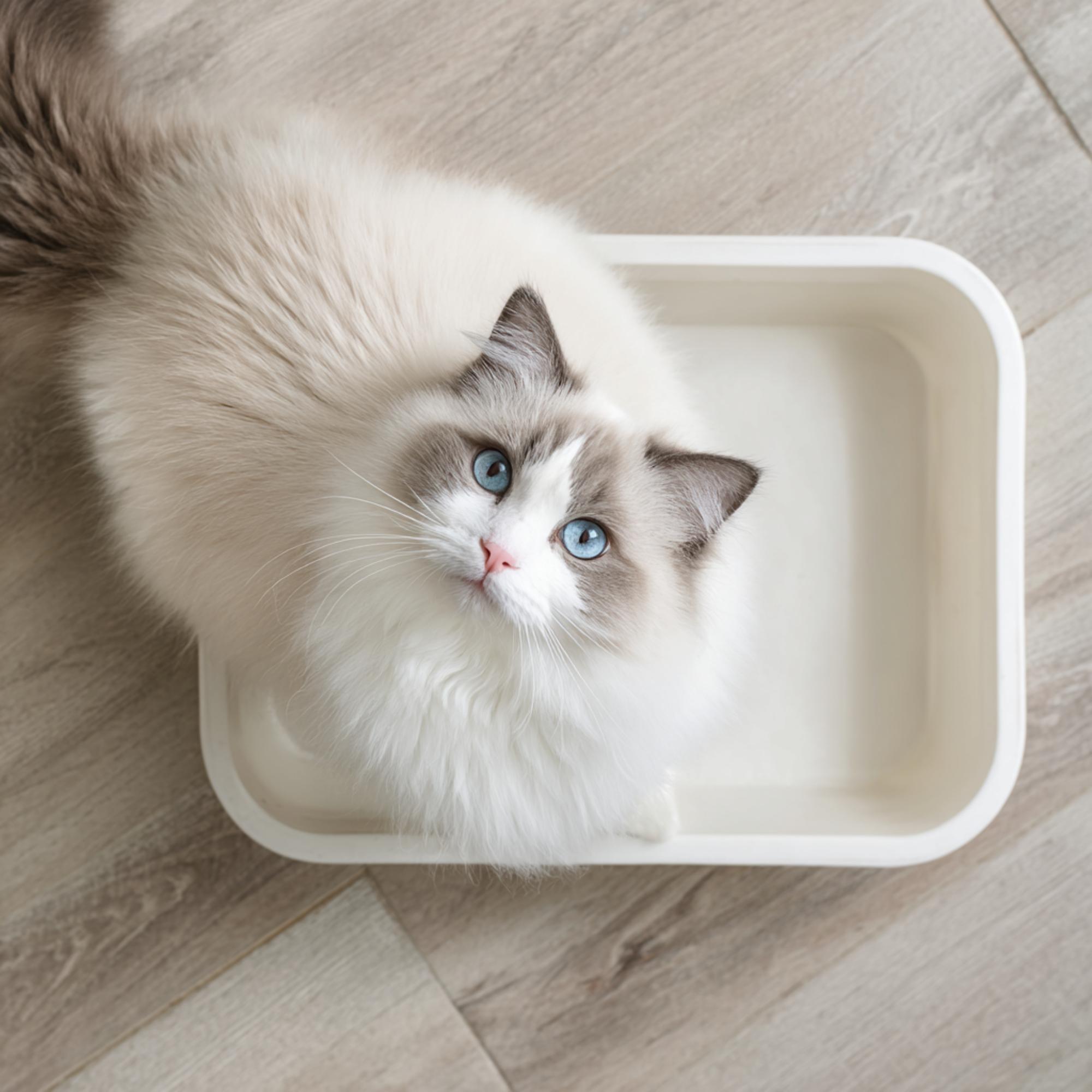
Identifying a Ragdoll mix can be challenging because mixes do not follow strict breed standards. There are, however, common traits that often appear when a cat has some Ragdoll ancestry. These clues can help narrow down the possibility, though only DNA testing can confirm.
Common signs a cat may be a Ragdoll mix:
- Semi-long, soft, silky coat
- Blue eyes (if pointed or white)
- Large, sturdy body
- Calm, gentle personality
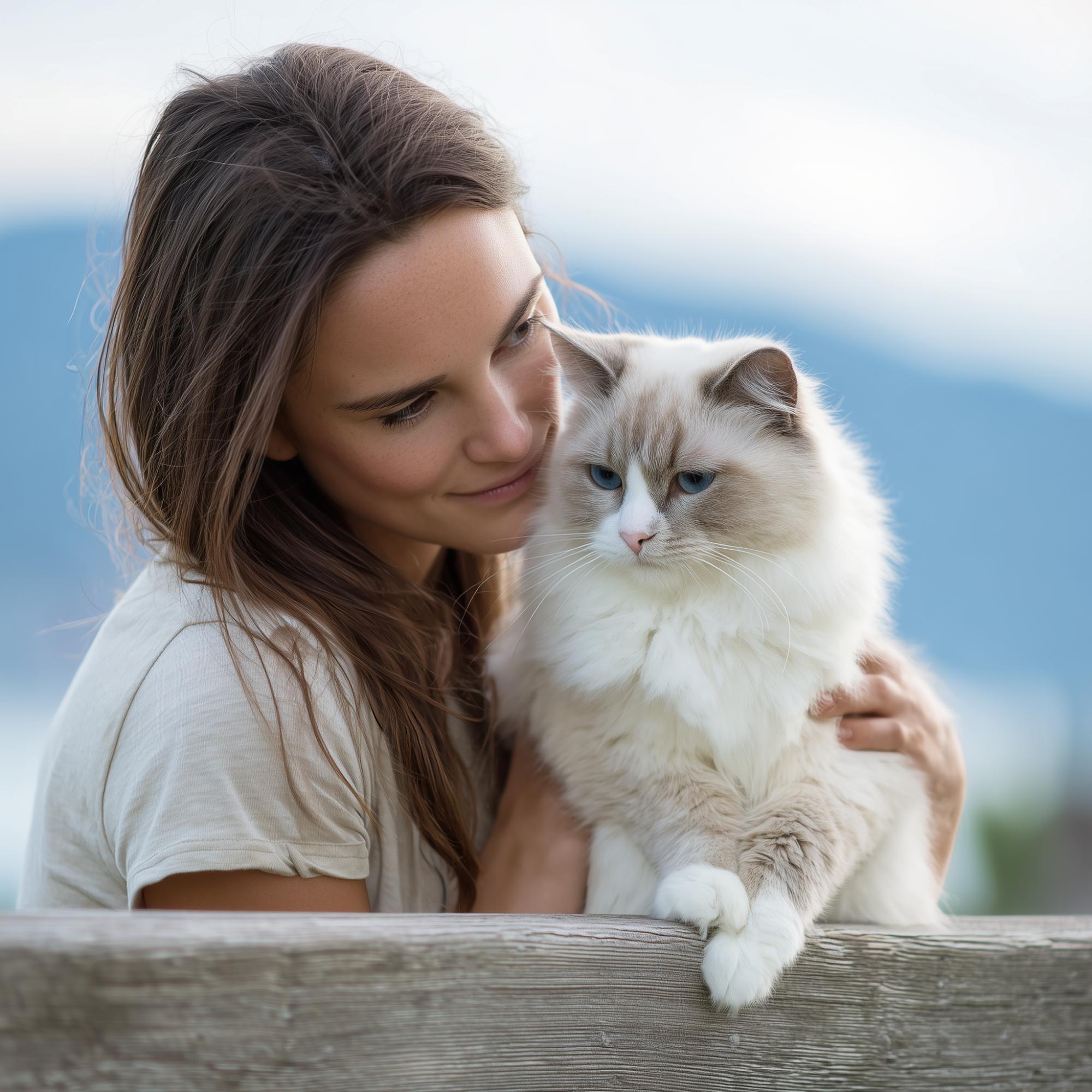
- “Floppy” behavior when picked up
- Colorpoint, bicolor, or mitted patterns
- Easygoing nature around families and pets
Ragdoll mixes may only show a few of these traits, not all of them. Some look almost purebred, while others resemble domestic longhairs with subtle Ragdoll traits.
What Do Ragdoll Mix Cats Look Like?
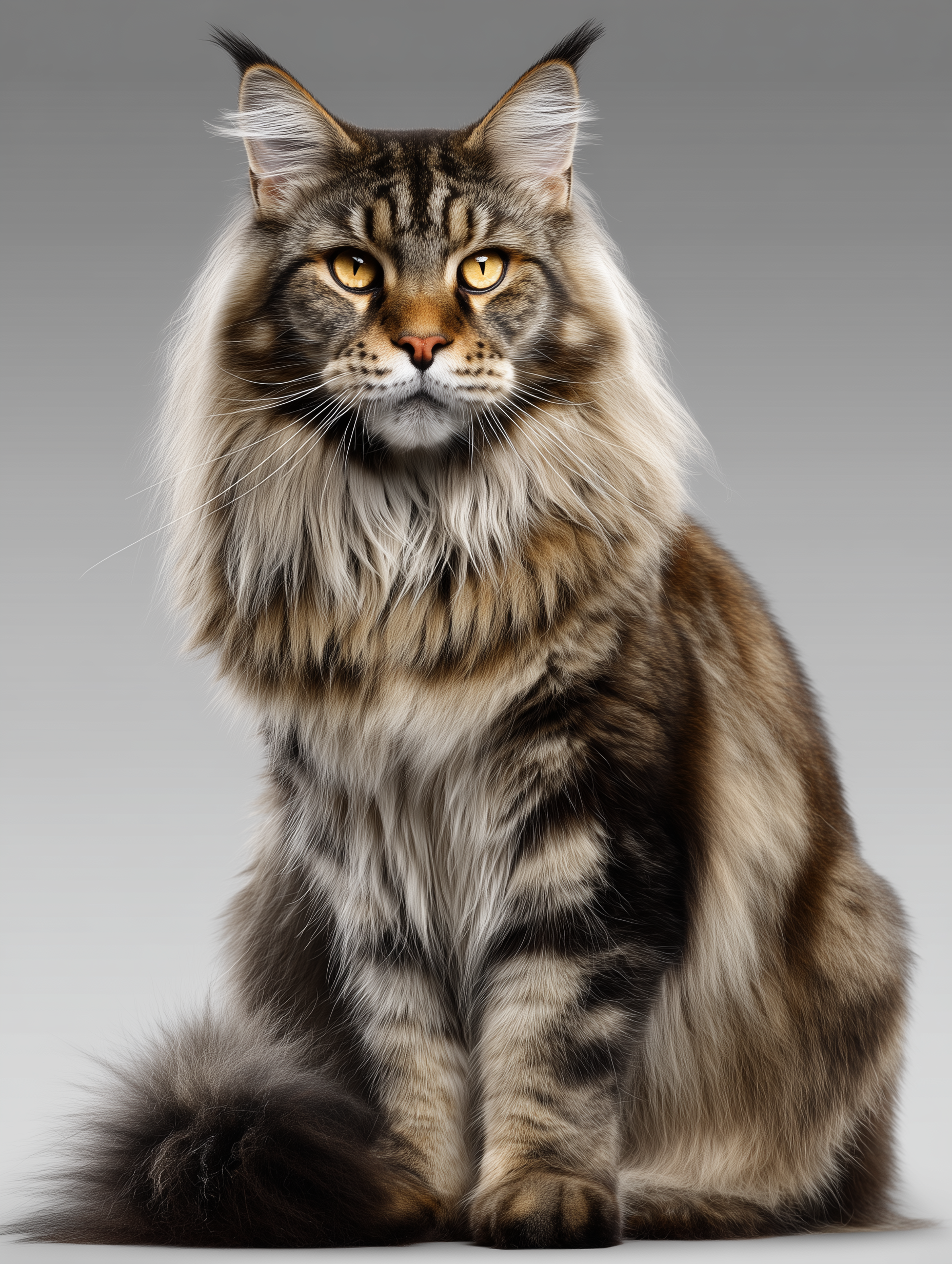
Ragdoll mix cats can look very different depending on which other breed is in the mix. Some have the long, silky coat and blue eyes of a Ragdoll, while others may be medium-haired, shorthaired, or have green or gold eyes. Coat colors can include colorpoint, tabby, solid, tortie, calico, smoky, or dilute patterns. Mixed kittens often display softer facial structure, smaller ears, or different nose shapes compared to purebred Ragdolls.
Appearance features commonly seen:
- Fluffy tail, but not always as plumed
- Medium to large body size
- Rounded face but less defined than purebred
- Coat may be long, medium, or short
- Eye color can be blue, green, or gold
Shorthair Ragdoll mixes are especially common, often resembling plush domestic shorthairs with mild Ragdoll influence.
How Big Do Ragdoll Mixes Get?
Ragdoll mixes are usually medium to large cats, but their final size depends heavily on the other parent’s genetics. Pure Ragdolls grow slowly and reach full size at 3–4 years, but mixes often mature faster and stop growing earlier. A Ragdoll mix may weigh anywhere from 8–15 pounds, though some can be larger if the mix includes a big breed like Maine Coon or Siberian.
Size expectations:
- Mixes may reach 8–12 lbs for females
- Mixes may reach 10–15 lbs for males
- Growth usually finishes by age 2
- Size varies dramatically with breed influence
What Is the Behavior of a Ragdoll Mix?
Ragdoll mixes can be gentle, friendly, and relaxed like purebred Ragdolls, but they may also show traits from the non-Ragdoll parent. Some mixes are social and floppy, while others may be more active, talkative, or independent. Their temperament is highly influenced by the other breed involved, especially if the mix includes Siamese, Persian, Maine Coon, British Shorthair, or domestic longhair lines.
Common personality traits in mixes:
- Affectionate but not always “floppy”
- Calm and people-oriented
- Enjoy attention and play
- May be more vocal than pure Ragdolls
- Good with families and other pets
- Sometimes more energetic or curious
Because behavior varies so widely, each Ragdoll mix is unique, even within the same litter.
Ragdoll Mix vs Purebred Ragdoll: Trait Differences
A purebred Ragdoll follows a strict breed standard: blue eyes, pointed pattern, semi-long silky coat, floppy temperament, and large size. A Ragdoll mix may only show some of these traits, or they may show them inconsistently. Because mixes inherit half their genes from another breed, their appearance, coat length, behavior, and even eye color can vary widely. Some people mistake fluffy domestic cats for Ragdoll mixes simply because they have a long coat or blue eyes, but true Ragdoll influence often shows up in personality first.
Typical differences include:
- Purebreds always have blue eyes; mixes may have green, gold, or copper
- Purebreds are pointed; mixes may be solid, tabby, tortie, or bicolor
- Purebreds grow slowly and stay very large; mixes are often medium-sized
- Purebreds have predictable “floppy” behavior; mixes may or may not
- Purebreds are calm and mellow; mixes might be more energetic or vocal
Ragdoll mixes are still wonderful companions, but they do not match the predictable traits of a registered Ragdoll.
What Does a Shorthair Ragdoll Mix Look Like?
A shorthair Ragdoll mix happens when a Ragdoll breeds with a cat carrying dominant short-hair genetics. These mixes often confuse people because they may have the Ragdoll personality but lack the long fluffy coat. Their fur can be sleek, plush, or medium-short, and their faces may be rounder or more angular depending on the parent breed.
Shorthair Ragdoll mix traits:
- Short or medium-length fur
- Blue, green, gold, or copper eyes
- Softer facial features but less “doll-like”
- Leaner body type than purebred Ragdolls
- High variety of colors: tabby, solid, bicolor, tortie, or pointed
Shorthair Ragdoll mixes are common in shelters because longhair genes are recessive, meaning they don’t always show unless both parents carry them.
Ragdoll Mix Price: What Do They Cost?
Ragdoll mix kittens for sale can be found at many different price points because they are not sold as purebred animals. Their cost depends on the breeder, the other breed involved, appearance, and location, but they are always less expensive than registered Ragdoll kittens. Mixes sold online range from very low-cost backyard-bred kittens to carefully raised hybrids that are priced higher due to quality care.
Typical Ragdoll mix pricing:
- $50–$300 in shelters or rescues
- $200–$600 from casual breeders
- $600–$1,200 for intentionally bred mixes (ex: Ragdoll × Siamese or Ragdoll × Maine Coon)
Mixes normally do not cost the same as real Ragdolls, as they do not meet breed standard or registration requirements.
Ragdoll Mix Siamese: Meet the Ragamese
A Ragdoll mix Siamese, also called a Ragamese, is one of the most common hybrid combinations. These cats often have blue eyes, pointed patterns, and social personalities because both parent breeds share these traits. However, Siamese influence usually introduces more vocal behavior, more energy, and a higher drive for attention. This mix is affectionate and friendly, but not as mellow as a purebred Ragdoll.
Traits often seen in Ragdoll × Siamese mixes:
- Blue, bright eyes
- Pointed or lynx-point coat patterns
- More talkative and active than pure Ragdolls
- Playful, intelligent, and social
- Strong family bonds, sometimes clingy
They are wonderful pets, but families wanting a quiet, calm Ragdoll temperament should understand how Siamese genetics may change behavior.
What Are Ragdoll Mix Cats Like?
Ragdoll mix cats often carry a softer, sweeter temperament, but they are more unpredictable than purebred Ragdolls. They may enjoy cuddles, follow people around the house, and bond closely with family members. Some mixes still “flop” when picked up, but many are more alert and active. Their behavior depends heavily on the other parent breed, making each mix unique.
Common behaviors in Ragdoll mixes include:
- Affectionate but not always floppy
- Gentle with children and pets
- Enjoy lounging but may also be playful
- Less predictable energy levels
- Curious and outgoing but not always calm
These mixes are excellent companions, but they won’t have the same predictable behavior as a purebred Ragdoll.
What Do Ragdoll Mix Kittens Look Like?
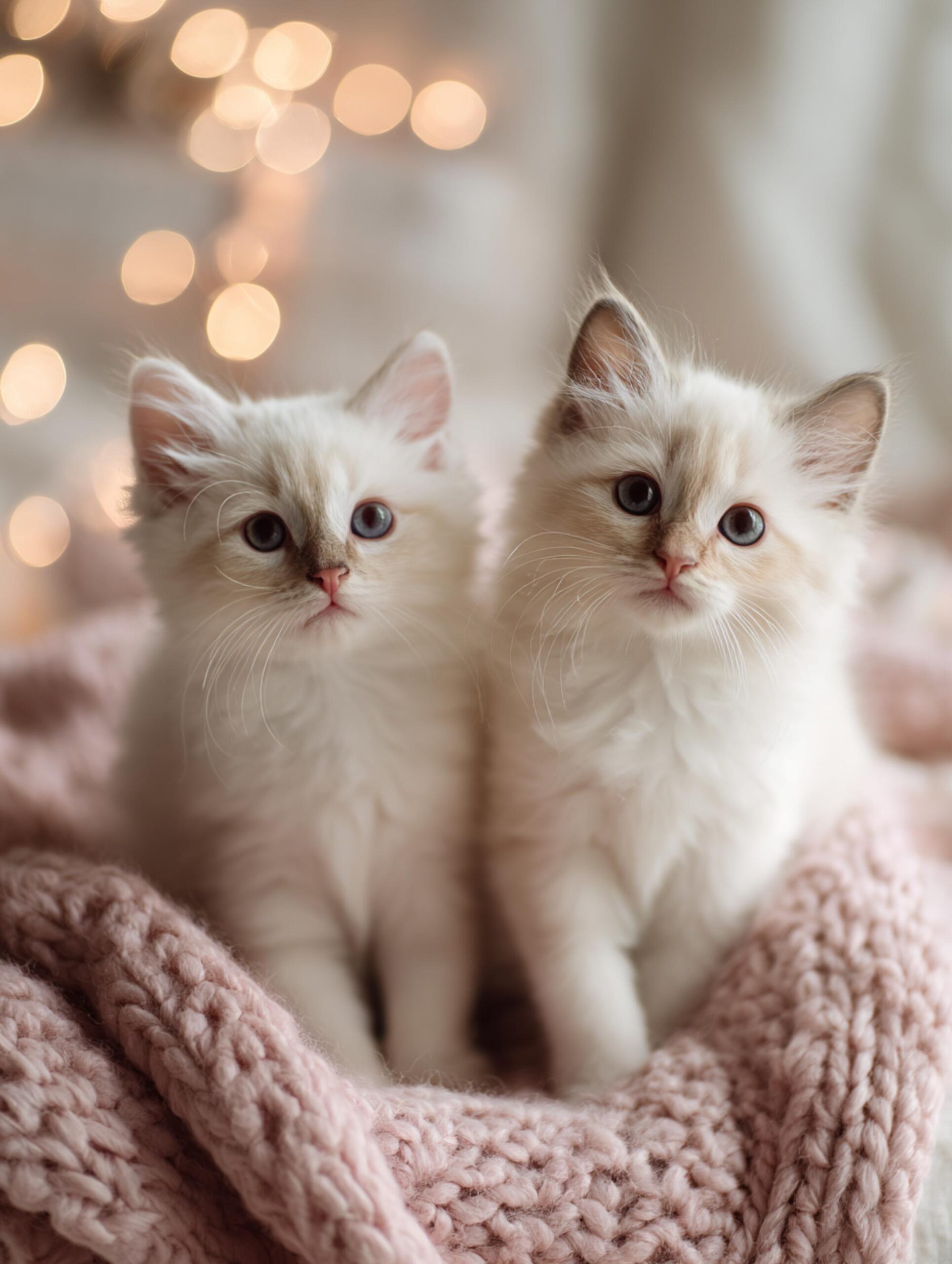
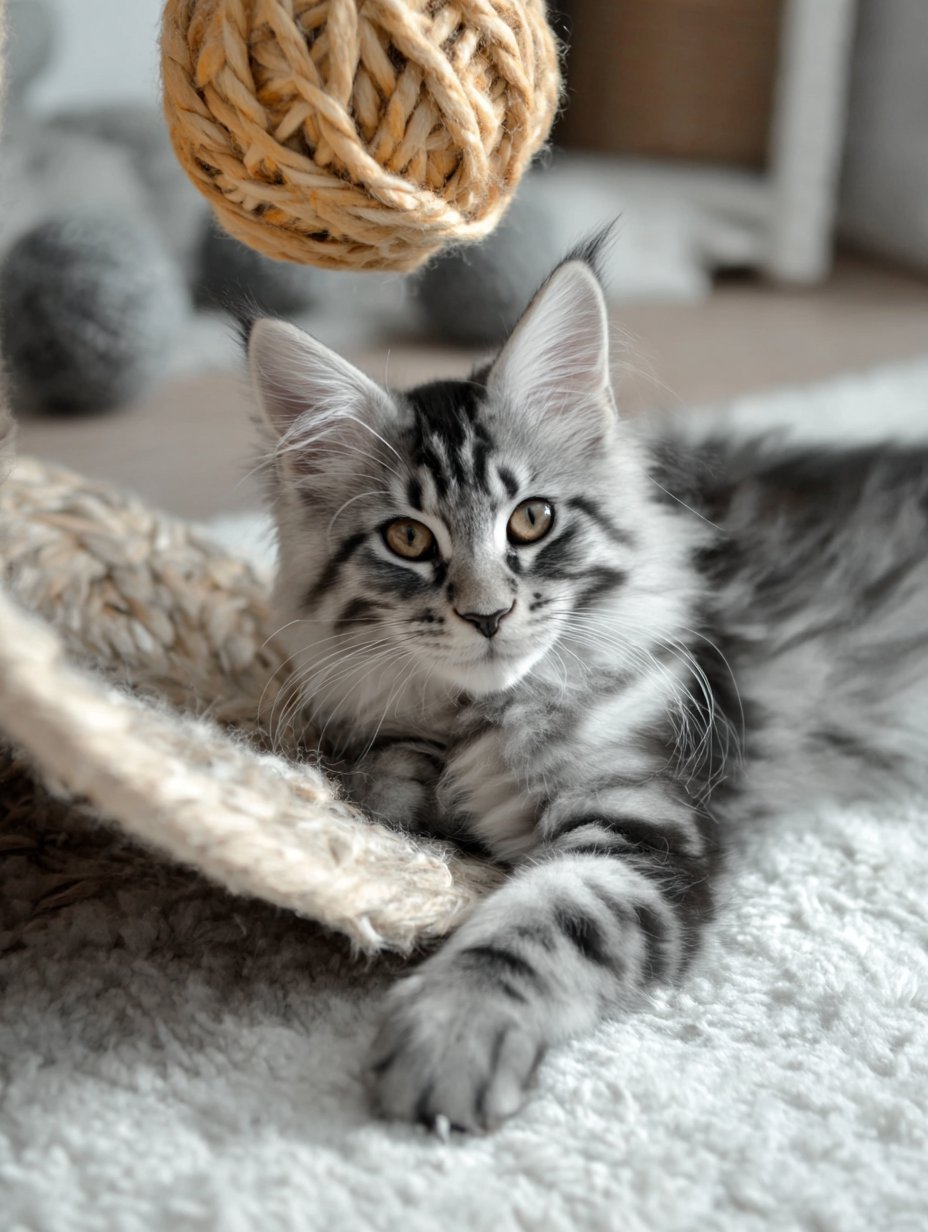
Ragdoll mix kittens vary widely in appearance, even within the same litter. Some may look almost purebred—with blue eyes, long coats, and pointed patterns—while others may look like fluffy domestics. Coat length depends on the genetics of the non-Ragdoll parent, and many mix kittens start darker or lighter and change as they mature.
Ragdoll mix kitten features:
- Coat may be fluffy, medium, or short
- Eyes may be blue, green, or gold
- Patterns can range from pointed to tabby, tortie, calico, bicolor, or solid
- Body may be stocky or slender depending on lineage
- Some kittens are floppy; others more energetic
Because mixes are genetically diverse, the final adult appearance can be hard to predict until the kitten reaches 6–12 months.
Coat Length in Ragdoll Mixes: Longhair, Medium, or Shorthair
Coat length in Ragdoll mixes can range from long and fluffy to medium or short. Purebred Ragdolls always have semi-long coats, but mixes may inherit dominant short-hair genes from the other parent. As a result, some Ragdoll mixes appear plush and fluffy, while others have sleek coats with only subtle Ragdoll softness. Kittens often change coat texture as they grow, so early predictions can be difficult.
Common coat types in mixes:
- Full longhair with silky texture
- Medium coat with soft underlayer
- Short coat with a plush, velvety feel
- Thick tail plume or slim, smooth tail
- Seasonal fluffiness that increases in winter
All coat types are normal outcomes when mixing Ragdoll lines with other breeds.
Color Patterns Seen in Ragdoll Mix Cats
Purebred Ragdolls must have pointed patterns, but mixes can come in almost any color. This includes pointed, lynx point, bicolor, solid, tabby, tortie, calico, and smoke patterns. Because the Ragdoll parent contributes recessive colorpoint genes, some mixes show full points while others show no points at all. Even kittens in the same litter can grow into completely different coat patterns.
Color patterns possible in Ragdoll mixes:
- Seal, blue, chocolate, lilac, flame, or cream points
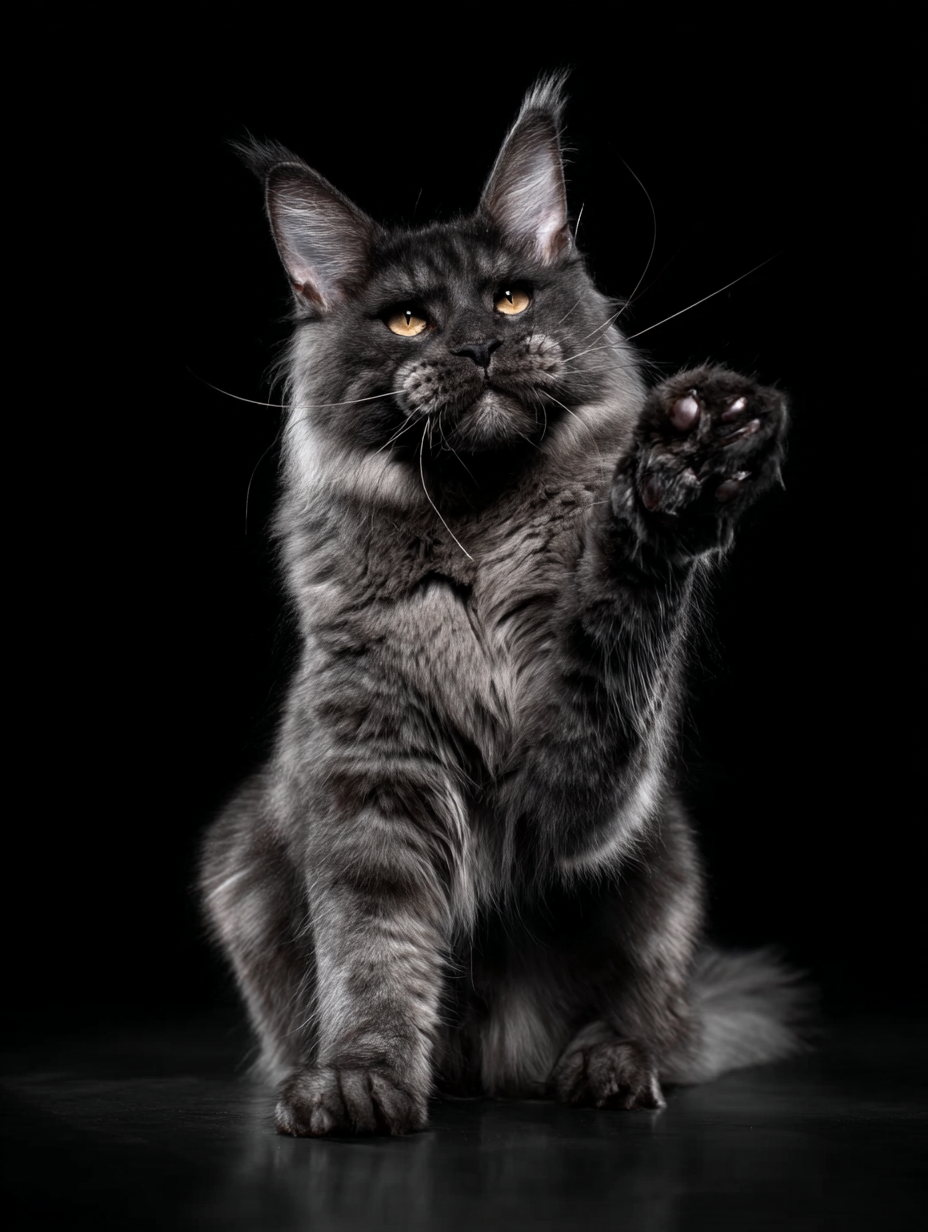
- Solid black, gray, white, or tabby
- Tortie and calico mixes
- Smoke or shaded coloring
- Mink-like patterns depending on lineage
This wide range makes Ragdoll mixes highly diverse in appearance.
Ragdoll Mix Cats and Personality
Ragdoll mix cats may inherit friendliness, gentleness, and calm energy, but they may also show traits from the other parent breed. Some mixes are very social and affectionate, while others are playful, talkative, or more independent. Personality traits can blend unpredictably, resulting in unique household dynamics that shift as the cat matures. Many Ragdoll mixes enjoy human company and adapt well to family environments.
Personality traits sometimes seen:
- Affectionate and people-oriented
- Gentle with children and pets
- Relaxed but sometimes playful
- May enjoy being held, but not all do
- Curious, social, and often friendly
Each Ragdoll mix is an individual with its own blend of inherited behavior.
Do Ragdoll Mix Cats Grow as Large as Purebred Ragdolls?
Ragdoll mixes can range from medium to large depending on the genetics of both parents. Purebred Ragdolls often grow slowly and reach their full size at 3–4 years, while mixes may grow more quickly and finish maturing earlier. Some Ragdoll mixes are quite large, especially if paired with another big breed such as Maine Coon, Siberian, or Norwegian Forest Cat. Others may remain moderate in size if the non-Ragdoll parent is smaller.
General size observations:
- Many mixes grow 8–15 lbs
- Some grow larger depending on lineage
- Bone structure varies by breed influence
- Growth rate depends on genetics, not color or coat length
Ragdoll mixes can show a wide range of adult sizes.
How Active Are Ragdoll Mix Cats?
Ragdoll mix activity levels vary depending on the other breed. Some mixes remain calm and relaxed like purebred Ragdolls, while others have bursts of high energy or playful behavior. Breeds like Siamese, Bengal, Domestic Shorthair, or Oriental lines can introduce more movement and curiosity. Activity level also depends on early socialization, home environment, and individual temperament.
Activity-style examples:
- Calm and lounging-oriented
- Moderately playful and curious
- High-energy climbers or explorers
- Friendly but alert
- Quiet or talkative depending on mix
Ragdoll mixes can fit a wide variety of household dynamics because their energy levels span a broad spectrum.
Are Ragdoll Mix Kittens Easy to Train?
Many Ragdoll mixes are easy to train because they tend to be social, curious, and eager for attention. Mixes that inherit more Ragdoll-like traits often respond well to gentle guidance, clicker training, and positive reinforcement. Some may learn tricks, leash walking, and basic manners quickly. Others may be more independent depending on the other breed influences.
Training tendencies seen in mixes:
- Enjoy learning if training feels like play
- Respond strongly to treats and praise
- Often adapt well to routines
- Litter training is typically straightforward
- Training speed varies with breed influence
Their friendly nature often makes training a fun bonding activity.
Do Ragdoll Mix Cats Stay Calm as Adults?
Many Ragdoll mixes remain relaxed as they grow older, especially if they inherit mellow traits from the Ragdoll parent. Others may maintain a playful or energetic streak into adulthood, which is influenced by the other breed in their background. Adult mixes often settle into predictable routines and bond closely with their families. Their maturity pattern tends to fall between the slow-growing Ragdoll and faster-developing domestic cats.
Temperament patterns as they age:
- Many remain affectionate companions
- Some stay playful and curious
- Routine helps maintain calm behavior
- Energy levels vary widely across mixes
- Individual personality becomes clearer by age 2
As adults, mixes generally find a balance between calm moments and active behavior.
How Big Do Ragdoll Mix Cats Get as Adults?
The adult size of a Ragdoll mix can vary a lot depending on the other parent breed. Some mixes grow large and sturdy like their Ragdoll parent, while others stay medium-sized with a lighter build. Many Ragdoll mixes finish growing faster than purebred Ragdolls, often reaching full size by around 18–24 months. The variation makes mix size one of the most interesting unpredictable features.
Size averages many owners report:
- Females: around 8–12 pounds
- Males: around 10–15 pounds
- Some mixes grow larger depending on genetics
- Build can be muscular or slender
- Height and length vary by lineage
Mixes tend to fall between domestic and purebred size ranges.
Do Ragdoll Mix Cats Have Blue Eyes?
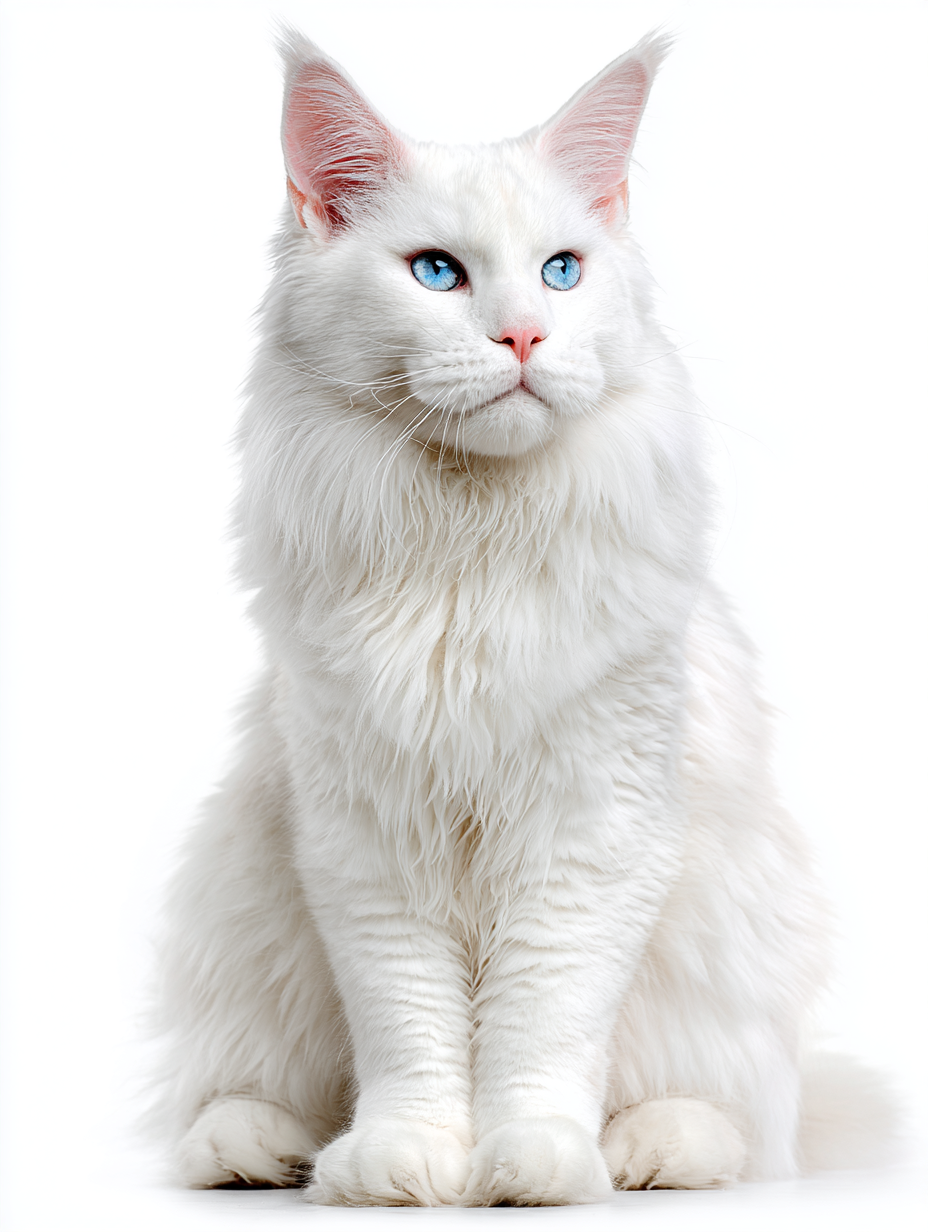
Some Ragdoll mixes have blue eyes, especially if they inherit pointed genes, the dominant white gene, or certain Siamese or Himalayan ancestry. Blue eyes are more common when one parent carries the genes that restrict pigment in the iris. However, many Ragdoll mixes develop green, gold, or copper eyes as they grow. Eye color alone cannot confirm Ragdoll mix status but can be a helpful clue.
Eye color possibilities include:
- Bright blue
- Icy blue
- Aqua
- Gold
- Copper
- Green
A wide range of eye colors is normal and depends on the genetics passed down to the kitten.
Do Ragdoll Mix Cats Have Long or Short Fur?
Ragdoll mixes can have long, medium, or short fur depending on the coat genes inherited from the non-Ragdoll parent. Longhair mixes often resemble fluffy domestic longhairs, while shorthair mixes may have a plush, smooth coat. Coat length is highly variable even within the same litter, making mix kittens surprising as they develop. Some kittens start with fluff and grow sleeker, while others gain more volume as they mature.
What determines coat length in mixes:
- Presence of longhair gene from either parent
- Breed of the other ancestor
- Recessive or dominant coat traits
- Environmental factors that influence thickness
- Seasonal coat changes as they grow
Both longhair and shorthair Ragdoll mixes can be beautiful, and their coats tend to be soft and pleasant to touch.
Ragdoll Mix Coat Colors & Patterns
Ragdoll mix cats can come in almost every coat color and pattern because their appearance depends on the genetics of the non-Ragdoll parent. Purebred Ragdolls are pointed cats, but mixes frequently lose the pointed pattern and show solid, tabby, bicolor, tortie, calico, or dilute variations. This huge range is why many people search “can Ragdoll mixes be solid” or “can Ragdoll mixes have tabby stripes”—the answer is yes, these traits are very common. Ragdoll mix kittens often change color as they mature, and their markings may develop more clearly between 6–12 months.
Common Ragdoll Mix Coat Types:
- Solid Ragdoll mixes: black, grey, blue, chocolate, lilac, orange, cream, cinnamon, fawn
- Tabby Ragdoll mixes: classic tabby, mackerel tabby, spotted tabby, lynx point
- Tortie & calico mixes: tortoiseshell, dilute tortie, calico, torbie
- Bicolor mixes: black & white, grey & white, tuxedo patterns
- Pointed mixes: seal point, blue point, flame point, lilac point, chocolate point (appearance varies)
Eye Colors in Ragdoll Mixes:
- Blue (common in pointed or white mixes)
- Gold
- Copper
- Green
- Odd eyes
Because mix appearances vary so widely, two Ragdoll mix kittens in the same litter can look completely different—one fluffy and pointed, one shorthaired and solid.
Ragdoll Mix Growth Chart (Months 2–24)
Ragdoll mixes grow differently than purebred Ragdolls because their size depends on the genetics of the other parent. Pure Ragdolls grow slowly and can take up to 4 years to reach full size, but many Ragdoll mixes mature earlier. Searchers commonly ask “how big do Ragdoll mixes get” and the answer is that they usually fall into a medium-to-large range, but this varies widely.
Average Ragdoll Mix Growth Chart
| Age | Average Weight | Notes |
|---|---|---|
| 2 months | 2–3 lbs | Starting to show early coat traits. |
| 4 months | 4–6 lbs | Mixes may look lanky; growth varies. |
| 6 months | 6–8 lbs | Many mixes bulk up faster than pure Ragdolls. |
| 9 months | 7–10 lbs | Some reach adult size earlier depending on genetics. |
| 12 months | 8–12 lbs | Most mixes are mostly grown by 12 months. |
| 18 months | 9–14 lbs | Large mixes may continue filling out. |
| 24 months | 10–15 lbs | Full size for most Ragdoll mixes. |
Some mixes exceed these ranges, especially if they include larger breeds like Maine Coon, Siberian, or Norwegian Forest Cat.
How to Care for a Ragdoll Mix (Feeding, Enrichment, Home Setup)
Caring for a Ragdoll mix is similar to caring for any medium-to-large companion cat, but a few traits do influence their needs. Many Ragdoll mixes enjoy being near their people, lounging around the house, and participating in daily routines. They benefit from a simple setup that supports their social, playful, and sometimes semi-floppy nature.
Feeding Needs
- High-quality protein for muscle development
- Wet food or mixed feeding for hydration
- Controlled portions (large mixes can gain weight easily)
- Sensitivity diets if the mix includes Siamese or Persian ancestry
Home Setup
- Medium or tall cat tree (most mixes enjoy climbing more than pure Ragdolls)
- Soft resting spots near windows
- Litter box large enough for medium-to-large cats
- Scratching posts (vertical + horizontal options)
Enrichment
- Wand toys, feather toys, slow chasers
- Puzzle feeders for intelligent mixes
- Hide-and-seek games for curious, active mixes
- Routine playtime to prevent boredom
Ragdoll mixes may or may not behave like a purebred Ragdoll, so enrichment needs vary slightly from cat to cat.
Ragdoll Mix Health Issues
Searchers often wonder whether Ragdoll mixes are “healthier than purebreds” or whether they may carry breed-related problems. Health depends on each individual cat, but learning the potential issues helps families make informed decisions.
Possible Health Considerations in Ragdoll Mixes
- Hypertrophic Cardiomyopathy (HCM): can be inherited from a Ragdoll parent
- Bladder or kidney sensitivity: sometimes seen in mixes
- Digestive sensitivity: more common in mixes with Siamese or Oriental ancestry
- Obesity: medium-to-large mixes may need portion control
- Joint issues: occasionally appear in heavy or long-legged mixes
Some mixes have fewer breed-specific risks because of genetic diversity, but this varies and cannot be assumed.
General Health Tips
- Annual veterinary exams
- Quality diet and hydration
- Preventative dental care
- Indoor lifestyle for safety
A well-cared-for Ragdoll mix can live 12–16+ years with good health routines.
Ragdoll Mix Grooming by Coat Length
Grooming needs depend mostly on coat length, not on whether the cat is a mix.
Shorthair Ragdoll Mix Grooming
- Brush once weekly
- Low matting risk
- Easy to maintain
- Shed seasonally
- Wipe face or paws if staining occurs
Medium-Hair Ragdoll Mix Grooming
- Brush 2–3× weekly
- Light matting possible behind ears
- May require tail brushing
- Slightly fluffier than shorthair mixes
Longhair Ragdoll Mix Grooming
- Brush 3–4× weekly for best results
- Mats may form on chest, armpits, or hind end
- Use metal comb + slicker brush
- Occasional bath may help remove loose fur
- Coat tends to be silkier than traditional domestic longhair mixes
Regardless of coat type, grooming strengthens bonding and keeps the coat healthy.
Ragdoll Mix Personality Types by Parent Breed
One of the biggest search trends is “Ragdoll mix Siamese,” “Ragdoll mix Maine Coon,” “Ragdoll mix Persian,” and so on. Each hybrid has tendencies based on the parent breeds. These aren’t guarantees—just common patterns that help families understand what to expect.
1. Ragdoll × Siamese
- More vocal
- More active
- Still affectionate
- Often blue-eyed and pointed
2. Ragdoll × Maine Coon
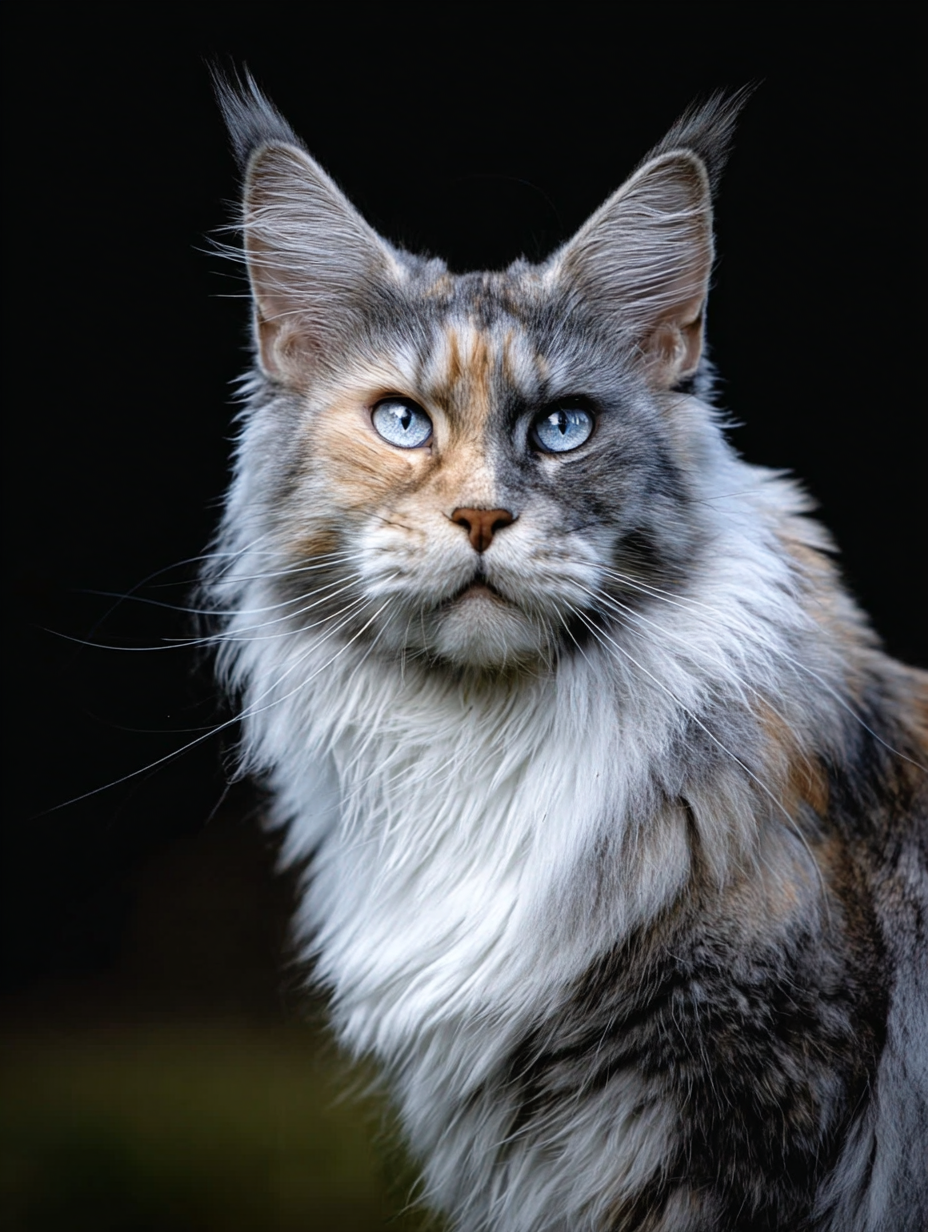
- Larger size possible
- Intelligent and playful
- Fluffy coat with big tail
- Friendly but more energetic
3. Ragdoll × Persian
- Calm and quiet
- Rounder face, plush coat
- May require more grooming
- Gentle, sweet temperament
4. Ragdoll × British Shorthair
- Stockier build
- Calm, slightly reserved
- Shorter or plush coat
- Loyal and people-oriented
5. Ragdoll × Domestic Longhair
- Wide variety of traits
- Coat and eye color unpredictable
- Personality ranges from mellow to playful
- Very common in shelters and rescues
These mixes make each Ragdoll hybrid unique, with traits influenced by both sides.
How to Tell the Difference Between a Ragdoll Mix and Other Fluffy Cats
This section addresses the most searched question on Reddit-style threads:
“Is my cat a Ragdoll mix?”
Ragdoll mixes may look similar to fluffy domestic cats, British Longhairs, Siberians, or even Maine Coon mixes. Appearance alone is not enough for identification. Behavior and body shape offer strong clues, especially if the cat is unusually gentle, floppy, people-oriented, or large.
Traits More Common in Ragdoll Mixes:
- Social and people-focused
- Soft, silky coat
- Medium-to-large size
- Rounded face without extreme features
- Relaxed body language when held
- Calm temperament overall
Traits More Common in Other Fluffy Breeds:
- High activity (Maine Coon, Siberian)
- Intense round eyes (Persian)
- Triangular head shape (Norwegian Forest Cat)
- Shorter muzzle (British Shorthair mixes)
A Ragdoll mix usually shows a combination of gentle behavior + fluffy coat + friendly, relaxed personality, though every mix is different.
FAQ: Ragdoll Mix Cats
1. How do I tell if my cat is a Ragdoll mix?
A Ragdoll mix may show some traits of the breed such as a soft semi-long coat, calm personality, blue eyes, or colorpoint patterns. Many mixes also follow people around the home or enjoy relaxed cuddles. However, mixes can vary widely depending on the other parent breed. A DNA test is the most reliable way to confirm Ragdoll ancestry.
2. What does a Ragdoll mix look like?
Ragdoll mixes may be longhaired, medium-haired, or even shorthaired. Eye color can be blue, green, copper, or gold, and the coat can be pointed, tabby, tortie, calico, solid, or bicolor. Their body type may be medium or large depending on genetics. Many have a soft, rounded expression that hints at Ragdoll influence.
3. How big do Ragdoll mixes get?
Ragdoll mixes generally reach medium to large sizes, often between 8–15 pounds. Growth usually completes earlier than pure Ragdolls, finishing around 18–24 months. Some mixes grow larger if the other breed is also big. Size varies depending on lineage.
4. Do Ragdoll mixes grow as slowly as purebreds?
Pure Ragdolls grow until age 3–4, while mixes often mature faster. Many Ragdoll mixes reach full size by age 2. Some may grow more slowly if they inherit strong Ragdoll traits. Growth patterns depend on both parents.
5. What is the behavior of a Ragdoll mix?
Ragdoll mixes tend to be friendly, people-oriented, and social. Some enjoy being carried or sitting near family members. Others may be more energetic or playful depending on the non-Ragdoll parent. Their personality combines traits from both sides.
6. Do Ragdoll mixes “go limp” like pure Ragdolls?
Some mixes inherit the famous “floppy” trait, while others do not. The floppy behavior is influenced by temperament and comfort level. A mix may show partial floppiness, especially when relaxed and well-socialized. Not all Ragdoll-influenced cats show this trait.
7. Can Ragdoll mixes have short hair?
Yes, many do. Short hair is a dominant genetic trait, so it only takes one shorthaired parent to produce shorthair Ragdoll mixes. Shorthair mixes may still carry Ragdoll-like colors or personalities. The coat texture varies widely.
8. Can a Ragdoll mix have green or gold eyes?
Yes, mixes may have green, gold, copper, or blue eyes. Purebred Ragdolls always have blue eyes, but mixes inherit their eye color from both parents. Many longhair mixes have golden or green shades. Eye color alone cannot confirm ancestry.
9. Do Ragdoll mixes shed a lot?
Shedding depends on coat length. Longhair mixes shed moderately to heavily during seasonal changes. Shorthair mixes shed less but still lose fur regularly. Routine grooming reduces shedding significantly.
10. Are Ragdoll mixes hypoallergenic?
Ragdoll mixes are not considered hypoallergenic. All cats produce dander and proteins that can trigger allergies. Coat length does not prevent allergic reactions. Reactions vary by individual.
11. What is the mix of a Ragdoll cat?
A Ragdoll mix is any cat with one purebred Ragdoll parent and one non-Ragdoll parent. Common mixes include Ragdoll × Siamese, Ragdoll × Domestic Longhair, and Ragdoll × Maine Coon. Each combination creates different behaviors and looks. Genetics determine the final outcome.
12. Do Ragdoll mixes get along with dogs?
Many Ragdoll mixes get along well with calm, respectful dogs. Their social nature makes them adaptable to multi-pet homes. Introductions should be slow to build trust. Personality depends on both parent breeds.
13. Can Ragdoll mix cats be solid colored?
Yes, this is common. Ragdoll mixes can be solid black, grey, orange, white, cream, or dilute. The pointed pattern is not guaranteed in mixes. Solid Ragdoll mixes are one of the most common types seen in shelters.
14. Can Ragdoll mixes have tabby stripes?
Yes, tabby striping appears frequently in Ragdoll mixes. The tabby gene is very common in domestic cats. Mixes may display lynx-point, mackerel tabby, classic tabby, or spotted patterns. Stripes do not rule out Ragdoll ancestry.
15. What do Ragdoll mix kittens look like?
Ragdoll mix kittens vary widely in coat length, pattern, and eye color. Some resemble purebreds with long fluffy coats and pointed markings. Others look like domestic kittens with subtle Ragdoll traits. Appearance becomes clearer around 10–16 weeks.
16. Are Ragdoll mixes expensive?
Prices vary widely depending on breeder, region, and care level. Some mixes cost more due to the type of cross or specific look, while others are available through rescues for modest adoption fees. Costs reflect care, not purity. Market variation is normal.
17. Do Ragdoll mixes have heart problems?
Ragdoll mixes may inherit HCM risk if the Ragdoll parent carries the gene. Many mixes remain healthy throughout life, but regular checkups are recommended. A DNA test can identify the mutation. Not all mixes carry health risks.
18. Are Ragdoll mixes healthier than purebreds?
Health varies individually. Some mixes benefit from genetic diversity, while others inherit breed-specific risks. Factors like care, diet, and genetics all influence health. No mixed cat is guaranteed to be healthier or less healthy.
19. How long do Ragdoll mixes live?
Ragdoll mixes typically live 12–16 years, and some live even longer. Indoor living and veterinary care greatly increase lifespan. Genetics from the non-Ragdoll parent also play a role. Overall, mixes tend to be long-lived pets.
20. Do Ragdoll mixes get big like pure Ragdolls?
Some do, especially if the other parent is large. Many mixes reach medium to large sizes but may stop growing sooner than pure Ragdolls. Growth depends on the other breed’s genetics. Size can vary from 8 to 15+ pounds.
21. Are Ragdoll mixes more active?
Some mixes are more energetic, especially when crossed with Siamese, Bengal, or Domestic Shorthair lines. Others are calm like pure Ragdolls. Activity levels depend fully on the other parent breed. Behavior is not one-size-fits-all.
22. Do Ragdoll mixes like to be held?
Many enjoy being held, but the floppy trait is not guaranteed. Some mixes prefer lap sitting or staying near their human instead. Comfort and socialization shape this behavior. Each cat’s preference is unique.
23. Do Ragdoll mixes need a lot of grooming?
Grooming needs depend on coat type. Longhair mixes require regular brushing, while shorthair mixes need very little maintenance. Coat care helps reduce shedding and keeps the fur healthy. Grooming also supports bonding.
24. Are Ragdoll mixes vocal?
Some Ragdoll mixes are more talkative, especially if crossed with Siamese or Oriental breeds. Others are quiet like purebred Ragdolls. Vocal habits depend on both genetic lines. Mixes can fall anywhere on the spectrum.
25. Do Ragdoll mixes get along with children?
Most Ragdoll mixes are gentle and tolerant, making them good companions for families. Socialization improves their comfort around children. Calm households often see the best results. Each mix still has individual personality differences.
26. Can Ragdoll mixes stay indoors full time?
Yes, Ragdoll mixes do well as indoor cats. Indoor living protects them from risks like cars, predators, and disease. Many mixes enjoy window perches, toys, and climbing spaces. Enrichment helps keep them stimulated.
27. How do I care for a Ragdoll mix?
Care involves regular brushing, nail trimming, enrichment, and high-quality food. A mix may enjoy climbing, playing with wand toys, or exploring cat trees. Grooming needs depend on coat length. Daily interaction keeps them happy and confident.
28. What toys do Ragdoll mixes like?
Ragdoll mixes usually enjoy feather wands, soft plush toys, crinkle tunnels, and puzzle feeders. Some mixes are playful climbers, while others prefer gentle interactive games. Toy preferences vary by personality. Offering variety helps keep them engaged.
29. Can Ragdoll mixes be trained?
Yes, many mixes respond well to clicker training, treat rewards, and routine. They may learn tricks, recall, or household boundaries. Intelligence varies with the other breed, but most mixes enjoy mental stimulation. Training strengthens bonding.
30. Are Ragdoll mixes predictable?
Ragdoll mixes are less predictable than purebreds because they inherit genetics from two different breeds. Coat color, size, temperament, and grooming needs can vary widely. Many mixes carry several Ragdoll traits but express them differently. Each Ragdoll mix is one-of-a-kind, making them unique and lovable in their own way.
Summary: Ragdoll Mix Cats
Ragdoll mix cats come in an enormous range of appearances, sizes, and personality types because each mix inherits traits from both the Ragdoll parent and the other breed involved. Their coat colors may be solid, tabby, tortie, bicolor, pointed, smoky, orange, black, grey, or longhaired/medium-haired/shorthair. Their behavior can be calm and affectionate like a Ragdoll or energetic and vocal depending on the other breed. Growth patterns vary widely, with many mixes reaching medium-to-large sizes and maturing faster than purebred Ragdolls. Grooming needs, health considerations, and enrichment requirements also differ depending on coat type and genetics, making each Ragdoll mix unique.
Even though Ragdoll mixes don’t have predictable traits like purebred Ragdolls, they make wonderful, loving family pets. Understanding their coat patterns, growth stages, grooming needs, health tendencies, and personality variations helps families choose confidently and appreciate the beautiful diversity of Ragdoll-influenced cats.
Looking for a Purebred Ragdoll Kitten?
Ragdoll mixes are fun to learn about, but families who want the true floppy temperament, gentle personality, blue eyes, predictable size, and classic Ragdoll traits often prefer a purebred kitten from a responsible program.
At Almonte Cats, each of our Ragdoll kittens are:
- Raised in-home for confidence and social skills
- Health-tested through responsible breeding
- Registered through major feline associations
- Professionally cared for and evaluated
- Matched carefully to loving homes
If a predictable temperament, pure lineage, and consistent Ragdoll traits matter, explore our available kittens.
More Articles from Almonte Cats
- Maine Coon Kitten Prices Explained
- Maine Coon Tassel Ears
- Polydactyl Maine Coon Care
- Domestic Maine Coon Cat Info
- Maine Coon Kitten Growth Stages
- Maine Coon M on Forehead Genetics
- How to Prepare Your Home for a Maine Coon Kitten
Sources
- The International Cat Association (TICA) – Ragdoll Breed Standard
https://tica.org - Cat Fanciers’ Association (CFA) – Ragdoll Breed Standard
https://cfa.org - UC Davis Veterinary Genetics Laboratory – Feline Coat Color Genetics
https://vgl.ucdavis.edu - International Cat Care – Feline Behavior, Grooming & Health Guides
https://icatcare.org - American Association of Feline Practitioners (AAFP) – Feline Health Resources
https://catvets.com - Cornell University College of Veterinary Medicine – Feline Health Library
https://www.vet.cornell.edu - Merck Veterinary Manual – Feline Health & Hereditary Conditions
https://www.merckvetmanual.com - Journal of Feline Medicine and Surgery – Various Studies on Breed-Related Traits
https://journals.sagepub.com/home/jfm - ASPCA Pet Health – Cat Care & Behavior Articles
https://www.aspca.org - Hills Pet Nutrition – Cat Growth & Development Resources
https://www.hillspet.com





Read the Comments +