
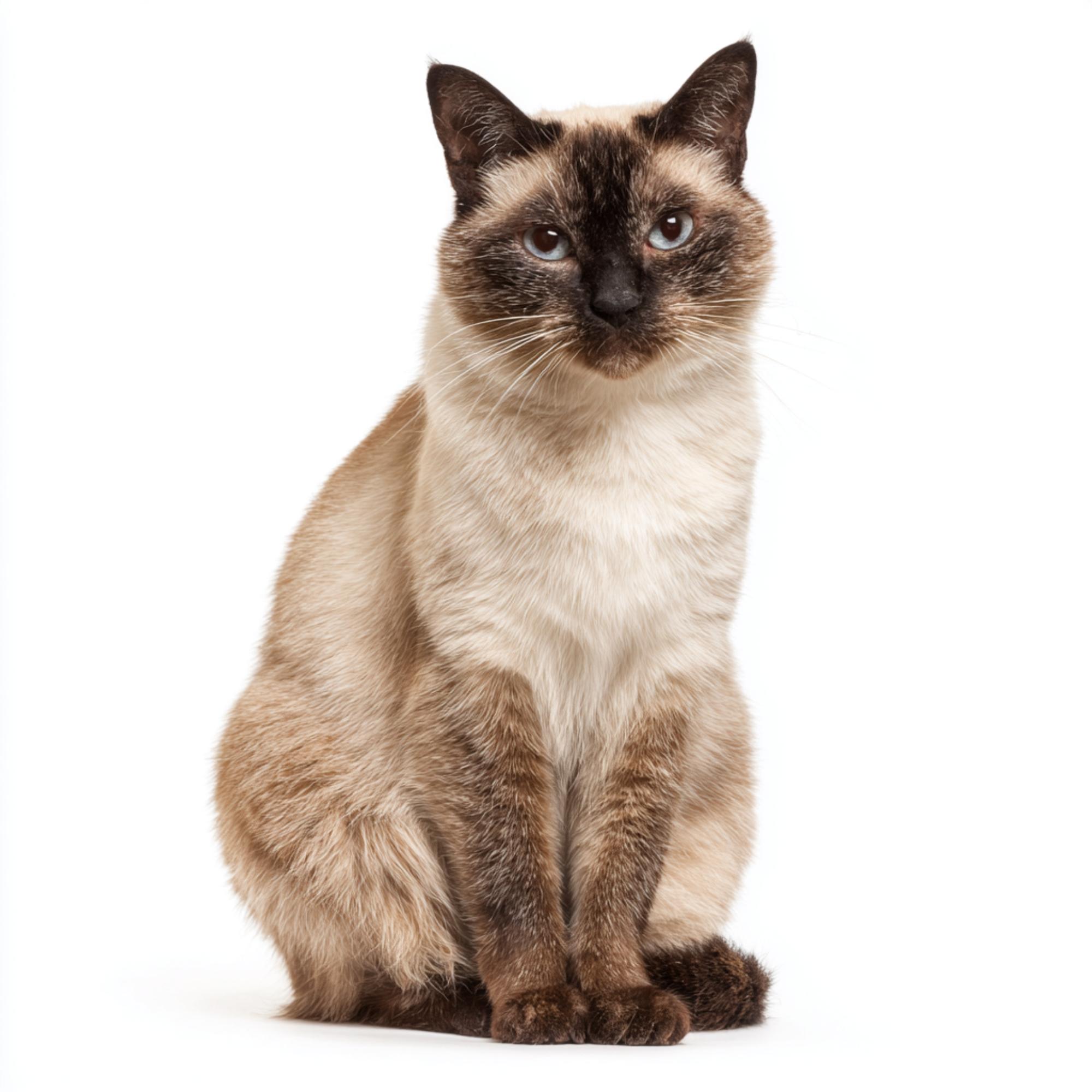
The Ragamese Cat: Everything You Want to Know
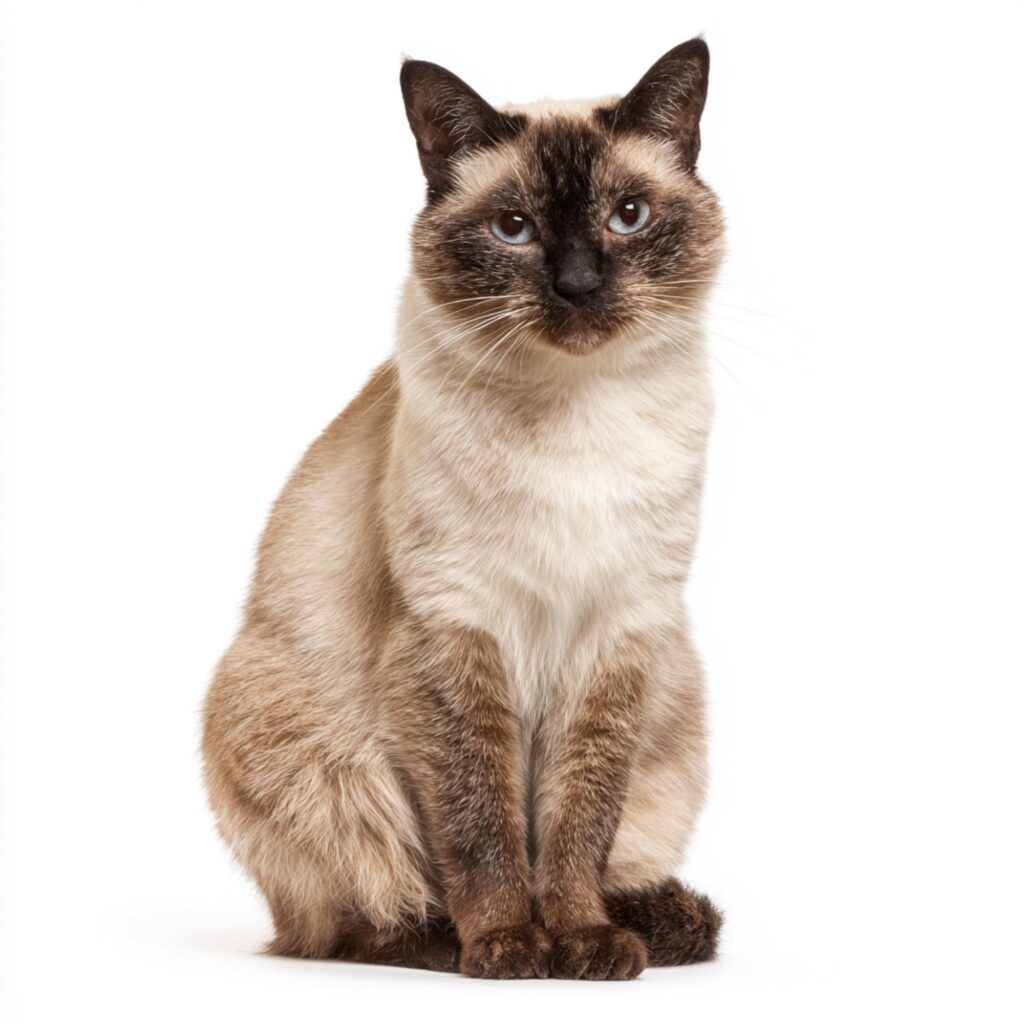
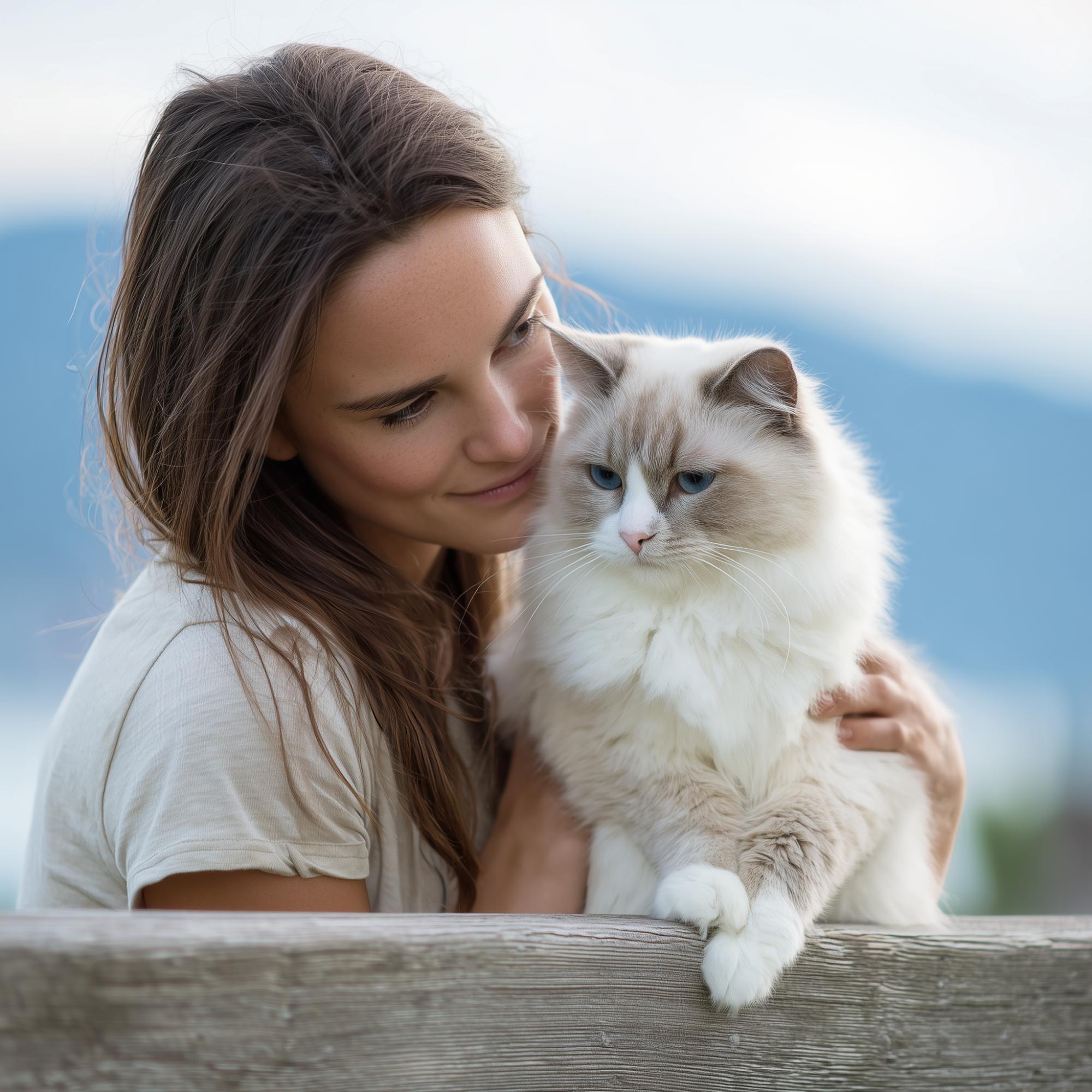
The Ragamese cat is a hybrid mix between a Ragdoll and a Siamese, blending two famously affectionate, people-oriented breeds into one striking companion. Ragamese cats are known for their expressive eyes, social personalities, colorpoint patterns, and deeply human-focused behavior. Because they inherit traits from both parent breeds, Ragamese cats often combine the floppy sweetness of Ragdolls with the intelligence, vocal nature, and playfulness of the Siamese.
Despite their rising popularity, many families still ask the same questions: What exactly is a Ragamese? What do they look like? How predictable is their temperament? Do they act more like Siamese or more like Ragdolls? What colors do they come in? How big do Ragamese cats get? This guide covers everything — appearance, behavior, coat colors, care expectations, health, growth, and more.
Ragamese Cat: Quick Overview
| Feature | Summary |
|---|---|
| Hybrid Status | Ragdoll × Siamese mix (not a purebred breed) |
| Coat Type | Silky, semi-long to medium; low-matting |
| Temperament | Affectionate, intelligent, vocal, social, people-oriented |
| Size | Medium–large; 9–15+ lbs |
| Color Range | Colorpoint, lynx point, flame point, seal, blue, chocolate, lilac |
| Eye Colors | Usually blue; can be aqua or deeper shades depending on lineage |
| Maturity | 18–36 months (slower than Siamese, faster than Ragdoll) |
| Ideal Home | Families, multi-pet households, people wanting a social cat |
| Shedding | Low–moderate depending on coat length |
| Recognition | Not recognized as a pure breed by CFA or TICA |
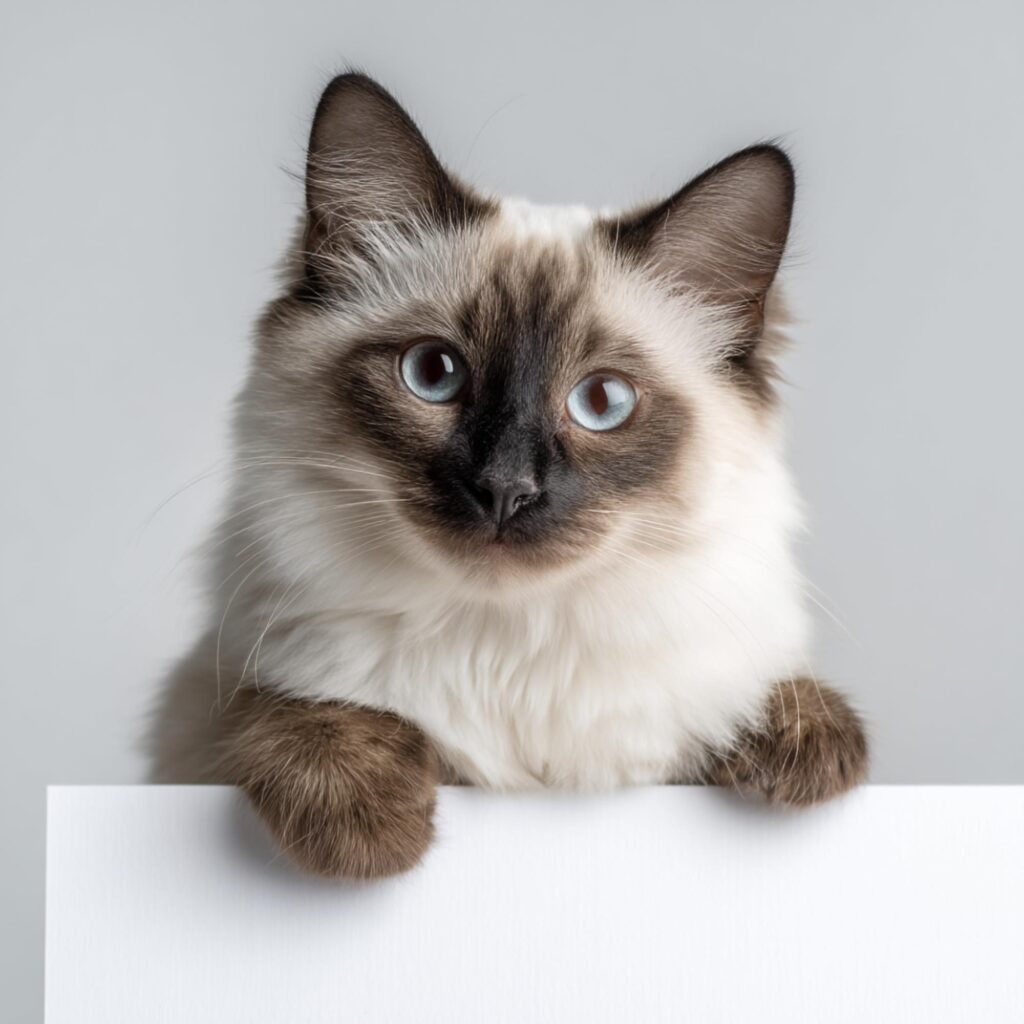
Searching for a Ragamese Kitten?
Ragamese kittens appeal to families who want a cat with:
- A social, interactive personality
- Blue eyes and colorpoint patterns
- Soft, silky fur and medium–long coats
- Strong bonding behavior
- Intelligence and playfulness
- Gentle, affectionate nature
Because Ragamese cats are a hybrid mix (not a CFA or TICA-recognized breed), reputable breeders typically offer:
- Written genetic history from both Ragdoll and Siamese lines
- Health-tested parents (HCM, PKD, FeLV/FIV negative)
- Early socialization inside a home environment
- Kitten behavior notes for choosing the right personality
- Vaccinations, vet checks, and kitten contracts
The Ragamese is not a standardized breed, so availability varies, and waitlists may exist depending on demand and the breeder’s goals.
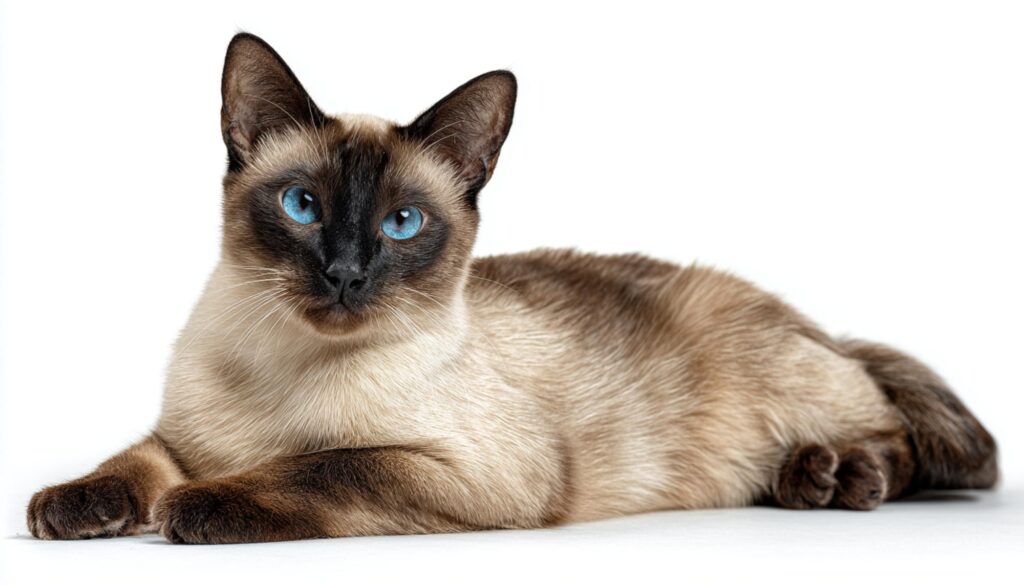
Breed Recognition, History & Development of the Ragamese
Registry Status
The Ragamese is not a recognized purebred by CFA or TICA. It is considered a hybrid or intentional mix created by pairing a purebred Ragdoll with a purebred Siamese. This mix appeals to families who want the calmness and affection of a Ragdoll but the intelligence, expressiveness, and sleek grace of a Siamese.
- CFA: Ragamese not recognized
- TICA: Ragamese not recognized
- Hybrid status: Popular companion mix with predictable traits
Because the Ragamese is a hybrid, there is no official breed standard, but common traits have become well-established through repeated Ragdoll × Siamese pairings.
History & Origin Story
The Ragamese mix began gaining popularity as families became interested in combining the “floppy,” sweet Ragdoll temperament with the talkative, intelligent nature of the Siamese. Over time, this hybrid grew into a recognizable type:
- affectionate and people-centered
- smart, expressive, and emotionally tuned-in
- semi-long or medium coat
- blue or blue-green eyes
- calmer than the Siamese, but more active than a Ragdoll
Today, Ragamese cats are considered one of the most emotionally intelligent and family-friendly mixed breeds, known for bonding deeply and participating in household life.
Are Ragamese Cats Purebred?
No — the Ragamese is not a purebred cat. It is a hybrid mix intentionally created by pairing a purebred Ragdoll with a purebred Siamese. Both parent breeds have long histories and recognized standards, but the Ragamese itself is not recognized by major registries such as CFA or TICA.
What the Ragamese does have is a predictable appearance and temperament profile thanks to its two well-defined parents:
- Ragdoll influence brings sweetness, calmness, and semi-long silky coats
- Siamese influence brings intelligence, increased vocalization, and sleek structure
While not a purebred cat, the Ragamese is valued for being an intentionally bred, thoughtful mix with personality and appearance traits that appeal to many families.
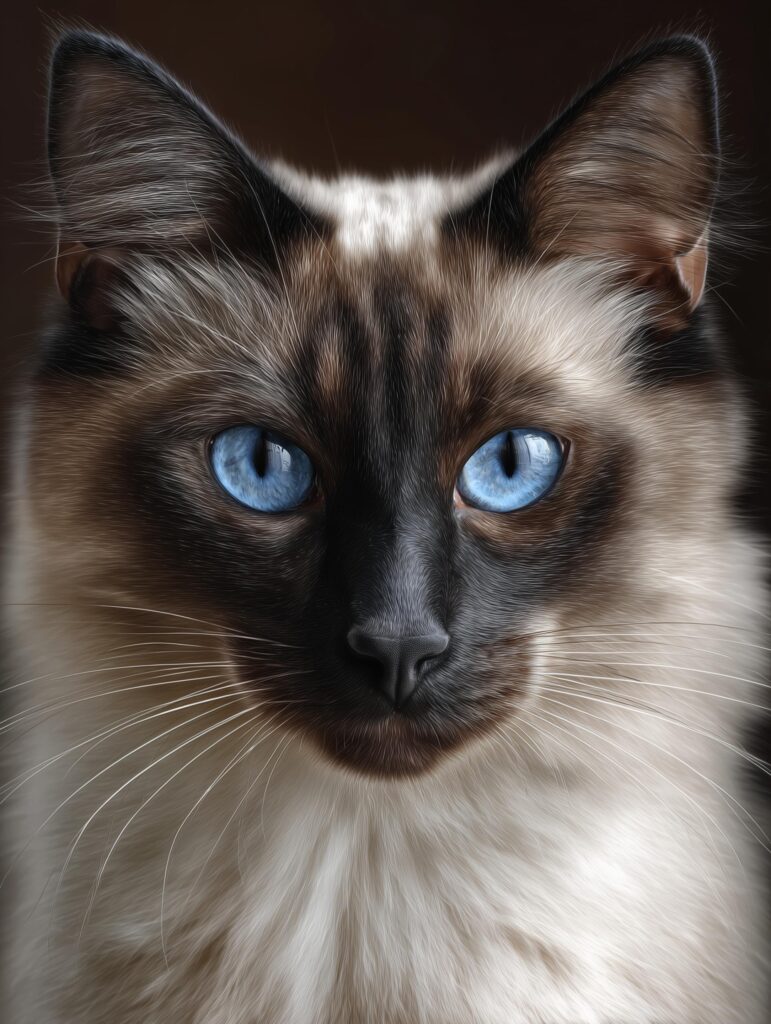
How Ragamese Cats Differ From Ragdolls and Siamese
Ragamese cats sit in the middle of the genetic spectrum:
Compared to Ragdolls:
- More vocal
- More active
- Slightly smaller
- Faster maturing
- More expressive facial structure
- May or may not be floppy when held
Compared to Siamese:
- Quieter
- Softer fur texture
- Slightly heavier bone structure
- Less demanding in attention
- More relaxed temperament
- Less angular features
Both influence the Ragamese, creating a hybrid that is energetic but affectionate, social but gentle, and visually striking with colorpoint patterns and bright eyes.
Understanding Ragamese Cat Colors
Because both Ragdolls and Siamese are pointed breeds, the Ragamese almost always displays some form of point coloration. Coat length can vary from medium to semi-long depending on which parent’s genes are dominant.
Accepted Ragamese Colors (Common in Mixes):
- Seal point
- Blue point
- Chocolate point
- Lilac point
- Flame point (red)
- Cream point
- Lynx (tabby) point variations
- Tortie point (less common but possible with the right genetics)
Coat Texture:
- Silky, soft, often low-matting
- Density varies by parent lines
- Kittens lighten and darken with age
Eye Colors:
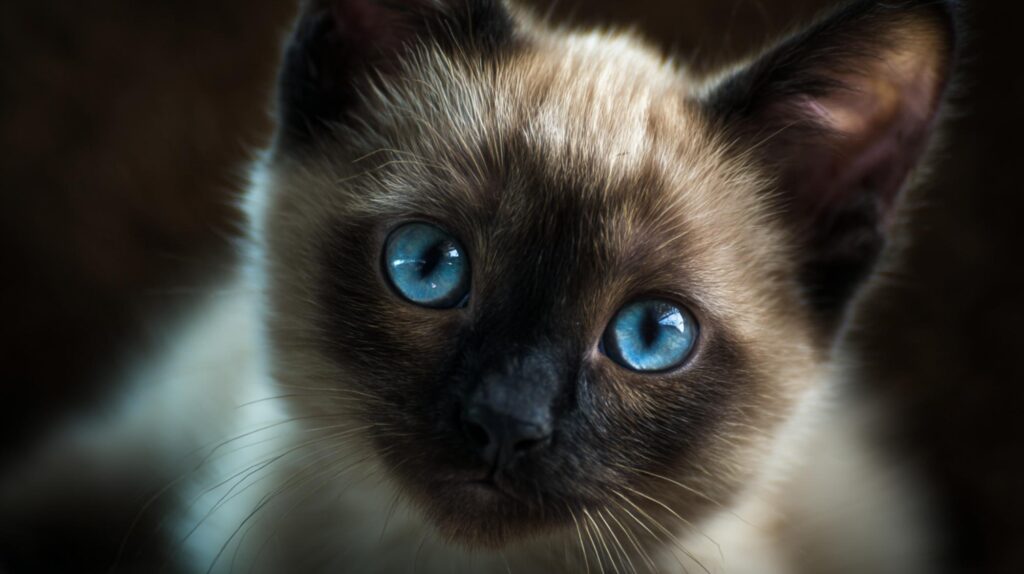
Because both parent breeds carry the blue-eye gene, Ragamese kittens nearly always have blue eyes, though shades may vary from pale sky blue to deep sapphire or aqua.
This color diversity makes Ragamese cats visually impressive while still offering consistent “pointed breed” traits families love.
Ragamese Cat Price & Availability
Ragamese cats are not bred in the structured way that purebred Ragdolls or Siamese are, so availability varies widely by region. Some are born intentionally by hybrid breeders; others appear in rescues or as accidental litters from Ragdoll × Siamese pet homes. Their temperament and appearance make them highly desirable, and families often seek them out even without purebred status.
Typical Ragamese Price Range
Because pricing varies by region, breeder, and lineage, Ragamese kittens often fall into these ranges:
- Pet quality ragamese mix: $300–$800
- Purpose-bred Ragamese (intentional mix): $600–$1,200
- Rare or highly Siamese-influenced patterns: may exceed $1,200
These prices reflect the mix’s popularity, the parent breeds’ value, and the cost of caring for longhair or colorpoint kittens.
Factors Affecting Price
- Coat color and pattern
- Eye color (blue is most desirable)
- Coat length
- Parent breed quality
- Breeder or region
- Socialization and veterinary care
- Whether the cross was intentional
Hybrid Ragamese kittens from responsible homes often become reserved quickly because demand outweighs availability.
Ragamese Kittens: What to Expect
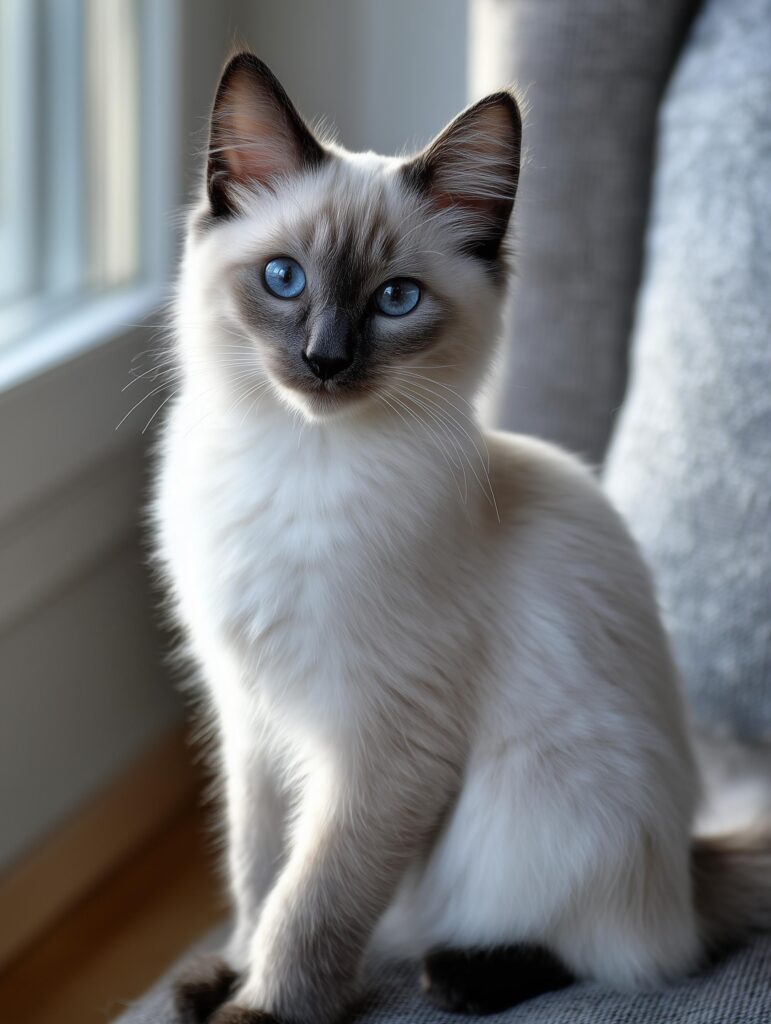
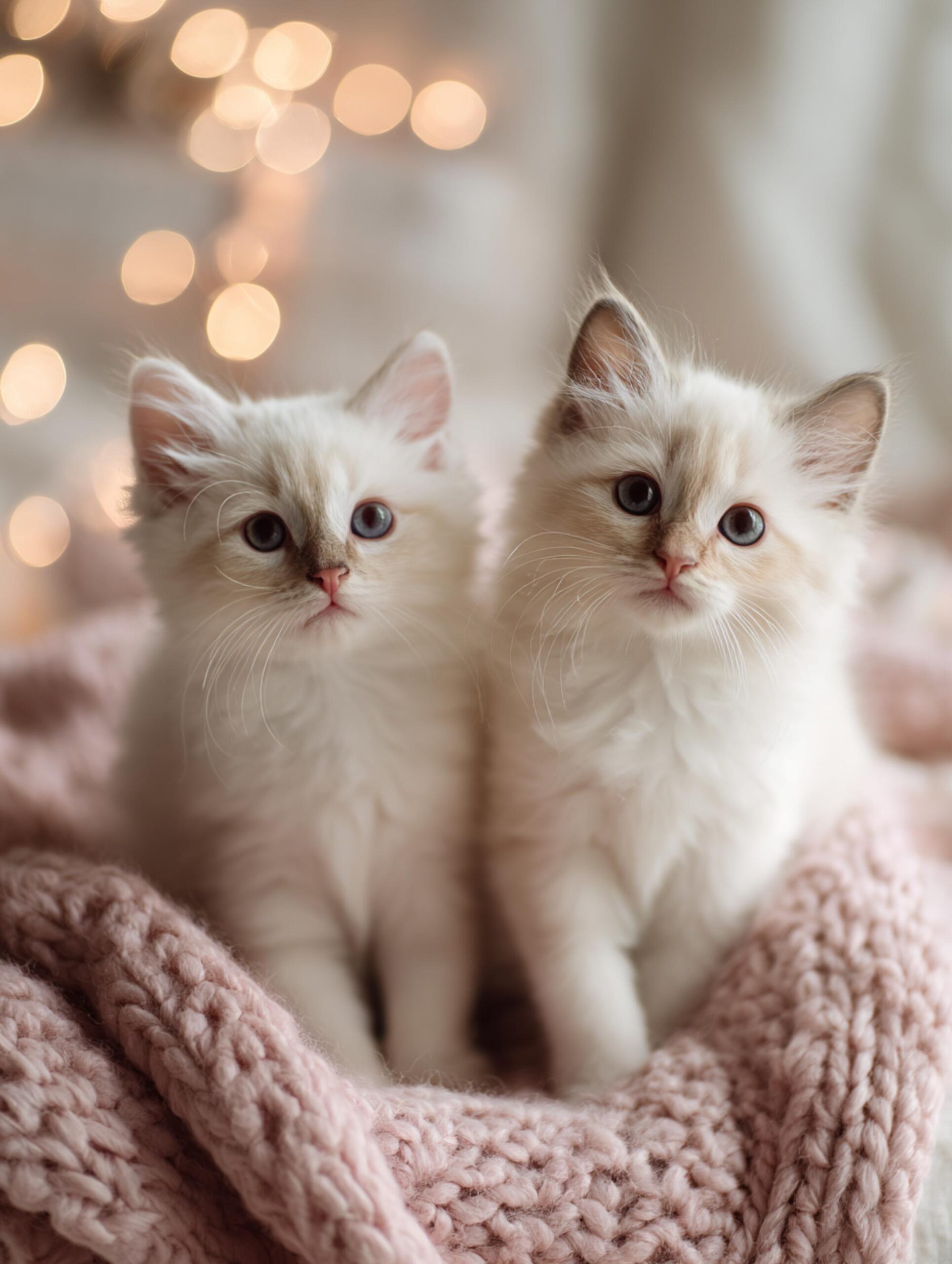
Ragamese kittens are lively, curious, social, and affectionate from the start. Their coats begin light and gradually darken at the points (ears, face, paws, and tail). Their personalities develop early, and most kittens show a mix of gentle cuddling and energetic play.
Early Kitten Traits
Ragamese kittens typically show:
- bright blue eyes
- a soft, sleek or semi-fluffy kitten coat
- playful but people-centered temperament
- early bonding with humans
- fast learning and strong curiosity
Kitten Development Timeline
0–8 weeks: developing mobility, confidence, and early social skills
8–12 weeks: clearer personality; points begin to darken
3–6 months: energetic, playful, and inquisitive
6–12 months: coat thickens; size increases rapidly
1–2 years: full adult size; personality settles
2+ years: coat and color fully stabilized
Ragamese kittens are consistently affectionate and interactive
Finding a Ragamese Breeder
Ragamese cats — a Ragdoll × Siamese hybrid — are increasingly popular because they combine the floppy sweetness of Ragdolls with the bright personality and vocal charm of Siamese cats. As demand grows, so does interest in finding a reliable Ragamese breeder who produces well-socialized, healthy, predictable Ragamese kittens. Because Ragamese is a hybrid cross and not a registered purebred cat breed, selecting a breeder requires a slightly different approach compared to shopping for traditional pedigreed kittens.
What to Look For in a Ragamese Breeder
A trustworthy Ragamese breeder focuses on health, temperament, and proper pairing — not just producing kittens that look “Ragdoll-like” or “Siamese-like.” Responsible breeders use purebred, registered Ragdoll and Siamese parents to create consistent Ragamese traits.
Key signs of a reputable Ragamese breeder:
- Uses registered Ragdoll and Siamese parents with verifiable pedigrees
- Performs genetic testing for heart conditions, colorpoint gene accuracy, and overall health
- Raises kittens in-home, not in cages or outdoor sheds
- Offers a written health guarantee
- Socializes kittens with children, sounds, routines, and handling
- Provides clear photos, videos, and development updates
- Is transparent about temperament differences between Ragdoll × Siamese crosses
- Understands both breed lines and explains expected Ragamese traits honestly
Breeders who cannot provide documentation, genetic test results, or proof of proper kitten care should be avoided.
Ragamese Temperament: Mid-Energy, Social & People-Focused
Ragamese cats (the Ragdoll × Siamese hybrid) are admired for their warm, engaging personalities and their balance between calmness and lively intelligence. They inherit gentleness and floppy affection from their Ragdoll side and bright, curious, conversational behavior from their Siamese side. While temperament varies depending on lineage, socialization, and individual personality, Ragamese cats usually share a predictable set of emotional traits that make them stand out as family companions.
Characteristic Temperament Traits
Ragamese cats are commonly described as:
- exceptionally affectionate
- deeply people-oriented
- gentle with respectful children
- social, expressive, and emotionally intelligent
- adaptable to stable home routines
- relaxed but noticeably interactive
- quick to bond with their families and form strong attachments
Personality Profile
Ragamese cats are not demanding, but they are more communicative than pure Ragdolls. They combine soft vocalizations with an easygoing, curious nature inherited from their Siamese side. They settle well into both quiet and moderately active households, often greeting newcomers with interest instead of fear. Their gentle manners, emotional warmth, and social intelligence make them ideal for families, seniors, and multi-pet homes.
The “Floppy Cat” Reputation
Some Ragamese cats inherit the classic Ragdoll floppiness, relaxing in your arms when picked up. Others show a lighter or partial version of the trait due to the Siamese influence. Many enjoy being carried, snuggling across laps, or lounging on their people, but their degree of “flop” varies more than in purebred Ragdolls.
Emotional Temperament
Ragamese cats often:
- follow their families from room to room
- enjoy routine and predictable schedules
- develop intense bonds with their favorite people
- prefer peaceful environments without conflict
- show affectionate loyalty without being overly needy
Their combination of affection, intelligence, softness, and social energy is one reason many families consider the Ragamese one of the most emotionally rewarding mixed-breed companions.
Ragamese Size, Structure & Build
Ragamese cats show a blend of Ragdoll size and Siamese athleticism. They are not as large or heavily boned as purebred Ragdolls, but they often grow bigger and fluffier than standard domestic cats. Their structure is semi-muscular, medium-boned, and athletic, with a graceful but sturdy build.
Adult Size Expectations
Because they are a hybrid, Ragamese size varies, but general expectations include:
- Males: 10–16+ lbs
- Females: 8–12 lbs
They mature faster than pure Ragdolls but slower than pure Siamese. Many reach full size between 18–24 months, with the coat continuing to develop through the second year.
Structural Traits
Ragamese cats often show:
- a medium-to-large body
- semi-muscular frame
- moderate bone density
- longer legs and more athletic lines than Ragdolls
- a smooth, flowing, semi-long coat
- a balanced, elegant silhouette
They typically lack the extreme bulk of a purebred Ragdoll but retain a softer, more substantial appearance than most Siamese mixes.
Head & Facial Expression
Common Ragamese facial features include:
- medium to large eyes (often blue or blue-green)
- almond or oval shapes (a blend of Ragdoll roundness + Siamese shape)
- a slightly elongated muzzle compared to Ragdolls
- soft cheek contours
- an approachable, friendly expression
Their appearance is both sweet and alert, combining the open-faced charm of a Ragdoll with the elegant sharpness of Siamese lines.
Coat Care & Grooming for Ragamese Cats
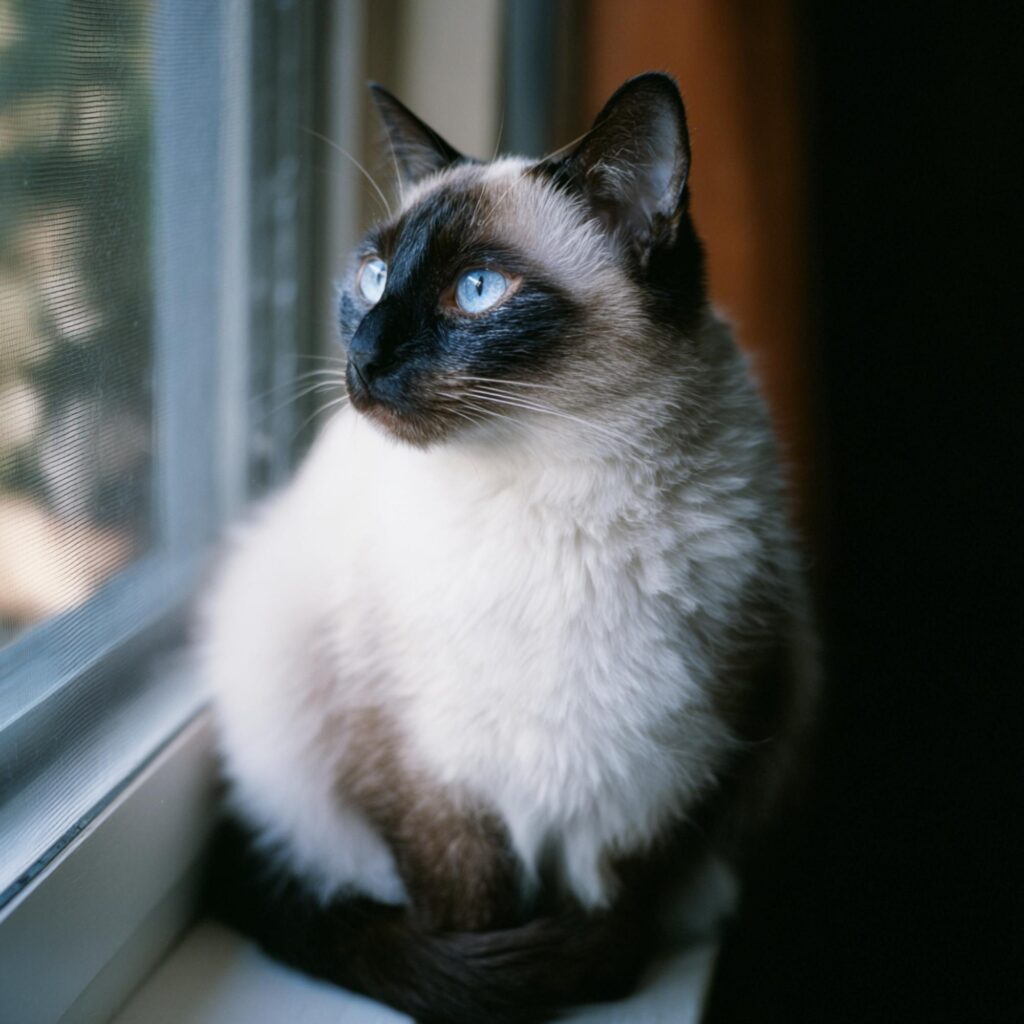
Ragamese grooming needs depend on which parent they take after. Cats with more Ragdoll influence often have semi-long coats that need regular brushing, while Siamese-leaning coats may be sleek and low-maintenance.
Weekly Grooming Routine
Most Ragamese benefit from:
- brushing 1–3 times per week
- using a wide-tooth comb or metal comb for thicker coats
- checking the ruff, belly, and armpits for small tangles
- wiping the face and eyes gently if tear staining appears
Bathing
Bathing frequency varies:
- Some Ragamese stay naturally clean with no bathing required
- Others benefit from a bath every few months to freshen coat texture
A gentle, coat-safe shampoo helps maintain softness without stripping oils.
Seasonal Shedding
Shedding depends on coat length:
- Semi-long Ragamese: moderate shedding, heavier in spring/fall
- Shorter-coated Ragamese: low to moderate shedding
Regular brushing reduces loose hair and prevents seasonal matting in fluffier cats.
Ragamese Color Genetics Explained
Because the Ragamese comes from two pointed breeds, colorpoint patterns are extremely common. However, coat length, shade, and pattern intensity vary by lineage.
Common Ragamese Colors
Ragamese cats may appear in:
- seal point
- blue point
- lilac point
- chocolate point
- flame point
- cream point
- lynx (tabby) points
- tortie points (females)
Many Ragamese kittens are born pale and develop deeper points as they mature, similar to purebred Ragdolls and Siamese.
Eye Colors
Most Ragamese have:
- blue
- blue-green
- or occasionally aqua-tinted hues
Because both parent breeds carry strong blue-eye genetics, the Ragamese is known for striking, expressive eyes.
What Questions Do Buyers Ask About Ragamese Cats?
Because Ragamese cats (the Ragdoll × Siamese hybrid) are not as widely recognized as their parent breeds, buyers often have very specific questions about their appearance, structure, behavior, and how they differ from purebred Ragdolls or Siamese. The Ragamese is a purposeful or accidental mix, but they have gained popularity because they blend the calm body language of the Ragdoll with the intelligence, voice, and alertness of the Siamese.
Common Buyer Questions
Buyers researching the Ragamese mix often ask:
- Are Ragamese cats purebred?
No. Because they are a hybrid of two different breeds, Ragamese cats are not considered purebred by any registry. - How do Ragamese differ from Ragdolls or Siamese?
Ragamese cats combine Ragdoll calmness with Siamese vocality and intelligence. - What colors do Ragamese come in?
They may inherit pointed patterns, lynx points, tortie points, blue eyes, or mixed coat responses. - How big will my Ragamese get?
They are generally medium to large, depending on how much Ragdoll size they inherit. - Are Ragamese good with children or pets?
Most are friendly, social, and energetic, making them good family companions. - Do Ragamese shed?
Yes, but shedding depends on coat length. Shorthair Ragamese shed less. - Are Ragamese recognized by CFA or TICA?
No. Hybrids are not eligible for championship registration. - Why are Ragamese less common than purebreds?
Because they are not a recognized breed, and mixes are produced inconsistently. - How long does it take for their colors to develop?
Like all pointed kittens, their colors deepen between 8 weeks and 18 months.
What Buyers Often Love Most
Families often mention loving the Ragamese for:
- the expressive blue or aqua eyes
- the lively, talkative, interactive personality
- the soft, silky pointed coat
- their willingness to cuddle but also to play
- their predictable family-friendly temperament
- the blend of Ragdoll gentleness + Siamese brightness
- their social, outgoing nature with humans and animals
The Ragamese is often described as “the perfect middle ground” for families wanting a calmer version of a Siamese or a more energetic version of a Ragdoll.
Ragamese vs Mixes: How to Tell the Difference
Many cats with pointed coats or blue eyes are mistaken for Ragamese, but true Ragamese mixes show a consistent blend of Siamese + Ragdoll traits. Structure, personality, voice level, and coat type help distinguish them from domestic pointed cats.
Pure Ragamese Traits
Cats showing a strong Ragdoll × Siamese influence typically have:
- semi-long or medium coat (not as plush as Ragdolls)
- blue or deep aqua eyes
- pointed, lynx-point, seal, blue, or flame patterns
- energetic but gentle temperament
- slender or semi-slender frame with softness from Ragdoll
- expressive facial features with some Siamese sharpness
- social, interactive communication style
Signs a Cat May Be a Different Type of Mix
A cat may not be a Ragamese if it shows:
- rounder body with no Siamese refinement
- green or gold eyes
- dense plush coat without silky texture
- large heavy boning without Siamese influence
- high shedding without the coat structure of either parent
- no family history of Ragdoll or Siamese
Mixes can still be wonderful, but the Ragamese blend is more specific and predictable than most people realize.
Ragamese Household Compatibility
Ragamese cats thrive in homes that enjoy both affection and activity. They are more energetic than Ragdolls and more cuddly than Siamese, offering a balanced personality that fits many lifestyles.
Family Homes
Ragamese mixes usually enjoy:
- playful children
- interactive games
- being carried or cuddled
- involvement in family routines
Their social, curious nature makes them well-suited for homes where people are around frequently.
Quiet Homes
They also adapt well to calm households because they inherit the Ragdoll’s gentle, stable temperament. In quieter homes, they remain soft-spoken, attentive, and affectionate.
Multi-Pet Families
With proper introductions, Ragamese cats are often comfortable with:
- friendly dogs
- other cats
- multi-pet dynamics
Their combination of bold curiosity and soft demeanor helps them adjust smoothly.
Indoor Living
Ragamese cats thrive as indoor pets because they bond strongly with their families and enjoy close interaction. They typically prefer warmth, comfort, soft beds, and human companionship over outdoor roaming.
Ragamese Activity Level and Enrichment Needs
Ragamese cats have higher energy levels than purebred Ragdolls but lower intensity than Siamese. They enjoy regular play sessions and mental stimulation while still appreciating relaxed snuggle time.
Typical Activity Pattern
- active morning and evening play bursts
- exploring rooms and following people
- chatting and interacting
- relaxing in laps or soft spaces during down time
They are neither overly hyper nor overly laid-back — they sit comfortably in the middle.
Jumping & Climbing
Ragamese cats may:
- climb cat trees
- perch on shelves
- jump gracefully (Siamese influence)
- enjoy elevated spaces without being reckless
They prefer sturdy cat trees that support their semi-heavy build.
Mental Enrichment
They benefit from:
- puzzle toys
- wand toys
- tunnels
- window perches
- treat-based learning games
Ragamese cats thrive with moderate physical activity and consistent interactive play.
Myths About Ragamese Cats
There are many misconceptions online about Ragamese cats, especially in Reddit threads and classifieds. We explain here what a Ragamese is—and what they are not.
Myth 1: Ragamese cats are a purebred, registered breed.
Not true. Ragamese cats are a hybrid between a Siamese and a Ragdoll. They are not recognized by CFA or TICA, and they cannot be registered as a pure breed.
Myth 2: All Ragamese cats have blue eyes.
Ragamese kittens may have blue eyes, especially from the Siamese parent, but mixes can also have green, gold, or aqua eyes. Eye color is unpredictable in hybrids.
Myth 3: Ragamese cats always have a pointed pattern.
Many Ragamese are pointed, but not all. Depending on genetics, they can be solid, tabby, mink-like, or bicolor. Color and pattern vary widely.
Myth 4: Ragamese cats are guaranteed to be “floppy” like Ragdolls.
Some may relax in your arms, but the floppy trait is not guaranteed. Siamese genetics often create a more alert, active, talkative personality.
Myth 5: Ragamese cats don’t shed.
Not true—Ragamese cats shed like any other medium or longhaired mix. Grooming needs vary by coat length and parental influence.
Myth 6: Ragamese kittens always grow into large cats.
Ragamese size depends on both parent breeds. Some grow large like Ragdolls, while others remain much smaller like traditional Siamese.
Myth 7: Ragamese cats are hypoallergenic.
Neither Ragdolls nor Siamese are hypoallergenic breeds. Ragamese cats may trigger allergies as much as any other mix.
Myth 8: A Ragamese kitten is “rare,” so high prices are always justified.
Ragamese cats are not rare in the genetic sense; they are simply less standardized. Prices vary by breeder quality—not rarity.
Myth 9: Ragamese personality is perfectly predictable.
Temperament varies widely. Some kittens inherit the calm sweetness of a Ragdoll; others inherit the vocal intensity of a Siamese.
Myth 10: Any longhaired pointed cat is a Ragamese.
Many domestic mixes resemble the Ragamese look. Only kittens from a real Ragdoll × Siamese pairing are Ragamese mixes.
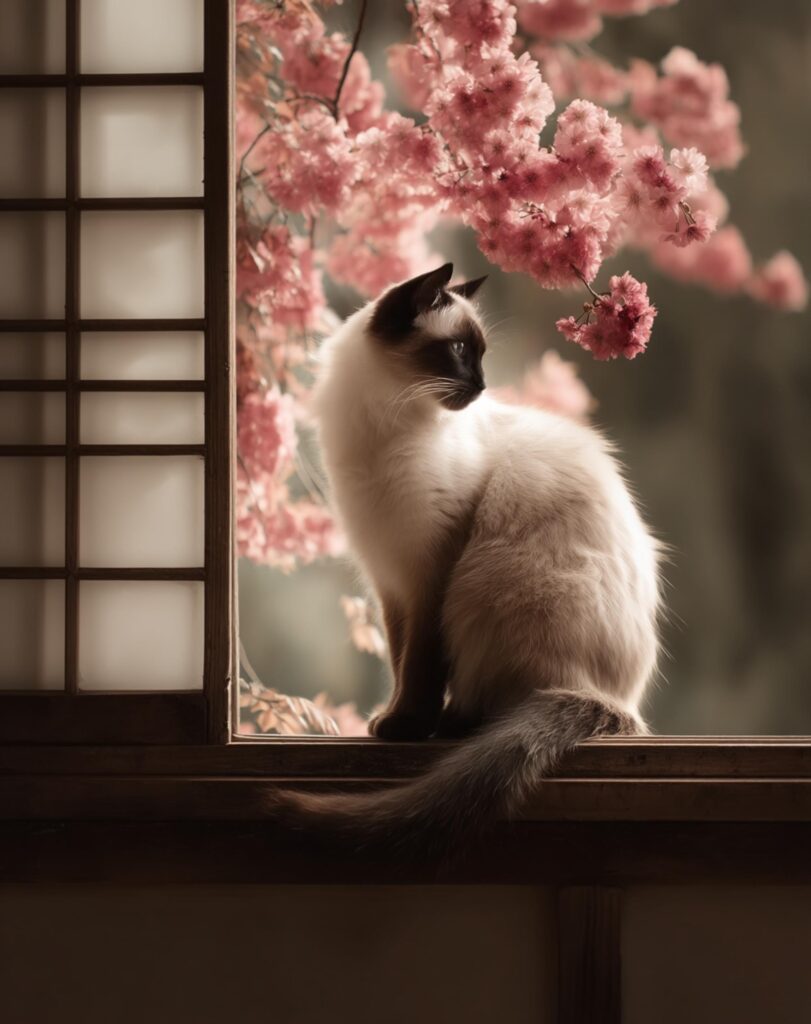
Ragamese FAQ: Most Asked Questions About Ragamese Cats
1. What is a Ragamese cat?
A Ragamese cat is a hybrid created by pairing a purebred Ragdoll with a purebred Siamese. This mix blends the gentle, floppy temperament of the Ragdoll with the intelligent, vocal, high-bonded nature of the Siamese. Ragamese cats often have striking pointed patterns, soft coats, and expressive personalities. They are not a registered breed in major associations but are a recognized and popular hybrid type.
2. Are Ragamese cats purebred?
Ragamese cats are not considered purebred because they come from two different breeds. They are a purposeful hybrid mix, not an established pedigreed breed with standards. Since both Ragdolls and Siamese have strong traits, Ragamese cats vary widely in appearance and personality. Only pure Ragdolls or pure Siamese can be registered as purebred.
3. What do Ragamese kittens look like?
Ragamese kittens often have pointed patterns, blue eyes, and soft medium-long coats, but appearance can shift dramatically as they grow. Some kittens resemble miniature Siamese cats with sleek coats, while others develop more Ragdoll traits like fluffy fur and a rounded face. Their color often darkens over time, especially on the ears, tail, and paws. Coat length depends on which parent’s genes are dominant.
4. Do Ragamese cats always have blue eyes?
Many Ragamese cats inherit blue eyes because both parent breeds carry genes for blue eye color. However, the exact shade varies from pale icy blue to deep sapphire. Some hybrids may develop aqua or slightly green-tinted eyes depending on lineage. While blue eyes are common, they are not guaranteed.
5. How big do Ragamese cats get?
Most Ragamese adults reach 8–15 pounds, with males typically larger. They are often leaner and more athletic than pure Ragdolls but sturdier than pure Siamese. Their build depends on which traits they inherit — some grow into silky, medium-longhaired cats, while others stay sleek and slim. Growth usually completes by age 2.
6. Are Ragamese cats vocal?
Ragamese cats tend to be more vocal than Ragdolls but less intense than traditional Siamese. They often use gentle trills, chirps, and soft meows to communicate. Many enjoy talking during feeding time or when seeking affection. Their voice usually reflects the Siamese lineage but with a softer tone.
7. What is the personality of a Ragamese cat?
Ragamese cats often mix the affectionate, floppy calmness of a Ragdoll with the intelligent, social nature of a Siamese. They bond strongly with their families and enjoy interaction. These cats tend to be curious, playful, and people-oriented. They adapt well to households that offer consistent companionship.
8. Are Ragamese cats good with children?
Ragamese cats are usually gentle with respectful children due to their Ragdoll temperament influence. Their playful energy and affectionate demeanor make them great companions for families. They appreciate interactive play but may grow overstimulated if handled roughly. Early socialization supports a confident, stable personality.
9. Do Ragamese cats get along with dogs?
Many Ragamese cats enjoy living with calm, cat-friendly dogs. Their social nature allows them to adapt well to multi-pet homes. Dogs that respect boundaries pair best with this hybrid. Slow introductions help build trust and comfort.
10. Do Ragamese cats shed a lot?
Shedding levels depend entirely on coat length. Medium-longhaired Ragamese cats shed moderately year-round with heavier shedding in spring and fall. Shorthaired Ragamese mixes shed lightly and require minimal grooming. Regular brushing helps maintain coat quality.
11. Are Ragamese cats hypoallergenic?
Ragamese cats are not considered hypoallergenic. Both the Ragdoll and Siamese breeds produce normal levels of Fel d 1, the primary cat allergen. While some owners report fewer symptoms with certain individuals, the breed mix does not eliminate allergens. Frequent grooming can help reduce shedding but not allergies.
12. How active are Ragamese cats?
Ragamese cats tend to have moderate energy levels. They enjoy playtime, climbing, puzzle toys, and interactive games, but they also appreciate relaxation and lap time. Their activity level is typically higher than a pure Ragdoll but lower than a pure Siamese. A balanced routine works best.
13. Do Ragamese cats have health problems?
Ragamese cats may inherit health vulnerabilities from either parent breed, including hypertrophic cardiomyopathy (HCM), dental sensitivity, and respiratory concerns in some lines. Mixed genetics can reduce certain risks, but it does not eliminate them. Regular vet checkups and genetic screening of the parents are recommended. Many Ragamese cats live long, healthy lives.
14. How long do Ragamese cats live?
Ragamese cats typically live 12–17 years, depending on genetics, care, and lifestyle. Indoor living, regular veterinary care, and a balanced diet support longevity. Their hybrid nature may contribute to overall hardiness. Each individual’s lifespan varies by lineage.
15. What colors do Ragamese cats come in?
Ragamese cats usually display pointed colors such as seal, blue, lilac, and chocolate. However, some mixes may show lynx (tabby) points, mink tones, or lighter body shading. Their coloration often darkens with age due to temperature-sensitive pigment genetics. Every Ragamese has unique pattern and color expression.
16. Do Ragamese cats have long or short hair?
Coat length varies. Many Ragamese cats have soft medium-long coats similar to Ragdolls, while others inherit a shorter, sleek coat from the Siamese parent. Coat type affects grooming needs and shedding levels. Both varieties are common.
17. How do I groom a Ragamese cat?
Medium-longhaired Ragamese cats need brushing 2–3 times per week to prevent tangles. Shorthaired Ragamese mixes require brushing about once a week. Nail trimming, ear cleaning, and occasional baths maintain cleanliness. Grooming also helps strengthen bonding.
18. Are Ragamese cats clingy?
Some Ragamese cats bond very deeply and may follow their families around the home. Their Siamese lineage contributes to strong human attachment, while Ragdoll influence adds calmness. They enjoy companionship but are not typically overly demanding. Adequate enrichment helps regulate attention-seeking behavior.
19. Are Ragamese cats easy to train?
Yes, Ragamese cats are intelligent and highly food-motivated. Many learn tricks, routines, or commands quickly. Clicker training works well for this hybrid. Their curiosity and engagement make them one of the more trainable long-coated mixes.
20. Are Ragamese cats recognized by cat registries?
No major cat registry recognizes the Ragamese as a standardized breed. They are a hybrid mix rather than a championship or pedigree breed. Only their parent breeds — Siamese and Ragdoll — can be registered. Ragamese cats are purchased as mixed-breed companions rather than show cats.
Ragamese Cat Post Summary
The Ragamese cat is a hybrid of the Ragdoll and Siamese breeds, combining the calm, affectionate nature of the Ragdoll with the intelligence, vocal personality, and elegance of the Siamese. Ragamese kittens often have soft semi-long coats, striking blue eyes, and a social temperament that makes them extremely people-oriented. Their behavior blends floppiness with bursts of playful, talkative energy, making them ideal for families, interactive households, and anyone wanting a cat that forms strong bonds.
Ragamese cats vary in appearance—some look more like fluffy pointed Ragdolls, while others resemble sleek, higher-energy Siamese—but all tend to be loving, relational, and deeply loyal. For families looking for a healthy, predictable, purebred kitten instead of a mixed hybrid, explore our available Ragdoll kittens.
Ready to Meet Your Kitten?
If you love affectionate, people-oriented cats, explore our available kittens.
Kittens Available
Ragdoll Kittens for Sale
British Shorthair Kittens for Sale
Maine Coon Kittens for Sale
Pointed Cat Resources
Snowshoe Cat Breed Info
Snowshoe vs Fauxshoe
Pointed and Bicolor Cat Information
Ragdoll Mix Cat
Ragdoll Colors Explained
Siamese Cat Size
Cat Breed Comparisons
Ragdoll vs Siamese
Ragdoll vs Ragamuffin
Himalayan vs Persian





Read the Comments +