
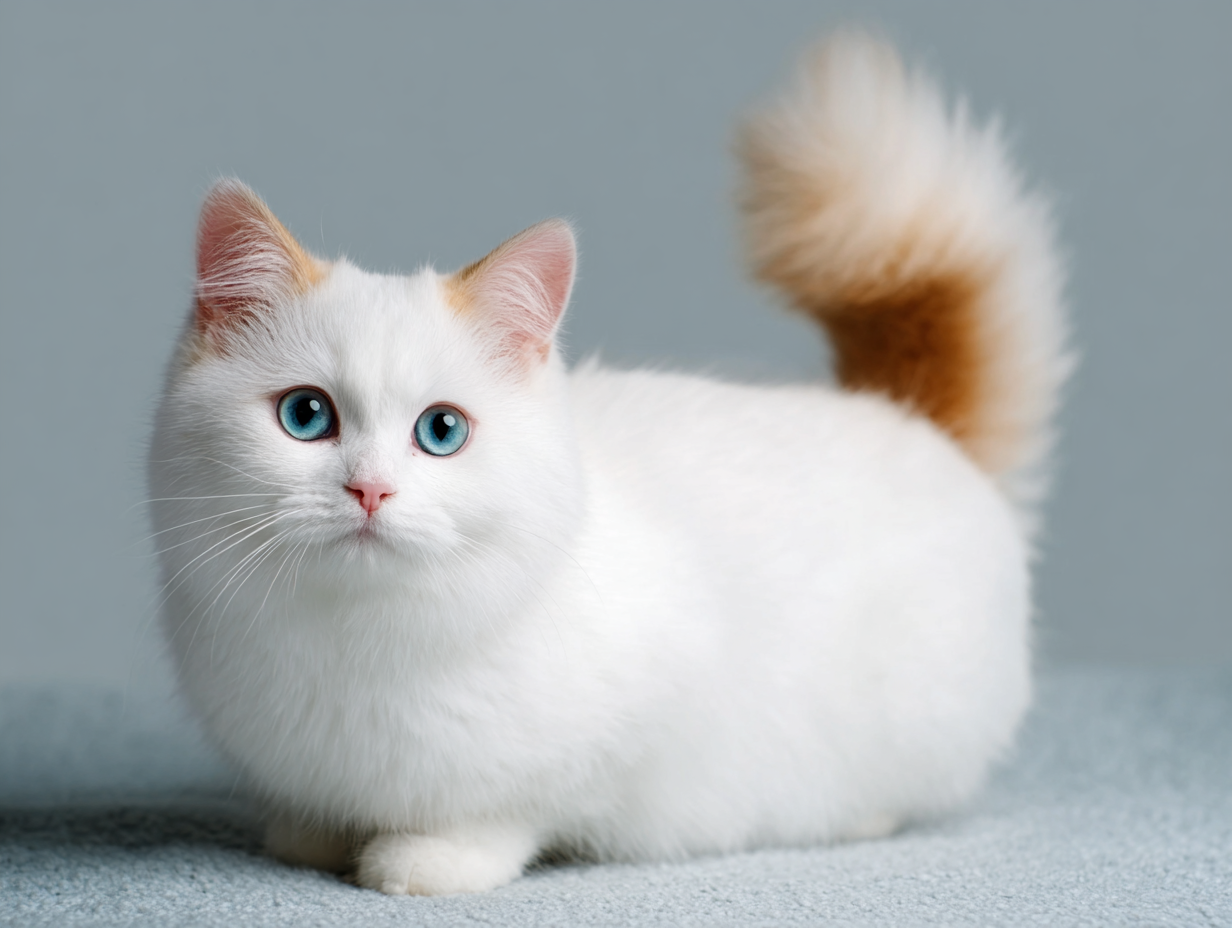
The Munchkin Cat: Everything You Want to Know
The Munchkin cat is one of the most recognizable breeds in the world, known for its short legs, playful personality, and confident, people-focused nature. Unlike hybrid mixes, the Munchkin is a true breed with its own history, standards, and breeding program. Its signature short legs are caused by a naturally occurring genetic mutation — the same autosomal dominant gene that gives them their “dachshund-like” appearance while keeping the rest of their body proportions balanced and cat-like.
Despite their popularity across social media, many families still wonder what living with a Munchkin is actually like. Are Munchkin cats healthy? What do they look like as adults? How big do Munchkin cats get? How active are they? Do their short legs affect mobility? This guide covers every major topic — appearance, body structure, coat types, temperament, colors, care, growth, health considerations, and more.
Munchkin Cat: Quick Overview
| Feature | Summary |
|---|---|
| Breed Status | Recognized breed (TICA); not recognized by CFA |
| Coat Type | Short or long coat; plush, easy-care texture |
| Temperament | Playful, confident, social, curious, people-oriented |
| Size | Small–medium body; 5–9 lbs average |
| Structure | Short legs due to dominant autosomal gene (Munchkin gene) |
| Activity | Moderate–high; loves interactive play |
| Color Range | All colors and patterns accepted |
| Eye Colors | All eye colors |
| Maturity | 12–18 months |
| Ideal Home | Families, multi-pet homes, active households |
| Shedding | Low–moderate depending on coat length |
| Recognition | Accepted by TICA, rejected by CFA |
Searching for a Munchkin Kitten?
Munchkin kittens attract families who want a cat with:
- A playful, outgoing personality
- The iconic short-legged look
- A confident, curious, social temperament
- Adaptability to kids, dogs, and other pets
- A wide range of coat types and colors
- A compact size ideal for smaller homes
Reputable Munchkin breeders typically offer:
- TICA-registered kittens and pedigreed parents
- Screening for genetic and musculoskeletal concerns
- Home-raised kittens with early handling and socialization
- Clear health records and vaccinations
- Behavior notes to help match the right personality to the right family
- Kitten contracts and health guarantees
Because Munchkins are a specialty breed with selective breeding requirements, availability varies and waitlists are common — especially for longhaired or rare-colored kittens.
Breed Recognition, History & Development of the Munchkin
Registry Status
The Munchkin is a recognized breed with an established breed standard under TICA. However, CFA does not accept the breed due to concerns about the genetics of the shortened legs.
- CFA: Not recognized
- TICA: Fully recognized
- Status: Natural-mutation breed with strong predictability
The short-legged trait is caused by an autosomal dominant gene that does not affect the rest of the cat’s skeletal proportions. The breed has been developed intentionally for decades, creating a predictable temperament and body type.
Why CFA Does Not Accept Munchkins
CFA’s refusal is based on policy rather than the proven health or mobility of the breed. TICA recognizes Munchkins as a legitimate natural-mutation breed with standards, consistent structure, and a stable temperament profile.
History & Origin Story
The Munchkin’s modern history began in the early 1980s when short-legged cats were documented in Louisiana. These cats appeared healthy, active, and capable of typical feline behaviors — indicating the trait was a naturally occurring mutation rather than the result of disability or disease.
Key points in the breed’s development:
- Short-legged cats existed globally long before formal breeding began
- The modern breed foundation was established in the United States
- TICA granted recognition in the 1990s, creating an official standard
- Breeders focus on balancing type, health, mobility, and temperament
Today, Munchkins are celebrated for their combination of small stature, big personality, and remarkable adaptability, becoming one of the most people-oriented natural-mutation breeds.
Are Munchkin Cats Purebred?
Yes. The Munchkin is a true purebred cat recognized by TICA with well-defined standards. While the breed originated from a naturally occurring mutation, modern Munchkin lines are purposefully bred to maintain:
- Predictable body structure
- Balanced proportions
- Good mobility and joint health
- A confident, social, interactive temperament
Purebred Munchkins come in both short-haired and long-haired varieties, and the short-legged gene only affects leg length, not the rest of the cat’s development, coat, or overall size.
Many families value Munchkins for their:
- Cheerful, entertaining personalities
- Compact size
- Friendly nature
- Versatility in both busy and quiet homes
While not accepted by CFA, the Munchkin’s status under TICA and its long history of consistent breeding makes it a recognized and standardized purebred cat.
How Munchkin Cats Differ From Other Breeds
Because the Munchkin cat is defined by a natural genetic mutation affecting only leg length, many families want to understand how they compare to both standard-legged cats and other dwarf or short-leg breeds. The Munchkin sits in a unique position: a cat with normal body proportions, normal spinal structure, and a typical feline personality — but with notably shorter legs.
Compared to Standard-Leg Domestic Cats
- Shorter legs due to the dominant Munchkin gene
- Slightly smaller jump height
- More ground-level play, fast running, and unique movement style
- Same overall agility, energy, and intelligence
- Same wide range of coat types, colors, and patterns
- Equally affectionate and social
Compared to Other Dwarf or Short-Leg Breeds (Napoleon/Minuet, Bambino, etc.)
- More natural body proportions
- Better mobility and flexibility
- Larger genetic diversity
- Fewer extreme-type features
- Less coat upkeep (especially compared to long-coated hybrid dwarf breeds)
- More moderate temperament
Both comparisons highlight the Munchkin’s core identity: a healthy, playful, people-oriented cat whose short legs do not limit their personality or companionship value.
Understanding Munchkin Cat Colors
Unlike pointed hybrids, Munchkin cats come in every color and pattern, because the breed standard allows full variety. Their short legs are independent of coat type, color, or pattern.
Accepted Munchkin Colors
(Recognized by TICA and common in breeding programs)
- Solid colors (black, blue, chocolate, lilac, red, cream)
- Bicolor and van
- Calico and tortoiseshell
- Tabby (classic, mackerel, spotted, ticked)
- Smoke and shaded
- Silver and golden
- Pointed patterns (seal, blue, chocolate, lilac, flame, cream, lynx, tortie point)
- Mink, sepia, and colorpoint variants (in outcrossed lines)
Coat Texture
- Can be short or long
- Plush, soft, easy to groom
- Longhaired Munchkins may develop a semi-plume tail
- Low matting when brushed regularly
Eye Colors
- All eye colors accepted
- Blue appears in point-colored Munchkins
- Green, gold, copper, hazel, and odd eyes occur depending on genetics
This diversity is one reason Munchkins have such broad appeal — families can find short-legged cats in nearly any look or color they prefer.
Munchkin Cat Price & Availability
Because Munchkins are a recognized short-leg breed and require responsible pairing (short-leg × standard-leg only), availability and pricing vary depending on region, coat length, and breeder practices.
Typical Munchkin Price Range
- Standard-legged Munchkin (non-short variant): $300–$800
- Short-legged pet quality Munchkin: $800–$1,500
- Longhaired Munchkin: $1,200–$2,000
- Rare colors (silver, chocolate, lilac, longhair points): $1,500–$3,000+
These prices reflect the breed’s demand, controlled breeding structure, and the costs of maintaining ethical Munchkin programs.
Factors Affecting Price
- Leg type (short vs standard)
- Color and pattern
- Hair length
- Eye color
- Pedigreed lines vs. pet-only lines
- Breeder reputation
- TICA registration
- Health testing (HCM screening, genetic panels)
- Early socialization and home environment
High-demand Munchkin kittens — especially longhaired, silver, pointed, or show-quality — often have waitlists.
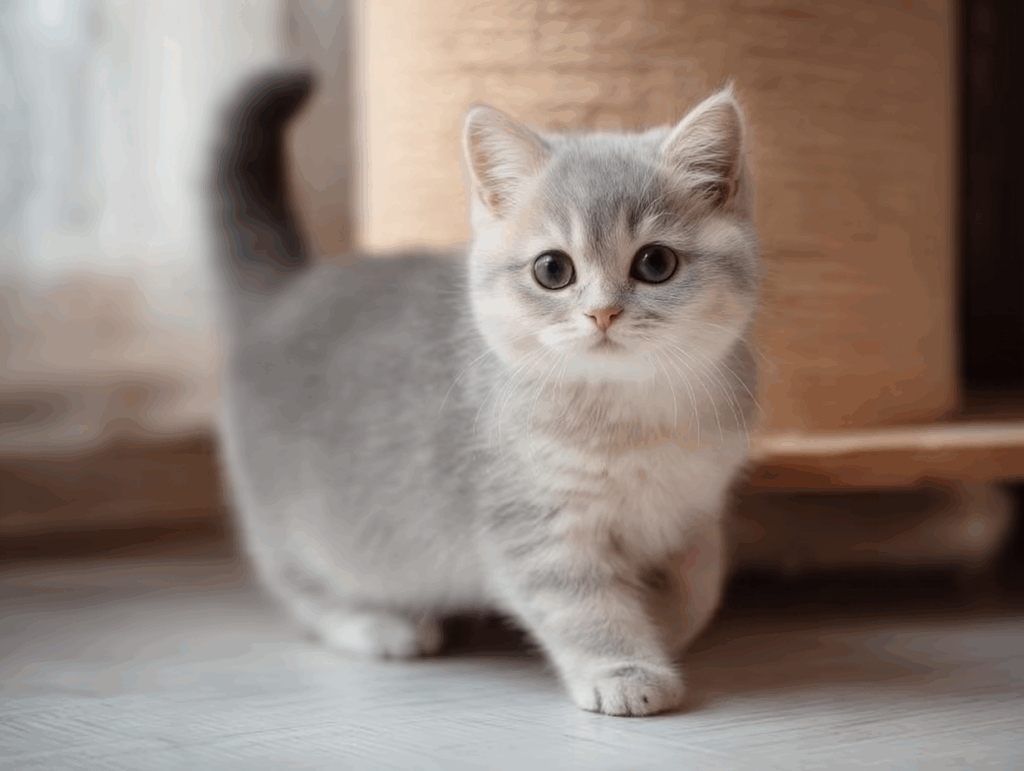
Munchkin Kittens: What to Expect
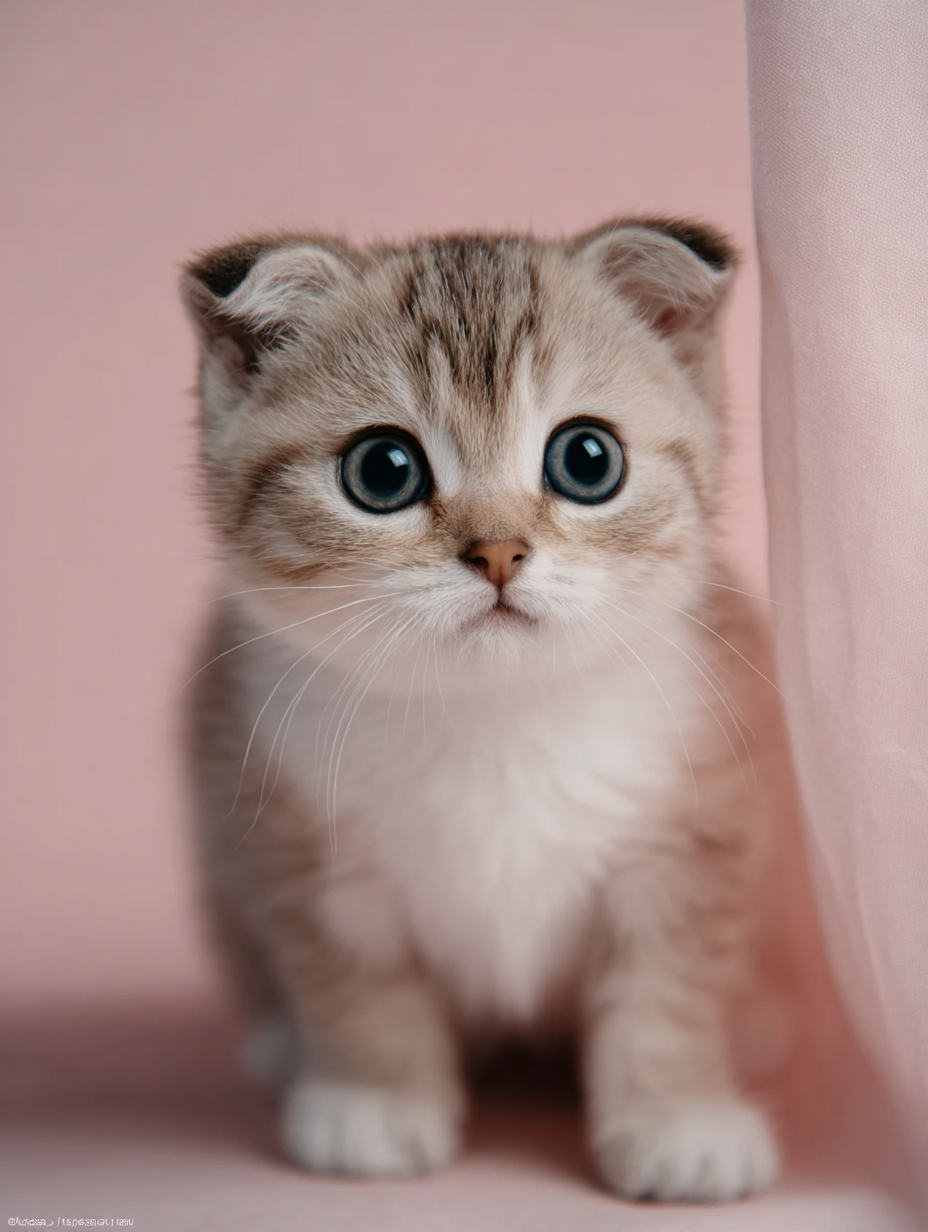
Munchkin kittens are confident, playful, curious, and social right from the start. They move with speed and surprising agility despite their short legs and often show strong bonding tendencies early in life.
Early Kitten Traits
Munchkin kittens typically show:
- A compact, low-to-the-ground stance
- Bright, alert eyes
- Outgoing, social behavior
- Fast learning and problem-solving
- Playfulness and strong curiosity
- Affectionate temperament and early bonding
Kitten Development Timeline
0–8 weeks: mobility increases quickly; short legs become more noticeable
8–12 weeks: personality becomes clear; high play drive emerges
3–6 months: energetic, interactive, highly social
6–12 months: coat thickens; full leg length is obvious
12–18 months: reaches adult size and weight
18+ months: temperament settles into a predictable, confident adult personality
Munchkin kittens tend to remain playful well into adulthood and maintain a kitten-like charm throughout life.
Finding a Munchkin Breeder
Demand for Munchkin kittens has grown significantly, which makes choosing a responsible breeder essential. Ethical Munchkin breeders emphasize health, mobility, temperament, and responsible pairing — avoiding unsafe practices such as breeding short-legged to short-legged.
What to Look For in a Munchkin Breeder
A trustworthy Munchkin breeder will:
- Use TICA-registered breeding cats
- Provide pedigrees and proof of proper pairing (short × standard)
- Complete genetic testing for common feline conditions
- Raise kittens inside the home with daily socialization
- Offer a written contract and health guarantee
- Provide veterinary records, vaccines, and parasite prevention
- Share photos, videos, and developmental updates
- Explain expected mobility, structure, and temperament honestly
Breeders who cannot provide documentation, health testing, or home-raised conditions should be avoided.
Munchkin Temperament: Playful, Social & Confident
The Munchkin cat is celebrated for its bold, entertaining personality. These cats are known for being social, lively, and exceptionally people-oriented. Their short legs do not impact their zest for life — they are quick runners, enthusiastic players, and loving companions.
Characteristic Temperament Traits
Munchkins are commonly described as:
- Playful and kitten-like even as adults
- Social and friendly with families
- Confident and curious
- Easygoing with respectful children
- Adaptable to multi-pet homes
- Intelligent and interested in human activity
- Affectionate without being overly demanding
Personality Profile
Munchkins adapt extremely well to both active homes and quiet households. They greet newcomers with interest, follow their people from room to room, and enjoy interactive playtime, puzzle toys, and companionship.
Mobility & Play Style
Although they cannot jump as high as standard-legged cats, they:
- Run quickly and turn sharply
- Enjoy ground-level play and tunnels
- Climb cat trees with modified technique
- Play with persistence and high motivation
- Exhibit normal feline behavior with slight adjustments
Their movement style is unique but not limiting.
Emotional Temperament
Munchkins typically:
- Bond closely with their families
- Thrive on routine and gentle attention
- Display loyalty and affection
- Prefer stable, predictable environments
- Maintain a cheerful, lively disposition
Their combination of confidence, affection, and playful spirit makes the Munchkin one of the most charming and engaging purebred cats available today.
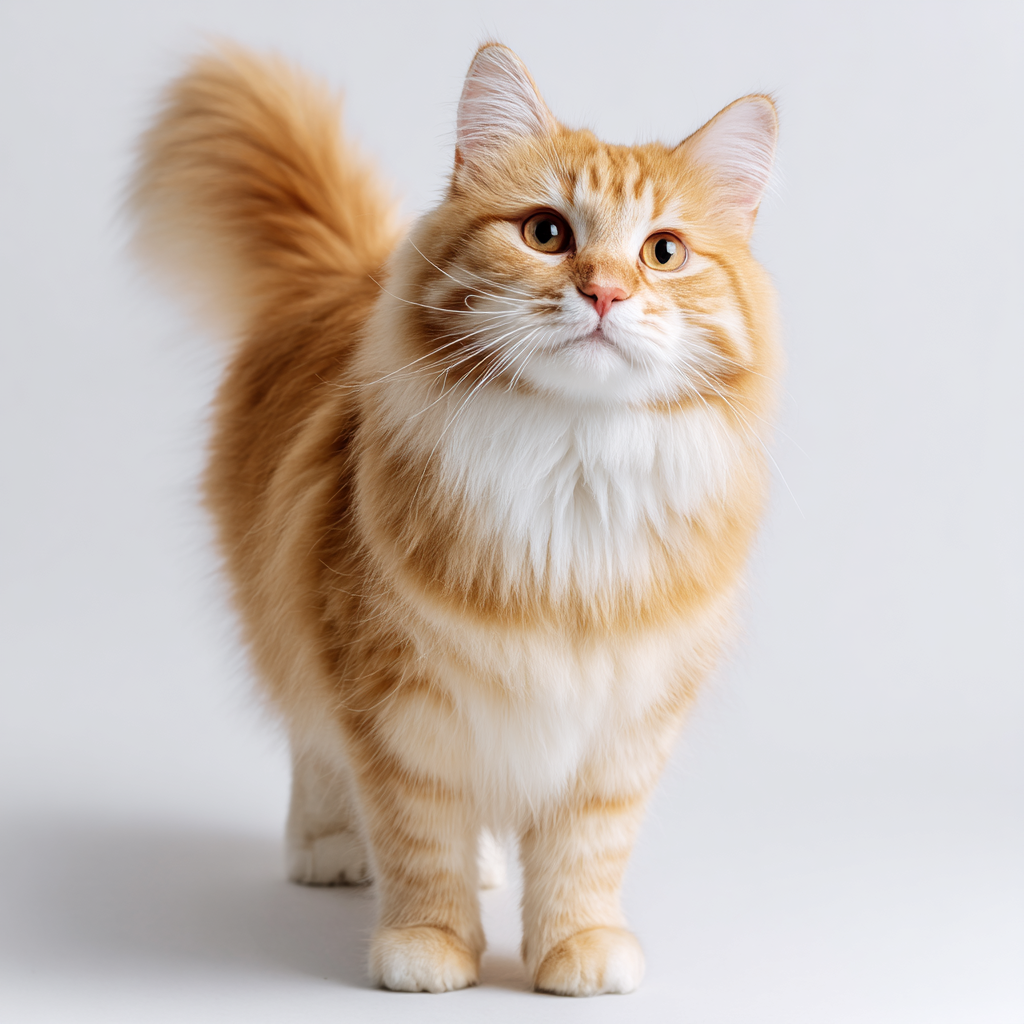
Munchkin Size, Structure & Build
Munchkin cats are defined by their short legs, but the rest of their structure follows normal feline proportions. Their bodies are medium-sized, balanced, and muscular, with a surprisingly agile and athletic build. While their legs are visibly shorter, they maintain a sturdy frame, a confident stance, and the same graceful feline movement — just with slightly reduced vertical jump height.
They are not tiny or fragile; instead, the Munchkin has a compact, well-proportioned body supported by their characteristic, naturally occurring gene.
Adult Size Expectations
Munchkin body size is similar to many standard domestic cats. Their short legs affect leg length only — not overall size, chest width, head size, or weight.
Typical adult size:
- Males: 6–9 lbs
- Females: 5–8 lbs
They generally mature between 12–18 months, though longhaired Munchkins may continue filling out through their second year.
Leg length varies by phenotype:
- Standard (short-legged)
- Super-short (rare; shorter expression of the same gene)
- Non-standard (normal-legged Munchkin variant)
Short legs do not affect weight or torso development; they simply create the breed’s iconic “low-to-the-ground” look.
Structural Traits
Munchkin cats typically show:
- a medium body with balanced proportions
- a firm, semi-muscular frame
- moderate bone density
- noticeably shorter legs while retaining full mobility
- a sturdy torso with a level topline
- normal spinal structure (not elongated like dachshunds)
- a confident, upright posture
Their build is often described as compact, low, and athletic, with a lively, puppy-like movement style.
Head & Facial Expression
Munchkin facial structure is sweet, open, and expressive. Common features include:
- walnut or oval-shaped eyes in any color
- medium-sized ears with rounded tips
- a slightly rounded skull and balanced muzzle
- gentle cheek curves
- a friendly, curious, approachable expression
Longhaired Munchkins may have fuller face framing, while shorthaired varieties show cleaner, sleek outlines.
Coat Care & Grooming for Munchkin Cats
Grooming needs depend entirely on coat length, not leg type. Shorthaired Munchkins require minimal upkeep, while longhaired Munchkins are similar to other semi-longhair breeds.
Weekly Grooming Routine
Most Munchkins benefit from:
- brushing 1–2 times per week for short coats
- brushing 2–3 times per week for long coats
- using a slicker brush or metal comb to prevent tangles
- checking behind ears, underarms, and the belly for fluffier coats
- wiping eyes gently if mild tearing occurs
They maintain themselves well, but routine brushing helps keep the coat soft, clean, and healthy.
Bathing
Bathing needs vary:
- Shorthaired Munchkins: rarely need baths
- Longhaired Munchkins: occasional baths every few months
- Use gentle, coat-safe shampoos to maintain gloss and texture
Avoid overbathing, as it can strip natural oils.
Seasonal Shedding
- Shorthaired Munchkins: low–moderate shedding
- Longhaired Munchkins: moderate shedding, heavier in spring and fall
Regular brushing helps manage seasonal coat changes, especially in longhaired lines.
Munchkin Color Genetics Explained
The Munchkin breed accepts every feline color and pattern, giving owners a tremendous variety. Because the short-legged gene is unrelated to coat color, breeders focus on maintaining good type, structure, and temperament while enjoying the full range of feline color genetics.
Common Munchkin Colors
Munchkins may appear in:
- all solid colors (black, blue, chocolate, lilac, red, cream)
- bicolor and van patterns
- calico and tortoiseshell
- classic, mackerel, spotted, or ticked tabby
- smoke and shaded
- silver and golden
- pointed varieties (seal, blue, chocolate, lilac, flame, cream)
- lynx points, tortie points, and mink/sepia variants
Many kittens lighten or darken as they mature, depending on gene combinations.
Eye Colors
Because all colors are allowed, Munchkins may have:
- gold
- copper
- green
- blue (in pointed kittens)
- aqua
- odd-eyes (in some color groups)
Their expressive eyes are one of their most charming features.
Understanding the Munchkin Gene, Common Crosses & Breed Ethics
The Munchkin cat’s defining feature — its short legs — comes from a naturally occurring genetic mutation that affects limb length but not the rest of the cat’s skeleton or health when bred responsibly. Understanding this gene and how ethical breeders use it helps buyers make informed decisions about the breed.
The Gene That Creates a Munchkin
The Munchkin’s short legs are caused by an autosomal dominant gene known informally as the Munchkin gene. This gene shortens the long bones of the legs while leaving the spine and torso normal in proportion.
The gene functions similarly to well-known natural mutations in other species (e.g., Scottish Folds’ ear fold, American Curls’ curved ears), but with an important difference:
Munchkin cats do not have elongated spines or compromised vertebrae. Their bodies remain correctly proportioned.
How the Gene Works
- Short-legged Munchkins carry one copy of the gene (heterozygous).
- Normal-legged kittens do not express the gene at all.
- Two copies (homozygous) are not viable, which is why ethical breeders never breed short × short.
Genetic Pairings
To maintain health:
- Short-legged (Munchkin) × Standard-legged (non-Munchkin):
Safe, ethical, produces a mix of short- and normal-legged kittens. - Standard-legged × Standard-legged:
Produces all standard-legged kittens but still purebred Munchkin if parents are registered. - Short-legged × Short-legged:
Considered unethical because homozygous embryos do not survive.
This breeding structure is the foundation of ethical Munchkin programs worldwide. See Munchkin Cat Lifespan for more health info.
Most Common Munchkin Crosses
Because TICA allows an open foundation, Munchkins have been historically crossed with a variety of breeds to expand the gene pool and avoid inbreeding. These crosses are used only in early development or in programs aiming for new dwarf-type breeds.
Common Outcrosses Include:
- Domestic Shorthair or Domestic Longhair
(most common; creates genetic diversity and strong health) - Persian / Exotic Shorthair
Used to create Napoleon/Minuet cats (Munchkin × Persian-type) - Sphynx
Used to create the Bambino (short-legged hairless) - Maine Coon or American Curl (rare)
Used to create other dwarf-type breeds like the Kinkalow or Skookum - Munchkin × Munchkin (short × standard only)
The only ethical in-breed pairing - Scottish Fold / Munchkin Cat
Today, the standard Munchkin breed is typically purebred Munchkin × Munchkin (short × standard), not mixed with other breeds unless intentionally producing a specialty dwarf-type breed.
Is the Munchkin Breed Ethical?
The ethics of breeding Munchkin cats are widely debated, and people hold strong opinions on both sides. Instead of promoting one viewpoint, here is a factual outline of the discussion so readers can evaluate the information themselves.
Concerns Commonly Raised About the Breed
Critics argue that:
- The short-leg gene may predispose some cats to joint stress or mobility limitations.
- The gene is lethal when inherited twice, which raises ethical questions about intentionally using it.
- Some Munchkins cannot jump as high as long-legged cats, which some see as a welfare concern.
- Creating a breed based on a mutation may be inherently problematic.
Animal welfare organizations in some countries oppose the breed for these reasons.
Points Raised by Supporters
Supporters of the breed often state that:
- The gene affects leg length only and does not automatically create pain or disease.
- Munchkins display typical cat behavior, running, climbing, and playing normally with modified techniques.
- Many veterinarians report that Munchkins live normal lifespans without increased rates of spinal deformities.
- When bred with correct pairings (short × standard), the gene does not inherently produce suffering.
Any ethic debate perspective should focus on function and quality of life.
What Research Currently Shows
Scientific data on the long-term effects of the Munchkin gene is limited. Available information indicates:
- The mutation shortens long bones but does not elongate the spine, unlike some dwarf dog breeds.
- There is no universal consensus on whether mobility is significantly compromised.
- More peer-reviewed research is needed to evaluate long-term orthopedic outcomes.
The absence of complete data is part of why the ethics debate remains unresolved.
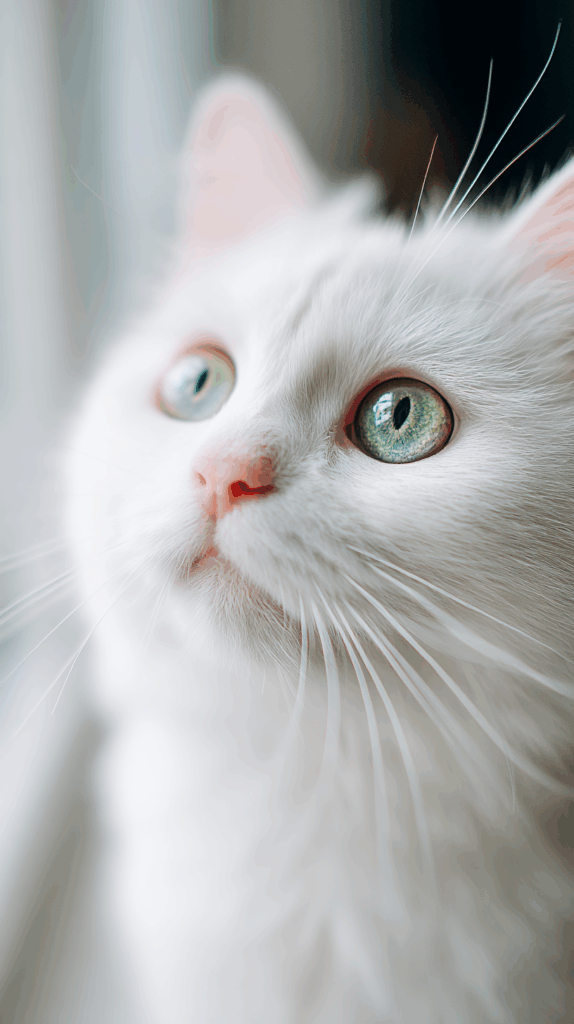
Myths About Munchkin Cats: What’s True and What’s Not
Because Munchkin cats have a unique appearance and a mutation that affects leg length, they are surrounded by myths, misunderstandings, and conflicting opinions. Some myths come from outdated information, while others arise from confusion between Munchkins and dwarf dog breeds. Below are the most common myths — and the facts that help clarify what is currently known.
Myth 1: “Munchkin cats can’t run, climb, or play normally.”
Fact: Munchkin cats move differently but still display typical feline behavior — running, climbing, playing, and exploring. Their jump height may be lower, but their agility, balance, and energy levels remain comparable to standard-legged cats.
Myth 2: “Munchkins have long, fragile spines like dachshunds.”
Fact: Feline anatomy is different from canine anatomy. Munchkins have normal-length spines and proportional torsos. Their mutation affects leg bones only, not the spine. While individual health varies by cat, the breed does not inherently have the same spinal issues seen in dwarf dog breeds.
Myth 3: “All Munchkin kittens have short legs.”
Fact: Only kittens that inherit one copy of the gene have short legs. Litters from ethical pairings (short × standard) produce both short-legged and standard-legged kittens. Standard-legged kittens are genetically Munchkins too.
Myth 4: “Short legs automatically mean pain or disability.”
Fact: Current evidence shows that the gene affects limb length but does not automatically cause pain. Mobility varies by individual, just as it does in all breeds. Some Munchkins have excellent mobility; others may experience limitations. Health outcomes depend heavily on breeding practices, body type, and overall fitness.
Myth 5: “Munchkins can’t jump at all.”
Fact: Munchkins can jump; they simply may not reach the same heights as long-legged cats. Many climb using alternate routes (ramps, lower perches), which is a normal adaptation rather than a sign of disability.
Myth 6: “Munchkins are rare because they’re unhealthy.”
Fact: Availability varies because breeding requires specific pairings and because some regions or registries do not support the breed. Rarity is influenced by breeder numbers, not just health debates.
Myth 7: “Every short-legged cat is a Munchkin.”
Fact: Not true. Several dwarf-type breeds exist (Minuet, Bambino, Kinkalow, Skookum), and unregistered short-legged domestic cats may also appear. A true Munchkin requires documented lineage and registry-accepted breeding practices.
Myth 8: “Munchkins can’t live full, active lifespans.”
Fact: Standard-legged and short-legged Munchkins can live typical feline lifespans when properly raised, but research is still evolving. Longevity depends on individual genetics, weight management, environment, and breeding ethics — not leg length alone.
Myth 9: “Munchkins are newer and unstable as a breed.”
Fact: The breed has existed since the early 1980s and has multiple decades of documented breeding. While still developing and controversial in some circles, Munchkins have stable traits, predictable appearances, and established registries (TICA).
Myth 10: “Munchkins are the result of cruelty.”
Fact: Opinions about the breed vary. Some people view breeding mutations as unethical; others view the mutation as harmless when bred responsibly. The ethical debate is ongoing, and buyers are encouraged to learn the facts and decide based on their own beliefs.
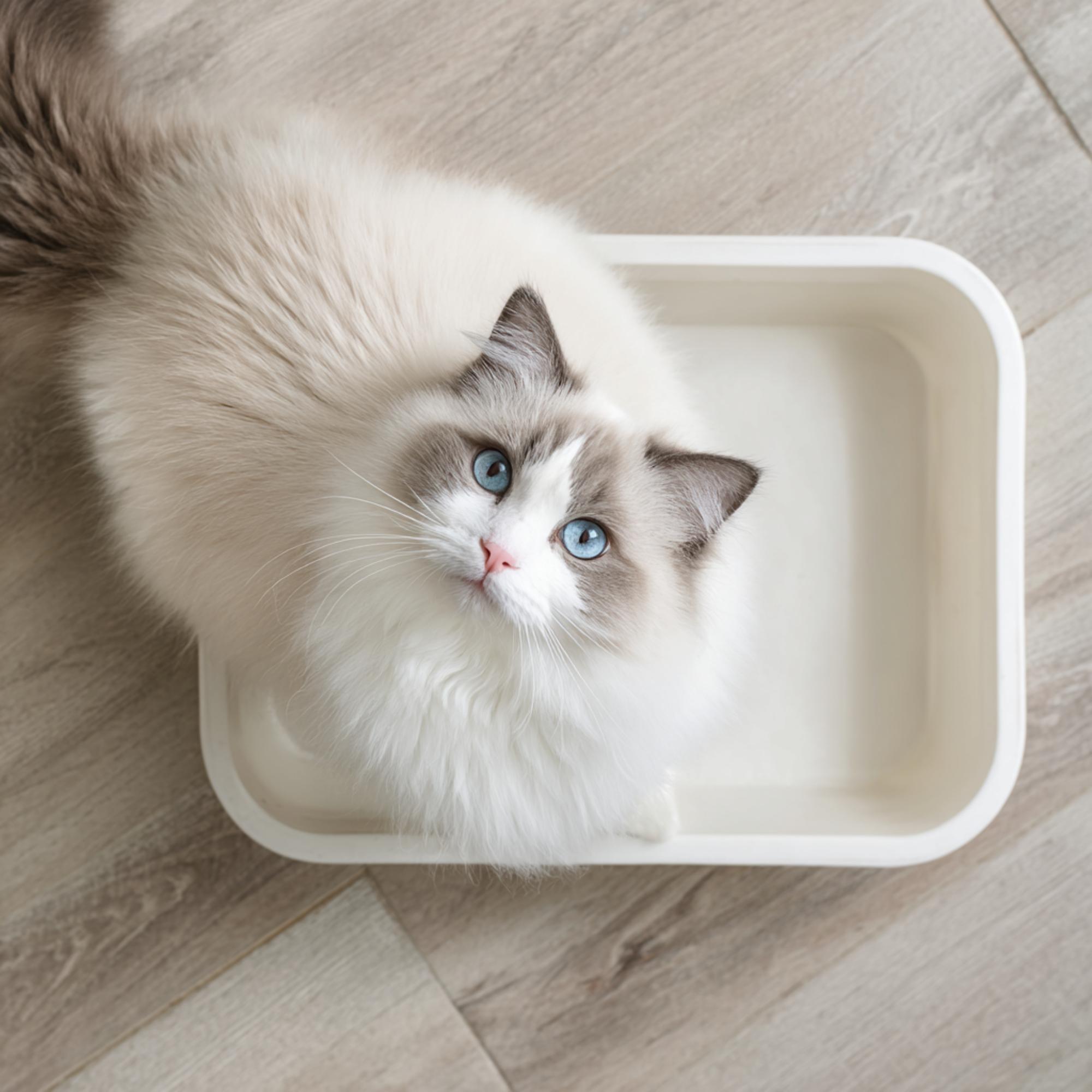
Myth 11: “Short-legged kittens have trouble using the litter box.”
Fact: Munchkins typically use the litter box like any other cat. Their leg length does not affect their natural instinct or ability to scratch, squat, or cover.
Munchkin Cat FAQ
What is a Munchkin cat and what makes it different from other breeds?
A Munchkin cat is a domestic cat breed defined by naturally shorter legs caused by a dominant genetic mutation affecting the long bones of the limbs. The rest of the body is proportioned like a typical cat: normal spine length, normal skull shape, and a medium-sized torso. What makes the Munchkin unique is not its body size but its physical structure: the cat stands lower to the ground, moves with a distinct gait, and often displays kitten-like playfulness throughout its life. Unlike designer hybrids, the Munchkin emerged from a spontaneous mutation and was later developed into a standardized breed recognized by TICA.
Are Munchkin cats purebred or mixed?
Munchkin cats can be purebred when bred from registered Munchkin lines. TICA recognizes the Munchkin as a purebred with a full breed standard. A Munchkin is considered purebred if both parents are registered Munchkins, even if one parent has standard-length legs. Outcrossing was common in the early years to widen the genetic pool, but established programs today usually maintain pure Munchkin lines unless intentionally creating a related dwarf-type breed such as the Minuet, Bambino, or Kinkalow.
How does the Munchkin gene work and why does it produce short legs?
The Munchkin gene is an autosomal dominant mutation that shortens the long bones of the legs while leaving the spine and torso unchanged. If a kitten inherits one copy of the gene, the legs will be short. If it inherits zero copies, the kitten will have long legs. Inheriting two copies of the gene is not compatible with life, which is why breeders avoid pairing two short-legged Munchkins. This gene is not the same as the complex dwarfism mutations seen in dogs; it affects limb length only and does not alter skull shape or spinal length.
Do all Munchkin kittens have short legs?
No. Litters from responsible programs (short × standard) will contain a mix of short-legged Munchkins and standard-legged kittens. Standard-legged Munchkins are still purebred and can be used in breeding programs. The ratio varies from litter to litter, but about half of the kittens typically express the short-leg trait. Buyers sometimes assume all kittens in a litter will be short-legged, which is not genetically possible.
Are Munchkin cats healthy, and what health issues should buyers be aware of?
The health of a Munchkin cat varies greatly by individual genetics, weight management, and the breeding program behind the cat. Some Munchkins remain fully active and mobile throughout life, while others may develop orthopedic issues ranging from mild stiffness to more noticeable limitations. The short-leg gene itself does not automatically cause pain, but cats with poor structure, obesity, or weak musculature may experience more strain. As with all breeds, other conditions unrelated to leg length may occur, such as hypertrophic cardiomyopathy (HCM), dental issues, or obesity. Because long-term data is limited, buyers should research carefully and ask breeders detailed health questions.
Do Munchkin cats have spinal problems like dachshunds or corgis?
Current research does not link the Munchkin mutation to the same spinal diseases seen in dwarf dog breeds, such as intervertebral disc disease (IVDD). Cats have different spinal biomechanics, and Munchkins maintain normal spine length. That said, a shorter-legged cat may move differently than a standard cat, and mobility outcomes vary individually. Some Munchkins show normal, pain-free mobility; others may be more limited. Because the breed is relatively young, more long-term peer-reviewed research is needed.
Can Munchkin cats run, climb, and jump normally?
Most Munchkin cats run quickly, climb confidently, and play with the same enthusiasm as regular cats. Their movement style is different, not absent; they stay closer to the ground and may jump using intermediate surfaces or creative routes. Some climb tall cat trees with ease; others prefer shorter towers. Their ability depends on leg length, body type, age, and overall fitness. Owners typically support them with low perches, ramps, and step-style furniture to give them more options.
How high can a Munchkin cat jump?
Munchkin cats can jump like other cats, but the height varies. Many can reach standard sofas, beds, counters, and low tables without difficulty, but they may struggle with very high places without intermediate steps. Their tendency to take alternate paths should not be confused with inability; it is simply adaptation to their body structure. They often excel in speed and turning agility even if their vertical jump is reduced.
Do Munchkin cats experience pain from their legs being short?
The short-leg mutation itself does not guarantee pain. Pain levels depend on the individual cat, just as some long-legged cats may have joint issues while others remain sound. Weight management, proper nutrition, and supportive environments (ramps, soft landings, moderate exercise) contribute significantly to comfort. Some people believe the mutation is unethical, while others observe their Munchkins living comfortable, mobile lives. Because opinions differ and data is incomplete, buyers must decide based on their own research and comfort level.
Are Munchkin cats considered a controversial breed?
Yes. Some animal welfare groups oppose dwarf-type cats, while others accept them under structured guidelines. TICA recognizes the breed, but CFA does not. Some countries ban the breeding of dwarf cats entirely. Opinions among veterinarians also vary. The controversy centers around the mutation’s ethical implications rather than the personality or behavior of the cats themselves.
What is the typical temperament of a Munchkin cat?
Munchkin cats are typically described as affectionate, social, playful, and curious. Many retain a kitten-like personality well into adulthood. They enjoy interactive play, exploring small spaces, following their owners, and participating in household routines. Their confident and outgoing nature often makes them good companions for families, multi-pet homes, and apartment living.
Are Munchkins good with children?
Munchkins often do well with gentle, respectful children because of their playful, social nature. Like all cats, temperament varies by individual, and early socialization during the first 8–12 weeks plays a major role in shaping adult behavior.
Do Munchkin cats get along with dogs?
Many Munchkins coexist well with cat-friendly dogs. Their self-assured personalities and curiosity help them adapt quickly. Introductions should always be gradual, controlled, and supervised.
Are Munchkins hypoallergenic?
No, Munchkin cats are not hypoallergenic. They produce the same allergens (Fel d 1 protein) that all cats do. Shedding level depends on coat length rather than leg type. Read more: Are Munchkin Cats Hypoallergenic?
How much do Munchkin cats shed?
Shorthaired Munchkins shed lightly to moderately year-round. Longhaired Munchkins may shed more heavily in spring and fall. Regular grooming helps reduce loose hair and prevents mats in fluffier coats.
Do Munchkin cats need special grooming?
Shorthaired Munchkins need routine brushing once a week. Longhaired Munchkins benefit from brushing several times per week to prevent tangles. Ramps or low grooming tables may help the cat feel secure during grooming due to their closer-to-the-ground posture.
How much do Munchkin cats cost?
Pricing varies widely based on region, coat length, breeder reputation, and whether the kitten has short or full-length legs. Standard-legged Munchkins often range from $300–$800. Short-legged Munchkins commonly range from $800–$1,500, while longhaired or rare-colored kittens may exceed $2,000–$3,000. Costs also reflect veterinary care, socialization, and pedigree quality.
Why are Munchkin cats expensive?
Munchkins cost more because responsible breeding requires specific genetic management, larger breeding pools, and careful pairing to avoid producing non-viable embryos. Short-legged kittens are fewer in number since only some kittens inherit the gene. Demand for the breed also increases pricing.
Do Munchkin cats live shorter lives because of their legs?
Currently available data does not show a breed-wide decrease in lifespan directly linked to leg length. Individual longevity depends on genetic health, diet, environment, and veterinary care. Long-term research is ongoing. Read Munchkin Cat Lifespan to learn more.
Do Munchkin cats have difficulty using the litter box?
Munchkin cats generally use the litter box like any other cat. Lower-sided boxes can make access easier for very short-legged cats or older cats with reduced mobility, but most kittens transition without issues.
Do Munchkin cats require ramps and special furniture?
Not necessarily, but many owners provide ramps, low perches, and step-style cat trees to help their Munchkin navigate the environment easily. These adaptations offer comfort and prevent strain, especially as the cat ages.
What colors and patterns do Munchkin cats come in?
The breed standard allows every color and pattern. Munchkins can be solid black, blue, red, chocolate, cream, lilac, tabby, calico, tortoiseshell, bicolor, van, smoke, shaded, silver, golden, mink, sepia, or pointed. Eye colors vary widely and depend on coat genetics.
Are there longhaired Munchkin cats?
Yes. The longhaired Munchkin has a semi-long, soft coat that may include a ruff, breeches, and a plume tail. These cats require more grooming than the shorthaired variety and often appear fluffier.
Is the Munchkin recognized by cat registries?
TICA recognizes the Munchkin as a full breed with championship status. CFA does not recognize the breed due to opposition to dwarf-type cats. Some international registries ban dwarf cats altogether, while others follow TICA’s approach.
How do I choose a reputable Munchkin breeder?
Buyers typically look for breeders who use short × standard pairings, register their cats, health-test breeding lines, allow indoor-only raising, provide veterinary documentation, show knowledge of the gene’s limitations, and avoid extreme leg lengths. Asking for proof of lineage, vet references, and genetic testing helps ensure transparency.
Ready to Meet Your Kitten?
If you love affectionate, people-oriented cats, explore our available kittens.
Kittens Available
Ragdoll Kittens for Sale
British Shorthair Kittens for Sale
Maine Coon Kittens for Sale
Munchkin Cat Resources
- Are Munchkin Cats Hypoallergenic?
- Munchkin Cat Lifespan
- Scottish Fold Munchkin
- Ragdoll vs Munchkin
- Munchkin Kittens
- Ragamuffin vs Munchkin
Cat Breed Comparisons :
- Ragdoll vs Ragamuffin
- Exotic Shorthair vs Persian
- British Shorthair vs Persian Cat
- Ragdoll vs Siamese
- Ragdoll vs Persian
- British Shorthair vs Scottish Fold
- Ragdoll vs Himalayan
Sources for Munchkin Cat Article
- TICA – Munchkin Breed Standard
https://tica.org/breeds/browse-all-breeds?view=article&id=854:munchkin-breed&catid=79 - Journal of Veterinary Internal Medicine
https://onlinelibrary.wiley.com/journal/19391676 - UC Davis Veterinary Genetics Laboratory
https://www.vgl.ucdavis.edu/services/cat - ASPCA Policy and Position Statements
https://www.aspca.org/about-us/aspca-policy-and-position-statements - International Cat Care – Feline Health
https://icatcare.org - Waltham Petcare Science Institute
https://www.waltham.com - Merck Veterinary Manual – Feline Musculoskeletal Disorders
https://www.merckvetmanual.com - Cornell Feline Health Center
https://www.vet.cornell.edu/departments-centers-and-institutes/cornell-feline-health-center - Cat Fanciers’ Association (CFA)
https://cfa.org - American Veterinary Medical Association (AVMA)
https://www.avma.org - Royal Veterinary College (RVC)
https://www.rvc.ac.uk - VetFolio – Feline Orthopedics
https://www.vetfolio.com - Feline Genome Project (UC Davis)
https://cglgenomics.ucdavis.edu - PubMed – Feline Genetic Research
https://pubmed.ncbi.nlm.nih.gov





Read the Comments +