
Ragdoll Grooming: Complete Coat Care for Ragdoll Cats
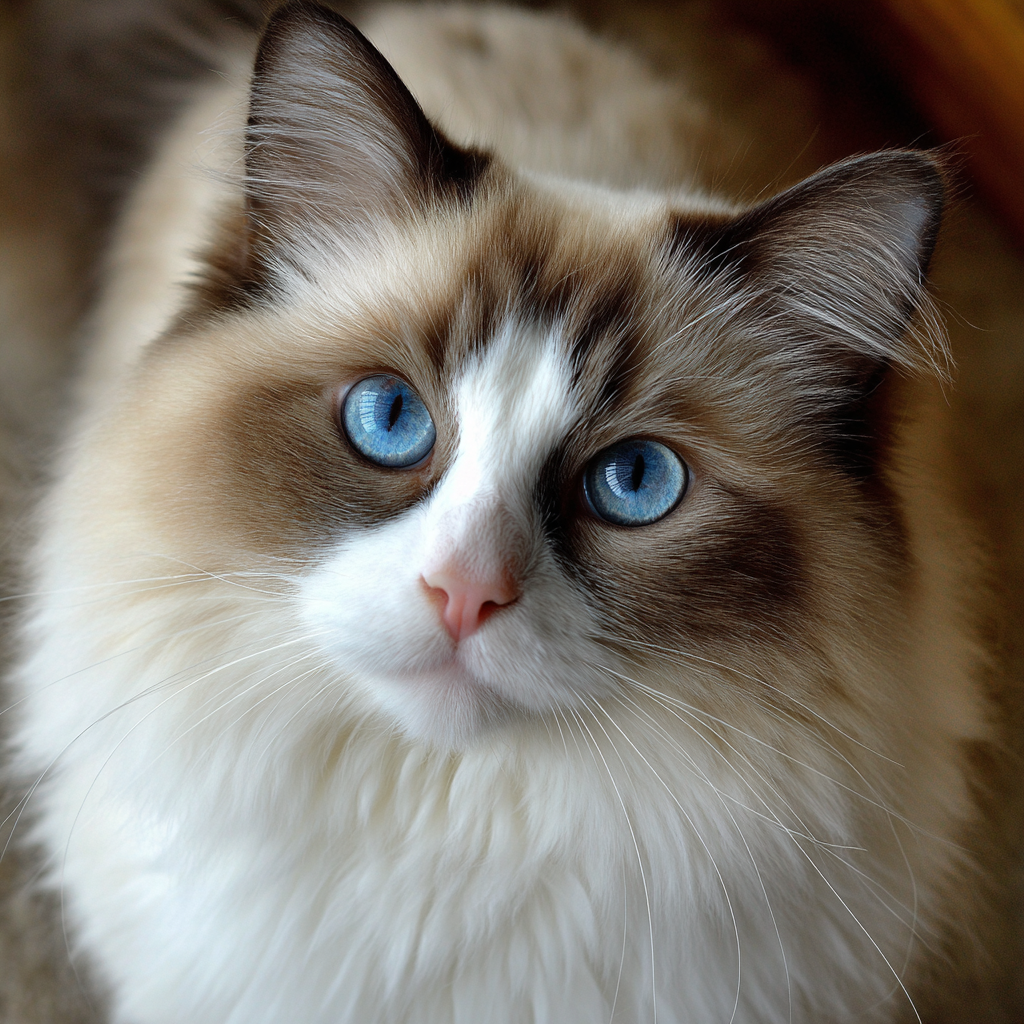
If you own a Ragdoll, you already know their coat is one of the most recognizable features of the breed. Soft, semi-long, slow to tangle, and designed to lie flat against the body, the Ragdoll coat looks effortless—but it still requires regular Ragdoll grooming care.
While the coat appears low maintenance, proper grooming is not about show standards or keeping the fur picture-perfect. It’s about comfort, health, and preventing the kinds of mats that form slowly over time in longhaired breeds. Good grooming supports skin health, keeps shedding under control, and reduces hairballs. It also helps owners catch developing issues early—long before a problem becomes painful.
This guide gives a complete breakdown of practical Ragdoll grooming from the viewpoint of real Ragdoll owners and breeders who work with the breed daily. Whether you are bringing home a kitten for the first time or already live with an adult Ragdoll, this Ragdoll grooming routine helps keep the coat clean, soft, and healthy all year long.
Ragdoll Grooming Summary Table
| Feature | What Owners Should Know | Grooming Frequency |
|---|---|---|
| Coat Type | Semi-long, light undercoat, silky topcoat that resists heavy matting but tangles in friction areas | Brush 2–3x weekly; daily during shedding |
| Shedding Level | Year-round shedding with heavy spring/fall peaks | Increase combing to every other day during shedding seasons |
| Mat-Prone Areas | Belly, underarms, flanks, behind ears, pantaloons, tail base | Check high-friction zones during every session |
| Best Tools | Steel comb, detangling comb, soft slicker brush, grooming glove, blunt scissors | Use combs more than brushes for real undercoat removal |
| Bathing Needs | Optional; helpful for oily coats or seasonal shedding | Every few months or only as needed |
| Dental Care | Essential for kidney health; prevents oral bacteria from reaching bloodstream | Brush teeth 3–5x weekly |
| Nail & Paw Care | Nails grow fast; toe tufts may trap debris | Trim nails every 2–3 weeks; check paws weekly |
| Senior Care | Older Ragdolls mat more due to limited mobility | Increase combing; check belly and flanks often |
| Professional Grooming | Helpful for mats, sanitary trims, and belly trims | Every 6–8 weeks for high-maintenance coats |
Understanding the Ragdoll Coat
Ragdolls have what is called a semi-long coat, but their genetics make the coat very different from high-maintenance longhaired breeds. The coat grows slowly, lacks a heavy wool undercoat, and naturally resists tight matting when brushed regularly. This gives Ragdolls their signature “soft but manageable” texture.
The Ragdoll coat has three functional layers:
A light, fine undercoat
Provides insulation but is thinner than most longhaired cats. Because this layer is light, Ragdolls shed more noticeably during seasonal changes.
The semi-long topcoat
A soft, silky layer that makes up most of the visible length of the fur. It drapes smoothly and rarely becomes puffy.
Guard hairs
Longer hairs that give the coat structure and movement. These guard hairs help the coat lie flat, resist moisture, and avoid heavy tangling.
This structure is one reason why Ragdolls are often described as having an easier coat than Persian-type longhairs. But friction, age, hormones, seasonal shedding, and weight changes can all affect how easily a Ragdoll mats. Even a coat that doesn’t mat easily still needs consistent care.
Why Grooming Matters Beyond Appearance
Ragdoll grooming is not cosmetic—it directly affects the cat’s health and comfort. Regular brushing prevents problems that build slowly over time:
Mats that pull at the skin
Ragdolls often develop tangles in high-friction areas. When left alone, these tangles tighten and pull at the skin, causing irritation and discomfort.
Hairballs
Ragdolls shed steadily throughout the year. Seasonal shedding increases the risk of hairballs, especially for indoor cats.
Sanitary area debris
Long fur around the rear and back legs can trap litter, loose stool, and urine if not checked routinely.
Skin irritation
Dirt, dust, and saliva build up in thick fur, especially behind the ears or under the arms, where airflow is reduced.
Early detection of health changes
Regular grooming allows owners to notice weight changes, lumps, scabs, dandruff, fleas, or areas of tenderness.
Grooming also supports emotional bonding. Ragdolls enjoy routine and physical closeness. A calm, predictable grooming schedule becomes part of their weekly rhythm and helps them relax.
1. Start Early and Keep It Consistent
Ragdoll kittens accept grooming easily when they experience it early. From the moment your kitten comes home, introduce them to grooming equipment in a positive way.
Start with:
Letting them sniff the comb
Touching their body gently with the tool without brushing
Short sessions of 2–3 minutes at a time
Soft praise and calm handling
When kittens first learn that grooming is safe and predictable, they carry that confidence into adulthood. After the kitten stage, keep sessions short but consistent—around 10 minutes, two or three times a week.
For adult Ragdolls who have never been groomed, slow pacing helps reduce stress. Groom only one small area at a time, stop if they become tense, and use treats to make the experience positive.
Consistency is the best defense against mats. A few minutes several times a week prevents the long, stressful sessions that become necessary when the coat is neglected.
2. Use the Right Tools for the Ragdoll Coat
Ragdolls do not need harsh tools or aggressive de-shedding equipment. Their coats respond best to gentle, thorough tools that reach the undercoat without pulling.
Essential Grooming Tools
Steel Comb
The most important tool. A steel comb is the only tool that reliably reaches the light undercoat and reveals early tangles. Use both the wide and narrow teeth depending on coat density.
Slicker Brush
Useful for removing loose fur from the top layers and smoothing out the coat after combing. Helps during seasonal shedding.
Grooming Glove
Good for daily maintenance, kittens, and cats who dislike brushes. Removes surface fur and distributes skin oils.
Dematting Tool
Should be used gently and only on early mats. Helps break apart small tangles before they become tight.
Blunt-Tipped Scissors
Important for trimming tangles in sensitive areas like behind the ears, under the belly, or near the sanitary area when combing isn’t enough.
Optional Tools
Low-heat pet dryer after baths
A safe conditioning spray for easier combing
A deshedding tool used lightly during heavy shedding
3. Focus on High-Friction Problem Areas First
Ragdolls do not mat evenly. Grooming must focus on the specific areas where friction forms tangles:
Behind the ears
Under the arms
Along the belly and sides
Between the back legs
Around the tail base
Along the “pantaloons” of the hind legs
Under the collar line if your cat wears a collar
These are the earliest places to form knots.
To remove small tangles safely:
Hold the fur close to the skin with one hand
Gently work the comb outward from the end of the tangle
Avoid tugging or pulling
If the tangle is too tight, switch to scissors or schedule a grooming appointment
Attempting to pull mats from the root is painful and can damage the skin.
4. Brushing Technique Matters
A Ragdoll’s coat must be groomed from the surface down to the undercoat.
A complete grooming session includes:
1. Brushing with the coat
Smooths the top layer and lifts loose fur.
2. Separating the coat into small sections
Use your hands to part the coat and reveal the undercoat.
3. Combing from root to tip
Ensures the comb reaches the full length of the fur.
4. Light brushing against the coat
Helps remove loose undercoat that the comb may not catch.
5. Final smoothing
Brush with the coat to lay the fur flat.
Brushing should be slow and steady rather than quick or rough. A consistent rhythm helps the cat relax and reduces tension.
5. Bathing Ragdolls the Right Way
Ragdolls do not require frequent bathing, but baths can be helpful during heavy shedding or when the coat feels oily. Many Ragdolls tolerate water well when baths are introduced calmly and consistently.
Bathing Steps
Use lukewarm water
Choose a mild, cat-safe shampoo formulated for long coats
Avoid shampoos with heavy fragrances or residue
Rinse thoroughly to prevent irritation
Towel dry the coat
Use a low-heat pet dryer if your cat is comfortable with it
Baths help remove loose undercoat and reduce hairballs. Regular bathing also prevents dandruff and keeps the coat clean during seasonal changes.
Predictability reduces stress. Use the same room, same towel, and same steps every time so your Ragdoll knows what to expect.
6. Manage Seasonal Shedding
Ragdolls shed steadily throughout the year, with noticeable increases during spring and fall shedding seasons. During these times, brushing frequency should increase to every other day.
Additional seasonal care includes:
Checking behind the ears for newly formed tangles
Separating the pantaloons to check for undercoat buildup
Lifting the belly area to check for knots
Removing loose fur before cats ingest it
You can also support coat health with diet. Adding omega-3 or salmon oil helps reduce dryness and keeps shedding more predictable.
Seasonal shedding is normal for Ragdolls, but neglected grooming during this time leads to tight mats that form quickly and often require professional removal.
7. Don’t Forget Nail and Paw Care
Ragdolls have fast-growing nails, and because they are indoor-focused cats with calm activity levels, their nails do not wear down naturally. Overgrown nails can become uncomfortable, catch on fabrics, or curl toward the paw pads if ignored. Trim your Ragdoll’s nails every 2–3 weeks using cat-safe clippers and steady, gentle pressure. Frequent trims keep the paws relaxed and prevent accidental scratches during play or grooming.
Ragdolls often have light fur between the toes. These tufts are normal and part of the breed’s coat structure. The fur can stay as-is unless it becomes long enough to trap litter, debris, or moisture. If the hair between the toes starts collecting material, lightly trim only the excess. Do not remove the fur entirely—just neaten it so the paws stay clean.
During each grooming session, check the paws for irritation, stuck litter, or dry skin. Ragdolls are medium-to-large cats who shift weight differently than shorthaired breeds, so clean paws and well-trimmed nails help them walk comfortably and reduce strain on the joints over time.
8. Grooming the Tail and Ruff
A Ragdoll’s tail and ruff (the longer fur around the neck and shoulder area) are signature features of the breed. These areas form naturally and do not require shaping, but they do need regular brushing to stay free of knots—especially during shedding season when loose fur builds quickly.
Brush the tail gently from the base outward using a wide-toothed comb or soft brush. The hairs here are long, smooth, and decorative, and they can break easily if pulled or pinned under mats. Move slowly and separate the hair into small sections as you work.
The ruff should also be brushed often, especially underneath where friction and moisture collect. For long ruffs, lift the hair slightly to ensure the comb reaches the full length of the fur.
Do not shave or heavily trim the ruff or tail unless directed by a veterinarian. These areas help with temperature regulation and are natural parts of the Ragdoll’s structure. Removing too much fur can affect comfort and coat balance.
9. Check Ears, Eyes, and Teeth During Grooming
Every grooming session is an opportunity to check overall health. Ragdolls tend to be calm and tolerant, making it easy to incorporate simple health inspections into your routine.
Ears
The ears should be clean and free of odor. Look for redness, debris, or buildup. Wipe gently with a damp cotton pad if needed. Avoid inserting anything deep into the ear canal.
Eyes
Ragdoll eyes should be clear and free of discharge. Because they have large, expressive eyes, some mild tearing can occur. Use a soft, damp cloth to remove any minor buildup around the corners.
Teeth
Check the teeth and gums for early signs of tartar or redness. Ragdolls benefit from regular dental care, dental treats, and routine veterinary cleanings.
By inspecting these areas during grooming, you catch small issues early before they become expensive or painful.
10. When to See a Professional Groomer
Even with consistent home care, some Ragdolls benefit from occasional professional grooming. Professional grooming can be helpful for overweight cats (who struggle to reach certain areas), senior cats, high-shedding seasons, or periods when the coat becomes unusually dense.
A groomer familiar with long-haired cats can:
Remove deep mats without hurting the skin
Perform a safe sanitary trim
Give a full bath and blow-dry that clears loose undercoat
Check for fleas, dandruff, or early skin changes
Handle areas that are hard for owners to reach
Professional grooming is highly valuable for cats with limited mobility or owners who inherit a Ragdoll with an already-matted coat. The goal is to support home grooming—not replace it.
11. Nutrition and Coat Health
Ragdoll coat care begins with nutrition. A balanced diet supports coat growth, skin clarity, and predictable shedding cycles. High-quality protein, taurine, and omega-3 fatty acids help maintain a smooth, mat-resistant coat and reduce dryness.
Avoid food with heavy fillers, artificial colors, or inconsistent ingredient quality. Poor nutrition often leads to greasy fur, excessive dandruff, or strange shedding patterns.
If your Ragdoll sheds excessively, develops flaky skin, or experiences sudden coat changes, a veterinary appointment is recommended. Allergies, nutrient deficits, or digestive issues can all affect coat quality. Addressing these concerns early prevents larger long-term problems.
12. Common Grooming Mistakes to Avoid
Even experienced Ragdoll owners make grooming mistakes that can create stress or damage the coat. Avoid the following:
Using a deshedding tool too aggressively
Shaving or trimming the coat without medical need
Pulling or yanking at mats
Skipping the undercoat while only brushing the surface layer
Bathing too often, which dries out the skin
Waiting too long between sessions, leading to long grooming times that stress the cat
Gentle grooming, done frequently, is always more effective than deep grooming done rarely. Ragdolls respond best to calm, steady handling.
13. Building Trust Through Grooming
For Ragdolls, grooming is part of the relationship with their owner. They are social, people-oriented cats who model their behavior on your tone and handling. If grooming is calm, respectful, and predictable, they learn to relax and even look forward to the routine.
Use a calm voice. Keep your posture steady. Do not rush. If your cat stiffens, pauses, or becomes unsure, take a break and resume later. Over time, these consistent, gentle interactions teach your Ragdoll that grooming is safe and part of their daily life.
Ragdolls often begin to approach their owners for grooming once trust is fully formed. This behavior shows confidence, comfort, and a strong bond.
Grooming Ragdolls in Everyday Life
Hearing from other Ragdoll owners helps new cat parents understand how grooming routines look in real homes. Coat texture, personality, and grooming tolerance vary widely among Ragdolls, and the best routine is the one that keeps your cat comfortable while preventing mats. These community-style insights reflect how different Ragdoll owners manage coat care, bathing, trimming, and daily maintenance.
How Often Should You Bathe a Ragdoll?
Most Ragdoll owners agree that frequent bathing is unnecessary unless a cat gets into something messy or requires cleaning due to health needs. Ragdolls have a semi-long coat that stays clean with routine brushing and minor spot-cleaning. Full baths are typically optional rather than required.
“There’s no need to bathe a Ragdoll every week or even every month unless there’s a specific issue. Brushing matters way more than bathing. Their coats stay pretty clean on their own.” — Community Owner Comment
Some owners introduce baths during kittenhood to build tolerance, but they emphasize that being comfortable with water doesn’t mean bathing should become a routine chore.
“It’s helpful if your Ragdoll is used to water, so I start early with kittens. But even then, baths are only occasional. They really do fine with brushing and wiping down messy spots when needed.”
Coat Texture Differences: Silky vs. Downy in Ragdolls
Ragdolls share a breed standard coat type, but there are individual differences based on genetics. Some Ragdolls have sleek, silky coats that resist tangles, while others have fluffy, downy coats that develop knots more quickly—especially in friction zones.
“Some Ragdolls barely mat at all because they have silky fur, but others have that softer, puffier undercoat that gets tangled fast. My boy has the second type. I comb his belly and underarms every day to keep mats from forming.”
“My older girl has a dense, downy coat and gets greasy if I skip brushing. She mats quickly if I don’t stay on top of it, so I give her a bath every month or two. My younger Ragdoll has that silky fur that never mats even with light brushing.”
These differences show that grooming frequency depends on the individual coat rather than a single schedule that applies to every Ragdoll.
Handling Baths and Mats Gently
Owners consistently say that gentle handling is essential during grooming. Ragdolls vary in their tolerance for water: some dislike baths entirely, while others sit calmly when introduced early.
“My Ragdoll panics in the bath, so when she got something stuck on her backside, I had to take her to the groomer for a quick hygiene trim. It was way too stressful to handle at home. I have started desensitizing her to the bath and water, because I need to be able to fix this at home.
“I bathed mine as a kitten, so he handles it now. I use low water and keep one hand on him. He doesn’t enjoy it, but he stays calm and doesn’t fight.”
For mats, owners overwhelmingly prefer combing to shaving. If a cat refuses brushing on the belly or pantaloons, a groomer can trim just those areas while leaving the rest of the coat natural.
The Importance of Regular Combing
The strongest shared message from Ragdoll owners and groomers is that consistent combing prevents nearly all grooming issues. Combing reaches the light undercoat more effectively than brushing alone.
“I comb her daily—comb, not brush—to prevent mats. It’s the best thing you can do. She still gets a sanitary trim every few months, but daily combing makes the biggest difference.”
“My groomer showed me the metal comb they use—stainless steel with the right spacing. Never use a Furminator on a Ragdoll. Combs glide better, and you can control the pressure. Always hold the coat near the skin so it doesn’t pull.”
“I tried the Furminator, and it didn’t help at all. The comb definitely works better for their coat type.”
These comments reflect what breeders and grooming professionals already recommend: a quality steel comb and gentle, steady technique are the foundation of Ragdoll coat care.
Sanitary Trims and Hygiene Care
Ragdolls often need occasional sanitary maintenance because of their long fur and calm lifestyle. Many owners choose partial trims instead of full shaving to keep the coat natural while managing cleanliness.
“My smallest Ragdoll gets little messy spots, so I do sanitary trims every few weeks. It makes cleaning so much easier.”
“My groomer does a sanitary shave every 6–8 weeks. They tried bathing her once, but she hated it, so now we just do the the trim and nails unless she really needs a bath.
Another owner added:
“The long fur is normal and part of how they look—don’t let the groomer shave the extra neck floof.”
Ragdoll owners generally agree on these things: maintain hygiene with small trims, protect important breed features like paw floof, and avoid unnecessary coat removal.
Age and Coat Maintenance
Age plays a significant role in how a Ragdoll’s coat behaves and how much grooming attention it needs. Younger cats often have easier coats, but grooming becomes more important as they grow and age.
“Younger kittens and teenagers don’t always need much brushing since their coats are still developing, but starting early gets them used to the routine. When they reach maturity, the coat thickens, and older Ragdolls can tangle more easily—especially on the belly, flanks, and under the arms.”
“My senior longhair Ragdoll never needed a bath until he turned 13 and developed a medical issue. Before that, regular brushing alone kept him clean. The coat stayed in great condition simply because we maintained a consistent grooming schedule.”
Ragdolls move through coat stages as kittens, adolescents, adults, and seniors. Routine, age-appropriate care helps prevent discomfort and keeps the coat healthy through each life stage.
Grooming Tools and Techniques
Experienced Ragdoll owners consistently recommend high-quality tools and gentle technique rather than shortcuts or harsh equipment. The right tools make grooming safer and more effective.
“Use a steel comb and a small hook trimmer for the belly, flanks, and pantaloons. Always hold the fur close to the skin to avoid pulling. A Furminator doesn’t work on Ragdolls—it pulls too hard and doesn’t reach the coat properly.”
“If you find a tight mat, take your time. Work from the outer edges inward and loosen it slowly. Never drag a comb through the middle of a mat. Patience makes grooming easier on both of you.”
Owners also report that using two combs works best for long-haired cats:
A wide-spaced or detangling comb for stubborn knots
A finer-spaced comb for routine topcoat and undercoat maintenance
This two-tool approach helps manage daily grooming without causing discomfort.
Seasonal Grooming and Summer Care
Ragdolls shed more heavily in warm weather, and many owners adjust their grooming routine accordingly. Seasonal changes can cause loose undercoat to build quickly, especially in friction zones.
“During summer, I get a groomer to do a belly and armpit trim. It helps a lot with matting. I plan to keep doing it every year because it keeps him comfortable without removing the natural coat.”
Light, strategic trimming during shedding season can prevent mats, reduce grooming time, and keep the coat clean—while still preserving the Ragdoll’s natural look. This approach works especially well for fluffy or downy-coated Ragdolls who mat more easily in heat and humidity.
Why Brushing Your Ragdoll’s Teeth Matters: Oral Care and Kidney Health
Dental care is one of the most overlooked parts of Ragdoll maintenance, yet it is one of the most important. A Ragdoll’s mouth is directly connected to long-term organ health, especially the kidneys. Regular brushing is more than cosmetic—it is a medical necessity.
Ragdolls are prone to plaque buildup because of their calm temperament, soft diets, and the natural shape of their teeth. Plaque quickly becomes tartar, and tartar causes gum inflammation. When inflammation becomes chronic, bacteria begin to leak into the bloodstream. This process is called periodontal disease, and once it starts, it does not stay confined to the mouth.
Those circulating bacteria and inflammatory chemicals travel through the bloodstream and place stress on the kidneys. Over time, this chronic inflammation contributes to kidney strain, reduced filtration efficiency, and early kidney decline. Many senior cats who develop kidney disease never showed major symptoms earlier in life—oral inflammation was often the silent starting point.
Brushing your Ragdoll’s teeth interrupts this entire process. Removing plaque prevents tartar. Preventing tartar prevents gum inflammation. Healthy gums prevent bacteria from entering the bloodstream. When the mouth is clean, the kidneys are protected from unnecessary stress.
Brush Everyday Always
Daily or near-daily brushing, even for one minute, reduces the risk of:
Chronic kidney disease
Painful dental infections
Tooth loss
Bad breath
Inflamed or bleeding gums
Bacteria entering the bloodstream and affecting other organs
Introduce dental care early. Use a cat-safe toothbrush or fingertip brush and a cat-formulated toothpaste. Start with short sessions—simply touching the teeth and gums—and build up slowly. Pair brushing with calm handling, praise, and predictable routine.
If brushing is not possible every day, aim for several times per week. Combine brushing with dental treats, dental wipes, or water additives as supportive measures—not replacements. Professional dental cleanings should still be scheduled periodically based on your veterinarian’s recommendations.
Healthy teeth protect the mouth, support digestion, and safeguard long-term kidney function. For Ragdolls, dental care is one of the most important steps owners can take to help their cats live longer, healthier lives.
Ragdoll Grooming FAQ
How often should you groom a Ragdoll cat?
Most Ragdolls need grooming two to three times per week, but the exact schedule depends on coat type, age, and shedding cycles. Ragdolls with silky, low-density coats may only need light combing a few times weekly, while Ragdolls with fluffy or downy undercoats benefit from daily attention on the belly, flanks, and underarms. Grooming should always include both surface brushing and undercoat combing. During spring and fall, when shedding increases, grooming should be done every other day to prevent mats and reduce hairballs. Consistency is more important than session length— short, frequent sessions keep the coat clean and prevent tangles from forming.
Do Ragdolls need a lot of grooming?
Ragdolls do not require as much grooming as Persians or other dense-coated longhairs, but they are not low-maintenance. Their semi-long coat lacks a woolly undercoat, which reduces severe matting, but friction areas still tangle easily. While the coat is softer and smoother, it can hide small knots that grow into mats if ignored. Most grooming issues arise when owners mistake “low matting” for “no grooming needed.” Ragdolls stay healthiest when brushed regularly, trimmed strategically, and checked frequently for developing tangles in problem areas.
Do Ragdolls shed a lot?
Yes. Ragdolls shed consistently throughout the year and heavily during seasonal changes—especially spring and fall. Their shedding pattern is slower and more even compared to many longhaired breeds, but it is still substantial. Loose undercoat builds around the belly, flanks, and tail, where airflow is low. Regular combing reduces shed volume, keeps fur from spreading around the home, and decreases hairballs. If a Ragdoll begins shedding unusually heavily, it may be a sign of stress, poor diet, allergies, or thyroid or kidney changes, so monitoring coat condition is important.
How do you prevent mats on a Ragdoll?
The best way to prevent mats is by combing the undercoat regularly, especially in the areas where friction occurs: behind the ears, under the arms, along the belly, around the tail base, and between the back legs. Always use a steel comb, not a slicker brush alone. Hold the fur near the skin to avoid tugging and work slowly. Mats form when loose undercoat gets trapped, so removing shed fur before it compacts is essential. During shedding season, increase grooming frequency and use strategic trimming on the belly or pantaloons if your cat matts easily.
What causes mats on Ragdolls?
Mats are caused by friction, moisture, and trapped shedding hair. Common triggers include: cats lying on textured surfaces, licking certain areas repeatedly, obesity or arthritis preventing self-grooming, stress shedding, poor diet, or underlying health issues that affect coat quality. Hormonal changes, including spay/neuter adjustments, can temporarily alter coat texture and increase matting. Even a silky-coated Ragdoll can develop mats if shedding increases or grooming is skipped during seasonal coat changes.
Do Ragdolls get mats easily?
Some do, others don’t. It depends on genetics and coat density. Silky-coated Ragdolls mat less often, while fluffy, downy-coated Ragdolls are prone to tangles—especially in the belly fur and armpit areas. Older cats often mat more due to decreased mobility. A cat that never matted as a kitten may begin matting as an adult when the full coat develops or if their grooming tolerance changes. Owners should check high-friction zones regularly even if mats seem uncommon.
How do you safely remove mats from a Ragdoll?
Start by stabilizing the fur with your fingers at the base to prevent pulling. Work the edges of the mat gently with a fine-toothed or detangling comb. For tight mats, use a small hook trimmer to slice through the mat gradually rather than ripping it out. Never yank or pull directly through a mat, as this is painful and can damage the skin. If a mat is close to the skin or very compact, trim it with blunt-tipped scissors or schedule a session with a professional groomer. Avoid shaving large sections unless medically necessary.
Should you bathe a Ragdoll cat?
Bathing is optional for most Ragdolls. Their coat stays clean with brushing, but occasional baths can help with shedding, oil buildup, or messy incidents. Baths may be useful for older cats who cannot groom themselves effectively or for Ragdolls with particularly downy coats that collect debris. Always use a cat-safe shampoo and rinse thoroughly to avoid residue. Many owners introduce baths during kittenhood so the cat is comfortable if a bath becomes necessary later.
How often should you bathe a Ragdoll?
Most Ragdolls do not need regular baths. A bath every few months—or only when the coat becomes greasy, dirty, or matted—is enough. Overbathing can dry the skin and disrupt natural oils. Cats with oily coats may benefit from occasional degreasing shampoos, while silky-coated Ragdolls may never need full baths. The best schedule depends on coat texture, age, and health.
Why does my Ragdoll’s coat look greasy?
Greasy fur can result from diet issues, overproduction of skin oils, skipped grooming sessions, hormonal changes, or health problems such as dental pain or arthritis that reduce self-grooming. Stress and obesity also affect coat cleanliness. If the coat looks oily despite regular combing, try reviewing diet quality, increasing grooming frequency, or scheduling a vet check to rule out thyroid or skin conditions.
Do Ragdoll kittens need grooming?
Yes. Even though kitten coats are easier to maintain, early grooming sets lifelong habits. Start with short sessions of gentle combing, nail trims, and teeth brushing. This establishes trust and prevents fear-based resistance when the adult coat comes in. Introduce grooming tools one at a time and allow the kitten to sniff and explore them. Early exposure makes adult grooming stress-free.
When do Ragdoll kittens get their full coat?
Ragdolls develop their adult coat gradually between 8 months and 3 years. The coat becomes longer, thicker, and more textured as they mature. During this transition, some Ragdolls shed heavily, making grooming especially important. Owners may notice a temporary increase in tangles as the undercoat fills in.
Is shaving a Ragdoll safe?
Shaving is not recommended unless medically necessary. The Ragdoll’s coat provides temperature regulation and protects the skin. Shaving can cause anxiety, ingrown hairs, sunburn, rapid regrowth mats, and long-term changes in coat texture. Light belly trims or sanitary trims are safer alternatives for managing mats and cleanliness.
Do Ragdolls need sanitary trims?
Many Ragdolls benefit from sanitary trims, especially fluffy or long-coated individuals. A sanitary trim helps prevent debris from sticking to the fur around the rear and back legs. This trim does not alter the natural coat appearance and keeps hygiene manageable. Most owners prefer professional groomers to perform sanitary trims for safety.
How do you groom a senior Ragdoll?
Senior Ragdolls often need more frequent grooming because mobility decreases, leading to missed self-grooming areas. Increase combing on the belly, sides, and pantaloons, and check for dry skin. Older cats may develop fragile skin, so use gentle strokes and avoid pulling. Senior cats may also require more dental care, more frequent nail trims, and occasional baths if they stop grooming certain spots.
What tools work best for grooming Ragdolls?
The most effective tools include:
• A high-quality stainless-steel comb
• A detangling comb for problem areas
• A soft slicker brush for surface fur
• Blunt-tipped scissors for trimming small mats
• A small hook dematting tool for tight knots
• A grooming glove for kittens or sensitive cats
Avoid aggressive deshedding tools like the Furminator—they can damage the coat and irritate the skin.
Why is dental care important for Ragdolls?
Dental care is essential because dental inflammation can affect other organs—especially the kidneys. When plaque hardens into tartar, gum inflammation begins, allowing bacteria to enter the bloodstream. These bacteria travel to the kidneys, causing strain and contributing to chronic kidney disease later in life. Brushing your Ragdoll’s teeth several times a week removes plaque, protects gum health, and lowers long-term kidney risk. Dental treats and water additives help support brushing but are not replacements.
How often should you trim a Ragdoll’s nails?
Trim nails every 2–3 weeks. Ragdolls are calm, low-climbing cats, so their nails do not wear down naturally. Overgrown nails can curl inward, snag on fabrics, or place pressure on the toes. Regular trimming keeps paws clean, reduces injuries, and supports joint comfort.
How do you care for a Ragdoll’s paws?
Check paws during each grooming session. Remove litter or debris trapped in the toe tufts and trim excess fur only when necessary. The paw floof should remain natural unless it causes hygiene issues. Inspect nails for splitting or curling and look for signs of irritation or dryness.
How do you groom a Ragdoll’s tail?
The tail should be combed gently from base to tip, separating the fur into sections to check for knots. Avoid pulling, as the long tail hairs are prone to breakage. Never shave the tail, and avoid trimming unless directed by a vet. The tail helps with balance and temperature regulation.
Why is my Ragdoll suddenly matting more than usual?
Sudden matting can indicate increased shedding, stress, dietary imbalance, early kidney or thyroid shifts, weight gain, dental pain, or reduced mobility. Seasonal changes can also trigger temporary matting. When mats appear suddenly, adjust grooming frequency and consider a vet check to rule out underlying issues.
Can you use human brushes on Ragdolls?
Human brushes are not recommended. They do not reach the undercoat, do not separate the fur effectively, and can cause static or breakage. Always use grooming tools designed for longhaired cats.
Should I take my Ragdoll to a professional groomer?
Professional grooming is helpful for cats with dense coats, senior cats, overweight cats, or Ragdolls who resist brushing in certain areas. Groomers can remove deep mats safely, perform sanitary trims, bathe the cat thoroughly, and identify early signs of skin issues. Many owners schedule grooming every 6–8 weeks during shedding seasons.
How do I reduce hairballs in a Ragdoll?
Reducing hairballs requires:
• Regular combing during shedding seasons
• A diet rich in omega-3 oils
• Adequate hydration
• Occasional baths to remove extra undercoat
• Dental and digestive health monitoring
Hairballs increase if grooming is skipped or if the cat is stressed, dehydrated, or shedding excessively.
Why is grooming so important for Ragdolls?
Grooming supports coat health, skin health, mobility, hygiene, and emotional bonding. It prevents mats, reduces hairballs, maintains cleanliness, protects dental and kidney health, and builds trust between the cat and owner. Ragdolls are sensitive, people-oriented cats who respond extremely well to gentle, consistent grooming routines.
Looking for a Ragdoll Kitten for Adoption? Check out our Available Kitten Page.
Want more Ragdoll posts?
Looking for more Ragdoll resources? See our posts on Ragdoll kittens for sale, detailed Ragdoll color patterns, care tips for seal bicolor and blue bicolor Ragdoll kittens, and breed comparisons such as Ragdoll vs Himalayan, Ragdoll vs Siamese, and Ragdoll vs Ragamuffin.







Read the Comments +