
What Is the Difference Between the Bengal vs Savannah Cat?
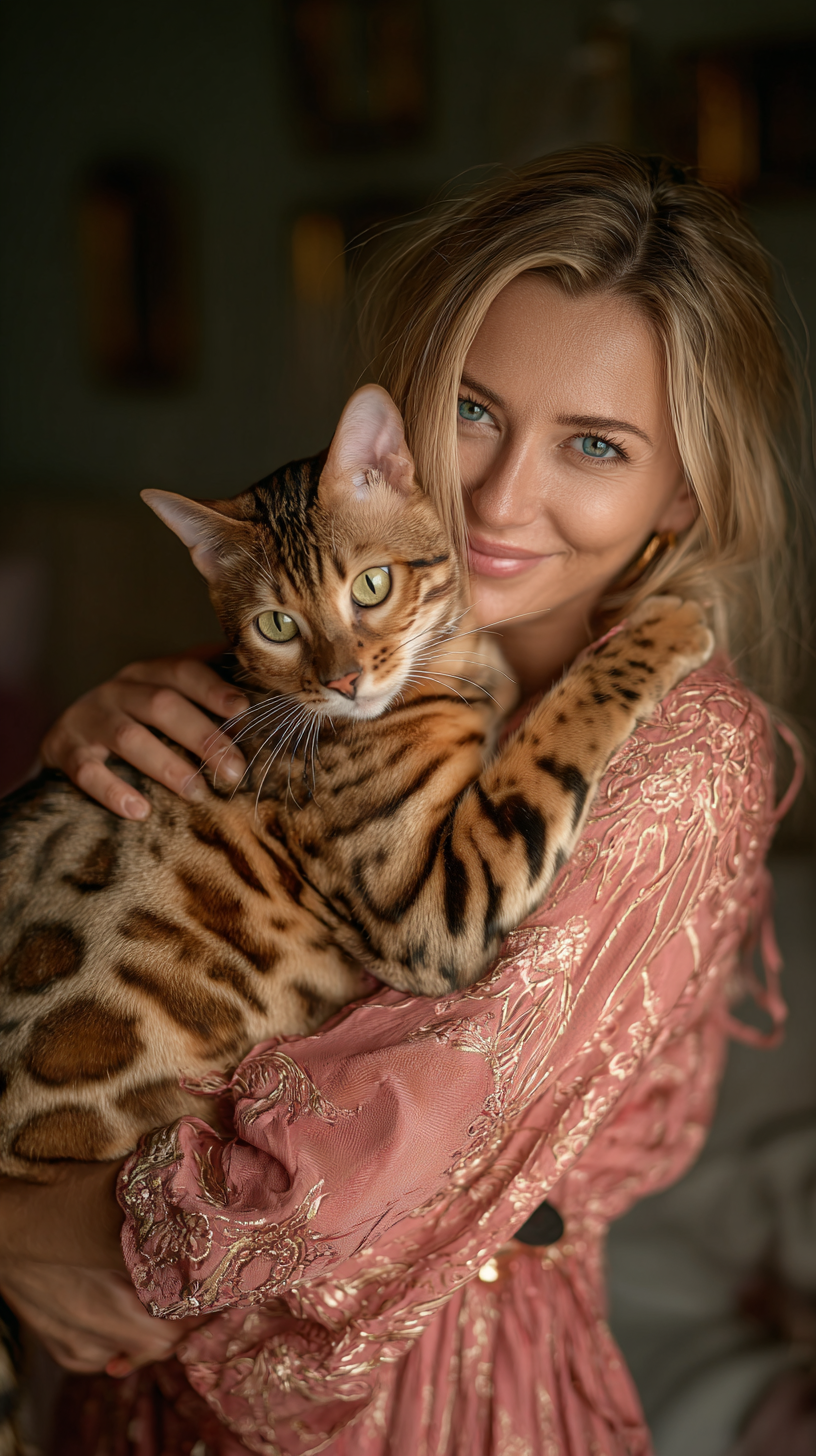
The Bengal vs Savannah are two of the most distinctive hybrid breeds in the cat world. Because both carry ancestry from wild felines, many people assume they are similar — but they differ significantly in body structure, drive, temperament, daily needs, and the type of home they thrive in.
Although both breeds descend from wild cats, Bengals are derived from the Asian Leopard Cat, while Savannahs come from the African Serval. These very different wild ancestors shape every aspect of the breeds we know today. Bengals are athletic, playful, and people-oriented with strong prey drive; Savannahs are tall, high-energy, highly intelligent cats that require structure, space, and enrichment.
Whether you’re choosing between the Bengal’s compact, muscular build and vivid rosettes or the Savannah’s long legs, tall ears, and exotic, serval-like presence, this guide breaks down all major differences: personality, activity level, home requirements, grooming, health, lifespan, cost, and the type of family each breed fits.
Quick Comparison Table: Bengal vs Savannah
| Trait | Bengal | Savannah |
|---|---|---|
| Personality | Active, curious, highly interactive | Intelligent, energetic, alert, bonded |
| Activity Level | Very high | Extremely high |
| Grooming Needs | Low | Low |
| Coat Type | Short, dense, patterned | Short, coarse to plush, often spotted |
| Body Structure | Muscular, compact, agile | Tall, long-legged, lean, exotic |
| Health Risks | GI sensitivity, cardiomyopathy in some lines | Hypertrophic cardiomyopathy, dietary sensitivity, orthopedic issues |
| Lifespan | 12–16 years | 12–20 years depending on generation |
| Maintenance Level | High stimulation, high enrichment | Very high stimulation, structured environment |
| Best For | Active homes, experienced owners | Highly engaged owners, spacious homes |
| Shedding | Low | Low to moderate |
Breed Origins and History
Bengal Origins
The Bengal was intentionally developed in the 1960s–1980s by crossing domestic cats with the Asian Leopard Cat. The goal was to create a domestic cat with the dramatic spotted or rosetted pattern of wild felines but with the temperament of a companion cat.
Through generations of selective breeding, Bengals became fully domestic, retaining the athleticism, intelligence, and striking coat patterns of their wild ancestors. Today, SBT (Stud Book Tradition) Bengals — typically F4 and beyond — are recognized by major cat associations and are popular worldwide as highly interactive, energetic companions.
Despite their wild look, modern Bengals are fully domestic cats with predictable behaviors and stable temperaments, though they still require more enrichment than average breeds.
Savannah Origins
The Savannah cat began in the 1980s, when a domestic cat was bred to an African Serval, producing a tall, elegant, hybrid kitten with long legs and large, upright ears. Early-generation Savannahs (F1–F3) retain more serval-like traits, including size, athleticism, and intense curiosity.
Over time, later generations (F4–F7) became more predictable as companions, though Savannahs as a whole still possess a high degree of intelligence, energy, and problem-solving behavior. They are known for their ability to jump great heights, open doors, retrieve objects, and form strong, doglike bonds with their people.
Savannahs are recognized by TICA, with strict generational distinctions affecting size, legal ownership requirements, and expected temperament.
Bengal vs Savannah Appearance
Bengal Appearance
Bengals are known for:
- muscular, athletic bodies
- thick tail
- rounded wedge head
- medium-sized ears
- dense, luxurious pelt-like coat
- spotted, rosetted, or marble patterns
- glittered shine in many individuals
They have a compact power-build rather than a tall build. Their patterns (especially rosettes) are one of the biggest selling points for buyers, as they closely resemble miniature leopards.
Savannah Appearance
Savannahs are recognized for:
- tall, leggy, serval-inspired structure
- extremely large, upright ears
- long neck
- narrow, aerodynamic face
- lean body with incredible height
- spotted coat, often golden, silver, or black-smoke
Among domestic cats, Savannahs rank as one of the tallest breeds. First- and second-generation Savannahs often display the most dramatic serval traits, while later generations are smaller and more domestic in bone structure.
The biggest structural difference is clear: Bengals are muscular and compact, while Savannahs are tall, long-limbed, and visually exotic.
Personality & Temperament
Bengal Temperament
Bengals are:
- extremely playful
- high-energy
- vocal and expressive
- curious about everything
- intelligent and problem-solving oriented
- social with their people
- driven by prey instincts
- happiest with daily stimulation
They thrive on climbing structures, interactive toys, puzzle feeders, and activities that imitate hunting. Bengals bond strongly with their owners but require substantial enrichment to prevent unwanted behaviors like overactivity or boredom-related mischief.
Savannah Temperament
Savannahs are:
- highly intelligent
- observant and alert
- athletic and powerful jumpers
- deeply bonded to one or two people
- exploratory and persistent
- quick learners with doglike traits
- high-energy even in later generations
Savannahs excel in homes that provide space, tall vertical territory, leash training, and structured play. They are not an “average pet cat”—they require an engaged lifestyle and an owner who understands hybrid behavioral traits.
Recap
Both breeds are extremely active and intelligent, but Bengals express energy through play and prey drive, while Savannahs channel it into exploration, jumping, bonding, and problem-solving. For most households, Bengals are more adaptable, while Savannahs require a very specific environment.
DNA Differences Between Bengal and Savannah Cats: F1, Early Generations & SBT Lines
Although Bengals and Savannahs are both hybrid breeds, their DNA backgrounds come from completely different wild ancestors — and this shapes the behavior, size, fertility, diet, and temperament of early-generation cats. Understanding F1, F2, F3, and SBT distinctions is essential for buyers considering either breed.
Wild Ancestor Overview
Bengal DNA Origin
- Hybrid of domestic cat × Asian Leopard Cat (ALC)
- ALC is a small, solitary, forest-dwelling wild cat
- Imparts coat pattern, higher energy, and cautious awareness
- Bengals reach full domestication in SBT generations (F4+)
Savannah DNA Origin
- Hybrid of domestic cat × African Serval
- Serval is a tall, powerful, highly athletic wild feline
- Imparts long legs, tall ears, intense jumping ability, and strong bonding
- Savannahs retain more wild-type traits in early generations (F1–F3)
The key difference: ALC DNA influences coat pattern and prey drive, while Serval DNA influences size, agility, and behavioral intensity.
F1 Bengal vs F1 Savannah: DNA Percentage & Traits
F1 Bengal DNA
- Approx. 50% Asian Leopard Cat, 50% domestic
- Very rare; most Bengal breeders produce SBT lines only
- Often smaller and more timid than later generations
- Less predictable temperament
- Breeding males almost always infertile due to hybrid sterility
- Diet sometimes requires higher protein, lower carbohydrate profile
- Not commonly sold as pets except by a few specialized programs
Bengals resemble ALC behavior more than domestic behavior, which makes them closer to wild temperament than the typical Bengal most people know.
F1 Savannah DNA
- Approx. 50% African Serval, 50% domestic
- Very tall, long-limbed, exotic body structure
- Strongest serval traits:
- extreme jumping (6–8 feet vertically)
- serval-like chuffing or hissing
- strong bond to one or two people
- high-level problem-solving
- High athletic needs
- Earlier generations require structured environments
- Males often infertile until F5 or later
F1 Savannahs retain much more wild phenotype than F1 Bengals because the African Serval is a far larger, more powerful species than the ALC.
Hybrid Fertility Differences: Bengals vs Savannahs
Bengal Fertility
- Male infertility typically persists until F4
- F1–F3 males: infertile
- F4+ males: generally fertile
- This is why recognized Bengals are usually SBT (stud book tradition) — at least F4 generation or beyond, ensuring consistent domestic temperament.
Savannah Fertility
- Male infertility persists much longer: often until F5–F7
- F1–F4 males: almost always infertile
- Females are typically fertile from F1 onward
- Savannah breeders often work with later generations for predictable temperament and size.
This extended infertility window is one reason Savannah programs require more time and specialized knowledge.
Behavioral DNA Influence by Generation
Bengal Generations
- F1–F2: more cautious, higher wild-drive behaviors, shy with strangers
- F3: transitional temperament; still energetic but more domestic
- F4+ (SBT): fully domestic personality; social, playful, confident
- SBT Bengals are what the public recognizes as the standard Bengal cat
ALC DNA primarily influences coat and prey instinct; early generations show more reactivity but are manageable in experienced homes.
Savannah Generations
- F1–F2: tall, intense, high-drive, highly bonded, very athletic
- F3: still carries strong serval features but more manageable
- F4–F5: considered suitable “family-level” Savannahs
- F6–F7: typically smaller and more domestic in personality
- Savannahs remain more “wild-coded” even several generations out compared to Bengals.
Serval DNA influences height, ears, problem-solving, and explosive athleticism, which remains visible across many generations.
Physical Differences by Generation
Bengals
- Early generations resemble the ALC more in bone structure
- As generations advance, Bengals become stockier and more muscular
- SBT Bengals display the classic rosetted coat with glittering
Savannahs
- F1–F2 generations are extremely tall with dramatic serval proportions
- Later generations become smaller but still taller than most domestic breeds
- Ear height and leg length remain notable even in F6+
Savannahs maintain more wild physical traits across generations than Bengals due to the Serval’s dominant genetics.
DNA Impact on Care Requirements
Bengals
- Early generations require modified diets and more cautious handling
- SBT Bengals (F4+) eat normal high-protein diets
- Enrichment is required but manageable
- Good for active homes
Savannahs
- Higher generations may require more raw-based or species-appropriate diets
- Need vertical territory and high ceilings for safe jumping
- Early generations require specialized housing or supervisory structure
- They develop deep bonds and dislike separation
Savannahs generally require more specialized care than Bengals, especially in F1–F3.
Summary of DNA Differences
| Trait | Bengal | Savannah |
|---|---|---|
| Wild Ancestor | Asian Leopard Cat | African Serval |
| F1 DNA % | ~50% ALC | ~50% Serval |
| Early-Gen Traits | Shy, prey-driven, cautious | Tall, powerful, bonded, athletic |
| Male Fertility | Restored by F4 | Often not until F5–F7 |
| Temperament Stability | By F4 (SBT) | By F5–F6 |
| Wild Trait Retention | Moderate | High, even in later gens |
| Structure Impact | Muscular, compact | Tall, long-limbed, exotic |
| Care Needs | High stimulation | Very high enrichment and structure |
Health & Genetic Concerns: Bengal vs Savannah
Because Bengals descend from the Asian Leopard Cat and Savannahs from the African Serval, their health profiles differ. Responsible breeding, generational distance, and screening make a significant impact on overall health.
Common Bengal concerns include:
- gastrointestinal sensitivity
- hypertrophic cardiomyopathy in some lines
- food allergies
- dental disease
- stress-related digestive issues
Common Savannah concerns include:
- HCM (especially in some lines)
- dietary sensitivities
- orthopedic strain from intense athleticism
- stress-related urinary concerns
- vaccine sensitivities in some early generations
Savannahs also vary in health risks depending on generation; F1–F3 cats retain more serval-like physiology, which can influence diet, digestion, and activity demands.
Both breeds require owners committed to high-quality diets, environmental enrichment, and routine veterinary screening.
Bengal Health Profile
Bengals do not experience the facial structure–related issues seen in flat-faced breeds, but they have their own set of hybrid-linked health concerns. Their wild ancestry (Asian Leopard Cat) influences digestion, sensitivity to stress, and immune response. Responsible breeding and generational testing greatly reduce these risks, but owners should understand the most common conditions.
• Gastrointestinal Sensitivity
Digestive issues are one of the most frequently reported Bengal health problems. Their closer wild lineage can contribute to:
- sensitivity to high-carbohydrate diets
- loose stools or diarrhea under stress
- intolerance to certain proteins
- overgrowth of GI bacteria when diet changes too quickly
High-quality, high-protein diets help stabilize digestion in most Bengals.
• Hypertrophic Cardiomyopathy (HCM)
HCM is the most commonly documented genetic cardiac disease in Bengals. Prevalence varies by breeding program, but lines with repeated cardiac testing see significantly lower rates. Screening via echocardiogram remains essential for breeding cats.
• Food Allergies and Skin Issues
Bengals may develop:
- itchy skin
- over-grooming
- hot spots
- chin acne
- protein intolerances
These issues are usually linked to diet, environmental allergies, or stress.
• Dental Health
Bengals generally have strong jaws and normal facial structure, but tartar buildup and gingivitis can occur without regular dental care.
• Joint & Orthopedic Sensitivities
Because Bengals are extremely active climbers and jumpers, minor strains or sprains can occur. Older Bengals may show early signs of arthritis compared to lower-activity breeds.
• Stress-Related Conditions
Bengals are highly intelligent and energetic. If understimulated, they may develop:
- urinary inflammation (stress cystitis)
- digestive upset
- over-grooming
- behavioral frustration
Environmental enrichment is not optional—it is essential to long-term health.
Savannah Health Profile
Savannah health varies by generation, as early generations carry more African Serval DNA. Their serval ancestry affects digestion, bone structure, bonding style, and stress load. Later generations (F5+) are generally robust, but early gens require specialized knowledge and veterinary oversight.
• Hypertrophic Cardiomyopathy (HCM)
HCM is present in Savannahs, and responsible breeders screen regularly. Some lineages—especially those with closer serval ancestry—show higher rates, though the data varies by cattery.
• GI & Digestive Sensitivity
Savannahs, especially F1–F3, may require:
- higher-protein, lower-carbohydrate diets
- limited-ingredient foods
- careful transitions between diets
They can experience loose stools or malabsorption if fed highly processed or grain-heavy diets.
• Orthopedic Concerns
Savannahs are powerful jumpers capable of heights exceeding 6–8 feet. Early generations, with longer limbs and higher muscle mass, may be prone to:
- ligament strain
- joint stress
- occasional fractures from extreme activity
Later generations generally have more stable domestic bone structure but still benefit from safe climbing spaces.
• Stress & Behavioral Health Risks
Savannahs form deep bonds with their people. Stress can trigger:
- urinary tract inflammation
- overgrooming
- appetite changes
- destructive behaviors if understimulated
Early generations especially need structure, routine, and significant engagement.
• Vaccine Sensitivity in Early Generations
Some F1–F2 Savannahs may have heightened reactions to certain vaccines due to unique Serval immune traits. This does not apply to all individuals, but many breeders use modified vaccination schedules in coordination with knowledgeable veterinarians.
• Dietary Requirements in Early Generations
High amounts of processed food may cause digestive upset in early-generation Savannahs. Many breeders recommend raw or hybrid diets tailored to high-protein needs, especially for F1–F3 cats.
Health Differences: Bengal vs Savannah
| Health Aspect | Bengal | Savannah |
|---|---|---|
| Overall Health Profile | Generally healthy; prone to GI and cardiac concerns | Highly dependent on generation; early gens require specialized care |
| GI Sensitivity | Common; linked to protein intolerance or stress | Common; early gens often need high-protein, low-carb diets |
| Cardiac Risk (HCM) | Present in the breed; requires screening | Present; some lines show higher prevalence |
| Urinary Issues | Stress-related cystitis in active or bored cats | Stress-related urinary concerns, especially in bonded cats |
| Orthopedic Concerns | Athletic strains from high activity | Significant in early gens due to extreme jumping ability |
| Dental Health | Normal structure; tartar if not maintained | Normal structure; dental issues uncommon but possible |
| Stress Vulnerability | High intelligence increases behavioral stress risk | Very high in early gens; requires routine and engagement |
| Coat & Skin Issues | Allergies and overgrooming possible | Minimal coat issues; diet-related skin dryness possible |
| Dietary Sensitivity | Sensitive to low-quality diets | Early gens require specialized diets; later gens more flexible |
| Longevity Impact | Affected by cardiac and digestive health | Affected by generational distance, stress, and cardiac screening |
Summary of Health Risk Differences
- Bengals face more issues related to digestion, allergies, and HCM, but are generally stable in later generations.
- Savannahs vary more dramatically by generation; F1–F3 cats require specialized diets, environments, and veterinary oversight, while F5+ cats are closer to domestic health norms.
- Both breeds need HCM screening, enrichment, and high-quality diets to maintain optimal health.
Bengal vs Savannah Lifespan: Which Breed Lives Longer?
Bengal Lifespan — 12 to 16 Years
Bengals typically live 12–16 years when bred from healthy, well-tested lines. Their lifespan reflects their fully domestic generational status (SBT lines), stable metabolism, and generally robust structure. Digestive sensitivity and HCM screening influence longevity, but with proper care, Bengals often reach the upper end of the lifespan range.
Savannah Lifespan — 12 to 20 Years
Savannah lifespans vary by generation. Later-generation Savannahs (F5–F7) commonly live 14–20 years, similar to long-lived domestic cats. Early-generation Savannahs (F1–F3) may have more variable lifespans depending on diet, stress load, and activity management due to their closer Serval ancestry. With experienced ownership and structured environments, many Savannahs remain healthy well into their teens.
Diet & Nutrition: Bengal vs Savannah Cats
Although both breeds thrive on high-quality, species-appropriate nutrition, their needs differ because of their hybrid ancestry, activity levels, and generational distance from their wild relatives. Understanding these differences helps owners choose the right food, prevent digestive issues, and maintain long-term health.
Bengal Diet Needs
Bengals descend from the Asian Leopard Cat, a small wild feline with a high-protein, low-carbohydrate natural diet. While SBT Bengals are fully domestic in their nutritional needs, they still show more digestive sensitivity than many other breeds.
Bengals typically thrive on:
• High-Protein, Meat-Focused Diets
Bengals digest animal-based proteins best. Diets containing poultry, rabbit, and fish tend to be well tolerated, while carbohydrate-heavy foods often cause digestive upset.
• Moderate Fat Levels for Energy
Because Bengals are extremely active, they benefit from diets that offer sustained energy without unnecessary fillers.
• Limited Carbohydrates
Too many plant-based ingredients can trigger soft stools, gas, or chronic digestive irritation.
• Wet or Raw Food for Hydration
Bengals are prone to mild urinary inflammation under stress, making hydration important. Wet food or raw-inclusive diets help support urinary health.
• Sensitive Stomach Formulas (When Needed)
Bengals may react to abrupt diet changes, certain proteins, or low-quality ingredients. Many do best on limited-ingredient diets or diets free from grains and fillers.
• Scheduled, Consistent Feeding
Because stress affects Bengal digestion, predictable mealtimes support gut stability and behavior.
Summary:
Bengals need high-protein, easily digestible diets with minimal carbohydrates. Their sensitive GI system benefits from wet or raw elements and consistent feeding routines.
Savannah Diet Needs
Savannah cats, especially early generations (F1–F3), retain more traits from the African Serval, which has very different digestive physiology from domestic cats. As a result, Savannah diets vary significantly by generation.
Early-Generation Savannah Diets (F1–F3)
These cats may require diets closer to a wild feline’s nutritional profile.
They often thrive on:
• High-Protein, Raw or Raw-Hybrid Diets
Many early-gen Savannahs digest raw poultry, rabbit, or other whole-prey proteins extremely well. Raw-fed diets can reduce loose stool, coat dryness, and digestive issues.
• Lower Carbohydrate, Lower Filler Diets
Servals have difficulty processing grains and high-carb food. Early gens may experience GI upset on commercial kibble.
• Frequent Small Meals
Their metabolism is fast and efficient. Multiple small meals mimic natural feeding patterns and prevent bile vomiting.
• Higher Taurine and Amino Acid Intake
Because of closer wild ancestry, they may benefit from diets rich in taurine and other essential amino acids.
• Cautious Transitioning
Early gens can react strongly to abrupt diet changes; slow transitions are critical.
Later-Generation Savannah Diets (F4–F7)
These cats have more domestic physiology and can tolerate a broader variety of commercial diets, though they still need high-protein nutrition.
They typically do well on:
• High-Protein Wet or Raw-Inclusive Diets
Their energy levels and lean muscle require quality protein sources.
• Premium Kibble Paired With Wet Food
Many later-gen Savannahs do fine with high-end, grain-free kibble and daily wet meals.
• Hydration-Focused Feeding
Savannahs are extremely active; they benefit from extra hydration to support kidney health.
• Enrichment-Linked Feeding
Puzzle feeders, lick mats, and interactive feeding help meet their mental and physical stimulation needs.
Summary:
Savannah diet requirements depend heavily on generation. Early generations often need raw-based or specialized diets, while later gens tolerate high-quality commercial food but still need high protein and hydration.
Diet Comparison Summary: Bengal vs Savannah
| Diet Category | Bengal | Savannah |
|---|---|---|
| Protein Needs | Very high; thrives on meat-based diets | Extremely high; early gens may require raw or whole-prey |
| Carb Tolerance | Low; carbs can trigger digestive issues | Very low for early gens; later gens tolerate more |
| Hydration Needs | Beneficial for urinary health | Beneficial for muscle recovery and high activity |
| Digestive Sensitivity | Common; stool issues if diet is low-quality | Very common in F1–F3; moderate in later gens |
| Feeding Routine | Best with consistent schedules | Early gens need small, frequent meals |
| Wet/Raw Suitability | Highly beneficial | Often essential for early generations |
| Food Motivation | Strong; enjoys puzzle feeders | Very strong; feeding doubles as enrichment |
| Long-Term Dietary Stability | Needs slow transitions | Early gens require extremely slow transitions |
Activity Level & Energy: High vs Extremely High
Both breeds are extremely active and intelligent, but Savannahs typically maintain a higher energy threshold than Bengals.
Bengal Activity Level
Bengals are:
- highly energetic
- playful and interactive
- driven by strong prey instincts
- athletic climbers
- happiest with toys, puzzles, and structured enrichment
They require daily mental stimulation and physical activity to remain balanced.
Savannah Activity Level
Savannahs are:
- extremely high-energy
- powerful jumpers capable of heights 6–8 feet
- intensely curious
- bonded and socially demanding
- constantly seeking exploration and vertical territory
Savannahs often require more daily involvement, more space, and more enrichment than Bengals to stay satisfied.
Recap:
Bengals are high-energy cats who thrive in active households with consistent enrichment.
Savannahs take that intensity further—they are among the most energetic and physically capable domestic hybrids, requiring structured engagement and room to explore.
Bengal vs Savannah Grooming & Coat Maintenance
Unlike longhaired domestic cat breeds, both Bengals and Savannahs have low-maintenance short coats, making grooming extremely simple. Their care needs are not defined by coat texture but by behavioral and environmental requirements. Still, their coats differ slightly in density and feel.
Many first-time hybrid owners underestimate the intensity of behavioral enrichment while overestimating grooming needs. With these breeds, coat care is easy—daily engagement is the real commitment.
Bengal Coat Care
A Bengal’s coat is short, dense, and soft, often with a unique “pelt-like” texture. Their spotted or rosetted patterns do not affect grooming needs.
A typical Bengal grooming routine includes:
• Weekly Brushing
Though the coat does not mat, weekly brushing helps reduce loose hair and enhances coat shine. Bengals also enjoy the interaction.
• Bathing (Optional)
Most Bengals stay clean naturally, but occasional bathing can help during seasonal shedding.
• Nail Trimming & Basic Hygiene
Because Bengals climb and jump frequently, maintaining trimmed nails helps prevent accidental scratches and damage to surfaces.
• Coat Monitoring During Seasonal Shedding
Bengals shed lightly year-round and more noticeably in spring and fall. Extra brushing helps keep the coat sleek.
Bengals are low-maintenance in grooming, but high-maintenance in activity and stimulation.
Savannah Coat Care
Savannahs also have a short, easy-care coat, though texture may vary by generation—early gens may have a coarse serval-like coat while later gens tend to have a softer, more domestic texture.
A Savannah coat routine typically includes:
• Weekly to Biweekly Brushing
Their short fur rarely mats. Brushing helps with shedding and strengthens the human–cat bond.
• Bathing (Optional)
Some Savannahs enjoy water, especially early generations, making bathing easy if desired.
• Ear Care
Savannahs have very large ears, and occasional cleaning may be needed to remove debris or wax.
• Coat Monitoring During Heavy Activity
Savannahs are physically intense. Check for minor abrasions or scratches from climbing or jumping.
• Light Shedding Management
Later-gen Savannahs shed lightly; early-gens may shed slightly more but still require minimal coat care.
Savannahs are extremely low-maintenance in grooming but high-maintenance in environmental requirements, play, enrichment, and mental stimulation.
Recap on Grooming
Both breeds are simple to maintain groom-wise, but Savannahs and Bengals differ sharply in physical and behavioral expectations.
Bengal:
Low-maintenance coat, weekly brushing, and optional bathing.
Savannah:
Very low-maintenance coat, minimal brushing, and occasional ear cleaning—coat care is simple, activity demands are not.
Shedding Differences: Low vs Low-to-Moderate
Shedding patterns between Bengals and Savannahs are generally easier to manage than longhaired breeds, but there are still meaningful differences that families should consider. Coat density, activity level, and wild ancestry all influence how much hair these cats release throughout the year.
Bengal Shedding
Bengals shed:
- lightly year-round
- more noticeably during spring and fall
- less than most domestic breeds with similar coat length
Their short, dense, pelt-like coat does not mat and releases very little dander compared to longhaired breeds. Most Bengals require only weekly brushing to remove loose hairs. Seasonal “coat blows” are mild and easy to manage, making Bengals one of the lower-shedding hybrid breeds.
Because Bengal fur is short and fine, shed hair tends to fall close to the ground rather than floating through the air. It does not cling to fabrics as aggressively as long hair, and the coat stays neat with minimal effort.
Savannah Shedding
Savannahs shed:
- light to moderate amounts year-round
- more than Bengals in many cases
- variably depending on generation (early gens may shed slightly more due to wilder coat texture)
Their short coat rarely mats, but Savannahs do release more loose hair because they have a slightly coarser texture and higher activity levels, which physically dislodge fur. During seasonal shedding, brushing two to three times per week helps reduce loose hair.
Savannah hair is still much easier to manage than longhaired breeds, but households with high sensitivity or very strict cleanliness standards may notice shedding more than they would with a Bengal.
Bengal vs Savannah Shedding Summary:
Bengal → low shedding; easy to maintain with weekly brushing
Savannah → low-to-moderate shedding; more noticeable than Bengals but still very manageable
Cost, Price Ranges, and Lifetime Maintenance
Both the Bengal and the Savannah are premium hybrid breeds, but their lifetime expenses differ significantly because of generational differences, housing needs, enrichment requirements, and veterinary considerations. Early-generation Savannahs especially can require far higher investment than Bengal cats.
Bengal Cost
Bengal kittens typically cost:
- $1,500–$3,500 for SBT (standard) Bengals
- Higher pricing for rosetted patterns, charcoal, melanistic, snow, or imported lines
- Show-quality Bengals may exceed the typical range
Ongoing costs for Bengals include:
- interactive toys and daily enrichment tools
- high-quality, high-protein diet (especially for sensitive stomachs)
- veterinary monitoring for HCM or digestive sensitivity
- replacements for toys, scratching posts, and climbing equipment due to heavy use
Bengals are not high-maintenance in grooming, but they are high-maintenance behaviorally. Their lifetime expenses come primarily from enrichment and veterinary support for energy-driven or stress-driven conditions.
Savannah Cost
Savannah pricing varies drastically by generation:
- F1 Savannahs: $15,000–$30,000+
- F2 Savannahs: $8,000–$15,000
- F3 Savannahs: $4,000–$8,000
- F4–F6 Savannahs: $2,000–$5,000
The earlier the generation, the higher the cost due to breeding difficulty, serval lineage percentage, and limited availability.
Lifetime costs can be significantly higher, particularly for early gens:
- reinforced enclosures, tall climbing structures, and safe room setups
- leash-training gear and secure outdoor options
- high-meat diets or raw-inclusive diets (especially F1–F3)
- larger veterinary bills for stress, orthopedic monitoring, or HCM screening
- possible insurance limitations for hybrid breeds
While later-generation Savannahs may have manageable costs, early generations require specialized housing, dietary support, and experienced ownership, which greatly increases lifetime expenses.
Which Cat Is Easier to Own?
Bengal: High-Energy but More Manageable for Most Homes
Bengals are demanding cats, but they are generally more adaptable and straightforward than Savannahs. They are easier to integrate into typical homes because they are:
- fully domestic by F4+
- social and people-friendly
- responsive to training and routine
- excellent with enrichment and vertical spaces
- easier to feed compared to early-generation hybrids
They still require daily play, climbing, stimulation, and structure, but they do not require the specialized setups needed for early-generation Savannahs.
Savannah: Extremely High-Need and Best for Experienced Homes
Savannahs are best suited for owners who:
- understand hybrid behavior
- have time for multiple daily enrichment sessions
- can provide extensive vertical space
- are prepared for intense jumping and exploration
- can manage stress-prone behaviors
- have a secure home that prevents escapes
- understand dietary needs, especially for F1–F3 generations
Savannahs—particularly early generations—are not ideal for owners who want a low-maintenance cat or who are away frequently. They need structure, engagement, and carefully managed environments.
Which Breed Is Best for Families, Kids, and Multicat Homes?
Bengal
Bengals do well in family settings because they are:
- social
- playful and interactive
- good with respectful children
- confident around friendly dogs
- adaptable to active or energetic homes
- mentally stimulated by busy environments
With proper engagement, Bengals typically thrive in modern households and are often described as “interactive companions.”
Savannah
Savannahs can succeed in families, but only under specific conditions:
- the home must be structured and predictable
- children must understand gentle handling
- noise levels should be controlled
- early generations (F1–F3) are not recommended for households with young kids
- later generations (F5–F7) adjust better but still require space and supervision
Savannahs may become stressed in chaotic homes, which can trigger undesirable behaviors. They do best with experienced owners, older children, and calm multicat environments.
Which Breed Fits Your Lifestyle?
At the end of the day, choosing between a Bengal and a Savannah comes down to your environment, time, and experience level.
Choose a Bengal if you want:
- a highly interactive, playful cat
- a breed that thrives in active homes
- a cat easier to integrate with children or dogs
- a fully domestic temperament with hybrid beauty
- moderate monthly maintenance
- a cat that requires enrichment, but not extreme management
Bengals fit well into modern lifestyles, including busy families and active work-from-home households.
Choose a Savannah if you want:
- a dramatic, exotic-looking hybrid
- a deeply bonded, highly intelligent companion
- a cat capable of extreme athleticism and problem-solving
- the time and space to meet intense enrichment needs
- an early-generation hybrid with serval-like traits (if experienced)
- a breed that thrives in calm, structured homes
Savannahs offer an unmatched presence, but they require dedication and an environment designed for their abilities.
Bengal Pros & Cons Table
| Bengal Pros | Description |
|---|---|
| Highly intelligent | Learns tricks, enjoys puzzle toys, thrives on mental challenges. |
| Interactive and social | Bonds closely with people; enjoys engaging with families and other pets. |
| Adaptable to many living environments | Can thrive in apartments or houses with adequate enrichment. |
| Low grooming needs | Short coat sheds lightly; weekly brushing is typically enough. |
| Striking appearance | Rosetted patterns and glittered coat provide a wild, exotic look. |
| Predictable temperament (SBT lines) | Later generations behave like domestic cats with hybrid beauty. |
| Great for active families | Enjoys children, playful homes, and structured activity. |
| Bengal Cons | Description |
|---|---|
| High energy level | Requires daily exercise, climbing, and stimulation. |
| Mischievous and curious | Opens doors, plays with water, explores constantly. |
| Sensitive digestion | May react to low-quality diets or fast food transitions. |
| Not suitable for low-activity homes | Boredom can lead to behavioral issues. |
| Vocal tendencies | Bengals “talk” often, especially when excited. |
| May overwhelm timid pets | Their enthusiasm can be too intense for passive animals. |
Savannah Pros & Cons Table
| Savannah Pros | Description |
|---|---|
| Exotic, serval-like appearance | Tall ears, long legs, and spotted coat resemble wild cats. |
| Exceptional intelligence | Learns commands, fetches, opens doors, excels at training. |
| Strong bonding behavior | Forms deep attachment to one or more humans. |
| Very low grooming needs | Short, easy-care coat with minimal shedding. |
| Athletic and trainable | Enjoys leash walking, high jumping, and interactive play. |
| Long lifespan in later generations | F5–F7 Savannahs often reach late teens or beyond. |
| Savannah Cons | Description |
|---|---|
| Extremely high energy | Needs extensive enrichment, vertical territory, and daily activity. |
| Generation complexity | F1–F3 require specialized care, diets, and setups. |
| Strong jumping and escape drive | Can leap 6–8 feet; requires hyper-secure homes. |
| Stress-prone in chaotic environments | May develop urinary or behavioral issues under stress. |
| Potential legal restrictions | Some states restrict ownership of early-generation Savannahs. |
| High cost and lifetime care needs | Early gens can cost $8K–$30K+ with ongoing specialized expenses. |
| Not ideal for low-engagement owners | Needs human interaction and constant mental stimulation. |
Bengal vs Savannah Cat Pros and Cons Summary Table
| Trait | Bengal | Savannah |
|---|---|---|
| Activity Level | Very high | Extremely high |
| Grooming Needs | Low | Very low |
| Social Behavior | Interactive, playful | Deeply bonded, alert |
| Training Ability | Excellent | Outstanding (doglike) |
| Diet Sensitivity | Moderate | High in early gens |
| Legal Restrictions | Rare | Common for F1–F3 |
| Cost | Moderate–High | High–Extremely High |
| Best For | Active families, pet-friendly homes | Experienced owners, large spaces |
| Hybrid Influence | Asian Leopard Cat ancestry | African Serval ancestry |
| Generational Stability | SBT (F4+) fully domestic | F5–F7 more domestic; F1–F3 very wild-like |
Bengal vs Savannah Cats: Frequently Asked Questions
Are Savannah cats more expensive than Bengals?
Yes. Savannah cats are significantly more expensive than Bengals because Savannah pricing is heavily tied to generation, percentage of African Serval DNA, and breeding difficulty.
- SBT Bengals (F4+) cost $1,500–$3,500 on average.
- Savannahs range widely:
- F1: $15,000–$30,000+
- F2: $8,000–$15,000
- F3: $4,000–$8,000
- F4–F6: $2,000–$5,000
Early-generation Savannahs cost more because producing viable litters is extremely difficult. Servals have different gestation lengths, behavior patterns, and reproductive timing than domestic cats, making successful breeding rare, unpredictable, and expensive. This scarcity is the core reason for their high purchase price.
Why are Savannah cats so expensive?
Savannah pricing reflects four main factors:
- Breeding Difficulty with Servals
Servals have a gestation of ~75 days, while domestic cats gestate for ~65 days.
This mismatch leads to:- pregnancy losses
- mismatched embryo development
- low conception rates
- high veterinary intervention costs
- Male Infertility Until F5 or Later
Hybrid males are infertile for several generations. This means breeders must rely on very few fertile males to produce kittens, increasing demand and limiting supply. - Housing + Care Requirements
Many early-generation Savannah breeders maintain:- heated outdoor enclosures
- large walk-in spaces
- reinforced fencing
- enrichment structures
- specialized diets
These costs raise the price of kittens.
- Legal, Licensing, and Permit Requirements
Some states require hybrid permits, breeder licensing, inspections, or restrict ownership of early generations, further increasing operational costs.
All of these factors make Savannahs—especially F1 and F2 generations—one of the costliest domestic hybrid cats in the world.
Why are F1 Savannah males infertile?
F1 Savannah males are infertile due to hybrid sterility, a well-documented genetic effect in species crosses. The African Serval and domestic cat have:
- different chromosome counts
- different chromosome structure
- different reproductive timing
- incompatible gamete pairing
Because their DNA cannot pair correctly during meiosis, early-generation hybrid males (F1–F4) cannot produce viable sperm. Fertility typically appears around F5–F7, when the genetic material becomes more compatible with fully domestic lines.
This same phenomenon appears in many hybrid species, such as mules.
Are Bengal males infertile in early generations?
Yes. Bengal males experience infertility in F1–F3 generations.
They become fertile at F4 and beyond (SBT), which is why nearly all pet Bengals sold today are SBT Bengals.
Savannahs take longer to regain fertility because Servals are genetically farther from domestic cats than Asian Leopard Cats are.
What is the average food bill for a Bengal?
Bengals typically have moderate food bills. Expect:
- $40–$90 per month for high-quality wet or raw food
- Extra for treats, freeze-dried rewards, and puzzle feeder snacks
Bengals do best on high-protein diets but generally tolerate commercial options better than early-generation Savannahs.
What is the average food bill for a Savannah cat?
Savannah food bills vary dramatically by generation:
F1–F3 Savannahs
Require higher-protein or raw diets closely resembling serval nutrition. Expect:
- $120–$250+ per month depending on size and food quality
- Many consume 1–2 pounds of raw meat daily (divided into small meals)
F4–F7 Savannahs
More flexible; typical food bill:
- $60–$120 per month
Savannahs often eat more volume overall because they are tall, muscular, and extremely active.
Do Savannah cats need special enclosures?
Early-generation Savannahs (F1–F3) benefit significantly from dedicated spaces such as:
- tall walk-in enclosures
- reinforced outdoor catios
- secure climbing structures
- multi-level shelving
- escape-proof fencing
These cats can leap up to 8 feet or more and require safe outlets for exercise.
Later-generation Savannahs (F4–F7) can live entirely indoors but still need:
- multiple tall cat trees
- wall-mounted perches
- large vertical territory
- supervised outdoor time or a catio
Savannahs are physically powerful and curious; enriched environments are essential.
Do Bengals need special enclosures?
Bengals do not require hybrid-style enclosures, but they do extremely well with:
- high cat trees
- wall shelves
- ceiling-height climbing systems
- large scratching posts
- puzzle feeders
- rotating toy sets
They don’t need serval-level space, but they do need lots of structured engagement.
Are permits required to own a Savannah cat?
It depends heavily on state and county laws.
Common rules:
- F1–F3 Savannahs may require permits, registration, or be fully restricted.
- F4+ Savannahs are legal in most states.
- Some states (e.g., Hawaii, Georgia, Rhode Island) restrict hybrid ownership entirely.
Buyers should check state wildlife laws and local county ordinances before purchasing.
Do Bengals require permits?
In the United States, SBT Bengals (F4+) do not require permits.
Some municipalities have outdated laws restricting early-generation hybrids, but these typically do not apply to SBT Bengals sold as pets.
Are Savannahs harder to care for than Bengals?
Yes. Savannahs—especially F1–F3—require significantly more:
- physical space
- enrichment
- training
- routine
- dietary management
- secure home setups
Bengals are demanding cats, but they are fully domestic in behavior and easier for the average home to support.
Why do Savannahs cost so much more long-term?
Long-term ownership costs are higher because Savannahs require:
- more food
- more durable enrichment
- more frequent veterinary oversight
- larger, safer indoor spaces
- secure outdoor or enclosed areas
- potential hybrid-permit fees
- raw food or high-protein diets
Over 10–15 years, a Savannah’s total cost of care can be two to five times that of a Bengal depending on generation.
Which breed is easier for families with children?
Bengals are generally better for families, especially with respectful children or other pets.
They are social, playful, and curious—and thrive in active homes.
Savannahs can integrate well, but:
- early generations may be too intense for small children
- they require structured environments
- they bond deeply with one or two people, not always the whole family
- their athleticism can unintentionally overwhelm kids
Later-generation Savannahs (F5–F7) are more family-friendly.
Do Savannahs need raw food?
Not always, but:
- F1–F3 Savannahs often do best with raw or raw-inclusive diets
- F4–F7 Savannahs can do well on high-quality canned or hybrid diets
Raw feeding supports digestive stability, nutrition, and coat quality in early generations, replicating a serval-like diet profile.
Do Bengals need raw food?
Bengals do well on raw or wet food but rarely need raw diets.
A high-quality, high-protein commercial diet is usually sufficient.
Is a Bengal or Savannah more expensive to insure?
Many pet insurance companies:
- Cover Bengals normally
- Either reject Savannahs entirely or cover only later generations
- Charge more for F1–F3 hybrids
- Exclude hybrid-related medical conditions
This is another hidden cost of Savannah ownership.
Are Savannah cats dangerous or aggressive?
Savannahs are not inherently aggressive, but their behavior can be misunderstood because:
- F1–F3 generations retain stronger serval instincts
- They are incredibly fast, reactive, and athletic
- They use height, speed, and jumping as natural behaviors
- They bond intensely and may be cautious with strangers
Aggression typically appears only when:
- the cat is understimulated
- improperly housed
- startled or stressed
- mishandled by inexperienced owners
Later-generation Savannahs (F5–F7) behave much more like domestic cats. Proper training, enrichment, and routine prevent problem behaviors. When raised correctly, Savannahs are affectionate, loyal, and highly trainable.
Are Bengals aggressive?
Bengals are rarely aggressive, but they are:
- high-energy
- opinionated
- demanding
- easily bored
What some interpret as “aggression” is usually:
- attention-seeking behavior
- overstimulation
- lack of daily enrichment
- frustration from inactivity
- redirected energy
A Bengal without an outlet will act out. A Bengal with the correct environment becomes a highly affectionate, playful, interactive companion.
Do Savannahs get along with other cats?
Compatibility depends on:
Early-generation Savannahs (F1–F3):
- Often bond strongly to humans but may be territorial with other cats
- Best paired with confident, active cat companions
- May intimidate timid or elderly cats due to size and intensity
Later generations (F4–F7):
- More sociable
- Better suited to multicat homes
- Still require careful introductions due to bold, athletic nature
Savannahs do poorly with passive cats who avoid confrontation.
Do Bengals get along with other cats?
Bengals generally do well with:
- other Bengals
- active cat breeds
- confident, playful companions
- friendly dogs
They may frustrate cats who dislike high activity, chasing, or rough play. Bengals thrive in homes with another energetic pet.
Which breed is more vocal: Bengal or Savannah?
Bengals are more vocal in daily life.
They chirp, trill, meow, “yell,” and make expressive sounds when bored, excited, or seeking interaction.
Savannahs are selective vocalizers.
They produce:
- chirps
- chatters
- “hissing greetings” (a serval trait that sounds aggressive but isn’t)
- sharp meows when they want something
Bengals talk more, but Savannah sounds are often more startling to unfamiliar owners.
Do Savannahs escape more easily than Bengals?
Yes. Savannahs—especially F1–F3—are master escape artists because they:
- leap extraordinary heights
- open latches
- press window screens
- push through unsecured doors
- investigate weaknesses in fencing or enclosures
Bengals are clever but do not have the same vertical power or escape drive. Savannah-proofing a home is essential.
What type of enclosure does a Savannah need?
Recommended for F1–F3 generations:
- walk-in outdoor catio
- minimum height 8–10 feet
- escape-proof mesh or welded wire
- lockable shift door
- climbing beams and vertical perches
- sheltered heated box (in cold climates)
- enrichment stations
F4–F7 generations do not “need” outdoor enclosures but strongly benefit from them.
Do Bengals need outdoor enclosures?
Not required, but Bengals thrive with:
- catios
- screened patios
- window boxes
- outdoor safe spaces
These reduce stress, provide stimulation, and prevent boredom behaviors.
Are Savannah cats allowed in apartments?
It depends on:
- building policy
- local hybrid laws
- generation
Most apartments will not allow F1–F3 Savannahs due to size, activity level, and liability concerns. Later-generation Savannahs (F5–F7) are sometimes allowed but still require significant space.
Are Bengals good apartment cats?
Yes — if properly enriched.
Bengals do well in apartments with:
- tall cat trees
- wall shelves
- daily play sessions
- puzzle toys
They do not do well in minimal environments with no vertical space.
Which breed bonds more strongly with humans?
Savannahs bond intensely, often choosing one or two people as their primary attachment. They follow, supervise, and shadow their preferred human constantly.
Bengals bond strongly but more evenly across the household.
They are social butterflies, not one-person cats.
Can Savannahs be left alone?
Later generations with proper enrichment may tolerate moderate alone time, but F1–F3 Savannahs do not do well when left alone for long hours. They become anxious or destructive if under-stimulated.
Savannahs often do best in homes where someone is present most of the day.
Can Bengals be left alone?
Bengals tolerate alone time better than Savannahs, especially when they have:
- another pet
- climbing structures
- toys
- puzzle feeders
A Bengal left alone every day without enrichment may develop stress-related behaviors.
What are the biggest behavioral differences between Bengals and Savannahs?
Bengals
- playful, energetic
- curious and mischievous
- social with multiple people
- excellent climbers
- strong prey drive
Savannahs
- extremely athletic
- intensely bonded
- more “doglike” in routine and training
- bold, confident, investigative
- powerful jumpers
Savannahs feel more “wild,” while Bengals feel more “active domestic.”
Are Bengals or Savannahs harder to train?
Savannahs are easier to train because:
- they are extremely intelligent
- they respond well to routine
- they enjoy structured activities like leash walking
- they possess strong food and play motivation
Bengals are also trainable but are more scattered in energy and may be less predictable.
Are Savannahs or Bengals more destructive?
Savannahs are generally more destructive when under-stimulated because they are:
- taller
- stronger
- better jumpers
- more curious
- more bonded and more emotionally sensitive
Bengals are destructive mainly in playful ways—knocking things down, opening cabinets, shredding paper, etc.
Savannah destruction is more structural, such as:
- damaging blinds
- breaking screens
- opening doors
- clearing shelves by leaping onto them
Which breed is better for first-time cat owners?
Bengals are challenging but manageable for dedicated first-time cat owners.
Savannahs (especially F1–F3) are not recommended for beginners due to:
- high energy
- strong hybrid traits
- expensive dietary and housing needs
- intense bonding and stress sensitivity
Later-generation Savannahs (F5–F7) can work for first-time owners who are committed and well-prepared.
Bengal vs Savannah Cat Summary
Bengal cats and Savannah cats are both hybrid breeds, but they differ significantly in care needs, energy levels, cost, and suitability for most homes. Bengals (F4+) are fully domestic, highly social, playful, and easier to manage. They have low grooming needs, moderate food costs, and adapt well to families, other pets, and indoor living.
Savannah cats vary widely by generation. Early-generation Savannahs (F1–F3) show strong African Serval traits, including extreme athleticism, deep bonding, high physical and mental stimulation needs, and specialized diets. They also require secure home setups, more space, and experienced owners. Later generations (F5–F7) are more manageable but still more demanding than Bengals.
In short: Bengals suit a wider range of households, while Savannahs are best for structured, high-engagement environments with owners prepared for hybrid-specific needs, higher expenses, and potential legal restrictions.
Related Reading
Cat Breed Comparisons :





Read the Comments +