

Ragdoll Cat Pros and Cons: Temperament, Care, Grooming and More
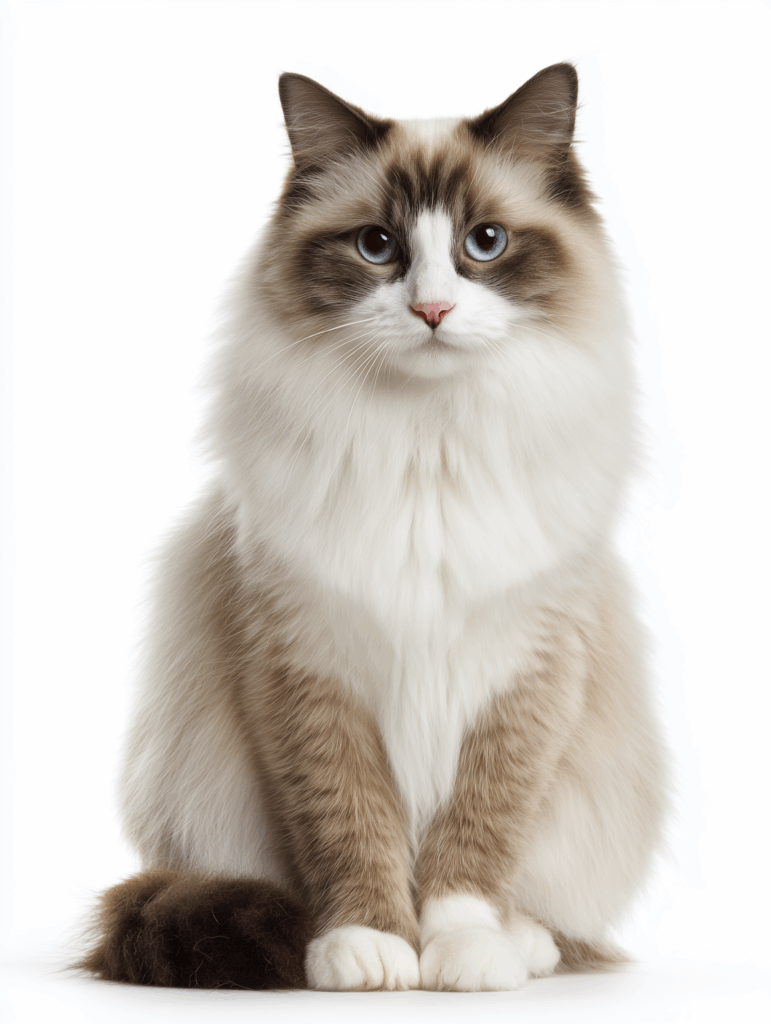
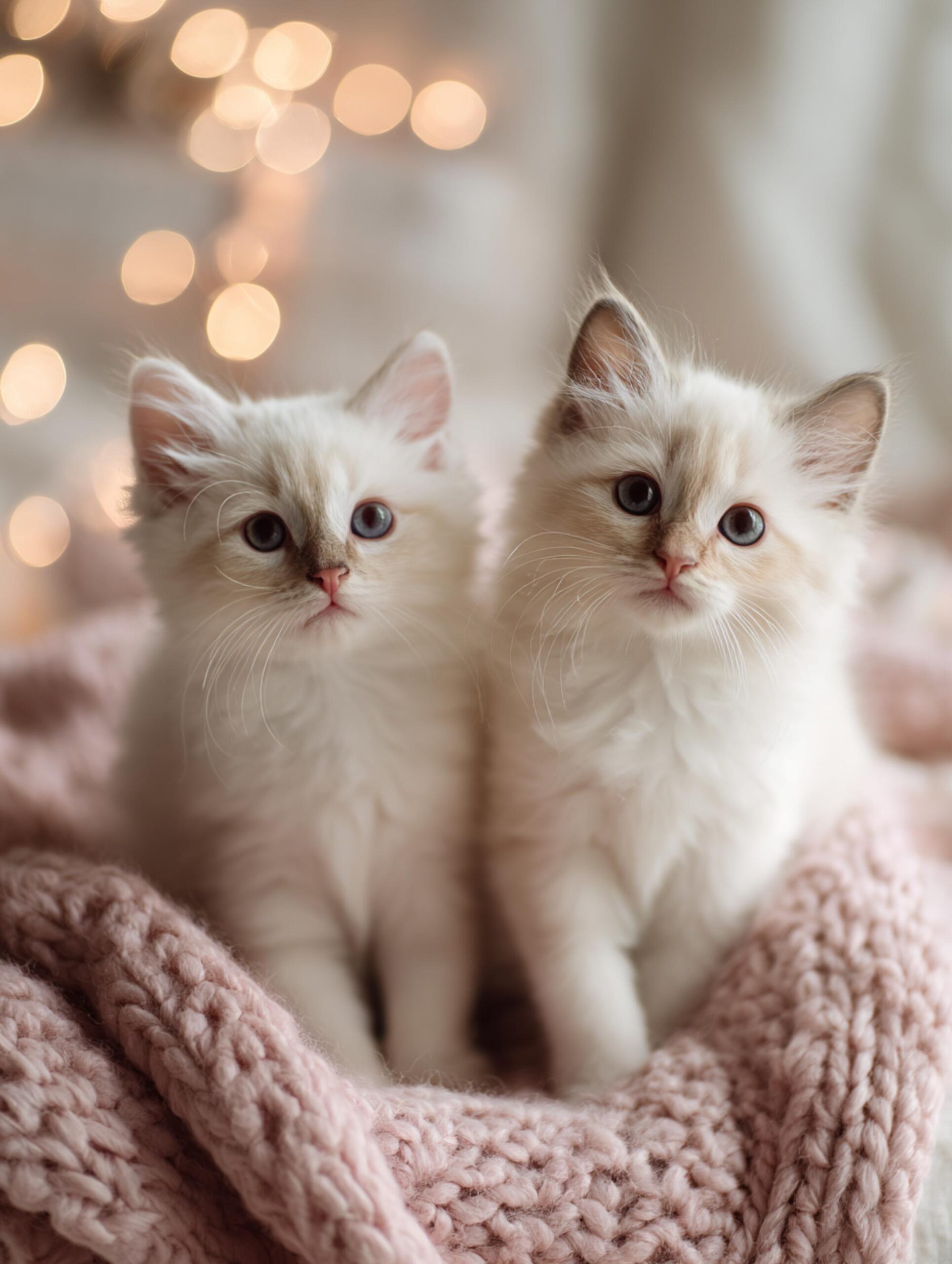
Ragdolls were intentionally developed to be calm, friendly, and people-oriented. This makes their personality one of the biggest pros for the right household. Unlike some cats who prefer independence or high-energy environments, Ragdolls thrive on gentle, predictable human companionship. They’re often described as soft, mellow, and approachable — traits that stand out even among other affectionate breeds.
What sets Ragdoll temperament apart is not just friendliness, but consistency. They have a reputation for being emotionally stable, slow to overreact, and highly tolerant of respectful children and pets. These characteristics make them easier to integrate into diverse households. But this same temperament also means they become deeply attached to their people, and that attachment can create challenges for owners who travel frequently or work long hours.
Understanding this temperament helps buyers decide whether they want a cat who naturally gravitates toward people, prefers companionship, and needs a stable environment to thrive.
Ragdoll Cat Pros and Cons Table
| Pros | Cons |
|---|---|
| Calm, gentle temperament | Needs regular brushing to prevent tangles |
| Affectionate and people-oriented | Not hypoallergenic |
| Good with kids, dogs, and other pets | Can become stressed in chaotic homes |
| Low-aggression breed | May gain weight without structured play |
| Easy handling and tolerant personality | Dislikes long hours alone |
| Beautiful semi-long coat | Higher upfront cost than many breeds |
| Adaptable to indoor-only living | Slow maturity (3–4 years) |
| Quiet and non-demanding vocalization | Requires thoughtful socialization as a kitten |
The Biggest Pros of Ragdoll Cats
Ragdolls come with several advantages that make them ideal companions:
- Exceptionally gentle and predictable temperament
Ragdolls are consistently ranked as one of the calmest breeds, making them reliable around kids and pets. - Strong, affectionate bonding with owners
They follow, cuddle, and seek interaction without being demanding. - Beautiful appearance and coat texture
Their semi-long, plush coat draws attention without the extreme grooming needs of Persians. - Adaptability to indoor-only living
They are content in apartments, condos, and homes of all sizes. - High compatibility with dogs and other pets
Their social nature makes transitions easier. - Ease of handling
Ragdolls tolerate grooming, nail trims, and veterinary handling better than many breeds. - Great for first-time cat owners
As long as the owner is prepared for grooming and health care, Ragdolls are straightforward to manage.
These advantages make the breed extremely appealing — but Ragdolls are not a one-size-fits-all cat. The next sections explore these strengths in depth before addressing the equally important cons.
Pro: Gentle Temperament
The Ragdoll temperament is the foundation of the breed’s popularity. They were bred specifically to be calmer and more tolerant than typical domestic cats, and decades of selective breeding have preserved this behavior. Many Ragdolls enjoy being picked up, carried, brushed, and handled, which is rare among cats. Their slow, relaxed body language and lack of sharp reactivity make them predictable, even in potentially stressful moments.
This gentleness isn’t just a stereotype — it’s something owners consistently observe. Ragdolls are very unlikely to lash out or scratch unless severely provoked. They approach new situations with mild curiosity instead of fear, making them easier to socialize. Even their play style tends to be softer and slower. For families, seniors, and sensitive households, this trait is a major advantage.
However, this gentle temperament also means Ragdolls rely on stable environments. They are not naturally assertive or resilient in chaotic households. If exposed to shouting, sudden changes, or aggressive pets, they may withdraw. Their calm nature is a pro in peaceful homes — but not every environment supports it. Still, for households looking for a consistently sweet, adaptable cat, this trait is one of the biggest reasons Ragdolls are beloved worldwide.
Temperament: Ragdoll Pros and Cons
| Temperament Pros | Temperament Cons |
|---|---|
| Very gentle and stable mood | Sensitive to loud, unpredictable environments |
| Form deep emotional bonds | Can become clingy or withdrawn when lonely |
| Great with respectful children | May not thrive with intense or dominant pets |
| Friendly with visitors and other animals | Less suited for high-energy households |
| Easy to handle and groom | May rely heavily on routine and predictability |
Pro: Bonding and Affection Without Being Overbearing
Ragdolls want to be where their people are. They follow from room to room, sit beside you during work, sleep on your bed, and greet you at the door. This is affection without the high-demand behavior seen in Siamese or Oriental breeds. Ragdolls seek closeness, not constant stimulation.
Their affection takes a “quiet companion” form. They do not vocalize excessively, they don’t beg for attention every minute, and they do not expect high-intensity play sessions to feel fulfilled. Instead, they want presence. They are satisfied to lay at your feet during work, curl beside you on the couch, or stretch near your pillow at night.
For many owners — especially introverts, remote workers, retirees, or individuals seeking emotional comfort — this balanced affection is a significant benefit. Ragdolls give love freely and consistently, but they don’t overwhelm you with demands.
However, this same trait turns into a con for people who travel often, work long shifts, or prefer a very independent cat. Ragdolls can become lonely or stressed if left without companionship.
Pro: Low Aggression and High Stability Around Kids, Dogs, and Guests
One of the most appealing aspects of the Ragdoll breed is how well they integrate into multi-species households. Their slow, deliberate movements, relaxed body language, and gentle demeanor make them a safe and predictable cat around:
- well-behaved dogs
- respectful children
- elderly family members
- other cats
- first-time pet owners
Ragdolls rarely react with claws or defensive behaviors unless severely provoked. Unlike territorial or high-strung breeds, Ragdolls generally avoid conflict and will retreat rather than escalate. This trait makes them one of the top choices for families who want a cat that will coexist peacefully with children or dogs.
Their predictability also reduces risk in homes where owners may not have extensive experience reading feline body language. A Ragdoll’s warning signals are subtle, but their tolerance is high enough that accidental mistakes (like a child being too loud or a dog approaching too quickly) rarely cause aggression.
Still, this tolerance must be protected. Ragdolls should never be placed in chaotic, rough, or unpredictable environments. Their stability is a major pro — but only if owners ensure their safety and emotional comfort.
Ragdoll Cat Family Compatibility Pros and Cons
| Pros for Families | Cons for Families |
|---|---|
| Gentle and tolerant with kids | Requires supervision with very young children |
| Calm and predictable temperament | Not ideal for homes with roughhousing |
| Friendly with mellow dogs | High-energy pets may overwhelm them |
| Excellent emotional companion | Sensitive to tension or frequent conflict |
| Easy to train for household routines | Needs company—does not enjoy being isolated |
Pro: Easygoing Handling and Cooperative Nature
One of the advantages of the Ragdoll breed is how well they tolerate handling. Many cats resist being picked up, dislike brushing, and pull away when their nails are trimmed. Ragdolls tend to approach these activities with far more patience and acceptance. Their relaxed musculature, slower responses, and deep trust in their owners allow them to be touched, groomed, kissed, moved, or lifted without resistance. This quality is valuable for households with children, older adults, or individuals who want a cat that is easy to manage physically.
This cooperative nature also means vet visits are often smoother compared to more reactive breeds. While no cat loves a clinic environment, Ragdolls typically remain calmer during examinations, blood draws, and grooming procedures. They tolerate carrier training well, handle car rides better than average, and rarely panic when restrained properly. All of this contributes to fewer stressful moments for both the owner and the cat and creates a more positive caregiving experience over the long term.
However, their tolerance must not be mistaken for invulnerability. Ragdolls will endure more than most cats, but this means owners must be intentional about preventing rough handling. Their compliance is a pro, but it also means owners must be advocates for their comfort.
Pro: Adaptability to Indoor-Only Living
Ragdolls are one of the easiest breeds to keep indoors full-time. While some cats become restless, vocal, or destructive without outdoor access, Ragdolls genuinely thrive inside. Their calm temperament and low prey drive reduce frustration, and they gravitate toward comfortable resting spots rather than seeking stimulation in the form of hunting or roaming. This trait makes them ideal for apartment dwellers, condo owners, or households with limited outdoor space.
Indoor living also aligns with the breed’s health needs. Ragdolls can be prone to injuries if allowed outdoors because their docile personality leaves them ill-equipped to defend themselves from aggressive animals or environmental hazards. Their trusting nature is a pro in the home but a vulnerability outside. For this reason, indoor-only homes support both their temperament and their safety.
Adaptability does not mean they require no enrichment. Ragdolls still benefit from climbing structures, scratching posts, soft resting areas, and gentle play. But their overall needs are modest compared to high-drive breeds, which makes them easier for many owners to manage.
Pro: Good Compatibility With Dogs and Other Pets
Ragdolls are frequently recommended for multi-pet households because of how well they adapt to shares spaces with other animals. Their calm body language helps prevent misunderstandings, and their slow movements signal safety to dogs. Many Ragdolls form deep bonds with canine companions, often choosing to nap next to them or follow them through the house.
They also tend to coexist peacefully with other cats. While introductions must always be handled slowly and responsibly, Ragdolls rarely exhibit territorial aggression or dominance behaviors. Instead, they integrate smoothly into established feline groups, provided the other cats are respectful.
The breed’s social nature is a major asset for homes that already include dogs or cats. That said, owners must choose compatible pets. Ragdolls do not thrive with dogs that play too roughly or cats that bully slower, softer-natured animals. Their compatibility is a pro, but only when the household environment matches their emotional needs.
Pro: Suitable for First-Time Cat Owners
Ragdolls are often recommended to new cat owners because they provide a gentle and straightforward introduction to feline care. Their temperament is predictable, their behaviors are easy to read, and their handling tolerance reduces the likelihood of early mistakes. New owners who might be nervous about grooming, nail trimming, or behavioral issues often find that Ragdolls offer a forgiving learning experience.
Their routine needs — while consistent — are not complicated. Weekly brushing, daily companionship, clean litter boxes, and quality nutrition make up the majority of their care. They are less intense than Siamese, less independent than Russian Blues, and less fragile than some toy cat breeds. For someone adopting a cat for the first time, Ragdolls provide a smooth, reassuring start.
The key caveat is that new owners must also be educated about the breed’s health considerations. Their genetic predispositions and grooming needs shouldn’t be underestimated. As long as owners commit to learning, Ragdolls reward that investment with a stable, loving temperament.
Ragdoll Care & Maintenance Pros and Cons
| Care Pros | Care Cons |
|---|---|
| Coat mats less than Persian-like breeds | Still requires weekly brushing |
| Grooming can strengthen bonding | Long fur can shed seasonally |
| Indoor-only lifestyle fits most homes | Must monitor weight and activity |
| Low vocalization makes a peaceful home | Some may need dental or digestive support |
| Adapts well to apartment living | Needs enrichment to avoid boredom |
And Now the Cons Sections
Despite their many strengths, Ragdolls are not universally perfect. Their calmness, size, grooming needs, and health risks can become challenges depending on the owner’s lifestyle. Understanding the cons is not meant to deter someone from the breed — rather, it empowers them to prepare, budget, and evaluate compatibility realistically.
The following cons list the main concerns future owners should consider before bringing a Ragdoll kitten home. These details help prevent mismatches and ensure the cat ends up in a home that is equipped to meet its needs long-term.
Con: Can Become Overweight Without Structured Play
Because Ragdolls are calm and less driven to initiate physical activity, they can gain weight easily if their owners do not actively promote exercise. Their size makes weight gain harder to notice at first, and their laid-back nature means they rarely demand additional stimulation.
Owners must watch for:
- reduced waistline definition
- decreased willingness to jump
- slower movement
- increasing appetite
- preference for resting instead of interactive play
Healthy enrichment for Ragdolls includes short, structured play sessions rather than intense high-speed activity. Wand toys, stairs, puzzle feeders, and gentle climbing options keep them engaged without overwhelming them.
This potential for weight gain is not due to poor metabolism — it is simply a natural outcome of a relaxed breed living indoors with free access to food. Owners who create a predictable enrichment routine help their Ragdoll maintain a healthy body condition for life.
Con: Sensitive to Stress and Environmental Change
Ragdolls thrive on stability. They do best in homes where routines are predictable, noise levels are reasonable, and environments don’t shift constantly. Loud arguments, roughhousing, inconsistent schedules, or chaotic environments may cause them to withdraw, hide, or develop stress-related behaviors.
This sensitivity is not dramatic or reactive. Instead, Ragdolls simply become quieter, less social, or slightly off their routine when stressed. Some may temporarily lose appetite or become clingier. Others may seem more subdued than usual. Their emotional nature makes them prone to internalizing disruptions rather than expressing them outwardly.
This trait becomes a con in:
- very busy households
- homes with young children who play loudly
- environments with high tension
- homes with dominant or intense pets
- frequent movers or people who travel with their pets
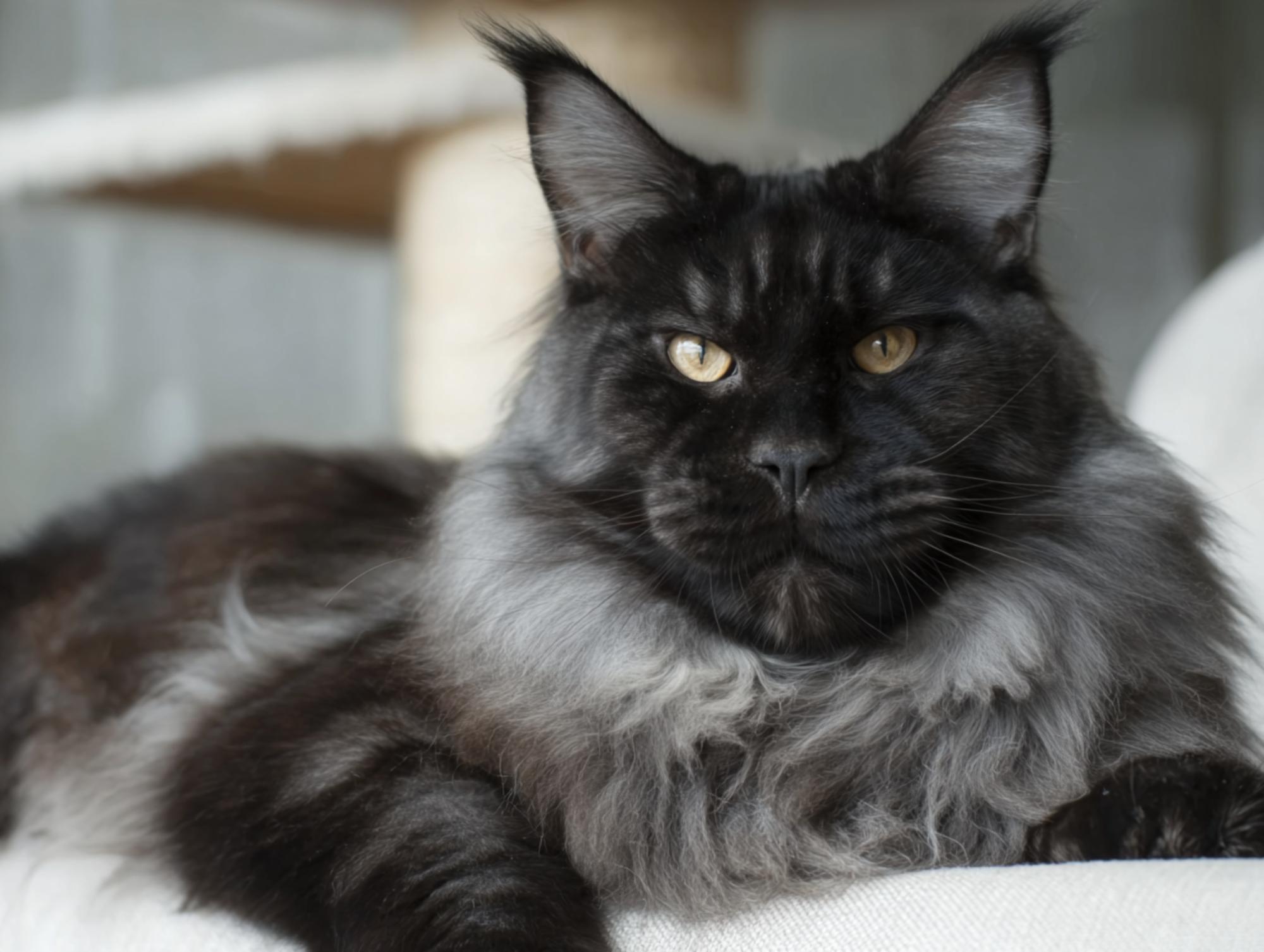
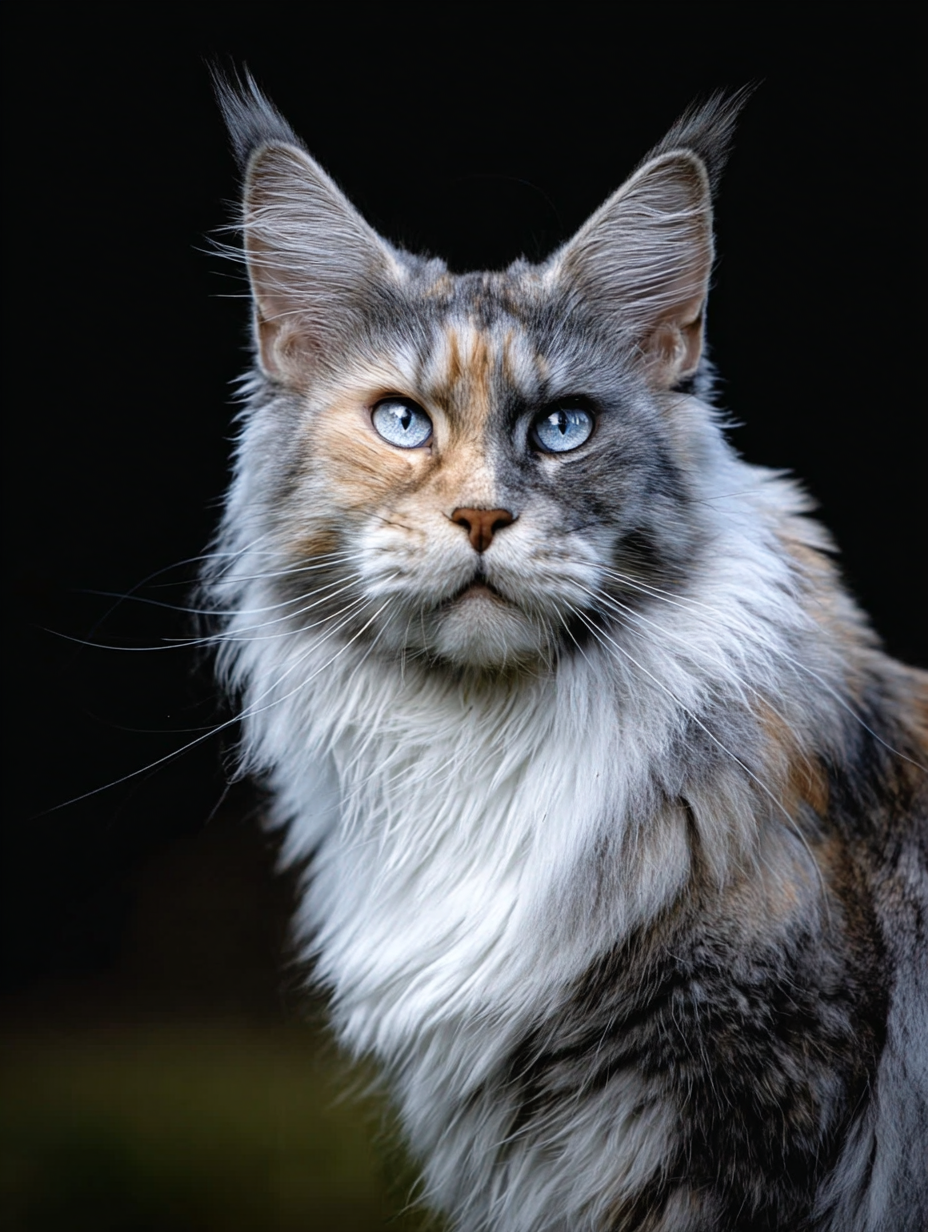
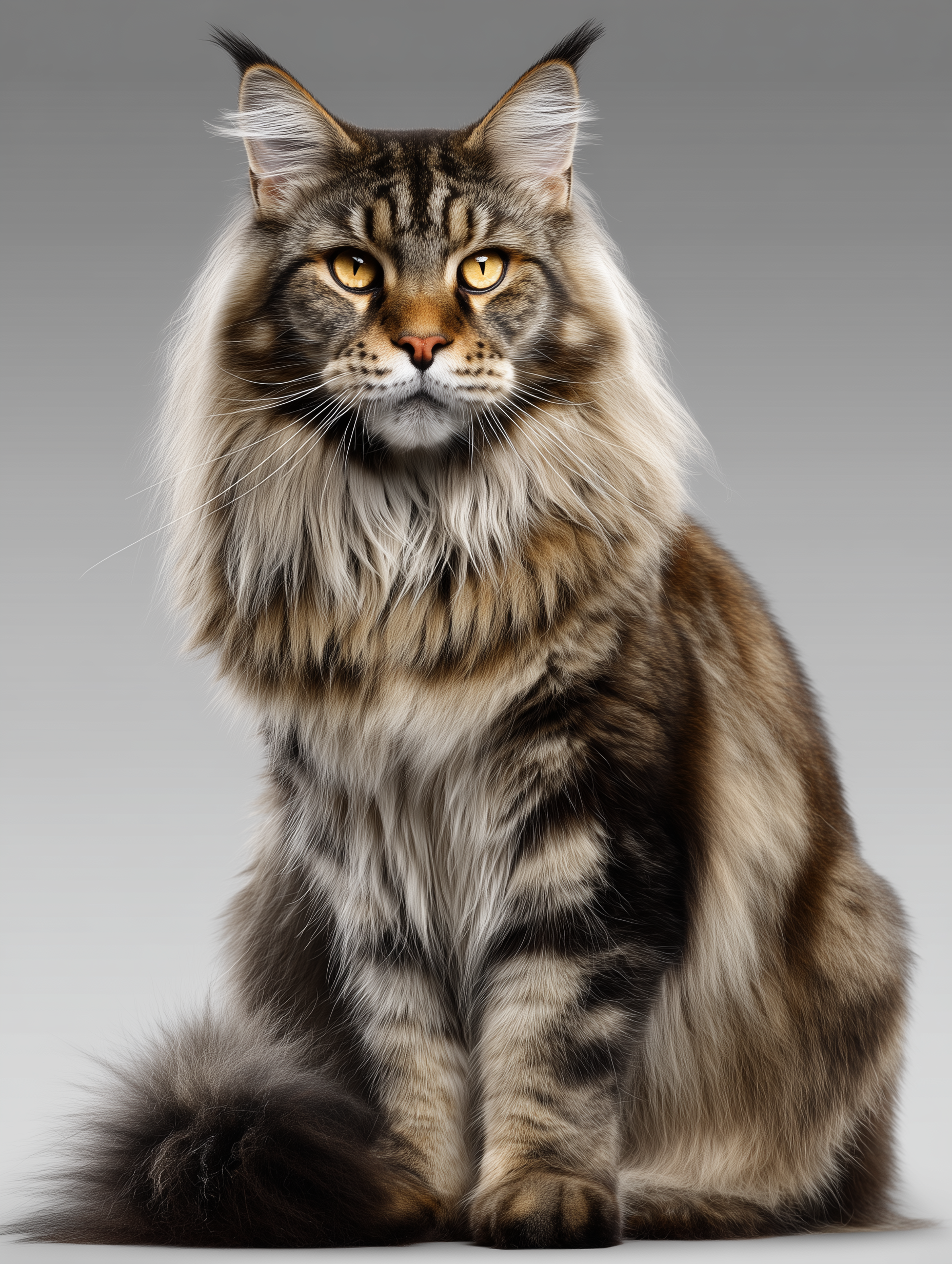
A stable, respectful environment helps Ragdolls remain confident and emotionally balanced. resilient, high-drive, busy family cat might prefer a Maine Coon, or domestic shorthair.
Con: Regular Grooming Is Required for Their Semi-Long Coat
Ragdolls do not have the extreme grooming needs of Persians or Himalayans, but their coat still requires steady maintenance. The fur is soft, plush, and semi-long, with fine undercoat fibers that can form tangles if neglected. Weekly brushing is the minimum to keep the coat healthy, and some Ragdolls — particularly those with thicker ruffs or bloomier coats — benefit from brushing several times a week.
Their coat also traps loose hair, which can lead to hairballs if not managed. Many owners underestimate how quickly the fur can knot behind the legs, under the arms, or along the bib. If mats form, they can pull on the skin and cause discomfort. Preventive grooming is far easier than correcting tangles later.
This grooming requirement is not overly burdensome, but it is consistent. Busy owners or those seeking a truly low-maintenance cat may not enjoy the regular brushing schedule. However, owners who enjoy bonding through grooming often find this routine relaxing and rewarding. Learn more about Ragdoll Grooming in this post.
Con: Not Hypoallergenic — Ragdolls Produce Normal Allergen Levels
A common misconception is that Ragdolls are hypoallergenic. They are not. Like all cats, they produce Fel d 1, the primary protein responsible for triggering cat allergies. Coat length does not influence allergy levels, and even “low shedding” Ragdolls can cause symptoms in sensitive individuals.
For households with mild allergies, careful management may help — frequent cleaning, HEPA filtration, strategic brushing, and grooming can reduce allergen spread. But buyers with moderate or severe allergies should meet the breed in person before making a commitment.
This is an important con because many families believe the Ragdoll’s calmer temperament or plush coat means fewer allergens. Transparent education helps prevent the heartbreak of needing to rehome a cat due to unmanageable allergy reactions.
Con: Very People-Oriented — They Do Not Love Long Hours Alone
One of the breed’s greatest strengths — strong attachment to their people — is also one of their challenges. Ragdolls thrive on companionship. They enjoy being near their owners, following from room to room, and being part of daily routines. When left alone for long stretches on a consistent basis, some Ragdolls may:
- become withdrawn
- develop stress behaviors
- vocalize more
- over-groom
- lose interest in play
This sensitivity does not mean they are “needy” in a dramatic way; they simply bond deeply. They do best in homes where someone is present most of the day, or where they have another gentle pet for companionship.
For owners who travel frequently or work long shifts without breaks, this trait can be a con. For owners seeking a loyal, steady companion who values close connection, it becomes a pro. If you do work long hours we recommend getting your Ragdoll a cat friend. Ours do excellent with their buddies if we can’t spend as much time with them as they prefer.
Ragdoll Pros and Cons: Lifestyle Fit Comparison Table
| Best For… | Not Best For… |
|---|---|
| Apartment or indoor-only homes | Households that are loud or chaotic |
| Owners home frequently | People away 8–12 hours daily |
| Families seeking a gentle companion | Families wanting a high-energy or independent cat |
| Multi-pet homes with calm animals | Homes with aggressive or rough pets |
| First-time cat owners | Owners wanting a low-cost, zero-grooming cat |
Con: Higher Upfront Cost Than Many Cat Breeds
Ragdolls are more expensive than many companion breeds due to:
- their popularity
- the cost of ethical breeding
- the need for DNA testing
- the expense of raising slow-developing kittens
- the breed’s specific coat and color genetics
In the United States, pet Ragdoll kittens typically range from $2,500 to $4,500, with show-quality kittens priced higher. Rare colors or highly sought-after patterns may also increase price depending on the breeder.
This cost reflects the necessary work behind producing stable, well-socialized kittens from health-tested parents. However, families looking for a very budget-friendly breed may find Ragdolls outside their ideal range.
Con: Slower Development and Late Maturity
Ragdolls take longer to mature compared to many cat breeds. Physically, they may continue filling out until 3 to 4 years old. Their coat, body size, and even their personality tend to evolve gradually. Some kittens remain lanky, fluffy, or unsure of themselves for longer than the average cat.
This slow maturity can surprise first-time owners who expect rapid development or a fully formed adult personality by 12 months. Ragdolls remain kitten-brained longer, may be more dependent during growth stages, and often take extra time to reach their confident adult temperament.
For owners who enjoy watching their cat grow and gradually blossom, this slow development is a charming aspect of the breed. For others, it may require more patience.
Con: Potential for Mild Sensitivities (Digestive or Dental)
While Ragdolls are not predisposed to extreme breed-specific diseases, they can experience mild sensitivities that require attentive care. Some individuals are prone to:
- soft stools during stress
- digestive upset from rapid food changes
- buildup of tartar faster than average
- mild gum inflammation if dental care is neglected
None of these issues are unique to Ragdolls, but buyers should be prepared for routine preventive care. Regular brushing, slow diet transitions, and scheduled dental cleanings help prevent minor issues from becoming more significant.
Overall, Ragdolls are considered a healthy, stable breed when responsibly bred, but they do benefit from owners who are proactive about general feline wellness.
Ragdoll Cats: Complete Pros and Cons Summary Table
| Category | Pros | Cons |
|---|---|---|
| Temperament | Calm, affectionate, stable; gentle with kids and seniors; friendly with visitors; low aggression; easy to bond with | Sensitive to loud or chaotic environments; may become clingy or withdrawn when lonely; not ideal for rough households |
| Social Behavior | Excellent with respectful dogs and other cats; thrives on companionship; forms deep emotional bonds; cooperative and tolerant | Strong need for social connection; dislikes long hours alone; may struggle in homes with intense pets |
| Grooming & Coat | Soft, plush coat that mats less than Persian-type coats; brushing is straightforward; sheds moderately; coat is easier to maintain with routine care | Requires weekly brushing; seasonal shedding increases upkeep; long fur can cling to fabrics; occasional mats if grooming is skipped |
| Care & Maintenance | Indoor lifestyle suits apartments and condos; calm nature simplifies management; grooming can strengthen bonding rituals | Needs enrichment to prevent weight gain; may need digestive or dental support; prefers stable, predictable routines |
| Energy & Activity | Low to moderate energy; balanced play needs; content with gentle games and relaxed interaction | Does not self-exercise aggressively; may become overweight without guided activity; not suited to owners who want a highly active cat |
| Training & Handling | Tolerates brushing, nail trims, and handling well; cooperative at vet visits; easy for first-time owners to manage | Compliance can mask discomfort if owners are not attentive; relies on gentle handling at all times |
| Family Compatibility | Excellent with mature children; ideal for seniors; steady temperament makes them a safe choice; integrates well into calm multi-pet homes | Not ideal for toddlers who grab or chase; sensitive to tension or loud environments; requires supervision around overly energetic pets |
| Health & Longevity | Often long-lived with proper care; generally robust when responsibly bred; slow aging and gentle personality continue through life | Digestive sensitivity possible in some individuals; dental buildup may require routine cleanings; overweight risk if activity is low |
| Lifestyle Fit | Perfect for owners who want companionship; ideal for remote workers, stay-at-home parents, retirees, or calm families; thrives indoors | Not ideal for people who travel frequently; not suited for high-chaos homes; may struggle without steady routines |
| Cost & Accessibility | Holds value due to demand; reputable programs produce stable, well-socialized companions; long lifespan adds emotional value | Higher upfront cost compared to many breeds; quality kittens require investment; ongoing grooming and enrichment costs |
| Overall Verdict | A loving, gentle, people-focused companion with predictable temperament, low aggression, and manageable grooming needs | Best for homes capable of providing routine, companionship, gentle handling, and moderate enrichment |
Ragdoll Pros & Cons FAQ
Pro: Are Ragdoll cats good for first-time owners?
Yes. Ragdolls are one of the best breeds for first-time cat owners because their temperament is predictable, gentle, and forgiving. They tolerate handling, adapt well to indoor life, and rarely display territorial aggression or complex behavioral issues. New owners often appreciate that Ragdolls communicate softly, enjoy human company, and respond well to steady routines. The only requirement for beginners is a willingness to learn basic grooming and provide daily companionship.
Con: Do Ragdoll cats require more grooming than shorthaired breeds?
Yes. Ragdolls do require more grooming than shorthaired cats, even though their coat is easier than Persian-type coats. Their semi-long fur can form tangles behind the legs, under the arms, and around the neck if neglected. Weekly brushing is required, and during seasonal shedding, more frequent grooming prevents mats and hairballs. While not overwhelming, grooming is a consistent responsibility and should be factored into ownership. See Ragdoll Cat Grooming for more info.
Con: Are Ragdoll cats hypoallergenic?
No. Ragdolls are not hypoallergenic. They produce normal levels of Fel d 1, the protein responsible for triggering cat allergies. Their coat length does not reduce allergen levels, and sensitive individuals may react even with frequent cleaning and grooming. People with moderate or severe allergies should meet a Ragdoll in person before adopting to ensure compatibility.
Pro: Do Ragdolls get along well with other cats and dogs?
Yes. Ragdolls are one of the most naturally social cat breeds. Their calm body language and low reactivity make them excellent companions for friendly dogs and respectful cats. They rarely initiate conflict and adapt well to multi-pet households. Their welcoming temperament is one of the biggest pros for families who already have pets—so long as those animals are gentle and not overly dominant.
Con: Can Ragdoll cats be left alone for long hours?
Not comfortably. Ragdolls do not enjoy being left alone for extended periods. Their emotional wiring leans toward companionship, and isolation can lead to withdrawal, boredom, or clinginess. They are happiest when someone is home frequently or when paired with another calm pet. For owners with long workdays, this sensitivity to solitude is a genuine con.
Con: Do Ragdolls shed a lot compared to other breeds?
They shed moderately to heavily depending on the season. Ragdolls have a semi-long coat that drops loose fur year-round, increasing during spring and fall. Their fur is fine and light, which means it can cling to fabrics or float in the air if not brushed regularly. While easier to manage than dense undercoats, shedding is still a con for families wanting a truly low-shed pet.
Pro: Are Ragdoll cats good with children?
Yes. Ragdolls are exceptionally good with children who are gentle and respectful. Their soft temperament, tolerance for handling, and low aggression make them one of the safest and most predictable breeds for families. They enjoy being carried, brushed, or included in calm play. Their cooperative nature strongly benefits homes with mature or easygoing children.
Con: Are Ragdolls less active than other breeds?
Yes, Ragdolls tend to have a lower natural activity level. They enjoy play when invited, but they rarely initiate vigorous activity on their own. Without encouragement, they may become sedentary and prone to weight gain. Owners must create structured play opportunities to ensure healthy movement. This low activity level is a con for anyone seeking a lively or athletic cat.
Pro: Are Ragdolls easy to handle and manage physically?
Yes. Ragdolls are known for tolerating grooming, nail trims, brushing, and veterinary handling with unusual patience. Many allow being picked up, carried, or repositioned without resistance. This ease of handling makes them excellent for seniors, families, and anyone who prefers a cooperative cat. Unlike high-strung breeds, Ragdolls remain calm during most routine care.
Con: Are Ragdoll cats expensive to purchase and maintain?
Yes. Ragdolls typically cost more than many domestic breeds due to ethical breeding practices, color genetics, slow maturity, and high demand. Their ongoing care—including grooming supplies, enrichment, possibly dental cleanings, and high-quality food—also adds to lifetime cost. While the breed is worth the investment for many families, budget-conscious owners should be aware of these long-term expenses.
Pro: Are Ragdoll cats good with other cats?
Yes. Ragdolls are generally excellent with other cats because they are non-territorial, slow to anger, and emotionally stable. They rarely initiate dominance behaviors and tend to coexist peacefully with other gentle or moderately active cats. Their soft body language reduces tension during introductions, and they often appreciate having a feline companion, especially if the owner is not home all day. However, pairing them with overly dominant, very high-energy, or aggressive cats can cause stress, as Ragdolls are less likely to defend themselves when overwhelmed. With proper introductions, they integrate smoothly in most multi-cat homes.
Con: Do Ragdoll cats have sensitive stomachs?
Some do. Ragdolls are not universally prone to gastrointestinal issues, but many individuals experience mild sensitivities during diet transitions or periods of stress. Soft stools, occasional vomiting from hairballs, or reactions to lower-quality foods can occur if their diet is suddenly changed. Many Ragdoll owners choose easily digestible, high-protein diets or limited-ingredient formulas to support digestive comfort. While this is not a breed-wide disorder, it is common enough that digestive sensitivity is considered a mild con and something owners should monitor throughout the cat’s life.
Pro: Are Ragdolls quiet and soft-spoken?
Yes. Ragdolls are typically quiet cats with gentle, melodic voices. They do vocalize, but their meows tend to be soft and low-volume rather than sharp or demanding. This makes them ideal for apartments, shared living spaces, and noise-sensitive households. They rarely vocalize excessively unless something is wrong—such as hunger, loneliness, or discomfort. Their quiet communication style is a significant pro for owners who want a peaceful companion rather than a chatty or loud breed.
Con: Are Ragdolls too quiet for some owners?
Possibly. But ours are still plenty talkative. Their soft voice and subtle communication can be a drawback for people who want a talkative or expressive cat. Ragdolls do not “announce” their needs loudly the way Siamese or Oriental breeds do. Instead, they communicate through body language or gentle sounds. Owners must be observant and proactive, as a Ragdoll in discomfort may not vocalize clearly.
Pro: Are Ragdolls affectionate without being overwhelming?
Yes. Ragdolls are affectionate, but their affection is calm and steady rather than intense or demanding. They prefer to be near their people, lie beside them, follow them, or sleep close by. They do not require constant attention and do not tend to exhibit needy behaviors. Their balanced affection makes them ideal for owners who want companionship without the nonstop energy of more attention-seeking breeds. This steady emotional presence is one of the most cited pros of owning a Ragdoll.
Con: Do Ragdolls need a lot of attention?
Yes and no—it’s nuanced. They do not demand attention loudly or aggressively, but they do need companionship. If left alone too long, they may become withdrawn or clingier when their owner returns. They are not independent cats; they thrive on human presence. For someone who works long shifts or travels frequently, this reliance on companionship can be a con. They are emotionally low-maintenance but socially dependent.
Pro: Are Ragdolls easy to train?
Yes. Ragdolls are intelligent and motivated by praise, affection, and routine. They learn household rules easily, adapt quickly to litter box habits, and are generally receptive to training. Many owners successfully teach their Ragdolls to walk on a harness, play fetch, or learn basic cues like “come,” “sit,” or “up.” Their cooperative nature and desire for close human interaction make training a positive experience. This is a meaningful pro for families wanting a cat that integrates smoothly into daily life.
Con: Are Ragdolls vulnerable because they are too trusting?
Sometimes. Their trusting nature can be a disadvantage in unsafe environments. Ragdolls tend not to recognize danger quickly and may approach unfamiliar animals or people with little caution. This is why they should be strictly indoors—they are not equipped to handle outdoor risks, territorial cats, or predators. Their gentle personality becomes a con only when owners expect them to defend themselves or navigate unpredictable environments. Indoors, this trait is a pro; outdoors, it becomes a liability.
Pro: Are Ragdolls generally healthy cats?
Yes. When responsibly bred, Ragdolls are healthy, long-lived cats with no extreme structural features that compromise breathing, mobility, or comfort. They typically enjoy active, healthy lives with proper veterinary care and a balanced diet. Their long lifespan—often reaching mid to late teens—is another health-related pro. However, as with all breeds, selecting breeders who health-test and maintain diverse genetics is essential to preserving this health profile.
Con: Do Ragdolls struggle with weight gain more than other breeds?
They can. Ragdolls have a calm temperament and do not self-exercise intensely. Without structured play and mindful feeding routines, they can gain excess weight easily. Their large frames can disguise early weight gain, making it harder to notice until the cat is already overweight. Owners should monitor portion sizes, encourage daily play sessions, and avoid free-feeding high-calorie foods. While this tendency is manageable, it is still an important con for owners who may not prioritize active enrichment.
Looking for a Ragdoll Kitten for Adoption? Check out our Available Kitten Page.
Want more Ragdoll posts?
Looking for more Ragdoll resources? See our posts on Ragdoll kittens for sale, detailed Ragdoll color patterns, care tips for seal bicolor and blue bicolor Ragdoll kittens, and breed comparisons such as Ragdoll vs Himalayan, Ragdoll vs Siamese, and Ragdoll vs Ragamuffin.
More Ragdoll Information
- Ragdoll Kittens for Sale
- Ragdoll Cat Breed Standard
- Ragdoll Cats Hypoallergenic
- Ragdoll Prices
- Ragdoll Lifespan
- Ragdoll Cat Mixes
- Ragdoll Breeder Near Me
Sources
- The International Cat Association (TICA) — Ragdoll Breed Page
https://tica.org/breeds/browse-all-breeds?view=article&id=880:ragdoll - Cat Fanciers’ Association (CFA) — Ragdoll Breed Standard
https://cfa.org/ragdoll/ - Cornell University College of Veterinary Medicine — Feline Health Topics
https://www.vet.cornell.edu/departments-centers-and-institutes/cornell-feline-health-center - AAFP (American Association of Feline Practitioners) — General Feline Care Resources
https://catvets.com/guidelines - UC Davis Veterinary Medicine — Feline Coat, Color, and Genetics References
https://vgl.ucdavis.edu/cat - ASPCA — General Cat Ownership and Care
https://www.aspca.org/pet-care/cat-care






Read the Comments +