
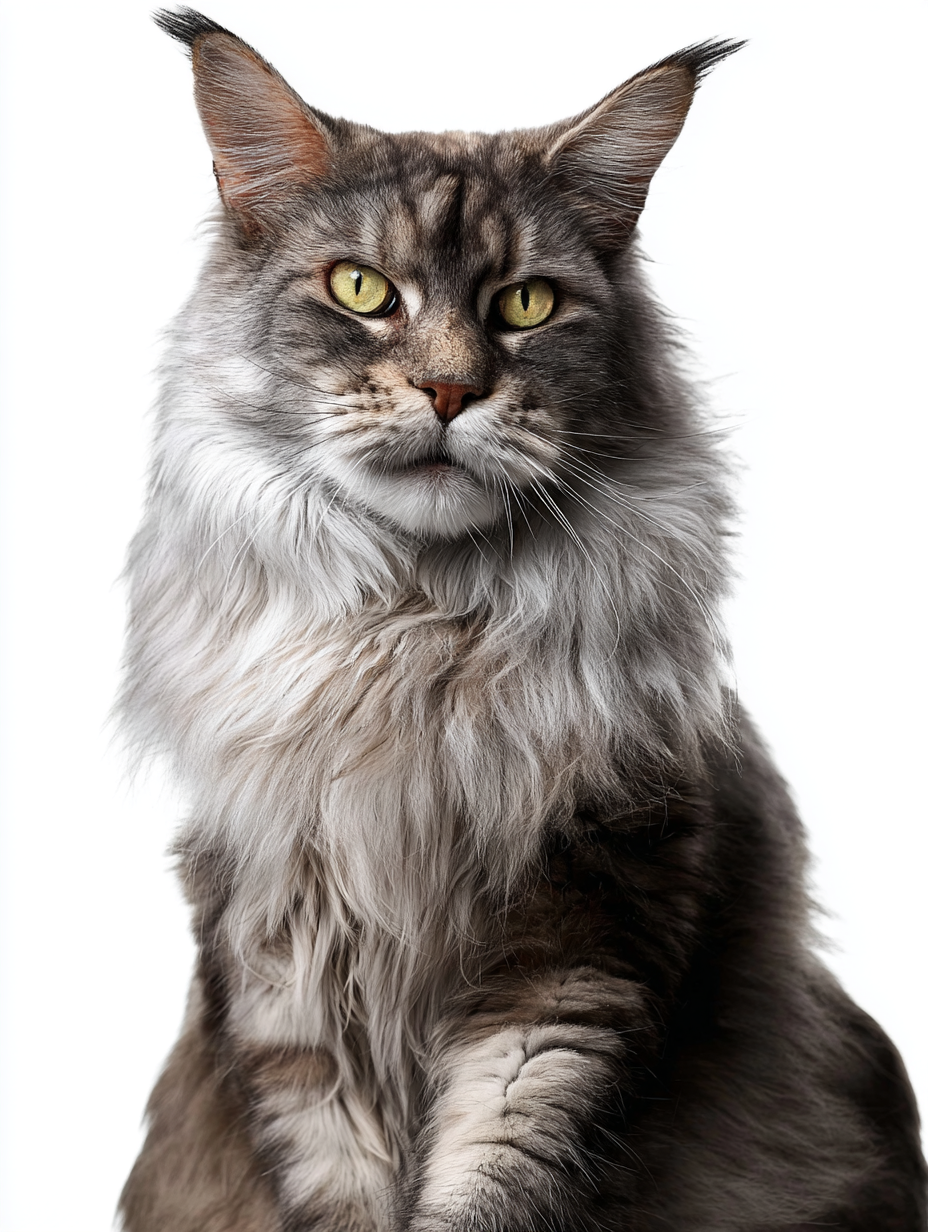
Gray Maine Coon Cats: Color, Genetics, Eye Color, Personality, and More
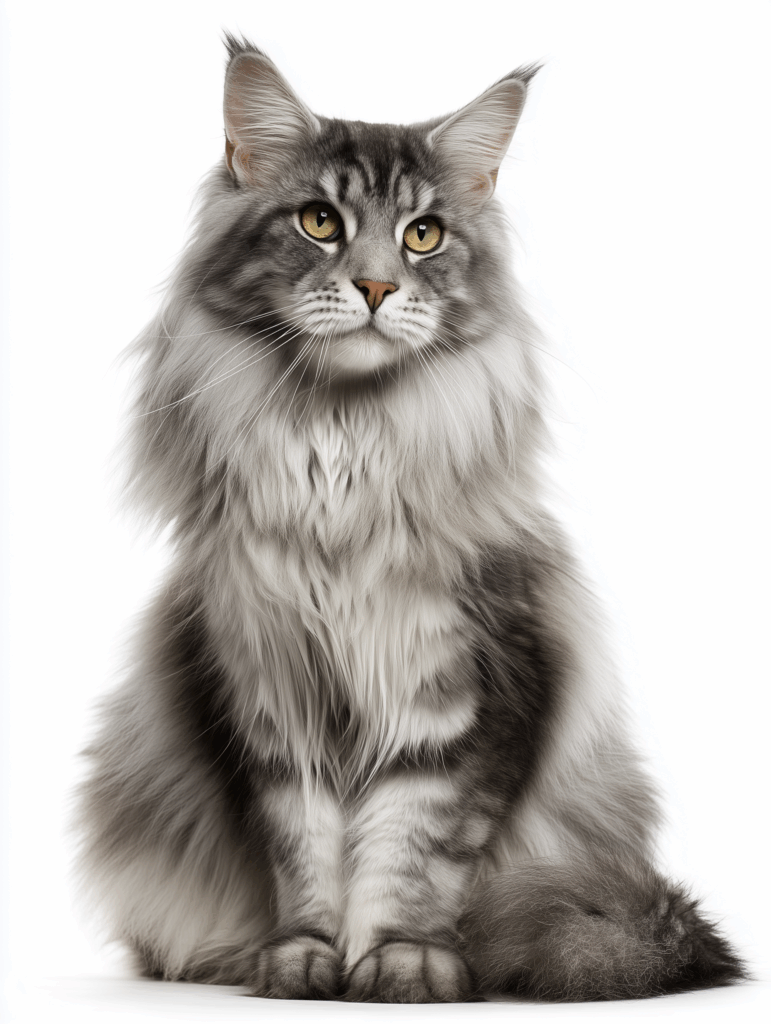
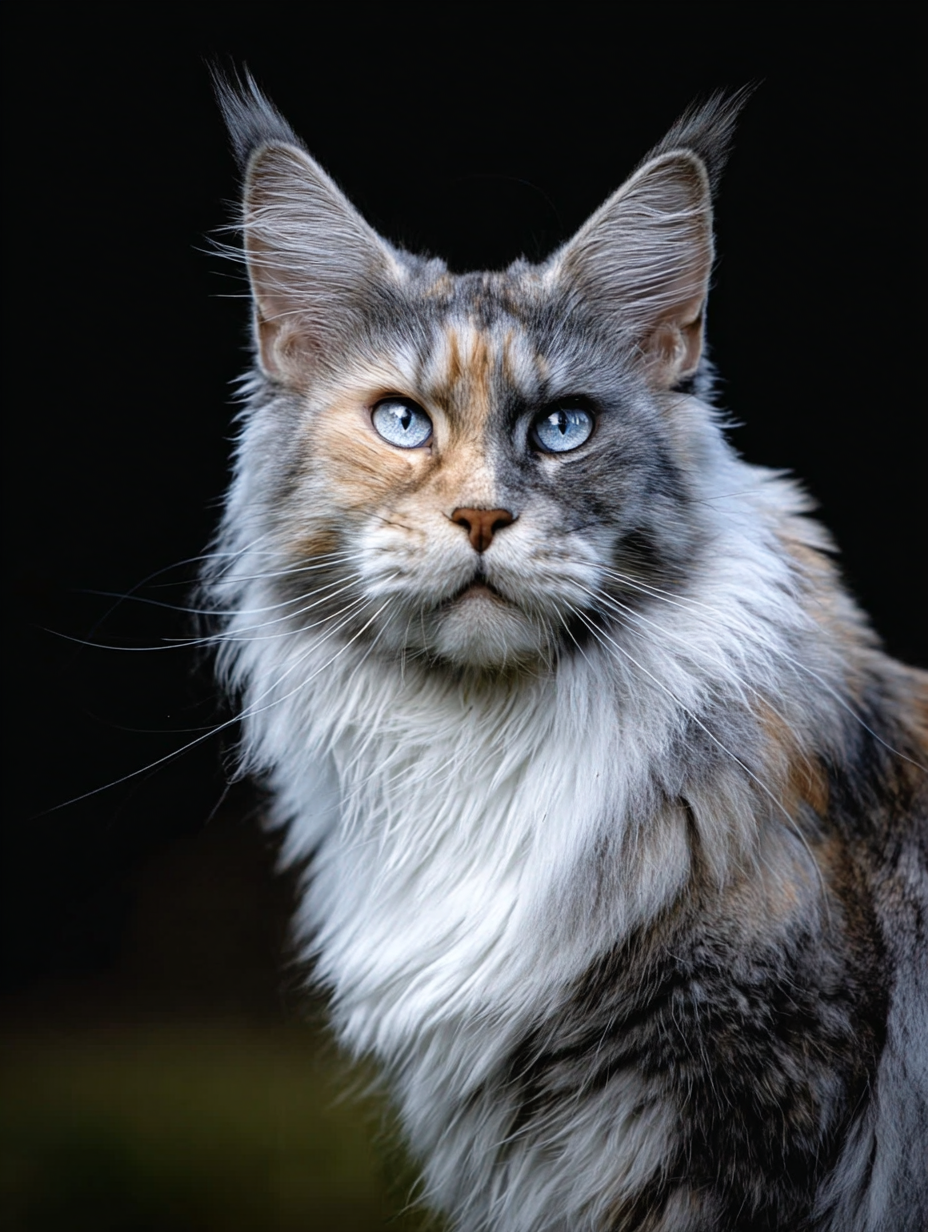
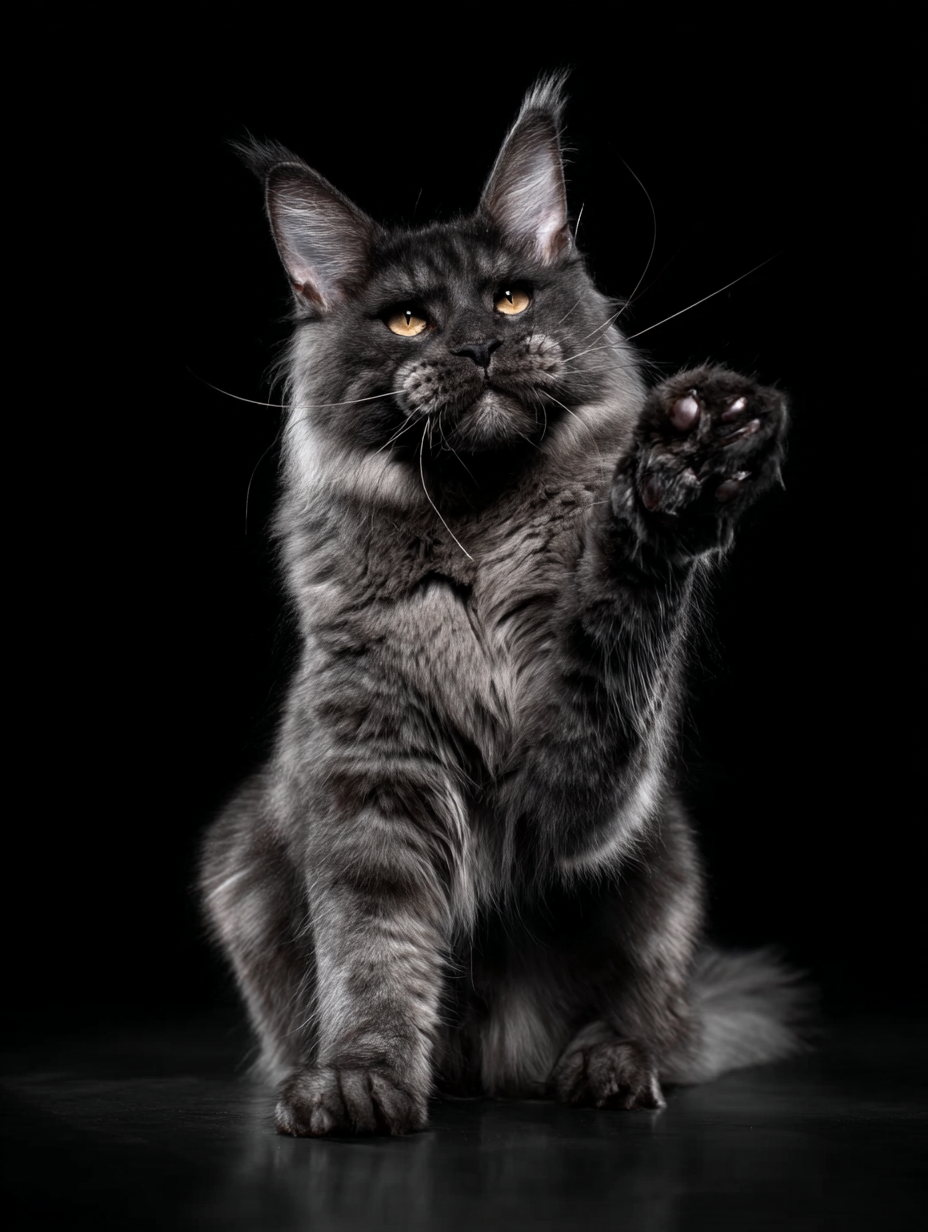
Gray Maine Coon cats — often called blue Maine Coons in the official breed standard — are one of the most admired and instantly recognizable variations of the breed. Their cool-toned coats, long ear furnishings, powerful build, and striking eye contrast make them a favorite for families looking for a photogenic and majestic companion. Searches for grey Maine Coon cats, grey Maine Coon kittens for sale, blue Maine Coon genetics, and smoke grey Maine Coon continue rising as more owners discover this color.
This guide explains everything you need to know about grey Maine Coons, including coat genetics, eye color possibilities, temperament, grooming needs, rarity, and what to expect when bringing home a grey Maine Coon kitten.
Quick Summary: Grey Maine Coon Cats
| Topic | Key Points |
|---|---|
| Color Genetics | Grey results from the dilution gene that softens black pigment into a cool blue-grey. |
| Eye Colors | Gold, green, hazel, or copper. Blue eyes occur only in specific patterns (not typical in solids). |
| Personality | Gentle, playful, sociable, intelligent, and family-oriented. Color does not change temperament. |
| Grooming | Moderate upkeep. Grey coats hide dirt well but benefit from weekly brushing. |
| Hearing | No hearing differences tied to grey coloration. |
| Size & Build | Large, muscular Maine Coon structure. Slow to mature over 3–4 years. |
| Rarity | Grey is less common than brown tabby but more common than smoke or silver shaded. |
| Kittens | Born dark and lighten or shift in tone as they grow. Final shade develops over 1–3 years. |
Searching for a Grey Maine Coon Kitten for Sale?
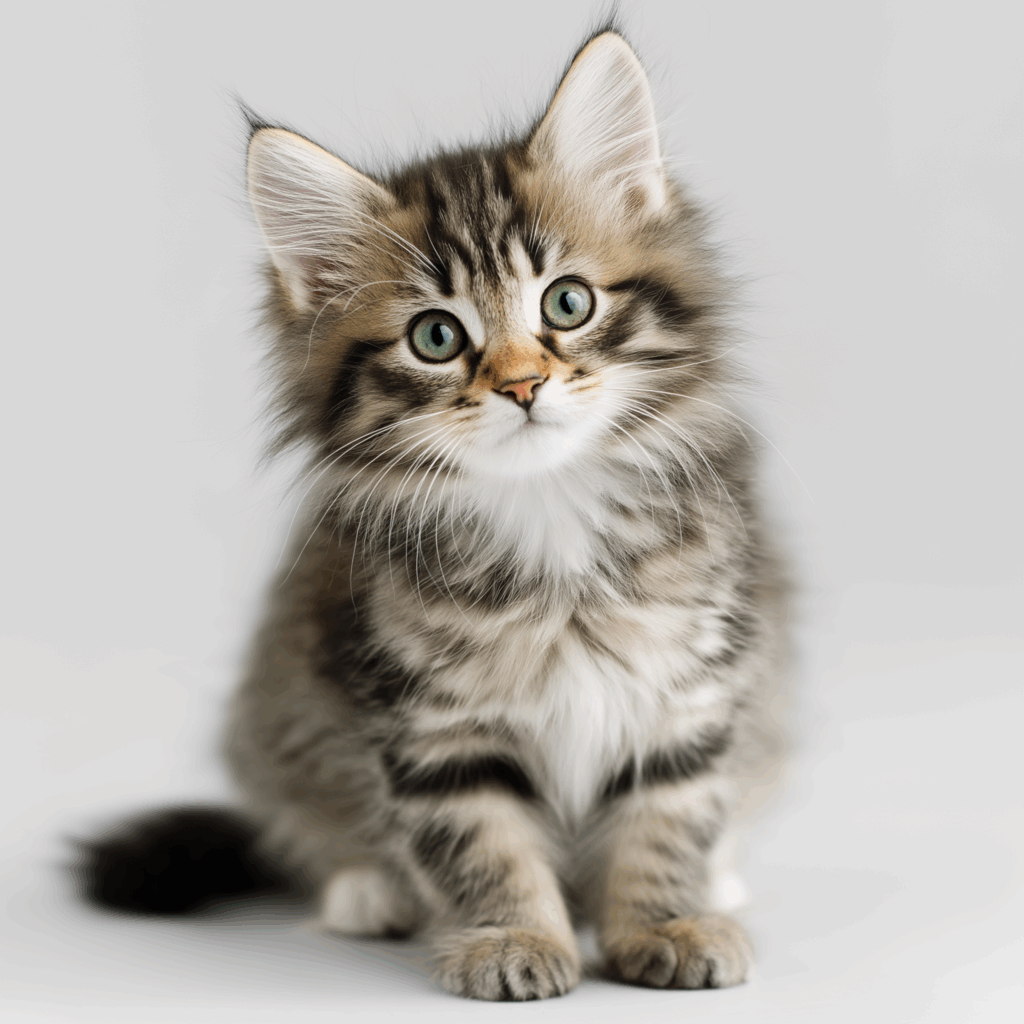
If you’re here because you are considering adding a Maine Coon kitten to your family, you can explore our Purebred Maine Coon Kittens for Sale at Almonte Cats.
At Almonte Cats, every kitten is:
• TICA / CFA registered from fully health-tested parents
• Raised in-home to build confident, affectionate temperaments
• Vet-checked, vaccinated, and microchipped before going home
• Socialized with children, household noise, and gentle handling
• Matched to the right family based on personality
We produce limited litters each year to preserve true Maine Coon type, genetics, and temperament.
👉 View Available Maine Coon Kittens & Apply Here
What Makes a Maine Coon Grey?
A grey Maine Coon is not a separate breed — the color is caused by a recessive genetic trait called the dilution gene (dd).
This gene transforms black pigment into a soft grey-blue, resulting in the classic “blue Maine Coon” color recognized by CFA and TICA.
Key points about grey Maine Coon genetics:
• Grey is a diluted version of black
• Kittens must inherit two copies of the dilution gene to be grey
• Parents can be another color but still “carry” dilution
• The underlying pattern (solid, tabby, smoke, shaded) affects how the grey tone appears
• Grey Maine Coons can produce non-grey kittens depending on the partner’s genetics
The grey Maine Coon colors can range from pale steel blue to rich slate, and the final shade may not appear until adulthood.
Grey Maine Coon Characteristics
Grey Maine Coons — often called blue Maine Coons in official breed terminology — have a distinctive combination of coat color, structure, and temperament that sets them apart visually while keeping the classic Maine Coon personality families expect. The grey dilution gene softens the coat into cool steel or slate shades, creating one of the most elegant and photogenic versions of the breed.
Below are the defining characteristics families notice most when they meet a grey Maine Coon for the first time.
Cool, Steel-Toned Coat
Grey Maine Coons are produced by the dilution gene, which lightens black pigment into a smooth, even blue-grey. This color may appear:
• smoky and soft
• deep slate
• pale silvery blue
• rich cool-toned charcoal
Their undercoat and guard hairs often differ slightly in tone, giving a layered, dimensional look as they move. In bright light, many grey Maine Coons appear almost metallic, which is why this color is so popular in photography and show homes.
Strong, Rectangular Body Structure
Grey Maine Coons share the hallmark breed structure:
• large, rectangular body shape
• muscular shoulders and hindquarters
• heavy bone density
• long, full tail
• powerful stance and slow, confident movement
Even as kittens, grey Maine Coons look sturdier than many other colors because dilution can create a softer outline that emphasizes size.
Tufted Ears & Expressive Face
The ear furnishings on a grey Maine Coon stand out dramatically against the blue-grey coat. Families often notice:
• tall, pointed ears
• strong lynx tips
• long ear tufts
• alert forward-facing posture
The contrast between their ear tips and the cool-toned coat gives them a wild, lynx-like silhouette that many buyers specifically request.
Their facial expression remains classic Maine Coon — intelligent, gentle, and slightly regal.
Thick, Uneven, Weatherproof Coat
Although grey color doesn’t change coat texture, dilution makes the fur look even softer. The coat maintains all standard Maine Coon qualities:
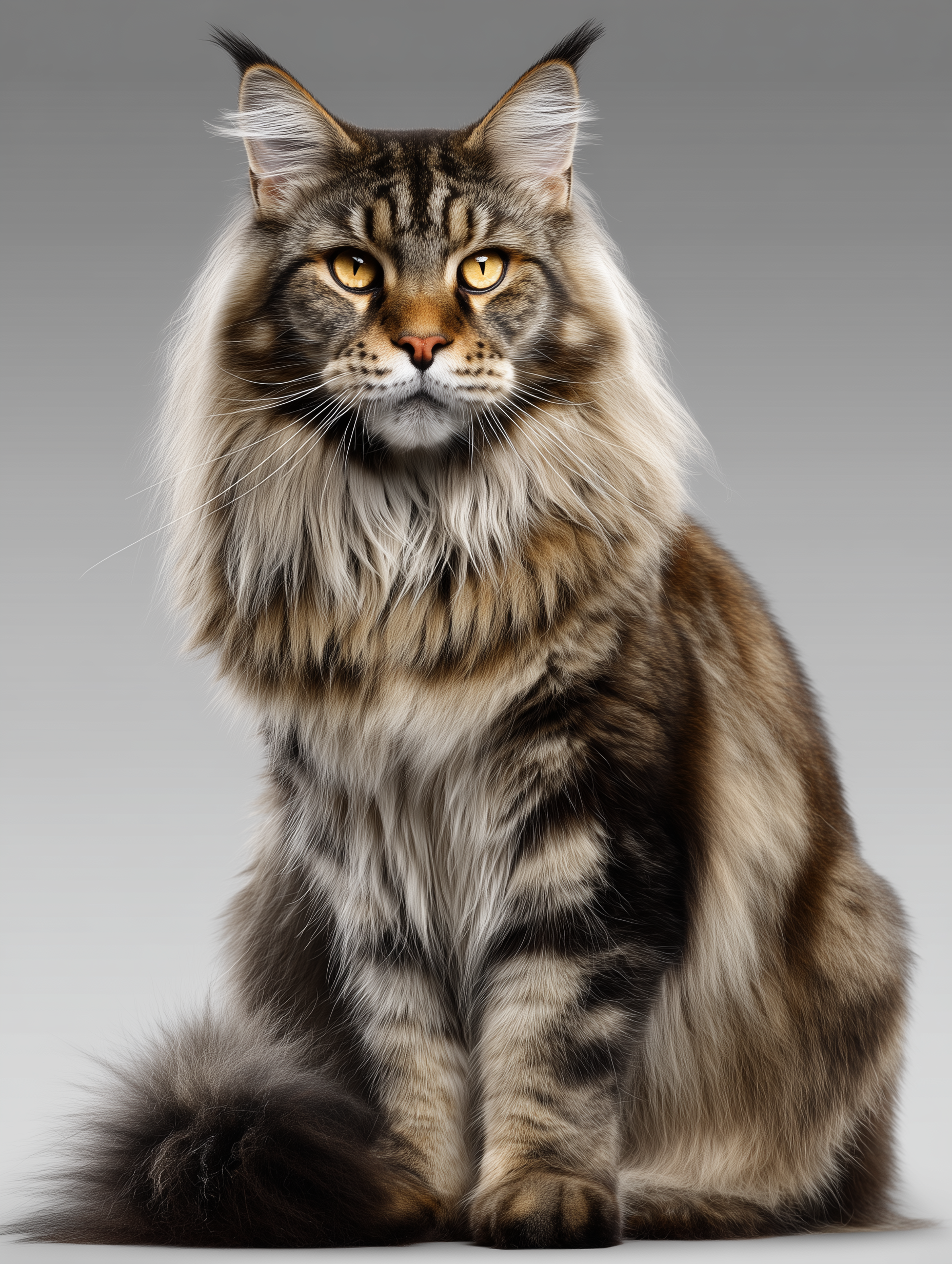
• uneven length with a longer ruff
• thick, shaggy guard hairs
• a soft undercoat
• naturally water-resistant texture
Grey coats reveal shading and depth more clearly than darker or patterned coats, making the mane, britches, and tail plume appear fuller and more dramatic.
Warm-Toned Eye Contrast
Most grey Maine Coons have:
• gold
• green
• hazel
• amber
• copper
These warm-eyed tones contrast beautifully with the cool coat, giving the breed a striking, high-contrast look that families love.
Smoke or shaded grey Maine Coons may have especially bright or intense eye color because the lighter coat accentuates the iris.
Calm, Social, and Intelligent Temperament
Grey does not influence behavior, but this color is often associated with the traits the breed is known for:
• affectionate and people-focused
• playful but not chaotic
• tolerant of children and friendly dogs
• loyal and attached to their family
• curious, observant, and confident
• intelligent, with a preference for interactive play
Families often describe grey Maine Coons as gentle, talkative, and emotionally intuitive — all standard for the breed.
Photogenic Appearance
Grey cats naturally photograph well, but with a Maine Coon’s structure, the effect is even stronger. Grey Maine Coons tend to look:
• regal in portrait shots
• dramatic against light backgrounds
• warm and expressive in indoor lighting
• wolf-like or lynx-like outdoors
Their cool coat tones enhance texture, facial structure, and tail movement, making them a favorite for social media, breeder photography, and show rings.
Consistent Development Over Time
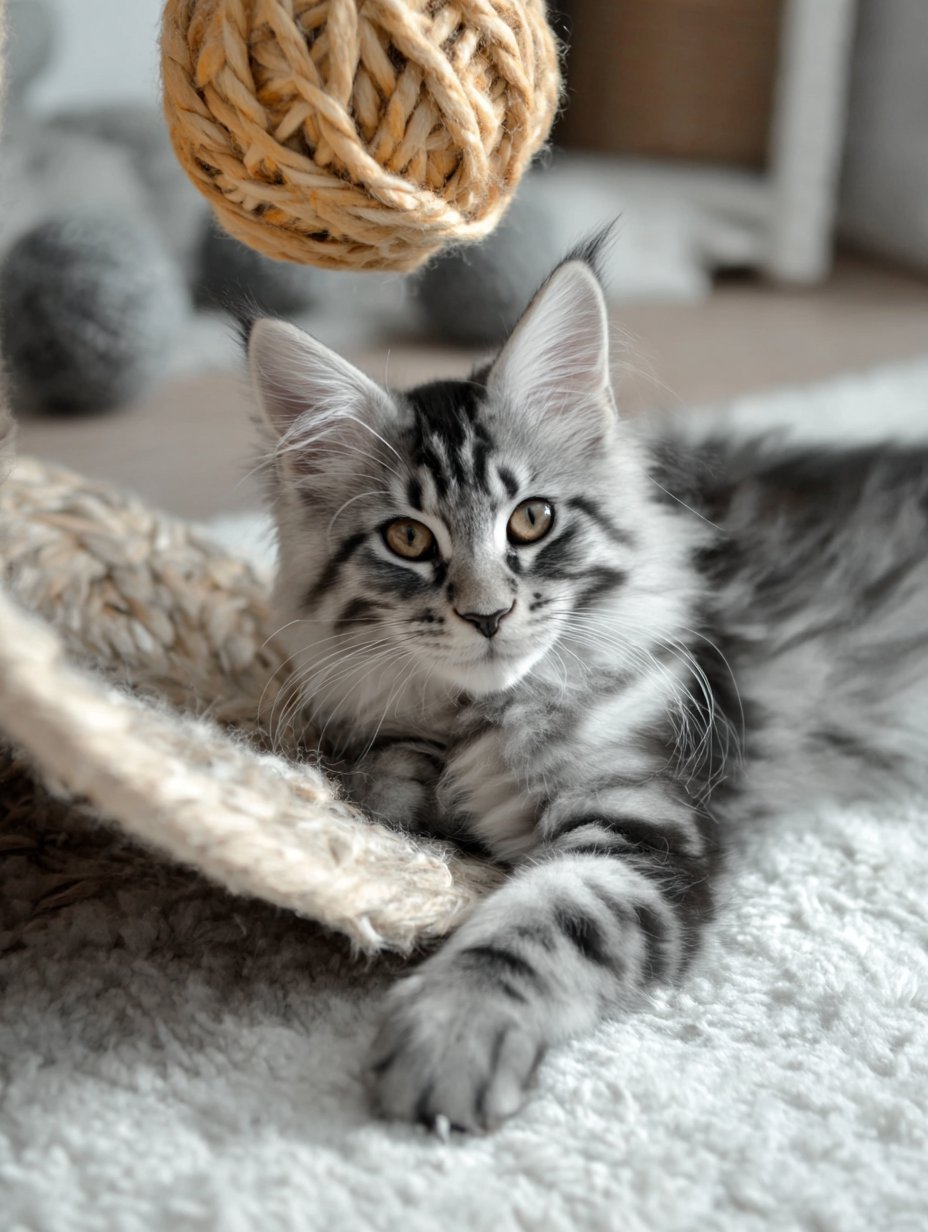
Grey Maine Coon kittens are typically born darker and lighten or shift as they grow. Expect:
• gradual dilution into a smoother grey
• changes in undercoat contrast
• richer shading along the spine and tail
• final adult color between 1–3 years
This slow development gives families a kitten that becomes more striking each year.
Grey Maine Coon Personality
Grey Maine Coons have the same temperament as any Maine Coon — color does not influence behavior.
Families can expect a kitten who is:
• affectionate and people-focused
• playful, curious, and intelligent
• gentle with children
• tolerant of friendly dogs
• social but not demanding
• loyal and emotionally attuned
• easygoing and adaptable
Many grey Maine Coon owners describe them as majestic in appearance but goofy and clownish in personality, which is typical of the breed.
Maine Coon Size and Structure
Grey Maine Coons share the hallmark structural traits:
• rectangular, muscular bodies
• heavy bone structure
• long plumed tails
• tall, tufted ears
• thick, uneven “lion-like” coat
• slow development that continues until age 3–4 years
Typical adult size:
• Males: 18–25+ lbs
• Females: 12–18 lbs
They grow slowly and often look “teenage” until year three.
Why Grey Maine Coons Look So Dramatic
Grey coats highlight:
• long guard hairs
• thick ruffs
• prominent ear tufts
• expressive eyes
• strong bone structure
Grey also photographs beautifully. The cool tone enhances shadows and detailing in the coat, giving grey Maine Coons a regal, wolf-like or lynx-like appearance. Smoke and blue-silver varieties are especially dramatic in natural light.
Grey Maine Coon Grooming & Coat Maintenance
Grey Maine Coons have the same long, shaggy, weatherproof coat as all Maine Coons, but the diluted blue-grey pigment shows texture, shine, and buildup more clearly than darker colors. This makes consistent grooming especially important for keeping their coat bright, smooth, and healthy.
Below is a complete grooming breakdown tailored specifically for grey-coated Maine Coons.
Understanding the Grey Maine Coon Coat
Diluted pigment changes the appearance, not the texture, of the coat — but owners often notice:
• grey fur shows dust, saliva, and oil more quickly
• the lighter undercoat can become dull if not brushed regularly
• subtle shading and smoke effects look best when the coat is fluffy and clean
• tangles under the arms and behind the legs stand out more on grey cats
Because grey coats reflect light differently, even small mats or dullness become visible in photos. Grooming maintains both coat health and the “teddy bear” softness families expect.
Weekly Grooming Routine for Grey Maine Coons
A structured grooming routine keeps the grey coat clean, bright, and free of tangles. Most families follow this schedule:
Brush 2–3 Times Per Week
Use:
• a wide-tooth comb for the undercoat
• a slicker brush for longer guard hairs
• a soft finishing brush for shine
Focus on:
• the ruff
• belly
• hind legs (“britches”)
• armpits
• the base of the tail
These are the areas where grey coats tangle fastest because the undercoat is lighter and softer.
Check for Underarm & Belly Mats
Grey Maine Coons show friction mats sooner because shading highlights texture changes. Check:
• behind the elbows
• inner thighs
• along the ribcage
Gently tease out knots with a comb rather than cutting — dilution coats hide small tangles poorly.
Bathing Grey Maine Coons
Bathing is optional, but grey coats benefit from strategic cleaning because buildup shows more easily.
Every 6–10 weeks is ideal for most households.
Use:
• a clarifying cat-safe shampoo to remove oil
• a moisturizing finish if the coat becomes dry
• warm water (never hot) to protect texture
Avoid over-bathing; it can strip natural oils and make grey coats appear dull.
Air drying is preferred, but a low-heat blow-dry can help maintain coat fluff, especially around the mane and tail.
Seasonal Shedding in Grey Maine Coons
Grey Maine Coons shed like any longhaired breed:
• Spring: significant undercoat release
• Fall: moderate coat change
• Summer/Winter: steady low-level shedding
Because grey fur is lighter and more uniform, shedding can look heavier than it actually is. Increasing brushing during these seasons prevents:
• loose hair buildup
• dulling of the coat
• early mat formation
• dust appearing along the spine
A grooming glove can help during peak shedding to maintain the smooth slate appearance.
Face, Tear, and Chin Care
While grey Maine Coons do not naturally have tear staining issues, lighter grey or blue-smoke cats may show:
• light tear residue
• food staining on the chin
• slight discoloration around the mouth
Wipe daily with:
• a soft microfiber cloth
• cat-safe cleansing pads
This keeps the face bright and prevents discoloration from settling into lighter fur.
Tail & Ruff Maintenance
The long tail plume and lion-like ruff are signature Maine Coon traits, but grey coats reveal oil faster.
Owners should:
• dust the tail with a dry grooming powder if it becomes oily
• gently brush the ruff to maintain volume
• check for knots behind the neck where collars sometimes rub
Keeping these areas fluffed preserves the majestic, wolf-like appearance grey Maine Coons are known for.
Why Grooming Matters More for Grey Coats
Grey Maine Coons show beauty in contrast and texture. Regular grooming enhances:
• the depth of the blue-grey color
• the soft gradient between undercoat and guard hairs
• the natural shine that makes dilution coats stand out
• the clean, even appearance that looks incredible in photos
A well-groomed grey Maine Coon often looks larger and fluffier, while a neglected coat appears flat and patchy.
Grooming Summary for Buyers
A grey Maine Coon is not harder to groom than any other Maine Coon — but the color rewards consistency. With weekly brushing and occasional bathing, the coat stays smooth, glossy, and striking. Families who enjoy brushing will find the grey Maine Coon especially rewarding because the coat responds beautifully to care.
Grey Maine Coon Price & Availability
Grey Maine Coons — often called blue Maine Coons within breed terminology — are consistently among the most requested colors in the Maine Coon world. Their wolf-like coloring, photographic appearance, and strong contrast with the breed’s large structure make them a high-demand color class, especially in shaded, smoke, and silver variations. Because demand is high and responsible breeders produce only limited litters per year, grey Maine Coons are often reserved before birth.
Below is a detailed breakdown of current pricing, what influences cost, and what families should expect when searching for a grey Maine Coon kitten.
Typical Grey Maine Coon Kitten Price Range
Most reputable breeders price grey/blue Maine Coons within these ranges:
Pet Quality Grey Maine Coon:
$2,000–$4,500
High-Quality / Specialty Shading (blue smoke, blue silver):
$3,000–$6,500
Show Quality or Exceptional Type:
$4,000–$6,000+
Imported European Lines (specialized type or shading):
$4,500–$7,000+
These prices reflect:
• the quality of structure
• health testing performed on the parents
• the rarity of certain shades (especially smoke and silver)
• breeder reputation and experience
• demand for diluted/grey coats
Grey is one of the most requested Maine Coon colors globally, and many breeders maintain separate waitlists for blue kittens due to consistent demand.
Why Grey Maine Coons Cost More Than Some Colors
Not all colors carry equal demand. Several factors make grey Maine Coons one of the more premium-priced colors:
High Demand and Limited Supply
Grey and blue lines are popular because they resemble:
• wolves
• Norwegian forest cats
• fantasy-style “storybook cats”
This aesthetic rarely sits unreserved for long.
Complexity of Smoke and Silver Lines
Producing a correct blue smoke or blue silver Maine Coon requires:
• very selective pairings
• strong coat contrast
• genetically clear silver and inhibitor lines
Because not all kittens carry these traits, specialty shades cost more.
European Type Premium
Many grey Maine Coons with exaggerated features (strong muzzles, tall ears, long manes) come from European breeding programs, where imported lines increase cost.
Health Testing & Registration
Responsible breeders invest heavily in:
• HCM screening
• hip and joint evaluations
• SMA and PKDef testing
• TICA/CFA registration
• in-home socialization
This significantly raises the value of a well-bred Maine Coon compared to low-quality or unregistered sources.
Grey Maine Coon Availability
Availability varies widely based on the shade families are requesting:
Commonly Available:
• classic blue (solid grey)
Moderately Available:
• blue tabby
• blue classic tabby
• blue mackerel tabby
Limited Availability:
• blue smoke
• blue silver
• shaded blue silver
• shaded blue
Rare:
• blue cameo (very uncommon)
Smoke and shaded variations are often claimed before birth due to their dramatic coat effects.
Most catteries recommend joining a waitlist 3–12 months in advance, depending on the desired shade and whether families prefer male, female, pet, or show quality kittens.
What You’re Paying For With a Reputable Maine Coon Breeder
When you invest in a grey Maine Coon from a responsible cattery, you are typically receiving:
• a purebred kitten from health-tested parents
• TICA or CFA registration
• age-appropriate vaccines
• microchip
• veterinary exam and health certificate
• early socialization in a home environment
• lifetime breeder support
Cheap or unusually low-priced Maine Coon kittens often come from:
• untested parents
• mixed or mislabeled kittens
• poor socialization
• no registration
• no long-term support
Color should never be the only factor when choosing a breeder — but families searching specifically for grey Maine Coons often find that quality programs with this color have long waitlists and consistent demand.
Grey Maine Coon Price Summary
Grey Maine Coons are a premium color with strong, steady demand. Expect to join a waitlist, pay a higher price for smoke or silver variants, and reserve early if you prefer specific types or genders. When bred responsibly, grey Maine Coon kittens are predictable in temperament, structure, and overall health, making them an excellent long-term companion for families.
Grey Maine Coon Personality
Grey Maine Coons have the same dependable, affectionate temperament the breed is known for—steady, social, and easy to live with. The color doesn’t change their behavior, but many families describe grey-coated Maine Coons as having a calm, soft presence that matches their cool-toned look.
Calm and Even-Tempered
Grey Maine Coons are relaxed, gentle cats who adjust well to new people, routines, and environments. They’re patient with children, respectful of other pets, and rarely reactive.
Affectionate but Not Clingy
They enjoy being near their people, following from room to room, sitting beside you, and checking in throughout the day. They show affection consistently but aren’t demanding.
Playful, Smart, and Engaged
Grey Maine Coons stay playful into adulthood and enjoy wand toys, puzzle feeders, and simple interactive games. Their intelligence makes them easy to train and easy to integrate into busy homes.
Great for Families and Multi-Pet Homes
Their gentle, predictable temperament makes them one of the safest breeds for households with kids, cat-friendly dogs, or multiple cats.
Quiet, Soft-Voiced Companions
Most communicate with chirps and trills rather than loud meowing, making them ideal for calm homes or apartments.
Grey Maine Coon Genetics
Grey Maine Coons—often called blue in pedigree terminology—owe their coloring to a simple but powerful genetic mechanism: dilution. Understanding where the grey coat comes from requires looking at how the dilution gene interacts with solid, tabby, silver, and smoke patterns.
Grey is not a separate color genetically.
It is the diluted expression of black.
A cat must inherit two copies of the recessive dilution gene (dd) to express grey/blue coloring. Without both copies, the coat remains black or patterned in its non-diluted form.
How Dilution Creates the Grey Maine Coon
Base Color: Black
All grey Maine Coons begin with a black genetic base (B-).
The dilution gene then transforms that black pigment into a softer slate, steel, or powder-blue coat.
Genotype path:
- Black + dilution (dd) → Grey/Blue Maine Coon
- Black + no dilution (DD or Dd) → solid black, black smoke, black silver tabby, etc.
This is why grey Maine Coons have so many variations—they inherit the same structure of pattern genes that black cats do, only softened.
If you want to explain why your grey kitten sometimes resembles a soft black kitten in baby photos, this is the reason: pigment distribution isn’t stabilized until 10–16 weeks.
Grey vs Blue Maine Coon: Is There a Difference?
No—grey and blue are the same color genetically.
“Grey” is the common description, while “blue” is the official nomenclature used in TICA and CFA pedigrees.
Link opportunity:
👉 Read my full Blue Maine Coon Color Guide for photo examples and pattern variations.
Solid Grey (Blue) Maine Coon Genetics
A solid grey Maine Coon has:
- Non-agouti genotype (aa) → no visible tabby pattern
- Dilute genotype (dd) → black pigment softened to blue
- Full-thickness coat, which makes solids appear bold and uniform
This is the simplest and most recognizable form of the grey Maine Coon.
Because the tabby gene is dominant in the breed overall, producing true solid blues is less common. Many “solid” grey kittens show ghost stripes as babies until the adult coat grows in.
Grey Smoke Maine Coons (Blue Smoke)
Smoke is one of the most dramatic diluted colors in the breed.
Genotype:
- aa (non-agouti)
- dd (dilute)
- I- (inhibitor gene) → pushes white up the hair shaft
- Black base diluted to blue
This produces:
- a solid-looking blue coat at rest
- white undercoat visible when the cat moves or the coat parts
Blue smokes are the dilute equivalent of black smokes.
👉 See the Black Smoke Maine Coon post for a step-by-step breakdown of how the smoke pattern is formed.
Grey Tabby Maine Coons (Blue Classic, Blue Mackerel, Blue Ticked)
If a grey Maine Coon inherits the agouti gene (A-), it expresses tabby patterning.
Blue tabbies can appear as:
- Blue classic tabby (bullseye pattern)
- Blue mackerel tabby (striped)
- Blue ticked tabby (salt-and-pepper appearance)
Why the blue tabby pattern looks softer:
The dilution gene lightens everything—the stripes, the background color, and sometimes even nose and paw pad pigmentation.
Grey Silver Tabby Maine Coons (Blue Silver)
Add the inhibitor gene (I-) to a blue tabby, and you get a blue silver tabby.
Genotype interaction:
- A- (tabby)
- dd (dilute)
- I- (silver)
- Blue tones + bright white undercoat → silver effect
Blue silver tabbies are visually similar to black silver tabbies, but with a cooler, softer contrast.
Link opportunity:
👉 See my Black Silver Tabby Maine Coon article for examples of how the silver gene changes the coat.
Grey Maine Coon Pattern Variations Explained
Here are the major grey variations and the genes that create them:
| Grey Variation | Genetic Recipe |
|---|---|
| Solid Grey (Blue) | aa + dd |
| Blue Smoke | aa + dd + I- |
| Blue Silver Tabby | A- + dd + I- |
| Blue Tabby (Non-silver) | A- + dd |
| Blue Tortie (Females only) | dd + X-linked orange gene |
| Blue Cream | Diluted tortie; dd applied to both black and red pigment |
This explains why grey Maine Coons appear in so many patterns—the color itself is only the starting point. Silver, smoke, tabby, and tortie layers all modify the base.
Why Grey Maine Coons Photograph So Beautifully
Genetically, diluted pigments scatter light differently than dense black pigment.
This gives grey coats:
- a velvety matte appearance
- enhanced contrast under natural lighting
- soft shadows that emphasize the breed’s structure
- clearer facial expression in photography
It’s the same reason blue British Shorthairs go viral online—the grey pigment interacts with light in a flattering way.
Grey Maine Coon FAQ
Are Grey Maine Coons a separate breed?
No. A Grey Maine Coon is not a separate breed — it is simply a color variation within the purebred Maine Coon standard. “Grey” in cat terminology is known as blue, caused by a dilution gene that lightens black pigment. A grey Maine Coon follows the same breed standard for structure, personality, and size as any other color. These cats differ only in the shade and pattern of their coat, not in temperament or lineage. They are recognized by TICA and CFA and can be shown if their color pattern meets breed requirements.
What colors count as grey in Maine Coons?
The term “grey Maine Coon” covers several color categories because dilution softens many black-based patterns into bluish or silver versions. These include:
- Solid Blue Maine Coon (even-toned grey)
- Blue Tabby Maine Coon (striped, classic, or mackerel patterns)
- Blue Smoke Maine Coon (black smoke diluted to a misty grey with pale undercoat)
- Blue Silver Tabby Maine Coon (silver undercoat with blue tabby overlay)
- Blue and White Maine Coon (bicolor, harlequin, or van pattern)
Each looks visually distinct even though they all originate from the same dilution gene.
Are Grey Maine Coons rare?
Grey (blue) Maine Coons are not rare, but some specific grey variations are uncommon:
- Blue Smoke — rare because smoke expression requires two recessive genes plus correct undercoat expression.
- Blue Silver Tabby — less common and highly photogenic due to the bright silver undercoat.
- Blue and White Bicolor — availability varies by breeder and pattern-specific litters.
Solid blue Maine Coons are more commonly available, but blue smokes and silver-based greys appear less frequently and often cost more due to demand.
Do Grey Maine Coons change color as they grow?
Yes. Most grey Maine Coons undergo noticeable coat shifts during their first 2–3 years. Kittens often start with softer, lighter grey that deepens or brightens as the adult coat grows in. Smoke and silver kittens change the most dramatically — their pale undercoat becomes more visible with age, creating more contrast. Even solid blues can look different seasonally as their thick triple coat blows and regrows.
Are Grey Maine Coons more expensive than other colors?
Sometimes. Solid blue Maine Coons often fall in the standard price range, but blue smoke, blue silver tabby, and blue-and-white bicolor Maine Coons may cost more because:
- fewer breeders produce these combinations
- smoke and silver genes are recessive and harder to produce predictably
- high-contrast blue smokes and silver tabbies are in high visual demand
- pattern symmetry (especially in bicolors) can raise price
Though color influences pricing, the breeder’s health testing, structure quality, and socialization matter far more than color alone.
Do Grey Maine Coons have a different personality than other colors?
No. Color does not affect temperament. Grey Maine Coons have the same classic personality the breed is known for:
- gentle and affectionate
- playful but easygoing
- intelligent and trainable
- friendly with children and pets
- quiet, soft-voiced companions
Temperament comes from breeding quality and early handling — not coat color.
Do Grey Maine Coons shed more than other colors?
Shedding frequency is the same across all Maine Coon colors, but grey shedding may appear more noticeable on dark furniture or clothing. They shed seasonally in spring and fall and mildly year-round. Grooming needs do not change with color, though silver-based greys may show coat contrast during shedding more clearly, revealing their lighter undercoat.
Do Grey Maine Coons get lighter or darker with age?
Yes — many do. Solid blue Maine Coons often darken as their adult coat matures, but some lighten slightly due to seasonal coat changes. Blue smokes and silver tabbies become more dramatic with age as their pale undercoat grows more pronounced. Hormones, sun exposure, coat length, and grooming habits can all influence how the final shade appears.
Are Grey Maine Coons hypoallergenic?
No. Grey Maine Coons produce the same allergens as every other Maine Coon color. Coat color does not affect allergen levels. Although some families report fewer reactions to lighter-colored cats, scientific evidence does not support color-based allergy reduction. If allergies are a concern, choosing a breeder who understands allergy management and early grooming routines may help, but no Maine Coon is hypoallergenic.
What is the difference between a grey Maine Coon and a blue Maine Coon?
There is no difference — “grey” is the everyday term, while “blue” is the official breed term recognized by registries. When breeders say “blue Maine Coon,” they mean a cat with diluted black pigment that appears as an even-toned slate, steel, or soft grey. Pet buyers often search “grey Maine Coon,” but the correct genetic name is “blue.”
Do Grey Maine Coons always have grey noses and paw pads?
Not always. Nose leather and paw pad color depend on the underlying genetic base, not the visible coat. For solid blue Maine Coons, noses and paw pads typically appear slate grey. In blue tabbies, they may appear rose-grey with darker outlining. Smoke and silver-patterned grey Maine Coons often have lighter or brick-toned nose leather due to the silver gene’s effect on pigment expression. So while many grey Maine Coons display grey-toned accents, the exact shade varies across patterns.
Can Grey Maine Coons have blue eyes?
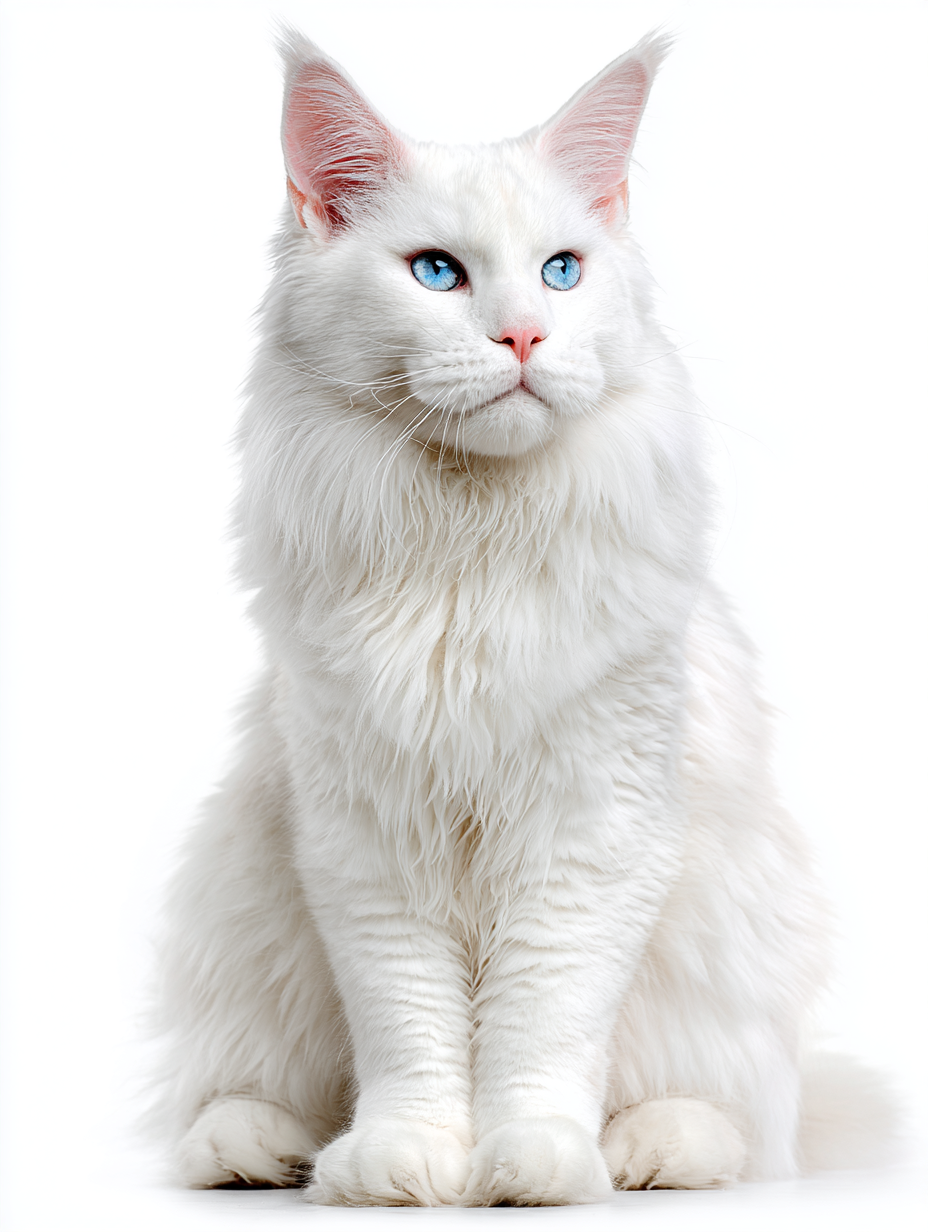
Typically, no — blue eyes are rare in naturally occurring grey Maine Coons. Most blue-eyed Maine Coons are white or have significant white spotting that affects eye pigment. Grey Maine Coons most commonly have:
- gold
- amber
- copper
- green
- green-gold
Blue eyes in a grey Maine Coon would only occur if the cat carries the dominant white gene or high-grade white spotting, neither of which is typical for solid or silver-based greys.
Are Grey Maine Coons more likely to be male or female?
Grey (blue) is not sex-linked, so males and females occur at equal rates. Unlike red or tortoiseshell coloring, which follow sex-linked genetics, blue/grey occurs when a kitten inherits two copies of the dilution gene — one from each parent. Therefore, grey Maine Coon kittens appear in both sexes with equal probability.
Do Grey Maine Coons need more grooming than other colors?
Their grooming needs are the same as every Maine Coon, but certain grey patterns show coat changes more clearly. Silver and smoke greys, for example, can reveal matting or loose undercoat faster because of their contrasting pale roots. Solid blues may appear sleeker but still benefit from regular brushing to prevent dense undercoat buildup. Grooming is determined by coat length and density, not color.
Can Grey Maine Coons be show cats?
Yes — many grey varieties are fully accepted in both CFA and TICA, including:
- solid blue
- blue tabby (classic, mackerel, or spotted)
- blue silver tabby
- blue smoke
- blue and white
Judges evaluate structure, temperament, and coat quality, not the popularity of the color. Silver and smoke greys often stand out in the ring because of their dramatic contrast.
Are Grey Maine Coons good for families with kids?
Absolutely. Their color does not influence temperament, and grey Maine Coons share the breed’s famously gentle, patient personality. These cats tolerate noise, activity, and affection well, making them ideal for homes with children. Blue and silver Maine Coons are especially known for being calm, stable companions who enjoy interactive play and household involvement.
Are Grey Maine Coons more vocal than other colors?
No. Vocalization in Maine Coons has no link to coat color. Grey Maine Coons typically have the breed’s trademark soft trill, chirp, and gentle meow. They rarely become loudly vocal unless seeking attention, food, or responding to routine. Their communication style is influenced by personality and environment, not by the dilution gene.
Do Grey Maine Coons grow as large as other Maine Coons?
Yes. Grey Maine Coons reach the same impressive size as any other color. Males commonly reach 18–25 lbs, and females average 12–18 lbs. Growth continues slowly until 3–4 years of age. Silver and smoke lines sometimes appear larger because contrast in the coat makes the body look more substantial, but actual skeletal size is unrelated to color.
What patterns can a Grey Maine Coon have?
Grey Maine Coons can express any diluted black-based pattern, including:
- solid blue
- blue tabby (mackerel, classic, spotted)
- blue silver tabby
- blue smoke
- blue shaded
- blue and white (bicolor, van, harlequin)
Each produces a different visual effect, from soft uniform grey to sharp contrast between silver undercoat and blue markings. This variety is one reason grey Maine Coons are so sought after.
Do Grey Maine Coons have health issues tied to their color?
No. Grey coloring is caused by the recessive dilution gene, which does not impact health. Unlike some color-linked mutations (e.g., color pointing and temperature sensitivity), grey pigment carries no known medical risks. Their health profile is identical to all Maine Coons — strongly influenced by a breeder’s testing practices, particularly for HCM, SMA, and hip health.
Searching for a Grey Maine Coon Kitten?
Families looking for a striking, people-focused Maine Coon with the classic gentle temperament often choose grey, silver, smoke, or grey-and-white kittens. If you’re hoping to reserve one of these colors, join the waitlist early— the most dramatic shades and patterns (silver tabby, blue smoke, blue-and-white) typically sell out first.
Our kittens are:
- TICA/CFA registered from health-tested lines
- Raised in-home for confident, social temperaments
- Vet-checked, vaccinated, microchipped before leaving
- Handled daily for smooth transitions into family life
- Matched to the right homes based on personality
- Sent home with lifetime breeder support
If you’re ready to welcome a kitten who is intelligent, affectionate, striking in color, and incredibly easy to live with, apply now for one of our upcoming litters.
More Maine Coon Articles from Almonte Cats
- Maine Coon Kitten Prices Explained
- Maine Coon Tassel Ears
- Polydactyl Maine Coon Care
- Domestic Maine Coon Cat Info
- Maine Coon Kitten Growth Stages
- Maine Coon M on Forehead Genetics
- How to Prepare Your Home for a Maine Coon Kitten
Sources for This Article
- Cat Fanciers’ Association (CFA) – Maine Coon Breed Standard
https://cfa.org/maine-coon/ - The International Cat Association (TICA) – Maine Coon Breed Overview & Genetics Notes
https://tica.org/breeds/browse-breeds/breeds-m-r/maine-coon - GCCF (Governing Council of the Cat Fancy) – Maine Coon Registration Policies & Color Guidance
https://www.gccfcats.org/ - UC Davis Veterinary Genetics Laboratory – Coat Color Genetics, Dilution (Blue/Grey), Inhibitor Gene (Silver), Smoke Patterns
https://vgl.ucdavis.edu/ - Journal of Heredity / Oxford Academic – Feline Coat Color & Agouti/Silver Gene Research
https://academic.oup.com/jhered - Cornell University College of Veterinary Medicine – General Feline Health, Growth, Grooming, and Genetic Considerations
https://www.vet.cornell.edu/ - Winn Feline Foundation (Now EveryCat Health Foundation) – Research on feline genetics, hypertrophic cardiomyopathy in Maine Coons
https://everycat.org/ - Helms, J. “Feline Genetics and Color Patterns.” (Veterinary Genetics Reference Material)
- Pedersen, N. C. – “Feline Husbandry: Diseases and Management in the Multiple-Cat Environment.”
Authoritative textbook for breeding, genetic disease, and coat inheritance. - Maine Coon Breed Council Publications – Notes on size, structure, type, and breed development.





Read the Comments +