
Pros and Cons of Maine Coon Cats
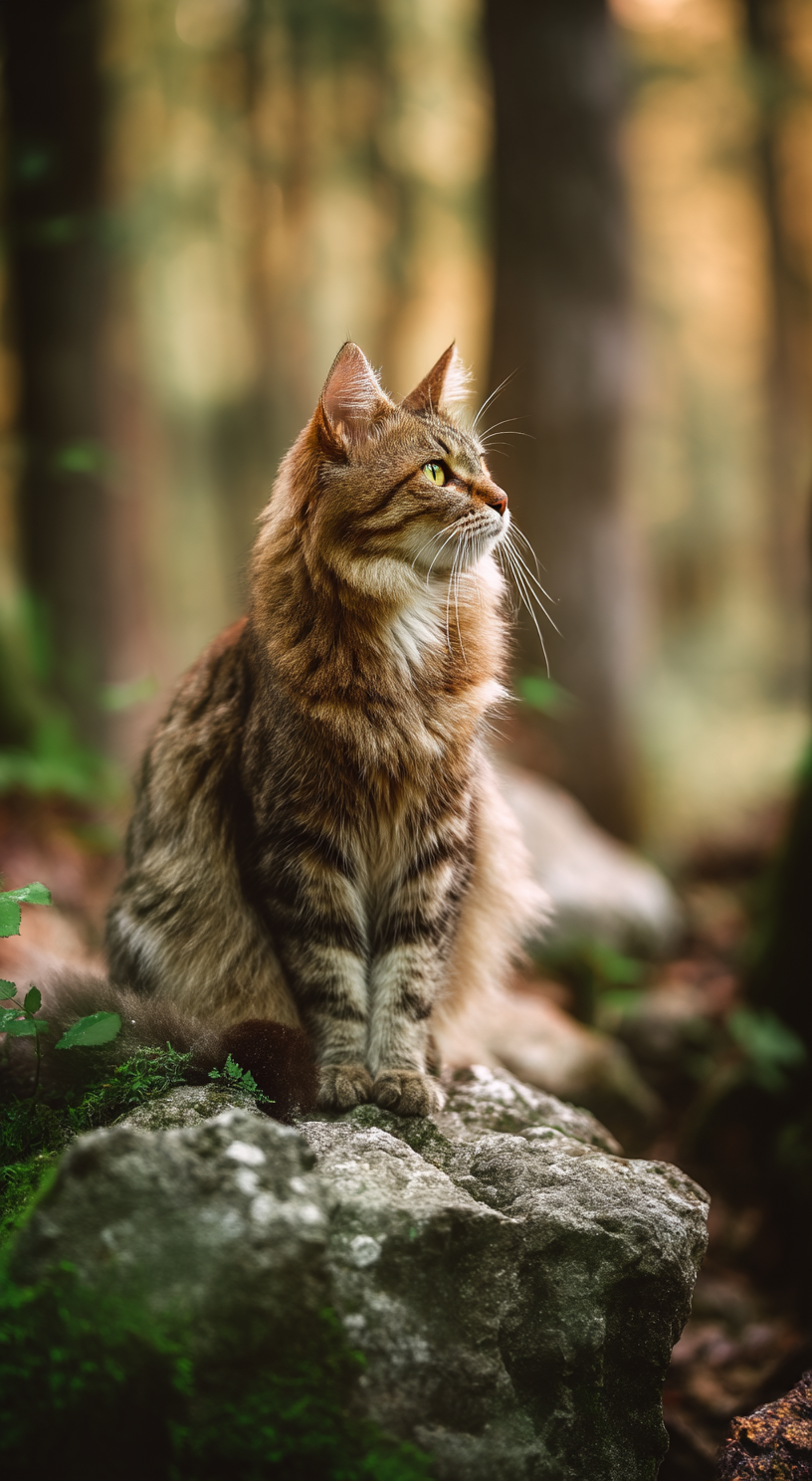
Maine Coons are one the top googled cats in the US. This pros-and-cons guide walks you through everything new owners should consider — from grooming needs to health expectations, training, compatibility with kids and dogs, and long-term lifestyle fit. Whether you’re deciding if a Maine Coon matches your household or comparing breeds across your cat-buying journey, this overview shows the real strengths and realistic challenges of living with a giant-breed companion. Want to continue your research or explore kittens? Use the links at the end of the post to browse available Maine Coon kittens and related breed resources.
Maine Coon Cat Pros and Cons Summary
| Category | Pros of Maine Coons | Cons of Maine Coons |
|---|---|---|
| Temperament | Stable, predictable personality; famously gentle; excellent with kids and many dogs | Can become stressed if left alone long hours; need predictable routines |
| Family Compatibility | One of the most family-friendly cat breeds; low prey drive; adapts well to busy homes | Oversensitive to chaotic environments if not socialized |
| Living Environment | Works in apartments or large homes; highly adaptable | Needs vertical space, enrichment, and room to move due to size |
| Behavior & Social Needs | Easygoing, highly social, bonds deeply with owners | Not ideal for people wanting an independent, low-contact cat |
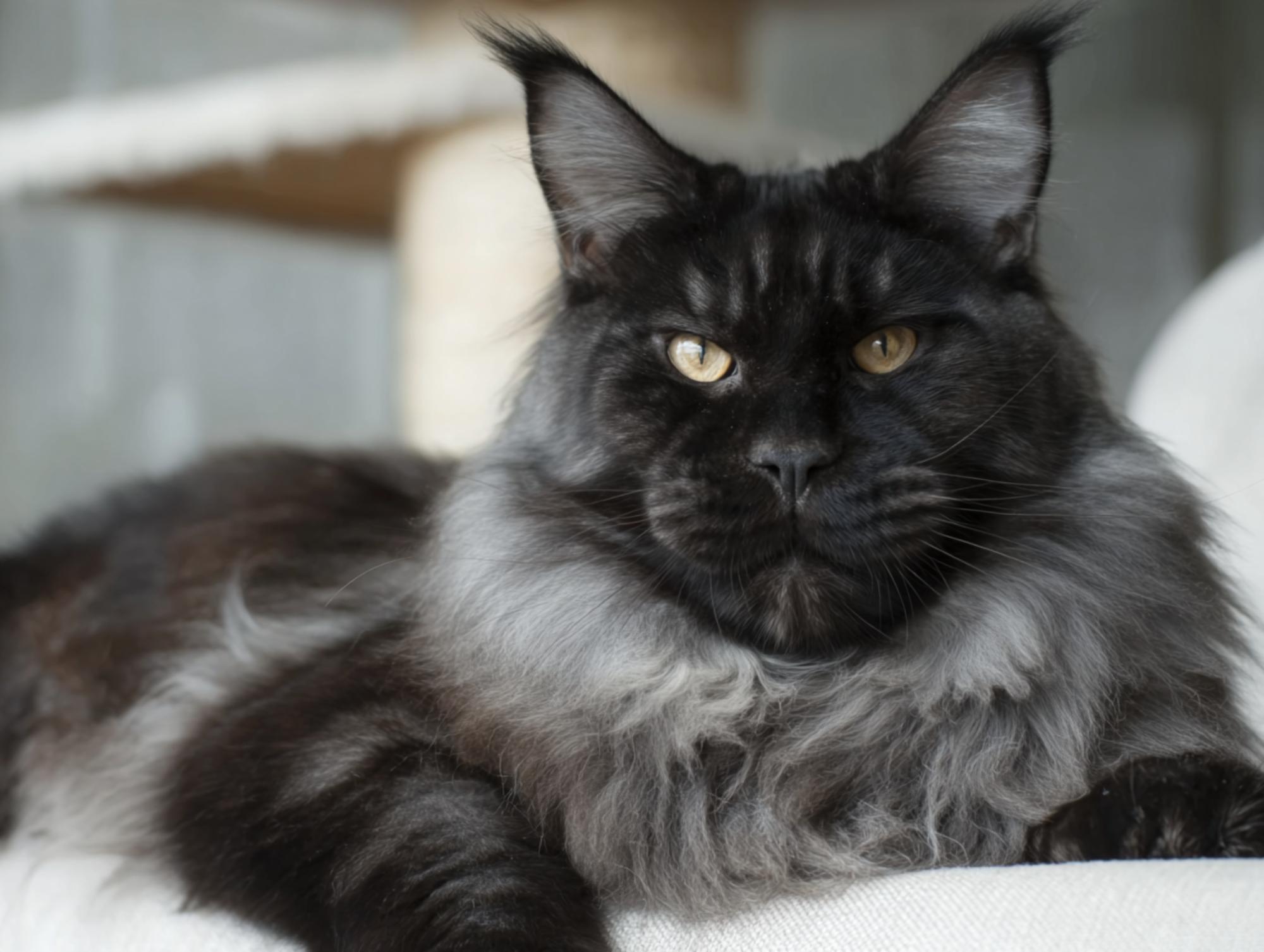
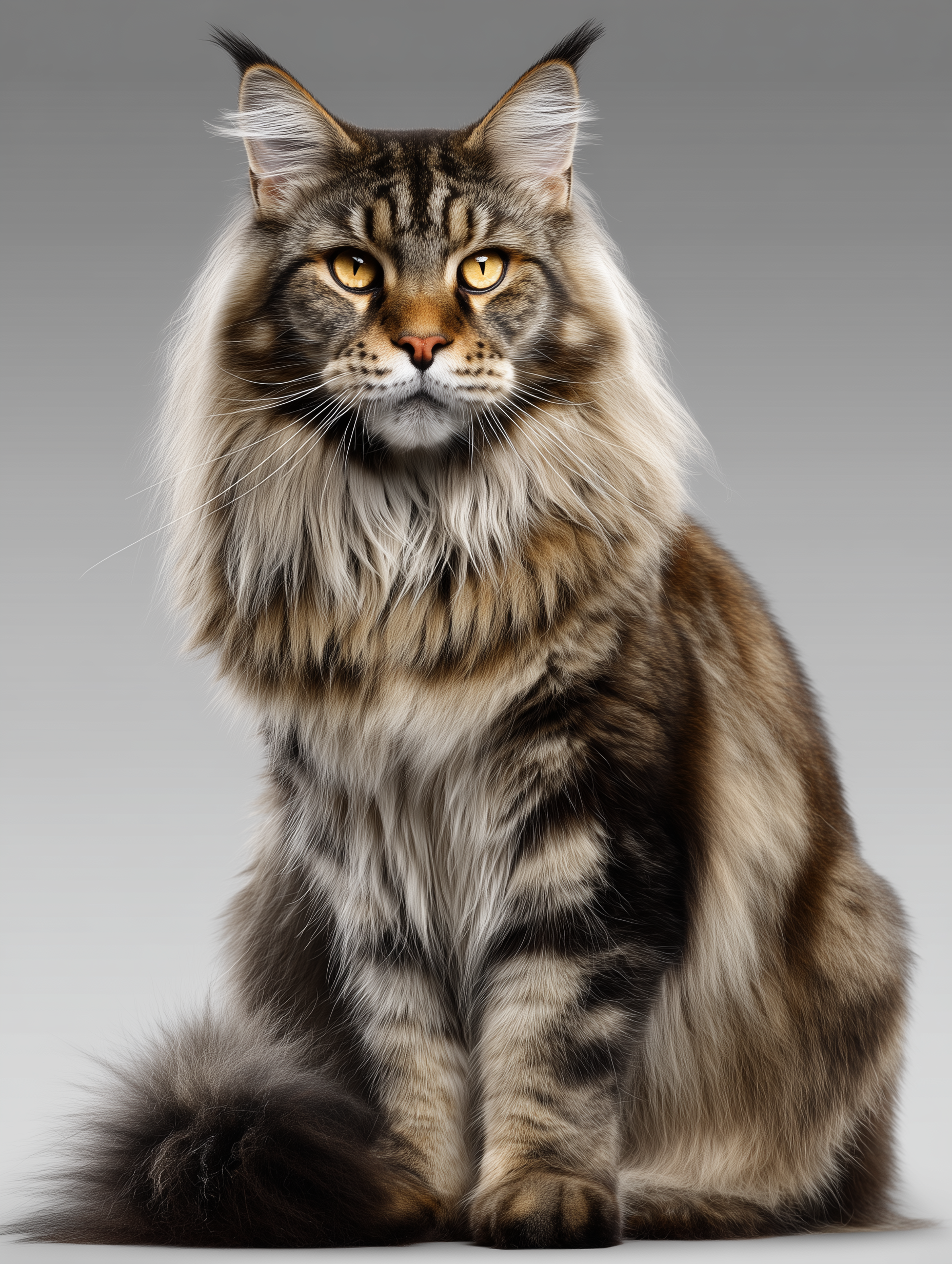
| Appearance | Impressive size, striking coat, iconic lynx tips | Long coat requires regular grooming and maintenance |
| Cost Factors | Lower day-to-day upkeep compared to some breeds | Higher purchase price; long-term costs for large-breed nutrition & vet care |
| Health | Hardy structure; muscular frame; non-mutated body type | Breed-specific risks: HCM, hip dysplasia, spinal issues; requires health-tested lines |
| Growth & Development | Slow-growing, rewarding companions; long kittenhood with strong bonding | Extended kitten nutrition; long maturation means more long-term care |
Overview of the Maine Coon
Natural Personality Tendencies (Pro)
The Maine Coon is known for its steady, confident, people-centered temperament. They bond deeply with their families, follow humans from room to room, and communicate with soft chirps rather than sharp meows. Their gentle, tolerant nature makes them one of the best cat breeds for families with children and multi-pet households. Maine Coons prefer to participate in household routines, observing activities with curiosity and calm alertness.
Potential Behavior Challenges (Con)
Maine Coons rarely display aggression, but their large size and intelligence mean they need consistent enrichment. Without enough play or interaction, they may become vocal, seek attention through mischievous behavior, or develop boredom-related habits like chewing or over-grooming. Their social nature means they do not thrive in isolation; long hours alone can lead to anxiety or restlessness if not balanced with toys, feeders, or companionship.
Pros of Owning a Maine Coon
Affection & Social Behavior (Pro)
Maine Coons are remarkably affectionate without being overwhelming. They bond closely with their people, greet family members at the door, and enjoy gentle interaction. Their social behavior is predictable—most prefer to stay near their humans but are not clingy to the point of demanding constant attention. This balance makes them well-suited to families, couples, and retirees looking for a companionable pet.
Compatibility With Families (Pro)
Examples:
• Great with respectful children
• Known for patience during handling
• Able to coexist with calm dogs
• Adapt well to active or quiet homes
Their stability and low reactivity make them easier for first-time cat owners compared to high-strung or territorial breeds.
Compatibility With Dogs, Cats, & Kids (Pro)
Maine Coons adapt smoothly to multi-pet households because of their steady, non-reactive temperament. Their size and confidence reduce fear-based responses, making them less likely to hide or become territorial when a new animal enters the home. Most Maine Coons accept respectful dogs, especially breeds with low prey drive or solid obedience training. They read canine signals well and rarely escalate conflict.
When raised with other cats, Maine Coons tend to form cooperative, social relationships. They share space predictably and tolerate group living more easily than many breeds. With children, their calm nature and durable structure make them dependable companions as long as interactions remain gentle.
Slow introductions are still important, especially with active dogs or assertive cats. Once trust forms, Maine Coons often participate in shared routines, supervised play, and relaxed coexistence throughout the home.
Trainability & Intelligence (Pro)
Maine Coons respond well to structured learning because they are food-motivated, routine-oriented, and attentive to human cues. Many learn clicker training, target work, and household rules with consistency and simple repetition. They follow feeding schedules, respond to name-calling, and recognize common words for meals, grooming, and bedtime.
Litter training is typically reliable from the beginning due to their natural cleanliness and strong scent-based orientation. Maine Coons also excel at learning family rhythms — greeting at the door, participating in daily tasks, and adapting to predictable household patterns.
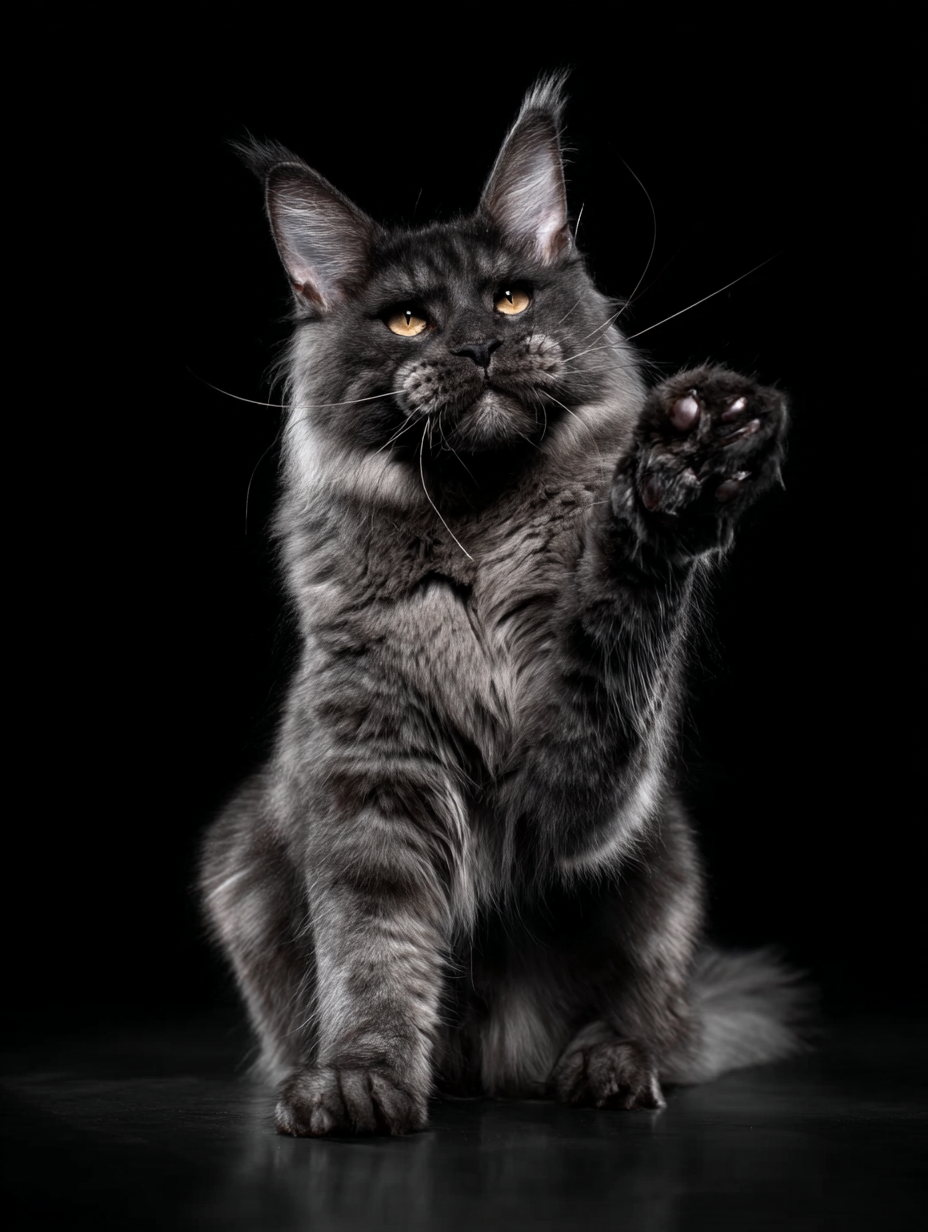
Some individuals learn tricks such as sit, high-five, fetch, or walk on a harness, which strengthens enrichment opportunities in indoor homes. Their intelligence benefits owners who value cooperative behavior and engagement.
Grooming & Coat Maintenance (Pro)
Despite their long coat, Maine Coons have a maintenance pattern that many owners find manageable. Their fur is less prone to matting than Persians or other heavy-coated breeds because the texture is silky rather than cotton-like. Regular brushing two to three times per week removes loose undercoat and reduces seasonal shedding.
Shedding increases in spring and fall, but routine grooming keeps the coat healthy and reduces hair around the home. Their tail, britches, and chest may collect debris or tangles, but these areas respond well to thorough combing. Owners appreciate that most Maine Coons tolerate grooming easily when introduced early.
The coat’s natural water resistance and slower matting tendency make overall maintenance predictable for families.
Health Strengths (Pro)
Maine Coons have solid overall resilience when bred responsibly. Many individuals maintain good health well into their teens with appropriate nutrition and annual veterinary care. They are structurally sound without dwarfism-related mutations or flat-faced features that complicate breathing or mobility.
Their large frame is supported by strong bone density, creating natural stability for climbing, jumping, and daily play. Responsible breeding programs screen for HCM, hip dysplasia, and SMA, which reduces risk of inherited issues and supports long-term vitality.
With routine wellness exams and controlled weight management, Maine Coons maintain mobility, energy, and quality of life through all life stages.
Low Prey Drive or Gentle Play (Pro)
Compared to high-drive breeds, Maine Coons often display moderate prey instincts and softer play patterns inside the home. Their movements are controlled and thoughtful, reducing accidental injury to smaller pets. While they enjoy interactive play and structured chasing activities, they are less likely to engage in relentless pursuit of small animals.
Their gentle batting style, slower pounce, and larger body give owners predictable cues during playtime. These traits help maintain harmony in households with calm dogs, other cats, and well-managed small pets. Maine Coons adapt well to supervised environments where boundaries are clear.
Cons of Owning a Maine Coon (Maine Coon Pros and Cons)
High Grooming Requirements (Con)
Maine Coons have long, uneven coats that require ongoing maintenance. While their fur is lighter and less prone to matting than some longhaired breeds, many owners underestimate what “low matting risk” really means. Seasonal shedding increases dramatically in spring and fall, and owners who skip weeks of brushing often face tangles around the armpits, belly, and hind legs. Wet food on the chest ruff and debris tracked in from play can also accumulate.
Because grooming frequency is one of the most common Maine Coon complaints, families should expect:
• thorough brushing 2–4 times per week
• more grooming during coat blows
• occasional sanitary trims
• regular checks behind the ears and under the arms
For owners wanting a zero-maintenance coat, this breed may feel overwhelming.
Cost & Availability (Con)
Maine Coons are one of the most sought-after breeds worldwide, which raises their cost and limits availability. Responsible breeders invest heavily in health testing (HCM, SMA, PKDef), quality nutrition, vet care, and slow, thoughtful breeding practices. This produces healthier kittens but raises the price.
Typical considerations include:
• price range that is higher than most domestic cats
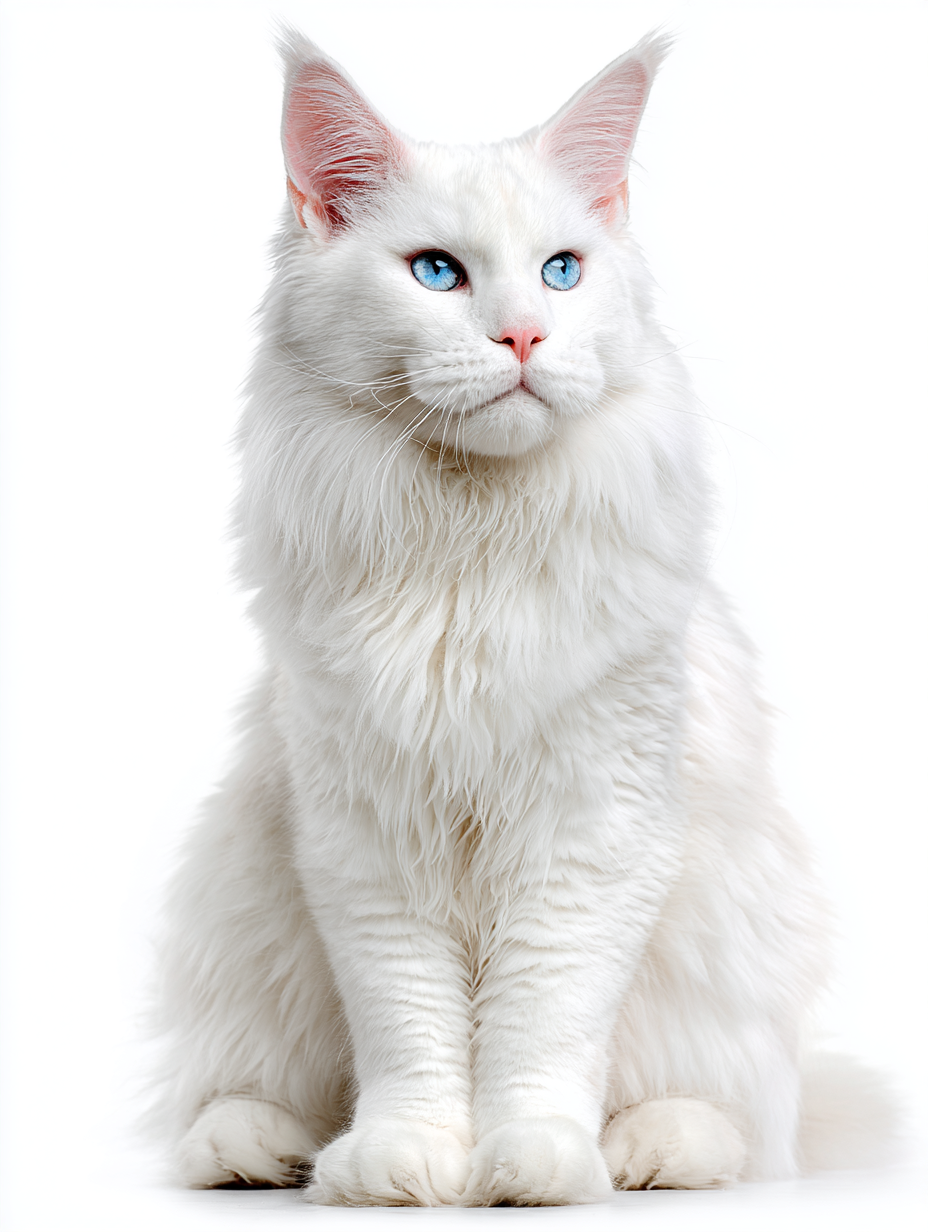
• rarity of certain colors (blue smoke, silver tabby, odd-eyed whites, shaded varieties)
• long breeder waitlists, especially for specific colors
Families hoping for an inexpensive or instantly available kitten may find this challenging.
Energy Level Mismatches (Con)
One of the most overlooked Maine Coon pros and cons is their energy level. Maine Coons are not hyperactive, but they are athletic, playful, and kitten-like for years. They need enrichment, climbing structures, interactive toys, and daily engagement.
Potential mismatches include:
• families wanting a quiet, sedentary cat
• homes without vertical space or room for play
• owners unprepared for a multi-year “kitten phase”
Without enrichment, Maine Coons can become bored, vocal, destructive, or attention-seeking.
Vocalization or Quietness (Con)
Maine Coons communicate differently than many breeds. Instead of loud meows, they use chirps, trills, and soft vocalizations. Some owners adore this gentle communication; others feel it is too constant.
Potential challenges include:
• cats that “talk” throughout the day
• cats that trill for attention or to signal needs
• cats that are too quiet to signal distress
Their unique vocal style is charming but not always what new owners expect.
Potential Health Considerations (Con)
Like all pedigreed cats, Maine Coons have breed-associated health risks. These do not affect every cat, but families must be informed. Common areas of concern include:
• Hypertrophic Cardiomyopathy (HCM)
• Spinal Muscular Atrophy (SMA)
• PK Deficiency
• hip dysplasia in larger lines
Working with a responsible breeder minimizes risks through genetic testing, careful pairing, and transparent health history. However, families must budget for long-term wellness care due to the breed’s size.
Emotional Needs (Con)
Maine Coons are highly social, and this trait can create challenges in busy homes. They are not independent loners. Instead, they thrive on routine, predictable interactions, and companionship.
Maine Coons may struggle with:
• long periods alone during the day
• abrupt schedule changes
• understimulation in quiet households
• lack of social engagement
Emotionally sensitive individuals may become vocal, clingy, or stressed when their needs are unmet. For owners gone 10+ hours daily, this can be difficult.
Is the Maine Coon Cat a Good Fit for You? Pros and Cons of the Maine Coon Breed
Is the Maine Coon Good for First-Time Cat Owners?
Why They Might Be a Good Fit (Pros)
Maine Coons are one of the most beginner-friendly purebred cats because of their stable temperament, predictable social behavior, and easygoing nature. They communicate clearly, adapt well to structured homes, and form strong but manageable bonds with their families. Their intelligence makes litter training, carrier training, and household routines straightforward. First-time owners often appreciate how patient and tolerant Maine Coons are with handling, grooming, and day-to-day life.
What First-Time Owners Should Prepare For (Cons)
Maine Coons grow slowly and stay kittenlike for years, so new owners must be ready for a long developmental stage with plenty of enrichment. Their size requires sturdy furniture, larger litter boxes, and more food than smaller breeds. Grooming can become a challenge during seasonal shedding periods. First-time owners must also understand that Maine Coons are highly social and do not thrive when left alone for long hours — they may need either a companion pet or predictable daily engagement.
Are Maine Coon Cats Good With Dogs?
Positive Traits That Help (Pro)
Maine Coons are one of the most dog-friendly cat breeds. Their confident, curious nature helps them integrate smoothly into homes with calm, well-trained dogs. They have a naturally low fear response, making them less likely to panic, hide, or trigger chasing instincts. Their size and sturdy frame allow them to stand their ground, and their social style often mirrors a dog’s—many enjoy following canine companions from room to room. Their stable temperament makes them excellent candidates for multi-species households.
Situations That Need Management (Con)
High-prey-drive dogs or dogs with a history of chasing behaviors may overwhelm even a confident Maine Coon. Puppies can be too energetic unless carefully managed. Maine Coons require vertical escape routes, protected feeding stations, and slow introductions to feel fully secure. Owners must supervise early interactions and reinforce boundaries with both pets to prevent resource guarding or accidental rough play.
See: Do Maine Coons get Along with Dogs here.
Space & Home Requirements
Why the Breed Works in Apartments or Houses (Pro)
Maine Coons adapt extremely well to different living environments. In apartments, they thrive when given vertical space, window access, and predictable routines. In larger homes, they enjoy exploring multiple rooms and interacting with family members across the house. Their playful but balanced energy level works well for most households, and they are rarely destructive when properly enriched.
Situations Where They Might Struggle (Con)
Maine Coons may struggle in homes without enough climbing structures, mental stimulation, or human interaction. Small spaces without vertical territory can lead to frustration. Homes with constant noise, large unstable dogs, or unpredictable schedules may cause stress, leading to hiding or overgrooming. Their size also requires sturdy cat trees, large carriers, and litter boxes that can accommodate a 15–25 lb adult.
Grooming Pros & Cons
Easy Grooming Traits (Pro)
Maine Coons have a shaggy, semi-long coat that naturally resists matting more than other longhaired breeds. Their fur sheds dirt easily, and many only require twice-weekly brushing outside of seasonal shifts. Their coat texture (long guard hairs + soft undercoat) is easier to maintain than Persian-type coats. Many Maine Coons enjoy brushing because it mimics social bonding.
Higher Maintenance Needs (Con)
Despite being easier than some longhaired breeds, Maine Coons still require regular grooming to prevent mats behind the ears, under the arms, and along the hindquarters. Seasonal “blowouts” in spring and fall can be intense. Owners must commit to coat maintenance, nail trims, and regular dental care. Their larger size makes grooming sessions longer and requires more space.
Activity Level Pros & Cons of Maine Coons
Fun, Playful, Interactive Maine Coon Qualities (Pro)
Maine Coons are known for their highly engaging activity level, which is one of the biggest pros of Maine Coons. They enjoy interactive play, puzzle toys, wand toys, climbing structures, and human companionship. Their play style is athletic but controlled, making them suitable for families who want a cat that participates actively in household life. Maine Coons are often described as “dog-like” because they follow people, learn games, and enjoy routine play sessions.
Their steady activity level means they burn energy in predictable bursts rather than chaotic sprints, which families appreciate. Their larger size also gives them a calmer overall movement pattern, even when they’re playful.
Potential Challenges With Excess or Low Energy (Con)
One of the cons of Maine Coons is that their size and intelligence require consistent enrichment. A bored Maine Coon may overeat, vocalize excessively, beg for attention, or become destructive. On the opposite end, low-energy households may find it challenging to meet the breed’s mental and physical needs. Some individuals are far more active than expected—especially males during the adolescent period—and may require tall cat trees, extra playtime, and puzzle feeders to prevent frustration. Maine Coons who lack stimulation may also develop unwanted nighttime activity patterns.
Health Pros & Cons of Maine Coons
Healthy Structural Traits (Pro)
A major pro of Maine Coons is their naturally robust structure. They have a strong skeletal frame, excellent muscular development, and slower growth that supports long-term joint health. Many lines have strong immune resilience and adapt easily to environmental changes. When bred responsibly, Maine Coons enjoy long lifespans of 12–15+ years. Their coat is weather-resistant, their digestive systems tolerate a wide range of foods, and their large paws and body proportions support balanced movement.
Breed-Specific Risks (Con)
A realistic con of Maine Coons is their susceptibility to several breed-associated conditions—most notably HCM (Hypertrophic Cardiomyopathy), hip dysplasia, and spinal muscular atrophy. While these conditions do not affect every line, responsible breeders test for them because early detection matters. Maine Coons are also prone to gum inflammation if dental care is neglected. Their large size increases the risk of obesity if diet and exercise are not managed properly. Families must be prepared for routine health screenings and early veterinary intervention when needed.
Cost of Ownership Pros & Cons of Maine Coons
Lower Everyday Care Costs (Pro)
Day-to-day care can be a pro of Maine Coons. They typically have hearty appetites but do not require exotic diets, and their grooming tools are standard for longhair cats. Their general hardiness often results in fewer emergency issues when well-bred. Their longevity also means families enjoy companionship for many years—making the cost of ownership manageable over time compared to shorter-lived breeds.
Higher Upfront or Long-Term Expenses (Con)
However, one of the practical cons of Maine Coons is their higher overall cost. Purebred kittens from ethical breeders often range from $2,000–$4,000+, depending on type, color, and health testing. Their size increases costs for high-quality food, litter, and larger carriers. Preventive veterinary care may also cost more due to weight-based medication pricing. Families should prepare for potential breed-specific screening tests, which add to long-term cost commitments.
Pros & Cons of Maine Coon Kittens
Kitten Behavior Pros
Maine Coon kittens offer many appealing traits that support easy early bonding:
• Highly social from a young age
• Adaptable to households with children, dogs, or other cats
• Quick to learn routines, schedules, and household expectations
• Respond extremely well to positive reinforcement and interactive play
• Form strong emotional bonds that remain stable into adulthood
These are some of the strongest pros of Maine Coon kittens and why many families choose them as a first purebred companion.
Kitten Behavior Cons
Maine Coon kittens also come with realistic challenges:
• Their oversized paws and rapid growth make them clumsy, often knocking items over
• They require structured routines during adolescence to prevent food begging, nighttime play, or attention-seeking behaviors
• Their high intelligence means they become bored easily without daily enrichment
• They may chew, climb, or attempt to explore off-limit areas during the teenage stage
• They grow for 4–5 years, meaning kitten-like behavior lasts much longer than most breeds
These expectations help balance the understanding of Maine Coon kitten pros and cons, ensuring families choose the breed for the right reasons.
Should You Get a Maine Coon? Final Pros & Cons Checklist
Choose a Maine Coon If You Want (Pros)
• Predictable temperament: Maine Coons are steady, social, and people-oriented without being clingy. Their emotional predictability makes them excellent family cats.
• Bonding behavior: They form strong, loyal connections with their people and enjoy participating in daily routines without demanding constant attention.
• Specific coat type: The semi-long, water-resistant Maine Coon coat is easier to manage than many longhair breeds, making it a good fit for owners who want a majestic cat without extreme grooming labor.
• Compatibility with children or dogs: Maine Coons adapt well to respectful kids, calm dogs, and multi-pet homes. Their confident size and gentle nature help them integrate smoothly.
• Interactive play and high intelligence: They enjoy puzzles, wand toys, and learning routines, which appeals to owners wanting an engaging, trainable cat.
• A large, impressive companion: Many families choose the Maine Coon because they want a physically robust, visually striking breed with a warm, accessible personality.
Reconsider a Maine Coon If You Prefer (Cons)
• Extremely low-maintenance care: Maine Coons need semi-regular brushing and careful monitoring of their size, diet, and joints.
• A cat who is independent for long periods: They tolerate alone time but do best with companionship and household activity.
• A breed with no grooming needs: Their coat is moderate-maintenance, not low-maintenance. Some individuals shed heavily seasonally.
• Lower-cost alternatives: Maine Coons come with higher upfront costs due to responsible breeding, health testing, and limited availability from ethical programs.
• A quiet or very small cat: Maine Coons communicate with chirps and trills, and their large bodies require space, sturdy furniture, and a thoughtful home setup.
• Minimal feeding needs: Their large size and slow growth pattern require a structured, higher-calorie diet during youth and careful weight management in adulthood.
View Available Maine Coon Kittens
If you’re ready to bring home a confident, social, easygoing companion, our Maine Coon kittens are raised in-home, health tested, and carefully matched to families.
👉 View Available Maine Coon Kittens
👉 Apply for a Maine Coon Kitten
More Maine Coon Articles from Almonte Cats
- Maine Coon Cat Diet
- Maine Coon Kitten Prices Explained
- Maine Coon Cat Care
- Maine Coon Tassel Ears
- Polydactyl Maine Coon Care
- Domestic Maine Coon Cat Info
- Maine Coon Kitten Growth Stages
- Maine Coon M on Forehead Genetics
- How to Prepare Your Home for a Maine Coon Kitten
Sources for This Article
- Cat Fanciers’ Association (CFA) – Maine Coon Breed Standard
https://cfa.org/maine-coon/ - The International Cat Association (TICA) – Maine Coon Breed Overview
https://tica.org/breeds/browse-breeds?view=article&id=859:maine-coon&catid=79 - Cornell University College of Veterinary Medicine – Hypertrophic Cardiomyopathy (HCM)
https://www.vet.cornell.edu/departments-centers-and-institutes/cornell-feline-health-center/health-information/hypertrophic-cardiomyopathy - Cornell University Feline Health Center – Hip Dysplasia in Cats
https://www.vet.cornell.edu/departments-centers-and-institutes/cornell-feline-health-center/health-information/feline-hip-dysplasia - American College of Veterinary Internal Medicine (ACVIM) – Nutrition for Large Cats
https://www.acvim.org/ - VCA Animal Hospitals – Maine Coon Cat Overview
https://vcahospitals.com/know-your-pet/cat-breeds/maine-coon - International Cat Care – General Cat Behavior & Welfare
https://icatcare.org/ - Wisconsin Veterinary Diagnostic Laboratory – Genetic Testing for HCM (Maine Coon Variant)
https://www.wvdl.wisc.edu/ - PetMD – Maine Coon Breed Guide
https://www.petmd.com/cat/breeds/c_ct_maine_coon





Read the Comments +