
British Shorthair Diet & Nutrition Guide: Portions, Feeding & Health
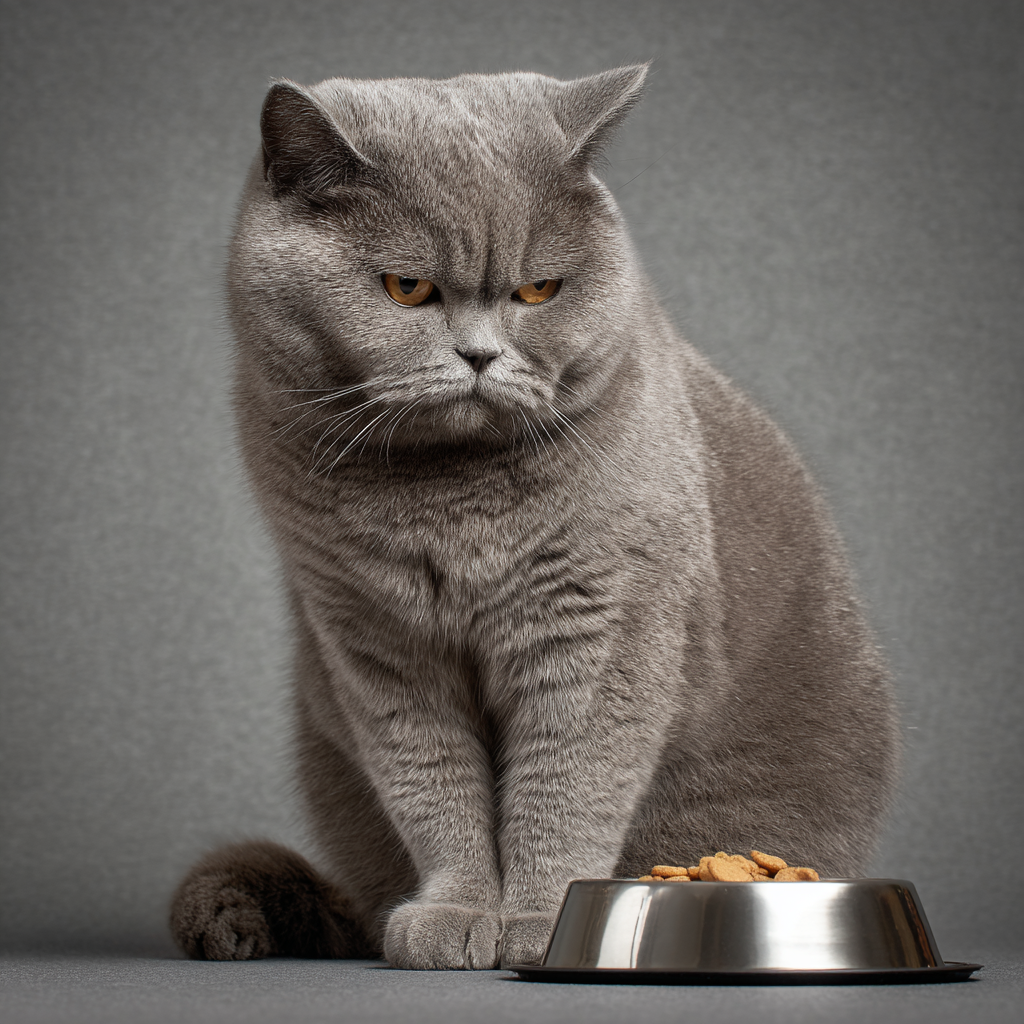
Feeding a British Shorthair is not the same as feeding an average domestic cat. Their dense frame, thick muscle, slow metabolism, and tendency toward quiet routines mean they need a diet built around controlled calories, high-quality protein, and strict portioning. This guide explains exactly how to feed British Shorthair kittens, adolescents, adults, and seniors; how much they should eat; how to support healthy weight; which ingredients to avoid; and how to adjust portion sizes by age, activity, and body condition. If you want a feeding structure suited to a stocky, low-activity breed, this resource outlines how to maintain ideal weight, muscle tone, and long-term health at every stage.
British Shorthair Diet Summary Table
Life Stage Feeding
| Life Stage | Key Needs |
|---|---|
| Kittens (0–12 months) | High-protein kitten food; 3–4 meals/day; wet food access; DHA and growth nutrients; avoid overfeeding during rapid early growth. |
| Adolescents (12–36 months) | Slow transition off kitten food; promote lean muscle; hydration support; careful portion control to prevent early weight gain. |
| Adults (3–8 years) | Balanced maintenance diet; wet + dry or wet-only feeding; adjust calories for low activity; prevent creeping obesity. |
| Seniors (8+ years) | More moisture; kidney support; Omega-3s; lower calories if mobility decreases; small, frequent meals may help digestion. |
Daily Diet Structure
| Component | Notes |
|---|---|
| Protein | 30–45% of calories; must be animal-based to maintain muscle in a naturally stocky breed. |
| Fat | Moderate fat levels; avoid high-fat, high-calorie formulas that accelerate weight gain. |
| Carbohydrates | Keep carbohydrates minimal; excess carbs easily convert to fat in low-activity cats. |
| Hydration | Wet food, broths, fountains; essential for urinary and kidney health. |
Portion Guidelines
| Weight/Stage | Daily Calories |
|---|---|
| Kittens | 80–120 kcal per pound depending on growth rate. |
| Adults | 30–38 kcal per pound, depending on activity and body condition. |
| Seniors | Adjust downward unless losing weight or muscle. |
Common Diet Problems
| Issue | Cause |
|---|---|
| Soft stool | Quick diet changes, low-quality proteins, food sensitivity. |
| Weight gain | Too much dry food, free-feeding, high-fat diets. |
| Dull coat | Low protein or insufficient Omega-3s. |
| Urinary issues | Low moisture intake, too much dry food. |
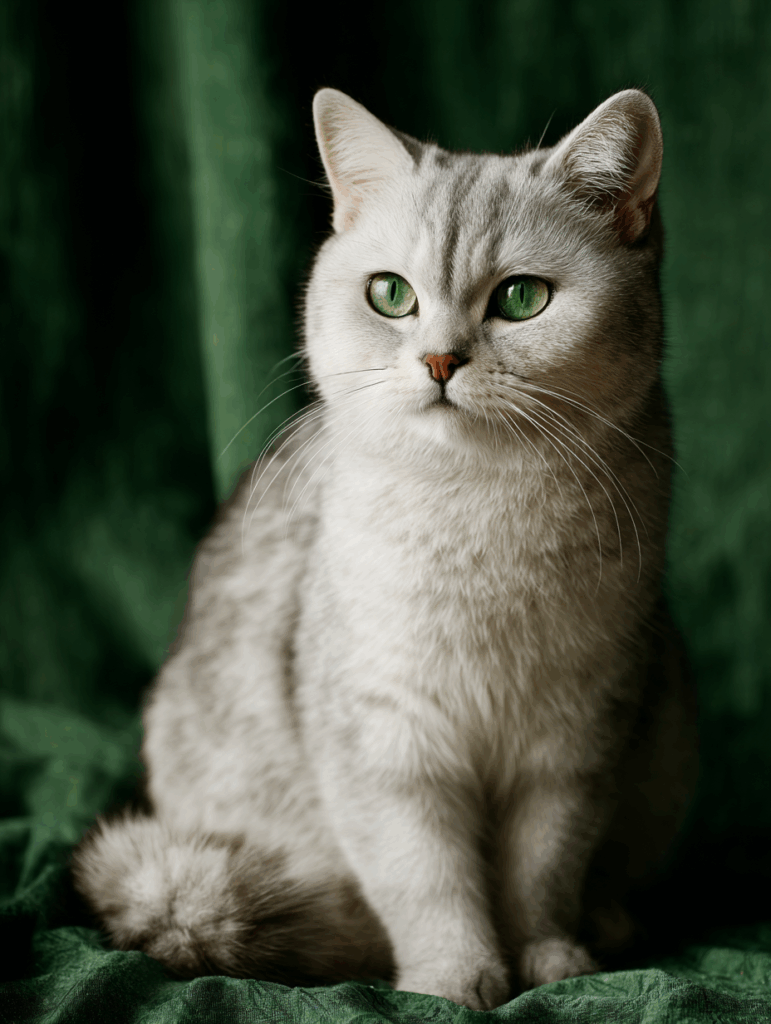
British Shorthair Feeding Foundations: What Makes This Breed Different
Stocky Build and Slow Metabolism
British Shorthairs have one of the slowest metabolisms among pedigreed breeds. Their calm nature and low activity combine with a naturally dense frame, making them highly prone to weight gain. Because of this, they require:
• controlled portions
• protein-first diets
• limited carbs
• predictable feeding schedules
Feeding them like an average active cat often results in weight gain by adulthood, which can worsen joint pressure and shorten lifespan.
Muscle and Bone Density
The British Shorthair’s signature round appearance comes from solid muscle and thick bone. Their diet must support:
• lean muscle maintenance
• steady growth without excessive calories
• bone and joint strength
• healthy connective tissue over time
A protein-forward diet is essential. Without it, British Shorthairs lose tone quickly and gain fat easily.
Low-Activity Lifestyle and Calorie Needs
British Shorthairs are affectionate but not high-energy. Most adults spend long periods resting, with short play sessions throughout the day. Because of this, they:
• burn fewer calories than other breeds
• gain weight easily with free-feeding
• need pre-measured meals daily
Their diet must fuel gentle activity without exceeding calorie needs.
Understanding British Shorthair Nutritional Requirements
Protein: The Core of a British Shorthair Diet
British Shorthairs need a diet where animal-based protein is the primary ingredient. Protein maintains their naturally stocky frame, supports muscle mass, fuels a slow and steady metabolism, and helps prevent fat accumulation — a key concern for this low-activity breed.
Ideal protein sources include:
• chicken
• turkey
• rabbit
• duck
• quail
• beef in small rotation
• salmon or whitefish (used sparingly to avoid excess fat and digestive upset)
Plant protein is incomplete and less digestible. It should never replace animal protein as the main source.
Fat: Necessary but Carefully Controlled
Fat provides:
• stable energy
• skin and coat support
• metabolic balance
• calorie density for growth and maintenance
British Shorthairs do not benefit from very high-fat diets because their activity levels are moderate to low. Instead, they thrive on moderate fat levels paired with high-quality Omega-3s to support joint health and help maintain ideal weight.
Carbohydrates: Minimal, Not Main Ingredients
Carbohydrates should stay limited for British Shorthairs. Excessive carbs often cause:
• weight gain
• blood sugar fluctuations
• reduced muscle tone
• inflammatory responses
Small amounts of digestible carbohydrates (pumpkin, potato, a small amount of oats or lentils) may be useful for stool stability, but carbs should never dominate the ingredient list.
Best Food Types for British Shorthairs: Wet, Dry, Freeze-Dried, Raw
High-Quality Wet Food
Wet food is the strongest foundation for British Shorthairs due to:
• high moisture (important for kidney + urinary health)
• higher protein concentration
• fewer fillers
• easier digestion
British Shorthairs benefit when 50–70% of their diet is wet food, especially adults with a higher risk of weight gain and urinary issues.
Premium Dry Kibble
Dry kibble can be used in moderation for:
• dental friction
• controlled calorie supplementation
• training rewards
British Shorthairs should not rely on dry food alone. Their metabolism and urinary system benefit from moisture-rich diets. Choose kibble with:
• named animal proteins
• lower carbohydrate percentages
• controlled ash and mineral levels
Freeze-Dried Raw
Freeze-dried formulas work well for:
• high-protein intake
• improved stool quality
• coat and skin health
• lean muscle maintenance
Freeze-dried must always be rehydrated to avoid dehydration risk.
Commercial Raw or Balanced Homemade Raw
Raw feeding can support British Shorthairs if:
• the recipe is balanced
• calcium and phosphorus ratios are correct
• taurine levels meet feline requirements
• ingredients are handled safely
Homemade raw without professional formulation is unsafe. British Shorthairs do best on veterinary-approved raw recipes if raw feeding is chosen.
Protein Requirements for British Shorthairs
Protein is foundational for British Shorthairs, but their needs differ from large athletic breeds. Their priorities include muscle maintenance, weight stability, and metabolic regulation.
Why High-Quality Protein Matters for British Shorthairs
Protein supports:
• muscle mass
• bone health
• immune strength
• overall metabolic efficiency
British Shorthairs naturally gain weight easily. High-quality protein helps maintain muscle without adding unnecessary calories. Low-quality proteins or fillers may cause:
• soft stool
• increased shedding
• weight gain even with normal portions
• reduced muscle tone
Their bodies show clear dietary feedback, making protein quality especially important.
Ideal Protein Sources
British Shorthairs digest animal protein efficiently. Prioritize:
• chicken
• turkey
• duck
• rabbit
• quail
• small amounts of lamb
• whitefish or salmon as rotation proteins
Plant-based proteins (peas, lentils, soy) inflate protein percentages on labels but offer weaker amino acid profiles and slower digestion.
Protein Percentage Targets
For British Shorthairs:
Wet Food: 10–14% protein (as fed)
Dry Food: 32–45% protein
Raw/Fresh Diets: 85–99% animal protein depending on formula
Kittens require the highest percentage. Adults should have consistent protein levels to maintain muscle and prevent creeping weight gain.
Recognizing Poor Protein Quality
Red flags include:
• vague terms like “meat meal” without species
• heavy reliance on pea protein
• smelly stool or loose stool
• greasy coat or excessive shedding
• low energy or reduced play
British Shorthairs respond quickly to ingredient quality, making it easy to monitor results.
Fat & Omega Needs for British Shorthairs
British Shorthairs benefit from balanced fats, not excessive fats. Their dense coat, round body structure, and moderate activity level all depend on fat quality rather than fat quantity.
Why Fat Is Important
Fat supports:
• coat quality
• skin hydration
• joint function
• brain health in kittens
• metabolic stability
Because British Shorthairs are prone to gaining weight, choosing healthy fats is more important than increasing overall fat intake.
Ideal Fat Sources
Healthy fats include:
• chicken fat
• salmon oil
• sardine oil
• anchovy oil
• duck fat (limited)
• egg yolk
These fats help support skin, coat, and joint health without adding excessive calories.
Omega-3 vs Omega-6 Balance
British Shorthairs thrive when Omega-3 and Omega-6 fatty acids remain balanced.
Omega-3 supports:
• joint comfort
• reduced shedding
• skin moisture
• heart and kidney health
Omega-6 supports:
• coat density
• normal growth
• skin structure
Affordable kibble formulas often overload Omega-6, which can increase inflammation. Adding a small daily dose of salmon or sardine oil can restore healthier balance.
Fat Percentage Targets
Kittens: 18–24% fat (dry matter)
Adults: 14–20% fat
Seniors: 12–18% depending on weight changes and mobility
Balanced fat levels help British Shorthairs avoid the most common nutritional issue: gradual weight gain.
Carbohydrates & Fiber for British Shorthairs
Carbohydrates are not essential for cats, yet they appear in nearly all commercial diets. For British Shorthairs — a breed with a slow metabolism and a strong tendency toward weight gain — the type and amount of carbohydrates matter significantly.
Understanding Carbohydrates in Feline Diets
Cats are obligate carnivores and have limited ability to process large amounts of starch. British Shorthairs, in particular, can struggle with carb-heavy diets because:
They convert excess carbs into fat easily
They cannot use carbohydrates as efficiently as protein or fat
Large amounts of carbs can trigger soft stool, hunger spikes, or weight gain
Because the breed is naturally low-activity, carbohydrate overload is one of the fastest ways a British Shorthair becomes overweight.
Carbohydrates to Avoid
British Shorthairs typically do poorly on diets containing large quantities of:
• pea fiber
• lentils
• beans
• chickpeas
• corn
• wheat
• potato, tapioca, or starch-heavy fillers
These ingredients may cause bloating, irregular stool, food-driven begging, or rapid weight gain.
Healthy Fiber Sources
Fiber helps stabilize digestion, regulate stool quality, and reduce hairball formation — especially important for thick-coated cats like British Shorthairs.
The best fiber options include:
• plain pumpkin
• small amounts of psyllium husk
• beet pulp (moderate, not excessive)
• oat fiber (limited)
Avoid synthetic fibers and unnecessary fillers that pass through the digestive tract without adding meaningful benefit.
Carbohydrate Limits
Aim for:
Wet Food: under 10% carbs
Dry Food: under 25% carbs
Raw/Fresh Diet: under 5% carbs
British Shorthairs thrive on lower-starch diets, especially adults who require tight calorie control.
Signs of Carbohydrate Intolerance
Watch for:
• bloating or gassy abdomen
• soft stool or diarrhea
• increased shedding
• persistent hunger after meals
• sudden weight gain
Lowering carbohydrate intake usually helps stabilize digestion and appetite quickly.
Hydration Needs for British Shorthairs
Why Hydration Matters for the Breed
British Shorthairs have dense muscle and bone, thick plush coats, and a slower daily rhythm. Adequate hydration supports:
• urinary tract health
• kidney function
• digestion
• temperature regulation
• coat texture and shedding control
• joint comfort
Because many cats rely more on food moisture than on drinking behavior, British Shorthairs benefit from a hydration-focused feeding plan, especially males who are at higher risk for urinary concentration.
Water Intake Expectations
A typical adult British Shorthair should consume 3.5–4.5 ounces of water per 5 pounds of body weight daily, including moisture from food.
Wet food contributes most of this moisture.
Dry-food-heavy diets require significantly more water consumption, which many British Shorthairs do not naturally provide on their own.
Their thick coat and reduced movement can also cause mild dehydration if fresh water is not easily accessible.
Hydration Challenges in British Shorthairs
British Shorthairs may experience:
• low natural drinking habits
• reluctance toward still, stagnant bowl water
• insufficient moisture intake on kibble-heavy diets
• concentrated urine during warm seasons
• dehydration after stress, travel, or routine changes
Hydration is especially important for intact males or cats with a history of urinary sensitivity.
Hydration Strategies That Work
To reliably support hydration, British Shorthair families should use:
Water Fountains
Flowing water encourages more drinking. British Shorthairs often prefer fountains to still water bowls.
Wet Food as the Base Diet
Wet food provides 70–80% moisture and is the simplest way to prevent urinary issues.
Adding a tablespoon of warm water to each meal increases hydration further.
Multiple Water Stations
Place bowls or fountains in quiet, accessible areas on multiple levels of the home.
Wide, Shallow Bowls
Prevents whisker stress and encourages drinking.
Occasional Hydration Add-Ins
Bone broth for cats (no salt/onion/garlic), tuna water, or cat-safe hydration toppers can help boost moisture intake.
Signs a British Shorthair Needs More Water
Watch for:
• thick or sticky saliva
• strong urine odor
• firm or sandy litter clumps
• dry gums
• lower energy
• increased shedding or coarse coat texture
Hydration is one of the most important — and often overlooked — areas of British Shorthair care. Proper moisture intake can significantly reduce urinary risk and support long-term kidney health.
Feeding Schedule & Portion Control for British Shorthair Cats
Why British Shorthairs Need Structured Meal Timing
British Shorthairs mature slowly and do not reach their full adult size, muscle density, and body composition until about 3 years of age. Although they are not a giant breed, their metabolism is naturally slower than most cats due to their calm temperament and low daily activity. Because of this, free-feeding kibble frequently leads to overeating, rapid weight gain, digestive inconsistency, and reduced muscle tone.
A structured feeding plan for British Shorthairs:
• stabilizes digestion
• prevents unhealthy weight gain
• supports steady muscle development rather than fat accumulation
• reduces begging and food anxiety
• helps owners track early signs of appetite or health changes
• keeps calories predictable and appropriate for their metabolism
British Shorthairs thrive when meals are portioned, scheduled, and designed to maintain their compact, muscular build without adding unnecessary body fat.
Portion Guidelines by Age and Life Stage
Kittens (8 weeks – 6 months)
• 3–4 meals per day
• High-protein wet food as the foundation of the diet
• Free-feeding dry food only if the kitten is underweight or extremely active
• Calories should not be restricted too early
British Shorthair kittens grow steadily but not explosively. They need nutrient-dense food, but controlled portions prevent the early onset of obesity, which can permanently affect their adult structure.
Adolescents (6 months – 18 months)
• 2–3 meals per day
• Increased portions during natural growth spurts
• A balance of wet and limited dry food, depending on digestion
• Monitor stool quality as metabolism and digestive enzymes mature
During this stage, British Shorthairs often begin to “fill out.” This is when owners must be especially careful not to confuse muscle-building with fat gain, since both happen in this time window.
Adults (18 months – 5 years)
• 2 structured meals per day
• Optional small snack for active, intact, or high-play cats
• Diet must be high in animal protein and moisture
• Emphasis on portion control to maintain ideal weight
Adult British Shorthairs are powerful but low-energy cats. Their calorie burn is significantly lower than more athletic breeds, making accurate portioning one of the most important parts of their care.
Seniors (7+ years)
• 2 meals per day
• Consider lower-phosphorus diets if kidney values change
• Hydration becomes increasingly important for urinary and kidney health
• Omega-rich proteins (such as sardines) may help with coat condition and joint comfort
Senior British Shorthairs may lose muscle mass if protein is too low, but they can also gain fat if calories are not adjusted. Senior diets should be individualized based on body condition.
How Much Should a British Shorthair Eat Per Day?
General guideline for most British Shorthair adults:
Wet food: 5–8 ounces per day
Dry food (optional): ¼ cup per day
Mixed feeding: portions adjusted to avoid excess calories
Intact males may require slightly more food due to a higher metabolic rate. Neutered cats usually need fewer calories, as neutering naturally reduces energy expenditure.
Signs Your British Shorthair Is Eating the Right Amount
An appropriately fed British Shorthair will show:
• a steady, healthy weight
• a visible waist and firm body condition
• stool that is consistently well-formed
• stable daily energy levels
• a dense, healthy coat with minimal shedding
They should feel solid and muscular, not soft or round in the abdomen.
Portion Control Mistakes to Avoid
British Shorthairs are especially sensitive to:
• free-fed kibble (major cause of weight gain)
• high-carbohydrate diets that trigger overeating
• unpredictable meal schedules
• abrupt changes in food or feeding times
• failing to adjust portions during adolescent fill-out stages
A predictable routine helps maintain metabolic stability and supports lifelong healthy weight.
Protein, Fat, and Carbohydrate Requirements for British Shorthairs
Why Macronutrient Balance Matters
British Shorthairs have rounded, muscular bodies supported by dense bone. The correct macronutrient balance is essential for maintaining:
• muscle density
• coat quality
• digestive stability
• weight control
• steady, moderate energy levels
• reduced metabolic stress
Because the breed is prone to obesity, macronutrients must be carefully chosen to promote muscle while minimizing fat accumulation.
Protein Requirements for British Shorthairs
British Shorthairs thrive on high animal-protein diets, ideally:
40–55% protein (dry matter basis) for wet or raw food
30–40% protein for high-quality kibble
Animal protein supplies essential amino acids such as taurine, lysine, and methionine, which are crucial for:
• muscle development
• heart function
• immune health
• metabolism
Best protein sources include:
• chicken
• turkey
• rabbit
• duck
• quail
• sardines or salmon in rotation (not daily due to fat content)
Avoid formulas relying heavily on pea or soy proteins, which inflate protein numbers without offering full nutritional value.
Fat Requirements
Fat supports:
• healthy joints
• a dense, plush coat
• skin hydration
• brain development (especially in kittens)
• steady, stable energy
Ideal fat range:
18–25% fat (dry matter basis) in wet or raw diets
12–18% fat in kibble
British Shorthairs do not require high-fat diets because of their low activity. However, they do need high-quality fats, especially Omega-3s (EPA and DHA) for coat health and joint protection.
Carbohydrates
As obligate carnivores with a naturally slow metabolic rate, British Shorthairs should consume carbohydrates sparingly.
Carbohydrates should be:
• minimal
• easy to digest
• limited to low-glycemic sources
Excess carbs commonly cause:
• weight gain
• bloating or gas
• stool inconsistency
• hunger between meals
• metabolic stress
Diets with under 15% carbohydrates are ideal for most British Shorthairs. Kibble often far exceeds this, which is why strict portioning is essential if dry food is included.
Macronutrient Ratio Summary for British Shorthairs
An ideal diet for this breed is:
• High in protein
• Moderate in fat
• Low in carbohydrates
• High in moisture
This supports their stocky build, promotes ideal body condition, and reduces long-term strain on organs and joints.
Feeding British Shorthair Kittens (0–12 Months)
Unique Growth Needs of British Shorthair Kittens
British Shorthair kittens grow at a slow, steady pace, not in dramatic spurts like giant breeds. They require consistent nutrition to develop:
• dense bone structure
• compact muscle
• healthy metabolism
• a full, plush coat
Early nutrition affects their adult shape more than in many breeds. Underfeeding at this stage can lead to a narrow frame or reduced muscle mass that may never fully recover.
Why British Shorthairs Benefit from Extended Access to Kitten Food
While many cats switch to adult food at 10–12 months, British Shorthairs usually benefit from staying on kitten formulas until at least 12–15 months, and some do best until 18 months.
Kitten diets provide:
• increased protein for muscle development
• higher fat levels for steady growth
• DHA for brain and eye development
• balanced minerals for bone density
Because they mature slowly, removing kitten nutrients too early may lead to underdeveloped muscle or bone.
Feeding Frequency Chart by Age
British Shorthair kittens do well with predictable, structured feeding:
• 0–3 months: 4–5 meals/day
• 3–6 months: 3–4 meals/day
• 6–12 months: 3 meals/day
• 12–18 months: 2–3 meals/day
Unlike giant breeds, British Shorthair kittens should not free-feed indefinitely, as this often triggers early weight gain.
Portion Guide Based on Weight
General daily calorie guideline for kittens:
• 2–3 lbs: 120–180 calories
• 4–6 lbs: 180–250 calories
• 7–10 lbs: 230–320 calories
British Shorthairs vary in individual metabolism, so regular body-condition scoring is essential to prevent overfeeding or underfeeding.
Wet vs. Dry for Kittens
Wet food:
• supports hydration
• improves digestion
• stabilizes appetite
• provides highly digestible animal protein
Dry food:
• can help with nibbling behaviors
• provides calorie stability
• should be used in controlled amounts
Most breeders recommend wet food as the primary diet, with dry food used intentionally rather than freely.
Common Growth Problems from Underfeeding
Underfeeding a British Shorthair kitten can cause:
• reduced muscle development
• slower skeletal growth
• a thin or patchy coat
• low energy
• overeating tendencies later in life
• food anxiety
British Shorthair kittens should feel solid, not fragile.
Should British Shorthair Kittens Free-Feed?
Free-feeding is usually not appropriate for this breed.
British Shorthairs:
• eat out of boredom
• gain weight easily
• are less active
• maintain healthier metabolisms with scheduled meals
Structured meals encourage healthier lifelong eating habits.
DHA & Brain Development Nutrients
During the first year, British Shorthair kittens benefit from DHA, taurine, and marine-sourced Omega-3s, which support:
• brain development
• visual development
• early neural growth
• learning and adaptability
Kitten foods containing fish oil, algae oil, or DHA supplements contribute meaningfully to long-term cognitive and sensory development.
Feeding Adolescent British Shorthairs (12–48 Months)
The “Teenage Stage” Appetite Shift
Between 12 and 24 months, British Shorthairs enter their main adolescent development period. While they do not experience the dramatic, towering growth spurts seen in giant breeds, they do undergo a significant internal transformation:
• muscle thickening
• bone density increases
• body broadening
• slow metabolic changes
Because of these shifts, British Shorthairs may show increased appetite between 12–18 months, even if they appear physically “filled out.” This is the stage when males especially begin to develop their classic broad chests and stocky shoulders.
During this period, many British Shorthairs actually need more calories than they did at 8–10 months, provided those calories come from high-quality, high-protein foods that support muscle — not fat — development.
Transitioning Away from Kitten Food
Most British Shorthairs should transition gradually to an adult or all-life-stages diet sometime between 12–18 months. Transitioning too early may:
• reduce muscle development
• limit bone density gains
• cause shallow chest growth
Transitioning too late may:
• introduce unnecessary calories
• promote early fat accumulation
• encourage overeating tendencies
An ideal transition period is 2–4 weeks, following the same structured shift:
• Week 1: 75% kitten / 25% adult
• Week 2: 50/50
• Week 3: 25/75
• Week 4: 100% adult
This slow transition protects digestion, stabilizes stool quality, and prevents appetite swings.
Building Lean Muscle in the Adolescent British Shorthair
British Shorthairs do not build long, lanky frames. They build dense, compact muscle that forms slowly and evenly. To support this, adolescent cats benefit from:
• 35–45% protein (dry matter basis)
• high-quality animal protein sources
• steady caloric intake rather than restrictive feeding
• regular enrichment that encourages movement
British Shorthairs often prefer play styles involving pouncing, short sprints, and low jumps rather than extended athletic sessions. Their muscle development is supported by:
• wand play
• hunting-mimic toys
• small climbing structures
• gentle resistance toys
The goal is not to turn them into high-energy athletes, but to ensure calories feed muscle, not fat.
Avoiding Early Obesity
British Shorthairs are one of the breeds most prone to obesity during adolescence. This is because:
• their metabolism slows
• appetite often increases
• activity levels remain moderate
• adult body mass builds rapidly
Monitoring body condition is essential. Evaluate:
• waistline when viewed from above
• abdominal tuck from the side
• rib availability with light pressure
If ribs are difficult to feel or if the waist disappears, reduce caloric intake slightly or adjust the wet/dry ratio to increase hydration and protein while reducing energy density.
Hydration During Activity and Growth Stages
Though not as athletic as Maine Coons, adolescent British Shorthairs do have bursts of activity and ongoing muscle development that require good hydration. Proper moisture intake supports:
• kidney health
• muscle function
• digestive stability
• joint lubrication
• coat density and shine
Wet food remains important during adolescence. Adding hydration boosters — such as water, broth, or fountains — ensures consistent moisture intake and reduces the risk of concentrated urine, especially in males.
Behavioral Feeding Needs (Puzzles, Slow Feeders)
British Shorthairs are intelligent and food-motivated. Many adolescents benefit from enrichment feeding tools that:
• slow eating
• provide mental stimulation
• mimic natural hunting patterns
• reduce boredom eating
• prevent rapid gulping
Effective tools include:
• puzzle feeders
• slow-feed bowls
• treat balls
• sniff mats
• scatter feeding
These approaches help regulate pace and support healthier digestion.
Feeding Adult British Shorthairs (4–8 Years)
Establishing a Maintenance Diet
Adult British Shorthairs need steady, controlled calories matched to their calmer activity levels and dense musculature. A maintenance diet should include:
• high-quality animal protein to preserve muscle tone
• moderate fat for energy and coat health
• controlled carbohydrates to prevent weight gain
• moisture-rich food to support kidney and urinary health
Consistency is the key to maintaining ideal body condition.
Ideal Meal Frequency
Most adult British Shorthairs do best with:
• two scheduled meals per day
• an optional micro-meal (very small) for cats that become hungry late evening
Unlike breeds with extremely high metabolisms, British Shorthairs thrive on structured meals, which keep calorie intake predictable.
Seasonal Appetite Variations
British Shorthairs frequently adjust their appetite with the seasons:
• winter: increased hunger, calorie needs rise
• summer: decreased appetite, lower energy demands
Portions may need adjusting by 5–10% depending on seasonal changes — not dramatic increases or reductions.
Adjusting Protein Based on Activity
Although quiet by nature, British Shorthairs in active households or homes with multiple pets may require:
• slightly higher protein
• added hydration
• moderate calorie increases
In low-activity homes, calories may need to be reduced slightly while maintaining strong protein levels to prevent muscle loss.
Monitoring Body Condition Score
Evaluate body condition monthly. Ideal BCS includes:
• ribs felt but not visibly outlined
• clear waistline
• slight abdominal tuck
• firm, muscular feel
Any deviation toward a rounded abdomen, soft sides, or decreased tuck should trigger a diet review.
Why Many Adult British Shorthairs Benefit from Mixed Diets
Combining wet and dry food can support:
• hydration (critical for kidney and urinary health)
• controlled calorie intake
• appetite consistency
• smoother digestion
Many adult British Shorthairs thrive on a 50/50 wet and dry combination, adjusted according to calorie and hydration needs.
Feeding Senior British Shorthairs (8+ Years)
Muscle Preservation in Senior British Shorthairs
Senior British Shorthairs are prone to muscle loss because:
• metabolism slows
• mobility may decrease
• digestive efficiency changes
• weight gain and weight loss both become risks
To maintain strength, seniors need high-quality, easily digestible animal protein, not reduced protein. Poultry, rabbit, salmon, and similar proteins help:
• preserve mobility
• prevent frailty
• maintain stable metabolism
• reduce joint stress
Muscle condition scoring becomes important to identify early muscle loss.
Joint Support Nutrients (Glucosamine, MSM, Omega-3s)
Because British Shorthairs carry significant bone and muscle mass, joint support becomes valuable in older age. Supplements such as:
• glucosamine
• chondroitin
• MSM
• omega-3 fatty acids (EPA/DHA)
help maintain cartilage health, reduce inflammation, and support overall mobility. Omega-3s additionally assist with cognitive function and coat health — both areas that often decline in senior cats.
Kidney-Support Nutrition (Moisture-Heavy Diets)
Senior British Shorthairs are prone to kidney changes and urinary concentration. Moisture is the single most important nutritional tool for kidney support.
Seniors benefit from:
• wet food making up 50–75% of daily intake
• broth or water added to meals
• low-sodium diets
• controlled phosphorus levels when recommended
Moisture maintains kidney filtration and reduces strain on aging organs.
Lower-Calorie Diets (When Appropriate)
Not all British Shorthairs need lower calories in old age. Some maintain strong muscle and require the same caloric intake as adult years. Others slow down and begin gaining fat.
Lower-calorie diets should be offered only when:
• abdominal fat increases
• the waistline softens
• the cat shows reduced activity
The goal is to avoid excess fat while preventing underfeeding.
When Seniors Need Smaller, More Frequent Meals
Many senior British Shorthairs benefit from 3–4 smaller meals per day due to:
• reduced stomach capacity
• mild nausea after long fasting periods
• better digestion
• improved appetite stability
Smaller meals help prevent vomiting from empty-stomach acid buildup — a common issue in older cats.
Appetite Changes to Monitor
British Shorthair seniors should be evaluated for:
• interest in food but difficulty eating
• preference for wet or soft textures
• reduced chewing ability
• unexplained weight loss
• increased thirst
• avoidance of previously enjoyed foods
These may indicate dental disease, kidney decline, thyroid changes, or early gastrointestinal issues.
Portion Sizes: How Much Should a British Shorthair Eat?
Calorie Formula by Weight
A general daily calorie guideline for British Shorthairs uses this formula:
Daily Calories = 18–22 calories per pound of ideal body weight
British Shorthairs burn fewer calories than athletic or high-energy breeds. Their metabolism is naturally slower, so their calorie needs sit below those of a Maine Coon or an Oriental-type breed.
Examples:
• 12-lb adult male → 215–260 calories/day
• 10-lb adult female → 180–220 calories/day
• seniors → 16–20 cal/lb depending on muscle mass, mobility, and kidney health
A musculature-heavy British Shorthair may require the high end of the range, while a lower-activity indoor cat may require the minimum.
Portion Chart for British Shorthair Kittens
British Shorthair kittens grow steadily and gradually. They do not develop rapidly like giant breeds, but they need frequent, nutrient-dense meals to build their signature bone and muscle.
These suggested ranges are typical for healthy kittens:
8–12 weeks
• 4–6 small wet meals/day
• Optional free-choice dry food if digestion is stable
• 200–300 calories/day
At this age, British Shorthairs should feel solid, never fragile. Steady calories support bone density and early muscle development.
3–6 months
• 3–4 meals/day
• 230–350 calories/day depending on activity
British Shorthair kittens often appear rounder at this stage — this is normal, but watch for true abdominal fat rather than baby fullness.
6–12 months
• 3 meals/day
• 250–400 calories/day depending on growth rate
British Shorthairs go through subtle but continuous development. They should not be restricted unless a vet confirms excess weight.
Kittens should never be intentionally kept thin. Their adult appearance depends on strong early nutrition.
Portion Chart for Adult British Shorthairs
Adult British Shorthair feeding amounts depend heavily on activity level, neuter status, and body composition.
Indoor moderate-activity adults
• 180–260 calories/day
This is the most common range, especially for indoor-only neutered cats.
Large, muscular males with good activity
• 250–320 calories/day
These cats maintain more muscle mass and burn more calories at rest.
High-play households or cats using outdoor enclosures
• 260–350 calories/day
Outdoor play, supervised yard time, or high enrichment needs increase calorie needs.
Wet food should be included daily to increase hydration and reduce calorie density while supporting satiety.
Activity-Based Adjustments
Increase portions if your British Shorthair:
• engages in frequent play
• climbs or uses vertical furniture often
• has a naturally muscular or athletic body
• loses weight even when eating normal portions
Decrease portions if your cat:
• develops abdominal fat
• becomes less active
• free-feeds without self-regulation
• shows rounding of the waist when viewed from above
Adjust portions gradually, by 5–10% at a time, to avoid digestive upset.
Preventing Overfeeding in Neutered British Shorthair Males
Neutered male British Shorthairs have:
• reduced metabolic rate
• increased appetite signals
• strong food motivation
• a predisposition to abdominal fat storage
This combination creates a high risk of creeping weight gain.
Prevent overfeeding by:
• using measured meals, not free-feeding
• limiting calorie-dense treats
• offering puzzle feeders that slow eating
• incorporating wet food to increase hydration and fullness
• providing daily structured play sessions
Obesity is one of the fastest ways to shorten a British Shorthair’s lifespan and increase risk of diabetes, joint issues, and urinary problems.
Underfeeding Signs in British Shorthairs
Underfeeding is harmful, especially in a breed where muscle tone and body mass are essential to correct structure.
Watch for:
• noticeable spine or hip bones
• slow or inadequate growth in kittens
• listlessness or reduced play
• excessive begging
• dull, thin, or greasy coat
• failure to build the breed’s typical muscle density
• irritability or food guarding
Underfed British Shorthairs often become obsessed with food or overactive before meals. The breed requires steady, reliable calories, not restrictive dieting during growth.
Treats, Snacks & Human Foods
Safe Treats for British Shorthairs
British Shorthairs digest animal-based treats well, especially single-ingredient options. Suitable treats include:
• cooked chicken or turkey
• freeze-dried single-protein treats
• cooked salmon or whitefish (no bones)
• plain boiled beef (tiny portions)
• low-sodium broth
These treats support lean muscle without excessive carbohydrate load.
Avoid treats containing fillers, artificial colors, or flavor enhancers — these offer no nutritional benefit and can contribute to obesity.
High-Protein Training Treats
British Shorthairs respond well to small, nutrient-dense rewards such as:
• freeze-dried chicken hearts
• freeze-dried liver
• rabbit bites
• tiny fish flakes
Because they can gain weight easily, breaking treats into very small pieces is essential. These treats help with enrichment training without overloading calories.
Unsafe Human Foods
Avoid:
• onions
• garlic
• chocolate
• caffeine
• alcohol
• grapes and raisins
• xylitol
• raw dough
• seasoned meats
• high-sodium deli meats
Most British Shorthairs are also lactose-intolerant — avoid milk, cheese, and cream.
Treat Portion Rules
Treats should make up no more than 5–10% of daily calories. Because British Shorthairs are compact and prone to weight gain, owners often overestimate treat sizes.
Use treats for:
• training
• bonding
• food puzzles
• grooming reward sessions
But never as meal replacements.
Freeze-Dried Meat Treats: Pros & Cons
Pros:
• single-protein and minimally processed
• easy to break into micro-treat training pieces
• low in carbohydrates
• highly appealing to picky eaters
Cons:
• calorie-dense and easy to overfeed
• may reduce water intake if fed excessively
• can increase begging due to strong flavor
Feed freeze-dried treats sparingly, especially for indoor British Shorthairs with lower calorie needs.
Avoiding High-Calorie Snacks
Avoid giving:
• cheese
• bread
• oil-packed tuna
• processed meats
• commercial treats high in carbs
British Shorthairs store fat easily in the abdomen. High-calorie snacks contribute quickly to weight gain and do not support the breed’s muscular build or joint health.
Digestive Issues in British Shorthairs
Soft Stool Causes
Soft stool in British Shorthairs is commonly linked to sudden diet changes, diets high in carbohydrates, or sensitivity to certain proteins. Because this breed has a slower metabolism, they may not tolerate large, inconsistent portions. Overfeeding — especially of dry kibble — can overwhelm the digestive system and lead to loose stool.
Kittens are more prone to digestive fluctuations because their systems are still developing, and irregular meal timing or too-rich diets often produce softer stool. Maintaining consistent feeding routines and avoiding abrupt changes are essential for stable digestion.
Fast-Eating and Vomiting
British Shorthairs can be enthusiastic, fast eaters. Their compact facial structure and eagerness for food often cause them to:
• swallow air
• eat too quickly
• regurgitate shortly after meals
Slow-feeder bowls, puzzle feeders, lick mats, or spreading food across a wide flat plate can significantly reduce gulping. Elevated feeding stations help some British Shorthairs swallow more comfortably and decrease air intake during meals.
Food Allergies (Protein-Based, Not Grain-Based)
Like most cats, British Shorthairs are far more likely to develop allergies to proteins than grains. The most common triggers include:
• chicken
• beef
• fish
True grain allergies are rare. Food allergy symptoms may present as:
• itching
• chronic debris or wax in the ears
• anal gland irritation
• soft or inconsistent stool
• abdominal discomfort
• overgrooming
When food allergies are suspected, switching between grain-free formulas is usually ineffective. Instead, rotate protein sources or conduct a controlled elimination diet to identify the specific trigger.
Sensitivity to Rich Foods
British Shorthairs often struggle with high-fat, heavily processed, or overly rich foods, as well as sudden access to human food. Because their digestive systems are efficient but not highly adaptive, rich foods may trigger:
• diarrhea
• vomiting
• temporary appetite loss
• gas and bloating
Maintaining consistent protein sources and avoiding abrupt diet changes helps prevent digestive instability.
Sudden Diet Changes
British Shorthairs do not tolerate abrupt food transitions. A change in protein source, fat content, moisture level, or formulation can lead to:
• gas
• bloating
• diarrhea
• stool irregularity
A gradual 7–10 day transition is ideal, slowly increasing the percentage of the new food. Kittens, with their still-developing gut bacteria, may react particularly strongly to rapid dietary shifts.
When to Try a Limited-Ingredient Diet
A limited-ingredient diet may help when:
• stool fluctuates long-term
• itching persists despite flea control
• protein sensitivity is suspected
• the cat overgrooms or develops skin irritation
• there is chronic soft stool without infection
• digestive fluctuations occur despite consistent feeding
These diets simplify protein and carbohydrate sources, making it easier to pinpoint the cause of irritation or digestive upset.
Probiotics & Digestive Enzymes
Daily probiotics can greatly improve digestive stability in British Shorthairs. They help balance gut bacteria, reduce stool odor, and regulate stool consistency.
Digestive enzymes may help cats who have difficulty breaking down fats or proteins, especially:
• kittens transitioning from one food to another
• adults recovering from stomach upset
• seniors with reduced digestive efficiency
Many British Shorthairs benefit from probiotics long-term, especially if they are prone to soft stool or intermittent vomiting.
Joint Health Support Through Diet
British Shorthairs may not be giant cats, but they are dense, heavy-boned, and muscular, which places pressure on their joints. This is especially true for:
• overweight cats
• neutered adults with reduced activity
• seniors with reduced mobility
Proper dietary support helps maintain joint health across the lifespan.
Why British Shorthairs Benefit from Joint Supplements
This breed’s compact, powerful build places more load on joints than in lighter-framed breeds. Even moderate extra weight can strain:
• hips
• elbows
• lower spine
• shoulders
Adding joint-support nutrients early — especially in adults approaching seven years — helps reduce inflammation, maintain mobility, and slow cartilage wear.
Omega-3 Dosages for Joint Health
EPA and DHA from fish oils play a large role in joint maintenance and overall inflammation control. For British Shorthairs, a typical dosage range is:
100–150 mg combined EPA/DHA per day, adjusted for weight and diet.
Benefits include:
• healthier cartilage
• reduced joint inflammation
• shinier coat
• improved skin hydration
• immune support
These fatty acids also support cognitive health and heart function in seniors.
Glucosamine & Chondroitin in Diet
Glucosamine and chondroitin help maintain joint lubrication and protect cartilage over time. British Shorthairs — especially those with sedentary lifestyles — benefit from these nutrients to keep joints flexible and reduce stiffness.
Cats who may benefit most:
• overweight adults
• seniors
• cats with early arthritis symptoms
• cats who jump frequently despite heavy builds
Many veterinary and specialty diets include these supplements, but they can also be added separately.
Weight Control to Protect Joints
Excess weight is one of the strongest predictors of arthritis in British Shorthairs. Their round shape makes weight gain harder to spot, but even a pound or two of excess fat can significantly increase strain on:
• hips
• knees
• lumbar spine
Maintaining a lean, muscular body condition through controlled calories and high-quality protein is the most effective way to protect joint function long-term.
Anti-Inflammatory Food Additions
Adding anti-inflammatory foods and supplements can support mobility and help reduce joint discomfort. Options include:
• sardines packed in water
• green-lipped mussel powder (marine cartilage support)
• bone broth (low sodium, cat-safe)
• fish oil or krill oil toppers
These additions work best when combined with balanced diet, moisture-rich meals, and consistent light exercise.
Hairball Prevention Nutrition for British Shorthair Cats
High-Fiber Formulas
British Shorthairs do not have long coats like Maine Coons, but they have exceptionally dense, plush double coats that shed heavily, especially seasonally. This means they still ingest a notable amount of hair during grooming, and their compact digestive systems can struggle with hair buildup if nutrition is not optimized.
A diet with moderate, targeted fiber can support the movement of swallowed fur through the gastrointestinal tract, preventing it from accumulating or compacting into a hairball.
Useful fiber sources include:
• beet pulp
• cellulose
• psyllium husk
• pumpkin (in small measured amounts)
Fiber should be functional, not excessive. Overloading a British Shorthair diet with fiber decreases calorie density and may unintentionally reduce total calorie intake — a problem for a breed that already has a slow metabolism. Too much fiber can even increase stool volume, reduce nutrient absorption, and cause unnecessary weight loss.
Instead of high-fiber “hairball formulas,” British Shorthairs benefit from balanced diets that incorporate moderate, controlled fiber to support gentle motility without disrupting overall nutrition.
Wet Food for Healthy Gut Movement
Moisture intake plays a major role in moving hair efficiently through the digestive system. Cats who rely heavily on dry kibble tend to have:
• slower gastrointestinal transit
• thicker stomach contents
• a higher likelihood of hair becoming trapped
Because the British Shorthair has a dense coat and tends to shed in defined seasonal cycles, wet food is particularly valuable for maintaining a smooth internal digestive rhythm.
Wet food supports hairball prevention by:
• hydrating the digestive tract
• softening ingested fur
• improving stool consistency
• supporting smoother intestinal movement
Including daily wet food is one of the most reliable preventive strategies, even for shorthaired breeds with heavy undercoats like the British Shorthair.
Omega Oils for Coat Health and Shedding Reduction
Omega-3 oils — including fish oil, salmon oil, krill oil, or anchovy oil — play a powerful role in managing shedding and improving skin and coat condition. A healthier, well-hydrated coat naturally sheds less, meaning less loose hair is swallowed during grooming.
Omegas also:
• reduce skin dryness and flakiness
• minimize inflammation in the digestive tract
• improve stool texture
• increase natural lubrication in the gut
Because British Shorthairs tend to shed in contained seasonal bursts, consistent low-dose Omega supplementation is more effective than occasional high doses. Regular supplementation helps stabilize coat health year-round and reduces the overall amount of fur entering the digestive system.
Grooming Frequency Impact
British Shorthairs require more grooming than most people assume, not because of coat length but because of the sheer density of their fur. A nutrition plan alone cannot prevent hairballs if loose coat buildup is not managed externally.
During heavy shedding periods:
• brush 3–4× weekly
• use a metal comb or slicker to reach the thick undercoat
• check common matting zones like the chest, armpits, and tail base
Consistent grooming dramatically reduces the amount of loose fur swallowed during self-grooming, which directly lowers hairball frequency.
Reduced shedding → reduced ingestion → fewer hairballs.
Hairball Gels: When Necessary
Hairball gels can be helpful when British Shorthairs experience recurring hairballs despite strong grooming and nutritional routines. These gels provide temporary lubrication that helps trapped fur move more easily through the digestive tract.
They are most useful for:
• seasonal coat blow periods
• older cats with slower digestive motility
• cats recovering from diarrhea or GI disruption
• individuals who naturally groom more than average
Hairball gels should be considered an occasional support tool, not the foundation of hairball prevention. Overuse may interfere with nutrient absorption, so they should be used strategically and only when genuinely needed.
British Shorthair Cat Dental Health and Diet
Crunchy Food Myths vs Reality
Dry food does not clean teeth — even in a breed like the British Shorthair, which has a broad jaw and strong bite. Most British Shorthairs swallow kibble with minimal chewing, and even when kibble breaks, the friction is too weak and brief to remove meaningful plaque.
Dry food may reduce tartar formation slightly in some cats, but it cannot prevent:
• plaque accumulation
• gum inflammation
• periodontal disease
• tooth resorption (a common issue in many cats, including British Shorthairs)
Relying on kibble as a dental care strategy is ineffective and can give owners a false sense of security. Dental disease progresses silently, especially in stoic breeds like British Shorthairs who rarely show pain.
What Actually Helps Teeth
Effective dental care for British Shorthairs requires mechanical cleaning + biological support, not reliance on diet alone.
The most reliable methods include:
• daily toothbrushing with feline-safe toothpaste
• dental gels or enzyme-based oral pastes
• veterinary-approved dental diets (only the ones engineered with large, fibrous kibble designed specifically for abrasion)
• scheduled professional cleanings to remove tartar below the gumline
Because British Shorthairs often have quiet, tolerant temperaments, many adapt well to brushing routines. This allows owners to maintain oral health before dental disease takes hold.
A multi-step approach is considered the gold standard for this breed.
How Raw Meaty Bones Contribute to Dental Strength (Optional)
Some owners incorporate raw meaty bones to encourage natural chewing behaviors that help remove plaque from tooth surfaces. Potential options include:
• raw chicken wings
• raw chicken necks
• raw duck necks
Raw bones must only be offered:
• fully raw — never cooked
• under supervision
• with veterinary approval
• in a size appropriate for the cat’s jaw
Not all British Shorthairs tolerate raw bones well, and some may bite too aggressively, increasing risk for tooth fractures. Because the breed has a powerful bite, caution is especially important. This method is optional and should never replace toothbrushing or veterinary dental care.
Supplements That Support Oral Health
When daily brushing is challenging, supplements can help reduce plaque formation and bacterial load. Useful additions include:
• plaque-reducing seaweed powder (Ascophyllum nodosum)
• oral probiotics that support healthy mouth bacteria
• water additives designed to target plaque-causing microorganisms
These supplements work best when paired with brushing or dental diets. They are supportive tools, not primary treatment methods.
When to Use Dental Treats
Dental treats can have a small benefit but should be used intentionally:
• choose low-calorie options
• offer them sparingly
• do not treat them as a replacement for brushing
• avoid treats that are too hard and could fracture teeth
Dental treats may help reduce soft plaque, but they cannot remove established tartar or reach plaque below the gumline — the area where most dental disease begins.
How to Transition British Shorthairs to Daily Toothbrushing
British Shorthairs tend to be calm, cooperative cats, which often makes toothbrushing easier compared to more reactive breeds. However, they still require a slow, positive desensitization process.
Successful brushing training includes:
- Start with simple mouth touches using a finger only. Reward immediately.
- Introduce toothpaste as a treat, allowing the cat to lick it willingly.
- Move to a finger brush, gently rubbing the outer surfaces of the teeth.
- Transition to a small cat toothbrush once acceptance improves.
- Aim for 10–20 seconds per side, focusing on the outer molars where plaque accumulates most.
Daily brushing remains the single most important long-term dental habit for British Shorthairs. Consistent oral care protects overall health, prevents pain, and may reduce the frequency of veterinary dental cleanings.
Supplements for British Shorthair Cats
Joint Supplements
British Shorthairs have a naturally heavy, muscular build and a dense bone structure, which means their joints carry more weight than those of slender or athletic breeds. Although they are not giant cats, their compact frame can still place stress on the hips, elbows, and lower spine — especially if they become overweight, which is common for this breed.
Early joint support can help maintain mobility and reduce long-term inflammation.
Common supplements include:
• glucosamine
• chondroitin
• MSM
• green-lipped mussel
These nutrients help protect cartilage, improve joint lubrication, and may reduce stiffness as British Shorthairs age. They are especially useful for:
• senior cats
• overweight cats
• individuals with reduced mobility
• cats showing early signs of joint discomfort
Omega-3 Oils
Omega-3 fatty acids (EPA & DHA) provide significant whole-body benefits for British Shorthairs. Because this breed often struggles with dry skin, coat density issues, and mild inflammatory conditions, Omega-3s are one of the most universally recommended supplements.
Omega oils support:
• joint flexibility
• cardiovascular health
• immune function
• skin and coat hydration
• reduction in shedding
• gastrointestinal balance
Omegas are especially valuable for senior British Shorthairs, overweight individuals, or cats with dry or flaky skin due to low humidity environments.
Probiotics
British Shorthairs can have sensitive digestion, especially during kittenhood or when switching diets. Probiotics help stabilize the gut microbiome by supporting healthy bacteria and improving digestive efficiency.
Probiotics are helpful for:
• kittens transitioning to new foods
• adults who experience soft stool, intermittent vomiting, or stool inconsistency
• cats recovering from antibiotic treatment
• individuals prone to hairballs or constipation
A stable microbiome reduces:
• vomiting
• diarrhea
• gas
• hairball frequency
Because British Shorthairs are slow-metabolism cats, digestive stability prevents unnecessary weight fluctuations or nutrient absorption issues.
Taurine Support
Most high-quality commercial diets include adequate taurine. However, British Shorthairs may benefit from supplemental taurine when they are:
• eating homemade or raw diets
• experiencing chronic stress
• highly active males
• recovering from illness
Taurine supports:
• heart health (critical for preventing cardiomyopathy)
• vision
• neurological function
• reproductive function in intact cats
While taurine deficiency is less common today, supplemental taurine is inexpensive and safe, making it a practical addition for cats on unconventional diets.
Immune Boosters
Immune support supplements can be helpful for British Shorthairs during:
• high-stress periods (moving, new pets, travel)
• seasonal illness
• environmental allergies
• recovery from respiratory or skin infections
Common immune-support options include:
• L-lysine
• beta-glucans
• colostrum
These supplements may reduce symptom severity during immune challenges and support more robust recovery. They should be used intentionally and matched to the cat’s actual needs rather than used continuously without cause.
When Supplements Are NOT Needed
British Shorthairs do not require supplementation if:
• they eat a complete, balanced commercial diet from a reputable brand
• there are no signs of joint, skin, digestive, or immune issues
• supplements duplicate nutrients already included in the food
Too many supplements can overwhelm the digestive system, stress the liver or kidneys, or disrupt nutrient balance.
British Shorthairs benefit most from targeted, moderate supplementation, not excessive layering of unnecessary products.
How to Transition a British Shorthair to a New Diet
Transition Schedule (7–14 Days)
British Shorthairs have moderate but steady metabolism and a digestive system that prefers routine. Sudden food changes often result in:
• loose stool
• vomiting
• gassiness
• temporary appetite loss
A slow, structured diet transition helps prevent these issues and keeps digestion stable.
A typical 7–14 day transition plan looks like this:
• Days 1–3: 75% old food + 25% new food
• Days 4–6: 50% old food + 50% new food
• Days 7–9: 25% old food + 75% new food
• Days 10–14: 100% new food
British Shorthairs who are prone to digestive sensitivity — especially kittens, seniors, or cats changing the main protein source — often do best with the full 14-day transition, particularly when switching:
• dry food → wet food
• kibble → fresh or raw
• poultry → fish or red meat proteins
• low-moisture diets → high-moisture diets
Slow transitions minimize stomach upset and help prevent food aversion.
What Problems Show Up During Fast Transitions
Changing food too quickly can overwhelm a British Shorthair’s digestive system and lead to:
• soft stool or diarrhea
• vomiting after meals
• increased gas or bloating
• refusal to eat the new food
• abnormal hunger due to poor nutrient absorption
• pacing, restlessness, or discomfort
• decreased willingness to eat future new foods
These symptoms indicate that the gastrointestinal tract is not adapting at the necessary pace, and the transition is moving too fast.
When to Pause a Food Switch
If any of the following appear, stop increasing the percentage of the new food:
• stool becomes watery
• mild vomiting occurs more than once
• the cat refuses any mixture containing the new food
• signs of abdominal discomfort, such as stretching or hunching
• sudden lethargy or a “not themselves” demeanor
Hold at the current ratio for 48–72 hours, allowing the digestive system time to adjust. Most British Shorthairs resume normal digestion once the transition slows down.
Using Mix-Ins to Encourage Acceptance
British Shorthairs can be picky eaters, especially when switching from highly flavored kibble to more natural foods or higher-protein formulas. Helpful mix-ins include:
• a splash of warm water to enhance aroma
• low-sodium cat-safe broth
• small amounts of freeze-dried toppers (chicken, turkey, rabbit)
• a tiny sprinkle of probiotic powder like FortiFlora
• mixing wet food with kibble in gradually shifting ratios
Avoid:
• tuna water (creates picky eating behavior)
• gravy packets high in salt
• human food seasonings
• strong-smelling additives that mask real food flavor
The goal is to support acceptance without creating dependence on flavor enhancers.
Feeding Multi-Cat Households
Preventing Resource Guarding
British Shorthairs are generally calm and tolerant, but food competition can still arise — especially with confident males or cats with strong food motivation.
To prevent stress or guarding behaviors:
• offer separate feeding stations
• feed in different rooms if needed
• provide raised platforms for secure, confident cats
• use visual barriers to reduce pressure
• supervise meals when one cat tends to push others away
A low-stress feeding environment reduces overeating, under-eating, and household conflict.
Feeding Large & Small Cats Together
British Shorthairs often eat more slowly and require fewer calories than energetic or slim-built breeds. Smaller or more agile cats may steal food, or a British Shorthair may overeat if food is overly available.
Solutions include:
• feeding British Shorthairs on raised surfaces where only they can reach
• scheduled feeding instead of free-feeding
• microchip-activated feeders to enforce correct portions
• separating kitten food from adult food to prevent accidental calorie overload
Maintaining individual feeding ensures that each cat receives appropriate calories for age, weight, and activity.
Portion Control with Multiple Cats
Mistakes happen quickly in multi-cat homes when food bowls are shared or when owners assume cats self-regulate.
To avoid portion errors:
• measure food for each cat
• limit free-feeding to kittens only
• check body condition for every cat weekly
• observe who finishes first, who walks away, and who steals extras
A British Shorthair showing hunger between meals may be underfed, not greedy — especially if another cat is stealing from its bowl.
Using Microchip Feeders for Special Diets
Microchip-activated feeders are extremely valuable for homes with:
• overweight British Shorthairs needing calorie restriction
• seniors on kidney diets
• cats needing high-protein formulas
• cats whose medications must be mixed into food
• multi-species households (e.g., kittens + adults)
These feeders:
• prevent food stealing
• ensure long-term diet consistency
• allow customized feeding schedules
• protect vulnerable or slow-eating cats
They are particularly useful for British Shorthairs, who may be slow eaters and can become stressed when food competition exists.
Common British Shorthair Feeding Mistakes to Avoid
Overfeeding Dry Food
British Shorthairs love kibble, and their quiet, calm demeanor often masks overeating. Relying on dry food alone commonly leads to:
• weight gain (extremely common in this breed)
• dehydration
• inadequate moisture intake for urinary health
• constipation
• excess shedding from low hydration
Dry food can be part of the diet, but British Shorthairs thrive best with wet food as the foundation due to their lower natural thirst drive and dense body structure.
Changing Diets Too Quickly
British Shorthairs have steady, predictable digestion. Rapid food changes often cause:
• soft stool
• diarrhea
• vomiting
• refusal of the new food
This breed benefits from slow transitions because they have moderate GI transit times and are prone to mild digestive sensitivity, especially when switching protein sources or moisture levels.
Ignoring Hydration
Because British Shorthairs are prone to weight gain and lower activity levels, they often don’t drink enough water independently. Low water intake increases risks of:
• urinary tract inflammation
• concentrated urine
• constipation
• kidney strain in later years
• stress-related digestive discomfort
Adding wet food to every day’s meals solves most hydration problems and keeps the urinary system functioning properly.
Feeding Life Stages Incorrectly
Breed-specific mistakes are extremely common:
• taking kittens off kitten food too early
• leaving seniors on high-calorie formulas
• allowing overweight adults to free-feed dry food
• assuming “heavier” means “healthier” for a thick-bodied breed
Life stage nutrition matters because British Shorthairs have:
• slow, steady growth
• a tendency to gain weight easily
• reduced activity as they age
Feeding too young, too old, or too freely can quickly create long-term issues.
Low-Protein Diet Risks
Protein below 32% dry matter in kibble or below adequate levels in wet food may cause:
• soft or weakening muscle tone
• dull or flaky coat
• reduced energy
• overeating due to incomplete satiety
British Shorthairs maintain their signature muscular, “teddy-bear” build best on high-animal-protein diets that support lean mass while controlling calories.
Treat Overuse
Because British Shorthairs are affectionate and food-motivated, it is easy to accidentally overuse treats. Too many treats lead to:
• stomach upset
• weight gain
• pickiness with regular meals
• reduced nutrient balance
Treats should make up no more than 10% of daily calories — ideally far less for indoor, lower-activity cats.
Poor-Quality Ingredients
Avoid foods containing:
• unnamed meat meals (“meat meal,” “animal meal”)
• heavy plant fillers (pea-heavy formulas, lentils, chickpeas)
• artificial colors
• soy-based proteins
British Shorthairs digest animal proteins far better than plant-based substitutes. Quality formulations reduce long-term digestive inconsistencies and coat problems.
Sample British Shorthair Feeding Plans
Below are practical, real-world sample menus that align with breed needs.
Kitten Sample Menu (0–12 Months)
• 3–4 wet meals per day
• optional high-quality kitten kibble available between meals
• 1–2 teaspoons of protein toppers if needed to encourage eating
• multiple clean water sources or a fountain
• daily omegas for coat development (tiny dose)
British Shorthair kittens grow steadily, not quickly — consistent calories are key.
Adult Sample Menu (1–7 Years)
• 2 wet meals per day (3–5 oz each depending on weight)
• optional ¼–½ cup high-protein, low-carb dry food
• omega-3 oils 2–3× per week
• puzzle feeders or small enrichment bowls to slow eating
• regular monitoring of waistline, as adults gain weight easily
Adult British Shorthairs do best on a moisture-forward, protein-focused, calorie-controlled routine.
Senior Sample Menu (7+ Years)
• 2–3 smaller wet meals per day to maintain hydration
• kidney-support wet food if recommended by a veterinarian
• glucosamine + MSM or omega-3s for joint support
• weight checks every 4–6 weeks to prevent unnoticed gain or loss
• probiotics to support age-related digestive changes
Seniors maintain muscle more effectively on higher-quality protein, not reduced protein.
Raw-Based Sample Menu
• balanced commercial raw diet (professionally formulated only)
• rehydrated freeze-dried raw with warm water
• rotating proteins such as chicken, turkey, rabbit, or pollock
• supplemental taurine if the vet recommends it
Raw diets must be balanced correctly — British Shorthairs do not tolerate poorly formulated raw plans.
Budget-Friendly Feeding Plan
• reliable mid-tier wet food twice daily
• controlled portions of kibble
• protein rotation every 2–3 months to reduce sensitivity risks
• bulk purchasing or subscription discounts to reduce cost
This plan maintains quality while staying affordable for multi-cat homes.
High-Performance Feeding Plan for Active British Shorthairs
For households with particularly playful adults or multi-cat play environments:
• higher-calorie wet food with strong protein content
• supplemental freeze-dried meat toppers
• increased omega-3 intake for joints and coat
• multiple smaller meals for stable energy
• hydration boosts such as broth or water-mixed wet food
While British Shorthairs are not known for high-energy activity, some individuals do thrive in active environments and benefit from tailored feeding.
British Shorthair Diet & Nutrition FAQ
What is the best diet for a British Shorthair?
The best diet for a British Shorthair is a high-protein, moisture-rich feeding plan built primarily around wet food supplemented with a controlled portion of high-quality dry food if desired. British Shorthairs maintain muscle and healthy body weight most effectively on diets that emphasize:
• animal-based protein
• moderate fats
• low carbohydrates
• consistent hydration
Wet food helps prevent urinary issues and supports healthy digestion. Dry food can be included but should not dominate the diet due to the breed’s tendency toward weight gain and dehydration.
How much should I feed my British Shorthair?
Portion size depends on the cat’s age, weight, and activity level, but most adult British Shorthairs require 180–280 calories per day.
Because this breed has a slower metabolism, many owners unintentionally overfeed by relying on kibble alone or by free-feeding.
A typical daily plan includes:
• 2 wet meals (3–5 oz each depending on size)
• optional ¼ cup of high-protein, low-carb kibble
Always adjust based on body condition rather than package instructions.
Are British Shorthairs prone to obesity?
Yes. British Shorthairs have a naturally stocky, muscular build, which can hide fat gain until it becomes advanced. Their low activity level and strong appetite make them one of the most obesity-prone breeds. Weight control requires:
• measured meals
• daily wet food
• limited treats
• regular body condition checks
Obesity in this breed significantly increases risks for joint issues, diabetes, constipation, and urinary tract disease.
Should British Shorthairs eat more wet food or dry food?
British Shorthairs do best with wet food as the primary source of nutrition. Wet meals provide:
• hydration
• better protein digestibility
• improved stool quality
• reduced risk of urinary crystals
• easier calorie control
Dry food can still be included in moderation for texture, enrichment, or dental variety, but it should never replace wet food in this breed.
Can British Shorthairs be free-fed?
Free-feeding is not recommended for British Shorthairs. Their slow metabolism and strong food motivation often lead to overeating. Free-feeding typically results in:
• weight gain
• overeating boredom behaviors
• excessive dependence on kibble
Structured meals are far healthier and make it easier to detect appetite changes that may signal illness.
How often should I feed a British Shorthair kitten?
British Shorthair kittens need 3–4 meals per day, with wet food included at each feeding. Smaller, frequent meals support steady growth and prevent energy dips. Kittens should remain on kitten-specific diets until at least 12 months, and sometimes up to 14 months in slower growers.
Do British Shorthairs need high-protein food?
Yes. Protein is the foundation of healthy muscle development, coat density, and metabolic function. Look for foods with:
• meat-based protein as the first ingredient
• minimal plant protein fillers
• 32%+ protein (dry matter) in kibble
• strong protein content in wet food
Inadequate protein can lead to muscle loss, overeating, dull coat, and decreased activity.
What foods should British Shorthairs avoid?
Avoid:
• foods with unnamed meat meals
• heavy pea- or lentil-based diets
• artificial colors
• soy proteins
• excessive carbohydrate content
• fish-only diets (can cause deficiencies)
• high-sodium gravies
These ingredients can cause digestive upset, allergies, inflammation, or long-term metabolic strain.
Are grain-free diets good for British Shorthairs?
Grain-free diets are not automatically healthier. British Shorthairs benefit more from:
• adequate protein
• moderate fat
• low carbohydrates
Many grain-free diets substitute legumes for grains, which may lead to digestive issues. A balanced diet with moderate grains and strong protein sources often works better for this breed.
How much water does a British Shorthair need daily?
Most British Shorthairs require 3–4 ounces of water per 5 pounds of body weight, including moisture from food. Because the breed does not always drink enough on its own, wet food is the most effective way to maintain hydration.
Water fountains, multiple bowls, and broth toppers improve water intake.
Do British Shorthairs need supplements?
Supplements are not required if feeding a complete commercial diet, but many British Shorthairs benefit from targeted additions such as:
• omega-3 oils for coat and joint health
• glucosamine and chondroitin for joint comfort
• probiotics for digestive stability
Avoid excessive supplementation, which can unbalance nutrient intake.
Why does my British Shorthair have soft stool?
Soft stool may come from:
• abrupt food changes
• low-protein, high-carb diets
• food sensitivity (often chicken or fish)
• overeating dry food
• lack of hydration
Switching to a high-protein, low-filler wet food and adding a probiotic often stabilizes stool quality.
How can I prevent urinary issues in British Shorthairs?
Prevention begins with hydration and moisture-rich food. Key strategies include:
• at least one wet meal per day
• access to multiple clean water sources
• elevated or wide bowls to reduce whisker stress
• avoiding high-ash, high-mineral diets
• keeping weight under control
Urinary issues are far less common in cats who receive adequate hydration.
Do British Shorthairs need special senior diets?
Seniors benefit from diets that focus on:
• moisture
• digestible protein
• kidney support
• moderate calories
• joint nutrients
Older British Shorthairs may need more frequent, smaller meals and routine weight monitoring to prevent unnoticed loss of muscle or gain of fat.
Is raw food safe for British Shorthairs?
Raw diets can be safe only if properly balanced and formulated according to veterinary nutrition standards. Many owners prefer:
• commercial balanced raw
• rehydrated freeze-dried raw
Homemade raw diets must be reviewed by a veterinary nutritionist to avoid nutritional deficiencies.
Why is my British Shorthair hungry all the time?
Common causes include:
• too many carbohydrates in the diet
• insufficient protein
• boredom or food anxiety
• underfeeding due to weight-control attempts
• multi-cat food stealing
• high-sodium foods increasing thirst and appetite
Switching to a higher-protein, lower-carb feeding plan usually improves satiety.
What treats are safe for British Shorthairs?
Safe treat options include:
• freeze-dried chicken, turkey, rabbit, or beef
• small pieces of cooked poultry
• low-sodium broth
• single-ingredient meat treats
Treats should not exceed 10% of daily calories to avoid weight gain.
Should British Shorthairs eat at scheduled times?
Yes. Scheduled feeding:
• prevents overeating
• supports stable digestion
• helps with weight management
• allows early detection of appetite changes
This breed does not thrive on grazing or all-day feeding.
How do I switch my British Shorthair to a new diet without digestive issues?
Use a slow transition:
• Days 1–3: 75% old food / 25% new
• Days 4–6: 50% / 50%
• Days 7–9: 25% / 75%
• Days 10–14: 100% new
Pause the transition if soft stool, vomiting, or refusal to eat occurs.
What is the biggest feeding mistake with British Shorthairs?
Overfeeding dry food is the number one issue. It leads to:
• obesity
• dehydration
• constipation
• reduced urinary health
• lower energy
The breed does best when wet food forms the majority of daily intake.
Do British Shorthairs need more calories in winter?
Many do. British Shorthairs often eat slightly more in cold months due to:
• thicker seasonal coat
• lower environmental temperatures
• changes in daily activity
Adjust portions by small increments — usually 5–10% — based on weight and energy needs.
British Shorthair Diet Summary & Key Takeaways
The British Shorthair Nutritional Priorities
British Shorthairs thrive on diets built around high-quality animal protein, controlled calories, and dependable moisture intake. Because this breed has a naturally dense, muscular body and a slower metabolism, their diet must support:
• lean muscle maintenance
• controlled, steady weight
• joint comfort over time
• stable digestion
• coat quality
• overall metabolic balance
They mature steadily rather than quickly, and the biggest nutritional risk for this breed is calorie excess, not deficiency. A well-structured feeding plan prioritizes protein-forward meals, limited carbohydrates, and consistent hydration to protect urinary health and prevent weight gain.
British Shorthairs benefit immensely from nutrition that supports digestive tolerance, coat density, balanced stool quality, and long-term body condition.
Daily Diet Structure
A balanced daily feeding plan for a British Shorthair typically includes:
• a protein-focused base diet from wet or high-quality dry food
• routine moisture intake through wet meals or water-enhanced food
• controlled amounts of low-carbohydrate kibble
• minimal fillers or plant-heavy formulas
Most British Shorthairs do best with two structured meals daily, especially once they reach adulthood. This supports their calm temperament, keeps hunger predictable, and helps prevent slow, unnoticed weight gain.
Wet food is particularly valuable for this breed because it:
• supports urinary tract health
• helps maintain hydration
• reduces constipation
• improves coat condition
• assists with calorie control
Households with active or multi-cat environments may include a small midday wet snack or hydration booster, but British Shorthairs rarely require multiple high-calorie meals.
Feeding Frequency Summary
Kittens:
British Shorthair kittens need frequent meals because they grow steadily and require consistent protein and calorie intake. Small, regular meals prevent hypoglycemia and support even development.
Adolescents (6–12 months):
Appetite increases slightly as muscle fills out, but growth is moderate. Two to three meals daily work well during this stage.
Adults:
Most British Shorthairs stabilize on two meals per day. This maintains a healthy rhythm, prevents overeating, and supports stable digestion.
Seniors:
As digestion slows and appetite patterns shift, seniors may benefit from two to three smaller meals spread throughout the day. This improves digestion, reduces vomiting from empty-stomach acid, and supports consistent energy.
Across every life stage, British Shorthairs respond best to predictable feeding times, which help maintain stool regularity, appetite stability, and overall comfort.
Hydration Summary
Hydration is a crucial part of British Shorthair nutrition because this breed:
• drinks less water naturally
• has a dense, plush coat that increases moisture needs
• is at risk for constipation and urinary tract irritation
• benefits from kidney support as they age
A hydration-heavy diet supports:
• urinary tract health
• kidney comfort
• smoother digestion
• reduced constipation
• better skin and coat quality
The most effective hydration strategies for British Shorthairs include:
• daily wet food
• raw or lightly hydrated meals
• adding warm water or low-sodium broth to food
• providing multiple clean water sources
• using flowing water fountains to encourage drinking
Moisture-focused feeding prevents dehydration, supports long-term urinary health, and helps British Shorthairs maintain balanced digestion and body condition.
Looking for a British Shorthair kitten raised on the nutrition principles in this guide?
Our kittens are started on balanced, moisture-rich diets that support steady growth, healthy digestion, and strong bone development from day one.
If you want a well-socialized, healthy British Shorthair kitten with the right foundation, you can view upcoming litters and join the waitlist here.
Learn More About British Shorthair Cats
- British Shorthair Lifespan
- British Shorthair Size
- British Shorthair Cat Care
- British Shorthair Personality
- British Shorthair Shedding
- British Shorthair Kitten Growth Stages
- British Shorthair vs Ragdoll
Related British Shorthair Colors and Patterns
- Black British Shorthair
- Brown Tabby British Shorthair
- Russian Blue vs British Shorthair
- Lilac British Shorthair
- Blue British Shorthair
- Orange British Shorthair
- Chocolate British Shorthair
- Intro to All British Shorthair Colors
- Golden British Shorthair Kittens
Sources for This Article
- American Association of Feline Practitioners (AAFP) – Feline Nutrition Guidelines
https://catvets.com/guidelines - World Small Animal Veterinary Association (WSAVA) – Global Nutrition Committee Recommendations
https://wsava.org/committees/global-nutrition-committee - Cornell University College of Veterinary Medicine – Feline Obesity, Hydration, and Urinary Health Resources
https://www.vet.cornell.edu/departments-centers-and-institutes/cornell-feline-health-center - Tufts University, Cummings School of Veterinary Medicine – Pet Nutrition Client Resources
https://vetnutrition.tufts.edu - European Pet Food Industry Federation (FEDIAF) – Nutritional Guidelines for Complete and Balanced Cat Foods
https://fediaf.org - American College of Veterinary Nutrition (ACVN) – Statements on Raw Diets, Supplements, and Balanced Feeding
https://acvn.org - International Society of Feline Medicine (ISFM) – Urinary Tract and Kidney Health Recommendations
https://icatcare.org - Journal of Feline Medicine and Surgery (JFMS) – Research on hydration, nutrition, urinary issues, and senior care
https://journals.sagepub.com/home/jfm - Companion Animal Nutrition (Elsevier Academic Publishing) – Peer-reviewed studies on feline macronutrients & digestive physiology.
- Merck Veterinary Manual – Feline Digestive Disorders, Nutritional Requirements, and Metabolic Conditions
https://www.merckvetmanual.com - Association of American Feed Control Officials (AAFCO) – Standards for Complete & Balanced Pet Food
https://aafco.org - Royal Veterinary College (RVC) – UK – Research on obesity risks and weight-management in domestic cats
https://www.rvc.ac.uk - Hill’s Pet Nutrition Veterinary Portal – Studies on urinary health, kidney support, and nutrient absorption
https://www.hillspet.com/vet - Purina Institute – Digestive health, microbiome research, and feeding transitions
https://www.purinainstitute.com - Canadian Veterinary Medical Association (CVMA) – Guidelines on senior cat nutrition and hydration
https://www.canadianveterinarians.net







Read the Comments +