
Do British Shorthair Cats Shed? A Complete Shedding Guide
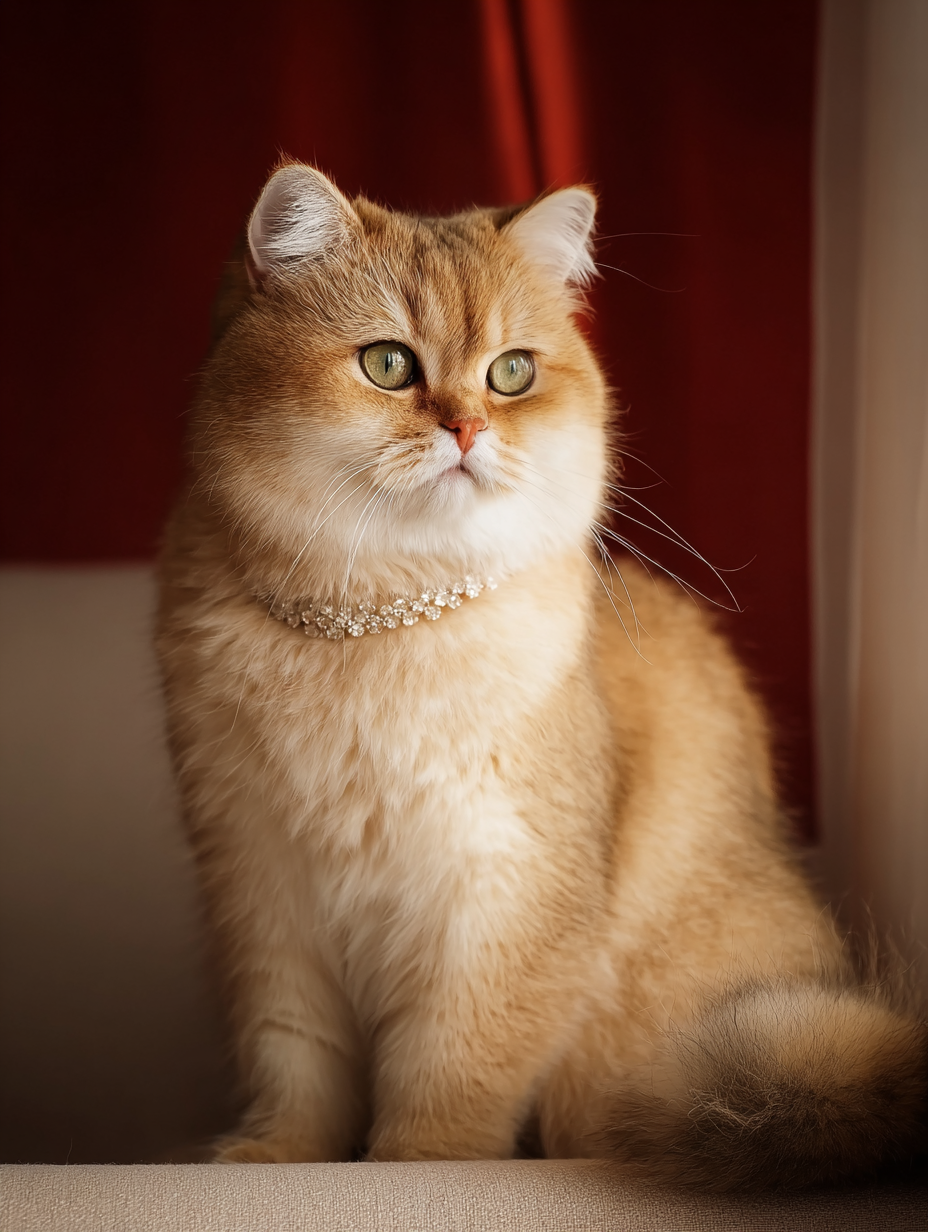
British Shorthairs do shed, but the way they shed is different from many other shorthaired breeds. Their coat is dense, plush, and built with a true double layer—meaning they release undercoat throughout the year and have heavier seasonal shedding cycles. Shedding is normal for this breed, but it becomes manageable with the right grooming schedule, diet, and environmental setup. Understanding how and when British Shorthairs shed helps owners keep the coat healthy and reduce visible fur in the home.
Summary Table for British Shorthair Shedding
| Topic | Quick Summary |
|---|---|
| Shedding Level | Moderate year-round with heavier spring and fall cycles |
| Coat Type | Dense double coat that traps loose fur until brushed |
| Peak Shedding Seasons | Spring (heavy coat drop) and fall (coat thickening) |
| Indoor vs Outdoor | Indoor cats shed more evenly due to artificial light and temperature |
| Grooming Needs | Brush 1–2× weekly; 3–4× weekly during shedding peaks |
| Best Tools | Steel comb, soft slicker, rubber curry brush |
| Bathing | Optional; helpful during seasonal coat changes every 2–3 months |
| Diet Impact | High-protein, omega-rich diet reduces excess shedding |
| Environmental Support | Humidifiers, air purifiers, routine cleaning |
| Vet Warning Signs | Bald spots, skin irritation, sudden shedding changes |
How Much Does the British Shorthair Shed?
British Shorthairs shed at a moderate level year-round. Their coat is not long, but it is one of the thickest shorthaired coats of any breed. The undercoat releases slowly throughout the year, with noticeable increases during seasonal changes.
Even though the coat looks short and low-maintenance, the double-layered structure means the shedding can surprise new owners. The plush texture traps loose fur, which can make the actual amount of shedding appear lower until a grooming session releases it all at once.
Key points:
- Year-round shedding stays steady because the coat is always renewing.
- Seasonal peaks occur in spring and fall.
- The double coat makes the breed shed more than other shorthaired cats like Russian Blues or American Shorthairs.
- Indoor British Shorthairs may shed more consistently because artificial light and HVAC systems prevent clear seasonal coat signals.
This shedding level is normal for the breed and not a sign of a problem unless it increases suddenly.
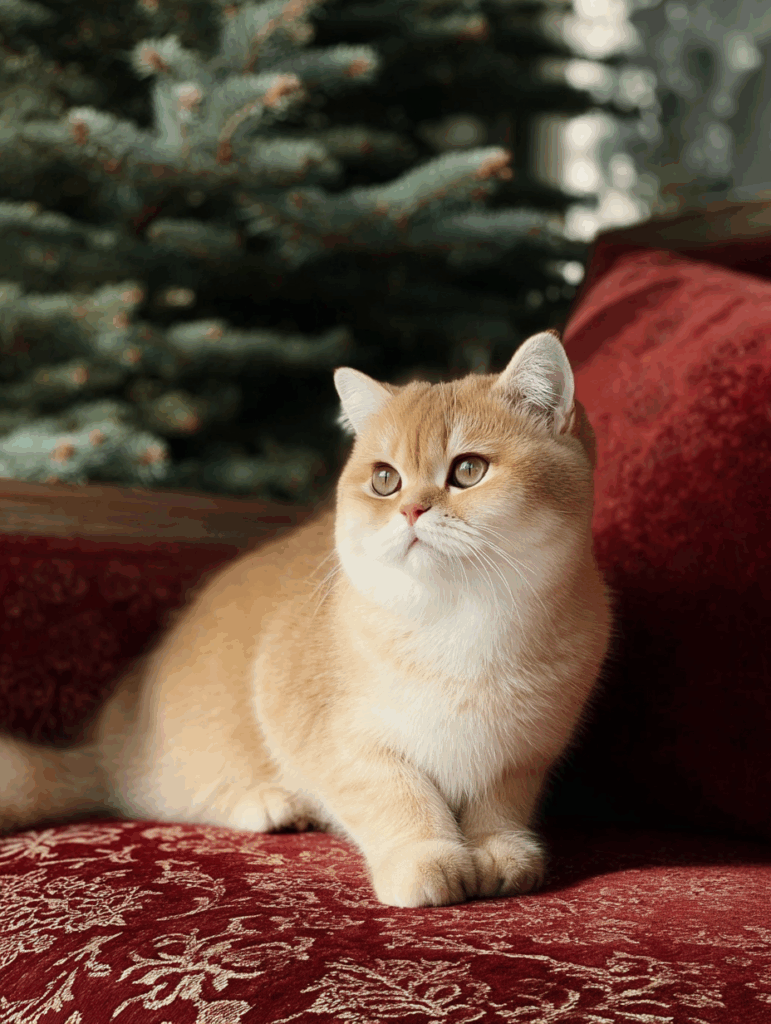
When Do British Shorthairs Shed the Most?
Seasonal Shedding Cycles
British Shorthairs follow natural seasonal patterns even when they live indoors.
Spring coat drop:
This is the heaviest shedding period of the year. The winter undercoat loosens and releases in large amounts as the cat prepares for warmer temperatures. Owners often notice clumps coming out during brushing or increased fur on bedding and furniture.
Fall thickening phase:
In autumn, British Shorthairs grow a denser undercoat for cooler weather. Shedding is lighter than spring, but the coat shifts quickly as the undercoat fills in. Some cats shed lightly while the new coat pushes old hairs out.
Indoor lifestyle effects:
Indoor cats may shed more evenly all year because artificial light and temperature control disrupt natural seasonal cues. Instead of two dramatic shedding periods, British Shorthairs may have small shedding cycles every few months.
Age & Hormonal Factors
Kitten to adult transition:
Kittens shed their soft baby coat around 4–6 months. This is a noticeable but temporary phase as the adult double coat comes in.
Impact of spay/neuter:
Altered cats often develop a fuller, softer coat due to hormonal changes. This can slightly increase daily shedding, but it does not cause excessive loss.
Senior coat changes:
Older British Shorthairs may shed more because the skin becomes drier and the coat grows more slowly. Reduced grooming flexibility can also cause more loose fur to accumulate.
What Causes Excessive Shedding in British Shorthairs?
Normal vs Abnormal Shedding
British Shorthairs naturally shed a steady amount every day. This includes small amounts of undercoat release and minor seasonal increases.
Shedding becomes abnormal when you see:
- Bald patches
- Red or irritated skin
- Sudden sharp increases in fur loss
- Overgrooming or compulsive licking
- Dull or brittle coat texture
- Excessive dandruff
These signs indicate a health or environmental issue rather than normal breed shedding.
Common Triggers
Stress or routine disruption:
Changes such as moving, new pets, new schedules, or unfamiliar environments can temporarily increase shedding. Stress releases hormones that affect skin and coat turnover.
Diet quality:
Low-protein diets, filler-heavy kibble, or diets lacking essential fatty acids can cause dry skin and loose, brittle fur. British Shorthairs need consistent high-quality protein for coat stability.
Parasites or skin conditions:
Fleas, mites, fungal infections, or bacterial irritation can lead to patchy shedding and itching. These always require veterinary evaluation.
Allergies:
Food sensitivities or environmental allergens can cause inflammation that leads to excess fur loss. Symptoms often include itching, redness, or increased licking of certain areas.
Seasonal dryness or humidity shifts:
Dry winter air, high indoor heating, or extremely low humidity can dry the skin and increase shedding. Summer humidity swings may also affect coat turnover.
Grooming Routine to Reduce Shedding in British Shorthair Cats
Brushing Frequency
British Shorthairs benefit from a consistent brushing routine because their thick double coat traps loose fur close to the skin. A weekly brushing schedule is the minimum, but increasing to 2–3 times per week during seasonal shedding helps prevent clumps of undercoat from accumulating.
Tools that work best for this breed include:
- a steel comb to reach the dense undercoat
- a soft slicker brush for surface loose hairs
- a rubber curry brush to lift shedding fur without damaging the coat
Deshedding rakes should be used cautiously. Many are designed for longer coats and can break the British Shorthair’s plush texture if used aggressively.
Brushing Technique
Because British Shorthairs have a compact, dense coat, technique matters more than pressure. Start by brushing with the direction of coat growth, using gentle, short strokes. Once the surface is clear, use a comb to lift the undercoat by working in small sections. Supporting the fur near the skin prevents pulling or discomfort.
Avoid brushing too deeply or forcefully. The goal is to release loose undercoat without thinning the protective layer. British Shorthairs rarely mat, but seasonal undercoat buildup can form compact clumps that require slow, patient combing.
Bathing & Coat Maintenance
Bathing is not required frequently, but it can help reduce shedding during heavy seasonal molts. A bath every 2–3 months, or only during shedding peaks, is usually sufficient. Too much bathing can dry the skin and lead to increased shedding afterward.
Use shampoos made for cats that support coat health, preferably formulas focused on skin hydration or shedding control. Conditioners can help during seasonal shedding by reducing static and supporting the coat’s natural structure.
Nutrition & Supplements That Support Coat Health
Diet Quality
A British Shorthair’s coat reflects the quality of its diet. High-protein, species-appropriate food helps maintain skin elasticity and reduces excessive shedding. Diets rich in omega-3 and omega-6 fatty acids support coat thickness and slow the rate of shedding during normal turnover.
Cats lacking these nutrients may show brittle fur, dry skin, or heavier shedding around seasonal changes.
Hydration
Proper hydration keeps the skin stable and helps prevent dryness-related shedding. Encouraging water intake benefits coat health.
Hydration support options include:
- wet food added to the daily diet
- water fountains that stimulate natural drinking behavior
- broth toppers without onions or harmful additives
Well-hydrated skin produces stronger hair follicles and reduces premature shedding.
Supplements
Fish oil supplements provide omega-3 fatty acids that support coat density and skin moisture. Some cats also benefit from skin and coat formulas that include biotin or additional fatty acids. These supplements should be introduced gradually, and a veterinarian should be consulted if the cat has digestive sensitivity or underlying health conditions.
Home Environment Tips to Reduce Visible Shedding
Managing Fur in the Home
Routine home maintenance helps keep loose fur under control. Vacuuming with a pet-specific attachment once or twice a week removes undercoat from carpets and upholstery. Lint rollers and washable furniture throws help keep shedding manageable in high-use areas.
Regular grooming combined with consistent cleaning prevents buildup before it becomes noticeable.
Air Quality
Indoor air quality affects shedding. During winter, dry heated air can lead to skin dryness and increased fur loss. A humidifier helps stabilize the skin.
Air purifiers reduce airborne dander, which benefits households with allergies and keeps shedding less noticeable on surfaces.
Stress Reduction
Stress increases shedding in all cat breeds, including British Shorthairs. Maintaining predictable daily routines helps reduce coat-related stress responses. Vertical spaces, quiet resting areas, and safe zones allow the cat to decompress, especially in multi-pet homes or active households.
Calm, consistent environments support coat stability and reduce unnecessary shedding.
When to See a Vet About Shedding in British Shorthair Cats
Shedding becomes a medical concern when it includes:
- bald patches or areas of thinning hair
- visible skin redness, flakes, or sores
- sudden increase in fur loss without seasonal cause
- behavioral signs such as overgrooming, hiding, or irritability
- weight loss, appetite changes, or lethargy accompanying shedding
These signs may indicate allergies, parasites, infection, hormonal imbalance, or other underlying issues that require veterinary care.
Common Myths About Shedding in British Shorthair Cats
Myth 1: British Shorthairs barely shed because their coat is short.
The coat is short, but it is one of the densest double coats in any shorthaired breed. Shedding is moderate, not minimal. The plush texture traps loose fur close to the body, which can make the cat appear low-shedding until brushing reveals how much undercoat was accumulating.
Myth 2: Only longhaired cats have seasonal shedding.
British Shorthairs also follow strong spring and fall coat cycles. The spring coat drop can be significant because the winter undercoat is thick. Seasonal shedding happens in all double-coated breeds regardless of coat length.
Myth 3: Indoor British Shorthairs shed less than outdoor cats.
Indoor cats shed more consistently, not less. Artificial lighting and steady indoor temperatures blur the natural cues that trigger seasonal shedding. Instead of two large shedding cycles, indoor British Shorthairs may release small amounts of undercoat all year.
Myth 4: Low grooming needs mean low shedding.
British Shorthairs may not require daily grooming, but low-maintenance does not mean low shedding. Their coat needs regular brushing to remove trapped undercoat. Without routine grooming, shedding appears heavier when the fur finally loosens or is brushed out.
Myth 5: Deshedding tools eliminate the problem entirely.
Tools can reduce shedding but do not stop the natural hair growth cycle. Some tools can even damage the British Shorthair’s coat if used aggressively. Proper tools, gentle technique, and consistent routines—not heavy deshedding—manage shedding effectively.
Myth 6: Excessive shedding means the breed is unhealthy.
Shedding itself is normal. Only shedding paired with bald spots, itching, redness, or behavior changes signals a problem. Seasonal increases or steady year-round shedding are expected for this breed.
Myth 7: British Shorthairs don’t need baths because they’re shorthaired.
Baths are optional but helpful during peak shedding. A bath every few months can release large amounts of undercoat. While not required, bathing can support coat turnover when used at appropriate intervals.
Myth 8: British Shorthairs are hypoallergenic because they shed less than longhairs.
The breed is not hypoallergenic. Shedding level is not the only factor in allergen production. British Shorthairs produce Fel d 1 like any other breed, and their dense undercoat can hold dander close to the skin. Grooming can reduce allergens but cannot eliminate them.
Myth 9: Feeding grain-free food will stop shedding.
Diet affects skin and coat health, but no diet can stop shedding. High-protein, well-balanced nutrition reduces excess shedding and improves coat strength, but shedding remains a natural part of the growth cycle.
Myth 10: Older British Shorthairs shed less because they move less.
Senior cats often shed more, not less. Skin becomes drier with age, and older cats groom less effectively, which increases visible shedding. Regular grooming becomes more important as the cat ages.
British Shorthair Shedding FAQ
Do British Shorthair cats shed a lot?
British Shorthairs shed at a moderate level compared to other shorthaired breeds. They do not shed constantly in large amounts, but their dense double coat releases undercoat all year. Owners typically notice loose fur during brushing or when the coat shifts seasonally in spring and fall. Regular grooming keeps this shedding manageable. Heavy or sudden shedding outside seasonal changes usually means a diet, stress, or skin-related issue.
Are British Shorthairs low-shedding cats?
British Shorthairs are not considered low-shedding. Their coat is short but unusually thick, which places them in the moderate-shedding category. Because the undercoat is compact, loose hair often stays trapped until brushed out. This can make the home appear clean until grooming reveals how much hair was building up. They shed less than longhaired breeds but more than single-coated cats.
Do British Shorthairs shed more in spring and fall?
Yes. British Shorthairs follow natural seasonal coat cycles. Spring shedding is the most intense as the winter undercoat drops. Fall shedding is lighter but still noticeable as the coat thickens. Indoor cats may shed more evenly all year if artificial lighting disrupts the natural cycle. Seasonal grooming helps control both phases.
Why is my British Shorthair shedding so much all of a sudden?
A sudden increase in shedding usually indicates a change in health or environment. Common reasons include stress, low-quality diet, dry indoor air, parasites, allergies, or hormonal shifts. If shedding is paired with skin flakes, itching, hair thinning, or changes in appetite or behavior, veterinary evaluation is necessary. Seasonal shedding should be predictable, not abrupt.
How often should I brush a British Shorthair to reduce shedding?
Most British Shorthairs benefit from brushing 1–2 times per week. During spring and fall shedding peaks, brushing 3–4 times per week or briefly each day helps remove loose undercoat before it spreads through the home. A steel comb and soft slicker brush work best for this coat type. Regular brushing also reduces hair ingestion and supports coat health.
What is the best brush for British Shorthair shedding?
A steel comb reaches the dense undercoat without breaking the coat texture. A soft slicker brush lifts loose surface hairs. A rubber curry brush helps during peak shedding periods by releasing trapped undercoat. Tools should be used gently to maintain the coat structure. Deshedding rakes should be used cautiously because some can strip the coat if used aggressively.
Do British Shorthairs shed less if they stay indoors?
They shed more evenly but not necessarily less. Indoor lighting and temperature can prevent the clear seasonal cycle that outdoor cats experience. Instead of a heavy spring drop and light fall change, indoor British Shorthairs may shed in smaller cycles throughout the year. Regular brushing is the main factor in controlling visible shedding.
Does diet affect how much a British Shorthair sheds?
Yes. Coat and skin health rely heavily on diet quality. Cats fed high-protein, species-appropriate diets with adequate omega fatty acids shed less predictably and maintain coat stability. Low-protein or filler-heavy diets cause brittle fur, dryness, and increased shedding. Adding fish oil or skin-supportive nutrition can improve shedding patterns over time.
Do British Shorthairs shed more after being spayed or neutered?
Some do. Altered cats may develop a softer, fuller coat due to hormonal changes. This can lead to slightly higher daily shedding, but this is normal and not harmful. The change is subtle and manageable with routine grooming. Excessive shedding after surgery should be discussed with a vet if it continues beyond recovery.
Are British Shorthairs good for people with allergies?
British Shorthairs are not hypoallergenic. They produce the same Fel d 1 allergen as most cat breeds, and their dense double coat can hold dander close to the skin. Regular grooming, good diet, air purifiers, and cleaning routines can reduce allergen load, but they will not eliminate it. People with moderate or severe allergies may still react.
How do I reduce shedding in a British Shorthair?
Shedding is managed through a combination of grooming, nutrition, environment, and routine. Brushing multiple times per week removes loose undercoat. High-protein diets and omega-rich foods support coat strength. Humidifiers reduce dryness-related shedding. Predictable routines also help reduce stress-related fur loss. Addressing all areas simultaneously produces the best results.
Is it normal for British Shorthair kittens to shed?
Yes. Kittens shed their soft kitten coat between 4 and 6 months of age. This transition can look uneven or patchy as the adult double coat grows in. This is temporary and not a sign of a problem. Once the adult coat is established, shedding becomes more predictable.
Do British Shorthairs shed more when stressed?
Yes. Stress impacts hormone levels, which influence skin and coat turnover. Changes such as moving, new pets, loud environments, visitors, or altered routines can increase shedding. This type of shedding often appears suddenly and reduces once stability returns. Stress-related shedding can be reduced by offering quiet resting areas and predictable daily routines.
Should I bathe my British Shorthair to reduce shedding?
Bathing is optional but can help during heavy seasonal shedding. A bath every 2–3 months removes loose undercoat and reduces fur around the home. Bathing too frequently can dry the skin and increase shedding, so moderation is key. Use cat-safe shampoos and conditioners designed for coat hydration.
How do I know if my British Shorthair’s shedding isn’t normal?
Shedding becomes abnormal if it includes bald spots, patches of thin coat, redness, sores, dandruff, increased licking, or changes in appetite or energy. These signs indicate a health issue such as allergies, parasites, hormonal imbalance, or infection. If shedding changes suddenly with no environmental reason, veterinary care is recommended.
Do British Shorthairs shed less as they age?
Not always. Senior cats may shed more because their skin becomes drier and their grooming efficiency decreases. Older British Shorthairs may need more regular brushing to support their coat. Any dramatic increase in shedding in senior cats should be evaluated by a veterinarian to rule out thyroid or kidney conditions.
Can supplements help with British Shorthair shedding?
Supplements such as fish oil with omega-3 fatty acids can support coat stability and skin hydration. Some cats benefit from skin and coat formulas containing biotin. Supplements should be introduced slowly and with veterinary guidance. Diet always remains the foundation; supplements only improve results when paired with proper nutrition.
Does hot weather increase shedding in British Shorthairs?
Temperature changes can shift how much British Shorthairs shed. Warm weather encourages the release of winter undercoat, especially in spring. Indoor cooling systems can reduce extreme shedding but do not stop the natural seasonal cycle entirely.
Why does my British Shorthair shed more after grooming?
This is normal. The coat traps large amounts of loose undercoat close to the skin. Once grooming begins, the tools release everything at once, making it appear as if shedding increased. Consistent brushing reduces this effect by preventing buildup.
Do British Shorthairs shed less with regular brushing?
Yes. Routine brushing reduces the amount of loose undercoat and prevents shedding from spreading throughout the home. Consistent grooming also helps control hair ingestion and supports healthy skin. Most British Shorthairs respond well to a predictable brushing schedule.
Bring Home a British Shorthair Kitten
If you’re dreaming of adopting a British shorthair kitten, we welcome you to join our interest list. Our kittens are raised in a calm home environment, handled daily, and matched carefully with the right families.
If you’d like early access to upcoming litters, color availability, or kitten updates, you can request placement on our priority waitlist.
Learn More About British Shorthair Cats
- British Shorthair Lifespan
- British Shorthair Size
- British Shorthair Cat Care
- British Shorthair Personality
- British Shorthair Diet
- British Shorthair Kitten Growth Stages
- British Shorthair vs Ragdoll
Related British Shorthair Colors and Patterns
- Black British Shorthair
- Brown Tabby British Shorthair
- Russian Blue vs British Shorthair
- Lilac British Shorthair
- Blue British Shorthair
- Orange British Shorthair
- Chocolate British Shorthair
- Intro to All British Shorthair Colors
- Golden British Shorthair Kittens
Sources
- https://www.petscare.com/news/post/british-shorthair-shedding-guide
- https://mycatlikes.com/2024/03/20/understanding-british-shorthair-cats-shedding-care-solutions
- https://www.catster.com/cat-health-care/do-british-shorthair-cats-shed-more-than-average
- https://www.thesprucepets.com/british-shorthair-5219450
- https://articles.hepper.com/do-british-shorthair-cats-shed-a-lot
- https://meowoff.us/the-ultimate-guide-to-brushing-your-british-shorthair-cat
- https://www.joiipetcare.com/blogs/advice/shedding-in-cats-4-things-youll-want-to-know






Read the Comments +