
British Longhair Cat Guide: Size, Temperament, Colors, Grooming & Care
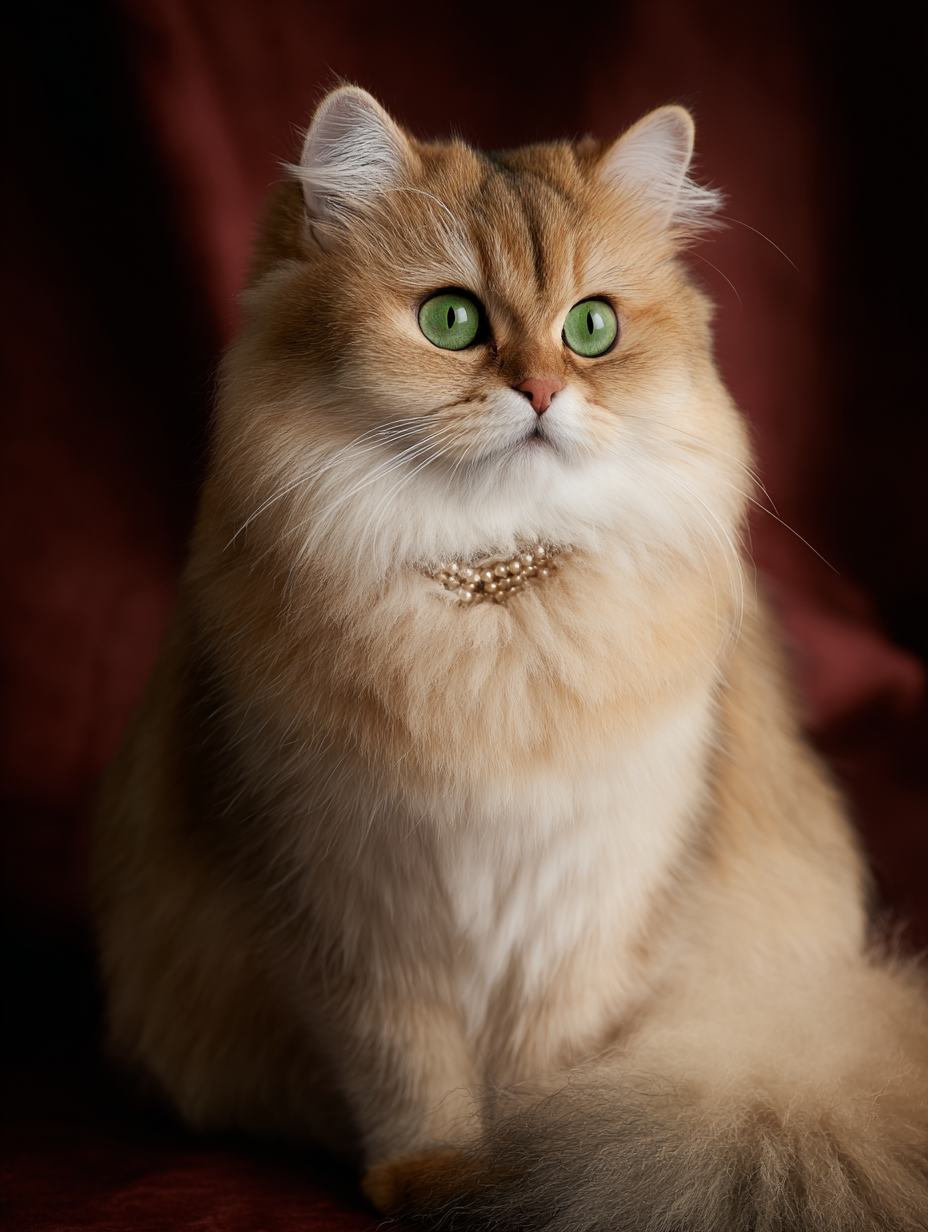
The British Longhair cat is a luxurious, medium-to-large companion cat known for its dense “teddy bear” coat, round features, and famously calm, dependable temperament. Developed from British Shorthair lines carrying longhair genetics, the British Longhair maintains the same solid structure, gentle nature, and classic British type—just with a longer, more plush coat that adds softness and presence to any home.
British Longhairs appeal to families who want the quiet stability of a British Shorthair but prefer a fuller coat, slower flow, and a more regal, ornamental look. Many prospective owners wonder what British Longhairs are really like:
Are they as calm as British Shorthairs? How large do they get? How much grooming is required? What colors do British Longhairs come in? How social are they?
This guide explains everything owners should know—appearance, size, coat genetics, temperament, grooming, shedding expectations, health considerations, and kitten development.
British Longhair Cat: Quick Overview
| Feature | Summary |
|---|---|
| Breed Status | Recognized breed (varies by registry; common in TICA, GCCF, FIFe) |
| Coat Type | Long, dense, plush double coat |
| Temperament | Calm, steady, affectionate but not clingy |
| Size | Medium–large; 9–17 lbs depending on sex |
| Structure | Cobby, broad-chested, round face; same type as British Shorthair |
| Activity Level | Low–moderate; prefers relaxed, predictable routines |
| Colors | All British Shorthair colors, patterns, and dilutions |
| Eye Colors | Copper, gold, blue, odd-eyed depending on coat/pattern |
| Maturity | Slow to mature; full size and coat around 3–5 years |
| Ideal Home | Quiet households, families, multi-pet homes, apartment living |
| Shedding | Moderate–high due to long dense coat |
| Recognition | Accepted by TICA, GCCF, and other major registries |
What Is a British Longhair?
A British Longhair is a purebred longhaired variant of the classic British Shorthair, carrying the recessive longhair gene introduced generations ago through carefully managed breeding. They share the same heavy bone structure, calm demeanor, and iconic round-face British look, but with a plush, semi-long coat that gives them a softer, more opulent appearance.
Key features:
- A thick, luxurious coat that stands away from the body
- Rounded head, full cheeks, short neck, and sturdy frame
- Calm, gentle, quietly affectionate personality
- Slow maturation, often not reaching full development until age 3–5
- Low-drama, low-demand temperament perfect for stable homes
Unlike other longhair breeds that are high-maintenance or highly social, the British Longhair retains the breed’s signature unbothered stability—a cat that enjoys companionship but doesn’t require constant interaction.
Are British Longhair Cats Rare?
British Longhair cats are less common than British Shorthairs simply because:
- Not all British breeders choose to produce longhair variants
- The longhair gene is recessive and requires specific pairing
- Many global registries historically emphasized British Shorthairs, making longhair lines slower to spread
- High-quality British Longhair coats take generations to refine
Because of these factors, demand often outpaces supply—especially for rare colors like golden, silver, chocolate, and lilac longhair lines. Waitlists for well-bred British Longhairs are typical, especially in the United States where the breed is still establishing wider availability.
British Longhair Personality
British Longhairs are known for their calm, steady nature. They are affectionate without being clingy, people-friendly without being demanding, and adaptable to almost any household structure.
Core traits:
- Quiet, stable temperament
- Enjoy companionship but do not require constant attention
- Excellent with children and other pets
- Unlikely to be destructive or needy
- Thrive in routine-based homes
- Gentle, observing personalities—classic “easy-keeper” cats
They maintain the same temperament reputation as British Shorthairs but may appear slightly softer or more serene due to their long coat and slower movement.
Searching for a British Longhair Kitten?
British Longhair kittens appeal to families who want:
- A calm, predictable, low-drama companion
- A plush, long coat without the intensity of high-maintenance longhair breeds
- A sturdy, substantial, teddy-bear style cat
- A breed that matures slowly and becomes more impressive with age
- A gentle temperament suitable for families and multi-pet homes
Reputable British Longhair breeders typically offer:
- TICA or other registry-registered kittens
- Health-tested breeding lines (PKD, HCM—depending on lines)
- In-home socialization to build confidence and adaptability
- Age-appropriate vaccinations, deworming, and vet checks
- Microchipping, contracts, and health guarantees
- Honest guidance on grooming, nutrition, and long-term care
- Color and temperament matchmaking to help pair kittens with the right family
Because the British Longhair is still developing its presence in the U.S. market, waitlists are common—especially for rare colors (golden, blue golden, chocolate, lilac, sliver shaded, and cinnamon longhairs).
Breed Recognition, History & Development of the British Longhair
Registry Status
The British Longhair is a recognized breed in many major registries, though acceptance varies depending on the organization. Some registries list the British Longhair as a separate breed, while others consider it a longhaired variant of the British Shorthair.
Most commonly recognized by:
- TICA: Accepted as British Longhair
- GCCF, FIFe, WCF: Recognized with clearly defined standards
Status: An established breed variant with predictable British type and longhair coat traits
British Longhairs share the same structural standard as British Shorthairs—round faces, cobby bodies, heavy bone, and a calm temperament—but their coat length sets them apart. Maintaining a proper long, plush, British-style coat requires dedicated, selective breeding.
British Longhair Cat History & Origin Story
While the British Shorthair is an ancient breed, the British Longhair cat developed much later, when longhair genetics entered early British lines through intentional and documented crosses with Persians.
Here is the key history:
- In the early 20th century, breeders used Persians to strengthen and diversify British Shorthair lines.
- These crosses introduced the recessive longhair gene, which occasionally produced kittens with longer coats.
- For decades, longhaired kittens were considered a natural but nonstandard expression of British breeding programs.
- As interest grew, breeders began developing the longhair variant intentionally, focusing on proper type, density, structure, and coat presentation.
- By the late 20th century, multiple registries formally accepted the British Longhair as its own breed or as a coat-length variant of the British Shorthair.
Today, British Longhairs are known for their:
- Luxurious semi-long coat
- Classic British structure identical to the shorthair
- Quiet, steady, teddy-bear temperament
- Slightly more affectionate, snuggly nature, a trait often attributed to their historic Persian influence
This Persian heritage explains why British Longhairs are slightly more cuddly and people-soft compared to the typically more independent British Shorthair. They still maintain the calm, predictable temperament of British cats but add a subtly warmer, gentler, more “snuggle-ready” personality.
Are British Longhair Cat Purebred?
Yes. British Longhair cats produced from registered British Longhair or British Shorthair × British Longhair pairings are considered purebred within their accepted registries.
Important notes about purity and standards:
- The original Persian introduction is historical, not present-day. Modern British Longhair lines breed true without ongoing outcrossing.
- Today’s British Longhairs follow the same breed standard as British Shorthairs but with longhair coat requirements.
- Structure, temperament, and type remain consistent and predictable.
British Longhairs are known for:
- Plush, semi-long coats with dense undercoat
- Strong, round British type
- Calm, steady demeanor
- Affectionate but not demanding personalities
- Wide color and pattern availability identical to British Shorthairs
Their coat length and temperament variation come from the historic Persian influence, but the breed itself is now well-established and produces consistent, true-to-standard kittens.
How British Longhair Cats Differ From Similar Breeds
British Longhairs are often compared to British Shorthairs, Persians, and domestic longhair mixes. While they share distant history with some of these breeds, their appearance, temperament, and structure are distinct and predictable.
British Longhair vs British Shorthair
- Same classic British structure, but with a full semi-long coat
- Slightly more affectionate and snuggly (due to historic Persian influence)
- Softer overall presence compared to the Shorthair’s crisp, plush coat
- Higher grooming needs (weekly brushing recommended)
- Slightly more flowing movement due to coat length
- Still quiet, calm, and independently content like their Shorthair relatives
The British Longhair breed gives all the stability of a British Shorthair but with a more luxurious coat and a subtly warmer, cuddlier temperament.
British Longhair vs Persian
- British Longhairs have a broader, more muscular, cobby build
- Less extreme facial structure—no flat doll-face or brachycephaly
- Lower grooming demands than Persians
- More adaptable and less delicate overall
- More moderate, easygoing temperament
- Less risk of tear staining or respiratory complications
Longhaired British cats carry historic Persian influence, but they are not Persians; they maintain the British breed’s hallmark round features and calm, balanced demeanor.
British Longhair vs Domestic Longhair Mixes
- Predictable temperament
- Consistent coat density, texture, and structure
- Registered pedigrees
- Purpose-bred type, not random genetics
- Reliable adult size, maturity timeline, and personality
Domestic longhairs vary widely, while British Longhairs produce true-to-standard coats, body type, and temperament every generation.
British Longhairs sit firmly between the British Shorthair’s steady independence and the Persian’s snuggly, mellow warmth, offering a calm, people-friendly companion with a plush coat and a balanced nature.
Understanding British Longhair Cat Colors
British Longhair cats can come in all standard British Shorthair colors, including solids, bicolors, smokes, silvers, goldens, points, and rare colors like chocolate, cinnamon, and lilac variations.
Because of this wide genetic range, British Longhairs are one of the most diverse longhair breeds in terms of color and pattern.
Accepted British Longhair Cat Colors Include:
- Solids: blue, black, cream, red, chocolate, lilac
- Silvers: silver shaded, silver chinchilla, silver tabby, silver mackerel
- Goldens: golden shaded, blue golden shaded, black golden, golden tabby
- Bicolors: van, bicolor, harlequin
- Points: colorpoint variants (not in all registries)
- Smokes: black smoke, blue smoke, cream smoke
Coat Texture
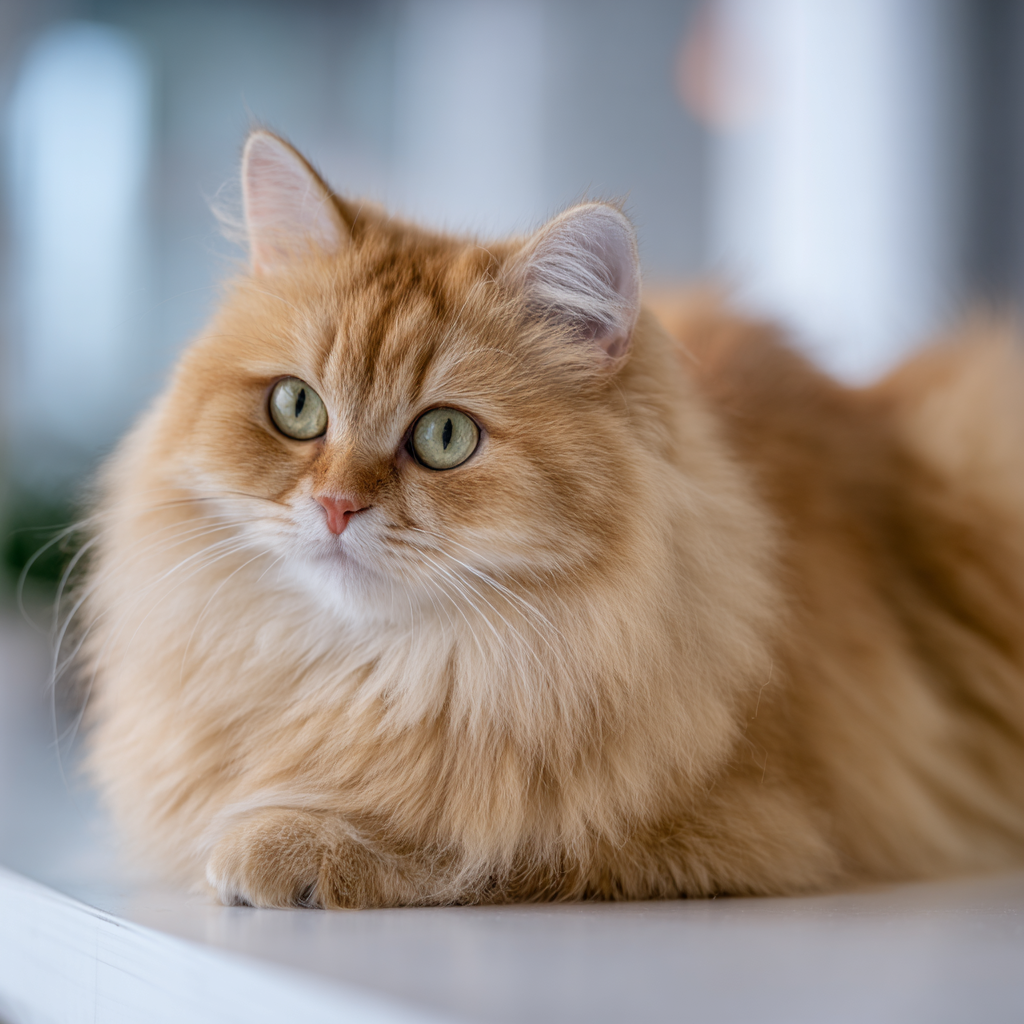
British Longhair coats are:
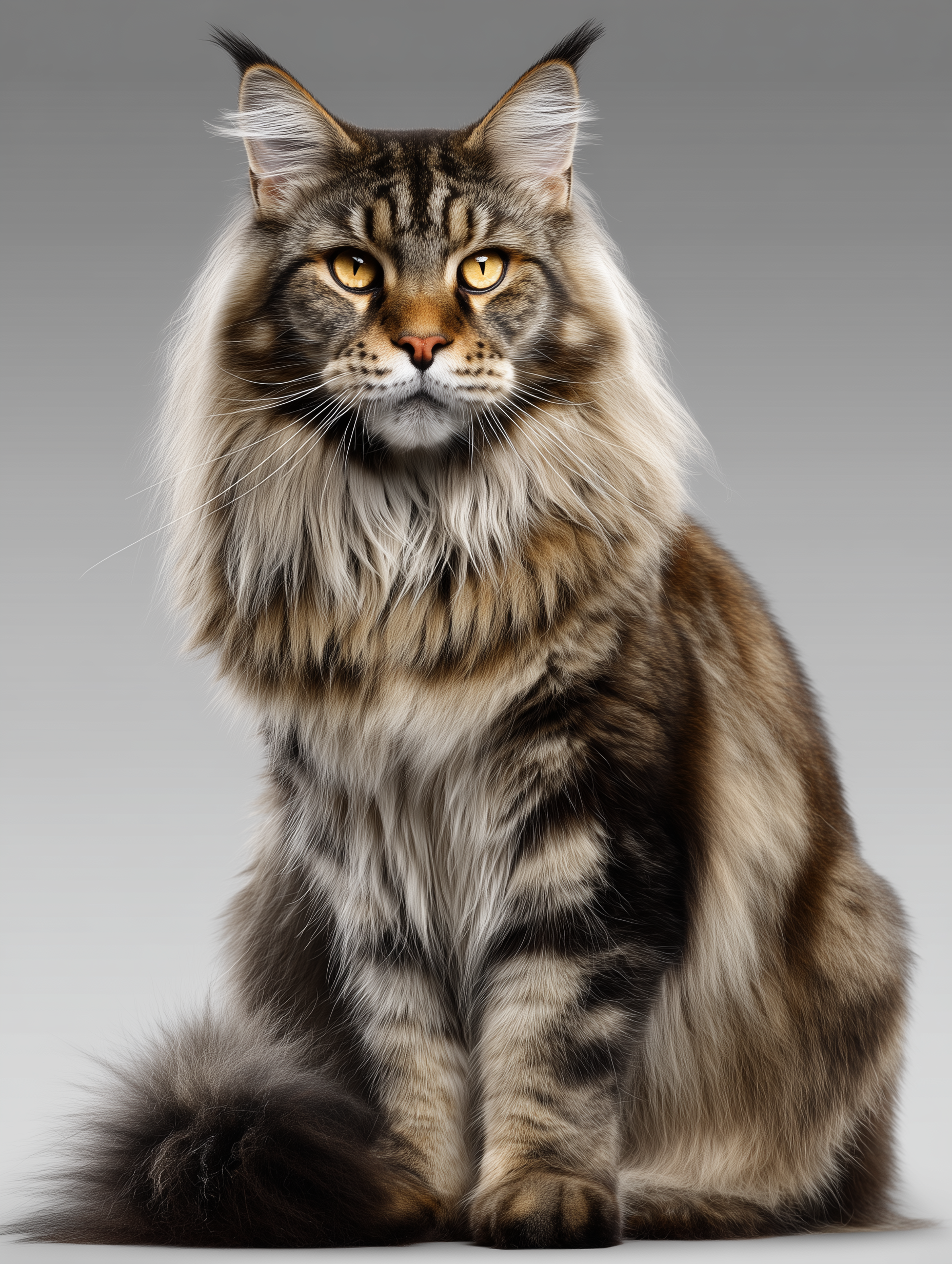
- Semi-long, dense, and plush
- Soft due to combined British + historic Persian genetics
- Intermediate shedding (seasonal increases)
- Thick, with a pronounced undercoat
The coat stands away from the body in a full halo, giving the breed its “teddy bear” look.
Eye Colors
Eye color depends on coat pattern:
- Copper or gold for most solids
- Blue or odd-eye for bicolors and points
- Green for silvers and some goldens
Coat and eye color combinations vary widely, but British Longhair expression is always soft, rounded, and balanced.
British Longhair Price & Availability
British Longhairs are much harder to find than British Shorthairs, especially in the United States. Only a small number of specialized breeders maintain longhair-producing lines, and the recessive longhair gene means not every litter will produce longhaired kittens.
Because of this rarity and the cost of maintaining high-quality longhair programs—especially in silver and golden lines—British Longhairs command premium prices.
Typical British Longhair Price Range
- Pet-quality British Longhair: $3,000–$4,500
- Breed / Show-quality British Longhair: $4,500–$6,500
- Rare colors (golden shaded, blue golden, silver shaded, chocolate, cinnamon, lilac golden, imported lines):
$6,500–$9,000+ - Retired adults: $500–$1,500
Rare-colored British Longhairs with strong type—especially goldens and silvers—often sell in the $7,000–$9,000+ range due to demand and scarcity.
Factors That Influence British Longhair Pricing
- Coat quality (density, length, undercoat development)
- Breed type (round face, full cheeks, cobby body)
- Rarity of color (golden, silver shaded, chocolate lines)
- Imported European or British pedigrees
- Eye color clarity and expression
- Temperament consistency
- Registry papers (TICA, GCCF, etc.)
- HCM/PKD health testing
- Home-raised vs. cage-raised environment
- Early socialization and handling
Producing properly typed, long-coated British Longhairs—especially in rare colors—is genetically difficult and requires long-term, multi-generation planning. Because of this complexity, reputable breeders often maintain extensive waitlists.
British Longhair Kittens: What to Expect
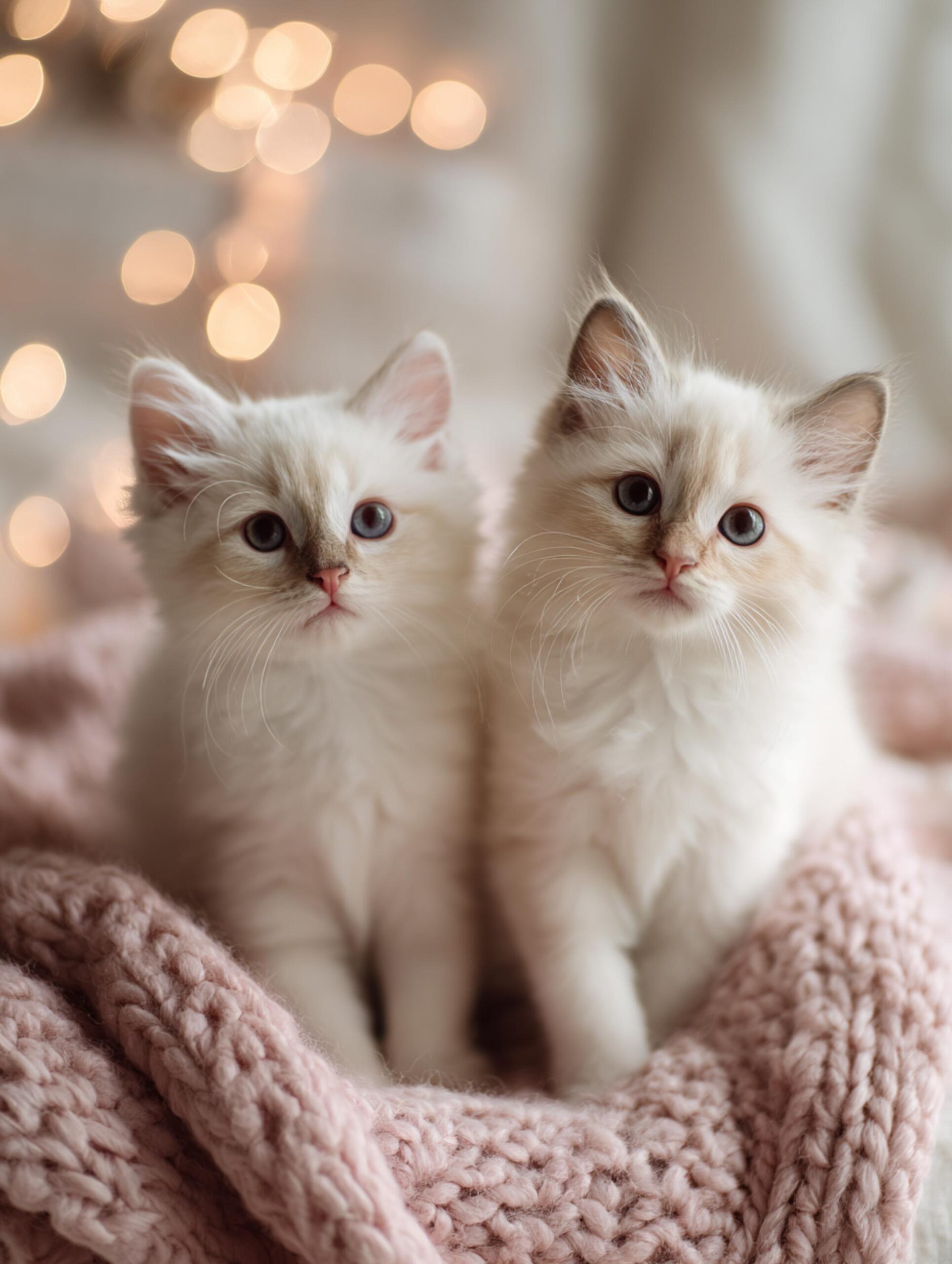
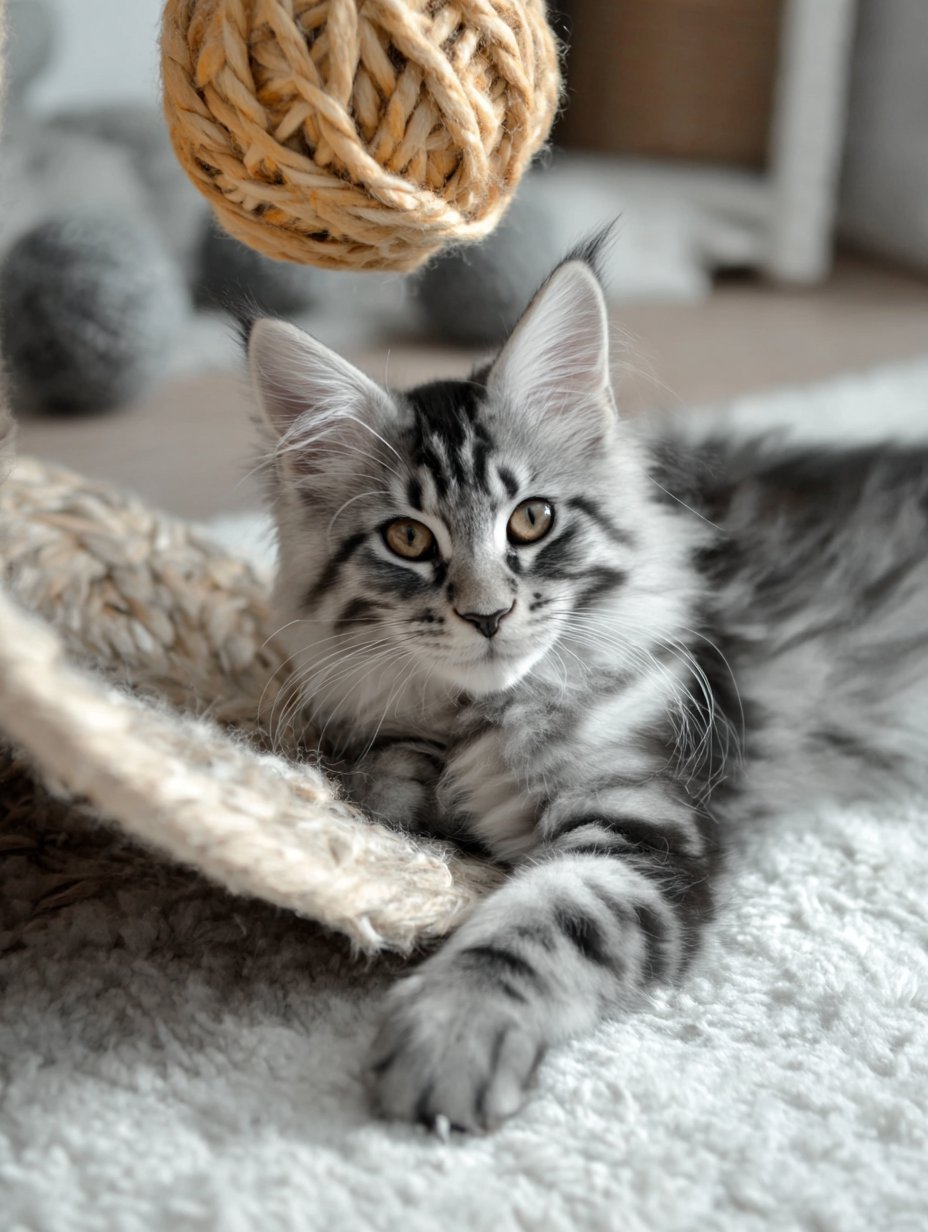
British Longhair kittens are known for their round faces, plush semi-long coats, and calm, observant temperaments. They tend to be gentle from the start, warming up steadily and forming strong bonds through quiet companionship rather than constant interaction. Because the breed matures slowly, both their coat and personality continue developing well into adulthood.
British Longhairs often show a slightly more snuggly, soft-natured temperament than British Shorthairs—an influence traced back to the historic Persian longhair gene. They remain easygoing, quiet, and stable, making them an excellent fit for homes that value low-drama, predictable cats.
Early Kitten Traits
British Longhair kittens typically show:
- A plush, fluffy coat that becomes denser with age
- Rounded features with expressive eyes
- Calm but curious behavior
- A tendency to observe before engaging
- Steady attachment to their people without being clingy
- Gradual, gentle confidence building with handling
- Early hints of adult color and pattern, though goldens and silvers continue developing for years
Unlike high-energy breeds, British Longhair kittens play in balanced bursts and settle easily, showing their classic “relaxed British” nature from a young age.
British Longhair Kitten Development Timeline
0–8 weeks:
Coat begins thickening; ear and eye color starts shifting; kittens show early temperament indicators such as calmness, confidence, or reservedness. Socialization begins through daily handling, household exposure, and gentle play.
8–12 weeks:
Kittens become more coordinated; personality becomes clearer; grooming acceptance is established; coat begins to show early density. This is the stage when owners first notice the iconic British “teddy bear” look forming.
3–6 months:
Energy increases slightly; kittens explore more confidently; coat continues to lengthen; goldens and silvers begin to show shading, tipping, or chinchilla definition. Structure begins broadening.
6–12 months:
The coat becomes noticeably fuller; body mass increases; temperament stabilizes into the classic calm British profile. Some males become quite substantial at this age, while females remain more moderate.
12–36 months:
Full maturity period. Coat, eye color, head shape, and bone structure continue developing. British Longhairs take longer than many breeds to reach adult appearance—full coats often bloom around age 2–3.
British Longhairs retain kittenlike gentleness and curiosity without developing high-demand behavior.
Finding a British Longhair Breeder
Because British Longhairs are still uncommon—especially in the United States—choosing a breeder who specializes in true longhair lines is essential. Producing proper British Longhairs requires knowledge of longhair genetics, British type, coat density, and multi-generation planning to maintain structural consistency.
What to Look For in a British Longhair Breeder
A reputable British Longhair breeder typically:
- Uses TICA-registered or internationally registered British breeding cats
- Maintains longhair lines with proven coat quality and type
- Screens for PKD and HCM in their lines
- Raises kittens in-home for optimal temperament
- Provides a contract, health guarantee, and lifetime support
- Shares vet records, microchip numbers, and vaccination history
- Offers developmental photos and temperament notes
- Understands color genetics, especially for rare shades like golden or silver
- Can explain coat development timelines and grooming needs
Breeders who cannot produce registration papers, health testing, or proper socialization histories should be approached with caution—particularly for a breed where coat quality and temperament depend heavily on early care and selective pairing. See more information about how to find ethical British Longhair cat breeders here.
British Longhair Temperament: Calm, Steady & Affectionate
The British Longhair is celebrated for its exceptionally even, predictable temperament. These cats are affectionate but not clingy, people-friendly but not demanding, and present without needing constant attention.
Their gentle, snuggly nature is influenced by historic Persian genetics, but they retain the classic British Shorthair composure—making them a balanced, low-maintenance companion for families, singles, and multi-pet homes.
Characteristic Temperament Traits
British Longhairs are commonly described as:
- Calm and relaxed
- Quiet, gentle, and observant
- Affectionate in a soft, steady way
- Easy to handle and easy to live with
- Loyal to their people without being needy
- Friendly with other pets
- Adaptable to apartments and houses alike
- Predictable and routine-loving
Personality Profile
British Longhairs thrive in homes where life is calm and predictable. They enjoy being near their people, sitting beside them, following them into rooms, and participating in daily routines without demanding attention.
British Longhair cats do well with:
- Children (gentle households)
- Other cats
- Cat-friendly dogs
- First-time cat owners
- Busy families who want a relaxed companion
They are not a high-energy or vocal breed, and they communicate in soft, pleasant ways.
Activity & Play Style
British Longhairs are moderate-energy kittens that become low-to-moderate energy adults. They enjoy:
- Feather wands
- Climbing trees or mid-level perches
- Puzzle toys
- Short, engaging play sessions
They settle quickly and rarely show hyperactivity. Their movements are soft and flowing because of their semi-long coat.
Emotional Temperament
British Longhairs often:
- Bond steadily with their families
- Prefer peaceful, predictable environments
- Show affection through closeness, not loud demands
- Provide consistent companionship
- Adjust easily to different home types
- Respond well to routine and gentle interaction
Their mix of British stability and a touch of Persian warmth creates a companion that is loyal, emotionally steady, and easy to integrate into any lifestyle.
British Longhair Cat Size, Structure & Build
British Longhair cats are medium-to-large, substantial, and powerfully built. They share the same iconic structure as the British Shorthair but with a fuller, semi-long coat that adds softness and presence. Their bodies are compact, broad-chested, and muscular rather than athletic or foreign. The overall look is rounded, sturdy, and teddy-bearlike, with calm, grounded movement.
Unlike slender or high-energy breeds, the British Longhair has a naturally cobby (short, thick, and heavy-boned) structure. This gives them a luxurious, weighted feel when picked up and a steady, unhurried way of moving. Their coat enhances this silhouette, creating a plush, substantial outline.
British Longhair Adult Size Expectations
British Longhairs typically reach the following healthy adult weights:
- Males: 12–17 lbs
- Females: 8–13 lbs
Because British breeds mature slowly, they may reach near-adult size around 2 years, but full body development and coat maturation often continue until 3–5 years.
A well-structured British Longhair should appear:
- broad and muscular
- round-faced with full cheeks
- sturdy and thick-boned
- balanced from head to tail
- plush and substantial without being overweight
- compact, not long or narrow
Their structure supports a calm, steady lifestyle rather than high agility or intense climbing.
Structural Traits
British Longhair cats generally show:
- a short, broad, cobby body
- thick, strong legs with round paws
- a deep chest and solid musculature
- a medium-length tail with a rounded tip
- a dense semi-long coat that adds overall volume
- a wide-set, round head with gentle curves
- a short, straight nose with no break
These traits come from a combination of traditional British type and the early introduction of the Persian longhair gene, which contributed coat length and softness without altering the classic British structure.
British Longhairs may climb or play, but they are not a high-motion breed; their structure is designed for stability, comfort, and relaxed companionship.
Head & Facial Expression
The British Longhair’s head is one of its most defining features. Common traits include:
- large, round eyes in copper, gold, green, or blue (depending on color/pattern)
- a fully rounded face with chubby cheeks
- a broad skull with gentle curves
- a short nose with a straight profile
- a strong, rounded muzzle with no taper
- medium ears set wide apart
- a sweet, calm expression
The British Longhair expression is often described as soft, thoughtful, and quietly observant—a signature look that sets the breed apart from more angular or extreme-faced cats.
British Longhair Health Overview
British Longhair cats are generally healthy, sturdy, and long-lived, but—like all purebred cats—they have specific health considerations owners should understand. Their health profile is similar to the British Shorthair, with the addition of coat-related care needs due to the semi-long hair introduced from early Persian lines.
Core Health Considerations
1. Hypertrophic Cardiomyopathy (HCM)
HCM is the most common heart condition in cats. Responsible breeders screen their breeding adults regularly, and many longhair programs track their lines for generations. Early detection and routine monitoring are important for long-term management.
2. Polycystic Kidney Disease (PKD)
PKD is historically associated with Persian lines, but modern British Longhair programs typically DNA-test breeding cats to ensure they are clear. PKD-negative lines eliminate the risk of producing affected kittens.
3. Obesity & Weight Management
British breeds gain weight easily due to their naturally thick, heavy bone structure. Maintaining a lean body condition helps prevent joint stress, diabetes risk, and mobility problems as they age.
4. Dental Health
Like all cats, British Longhairs benefit from routine dental care. At-home brushing and scheduled veterinary dental exams help prevent periodontal disease, which has been linked to broader systemic health impacts.
5. Coat & Skin Health
The semi-long coat can hide early signs of skin irritation or dandruff. Weekly grooming helps owners notice issues early and prevents seasonal shedding from becoming excessive. Regular coat care also allows monitoring for parasites or hotspots.
6. Joint & Mobility Monitoring
Because the breed matures slowly and carries substantial body mass, monitoring joint comfort—especially in older cats—is important. Maintaining a healthy weight and offering soft landings or lower climbing options can support long-term mobility.
Routine Veterinary Care
Most British Longhair owners follow a schedule that includes:
- Annual wellness exams for young and adult cats
- Twice-yearly exams for seniors
- Recommended vaccines based on lifestyle
- Annual bloodwork for baseline monitoring
- Preventative parasite control
- Dental evaluations and cleanings as needed
Proactive health management supports the British Longhair’s long lifespan and preserves quality of life.
Why Health Testing Matters
Because British Longhairs descend from both British and historical Persian lines, breeders should provide:
- HCM screening
- PKD DNA testing
- Full veterinary records
- Transparent line history
These steps help ensure predictable lines and healthy kittens.
Coat Care & Grooming for British Longhair Cats
The British Longhair’s coat is a defining characteristic: full, plush, and semi-long with a thick undercoat. Unlike silky coats, the British Longhair coat has substance and stands slightly away from the body, emphasizing the breed’s rounded silhouette.
Grooming needs are moderate—more than the British Shorthair, but far less than extreme longhair breeds like Persians.
Weekly Grooming Routine
Most British Longhairs benefit from:
- brushing 1–2 times per week
- using a wide-tooth comb or soft slicker to lift the undercoat
- checking behind the ears, armpits, and tail base
- maintaining regular brushing during seasonal sheds
Their coat rarely mats if maintained consistently, but the undercoat can become dense during coat transitions.
Bathing
Bathing is optional and should be done sparingly. If needed:
- use a gentle cat-safe shampoo
- avoid overbathing (can dry the coat and skin)
- blow-dry on low heat to protect the undercoat’s structure
Because the British Longhair coat is dense, drying fully may take longer than shorthaired breeds.
Seasonal Shedding
Shedding is moderate to heavy, especially during spring and fall when the undercoat shifts:
- Spring: the heaviest shed
- Fall: coat thickens—more grooming required
- Winter/Summer: more stable, lower shedding periods
Regular brushing during transitional seasons keeps the coat clean, reduces loose hair, and helps maintain the breed’s signature plush look.
British Longhair Color Genetics Explained
British Longhair cats come in one of the widest color and pattern ranges of any breed. Because they share the same color genetics as the British Shorthair, British Longhairs can appear in solids, tabbies, smokes, silvers, goldens, bicolors, points (in some registries), and extremely rare dilute or recessive shades. Their semi-long coat enhances color depth and tipping, giving the breed a plush, luxurious appearance across all variations.
Where Snowshoe cats are restricted to pointed colors, British Longhairs can be bred in nearly every recognized feline color, making color genetics one of the most exciting aspects of the breed.
Accepted British Longhair Colors
British Longhairs appear in all the classic British Shorthair colors, including:
Solids
- Blue
- Black
- Lilac
- Chocolate
- Cream
- Red
Silvers
- Silver shaded
- Silver chinchilla
- Silver tabby (classic, mackerel, spotted)
- Blue silver shaded / blue silver tabby
Goldens
- Golden shaded
- Golden chinchilla
- Blue golden shaded
- Black golden
- Golden tabby variants
Bicolors & Patterns
- Bicolor
- Van
- Harlequin
- Tuxedo
- Smoke and cameo
- Tipped or shaded variants
Pointed (in registries that allow this variant)
- Blue point
- Seal point
- Lilac point
- Chocolate point
- Tabby point variants
Because British Longhairs come in such an expansive palette, color demand and pricing vary significantly—especially for rare shaded and golden lines.
Understanding British Longhair Coat Expression
A British Longhair’s coat can show:
- even color (solids)
- tipping or shading (silvers and goldens)
- distinct patterns (tabby, spotted, classic, mackerel)
- white spotting (bicolors)
- dilution effects (blue, lilac, cream)
Unlike pointed breeds, British Longhairs do not rely on temperature-sensitive coloration. Their genetics instead involve:
- polygenes controlling tipping
- inhibitor genes for silver
- agouti genes for tabbies
- recessive genes for chocolate, cinnamon, and dilute
- white spotting genes (S locus) for bicolors
- recessive longhair gene (from early Persian introduction)
These combinations create highly diverse appearances, which is why British Longhair color programs are complex and often take years to perfect.
British Longhair Eye Colors
Eye color depends heavily on coat type and pattern:
- Copper / Gold: most solids
- Green: silvers and some goldens
- Blue: pointed and bicolor (depending on registry)
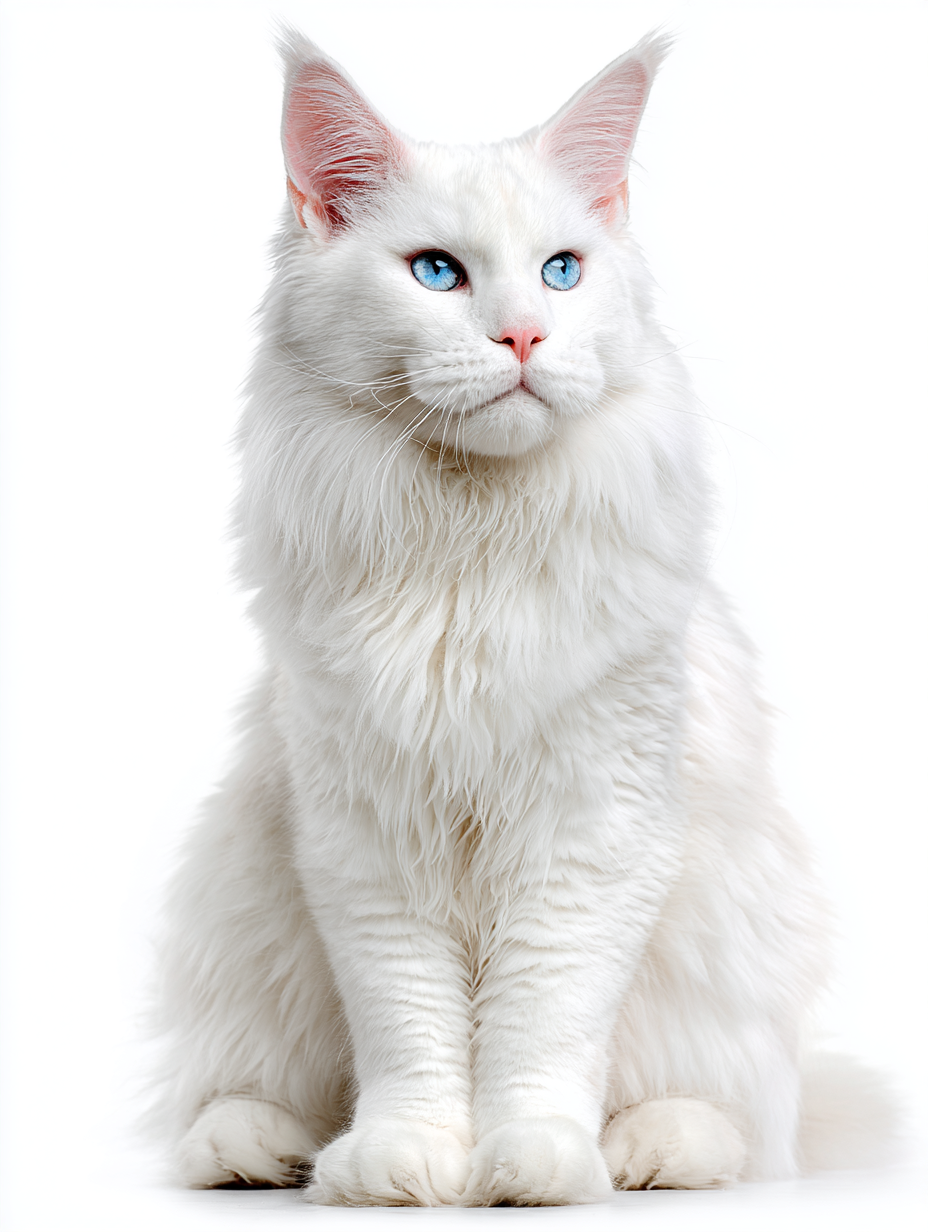
- Odd-eyed: possible in some bicolors and whites
Unlike Snowshoes, British Longhairs do not require blue eyes, except in specific patterns approved by certain registries.
British Longhair eye expression is round, open, and gentle, enhancing the breed’s soft and teddy-bearlike look.
Understanding British Longhair Breeding & Line Development
British Longhairs do not carry a body-structure mutation; instead, their defining characteristic is the recessive longhair gene, historically introduced through controlled Persian crosses many generations ago. Modern British Longhairs breed true and follow the same structural standard as British Shorthairs, with the addition of a full semi-long coat.
Breeding British Longhairs requires an understanding of:
- longhair recessive inheritance
- silver and golden tipping polygenes
- dilution, chocolate, and cinnamon carriers
- white spotting patterns (van, bicolor, harlequin)
- coat density and texture selection
- maintaining proper round British type
- avoiding overly Persianized features
- matching eye color to coat lines
- slow British growth and coat development timelines
Because coat length, tipping, color clarity, and type expression vary significantly, British Longhair litters often contain:
- show-quality kittens
- breeder-quality kittens
- pet-quality kittens with excellent temperaments but softer type or lighter tipping
What Responsible British Longhair Programs Focus On
Quality British Longhair breeders prioritize:
- temperament: calm, stable, gentle
- health: PKD screening, HCM screening in some lines
- coat quality: density, undercoat, texture, tipping clarity
- correct British type: round head, broad chest, cobby structure
- color integrity: especially for rare silvers, goldens, chocolates
- balanced, non-Persianized features
- predictable longhair expression
- eye color appropriate for the coat line
Producing proper British Longhairs—especially rare shaded and golden varieties—frequently requires years of selective pairing and multi-generation planning. Check our British Longhair Cat breeder programs in this post.
Common Myths About British Longhair Cats
Myth 1: “British Longhairs are just British Shorthairs with longer fur.”
British Longhairs share the same breed standard and structure as British Shorthairs, but the semi-long coat is not a simple coat-length mutation. The longhair gene came from early Persian crosses, which also contributed to the breed’s slightly softer, more snuggly temperament. They are a legitimate variant with their own coat requirements and developmental timeline.
Myth 2: “British Longhairs require the same minimal grooming as British Shorthairs.”
While still lower-maintenance than Persians, British Longhairs have a dense semi-long coat that benefits from weekly brushing. They do not mat easily with proper care, but they do shed seasonally and need a consistent grooming routine—more than a Shorthair, less than a high-maintenance longhair breed.
Myth 3: “British Longhairs are high-energy because they have long coats.”
Coat length has no relation to activity level. British Longhairs are naturally calm, steady, and relaxed—matching the temperament British breeds are known for. Their energy levels remain low to moderate, and they prefer peaceful companionship over constant activity.
Myth 4: “British Longhairs have Persian face shapes.”
Although the longhair gene originally came from Persians, British Longhairs do not have flat faces. Their head type remains true to British standards: round, broad, with a short straight nose, no break, and wide-set eyes. Any extreme or brachycephalic features indicate incorrect breeding.
Myth 5: “All British Longhairs look the same because the coat hides the body shape.”
Underneath their plush coat, British Longhairs maintain the same cobby, muscular structure as British Shorthairs. Their coat enhances their silhouette but does not replace it. Breed type is still evaluated by bone structure, head shape, and overall balance—not just fur.
Myth 6: “British Longhairs must be expensive because grooming is difficult.”
Pricing is driven by rare colors, longhair genetics, and breeder quality, not grooming difficulty. Golden, silver, chocolate, lilac, and imported longhair lines command higher prices because they are difficult to produce with correct type—not because the breed is high-maintenance.
Myth 7: “British Longhairs are rare because nobody wants them.”
The opposite is true: demand exceeds supply. Producing true British Longhairs requires pairs that both carry the recessive longhair gene, which limits litter availability. High-quality longhair programs—especially those producing silvers and goldens—have consistent waitlists.
Myth 8: “British Longhairs are more vocal or needy than British Shorthairs.”
British Longhairs remain quiet, independent, and calmly affectionate. They do not exhibit the vocal behaviors seen in breeds like Siamese or Oriental cats. The Persian influence makes them slightly more snuggly, but not demanding.
Myth 9: “British Longhairs are prone to matting like Persians.”
British Longhairs have a semi-long coat, not a full Persian coat. Their fur is plush, dense, and functional—not a flat, silky, high-maintenance coat. With moderate grooming, matting is uncommon.
Myth 10: “British Longhairs take forever to mature because of the coat.”
Slow maturation is part of all British breeds, not a result of the longhair gene. British Longhairs grow steadily and may take 2–3+ years to reach full coat and body development, just like British Shorthairs.
British Longhair Cat FAQ
Are British Longhair cats a separate breed from British Shorthairs?
British Longhairs follow the same structural standard as British Shorthairs but carry the recessive longhair gene. Some registries classify them as a distinct breed, while others list them as a longhaired variant. They share temperament, structure, and origins but differ in coat length and coat care needs.
Do British Longhair kittens always have long coats?
Coat length is visible in kittenhood, but the full semi-long coat develops gradually. The undercoat thickens between 6–12 months, and the mature coat often appears between 2–3 years. Kittens may look fluffy early, but true length becomes clearer as they grow.
What is the typical temperament of a British Longhair cat?
British Longhairs are calm, steady, and people-friendly. They enjoy companionship without demanding constant attention. They adapt well to quiet homes, families, and multi-pet households. Their temperament is similar to the British Shorthair but may show slightly more snuggly tendencies due to historic Persian influence.
Are British Longhairs good for first-time cat owners?
Yes. Their predictable temperament, moderate grooming needs, and gentle behavior make them suitable for first-time owners who want a stable, low-drama companion.
Do British Longhair cats shed a lot?
They shed moderately year-round with heavier shedding during spring and fall. Weekly brushing usually manages coat turnover. During seasonal changes, increasing grooming helps prevent excess shedding.
Do British Longhairs require daily grooming?
No. Most British Longhairs maintain their coat well with brushing one to two times per week. Areas to check consistently include behind the ears, under the arms, and near the tail base.
Are British Longhairs prone to matting?
Their semi-long coat is less prone to matting than Persians or other extreme longhair breeds. Mats can occur during seasonal shedding if brushing lapses, but regular care typically prevents issues.
What colors do British Longhairs come in?
British Longhairs appear in all British Shorthair colors, including solids, silvers, goldens, smokes, bicolors, tabbies, and dilute variations. Rare colors such as golden shaded, silver shaded, chocolate, cinnamon, and lilac golden are in high demand.
Do eye colors vary in British Longhair cats?
Yes. Eye color depends on coat pattern and can include copper, gold, green, blue, or odd-eyed combinations. Solids typically have copper or gold eyes; silvers and goldens often show green; pointed and some bicolors may have blue.
Are British Longhairs hypoallergenic?
No. They produce the same allergens as other cats. However, their calm nature and structured coat may help reduce allergen spread compared to high-shedding or high-activity breeds. Individual reactions vary.
How big do British Longhairs get?
Adults typically weigh:
- Males: 12–17 lbs
- Females: 8–13 lbs
They have a compact, cobby build, broad chest, and strong bone. Full maturity can take 2–5 years.
How long do British Longhair cats live?
Most live 12–18 years with proper care, balanced diet, and routine veterinary monitoring.
Do British Longhairs get along with other cats and dogs?
Yes. Their calm temperament allows them to integrate well into multi-pet households. They prefer predictable environments and gradual introductions.
Are British Longhair cats good with children?
Yes, especially with gentle, respectful children. They tolerate noise and activity but prefer calm interaction. Their stable temperament suits family life.
Do British Longhairs enjoy being held?
Many tolerate being held briefly, but they prefer sitting beside people rather than staying in arms for long periods. Their comfort depends on individual temperament and early socialization.
Are British Longhairs vocal?
They are generally quiet. They may communicate softly or through body language but rarely meow persistently.
How much exercise do British Longhairs need?
Moderate play sessions support healthy weight and mobility. Short daily play with wand toys or puzzles is effective. They do not require high-intensity activity.
Can British Longhairs live in apartments?
Yes. Their calm and adaptable nature makes them well-suited to apartment living. They benefit from vertical spaces, scratching posts, and predictable routines.
What health testing should breeders provide?
Responsible British Longhair programs test for:
- PKD (via DNA testing)
- HCM (via echocardiogram, depending on lineage)
They should also provide vaccination records, microchip information, and veterinary evaluations.
See the Complete British Longhair Cat breeder guide here.
Are British Longhairs prone to obesity?
Yes. Their natural structure and calm temperament put them at risk for weight gain. Controlled feeding and regular play help maintain a healthy weight.
Do British Longhair cats need special diets?
They do not require breed-specific diets but benefit from high-quality protein, joint-support ingredients, and controlled calorie intake to prevent weight-related issues.
Do British Longhairs need regular dental care?
Yes. Routine dental cleanings, at-home brushing, and monitoring for tartar buildup support overall health. Dental disease can influence long-term organ health.
How much do British Longhair cat kittens cost?
Typical ranges:
- Pet-quality: $3,000–$4,500
- Breed/show-quality: $4,500–$6,500
- Rare colors (golden, silver shaded, chocolate, cinnamon, imported lines): $6,500–$9,000+
Prices vary by breeder quality, color rarity, pedigree, and health testing.
Are British Longhairs rare?
Yes. The longhair gene is recessive, and not all British breeders specialize in maintaining longhair lines. Quality longhair programs and rare colors often have waitlists.
Do British Longhairs mature slowly?
Yes. Physical and coat maturity can take up to 3–5 years. This includes head shape, coat density, body structure, and final color development in shaded or golden lines.
Do British Longhair cats travel well?
Most travel calmly when properly acclimated. Their quiet temperament helps during flights or car rides. Early crate training improves travel comfort.
Are British Longhairs indoor or outdoor cats?
They are best kept indoors due to their calm nature, low street awareness, and high value. Some owners use enclosed outdoor spaces or catios.
Do British Longhairs handle being left alone?
They tolerate alone time better than many breeds, provided they have enrichment and predictable routines. They enjoy companionship but are not dependent or anxious.
Can British Longhairs be free-fed?
Free-feeding is not recommended due to obesity risk. Scheduled meals help maintain ideal body condition.
Do British Longhairs need regular bathing?
Bathing is optional. Most maintain their coat without frequent baths. If bathing is done, use cat-safe shampoo and fully dry the undercoat to prevent trapped moisture.
Are British Longhair cats recognized by all registries?
Recognition varies. TICA and several international registries accept the British Longhair cat. Some others classify it as a variant of the British Shorthair. Standards remain consistent across organizations.
Do British Longhair cats have Persian-like faces?
No. Although the longhair gene originated from early Persian crosses, British Longhair cats have the British breed’s round head and straight nose. They do not have flat or brachycephalic faces.
Can British Longhair cats be shown?
Yes, in registries that recognize the longhair variant. The breed is judged on British type, coat quality, balance, and color.
More British Cat Breed Articles from Almonte Cats
- British Shorthair Health
- British Shorthair Lifespan
- British Shorthair Shedding
- British Shorthair Size
- British Shorthair Cat Care
- British Shorthair Personality
- British Shorthair Diet
- British Shorthair Kitten Growth Stages
- British Shorthair vs Ragdoll
Sources
- The International Cat Association (TICA). British Longhair Breed Standard.
https://tica.org/breeds/browse-all-breeds?view=article&id=869 - Governing Council of the Cat Fancy (GCCF). British Longhair Registration Policy & Breed Description.
https://www.gccfcats.org - Fédération Internationale Féline (FIFe). British Longhair/British Semi-Longhair Breed Information.
https://fifeweb.org - World Cat Federation (WCF). British Longhair Breed Standard.
https://wcf.de/en/standard/british-longhair/ - UC Davis Veterinary Genetics Laboratory. Feline Coat Color Genetics & Longhair Gene Information.
https://vgl.ucdavis.edu - International Cat Care. Breed Profiles: British Shorthair and Longhair Variants.
https://icatcare.org - Cornell Feline Health Center. Feline Hypertrophic Cardiomyopathy, PKD in Cats, and related health resources.
https://www.vet.cornell.edu/departments-centers-and-institutes/feline-health-center - Royal Veterinary College (RVC). Feline Genetics, Breed Health, and Longevity Studies.
https://www.rvc.ac.uk - Langford Veterinary Services (University of Bristol). HCM & PKD Testing Guidelines for Breeders.
https://www.langfordvets.co.uk - Journal of Feline Medicine and Surgery. Breed-related health conditions and growth patterns in British breeds.
https://journals.sagepub.com/home/jfm





Read the Comments +