
British Longhair Cat Breeder Guide: How to Choose a Healthy Kitten
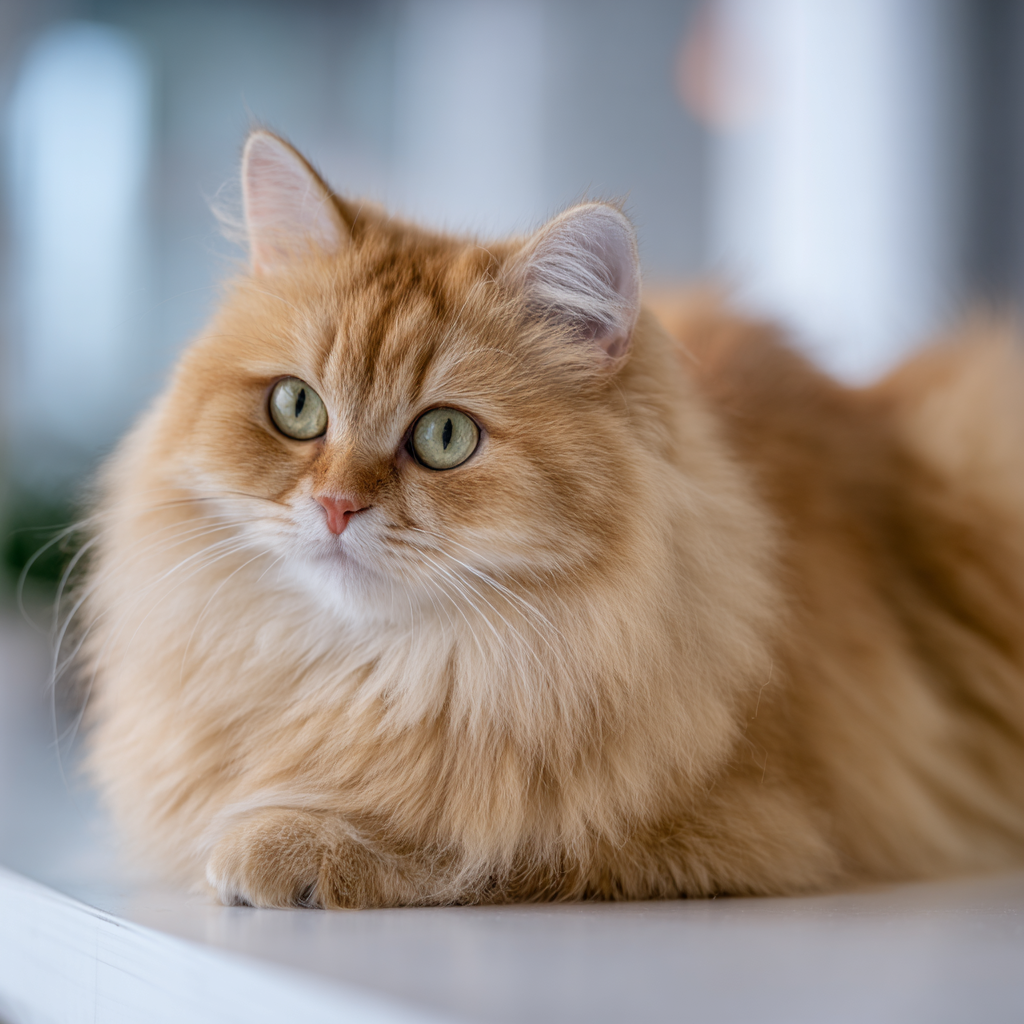
How do I research ethical British Longhair cat breeders? Choosing a British Longhair cat breeder begins with understanding the breed and selecting a breeder who prioritizes health, structure, temperament, and transparency. Because British Longhairs are less common than British Shorthairs, many families searching for a British Longhair kitten find themselves navigating limited availability, inconsistent breeder standards, and confusion about what makes a British Longhair purebred and healthy.
This British Longhair cat breeder guide explains everything buyers should know before reserving a kitten — including how to verify breed authenticity, evaluate health testing, identify red flags, and confidently select a reputable British Longhair cat breeder. Whether you are looking for a family companion or a show-quality British Longhair kitten, understanding the fundamentals will help you choose a breeder who produces healthy, well-socialized cats with the correct British type.
British Longhair Cat Breeder Guide Summary Table
| Feature | What Buyers Should Expect |
|---|---|
| Breed Status | Purebred British cat carrying the recessive longhair gene; TICA & CFA recognized |
| How to Choose a Breeder | Look for registration, health testing, documented lineage, in-home raising, and transparent communication |
| Health Testing Required | HCM screening, PKD DNA test, full feline genetic panel |
| Kitten Price Range (U.S.) | Typically $2,500–$4,500+ depending on color, structure, and lineage |
| Waitlist Process | Application → Approval → Deposit → Updates → Kitten selection |
| What Kittens Should Come Home With | Registration, microchip, vet records, early vaccines, health guarantee, care booklet, transition support |
| British Longhair vs British Shorthair | Same breed ancestry; difference is coat length; grooming needs and shedding vary |
| Nationwide Availability | Reputable breeders safely place kittens across the U.S. via flight nanny, ground transport, or pickup |
| Red Flags | No registration, missing health testing, vague paperwork, no contract, inconsistent communication |
| Best For | Families wanting a calm, affectionate, luxurious British companion raised in-home with health-focused breeding |
Looking for a British Longhair or British Shorthair kitten?
At Almonte Cats, our kittens are raised in-home, fully health tested, and intentionally paired to represent the very best of the British breed.
If you’d like to be considered for an upcoming litter, you’re welcome to explore our available kittens or submit an application below.
What Is a British Longhair?
The British Longhair is the semi-longhaired version of the classic British Shorthair. While the British Shorthair is known for its plush, dense coat, the British Longhair carries a natural longhair gene that creates a fuller, flowing coat while preserving the British breed’s iconic round features, calm temperament, and sturdy build.
Origin and Relationship to the British Shorthair
The British Longhair originated from the same foundational lines as the British Shorthair. The longhair gene entered the breed during wartime outcrosses with Persian cats and later resurfaced naturally in British Shorthair litters. Instead of eliminating the gene entirely, registries recognized the British Longhair as a legitimate companion to the British Shorthair.
Today, both breeds share:
- identical temperament
- identical body structure
- identical coloration possibilities
- identical breed standards aside from coat length
The British Longhair is not a separate breed genetically — but rather a coat-length variation recognized independently by major cat associations.
Longhair Gene Explanation
British Longhairs inherit the longhair (l) gene, a recessive gene that requires two copies (ll) for longhair expression. British Shorthairs may carry the gene (Ll) without having long hair themselves.
Genetic possibilities include:
- BLH × BLH → all longhair kittens
- BLH × BSH carrier → 50% longhair kittens
- BSH carrier × BSH carrier → 25% longhair kittens
Because the gene is recessive, longhairs can appear unexpectedly in some British Shorthair litters — which is why many buyers are unfamiliar with the BLH despite its long history.
Temperament Overview
British Longhairs share the same temperament British Shorthairs are known for:
- calm and stable
- affectionate but not demanding
- friendly with children and other pets
- gentle, quiet, and respectful
- perfectly suited for homes, apartments, and slower-paced families
They are observant cats who enjoy companionship without being clingy, making them excellent companions for households wanting a relaxed, balanced temperament.
Why Buyers Seek the Breed
Families choose the British Longhair for its combination of:
- striking appearance — round face, thick bone, luxurious semi-long coat
- low-drama personality — peaceful, predictable, easy to live with
- gentle companionship — forms bonds without overwhelming attention needs
- variety of colors — including blue, lilac, chocolate, cinnamon, silver, golden, and more
The British Longhair offers the plush beauty of a longhaired breed without the intense grooming demands of Persians or Maine Coons. See more about the British Longhair Cat breed here.
How to Choose a British Longhair Cat Breeder
Choosing the right British Longhair breeder ensures you receive a healthy, well-structured kitten raised in a nurturing environment. Because British Longhairs are less common than British Shorthairs, buyers should be especially cautious about verifying registration, health testing, and breeder practices.
Already researched what to look for and ready to compare programs?
See our curated list: Best British Longhair Breeders in the USA.
Registration and Breed Authenticity
TICA, CFA, GCCF Recognition
A true British Longhair cat is recognized by major cat associations, including:
- TICA (The International Cat Association)
- CFA (Cat Fanciers’ Association)
- GCCF (Governing Council of the Cat Fancy)
These registries maintain strict standards for breed authenticity and pedigree tracking.
Why British Longhair Cat Registration Matters
Registration ensures that:
- your British Longhair kitten comes from verified purebred parents
- pedigrees are documented for generations
- coat length, color, and genetic quality meet breed standards
- breeders follow ethical breeding guidelines
Unregistered kittens advertised as British Longhairs often come from backyard breeders, accidental litters, or mixed lines misrepresented as purebred.
How to Verify a British Longhair Cat Breeder’s Cattery Name
Buyers should check:
- TICA cattery name database
- CFA cattery registration
- GCCF prefix list (UK breeders)
A reputable British longhair cat breeder will not hide their cattery name or provide excuses for missing documentation.
British Longhair Cat Breeder Health Testing Standards
HCM, PKD, and DNA Panels
British Longhair breeders should test all breeding cats for:
- HCM (Hypertrophic Cardiomyopathy)
- PKD (Polycystic Kidney Disease)
- Full feline genetic DNA panels
Although British Longhairs are generally healthy, these screening tests prevent hereditary conditions from being passed to kittens.
Importance of Testing Longhair Carriers
Because the longhair gene has historical Persian influence, testing is especially important for:
- coat-related genetic markers
- recessive health conditions
- lineage weaknesses from long-ago outcrosses
Reputable breeders maintain genetic transparency to ensure long-term breed health.
Why BYB Breeders Skip Health Screening
Backyard breeders often avoid testing because:
- it is expensive
- it reveals issues that prevent breeding
- they lack registered pedigrees to track genetic history
- they focus on profit rather than health
This is why unregistered, inexpensive, or “rare” British Longhair kittens should be approached with caution.
Structure and Type Expectations
British Longhair Body Structure
A quality British Longhair should show:
- round head
- full cheeks
- thick neck
- cobby build
- short, sturdy legs
- broad chest
- plush, semi-long coat
The overall appearance should match the British Shorthair standard, with added coat length and fullness.
Key Traits for Evaluating Breeding Quality
When viewing kittens or parents, check for:
- dense, crisp double coat
- balanced body structure
- proper tail length
- open, sweet expression
- strong chin and muzzle
- smooth profile
- correct eye shape and color
British Longhairs should look like British Shorthairs in every way except coat length.
Red Flags in Poorly Bred British Longhairs
Be cautious of:
- narrow or wedge-shaped faces
- long, lanky bodies
- pointed or upright triangular ears
- overly fluffy coats resembling domestic longhairs
- lack of registration or vague pedigrees
- breeders offering every color at all times
- inconsistent eye color or incorrect coat texture
These traits suggest poor breeding quality or mixed ancestry.
Ethical British Longhair Cat Breeding Practices
Choosing a reputable British Longhair cat breeder means understanding how kittens are raised, handled, and cared for from birth through placement. Ethical breeding practices directly influence temperament, confidence, health, and long-term wellbeing. Because British Longhairs are a slower-maturing, emotionally sensitive breed, proper early development is essential.
In-Home Raising vs. Cages
Ethical British Longhair cat breeders raise kittens inside the home, not in garages, sheds, outdoor enclosures, or cage banks. In-home raising ensures:
- frequent human interaction
- exposure to household sounds and routines
- gradual confidence-building
- proper litter training
- healthy behavioral development
Cage-raised kittens, by contrast, often develop:
- anxiety
- poor social skills
- weak litter habits
- difficulty adjusting to new environments
A reputable British Longhair Cat breeder will proudly show that kittens grow up underfoot—not confined to isolated spaces.
Socialization Methods
British Longhair kittens thrive with early, intentional socialization. Ethical British Longhair cat breeders use structured systems such as:
- gentle daily handling
- exposure to grooming tools
- early neurological stimulation
- play sessions with age-appropriate toys
- guided interactions with adults, children, and other pets
These methods create kittens who are:
- confident
- calm
- people-oriented
- well-adjusted to home life
Good British Longhair cat breeders begin socializing from day one, not just the final weeks before pickup.
Veterinary Care and Documentation
A reputable breeder provides complete veterinary documentation, including:
- vaccination records
- deworming schedule
- microchip registration
- wellness exam notes
- proof of health testing for parents
British Longhair kittens should visit the vet multiple times before going home. Ethical breeders also maintain relationships with feline specialists and stay current on breed-specific health recommendations.
BYB breeders often provide little or no paperwork, vague claims of vet care, or records that cannot be verified.
Transparency in Communication
Trustworthy British Longhair cat breeders are open and clear about:
- health test results
- temperament traits
- coat genetics
- lineage and pedigree
- waitlist processes
- contract terms
- what buyers can expect
Transparent communication means:
- answering questions promptly
- offering video calls or virtual visits
- showing the nursery and queen areas
- discussing challenges honestly
- never rushing buyers into deposits
If a breeder deflects questions, avoids showing kittens live, or pressures buyers to “reserve quickly,” this is a red flag.
British Longhair Cat Breeders Near Me: What “Near Me” Actually Means
Because British Longhairs are rare in the United States, most families work with British Shorthair cat breeders outside their home state, using trusted transport or pickup options. Understanding what “near me” means helps buyers make informed decisions without compromising on health or structure.
Why Quality Matters More Than Distance
Many reputable breeders place kittens nationwide
The majority of high-quality British Longhair breeders serve families across the U.S. They are experienced in coordinating safe transportation and guiding new owners through every step of the process. Limiting your search to only local breeders often means missing out on the healthiest, best-socialized kittens.
Limited number of true BLH breeders in the U.S.
Since the British Longhair is less common than the British Shorthair, the number of reputable U.S. breeders is small. Many states have zero legitimate BLH programs. Buyers who restrict themselves to nearby breeders may encounter:
- unregistered litters
- mixed lines advertised as purebred
- inexperienced backyard breeders
Expanding your search increases your chances of finding a healthy, authentic British Longhair kitten.
Local does NOT equal reputable
Proximity should never outweigh:
- registration
- health testing
- temperament evaluation
- breeder ethics
A local breeder with poor practices is far more risky than a well-established breeder across the country. Choosing a reputable program protects your kitten’s long-term health and your investment.
How Nationwide Transport Works (U.S. Buyers)
Reputable British Longhair cat breeders offer safe, regulated transport options designed to minimize stress and ensure kitten welfare.
USDA-compliant ground transport
A USDA-licensed transporter:
- drives kittens in climate-controlled vehicles
- makes structured stops for cleaning and feeding
- provides real-time location updates
- ensures kittens arrive safely and comfortably
This is ideal for buyers who prefer not to fly.
In-cabin flight nanny
Flight nannies hand-carry your kitten inside the passenger cabin. Benefits include:
- zero cargo exposure
- minimal stress
- fastest transport option
- constant monitoring
This is one of the safest methods for long-distance placements.
Pickup options
Some families choose to:
- fly to the breeder
- meet at a major airport
- drive directly to the cattery
Pickup allows buyers to meet the breeder face-to-face and meet their new kittens breeder.
Safety and health considerations
A responsible breeder will:
- require a vet-issued health certificate
- review transport policies with buyers
- avoid shipping kittens during extreme temperatures
- prioritize the kitten’s wellbeing over convenience
Nationwide placement is routine and safe when handled by experienced professionals.
How to Evaluate a British Longhair Cat Breeder When You Aren’t Local
Distance does not prevent a thorough evaluation. Reputable British Longhair Cat breeders provide multiple ways to confirm authenticity, transparency, and kitten quality.
Phone/Video Interviews
A quality breeder should be willing to:
- speak on the phone
- answer detailed questions
- discuss health testing
- describe kitten personalities
- provide updates throughout the process
Video calls are especially valuable for verifying kittens in real time.
Reviewing Pedigrees and Documents
Ask to see:
- TICA/CFA registration
- pedigree copies
- DNA health test results
- vaccination records
These documents separate reputable breeders from unverified sellers.
Checking Socialization Environment
Even over video, buyers can observe:
- how kittens respond to handling
- cleanliness of spaces
- behavior around humans
- general confidence and curiosity
- presence of enrichment (toys, scratchers, climbing areas)
A well-socialized British Longhair kitten is calm, curious, and comfortable interacting with people.
British Longhair Cat Breeder Red Flags
Choosing a reputable British Longhair cat breeder is essential for protecting your kitten’s long-term health, structure, temperament, and authenticity. Because the breed is rare in the United States, unethical British Longhair cat breeders often mislabel mixed cats, skip health testing, or mass-produce kittens to meet demand. The following red flags help buyers avoid programs that do not meet British Longhair standards.
No registration or unverifiable paperwork
A legitimate British Longhair cat breeder provides:
- TICA or CFA registration
- Copies of pedigrees
- DNA test results for parents
- Verifiable cattery name
If a breeder cannot produce documentation — or if the documents do not match the kittens they are selling — the cats are not true British Longhairs. Many backyard breeders use vague phrases such as “purebred lines” or “parents are registered,” but without actual papers the kittens cannot be confirmed as purebred.
Signs of trouble include:
- refusing to show pedigrees
- claiming “papers cost extra”
- providing only homemade “certificates”
- cattery names that don’t appear in registry databases
Registration protects buyers from unknowingly purchasing mixes, untested breeding stock, or kittens bred outside breed standards.
No health testing (or vague claims)
British Longhairs must be tested for:
- HCM (hypertrophic cardiomyopathy)
- PKD (polycystic kidney disease)
- full feline DNA panel
Unethical breeders often claim their cats are “healthy” without providing documentation. Red flags include:
- no proof of testing
- outdated results
- testing only one parent
- breeders who say testing is “not necessary for this breed”
Health testing matters because the longhair gene can appear alongside other inherited traits. Responsible programs invest heavily in screening to prevent genetic disease and ensure long-term kitten health.
Kittens available “all the time”
British Longhair kittens are not produced year-round. They are a slow-maturing breed, and reputable breeders:
- limit litter numbers
- prioritize queen recovery
- plan litters based on genetics, not demand
Breeders who “always have kittens,” or have dozens of kittens available at once, often prioritize profit over health and ethics. This includes:
- mills
- high-volume sellers
- BYB programs with nonstop litters
- operations importing kittens from overseas for resale
Scarcity is normal. Constant availability is not.
No contract, no health guarantee, no support
A proper British Longhair breeder cat provides:
- a written contract
- a genetic health guarantee
- vet records
- clear policies on returns/replacements
- lifetime breeder support
Red flags include:
- bank wire/check sales
- “no contract unless you ask”
- refusing to provide a written guarantee
- no discussion of spay/neuter terms
- pressure to send money quickly
Responsible breeders are transparent, accountable, and supportive long after the kitten goes home.
British Longhair Kitten Prices (U.S. Market Overview)
Understanding British Longhair cat pricing will help you budget realistically, and separate reputable breeders from low-quality or fraudulent sources. Prices vary depending on structure, lineage, coat type, color rarity, breeder reputation, and region.
Typical British Longhair Cat Price Range
In the United States, the British Longhair cat price generally falls between:
$2,500 – $4,500 for pet-quality kittens
$4,500 – $7,000+ for breeder-quality or show-potential kittens
Prices on the higher end are common in programs with:
- imported European bloodlines
- exceptional structure
- rare coat colors
- extensive health testing
Because British Longhairs are less common than British Shorthairs, they naturally fall in a higher price category.
What Influences British Longhair Cat Cost
Several factors contribute to the British Longhair cat cost, including:
Coat and Coat Quality
The longhair gene increases grooming needs and requires breeders to select for:
- correct density
- proper texture
- absence of matting tendencies
- true British head and body type
Achieving these traits consistently requires more selective pairing.
Color and Pattern
Certain colors affect pricing:
- rare goldens or silvers
- blue-gold combinations
- lilac longhair
- chocolate longhair
- odd-eye carriers
Show-quality markings and coat clarity often bring higher pricing.
Health Testing and Veterinary Investments
High-quality breeders invest in:
- HCM scans
- PKD DNA testing
- full genetic panels
- regular vet care
- early spay/neuter programs
- high-quality nutrition
These investments increase the cost of raising each kitten.
Breeder Expertise and Reputation
Experienced British Longhair cat breeders with:
- established lines
- consistent type
- documented results
- proven structure
- mentorships or show history
can charge more because the quality is proven and predictable.
Why British Longhair Cats May Cost More Than British Shorthairs
British Longhairs often cost more because:
- fewer breeders specialize in them
- litters produce fewer longhairs than shorthairs
- maintaining coat quality requires selective pairing
- demand is growing faster than supply
- many lines must be imported
In many U.S. programs, only 25–50% of kittens in a given litter will be true longhairs.
British Longhair Kittens Pet vs. Breeder/Show Pricing
Pet Quality Pricing
Pet kittens are placed with:
- limited registration
- spay/neuter agreements
- no breeding rights
These kittens still have excellent structure and temperament, just not the specific traits needed for breeding programs.
Breeding/Show Pricing
Breeding- or show-quality kittens are priced higher due to:
- superior structure
- rare coat traits
- clean pedigrees
- ideal longhair expression
These kittens often come from top bloodlines and may include co-ownership or additional contract requirements.
What British Longhair Kittens Should Come Home With
A reputable British Longhair cat breeder provides more than a kitten — they provide documentation, support, and verification that the kitten has been raised with proper health care and registration. Buyers should expect the following items every time, regardless of color, price range, or region. These standards help protect both the kitten and the buyer long-term.
Registration
Every British Longhair kitten should come with:
- TICA or CFA registration
- A pedigree that confirms purebred British Longhair ancestry
- Registration numbers that match both parents
- Clear documentation showing whether the kitten is pet-only or breeding quality
Registration ensures:
- authenticity of breed
- correct tracking of coat genetics
- protection against fraudulent or mislabeled kittens
If a breeder cannot provide registration, the kitten is not considered a verified British Longhair.
Microchip
A permanent microchip provides:
- lifetime identification
- safer transport
- reliable veterinary records
- an essential safeguard for indoor and traveling cats
The chip number should be included in:
- health records
- vet papers
- registration documents
Reputable breeders never send kittens home without permanent ID.
Vet Records
A British Longhair kitten should have detailed veterinary documentation confirming:
- wellness exams
- parasite screenings
- deworming schedule
- weight progression
- microchip confirmation
These records prove the kitten has received legitimate medical care from a licensed veterinarian and help your vet continue care seamlessly.
Early Vaccinations
The breeder should provide proof of:
- first FVRCP vaccine
- appropriate deworming
- any additional preventive treatments recommended by the breeder’s veterinarian
British Longhairs should not be placed before vaccines and health checks are documented.
Written Health Guarantee
A reputable British Longhair cat breeder provides a written agreement that outlines:
- congenital health protection
- genetic health guarantee (usually 1–3 years)
- return or replacement policies
- spay/neuter terms
- breeder and buyer responsibilities
This document protects both parties and confirms ethical breeding practices.
Care Booklet
A high-quality British Longhair care booklet should include:
- feeding guidelines
- grooming schedule (specific for the longhair coat)
- litter recommendations
- socialization and enrichment tips
- transition advice for the first 72 hours
- long-term developmental milestones
- recommended products
- instructions for integrating with other pets
This ensures a smooth transition and supports new owners with actionable steps.
Transition Support
Reputable breeders provide ongoing support, such as:
- updates before pickup
- advice during the first days at home
- help with feeding changes
- behavior and adjustment guidance
- lifetime breeder communication
Kittens adapt best when families receive ongoing guidance, especially regarding grooming routines and coat maintenance.
British Longhair vs British Shorthair: Is the Breeder the Same?
British Longhairs and British Shorthairs share the same ancestry and breed structure, which is why many reputable catteries breed both. For buyers, understanding the similarities and differences helps set realistic expectations.
Many Catteries Breed Both
Because the British Longhair is genetically the same breed as the British Shorthair — simply expressing a recessive longhair gene — breeders commonly manage lines for both coat types. This allows programs to:
- maintain genetic diversity
- strengthen structure across both varieties
- preserve coat quality
- offer a wider selection of kittens
A cattery can responsibly and ethically produce both British Shorthair and British Longhair kittens without compromising quality.
Differences in Grooming and Coat Maintenance
While both varieties share the classic British temperament, their coats differ:
British Longhair:
- requires more frequent brushing
- has a fuller, more luxurious coat
- may shed slightly more seasonally
- benefits from occasional bathing to maintain coat cleanliness
British Shorthair:
- maintains a dense, plush, short double coat
- typically requires weekly brushing
- sheds lightly year-round
Buyers should understand the grooming commitment associated with each variety to ensure a good long-term match.
Why It Matters for Buyer Expectations
Choosing between a British Longhair and a British Shorthair affects:
- grooming habits
- shedding levels
- overall visual appearance
- maintenance needs
- personal lifestyle compatibility
Some families want the fuller, longhaired look, while others prefer lower-maintenance coats. Knowing these differences prevents mismatched expectations and helps owners feel fully prepared.
Genetic Compatibility and Responsible Pairing
British Longhair kittens come from:
- longhair × longhair pairings
- longhair × shorthair pairings (when the shorthair carries the longhair gene)
Responsible breeders:
- conduct DNA testing to verify longhair carriers
- avoid excessive coat length or incorrect texture
- ensure structure remains true to British type
Producing British Longhairs responsibly requires understanding coat genetics and pairing lines intentionally.
How to Join a British Longhair Kitten Waitlist
Because British Longhair kittens are less common than British Shorthairs, most catteries operate on a waitlist system. This ensures that kittens are placed in screened, committed homes. The process is simple, but each step matters.
Application
Prospective buyers begin with an application that collects:
- household information
- past pet experience
- lifestyle and expectations
- color or sex preferences (optional)
- intentions (pet home or breeding home)
Applications help breeders match kittens with appropriate families.
Approval
After reviewing the application, the breeder may:
- schedule a call or video meeting
- discuss expectations for grooming and care
- confirm the buyer’s suitability
- outline the placement process
Approval ensures a safe, responsible match for both the kitten and the family.
Deposit
Most catteries require a deposit to:
- secure a place on the waitlist
- reserve a specific kitten once selected
- confirm commitment from the buyer
Deposits vary by breeder but are typically deducted from the final purchase price.
Timeline
British Longhair litters are not produced constantly. Timelines vary depending on:
- heat cycles
- planned breedings
- genetics and coat outcomes
- waitlist order
- seasonal availability
Most buyers wait anywhere from a few weeks to several months for the right kitten.
Communication Expectations
Professional breeders provide:
- updates during pregnancy
- announcements when kittens are born
- weekly photos or videos
- updates on weight, development, and temperament
- vet visit confirmations
- pickup or transport scheduling
Families should feel informed and supported throughout the entire process.
Why We Specialize in British Longhair Kittens
We focus on British Longhair kittens because they align with our program’s priorities: healthy structure, predictable temperament, and a premium, family-friendly companion raised with intention and care. Every kitten here is raised in our home, handled daily, and supported through a structured socialization process that prepares them for an easy transition into their new families.
We also offer British Shorthair kittens because they provide the same luxury look and temperament families want without the health issues seen in Persian, Exotic, or Scottish Fold breeds. British cats allow us to offer a high-end, beautiful companion without the risks associated with flat faces or cartilage mutations.
Our breeding cats come from carefully selected and imported lines chosen for health, type, and temperament. Each parent is fully health-tested, and every pairing is planned to maintain genetic stability and the classic British expression our program is known for.
Kittens are:
- raised underfoot, never in cages
- microchipped and vet-checked
- vaccinated appropriately
- supported with a full transition plan
- placed nationwide with safe transport options
Our goal is simple: produce British Longhair and British Shorthair kittens with exceptional health, structure, and temperament — and support families with clear communication, transparency, and lifelong breeder guidance.
Apply for a British Longhair Kitten
FAQ: British Longhair Cat Breeders & British Longhair Kittens
Are British Longhair cats purebred?
Yes. The British Longhair is a purebred British cat recognized by TICA and CFA. It shares the exact same ancestry as the British Shorthair — the only difference is the expression of the recessive longhair gene. This gene can remain hidden for generations, which is why longhairs sometimes appear unexpectedly in lines that carry it.
A registered British Longhair kitten with verified parents is fully purebred. Registration and pedigrees are the key indicators of breed authenticity, not coat length alone. See Breed info for British Longhair Cats here.
How do I know if a British Longhair breeder is reputable?
A reputable breeder provides registration, pedigrees, health testing results, vet records, a contract, and lifetime communication. They raise kittens in the home rather than in isolated setups and are fully transparent about their program, their cats, and their policies.
If a breeder avoids questions, refuses paperwork, or cannot provide clear documentation, that is a sign to proceed carefully. Ethical breeders are consistent, organized, and open with information.
What health tests should British Longhair breeders perform?
The minimum standard is HCM screening, PKD DNA testing, and a full genetic panel. These tests protect kittens from inheritable conditions that may not appear until adulthood. Responsible breeders retest as cats age and are willing to show proof of every result.
Health testing reflects the long-term goals of the program. Breeders who invest in testing signal that they prioritize health over quick litters or convenience.
What is the average British Longhair cat price in the U.S.?
The typical British Longhair cat price ranges from $2,500 to $4,500+ for a well-bred pet kitten. Prices increase for rare colors, imported lines, exceptional structure, or breeder-quality kittens. Longhairs cost more than many breeds because fewer kittens express the longhair gene, and fewer catteries specialize in producing them.
Prices also reflect the breeder’s investment in testing, importing cats, veterinary care, and proper in-home raising. Low prices often mean shortcuts in health, structure, or documentation.
Why do British Longhairs cost more than British Shorthairs?
British Longhairs are less common and require more selective pairing to maintain correct coat and structure. Only kittens that inherit the recessive longhair gene will be long-haired, which naturally limits availability. Because demand is high and supply is low, longhair kittens sit at the higher end of the British price range.
The additional grooming considerations, coat goals, and breeding strategy also contribute to their premium pricing.
Do British Longhair kittens shed more than British Shorthair kittens?
Yes, British Longhairs shed more seasonally because of their fuller coats, but most families find the grooming manageable. Weekly brushing is usually enough outside of shedding seasons, and reputable breeders will teach new owners how to maintain the coat correctly.
Shedding does not affect temperament or health — it’s simply part of owning a longhaired breed.
What should a British Longhair kitten come home with?
A well-bred kitten should come with registration, microchip, vet records, early vaccinations, a written health guarantee, a care booklet, and transition support. These items confirm the kitten’s authenticity, health status, and proper upbringing.
If any of these pieces are missing — especially registration or health documentation — the breeder may not be operating to British breed standards.
How does joining a British Longhair waitlist work?
Most breeders require an application, a conversation or approval stage, and a deposit to secure a spot. Once kittens are born, families receive updates, photos, vet visit information, and selection timelines.
Waitlist length varies by color and season because British Longhair litters are produced far less frequently than common shorthaired breeds.
Can reputable British Longhair cat breeders place British Longhair kittens nationwide?
Yes. Many breeders regularly place kittens across the U.S. using flight nannies, USDA-compliant transport, or arranged pickup. Distance is not a barrier as long as transport is well-organized and safe.
Most families work with out-of-state breeders because British Longhairs are not widely available locally.
How do I evaluate a British Longhair cat breeder when I can’t visit in person?
Request video calls, pedigrees, health testing results, and clear answers about socialization. Ethical breeders are comfortable showing their home, their cats, and their process.
A breeder who is difficult to reach, vague, or unwilling to provide documentation is usually not reputable.
Are British Longhairs good for families and children?
Yes. They have calm, steady personalities and adapt well to homes with children, other pets, and structured routines. Temperament is one of the main reasons families choose the British breeds — they are reliable, gentle, and easy to live with.
Good breeders select parent cats specifically for stable, affectionate temperaments.
Are British Longhairs hypoallergenic?
No breed is fully hypoallergenic, but many allergy-sensitive homes find British coats easier to manage because their shedding is predictable and their skin is stable. Grooming and home environment play a bigger role than coat length alone.
Do British Longhair kittens change color as they grow?
Yes. Goldens, silvers, lilacs, chocolates, and shaded kittens may deepen or clarify as the coat matures. Structural and temperament traits remain consistent, but the coat can refine through the first one to two years.
Can a British Shorthair cat breeder also produce British Longhairs?
Yes. A few reputable breeders intentionally work with both varieties because they share the same genetic ancestry. DNA testing identifies longhair carriers and allows responsible pairing to maintain both coat types without compromising health or structure.
How early can a British Longhair kitten go home?
Most British breeders place kittens between 12 and 16 weeks. This window ensures proper vaccinations, immune maturity, litter training, socialization, and behavioral development. Earlier placement is rarely beneficial.
Looking for a British Longhair Kitten for Adoption?
If this guide helped you understand how to choose a reputable British Longhair breeder, and you’re looking for a kitten raised with exceptional care, health testing, and transparency, we welcome you to contact us at Almonte Cats. Our program is designed for families who want a premium British companion from one of the most carefully developed breeding lines in the United States.
Our kittens are:
- raised in our home, never in cages
- genetically screened and vet-certified
- deeply socialized for family life
- supported with a full transition and lifetime breeder guidance
More British Longhair Resources
See more posts about the British Longhair breed:
- British Longhair Kittens: Growth Week by Week
A guide to kitten growth stages, coat transitions, socialization, and early care. - British Longhair Breed Overview
A complete introduction to the breed’s temperament, structure, care needs, and suitability for different homes. - Best British Longhair Breeders in the USA
See the best British Longhair breeders in the USA. - British Longhair Shedding and Grooming
Step-by-step coat care, tools, and maintenance routines for the semi-long double coat. - British Longhair Diet and Nutrition
Important diet recommendations, feeding charts and more. - British Longhair Size: How Big do British Longhairs Get?
See estimated size and growth charts. - British Longhair Cat Health
An overview of British Longhair health.
More British Cat Breed Articles from Almonte Cats
- British Shorthair Health
- British Shorthair Lifespan
- British Shorthair Shedding
- British Shorthair Size
- British Shorthair Cat Care
- British Shorthair Personality
- British Shorthair Diet
- British Shorthair Kitten Growth Stages
- British Shorthair vs Ragdoll
Sources
- 1. The International Cat Association (TICA) – British Longhair & British Shorthair Breed Standards
https://tica.org/breeds/browse-all-breeds?view=article&id=864 - 2. Cat Fanciers’ Association (CFA) – British Shorthair Breed Profile
https://cfa.org/british-shorthair/ - 3. Governing Council of the Cat Fancy (GCCF) – British Shorthair & British Longhair Standards
https://gccfcats.org/breeds/british-shorthair/ - 4. Wisdom Panel – Feline Coat Genetics Overview (Longhair gene, recessive inheritance)
https://resources.wisdompanel.com/en-us/cat/coats/ - 5. UC Davis Veterinary Genetics Laboratory – Feline Genetic Testing (PKD, HCM, LH gene)
https://vgl.ucdavis.edu/services/cat - 6. Cornell University College of Veterinary Medicine – Hypertrophic Cardiomyopathy (HCM) in Cats
https://www.vet.cornell.edu/departments-centers-and-institutes/cornell-feline-health-center/health-information/hypertrophic-cardiomyopathy - 7. International Cat Care – Responsible Breeder Guidelines
https://icatcare.org/advice/selecting-a-breeder/ - 8. American Veterinary Medical Association (AVMA) – Transport & Microchipping Standards
https://www.avma.org/resources-tools/pet-owners/petcare/microchips-reunite-pets-families - 9. USDA APHIS – Regulations on Commercial Pet Transport (Flight Nanny & Ground Transport Compliance)
https://www.aphis.usda.gov/aphis/ourfocus/animalwelfare - 10. Journal of Feline Medicine and Surgery – Genetic and Hereditary Conditions in Purebred Cats
https://journals.sagepub.com/home/jfm





Read the Comments +