
British Longhair Size Guide: How Big Do British Longhair Cats Get?
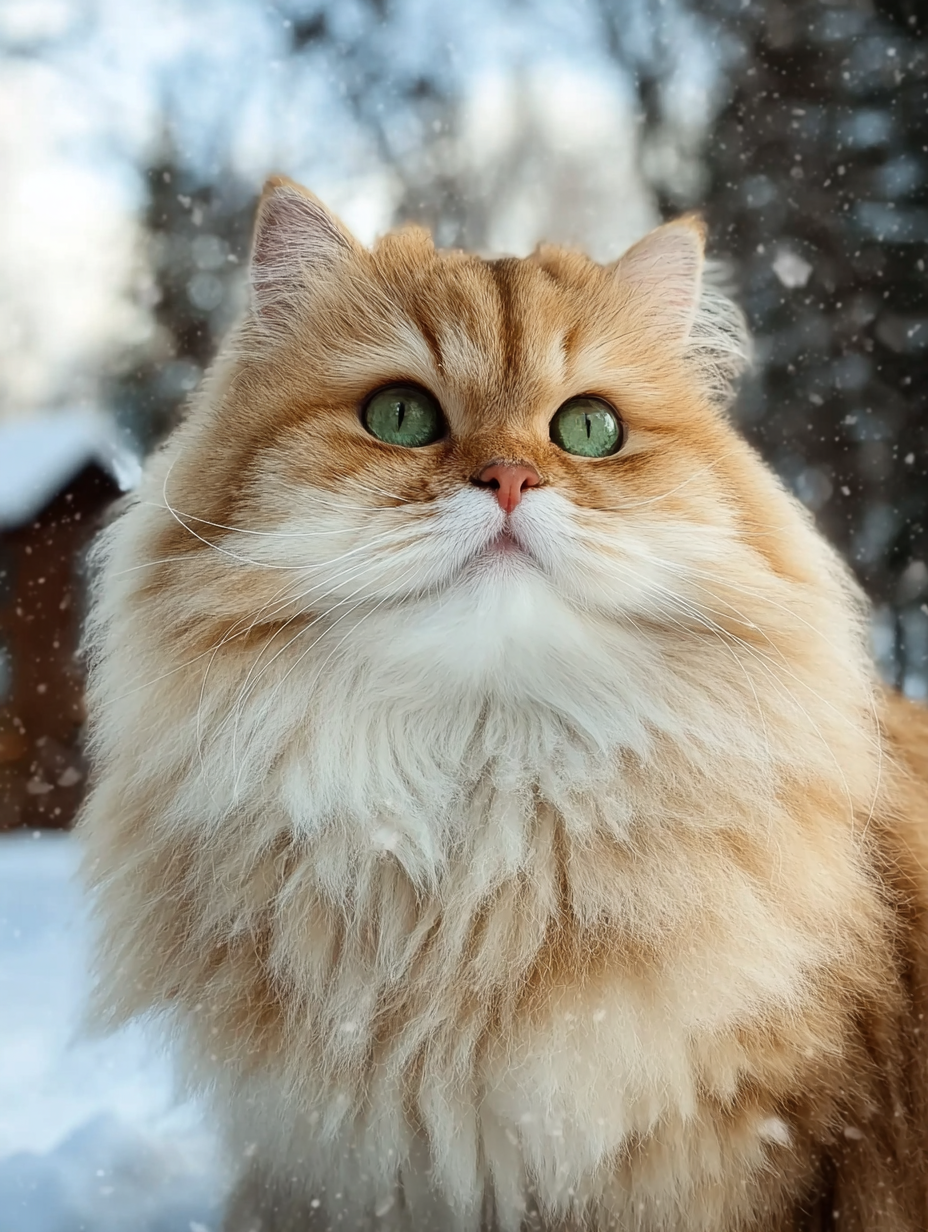
The British Longhair is known for its semi-long plush coat, rounded features, and solid, sturdy build. One of the most common questions new owners ask is, “How big do British Longhairs get?”
Like their shorthaired relatives, British Longhairs are slow-growing, heavy-boned cats with a broad chest, thick limbs, and a powerful frame beneath their longer coat. Their luxurious coat can make them appear even larger than they are, especially as adults.
On average:
- Adult male British Longhairs: 12–17 pounds
- Adult female British Longhairs: 8–14 pounds
Their dense bone structure, muscular build, and substantial undercoat make them one of the most solid longhair breeds without being overweight.
Apply now for a British Longhair kitten from Almonte Cats and bring home a well-socialized companion raised for true British type, structure, and temperament.
British Longhair Growth Chart by Age
| Age | Average Male Weight | Average Female Weight | Growth Notes |
|---|---|---|---|
| 8 weeks | 2 – 3 lbs | 1.8 – 2.5 lbs | Still compact with fluffy kitten coat |
| 4 months | 4 – 6 lbs | 3.5 – 5 lbs | Bone density increases; coat lengthens |
| 6 months | 7 – 9 lbs | 6 – 8 lbs | Developing thick shoulders and strong frame |
| 1 year | 10 – 13 lbs | 8 – 10 lbs | Around 70–75% of adult size; semi-long coat maturing |
| 2–3 years | 12 – 17 lbs | 8 – 14 lbs | Full size; slow growth continues |
| 4+ years | 12 – 18 lbs | 9 – 15 lbs | Weight stabilizes; coat reaches peak fullness |
British Longhairs are late bloomers. Most reach their full skeletal size by age 3, but their coat, body mass, and overall fullness continue to develop even after that. This slow, steady growth is part of what gives them their strong, balanced appearance as adults.
Why British Longhairs Grow Slowly
British Longhairs share ancestry with the British Shorthair, a breed developed for durability and working function. This heritage created a naturally robust, broad-chested, and muscular cat with a heavier frame than many longhair breeds.
Even when raised as indoor companions, British Longhairs maintain:
- substantial bone density
- thick shoulders and hindquarters
- a broad, rounded head
- strong muscular limbs
Their semi-long double coat adds extra visual size and can make them look larger at younger ages, but true physical maturity happens slowly.
Slow growth is beneficial because it supports:
- proper skeletal development
- healthy joint formation
- balanced muscle gain
- reduced risk of early-life obesity
Reputable breeders use high-quality, protein-rich diets and monitor growth to ensure kittens mature at a steady rate rather than gaining weight too quickly.
Average British Longhair Cat Size vs Other Breeds
| Breed | Average Weight | Build Type | Growth Rate |
|---|---|---|---|
| British Longhair | 12 – 17 lbs | Stocky, muscular, semi-longhair coat | Slow, up to 3 years |
| Maine Coon | 14 – 20 lbs | Large, long-bodied | Moderate |
| Ragdoll | 12 – 20 lbs | Long, semi-longhair | Fast |
| Scottish Fold (Longhair) | 8 – 12 lbs | Medium, rounded | Moderate |
| American Longhair / DLH | 10 – 15 lbs | Athletic | Moderate |
The British Longhair is shorter but denser than most longhair breeds. Their semi-long coat adds visual volume, and their heavy bone structure gives them a substantial presence. A 12-pound British Longhair can appear as large as a 15-pound Ragdoll because of:
- thicker bone mass
- broad chest
- dense semi-long double coat
This combination makes them one of the most solid longhair breeds without extreme size.
British Longhair Body Shape Explained
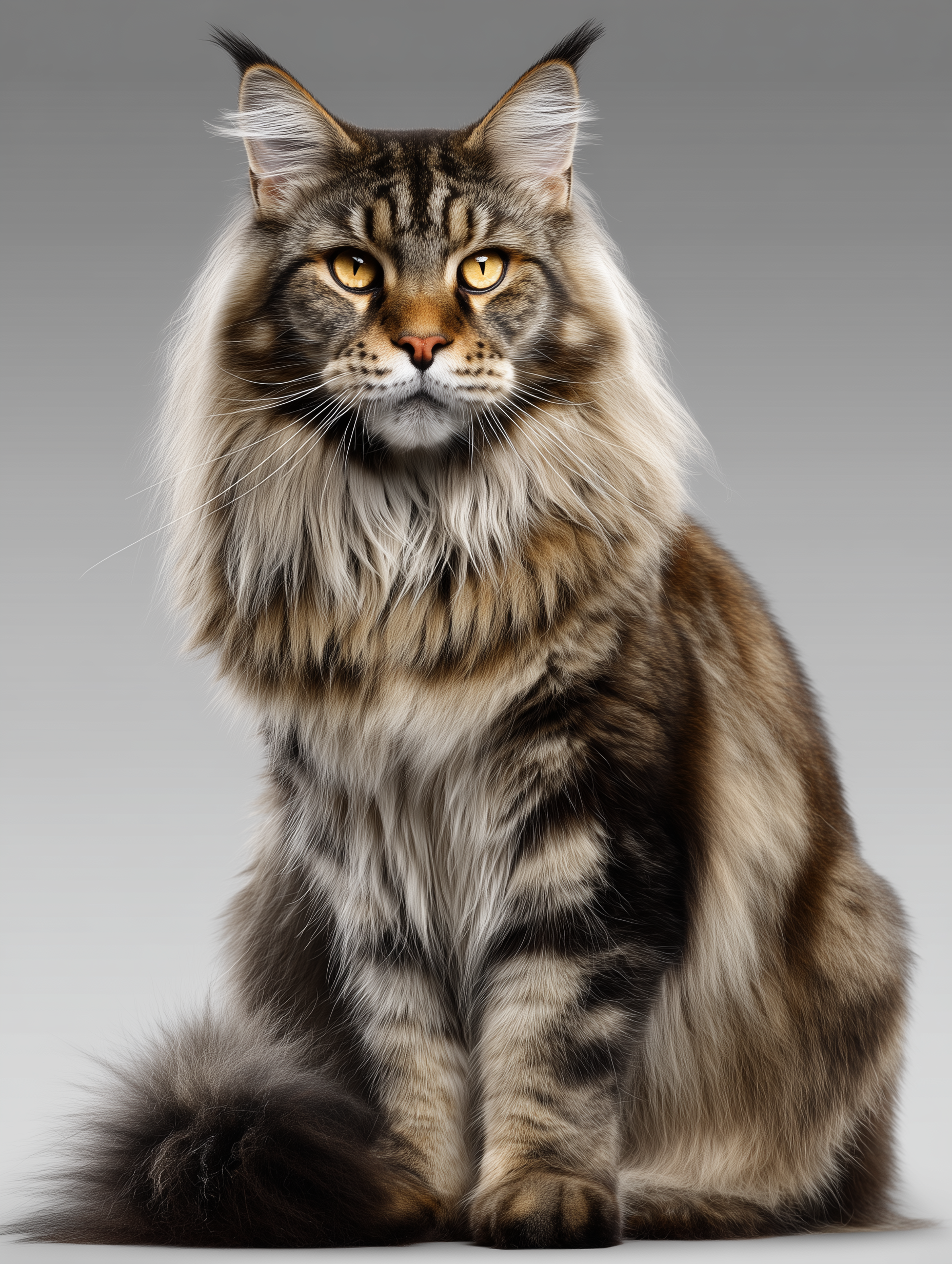
The British Longhair follows the same structural standard as the British Shorthair but is covered with a semi-long, plush coat. Their body type is described as cobby, meaning rounded, compact, and well-balanced with equal proportions.
Head:
- round skull
- full cheeks
- short, broad nose
- large, wide-set eyes
Body:
- compact and deep-chested
- level back
- substantial bone structure
Legs:
- thick, medium-length legs
- strong, rounded paws
Tail:
- medium length
- thick base with a rounded tip
- fuller plume due to long coat
The semi-long coat enhances this shape by adding softness and extra dimension, creating the classic British Longhair “teddy bear” look.
When Does a British Longhair Kitten Stop Growing?
Most British Longhair kittens grow steadily until 24–36 months of age. They reach their height and length earlier, but their bone density, muscle mass, and coat fullness continue to develop for several additional years.
- At 12 months, a British Longhair looks nearly adult-sized, but much of their bulk and coat depth is still forming.
- Males typically mature later than females and reach full weight closer to age three.
- Coat maturity can take up to two full seasons, with the adult semi-long double coat settling between 18–36 months.
Kittens spayed or neutered early may “fill out” sooner because energy shifts from hormone production to growth, but ultimate size remains primarily genetic.
How Diet Affects Size and Growth in British Longhair Cats
Nutrition plays a major role in helping a British Longhair reach its correct adult size, bone structure, and coat fullness. Because the breed develops slowly, a balanced, high-quality diet supports steady growth without creating excess weight.
Choose a formula with:
- high animal protein (minimum 35%) to support muscle and bone development
- moderate, controlled fat levels to fuel slow growth without early bulk
- balanced omega fatty acids to support semi-long coat development
British Longhairs have calm temperaments and lower activity levels, which makes portion control essential during growth.
Recommended feeding schedule:
- Kittens (up to 6 months): 3–4 small meals daily
- 6–12 months: 2–3 meals daily
- Adults: 2 balanced meals daily, with an optional small nighttime snack
A proper diet supports:
- strong skeletal development
- stable muscle gain
- healthy joints
- full, dense semi-long coat formation
For detailed food recommendations, visit our British Longhair diet and nutrition guide.
Are Male British Longhairs Bigger Than Females?
Yes. Male British Longhairs are typically 2–5 pounds heavier than females and often develop:
- broader heads
- thicker necks
- heavier bone structure
- larger overall frame
Females are smaller but still maintain the rounded, compact British type. In multi-cat homes, males frequently continue gaining size and bulk 6–12 months longer than females.
Do Certain British Longhair Coat Colors Grow Larger Than Others?
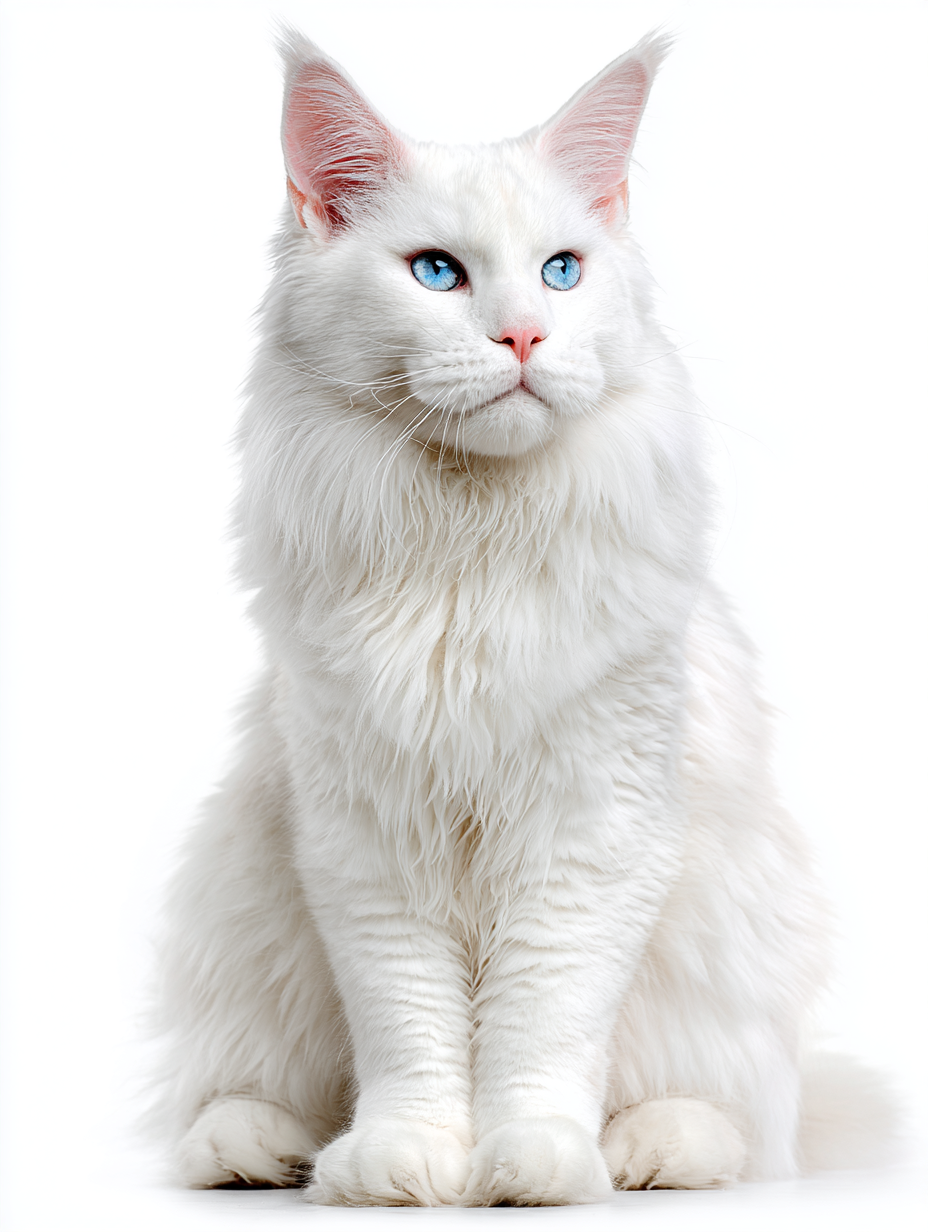
Coat color does not directly affect size, but some British Longhair colors—especially blues, creams, and lilacs—can appear larger because their semi-long dense coat amplifies the rounded silhouette.
Blue British Longhairs in particular may look more substantial because:
- the coat texture is often thicker in blue lines
- the semi-long double coat creates more visual depth
- longstanding blue breeding lines sometimes carry heavier bone structure
These visual differences are due to coat density and lineage traits, not actual genetic color impact on size.
For more detail, see our British Longhair colors and coat variations guide.
How to Tell if a British Longhair Kitten Will Be Large
There are several early indicators that a British Longhair kitten may grow into a larger adult:
- Thick legs and broad paws at 8–10 weeks often signal strong bone structure and future mass.
- A naturally wide chest and rounded belly in kittenhood reflect bone density—not fat.
- Slow, consistent growth during the first year is a positive sign of correct development for this slow-maturing breed.
Genetics have the strongest influence. Kittens from heavy-boned, well-structured parents almost always mature into large, sturdy adults with the classic British type.
Managing Weight in Adult British Longhair Cats
Because British Longhairs are calm and not highly active, adults can gain weight easily if meals are not portioned or activity is low.
To maintain a healthy British Longhair weight:
- Aim for firm muscle tone, not softness around the middle.
- You should feel ribs lightly through the semi-long coat but not see them.
- Encourage short, daily play sessions with interactive toys.
- Offer low climbing structures to support gentle activity without overstimulation.
For more detail, see our British Longhair health and fitness guide.
British Longhair Weight Comparison Chart (Growth by Age)
| Age (Months) | Male Avg. Weight | Female Avg. Weight |
|---|---|---|
| 2 | 2.5 lbs | 2.0 lbs |
| 4 | 5.5 lbs | 4.5 lbs |
| 6 | 8.5 lbs | 7.0 lbs |
| 12 | 12.0 lbs | 9.5 lbs |
| 24 | 15.0 lbs | 11.5 lbs |
| 36 | 17.0 lbs | 13.0 lbs |
This slow, steady increase reflects the three-year British Longhair maturation timeline, where bone density, muscle, and coat fullness continue to develop long after height and length stabilize.
What Is the Average Weight for a Male British Longhair Cat?
Male British Longhair cats typically weigh:
12 to 17 pounds,
with some large-lined males reaching 18 pounds at full maturity.
This makes them one of the heavier semi-longhair breeds due to:
- substantial bone density
- broad chest and shoulders
- strong muscular limbs
- a thick, semi-long double coat that adds visual mass
In contrast, many other longhair or domestic longhair males average 10–15 pounds, with leaner, more athletic frames.
British Longhair males develop slowly and may continue filling out until 36 months, while lighter longhair or shorthair breeds mature closer to 12 months.
For complete growth charts, refer to our British Longhair Kitten Growth by Age section.
American Longhair / Domestic Longhair Average Weight (Comparison Baseline)
The American Longhair (and most domestic longhair mixes in the U.S.) serves as a helpful baseline when comparing longhair breeds.
- Average male longhair weight: 11–15 pounds
- Average female longhair weight: 8–12 pounds
These cats tend to have a balanced, athletic frame with medium bone structure and moderate muscle. Their lighter build allows for agility and endurance, unlike the heavier density seen in British-type cats.
While both British Longhairs and American/Domestic Longhairs share a calm temperament, their structure differs significantly:
- American Longhair: longer, more athletic body; medium build
- British Longhair: compact, heavier bone structure; broad chest; dense semi-long coat; rounded features
In simple terms:
American Longhairs are medium-solid; British Longhairs are compact-solid with fuller coats.
Female Longhair Average Weight (Comparison)
Generally, female longhair cats across breeds have lighter frames and more refined bone structure than males.
- Average female longhair weight across breeds: 8–12 pounds
Female British Longhairs, however, typically fall into the:
- 8–13 pound range
They remain smaller than males but carry:
- thick bone structure
- rounded cheeks and head shape
- compact, muscular proportions
- a dense semi-long coat that adds visual size
In contrast:
- Female American Longhairs: usually 8–11 pounds
- longer legs
- narrower chest
- more athletic frame
British Longhair females reach full physical maturity around 2 years old, while males may continue to fill out closer to 3 years.
British Longhair vs Other Longhair Breeds: Size Comparison Chart
| Breed | Male Avg. Weight | Female Avg. Weight | Body Type | Growth Rate | Build Summary |
|---|---|---|---|---|---|
| British Longhair | 13 – 17 lbs | 8 – 13 lbs | Plush, heavy-boned | Slow (2–3 yrs) | Compact, broad chest, dense semi-long coat |
| American Longhair / DLH | 11 – 15 lbs | 8 – 12 lbs | Balanced, medium build | Moderate (1–2 yrs) | Athletic, longer frame |
| European Longhair | 10 – 14 lbs | 7 – 11 lbs | Lean-muscled | Moderate | Agile working-cat structure |
| Domestic Longhair (Mixed) | 8 – 12 lbs | 6 – 10 lbs | Variable | Fast (1 yr) | Depends on lineage and nutrition |
| Maine Coon (reference) | 14 – 20 lbs | 10 – 15 lbs | Large, long-bodied | Moderate | Big-framed, rectangular build |
Note: British Longhair retains the same heavy-boned structure as the British Shorthair but with a semi-long, plush coat — adding visual volume and softness.
British Longhair vs American Longhair Size Summary
The average longhair cat weighs 8–15 pounds depending on breed, sex, and bone structure.
The British Longhair stands out as one of the densest and most solid longhaired cats, with:
- Males: 13–17 pounds
- Females: 8–13 pounds
The American Longhair / Domestic Longhair (DLH) typically weighs slightly less and carries a lighter, more athletic build.
While both are friendly, adaptable companions, the British Longhair’s slow growth, heavy bone structure, and dense semi-long coat give it the plush, substantial look people love.
👉 Apply now for a British Longhair kitten from Almonte Cats to experience this beautiful, balanced breed firsthand.
British Longhair vs American Longhair Differences
Although both breeds share the “Longhair” name category, British Longhairs and American Longhairs differ significantly in structure, presence, and coat quality.
- British Longhair: compact, heavy-boned, rounded features, dense semi-long double coat
- American Longhair / DLH: medium-athletic build, longer frame, lighter bone, variable coat texture
These differences come from different breeding histories—British breeds were developed for structure and density, while American longhairs descend from mixed working-cat lines.
Overall Size and Weight
British Longhairs are naturally heavier and more compact than most longhair mixes or American Longhairs.
- British Longhair males: 13–17 lbs
- British Longhair females: 8–13 lbs
By contrast:
- American Longhair males: 11–15 lbs
- American Longhair females: 8–12 lbs
Weight ranges overlap, but the feel of the cats is different.
The British Longhair’s bone density, broader chest, and muscular limbs make it feel noticeably more substantial when held.
Body Shape and Proportion
British Longhairs have a cobby, compact body with:
- broad chest
- round flanks
- short, sturdy legs
- full cheeks and rounded head
- thick tail with a full plume
American Longhairs tend to be:
- longer in body
- lighter in bone
- narrower in chest
- more athletic and agile
Their overall outline is sleeker, while the British Longhair’s is plush and rounded.
Growth and Maturity
British Longhairs are slow-maturing, often taking up to 3 years to reach full adult structure and coat.
Growth focuses on:
- steady bone development
- gradual muscle gain
- maturing of the dense semi-long coat
American Longhairs mature more quickly, usually completing growth around 12–18 months.
This extended development period gives British Longhairs their iconic broad, balanced, “teddy bear” silhouette.
Coat Density and Visual Size
Both breeds have long hair, but the British Longhair’s coat is uniquely dense:
- semi-long double coat
- plush undercoat that adds volume
- soft, thick guard hairs that create a rounded outline
The American Longhair or DLH coat varies widely—some are fluffy, others sleek, but generally:
- coat lies closer to the body
- undercoat is lighter
- visual size appears slimmer
This coat difference alone can make the British Longhair look significantly larger even at the same weight.
Temperament and Energy Level
British Longhairs are:
- calm
- steady
- deliberate movers
- gentle, low-drama companions
American Longhairs:
- are typically more playful
- have lighter frames suited to jumping and climbing
- maintain an agile, active energy level
Both are family-friendly, but the British Longhair feels more grounded, both in temperament and physical structure.
Size Comparison Summary
| Breed | Male Avg. Weight | Female Avg. Weight | Build Type | Growth Completion | Coat Density | Visual Impression |
|---|---|---|---|---|---|---|
| British Longhair | 13–17 lbs | 8–13 lbs | Compact, heavy-boned | 2–3 years | Dense semi-long double coat | Plush, rounded, substantial |
| American Longhair / DLH | 11–15 lbs | 8–12 lbs | Medium-athletic | 1–1.5 years | Variable, lighter coat | Sleek, agile, longer frame |
For cat lovers who prefer a compact, plush-bodied, teddy-bear-type companion, the British Longhair offers unmatched appeal.
👉 Apply now for a British Longhair kitten from Almonte Cats to experience the difference for yourself.
British Longhair Weight Compared to 10 Popular Cat Breeds
| Breed | Male Avg. Weight | Female Avg. Weight | Build Type | Coat Type | Growth Rate | Notable Trait |
|---|---|---|---|---|---|---|
| British Longhair | 13 – 17 lbs | 8 – 13 lbs | Compact, heavy-boned | Semi-long, plush double coat | Slow (2–3 yrs) | Rounded “teddy bear” physique |
| American Longhair / DLH | 11 – 15 lbs | 8 – 12 lbs | Medium, athletic | Variable longhair | Moderate | Agile, versatile frame |
| Maine Coon | 15 – 25 lbs | 12 – 18 lbs | Large, rectangular | Long, shaggy | Moderate | Largest domestic cat breed |
| Ragdoll | 14 – 20 lbs | 10 – 15 lbs | Long, semi-cobby | Silky, long | Moderate | Relaxed, floppy temperament |
| Scottish Fold Longhair | 9 – 13 lbs | 7 – 11 lbs | Medium, rounded | Semi-long | Moderate | Folded ears, plush build |
| Siberian | 13 – 17 lbs | 9 – 13 lbs | Heavy, muscular | Triple-layer semi-long | Slow | Hypoallergenic coat structure |
| Norwegian Forest Cat | 13 – 20 lbs | 9 – 15 lbs | Large, long-legged | Water-repellent long coat | Slow | Strong climber physique |
| Persian | 9 – 14 lbs | 7 – 12 lbs | Cobby, compact | Long, thick | Slow | Broad head, extreme coat |
| Himalayan | 9 – 14 lbs | 7 – 12 lbs | Medium-cobby | Long, dense | Slow | Persian-type body with pointed colors |
| Bengal | 10 – 16 lbs | 8 – 12 lbs | Lean, athletic | Short, dense | Fast | Muscular “wildcat” structure |
| Sphynx | 8 – 12 lbs | 6 – 10 lbs | Medium, muscular | Hairless | Fast | Visible musculature, high warmth retention |
Insights About British Longhair Size vs Other Breeds
- The British Longhair ranks among the top 5 densest cat breeds when considering bone mass, chest width, and overall body compactness.
- Even though it is not as long or tall as the Maine Coon or Norwegian Forest Cat, the British Longhair feels surprisingly hefty due to its thick bone structure and plush double coat.
- Like Siberians and Norwegian Forest Cats, the British Longhair has a slow maturation timeline, often taking 2–3 years to reach full size.
- The semi-long coat adds volume, making the British Longhair appear even larger than its weight suggests.
- Compared to American Longhairs or Domestic Longhairs, the British Longhair is heavier, broader, and more compact, with a thicker tail base and rounded facial structure.
This combination of bone density + coat fullness creates the iconic British Longhair “teddy bear” appearance that stands out among longhair breeds.
FAQ: British Longhair Cat Size & Growth
How big do British Longhair cats get?
Adult British Longhairs typically reach 13–17 pounds for males and 8–13 pounds for females. Their semi-long double coat makes them appear even larger due to added visual volume. The breed’s heavy bone structure also adds significant weight compared to many other longhair cats.
Are British Longhair cats considered large cats?
They are not as large as Maine Coons or Ragdolls, but they are considered medium-to-large due to their dense bones, rounded build, and plush coat. Their compact frame gives them a solid, substantial feel even when their weight falls in a moderate range.
Do British Longhairs grow slowly?
Yes. British Longhairs are slow-maturing cats, often taking 2–3 years to reach full adult size. Height and length develop first, while bone density, muscle mass, and full coat depth continue to build throughout early adulthood.
When do British Longhair kittens stop growing?
Most British Longhair kittens reach their near-adult size by 12–18 months, but they continue filling out in width, muscle, and coat until 30–36 months. Males usually mature later than females.
Why do British Longhairs look larger than their actual weight?
The semi-long double coat creates a rounded outline that adds visual size. Combined with a broad chest, short neck, and heavy bone structure, the British Longhair appears fuller and more substantial than lighter longhair breeds with sleeker coats.
Are male British Longhairs bigger than females?
Yes. Males typically weigh 2–5 pounds more than females and have thicker necks, broader heads, and heavier bone. Females remain compact and balanced but with a lighter frame.
Can British Longhairs reach 18 pounds or more?
Yes, especially large males or cats from heavier breeding lines may naturally reach 17–18 pounds. This is normal as long as the cat maintains muscle tone and an appropriate body condition score.
How can I tell if my British Longhair kitten will be large?
Early signs include:
- broad paws and thick legs at 8–10 weeks
- a naturally wide chest
- steady, slow growth rather than rapid weight spikes
- large-boned parents
Genetics is the strongest predictor of adult size.
Do British Longhairs get overweight easily?
Yes. Their calm temperament and low activity level can lead to weight gain if meals are not portion-controlled. Monitoring feeding, offering interactive play, and scheduling regular vet checkups help maintain a healthy adult weight.
What is the average height and length of a British Longhair cat?
Most British Longhairs measure:
- 10–14 inches tall at the shoulder
- 14–18 inches long (excluding tail)
- 12–16 inches tail length with a full plume
These measurements vary slightly between males and females.
Is a British Longhair bigger than a British Shorthair?
Both breeds share the same body structure and weight range.
The British Longhair only appears larger because of its longer, denser coat, which adds volume and softness around the frame.
How does a British Longhair compare in size to a Maine Coon or Ragdoll?
British Longhairs are:
- shorter in height
- more compact in frame
- heavier-boned
- visually rounder due to coat
Maine Coons and Ragdolls are longer and taller, but the British Longhair can weigh similarly to smaller males of those breeds.
What affects how large a British Longhair will grow?
Key factors include:
- genetics
- sex (males are bigger)
- nutrition quality
- early health
- spay/neuter timing
- activity level
Growth should remain slow and steady to protect joints and bone development.
Does the British Longhair coat affect weight?
The coat adds visual size, but not significant physical weight. The undercoat creates a plush outline that can make even an average-size British Longhair appear dramatically larger.
How can I keep my British Longhair at a healthy weight?
Maintain:
- a high-quality, protein-rich diet
- portioned meals
- short daily play sessions
- nutritious treats in moderation
- yearly vet checkups
- monitoring of body condition, especially after age 2
The goal is firm muscle, not softness around the waist.
Looking for a British Longhair or British Shorthair kitten?
At Almonte Cats, our kittens are raised in-home, fully health tested, and intentionally paired to represent the very best of the British breed.
If you’d like to be considered for an upcoming litter, you’re welcome to explore our available kittens or submit an application below.
More British Longhair Resources
See more posts about the British Longhair breed:
- British Longhair Kittens: What to Expect
A guide to kitten growth stages, coat transitions, socialization, and early care. - British Longhair Breed Overview
A complete introduction to the breed’s temperament, structure, care needs, and suitability for different homes. - British Longhair Breeder Guide
How to choose a reputable British Longhair breeder and what to expect throughout the process. - British Longhair Shedding and Grooming
Step-by-step coat care, tools, and maintenance routines for the semi-long double coat. - British Longhair Health & Early Warning Signs
Important indicators to monitor and when to seek veterinary support. - British Longhair Diet & Nutrition Guide
How diet quality, hydration, and supplements support coat health and overall wellbeing. - British Longhair Colors & Coat Variations
An overview of British Longhair colors and how the coat develops with age.
More British Cat Breed Articles from Almonte Cats
- British Shorthair Health
- British Shorthair Lifespan
- British Shorthair Shedding
- British Shorthair Size
- British Shorthair Cat Care
- British Shorthair Personality
- British Shorthair Diet
- British Shorthair Kitten Growth Stages
- British Shorthair vs Ragdoll
Sources
- Cornell University College of Veterinary Medicine – Feline Growth, Nutrition & Body Condition
https://www.vet.cornell.edu/departments-centers-and-institutes/cornell-feline-health-center/health-information/cat-care/feeding-your-cat - American Association of Feline Practitioners (AAFP) – Feline Life Stage & Growth Guidelines
https://catvets.com/guidelines/life-stage-guidelines - International Cat Care – Understanding Feline Growth & Development
https://icatcare.org/advice-cat-behaviour-cat-care/feline-development-stages/ - Royal Canin Breed & Growth Research – Feline Body Structure & Weight Ranges
https://www.royalcanin.com/us/cats - The International Cat Association (TICA) – British Longhair Breed Standard
https://tica.org/breeds/browse-all-breeds?view=article&id=217:bri-british-longhair&catid=79 - Governing Council of the Cat Fancy (GCCF) – British Longhair Breed Notes
https://www.gccfcats.org/breeds/british-longhair/ - Journal of Feline Medicine and Surgery – Research on Growth Rates & Skeletal Development
https://journals.sagepub.com/home/jfm - VCA Animal Hospitals – Cat Weight, Obesity, and Body Condition Scoring
https://vcahospitals.com/know-your-pet/obesity-in-cats





Read the Comments +