
How to Care for a British Longhair Cat: Daily, Weekly, Monthly & Annual Care
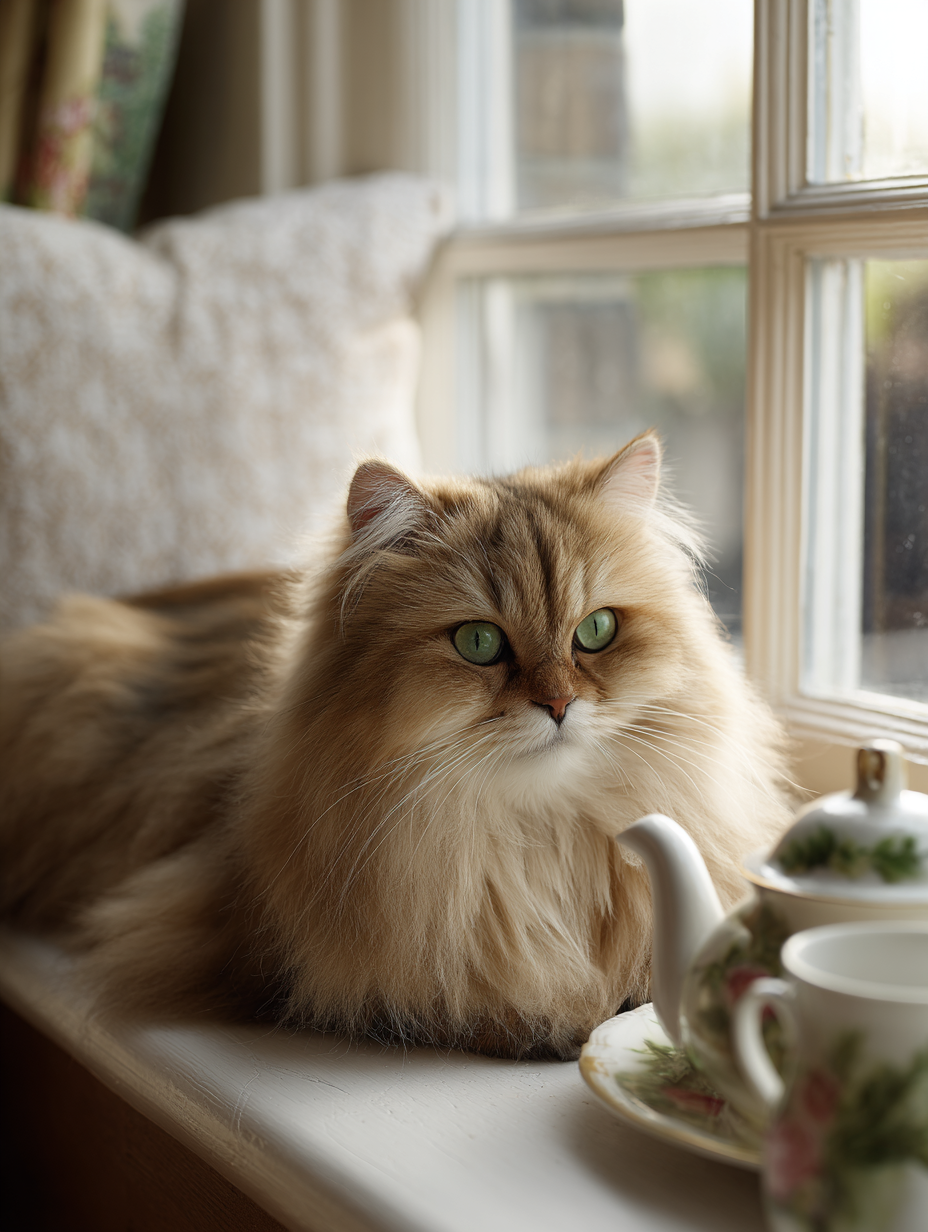
British Longhair cat care requires consistent grooming, portion-controlled nutrition, routine health monitoring, and a calm, structured home environment. This complete guide explains daily, weekly, monthly, and annual care so owners can support long-term health, coat quality, weight stability, and emotional wellbeing.
This care system covers everything from daily feeding and litter maintenance to weekly coat care and monthly health checks. British Longhairs mature steadily, maintain a plush double coat year-round, and thrive in calm, well-managed home environments. The guide below explains exactly what to do each day, week, and month to support healthy weight, coat quality, digestion, behavior stability, and overall wellbeing in a British Longhair.
British Longhair Cat Care Summary Tables
Feeding, Hydration & Weight Management
| Care Category | What It Includes | How Often | Why It Matters for British Longhairs |
|---|---|---|---|
| Feeding & Nutrition | High-quality wet food, limited dry food, controlled portions | Daily | Prevents obesity and supports digestion, coat health, and long-term organ function |
| Fresh Water Access | Bowls or fountains, daily refresh | Daily | Supports kidney and urinary health in a breed prone to low thirst drive |
| Hydration Support | Multiple water stations | Daily | Encourages adequate fluid intake |
| Weight Monitoring | Body condition scoring | Weekly | British Longhairs gain weight easily |
Grooming, Hygiene & Coat Care
| Care Category | What It Includes | How Often | Why It Matters for British Longhairs |
|---|---|---|---|
| Coat Grooming | Full-body brushing, undercoat checks | 3–4x per week | Dense coats mat close to the skin; regular brushing prevents painful knots |
| Coat Condition Review | Seasonal shedding management | Weekly (more during shedding) | Prevents mat buildup during coat changes |
| Nail Trimming | Clippers or grinder, cooperative handling | Every 1–2 weeks | Prevents overgrowth, snagging, and scratching issues |
| Ear & Eye Care | Gentle wipes, discharge and odor checks | Weekly | Dense facial structure can trap debris |
| Cleaning Cat Areas | Bedding, bowls, towers | Weekly | Reduces allergens and bacteria |
Health, Veterinary & Preventive Care
| Care Category | What It Includes | How Often | Why It Matters for British Longhairs |
|---|---|---|---|
| Dental Care | Tooth brushing or dental gel | 3–5x per week | Reduces plaque and supports long-term kidney and heart health |
| Veterinary Care | Wellness exams, vaccines, screenings | Annually | Preventive care is essential in a long-lived breed |
| Parasite Prevention | Flea, tick, and deworming protocols | Monthly | Indoor cats still benefit from prevention |
| Mobility Checks | Observe movement and jumping | Monthly | Early detection of stiffness or discomfort |
Behavior, Enrichment & Training
| Care Category | What It Includes | How Often | Why It Matters for British Longhairs |
|---|---|---|---|
| Enrichment & Exercise | Interactive play, climbing access | Daily | Prevents boredom and weight gain in a low-energy breed |
| Mental Engagement | Rotating toys, novelty | Daily | Prevents behavioral withdrawal |
| Training & Handling | Grooming tolerance, carrier comfort | Several times weekly | Builds cooperation for grooming and vet care |
Safety, Environment & Identification
| Care Category | What It Includes | How Often | Why It Matters for British Longhairs |
|---|---|---|---|
| Home Safety Checks | Cord safety, plant checks, secure climbing | Monthly or as needed | Calm cats still explore elevated spaces |
| Microchip & ID Review | Registration accuracy | Monthly | Ensures safety if the cat slips outside |
Kitten-Specific Monitoring
| Care Category | What It Includes | How Often | Why It Matters for British Longhairs |
|---|---|---|---|
| Growth Tracking (Kittens) | Weight, appetite, coat changes | Weekly | Ensures steady development without overfeeding |
Daily Feeding Routine for British Longhairs
Feeding British Longhairs With Weight and Coat Health in Mind
British Longhairs have a slower metabolism and a naturally sturdy build. Their feeding plan must prioritize nutrient density rather than volume. Overfeeding—even with high-quality food—quickly leads to excess weight, which places strain on joints and organs.
Consistency matters more than variety. Predictable feeding times stabilize digestion and prevent grazing behavior.
What a British Longhair Should Eat Daily
A British Longhair’s diet should be centered on high-quality animal protein with adequate moisture. Wet food is essential, as many British Longhairs do not drink enough water on their own.
Ideal daily nutrition includes:
- A wet-food foundation for hydration and digestion
- A limited amount of dry food if desired for routine or enrichment
- Occasional single-ingredient protein toppers
Avoid foods heavy in fillers, excessive carbohydrates, or artificial additives, which commonly contribute to weight gain and dull coats in this breed.
Portion Guidelines
- Kittens: 3–4 small meals daily
- Adults: 2 measured meals daily
Free feeding is not recommended for British Longhairs. Portion control is key to maintaining a healthy body condition.
Hydration Expectations
British Longhairs often drink less than expected. Water fountains, wide bowls, and moisture-rich diets are the most effective ways to support kidney and urinary health.
Daily Grooming Touchpoints
Understanding How British Longhair Coats Behave
British Longhairs have a dense, plush double coat that mats close to the skin rather than forming loose surface tangles. Problem areas include behind the ears, under the arms, along the belly, and around the hindquarters.
Daily hands-on checks help identify early tightness before mats become painful.
What to Do Each Day
- Run hands through high-friction areas
- Separate coat layers to check near the skin
- Gently loosen early tangles with fingers or a wide-tooth comb
Short daily checks dramatically reduce the need for stressful dematting later.
Why Daily Contact Matters
Regular handling builds grooming tolerance and trust. British Longhairs that receive calm, consistent grooming are easier to care for as adults and more cooperative during veterinary exams.
Daily Enrichment and Mental Stimulation
Understanding Enrichment Needs for a Calm Breed
British Longhairs are relaxed, observant cats—not hyperactive ones. Without gentle enrichment, they may become sedentary, which increases the risk of obesity and behavioral withdrawal.
Daily Play Structure
One to two calm, focused play sessions per day are sufficient. Interactive wand toys, rolling toys, and slow-paced hunting games suit the breed well.
Encouraging Natural Behaviors
British Longhairs enjoy:
- Window perches
- Moderate climbing structures
- Predictable routines
They thrive in quiet, stable environments where stimulation is present but not overwhelming.
Preventing Behavior Issues Through Routine
Most behavior concerns in British Longhairs stem from inactivity rather than misbehavior. A predictable daily routine supports emotional stability, healthy weight, and long-term confidence.
Daily Social and Emotional Care
Building Trust Through Quiet, Consistent Interaction
British Longhairs form deep but understated bonds with their families. They do not demand constant attention, but they do rely on daily acknowledgment to feel secure. Calm verbal interaction, gentle petting, or simply sharing space nearby reassures a British Longhair that their environment is stable and safe.
These interactions should be low-pressure and predictable. British Longhairs respond best to affection that is offered consistently rather than intensely.
Why Predictability Matters
Routine is essential for emotional balance in British Longhairs. When feeding times, grooming, play, and rest follow a consistent schedule, these cats remain calm, confident, and well-regulated. Predictability supports digestion, reduces stress-related behaviors, and reinforces their naturally steady temperament.
This is especially important for kittens, who are learning household rhythms and expectations during their first year.
Supporting Emotional Development
British Longhair kittens benefit from daily exposure to normal household activity in a controlled, gentle way. Everyday sounds such as vacuuming, doorbells, visitors, and quiet handling help kittens build confidence without overwhelming them.
Gradual exposure to new surfaces, rooms, and mild changes encourages adaptability while preserving the breed’s naturally composed demeanor.
Identifying Emotional Stress Early
British Longhairs tend to internalize stress rather than vocalize it. Early signs of emotional or environmental strain may include reduced appetite, withdrawal, changes in grooming habits, altered sleep patterns, or inconsistent litter box use.
Noticing and addressing these subtle shifts early prevents long-term behavioral or health issues.
Daily Litter Box Maintenance
Why Proper Litter Box Setup Matters for British Longhairs
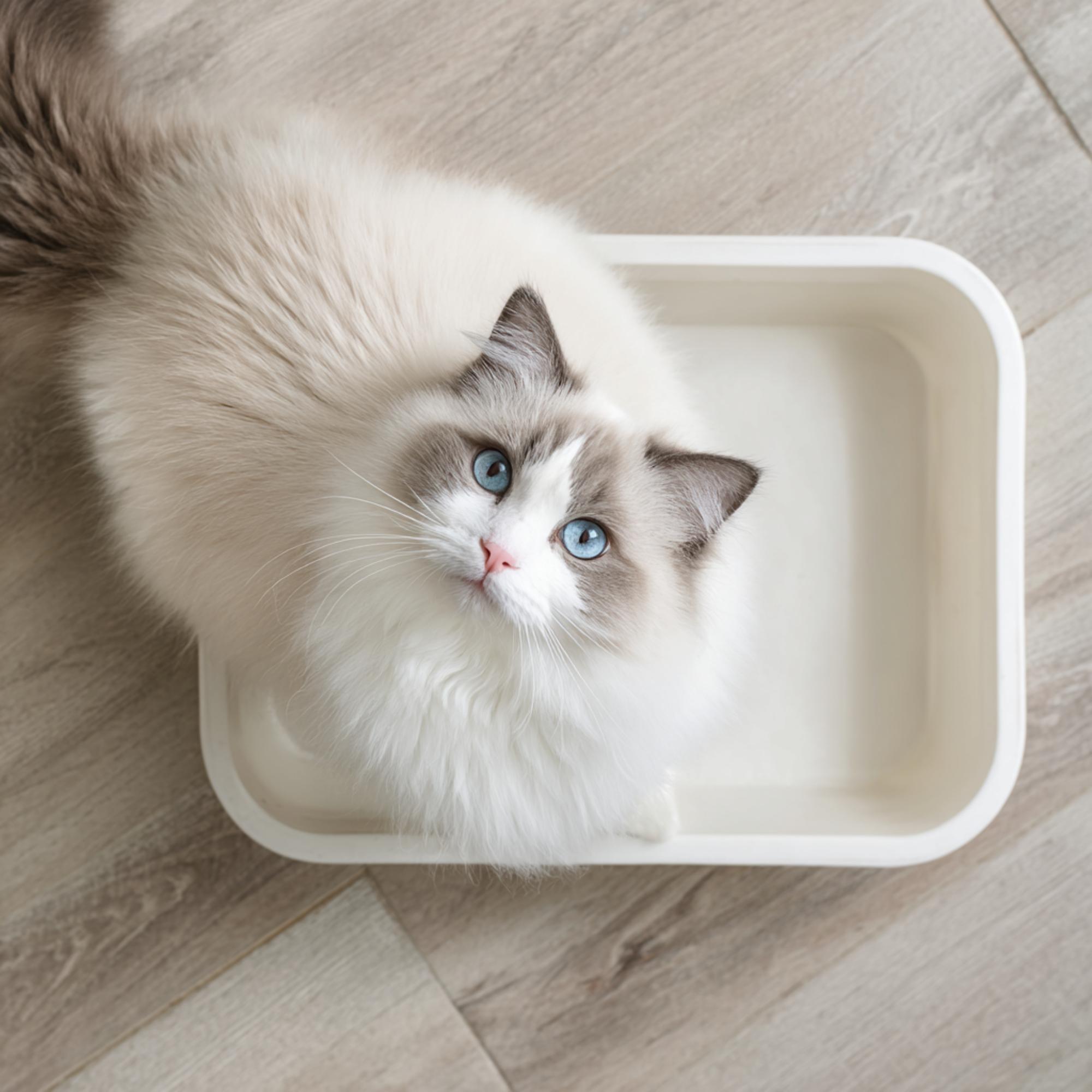
British Longhairs are sturdy, medium-to-large cats with a broad body type. Litter boxes must allow comfortable posture without crouching or twisting. Boxes that are too small can lead to incomplete elimination, discomfort, or avoidance.
Large, open litter pans are typically best, especially for adults.
Scooping Expectations
Daily scooping—once or twice per day—is essential. British Longhairs are clean, particular cats, and dirty litter boxes can quickly result in refusal to use the box. Consistent cleanliness supports healthy elimination habits and allows owners to monitor stool and urine changes early.
Supporting Urinary Health
Clean litter boxes reduce stress and irritation, which is particularly important for cats prone to urinary sensitivity. Providing quiet, accessible litter locations helps British Longhairs feel secure during elimination and reduces stress-related urinary issues.
Substrate Considerations
Most British Longhairs prefer unscented, fine-grain clumping litter. Strong fragrances or dusty substrates can discourage use and may irritate the respiratory system.
Daily Safety Checks
Monitoring Coat, Skin, and Friction Areas
The dense double coat of a British Longhair can conceal early skin irritation or developing mats. Running your hands along the chest, belly, underarms, behind the ears, and hindquarters each day helps identify tightness, debris, or sensitivity before problems escalate.
Small mats can form quickly near the skin if left unnoticed.
Watching for Mobility Changes
Although not a highly athletic breed, British Longhairs should move comfortably and confidently. Daily observation of jumping, climbing, or hesitation when standing helps catch early stiffness or discomfort.
Subtle changes in movement are often the first sign that something needs attention.
Household Safety Review
Check toys regularly for loose parts, frayed strings, or cracked plastic. Ensure climbing structures are stable and appropriate for a heavier-bodied cat. Remove small items that could be swallowed and confirm that cords and plants remain inaccessible.
Weekly Dental Care and Tooth Brushing
Why Dental Care Is Essential for British Longhairs
British Longhairs are prone to plaque buildup due to jaw structure and calm chewing habits. Dental disease often develops quietly and can affect kidney and heart health over time. Regular tooth brushing—ideally several times per week—significantly reduces tartar and gum inflammation.
How to Brush a British Longhair’s Teeth
- Use a feline-specific enzymatic toothpaste
- Begin with gentle gum contact to build comfort
- Gradually introduce small circular motions on the outer tooth surfaces
- Focus on upper canines and premolars, where plaque accumulates most
Sessions should be brief and calm to match the breed’s temperament.
Benefits Beyond Oral Health
Consistent dental care helps reduce:
- Bad breath
- Gum inflammation
- Bacterial spread through the bloodstream
- Risk of premature tooth loss
British Longhairs that grow up with regular tooth brushing are typically calmer and more cooperative during veterinary dental care later in life.
Weekly Ear, Eye, and Hygiene Checks
Ear Care
British Longhairs have medium-sized, well-furnished ears that can trap wax and fine debris within the ear bowl. Weekly inspection and gentle cleaning help prevent buildup, irritation, and secondary infections.
Use a mild, cat-safe ear solution on a soft cotton pad. Clean only the visible portions of the ear—never insert anything into the ear canal. Healthy ears should appear clean, pale pink, and free of strong odor.
Eye Care
British Longhairs may develop mild tear residue due to facial structure and dense coat around the eyes. Once per week, inspect the eye corners and gently remove any discharge using a warm, damp cotton pad. Always wipe outward from the inner corner and use a fresh pad for each eye.
Persistent tearing, redness, or thick discharge should be evaluated by a veterinarian.
General Hygiene Checks
During weekly care, inspect the following areas:
- Tail base for oil buildup
- Breeches and hindquarters for litter or debris
- Chin for early signs of feline acne
- Belly and underarms for tangles forming close to the skin
Addressing these areas weekly prevents skin irritation and maintains the British Longhair’s dense coat in healthy condition.
Weekly Enrichment Reset and Environment Update
Why Rotation Matters
British Longhairs are observant, thoughtful cats. While they are not highly active, they benefit from mental novelty. Leaving the same toys and setup in place for long periods reduces engagement and can lead to inactivity or withdrawal.
A weekly enrichment reset keeps the environment interesting without disrupting routine.
What to Rotate
- Wand toys
- Soft rolling toys or balls
- Puzzle feeders or treat toys
- Scratchers (horizontal and vertical)
- Mild scent enrichment such as catnip or silver vine
Rotation does not require adding more items—simply changing what is available maintains interest.
Refreshing Vertical Space
Check that cat trees and perches are stable and secure. Reposition perches occasionally or open blinds in different rooms to provide new viewing angles. British Longhairs enjoy observing their surroundings from a comfortable vantage point.
Maintaining a Mentally Stable Home
Environmental variety paired with predictable routines helps prevent:
- Lethargy or disengagement
- Over-grooming
- Nighttime restlessness
- Stress-related behaviors
British Longhairs thrive when daily schedules remain steady while stimulation changes gently over time.
Weekly Litter Box Deep Maintenance
Beyond Daily Scooping
Once per week, perform a full litter box reset:
- Empty the box completely
- Wash with hot water and mild, unscented soap
- Rinse thoroughly and allow to dry fully
- Refill with fresh, unscented litter
This prevents ammonia buildup and preserves healthy elimination habits.
Proper Box Size for British Longhairs
British Longhairs have a broad, compact body type and require litter boxes that allow comfortable turning and full posture. Boxes that are too small can cause awkward positioning and stress, increasing the risk of litter box avoidance.
Large, open pans are generally best.
Weekly Litter Health Observations
While cleaning, observe for:
- Changes in stool consistency or frequency
- Altered urine clumping size or volume
- Sudden increases or decreases in output
- Presence of blood or mucus
These subtle signs often appear before more obvious illness and allow for early intervention.
British Longhair Cat Care: Monthly
Monthly Full Coat Assessment and Seasonal Grooming Adjustments
Monthly Coat Review
Once per month, conduct a thorough coat check with attention to:
- Density of the undercoat
- Early mat formation in friction areas
- Dryness or excess oil at the skin level
- Unusual thinning or shedding patterns
This deeper assessment helps prevent mats from becoming painful and identifies skin issues early.
Seasonal Grooming Expectations
British Longhairs shed moderately throughout the year, with increased shedding during seasonal transitions.
Spring:
Heavier shedding as the coat lightens. Mats are most likely to form around the chest, belly, and hindquarters.
Fall:
A milder coat shift as insulation thickens for cooler months.
How to Support Coat Changes
- Increase brushing frequency during heavier shedding periods
- Support skin health with omega-3 supplementation if approved by your veterinarian
- Prioritize hydration through wet food and accessible water sources
Seasonal shedding is normal, but unmanaged coat changes can lead to matting and skin irritation.
Monthly Weight and Body Condition Scoring
Why Weight Tracking Matters
British Longhairs have a tendency toward weight gain due to their calm nature and solid build. Monthly monitoring helps distinguish between:
- Healthy maintenance
- Subtle fat accumulation
- Muscle loss or sudden weight changes
Early detection allows for dietary or activity adjustments before health issues develop.
How to Check Your Cat’s Condition
Perform a hands-on assessment:
- Ribs should be easily felt beneath a light fat layer
- A gentle waist should be visible when viewed from above
- The abdomen should not hang heavily
- Muscle tone should feel even along the spine and hindquarters
When to Adjust Diet
Adjust portions or feeding strategy if you notice:
- Difficulty feeling ribs (possible overweight)
- Prominent ribs or spine (possible underweight)
- Rapid weight changes (requires veterinary evaluation)
Why This Matters for British Longhairs
Excess weight increases strain on joints, reduces mobility, and shortens lifespan. Regular body condition scoring supports long-term comfort, movement, and overall health in this breed.
Weekly Ear, Eye, and Hygiene Checks
Ear Care
British Longhairs have well-furnished, moderately sized ears that can collect wax and fine debris inside the ear bowl. Weekly inspection and gentle cleaning help prevent buildup, irritation, and secondary infections.
Use a mild, cat-safe ear solution applied to a soft cotton pad. Clean only the visible portions of the ear—never insert anything into the ear canal. Healthy ears should appear pale pink, clean, and free of strong odor.
Eye Care
Due to facial structure and dense coat around the eyes, British Longhairs may develop mild tear residue. Once per week, inspect the inner corners of the eyes and gently remove any discharge using a warm, damp cotton pad. Always wipe outward from the inner corner and use a fresh pad for each eye.
Persistent tearing, redness, swelling, or thick discharge should be evaluated by a veterinarian.
General Hygiene Checks
During weekly care, inspect the following areas:
- Tail base for oil buildup
- Breeches and hindquarters for litter residue or debris
- Chin for early signs of feline acne
- Belly and underarms for tangles forming close to the skin
Addressing these areas weekly helps prevent skin irritation and keeps the British Longhair’s dense coat clean and comfortable.
Weekly Enrichment Reset and Environment Update
Why Rotation Matters
British Longhairs are observant and thoughtful cats. While they are not highly active, they benefit from gentle mental novelty. Leaving the same toys and setup in place for extended periods reduces engagement and may lead to inactivity or withdrawal.
A weekly enrichment reset maintains interest without disrupting the breed’s need for routine.
What to Rotate
- Wand toys
- Soft rolling toys or balls
- Puzzle feeders or treat-dispensing toys
- Scratchers (horizontal and vertical)
- Mild scent enrichment such as catnip or silver vine
Rotation does not require adding new items—simply changing what is available keeps stimulation fresh.
Refreshing Vertical Space
Ensure cat trees and perches remain stable and secure. Occasionally reposition perches or open blinds in different rooms to provide new viewing angles. British Longhairs enjoy observing their environment from calm, elevated resting places.
Maintaining a Mentally Stable Home
Environmental variety combined with predictable daily routines helps prevent:
- Lethargy or disengagement
- Over-grooming
- Nighttime restlessness
- Stress-related behaviors
British Longhairs thrive when schedules remain consistent while stimulation changes gradually.
Weekly Litter Box Deep Maintenance
Beyond Daily Scooping
Once per week, perform a full litter box reset:
- Empty the box completely
- Wash with hot water and mild, unscented soap
- Rinse thoroughly and allow to dry fully
- Refill with fresh, unscented litter
This routine prevents ammonia buildup and supports healthy elimination habits.
Proper Box Size for British Longhairs
British Longhairs have a broad, compact body type and require litter boxes that allow comfortable turning and full posture. Boxes that are too small can cause awkward positioning, stress, and litter box avoidance.
Large, open litter pans are generally best for this breed.
Weekly Litter Health Observations
While cleaning, observe for:
- Changes in stool consistency or frequency
- Altered urine clumping size or volume
- Sudden increases or decreases in output
- Presence of blood or mucus
These subtle changes often appear before visible illness and allow for early intervention.
British Longhair Cat Care: Monthly
Monthly Full Coat Assessment and Seasonal Grooming Adjustments
Monthly Coat Review
Once per month, perform a thorough coat assessment, paying close attention to:
- Undercoat density
- Early mat formation in friction areas
- Dryness or excess oil at the skin level
- Unusual thinning or shedding patterns
This deeper review prevents mats from becoming painful and helps identify skin concerns early.
Seasonal Grooming Expectations
British Longhairs shed moderately year-round, with increased shedding during seasonal transitions.
Spring:
Heavier shedding as the coat lightens. Mats are most likely to develop around the chest, belly, and hindquarters.
Fall:
A milder coat shift as insulation thickens for cooler months.
How to Support Coat Changes
- Increase brushing frequency during heavier shedding periods
- Support skin health with omega-3 supplementation if approved by your veterinarian
- Prioritize hydration through wet food and accessible water sources
Seasonal shedding is normal, but unmanaged coat changes can lead to matting and skin irritation.
Monthly Weight and Body Condition Scoring
Why Weight Tracking Matters
British Longhairs are prone to weight gain due to their calm temperament and solid build. Monthly monitoring helps distinguish between:
- Healthy maintenance
- Gradual fat accumulation
- Muscle loss or sudden weight changes
Early detection allows for timely dietary or activity adjustments.
How to Check Your Cat’s Condition
Use a hands-on assessment:
- Ribs should be easily felt beneath a light fat layer
- A gentle waist should be visible when viewed from above
- The abdomen should not hang heavily
- Muscle tone should feel even along the spine and hindquarters
When to Adjust Diet
Adjust portions or feeding strategy if you notice:
- Difficulty feeling ribs (possible overweight)
- Prominent ribs or spine (possible underweight)
- Rapid or unexplained weight changes (veterinary evaluation needed)
Why This Matters for British Longhairs
Excess weight places strain on joints, reduces mobility, and shortens lifespan. Regular body condition scoring supports long-term comfort, movement, and overall health in British Longhair cats.
Monthly Nail, Paw, and Pad Conditioning
Beyond Weekly Trimming
Once per month, perform a more detailed paw and pad check:
- Trim excess fur between the toes to prevent litter from clumping and sticking
- Inspect paw pads for dryness, flaking, or small cracks
- Apply a small amount of paw balm if pads feel rough (use fragrance-free, cat-safe formulas only)
Why This Matters for British Longhairs
British Longhairs have a solid, compact build and spend much of their time resting on hard indoor surfaces. Well-maintained paws support comfortable movement, improve traction on smooth floors, and prevent minor issues from becoming painful over time.
Monthly Dental Inspection and Oral Care Review
Signs to Look For
During a monthly dental check, examine the mouth for:
- Yellow or brown plaque near the gumline
- Persistent bad breath
- Redness or swelling along the gums
- Favoring one side when chewing
- Dropping food while eating
- Sensitivity when the mouth or jaw is touched
British Longhairs often tolerate discomfort quietly, making visual checks especially important.
When to Increase Tooth Brushing
If plaque buildup appears faster than expected, increase brushing frequency to three to five times per week using a feline-specific enzymatic toothpaste.
When to Seek Veterinary Dental Care
Schedule a professional dental evaluation if:
- Gum redness or swelling develops
- Brushing causes noticeable discomfort
- Tartar accumulates rapidly
- Eating habits change
Why Monthly Oversight Works
Dental disease progresses slowly and often without obvious symptoms. Monthly inspections allow problems to be addressed early, reducing discomfort and the need for more invasive procedures later.
Monthly Behavioral Review and Routine Reset
Behavioral Signals That Something Needs Adjustment
British Longhairs communicate discomfort or unmet needs subtly. Watch for:
- Increased nighttime activity
- Withdrawal or reduced interaction
- Changes in appetite
- Decreased interest in play
- Avoidance of grooming or handling
- Over-grooming
These behaviors can indicate boredom, environmental stress, or emerging health concerns.
Monthly Reset Approaches
- Reposition cat trees or resting platforms
- Replace worn toys and introduce new textures or mild scents
- Adjust play routines or timing
- Improve window access or viewing areas
Why It Matters
British Longhairs are calm but perceptive cats. Gentle monthly updates prevent stagnation, support emotional balance, and maintain engagement without disrupting routine.
Monthly Litter Box Review and Full Sanitation
When a Deep Clean Is Needed
At least once per month, thoroughly sanitize the litter area:
- Wash litter boxes completely
- Replace all litter
- Clean scoops, mats, and surrounding surfaces
- Check for cracks or wear that trap odor
Evaluating Litter Box Setup
Ask the following:
- Is the box large enough for full, comfortable posture?
- Is odor control still effective?
- Are box locations quiet and easily accessible?
When to Add or Replace Boxes
British Longhairs may benefit from:
- Larger litter boxes as they mature
- Additional boxes in multi-level homes
- Lower-sided boxes for senior cats
A well-maintained litter setup reduces stress, prevents avoidance behaviors, and supports urinary health.
Monthly and Seasonal British Longhair Care
Monthly Coat Maintenance and Seasonal Shedding Management
British Longhairs carry a dense, plush coat that sheds moderately year-round, with increased shedding during seasonal transitions. Monthly coat maintenance prevents compaction, reduces hair ingestion, and helps identify early matting.
Monthly Deep Grooming Routine
Once per month, add a more thorough grooming session to your regular brushing schedule:
- Use a wide-tooth comb to reach the lower coat layers
- Pay close attention to the chest, belly, breeches, and underarms
- Lightly mist the coat with a cat-safe grooming spray if needed for detangling
- Inspect for early mat formation, dryness, or skin irritation
This routine keeps the coat functional, comfortable, and manageable throughout the year.
Managing Seasonal Shedding
Shedding typically increases in spring as the coat lightens, with a milder shift in fall. During heavier shedding periods, increase brushing frequency to prevent loose fur from compacting near the skin. Seasonal grooming supports skin ventilation and helps prevent mats before they form.
Monthly Nail Maintenance, Paw Health, and Claw Conditioning
Why Monthly Trims Still Matter
Even with regular weekly checks, some British Longhairs grow claws more quickly or unevenly. A monthly full trim ensures every nail remains at a safe, comfortable length. Because British Longhairs are steady, ground-oriented cats, overgrown claws are more likely to snag on rugs, bedding, or scratching surfaces.
Routine trimming supports confident movement and prevents painful breaks or splits.
Supporting Paw and Claw Health
Monthly paw conditioning should include:
- Applying a small amount of fragrance-free, cat-safe paw balm to dry or rough pads
- Checking between the toes for trapped litter or debris
- Trimming long fur tufts that collect litter or reduce traction on smooth floors
These steps help maintain healthy paws and stable footing for a solid, heavy-boned breed.
Monthly Oral Care Evaluation and Dental Monitoring
What to Look for Each Month
In addition to routine brushing, perform a monthly visual and tactile mouth check:
- Assess gum color and swelling
- Look for plaque or tartar buildup near the gumline
- Note any persistent mouth odor
- Watch for signs of chewing discomfort or food dropping
British Longhairs often tolerate discomfort quietly, making routine checks especially important.
When Professional Cleanings Become Necessary
Depending on diet, genetics, and home care, British Longhairs may require professional dental cleanings every one to two years. Monthly monitoring helps identify when brushing alone is no longer sufficient and veterinary care is needed.
Monthly Behavior and Temperament Check-In
What to Evaluate
Observe your British Longhair for subtle changes, including:
- Shifts in energy level
- Increased hiding or withdrawal
- Reduced interest in play
- Changes in vocalization
- Sudden clinginess or avoidance
- Altered appetite or sleep patterns
Behavioral changes are often the earliest indicators of stress, discomfort, or unmet environmental needs.
Adjusting the Environment
If changes appear, consider adjusting:
- Play timing or duration
- Placement and comfort of resting areas
- Litter box size, cleanliness, or location
- Social balance within the household
Monthly check-ins allow small adjustments before behaviors become long-term patterns.
Monthly Litter Box Maintenance and Sanitation Review
Why Monthly Deep Cleaning Matters
Even with consistent weekly cleaning, a monthly deep sanitation keeps litter boxes fresh and inviting. British Longhairs are clean, particular cats, and odor buildup can quickly lead to avoidance or stress-related elimination issues.
Monthly Cleaning Protocol
- Wash the litter box thoroughly with hot water and mild, unscented or enzymatic cleaner
- Replace litter completely
- Inspect plastic for scratches or wear that can trap odor
- Reassess box placement for quiet, accessible locations
Box Size Considerations for British Longhairs
British Longhairs have a broad, compact body type and require litter boxes that allow full, comfortable posture. Boxes that are too small increase stress and may lead to inconsistent use. Large, open litter pans are typically the best option for this breed.
Monthly Health and Weight Tracking
Why Weight Monitoring Is Essential
British Longhairs have a calm temperament and a solid, compact build, which makes them prone to gradual weight gain if intake and activity are not monitored. Monthly weighing allows you to:
- Track healthy weight maintenance
- Identify early signs of excess weight gain
- Detect unexpected weight loss that may indicate medical concerns
Regular tracking supports timely dietary and lifestyle adjustments.
How to Perform Body Condition Scoring
Use monthly hands-on assessments to evaluate:
- Ribs that are easily felt without pressing hard
- A gentle waist visible when viewed from above
- A slight abdominal tuck when viewed from the side
- Even muscle tone over the shoulders, spine, and thighs
Subtle changes in body condition are often more meaningful than scale numbers alone.
Annual and Long-Term British Longhair Care
Annual Veterinary Care and Preventive Screening
What Every British Longhair Should Receive Yearly
A comprehensive annual veterinary visit should include:
- Full physical examination
- Heart and lung auscultation
- Weight and body condition scoring
- Dental assessment
- Vaccination updates based on lifestyle and exposure risk
- Internal parasite screening
- Baseline bloodwork for cats three years and older
Routine preventive care supports early detection of health issues.
Cardiac Monitoring Considerations
While British Longhairs are not as strongly predisposed to heart disease as some other breeds, periodic cardiac monitoring during annual exams helps identify murmurs or rhythm changes early. Cats from certain bloodlines may benefit from additional screening as recommended by a veterinarian.
Annual Grooming Reset and Coat Health Evaluation
What an Annual Coat Reset Involves
Once per year, perform a comprehensive coat and skin evaluation:
- Assess overall coat density and texture
- Check skin condition and hydration
- Review seasonal shedding patterns
- Identify recurring matting zones
- Determine whether professional grooming support would be beneficial
Adjust grooming tools, frequency, or products based on the coat’s current needs.
Environmental Adjustments for Aging and Lifestyle Changes
Use the annual review to:
- Upgrade or replace climbing and resting structures
- Replace worn scratching posts
- Refresh interactive toys
- Reassess litter box size, number, and placement
Long-term environmental adjustments help maintain comfort as your British Longhair ages.
Annual Diet Review and Nutrition Adjustment
When to Update the Diet
Review and adjust your British Longhair’s diet annually—or sooner if needed—based on:
- Weight trends
- Changes in activity level
- Transition into senior life stages
- Dental health considerations
- Coat quality or digestive changes
What to Consider
A well-balanced British Longhair diet should emphasize:
- High-quality animal protein
- Controlled fat levels
- Minimal fillers
- Adequate hydration through wet food
Senior British Longhairs may benefit from targeted supplements or diet modifications as recommended by a veterinarian.
Annual Behavior and Stress Evaluation
Why This Matters
British Longhairs are emotionally steady but sensitive to changes in their environment. While they rarely display dramatic stress signals, unresolved discomfort or disruption can slowly affect behavior, appetite, and health. An annual behavior evaluation helps prevent long-term stress and supports emotional balance.
What to Review
During an annual check-in, observe:
- Comfort and sociability with household members
- Responses to visitors or schedule changes
- Preferred play styles and engagement level
- Use of resting and vertical spaces
- Interactions with other pets
Reviewing these patterns allows you to adjust the home environment in ways that preserve calm, predictability, and confidence.
Senior British Longhair Care Planning
When to Begin Senior Adjustments
British Longhairs typically begin transitioning into senior years around 9–11 years of age. Planning ahead allows gradual accommodations rather than reactive changes. Watch for:
- Slower or more deliberate movement
- Reduced jumping or climbing
- Increased need for hydration
- Subtle appetite changes
- Early joint stiffness
What to Implement
Support aging British Longhairs by:
- Adding ramps or steps to favorite resting spots
- Providing warm, supportive sleeping areas
- Increasing the number of water stations
- Monitoring weight and body condition monthly
- Scheduling annual senior bloodwork and wellness screenings
These adjustments maintain comfort, mobility, and independence through later life.
Lifetime British Longhair Health & Wellbeing Framework
The Goal of Long-Term Care
The purpose of a structured care system is to support:
- Predictable daily routines
- Appropriate mental engagement
- Physical comfort and mobility
- Emotional security
- A calm, supportive home environment
British Longhairs thrive when their needs are met consistently from kittenhood through their senior years. Thoughtful, proactive care preserves both health and quality of life over time.
British Longhair Cat Care FAQ
Are British Longhair cats hard to take care of?
British Longhairs are not difficult, but they are not low-maintenance. Their care needs are moderate and predictable. The main responsibilities are regular grooming, portion-controlled feeding, and maintaining a calm, structured home environment. Owners who follow a consistent routine find British Longhairs easy to live with and emotionally stable.
How often do British Longhair cats need grooming?
British Longhairs should be brushed 3–4 times per week, with daily checks in high-friction areas such as the belly, underarms, chest, and behind the ears. A deeper grooming session should be done monthly, and brushing frequency should increase during seasonal shedding.
Their coat mats close to the skin, not on the surface, which makes regular grooming essential.
Do British Longhair cats shed a lot?
British Longhairs shed moderately year-round, with increased shedding during spring and fall. They do not shed as continuously as some longhair breeds, but seasonal coat changes can be heavy if not managed with brushing.
Unmanaged shedding can lead to mats, hair ingestion, and skin irritation.
Do British Longhair cats need baths?
Most British Longhairs do not need regular baths. Proper brushing keeps the coat clean. Baths may be helpful if:
- The cat has oil buildup at the tail base
- The coat becomes greasy or contaminated
- Medical or senior care requires it
If bathing is needed, use a cat-specific shampoo and keep baths infrequent.
Are British Longhair cats prone to matting?
Yes—if grooming is inconsistent. British Longhair coats are dense and plush, which means mats form near the skin, especially in friction zones. Regular brushing prevents painful mat removal later.
How often should I trim a British Longhair’s nails?
Nails should be checked weekly and fully trimmed about once per month. Some cats require more frequent trimming depending on growth rate and scratching habits.
Overgrown claws can snag on fabrics and cause discomfort.
Do British Longhair cats need dental care?
Yes. British Longhairs are prone to plaque buildup due to jaw structure and calm chewing habits. Tooth brushing 3–5 times per week is ideal. Monthly mouth inspections help catch problems early.
Without dental care, cats are at risk for gum disease, tooth loss, and secondary organ issues.
How often should a British Longhair see the vet?
British Longhairs should have:
- Annual wellness exams as adults
- Biannual exams once they reach senior age
- Annual bloodwork starting around age 3–4
- Regular dental evaluations
Preventive care is key because British Longhairs often hide illness.
Are British Longhair cats healthy?
British Longhairs are generally healthy when responsibly bred. Like all pedigree cats, they benefit from:
- Health-tested parents
- Weight management
- Dental care
- Routine veterinary screening
They are not fragile, but their calm nature means subtle health changes must be monitored.
Do British Longhair cats get overweight easily?
Yes. British Longhairs are prone to weight gain due to their relaxed temperament and solid body type. Free feeding is not recommended. Portion control, wet food, and daily light play are essential.
Monthly weight and body condition scoring help prevent obesity.
What is the best diet for a British Longhair cat?
The ideal diet includes:
- High-quality animal protein
- Wet food as the primary diet
- Controlled fat levels
- Minimal fillers and carbohydrates
- Adequate hydration
Dry food can be included in small amounts but should not replace wet food.
How much should a British Longhair cat eat?
Portions depend on age, weight, and activity level. Most adults do best on two measured meals per day. Kittens require more frequent meals.
Feeding should support steady body condition, not maximum appetite.
Do British Longhair cats drink enough water?
Many British Longhairs have a low thirst drive. Wet food, water fountains, and multiple water stations are often needed to support hydration and urinary health.
Are British Longhair cats good with children?
Yes. British Longhairs are typically calm, patient, and tolerant. They do best with respectful children who allow space and gentle interaction. They are not clingy but enjoy quiet companionship.
Are British Longhair cats good with other pets?
Most British Longhairs do well with:
- Other calm cats
- Cat-savvy dogs
Introductions should be gradual. They prefer peaceful households and may withdraw from chaotic environments.
Are British Longhair cats affectionate?
British Longhairs are affectionate in a quiet, steady way. They enjoy being near their people but are not demanding or constantly seeking attention. Many prefer sitting beside you rather than on you.
Do British Longhair cats need a lot of play?
They do not need high-intensity play, but they do need daily engagement. One or two calm play sessions per day help maintain healthy weight and prevent boredom.
Do British Longhair cats get bored easily?
They can become disengaged if their environment never changes. Weekly toy rotation, window access, and mild novelty prevent withdrawal and over-grooming.
How many litter boxes does a British Longhair need?
The standard rule applies: one box per cat, plus one extra. Boxes should be large and open to allow full posture. Senior cats may need lower-entry boxes.
What litter is best for British Longhair cats?
Most prefer unscented, fine-grain clumping litter. Strong fragrances or dusty litter can cause avoidance or respiratory irritation.
How often should I deep clean the litter box?
Daily scooping is required. A full litter box reset should be done weekly, with a deep sanitation at least once per month.
When is a British Longhair considered a senior?
Most British Longhairs enter senior life stages around 9–11 years old. Subtle changes often appear before obvious aging.
What changes do senior British Longhairs need?
Senior care may include:
- Ramps or steps for favorite spots
- Warmer sleeping areas
- Increased hydration support
- More frequent veterinary screening
- Closer weight monitoring
Early adjustments preserve mobility and comfort.
How long do British Longhair cats live?
With proper care, British Longhairs commonly live 14–18 years, and many reach their late teens.
Are British Longhair cats good for first-time owners?
Yes—if the owner is committed to routine grooming and portion control. Their temperament is forgiving and calm, but coat and weight management are essential.
What are the most common mistakes British Longhair owners make?
Common issues include:
- Underestimating grooming needs
- Free feeding
- Ignoring subtle behavior changes
- Using litter boxes that are too small
- Delaying dental care
Correcting these early prevents long-term problems.
Is British Longhair care expensive?
Costs are moderate and predictable. Grooming tools, quality food, routine vet care, and preventive maintenance cost far less than treating obesity, dental disease, or mat-related skin issues later.
What does a healthy British Longhair look like?
A healthy British Longhair should have:
- A dense, clean coat with no mats
- Bright eyes and clean ears
- Even body condition
- Calm, confident behavior
- Consistent appetite and litter habits
Looking for a British Longhair kitten?
At Almonte Cats, our kittens are raised in-home, fully health tested, and intentionally paired to represent the very best of the British breed.
If you’d like to be considered for an upcoming litter, you’re welcome to explore our available kittens or submit an application below.
More British Longhair Resources
See more posts about the British Longhair breed:
- British Longhair Kittens: Growth Week by Week
A guide to kitten growth stages, coat transitions, socialization, and early care. - British Longhair Breed Overview
A complete introduction to the breed’s temperament, structure, care needs, and suitability for different homes. - How to Choose a British Longhair Breeder
How to choose a reputable British Longhair breeder and what to expect throughout the process. - British Longhair Shedding and Grooming
Step-by-step coat care, tools, and maintenance routines for the semi-long double coat. - British Longhair Diet and Nutrition
Important diet recommendations, feeding charts and more. - British Longhair Size: How Big do British Longhairs Get?
See estimated size and growth charts. - British Longhair Cat Health
An overview of British Longhair health. - Best British Longhair Breeders in the USA See a list of the best breeders in the USA and what makes them awesome.
More British Cat Breed Articles from Almonte Cats
- British Shorthair Health
- British Shorthair Lifespan
- British Shorthair Shedding
- British Shorthair Size
- British Shorthair Cat Care
- British Shorthair Personality
- British Shorthair Diet
- British Shorthair Kitten Growth Stages
- British Shorthair vs Ragdoll
Sources
- American Veterinary Medical Association (AVMA) — Cat Care Guidelines
https://www.avma.org/resources-tools/pet-owners/petcare/cats - International Cat Care (iCatCare) — Evidence-Based Cat Care & Welfare
https://icatcare.org/advice/ - Cornell University College of Veterinary Medicine — Feline Health Center
https://www.vet.cornell.edu/departments-centers-and-institutes/cornell-feline-health-center/health-information - World Small Animal Veterinary Association (WSAVA) — Global Nutrition Guidelines
https://wsava.org/global-guidelines/global-nutrition-guidelines/ - American Association of Feline Practitioners (AAFP) — Feline Behavior & Senior Care Guidelines
https://catvets.com/guidelines - American Veterinary Dental College (AVDC) — Pet Dental Health Resources
https://avdc.org/pet-owner-resources/ - VCA Animal Hospitals — Grooming, Dental, and Preventive Cat Care
https://vcahospitals.com/know-your-pet - Cornell Feline Health Center — Senior Cat Care & Lifespan
https://www.vet.cornell.edu/departments-centers-and-institutes/cornell-feline-health-center/health-information/caring-senior-cat







Read the Comments +