
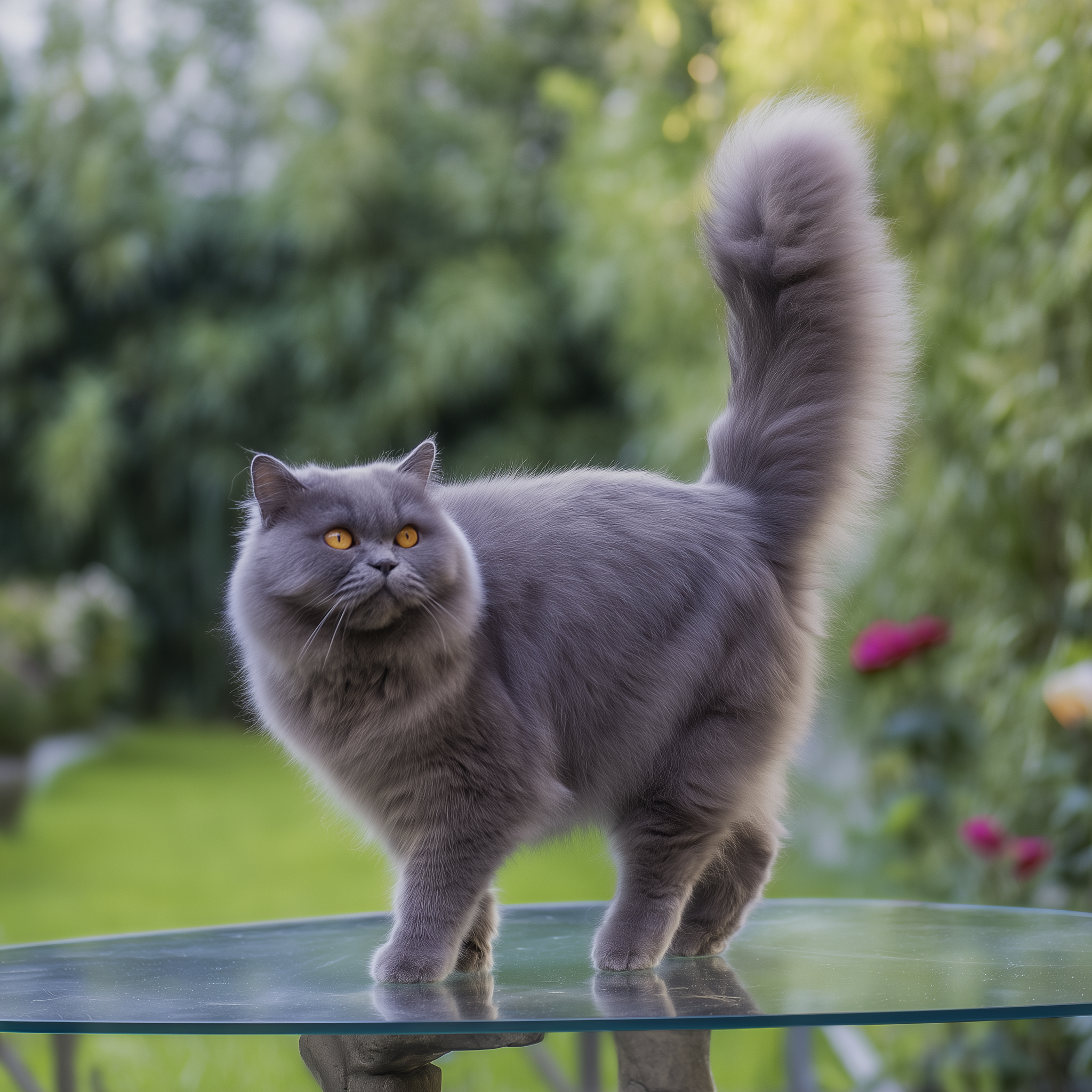
Blue British Longhair: Color, Temperament, Eye Color & Buyer Guide
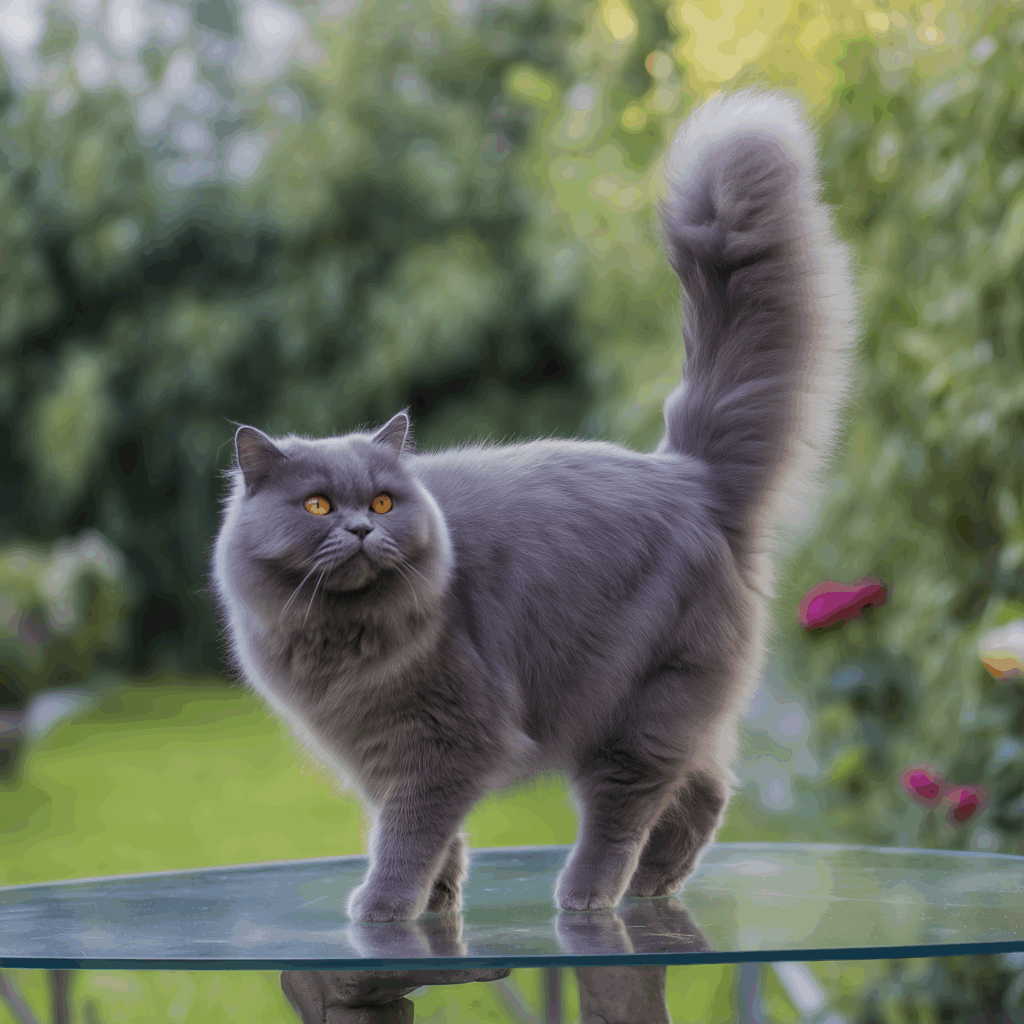
British Longhair cats are known for their round facial structure, dense bone, and long coats derived from British and Persian foundation lines. A common question is whether British Longhair cats can be blue, and whether the blue color is legitimate in the breed.
Yes, British Longhair cats can be blue.
The blue color is fully accepted, genetically established, and recognized by major cat registries. It is not a novelty color and has long been present in British-type breeding programs.
The Blue British Longhair combines the traditional British body type with a longer coat length and a more people-focused temperament. Compared to British Shorthairs, British Longhairs—including blue—are generally more physically affectionate and more inclined toward close contact with their owners, which is consistent with Persian influence in the longhair variety.
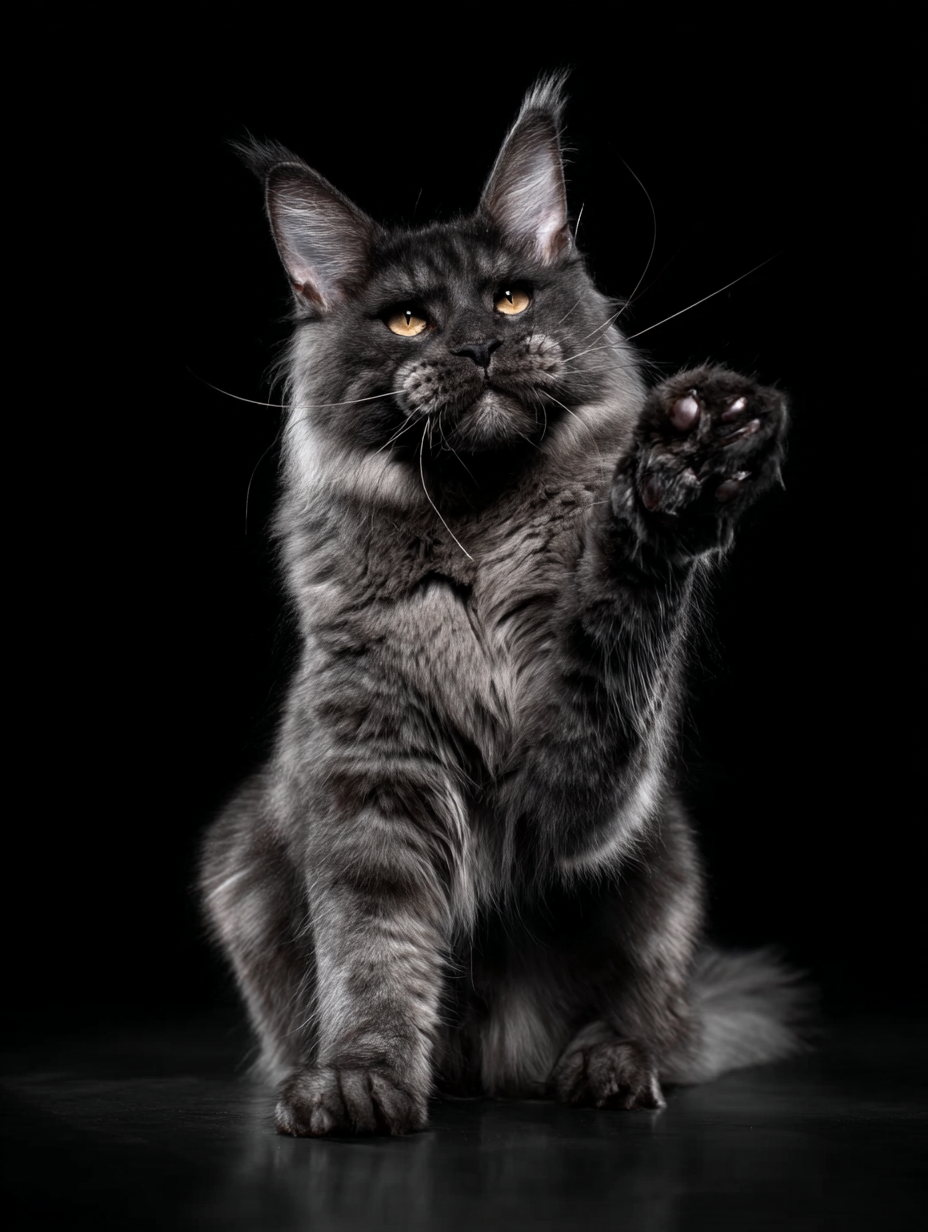
The blue British Longhair—often called grey—is a recognized British cat variety known for its calm temperament, people-focused behavior, copper-gold eyes, and solid blue-grey coat.
Blue (Grey) British Longhair — Quick Summary
| Category | Blue / Grey British Longhair |
|---|---|
| Official Color Name | Blue |
| Common Search Terms | Grey British Longhair, Blue-Grey British Longhair |
| Registry Recognition | TICA, CFA, GCCF, FIFe |
| Genetic Color | Dilute black (dd) |
| Coat Type | Longhair with dense undercoat |
| Pattern Types | Solid, smoke, silver, bicolor |
| Adult Eye Color | Copper, gold, amber |
| Blue Eyes as Adult | No |
| Temperament | Calm, people-focused, affectionate |
| Cuddliness | High (more snuggly than British Shorthair) |
| Energy Level | Low–moderate |
| Size (Adult) | Males 12–17 lb, Females 8–14 lb |
| Grooming Needs | Moderate (2–3× weekly brushing) |
| Indoor / Outdoor | Indoor-only recommended |
| Good for Families | Yes, with respectful handling |
| Common Misconception | “Grey” is a different color |
| Key Identifier | Registration + British structure |
| Lifespan | ~12–18 years |
| Best For | Homes wanting calm, cuddly companionship |
Often called “grey,” the blue British Longhair is a fully recognized British variety known for calm temperament, copper-gold eyes, and strong human bonding.
Looking for a Blue British Longhair Kitten?
If you are searching for a British Longhair kitten, you can view our current and planned litters here:
Purebred British Longhair Kittens for Sale
At Almonte Cats, every kitten is:
- TICA / CFA registered from fully health-tested parents
- Raised in-home with daily human interaction
- Vet-checked, vaccinated, and microchipped before going home
We produce a limited number of litters each year to maintain correct British Longhair type, coat quality, and temperament. Our program currently focuses on golden British Longhairs in both short and long hair, with occasional blue British Longhair kittens available depending on pairings.
Can British Longhair Cats Be Blue?
Yes. British Longhair cats can be blue, and the Blue British Longhair is a recognized and established color. Blue is accepted by all major registries, including TICA, CFA, and GCCF, and is considered a foundation color rather than a recent development.
Genetically, blue is the dilute form of black. In British Longhairs, this results in a solid blue-grey coat with uniform pigmentation across the body. The color does not change pattern with age and is not shaded or pointed.
Because British Longhairs carry stable color genetics, the blue coat remains consistent from kittenhood into adulthood. The longer coat length softens the appearance of the color compared to the Shorthair but does not change the underlying genetics.
Structurally, a Blue British Longhair should still meet the same core breed expectations as other British Longhairs:
- round head and cheeks
- strong bone and broad chest
- moderate body length
- dense undercoat with full-length outer coat
The presence of the blue color does not change temperament. Blue British Longhairs have the same general personality profile as other British Longhairs: calm, people-oriented, and typically more snuggly than British Shorthairs.
Quick Tip
You may see these cats referred to as “blue British Longhairs,” “grey British Longhairs,” or “blue-grey British Longhairs.” All terms describe the same genetically dilute black coat.
Regardless of wording, a true Blue British Longhair is defined by coat length, body type, and temperament, not by marketing language.
Blue British Longhair vs Grey British Longhair: Is There a Difference?
Many people search for grey British Longhair cats, but the correct, registry-recognized color name is blue British Longhair. The terms blue and grey are commonly used interchangeably by the public, but they refer to the same color, the same genetics, and the same British Longhair cat.
There is no separate “grey” British Longhair color in any official registry.
Here is what actually matters.
1. Blue Is the Official Breed Color Name
All major cat registries—including CFA, TICA, GCCF, and FIFe—list the color as blue.
- “Blue” is the formal term used in pedigrees and breed standards
- There is no registry category for “grey British Longhair”
- Any grey-looking British Longhair is officially blue
In genetic terms, blue is the dilute form of black (dd), producing an even blue-grey coat across the body.
2. Grey Is the Everyday Term People Use
Most families naturally describe the color as grey. Common search terms include:
- grey British Longhair
- gray British Longhair
- blue grey British Longhair
All of these describe the same solid blue coat. When someone says “grey British Longhair,” they are referring to a blue British Longhair using everyday language rather than registry terminology.
3. No Difference in Genetics, Coat, or Temperament
There is no difference between a “blue” and a “grey” British Longhair.
They share:
- identical dilute-black genetics (dd)
- identical solid coat color
- identical eye color range (gold to copper)
- identical British Longhair body type
- identical temperament
The name changes. The cat does not.
4. Why Breeders Use “Blue” Instead of “Grey”
Responsible breeders and registries use blue because:
- it is the official breed-standard term
- it avoids confusion with silver, smoke, or tabby coats
- it matches international terminology
- it is consistent across pedigrees and registration papers
Using “grey” can create confusion with grey tabbies, silver cats, or mixed-breed longhairs, which are not the same thing.
5. Blue British Longhair = The Classic Grey Look People Want
When people picture a grey British Longhair, they are almost always imagining:
- a solid blue-grey long coat
- a round British head and cheeks
- gold or copper eyes
- a calm, people-focused temperament
- a cat that is more snuggly than the British Shorthair
That cat is officially called a Blue British Longhair.
Quick Summary: Blue vs Grey British Longhair
| Feature | Blue British Longhair | Grey British Longhair |
|---|---|---|
| Official Color Name | Blue | Not an official registry term |
| Genetics | dd (dilute black) | Same genetics |
| Coat Appearance | Solid blue-grey | Same coat, different wording |
| Temperament | Calm, people-focused, snuggly | Identical |
| Registry Recognition | Fully recognized | Not a separate color |
| Are They the Same? | Yes | Yes — grey = blue |
Bottom Line
If you are searching for a grey British Longhair, you are looking for a blue British Longhair. The difference is terminology only—not genetics, not appearance, and not temperament.
Understanding British Longhair Cat Colors (Blue Focus)
British Longhairs come in a wide range of recognized colors, but blue British Longhairs are among the most searched and most easily recognized. Many people refer to them as grey British Longhairs, but the correct, registry-approved color name is blue.
The blue color is not new, experimental, or rare. It is a foundational British color that appears across both British Shorthair and British Longhair varieties. In the longhaired version, the blue coat appears softer in outline due to coat length, but the underlying genetics and recognition remain the same.
British Longhair colors that are commonly recognized by major registries include:
- Blue
- Black
- Lilac
- Chocolate
- Red
- Cream
These colors can appear in multiple accepted patterns, including:
- Solid
- Bicolor
- Tortoiseshell
- Shaded
- Smoke
- Tabby
The blue British Longhair fits fully within this recognized color spectrum. While many families search using terms like grey British Longhair or gray British Longhair, registries such as TICA, CFA, and GCCF list the color exclusively as blue.
What Defines the Blue British Longhair Color
Blue in British Longhairs is the dilute form of black (dd). The coat color is uniform across the body and does not include tabby striping, shading, or patterning unless specifically bred for those patterns.
Key characteristics of the blue British Longhair include:
- Even blue-grey pigmentation across the coat
- Solid color expression from kittenhood to adulthood
- Gold to copper eye color
- Long coat with dense undercoat and full outer coat
The color name does not affect temperament. Blue British Longhairs share the same calm, people-focused, and typically more snuggly temperament seen across the longhair variety, regardless of color.
Blue British Longhair vs Other Traditional British Longhair Colors
The blue British Longhair is often compared to other traditional British Longhair colors when families are choosing a kitten. The table below explains how blue fits within the broader British Longhair color range.
| Feature | Blue British Longhair | Other British Longhair Colors |
|---|---|---|
| Registry Classification (TICA / CFA / GCCF) | Fully recognized | Fully recognized |
| Accepted Color Name | Blue (often called grey by the public) | Black, lilac, cream, red, chocolate, etc. |
| Pattern | Solid blue-grey | Solid, bicolor, tortie, shaded, smoke, tabby |
| Eye Color | Gold to copper | Gold, copper, blue (bicolor), green (silvers) |
| Coat Length | Longhair | Longhair |
| Coat Density | Dense undercoat with full outer coat | Same across all colors |
| Temperament | Calm, people-focused, typically more snuggly than Shorthair | Identical across colors |
| Genetic Makeup | Dilute black (dd) | Dilute or non-dilute depending on color |
| Show Eligibility | Fully showable | Fully showable |
| Registration | TICA, CFA, GCCF | TICA, CFA, GCCF |
| Rarity | Common | Ranges from common to rare |
| Breed Authenticity | 100% British Longhair | 100% British Longhair |
| Best For | Families wanting the classic grey/blue British look | Families choosing from a broader color range |
Summary
Blue British Longhairs and other traditional British Longhair colors share the same core breed traits: calm temperament, strong structure, long coat, and people-focused behavior. The difference lies only in coat color expression.
The blue British Longhair corresponds to what most people mean when they search for a grey British Longhair. The name differs, but the cat does not. Blue remains one of the most established and widely recognized British colors, fully accepted by all major registries and consistent across generations.
The Difference Between Shaded / Smoke and Solid British Longhairs
British Longhairs appear in both solid and tipped (shaded or smoke) patterns. Understanding the difference helps buyers correctly identify coat type and avoid confusion between solid blue and blue smoke or silver varieties.
What Is a Shaded or Smoke British Longhair?
A shaded or smoke British Longhair has a lighter undercoat with darker pigment restricted to the ends of the hair shafts. This pattern is produced by the inhibitor gene, which limits pigment deposition near the base of the hair.
- Smoke British Longhairs
Appear dark at rest, but when the coat parts or moves, a pale silver or white undercoat becomes visible. - Shaded British Longhairs
Have lighter overall coats with dark tipping on the ends of the hairs, creating a gradual transition rather than full-body color.
Shaded and smoke kittens often change noticeably as they mature, with the undercoat becoming more visible over time. These patterns can occur in blue, black, and other colors, but solid blue British Longhairs are far more common than blue smoke or blue silver longhairs.
What Is a Solid British Longhair?
A solid British Longhair has uniform pigmentation along the entire hair shaft.
- no pale roots
- no tipping
- no contrast between topcoat and undercoat
The solid blue British Longhair is the most commonly searched example. Many people describe this color as grey British Longhair or blue-grey British Longhair, but the correct registry name is blue.
Solid colors in British Longhairs include:
- blue
- black
- lilac
- chocolate
- cream
- red
Among solid colors, blue is the most frequently requested because it represents the classic British look in longhair form.
Blue British Longhair Color Variations Explained
The blue British Longhair is genetically the dilute form of black (dd). While “grey British Longhair” is a common search term, all registries classify the color as blue.
Several blue-based variations exist depending on pattern genetics.
| Variation | Description |
|---|---|
| Solid Blue British Longhair | Even blue-grey color from roots to tips. No patterning or silver undercoat. Eye color typically gold to copper. This is what most people mean when searching for a grey British Longhair. |
| Blue Smoke British Longhair | Appears solid blue at rest, but the undercoat is silver or white. Color contrast becomes visible when the coat moves or parts. |
| Blue Silver British Longhair | Blue tipping on a silver base coat. Lighter overall appearance than smoke. |
| Blue Bicolor British Longhair | Blue combined with white in defined areas. Includes standard bicolor, van, and harlequin patterns. |
| Blue Tortoiseshell British Longhair (females) | Blue base coat with cream patches. Still genetically dilute. |
Important Temperament Note
Coat pattern and color do not affect personality.
All Blue British Longhairs—solid, smoke, or silver—share the same general temperament profile:
- calm
- people-focused
- typically more snuggly than British Shorthairs
- well suited to indoor family homes
Color changes appearance only, not behavior.
Summary
- Solid blue British Longhairs have uniform color and are the most common.
- Blue smoke and blue silver British Longhairs have lighter undercoats caused by the inhibitor gene.
- “Grey British Longhair” is a descriptive term, not a registry color. The correct name is blue.
- Pattern affects coat appearance, not temperament or breed authenticity.
Eye Color in Blue & Grey British Longhairs — What to Expect
British Longhairs in blue (often searched as grey British Longhairs) develop warm, stable eye colors that contrast clearly with the cool-toned coat. Unlike pointed breeds, eye color does not shift with temperature and does not change dramatically after maturity.
Typical adult eye colors include:
- copper
- gold
- deep amber
- orange
A solid blue longhair British cat will not have blue eyes as an adult. Blue eyes in adulthood indicate either a pointed gene or mixed ancestry.
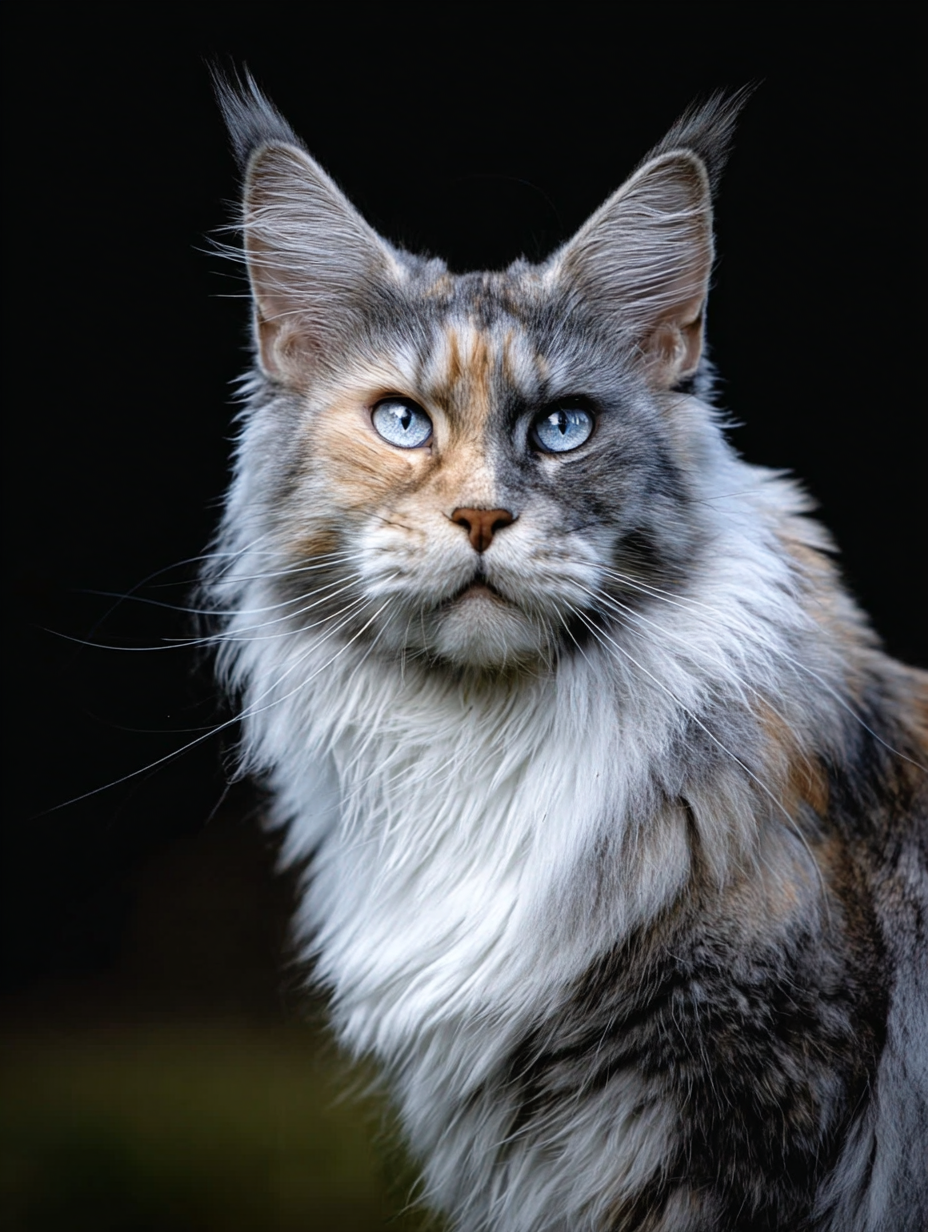
Some silver-based longhaired British cats (such as blue silver or blue smoke longhairs) may develop:
- green
- hazel
- yellow-green blends
However, a true solid blue/grey British Longhair will always fall within the copper-to-gold spectrum.
⚠️ If you see listings advertising a “grey British Longhair with blue eyes”, that cat is not a pure solid British Longhair.
British Longhair Color Chart (Including Blue & Grey Variants)
Below is a simplified color chart showing where blue and grey longhaired British cats fit within the breed.
| Color Name (Registry) | Pattern | Eye Color | Notes |
|---|---|---|---|
| Blue (Solid) | Solid | Copper, Gold, Orange | What most people mean by “grey British Longhair” |
| Blue Smoke | Smoke | Gold to Copper | Silver undercoat visible when coat parts |
| Blue Silver | Shaded / Tipped | Green, Hazel | Blue tipping over silver base |
| Black (Solid) | Solid | Copper, Gold | Less common than blue |
| Lilac | Solid | Copper | Dilute chocolate |
| Chocolate | Solid | Copper | Non-dilute |
| Cream | Solid | Copper | Dilute red |
| Blue Tortie (Females) | Tortie | Copper | Blue mixed with cream |
| Blue Silver Tabby | Tabby | Green | Patterned, not solid |
If your audience searches grey British Longhair, this chart clarifies that blue is the correct color name, regardless of wording.
What to Expect From Blue / Grey British Longhair Kittens
Coat Development
Kittens are born a pale slate grey. As they mature, the coat:
- thickens gradually
- gains density rather than length alone
- darkens slightly and evens out
Longhair British cats mature slowly, with full coat and body development taking 3–5 years.
Personality
British Longhairs in blue tend to be:
- calm
- people-focused
- more physically affectionate than British Shorthairs
- comfortable with close contact and snuggling
This increased cuddliness is consistent with the Persian influence in the longhair variety. Color does not change temperament, but many owners associate the blue/grey longhair look with a quieter, more companion-oriented presence. See: Are British Longhair Cats Cuddly?
Size & Structure
Expect:
- males: ~12–17 lb
- females: ~8–14 lb
They develop broad chests, strong bone, and rounded features over time. Maturity is slow and steady.
Coat Care
Longer coats require more maintenance than Shorthairs.
- brush 2–3× weekly
- use a metal comb rather than a slicker
- focus on undercoat, not surface fluff
💡 A comb maintains coat separation and prevents matting without softening texture too much.
The Genetics Behind Blue / Grey Longhaired British Cats
The blue or grey color seen in British Longhairs is the dilute form of black, caused by the dd genotype.
Basic genetic breakdown:
- Black British Longhair: B/B or B/b
- Blue (Grey) British Longhair: dd (dilute black)
- Blue Smoke Longhair: dd + inhibitor gene (I-)
- Blue Silver Longhair: dd + silver gene
The dilute gene spreads pigment evenly along the hair shaft, producing a uniform blue-grey appearance rather than black.
This color is genetically stable, purebred, and long-established within British-type cats. It is not a hybrid color and not a modern invention.
Historically, British cats were among the earliest recognized blue-grey cats, predating widespread popularity of Russian Blues, Chartreux, and Korats in many regions.
Blue British Longhair Mix Cats
If you see listings online for “blue British Longhair mixes” or “grey British Longhair kittens”, most are not purebred British Longhairs. Many mixed-breed cats have grey or blue-grey coats, but color alone does not indicate breed.
A mixed cat may share a similar coat color but usually lacks key British Longhair traits, including:
- round head and cheeks
- strong bone and broad chest
- long, dense coat with a true undercoat
- consistent copper-to-gold eye color
- calm, people-focused temperament
Common mix combinations marketed as “British Longhair” include:
- British Shorthair × Domestic Longhair
- British Shorthair × Persian (without registry tracking)
- British × American Longhair–type cats
- British × Scottish Fold longhair mixes
These cats can be good companions, but they are not genetically or structurally equivalent to a pure blue British Longhair. If breed authenticity matters, always request registration papers or verified lineage. DNA testing can help clarify ancestry but does not replace pedigree documentation.
⚠️ Be cautious of very low-priced listings advertising “grey British Longhair kittens”. Coat color alone does not make a cat a British Longhair.
Why Blue / Grey British Longhairs Are So Popular
Blue British Longhairs—often searched as grey British Longhairs—are one of the most requested color varieties in the breed. The popularity comes from a combination of appearance, recognition, and temperament rather than rarity.
Key reasons include:
1. Recognizable British-Type Appearance
The blue-grey coat highlights the rounded head, solid bone, and full coat associated with British Longhairs. Many people associate this color with the traditional British look.
2. Familiarity and Public Recognition
“British Blue” is widely used in media and online references. As a result, many families first encounter the breed through blue or grey examples.
3. Consistent Coat Color
Solid blue longhaired British cats maintain even pigmentation from kittenhood into adulthood, which appeals to buyers who want a predictable appearance.
4. Temperament Association
While temperament is consistent across colors, blue/grey British Longhairs are often associated with calm, steady, people-oriented behavior. In the longhair variety, this typically includes more physical affection and snuggling than seen in British Shorthairs.
5. Availability Without Being Rare
Blue is common enough to be obtainable from established programs but not so overproduced that it loses breed identity when responsibly bred.
Whether described as blue British Longhair, grey British Longhair, or blue-grey longhair British cat, this color remains one of the most recognizable and requested within the breed.
Related British Shorthair Colors and Patterns
- Black British Shorthair
- Russian Blue vs British Shorthair
- Lilac British Shorthair Cat
- Orange British Shorthair
- British Shorthair Kitten Colors Near Me
- Intro to All British Shorthair Colors
- Golden British Shorthair Kittens
The Recognition of the Blue British Longhair
The blue British Longhair represents one of the most recognizable appearances within British-type cats. While the color is widely known from the Shorthair variety, it is equally legitimate and established in British Longhairs.
What defines the blue longhaired British cat is not just coat color, but the combination of:
- calm, steady temperament
- long, dense coat with a true undercoat
- rounded head and facial structure
- strong bone and balanced body type
- people-focused behavior
In the longhair variety, these traits are often paired with greater physical affection and closer contact with owners compared to British Shorthairs. This difference is consistent with the Persian influence present in British Longhair development.
The blue coat does not create these traits, but it is frequently associated with them because the color has long been preserved in lines that prioritize traditional British structure and temperament.
Regardless of pattern—solid blue, blue bicolor, or blue silver—the underlying temperament and breed characteristics remain the same across British Longhairs.
How to Identify a True Blue British Longhair
Because many non-pedigreed cats have grey or blue-grey coats, color alone is not enough to confirm breed authenticity. To identify a true blue British Longhair, focus on documentation, structure, and coat type.
What to Look For
✓ Official Registration
A purebred British Longhair will be registered with a recognized organization such as TICA, CFA, GCCF, ACFA, or FIFe. A reputable breeder provides registration paperwork showing lineage.
✓ A Registered Cattery Name
Ethical breeders operate under a registered cattery name and use it consistently. Avoid listings without traceable breeder identification.
✓ Correct British Longhair Structure
A true blue British Longhair shows the following physical traits:
- round head with full cheeks
- short, thick neck
- strong bone and broad chest
- medium-length, muscular body
- long coat with dense undercoat (not silky single coat)
- large, round eyes in copper to gold tones
These features distinguish British Longhairs from mixed longhair cats or grey domestic cats.
✓ Consistent Solid Color From Kittenhood
Solid blue longhair kittens show even dilute-black pigment throughout the coat. They do not develop pointed shading or color-restricted areas as they mature.
Things to Know:
Be cautious of listings advertising “blue-eyed grey British Longhairs.”
Purebred solid blue British Longhairs do not retain blue eyes into adulthood. Blue eyes indicate either a pointed gene or mixed ancestry.
Common Myths About Blue British Longhair Cats
Myth 1: Blue British Longhairs Are Rare or Exotic
False.
Blue (often called grey) is a foundation color in British-type cats. It is fully recognized by all major registries and has existed for generations. While availability depends on breeding programs, the color itself is not rare or experimental.
Myth 2: “Grey British Longhair” Is a Different Color Than Blue
False.
There is no separate grey color category. Grey British Longhair is a casual description, while blue is the correct registry term. They refer to the same dilute-black genetic color.
Myth 3: Blue British Longhairs Have Blue Eyes
False.
Solid blue British Longhairs develop copper, gold, or amber eyes.
Blue eyes in adulthood indicate a pointed gene or mixed ancestry. A true solid blue British Longhair will not retain blue eyes.
Myth 4: Coat Color Determines Temperament
False.
The blue color does not create personality traits. Temperament is determined by genetics, breeding selection, and socialization. British Longhairs across all colors share a similar profile.
That said, British Longhairs as a group are typically more snuggly and people-focused than British Shorthairs, regardless of color.
Myth 5: Blue British Longhairs Are Just Long-Haired British Shorthairs
Incorrect.
British Longhairs are a distinct variety, developed with Persian influence. This affects coat length, grooming needs, and often behavior. They are not simply Shorthairs with longer fur.
Myth 6: Any Grey Longhaired Cat Can Be a Blue British Longhair
False.
Many domestic longhair cats have grey or blue-grey coats. A true British Longhair requires:
- documented pedigree
- correct British structure
- dense long coat with undercoat
- proper eye color
Color alone does not indicate breed.
Myth 7: Blue British Longhairs Are Low-Maintenance
Partially false.
While their temperament is calm and manageable, coat care is higher than in Shorthairs. Regular brushing is required to prevent matting and manage shedding.
Myth 8: Blue British Longhairs Are Aloof or Independent
False.
British Longhairs are generally people-oriented and physically affectionate. Many are more inclined to snuggle and seek close contact than their Shorthair counterparts.
Myth 9: “Rare Blue-Eyed Grey British Longhairs” Exist
False and a red flag.
This is a common marketing claim used in misrepresented listings. Solid blue British Longhairs do not have blue eyes as adults.
Myth 10: Blue Is the Only “True” British Longhair Color
False.
Blue is popular and widely recognized, but British Longhairs come in many accepted colors and patterns. All are equally valid when correctly bred and registered.
Blue British Longhair FAQ (Grey British Longhair)
Are blue British Longhair cats affectionate?
Yes. British Longhairs are an affectionate, people-focused breed, and many are physically cuddly. Compared to British Shorthairs, Longhairs are more likely to seek close contact, rest against their owners, and enjoy snuggling.
Are blue British Longhairs cuddly?
Yes. Blue (grey) British Longhairs are commonly snuggly and contact-seeking, especially as adults. They prefer calm, voluntary closeness rather than constant handling.
Are blue British Longhairs more cuddly than British Shorthairs?
Yes, on average. British Longhairs are more physically affectionate than British Shorthairs, regardless of color. This is attributed to Persian influence in the longhair variety, not coat color alone.
Is a grey British Longhair the same as a blue British Longhair?
Yes. Grey British Longhair is not an official color name.
“Grey” is an everyday term, while blue is the correct registry name. They refer to the same dilute-black genetic color.
Are blue British Longhair cats rare?
No. Blue is a foundation British color, not a rare or exotic one. Availability depends on breeding programs, but the color itself is well established and widely recognized.
Do blue British Longhairs have blue eyes?
No. Solid blue British Longhairs do not have blue eyes as adults.
Adult eye color is typically copper, gold, or amber. Blue eyes indicate pointed ancestry or mixed breeding.
Can blue British Longhair kittens have blue eyes?
Yes, temporarily. Like most kittens, they may be born with blue eyes, but these change as they mature. Permanent blue eyes do not occur in solid blue British Longhairs.
Are blue British Longhair cats good pets?
Yes. They are known for being calm, stable, affectionate, and easy to live with. They adapt well to indoor homes, apartments, and families that value routine and quiet companionship.
Are blue British Longhairs good family cats?
Yes, especially in calm households. They do well with respectful children and consistent routines. They are not ideal for chaotic or rough environments.
Are blue British Longhairs good with children?
Generally yes, with supervision. They tolerate gentle handling but do not enjoy being grabbed or restrained. Teaching children proper interaction is important.
Are blue British Longhairs good with other pets?
Often yes. They typically coexist well with other cats and calm dogs when introductions are slow and stress is minimized.
Are blue British Longhairs lap cats?
Sometimes. Many enjoy laps during quiet moments, but most prefer contact without restraint, such as leaning, pressing against legs, or sitting beside their owners.
Do blue British Longhairs like to be held?
Most tolerate short holding but prefer cuddling on their own terms. They are more affectionate when allowed to choose contact.
Are blue British Longhairs clingy?
No. They are affectionate but not needy. They enjoy companionship while still handling independent time well.
Do blue British Longhairs bond to one person?
Usually no. They often bond with the household as a whole, though they may favor the person with the most consistent routine.
Do blue British Longhairs get more cuddly with age?
Yes. Many become more affectionate and contact-seeking as adults and seniors, often preferring warmth and shared rest.
Are male or female blue British Longhairs more affectionate?
Both can be affectionate. Some owners find males slightly more physically cuddly, but spay/neuter status and personality matter more than gender.
Does spaying or neutering affect affection?
Yes. Fixed cats are generally calmer, more stable, and more likely to cuddle regularly.
Are blue British Longhair cats hypoallergenic?
No. They are not hypoallergenic and shed moderately. Regular grooming helps manage shedding and allergens.
How much grooming does a blue British Longhair need?
More than a Shorthair. Expect brushing 2–3 times per week to prevent matting and manage undercoat shedding.
Are blue British Longhairs high maintenance?
Temperament-wise, no. Coat care requires consistency, but behaviorally they are easygoing and predictable.
How big do blue British Longhairs get?
- Males: ~12–17 lb
- Females: ~8–14 lb
Full maturity takes 3–5 years.
How long do blue British Longhairs live?
Typically 12–18 years, with proper indoor care, nutrition, and veterinary support.
Are blue British Longhair mixes the same as purebred cats?
No. Many grey longhair cats are mixes. A true British Longhair requires pedigree documentation and correct structure. Color alone does not confirm breed.
How can I tell if a blue British Longhair is purebred?
Look for:
- registry paperwork (TICA, CFA, GCCF, etc.)
- registered cattery name
- correct British structure
- proper eye color
Avoid listings based on color alone.
Why are blue / grey British Longhairs so popular?
Because they combine:
- a familiar British look
- predictable color
- calm temperament
- people-focused behavior
Popularity comes from recognition and temperament, not rarity.
Are blue British Longhairs the same as Persians?
No. British Longhairs are a distinct breed variety. While Persian ancestry influenced coat length and temperament, British Longhairs retain British structure and facial type.
Are blue British Longhairs good for apartments?
Yes. Their low-to-moderate energy level and quiet nature make them well suited for apartment living.
Who should not get a blue British Longhair?
People who want:
- constant handling
- high-energy interaction
- tolerance for chaos or noise
may prefer a different breed.
Final FAQ Takeaway
If you are searching for a grey British Longhair, you are looking for a blue British Longhair. This breed is affectionate, calm, typically snuggly, and well suited to indoor family life—when purchased from a responsible, documented breeder.
Looking for a British Longhair kitten?
At Almonte Cats, our kittens are raised in-home, fully health tested, and intentionally paired to represent the very best of the British breed.
If you’d like to be considered for an upcoming litter, you’re welcome to explore our available kittens or submit an application below.
View Available British Kittens
More British Longhair Resources
See more posts about the British Longhair breed:
- British Longhair Kittens: Growth Week by Week
A guide to kitten growth stages, coat transitions, socialization, and early care. - British Longhair Breed Overview
A complete introduction to the breed’s temperament, structure, care needs, and suitability for different homes. - How to Choose a British Longhair Breeder
How to choose a reputable British Longhair breeder and what to expect throughout the process. - British Longhair Shedding and Grooming
Step-by-step coat care, tools, and maintenance routines for the semi-long double coat. - British Longhair Diet and Nutrition
Important diet recommendations, feeding charts and more. - British Longhair Size: How Big do British Longhairs Get?
See estimated size and growth charts. - British Longhair Cat Health
An overview of British Longhair health. - Best British Longhair Breeders in the USA See a list of the best breeders in the USA and what makes them awesome.
More British Cat Breed Articles from Almonte Cats
- British Shorthair Health
- British Longhair Lifespan
- British Shorthair vs Ragdoll
- British Longhair vs Persian
Sources
The International Cat Association (TICA)
British Longhair & British Shorthair breed standards, accepted colors, registration rules
https://tica.org
Cat Fanciers’ Association (CFA)
British Shorthair standards (foundation for British Longhair), color recognition, eye color standards
https://cfa.org
Governing Council of the Cat Fancy (GCCF)
British-type cat standards, longhair varieties, color terminology
https://www.gccfcats.org
Fédération Internationale Féline (FIFe)
International breed standards, color genetics, British Longhair recognition
https://fifeweb.org
International Cat Care (iCatCare / ISFM)
Feline behavior, temperament, human–cat bonding, handling tolerance
https://icatcare.org
International Society of Feline Medicine (ISFM)
Cat welfare, stress, social behavior, indoor living recommendations
https://icatcare.org/vets/isfm/
Cornell University College of Veterinary Medicine – Feline Health Center
Cat development, eye color changes, genetics, senior behavior
https://www.vet.cornell.edu/departments-centers-and-institutes/cornell-feline-health-center
UC Davis Veterinary Genetics Laboratory
Cat coat color genetics, dilute gene (dd), inhibitor gene (smoke/silver)
https://vgl.ucdavis.edu
Journal of Feline Medicine and Surgery (JFMS)
Peer-reviewed research on feline behavior, stress, and temperament
https://journals.sagepub.com/home/jfm
Transparency Statement
This article combines registry breed standards, feline genetics research, and behavior science with observed traits consistently reported by established British Longhair breeding programs. Individual temperament and appearance vary based on lineage, environment, and socialization.





Read the Comments +