
British Longhair vs British Shorthair: Which Breed Fits Your Lifestyle?
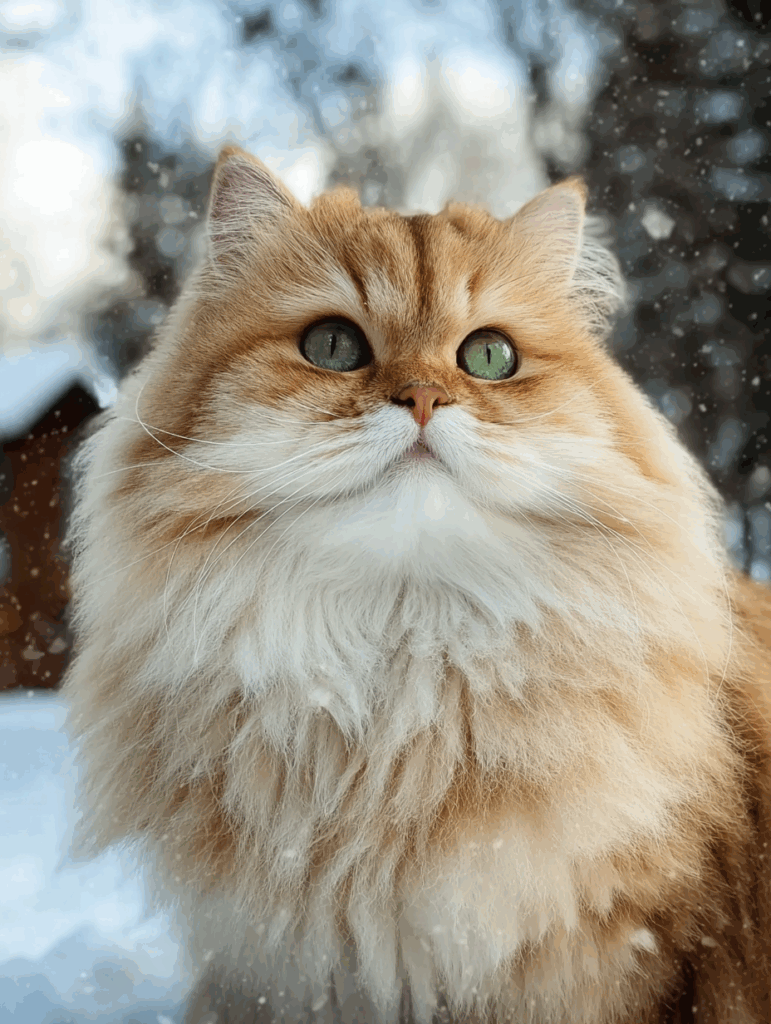
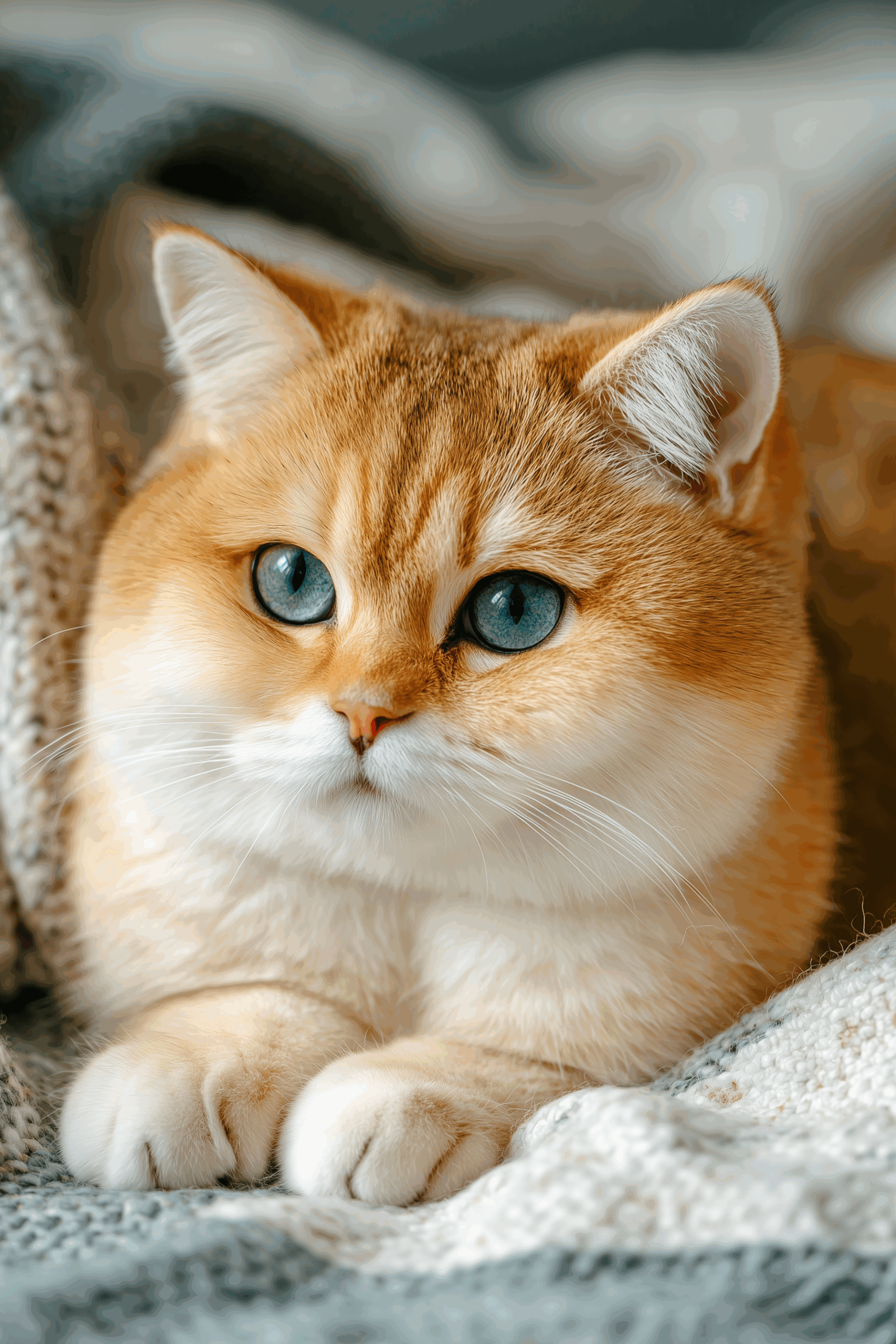
British Longhair vs British Shorthair is a common comparison for buyers drawn to the British temperament but unsure which coat type and personality style best suits their home. While the two breeds share the same foundation and overall stability, they differ in social engagement, grooming needs, daily interaction style, and long-term care expectations.
This guide explains the real-world differences between British Longhairs and British Shorthairs so you can choose the breed that aligns with your lifestyle, household rhythm, and long-term ownership goals.
Rather than focusing on appearance alone, this comparison centers on what matters after the first year: temperament expression, maintenance requirements, health stability, and how each breed integrates into daily life with its people.
What This Comparison Focuses On
British Longhairs and British Shorthairs are closely related, but they were refined with slightly different priorities in mind. Shorthairs are known for their independence, chubby faces, and low maintenance. British Longhairs retain the same physical balance while tending toward a more people-oriented presence and interactive companionship.
Those differences influence:
- Daily care and grooming expectations
- Social engagement and bonding style
- Household compatibility
- Long-term satisfaction for owners
This guide is written for buyers who value predictability, comfort, and sustainable ownership rather than novelty alone.
Quick Comparison: British Longhair vs British Shorthair
| Trait | British Longhair | British Shorthair |
|---|---|---|
| Personality | Calm, steady, more people-focused and engaged | Calm, reserved, more independent |
| Social Style | Enjoys proximity and quiet interaction | Affectionate but prefers space |
| Activity Level | Low to moderate | Low |
| Grooming Needs | Moderate (regular brushing) | Low |
| Coat Type | Dense, plush, semi-long coat | Short, dense, crisp coat |
| Shedding | Seasonal, manageable with routine care | Minimal, easy to manage |
| Face Structure | Moderate, open airways | Moderate, open airways |
| Eye Health | Typically clear | Typically clear |
| Health Profile | Generally low risk | Generally low risk |
| Typical Lifespan | 14–18+ years | 14–18+ years |
| Maintenance Level | Moderate | Very low |
| Best Fit For | Owners wanting a more connected companion | Owners wanting low-interaction independence |
Breed Origins and Development
British Shorthair Origins
The British Shorthair is one of the oldest recognized cat breeds, developed in the United Kingdom for strength, balance, and resilience. Originally valued for their working ability and robust constitution, British Shorthairs were refined over generations into a calm, structurally sound companion breed.
Their defining characteristics include:
- Solid bone structure
- Broad chest and powerful build
- Dense, weather-resistant coat
- Reserved, steady temperament
British Shorthairs were bred to be self-contained and adaptable, making them ideal for households that value low maintenance and independence without sacrificing reliability or longevity.
British Longhair Origins
The British Longhair developed as a natural extension of the British Shorthair, sharing the same sturdy frame, moderate facial structure, and genetic foundation. The long coat was introduced through controlled outcrossing decades ago, with care taken to preserve function, balance, and overall health.
British Longhairs are recognized by major registries including TICA, GCCF, and FIFe. They are widely regarded as structurally sound, slow-maturing cats with excellent longevity and stable health profiles.
Unlike many long-haired breeds, British Longhairs were not bred for extremes. Their semi-long coat enhances the breed’s plush appearance without compromising movement, breathing, or daily comfort. Behaviorally, they often display slightly more social engagement than their shorthair counterparts, seeking proximity, shared routines, and consistent interaction with their people.
British Longhair vs British Shorthair Appearance and Structural Differences
British Longhair Appearance
The British Longhairs are medium-to-large cats with a substantial, well-balanced build. They retain the classic British silhouette, enhanced by a semi-long, plush coat.
Key characteristics include:
- Broad, well-developed bone structure
- Strong chest and shoulders
- Round head with a defined yet moderate nose
- Large, open, expressive eyes
- Proportionate ears set wide on the head
- Dense, resilient coat that stands away from the body
The British Longhair coat feels thick and cushioned rather than silky or fragile. Their moderate facial structure supports normal airflow, clear tear drainage, and natural grooming behavior without interference.
British Longhairs appear in the full British color spectrum, including blue, black, cream, chocolate, lilac, red, silver, golden, shaded, smoke, tortoiseshell, and classic, mackerel, and spotted tabby patterns.
Overall, the British Longhair’s appearance reflects balance and function—nothing is exaggerated to the point of compromising comfort or health.
British Shorthair Appearance
British Shorthairs share the same foundational structure as the British Longhair but present a more compact, low-maintenance version of the breed.
Defining traits include:
- Solid, muscular body with strong bone density
- Broad chest and powerful shoulders
- Round head with a short but well-defined nose
- Large, round eyes set wide apart
- Thick, short, crisp coat with a dense underlayer
The British Shorthair coat lies closer to the body and requires minimal grooming, making the breed especially appealing to owners seeking simplicity. Like the Longhair, the Shorthair maintains open airways, normal tear drainage, and efficient self-grooming.
The same wide range of colors and patterns exists in British Shorthairs, with blue being the most iconic and widely recognized.
Key Structural Differences That Affect Daily Life
While both breeds are structurally sound and health-stable, their coat length and presentation create practical differences:
- Coat Maintenance: British Longhairs require routine brushing to maintain coat condition; British Shorthairs require very little grooming
- Sensory Presence: British Longhairs tend to feel softer, fuller, and more visually expressive; British Shorthairs feel dense and sleek
- Owner Interaction: Grooming routines often create more hands-on interaction with Longhairs, while Shorthairs remain more self-sufficient
Neither breed carries the structural compromises seen in extreme conformation breeds. The differences are about lifestyle preference, not health risk.
Why Both Breeds Are Considered Structurally Healthy
Both British Longhairs and British Shorthairs benefit from:
- Moderate facial structure with open nasal passages
- Functional tear ducts and clear eyes
- Low incidence of chronic respiratory or ocular issues
- Strong skeletal development and joint stability
- Excellent longevity when responsibly bred
The primary distinction is maintenance style, not medical burden. British Longhairs offer a fuller, more tactile companion experience with manageable grooming, while British Shorthairs offer unmatched ease and independence.
For owners choosing between the two, the decision is less about health and more about how much daily interaction, grooming, and presence they want woven into everyday life.
Personality & Temperament: Engaged Affection vs Calm Independence
British Longhairs and British Shorthairs share the same genetic foundation, but they express their temperament differently in everyday life. Both breeds remain calm, gentle, and emotionally steady—but their approach to affection, closeness, and daily interaction sets them apart.
British Longhair Temperament — Calm, Connected, and People-Focused
British Longhairs offer a noticeable increase in emotional warmth and engagement compared to their shorthair counterparts. They form strong bonds with their people while maintaining the stable, well-regulated temperament the British breeds are known for.
British Longhairs are typically:
- Affectionate and people-oriented
- Comfortable with physical closeness and cuddling
- Emotionally steady and confident
- Gentle and patient with children
- Socially adaptable with dogs and other cats
- Present and connected without becoming clingy
Many British Longhairs enjoy sitting beside their owners, sleeping nearby, and participating in quiet daily routines. They seek interaction more consistently than most British Shorthairs, yet they do not demand constant attention.
They adjust well to visitors, tolerate routine changes, and handle time alone without anxiety. This balance makes them especially appealing to families and professionals who want a cat that feels emotionally present without becoming dependent.
British Shorthair Temperament — Ultra-Calm and Self-Contained
British Shorthairs embody independence and emotional restraint. They form strong bonds with their families, but they express affection on their own terms.
British Shorthairs are known for being:
- Calm, reserved, and emotionally controlled
- Quiet and low-drama
- Content spending time alone
- Affectionate without needing physical closeness
- Consistent and predictable in behavior
Many British Shorthairs enjoy being near their people rather than on them. They often prefer sitting across the room, sharing space without seeking frequent touch. While deeply loyal, they rarely demand attention or cuddling.
This temperament suits owners who value peace, predictability, and minimal emotional management in a companion animal.
Grooming & Maintenance: Moderate Routine vs Minimal Effort
The most practical day-to-day difference between British Longhairs and British Shorthairs comes down to coat care.
British Longhair Grooming Needs
British Longhairs have a dense, plush coat that feels substantial rather than silky. The texture resists matting when owners maintain a consistent routine.
Typical care includes:
- Brushing 2–4 times per week
- Increased brushing during seasonal shedding
- Routine nail trimming
- Standard dental care
Their coat does not require daily combing, frequent bathing, or specialized grooming schedules. With regular maintenance, British Longhairs remain comfortable and well kept without dominating the owner’s routine.
This makes them an excellent option for those who want a longhaired cat but still value manageable upkeep.
British Shorthair Grooming Needs
British Shorthairs offer one of the lowest-maintenance coats in the pedigree cat world.
Their care typically includes:
- Occasional brushing during shedding periods
- Routine nail trims
- Basic dental care
The short, dense coat sheds minimally and rarely tangles. Owners do not need to schedule grooming sessions or adjust daily routines around coat care.
For households prioritizing simplicity and low physical maintenance, the British Shorthair remains one of the easiest breeds to live with long-term.
Choosing Based on Lifestyle, Not Difficulty
Neither breed presents extreme care challenges. The difference lies in interaction style and grooming preference, not health or stability.
- Choose a British Longhair if you want a more emotionally engaged, physically affectionate companion and don’t mind routine brushing.
- Choose a British Shorthair if you prefer independence, minimal grooming, and a calm presence that doesn’t seek frequent contact.
Both breeds thrive in stable homes—but they reward different kinds of owners.
Health & Genetic Considerations: Shared Stability, Different Management Styles
British Longhairs and British Shorthairs share the same genetic foundation, and both breeds are considered structurally sound when bred responsibly. The difference is not a divide in health quality, but in maintenance priorities and lifestyle management.
Both breeds retain moderate facial structure, open airways, and balanced skeletal development—traits that support long-term comfort and longevity.
British Longhair Health Profile
British Longhairs rank among the healthiest longhaired pedigree cats when breeders follow proper health screening and selection practices. They benefit from the same genetic stability that defines the British Shorthair.
Common health considerations include:
- Hypertrophic cardiomyopathy (HCM) — screened in ethical breeding programs
- Polycystic kidney disease (PKD) — uncommon in tested lines
- Weight management in adulthood due to a calm temperament
- Mild dental tartar later in life
British Longhairs maintain excellent baseline health because they preserve functional anatomy:
- Open nasal passages and normal airflow
- Functional tear ducts
- Balanced skull and jaw structure
- Strong bone density and joint stability
- Calm, low-stress temperament
- No extreme physical traits
With routine veterinary care, proper nutrition, and responsible breeding, serious health problems remain uncommon.
British Shorthair Health Profile
British Shorthairs share nearly the same health profile as British Longhairs and are often considered one of the most robust pedigree breeds overall.
Common health considerations include:
- Hypertrophic cardiomyopathy (HCM) — screened in responsible lines
- Weight gain in sedentary adults
- Dental tartar as cats age
Their short coat reduces skin-related concerns, and their self-sufficient nature often makes health monitoring straightforward.
British Shorthairs benefit from:
- Moderate facial structure with clear breathing
- Normal eye drainage
- Dense, resilient musculature
- Strong immune resilience
- High tolerance for environmental changes
They often require fewer grooming-related veterinary visits simply due to coat length, not because of underlying health differences.
Key Health Differences That Matter in Daily Life
The distinction between these two breeds lies in maintenance, not medical fragility:
- British Longhairs require regular brushing to prevent coat-related skin issues
- British Shorthairs rarely experience coat-related complications
- Both breeds show similar longevity and overall health stability
Neither breed carries the structural risks associated with extreme conformation.
In Simple Terms
- British Longhairs offer affectionate, people-focused companionship with manageable grooming and excellent health stability
- British Shorthairs offer calm independence, minimal maintenance, and equally strong long-term health
For buyers deciding between the two, the choice comes down to interaction style and grooming preference—not health risk.
Lifespan: Do British Longhairs or British Shorthairs Live Longer?
British Longhairs and British Shorthairs share the same genetic foundation, so their expected lifespans are very similar. When responsibly bred and properly cared for, both breeds regularly live well into their mid to late teens.
Rather than one breed clearly outliving the other, longevity depends more on weight management, indoor living, routine veterinary care, and breeder health screening than coat length.
British Longhair Lifespan — 14 to 18+ Years
British Longhairs rank among the longer-lived longhaired pedigree cats. Many reach their late teens when owners manage coat care, maintain a healthy weight, and provide routine veterinary monitoring.
Factors that support longevity include:
- Moderate facial structure with normal breathing
- Clear tear ducts and healthy eyes
- Strong bone density and joint stability
- Calm, emotionally regulated temperament
- Low incidence of chronic structural disease
Because British Longhairs avoid extreme conformation, they tend to age comfortably, maintaining mobility and quality of life well into their senior years.
British Shorthair Lifespan — 14 to 18+ Years
British Shorthairs match British Longhairs closely in lifespan and often show the same longevity potential.
Their advantages include:
- Identical moderate facial structure
- Excellent respiratory and ocular health
- Dense musculature and sturdy frame
- Lower grooming-related stress
- Strong resilience to environmental changes
British Shorthairs sometimes maintain mobility slightly longer simply due to lower grooming demands and reduced coat management as they age, but overall lifespan differences between the two breeds remain minimal.
The Real Longevity Difference
The true distinction is not lifespan, but aging management:
- British Longhairs require continued brushing in senior years
- British Shorthairs require almost no coat-related care as they age
- Both breeds benefit equally from weight control and routine screening
With responsible ownership, neither breed carries a lifespan disadvantage.
Activity Level & Energy: Calm Engagement vs Calm Independence
Both British Longhairs and British Shorthairs are relaxed, low-drama cats, but they express their energy differently in daily life.
British Longhair Activity Level
British Longhairs remain calm but engaged with their environment.
They are typically:
- Low-to-moderate energy
- Curious without being demanding
- Interested in short play sessions
- Enjoy window watching and puzzle toys
- Willing to interact regularly with their people
This gentle activity supports muscle tone, joint health, and weight stability over time without creating restlessness.
British Shorthair Activity Level
British Shorthairs take calmness one step further.
They are usually:
- Very low energy
- Content lounging for long periods
- Less interested in interactive play
- More observational than participatory
They prefer predictable routines and conserve energy naturally. While healthy, they may require more proactive weight monitoring due to their sedentary tendencies.
Grooming & Coat Maintenance: Moderate Routine vs Minimal Effort
Grooming often becomes the most practical, day-to-day difference between British Longhairs and British Shorthairs.
British Longhair Grooming Needs
British Longhairs carry a dense, plush semi-long coat that feels substantial rather than silky. The texture resists matting when owners follow a consistent routine.
Typical care includes:
- Brushing 2–4 times per week
- More frequent brushing during seasonal shedding
- Routine nail trims
- Basic dental care
Their coat does not require daily combing, frequent bathing, or specialized grooming schedules. With steady maintenance, British Longhairs stay comfortable and well kept without dominating daily life.
For a longhaired breed, British Longhairs fall squarely into the moderate-maintenance category.
British Shorthair Grooming Needs
British Shorthairs offer one of the easiest coats to manage among pedigree cats.
Typical care includes:
- Occasional brushing during shedding periods
- Routine nail trims
- Basic dental care
The short, dense coat sheds minimally and rarely tangles. Owners do not need to plan grooming sessions or adjust routines around coat care.
For households prioritizing simplicity, British Shorthairs provide near-effortless maintenance.
Breathing & Facial Structure: Shared Moderation and Function
Both British Longhairs and British Shorthairs retain the same moderate, functional facial structure—a key reason both breeds enjoy strong long-term health.
British Longhair Facial Structure
British Longhairs maintain:
- Open nasal passages
- Normal sinus development
- Proper jaw alignment
- Full, unrestricted airflow
- Effective temperature regulation
They do not experience breathing restriction, chronic tear overflow, or skull-related dental crowding. Their facial structure supports normal daily activity and comfortable aging.
British Shorthair Facial Structure
British Shorthairs share these same advantages:
- Clear airways
- Healthy eye drainage
- Balanced skull proportions
- Efficient breathing and cooling
Because both breeds avoid extreme conformation, neither carries structural compromises that affect everyday comfort or veterinary risk.
Bottom Line: Lifestyle Preference, Not Health Tradeoffs
The difference between British Longhairs and British Shorthairs is not health—it is how much hands-on care and interaction you want woven into daily life.
British Longhairs offer:
- A fuller, softer physical presence
- More frequent grooming interaction
- A slightly more people-focused companionship style
- Moderate, sustainable coat maintenance
British Shorthairs offer:
- Exceptional ease of care
- Minimal grooming demands
- Calm, self-contained independence
- The same strong health and longevity
For owners choosing between these two closely related breeds, the decision comes down to grooming preference and interaction style—not medical compromise. Both breeds reward responsible ownership with years of steady, comfortable companionship.
Shedding Differences: Moderate & Seasonal vs Light Year-Round
Shedding is one of the most practical, day-to-day differences between British Longhairs and British Shorthairs—especially for owners concerned about cleanliness, allergies, or routine upkeep.
British Longhair Shedding
British Longhairs shed:
- Moderately
- Seasonally
- Predictably
Their dense, plush coat sheds most noticeably during spring and fall coat transitions. During these periods, owners should brush more frequently, but shedding remains easy to control with a consistent routine.
Because the coat is thick and resilient rather than fine or wispy, loose hair tends to stay contained instead of floating through the home. Regular brushing removes dead coat efficiently and helps maintain skin and coat health without constant cleanup.
British Shorthair Shedding
British Shorthairs shed:
- Lightly
- Evenly throughout the year
- With minimal seasonal spikes
Their short, dense coat releases far less loose hair and rarely clings to furniture, clothing, or bedding. Occasional brushing during shedding periods easily keeps hair under control.
For owners prioritizing a tidy home and minimal cleanup, the British Shorthair is one of the easiest pedigree breeds to live with.
Shedding Summary
- British Longhair: moderate, seasonal shedding that stays manageable with routine brushing
- British Shorthair: light, year-round shedding with very little maintenance
Neither breed produces excessive shedding—but coat length does affect how much effort owners need to invest.
Cost, Price Ranges, and Lifetime Maintenance
Both British Longhairs and British Shorthairs are premium pedigree cats. While their purchase prices often overlap, lifetime ownership costs differ due to grooming needs rather than health concerns.
British Longhair Cost
British Longhair kittens typically range from:
- $2,500–$5,000+, depending on breeder quality, lineage, and color
- Rare colors such as golden, shaded, or select silvers often fall at the higher end
Ongoing costs remain moderate and predictable, including:
- Routine home grooming
- No requirement for professional grooming
- Preventive veterinary care rather than chronic management
- High-quality nutrition and enrichment
Their balanced structure and manageable coat keep long-term expenses reasonable for a longhaired breed.
British Shorthair Cost
British Shorthair kittens typically range from:
- $2,500–$4,500+, depending on breeder, pedigree, and color
Lifetime costs tend to be lower overall due to:
- Minimal grooming supplies
- No need for professional grooming
- Straightforward coat care
- Standard preventive veterinary needs
Because coat maintenance remains simple even in senior years, British Shorthairs often cost less to maintain over a lifetime.
Which Cat Is Easier to Own?
Both British Longhairs and British Shorthairs rank among the easier pedigree cats to live with. The difference lies in how much hands-on care and interaction you want woven into daily life, not in health or temperament problems.
British Longhair: Easy for a Longhaired Breed
British Longhairs are widely considered one of the most owner-friendly longhaired cats. They combine a plush appearance with realistic, sustainable care needs.
They offer:
- Manageable grooming routines
- Calm, affectionate temperament
- Quiet, low-drama presence
- Strong overall health and structural balance
- Emotional stability and confidence
- Adaptability to busy or changing households
- Independence balanced with genuine affection
- Long, predictable lifespan
British Longhairs need consistency, not constant intervention. Regular brushing and routine care keep them comfortable without turning ownership into a daily project. This makes them well suited to modern families, professionals, and homes with varied schedules.
British Shorthair: One of the Easiest Cats Overall
British Shorthairs take ease of ownership even further by removing most grooming demands entirely.
They offer:
- Extremely low grooming needs
- Calm, reserved temperament
- Strong independence
- Excellent physical resilience
- Minimal daily maintenance
- Predictable behavior patterns
- Long lifespan with straightforward care
British Shorthairs thrive with minimal hands-on management. Owners who prefer a peaceful companion that does not require regular grooming or frequent interaction often find this breed exceptionally easy to live with.
Which Breed Is Better for Families, Children, and Multi-Pet Homes?
British Longhair
British Longhairs tend to excel in family environments because they are:
- Calm and patient
- Substantial and sturdy in build
- Tolerant of respectful children
- Generally compatible with dogs and other cats
- Emotionally steady under household activity
- Comfortable transitioning between quiet and moderately busy homes
Their people-focused nature allows them to bond with multiple family members while remaining relaxed and adaptable.
British Shorthair
British Shorthairs also do well in family settings, particularly when households value structure and calm.
They are best suited to homes that appreciate:
- A quiet, predictable rhythm
- Respect for personal space
- Low-demand companionship
While affectionate, British Shorthairs prefer less physical handling and may disengage rather than participate in high-energy interaction.
Bottom Line
Both breeds offer excellent health, longevity, and stability. The difference is interaction style, not difficulty.
- Choose a British Longhair if you want a cat that feels emotionally present, enjoys closeness, and fits naturally into daily routines—with manageable grooming as part of ownership.
- Choose a British Shorthair if you want maximum simplicity, minimal grooming, and a calm companion that values independence.
Which Breed Fits Your Lifestyle?
Choose a British Longhair if you want:
- A longhaired cat with realistic grooming needs
- A snuggly, affectionate companion without fragility
- Strong, stable overall health
- A long average lifespan
- Calm behavior paired with emotional engagement
- A cat that enjoys closeness but handles independence well
- Compatibility with work-from-home, full-time work, and family schedules
- A breed suited to children, visitors, and multi-pet homes
British Longhairs integrate easily into modern households, offering warmth and connection without requiring constant grooming or medical oversight.
Choose a British Shorthair if you want:
- The lowest maintenance coat possible
- A calm, self-contained temperament
- Minimal grooming and physical upkeep
- Quiet companionship without frequent handling
- A cat that thrives with routine and personal space
British Shorthairs suit owners who value simplicity, predictability, and independence in a companion animal.
British Longhair vs British Shorthair: Pros & Cons
Longhair — Pros & Cons
| Pros | Cons |
|---|---|
| More affectionate and cuddly than most British Shorthairs | Can be slightly more selective with strangers |
| Calm, people-focused, emotionally engaged | Requires routine brushing to maintain coat |
| Structurally sound and generally very healthy | Prone to weight gain without portion control |
| Long average lifespan | Slow-maturing breed |
| Quiet, emotionally stable temperament | Not highly athletic or energetic |
| Excellent for families and multi-pet homes | Enjoys closeness but not constant handling |
| Manageable, predictable shedding | Seasonal shedding increases |
| Adaptable to busy households and changing routines | Needs grooming consistency, not neglect |
Shorthair — Pros & Cons
| Pros | Cons |
|---|---|
| Extremely low grooming requirements | Less physically affectionate |
| Calm, reserved, predictable temperament | Often prefers space over cuddling |
| Very easy to maintain long-term | Can appear aloof to some owners |
| Structurally sound with excellent health stability | Prone to weight gain if sedentary |
| Long lifespan | Lower activity level |
| Quiet, low-drama companion | Not a lap cat in most cases |
| Minimal shedding and cleanup | Slower to warm up socially |
| Ideal for owners wanting simplicity | Less emotionally expressive |
British Longhair vs British Shorthair — Summary
If you want a more emotionally present, snuggly companion with a plush long coat and manageable grooming, the British Longhair offers a warmer, more interactive ownership experience while maintaining excellent health and adaptability.
If you want maximum ease, minimal grooming, and a calm, self-contained cat, the British Shorthair remains one of the simplest and most predictable breeds to live with.
In Practical Terms:
- British Longhair = connection, closeness, and routine grooming
- British Shorthair = independence, simplicity, and near-effortless care
Both breeds deliver stability, longevity, and comfort. The right choice depends on how much interaction and hands-on involvement you want in daily life, not health tradeoffs or fragility.
British Longhair vs British Shorthair: FAQ
1. What is the main difference between a British Longhair and a British Shorthair?
The core difference is coat length and daily interaction style, not structure or health.
- British Longhairs have a semi-long, plush coat that requires routine brushing
- British Shorthairs have a short, dense coat with minimal grooming needs
- Both share the same body type, facial structure, and genetic foundation
The coat length influences how hands-on ownership feels day to day.
2. Are British Longhairs more affectionate than British Shorthairs?
Often, yes—but the difference is subtle rather than dramatic.
- British Longhairs tend to seek more proximity and physical closeness
- They are more likely to sit beside you or sleep nearby
- British Shorthairs are affectionate but usually prefer personal space
Neither breed is clingy, but Longhairs often feel more emotionally present. See: Do British Longhair Cats Like to Cuddle?
3. Do British Longhairs require daily grooming?
No. British Longhairs are moderate-maintenance, not high-maintenance.
Typical grooming includes:
- Brushing 2–4 times per week
- Increased brushing during seasonal shedding
- No daily combing or frequent bathing required
Their coat is dense and resilient, not silky or mat-prone.
4. Are British Shorthairs completely low maintenance?
They are among the lowest-maintenance pedigree cats, but not maintenance-free.
- Minimal brushing during shedding periods
- Routine nail trims
- Basic dental care
Their short coat rarely tangles and sheds lightly year-round.
5. Do British Longhairs and British Shorthairs have different health risks?
No major differences exist when both are responsibly bred.
Both breeds share:
- Moderate facial structure
- Open airways and normal tear drainage
- Strong bone density
- Similar risk profiles for HCM and PKD (screened in ethical programs)
The main difference is grooming effort, not medical complexity.
6. Which breed sheds more?
British Longhairs shed more than British Shorthairs, but shedding remains manageable.
- British Longhair: moderate, seasonal shedding
- British Shorthair: light, year-round shedding
Regular brushing significantly reduces loose hair in Longhairs.
7. Are British Longhairs good for families with children?
Yes, when children are respectful.
British Longhairs tend to be:
- Calm and patient
- Emotionally steady
- Comfortable in moderately busy households
They tolerate handling better than many breeds but still appreciate gentle interaction.
8. Are British Shorthairs good family cats?
Yes, especially in structured, calm homes.
- They are tolerant but not highly interactive
- Prefer observation over participation
- Do best with children who respect boundaries
They suit families who want a peaceful, low-demand companion.
9. Which breed is easier for first-time cat owners?
Both breeds are beginner-friendly, but for different reasons.
- British Longhair: easy longhair with moderate grooming
- British Shorthair: extremely simple care and minimal upkeep
The best choice depends on whether you want grooming interaction or maximum simplicity.
10. Do British Longhairs live as long as British Shorthairs?
Yes. Both breeds share similar longevity.
- Average lifespan: 14–18+ years
- Longevity depends more on weight management, indoor living, and veterinary care than coat length
Neither breed has a lifespan disadvantage. See British Longhair Lifespan for more info.
11. Which breed is better for apartment living?
Both breeds adapt very well to apartment life because neither requires high activity levels.
- British Longhairs enjoy quiet companionship and gentle routines
- British Shorthairs are content observing their environment from a distance
As long as they have vertical space, windows, and predictable routines, both breeds thrive in smaller homes.
12. Are British Longhairs or British Shorthairs good for people who work full time?
Yes, both breeds tolerate time alone well.
- British Shorthairs handle independence exceptionally well
- British Longhairs cope well with absences but appreciate interaction when you return
Neither breed becomes anxious or destructive when left alone for reasonable workdays.
13. Which breed is better for work-from-home households?
British Longhairs often fit WFH homes more naturally.
- They enjoy being near their people without demanding attention
- They settle beside desks or nearby furniture
British Shorthairs also do well, but they are more likely to nap elsewhere and reappear on their own schedule.
14. Are British Longhairs or British Shorthairs good with dogs?
Both breeds generally coexist well with calm, cat-savvy dogs.
- British Longhairs tend to adapt faster and show more social curiosity
- British Shorthairs may take longer but remain tolerant once settled
Introductions should be slow and structured, regardless of coat type.
15. Are British Longhairs or British Shorthairs hypoallergenic?
No cat is truly hypoallergenic.
- British Shorthairs may be easier for mild allergy sufferers due to less loose fur
- British Longhairs shed more but can still be manageable with regular grooming
Allergy sensitivity depends more on individual cats than on breed alone.
16. Do British Longhairs need professional grooming?
In most cases, no.
- Routine home brushing keeps the coat in good condition
- Baths are rarely necessary unless the cat becomes dirty
Professional grooming is optional, not required.
17. Are British Shorthairs lap cats?
Most British Shorthairs are not traditional lap cats.
- They show affection by staying nearby rather than on top of you
- Many prefer sitting beside or across the room
They bond deeply but express it quietly and on their terms.
18. Are British Longhairs lap cats?
Some are, but many prefer proximity over restraint.
- British Longhairs enjoy cuddling and shared spaces
- They may sit on laps briefly but dislike prolonged handling
They value closeness without feeling confined.
19. Which breed gains weight more easily?
Both breeds can gain weight if overfed.
- British Shorthairs are especially prone due to low activity
- British Longhairs benefit from slightly more movement and play
Portion control and enrichment matter more than breed choice.
20. Is one breed better for senior owners?
Yes, but for different reasons.
- British Shorthairs suit seniors wanting minimal physical maintenance
- British Longhairs suit seniors who enjoy gentle grooming and interaction
Both breeds offer calm companionship without high energy demands.
Still deciding between a British Longhair and a British Shorthair?
Understanding your household rhythm, grooming tolerance, and interaction preferences matters more than coat length alone. A well-bred British cat—longhair or shorthair—should fit your life comfortably for many years.
More British Longhair Resources
See more posts about the British Longhair breed:
- British Longhair Kittens: Growth Week by Week
A guide to kitten growth stages, coat transitions, socialization, and early care. - British Longhair Breed Overview
A complete introduction to the breed’s temperament, structure, care needs, and suitability for different homes. - How to Choose a British Longhair Breeder
How to choose a reputable British Longhair breeder and what to expect throughout the process. - British Longhair Shedding and Grooming
Step-by-step coat care, tools, and maintenance routines for the semi-long double coat. - British Longhair Diet and Nutrition
Important diet recommendations, feeding charts and more. - British Longhair Size: How Big do British Longhairs Get?
See estimated size and growth charts. - British Longhair Cat Health
An overview of British Longhair health. - Best British Longhair Breeders in the USA See a list of the best breeders in the USA and what makes them awesome.
More British Cat Breed Articles from Almonte Cats
- British Shorthair Health
- British Shorthair Lifespan
- British Shorthair vs Ragdoll
- British Longhair vs Persian
Sources & References
- The International Cat Association (TICA) – British Longhair & British Shorthair Breed Standards
https://tica.org/breeds/browse-all-breeds - Governing Council of the Cat Fancy (GCCF) – British Longhair & British Shorthair Breed Information
https://www.gccfcats.org - Fédération Internationale Féline (FIFe) – British Breed Standards and Recognition
https://fifeweb.org - Cornell University College of Veterinary Medicine – Hypertrophic Cardiomyopathy (HCM) in Cats
https://www.vet.cornell.edu/departments-centers-and-institutes/cornell-feline-health-center - UC Davis Veterinary Genetics Laboratory – PKD and Genetic Screening in Cats
https://vgl.ucdavis.edu - International Cat Care (iCatCare / ISFM) – Cat Behavior, Temperament, and Care Guidelines
https://icatcare.org - Merck Veterinary Manual – General Feline Health, Weight Management, and Aging
https://www.merckvetmanual.com - Journal of Feline Medicine and Surgery (JFMS) – Breed-related health and longevity studies
https://journals.sagepub.com/home/jfm - Royal Veterinary College (RVC), UK – Breed Health & Longevity Research
https://www.rvc.ac.uk - American Association of Feline Practitioners (AAFP) – Feline Care and Preventive Health Guidelines
https://catvets.com





Read the Comments +