
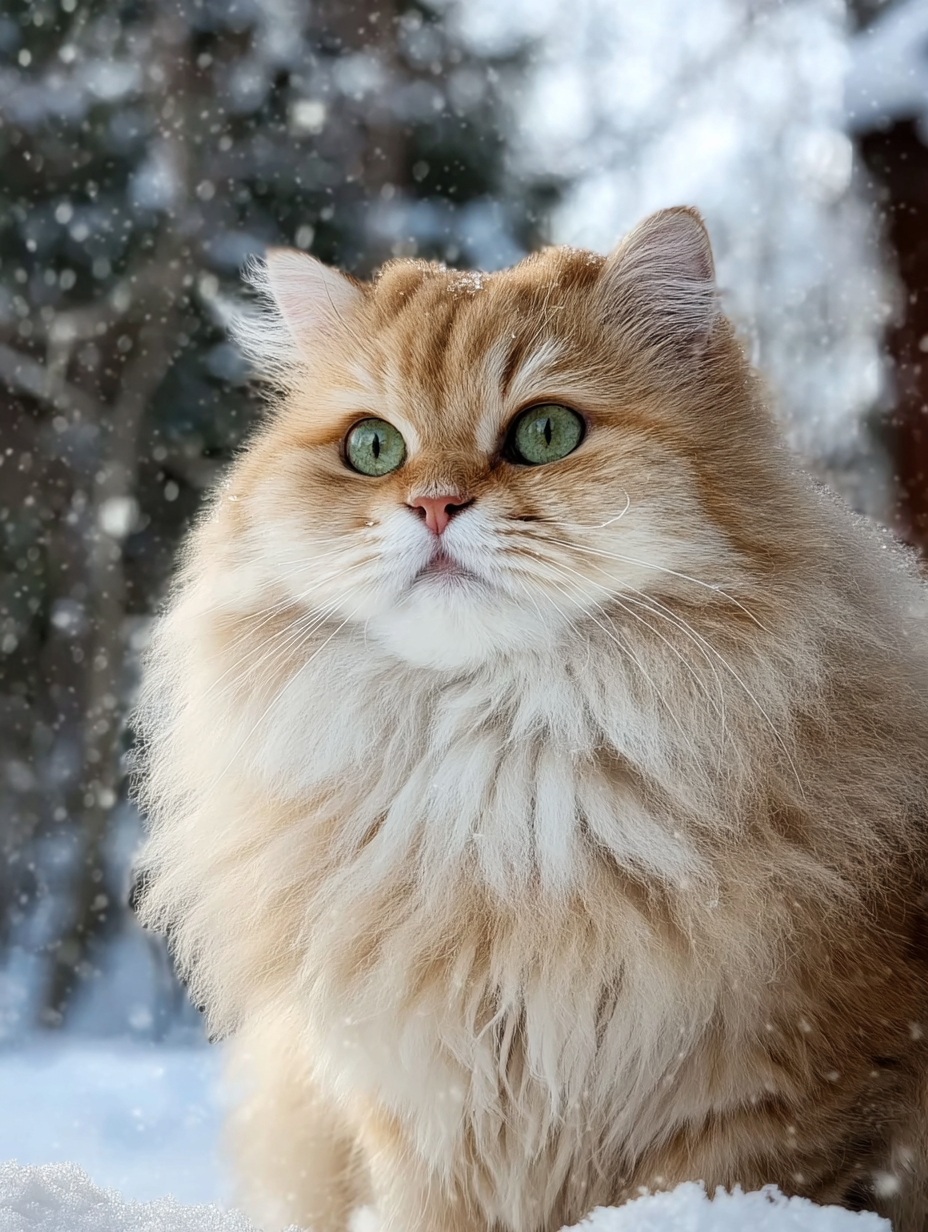
Ragdoll vs British Longhair: Temperament, Grooming, Affection & Lifestyle Compared
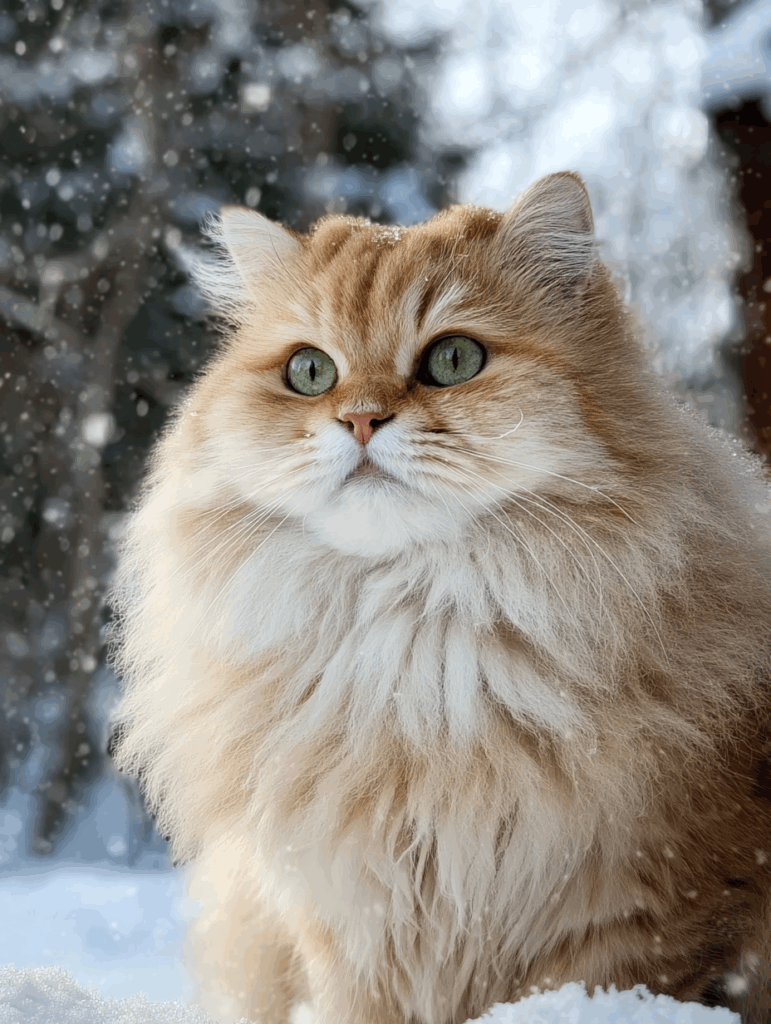
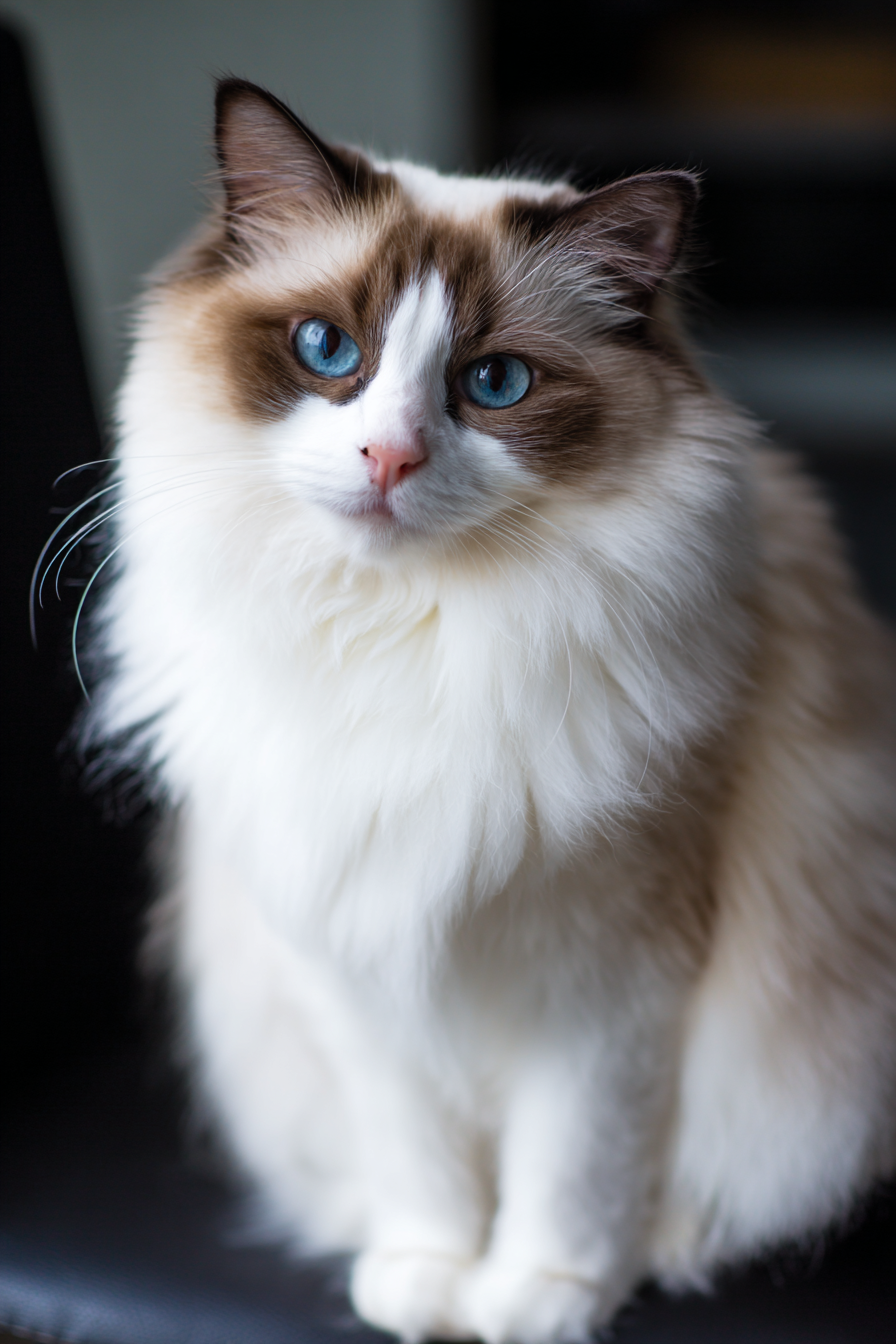
Ragdoll vs British Longhair is a common comparison for buyers choosing a calm, longhaired companion. This guide breaks down temperament, attachment style, grooming, shedding, health, lifespan, and lifestyle fit so you can choose confidently.
The Ragdoll and the British Longhair are two of the most recognizable longhaired companion cat breeds in the world. Both are affectionate, calm, and well suited to family life, but they differ meaningfully in emotional attachment, energy level, grooming needs, and how they integrate into daily routines.
The Ragdoll is known for its exceptionally people-oriented, highly affectionate temperament and strong desire for constant closeness. The British Longhair is a plush, moderate British companion cat developed for balance, emotional stability, and long-term ease of ownership without dependency.
If you are choosing between these two longhaired breeds, this guide focuses on the real-world differences that matter most: temperament, attachment style, coat type, shedding, activity level, adaptability, health considerations, and long-term maintenance.
Ragdoll vs British Longhair: Quick Overview
| Trait | Ragdoll | British Longhair |
|---|---|---|
| Origin | United States | Great Britain |
| Coat | Semi-long, silky, low undercoat | Semi-long, dense, plush, even |
| Eye Color | Blue only | Copper, gold, amber, blue (in whites) |
| Body Type | Large, long, soft-boned | Medium to large, cobby, balanced |
| Average Male Weight | 15–20 lbs | 12–17 lbs |
| Average Female Weight | 10–15 lbs | 8–14 lbs |
| Head Shape | Broad wedge, soft contours | Round head, full cheeks |
| Personality | Extremely affectionate, people-dependent | Calm, people-focused, emotionally steady |
| Energy Level | Low to moderate | Low to moderate |
| Allergy Friendly | Standard | Standard |
| Average Lifespan | 12–15+ years | 14–18+ years |
Origins and History
British Longhair History
The British Longhair developed as a natural extension of the British Shorthair, retaining the same sturdy bone structure, moderate facial features, and calm, regulated temperament. Long coats were introduced through controlled outcrossing decades ago, with careful selection to preserve balance, function, and health.
Unlike many longhaired breeds, the British Longhair was never bred for extremes in personality, structure, or dependency. The goal remained a structurally sound, slow-maturing companion cat with a plush coat, stable temperament, and long lifespan. Today, the breed is recognized by major registries including TICA, GCCF, and FIFe and is valued for its adaptability and long-term livability.
Ragdoll History
The Ragdoll is a comparatively modern breed developed in the United States during the 1960s. The breed was intentionally selected for a very gentle, relaxed temperament and strong human attachment, with cats that seek constant closeness and tolerate extensive handling.
Ragdolls are known for their soft body type, silky coat, blue eyes, and placid demeanor. Over time, selective breeding emphasized their affectionate, people-dependent nature, resulting in a breed that thrives on human presence and frequent interaction. Today, Ragdolls are among the most popular companion cats worldwide due to their devotion and gentle personality.
Which Breed Is Older?
The British Longhair’s foundation breed—the British Shorthair—predates the Ragdoll by well over a thousand years. British cats trace their lineage back to Roman-era Britain, making them among the oldest documented domestic cat types.
The Ragdoll, while extremely popular and purpose-bred for companionship, is a modern breed by comparison.
Coat and Texture Differences
Although both Ragdolls and British Longhairs are longhaired breeds, their coats differ significantly in texture, structure, and day-to-day behavior.
Ragdoll Coat
The Ragdoll coat was developed for softness and drape rather than structure or density.
It is typically:
- Semi-long and silky
- Lighter in texture with a lower-density undercoat
- Smooth and flowing, lying close to the body
- Less resistant to tangling in friction areas
- Designed for softness and tactile appeal
The overall look is elegant and fluid. The coat moves easily with the body and contributes to the Ragdoll’s relaxed, soft-bodied appearance. While beautiful, the silky texture can mat more easily without consistent brushing.
British Longhair Coat
The British Longhair coat emphasizes plushness, density, and uniformity, not drape.
It is:
- Semi-long and very dense
- Even in length across the body
- Thick and cushioned rather than silky
- Soft but resilient to the touch
- Designed for insulation and structure rather than flow
The coat stands slightly away from the body, creating a rounded, teddy-bear silhouette that highlights the breed’s balanced, cobby build.
Side-by-Side Coat Comparison
- Ragdoll = silky, flowing, lighter, draped
- British Longhair = plush, dense, even, sculpted
Both breeds are longhaired, but they feel and behave very differently in daily life, especially when it comes to grooming and shedding.
Ragdoll vs British Longhair Eye Color Differences
Eye color is one of the easiest and most reliable ways to tell British Longhairs and Ragdolls apart, especially for buyers comparing kittens online.
Ragdoll Eyes
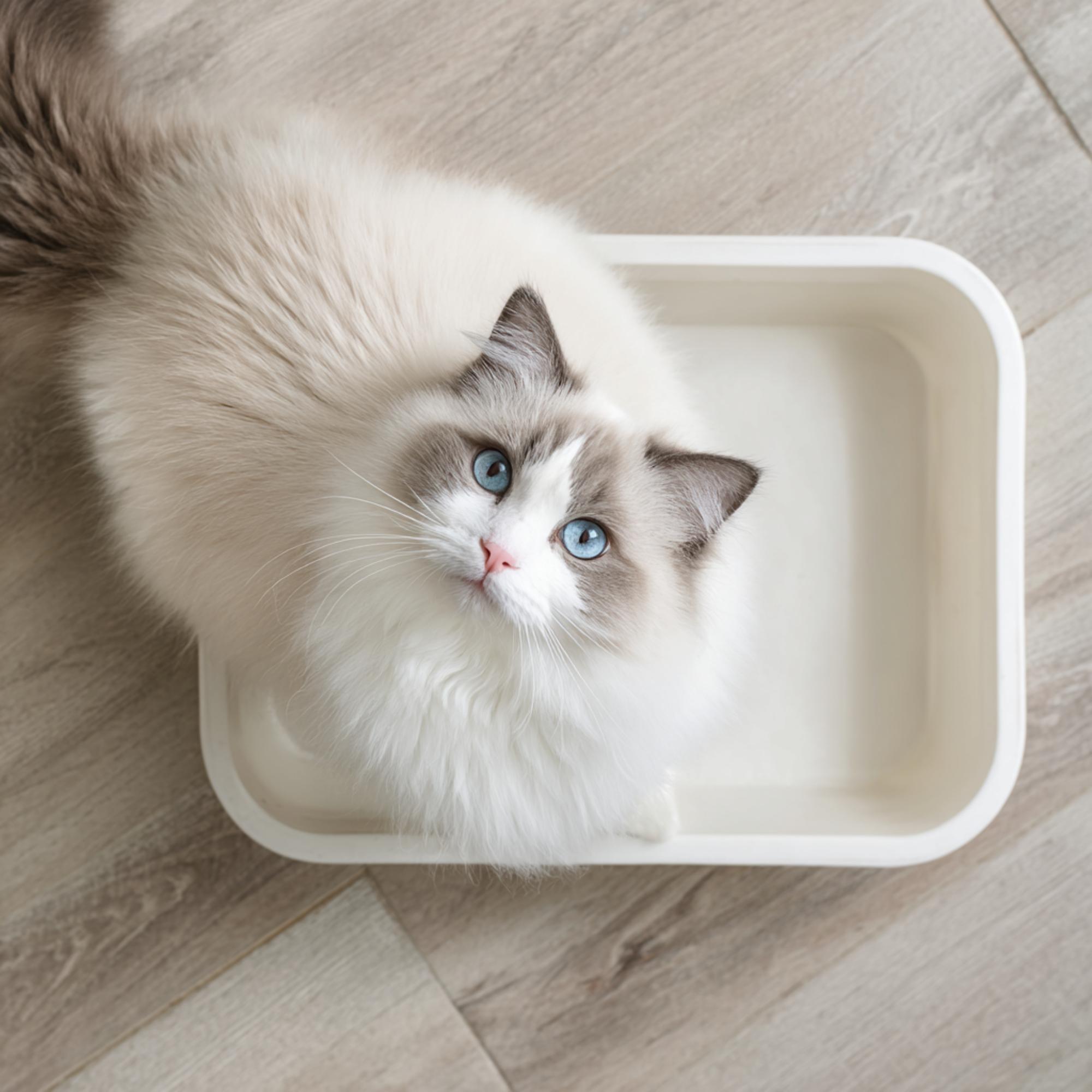
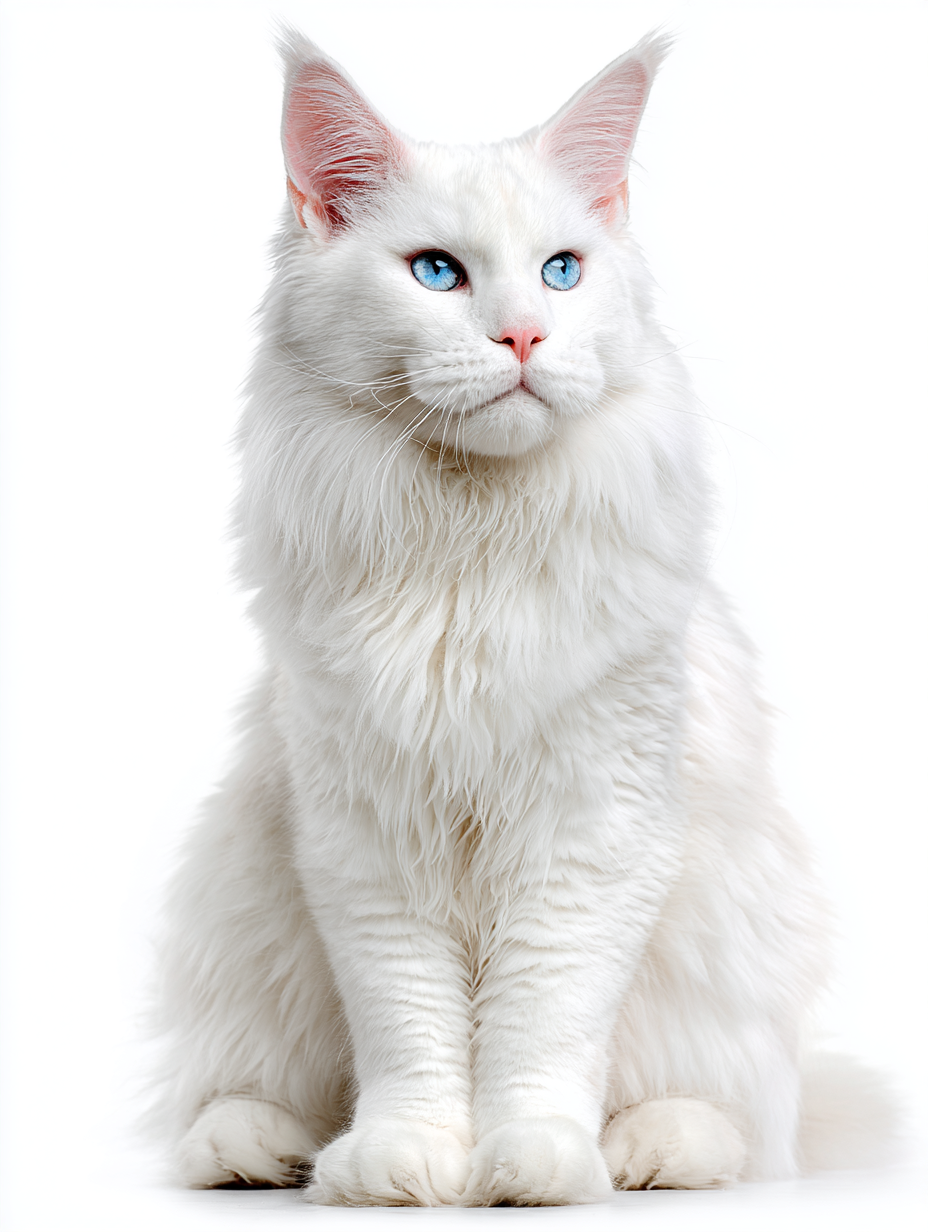
Ragdolls are unique in that all true Ragdolls have blue eyes, regardless of coat color or pattern.
Ragdoll eye traits include:
- Blue only (ranging from pale blue to deep sapphire)
- Oval to softly almond-shaped
- Set slightly at an angle rather than fully round
- Expressive, open appearance that enhances their gentle demeanor
Blue eyes are a defining characteristic of the breed standard. Any cat advertised as a Ragdoll without blue eyes is either incorrectly labeled or not a purebred Ragdoll.
British Longhair Eyes
British Longhairs display a wide range of eye colors, which vary by coat color and genetics.
Common British Longhair eye colors include:
- Copper
- Gold
- Amber
- Blue (in whites and some bicolors)
- Green (especially in golden and silver lines)
Their eyes are typically:
- Large and round
- Set wide apart
- Paired with full cheeks and a rounded head
This eye shape contributes significantly to the breed’s calm, plush, teddy-bear expression and soft overall presence.
Why Eye Color Matters for Buyers
Eye color often reflects the breed’s genetic foundation:
- Ragdoll blue eyes are linked to their pointed pattern and softer body type
- British Longhair eye colors reflect coat diversity and strong British type
Understanding eye color expectations helps buyers avoid mislabeling and choose a kitten that aligns with breed standards.
Easy Visual Clues
- Large round eyes + full cheeks + round head → British Longhair
- Oval blue eyes + softer head shape + pointed pattern → Ragdoll
Even when coat length or color causes confusion, eye color and eye shape remain consistent, reliable identifiers between these two breeds.
Body Type and Structure
Although both Ragdolls and British Longhairs are large, longhaired cats, their bodies are built for very different purposes. Structure plays a major role in how these cats move, interact, and age.
Ragdoll Build
The Ragdoll is built for softness, flexibility, and relaxed handling rather than density or strength.
Key structural traits include:
- Large, long body with a softer frame
- Broad chest but lighter bone structure
- Long legs with a flowing outline
- Broad wedge-shaped head with gentle contours
- Medium-sized ears set wide apart
- Long, flowing tail that moves fluidly with the body
Ragdolls often appear larger than they feel because of their length and coat, but they are not compact or heavily muscled. Their loose, relaxed body posture contributes to the breed’s signature “floppy” feel when held and their reputation for being extremely easygoing.
British Longhair Build
The British Longhair emphasizes balance, density, and rounded proportions, staying true to its British Shorthair foundation.
Key structural traits include:
- Medium to large, compact (cobby) body
- Broad chest with strong, moderate bone
- Shorter, sturdy legs
- Thick neck and powerful shoulders
- Round head with full cheeks
- Plush, rounded overall outline
British Longhairs feel solid and substantial when lifted. Rather than length, their weight comes from density and bone, giving them a grounded, teddy-bear presence that reads calm and composed.
Structure Summary
- Ragdoll = long, soft-bodied, flexible, flowing
- British Longhair = compact, dense, rounded, balanced
Both are large cats, but they occupy space very differently. Ragdolls stretch and drape, while British Longhairs sit solidly and hold their shape.
Which Breed Makes the Best Pet?
Both Ragdolls and British Longhairs make excellent companions, but they appeal to very different emotional and lifestyle needs.
The Ragdoll thrives in homes where people are present often and enjoy constant interaction. Ragdolls follow their owners, seek physical contact, and prefer to be involved in daily routines. Their affectionate, people-dependent nature makes them ideal for families who want a cat that feels more like a constant companion than a quiet observer.
The British Longhair suits calmer, more structured households. They enjoy companionship without requiring continuous attention and are content sharing space rather than being physically attached at all times. British Longhairs are affectionate, gentle, and emotionally steady, making them ideal for owners who want closeness without high dependency.
In simple terms:
- Want a highly affectionate, people-attached companion → Choose a Ragdoll
- Want a calm, plush cat with emotional balance → Choose a British Longhair
Lifestyle Comparison: Ragdoll vs British Longhair
| Category | Ragdoll | British Longhair |
|---|---|---|
| Best for Families | Excellent — very affectionate and tolerant | Excellent — calm, patient, emotionally steady |
| Coat Type | Semi-long, silky, flowing | Semi-long, dense, plush, even |
| Shedding Level | Moderate, more continuous | Moderate, seasonal, manageable |
| Grooming Needs | Frequent brushing due to silky texture | Routine brushing; coat resists matting |
| Energy Level | Low to moderate; prefers people over play | Low to moderate; prefers calm routines |
| Affection Style | Very hands-on, seeks constant closeness | Quietly loving, enjoys proximity |
| Adaptability | Best with consistent human presence | Highly adaptable indoors |
| Social Behavior | Extremely people-oriented | Reserved but deeply bonded |
| Noise Level | Soft voice, occasional communication | Very quiet, minimal vocalization |
| Ideal Environment | Homes with time and attention | Apartments, calm homes, professionals |
| Allergy Friendliness | Standard | Standard |
| Dominant Traits | Devotion, gentleness, attachment | Calmness, stability, emotional balance |
Ragdolls tend to attach deeply to people, while British Longhairs integrate smoothly into the household rhythm without emotional reliance.
Size and Weight Comparison
| Breed | Average Male Weight | Average Female Weight | Overall Build |
|---|---|---|---|
| Ragdoll | 15–20 lbs | 10–15 lbs | Long, soft-bodied, flexible |
| British Longhair | 12–17 lbs | 8–14 lbs | Compact, thick, rounded |
Ragdolls usually appear longer and larger due to body length and coat flow.
British Longhairs appear shorter and denser, often feeling heavier than they look.
Coat Color Comparison
| Feature | Ragdoll | British Longhair |
|---|---|---|
| Color Range | Limited to pointed patterns | One of the widest palettes among longhaired breeds |
| Texture | Silky, flowing, lighter | Plush, dense, even |
| Undercoat | Low to moderate | Very dense double coat |
| Specialty Colors | Seal, blue, chocolate, lilac points | Blue, lilac, black, white, silver, golden, cream, chocolate, cinnamon |
| Overall Shine | Soft sheen | Matte in blues, glossy in silvers and goldens |
British Longhairs are prized for depth and refinement of color, especially in solid blues, goldens, and shaded silvers.
Ragdolls are defined more by contrast and eye color, with blue eyes and pointed patterns as a breed hallmark.
Ragdoll vs British Longhair: Are They Related?
No. Ragdolls and British Longhairs are not related and do not share a common breed lineage. They were developed independently, in different countries, with very different breeding goals.
- Ragdolls originated in the United States and were intentionally bred for extreme gentleness, relaxed handling, and strong human attachment. Their soft body type, silky coat, and blue eyes are the result of selective breeding focused on temperament and physical softness.
- British Longhairs descend from ancient British cats and share their foundation with the British Shorthair. The breed emphasizes balance, density, and moderation, with a sturdy body, plush coat, and emotionally steady temperament.
While both breeds are calm and affectionate, they evolved for entirely different companionship styles. Differences in body structure, coat texture, eye color, and attachment patterns make them easy to distinguish in both appearance and behavior.
Personality Summary: Ragdoll vs British Longhair
| Trait | Ragdoll | British Longhair |
|---|---|---|
| Energy Level | Low to moderate; prefers people over activity | Low to moderate; prefers calm routines |
| Sociability | Extremely people-oriented, seeks constant closeness | People-focused but emotionally independent |
| Play Style | Gentle play, limited interest in sustained games | Short, calm play sessions |
| Noise Level | Soft voice; occasional communication | Very quiet, minimal vocalization |
| Affection Style | Shows love through physical contact and attachment | Shows love through proximity and presence |
| Behavior With Dogs | Generally excellent | Generally excellent |
| Adaptability | Best with consistent human presence | Very high indoors and with routine |
| Emotional Style | Highly devoted, attachment-driven | Calm, steady, emotionally regulated |
In simple terms:
- Ragdolls are deeply affectionate, people-attached companions that thrive on constant closeness
- British Longhairs are calm, steady companions that enjoy closeness without emotional dependency
Both breeds form strong bonds with their families, but Ragdolls seek connection through contact, while British Longhairs prefer shared space and quiet companionship.
Grooming & Coat Maintenance: Silky Flow vs Plush Structure
Both Ragdolls and British Longhairs are longhaired breeds, but their coats behave very differently in daily life. Grooming needs depend on texture, density, and coat structure, not just length.
Ragdoll Grooming Needs
Ragdolls have a semi-long, silky coat with a lighter undercoat that lies close to the body. While soft and beautiful, this texture requires consistent care to prevent tangling.
Typical grooming includes:
- Brushing several times per week
- Careful attention to friction areas (armpits, chest, belly)
- Increased brushing during shedding periods
- Routine nail trimming and basic dental care
Because the coat is smooth and flowing, loose hair can travel easily and form knots if brushing is skipped. Grooming is manageable, but it must be consistent to maintain coat condition.
Ragdolls suit owners who enjoy regular hands-on grooming as part of daily bonding.
British Longhair Grooming Needs
British Longhairs have a semi-long, dense, plush coat that grows evenly across the body. The texture is resilient rather than silky, which helps the coat resist severe matting when brushed regularly.
Typical grooming includes:
- Brushing 2–4 times per week
- Increased brushing during seasonal shedding
- Occasional sanitary trims if needed
- Routine nail trimming and basic dental care
The coat stands slightly away from the body and maintains its structure, making loose hair easier to remove. Grooming becomes a predictable routine rather than a daily requirement.
British Longhairs suit owners who want a longhaired cat with structured, manageable grooming rather than constant coat management.
Grooming Comparison Summary
- British Longhair: Moderate grooming, predictable routine, plush coat resists matting
- Ragdoll: More frequent grooming, silky coat prone to tangling in friction areas
Both breeds benefit from regular grooming, but the time commitment and consistency differ.
In practical terms:
- Choose a British Longhair if you want a plush long coat without daily maintenance
- Choose a Ragdoll if you enjoy frequent grooming and close, hands-on interaction
Both coats are beautiful — they simply reward different ownership styles.
Health & Lifespan: Ragdoll vs British Longhair
Both Ragdolls and British Longhairs are well-established pedigree breeds, but they differ in genetic considerations, body structure, and how they age over time. Understanding these differences helps buyers plan for long-term health, care, and sustainability.
Ragdoll Health Overview
Ragdolls are large, soft-bodied cats bred primarily for temperament and close human companionship. Their relaxed structure and gentle nature come with specific health considerations that responsible breeders monitor carefully.
Common considerations include:
- Hypertrophic cardiomyopathy (HCM) — seen in Ragdolls and screened in ethical programs
- Lower muscle tone — related to their soft body type, which can affect stability in senior years
- Weight management — low activity levels can lead to obesity if diet is not monitored
- Bladder and urinary sensitivity in some lines
- Dental alignment issues in select bloodlines
With responsible breeding, DNA testing, and proper weight control, many Ragdolls live healthy, comfortable lives. However, their dependency-oriented temperament means health changes are often noticed quickly, as they stay closely connected to their owners.
British Longhair Health Overview
British Longhairs share the same strong genetic foundation as the British Shorthair and are widely regarded as a structurally stable, moderate breed.
Common considerations include:
- Hypertrophic cardiomyopathy (HCM) — present but generally less frequent when lines are well managed
- Weight management — calm temperament requires portion awareness
- Dental tartar in some lines as cats age
- Polycystic kidney disease (PKD) — uncommon in tested breeding programs
Their balanced body type, dense bone structure, and emotionally regulated temperament contribute to excellent long-term health and reduced strain on joints as they age.
Average Lifespan Comparison
- British Longhair: 14–18+ years
- Ragdoll: 12–15+ years
British Longhairs often live longer on average due to their moderate size, stronger musculoskeletal structure, and lower physical stress over time. Ragdolls can also reach older ages, but longevity depends heavily on heart screening, weight control, and consistent veterinary care.
Price Comparison: Ragdoll vs British Longhair
Both breeds are premium, high-demand companion cats, but pricing reflects different cost drivers and breeding priorities.
| Breed | Typical Kitten Price (USA) | Primary Price Factors |
|---|---|---|
| Ragdoll | $2,500 – $5,500+ | Bloodline quality, blue eye clarity, pattern contrast, health testing |
| British Longhair | $3,000 – $6,500+ | Golden and silver colors, coat density, eye color depth, imported lines |
Why Ragdolls Can Be Expensive
- High demand for affectionate, people-oriented companions
- Limited color and pattern range requires precision breeding
- Emphasis on temperament and handling tolerance
- Long development period before full maturity
Why British Longhairs Can Be Expensive
- Goldens and silvers are highly sought after worldwide
- Dense, plush coats require generations of careful selection
- Importing high-quality British lines is costly
- Maintaining consistent British type takes significant breeder investment
Value Perspective
Both breeds retain strong value and limited availability in the U.S. market. Pricing reflects breeder investment, health screening, temperament stability, and rarity, not just popularity.
In practical terms:
- Ragdolls cost more to support emotionally and through ongoing health monitoring
- British Longhairs cost more to refine genetically and aesthetically
Both reward buyers with exceptional companionship—but they suit very different lifestyles and long-term ownership expectations.
How to Choose Between a Ragdoll and a British Longhair
Your daily routine, emotional expectations, and tolerance for dependency matter more than appearance alone. While both are gentle longhaired breeds, Ragdolls and British Longhairs fit very different lifestyles.
Choose a Ragdoll if you want:
- An extremely people-oriented, affectionate companion
- A cat that follows you from room to room and seeks frequent physical contact
- A breed that thrives in homes where someone is present most of the day
- A relaxed, easy-handling temperament that enjoys being held
- A soft, elegant appearance with flowing coat and blue eyes
Ragdolls are devoted companions. They prefer close involvement in daily life and do best in homes where interaction and emotional availability are consistent.
Choose a British Longhair if you want:
- A calm, steady, emotionally regulated companion
- A cat that is affectionate without being clingy
- A breed well suited to apartments and quieter households
- A plush, teddy-bear appearance with a dense, cushioned coat
- A polite, gentle temperament that enjoys shared space
British Longhairs bring balance, serenity, and quiet loyalty. They integrate smoothly into routines and offer companionship without constant physical attachment.
If Both Sound Ideal
Many multi-cat households successfully keep one of each.
- The Ragdoll provides warmth, closeness, and emotional connection
- The British Longhair provides calm structure and grounding presence
When introduced properly, their temperaments can complement each other well.
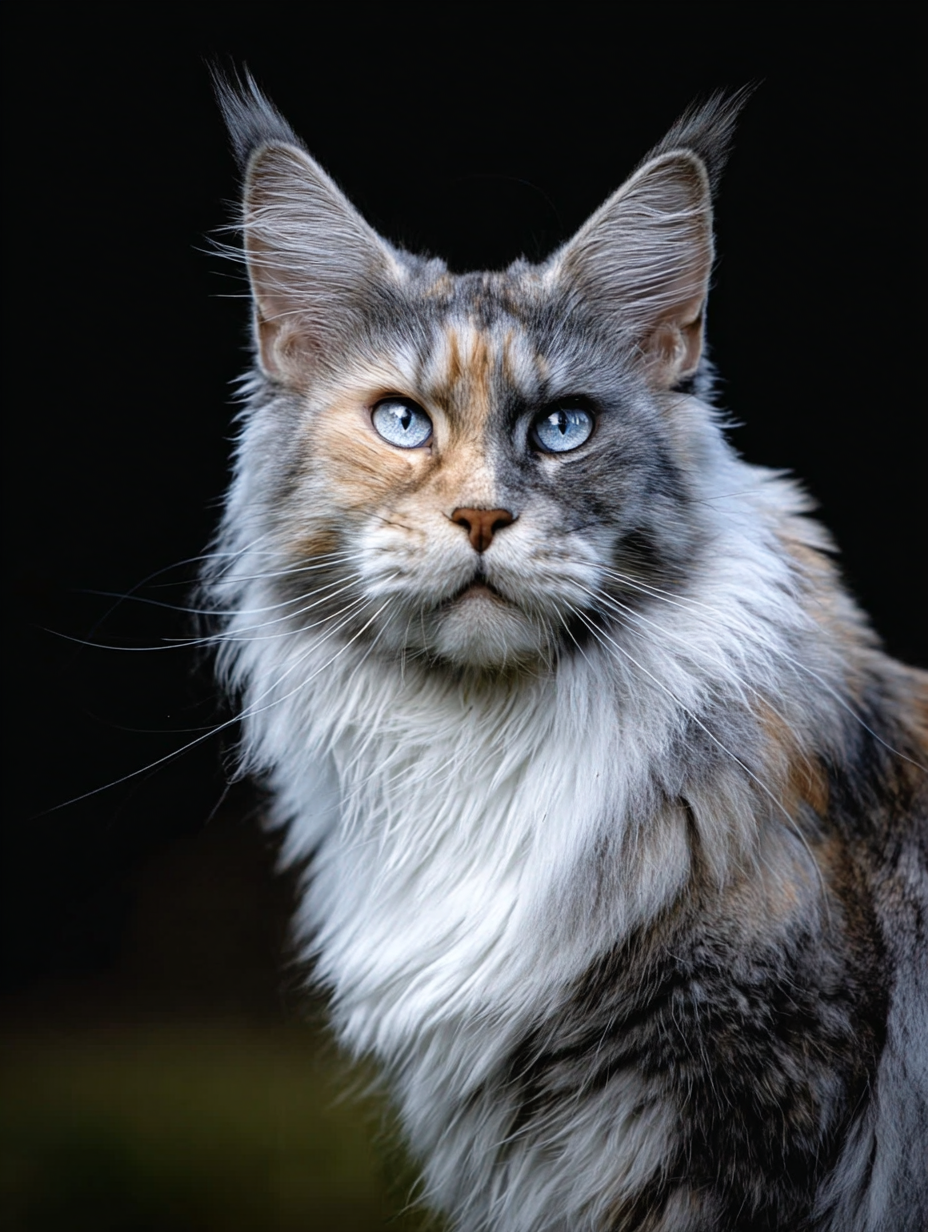
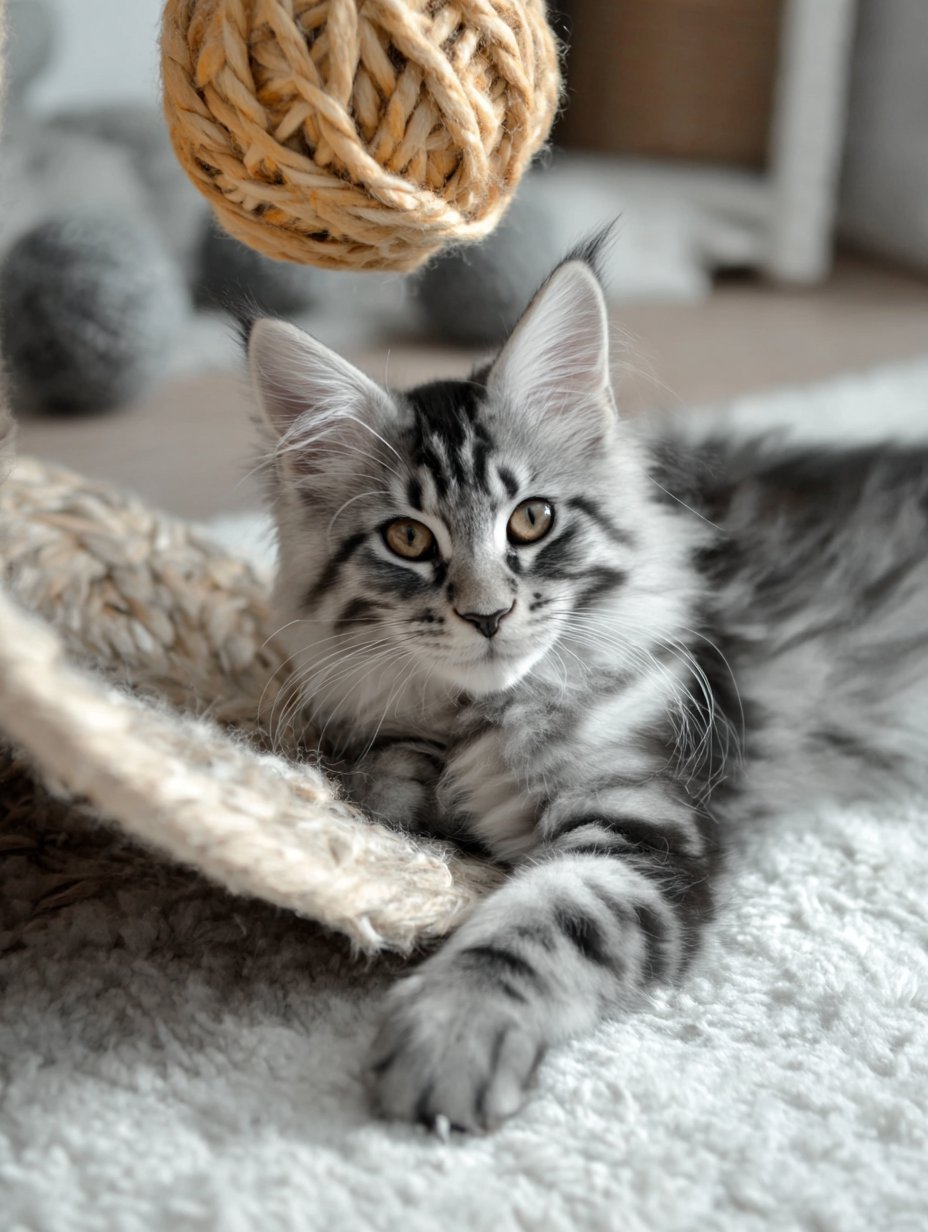
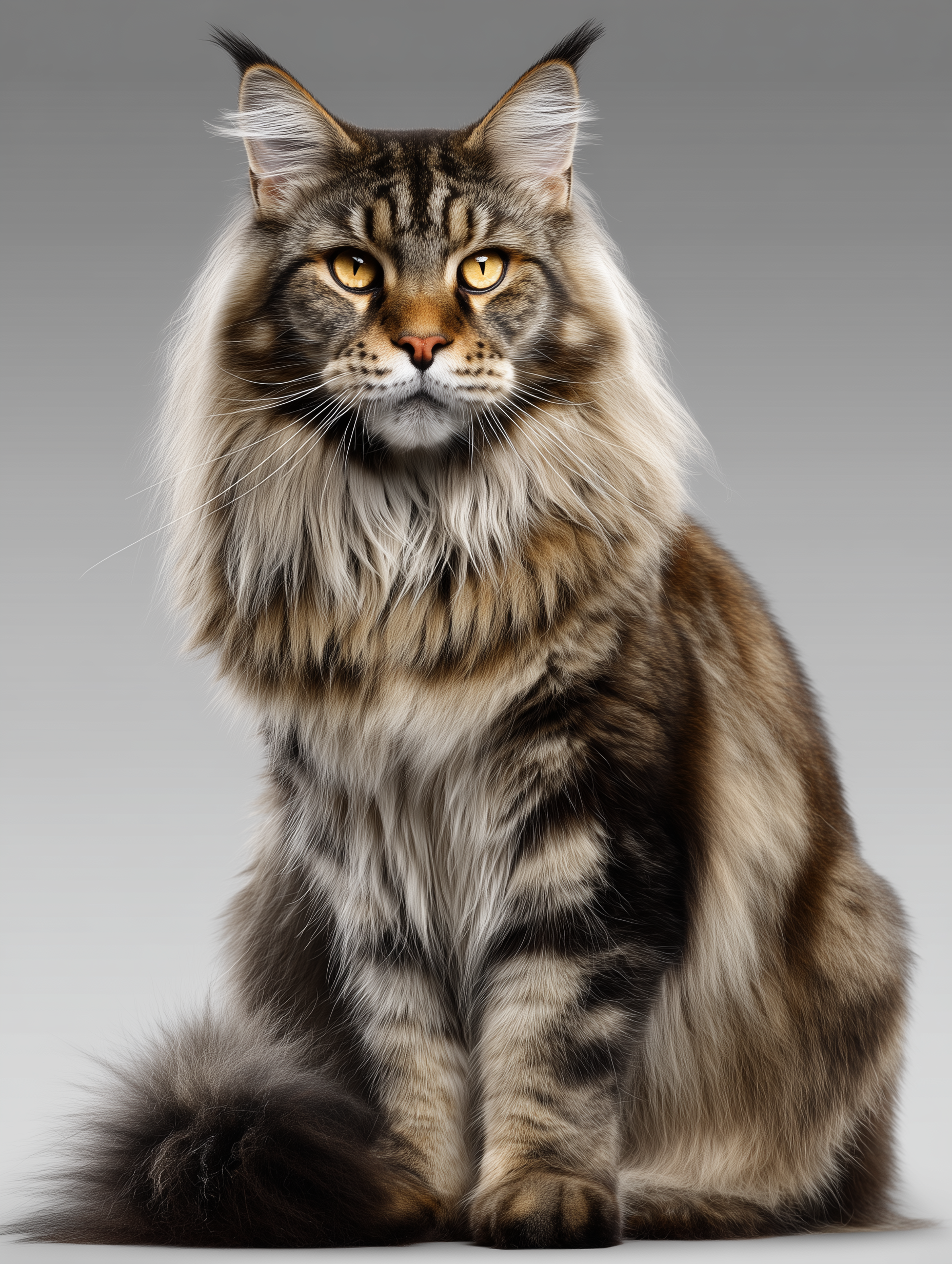
Photos and Visual Comparisons for Your Gallery
High-quality, side-by-side photos help buyers clearly see differences in:
- Body structure
- Coat texture and density
- Head shape and eye color
- Overall presence and posture
Clear visuals reduce confusion and support confident decision-making.
Buyer Guidance: Avoiding Mix-Ups & Mislabeled Cats
Ragdolls and British Longhairs are often misrepresented online. Understanding breed markers helps protect buyers from inaccurate listings.
Common Ragdoll Mislabels
- Longhaired cats advertised as “Ragdoll” without blue eyes
- Cats lacking pointed patterns
- Sellers unable to provide pedigree documentation
- Claims of “Ragdoll mix” without verified lineage
Common British Longhair Mislabels
- Domestic longhairs advertised as “British Longhair”
- Cats lacking dense, plush coat and rounded structure
- Incorrect color claims, especially goldens without proper eye color
- No registration with TICA, CFA, GCCF, or FIFe
What Ethical Breeders Provide
- TICA or CFA registration
- Parent pedigrees and lineage transparency
- HCM / PKD health testing information
- Photos or videos of parent cats
- Clear documentation of coat color and eye color development
- Transparent pricing, contracts, and reservation terms
Always request verifiable proof before placing a deposit. A reputable breeder welcomes informed questions and provides documentation openly.
Ragdoll vs British Longhair: Pros & Cons
| Breed | Pros | Cons |
|---|---|---|
| Ragdoll | • Extremely affectionate and people-attached • Enjoys being held and handled • Gentle, tolerant temperament • Soft, silky coat with elegant appearance • Excellent with children and respectful dogs • Calm energy level indoors • Strong emotional bonding with owners | • High emotional dependency; dislikes long absences • Requires frequent brushing due to silky coat • Lower activity level can lead to weight gain • Not as independent as some owners expect • Softer body structure may need monitoring in senior years |
| British Longhair | • Calm, emotionally steady temperament • Affectionate without being clingy • Plush, dense coat with structured grooming needs • Moderate shedding, mostly seasonal • Excellent indoor adaptability • Generally longer average lifespan (14–18+ years) • Strong health stability when responsibly bred • Quiet, polite presence in the home | • Requires routine brushing (2–4× per week) • Lower activity level may require portion control • Not a highly playful or athletic breed • Slow to mature physically and emotionally • May be reserved with strangers |
Quick Decision Guide
- Choose a Ragdoll if you want constant closeness, a highly affectionate companion, and strong emotional bonding.
- Choose a British Longhair if you want calm companionship, emotional balance, and manageable long-term care.
Both breeds are gentle, family-friendly, and deeply loving. The right choice depends on how much attachment, grooming, and daily interaction you want in your life.
Ragdoll vs British Longhair: Frequently Asked Questions
1. What is the main difference between a Ragdoll and a British Longhair?
The main difference lies in attachment style and emotional needs. Ragdolls are highly people-dependent cats that seek frequent physical contact and close involvement in daily life. British Longhairs are affectionate but emotionally regulated, preferring shared space and proximity over constant handling. Both are gentle breeds, but they integrate into households very differently.
2. Are Ragdolls more affectionate than British Longhairs?
Ragdolls typically display affection more overtly. They enjoy being held, carried, and staying physically close to their owners for long periods. British Longhairs are also affectionate, but they express it through calm presence, sitting nearby, and quiet companionship rather than continuous contact.
3. Which breed is more independent?
British Longhairs are more independent than Ragdolls. They tolerate alone time well, adjust easily to work schedules, and do not rely on constant human interaction for emotional security. Ragdolls, by contrast, form strong attachments and can become distressed if left alone too frequently or for long hours.
4. Are Ragdolls good for people who work full time?
Ragdolls can live in full-time working households, but they do best when they have company during the day, whether that is another pet or a family member at home. British Longhairs are generally a better fit for full-time professionals because they handle routine absences calmly and independently.
5. Which breed is better for apartments?
Both breeds adapt well to apartment living, but British Longhairs are usually easier in smaller spaces. Their low activity level and quiet nature make them well suited to calm indoor environments. Ragdolls can also live in apartments, but they often need more attention and interaction to stay content.
6. Do Ragdolls or British Longhairs shed more?
Both breeds shed moderately, but in different ways. Ragdolls shed more continuously due to their silky coat texture, which releases hair more easily. British Longhairs shed more seasonally, and their dense coat tends to hold loose hair until brushed out, making shedding feel more predictable.
7. Which breed requires more grooming?
Ragdolls generally require more frequent grooming. Their silky coat is prone to tangling in friction areas such as the chest, armpits, and belly. British Longhairs have a denser, more resilient coat that resists matting and usually only requires brushing a few times per week.
8. Are British Longhairs easier to maintain long term?
For many owners, yes. British Longhairs have structured grooming needs, predictable behavior, and lower emotional dependency. Ragdolls are not difficult cats, but they require more time, attention, and consistency in both grooming and companionship.
9. Which breed is better with children?
Both breeds are generally good with children when handled respectfully. Ragdolls are especially tolerant and often enjoy being held, making them popular with families. British Longhairs are patient and gentle but may prefer quieter interaction and less frequent handling.
10. Are Ragdolls or British Longhairs better with dogs?
Both breeds typically do well with calm, cat-savvy dogs. Ragdolls are often more socially confident and may actively seek interaction. British Longhairs are more reserved but usually coexist peacefully once properly introduced.
11. Do Ragdolls have more health issues than British Longhairs?
Neither breed is inherently unhealthy, but they have different considerations. Ragdolls are screened for hypertrophic cardiomyopathy (HCM) and require careful weight management due to low activity levels. British Longhairs also require HCM screening but generally have fewer structural or mobility concerns due to their moderate build.
12. Which breed lives longer on average?
British Longhairs tend to live slightly longer on average, often reaching 14–18+ years. Ragdolls typically live 12–15+ years, with longevity closely tied to heart health, weight control, and consistent veterinary care.
13. Are Ragdolls lap cats?
Many Ragdolls enjoy sitting on laps and being held, although individual personalities vary. British Longhairs are less likely to be lap cats and more likely to sit beside their owners, offering companionship without constant physical contact.
14. Which breed is better for first-time cat owners?
British Longhairs are often easier for first-time owners due to their calm demeanor, independence, and manageable grooming needs. Ragdolls can also be wonderful first cats, but owners should be prepared for a higher level of emotional involvement and daily interaction.
15. Do British Longhairs bond strongly with their owners?
Yes. British Longhairs form deep bonds, but they express loyalty quietly. They often choose a favorite person, follow routines closely, and enjoy being nearby without demanding constant attention.
16. Are Ragdolls too clingy?
Ragdolls are not inherently problematic, but their strong attachment style can feel overwhelming to owners who expect more independence. They are best suited to people who enjoy constant companionship and frequent interaction.
17. Which breed is quieter?
British Longhairs are typically quieter, with soft, infrequent vocalizations. Ragdolls are also not loud cats, but they may vocalize more often to communicate with their people.
18. Which breed is more playful?
Neither breed is highly athletic, but Ragdolls tend to remain playful longer and enjoy interactive play with people. British Longhairs prefer short, gentle play sessions and are content with observation and routine.
19. Which breed costs more to own long term?
Long-term costs vary by breeder and care choices, but Ragdolls may require more ongoing grooming and attention. British Longhairs often have more predictable long-term expenses related to routine care rather than ongoing management.
20. How do I choose between a Ragdoll and a British Longhair?
Choose a Ragdoll if you want constant closeness, hands-on affection, and a deeply people-oriented companion. Choose a British Longhair if you want calm companionship, emotional balance, and a cat that integrates smoothly into a structured lifestyle. Both are loving, gentle breeds—the right choice depends on your emotional bandwidth and daily routine.
Ragdoll vs British Longhair Finale:
Choosing between a Ragdoll and a British Longhair comes down to how much attachment, grooming, and daily interaction you want. Both breeds offer exceptional companionship when responsibly bred—the right choice is the one that fits your lifestyle comfortably for years to come.
Searching for Your Soul Cat?
If you’re looking for a thoughtfully bred, in-home–raised kitten with excellent temperament and type, explore our available kittens.
At Almonte Cats, every kitten is:
- TICA / CFA registered
- Raised in-home for confident, social temperaments
- From fully health-tested parents
- Vet-checked, vaccinated, and microchipped
We produce limited litters each year, and early reservations are encouraged.B
See British Longhair Kittens Available
More British Longhair Resources
See more posts about the British Longhair breed:
- British Longhair Kittens: Growth Week by Week
A guide to kitten growth stages, coat transitions, socialization, and early care. - British Longhair Breed Overview
A complete introduction to the breed’s temperament, structure, care needs, and suitability for different homes. - How to Choose a British Longhair Breeder
How to choose a reputable British Longhair breeder and what to expect throughout the process. - British Longhair Shedding and Grooming
Step-by-step coat care, tools, and maintenance routines for the semi-long double coat. - British Longhair Diet and Nutrition
Important diet recommendations, feeding charts and more. - British Longhair Size: How Big do British Longhairs Get?
See estimated size and growth charts. - British Longhair Cat Health
An overview of British Longhair health. - Best British Longhair Breeders in the USA See a list of the best breeders in the USA and what makes them awesome.
Related British and Ragdoll Posts
- British Longhair vs British Shorthair
- British Longhair vs Maine Coon
- British Longhair vs Persian
- British Shorthair vs Ragdoll
Sources & References
- The International Cat Association (TICA) – Breed Standards & Profiles
https://tica.org/breeds/browse-all-breeds
(Ragdoll and British Longhair breed standards, structure, temperament) - Cat Fanciers’ Association (CFA) – Ragdoll Breed Profile
https://cfa.org/ragdoll/ - Governing Council of the Cat Fancy (GCCF) – British Longhair Breed Information
https://www.gccfcats.org - Fédération Internationale Féline (FIFe) – Breed Standards (British Longhair)
https://fifeweb.org - International Cat Care (ISFM / iCatCare) – Cat Behavior, Grooming & Welfare
https://icatcare.org - UC Davis Veterinary Genetics Laboratory – Genetic Testing (HCM, PKD)
https://vgl.ucdavis.edu - Cornell University College of Veterinary Medicine – Feline Health Center
Hypertrophic Cardiomyopathy (HCM) and feline longevity
https://www.vet.cornell.edu/departments-centers-and-institutes/cornell-feline-health-center - Royal Veterinary College (RVC), UK – Breed Health & Longevity Studies
https://www.rvc.ac.uk - Merck Veterinary Manual – Feline Health, Weight Management & Aging
https://www.merckvetmanual.com - Journal of Feline Medicine and Surgery (JFMS) – Peer-Reviewed Feline Research
https://journals.sagepub.com/home/jfm





Read the Comments +