
British Longhair Cat Price: How Much a British Longhair Really Costs in 2026
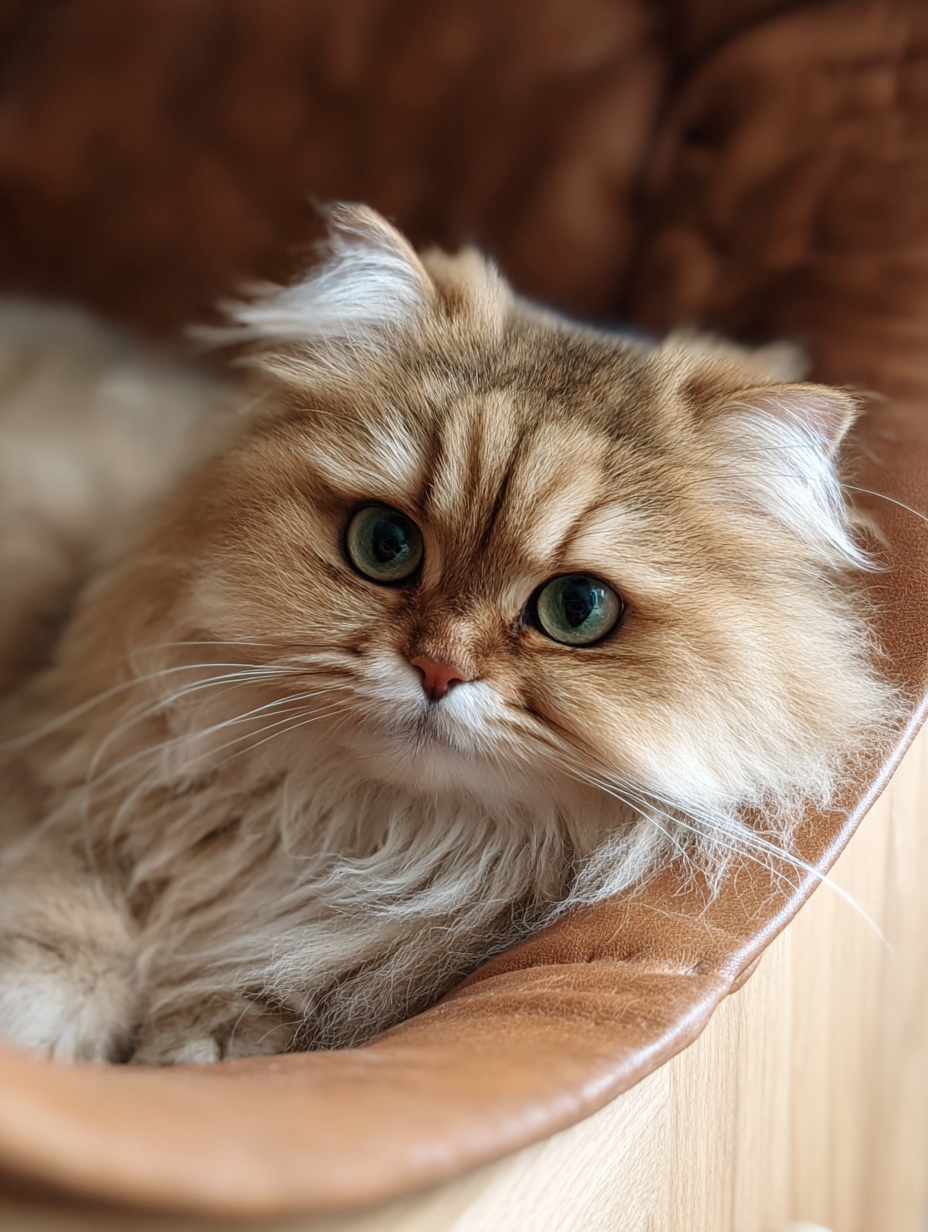
The British Longhair cat price varies widely based on coat color, bloodline quality, breeder reputation, and whether the kitten comes from imported or established lines. In 2025, the average price of a British Longhair kitten in the United States typically ranges from $3,000 to $6,500 when purchased from a registered, ethical breeder.
However, rare and highly sought-after colors—especially golden shaded, golden shell, silver shaded, and select imported lines—can command $7,000 to $10,000+ due to scarcity, breeding difficulty, and global demand.
If you’re researching how much a British Longhair costs, this guide breaks down realistic pricing tiers, explains what drives cost differences, and helps you understand what separates a responsibly bred British Longhair from cheap imitations often seen online.
👉 Apply here to reserve a British Longhair kitten
British Longhair Cat Price Overview (2026)
When buyers ask, “How much is a British Longhair?”, the answer depends on pedigree depth, coat color, breeder investment, and long-term breeding goals. Below is a realistic pricing overview for the U.S. market:
| Type of British Longhair | Average Price (USD) |
|---|---|
| Pet Quality (Registered) | $3,000 – $4,500 |
| Show / Breeding Quality | $5,000 – $7,000 |
| Rare Colors (Golden Shaded, Silver Shaded, Shell) | $7,000 – $10,000+ |
| Imported or Elite Bloodlines | $6,500 – $9,500+ |
| Retired Adult | $800 – $1,500 |
British Longhairs are often priced higher than many other longhaired breeds due to slow maturation, dense coat genetics, and limited availability. Lower-priced listings on social media are frequently misidentified domestic longhairs or unregistered mixes marketed under the British name.
Why British Longhair Cats Are Expensive
The cost of a British Longhair reflects years of breeder investment, not just the kitten itself. Several key factors drive pricing:
Selective, Multi-Generation Breeding Programs
British Longhairs are not mass-produced. Ethical breeders carefully match bloodlines to preserve:
- Proper British type and bone density
- Dense, plush coat texture
- Balanced facial structure
- Calm, emotionally steady temperament
Producing consistent British Longhair quality—especially in golden and shaded lines—can take many generations and significant financial investment.
Health Testing & Veterinary Care
Responsible British Longhair breeders invest heavily in health screening, including:
- HCM (Hypertrophic Cardiomyopathy) screening
- PKD (Polycystic Kidney Disease) testing
- Routine veterinary exams
- Vaccinations
- Microchipping
- Health certificates prior to placement
These costs are non-negotiable in ethical programs and are reflected in kitten pricing.
Registration, Pedigree & Breed Authenticity
Authentic British Longhairs are registered with organizations such as:
- TICA
- CFA
- GCCF
- FIFe
Registration confirms lineage, coat genetics, and breed legitimacy. Maintaining pedigrees, memberships, and compliance with registry standards adds to breeder expenses but protects buyers from misrepresentation.
Slow Growth & Intensive Early Rearing
British Longhairs are slow-maturing cats, both physically and emotionally. Ethical breeders keep kittens for 12–14+ weeks, providing:
- Premium nutrition
- Early socialization
- Litter training
- Behavioral conditioning
- Careful coat and handling exposure
This extended rearing period significantly increases cost compared to faster-maturing breeds.
Why Golden & Shaded British Longhairs Cost More
Golden shaded and shell British Longhairs sit at the top of the pricing spectrum because:
- Color genetics are complex and difficult to reproduce consistently
- Proper eye color development takes time and expertise
- Demand far exceeds supply worldwide
- Importing and maintaining high-quality golden lines is extremely costly
These cats are often considered investment-quality companions, not just pets.
How Much Does a British Longhair Cat Cost to Own?
The purchase price of a British Longhair kitten is only part of the total investment. Like all pedigree cats, British Longhairs come with ongoing lifetime costs related to nutrition, veterinary care, grooming, and general upkeep.
Below is a realistic estimate of annual ownership costs for a British Longhair in the United States:
| Expense | Estimated Annual Cost (USD) |
|---|---|
| Premium, Species-Appropriate Food | $500 – $900 |
| Routine Veterinary Care | $300 – $700 |
| Pet Insurance | $350 – $600 |
| Litter & Household Supplies | $300 – $500 |
| Grooming Tools & Accessories | $150 – $300 |
| Estimated Annual Total | $1,600 – $3,000 |
British Longhairs commonly live 14–18+ years, which means lifetime ownership costs can realistically reach $25,000–$40,000+, especially when factoring in senior care, dental cleanings, travel, or professional grooming during shedding seasons.
British Longhair Kittens for Sale: Understanding Price Ranges
Pet Quality vs. Show / Breeding Quality
Not all British Longhair kittens are priced the same. Cost reflects conformation, coat density, color genetics, and pedigree depth.
- Pet Quality ($3,000–$4,500)
Healthy, registered kittens with excellent temperament and minor cosmetic variations that do not affect companionship. Ideal for families and first-time owners. - Show / Breeding Quality ($5,000–$7,000+)
Exceptional coat density, structure, eye color, and overall British type. These kittens meet or closely approach breed standards and are suitable for show or elite programs.
How Color & Pattern Affect British Longhair Price
Color plays a major role in British Longhair pricing due to genetic complexity, rarity, and global demand. Some colors require generations of careful selection to produce correctly.
Average British Longhair Kitten Price by Color (2025)
| Color Variety | Average Price (USD) | Popularity in the U.S. | Notes |
|---|---|---|---|
| Golden Shaded / Golden Shell | $7,000 – $10,000+ | ⭐⭐⭐⭐⭐ | Extremely rare, high global demand, complex genetics |
| Silver Shaded / Silver Shell | $6,000 – $9,000 | ⭐⭐⭐⭐ | Dramatic contrast, difficult to breed correctly |
| Blue (Solid) | $4,500 – $6,500 | ⭐⭐⭐⭐⭐ | Iconic, plush, consistently in demand |
| Lilac | $4,000 – $6,000 | ⭐⭐⭐⭐ | Soft pastel tone, limited U.S. availability |
| Cream | $3,500 – $5,000 | ⭐⭐⭐ | Gentle ivory shade, less common |
| Black / White / Tabby | $3,000 – $4,500 | ⭐⭐⭐⭐ | Classic colors with strong British type |
Golden shaded and shell British Longhairs sit at the top of the price spectrum because:
- The color is genetically complex
- Eye color development takes time and expertise
- Demand far exceeds supply worldwide
- Many lines rely on imported European bloodlines
These kittens are often considered investment-level companions, not mass-produced pets.
Does British Longhair Kitten Price Vary by Color?
Yes — color significantly affects British Longhair pricing.
The most consistently in-demand colors include:
- Blue British Longhair kittens, known for their plush blue-gray coats and copper or gold eyes
- Golden shaded British Longhairs, prized for their warm coats and green eyes, often reaching $7,000–$10,000+
- Silver shaded and shell varieties, valued for contrast and rarity
While color influences price, responsible breeders encourage buyers to prioritize health, temperament, and breeder ethics over appearance alone. A well-bred British Longhair of any color will offer the calm, plush companionship the breed is known for.
How Much Does a Blue British Longhair Cost?
The Blue British Longhair is one of the most recognizable and consistently in-demand color varieties in the breed. In 2025, the average cost of a registered, health-tested Blue British Longhair kitten in the United States ranges from $4,500 to $6,500.
Kittens from championship or imported European lines—especially those with exceptional coat density, deep copper eyes, and strong British type—can exceed this range.
Reputable breeders specializing in Blue British Longhairs focus on:
- Dense, plush blue coats that stand away from the body
- Rich copper or gold eye color
- Balanced bone structure and calm temperament
If you see “Blue British Longhair kittens” advertised for under $2,000, proceed with caution. These are often unregistered domestic longhairs or mixed cats inaccurately labeled as British.
How Much Do Golden British Longhairs Cost?
Golden British Longhairs—including golden shaded, golden shell (chinchilla), and high-contrast goldens—sit at the top of the price spectrum for the breed.
- Average Price: $7,000 – $9,000
- Elite / Imported Lines: $9,000 – $10,000+
Golden British Longhairs are considered luxury companion cats due to:
- Extremely complex color genetics
- Limited breeding programs worldwide
- High demand paired with very low availability
- Eye color development that requires time and expertise
Because many golden lines are still developing in North America, breeders often import breeding cats from Europe or Asia, significantly increasing costs. Buyers should always request:
- Registration papers (TICA, CFA, GCCF, or FIFe)
- DNA health testing (HCM / PKD)
- Proof of correct golden genetics and eye color development
How Much Does a British Longhair Kitten Cost Overall?
Across all colors, the British Longhair kitten price in the U.S. generally falls into these ranges:
- Pet Quality (Registered): $3,000 – $4,500
- Show / Breeding Quality: $5,000 – $7,000+
- Rare Colors (Golden, Shaded, Shell): $7,000 – $10,000+
British Longhairs are not discounted versions of other British cats. Well-bred Longhairs with proper coat density, structure, and temperament often cost as much as—or more than—shorthaired counterparts, especially in rare colors.
What Affects British Longhair Price by Country?
British Longhair pricing varies globally based on demand, breeding availability, and import costs.
| Country / Region | Average Price (USD Equivalent) |
|---|---|
| United States | $3,000 – $7,000+ |
| United Kingdom | £1,500 – £3,500 |
| Canada | $3,000 – $6,000 |
| Australia | AUD 3,500 – 7,000 |
| Eastern Europe | €1,500 – €3,500 |
Importing a British Longhair kitten can raise the total cost to $6,000–$10,000+ once airfare, customs clearance, health certificates, and quarantine requirements are included.
Are British Longhair Cats Worth the Price?
Yes. A properly bred British Longhair is an investment in health, temperament, and long-term companionship, not just appearance.
The breed is valued for:
- Calm, emotionally stable temperament
- Affection without clinginess
- Excellent indoor adaptability
- Strong health when responsibly bred
- Long average lifespan (14–18+ years)
When viewed across a decade or more of companionship, the British Longhair’s low stress, balanced nature, and manageable care needs make the price reflect genuine long-term value—not luxury markup.
How to Find Reputable British Longhair Cat Breeders
Because British Longhair kittens are premium-priced and limited in availability, they are frequently targeted by scammers and misrepresentation online. Protecting yourself starts with knowing what ethical British Longhair breeders provide—and what red flags to avoid.
What to Look For in a Reputable British Longhair Breeder
- Verified Registration
Look for kittens registered with TICA, CFA, GCCF, or FIFe. Registration confirms lineage and breed authenticity. - Documented Health Testing
Ethical breeders provide proof of HCM and PKD screening on parent cats and are transparent about long-term health goals. - Parent Visibility
Reputable breeders are willing to show parent cats via video or in person, explain temperament traits, and discuss how kittens are raised. - Clear Contracts
A proper contract should include:- Health guarantees
- Spay/neuter terms for pet kittens
- Return or support policies
- Public Reputation
Search the breeder’s name along with terms like “reviews,” “complaints,” or “scam.” Ethical breeders maintain a consistent, verifiable online presence.
Be cautious of sellers who:
- Refuse video calls
- Offer airport parking-lot meetups
- Use stolen photos
- Push for quick deposits without paperwork
If you want a safer route, focus on registered British Longhair breeders affiliated with recognized feline organizations, not social media marketplaces.
What Does It Cost to Adopt a British Longhair From a Shelter?
In practice, British Longhair cats are almost never available in shelters. This breed is rare, tightly controlled by registered breeders, and typically placed directly with approved families. Unlike common domestic cats, British Longhairs are not produced in large numbers, and responsible breeders maintain lifelong placement policies.
Typical Shelter Adoption Fees (General Reference)
If a British Longhair were ever to appear in a rescue or shelter—which is extremely uncommon—the adoption fee would likely fall within standard shelter ranges:
- $100 – $300 depending on location and age
- Basic vaccinations and spay/neuter usually included
- Limited or no pedigree information
However, it’s important to understand that cats labeled “British Longhair” in shelters are almost always domestic longhairs, not pedigreed British cats. True British Longhairs require:
- Documented lineage
- Registry recognition (TICA, CFA, GCCF, FIFe)
- Specific coat density, structure, and temperament traits
Without paperwork, a cat cannot be confirmed as British Longhair—even if it resembles one visually.
Why British Longhairs Don’t End Up in Shelters
British Longhairs are rarely surrendered because:
- They are carefully placed with vetted owners
- Breeders maintain return-to-breeder clauses in contracts
- Owners invest heavily and plan long-term
- The breed has a calm, stable temperament that adapts well to indoor life
When owners can no longer keep a British Longhair, the cat is typically returned to the breeder or privately rehomed, not surrendered to a shelter.
What to Know as a Buyer
If your goal is to own a true British Longhair, adoption is not a realistic path. Buyers should be cautious of:
- Shelter listings using breed names without documentation
- Online ads claiming “British Longhair mix”
- Sellers offering pedigree cats without registration
While shelters are wonderful places to adopt companion animals, British Longhairs are a breeder-placed breed, not a shelter-available one.
British Longhair Cost Compared to Other Popular Breeds
| Breed | Average Kitten Price (USD) | General Temperament |
|---|---|---|
| British Longhair | $3,000 – $7,000+ | Calm, emotionally steady, reserved |
| Ragdoll | $2,500 – $5,500 | Very affectionate, people-focused |
| Maine Coon | $2,500 – $6,000+ | Playful, outgoing, dog-like |
| Scottish Fold | $2,000 – $3,500 | Sweet, quiet (health concerns apply) |
| Exotic Shorthair | $2,500 – $5,000 | Affectionate, low-energy |
British Longhairs rank among the most balanced longhaired breeds for buyers who want elegance, calm temperament, and manageable long-term care without extremes in structure or maintenance.
How Much Does It Cost to Raise British Longhair Kittens?
To understand British Longhair pricing, it’s important to understand what ethical breeders invest before, during, and after a litter is born. British Longhairs are slow-maturing, low-yield breeders, and many litters cost far more to raise than buyers realize.
Typical Breeder Costs Per British Longhair Litter
| Breeder Expense | Estimated Cost (USD) |
|---|---|
| Importing Breeding Cats (Europe/UK/Asia) | $4,000 – $10,000+ per cat |
| Health Testing (HCM, PKD, DNA panels) | $1,000 – $2,500 |
| Stud Fees or Line Access | $1,500 – $4,000 |
| Prenatal Veterinary Care | $400 – $800 |
| Emergency C-Section (if needed) | $2,500 – $6,000+ |
| Neonatal & Postpartum Care | $300 – $700 |
| Premium Food & Litter (14+ weeks) | $600 – $1,000 |
| Vaccinations, Exams, Microchips | $800 – $1,500 |
| Registration, Pedigrees, Contracts | $300 – $600 |
| Kitten Kits, Socialization, Time | Significant, ongoing |
A single British Longhair litter can easily exceed $8,000–$15,000, and that’s without complications.
The Hidden Costs Buyers Don’t See
British Longhair breeding carries real financial risk, not guaranteed profit.
- Small litter sizes (often 2–4 kittens)
- High likelihood of veterinary intervention, especially in first-time or imported queens
- Emergency cesarean sections, which can happen even in healthy pregnancies
- Loss of kittens or fertility setbacks that cannot be “recovered” financially
- Long-term maintenance of breeding cats, many of whom are retired early
A breeder may invest tens of thousands of dollars in a single breeding cat over its lifetime, often producing only a handful of litters.
Why This Matters for Buyers
When you see a British Longhair kitten priced at $6,000–$10,000+, you are not paying for “fluff” or hype. You are paying for:
- Imported, carefully selected bloodlines
- Health-tested, ethically bred parents
- Emergency-ready veterinary planning
- Extended in-home socialization
- A breeder who absorbs risk instead of cutting corners
Cheap British Longhair kittens almost always mean:
- No health testing
- No imports or pedigree depth
- No emergency preparedness
- No long-term breeder accountability
Bottom Line
Ethical British Longhair breeders do not profit from cutting costs — they survive by planning for emergencies, investing in genetics, and limiting litters to protect their cats.
That investment is what allows buyers to take home a healthy, well-adjusted British Longhair kitten with confidence.
British Longhair Cat Price & Cost – Buyer FAQ
How much does a British Longhair kitten cost in the United States?
A British Longhair kitten from a registered, ethical breeder typically costs $3,000–$6,500 in the U.S.
Rare colors such as golden shaded, golden shell, and silver shaded often range from $7,000 to $10,000+ due to scarcity and breeding difficulty.
Prices below this range usually indicate unregistered cats or misidentified domestic longhairs.
Why are British Longhair kittens so expensive?
British Longhairs are expensive because they are slow to mature, low-yield breeders that require significant genetic, veterinary, and import investment.
Ethical breeders absorb costs for:
- Imported bloodlines
- Health testing (HCM, PKD)
- Emergency-ready veterinary care
- Extended in-home socialization
The price reflects risk, quality, and long-term health, not just appearance.
Are British Longhair cats more expensive than British Shorthairs?
Often, yes. While some colors overlap in price, British Longhairs—especially goldens and shaded varieties—frequently cost more.
Producing correct longhair coat density and rare colors requires more selective breeding and often imports.
Why do golden British Longhairs cost $7,000–$10,000 or more?
Golden shaded and shell British Longhairs are among the rarest British cats in the world.
They require:
- Complex recessive genetics
- Multiple generations to refine coat tone and eye color
- Imported breeding cats from Europe or Asia
Demand far exceeds supply, which drives pricing into the luxury tier.
Is a British Longhair worth the price?
For the right owner, yes. British Longhairs are valued for:
- Calm, emotionally stable temperament
- Affection without clinginess
- Strong health when responsibly bred
- Long lifespan (often 14–18+ years)
When viewed over a decade or more of companionship, many owners consider the cost justified.
What is the difference between pet-quality and show-quality British Longhairs?
Pet-quality kittens are healthy, registered, and well-socialized but may have minor cosmetic differences.
Show or breeding-quality kittens have exceptional coat density, structure, eye color, and pedigree depth.
The difference is visual and genetic—not related to health or personality.
Do British Longhair prices vary by color?
Yes, significantly. Color plays a major role in pricing due to genetics and demand.
In general:
- Golden shaded / shell → highest priced
- Silver shaded / shell → very high
- Blue (solid) → consistently premium
- Black, white, tabby → more accessible
Color rarity and eye color development both affect cost.
Why are cheap British Longhair kittens a red flag?
British Longhairs cannot be ethically produced cheaply.
Low prices often indicate:
- No registration or pedigree
- No health testing
- Misidentified domestic longhairs
- Stolen photos or deposit scams
A legitimate breeder will provide documentation willingly.
How much does it cost to own a British Longhair long term?
Annual ownership costs typically range from $1,600–$3,000, including:
- Premium food
- Routine veterinary care
- Litter and supplies
- Grooming tools
- Insurance
Over a lifetime, total costs often reach $25,000–$40,000+.
Are British Longhairs high maintenance?
No, but they are not maintenance-free.
Their dense, plush coat requires brushing 2–4 times per week, with more during seasonal shedding.
They are considered moderate-maintenance for a longhaired breed.
Do British Longhairs shed a lot?
They shed moderately and seasonally, not constantly.
Because the coat is dense rather than silky, loose hair is easier to manage with routine brushing.
Are British Longhairs good for apartments?
Yes. British Longhairs adapt exceptionally well to indoor living.
They are calm, quiet, and emotionally steady, making them ideal for apartments and professional households.
Are British Longhairs good with children and other pets?
Generally yes, when properly socialized.
They are patient, tolerant, and emotionally regulated, though not overly playful or demanding.
How long do British Longhair cats live?
Most responsibly bred British Longhairs live 14–18+ years.
Their moderate body structure and calm lifestyle support healthy aging.
What health issues should buyers ask about?
Reputable breeders screen for:
- Hypertrophic cardiomyopathy (HCM)
- Polycystic kidney disease (PKD)
Buyers should always request proof of health testing for both parents.
Is pet insurance recommended for British Longhairs?
Yes. While the breed is generally healthy, insurance helps offset:
- Emergency care
- Dental procedures
- Age-related diagnostics
Many owners find insurance worthwhile for peace of mind.
Why do some breeders charge more for the same color?
Pricing reflects pedigree depth, coat quality, eye color development, imports, and breeder investment, not just color name.
Two “blue British Longhairs” can differ dramatically in structure and lineage.
Can I find British Longhairs at shelters or rescues?
Rarely. British Longhairs are uncommon and usually placed directly through breeders.
Occasionally retired adults may be available from ethical catteries at reduced cost.
How can I verify a British Longhair breeder is legitimate?
A reputable breeder will provide:
- TICA, CFA, GCCF, or FIFe registration
- Health testing documentation
- Parent photos or videos
- Clear contracts and pricing
- No pressure tactics
Transparency is the strongest indicator of legitimacy.
Should I choose a British Longhair over a Ragdoll or Maine Coon?
Choose a British Longhair if you want:
- Calm companionship
- Emotional balance
- Moderate grooming
- Quiet presence
They suit owners who value serenity over high interaction or dependency.
What is the biggest mistake buyers make?
Choosing based on price or color alone instead of:
- Breeder ethics
- Health testing
- Temperament fit
- Long-term lifestyle compatibility
A well-bred British Longhair of any color will outperform a poorly bred “rare” kitten.
Searching for Your Soul Cat?
If you’re looking for a thoughtfully bred, in-home–raised kitten with excellent temperament and type, explore our available kittens.
At Almonte Cats, every kitten is:
- TICA / CFA registered
- Raised in-home for confident, social temperaments
- From fully health-tested parents
- Vet-checked, vaccinated, and microchipped
We produce limited litters each year, and early reservations are encouraged.B
See British Longhair Kittens Available
More British Longhair Resources
See more posts about the British Longhair breed:
- British Longhair Kittens: Growth Week by Week
A guide to kitten growth stages, coat transitions, socialization, and early care. - British Longhair Breed Overview
A complete introduction to the breed’s temperament, structure, care needs, and suitability for different homes. - How to Choose a British Longhair Breeder
How to choose a reputable British Longhair breeder and what to expect throughout the process. - British Longhair Shedding and Grooming
Step-by-step coat care, tools, and maintenance routines for the semi-long double coat. - British Longhair Diet and Nutrition
Important diet recommendations, feeding charts and more. - British Longhair Size: How Big do British Longhairs Get?
See estimated size and growth charts. - British Longhair Cat Health
An overview of British Longhair health. - Best British Longhair Breeders in the USA See a list of the best breeders in the USA and what makes them awesome.
Sources & References
- The International Cat Association (TICA) – British Longhair Breed Information & Registration
https://tica.org/breeds/browse-all-breeds - Cat Fanciers’ Association (CFA) – Pedigree Registration, Breeder Standards
https://cfa.org - Governing Council of the Cat Fancy (GCCF) – British Breed Standards & Longhair Variant
https://www.gccfcats.org - Fédération Internationale Féline (FIFe) – British Longhair Breed Recognition & Standards
https://fifeweb.org - International Cat Care (ISFM / iCatCare) – Cat Welfare, Ownership Costs, Rehoming Practices
https://icatcare.org - UC Davis Veterinary Genetics Laboratory – Feline Genetic Testing (HCM, PKD)
https://vgl.ucdavis.edu - Cornell University College of Veterinary Medicine – Feline Health Center
Hypertrophic Cardiomyopathy, longevity, preventive care
https://www.vet.cornell.edu/departments-centers-and-institutes/cornell-feline-health-center - Royal Veterinary College (RVC), UK – Breed Health & Longevity Studies
https://www.rvc.ac.uk - Merck Veterinary Manual – Feline Preventive Care, Reproductive Risks, C-Section Costs
https://www.merckvetmanual.com - ASPCA & Humane Society of the United States (HSUS) – Shelter Adoption Practices & Breed Mislabeling
https://www.aspca.org
https://www.humanesociety.org - Journal of Feline Medicine and Surgery (JFMS) – Peer-Reviewed Research on Feline Health & Breeding
https://journals.sagepub.com/home/jfm





Read the Comments +