
Teacup Munchkin Cats: Are Teacup Munchkins Real or a Marketing Myth?
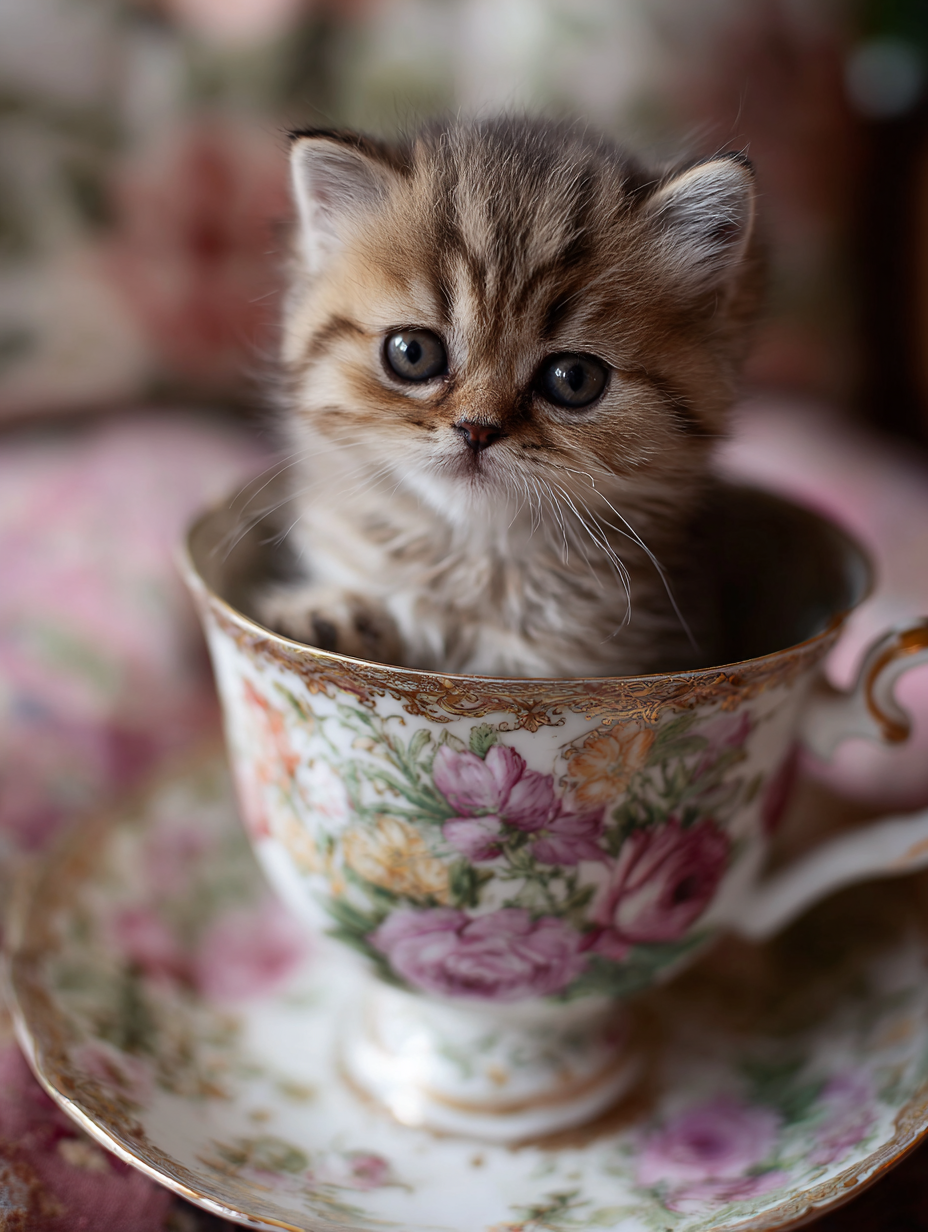
The phrase “teacup Munchkin cat” appears frequently in online searches, often used to describe an extra-small cat with very short legs. While Munchkins are a naturally short-legged breed, the term teacup adds confusion rather than clarity.
If you’re researching teacup Munchkin cats, this guide explains what the term really means, how Munchkins actually grow, and how to understand size claims responsibly.
Quick Summary: Teacup Munchkin Cats Explained
Many people search for teacup Munchkin cats expecting an extra-small or miniature version of the Munchkin breed. In reality, teacup Munchkins are not a recognized size or breed category. The term is commonly used to describe young kittens, naturally smaller females, or cats whose short legs create the appearance of being smaller. This guide explains what the term really means, how Munchkin cats grow, potential health considerations, and how to choose a Munchkin responsibly without relying on misleading size labels.
Teacup Munchkin Cats — Key Facts at a Glance
| Topic | What You Should Know |
|---|---|
| Are teacup Munchkin cats real? | No. “Teacup” is not a recognized size or breed category. |
| Registry recognition | Not recognized by TICA, CFA, or FIFe. |
| What defines a Munchkin | Short legs due to a genetic trait, not overall body size. |
| Typical adult size | Usually around 6–9 pounds as adults. |
| Why kittens look tiny | Short legs and young age exaggerate size differences. |
| Do teacup Munchkins stay small? | No. Bodies continue developing into adulthood. |
| Health concerns | Risks increase when size extremes are bred intentionally. |
| Apartment suitability | Good, due to temperament and moderate activity levels. |
| Ethical breeder stance | Focus on health, structure, and honest size expectations. |
| Best alternative to “teacup” | Choose based on temperament, mobility, and lifestyle fit. |
Why People Search for “Teacup Munchkin Cats”
Most people searching for teacup Munchkin cats are not looking for a novelty animal — they are looking for a cat that feels physically manageable and well suited to their lifestyle.
Common motivations include:
- wanting a smaller-bodied cat
- assuming shorter legs mean a “teacup” size
- apartment or indoor-only living considerations
- belief that a smaller cat may be easier to handle or care for
The word teacup is often used as shorthand for extra small, even though Munchkins are already a breed defined by leg length, not body size. Social media imagery and young kitten photos reinforce this misconception, causing the term to spread despite lacking any official meaning.
Looking for the Right Kitten for you?
If you’re researching teacup Munchkin cats because you want a calm, manageable companion, the best match comes from temperament and thoughtful breeding, not marketing terms. We raise Ragdoll and British kittens with honest guidance on size and long-term support.
→ View Our Ragdoll & British Kittens
Are Teacup Munchkin Cats a Real Breed or Size Category?
No. Teacup Munchkin cats are not a recognized breed or size classification.
Major cat registries including:
- TICA (The International Cat Association)
- CFA (Cat Fanciers’ Association)
- FIFe (Fédération Internationale Féline)
do not recognize teacup as a category for Munchkins or any other breed.
From a veterinary and genetic perspective:
- Munchkins are defined by a naturally occurring form of short-limbed dwarfism
- This affects leg length only, not overall body size
- There is no separate genetic mechanism that creates a healthy, permanently “miniature” Munchkin
The term teacup is therefore a marketing label, not a biological or registry-recognized designation.
How Munchkin Cats Normally Grow and Mature
Understanding normal Munchkin development helps explain why many are mistakenly labeled “teacup.”
Typical Adult Size Range
Despite their short legs, most adult Munchkins fall within a normal domestic cat weight range:
- typically around 6–9 pounds, depending on lineage and body type
They are not dramatically smaller than other cats — they are simply lower to the ground.
Male vs. Female Differences
Female Munchkins are generally:
- lighter
- more compact in build
Males tend to be:
- broader
- heavier-boned
Cats marketed as teacup Munchkins are often young females, not a separate size category.
Growth Timeline
Munchkins mature similarly to other cats:
- most growth occurs in the first year
- muscle and body mass continue developing into adulthood
- leg length does not change, but overall body size does
Why Munchkin Kittens Appear Extra Small
Munchkin kittens:
- have short legs from birth
- are often photographed very young
- appear smaller because their proportions exaggerate size differences
As they mature, their bodies fill out, and many no longer appear “teacup” at all.
Important Clarification for Size-Conscious Buyers
A Munchkin’s leg length does not equal overall size. A well-bred adult Munchkin may look compact and low to the ground while still having a normal, healthy body mass. Focusing on responsible breeding, structure, and temperament provides a far more accurate picture than relying on the word teacup.
What Sellers Usually Mean When They Say “Teacup Munchkin”
When the phrase “teacup Munchkin” is used in listings or conversations, it does not describe a recognized size category. In practice, it usually refers to one of the following situations.
Smaller Females Within the Breed
Female Munchkins are often lighter and more compact than males. Some sellers use the word teacup to describe naturally smaller females, even though these cats fall well within normal Munchkin size expectations.
These cats are not miniature or genetically distinct — they are simply smaller individuals within the breed.
Younger Kittens Marketed Early
Very young Munchkin kittens often look extremely small because:
- their bodies have not yet filled out
- their short legs exaggerate their proportions
- photos are taken before adult mass develops
As these kittens mature, many grow into normal adult Munchkins with fuller bodies, making early “teacup” claims misleading.
Mixed or Poorly Bred Lines
In some cases, teacup Munchkin is used to obscure:
- mixed ancestry
- inconsistent body structure
- lack of pedigree documentation
Without responsible breeding and clear lineage, size claims become unreliable and unpredictable.
Intentional Miniaturization (Ethical Concerns)
More concerning are attempts to breed for extreme smallness on top of a short-legged structure. Stacking size extremes increases health risk and is widely avoided by ethical breeders.
Munchkins are defined by leg length — intentionally reducing overall body size introduces unnecessary welfare concerns.
The word teacup is frequently used across multiple breeds, not just Munchkins. Similar size claims are often seen with larger breeds as well, including Ragdolls, even though teacup Ragdoll cats are also not a recognized type.
Health Considerations Linked to “Teacup” Claims
Because Munchkins already have a unique skeletal structure, claims of further miniaturization deserve careful scrutiny.
Skeletal Development
Munchkins require proper bone and joint support throughout development. Breeding or marketing for extreme small size can increase:
- joint strain
- reduced structural stability
- long-term mobility concerns
Organ Growth
Internal organs develop proportionally with body mass. Restricting growth or selecting for excessive smallness can compromise organ development and overall resilience.
Long-Term Health and Lifespan Considerations
Cats bred or marketed for extreme size may experience:
- increased veterinary needs
- reduced physical resilience
- lower quality of life over time
These risks are associated with size manipulation, not with responsibly bred Munchkins as a breed.
Why Size Extremes Increase Risk
Any extreme — oversized or undersized — places additional strain on the body. Ethical breeding prioritizes balance, proportion, and function, not novelty.
Why Ethical Breeders Do Not Breed Teacup Munchkin Cats
Responsible breeders do not breed for teacup size because it conflicts with long-term health and welfare goals.
Breeding for Health vs. Novelty
Ethical Munchkin breeding focuses on:
- sound structure
- normal body proportions
- comfortable mobility
- long-term quality of life
Novelty labels like teacup shift focus away from these priorities.
How Responsible Breeders Describe Size Honestly
Rather than using misleading terms, reputable breeders explain:
- expected adult weight ranges
- differences between males and females
- how body type fills out over time
This transparency helps families make informed, realistic decisions.
Transparency and Long-Term Welfare
Ethical breeders remain involved beyond placement and prioritize lifelong outcomes. By avoiding misleading size claims, they support healthier cats and better matches between kittens and homes.
Is a “Teacup Munchkin” the Right Choice for Your Home?
Most people considering a teacup Munchkin cat are really trying to determine whether a Munchkin fits their lifestyle — not whether a marketing label is accurate. Understanding how Munchkins live and move matters far more than chasing an unrecognized size term.
Apartment Living vs. House
Munchkin cats generally adapt well to apartment living due to their:
- moderate activity levels
- indoor-friendly nature
- preference for human companionship
A smaller home does not require a “teacup” cat. A well-bred Munchkin with sound structure and good mobility can thrive in apartments and houses alike.
Handling and Activity Expectations
Munchkins are often playful, social, and interactive. While their short legs change how they jump or climb, they are not fragile and do not require special handling simply because of size.
Ease of handling depends far more on socialization, confidence, and temperament than on whether a cat is described as “teacup.”
Better Criteria Than Size Alone
Rather than focusing on a size label, families should evaluate:
- how outgoing or reserved the cat is
- tolerance for handling and daily interaction
- adaptability to new environments
These traits determine how well a cat fits your home long-term.
How to Avoid Teacup Munchkin Scams Online
Because teacup Munchkin is not a regulated term, it is frequently used in misleading or exaggerated listings. Knowing what to look for helps protect both you and the cat.
Common Red Flags
- claims that the cat will remain “tiny forever”
- excessive emphasis on size over health or temperament
- pressure to reserve quickly due to “rare teacup size”
Documentation Gaps
Reputable Munchkin breeders provide:
- clear pedigree information
- transparent health disclosures
- honest discussion of adult size expectations
Missing or vague documentation is a warning sign.
Unrealistic Guarantees or Language
No ethical breeder can guarantee permanent miniature size. Statements promising fixed adult weights or lifelong tiny stature should be approached with caution.
What to Look for Instead of “Teacup” Size
Families who shift focus away from the teacup label often find a Munchkin that truly suits their lifestyle.
Temperament
Munchkins vary widely in personality. Some are outgoing and playful, while others are calmer and more observant. Temperament has a greater daily impact than size ever will.
Energy Level
Short legs do not mean low energy. Some Munchkins remain playful into adulthood, while others prefer relaxed companionship. Matching energy level to your household is key.
Coat Type
Munchkins can have short or long coats, which affects grooming needs and daily care more than body size does.
Adult Size Ranges Explained Realistically
Most adult Munchkins fall within a normal domestic cat weight range, typically around 6–9 pounds. Ethical breeders explain this clearly and help families understand what to expect as the cat matures.
The Personality of “Teacup” Munchkin Cats
When people talk about the personality of teacup Munchkin cats, they are usually describing the temperament of the Munchkin breed itself — not a separate size-based type. Munchkins are known for being:
- affectionate and people-oriented
- playful well into adulthood
- curious and social
- confident without being overly demanding
Their short legs do not affect personality. A well-bred Munchkin is often interactive, enjoys being involved in daily life, and forms strong bonds with their family. Personality varies more by breeding, socialization, and individual temperament than by size.
The Exercise Needs of “Teacup” Munchkin Cats
Munchkins have moderate exercise needs. Despite their short legs, they are active cats that enjoy:
- interactive play with toys
- climbing low cat trees and furniture
- chasing and batting toys across the floor
They may not jump as high as long-legged breeds, but they compensate with agility and creativity. There is no special exercise requirement for cats labeled “teacup.” What matters is providing safe, accessible enrichment that supports natural movement without strain.
How Big Are Teacup Munchkin Cats?
There is no officially recognized size called a teacup Munchkin cat. Most adult Munchkins fall within a normal domestic cat size range:
- typically around 6–9 pounds as adults
- females tend to be smaller and lighter than males
What makes Munchkins appear “teacup” is their short leg length, not a dramatically smaller body. Kittens often look especially small when young, but most grow into proportionate adult cats with standard body mass.
Health Issues Associated With “Teacup” Munchkin Cats
Health concerns are linked to breeding practices, not to the teacup label itself. Munchkin cats might live healthy, comfortable lives. However, risks increase when breeders attempt to stack size extremes.
Potential concerns include:
- joint strain if structure is poor
- spinal stress if extreme proportions are bred
- reduced resilience if growth is restricted
Ethical breeders focus on sound structure, mobility, and long-term welfare rather than chasing miniature size claims.
Summary: The Truth About Teacup Munchkin Cats
“Teacup Munchkin cat” is a marketing term, not a real size category. Munchkins are defined by short legs, not by being miniature. Their personality, exercise needs, and adult size are shaped by breeding quality, socialization, and genetics, not by a teacup designation.
Families looking for a smaller-feeling cat are better served by understanding realistic adult size ranges, temperament, and lifestyle compatibility — and by working with breeders who prioritize health, transparency, and long-term outcomes.
FAQ About Teacup Munchkin Cats
Are teacup Munchkin cats real?
No. Teacup Munchkin cats are not a real or recognized size category. No major cat registry recognizes “teacup” as a classification for Munchkins. The term is a marketing label used to describe kittens that look small or naturally smaller adult females.
Is a teacup Munchkin different from a regular Munchkin?
No. A Munchkin is defined by short legs, not by body size. Cats marketed as teacup Munchkins are not genetically different from standard Munchkins and do not belong to a separate type or class.
Do teacup Munchkin kittens stay small forever?
No. While Munchkin kittens often appear very small due to their short legs, most grow into normal adult body sizes. Their legs remain short, but their bodies continue to develop and fill out with maturity.
Why do Munchkin kittens look smaller than other kittens?
Munchkin kittens look smaller because:
- their legs are noticeably shorter
- their bodies have not yet filled out
- proportions exaggerate their size at young ages
This visual effect often leads to teacup labeling.
How big do teacup Munchkin cats get as adults?
Most adult Munchkins weigh approximately 6–9 pounds, with females typically smaller than males. They are not dramatically smaller than other cats — they simply have shorter legs.
Are teacup Munchkin cats healthy?
Health depends on breeding quality, not the teacup label. Responsibly bred Munchkins can live healthy, comfortable lives. Health risks increase when breeders attempt to reduce size further or prioritize appearance over structure.
What health problems are associated with teacup Munchkin claims?
Potential concerns can include:
- joint strain if structure is poor
- spinal stress when proportions are extreme
- mobility issues if bred irresponsibly
These issues stem from poor breeding practices, not from being a Munchkin.
Are teacup Munchkin cats the same as dwarf cats?
Munchkins do have a form of short-limbed dwarfism affecting leg length, but teacup is not a recognized medical or genetic category. Teacup claims are unrelated to legitimate veterinary terminology.
Do teacup Munchkins need special care?
No. There is no special care protocol for teacup Munchkin cats. All Munchkins benefit from:
- balanced nutrition
- regular veterinary care
- proper grooming
- accessible enrichment
Claims that teacup Munchkins need special diets or care should be questioned.
Are teacup Munchkin cats good for apartments?
Yes, Munchkins often adapt well to apartment living due to their:
- moderate energy levels
- indoor-friendly nature
- social temperament
Apartment suitability depends more on temperament and enrichment than size.
Are teacup Munchkin cats less active?
No. Short legs do not mean low energy. Many Munchkins are playful, curious, and active. They may jump lower than other cats, but they compensate with agility and creativity.
Are teacup Munchkins easier to handle?
Handling ease depends on:
- socialization
- confidence
- temperament
A calm, well-socialized Munchkin of normal size is often easier to handle than a poorly bred smaller cat.
Do teacup Munchkin cats have shorter lifespans?
When bred responsibly, Munchkins can have normal lifespans. Lifespan concerns arise when size extremes or poor structure are prioritized.
Why do some breeders advertise teacup Munchkin cats?
The word teacup attracts buyers who want:
- a small or “cute” cat
- an apartment-friendly pet
- something perceived as rare
Unfortunately, the term is often used for marketing rather than accuracy.
Is “teacup Munchkin” just a marketing term?
Yes. In nearly all cases, teacup Munchkin is a marketing phrase, not a legitimate size description. Ethical breeders avoid it to prevent misleading buyers. The term teacup is commonly applied to several breeds online, including Munchkins, Ragdolls, and others, despite none being officially recognized. See Teacup Ragdoll Cats for more info.
Are teacup Munchkin cats more expensive?
They are often priced higher, but higher price does not equal higher quality. Ethical pricing reflects:
- health testing
- pedigree
- socialization
- breeder support
Not unrecognized size claims.
How can I tell if a teacup Munchkin listing is a scam?
Red flags include:
- guarantees that the cat will “stay tiny forever”
- refusal to discuss adult size
- lack of pedigree or health information
- pressure tactics using “rare teacup size”
What should I ask a breeder instead of about teacup size?
Better questions include:
- What size are the parents?
- How do kittens from your lines mature?
- What health testing do you do?
- How are kittens socialized?
Is it unethical to want a smaller Munchkin?
No. Wanting a manageable, compact companion is reasonable. Ethical issues arise when size is prioritized over health or honesty.
Can breeders help match me with a smaller Munchkin?
Yes. Responsible breeders can:
- place naturally smaller females
- explain realistic adult size expectations
- match kittens based on lifestyle and temperament
Are teacup Munchkins good with children or other pets?
Many Munchkins are social and adaptable, but compatibility depends on:
- individual temperament
- socialization
- household environment
Size alone does not determine suitability.
What should I focus on instead of teacup size?
Buyers should prioritize:
- temperament
- activity level
- structure and mobility
- breeder ethics
- long-term health
What’s the safest way to choose the right Munchkin cat?
The safest approach is working with a breeder who prioritizes:
- transparency
- health testing
- realistic education
- lifelong support
This leads to better outcomes for both cats and families.
Bottom line: should I look for a teacup Munchkin cat?
Instead of searching for a teacup label, look for a well-bred Munchkin with sound structure, good mobility, and a temperament that fits your home. These qualities matter far more than marketing language.
Looking for a Calm, Manageable Kitten?
If you’re exploring teacup Munchkin cats because you want a gentle, well-mannered cat that fits comfortably into your home, size labels aren’t the best place to start. Temperament, structure, and thoughtful breeding matter far more than marketing terms.
Many families who prioritize a calm presence and predictable development are often better matched with Ragdoll kittens or British cats, where breeders can offer:
- naturally smaller females
- steady, affectionate temperaments
- honest guidance on adult size
- health-first breeding practices
If you’d like to explore kittens raised with transparency, care, and long-term support, you can learn more below:
Related Munchkin Cat Resources
If you’re researching teacup Munchkin cats, these guides provide clear, responsible information on size, health, and what living with a Munchkin is really like:
- Munchkin Cat Breed Guide
An overview of the Munchkin breed, including temperament, care needs, and what makes them unique. - Munchkin Cat Lifespan
Understanding how the dwarfism gene affects the body helps families set realistic expectations for lifespan. - Are Munchkin Cats Hypoallergenic?
Munchkin cats are not considered hypoallergenic, but some allergy sufferers tolerate them better than others. - Munchkin Kittens for Sale
This article explains everything buyers should know before purchasing a Munchkin kitten. - Ragdoll vs Munchkin What is the difference between Ragdoll vs Munchkin cats?
- Scottish Fold Munchkin Cats Everything about the designer hybrid kitten cross.
Sources
- The International Cat Association (TICA). Munchkin Breed Information.
https://tica.org/breed/munchkin/ - Cat Fanciers’ Association (CFA). Munchkin Cat Breed Overview.
https://cfa.org/munchkin/ - Fédération Internationale Féline (FIFe). Recognized Breeds & Standards.
https://fifeweb.org/breeds/ - PetMD. Munchkin Cats: Breed Information and Health Considerations.
https://www.petmd.com/cat/breeds/cat-munchkin - PetMD. The Truth About Teacup Cats: Health and Ethical Concerns.
https://www.petmd.com/cat/general-health/truth-about-teacup-cats - UC Davis Veterinary Genetics Laboratory. Feline Skeletal Genetics and Dwarfism.
https://vgl.ucdavis.edu/resources/cat-genetics - International Cat Care (iCatCare). Breeding Ethics and Welfare in Cats.
https://icatcare.org/advice/cat-breeding-ethics/ - Wikipedia. Munchkin Cat (Genetics and Breed Overview).
https://en.wikipedia.org/wiki/Munchkin_cat





Read the Comments +