
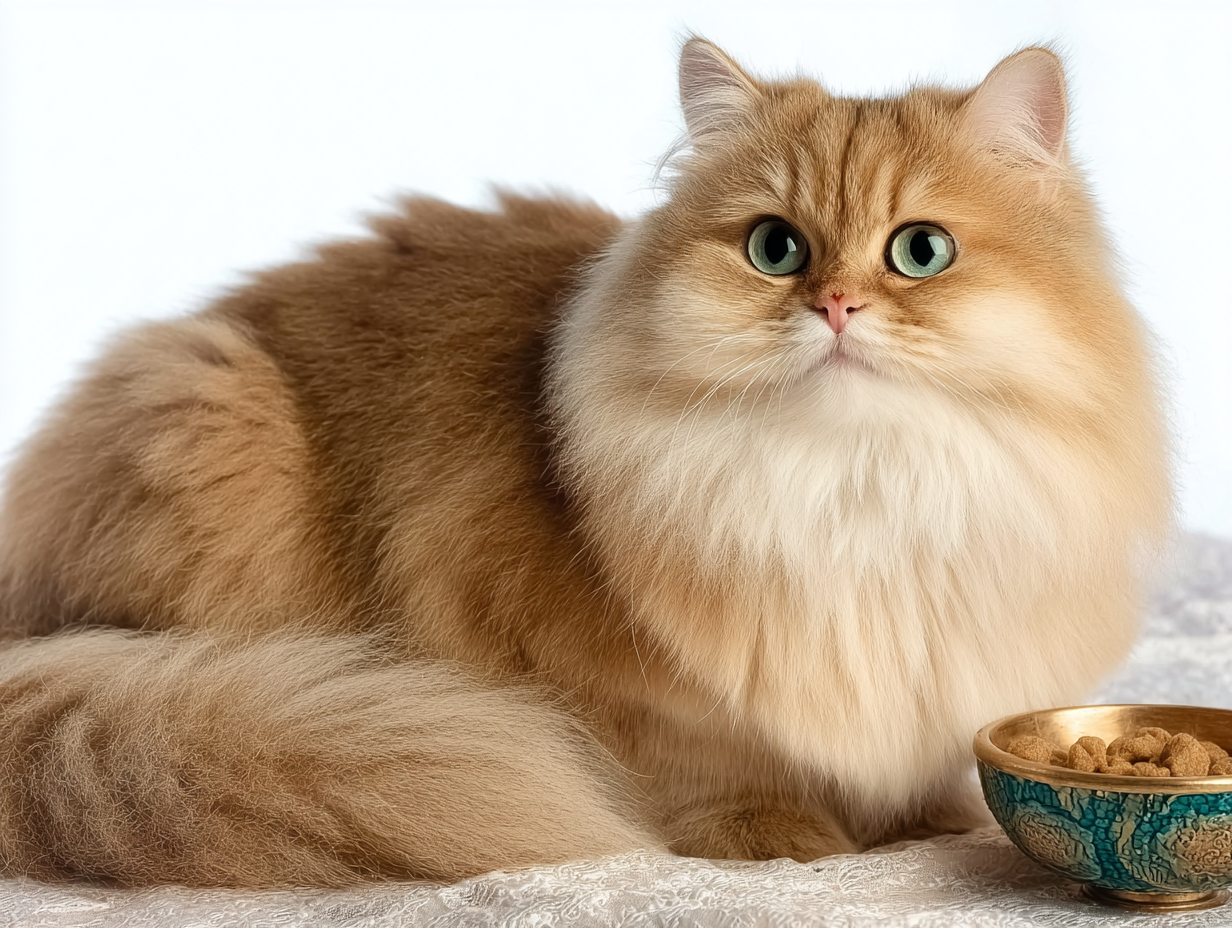
Are British Longhair Cats Hypoallergenic?
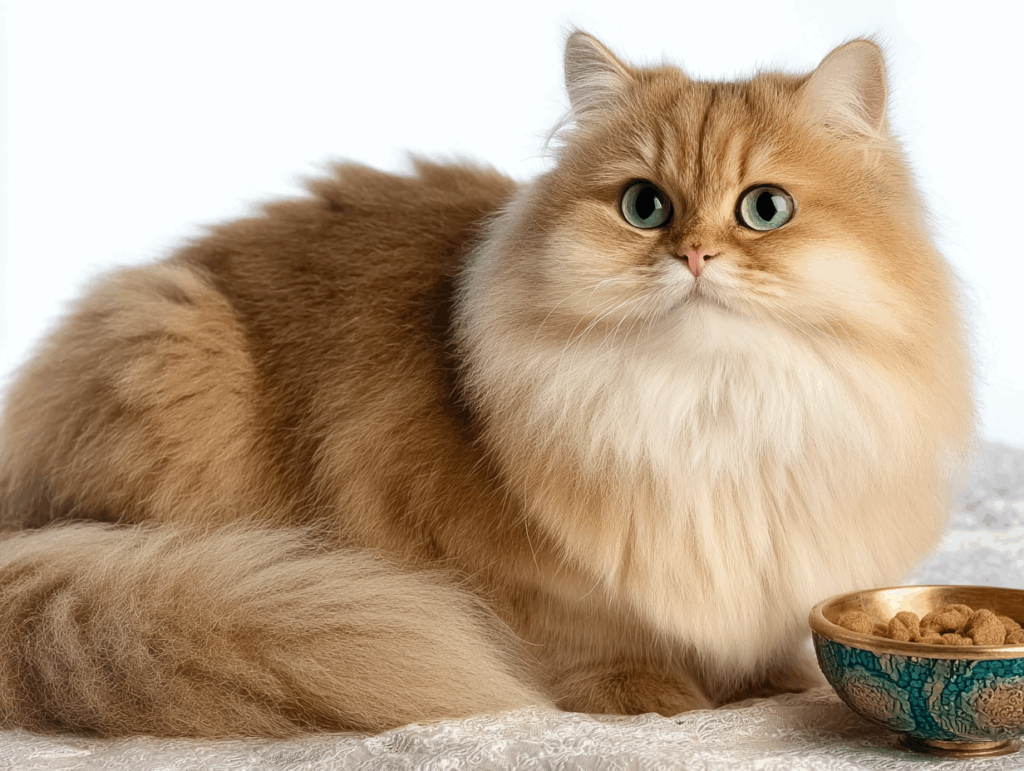
British Longhair cats are not considered hypoallergenic, but some allergy sufferers find them more tolerable than expected with proper management. Like all cats, British Longhairs produce the primary feline allergen Fel d 1, which is found in saliva, skin oils, and dander—not in the fur itself.
Because the British Longhair has a dense, plush semi-long coat, allergens tend to cling to the fur rather than becoming immediately airborne. This means reactions can vary significantly depending on grooming habits, home cleanliness, and the individual cat’s biology. While they are not among the best cat breeds for allergies, some people with mild, well-controlled allergies report manageable symptoms in carefully maintained homes.
British Longhairs are best suited to allergy sufferers who understand that “hypoallergenic” does not mean allergy-free and are prepared for consistent grooming and environmental control.
British Longhair Cat Allergy Summary
| Category | Summary |
|---|---|
| Are British Longhairs Hypoallergenic? | No — they produce normal levels of Fel d 1 |
| Allergy Level | Mild to moderate, depending on grooming and environment |
| Best For | Mild allergy sufferers with structured cleaning routines |
| Not Recommended For | Moderate–severe allergy sufferers or asthmatics |
| Shedding Level | Moderate (seasonal increases) |
| Main Allergy Triggers | Saliva proteins (Fel d 1), dander, skin oils |
| Management Tips | Daily brushing, HEPA filtration, washable fabrics, diet support |
| Alternative Breeds | Siberian, Balinese, Devon Rex, Cornish Rex, Sphynx |
Are British Longhair Cats Actually Hypoallergenic?
No. British Longhair cats are not hypoallergenic.
The term “hypoallergenic” is often misunderstood. It does not mean a cat produces no allergens—it means a cat may produce lower or more manageable levels for some people. British Longhairs still produce Fel d 1 at levels comparable to other non-hypoallergenic breeds.
Because Fel d 1 is concentrated in saliva and skin secretions, every grooming session spreads allergens across the coat. British Longhairs groom themselves frequently, which transfers these proteins onto fur, furniture, bedding, and clothing.
Their thick coat can temporarily contain allergens, but without regular maintenance, those allergens eventually disperse into the environment—often all at once during brushing or shedding cycles.
Considering a British Longhair kitten?
Our program focuses on health, temperament, and honest expectations—especially for allergy-sensitive homes.
Does Coat Length Affect Allergies in British Longhair Cats?
Yes—coat length influences allergen spread, but not allergen production.
British Longhairs share the same genetic base as British Shorthairs, but their longer coat behaves differently in an allergy-sensitive home:
- British Longhair coats trap dander closer to the body rather than releasing it immediately into the air
- Brushing releases accumulated allergens all at once, which can trigger symptoms if done improperly
- Without regular grooming, allergens build up in the coat and on household surfaces
While British Shorthairs may shed allergens more continuously, British Longhairs require structured grooming routines to prevent sudden allergen exposure.
For allergy sufferers, consistency matters more than coat length.
Can a British Longhair Be Hypoallergenic With Proper Care?
A British Longhair cannot become truly hypoallergenic, but allergy symptoms can often be reduced for mild sufferers with proper care and realistic expectations.
Effective management strategies include:
- Daily or near-daily brushing with a steel comb to remove loose undercoat gently
- Routine coat maintenance to prevent compacted fur and dander buildup
- HEPA air purifiers in sleeping and living areas
- Frequent washing of bedding, throws, and cat beds
- High-protein, omega-rich diets to support healthy skin and reduce flaking
- Controlled bathing when recommended by a veterinarian or groomer
British Longhair kittens may seem easier for allergy sufferers early on due to lower shedding, but allergens increase as the cat matures. Long-term routines—not kitten age—determine success in allergy-sensitive homes.
Is a British Longhair a Good Choice for Allergy Sufferers?
British Longhairs may work for:
- People with mild, predictable cat allergies
- Owners willing to commit to grooming and home hygiene
- Homes without asthma or chronic respiratory conditions
They are not ideal for:
- Moderate to severe allergy sufferers
- Individuals with asthma triggered by pet dander
- Households seeking a “low-effort” allergy solution
For those seeking a truly allergy-friendly option, breeds like the Siberian or Devon Rex are often more reliable choices.
British Longhair Allergy Level Explained
British Longhair cats typically fall into the moderate allergy category. They are not hypoallergenic, but they are also not among the highest-allergen or heaviest-shedding breeds. Allergy sensitivity varies widely between individuals, bloodlines, and household management routines.
Several factors can increase allergen load in British Longhair cats, including:
- Seasonal shedding cycles, especially in spring and fall
- Inconsistent grooming routines, allowing dander to build up in the coat
- Dry skin or nutritional imbalance, which increases skin flaking
- Infrequent home cleaning, allowing allergens to accumulate
- High-contact surfaces such as bedding, throws, sofas, and cat trees that trap dander
British Longhairs tend to shed lightly to moderately year-round, with heavier seasonal coat changes. Their allergen distribution follows the typical feline pattern: saliva proteins are transferred during grooming, natural skin oils bind allergens to the coat, and loose hairs transport those allergens throughout the home.
Coat length does not reduce allergen production—Fel d 1 output is biological, not cosmetic—but the British Longhair’s dense coat can temporarily hold allergens until grooming or shedding releases them.
Common Allergy Triggers in British Longhair Cats
Allergy symptoms related to British Longhair cats usually result from a combination of allergenic proteins and environmental buildup, rather than the coat alone.
Common triggers include:
- Dander
Microscopic skin flakes that carry Fel d 1 and become airborne or settle on surfaces. - Saliva Proteins (Fel d 1)
The primary cat allergen, spread when British Longhairs groom themselves and transfer saliva onto their fur. - Sebum Production
Natural skin oils bind allergens to the coat and contribute to environmental shedding. - Shedding Patterns
Even moderate shedding spreads allergens via loose hairs, dust particles, and fabric surfaces. - Environmental Accumulation
Carpets, bedding, upholstery, curtains, and cat furniture trap allergens and continually re-release them into the air.
Because British Longhairs are calm but physically present cats, allergens are spread through routine movement, grooming, and contact with furniture and textiles, rather than excessive activity.
Allergy Triggers in British Longhair Cats
| Trigger | Explanation | Severity for Allergy Sufferers |
|---|---|---|
| Fel d 1 (Saliva Protein) | Primary allergen transferred through grooming | High |
| Dander | Skin flakes carrying allergenic proteins | Moderate–High |
| Sebum / Skin Oils | Oils bind allergens to fur and surfaces | Moderate |
| Shedding | Distributes allergens onto fabrics and into air | Moderate |
| Environmental Buildup | Soft surfaces continuously recirculate allergens | High |
How British Longhair Cats Compare to Hypoallergenic Breeds
When compared to breeds commonly considered more allergy-friendly, the British Longhair generally ranks higher in allergen load. Breeds better tolerated by allergy sufferers tend to produce less Fel d 1, shed less frequently, or have coat types that limit allergen spread.
Common alternatives include:
- Siberian
Many lines naturally produce lower Fel d 1 levels, though not universally. - Balinese
A longhaired breed known for producing less Fel d 1 despite coat length. - Devon Rex
Fine, short coat with minimal shedding and reduced allergen spread. - Cornish Rex
Single-layer coat that releases very little loose hair. - Sphynx
No fur, but still produces allergens; requires frequent bathing to manage buildup.
Compared to these breeds, the British Longhair offers no biological reduction in allergen production. Their allergen profile closely resembles that of other traditional, plush-coated domestic cats, with tolerance depending primarily on individual cat chemistry, grooming consistency, and environmental control.
What Type of Cat Is Best for Allergies?
The best cats for allergy sufferers are those that either produce lower amounts of Fel d 1 (the primary cat allergen) or shed less frequently, reducing how widely allergens spread through the home. Some people also respond better to cats with single coats or lighter coat density, which limits how much dander and saliva protein accumulates and circulates.
Cats that are more tolerable for mild allergy sufferers often share one or more of the following traits:
- Lower average Fel d 1 production in certain bloodlines
- Minimal shedding or single-layer coats
- Coat textures that limit airborne allergen spread
- Stable skin and saliva protein levels
Breeds commonly reported as more allergy-friendly include the Balinese, Siberian, Devon Rex, Cornish Rex, and in some cases the Sphynx when managed with regular bathing. These breeds still produce allergens, but their biological or structural traits can make reactions easier to manage for some individuals.
In comparison, the British Longhair ranks closer to traditional domestic breeds. They are not high-allergen cats, but they do not fall into the low-allergen or hypoallergenic category. Some people with mild, predictable allergies tolerate British Longhairs well with consistent grooming and environmental control, but they are not the safest choice for moderate to severe allergy sufferers.
British Longhair vs Hypoallergenic Cat Breeds
| Breed | Hypoallergenic Status | Shedding | Fel d 1 Level | Allergy-Friendly? |
|---|---|---|---|---|
| British Longhair | No | Moderate | Normal | Sometimes (mild allergies only) |
| Siberian | Sometimes low-allergen | Moderate | Often lower | Yes for many people |
| Balinese | Low-allergen longhair | Low–moderate | Lower | Very good for allergies |
| Devon Rex | Low-shedding | Very low | Normal | Good for mild allergies |
| Cornish Rex | Single coat | Very low | Normal | Good for mild allergies |
| Sphynx | No fur, not allergen-free | None | Normal | Good with frequent bathing |
British Longhairs do not possess any structural or biological advantage that reduces allergen production. Their plush, dense coat may temporarily trap allergens, but Fel d 1 production remains unchanged.
Are Female British Longhair Cats More Hypoallergenic?
Female cats generally produce slightly lower levels of Fel d 1 than males, particularly when spayed. Hormones influence skin oil and saliva protein production, and intact animals tend to release higher allergen loads overall.
A spayed female British Longhair may be marginally easier for allergy sufferers to tolerate due to more stable hormone levels and skin condition. However, the difference is modest and not guaranteed. Individual biology, grooming routines, and household allergen management have a much greater impact than sex alone.
For families with mild allergies, choosing a spayed female may offer a small advantage—but it should not be relied on as a primary allergy solution.
Are Male British Longhair Cats More Hypoallergenic?
Male cats are not more hypoallergenic. In fact, intact males produce the highest Fel d 1 levels due to elevated hormone-driven skin oils and saliva production.
Neutered male British Longhairs typically produce significantly less Fel d 1 than intact males and may fall closer to spayed females in allergen output. A neutered male can be manageable for some allergy-sensitive households when paired with structured grooming and cleaning routines.
For allergy-conscious homes, neutered males or spayed females are strongly preferred over intact adults.
Are British Longhair Cats Hypoallergenic Because of Their Coat?
No. British Longhair cats are not hypoallergenic, and their coat type can make allergy management more demanding.
Their semi-long, dense coat:
- Traps dander and saliva proteins close to the skin
- Accumulates allergens between grooming sessions
- Releases allergens in larger bursts during brushing or shedding
Shorter-coated cats tend to disperse allergens more continuously, while British Longhairs require frequent, controlled grooming to prevent buildup. Coat length does not reduce Fel d 1 production—it only affects how allergens are distributed.
For allergy-sensitive owners, British Longhairs require:
- Consistent brushing with appropriate tools
- Strong home cleaning routines
- Air filtration and washable fabrics
- Realistic expectations about tolerance
They may work for mild allergy sufferers with disciplined care, but they are not recommended for those seeking the lowest possible allergen exposure.
Hypoallergenic British Longhair Kitten Prices
British Longhair cats are not hypoallergenic, but kittens marketed as allergy-managed or allergy-conscious may be priced higher due to the additional care and handling involved. These price differences reflect management practices, not reduced allergen production.
Well-bred British Longhair kittens typically range from $4,500 to $7,500+, depending on lineage, coat quality, color, import status, and breeder reputation. Imported bloodlines, show-quality coats, rare colors, and long-term breeder support can push pricing higher.
Breeders who emphasize allergy-aware raising often invest in:
- early and consistent grooming routines
- skin-supportive, omega-rich nutrition
- structured brushing desensitization
- regular coat maintenance
- low-dust, low-dander nursery environments
- calm handling to reduce stress-related shedding
These practices can improve coat condition and reduce environmental dander buildup, but they do not eliminate allergens or change Fel d 1 production. Buyers should be cautious of any breeder advertising British Longhairs as “hypoallergenic.”
For families considering a British Longhair kitten, the next step is completing a detailed kitten application and discussing allergy concerns openly with a reputable breeder.
How to Reduce Allergies if You Own a British Longhair
Daily routines and environmental management play a major role in keeping allergen levels manageable—especially for people with mild cat allergies.
Because British Longhairs have a dense, plush coat, allergens can accumulate if grooming is inconsistent. Regular brushing prevents dander buildup, while environmental controls reduce airborne exposure.
Effective allergy-reduction strategies include:
- HEPA-sealed vacuuming to remove dander from carpets and upholstery
- Air purifiers in living and sleeping areas
- Brushing several times per week to remove loose undercoat safely
- Grooming wipes between baths to remove saliva proteins
- Weekly washing of bedding and throws
- Omega-rich diets to support skin health and reduce flaking
A short list of practical success strategies:
- HEPA air purifiers in main rooms
- Routine brushing with appropriate tools
- Frequent washing of cat bedding
- Surface wipe-downs in high-contact areas
- Controlled bathing when recommended
- Nutrition that supports coat and skin integrity
With consistent routines, many people with mild, predictable allergies live comfortably with British Longhair cats.
Allergy Management Strategies for British Longhair Owners
| Strategy | Frequency | Effectiveness |
|---|---|---|
| HEPA Air Purifiers | Daily | High |
| Regular Brushing | 2–4× weekly | High |
| HEPA Vacuuming | 3–5× weekly | High |
| Grooming Wipes | Several times weekly | Moderate–High |
| Washing Bedding | Weekly | Moderate |
| Bathing | Every 3–6 weeks | Moderate |
Myths About British Longhair Cats & Hypoallergenic Claims
Misunderstandings about cat allergies are widespread, and British Longhair cats are often caught in the middle of inaccurate or misleading claims. Below are the most common myths—clearly explained and corrected.
Myth 1: British Longhair cats are hypoallergenic
Reality: British Longhair cats are not hypoallergenic. They produce normal levels of the primary cat allergen, Fel d 1, just like most traditional cat breeds. No British Longhair is allergen-free.
Myth 2: Long fur causes cat allergies
Reality: Cat allergies are caused by proteins, not fur length. Fel d 1 is found in saliva, skin oils, and dander. A British Longhair’s coat does not create allergens—it only affects how allergens are distributed in the home.
Myth 3: British Longhairs are worse for allergies than all other cats
Reality: British Longhairs do not inherently produce more allergens than other cats. Their dense coat can trap allergens and release them during grooming or shedding, which can feel more intense if maintenance is inconsistent—but production levels remain typical.
Myth 4: British Longhair kittens are hypoallergenic
Reality: Kittens are not hypoallergenic. They may shed less early on, which can temporarily reduce symptoms, but allergen production increases as the cat matures. Many allergy reactions appear months later, not during kittenhood.
Myth 5: Frequent bathing makes a British Longhair hypoallergenic
Reality: Bathing can temporarily remove allergens from the coat, but it does not stop Fel d 1 production. Over-bathing can actually dry the skin and increase shedding, which may worsen allergy symptoms.
Myth 6: Grooming eliminates cat allergies
Reality: Grooming helps manage environmental allergen buildup, but it cannot eliminate allergies. Regular brushing reduces loose hair and dander, but British Longhairs will always produce allergenic proteins. See more about British Longhair Grooming expectations here.
Myth 7: Coat color affects how hypoallergenic a British Longhair is
Reality: Coat color has zero impact on allergen production. Blue, golden, silver, black, or any other color all produce Fel d 1 at normal levels.
Myth 8: Female British Longhairs are hypoallergenic
Reality: Spayed females may produce slightly less Fel d 1 than intact males, but the difference is small. No female British Longhair is hypoallergenic, and individual biology matters far more than sex.
Myth 9: “Hypoallergenic British Longhair kittens” exist
Reality: This is a marketing term, not a biological reality. Some breeders raise kittens in low-dander environments, but no British Longhair kitten is hypoallergenic.
Myth 10: If one British Longhair doesn’t trigger allergies, none will
Reality: Allergy tolerance is individual-specific. Fel d 1 levels vary by cat, and human immune responses differ widely. Tolerating one British Longhair does not guarantee tolerance to another—even within the same breed.
Myth 11: British Longhairs are allergy-safe with the right products
Reality: Air purifiers, grooming routines, and cleaning products help reduce exposure, not eliminate allergens. They improve comfort for mild allergy sufferers but do not make the breed allergy-safe.
Myth 12: Ethical breeders avoid discussing allergies
Reality: Ethical breeders are transparent. They explain that British Longhairs are not hypoallergenic and help buyers assess realistic expectations rather than making guarantees.
Bottom Line on British Longhairs & Allergies
British Longhair cats are not hypoallergenic, but they can be manageable for some people with mild allergies when expectations are realistic and care routines are consistent. Understanding the facts protects both buyers and cats—and prevents disappointment after adoption.
British Longhair Hypoallergenic FAQ
Are British Longhair cats hypoallergenic?
No. British Longhair cats are not hypoallergenic. They produce normal levels of the primary cat allergen, Fel d 1, which is found in saliva, skin oils, and dander. No cat breed is completely allergen-free.
Can people with allergies live with a British Longhair?
Some people with mild, well-controlled allergies can live comfortably with a British Longhair when strict grooming and home management routines are followed. However, they are not recommended for moderate to severe allergy sufferers.
Do British Longhairs cause more allergies than other cats?
British Longhairs do not produce more allergens than other cats, but their dense semi-long coat can trap allergens, releasing them during brushing or shedding. This can make reactions feel stronger if grooming is inconsistent.
Are British Longhair kittens more hypoallergenic than adults?
No. British Longhair kittens are not hypoallergenic, though they may appear easier to tolerate early on because they shed less. Allergen production increases as the cat matures, so kitten tolerance is not a reliable indicator of long-term compatibility.
Is the British Longhair more allergy-friendly than the British Shorthair?
Not necessarily. British Shorthairs and British Longhairs produce similar levels of Fel d 1. The difference lies in allergen distribution, not production. Longhair coats trap allergens longer, while shorthairs disperse them more continuously.
Does coat color affect allergies in British Longhair cats?
No. Coat color has no impact on allergen production. Fel d 1 levels are biological and unrelated to color, pattern, or rarity.
Are female British Longhair cats better for allergies?
Spayed female cats may produce slightly lower Fel d 1 levels than intact males due to hormonal differences. However, the difference is small and not guaranteed. Individual biology matters more than sex.
Are male British Longhair cats worse for allergies?
Intact males typically produce the highest levels of Fel d 1. Neutered males usually produce significantly less and may be more manageable for allergy-sensitive homes than intact adults.
Does grooming reduce allergies in British Longhair cats?
Grooming does not eliminate allergens, but regular brushing significantly reduces environmental buildup. It helps remove loose hair, dander, and saliva residue before they spread throughout the home.
How often should a British Longhair be groomed for allergies?
Most allergy-sensitive homes benefit from:
- Brushing 2–4 times per week
- Grooming wipes between brushings
- Occasional bathing when recommended
Consistency matters more than frequency extremes.
Do British Longhair cats shed a lot?
British Longhairs shed moderately year-round with heavier seasonal shedding. Shedding spreads allergen-coated hairs, which is why grooming and cleaning routines are essential for allergy management.
Can bathing a British Longhair make them hypoallergenic?
No. Bathing can temporarily reduce allergens on the coat but does not change Fel d 1 production. Over-bathing can worsen skin dryness and increase shedding, which may increase allergens.
Are British Longhairs worse for allergies than hypoallergenic breeds?
Yes. Compared to breeds like the Siberian, Balinese, Devon Rex, or Cornish Rex, British Longhairs generally produce or distribute more allergens. They are not considered a low-allergen breed.
What cat breeds are better for allergy sufferers than British Longhairs?
Breeds more commonly tolerated by mild allergy sufferers include:
- Siberian
- Balinese
- Devon Rex
- Cornish Rex
- Sphynx (with frequent bathing)
These breeds still produce allergens but often at lower or more manageable levels.
Can diet affect allergies in British Longhair cats?
Yes—indirectly. High-quality, omega-rich diets support skin health and reduce flaking, which can lower environmental allergen buildup, though they do not eliminate allergens.
Are “hypoallergenic British Longhair kittens” real?
No. This is a marketing term, not a biological reality. Some breeders raise kittens in allergy-conscious environments, but no British Longhair kitten is hypoallergenic.
Why do some people say British Longhairs don’t bother their allergies?
Allergy tolerance varies by individual. Some people react less to certain cats due to:
- Individual cat Fel d 1 levels
- Grooming consistency
- Home ventilation
- Immune system differences
This does not mean the breed is hypoallergenic.
Should allergy sufferers test before adopting a British Longhair?
Yes. Spending extended time with an adult British Longhair from the same bloodline is the most reliable way to assess tolerance. Short visits with kittens are often misleading.
Are British Longhair cats a good choice for people with asthma?
Generally, no. People with asthma or respiratory sensitivity are at higher risk for severe reactions and should avoid breeds that are not low-allergen.
Can air purifiers help with British Longhair allergies?
Yes. HEPA air purifiers significantly reduce airborne allergens and are one of the most effective tools for allergy management in British Longhair homes.
Is it ethical for breeders to advertise British Longhairs as hypoallergenic?
No. Ethical breeders should clearly state that British Longhairs are not hypoallergenic and explain allergy management honestly rather than making misleading claims.
Who should not get a British Longhair due to allergies?
British Longhairs are not recommended for:
- Moderate to severe allergy sufferers
- People with asthma
- Homes unwilling to commit to grooming and cleaning
- Anyone seeking a “low-effort” allergy solution
Realistic Expectations: Who Should & Should Not Get a British Longhair if Allergic
British Longhair cats may be manageable for people with mild, stable allergies who are willing to commit to grooming and home maintenance. These owners typically experience minor symptoms—such as occasional sneezing or itchy eyes—that improve with filtration, cleaning, and routine coat care.
People with moderate allergies may tolerate a British Longhair initially, but symptoms often intensify over time if routines lapse. Dense coats, fabric-heavy homes, carpeting, and limited ventilation increase the challenge significantly.
Individuals with severe allergies, asthma, or chronic respiratory conditions should not choose a British Longhair. Even well-managed environments often trigger strong reactions.
For anyone uncertain, a test exposure is essential. Spending extended time with an adult British Longhair from the same bloodline provides the most accurate indication of long-term tolerance—far more reliable than brief kitten visits.
Choosing a British Longhair Kitten Starts With the Right Foundation
Our British Longhair kittens are raised with:
- early grooming exposure and handling
- attention to coat structure and density
- health-first breeding practices
- honest guidance on grooming, care, and long-term coat management
If you’re looking for a British Longhair kitten raised with grooming socialization from the very start, you can learn more about our current and upcoming kittens below.
See Our British Longhair Kittens
Related British Longhair Posts
If you’re still learning about the breed, these in-depth guides explore different aspects of British Longhair ownership:
- Is a British Longhair Right for Me? -lifestyle fit, emotional expectations, time commitment etc
- British Longhair Personality & Temperament – what living with the breed is actually like day to day
- British Longhair Health & Lifespan – genetic considerations, screenings, and long-term wellbeing
- British Longhair Cost & Ownership Expenses – realistic pricing, lifetime costs, and what influences kitten price
- British Longhair Breed Overview – Everything to know about the breed.
- British Longhair vs British Shorthair – choosing between the longhaired and shorthaired British types
- British Longhair vs Ragdoll – temperament, care needs, and lifestyle fit compared side by side
- Preparing Your Home for a British Longhair Kitten – environment setup, routines, and transition tips
These resources are designed to help you make a thoughtful, informed decision before choosing a breed or applying for a kitten.
Sources
- American College of Allergy, Asthma & Immunology (ACAAI) – Pet Allergies
https://acaai.org/allergies/allergic-conditions/pet-allergies/ - National Institutes of Health (NIH) – Fel d 1 and Cat Allergens
https://www.ncbi.nlm.nih.gov/pmc/articles/PMC3659576/ - Cornell University College of Veterinary Medicine – Feline Allergies
https://www.vet.cornell.edu/departments-centers-and-institutes/cornell-feline-health-center/health-information/feline-health-topics/allergies-cats - VCA Animal Hospitals – Cat Allergies in Humans
https://vcahospitals.com/know-your-pet/allergies-in-people-to-pets - American Academy of Allergy, Asthma & Immunology (AAAAI) – Cat Allergy Overview
https://www.aaaai.org/conditions-and-treatments/library/allergy-library/pet-allergy - The Journal of Allergy and Clinical Immunology – Fel d 1 Production and Distribution
https://www.jacionline.org/article/S0091-6749(18)31392-2/fulltext - International Cat Care (iCatCare) – Cat Grooming, Skin, and Coat Health
https://icatcare.org/advice/grooming-your-cat/ - The Cat Fanciers’ Association (CFA) – British Longhair Breed Information
https://cfa.org/british-longhair/ - The International Cat Association (TICA) – British Longhair Breed Standard
https://tica.org/breeds/british-longhair/





Read the Comments +