
Are Siberian Cats Hypoallergenic?
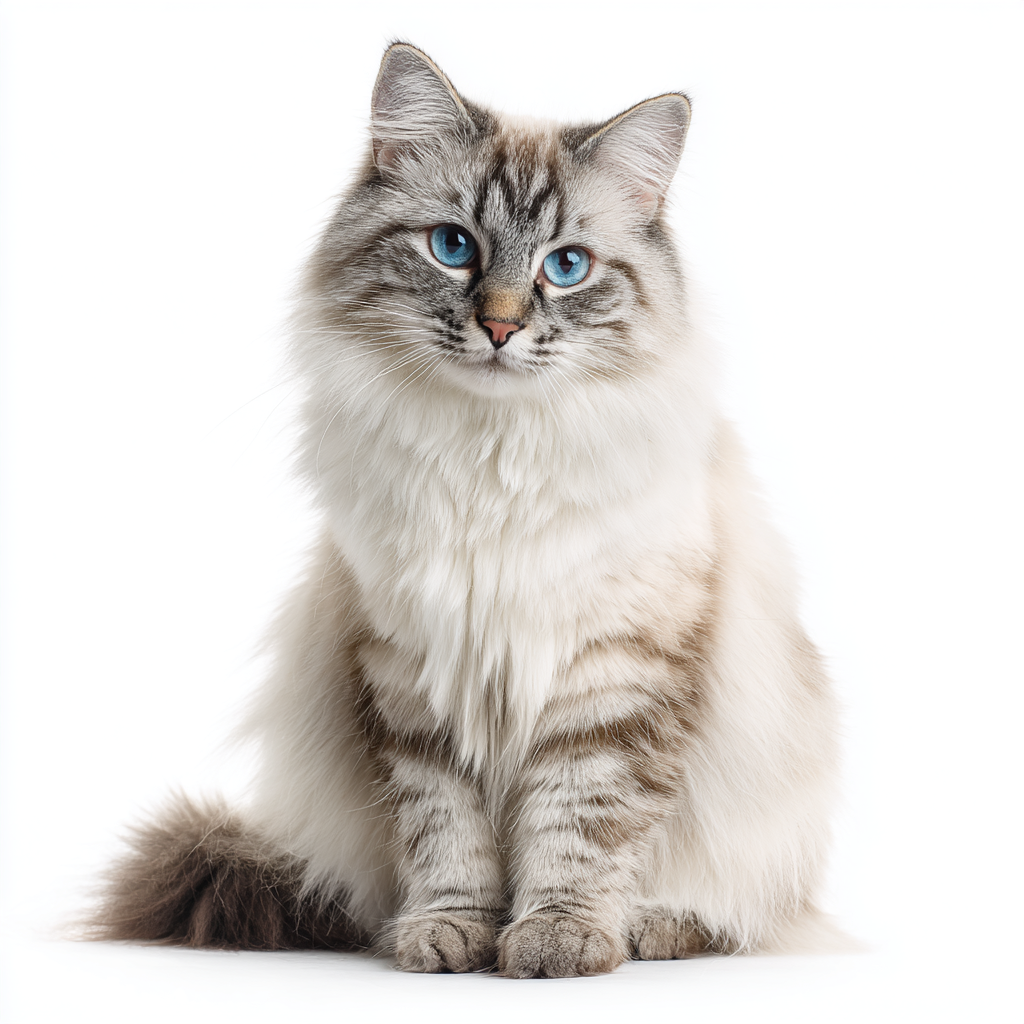
Siberian cats are not completely hypoallergenic, but they are one of the most allergy-tolerable cat breeds for many people with mild to moderate cat allergies. Unlike most breeds, many Siberians naturally produce lower levels of the primary feline allergen Fel d 1, which is responsible for the majority of allergic reactions.
Fel d 1 is found in saliva, skin secretions, and dander, not the fur itself. What makes Siberians unique is not their long coat, but their individual biology. Studies and real-world testing have shown that some Siberian cats produce significantly less Fel d 1, making reactions milder or even absent for certain allergy sufferers.
Because Siberians have a triple-layer coat, allergens can be contained rather than immediately becoming airborne. Combined with lower Fel d 1 output in many lines, this is why Siberians are often recommended for allergy-aware homes.
Siberians are best suited for allergy sufferers who understand that tolerance varies by individual cat, not just by breed, and who are willing to confirm compatibility before committing.
Siberian Cat Allergy Summary
| Category | Summary |
|---|---|
| Are Siberians Hypoallergenic? | Not fully, but often lower in Fel d 1 than most breeds |
| Allergy Level | Low to moderate (varies by individual cat) |
| Best For | Mild–moderate allergy sufferers willing to test exposure |
| Not Recommended For | Severe cat allergies or uncontrolled asthma |
| Shedding Level | Moderate to heavy (seasonal coat blow) |
| Main Allergy Triggers | Fel d 1 in saliva, dander, skin oils |
| Management Tips | Regular grooming, HEPA filtration, testing specific cats |
| Alternative Breeds | Balinese, Devon Rex, Cornish Rex, Sphynx |
Are Siberian Cats Actually Hypoallergenic?
No—Siberian cats are not allergy-free.
The term hypoallergenic does not mean zero allergens. It means a cat may produce lower or more manageable levels for some people. While many Siberians produce less Fel d 1, not all do. Two kittens in the same litter can trigger very different allergic responses.
Fel d 1 is transferred during grooming. Siberians groom themselves regularly, spreading allergens onto their coat, bedding, furniture, and hands. However, when Fel d 1 production is lower to begin with, the overall allergen load in the home can be dramatically reduced.
This is why reputable Siberian breeders often recommend or allow:
- saliva or hair testing
- in-person visits
- allergy exposure trials
before final placement.
Siberian cats are not completely hypoallergenic, but many individuals produce lower levels of Fel d 1, the primary cat allergen. This makes some Siberians more tolerable for people with mild to moderate cat allergies, though results vary by individual cat.
Why Siberian Cats Are Often Better Tolerated by Allergy Sufferers
Siberians differ from most long-haired breeds in biology, not just coat length.
Breed-specific factors that influence allergy tolerance include:
- Lower Fel d 1 production in many Siberian bloodlines
- Dense triple coat that traps dander instead of dispersing it
- Slower allergen spread compared to lighter-coated breeds
- Strong skin barrier that can reduce dander shedding when properly maintained
That said, grooming still matters. Seasonal shedding—especially spring coat blow—can temporarily increase allergen exposure if not managed consistently.
Does Coat Length Affect Allergies in Siberian Cats?
Yes—but not in the way most people think.
Siberians have a long, thick, water-resistant triple coat, which can help contain allergens close to the body. This does not reduce allergen production, but it can slow how quickly allergens become airborne.
Important considerations for allergy-sensitive homes:
- Brushing releases trapped allergens all at once
- Infrequent grooming allows allergen buildup
- Seasonal shedding requires increased maintenance
- Baths (when tolerated) can temporarily reduce allergen load
For allergy sufferers, routine and predictability matter more than coat length alone.
Considering a Siberian Kitten for an Allergy-Sensitive Home?
A responsible Siberian program will never promise “allergy-free” cats. Instead, it will focus on:
- known low-Fel-d-1 lines
- honest education
- exposure testing whenever possible
- realistic expectations for management
If allergies are a concern, choosing the right individual cat matters more than choosing the breed name alone.
Beautiful cats exist everywhere.
Compatible cats require intention.
Can a Siberian Cat Be Hypoallergenic With Proper Care?
A Siberian cat cannot become completely hypoallergenic, but many Siberians are naturally more allergy-tolerable than most breeds due to lower Fel d 1 production in some individuals. With proper care, realistic expectations, and the right individual cat, allergy symptoms can often be significantly reduced for mild to moderate allergy sufferers.
Effective management strategies for Siberian cats include:
- Regular brushing (2–3× weekly, daily during seasonal coat blow) using a steel or wide-tooth comb to manage the dense triple coat
- Routine coat maintenance to prevent undercoat compaction and dander buildup
- HEPA air purifiers in bedrooms and main living areas
- Frequent washing of bedding, throws, and cat beds
- High-protein, omega-rich diets to support healthy skin and reduce dander production
- Occasional bathing (when tolerated and professionally guided) to temporarily lower allergen load
Siberian kittens may appear easier for allergy sufferers early on due to smaller size and lower overall allergen output, but Fel d 1 production can change as the cat matures. Long-term success depends on the individual cat’s biology and consistent management, not age alone.
Is a Siberian Cat a Good Choice for Allergy Sufferers?
Siberian cats may be a good option for:
- People with mild to moderate, well-controlled cat allergies
- Allergy sufferers willing to test exposure to a specific cat before committing
- Homes prepared for structured grooming and environmental control
They are not ideal for:
- Individuals with severe cat allergies
- People with asthma triggered by pet dander
- Households seeking a guaranteed allergy-free solution
While no cat is completely hypoallergenic, Siberians are one of the most reliable breeds for allergy-aware homes when the right individual is selected. Other breeds sometimes considered include Balinese, Devon Rex, and Cornish Rex, though tolerance varies widely.
Siberian Cat Allergy Level Explained
Siberian cats typically fall into the low-to-moderate allergy category, depending heavily on the individual cat rather than the breed label alone. Many Siberians produce less Fel d 1 than average, but this is not universal, even within the same litter.
Factors that can increase allergen load in Siberian cats include:
- Seasonal coat blow (especially spring), when shedding intensifies
- Inconsistent grooming, allowing dander and loose undercoat to accumulate
- Dry skin or nutritional imbalance, increasing skin flaking
- Infrequent home cleaning, allowing allergens to build up over time
- High-contact surfaces such as bedding, sofas, clothing, and cat trees
Siberians have a thick, water-resistant triple coat that can temporarily trap allergens close to the body. However, when grooming or shedding occurs, those allergens are released, sometimes all at once. Fel d 1 is still spread through normal grooming behavior, transferred via saliva and skin oils onto the coat and into the environment.
Coat length does not reduce allergen production—Fel d 1 output is biological—but the Siberian’s coat structure can slow allergen dispersion when paired with consistent care.
Common Allergy Triggers in Siberian Cats
Allergy symptoms related to Siberian cats are caused by allergenic proteins and environmental buildup, not by coat length alone. While many Siberians produce lower levels of Fel d 1, allergens are still present and must be managed realistically.
Common allergy triggers in Siberian cats include:
Dander
Microscopic skin flakes that carry allergenic proteins. Even with lower Fel d 1 output, dander can accumulate in the home without regular grooming and cleaning.
Saliva Proteins (Fel d 1)
Fel d 1 remains the primary cat allergen. It is spread when Siberians groom themselves and transfer saliva onto their coat. Some Siberians naturally produce less Fel d 1, but this varies by individual cat.
Sebum Production
Natural skin oils bind allergens to the coat. When skin health is poor or grooming is inconsistent, allergen distribution increases.
Shedding Patterns
Siberians have a dense triple coat and experience seasonal coat blow, especially in spring. During these periods, allergen spread increases if grooming frequency is not adjusted.
Environmental Accumulation
Soft surfaces—carpets, bedding, upholstery, curtains, and cat furniture—trap allergens and slowly release them back into the air over time.
Because Siberians are moderately active, physically present cats with a substantial coat, allergens spread primarily through grooming, shedding cycles, and contact with household surfaces, rather than constant hyperactivity.
Allergy Triggers in Siberian Cats
| Trigger | Explanation | Severity for Allergy Sufferers |
|---|---|---|
| Fel d 1 (Saliva Protein) | Primary allergen transferred during grooming | Low–Moderate (varies by cat) |
| Dander | Skin flakes carrying allergenic proteins | Moderate |
| Sebum / Skin Oils | Oils bind allergens to coat and surfaces | Low–Moderate |
| Shedding | Seasonal coat blow distributes allergens | Moderate |
| Environmental Buildup | Soft surfaces recirculate allergens | Moderate–High |
How Siberian Cats Compare to Other Allergy-Friendly Breeds
Compared to most traditional long-haired cats, Siberians often rank lower in allergen load, primarily due to biological differences in Fel d 1 production, not coat structure alone.
Breed comparisons commonly discussed for allergy-aware homes include:
- Siberian
Many lines produce lower Fel d 1 levels; tolerance varies by individual cat. - Balinese
Known for reduced Fel d 1 production despite a long coat. - Devon Rex
Fine, short coat with minimal shedding and reduced allergen spread. - Cornish Rex
Single-layer coat that releases very little loose hair. - Sphynx
No fur but still produces allergens; requires frequent bathing to manage buildup.
Unlike most plush-coated breeds, Siberians offer a biological advantage, not a cosmetic one. However, they are not guaranteed allergy-safe, and compatibility depends on individual cat chemistry, grooming routines, and environmental management.
What Type of Cat Is Best for Allergies?
The best cats for allergy sufferers are those that either:
- Produce lower amounts of Fel d 1, or
- Shed less frequently, limiting allergen spread, or
- Have coat structures that reduce how allergens become airborne
Cats that are more tolerable for mild to moderate allergy sufferers often share one or more of the following traits:
- Lower average Fel d 1 production in certain bloodlines
- Predictable or seasonal shedding patterns
- Coat types that trap allergens rather than dispersing them immediately
- Stable skin and saliva protein levels
Breeds most often reported as allergy-friendlier include Siberian, Balinese, Devon Rex, Cornish Rex, and in some cases the Sphynx when managed carefully.
Among long-haired breeds, Siberians consistently rank as one of the most reliable options for allergy-aware homes—but success depends on selecting the right individual cat, not just the breed name.
Siberian Cats vs Other Allergy-Friendly Cat Breeds
| Breed | Hypoallergenic Status | Shedding | Fel d 1 Level | Allergy-Friendly? |
|---|---|---|---|---|
| Siberian | Sometimes low-allergen (individual dependent) | Moderate–heavy (seasonal) | Often lower | Yes for many people |
| Balinese | Low-allergen longhair | Low–moderate | Lower | Very good for allergies |
| Devon Rex | Low-shedding | Very low | Normal | Good for mild allergies |
| Cornish Rex | Single coat | Very low | Normal | Good for mild allergies |
| Sphynx | No fur, not allergen-free | None | Normal | Good with frequent bathing |
Unlike most long-haired breeds, Siberians may have a biological advantage for allergy sufferers. Many Siberian lines naturally produce lower levels of Fel d 1, the primary cat allergen. This is not universal and varies by individual cat—even within the same litter—but it is the reason Siberians are frequently recommended for allergy-aware homes.
Their dense triple coat does not reduce allergen production on its own, but it can slow allergen dispersion when paired with consistent grooming and home management.
Are Female Siberian Cats More Hypoallergenic?
Female cats generally produce slightly lower Fel d 1 levels than males, particularly when spayed. Hormones influence skin oil and saliva protein production, and intact cats tend to release higher allergen loads.
A spayed female Siberian may be marginally easier for some allergy sufferers to tolerate due to:
- more stable hormone levels
- reduced skin oil production
- more consistent coat condition
That said, the difference is modest. In Siberians, individual biology and Fel d 1 output matter far more than sex alone. Testing exposure to a specific cat is still the most reliable approach.
Are Male Siberian Cats More Hypoallergenic?
Male cats are not more hypoallergenic. Intact males produce the highest Fel d 1 levels due to hormone-driven increases in saliva and skin oils.
A neutered male Siberian, however, often produces significantly less Fel d 1 than an intact male and may be well tolerated in some allergy-sensitive homes—especially if the cat already tests low for Fel d 1.
For allergy-conscious families, neutered males or spayed females are strongly preferred over intact adults.
Are Siberian Cats Hypoallergenic Because of Their Coat?
No. Siberian cats are not hypoallergenic because of their coat.
Fel d 1 production is biological, not cosmetic. However, the Siberian’s coat structure does affect how allergens behave in the home.
The Siberian triple coat:
- traps dander and saliva proteins close to the body
- slows immediate airborne spread
- can release allergens in bursts during brushing or seasonal coat blow
This means allergy management for Siberians depends heavily on routine grooming, especially during spring shedding. Coat length does not reduce Fel d 1—but lower Fel d 1 production in many Siberians is what makes the difference.
For allergy-sensitive owners, Siberians require:
- structured brushing (2–3× weekly, daily during coat blow)
- consistent home cleaning
- HEPA filtration
- washable fabrics and bedding
- realistic expectations
When matched carefully, Siberians can be one of the most reliable long-haired options for allergy-aware homes.
Hypoallergenic Siberian Kitten Prices
Siberian cats are not guaranteed hypoallergenic, but kittens from low-Fel-d-1-producing lines are often priced higher due to the additional testing, selection, and breeding strategy involved.
Well-bred Siberian kittens typically range from $3,500 to $7,500+, depending on:
- lineage and imported bloodlines
- documented allergy-aware breeding programs
- coat quality and structure
- color and pattern
- breeder reputation and long-term support
Programs that emphasize allergy-aware placement often invest in:
- tracking Fel d 1 trends within bloodlines
- early grooming desensitization
- omega-rich, skin-supportive nutrition
- low-dust nursery environments
- structured handling to reduce stress-related shedding
- exposure testing or visit opportunities when possible
These practices do not eliminate allergens, but they can meaningfully reduce environmental allergen load for compatible homes. Buyers should be cautious of any breeder guaranteeing “hypoallergenic” Siberians—honest programs focus on probability, not promises.
For families considering a Siberian kitten due to allergies, the next step should always be direct exposure testing and an open discussion with a reputable breeder about expectations and management.
How to Reduce Allergies if You Own a Siberian Cat
Daily routines and environmental management play a major role in keeping allergen levels manageable—especially for people with mild to moderate cat allergies.
Although many Siberians naturally produce lower levels of Fel d 1, allergens are still present. Because Siberians have a dense triple coat, allergens can accumulate if grooming and cleaning routines are inconsistent. Regular coat care limits dander buildup, while environmental controls reduce airborne exposure.
Effective allergy-reduction strategies for Siberian households include:
- HEPA-sealed vacuuming to remove dander from carpets, rugs, and upholstery
- Air purifiers in living spaces and bedrooms
- Brushing 2–3× per week (daily during seasonal coat blow) to manage loose undercoat
- Grooming wipes between baths to reduce saliva proteins on the coat
- Weekly washing of bedding, throws, and cat beds
- High-protein, omega-rich diets to support skin health and reduce flaking
Practical success strategies at a glance:
- HEPA air purifiers in main rooms
- Routine brushing with breed-appropriate tools
- Frequent washing of cat bedding
- Surface wipe-downs in high-contact areas
- Controlled bathing when recommended
- Nutrition that supports skin and coat integrity
With consistent routines and the right individual cat, many allergy-aware households live comfortably with Siberian cats.
Allergy Management Strategies for Siberian Owners
| Strategy | Frequency | Effectiveness |
|---|---|---|
| HEPA Air Purifiers | Daily | High |
| Regular Brushing | 2–3× weekly (daily during coat blow) | High |
| HEPA Vacuuming | 3–5× weekly | High |
| Grooming Wipes | Several times weekly | Moderate–High |
| Washing Bedding | Weekly | Moderate |
| Bathing | Every 4–8 weeks (if tolerated) | Moderate |
Myths About Siberian Cats & Hypoallergenic Claims
Misunderstandings about cat allergies are common, and Siberian cats are often surrounded by over-simplified or exaggerated claims. Below are the most common myths—clearly explained and corrected.
Myth 1: Siberian cats are completely hypoallergenic
Reality: Siberian cats are not allergen-free. Many produce lower levels of Fel d 1, but this varies by individual cat—even within the same litter.
Myth 2: Long fur causes cat allergies
Reality: Allergies are caused by proteins, not fur length. Fel d 1 is found in saliva, skin oils, and dander. Coat length only affects how allergens move through the home.
Myth 3: All Siberians are safe for allergy sufferers
Reality: Tolerance depends on the individual cat, not the breed label alone. Some Siberians trigger reactions, others do not.
Myth 4: Siberian kittens are hypoallergenic
Reality: Kittens are not hypoallergenic. Fel d 1 production can increase as cats mature, and allergy symptoms often appear months later.
Myth 5: Frequent bathing makes a Siberian hypoallergenic
Reality: Bathing temporarily removes allergens from the coat but does not stop Fel d 1 production. Over-bathing can dry the skin and increase shedding.
Myth 6: Grooming eliminates cat allergies
Reality: Grooming helps manage environmental allergen buildup but cannot eliminate allergies. Siberians will always produce allergenic proteins.
Myth 7: Coat color affects how hypoallergenic a Siberian is
Reality: Coat color has no impact on allergen production. All colors produce Fel d 1.
Myth 8: Female Siberians are hypoallergenic
Reality: Spayed females may produce slightly less Fel d 1 than intact males, but no Siberian is hypoallergenic based on sex alone.
Myth 9: “Hypoallergenic Siberian kittens” exist
Reality: This is a marketing term, not a biological guarantee. Ethical breeders discuss probability, not promises.
Myth 10: If one Siberian doesn’t trigger allergies, none will
Reality: Fel d 1 levels vary by cat. Tolerating one Siberian does not guarantee tolerance to another.
Myth 11: Products can make a Siberian allergy-safe
Reality: Air purifiers and cleaning routines reduce exposure—they do not eliminate allergens.
Myth 12: Ethical breeders avoid allergy discussions
Reality: Ethical breeders are transparent. They explain variability, recommend exposure testing, and set realistic expectations.
Bottom Line on Siberian Cats & Allergies
Siberian cats are not hypoallergenic, but they are one of the most reliable long-haired breeds for allergy-aware homes when the right individual cat is selected and care routines are consistent.
Understanding the biology, the limits of management, and the importance of individual compatibility protects both buyers and cats—and prevents disappointment after placement.
Siberian Cats & Hypoallergenic FAQ
Are Siberian cats truly hypoallergenic?
Siberian cats are not truly hypoallergenic, and no cat breed is completely free of allergens. What sets Siberians apart is that many individuals naturally produce lower levels of Fel d 1, the primary protein responsible for cat allergies. This reduced allergen production can make them more tolerable for some people, but it does not guarantee an allergy-free experience. Reactions depend on the individual cat’s biology and the allergy sensitivity of the person.
Why are Siberian cats often labeled as hypoallergenic?
Siberians are commonly labeled hypoallergenic because multiple studies and real-world breeder observations show that some Siberians produce less Fel d 1 than average. This trait appears to be genetic and bloodline-dependent rather than universal to the breed. The label persists because many allergy sufferers report fewer symptoms around certain Siberians, but the term is still misleading if interpreted as a guarantee.
What exactly causes cat allergies in Siberian cats?
Cat allergies are caused by proteins, not fur. The primary allergen, Fel d 1, is produced in a cat’s saliva, sebaceous glands, and skin cells. When Siberian cats groom themselves, saliva spreads onto the coat, dries, and becomes airborne as dander. Even cats with lower Fel d 1 production still release allergens into the environment over time.
If Siberians have long fur, why don’t they cause worse allergies?
Fur length does not increase allergen production. Siberians may feel easier to tolerate because their dense triple coat can temporarily trap allergens rather than releasing them immediately into the air. However, this benefit only exists when grooming is consistent. Without proper coat maintenance, trapped allergens are released in concentrated amounts during brushing or seasonal shedding.
Do all Siberian cats produce low Fel d 1?
No, Fel d 1 production varies widely between individual Siberian cats. Two kittens from the same litter can trigger completely different allergic responses. Factors such as genetics, hormone levels, maturity, and overall health all influence allergen output. Breed reputation alone is never a reliable predictor.
Are Siberian kittens less allergenic than adult Siberian cats?
Siberian kittens often appear easier for allergy sufferers to tolerate at first because they shed less and produce smaller amounts of saliva. However, Fel d 1 production frequently increases as the cat matures, particularly after sexual maturity. Many people experience delayed allergic reactions months after adoption, which is why long-term compatibility cannot be judged during early kittenhood alone.
Can someone develop allergies to a Siberian cat over time?
Yes, delayed allergy onset is common. A person may tolerate a Siberian kitten initially but develop symptoms later as the cat’s coat fully develops and allergen production stabilizes. This is especially common in individuals with borderline or mild allergies.
Are Siberian cats a good choice for people with mild cat allergies?
Siberians can be an excellent choice for people with mild, predictable cat allergies when the individual cat produces lower levels of Fel d 1. Success depends on careful selection, consistent grooming, and environmental management. Many people with mild allergies live comfortably with Siberians when expectations are realistic.
Are Siberian cats safe for people with moderate allergies?
Siberians can work for some people with moderate allergies, but caution is necessary. Exposure testing with the specific cat is essential, and even then there is no absolute certainty. Individuals with moderate allergies should be prepared for active allergen management and the possibility that the match may not be successful.
Are Siberian cats suitable for people with severe allergies or asthma?
Siberians are generally not recommended for people with severe cat allergies or asthma triggered by pet dander. Even low-Fel-d-1 cats can provoke serious reactions in sensitive individuals. Medical guidance should always be sought before considering any cat in these situations.
Are female Siberian cats more hypoallergenic than males?
Female cats, especially when spayed, often produce slightly lower levels of Fel d 1 than intact males due to hormonal differences. While a spayed female Siberian may be marginally easier to tolerate, the difference is relatively small. Individual allergen production matters far more than sex alone.
Are neutered male Siberian cats better for allergies?
Neutering reduces hormone-driven skin oil and saliva production, which can lower allergen spread over time. A neutered male Siberian that already produces lower Fel d 1 may be well tolerated in allergy-aware homes. However, neutering does not eliminate allergens and should not be viewed as a cure.
Does the Siberian triple coat help or worsen allergies?
The Siberian triple coat influences how allergens move through the home rather than how much is produced. It can slow immediate airborne spread, which may reduce acute reactions. However, during brushing or seasonal shedding, allergens can be released in larger bursts, making consistent grooming essential.
How much do Siberian cats shed?
Siberians shed moderately throughout the year and heavily during seasonal coat changes, especially in spring. During these periods, allergen levels in the home can increase significantly if grooming frequency is not adjusted. Seasonal shedding is one of the most important times for allergy management.
Can grooming reduce allergic reactions to Siberian cats?
Grooming does not eliminate allergens, but it plays a critical role in reducing environmental buildup. Regular brushing removes loose hair and dander before they spread through the home. Grooming is most effective when done consistently rather than intensively.
How often should Siberian cats be groomed for allergy control?
Siberian cats should be brushed two to three times per week under normal conditions. During seasonal coat blow, daily grooming is recommended to manage shedding and allergen release. Inconsistent grooming can worsen allergy symptoms.
Do baths help reduce allergies in Siberian cats?
Bathing can temporarily remove allergens from the coat, but it does not stop Fel d 1 production. Over-bathing can dry the skin, increase flaking, and ultimately worsen allergen spread. Baths should only be used occasionally and when tolerated by the cat.
Does diet affect allergen production in Siberian cats?
Diet does not directly change Fel d 1 production, but nutrition plays an indirect role. High-quality, omega-rich diets support healthy skin and coat condition, which reduces flaking and secondary allergen spread. Poor nutrition can worsen skin issues and increase allergen accumulation.
Are Siberian cats hypoallergenic because of their coat color?
Coat color has no impact on allergen production. White, silver, black, tabby, and colorpoint Siberians all produce Fel d 1. Any claim linking color to hypoallergenic traits is a myth.
Can air purifiers make living with a Siberian allergy-safe?
Air purifiers can significantly reduce airborne allergens when used correctly, but they do not eliminate allergens entirely. HEPA filtration is most effective when combined with grooming and cleaning routines. It improves comfort rather than providing a cure.
Can breeders test for hypoallergenic Siberian cats?
Some breeders track Fel d 1 trends or offer saliva or hair testing, but these methods are not definitive. Real-world exposure testing with the specific cat remains the most reliable way to assess compatibility. No test can provide absolute certainty.
Can breeders guarantee hypoallergenic Siberian kittens?
No ethical breeder can guarantee that a Siberian kitten will be hypoallergenic. Guarantees contradict known biology and should be viewed as a red flag. Responsible breeders focus on education and realistic expectations.
Why do “hypoallergenic” Siberian kittens often cost more?
Higher pricing often reflects selective breeding strategies, tracked bloodlines, and allergy-aware placement practices. These investments increase the probability of compatibility but do not guarantee results. The cost reflects effort and expertise, not certainty.
What is the average price of a Siberian kitten?
Well-bred Siberian kittens typically range from $3,500 to $7,500 or more. Pricing varies based on lineage, breeder reputation, import status, and ongoing support. Price alone does not determine allergy compatibility.
What is the safest approach if you have allergies and want a Siberian cat?
The safest approach is to work with an experienced, transparent breeder, test exposure to the specific cat, and prepare for ongoing grooming and environmental management. Setting realistic expectations protects both the buyer and the cat. Allergies should be managed, not ignored.
Summary: Are Siberian cats hypoallergenic?
Siberian cats are not hypoallergenic, but they are one of the most consistent long-haired breeds for allergy-aware homes when the right individual cat is selected. Success depends on biology, management, and honesty rather than marketing promises.
Searching for a Siberian Kitten for Adoption?
Learn more by visiting our kittens available page.
Related Siberian Cat Resources
If you are researching Siberian cats and allergies, these in-depth guides may also help you decide whether this breed fits your home, health needs, and lifestyle:
- Siberian Cat Shedding Guide:
Learn how often Siberians shed, when seasonal coat blow occurs, and how shedding impacts allergen buildup in the home. - Siberian Cat Grooming & Coat Care:
A complete breakdown of brushing schedules, coat tools, bathing considerations, and maintenance tips for the Siberian’s triple coat. - Siberian Cat Temperament & Personality:
Understand how Siberians interact with people, children, and other pets, and whether their social nature affects allergy exposure. - Siberian Cat Health Overview:
Breed-specific health considerations, preventative care, and how skin and coat health influence dander production. - Siberian Kittens for Sale:
Realistic pricing ranges, what influences cost, and why allergy-aware breeding programs are priced differently. - Siberian Cats vs Other Hypoallergenic Breeds:
A side-by-side comparison of Siberians, Balinese, Devon Rex, Cornish Rex, and Sphynx for allergy-sensitive households. - Are Siberian Kittens Hypoallergenic?
A focused guide explaining why kittens may seem easier for allergy sufferers at first and what changes as they mature. - Best Cat Breeds for People With Allergies:
A broader educational guide comparing multiple breeds and explaining what truly matters for allergy compatibility.
Sources & References
- National Institutes of Health (NIH) – Fel d 1 and Cat Allergies
Fel d 1 is the primary allergen responsible for cat allergy symptoms and is produced in saliva, skin, and sebaceous glands—not fur.
National Library of Medicine, PubMed Central - Thermo Fisher Scientific – Allergen Encyclopedia (Fel d 1)
Detailed explanation of Fel d 1 protein structure, production, and its role in allergic reactions.
Thermo Fisher Allergen Database - American College of Allergy, Asthma & Immunology (ACAAI)
Clinical guidance on pet allergies, symptom severity, and why no cat breed is completely hypoallergenic.
ACAAI.org - American Academy of Allergy, Asthma & Immunology (AAAAI)
Research-based explanations of cat allergen exposure, airborne spread, and allergy management strategies.
AAAAI.org - Journal of Allergy and Clinical Immunology
Peer-reviewed studies confirming Fel d 1 as the dominant feline allergen and explaining individual variation in allergen production. - University of California, Davis – Veterinary Medicine
Veterinary research on feline skin health, grooming behavior, allergen spread, and environmental management.
UC Davis School of Veterinary Medicine - Cornell University College of Veterinary Medicine
Educational resources on cat allergies, grooming, dander, and the role of environmental controls.
Cornell Vet - Tufts University Cummings School of Veterinary Medicine
Evidence-based guidance on managing pet allergies and evaluating breed claims responsibly.
Tufts Vet - International Cat Association (TICA) – Siberian Breed Standard
Official breed information confirming coat structure, grooming needs, and breed characteristics.
tica.org - World Small Animal Veterinary Association (WSAVA)
Nutritional and dermatological guidance supporting claims about skin health, diet, and dander production.
WSAVA Global Nutrition Committee - European Academy of Allergy and Clinical Immunology (EAACI)
Clinical consensus on pet allergens, asthma risk, and exposure management.
EAACI.org - Veterinary Dermatology Journal
Peer-reviewed studies on sebaceous gland activity, skin oils, and allergen binding in cats.
This article is for educational purposes only and does not replace medical or veterinary advice. Individuals with known allergies or asthma should consult a qualified healthcare professional before introducing any pet into the home.





Read the Comments +