
Siberian Cats and Allergies: What Actually Works (and What Doesn’t)
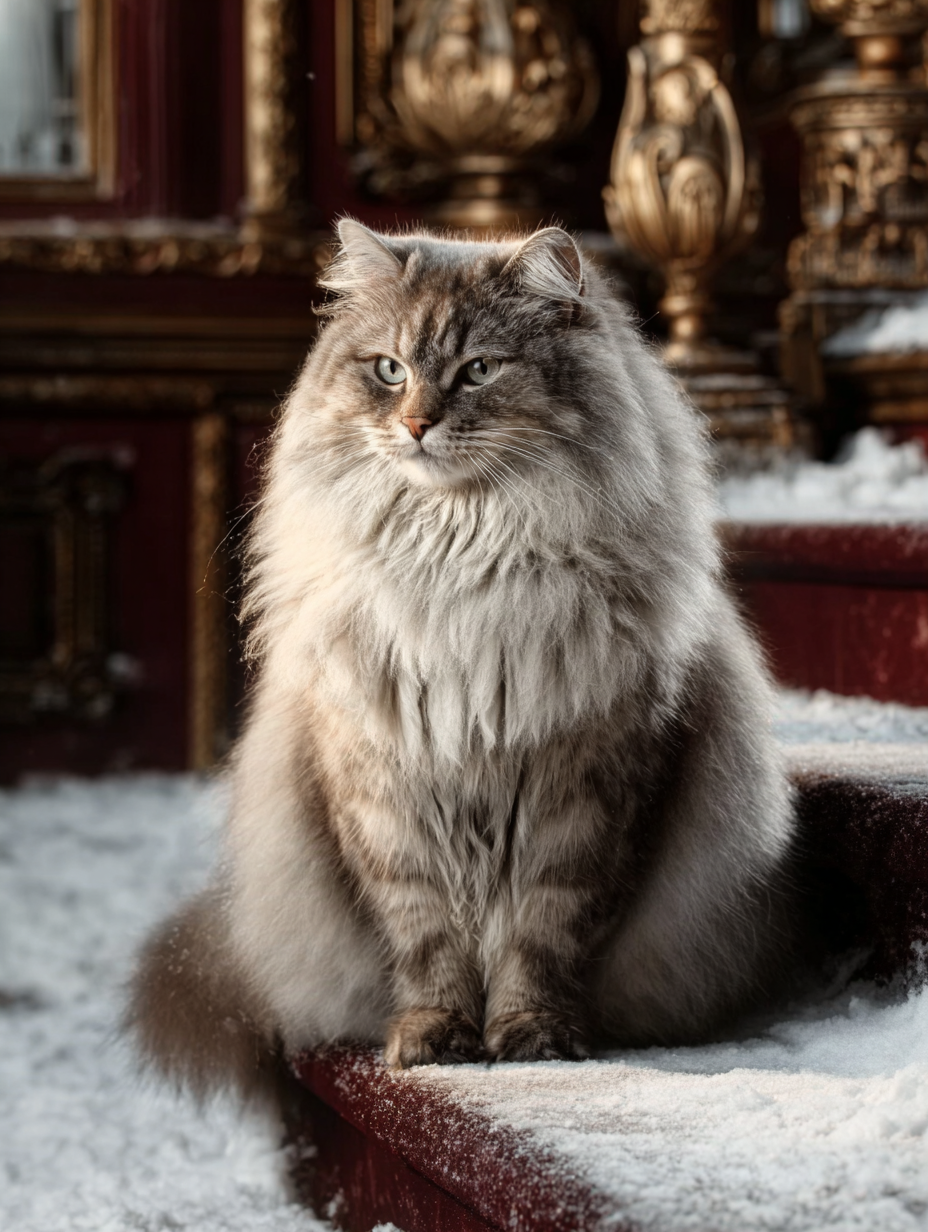
The Siberian cat is often recommended to people with cat allergies, but that recommendation needs clear explanation. This guide focuses on why some allergy-sensitive individuals tolerate Siberian cats better, what science and real-world experience support, and what limitations still exist.
Interested in a Siberian cat? See our kittens available.
Siberian Cats & Allergies: Quick Overview
| Topic | Summary |
|---|---|
| Are Siberian cats hypoallergenic? | No. Siberian cats are not allergy-free, but some individuals may produce lower levels of Fel d 1, the protein responsible for most cat allergies. |
| Why some people tolerate Siberians better | Certain Siberians have lower Fel d 1 production, balanced skin oils, and dense coats that may limit allergen spread when properly managed. |
| What causes cat allergies | Most reactions are triggered by Fel d 1 found in saliva, skin, and sebaceous oils—not the fur itself. |
| Does coat length matter? | No. Long fur does not cause allergies. Allergen distribution and skin health matter more than hair length. |
| Do all Siberians work for allergy sufferers? | No. Fel d 1 levels vary by individual cat. Tolerance must be evaluated on a case-by-case basis. |
| Best way to test tolerance | Spend extended time with the specific Siberian cat and related adults in the breeder’s environment. |
| Kittens vs adults | Adult Siberians provide a more accurate picture of long-term allergy tolerance than young kittens. |
| Grooming impact | Regular, gentle grooming helps reduce allergen buildup; over-bathing can worsen allergen spread. |
| Home management essentials | HEPA air purifiers, routine cleaning, controlled room access, and litter box placement reduce allergen load. |
| Realistic expectations | Siberian cats may improve tolerance for some allergy-sensitive people, but no breed guarantees allergy compatibility. |
Can People With Cat Allergies Really Own a Cat?
Yes, some people with cat allergies can live comfortably with a Siberian cat, but success depends on understanding what causes allergic reactions and why tolerance varies from person to person.
What People Are Allergic To (Fel d 1 Explained Simply)
Most cat allergies are caused by Fel d 1, a protein produced in a cat’s saliva, skin, and sebaceous glands. When a cat grooms itself, Fel d 1 is deposited onto the coat and skin, where it dries and becomes airborne through dander.
It is not cat hair itself that causes allergies. The reaction is triggered by the protein attached to the hair and skin particles.
Why “Hypoallergenic” Does Not Mean Allergy-Free
No cat, including the Siberian, is allergy-free. When Siberians are described as hypoallergenic, it means some individual cats may produce lower levels of Fel d 1, not that they eliminate allergic reactions entirely.
Reactions vary widely, even between two Siberians from the same breeder.
Why Some People Tolerate Siberian Cats Better Than Others
Tolerance depends on:
- Individual immune sensitivity
- The specific Fel d 1 level of a given Siberian
- Duration and type of exposure
- Overall allergen load in the home
This explains why one Siberian may cause minimal symptoms while another triggers a reaction in the same person.
The Role of Environment, Grooming, and Genetics
Living successfully with a Siberian cat while managing allergies also depends on:
- Air quality and cleaning routines
- Consistent, gentle grooming
- Diet and skin health
- Stress levels, which influence skin oil production
- Genetic tendencies within breeding lines
Breed reputation alone is not enough without proper management.
How We Evaluated Siberian Cats for Allergy-Sensitive Homes
The Siberian cat’s reputation among allergy-sensitive owners is based on a combination of research, breeder experience, and long-term owner reports rather than marketing claims.
Lower Fel d 1 Production (Where Data Exists)
Some studies and breeder testing programs have found that certain Siberian cats produce lower levels of Fel d 1 compared to the general cat population. This is not universal and must be evaluated on an individual-cat basis.
Responsible breeders often monitor tendencies within their lines when possible.
Coat Type and Shedding Patterns
Although Siberians have a long, dense coat, they typically:
- Shed seasonally rather than continuously
- Have a textured coat that can trap dander instead of releasing it easily
This may reduce airborne allergen spread in well-managed homes.
Skin Oil Distribution
Siberian cats are known for relatively balanced skin oil production. Healthy skin and coat condition can limit how aggressively Fel d 1 spreads through the environment, especially when grooming and nutrition are well managed.
Real-World Allergy Reports From Owners
Many allergy-sensitive owners report:
- Fewer symptoms with certain Siberian cats
- Improved tolerance over time
- Best results when exposure is gradual and consistent
While anecdotal, these experiences are widely reported across reputable breeding programs.
Breeder Practices That Influence Allergen Load
Reputable Siberian breeders support allergy-sensitive households by:
- Maintaining clean, low-stress rearing environments
- Introducing grooming early
- Supporting skin and coat health through nutrition
- Being transparent about allergy expectations
- Encouraging in-person or extended exposure before commitment
The breeder’s practices significantly affect outcomes for allergy-sensitive families.
Why Siberian Cats Are Often Better Tolerated by Allergy-Sensitive Owners
The Siberian cat is frequently recommended to people with cat allergies because some individuals produce lower levels of Fel d 1 and because the breed’s physical and behavioral traits can reduce allergen spread when properly managed. This does not make Siberians allergy-free, but it explains why many allergy-sensitive households report better tolerance with this breed.
Why Siberian Cats May Work for Allergy Sufferers
Some Siberian cats naturally produce lower Fel d 1 levels than the general cat population. In addition, their coat texture, skin balance, and calmer temperament can limit how aggressively allergens circulate in the home—especially when paired with good grooming and environmental control.
Tolerance varies by person and by individual cat, but Siberians consistently appear among the cats most often tolerated by people with mild to moderate allergies.
Coat Type & Shedding Level
Siberian cats have a dense, triple-layer coat designed for harsh climates. While the coat is long, it tends to:
- Shed seasonally rather than constantly
- Hold dander within the coat instead of releasing it into the air
- Require structured grooming rather than constant brushing
Long hair itself does not increase allergen production. What matters is how allergens disperse in the environment.
Temperament and Lifestyle Fit
Siberians are typically:
- Calm and emotionally balanced
- Moderately active but not hyper
- Social without being clingy
Lower stress levels can support healthier skin and coat function, which may indirectly help manage allergen production. Their adaptable temperament also makes them easier to integrate into controlled routines that allergy-sensitive owners rely on.
Grooming Considerations for Allergies
Consistent grooming is essential for allergy management with a Siberian cat. Best practices include:
- Weekly thorough brushing to remove loose hair and dander
- Occasional sanitary trims if needed
- Avoiding harsh de-shedding tools that irritate the skin
Healthy grooming reduces allergen buildup without triggering increased skin oil production.
Important Allergy Disclaimer for Siberian Cats
Not every Siberian will be tolerated by every allergy-sensitive person. Reactions vary by individual immune response and by cat. Extended exposure to a specific cat is always recommended before commitment. No ethical breeder will guarantee allergy compatibility.
The Problem With Calling Siberian Cats “Hypoallergenic”
The Siberian cat is often labeled hypoallergenic, but this term is widely misunderstood.
Why the Label Is Misleading
“Hypoallergenic” does not mean non-allergenic. It only suggests a potentially lower allergen load, not the absence of allergens. Using the term without explanation creates unrealistic expectations and leads to disappointment for allergy sufferers.
Why Some People Do Well With Siberian Cats and Others Do Not
Even within Siberians:
- Fel d 1 levels vary
- Coat density differs
- Skin oil production differs
Two Siberians can trigger very different reactions in the same person. This is why personal exposure matters more than breed reputation.
Why the Individual Cat Matters More Than the Label
Allergy success depends on:
- The specific Siberian cat
- The owner’s immune sensitivity
- Home management practices
The breed may improve odds, but it never guarantees outcomes.
Why Some Cats Are Harder for Allergy Sufferers — And Where Siberians Fit
Understanding why some cats are more difficult for allergy sufferers helps clarify why Siberians are sometimes better tolerated.
High Fel d 1 Producers
Cats that produce higher amounts of Fel d 1 tend to trigger stronger reactions regardless of coat length. Siberians may produce less on average, but this varies by individual.
Heavy, Continuous Shedding
Constant shedders release more allergen-coated dander into the environment. Siberians shed more predictably and seasonally, which allows better allergen control.
Oil-Rich Coats
Excessive skin oil spreads Fel d 1 more aggressively. Siberians generally have balanced skin oils when properly nourished and groomed.
Why Long Hair Is Not the Main Issue
Long hair does not cause allergies. In some cases, a dense coat can actually trap allergens instead of dispersing them. Poor skin health and uncontrolled shedding are far more important factors than coat length alone.
How to Improve Allergy Tolerance With a Siberian Cat
Even if a Siberian is well tolerated, environmental and care practices strongly influence allergy outcomes.
Environmental Controls
- HEPA air purifiers in main living areas and bedrooms
- Regular vacuuming with sealed filtration
- Washing bedding and soft surfaces frequently
- Limiting access to sleeping areas if needed
Reducing airborne allergens lowers overall immune load.
Grooming Routines That Reduce Allergens
- Weekly brushing to remove dander and loose coat
- Occasional wiping with a damp cloth between grooming sessions
- Avoiding aggressive tools that irritate skin
Consistency matters more than frequency.
Diet and Skin Health’s Role in Allergen Production
High-quality nutrition supports:
- Healthy skin barrier function
- Balanced oil production
- Reduced inflammation
Poor diet can worsen shedding, dandruff, and allergen spread.
Why Over-Bathing Can Backfire
Frequent bathing strips natural oils, causing the skin to overproduce oil in response. This can actually increase Fel d 1 distribution. Bathing should be minimal and only done when medically or hygienically necessary.
Living With a Siberian Cat When You Have Allergies
Living comfortably with a Siberian cat while managing allergies requires intentional setup. Even when a Siberian is well tolerated, daily habits and household structure strongly influence symptom control.
Room Boundaries and Sleeping Arrangements
For many allergy-sensitive owners, the bedroom is the most important controlled space. Keeping the Siberian out of sleeping areas can significantly reduce overnight allergen exposure and improve sleep quality. If full exclusion is not realistic, using washable bedding, frequent laundering, and air purification in the bedroom becomes essential.
Clear room boundaries help limit allergen spread and give the immune system predictable breaks.
Litter Box Placement
Litter boxes should be placed:
- Away from bedrooms and main living areas
- In well-ventilated spaces
- On hard, easy-to-clean surfaces
Dust from litter can carry allergens and aggravate respiratory symptoms. Low-dust litter, regular box cleaning, and enclosed or filtered litter systems can reduce airborne irritation.
Multi-Cat Households and Allergy Load
Allergen exposure is cumulative. Even if a Siberian cat is well tolerated, adding additional cats increases the overall Fel d 1 load in the home. Allergy-sensitive households typically do best with one cat rather than multiple, especially during the first years of ownership.
If more than one cat is present, strict grooming routines and environmental controls become even more important.
Children and Allergy Management
Children with allergies may respond differently than adults. Symptoms can be delayed or appear after prolonged exposure. Teaching children:
- Hand washing after handling the cat
- Avoiding face contact
- Keeping personal bedding clean
helps reduce flare-ups while maintaining positive interactions. Monitoring symptoms over time is critical, as tolerance can change with age.
How Reputable Siberian Breeders Support Allergy-Sensitive Families
Breeder practices play a major role in whether a Siberian cat is a realistic option for allergy-sensitive owners.
Early Grooming Exposure
Siberian kittens raised with early grooming exposure tend to:
- Tolerate brushing calmly
- Maintain better coat condition
- Experience less skin irritation
This supports long-term allergen management by keeping dander and loose coat under control.
Clean, Low-Stress Rearing Environments
Stress can impact skin health and oil production, which influences allergen distribution. Reputable breeders maintain:
- Clean, well-ventilated homes
- Low-stress handling routines
- Stable social environments
Healthier skin and coat development often translate to better outcomes for allergy-sensitive households.
Honest Allergy Conversations
Ethical Siberian breeders do not promise allergy-free cats. Instead, they:
- Explain individual variation clearly
- Discuss realistic expectations
- Share experiences from past allergy-sensitive families
Transparency builds trust and prevents mismatched placements.
Trial Visits and Exposure Recommendations
Many reputable breeders encourage:
- In-person visits
- Extended time with adult cats
- Multiple exposures rather than brief meetings
This allows allergy-sensitive families to assess reactions in a controlled, meaningful way before making a commitment.
Allergy Testing With Siberian Cats — What Actually Helps
Testing allergy tolerance requires intentional exposure. Quick encounters or assumptions based on breed reputation are unreliable.
Visiting the Breeder vs. Meeting Random Cats
Spending time with the specific Siberian you may adopt provides far more useful information than exposure to unrelated cats. Different cats produce different allergen levels, even within the same breed.
Breeder environments also reflect the cat’s real living conditions more accurately than public or unfamiliar spaces.
Why Spending Time Matters More Than Quick Exposure
Allergic reactions are often delayed. A brief 10-minute interaction may show no symptoms, while a one- to two-hour visit can reveal subtle reactions. Extended exposure helps identify:
- Respiratory symptoms
- Eye or skin irritation
- Delayed immune responses
This information is critical for making an informed decision.
Why Kittens and Adults Can Trigger Different Reactions
Kittens sometimes trigger milder reactions initially due to lower overall allergen load, but reactions can increase as the cat matures. Adult Siberians provide a more accurate picture of long-term tolerance.
For allergy-sensitive owners, meeting adult cats related to the kitten can offer valuable insight into what to expect over time.
FAQ: Siberian Cats and Allergies (Part 1 of 2)
1. Are Siberian cats truly hypoallergenic?
No. Siberian cats are not allergy-free. Some individual Siberians produce lower levels of the Fel d 1 protein that triggers most cat allergies, which can make them easier for some people to tolerate. Reactions vary by person and by individual cat.
2. Why do some people with allergies tolerate Siberian cats better?
Tolerance is influenced by Fel d 1 production, coat texture, skin oil balance, and environmental factors. Some Siberians naturally produce less Fel d 1, and their dense coat may trap allergens instead of releasing them into the air. This combination can reduce symptoms for certain allergy-sensitive owners.
3. Do all Siberian cats produce low levels of Fel d 1?
No. Fel d 1 levels vary widely between individual Siberian cats, even within the same litter. There is no guarantee that a specific cat will be well tolerated, which is why exposure testing is always recommended.
4. Are male or female Siberian cats better for people with allergies?
Unneutered males tend to produce higher levels of Fel d 1 than females or neutered males. Most pet Siberians are spayed or neutered, which reduces this difference. Individual variation still matters more than sex alone.
5. Are Siberian kittens easier on allergies than adult cats?
Kittens may initially trigger fewer symptoms due to smaller size and lower allergen load, but this can change as the cat matures. Adult Siberian cats provide a more accurate picture of long-term allergy tolerance.
6. Does long fur make Siberian cats worse for allergies?
No. Fur length does not cause allergies. Allergic reactions are caused by Fel d 1 attached to dander and skin oils. In some cases, a dense long coat can actually help trap allergens rather than allowing them to become airborne.
7. Can grooming a Siberian cat reduce allergy symptoms?
Yes, consistent grooming can significantly reduce allergen buildup. Regular brushing removes loose hair and dander before it spreads. Gentle grooming is important—over-brushing or harsh tools can irritate the skin and increase allergen production.
8. Do Siberian cats shed less than other cats?
Siberians shed seasonally rather than constantly. While they do shed heavily during seasonal coat changes, shedding is more predictable, which can make allergen management easier with proper grooming routines.
9. Can diet affect how allergenic a Siberian cat is?
Yes. Diet impacts skin health, coat condition, and inflammation. High-quality nutrition supports balanced skin oils and may reduce excessive shedding and dandruff, which helps limit allergen spread.
10. Can air purifiers really help with cat allergies?
Yes. HEPA air purifiers can significantly reduce airborne allergens when used consistently, especially in bedrooms and main living areas. They work best when combined with regular cleaning and grooming routines.
11. Should I visit a Siberian breeder in person to test my allergies?
Yes. Spending time with the specific Siberian you are considering is one of the most reliable ways to assess tolerance. Brief exposure is often misleading, so longer visits are more informative than quick interactions.
12. How long should I spend with a Siberian cat to assess allergy reactions?
Ideally, one to two hours or more. Allergic reactions can be delayed, and extended exposure helps reveal subtle respiratory, skin, or eye symptoms that may not appear immediately.
13. Is meeting one Siberian enough to know if I’m allergic?
Not always. Allergy responses can differ between individual cats. Meeting multiple related cats, such as adult family members from the same breeding line, can provide a more accurate picture of long-term tolerance.
14. Can breeders test Siberian cats for Fel d 1 levels?
Some breeders participate in Fel d 1 testing programs, but these tests are not standardized across the industry and are not guarantees. Test results should be viewed as informational rather than predictive.
15. Will allergy symptoms improve over time with a Siberian cat?
For some people, yes. Gradual exposure can lead to increased tolerance. For others, symptoms remain stable or worsen. Allergy progression is highly individual and cannot be predicted in advance.
16. Is it safe for children with allergies to live with a Siberian cat?
It depends on the child’s sensitivity. Children may show delayed reactions, so careful monitoring over time is essential. Hygiene habits and controlled exposure play an important role in managing symptoms.
17. Can allergy medications make owning a Siberian cat easier?
Allergy medications may help manage symptoms but should not be relied on as the sole solution. Environmental controls, grooming, and honest exposure testing remain essential.
18. Are Siberian cats better for people with asthma?
Some people with mild asthma tolerate Siberians better, but asthma is more complex than allergies alone. Anyone with asthma should consult a medical professional before bringing a cat into the home.
19. Is it better to start with one Siberian cat rather than multiple?
Yes. Allergen exposure is cumulative. Starting with a single cat allows allergy-sensitive owners to assess tolerance before increasing allergen load through additional pets.
20. What is the most realistic advice for allergy sufferers considering a Siberian cat?
Approach the decision with cautious optimism. Siberian cats may improve the odds for some allergy-sensitive people, but there are no guarantees. Extended exposure, honest breeder guidance, and strong home management practices are essential for success.
Considering a Siberian Kitten?
If you are exploring the Siberian breed and would like to learn more about individual placements, you can view our kittens available and continue your research from there.
See Siberian Kittens Available
Related Siberian Cat Resources
If you are researching Siberian cats and allergies, these in-depth guides may also help you decide whether this breed fits your home, health needs, and lifestyle:
- Siberian Cat Complete Guide:
The Siberian cat adapts well to family life, multi-pet homes, and a wide range of living environments. - Siberian Cat Grooming & Coat Care:
A complete breakdown of brushing schedules, coat tools, bathing considerations, and maintenance tips for the Siberian’s triple coat. - Siberian Cat Temperament & Personality:
Understand how Siberians interact with people, children, and other pets, and whether their social nature affects allergy exposure. - Siberian Cat Health Overview:
Breed-specific health considerations, preventative care, and how skin and coat health influence dander production. - Siberian Kittens for Sale:
Realistic pricing ranges, what influences cost, and why allergy-aware breeding programs are priced differently. - Siberian Cats vs Other Hypoallergenic Breeds:
A side-by-side comparison of Siberians, Balinese, Devon Rex, Cornish Rex, and Sphynx for allergy-sensitive households. - Are Siberian Cat Hypoallergenic?
A focused guide explaining why Siberian cats may or may not be a good fit for allergy issues. - Best Cat Breeds for People With Allergies:
A broader educational guide comparing multiple breeds and explaining what truly matters for allergy compatibility.
Sources & References
- American Academy of Allergy, Asthma & Immunology (AAAAI)
Cat allergies, Fel d 1 explanation, and why no cat is truly hypoallergenic
https://www.aaaai.org/conditions-and-treatments/allergies/pet-allergy - American College of Allergy, Asthma & Immunology (ACAAI)
Medical guidance on pet allergies, symptoms, and management
https://acaai.org/allergies/allergic-conditions/pet-allergies/ - National Library of Medicine (NIH / PubMed)
Peer-reviewed research on Fel d 1 and individual variation in cat allergen production
https://pubmed.ncbi.nlm.nih.gov/?term=Fel+d+1+cat+allergen - Mayo Clinic – Pet Allergies
Practical overview of allergy symptoms, exposure testing, and home controls
https://www.mayoclinic.org/diseases-conditions/pet-allergy/symptoms-causes/syc-20352192 - International Cat Care (iCatCare)
Evidence-based information on grooming, skin health, and coat care
https://icatcare.org/advice/cat-grooming/ - The International Cat Association (TICA) – Siberian Breed Profile
Official breed information on Siberian cats, coat type, and temperament
https://tica.org/breeds/browse-all-breeds?view=article&id=872:siberian-breed&catid=48
Source Disclaimer
Allergy tolerance varies by individual and by cat. No breed, including the Siberian, can be guaranteed allergy-free. Medical decisions should be discussed with a qualified healthcare professional.





Read the Comments +