
Siberian Cat Personality and Temperament
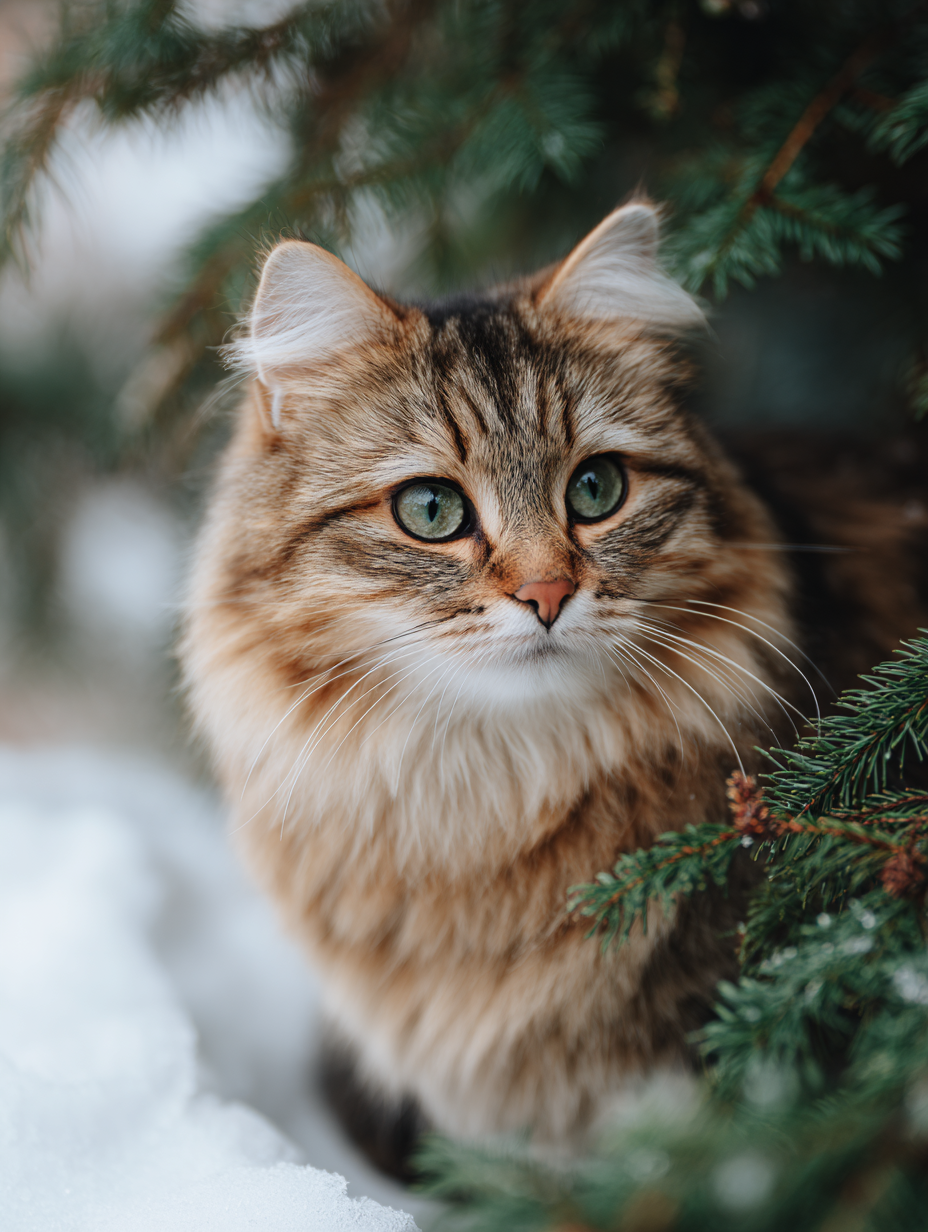
The Siberian cat personality is often described as the gentle dog of the cat world — strong, intelligent, deeply affectionate, and intuitive. Their forest-bred resilience is matched by a warm, people-focused temperament that makes them one of the most beloved natural breeds in the world.
While their thick triple coat and expressive eyes catch attention first, it is the Siberian’s personality that creates lasting bonds. These cats are social without being overwhelming, playful without chaos, and deeply connected to their families.
If you are considering a Siberian kitten or want to better understand your Siberian cat’s behavior, this guide explores the breed’s temperament, emotional traits, and everyday personality in real homes.
Siberian Cat Personality at a Glance
| Trait | What to Expect |
|---|---|
| Overall Temperament | Social, stable, and people-oriented without being demanding |
| Affection Style | Enjoys proximity and shared space; some enjoy laps, others prefer sitting nearby |
| Energy Level | Moderate to moderately high; playful when engaged, settles easily afterward |
| Intelligence | Strong problem-solving ability; learns routines quickly |
| Trainability | Responds well to short, reward-based training and enrichment |
| Vocalization | Moderate; soft meows, chirps, and trills used contextually |
| Social Behavior | Involved in household activity; usually bonds with the whole family |
| Independence | Comfortable spending time alone but prefers regular interaction |
| Behavior With Children | Patient and tolerant when handled respectfully |
| Behavior With Dogs | Typically adapts well to calm, respectful dogs |
| Behavior With Other Cats | Generally cooperative with proper introductions |
| Adaptability | Adjusts well to different homes, routines, and environments |
| Curiosity Level | Observant and investigative without impulsive behavior |
| Water Interest | Often curious; some paw-dipping or watching, varies by individual |
| Maturity Rate | Slow-maturing breed; personality settles between 3–5 years |
| Best For | Families, professionals, multi-pet homes, first-time cat owners |
Searching for a Siberian Kitten?
If you are exploring Siberian cats and want to learn more about responsible breeding, care, and availability, you can view our Siberian cat resources and kittens here. See Kittens Available
The Warm, Emotionally Intelligent Nature of the Siberian Cat
Siberians are known for their emotional depth. They are affectionate, intuitive cats that form strong bonds with their families while maintaining a confident, grounded presence.
Unlike aloof or purely independent breeds, Siberians actively seek connection. They enjoy being involved in household life and often choose to be near their people rather than in another room. Many owners describe them as emotionally aware cats who seem to read moods and respond with quiet companionship.
This balance of affection and stability makes the Siberian an excellent family cat. They typically thrive in homes with children, adults, seniors, and respectful dogs. Their adaptability allows them to settle comfortably into both active households and quieter environments.
Social, Loyal, and Genuinely People-Focused
Siberian cats are highly social, but not clingy. They enjoy companionship and interaction, often following their people from room to room simply to stay connected.
You may find your Siberian:
• Sitting nearby while you work
• Supervising household routines
• Greeting you at the door
• Resting close without demanding attention
They bond deeply with their families and often show loyalty to more than one person. Siberians tend to be welcoming with guests once comfortable and rarely hide long-term. Their confident, friendly nature makes transitions — new homes, new people, or new routines — easier than with many sensitive breeds.
Vocal but Expressive, Not Excessive
Siberians are communicative cats, but their voices are typically soft and expressive rather than loud or constant. They use a range of sounds to communicate, including:
• Gentle meows
• Chirps and trills
• Soft conversational sounds
• Quiet greeting noises
Rather than vocalizing endlessly, Siberians communicate with intention. They often pair sound with eye contact, body language, and movement, creating a very interactive, conversational relationship with their owners.
Their communication style feels personal and responsive, adding to the sense that you are sharing your home with a thinking, emotionally present companion.
Playful, Athletic, and Highly Intelligent
Despite their calm presence, Siberians are extremely intelligent and physically capable cats. They retain kitten-like playfulness well into adulthood and enjoy activities that challenge both their minds and bodies.
Siberians often enjoy:
• Interactive wand toys
• Puzzle feeders
• Climbing and jumping
• Learning household routines
• Observing and problem-solving
They are known for their impressive jumping ability and coordination, a trait rooted in their natural forest origins. Many Siberians enjoy water play, unusual textures, and exploring new environments with confidence.
While they are capable learners and can be taught simple behaviors, Siberians prefer engagement that feels collaborative rather than repetitive. Short play sessions followed by relaxed companionship suit them best.
Affectionate Without Being Overbearing
Siberian cats are affectionate, people-oriented companions, but they are not emotionally demanding. They enjoy closeness and interaction while still respecting personal space. Many Siberians will sit beside you on the couch, rest near your workspace, or follow you from room to room simply to stay connected.
Unlike breeds that constantly seek physical contact, Siberians show affection through proximity, eye contact, and quiet interaction. Some enjoy laps and cuddling, especially with trusted family members, while others prefer to stay close without being held. Their affection is steady and genuine rather than insistent.
This balance makes Siberians emotionally present cats that integrate naturally into daily life without becoming clingy.
Well-Suited for Working Households
Siberians adapt well to homes where people are away part of the day, provided their basic needs are met. They are confident, mentally stable cats that tolerate alone time without becoming anxious or destructive.
They do best when they have:
• comfortable resting areas
• access to windows or vertical space
• toys or enrichment options
• a consistent daily routine
During the day, Siberians typically nap, observe their environment, or entertain themselves. When their people return, they re-engage easily—often greeting at the door and settling in nearby for the evening.
While they enjoy company and do not thrive on neglect, Siberians are a good match for professionals, families, and households with structured schedules.
Adaptable and Environmentally Confident
One of the Siberian cat’s defining traits is adaptability. They tend to adjust smoothly to different living environments, including apartments, houses, busy family homes, and quieter settings.
They are comfortable with routine but flexible when changes occur. Moves, new furniture, visitors, or schedule shifts are generally handled calmly, especially when introductions are gradual and respectful.
Siberians are also known for handling travel and new environments better than many breeds. While they are not naturally adventurous, they tend to remain composed and observant when exposed to new situations.
Good With Children and Other Pets
Siberian cats are typically patient, tolerant, and socially stable, making them well suited for family life. With children who are taught appropriate handling, they are calm and reliable companions.
They are not prone to sudden reactions and usually choose to walk away rather than scratch or escalate when overstimulated. Many families find that Siberians naturally engage in quiet, shared activities with children, such as sitting nearby during homework or relaxing during movie time.
In multi-pet households, Siberians usually coexist well with:
• respectful dogs
• other cats
• calm household pets (with supervision)
Their confident but non-confrontational temperament helps them integrate smoothly, especially when introductions are done properly.
Curious, Observant, and Confident
Siberians are curious cats, but their curiosity is measured and thoughtful rather than impulsive. They like to investigate changes in their environment, observe activity, and explore new objects at their own pace.
You may often see a Siberian:
• watching outdoors from a window
• inspecting a new box or bag
• observing household activity from a nearby surface
• exploring new spaces calmly
They tend to assess situations before engaging, showing a steady confidence rather than nervousness. If startled, they usually recover quickly and return to normal behavior.
This calm curiosity makes them easy to live with, even in active or changing households.
Independent, but Strongly Bonded
Siberians are independent thinkers, but they are not distant. They form strong bonds with their families while maintaining autonomy in how they interact.
They tend to be:
• cooperative rather than compliant
• responsive to routines, but not rigid
• affectionate on their own terms
• comfortable choosing between interaction and solitude
They value gentle invitations over forced interaction and prefer companionship that feels mutual rather than directed.
This balance of independence and connection is one of the Siberian cat’s most appealing traits, making them suitable for first-time owners, experienced cat households, and families looking for a stable, emotionally balanced companion.
Siberian Cat Maturity and Emotional Development
Siberian cats mature at a moderate pace, both physically and behaviorally. They are a slow-growing breed, often taking several years to reach full size and adult temperament. As they mature, their behavior becomes more settled, consistent, and socially aware.
Most Siberians move through recognizable developmental stages:
Kitten Stage (0–6 months)
Active, curious, learning household routines, building social bonds, and exploring their environment.
Juvenile Stage (6–18 months)
Physically stronger and more coordinated, testing boundaries, highly playful, and developing preferences for people, spaces, and activities.
Young Adult (18 months – 3 years)
More predictable behavior, improved impulse control, increased social awareness, and better ability to self-regulate energy.
Mature Adult (3+ years)
Fully developed in size and behavior, with stable routines, consistent responses, and a settled presence in the home.
Adult Siberians are generally steady and resilient. They are not easily overstimulated and tend to recover quickly from changes or disruptions. This makes them practical companions for a wide range of households.
Social Bonds and Awareness of Their Environment
Siberian cats form strong, consistent bonds with their families. While they may be reserved during initial introductions, they usually become comfortable once routines are established.
They tend to remain aware of household activity and often position themselves nearby rather than isolating themselves. Many Siberians follow familiar people from room to room or choose resting spots where they can observe daily activity.
Their responsiveness is situational rather than attention-seeking. They may sit nearby during quiet moments, remain close during work or rest periods, or join family members during shared routines without interrupting.
Energy Levels and Daily Rhythm
Siberians have moderate to moderately high energy levels, especially in younger years. They benefit from regular physical and mental engagement, but they are also capable of settling for extended periods.
A typical daily pattern often includes:
• Morning activity, movement, and interaction
• Midday rest with periods of observation
• Evening play and social time
• Nighttime rest in familiar locations
Structured routines help regulate their energy. Interactive play sessions, access to vertical space, and environmental enrichment support healthy behavior without requiring constant stimulation.
As they mature, Siberians often become more predictable in their activity cycles while maintaining interest in play.
Siberian Cats and Water
Siberian cats often show curiosity toward water, more so than many other breeds. This interest varies by individual, but it is common for Siberians to investigate moving water or observe water-related activities.
You may see a Siberian:
• watching running faucets
• placing a paw in a water bowl
• observing showers or sinks
• playing briefly with dripping water
Some Siberians tolerate or enjoy limited water interaction, while others prefer to observe without contact. Providing a pet fountain or allowing supervised access to shallow water can satisfy this curiosity without encouraging unwanted behavior.
Training and Mental Stimulation
Siberian cats are intelligent and responsive, with strong problem-solving ability and good memory. They learn routines quickly and benefit from regular mental and physical engagement. While they are not rigidly trainable in the way some working animals are, they respond well to interactive, reward-based activities.
They tend to do best with:
• short, consistent training sessions
• food puzzles and treat games
• interactive wand toys
• climbing and jumping activities
• predictable daily routines
Many Siberians can learn to:
• come when called
• use puzzle feeders or enrichment toys
• follow household routines
• tolerate or enjoy harness training when introduced gradually
Because Siberians are active and alert, mental stimulation helps prevent boredom and supports balanced behavior. Training works best when sessions are brief, positive, and integrated into daily routines rather than treated as formal exercises.
Common Myths About Siberian Cat Temperament
Several misconceptions about Siberian cat personality are common and worth clarifying.
“Siberian cats are independent and distant.”
Siberians are socially oriented and prefer to stay involved in household activity. They may not always seek physical contact, but they typically remain nearby and engaged with their people.
“Siberians are hyperactive.”
Siberians are energetic, especially when young, but their activity is usually purposeful rather than chaotic. With adequate play and enrichment, they settle easily and maintain predictable behavior patterns.
“Siberian cats don’t bond strongly with people.”
Siberians usually form stable, long-term bonds with their families. They show attachment through routine, proximity, and consistent interaction rather than constant physical affection.
“They are difficult with visitors or new situations.”
Most Siberians are observant at first and adjust as they become familiar with new people or environments. Once comfortable, they tend to behave calmly and confidently.
Understanding these traits helps set realistic expectations and allows owners to support the Siberian cat’s natural behavior through appropriate interaction, structure, and enrichment. See: Are Siberian Cats Maine Coons? for more breed info.
Siberian Cat Personality FAQ
Are Siberian cats friendly?
Yes. Siberian cats are generally friendly and socially comfortable with people. They tend to stay involved in household activity and are usually receptive to interaction without being intrusive.
Are Siberian cats affectionate?
Siberians are affectionate in a practical, steady way. Many enjoy sitting close, following their people, and sharing space. Some enjoy being held or sitting on laps, while others prefer nearby companionship.
Do Siberian cats bond with one person or the whole family?
Most Siberians bond with the household as a whole rather than attaching to a single person. They often show preference for familiar people but usually remain social with all family members.
Are Siberian cats clingy?
No. Siberians like interaction and presence but do not typically demand constant attention. They are comfortable engaging and disengaging throughout the day.
Are Siberian cats good for first-time cat owners?
Yes. Their stable temperament, adaptability, and tolerance for routine make them a good choice for first-time owners who want a social but manageable cat.
Do Siberian cats like to be held?
It depends on the individual cat. Some Siberians tolerate or enjoy being held for short periods, while others prefer to sit beside their people rather than be picked up.
Are Siberian cats lap cats?
Some are, some are not. Many Siberians prefer close proximity over sustained lap time. Lap behavior often increases with age and trust.
Are Siberian cats calm or energetic?
Siberians are moderately active. They have higher energy as kittens and young adults and become more settled with maturity. Even as adults, they usually enjoy regular play.
Do Siberian cats calm down with age?
Yes. Most Siberians become more predictable and settled between 2–4 years of age, while still maintaining interest in play and interaction.
How playful are Siberian cats?
Siberians are playful and enjoy interactive toys, climbing, and problem-solving games. Playfulness often continues well into adulthood.
Are Siberian cats intelligent?
Yes. Siberians are considered an intelligent breed with good memory and problem-solving ability. They learn routines quickly and respond well to structured environments.
Are Siberian cats easy to train?
They are receptive to basic training when it is reward-based and brief. Many can learn to come when called, use puzzle feeders, and follow household routines.
Can Siberian cats be harness trained?
Many Siberians tolerate or enjoy harness training if introduced gradually during kittenhood or adolescence. Not all individuals will accept it.
Are Siberian cats vocal?
Siberians are moderately vocal. They often use soft meows, chirps, or trills to communicate but are not typically loud or constant talkers.
Do Siberian cats talk to their owners?
Yes, many Siberians use vocalizations as part of interaction, especially during greetings, meals, or playtime.
Are Siberian cats good with children?
Yes. When children are taught respectful handling, Siberians are generally patient and tolerant. They usually choose to walk away rather than react negatively if overstimulated.
Are Siberian cats good with dogs?
Often yes. With proper introductions, Siberians usually coexist well with calm, respectful dogs.
Do Siberian cats get along with other cats?
Yes. Most Siberians adapt well to other cats, especially when introductions are gradual and territory is managed appropriately.
Are Siberian cats aggressive?
No. Aggression is not typical of the breed. Behavioral issues are more often related to stress, poor introductions, or unmet environmental needs.
Are Siberian cats territorial?
They are moderately territorial but generally tolerant. Providing sufficient space, resources, and vertical areas helps prevent conflict.
Are Siberian cats independent?
They have a healthy level of independence. Siberians enjoy companionship but are comfortable entertaining themselves and resting alone.
Can Siberian cats be left alone during the day?
Yes. Siberians typically handle time alone well if they have enrichment, routine, and regular interaction when their owners return.
Are Siberian cats good for working professionals?
Yes. Their adaptability and tolerance for routine make them suitable for households where people are away during the day.
Do Siberian cats like routines?
Yes. Siberians tend to respond well to predictable schedules for feeding, play, and rest.
Are Siberian cats sensitive to changes?
They usually adjust well to changes such as moves, new furniture, or visitors, especially when transitions are gradual.
Do Siberian cats travel well?
Many Siberians tolerate travel better than average, though individual comfort varies. Early exposure improves adaptability.
Are Siberian cats curious?
Yes. They are observant and interested in their environment, often investigating changes calmly rather than impulsively.
Do Siberian cats like water?
Some Siberians show interest in water, such as watching faucets or dipping a paw in a bowl. Actual enjoyment of water varies by individual.
Are Siberian cats destructive?
Not typically. With adequate enrichment, scratching options, and play, they rarely develop destructive habits.
Do Siberian cats scratch furniture?
They may scratch if appropriate scratching posts are not provided. Offering vertical and horizontal scratchers usually redirects behavior.
Are Siberian cats emotionally stable?
Yes. They are generally steady and resilient, with less reactivity than many high-strung breeds.
Do Siberian cats hide a lot?
No. Most prefer to stay in shared spaces where they can observe household activity.
Are Siberian cats shy with strangers?
They are usually cautious at first but tend to warm up once they feel comfortable.
Do Siberian cats get bored easily?
They can become bored without enrichment. Regular play, climbing options, and mental stimulation help prevent this.
How much daily interaction do Siberian cats need?
They benefit from daily interaction, including play and shared time, but do not require constant attention.
Are Siberian cats demanding?
No. They are communicative but generally patient and adaptable when their needs are met.
Are Siberian cats suitable for families?
Yes. Their social stability and tolerance make them well suited for family households.
Are Siberian cats good indoor cats?
Yes. They adapt well to indoor living when provided with space, enrichment, and interaction.
Do Siberian cats prefer quiet or active homes?
They adapt well to both, as long as routines are predictable and they are not overstimulated.
Do Siberian cats mature slowly?
Yes. They are a slow-maturing breed, often reaching full physical and behavioral maturity between 3–5 years.
Does personality change as Siberian cats age?
Personality usually becomes more settled and predictable with age, while social traits remain consistent.
Are male or female Siberians more affectionate?
Affection varies more by individual than by sex. Both males and females can be equally social and people-oriented.
Is the Siberian cat a good companion animal?
Yes. Siberians are widely valued for being reliable, social, and adaptable companions across many lifestyles.
Post Summary
Siberian cats are social, intelligent, and adaptable companions with balanced energy and stable behavior. They form strong bonds with their families, enjoy being involved in daily routines, and show affection through proximity rather than constant physical contact. Known for their problem-solving ability, moderate vocalization, and tolerance for children and other pets, Siberians fit well into a wide range of households. As a slow-maturing breed, their personality becomes more settled and predictable with age, making them reliable companions for families, professionals, and first-time cat owners.
Considering a Siberian Kitten?
If you are exploring the Siberian breed and would like to learn more about adopting a Siberian Kitten, you can view our kittens available and continue your research from there.
See Siberian Kittens Available
Related Siberian Cat Resources
If you are researching Siberian cats and allergies, these in-depth guides may also help you decide whether this breed fits your home, health needs, and lifestyle:
- Siberian Cat Complete Guide:
The Siberian cat adapts well to family life, multi-pet homes, and a wide range of living environments. - Siberian Cat Size
Find detailed weight and size info with charts. - Siberian Kittens Week by Week
See Siberian kittens, growth charts and more. - Siberian Cat Health Overview:
Breed-specific health considerations, preventative care, and how skin and coat health influence dander production. - Siberian Kittens for Sale:
Realistic pricing ranges, what influences cost, and why allergy-aware breeding programs are priced differently. - Siberian Cats vs Other Hypoallergenic Breeds:
A side-by-side comparison of Siberians, Balinese, Devon Rex, Cornish Rex, and Sphynx for allergy-sensitive households. - Are Siberian Cat Hypoallergenic?
A focused guide explaining why Siberian cats may or may not be a good fit for allergy issues. - Siberian Cats for People With Allergies:
Siberian cats may improve the odds for some allergy-sensitive people, but there are no guarantees.
Sources
- Cat Fanciers’ Association (CFA) – Siberian Breed Profile
https://cfa.org/breed/siberian/ - The International Cat Association (TICA) – Siberian Cat Breed Information
https://tica.org/breed/siberian/ - Purina (US) – Siberian Cat Breed Overview
https://www.purina.com/cats/cat-breeds/siberian - Purina (UK) – Siberian Forest Cat: Traits & Temperament
https://www.purina.co.uk/find-a-pet/cat-breeds/siberian-forest - The Spruce Pets – Siberian Cat: Characteristics, Care, and Personality
https://www.thesprucepets.com/siberian-cat-4178148 - GCCF (Governing Council of the Cat Fancy) – Siberian Breed Description
https://www.gccfcats.org/getting-a-cat/choosing/cat-breeds/siberian/ - Wisdom Panel – Siberian Cat Breed Traits & Behavior
https://www.wisdompanel.com/en-us/cat-breeds/siberian





Read the Comments +