
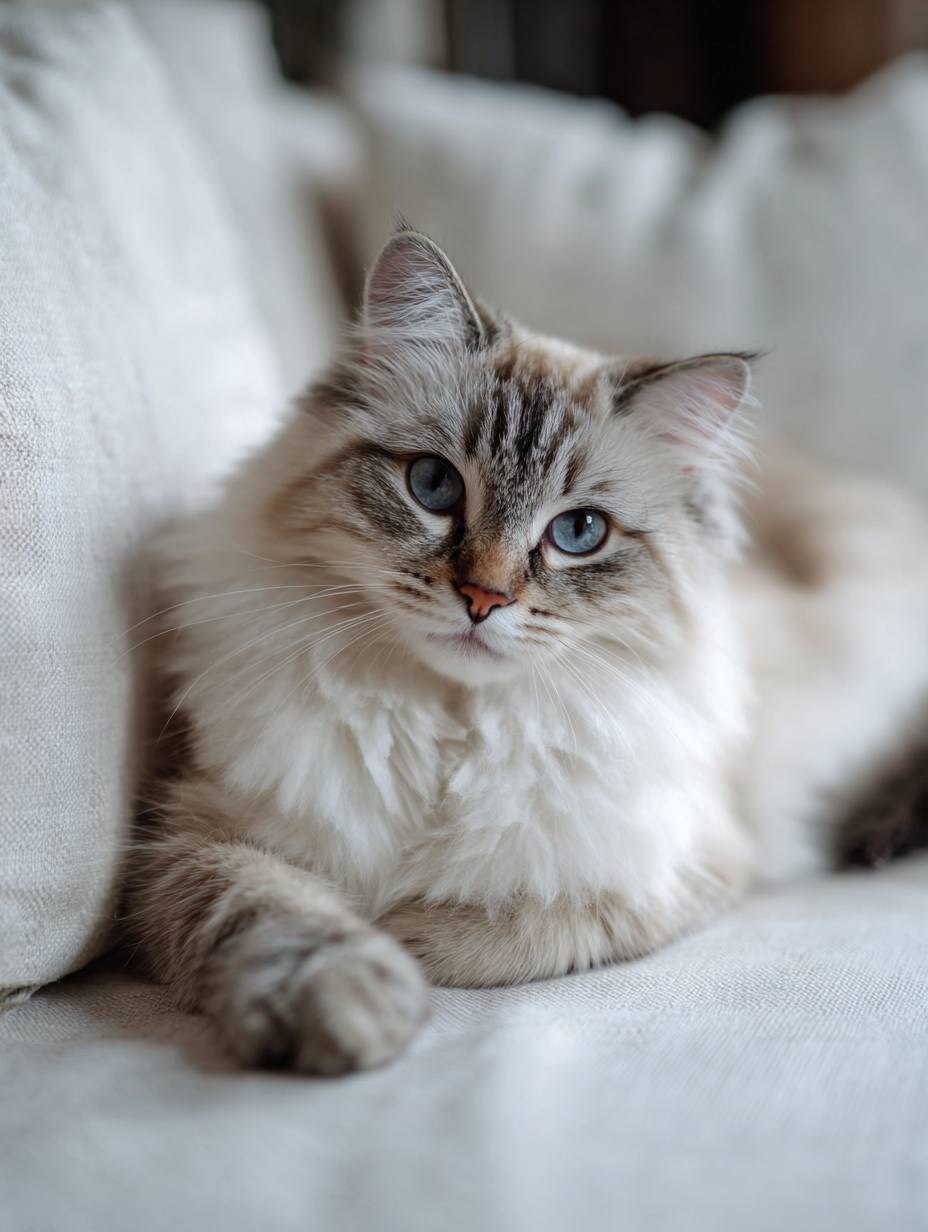
Are Siberian Cats Good for Families?
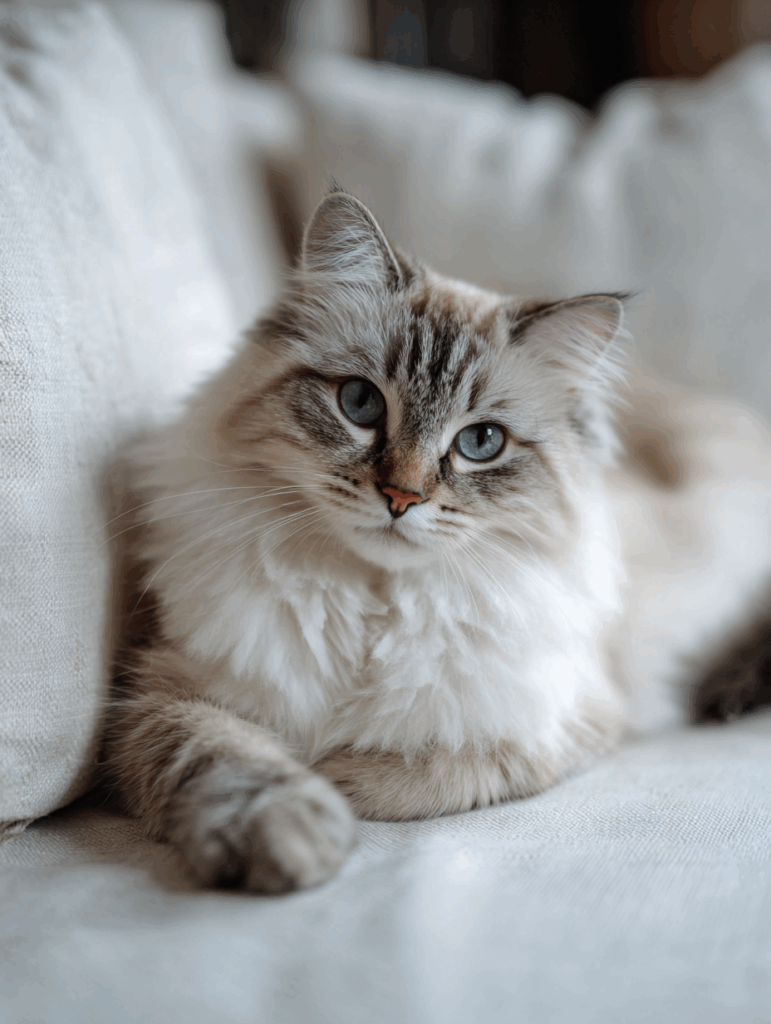
Siberian cats are a great choice for families looking for a social, adaptable, and stable companion. This guide explains how Siberian cats interact with children, dogs, other cats, and busy households, along with realistic expectations, pros and cons, and the types of family environments where they do best.
Family Compatibility Summary
Siberian cats are well suited to family life due to their social nature, tolerance for activity, and ability to adjust to different household routines. They are typically comfortable around children, integrate well into multi-pet homes, and remain engaged without being disruptive.
Siberians are not fragile or reactive cats. Their sturdy build, confidence, and problem-solving ability allow them to handle normal family noise and movement more easily than many breeds. While they enjoy interaction and involvement, they also settle well and are capable of independent downtime.
This guide covers how Siberian cats behave with children, dogs, and other pets, what families can expect during the adjustment period, and when this breed may or may not be the right fit.
Quick Summary Table: Siberian Cats in Families, Kids, and Multi-Pet Homes
| Feature | Rating | Notes |
|---|---|---|
| Temperament With Kids | Very Good | Generally patient and tolerant with respectful handling |
| Compatibility With Dogs | High | Often adapts well to calm, well-managed dogs |
| Energy Level | Medium–High | Active and playful, especially when young; settles with routine |
| Noise Level | Moderate | Communicative but not excessive |
| Grooming Needs | Medium | Dense coat requires regular brushing |
| Social Needs | Moderate–High | Enjoys involvement in family activity |
| Overall Family Fit | Excellent | Well suited for active families and multi-pet homes |
Searching for a Siberian Kitten?
If you are exploring Siberian cats and want to learn more about responsible breeding, care, and availability, you can view our Siberian cat resources and kittens here. See Kittens Available
Overview of the Siberian Cat’s Personality
Core Temperament Traits
Siberian cats are socially oriented, alert, and adaptable. They are known for being comfortable in shared spaces and remaining involved in household activity without becoming disruptive or overly demanding.
They tend to respond thoughtfully rather than reactively to their environment. Changes in routine, visitors, and household noise are usually handled calmly once the cat has had time to observe and adjust.
Compared to more reserved breeds, Siberians are more likely to stay present in family areas, follow routines, and participate in daily life. They are confident cats that prefer inclusion rather than isolation, making them a good match for families who want a cat that feels like part of the household.
Why These Traits Matter for Families
Family homes are active, noisy, and constantly changing. Siberian cats generally handle this well due to their confidence, adaptability, and tolerance for movement. They are less likely to hide for long periods or become unsettled by everyday family activity once they are familiar with the environment.
Because Siberians are sturdy, alert, and responsive rather than reactive, they tend to manage household noise and motion without stress-related behaviors. Their ability to observe, assess, and then engage helps reduce fear responses, defensive behavior, or excessive withdrawal in family settings.
This combination makes them a practical and predictable choice for households with children and other pets, provided interactions are respectful and structured.
Are Siberian Cats Good With Children?
Positive Traits With Kids
Siberian cats often do well with children when interactions are supervised and respectful. Families frequently appreciate the following traits:
• Tolerance for normal household noise and movement
• Comfortable presence during active play and daily routines
• Play styles that are interactive but controlled
• Consistent bonding with family members
• Clear body language that helps reduce unexpected reactions
Their solid build and physical confidence also matter. Siberians are not delicate cats, which makes them more comfortable around children who are still learning appropriate handling.
Challenges Families Should Prepare For
While Siberians are tolerant, they are not passive. Families should be aware of:
• Overhandling by very young children
• Chasing, grabbing, or restraining behavior
• Expecting constant physical contact
• Ignoring early body language signals
Siberians do best when children are taught to interact calmly, allow the cat to disengage, and respect resting periods. With basic supervision and education, most challenges are manageable.
Are Siberian Cats Good With Dogs?
Traits That Support Dog Compatibility
Confidence and Situational Awareness
Siberian cats tend to pause and assess unfamiliar situations rather than flee immediately. This measured response often reduces chase behavior in dogs and allows introductions to proceed more smoothly.
Moderate Reactivity
Siberians are alert but not prone to panic. They are less likely to bolt suddenly or react defensively when approached appropriately, which supports coexistence with well-managed dogs.
Clear, Readable Body Language
Their movements and posture are usually deliberate and easy to interpret. This clarity helps dogs understand boundaries and reduces miscommunication during early interactions.
Willingness to Share Space
Many Siberians are comfortable occupying the same room as a familiar dog without needing constant separation. They often use elevated surfaces or nearby resting spots to observe and maintain personal space.
Situations That Require Management
High-Energy Dogs
Excitable dogs can overwhelm a Siberian if introductions are rushed. Puppies and high-energy breeds require slow introductions, leash control, and structured interactions to prevent stress.
Herding Breeds
Dogs with strong herding instincts may attempt to follow or control a cat’s movement. Siberians are active and mobile, which can trigger this behavior. Clear boundaries and dog training are necessary.
Prey-Driven Dogs
Breeds with high prey drive need strong impulse control before free interaction. Commands such as “leave it” and structured supervision are essential for safety.
Food or Resource Guarding
Dogs that guard food, toys, or resting areas must be managed carefully. Siberians are not confrontational and rely on humans to enforce boundaries in shared spaces.
Are Siberian Cats Good With Other Cats?
When They Integrate Easily
Moderate Territorial Behavior
Siberian cats are not typically highly territorial, especially when introductions are gradual and resources are distributed properly. They often accept new cats more readily when the other cat is socially stable, confident, and not aggressive.
Social Tolerance and Engagement
Siberians do not require feline companionship, but they usually coexist well in multi-cat households. Many are comfortable sharing space, routines, and household activity. Some enjoy interactive play with other cats, while others prefer parallel play or shared observation.
Interactive but Controlled Play Style
Siberian play tends to be active but structured. They often enjoy chasing, climbing, and short bursts of wrestling without prolonged dominance displays. Their play style is typically communicative and stops when boundaries are signaled, which helps maintain balance in multi-cat homes.
When Multi-Cat Homes May Be Challenging
Adolescent Testing of Boundaries
Some Siberians, particularly intact or recently neutered males, may test boundaries during adolescence (roughly 12–24 months). This is usually temporary and improves with consistent routines, sufficient space, and supervised interaction.
Overstimulation and Withdrawal
When overstimulated, Siberians usually disengage by moving away, using vertical space, or separating themselves rather than escalating. Allowing access to quiet areas and multiple escape routes prevents conflict.
Personality Mismatch
Pairing a highly active Siberian with a very timid or easily stressed cat may require longer adjustment periods. Additional enrichment and separate resting zones may be needed to support both cats.
Activity Level and Play Style
Why Activity Level Matters for Families
Siberian cats have moderate to moderately high activity levels, especially during kittenhood and young adulthood. Their energy influences how they interact with their environment and family members.
This typically means:
• Indoor Environment: Access to climbing structures, window perches, and vertical territory is important.
• Daily Enrichment: Interactive play, climbing, and problem-solving activities support healthy behavior.
• Child Interaction: Their active but controlled play style works well with older children who can participate in structured play rather than rough handling.
When adequately stimulated, Siberians are engaged, settled, and comfortable relaxing near family members.
Matching the Breed With Your Household Energy
For High-Energy Homes
Siberians often do well in active households when they have outlets for movement and predictable routines. Without structured play and rest periods, overstimulation can occur.
For Low-Energy Homes
They can adapt, but families should be prepared to provide intentional daily play. Siberians are not passive cats and require engagement even in quieter homes.
For Busy Families
Siberians manage alone time reasonably well but benefit from interaction when the household is home. In some cases, another compatible cat can provide additional stimulation, provided introductions are done carefully.
Grooming Requirements for Family Homes
Pros of the Breed’s Grooming Needs
Siberian cats have a dense triple coat designed to protect them from harsh climates. While the coat appears heavy, it is resilient rather than fragile and does not mat as easily as some fine-coated longhair breeds when maintained consistently.
Most families find that two to three brushing sessions per week are sufficient under normal conditions. During seasonal shedding periods—typically spring and fall—more frequent brushing helps manage loose hair and keep the coat comfortable.
Siberians are generally clean indoor cats and do not easily collect debris. Many tolerate grooming well when it is introduced early and handled calmly, making coat care a manageable routine for families rather than a stressful task.
Grooming Challenges Families Should Know
Despite being relatively low-maintenance for a longhaired breed, Siberians still require regular coat care. Their dense undercoat can mat if brushing is skipped for extended periods, particularly in high-friction areas such as:
• behind the ears
• under the arms
• along the chest and belly
• around the hindquarters
Seasonal shedding can lead to increased hair on furniture and clothing. In busy households, irregular grooming is the most common cause of matting rather than coat type itself. Families benefit from setting a predictable grooming schedule to prevent issues instead of correcting them later.
How Social Are Siberian Cats?
Independence and Social Engagement
Siberian cats are socially engaged and people-oriented while still maintaining independence. They tend to stay present in family spaces, observe activity, and participate in routines without needing constant physical contact.
They usually tolerate alone time well but prefer regular interaction when their people are home. Siberians communicate clearly through body language, positioning, and moderate vocalization, which helps families understand their needs.
Their confidence and adaptability allow them to handle household noise, movement, and interruptions more easily than many sensitive breeds.
Ideal Family Routines for This Breed
Siberians do best in homes with predictable daily rhythms that include both activity and rest. Regular play sessions support physical and mental health, especially in younger cats. Scheduled meals help maintain routine and reduce competition in multi-pet households.
They benefit from:
• climbing structures and vertical space
• window access for observation
• interactive toys and puzzle feeders
• quiet resting areas away from traffic
Incorporating grooming into weekly routines—even in short sessions—helps maintain coat health and reinforces comfort with handling.
Common Family-Friendly Pros of the Siberian Cat
Siberian cats suit families who want an interactive, adaptable companion that can handle activity without becoming disruptive.
Social, Stable Temperament
Siberians are alert and engaged without being reactive. They form strong bonds with their families while remaining emotionally steady in busy environments.
Bonds With the Whole Family
Rather than attaching to only one person, Siberians typically interact comfortably with multiple family members. They often participate in shared activities and remain present throughout the home.
Predictable Behavior With Maturity
As Siberians mature, their behavior becomes more consistent. Families often appreciate:
• low aggression
• tolerance for routine household noise
• clear communication when space is needed
• steady responses to familiar situations
This predictability supports positive interactions with children.
Fits Well in Multi-Pet Homes
With proper introductions, Siberians often coexist well with:
• calm or well-trained dogs
• other socially stable cats
• established household routines
Their confidence and clear communication reduce conflict and support peaceful sharing of space.
Adaptable Presence in Busy Households
Siberians are active and playful but capable of settling. They benefit from quiet areas where they can rest, observe, and disengage when needed. This balance allows them to adapt well to active family schedules without becoming overstimulated.
Common Cons to Consider Before Choosing a Siberian Cat
Even adaptable, family-friendly breeds come with specific needs. Siberian cats do best when families understand their grooming, activity, and engagement requirements before bringing one home.
Grooming Requirements
Siberian cats have a dense triple coat that requires regular maintenance. While the coat is durable, it will mat if neglected. Families should plan for:
• brushing 2–3 times per week under normal conditions
• more frequent brushing during seasonal shedding (spring and fall)
• focused attention to friction areas such as behind the ears, under the arms, chest, belly, and hindquarters
Skipping grooming can lead to matting in the undercoat, which may require professional grooming to resolve. Coat care is a consistent responsibility with this breed.
Activity and Engagement Needs
Siberians are more active than many longhaired breeds. Families should be prepared to provide:
• daily interactive play
• climbing and vertical space
• mental enrichment such as puzzle feeders or problem-solving toys
Without sufficient engagement, boredom-related behaviors can develop. Siberians are not passive cats and require regular interaction to stay balanced.
Sensitivity to Overhandling
Siberians are tolerant but not suitable for rough handling. They respond best to respectful interaction and clear boundaries. Households with very young children should expect to supervise interactions and teach appropriate behavior.
When overstimulated, Siberians typically disengage rather than escalate, but repeated boundary violations can lead to avoidance or stress.
Health Considerations
Siberian cats are generally robust, but families should be aware of breed-related considerations, including:
• hypertrophic cardiomyopathy (HCM)
• weight management due to strong appetite and solid build
• the importance of maintaining joint health in an active breed
Choosing a kitten from health-tested parents and a responsible breeder is essential for long-term wellbeing.
Price and Availability
Purebred Siberian cats are more expensive than non-pedigreed cats. Families should expect:
• higher purchase prices due to breeding, health testing, and care
• breeder application or screening processes
• waitlists rather than immediate availability
These factors reflect the investment required to breed Siberians responsibly.
Time and Environmental Commitment
Although Siberians tolerate time alone, they still require daily interaction. Families who are away for long hours should plan for:
• predictable routines
• environmental enrichment (perches, climbing trees, window access)
• possible companionship from another compatible pet
Extended isolation without stimulation can lead to withdrawal or excess energy.
Household Energy Mismatch
Siberians are adaptable, but mismatches can occur. Families seeking a very low-energy, quiet cat may find Siberians too active. Conversely, highly chaotic or unsupervised environments can be overwhelming without designated quiet areas.
Understanding these factors helps families decide whether a Siberian cat aligns with their lifestyle and expectations.
Are Siberian Cats Good for First-Time Owners?
Why They Can Be a Good Fit
Siberian cats can be a good choice for first-time owners who want a social, adaptable, and interactive companion. They are generally confident, people-oriented, and able to adjust to new environments when routines are established.
Many first-time owners appreciate that Siberians offer:
• stable, predictable behavior once settled
• strong interest in household routines and people
• good adaptability to new homes, litter habits, and daily schedules
• clear communication through body language and moderate vocalization
They are usually forgiving of beginner mistakes when care, interaction, and routines remain consistent.
What First-Time Owners Must Prepare For
Siberians are not low-effort cats. New owners should be prepared for:
• regular grooming of a dense triple coat
• daily interactive play and mental engagement
• structured feeding to prevent excess weight
• financial commitment to routine and preventive veterinary care
Siberians need both physical activity and mental stimulation. Owners who expect a passive or mostly independent cat may find the breed more demanding than expected.
Best Home Environments for the Siberian Cat
Where Siberians Thrive
Homes With Respectful Children
Siberians generally do well with children who understand calm, respectful interaction. They tolerate normal family noise and activity but do best when children are taught not to chase, grab, or restrain them.
Multi-Pet Households
With proper introductions, Siberians often integrate well with other cats and with calm, well-trained dogs. Their confidence and clear boundaries support peaceful coexistence when routines are predictable.
Apartments or Houses
Siberians adapt well to both apartments and larger homes as long as they have access to vertical space, climbing opportunities, window views, and daily engagement. Space quality matters more than square footage.
Homes That May Not Be Ideal
Highly Unpredictable Schedules
While adaptable, Siberians benefit from routine. Constant schedule changes, long daily absences without enrichment, or chaotic environments can lead to excess energy or withdrawal.
Very Low-Interaction Households
Families seeking a largely hands-off cat may find Siberians too socially engaged. They prefer regular interaction and involvement in household life.
Homes Wanting Minimal Grooming
This is not a low-maintenance coat. Families unwilling to commit to regular brushing and seasonal shedding management may be better suited to a shorthaired breed.
Siberian Cat Compatibility FAQ
1. Are Siberian cats good for families with children?
Yes, Siberian cats are generally well suited for families with children when interactions are supervised and respectful. They tolerate normal household noise and movement and are less likely to panic or hide in active environments. Their solid build and confidence make them more comfortable around children than many delicate breeds. However, children must be taught not to chase, grab, or restrain the cat.
2. Are Siberian cats good with toddlers?
They can be, but supervision is essential. Siberians are tolerant, but they are not passive. Toddlers should not be allowed to pull fur, tails, or ears. The best outcomes occur when the cat has access to elevated spaces and quiet areas where it can disengage freely.
3. Are Siberian cats good with dogs?
Often yes, especially with calm or well-trained dogs. Siberians tend to assess situations rather than flee immediately, which can reduce chase responses in dogs. Compatibility depends more on the dog’s behavior than the cat’s. Slow introductions, leash control, and clear boundaries are required.
4. Are Siberian cats good with large dogs?
Yes, many Siberians coexist well with large dogs if the dog is not overly excitable or prey-driven. Their confidence and physical presence help, but size alone does not guarantee compatibility. The dog must respect space and respond to commands.
5. Are Siberian cats good with other cats?
In most cases, yes. Siberians are not highly territorial and often integrate well into multi-cat homes with proper introductions. They may enjoy interactive play or parallel activity with other cats, depending on personality. Matching energy levels improves success.
6. Do Siberian cats need another cat for companionship?
No. Siberians do not require another cat, but some benefit from feline companionship if their owners are away for long hours. A second cat should have a compatible temperament and similar activity level to avoid overstimulation or stress.
7. Are Siberian cats good for first-time cat owners?
Yes, provided the owner is prepared for grooming and daily interaction. Siberians are adaptable, socially responsive, and generally predictable once settled. They are forgiving of minor beginner mistakes but are not low-effort cats.
8. Are Siberian cats good for working professionals?
Yes, as long as enrichment and interaction are provided when the household is home. Siberians tolerate alone time but still need daily play and engagement. Long absences without stimulation can lead to excess energy or boredom.
9. Are Siberian cats good apartment cats?
Yes. Siberians adapt well to apartment living if they have vertical space, climbing structures, window access, and daily play. They do not require large floor space but do require environmental enrichment.
10. Are Siberian cats good for multi-pet households?
Yes, many Siberians do well in multi-pet homes when introductions are managed properly. They usually coexist peacefully with other cats and respectful dogs. Clear routines, separate resources, and space to disengage are important.
11. Are Siberian cats good for busy households?
Yes, Siberians generally handle busy households well as long as daily routines remain predictable. They tolerate normal family noise and activity and tend to stay present rather than hiding. However, they still need structured play and downtime to prevent overstimulation.
12. Are Siberian cats good for homes where people work long hours?
They can be, provided their environment includes enrichment such as climbing space, window access, and toys. Siberians tolerate alone time but benefit from interaction when their people return. Very long absences without stimulation are not ideal.
13. Are Siberian cats good with seniors?
Yes. Siberians can be good companions for seniors who are comfortable providing grooming and daily interaction. They are responsive, social, and often remain nearby without being demanding. Their size and strength may be less suitable for individuals who struggle with lifting or grooming.
14. Are Siberian cats good for low-energy households?
They can adapt, but families must provide intentional play. Siberians are not passive cats and need activity even in quieter homes. Without engagement, they may develop excess energy or boredom.
15. Are Siberian cats good for high-energy households?
Often yes. Siberians tolerate movement and activity well, especially when they have access to quiet spaces for rest. Households with structured routines tend to see the best results.
16. Are Siberian cats good with small pets?
Caution is required. Siberians have a natural hunting instinct, and small animals such as birds, rodents, or reptiles should always be securely housed. Free interaction is not recommended.
17. Are Siberian cats good indoor-only cats?
Yes. Siberians adapt well to indoor living when provided with sufficient enrichment, climbing opportunities, and regular play. Indoor housing also protects their coat and overall health.
18. Are Siberian cats good for people with allergies?
Some allergy-sensitive individuals tolerate Siberians better than other breeds, but results vary. No cat is fully hypoallergenic, and compatibility should be tested before commitment.
19. Are Siberian cats good for families wanting an easy, low-maintenance cat?
Not entirely. While adaptable and social, Siberians require grooming, play, and engagement. Families seeking a very low-effort or hands-off pet may find the breed more demanding than expected.
20. Are Siberian cats a good long-term family pet?
Yes. Siberians mature slowly and tend to maintain stable behavior into adulthood. With proper care, they integrate well into family life over many years and adapt to changing household dynamics.
Siberian Family Compatibility Summary
Siberian cats are well suited for family life due to their confidence, adaptability, and social nature. They generally do well with children, other cats, and respectful dogs when introductions and interactions are managed properly.
Siberians tolerate normal household noise and activity, enjoy being involved in daily routines, and maintain stable behavior as they mature. While they require regular grooming and daily engagement, they offer a balanced combination of interaction and independence, making them a strong choice for families, multi-pet households, and first-time cat owners who are prepared for their care needs.
Considering a Siberian Kitten?
If you are exploring the Siberian breed and would like to learn more about adopting a Siberian Kitten, you can view our kittens available and continue your research from there.
See Siberian Kittens Available
Related Siberian Cat Resources
If you are researching Siberian cats and allergies, these in-depth guides may also help you decide whether this breed fits your home, health needs, and lifestyle:
- Siberian Cat Complete Guide:
The Siberian cat adapts well to family life, multi-pet homes, and a wide range of living environments. - Siberian Cat Size
Find detailed weight and size info with charts. - Siberian Kittens Week by Week
See Siberian kittens, growth charts and more. - Siberian Cat Health Overview:
Breed-specific health considerations, preventative care, and how skin and coat health influence dander production. - Siberian Kittens for Sale:
Realistic pricing ranges, what influences cost, and why allergy-aware breeding programs are priced differently. - Siberian Cat Personality:
Siberian cats are social, intelligent, and adaptable companions with balanced energy and stable behavior. - Are Siberian Cat Hypoallergenic?
A focused guide explaining why Siberian cats may or may not be a good fit for allergy issues. - Siberian Cats for People With Allergies:
Siberian cats may improve the odds for some allergy-sensitive people, but there are no guarantees.
Sources
- Cat Fanciers’ Association (CFA) – Siberian Breed Profile
https://cfa.org/breed/siberian/ - The International Cat Association (TICA) – Siberian Cat Breed Information
https://tica.org/breed/siberian/ - Purina (US) – Siberian Cat Breed Overview & Temperament
https://www.purina.com/cats/cat-breeds/siberian - Purina (UK) – Siberian Forest Cat: Family Traits & Behavior
https://www.purina.co.uk/find-a-pet/cat-breeds/siberian-forest - The Spruce Pets – Siberian Cat Characteristics, Care, and Personality
https://www.thesprucepets.com/siberian-cat-4178148 - GCCF (Governing Council of the Cat Fancy) – Siberian Breed Description
https://www.gccfcats.org/getting-a-cat/choosing/cat-breeds/siberian/ - Wisdom Panel – Siberian Cat Breed Traits & Compatibility
https://www.wisdompanel.com/en-us/cat-breeds/siberian






Read the Comments +