
Are Siberian Cats Healthy?
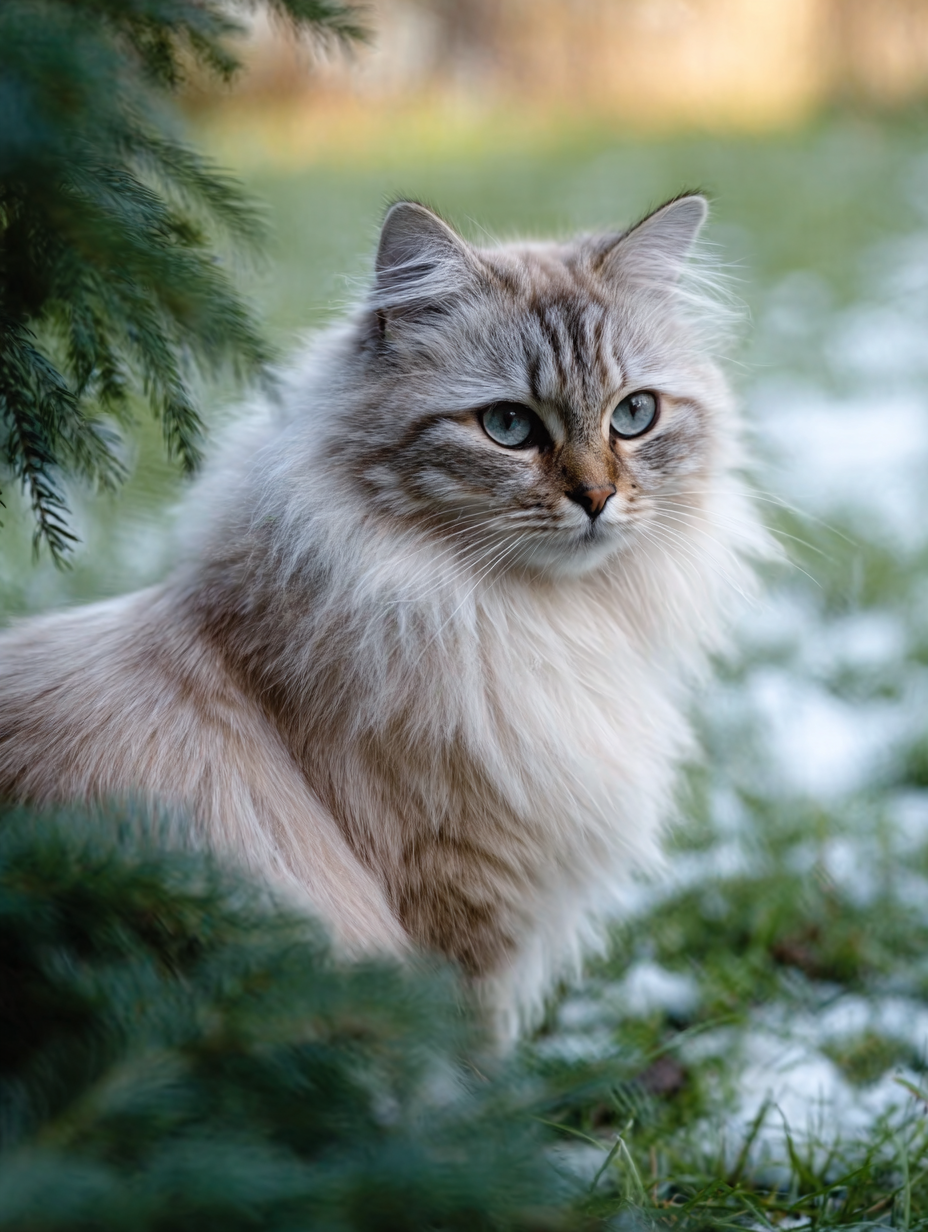
Siberian cats are generally a healthy, resilient breed when produced by responsible breeding programs. As a natural breed with a long developmental timeline, they tend to have strong physical structure and good overall durability. Their thick triple coat and active nature introduce specific care considerations, but Siberians are not considered a medically fragile breed.
Because Siberians are confident and socially engaged, changes in health are often reflected in behavior, movement, or routine. Understanding what is normal for the breed helps owners recognize early signs of illness and seek care promptly.
What “Normal” Looks Like for a Healthy Siberian Cat
A healthy Siberian cat is alert, engaged, and physically capable. Owners should typically observe:
- steady appetite and consistent litter box habits
- a full, clean coat without persistent matting
- quiet, regular breathing at rest
- interest in family activity and play
- balanced energy with periods of activity and rest
Because Siberians are naturally active and mobile, early signs of illness may include reduced jumping, less play, changes in gait, decreased interaction, or avoidance of normal routines.
Siberian Cat Health Overview — Quick Summary
| Category | Key Points |
|---|---|
| General Health | Generally robust; slow-maturing breed; thick triple coat requires grooming and hairball management; active temperament makes changes noticeable |
| Major Hereditary Risks | HCM, weight-related issues, dental disease, joint strain, hairball-related gastrointestinal issues |
| Early Warning Signs | Appetite changes, reduced activity, hiding, labored or noisy breathing, vomiting/diarrhea, constipation, litter box changes, sudden weight gain or loss, coat dullness or matting |
| Kitten Health Priorities | Core vaccinations (8–16 weeks), parasite prevention, growth and weight monitoring, grooming acclimation, baseline veterinary exams |
| Adult Health Priorities | Weight control, annual wellness exams, dental care, coat and skin checks, routine hairball prevention |
| Senior Health Priorities | Kidney and thyroid screening, arthritis monitoring, hydration support, veterinary exams every 6 months |
| Screening Breeders Should Perform | HCM echocardiograms, detailed lineage tracking, overall structural soundness, temperament stability |
| Nutrition Essentials | High-quality protein, controlled calories, daily wet food for hydration, omega-3 support, early obesity prevention |
| Preventive Care | Vaccinations, parasite control, dental hygiene, regular grooming, hairball management, routine wellness exams |
| When to Contact a Vet Immediately | Labored breathing, repeated vomiting, inability to keep water down, no appetite for over 24 hours, collapse, constipation longer than 48 hours, blood in urine or stool, straining to urinate |
Searching for a Siberian Kitten?
If you are researching Siberian cats and want to learn more about responsible breeding, care, and availability, you can view our Siberian cat resources and kittens here. See Kittens Available
Hereditary Conditions Seen in Siberian Cats
Siberian cats are generally healthy, but like all pedigreed breeds, they have specific hereditary conditions that responsible breeders monitor. Understanding these risks helps owners ask informed questions and work proactively with their veterinarian throughout the cat’s life.
Hypertrophic Cardiomyopathy (HCM)
What it is
Hypertrophic cardiomyopathy is a disease in which the heart muscle thickens, reducing the heart’s ability to pump blood efficiently. It is the most common heart disease in cats.
Why Siberians can be affected
HCM occurs across many cat breeds, including Siberians. Risk varies by family line, making breeder screening and long-term pedigree tracking critical.
Signs owners should watch for
- rapid or labored breathing
- open-mouth breathing
- reduced stamina or sudden fatigue
- reluctance to jump or move
- collapse or fainting
These symptoms require immediate veterinary evaluation.
Screening recommendations
- Breeding cats should undergo echocardiograms every 12–24 months
- Pet owners may consider baseline cardiac screening if:
- the cat comes from lines with known HCM history
- a heart murmur is detected
- unexplained respiratory or energy changes appear
While screening does not prevent HCM, early detection supports better long-term management and care planning.
Polycystic Kidney Disease (PKD) and Siberian Cats
Breed relevance
Polycystic Kidney Disease (PKD) is not considered a breed-associated condition in Siberian cats. PKD is linked to a dominant genetic mutation primarily seen in Persian and Persian-derived breeds. Siberians do not share this ancestry.
Why this matters
Reputable Siberian breeding programs do not include PKD as a routine screening focus because the mutation is not present in the breed population. Claims that Siberians are prone to PKD usually stem from confusion with Persian-type longhaired cats.
What owners should know
While PKD is not a concern for Siberians, routine kidney monitoring is still part of good lifelong veterinary care, especially as cats age.
Recommended monitoring includes:
- annual blood chemistry panels
- urine testing in mature and senior cats
- blood pressure checks as advised by a veterinarian
These measures support early detection of age-related kidney changes, which can occur in any cat breed.
Weight-Related Health Issues
Why Weight Management Matters in Siberian Cats
Siberian cats have a strong frame, good muscle mass, and a healthy appetite. Because they are heavily coated and slow to mature, gradual weight gain can be difficult to notice without regular monitoring.
While Siberians are more active than many longhaired breeds, excess calories without appropriate activity can still lead to weight-related issues.
Associated Health Risks
Excess body weight increases the risk of:
- joint strain and early arthritis
- reduced mobility
- diabetes mellitus
- increased cardiovascular and respiratory workload
- decreased lifespan
Weight management plays a significant role in maintaining long-term joint and metabolic health.
Feeding Guidelines and Prevention
To support healthy weight:
- avoid free-feeding
- offer measured, scheduled meals
- prioritize high-quality protein
- include wet food to support hydration
- maintain regular play and movement
- record weight monthly
Early consistency in feeding habits reduces long-term health risks.
Dental Health Considerations
Dental Tendencies in Siberian Cats
Siberians are not known for extreme dental abnormalities, but like many cats, they can develop tartar buildup and gingivitis over time. Because they often remain social and engaged even when uncomfortable, dental issues may go unnoticed without routine checks.
Signs of Dental Disease
Owners should watch for:
- bad breath
- drooling
- reluctance to eat dry food
- pawing at the mouth
- red, inflamed, or bleeding gums
Prevention and Care
Effective dental care includes:
- introducing tooth brushing during kittenhood
- using cat-safe toothpaste
- offering veterinary-approved dental diets or treats
- professional dental cleanings when recommended
Routine mouth checks at home help identify early changes.
Joint and Mobility Health
Why Joint Support Is Important
Siberian cats are athletic and capable jumpers. Their size, strength, and activity level place ongoing demand on joints, particularly hips, knees, and shoulders. Excess weight increases joint stress significantly.
Early Signs of Joint Discomfort
Subtle indicators may include:
- hesitation before jumping
- stiffness after resting
- reduced climbing or play
- preference for lower surfaces
- favoring a limb
Early recognition allows for intervention before mobility declines.
Supporting Joint Health From Kittenhood
Healthy joint development is supported by:
- controlled growth and calorie intake
- gradual muscle development
- avoiding repetitive high-impact jumps during growth
- maintaining lean body condition
Joint supplements should only be introduced under veterinary guidance.
Respiratory and Structural Considerations
Siberian cats are not brachycephalic and do not have breed-related airway compression. Their facial structure is moderate and functional.
However, as with all cats, occasional respiratory sounds may occur due to:
- upper respiratory infections
- allergies
- environmental irritants
When to Monitor Closely
Veterinary evaluation is recommended if owners notice:
- persistent noisy breathing at rest
- open-mouth breathing
- chronic sneezing or nasal discharge
- reduced tolerance for activity
These signs are not typical for healthy Siberians and should be investigated promptly.
Life Stage Health Overview for Siberian Cats
Kitten Health
Key screenings
Siberian kittens should receive a full veterinary wellness exam within their first week home. During this visit, the veterinarian will evaluate the heart, lungs, eyes, ears, joints, abdomen, and oral health. While Siberians are generally healthy, early exams help identify congenital or developmental concerns before they become harder to manage.
Baseline veterinary checks during kittenhood play a major role in long-term health and allow your vet to establish normal values for your individual cat.
Growth monitoring
Siberian kittens are a slow-maturing breed, often taking several years to reach full physical development. Steady, controlled growth is normal and expected.
Regular weight checks during the first few months confirm healthy development without excessive weight gain. Rapid growth or overfeeding during kittenhood can place unnecessary strain on joints and contribute to long-term weight issues.
Parasite control
Siberian kittens should follow a structured parasite-prevention plan recommended by both the breeder and veterinarian. Even indoor kittens can be exposed to parasites through shoes, other pets, or environmental contact.
Only kitten-safe flea and parasite preventatives should be used, and dosing instructions should be followed carefully to avoid adverse effects.
Vaccines and early detection
Siberian kittens should receive the standard feline FVRCP vaccination series every 3–4 weeks until approximately 16 weeks of age, along with rabies vaccination according to local regulations.
Maintaining proper timing between vaccines is important to ensure full immune protection. Delaying or spacing vaccines too far apart can reduce effectiveness.
Adult Siberian Cat Health
Weight management
A common concern among Siberian owners is unnoticed weight gain. Siberians have a strong build, dense coat, and good appetite, which can make gradual weight changes difficult to detect visually.
Structured feeding schedules, portion control, and daily interactive play help maintain healthy body condition. Monitoring weight regularly is important, especially because excess weight can impact joint health in an active breed.
Dental care
Like most cats, Siberians can develop tartar buildup and gum inflammation over time. Because they often remain social and active despite discomfort, dental disease may go unnoticed without routine care.
Preventive dental care includes:
- tooth brushing with cat-safe toothpaste
- vet-approved dental diets or treats
- professional cleanings as recommended
Consistent dental care supports overall health and reduces systemic inflammation.
Coat and skin health
A healthy Siberian coat is dense, full, and resilient. Adults benefit from brushing two to three times per week to manage shedding, reduce hair ingestion, and monitor skin condition.
Sudden matting, dull coat texture, excessive shedding, or skin irritation may indicate nutritional deficiencies, parasites, or underlying health issues and should be evaluated.
Annual wellness exams
Adult Siberians should receive a comprehensive veterinary exam once per year. These visits typically include:
- physical examination
- weight and body condition assessment
- dental evaluation
- parasite screening
Routine exams allow early detection of health changes before symptoms become obvious at home.
Senior Siberian Cat Health
When senior years typically begin
Siberian cats are often considered seniors around 8–9 years of age. With proper care, many Siberians live well into their mid-teens or longer.
Common age-related considerations
As Siberians age, the following conditions may become more common:
- Kidney disease: monitored through routine bloodwork and urine testing
- Arthritis: due to size, activity history, and joint use
- Dental disease: progression of tartar and gum inflammation
- Hairball-related gastrointestinal issues: increased hair ingestion from grooming
What to monitor at home
Owners should watch for:
- reduced jumping or climbing
- stiffness after rest
- weight loss or gain
- increased thirst or urination
- changes in grooming habits or new matting
- litter box changes
- decreased interaction or behavioral changes
Any of these signs warrant veterinary attention.
Recommended veterinary frequency for seniors
Senior Siberian cats benefit from veterinary exams every six months. These visits often include:
- blood chemistry panels
- urine analysis
- weight and muscle condition scoring
- dental assessment
More frequent monitoring allows earlier intervention and better long-term management of age-related conditions.
Preventive Care for Siberian Cats
Vaccination Protocols
Kitten vaccines
Siberian kittens should follow the standard feline core vaccination schedule to establish strong immunity during early development:
- FVRCP at approximately 8, 12, and 16 weeks
- Rabies vaccination according to local or state regulations
- FeLV vaccination only when lifestyle or exposure risk makes it appropriate
Because Siberians mature slowly and remain physically active during an extended growth period, maintaining proper vaccine timing is important for continuous protection.
Adult boosters
Once a Siberian cat reaches adulthood, ongoing protection typically includes:
- FVRCP boosters on an annual or extended schedule based on veterinary guidance
- Rabies boosters as required by law
Routine vaccination, combined with annual wellness exams, helps establish long-term health baselines and supports early detection of subtle changes.
Why Consistent Preventive Care Matters for Siberians
Siberian cats are generally robust, but conditions such as hypertrophic cardiomyopathy (HCM), dental disease, joint strain, and weight-related issues can develop gradually. Preventive care allows veterinarians to monitor trends in heart function, body condition, and overall health before symptoms become advanced.
Parasite Prevention
Safe flea, tick, and deworming options
Siberian cats should receive veterinarian-approved parasite preventatives only. Many over-the-counter products marketed for cats are ineffective or unsafe. Prescription spot-on or oral preventatives, along with routine deworming when indicated, help protect skin, coat, and internal organ health.
Why prevention matters for indoor cats
Even indoor Siberians can be exposed to parasites through:
- shoes and clothing
- bedding or furniture
- visiting pets
- screened windows or entry points
- newly introduced animals
Because Siberians have a dense triple coat, fleas or skin irritation can be difficult to detect early. Preventive treatment is far safer and more effective than addressing an established infestation.
Nutrition for Long-Term Health
Controlled calorie intake
Siberian cats have a strong build and healthy appetite. Avoid free-feeding and use measured meals to maintain consistent intake. Regular portion control helps prevent gradual weight gain that may not be visible under a dense coat.
Protein quality
Choose diets rich in high-quality, animal-based protein to support:
- muscle maintenance
- controlled growth and body condition
- coat and skin health
- long-term metabolic stability
Protein quality matters more than caloric density alone.
Hydration support (importance of wet food)
Many cats, including Siberians, do not drink adequate water voluntarily. Daily wet food supports hydration, kidney function, and digestive health and helps reduce hairball formation in a long-coated breed.
Preventing obesity early
Effective strategies include:
- predictable meal schedules
- puzzle feeders or slow-feed bowls
- daily interactive play
- routine monitoring of body condition score and weight
Even modest weight changes can affect joint health and mobility over time.
Early Warning Signs Owners Should Never Ignore
Appetite changes
Siberian cats typically have steady eating habits. Skipping meals, eating significantly less, or sudden increases in appetite may indicate dental discomfort, gastrointestinal issues, metabolic disease, or stress. Any noticeable change should be evaluated.
Weight gain or weight loss
A dense coat can mask body changes. Gradual weight gain may lead to obesity before it is obvious, while unexplained weight loss can signal kidney disease, thyroid imbalance, dental pain, or digestive disorders. Monthly weighing is strongly recommended.
Respiratory symptoms
Siberians are not brachycephalic and should breathe quietly at rest. Veterinary evaluation is warranted if owners observe:
- persistent noisy or congested breathing
- open-mouth breathing
- rapid breathing at rest
- chronic sneezing or nasal discharge
Lethargy or increased hiding
Siberians are typically engaged and alert. A noticeable increase in hiding, withdrawal, or reduced participation in daily routines may indicate illness, pain, or emotional stress.
Sudden behavior changes
Because Siberians are usually predictable, behavior changes are meaningful. Watch for:
- irritability or reduced tolerance for handling
- increased clinginess or restlessness
- withdrawal from normal interaction
Behavior changes often appear before physical symptoms.
Litter box changes
Healthy Siberians tend to have consistent litter habits. Prompt veterinary attention is recommended for:
- straining or difficulty urinating
- unusually small or absent urine clumps
- constipation or loose stool
- elimination outside the box
These changes can indicate urinary disease, kidney issues, gastrointestinal problems, or stress.
Gastrointestinal symptoms
Occasional hairballs may occur due to coat density, but frequent vomiting, regurgitation, or persistent diarrhea is not normal. These symptoms may reflect food sensitivities, parasites, inflammation, or infection and should be evaluated promptly.
How Siberian Cats May Show Illness Differently
Active cats can hide early symptoms
Siberian cats are typically alert, social, and physically capable. Because they are confident and engaged by nature, early illness may appear as a subtle reduction in normal behavior rather than obvious distress. They often continue participating in household activity even when something is wrong.
Early signs of illness may include slightly shorter play sessions, reduced jumping, or less enthusiasm for routines rather than overt pain behaviors or vocalization.
Importance of noticing small changes
In Siberians, early illness is often revealed through small changes in movement, grooming, or routine. Owners should pay attention to shifts such as:
- choosing lower surfaces instead of jumping
- reduced climbing or play
- decreased interest in food or treats
- slower movement on stairs or furniture
- less frequent or incomplete grooming
- new matting caused by reduced self-care
Because Siberians may not isolate themselves immediately when unwell, these changes are often the earliest indicators that something is off.
Why routine monitoring at home matters
Regular observation helps identify health concerns before they progress. For Siberian cats, home monitoring should include:
- monthly weight checks
- tracking litter box habits
- noting appetite consistency
- observing coat condition and grooming habits
- watching changes in energy or mobility
These simple practices support early detection of conditions such as heart disease, dental disease, joint discomfort, and gastrointestinal issues.
Working With Your Breeder and Veterinarian
What Responsible Siberian Breeders Screen For
Hypertrophic Cardiomyopathy (HCM)
Ethical Siberian breeders screen breeding cats with echocardiograms to monitor for HCM. While no test prevents the disease, ongoing screening and lineage tracking reduce risk and support long-term health planning.
Line-specific health trends
Responsible breeders track patterns within their bloodlines, which may include:
- heart health trends
- joint or mobility concerns
- dental tendencies
- coat and grooming tolerance
- growth rate and body condition
This information helps new owners know what to monitor as their cat matures.
When to Contact Your Breeder
Growth or diet questions
Siberians are a slow-maturing breed, often developing over several years. Breeders can help interpret growth patterns, weight changes, and diet transitions during kittenhood and adolescence.
Unusual kitten or adolescent behavior
Temporary changes can occur during adjustment, but owners should reach out if they notice:
- persistent hiding
- reduced play or interaction
- sudden fearfulness
- difficulty tolerating grooming
- unexpected aggression
Breeders can help determine whether behavior is typical for the breed or warrants veterinary evaluation.
Long-term hereditary concerns
If your veterinarian identifies concerns such as:
- a heart murmur
- reduced stamina
- early joint stiffness
- ongoing dental inflammation
inform your breeder. Responsible programs use this feedback to guide future breeding decisions and support owners with long-term care guidance.
Building a Long-Term Veterinary Care Plan
Annual exams for adult Siberian cats
Once a Siberian reaches adulthood, annual wellness exams are important to monitor:
- weight and body condition
- dental health
- kidney values
- heart function
- joint mobility
- coat and skin condition
Because Siberians may mask discomfort, routine exams help detect changes that may not yet be obvious at home.
Biannual exams for senior Siberian cats
Siberian cats are typically considered seniors around 8–9 years of age. At this stage, veterinary exams every six months help identify:
- early kidney disease
- arthritis and mobility changes
- dental disease progression
- heart function changes
- thyroid abnormalities
More frequent monitoring allows earlier intervention and better long-term management.
When advanced diagnostics are appropriate
Your veterinarian may recommend advanced testing when physical exams do not fully explain symptoms, including:
- echocardiograms for heart murmurs or HCM risk
- abdominal ultrasound for kidney or gastrointestinal concerns
- dental radiographs for suspected periodontal disease
These tools allow earlier diagnosis and more targeted treatment, improving long-term outcomes.
Siberian Cat Medical FAQ
Are Siberian cats healthy?
Yes. Siberian cats are generally considered a healthy and robust breed when bred responsibly. They are a natural breed with strong physical structure and do not have widespread breed-specific genetic diseases, though routine screening and preventive care are still essential.
What health problems are Siberian cats prone to?
The most commonly monitored health concerns in Siberian cats include:
- hypertrophic cardiomyopathy (HCM)
- dental disease
- weight-related joint strain
- arthritis in senior years
- hairball-related gastrointestinal issues
These risks vary by individual and bloodline.
Do Siberian cats get hypertrophic cardiomyopathy (HCM)?
Yes, HCM can occur in Siberian cats, as it can in many breeds. Risk varies by lineage. Responsible breeders screen breeding cats with echocardiograms and track heart health across generations.
How do breeders test Siberian cats for HCM?
Ethical breeders use echocardiograms performed by a veterinary cardiologist, typically repeated every 12–24 months. There is no DNA test that eliminates risk, so ongoing screening and pedigree tracking are critical.
Do Siberian cats get polycystic kidney disease (PKD)?
No. PKD is not a breed-associated condition in Siberian cats. It is linked to Persian and Persian-derived breeds. Routine kidney monitoring is still recommended as cats age, but PKD is not a Siberian genetic concern.
How long do Siberian cats live?
The average lifespan of a Siberian cat is 12–18 years, with many living longer when provided with proper nutrition, preventive care, and regular veterinary monitoring.
When is a Siberian cat considered a senior?
Most Siberian cats are considered seniors around 8–9 years of age. At this stage, more frequent veterinary exams and routine bloodwork are recommended.
Do Siberian cats have joint or mobility issues?
Siberians are athletic cats, but their size and activity level can lead to joint strain over time, especially if overweight. Arthritis may develop in senior years. Maintaining a lean body condition is key to joint health.
Are Siberian cats prone to obesity?
They can be if overfed. Siberians have a strong appetite and dense coat that can hide weight gain. Structured feeding, portion control, and daily play help prevent obesity.
What is the best diet for Siberian cat health?
A high-quality diet with:
- animal-based protein
- controlled calories
- daily wet food for hydration
supports muscle, coat health, kidney function, and weight management.
Do Siberian cats have dental problems?
Like most cats, Siberians can develop tartar buildup and gingivitis. Preventive dental care—including brushing, dental diets, and professional cleanings—helps reduce long-term dental disease.
How often should a Siberian cat see the vet?
- Kittens: multiple visits during the first year
- Adults: once per year
- Seniors (8+): every 6 months
Regular exams allow early detection of subtle health changes.
Are Siberian cats good indoor cats medically?
Yes. Indoor living reduces exposure to parasites, injuries, and infectious disease. Indoor Siberians still require environmental enrichment and regular exercise to maintain physical health.
Do Siberian cats have breathing problems?
No. Siberians are not brachycephalic and should breathe quietly at rest. Persistent noisy breathing, open-mouth breathing, or exercise intolerance should always be evaluated by a veterinarian.
Do Siberian cats get a lot of hairballs?
They can be prone to hairballs due to their dense triple coat. Regular grooming, adequate hydration, and hairball-support diets help reduce gastrointestinal issues.
Are Siberian cats hypoallergenic from a medical standpoint?
No cat is truly hypoallergenic. Some people with allergies tolerate Siberians better, but medical response varies by individual. Allergy testing or exposure before commitment is recommended.
What early signs of illness should Siberian cat owners watch for?
Common early warning signs include:
- reduced jumping or play
- appetite changes
- weight loss or gain
- increased hiding
- coat dullness or matting
- litter box changes
These subtle changes often appear before obvious illness.
Do Siberian cats hide pain?
Yes. Like most cats, Siberians may continue normal behavior while unwell. This makes routine observation and regular veterinary exams especially important.
What vaccines do Siberian cats need?
Siberian cats follow the standard feline vaccination protocol:
- FVRCP series as kittens
- rabies per local law
- FeLV only when lifestyle risk applies
Vaccine schedules should be tailored by a veterinarian.
Are Siberian cats expensive medically?
Routine care costs are similar to other cats, but owners should budget for:
- preventive care
- dental cleanings
- senior bloodwork
- possible cardiac screening
Health-tested cats from ethical breeders often reduce long-term medical risk.
Are Siberian cats a good long-term medical investment?
Yes. When responsibly bred and properly cared for, Siberians tend to age well and maintain stable health. Preventive care and early monitoring significantly improve long-term outcomes. See: Are Siberian Cats Good for Families for more breed info.
Siberian Cat Medical Summary
Siberian cats are generally a healthy, resilient breed when bred responsibly and supported with proper preventive care. As a natural breed, they do not carry many extreme genetic health issues, but they still require routine veterinary monitoring, weight management, dental care, and grooming-related health support.
Conditions such as hypertrophic cardiomyopathy, joint strain, dental disease, and hairball-related gastrointestinal issues are the most commonly monitored concerns. Because Siberians may show illness subtly, consistent observation and regular veterinary exams play a key role in long-term health. With responsible breeding and proactive care, Siberian cats often enjoy long, stable lives as healthy companions.
Considering a Siberian Kitten?
If you are exploring the Siberian breed and would like to learn more about adopting a Siberian Kitten, you can view our kittens available and continue your research from there.
See Siberian Kittens Available
Related Siberian Cat Resources
If you are researching Siberian cats and allergies, these in-depth guides may also help you decide whether this breed fits your home, health needs, and lifestyle:
- Siberian Cat Complete Guide:
The Siberian cat adapts well to family life, multi-pet homes, and a wide range of living environments. - Siberian Cat Size
Find detailed weight and size info with charts. - Siberian Kittens Week by Week
See Siberian kittens, growth charts and more. - Siberian Kittens for Sale:
Realistic pricing ranges, what influences cost, and why allergy-aware breeding programs are priced differently. - Siberian Cat Personality:
Siberian cats are social, intelligent, and adaptable companions with balanced energy and stable behavior. - Are Siberian Cat Hypoallergenic?
A focused guide explaining why Siberian cats may or may not be a good fit for allergy issues. - Siberian Cats for People With Allergies:
Siberian cats may improve the odds for some allergy-sensitive people, but there are no guarantees.
Sources
- Cat Fanciers’ Association (CFA) – Siberian Breed Profile & Health Overview
https://cfa.org/breed/siberian/ - The International Cat Association (TICA) – Siberian Cat Breed Information
https://tica.org/breed/siberian/ - GCCF (Governing Council of the Cat Fancy) – Siberian Breed Description
https://www.gccfcats.org/getting-a-cat/choosing/cat-breeds/siberian/ - Purina (US) – Siberian Cat Breed Health & Care
https://www.purina.com/cats/cat-breeds/siberian - The Spruce Pets – Siberian Cat: Health, Care, and Lifespan
https://www.thesprucepets.com/siberian-cat-4178148 - Cornell University College of Veterinary Medicine – Hypertrophic Cardiomyopathy in Cats
https://www.vet.cornell.edu/departments-centers-and-institutes/cornell-feline-health-center/health-information/hypertrophic-cardiomyopathy - International Society of Feline Medicine (ISFM) – Preventive Health Care Guidelines
https://icatcare.org/advice/preventive-health-care-for-cats/ - American Association of Feline Practitioners (AAFP) – Feline Life Stage Guidelines
https://catvets.com/guidelines/life-stage-guidelines









Read the Comments +