
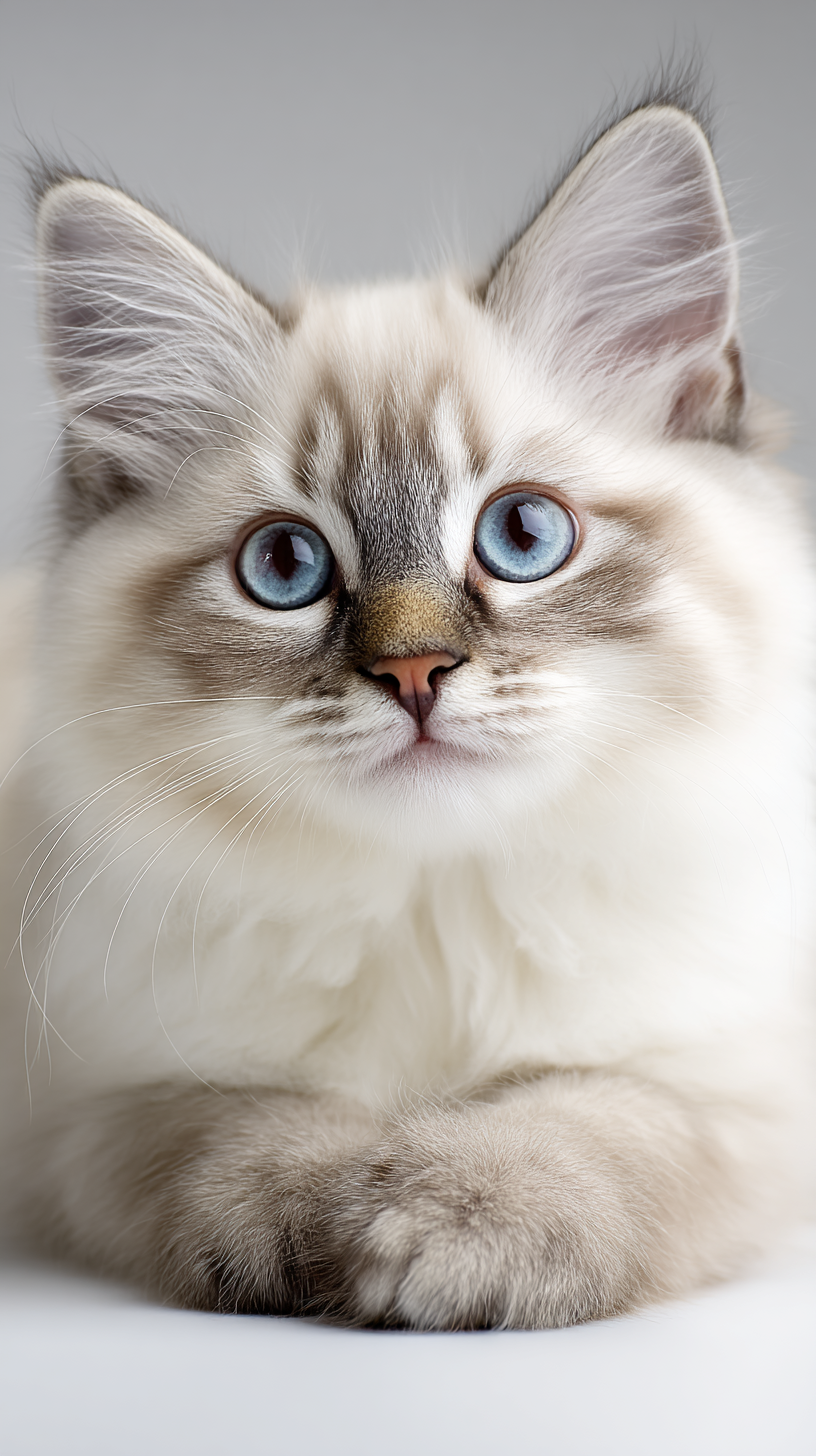
Siberian Kittens and Allergies: What Allergy-Sensitive Families Should Know
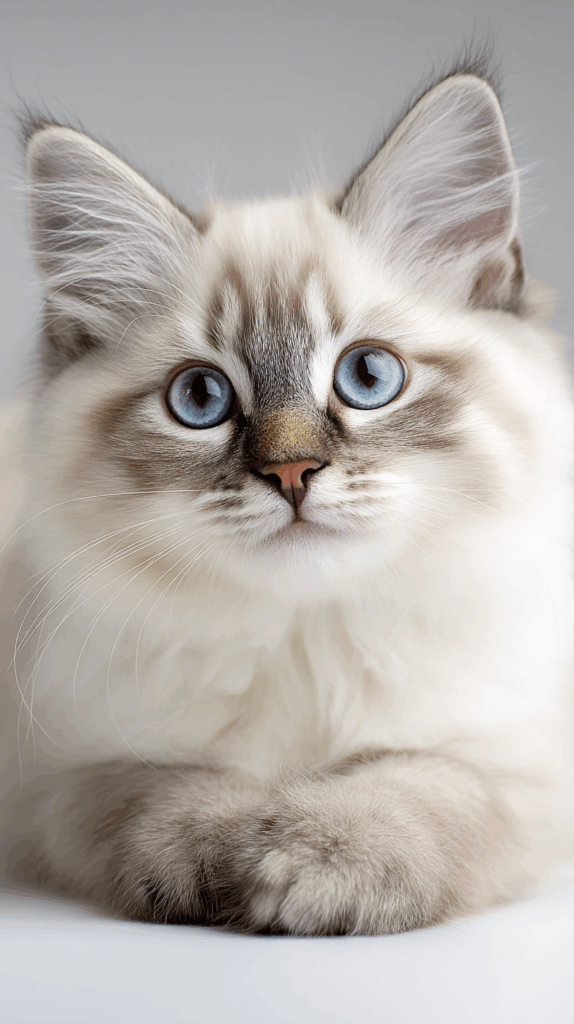
Many allergy-sensitive families look first at kittens, assuming younger cats will be easier to tolerate. With Siberians, this question comes up even more often because of the breed’s reputation in allergy discussions. The reality is that Siberian kittens can trigger allergies differently than adults, but neither is automatically “safer”—individual variation and proper testing matter most.
Why Siberian Kittens Are Often Considered for Allergies
Siberian cats are frequently mentioned in allergy-related conversations, which naturally leads people to start their research at the kitten stage. Families often assume that choosing a kitten allows their immune system to “adjust” or that kittens produce fewer allergens.
Common misconceptions include:
- kittens are always less allergenic than adults
- early exposure guarantees long-term tolerance
- starting with a kitten is safer than adopting an adult
In practice, early research starts with kittens because families want time to observe reactions as the cat grows. However, age alone does not determine allergen impact, especially in a slow-maturing breed like the Siberian.
Do Siberian Kittens Produce Fel d 1?
Yes. Siberian kittens do produce Fel d 1, the primary protein responsible for cat allergies.
That said, Fel d 1 expression in kittens can differ from adults because:
- hormone levels are still low
- skin oil production is immature
- grooming behavior is less frequent and less thorough
These factors can result in lower or different allergen exposure early on, but this does not mean the kitten will remain low-allergen as it matures. Fel d 1 levels and distribution often increase or change during adolescence.
Kittens vs Adult Siberian Cats: Allergy Differences
The difference between kitten and adult allergy reactions is largely developmental.
Hormonal development:
As Siberians approach puberty, hormone changes can increase Fel d 1 production, especially in intact cats.
Grooming behavior:
Adult cats groom more consistently and thoroughly, spreading saliva-based allergens across the coat more effectively than kittens.
Coat density and oil distribution:
Siberians develop a dense, multi-layered coat as they mature. Skin oils that carry allergens become more evenly distributed through this thicker coat.
Because of these changes, some people tolerate Siberian kittens better at first, then notice stronger reactions as the cat matures, particularly during adolescence. This is why early tolerance should be viewed as informative, not predictive.
Why Early Tolerance Isn’t Always Predictive
Many people assume that feeling fine around a young kitten means they will continue to tolerate the cat as it grows. With allergies, this assumption often proves unreliable.
Delayed allergy responses are common. Some people do not react immediately but develop symptoms several hours—or even a day—after exposure. Short interactions can miss these delayed reactions entirely.
Immune system variability also plays a role. Allergy sensitivity can fluctuate over time due to stress, illness, seasonal allergies, or cumulative exposure. A person who tolerates a kitten well initially may react differently months later under different conditions.
Growth-related changes in cats are another major factor. As Siberian kittens mature, hormonal changes, increased grooming, and coat development can raise or redistribute allergens in the environment.
For these reasons, “I felt fine at 8 weeks” is not a guarantee. Early comfort is useful information, but it should be viewed as a starting point—not a promise of long-term tolerance.
How to Test Allergy Tolerance With a Siberian Kitten
Testing allergy tolerance requires time and consistency rather than quick exposure.
Short visits are unreliable because they often fail to capture delayed symptoms. Spending only a few minutes with a kitten rarely reflects how your body will respond in real life.
Extended exposure matters. Ideally, testing should involve several hours with the same kitten, or multiple visits on different days. This allows time for allergens to transfer to clothing, skin, and airways.
Visiting the breeder is more useful than meeting unrelated kittens. Exposure to the specific kitten you’re considering provides far more meaningful information than interacting with random cats of the same breed.
When testing, monitor both immediate and delayed symptoms, including:
- nasal congestion or sneezing
- itchy eyes or skin
- throat irritation
- coughing or wheezing
- fatigue or headache later in the day
Testing should be done without relying heavily on antihistamines, as medication can mask reactions and create false confidence.
Male vs Female Siberian Kittens and Allergies
In kittenhood, sex differences usually play a minimal role in allergy reactions.
Male and female Siberian kittens tend to produce similar levels of allergens early on because hormone levels are still low. This means choosing a male or female kitten rarely makes a noticeable difference during the first few months.
Gender differences typically begin to appear later, as cats approach adolescence and hormonal changes occur. Intact males, in particular, may show increased Fel d 1 production after puberty.
Neuter and spay timing can influence allergy outcomes. Altering cats before or around puberty often stabilizes hormone-related allergen changes and can make reactions more predictable over time. While this does not eliminate allergens, it can reduce sudden increases associated with maturity.
Overall, with Siberian kittens, individual variation matters far more than sex during early development.
Breeder Practices That Matter for Allergy-Sensitive Homes
While no breeder can control or guarantee allergy outcomes, responsible practices can reduce unnecessary allergen exposure and help families make informed decisions.
Clean rearing environments are essential. Well-managed catteries focus on ventilation, routine cleaning, and low-stress housing, which helps prevent excessive dander buildup and supports overall skin health in kittens.
Early grooming exposure also matters. Kittens gently introduced to brushing, handling, and nail care tend to groom more efficiently and tolerate routine maintenance as adults. This can reduce stress-related shedding and uneven allergen spread later on.
Honest conversations about allergies are a hallmark of ethical breeders. Reputable breeders explain that all cats produce Fel d 1, encourage realistic testing, and discuss both successes and challenges experienced by previous allergy-sensitive families.
This is why ethical breeders avoid guarantees. Promising “hypoallergenic” kittens creates unrealistic expectations and undermines trust. Transparency protects both the kitten and the adopting family.
Bringing a Siberian Kitten Home When You Have Allergies
Managing the home environment plays a major role in long-term tolerance.
Bedroom boundaries are one of the most effective strategies. Keeping kittens out of sleeping areas reduces overnight allergen exposure, which is especially important for people with asthma or severe allergies.
Litter box placement should avoid bedrooms, kitchens, and high-traffic areas. Covered boxes may help contain litter dust, but they should still be cleaned frequently to prevent allergen buildup.
Air filtration and cleaning routines can significantly reduce airborne allergens. HEPA air purifiers, regular vacuuming with sealed filters, and washable throws on furniture all help control exposure without disrupting daily life.
Establishing early grooming habits makes a long-term difference. Gentle brushing several times per week removes loose fur and distributes skin oils evenly, reducing the concentration of allergens in the environment.
Diet, Skin Health, and Allergy Management in Kittens
Healthy skin supports healthier allergen distribution.
Hydration is essential. Kittens that stay well-hydrated maintain better skin integrity, which can reduce flaking and excessive dander.
Balanced nutrition supports coat development. High-quality protein and appropriate fats help Siberian kittens develop a strong, resilient coat that sheds predictably rather than excessively.
Over-bathing can backfire. Frequent bathing strips natural oils from the skin, leading to dryness, irritation, and increased shedding. This can actually increase allergen spread rather than reduce it.
Supporting healthy skin early through proper diet, hydration, and gentle grooming creates a foundation that makes allergen management easier as the kitten matures.
Common Myths About Siberian Kittens and Allergies
“Kittens are always easier than adults.”
Not necessarily. Some people tolerate Siberian kittens well at first, but reactions can change as the kitten matures. Hormonal development, increased grooming, and coat density often lead to higher or different allergen exposure in adolescence and adulthood.
“Long hair causes more allergies.”
Allergies are triggered by proteins like Fel d 1, not hair length. Long hair can hold allergens, but it does not create them. Short-haired cats can trigger just as strong—or stronger—reactions depending on individual Fel d 1 production.
“Early exposure guarantees tolerance.”
There is no reliable evidence that early exposure prevents cat allergies or ensures long-term tolerance. Some people adapt over time, while others experience worsening symptoms as exposure increases.
“All Siberian kittens are low allergen.”
Fel d 1 levels vary widely between individual cats, even within the same litter. While some Siberian kittens may be better tolerated, no kitten is allergy-free, and breed alone does not guarantee compatibility.
Frequently Asked Questions About Siberian Kittens and Allergies
Do Siberian kittens trigger allergies more than adult cats?
Sometimes, but not always. Siberian kittens can trigger milder reactions early on, but allergy responses often change as the kitten matures. Many people notice stronger reactions during adolescence when hormones, grooming behavior, and coat density increase.
Are Siberian kittens hypoallergenic?
No. Siberian kittens are not hypoallergenic. They produce Fel d 1 like all cats. Some people tolerate them better, but there are no guarantees.
Do Siberian kittens produce less Fel d 1 than adults?
Often yes in early life, but this is temporary. Fel d 1 production and distribution frequently increase as kittens grow, especially around puberty.
Why do some people tolerate Siberian kittens but not adults?
Tolerance can change due to:
- hormonal development in the cat
- increased grooming and saliva transfer
- thicker, oil-rich coats
- cumulative allergen exposure in the home
Early tolerance does not reliably predict adult tolerance.
Can allergies get worse as a Siberian kitten grows?
Yes. Many allergy-sensitive owners report worsening symptoms between 6–18 months, particularly if the cat is intact during adolescence.
Is it better to adopt a Siberian kitten or an adult cat if I have allergies?
Neither option is universally better. Kittens allow observation over time, while adults offer more stable allergen patterns. The specific cat matters more than age.
Are male or female Siberian kittens better for allergies?
In kittenhood, sex usually makes little difference. Gender-related differences tend to appear later, after hormonal development.
Does neutering or spaying a Siberian kitten help with allergies?
Often, yes. Spaying or neutering can stabilize hormone-driven allergen changes, especially in males, but it does not eliminate allergens.
When do allergy-related changes usually occur in Siberian cats?
Most changes happen during:
- adolescence (around 6–12 months)
- full coat development
- post-puberty hormonal shifts
This is why reactions can change even after a good start.
Can I “outgrow” my allergies by living with a Siberian kitten?
Some people experience partial adaptation, but others worsen over time. Allergy adaptation is unpredictable and should not be relied upon as a strategy.
How should I test my allergy tolerance with a Siberian kitten?
Use extended exposure, not brief visits. Spend several hours—or multiple visits—with the same kitten and watch for delayed symptoms over 24 hours.
Are short visits enough to test allergies?
No. Short visits often miss delayed reactions, which are common with cat allergies.
Should I test allergies at the breeder’s home or elsewhere?
Testing with the specific kitten at the breeder’s environment is far more useful than meeting random cats of the same breed.
What allergy symptoms should I watch for?
Monitor for both immediate and delayed symptoms, including:
- sneezing or congestion
- itchy or watery eyes
- skin itching or rashes
- coughing, wheezing, or chest tightness
- fatigue or headaches later in the day
Do Siberian kittens shed less than adults?
Kittens usually shed less at first, but shedding increases as the coat matures, especially during seasonal changes.
Does long hair make Siberian kittens worse for allergies?
No. Hair length does not cause allergies. Allergens come from proteins, not fur.
Can frequent bathing reduce allergies from a Siberian kitten?
Usually no. Over-bathing can dry the skin, increase shedding, and worsen allergen spread.
Does diet affect allergies in Siberian kittens?
Diet does not remove Fel d 1, but good nutrition and hydration support healthier skin, which can help manage allergen distribution.
Are some Siberian kittens naturally lower allergen than others?
Yes. Fel d 1 varies by individual cat, even within the same litter.
Can breeders test kittens for low allergen levels?
Some testing exists, but results are limited and not predictive long-term. Testing should never replace real-world exposure.
Should allergy sufferers avoid Siberian kittens entirely?
Not necessarily. Many allergy-sensitive families live successfully with Siberians, but realistic expectations and testing are essential.
What’s the biggest mistake people make with Siberian kittens and allergies?
Assuming that:
- kittens are safer than adults
- early tolerance guarantees success
- breed reputation overrides individual variation
What is the safest approach for allergy-sensitive families?
The safest approach includes:
- extended exposure testing
- environmental controls at home
- early grooming routines
- realistic expectations
- understanding that no cat is allergy-free
Siberian kitten allergies summary:
Siberian kittens can sometimes feel easier to tolerate than adults at first, but this is not a guarantee. Kittens still produce Fel d 1, and allergy reactions often change as the cat matures, especially during adolescence when hormones, grooming behavior, and coat density increase. Early tolerance is useful information but not predictive, which is why extended exposure, realistic expectations, and good home management matter more than age alone when evaluating allergies with Siberian kittens.
See More About Siberian Cats
If you’re continuing your research, these related guides go deeper into Siberian cat care, development, and ownership considerations:
- Are Siberian Cats Hypoallergenic?
- Male vs Female Siberian Cats and Allergies
- Siberian Cat Size, Growth, and Maturity Timeline
- Siberian Kitten Growth: What to Expect Month by Month
- Living With a Siberian Cat When You Have Allergies
- Siberian Cat Diet and Nutrition
- Siberian Cat Fel d 1 Explained
- Siberian Cat Complete Overview
Sources & References
- American College of Allergy, Asthma & Immunology (ACAAI)
Medical overview of cat allergies, Fel d 1, and why reactions vary between individuals
https://acaai.org/allergies/allergic-conditions/pet-allergies/ - National Institute of Allergy and Infectious Diseases (NIAID)
Explanation of allergic responses and protein-based allergens like Fel d 1
https://www.niaid.nih.gov/diseases-conditions/allergies - Mayo Clinic
Clinical guidance on pet allergies, delayed reactions, and symptom patterns
https://www.mayoclinic.org/diseases-conditions/pet-allergies/symptoms-causes/syc-20352192 - International Cat Care (iCatCare)
Evidence-based information on feline grooming, coat development, skin health, and environmental allergen management
https://icatcare.org/advice/ - Cornell University College of Veterinary Medicine – Feline Health Center
Veterinary-backed resources on kitten development, hormones, skin oils, and coat changes over time
https://www.vet.cornell.edu/departments-centers-and-institutes/cornell-feline-health-center - The International Cat Association (TICA)
Official breed information and recognition for Siberian cats
https://tica.org/breeds/browse-all-breeds - Cat Fanciers’ Association (CFA)
Breed standards and registry confirmation
https://cfa.org/breeds/






Read the Comments +