
Do Siberian Cats Shed?
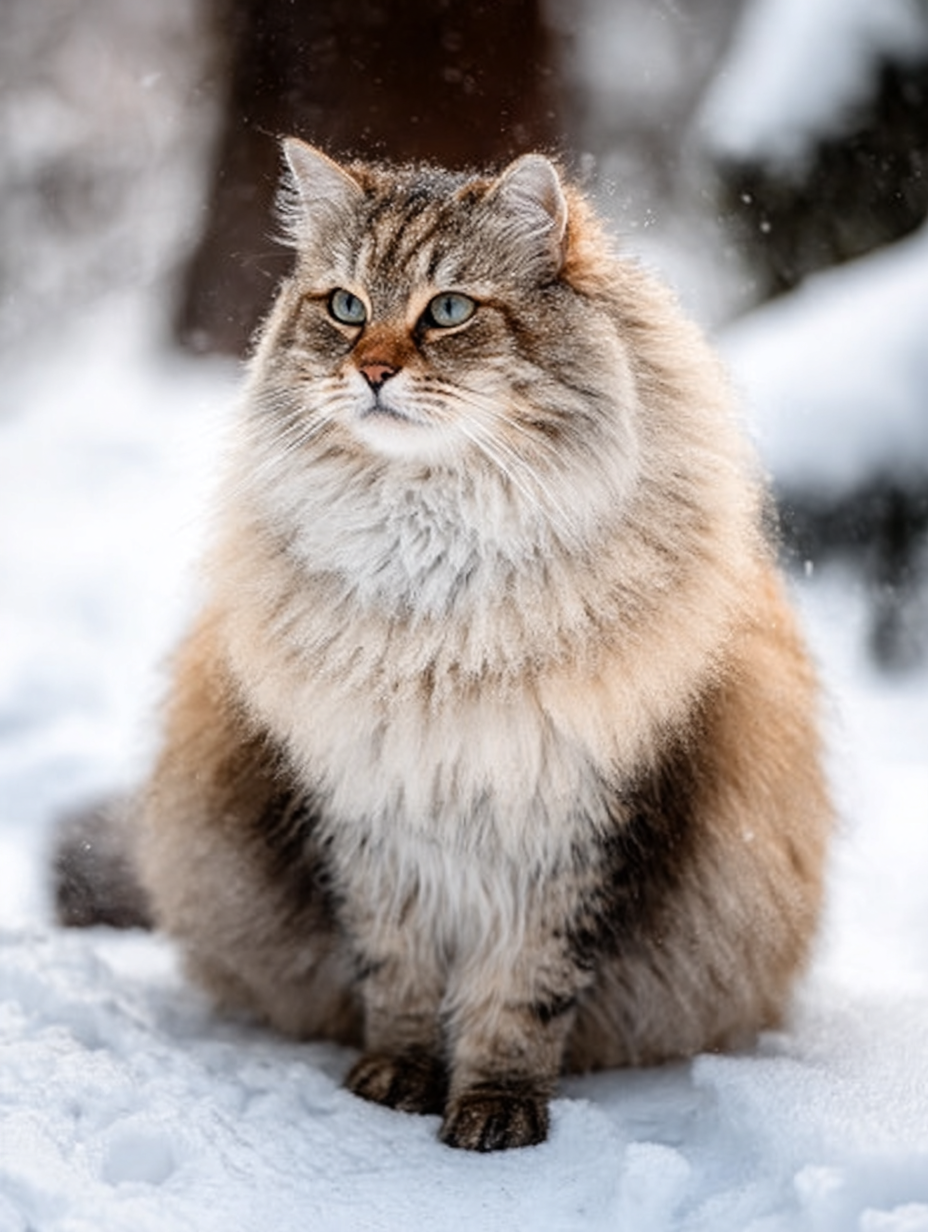
Yes, Siberian cats do shed, but their shedding pattern is different from many other longhaired breeds. Siberians have a true triple-layer coat—a dense undercoat, a middle insulating layer, and a longer outer guard coat. This structure means they shed year-round at a moderate level, with very heavy seasonal shedding periods, especially in spring.
Shedding is completely normal for Siberians and is closely tied to their natural coat cycle. With proper grooming, diet, and environmental management, shedding is very manageable despite the breed’s thick coat. Understanding how and when Siberians shed helps owners maintain coat health and reduce loose fur in the home.
Siberian Cat Shedding: Quick Summary
Siberian cats do shed, and their shedding pattern is driven by their dense triple-layer coat rather than hair length alone. Expect moderate shedding year-round with a heavy seasonal coat blow in spring and lighter shedding in fall. Indoor environments can cause more consistent shedding throughout the year.
Regular grooming, proper nutrition, good hydration, and a stable home environment significantly reduce visible fur and prevent matting. While shedding is normal for the breed, sudden hair loss, bald patches, or skin irritation should be evaluated by a veterinarian.
Siberian shedding is manageable—but it is not minimal—and understanding their natural coat cycle helps owners keep both the coat and home under control.
Summary Table: Siberian Cat Shedding
| Topic | Quick Summary |
|---|---|
| Shedding Level | Moderate year-round with heavy seasonal shedding |
| Coat Type | Triple-layer coat (undercoat, mid-layer, guard hairs) |
| Peak Shedding Seasons | Spring (major undercoat drop) and fall (coat renewal) |
| Indoor vs Outdoor | Indoor cats shed more evenly due to artificial light |
| Grooming Needs | Brush 2–3× weekly; daily during coat blow |
| Best Tools | Wide-tooth metal comb, undercoat rake, slicker brush |
| Bathing | Optional; helpful during spring coat blow |
| Diet Impact | High-protein, omega-rich diet supports coat health |
| Environmental Support | Air purifiers, routine vacuuming, lint control |
| Vet Warning Signs | Bald patches, dull coat, sudden excessive shedding |
How Much Do Siberian Cats Shed?
Siberian cats shed moderately throughout the year, but they experience intense seasonal shedding, often referred to as a “coat blow.” This is most noticeable in spring, when the thick winter undercoat releases in large amounts.
Because of their triple coat, loose fur tends to stay trapped close to the body until it is brushed out. This can make shedding seem minimal day to day, followed by a dramatic release during grooming sessions.
Key points about Siberian shedding:
- Year-round shedding occurs as the coat continuously renews
- Spring brings the heaviest shedding as the winter undercoat drops
- Fall shedding prepares the coat for colder weather
- The triple coat causes Siberians to shed more than most longhair breeds
- Indoor Siberians often shed more consistently due to artificial light and stable temperatures
Heavy shedding in Siberians is normal and healthy, especially during seasonal transitions. Sudden changes in shedding pattern, hair loss, or skin irritation should be evaluated by a veterinarian, but routine shedding alone is not a concern.
When Do Siberian Cats Shed the Most?
Seasonal Shedding Cycles
Siberian cats follow strong seasonal shedding patterns tied to daylight and temperature, even when they live primarily indoors. Their triple-layer coat makes these cycles more dramatic than in most breeds.
Spring coat blow:
This is the heaviest shedding period of the year for Siberians. As temperatures rise, the thick winter undercoat releases rapidly. Owners often notice large amounts of fur coming out during brushing, with noticeable buildup on floors, furniture, and bedding. This is normal and expected for the breed.
Fall coat renewal:
In autumn, Siberians begin growing a dense winter undercoat again. Shedding is usually lighter than in spring, but the coat shifts as old hairs are pushed out and new insulation develops. Some cats shed steadily during this phase rather than all at once.
Indoor lifestyle effects:
Indoor Siberians may shed more evenly throughout the year because artificial lighting and climate control reduce clear seasonal cues. Instead of two intense coat blows, indoor cats may experience moderate shedding every few months, especially in well-heated homes.
Age & Hormonal Factors
Kitten to adult transition:
Siberian kittens shed their soft baby coat around 5–7 months as the adult triple coat develops. This transition can look heavy but is temporary and part of normal growth.
Impact of spay/neuter:
Altered Siberians often develop a fuller, softer coat due to hormonal changes. This can slightly increase daily shedding and undercoat density, but it does not cause unhealthy hair loss.
Senior coat changes:
Older Siberians may shed more because skin becomes drier and coat turnover slows. Reduced flexibility can also make self-grooming less effective, allowing loose fur to accumulate until brushed out.
What Causes Excessive Shedding in Siberian Cats?
Normal vs Abnormal Shedding
Siberians naturally shed every day, especially from the undercoat. Seasonal coat blow and steady fur release are normal for the breed.
Shedding becomes abnormal when you notice:
- bald patches or thinning areas
- red, inflamed, or irritated skin
- sudden, extreme increases in hair loss
- excessive scratching, chewing, or overgrooming
- dull, brittle, or greasy coat texture
- heavy dandruff or flakes
These signs point to an underlying issue rather than normal Siberian shedding.
Common Triggers of Excessive Shedding
Stress or routine disruption:
Changes such as moving, new pets, renovations, or altered schedules can trigger stress-related shedding. Stress hormones affect skin turnover and can temporarily increase coat loss.
Diet quality:
Low-protein diets, excessive fillers, or insufficient omega fatty acids can lead to dry skin and fragile fur. Siberians require high-quality animal protein and adequate fats to maintain their dense coat.
Parasites or skin conditions:
Fleas, mites, fungal infections, or bacterial skin issues can cause patchy shedding and itching. These conditions always require veterinary diagnosis and treatment.
Allergies:
Food sensitivities or environmental allergens can cause inflammation that leads to excessive shedding. Signs often include itching around the face, belly, or hind legs, along with increased licking.
Seasonal dryness or humidity shifts:
Dry winter air, heavy indoor heating, or low humidity can dry the skin and increase shedding. Sudden humidity changes in summer can also affect coat turnover in Siberians.
Grooming Routine to Reduce Shedding in Siberian Cats
Brushing Frequency
Siberian cats require a more structured grooming routine than many other breeds because of their triple-layer coat. Loose undercoat tends to stay trapped until it is brushed out, which can make shedding appear sudden and dramatic.
- Baseline grooming: 2–3 times per week year-round
- Seasonal coat blow (especially spring): daily brushing is often necessary
Without regular grooming, loose undercoat can compact against the skin and lead to excessive shedding around the home.
Tools that work best for Siberian cats include:
- a wide-tooth metal comb to reach deep undercoat layers
- an undercoat rake used gently and sparingly
- a soft slicker brush for surface fur and finishing
- a rubber curry brush to lift loose hair without pulling
Deshedding tools must be used carefully. Aggressive raking can damage guard hairs and thin the protective outer coat, which is essential for a Siberian’s coat function.
Brushing Technique
Because the Siberian coat is dense and layered, technique matters more than force.
Start by brushing with the direction of coat growth, using slow, controlled strokes. Once surface fur is cleared, work in small sections with a metal comb to gently lift loose undercoat. Supporting the coat near the skin prevents tugging and discomfort.
Pay extra attention to:
- behind the front legs
- the chest and ruff
- the belly
- the base of the tail
Siberians can develop compact undercoat clumps during seasonal shedding. These should be worked out gradually rather than pulled, which can irritate the skin.
Bathing & Coat Maintenance
Siberian cats do not require frequent bathing, but occasional baths can help during heavy seasonal shedding, particularly during spring coat blow.
- Typical frequency: every 2–4 months, or only during major shedding periods
- Avoid over-bathing: too much bathing strips natural oils and can worsen shedding
Use a cat-specific shampoo that supports skin hydration and coat health. Light conditioners can help reduce static and loosen undercoat during seasonal transitions, but heavy conditioners should be avoided.
Nutrition & Supplements That Support Coat Health in Siberian Cats
Diet Quality
A Siberian’s coat is directly influenced by nutrition. Their thick coat and skin require high-quality animal protein and adequate fats to maintain strength and elasticity.
Diets lacking proper nutrients often result in:
- dry skin
- brittle or dull fur
- heavier seasonal shedding
Omega-3 and omega-6 fatty acids are particularly important for supporting the Siberian’s dense coat and minimizing excessive hair loss during normal turnover.
Hydration
Proper hydration is essential for skin stability and coat retention. Dry skin leads to weaker hair follicles and increased shedding.
Helpful hydration strategies include:
- incorporating wet food into daily meals
- using water fountains to encourage drinking
- offering plain bone broth or moisture-rich toppers (cat-safe only)
Well-hydrated skin supports stronger coat growth and more controlled shedding.
Supplements
Fish oil supplements are commonly used to support coat density and skin moisture in Siberian cats. Some individuals also benefit from skin-support formulas containing biotin or additional fatty acids.
Supplements should be:
- introduced gradually
- used consistently rather than sporadically
- discussed with a veterinarian if digestive sensitivity or health conditions are present
Nutrition will not eliminate shedding, but proper diet and hydration significantly reduce excessive coat loss and improve overall coat condition.
Home Environment Tips to Reduce Visible Shedding in Siberian Cats
Managing Fur in the Home
Because Siberians have a dense triple-layer coat, loose fur tends to accumulate quickly during seasonal shedding if it is not managed proactively. Routine home maintenance makes a noticeable difference.
Vacuuming carpets and upholstery 1–2 times per week with a pet-specific attachment helps remove released undercoat before it spreads. Washable throws on sofas and beds, along with lint rollers in high-use areas, help control visible fur during coat-blow seasons.
When regular grooming is paired with consistent cleaning, shedding stays contained instead of becoming overwhelming.
Air Quality
Indoor air quality plays a significant role in coat health and shedding levels.
During winter, dry heated air can dry the skin, leading to increased shedding and dandruff. A humidifier helps stabilize skin moisture and supports healthy coat turnover.
Air purifiers equipped with HEPA filters reduce airborne dander and loose fur particles. This is especially helpful in allergy-sensitive homes and helps keep surfaces cleaner between grooming sessions.
Stress Reduction
Stress can increase shedding in Siberian cats, even though the breed is generally resilient and adaptable.
Maintaining predictable daily routines helps keep stress-related coat loss to a minimum. Vertical spaces, quiet resting areas, and secure hiding spots allow Siberians to decompress, particularly in multi-pet households or busy homes.
A calm, stable environment supports healthy coat cycles and reduces unnecessary shedding outside of normal seasonal changes.
When to See a Vet About Shedding in Siberian Cats
Shedding becomes a medical concern when it includes:
- bald patches or areas of thinning fur
- visible skin redness, sores, or heavy flaking
- sudden, extreme increases in shedding outside of seasonal cycles
- excessive scratching, chewing, or overgrooming
- behavior changes such as hiding or irritability
- weight loss, appetite changes, or lethargy alongside coat changes
These signs may indicate allergies, parasites, infections, hormonal imbalances, or other health conditions that require veterinary evaluation.
Common Myths About Shedding in Siberian Cats
Myth 1: Siberian cats barely shed because they’re a “natural” breed.
Siberians shed significantly, especially during seasonal coat blow. Their triple coat is designed for harsh climates and releases large amounts of undercoat in spring.
Myth 2: Only longhaired cats have seasonal shedding.
While Siberians are longhaired, their shedding cycles are driven by undercoat density, not hair length alone. Seasonal shedding is a defining trait of the breed.
Myth 3: Indoor Siberians shed less than outdoor cats.
Indoor Siberians often shed more consistently. Artificial lighting and stable temperatures blur seasonal cues, leading to steady undercoat release year-round instead of two dramatic coat blows.
Myth 4: Low grooming needs mean low shedding.
Siberians are not low-shedding just because they tolerate grooming well. Their coat requires regular brushing to remove trapped undercoat. Without it, shedding appears sudden and excessive.
Myth 5: Deshedding tools eliminate shedding entirely.
No tool stops the natural hair growth cycle. Aggressive deshedding can damage guard hairs and thin the protective outer coat. Consistent, gentle grooming is more effective than forceful removal.
Myth 6: Excessive shedding always means something is wrong.
Seasonal shedding and steady undercoat release are normal for Siberians. Only shedding paired with skin irritation, bald spots, or behavior changes signals a health concern.
Myth 7: Siberians don’t need baths because they’re longhaired.
Baths are optional but can be very helpful during spring coat blow. Occasional bathing releases large amounts of undercoat when used appropriately.
Myth 8: Siberian cats are hypoallergenic because they shed differently.
Siberians are not hypoallergenic. Shedding level does not determine allergen production. They produce Fel d 1 like all cats, and their dense coat can hold dander close to the skin.
Myth 9: Feeding a special diet will stop shedding.
Diet supports coat health but does not stop shedding. High-quality protein and fatty acids reduce excess shedding, but hair loss remains part of the natural cycle.
Myth 10: Older Siberians shed less because they’re calmer.
Senior Siberians often shed more. Skin becomes drier with age, and self-grooming may decrease. Regular brushing becomes increasingly important as the cat gets older.
Siberian Cat Shedding FAQ
Do Siberian cats shed?
Yes. Siberian cats do shed, and they shed more than many people expect—especially during seasonal coat changes. Their thick triple-layer coat releases undercoat steadily year-round and heavily during spring.
How much do Siberian cats shed compared to other longhair breeds?
Siberians shed moderately year-round with very heavy seasonal shedding, especially in spring. Compared to breeds like Maine Coons or Norwegian Forest Cats, Siberians often release more undercoat at once due to the density of their coat.
When do Siberian cats shed the most?
Siberians shed the most during:
- Spring: Major coat blow as winter undercoat drops
- Fall: Lighter shedding as the winter coat grows in
Indoor Siberians may shed more evenly throughout the year due to artificial lighting and temperature control.
Why do Siberian cats have a triple coat?
The Siberian coat evolved for survival in harsh Russian climates. It includes:
- A water-resistant guard coat
- A dense middle coat
- A thick insulating undercoat
This structure protects the cat but also means more fur is released during seasonal shedding.
Do Siberian kittens shed?
Yes, but lightly. Siberian kittens shed their soft baby coat around 4–6 months as the adult coat develops. Heavy seasonal shedding usually begins closer to 8–12 months.
Do Siberian cats shed more as adults?
Yes. Adult Siberians shed more than kittens because their full triple coat has developed. Shedding becomes more noticeable after sexual maturity and continues throughout adulthood.
Do neutered or spayed Siberians shed more?
Often, yes. Altered Siberians may develop:
- A softer, denser coat
- Slightly increased daily shedding
This is hormonal and normal, not unhealthy.
Are male Siberian cats heavier shedders than females?
Males often shed more simply because:
- They are larger
- They carry more coat mass
However, individual genetics matter more than sex alone.
Do Siberian cats shed more indoors or outdoors?
Indoor Siberians typically shed more consistently year-round, while outdoor cats follow clearer seasonal cycles. Indoor lighting and climate reduce natural shedding cues.
How often should I brush a Siberian cat?
- 1–2 times per week normally
- 3–4 times per week during spring coat blow
Regular brushing prevents mats and reduces loose fur in the home.
What grooming tools work best for Siberian cats?
Best tools include:
- Wide-tooth metal comb (for undercoat)
- Gentle slicker brush
- Rubber curry brush
Avoid aggressive deshedding rakes that can damage the guard coat.
Do Siberian cats need baths to control shedding?
Baths are optional but helpful during seasonal shedding. A bath every 2–3 months or during spring coat blow can release large amounts of undercoat. Over-bathing can dry the skin and worsen shedding.
Does diet affect shedding in Siberian cats?
Yes. Poor nutrition can increase shedding. A Siberian benefits from:
- High animal protein
- Omega-3 and omega-6 fatty acids
- Adequate hydration
Diet will not stop shedding but reduces excess fur loss and improves coat quality.
Can stress cause excessive shedding in Siberians?
Yes. Stress can trigger increased shedding. Common stressors include:
- Moving homes
- New pets
- Schedule changes
- Environmental noise
Stable routines and safe spaces help regulate coat turnover.
Is heavy shedding ever a health problem?
It can be if accompanied by:
- Bald patches
- Red or flaky skin
- Sudden extreme shedding
- Excessive scratching or licking
- Behavior changes
These signs require veterinary evaluation.
Do Siberian cats shed less than Maine Coons?
Not necessarily. Siberians often shed more undercoat at once, while Maine Coons shed more gradually. Both are heavy shedders, but the pattern differs.
Are Siberian cats low-shedding or hypoallergenic?
No. Siberians are not low-shedding and not hypoallergenic. Shedding level does not determine allergen production. Siberians still produce Fel d 1.
Does long hair cause more shedding?
Hair length affects visibility, not amount. Siberians shed because of coat density, not length. A dense undercoat sheds more than a thin long coat.
Do older Siberian cats shed more or less?
Senior Siberians often shed more, not less. Aging skin becomes drier, and grooming ability may decline, leading to more loose fur accumulation.
Can shedding be eliminated completely?
No. Shedding is part of the natural hair growth cycle. Proper grooming, nutrition, and environment manage shedding, but cannot stop it entirely.
See More About Siberian Cats
If you’re continuing your research, these related posts cover Siberian cat care, development, and ownership considerations:
- Are Siberian Cats Hypoallergenic?
- Male vs Female Siberian Cats and Allergies
- Siberian Cat Size, Growth, and Maturity Timeline
- Siberian Kitten Growth: What to Expect Month by Month
- Living With a Siberian Cat When You Have Allergies
- Siberian Cat Diet and Nutrition
- Siberian Cat Fel d 1 Explained
- Do Siberian Kittens Trigger Allergies More then Adults?
- Siberian Cat Complete Overview
- Siberian Cats vs Other Hypoallergenic Breeds
Sources & References
- Cornell University College of Veterinary Medicine
– Feline coat cycles, shedding patterns, and skin health
https://www.vet.cornell.edu - Merck Veterinary Manual – Feline Dermatology
– Normal vs abnormal shedding, skin and coat disorders
https://www.merckvetmanual.com - International Cat Care (iCatCare)
– Cat grooming, seasonal shedding, coat maintenance
https://icatcare.org - TICA (The International Cat Association)
– Siberian breed standard and coat description
https://tica.org - CFA (Cat Fanciers’ Association)
– Siberian breed profile and coat characteristics
https://cfa.org - VCA Animal Hospitals
– Shedding, grooming frequency, and when to see a vet
https://vcahospitals.com - Journal of Feline Medicine and Surgery
– Skin barrier health, grooming behavior, and coat turnover
https://journals.sagepub.com/home/jfm





Read the Comments +