
Neva Masquerade Hypoallergenic: Are Colorpoint Siberians Better for Allergies?
Neva Masquerade hypoallergenic claims are widespread, but they are often misunderstood. Many buyers are told that Neva Masquerade cats are better for allergies than Siberian cats because of their blue eyes or colorpoint pattern. In reality, Neva Masquerades are colorpoint Siberians, and coat color does not change how allergens are produced. This article explains what science actually says about cat allergies, how Fel d 1 works, and what allergy-sensitive families should realistically expect.
Is the Neva Masquerade Hypoallergenic?
No cat is truly hypoallergenic, including the Neva Masquerade.
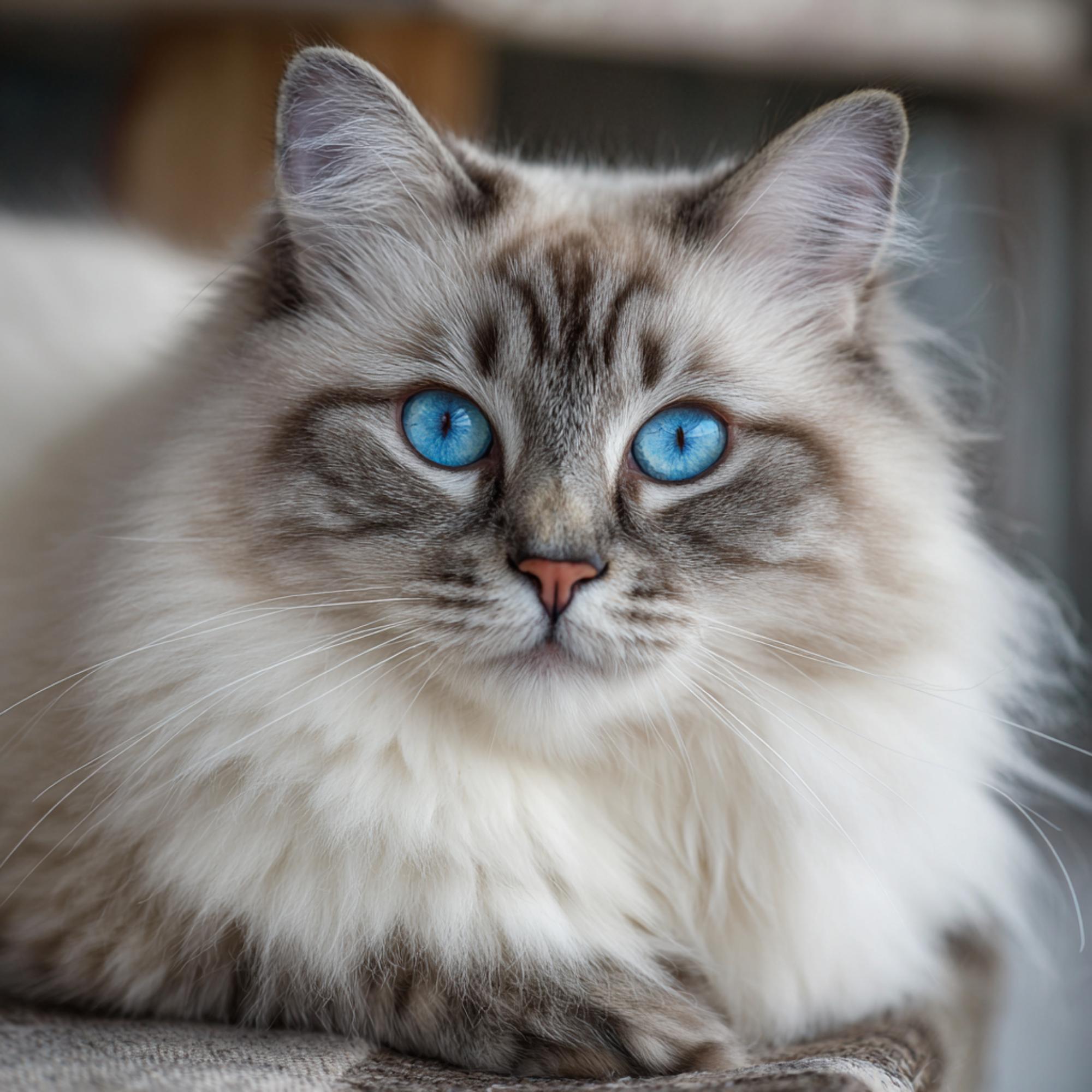
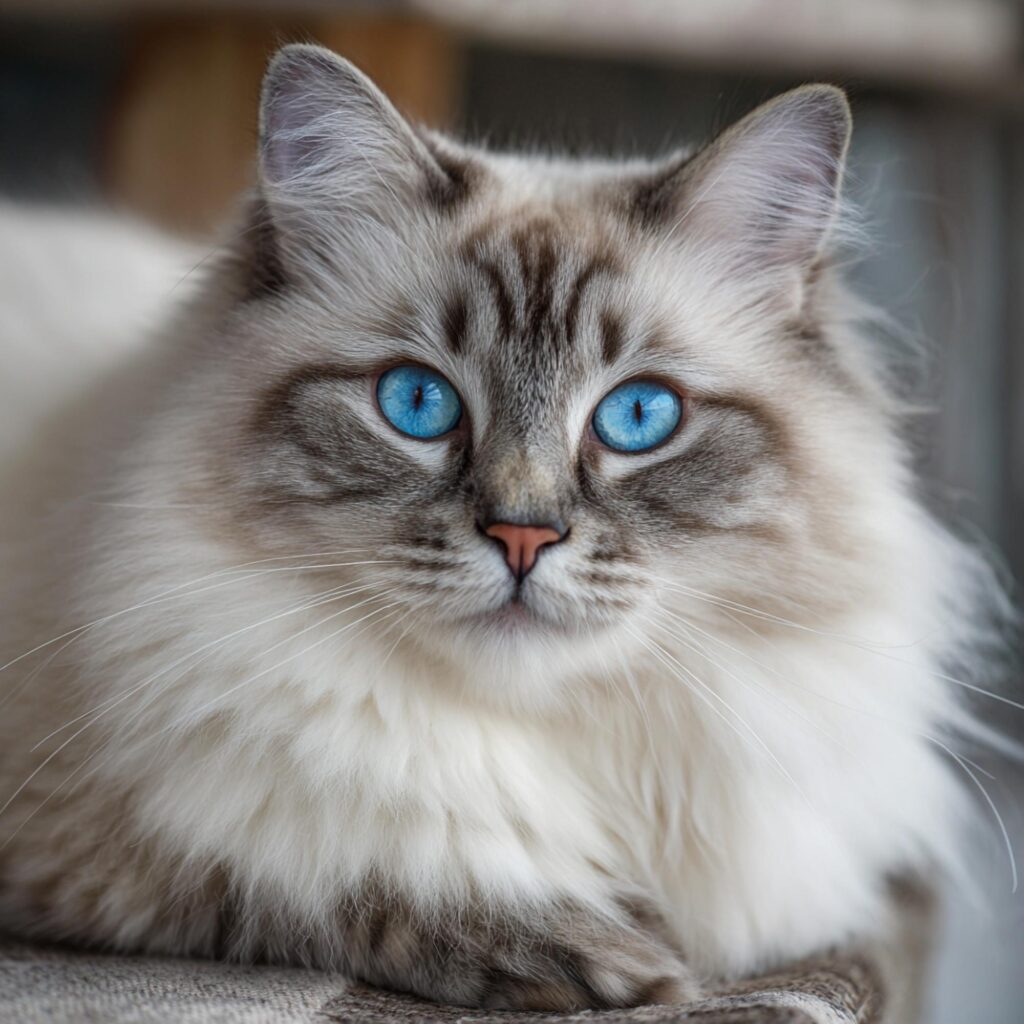
The Neva Masquerade is not a separate breed. It is a colorpoint variety of the Siberian cat, meaning it shares the same genetics, coat structure, saliva proteins, and skin oils as any other Siberian. Because of this, Neva Masquerades do not have a unique allergy profile.
Cat allergies are primarily caused by Fel d 1, a protein produced in a cat’s saliva, skin, and sebaceous glands. When cats groom themselves, this protein spreads onto the coat and into the environment. Fur length, coat color, and eye color do not reduce or eliminate Fel d 1.
Some individual Siberians, including some Neva Masquerades, may trigger fewer symptoms for certain people. That variation is individual, not guaranteed by breed or color pattern. Anyone considering a Neva Masquerade for allergies should approach the decision with realistic expectations rather than promises of a hypoallergenic cat.
Why People Believe Neva Masquerades Are More Hypoallergenic
Several common misconceptions contribute to the belief that Neva Masquerades are better for allergy sufferers.
One reason is the blue eyes and Siamese association myth. Because Neva Masquerades have blue eyes and colorpoint markings, many people assume they are related to Siamese cats and therefore inherit different allergen traits. In reality, Neva Masquerades are not Siamese crosses, and the colorpoint gene does not affect Fel d 1 production.
Another factor is the idea that a “special” coat color means special biology. Colorpoint patterning changes pigmentation, not skin chemistry or saliva proteins. A Neva Masquerade’s coat may look different, but allergen production remains the same.
Breeder marketing also plays a role. Some sellers promote Neva Masquerades as more hypoallergenic to justify higher prices or to appeal to allergy-sensitive buyers. While some breeders are careful to explain individual variation, others blur the line between anecdotal experiences and scientific fact.
The higher price of Neva Masquerade kittens can reinforce the myth. When kittens cost significantly more, buyers may assume there is a medical or biological advantage tied to allergies. Price reflects rarity and demand, not reduced allergen levels.
Finally, social media and anecdotal stories spread quickly. One person’s positive allergy experience with a Neva Masquerade can circulate widely, even though the same individual might react differently to another Neva from the same litter. These stories are real experiences, but they are not proof of hypoallergenic status.
The key takeaway is simple: Neva Masquerades are Siberian cats with colorpoint markings. Allergy outcomes depend on the individual cat and the individual person, not on coat color, eye color, or marketing labels.
Neva Masquerade vs Siberian Allergies: Is There Any Difference?
There is no allergy difference between a Neva Masquerade and a traditional Siberian cat.
They are the same breed, which means they produce the same Fel d 1 protein, the primary trigger for cat allergies. The Neva Masquerade’s colorpoint pattern does not alter saliva proteins, skin secretions, or allergen production.
The colorpoint gene, which gives Neva Masquerades blue eyes and darker points, only affects pigmentation. It does not change how much Fel d 1 a cat produces or how that allergen is distributed through the coat and environment.
This is also why two cats from the same litter can affect allergies differently. Even siblings can produce different amounts of Fel d 1, groom themselves more or less frequently, or have different skin chemistry. These differences are individual, not breed-based.
Much of the confusion around Neva Masquerade allergies comes from breed myths rather than biology. When someone reacts well to one Neva Masquerade, it is easy to assume the colorpoint pattern is responsible. In reality, the same person could react poorly to another Neva or another Siberian.
For a full scientific breakdown of why Siberians are marketed as hypoallergenic, how Fel d 1 works, and how to evaluate allergy risk properly, see the Siberian Cat Hypoallergenic post, which serves as the pillar authority on this topic.
What Actually Causes Cat Allergies (Fel d 1 Explained Simply)
Cat allergies are caused primarily by Fel d 1, a protein produced in a cat’s saliva, skin, and sebaceous glands. When cats groom themselves, Fel d 1 spreads onto the coat and then into the home environment through dander and saliva residue.
Fur length and coat color do not reduce allergens. A longhaired cat, a shorthaired cat, a colorpoint cat, or a solid-colored cat can all produce similar allergen levels.
Grooming does not remove allergens in the way many people expect. While brushing helps manage shedding, it can actually spread allergens into the air and onto surfaces if not done carefully. Bathing may temporarily reduce surface allergens, but the effect is short-lived.
This is also why “low shedding” does not mean allergy-safe. Shedding affects where hair lands, not how much Fel d 1 the cat produces. Allergies are about proteins, not fur volume.
The most important takeaway is that allergies are driven by individual cat biology and individual human sensitivity, not by breed labels, coat patterns, or marketing claims.
Can Some Neva Masquerades Feel Easier for Allergy Sufferers?
Yes, some individuals may feel easier for certain allergy sufferers, but this is due to individual cat variation, not because Neva Masquerades are a hypoallergenic type.
All cats vary in how much Fel d 1 they produce and how that allergen is distributed through saliva and skin oils. This means one Neva Masquerade might trigger fewer symptoms for a specific person, while another Neva from the same breeder or even the same litter may not.
Several factors influence how a cat affects allergies:
- Hormones and neuter status: Unneutered cats typically produce more allergens. Neutered adults often trigger fewer symptoms than intact cats.
- Age: Allergen production can change as cats mature. Kittens are not reliable predictors of adult allergen levels.
- Diet and skin health: High-quality diets that support skin barrier health may reduce excessive dander, though they do not eliminate Fel d 1.
- Home environment: Ventilation, cleaning routines, air filtration, and humidity all affect how allergens accumulate in a home.
This is why allergy experiences vary so widely from household to household. A cat that feels manageable in one home may cause symptoms in another, even for the same person. There are no breed guarantees, only individual outcomes.
Neva Masquerade Hypoallergenic Myths
Myth: Blue eyes reduce allergens
Eye color has no relationship to allergen production. Blue eyes are caused by pigmentation genetics, not changes in saliva or skin proteins.
Myth: Colorpoint cats produce less Fel d 1
The colorpoint gene affects coat coloration only. It does not influence Fel d 1 levels or how allergens are produced.
Myth: Neva Masquerades are crossed with Siamese
Neva Masquerades are Siberian cats that carry the colorpoint gene. They are not Siamese mixes, and there is no evidence that Siamese ancestry would reduce allergens.
Myth: Higher price means allergy-safe
Neva Masquerades often cost more due to rarity and demand. Price does not correlate with allergen levels or allergy outcomes.
How to Test Allergies Before Choosing a Neva Masquerade
The safest way to evaluate allergy risk is direct exposure, not assumptions based on breed or appearance.
- Visit the breeder and spend time in the home where the cats live. This exposes you to real environmental allergen levels.
- Spend extended time with adult cats, not just kittens. Adult cats produce stable allergen levels, while kittens do not.
- Test reactions to saliva, not just fur. Gentle contact followed by normal hand-to-face contact is more telling than touching a coat briefly.
- Understand why kitten testing is unreliable. Kittens produce less Fel d 1 and change significantly as they mature.
- Consider doctor-guided allergy testing or consulting an allergist, especially for severe allergy histories.
An ethical breeder will support realistic allergy testing and honest conversations rather than guaranteeing hypoallergenic results.
The goal is not to find a “safe” cat, but to make an informed, cautious decision based on real exposure and medical guidance.
Neva Masquerade vs Other “Hypoallergenic” Cats
Neva Masquerades are often grouped with other breeds commonly described as “hypoallergenic,” but it is important to understand what that label really means. No cat breed is allergy-proof, and comparisons should focus on likelihood, not guarantees.
Siberian
Neva Masquerades are Siberians, so there is no meaningful difference in allergen production. Some Siberians may feel easier for certain allergy sufferers, but this varies by individual cat rather than color or subtype.
Balinese
Balinese cats are frequently marketed as hypoallergenic because they have a single coat and are thought to produce less Fel d 1. In reality, some individuals may trigger fewer symptoms, but many allergy sufferers still react. Coat type does not eliminate allergens.
Russian Blue
Russian Blues are sometimes described as allergy-friendly due to dense coats and claims of lower Fel d 1 production. As with other breeds, responses vary widely. Some people tolerate them well, while others do not.
The consistent reality across all “hypoallergenic” cats is this: no breed can be relied on as allergy-safe. Individual biology, environment, and human sensitivity matter far more than breed labels.
Are Neva Masquerades a Good Choice for Allergy-Sensitive Homes?
Neva Masquerades may work for some allergy-sensitive households, but they are not a low-risk option.
They may be suitable for:
- people with mild or moderate allergies
- households willing to test reactions carefully before committing
- families prepared to manage allergens through cleaning, air filtration, and grooming routines
- buyers working with transparent, ethical breeders
They may not be a good choice for:
- individuals with severe or medically significant cat allergies
- families expecting a guaranteed hypoallergenic experience
- households unable to test allergy reactions in advance
The most important factor is honest risk framing. A Neva Masquerade should never be presented as a solution to cat allergies. It should be presented as a Siberian cat that may or may not work for a specific person.
Breeder transparency is essential. Responsible breeders do not promise hypoallergenic kittens. Instead, they encourage realistic testing, share what they know about their lines, and help families make informed decisions.
For allergy-sensitive homes, the right choice is not the “most hypoallergenic” cat, but the one chosen with clear expectations, proper testing, and a willingness to manage risk.
Neva Masquerade Hypoallergenic FAQ
Are Neva Masquerades better than Siberians for allergies?
No. Neva Masquerades are colorpoint Siberians and produce the same allergens. Any difference in allergy response is due to individual cats, not the Neva designation.
Does coat color affect allergens?
No. Coat color and pattern do not change Fel d 1 production. Allergens come from saliva and skin, not pigment.
Can breeders guarantee hypoallergenic kittens?
No ethical breeder can guarantee a hypoallergenic cat. Allergy outcomes vary by individual cat and individual person.
Are kittens better for allergy testing?
No. Kittens produce lower and unstable allergen levels. Reactions to kittens do not reliably predict reactions to adult cats.
Does grooming reduce allergens?
Grooming helps manage shedding but does not eliminate allergens. In some cases, brushing can spread allergens if not done carefully.
Is the higher price worth it for allergy sufferers?
The higher price reflects rarity and demand, not reduced allergens. Buyers should not pay more expecting allergy protection.
Thinking About a Neva Masquerade for Allergies?
Choosing a cat with allergies requires honesty, testing, and realistic expectations. A Neva Masquerade may work for some households, but it is not a guarantee.
Before committing, take time to:
- evaluate breeders who are transparent about allergies
- test reactions with adult cats in real environments
- understand the long-term responsibility of allergen management
The right decision is not about finding a hypoallergenic label, but about deciding whether a colorpoint Siberian is a risk your household is prepared to manage.
See Neva Masquerade Kittens Available
Neva Masquerade Related Posts
- Neva Masquerade Kitten Information
- Neva Masquerade Cat Complete Overview
- Are Neva Masquerade Cats Cuddly?
- Neva Masquerade Cat History
- Neva Masquerade vs Siberian Cat
See More About Siberian Cats
If you’re continuing your research, these related posts cover Siberian cat care, development, and ownership considerations:
- Are Siberian Cats Hypoallergenic?
- Siberian Cat Grooming
- Siberian Cat Lifespan
- Male vs Female Siberian Cats and Allergies
- Siberian Cat Size, Growth, and Maturity Timeline
- Siberian Kitten Growth: What to Expect Month by Month
- Living With a Siberian Cat When You Have Allergies
- Siberian Cat Diet and Nutrition
- Siberian Cat Fel d 1 Explained
- Do Siberian Kittens Trigger Allergies More then Adults?
- Siberian Cat Complete Overview
- Siberian Cats vs Other Hypoallergenic Breeds
Sources & References
- The International Cat Association (TICA) – Siberian Breed Information & Breed Standard
https://tica.org/breed/siberian/ - CFA (Cat Fanciers’ Association) – Siberian Cat Breed Overview
https://cfa.org/siberian/ - UC Davis Veterinary Genetics Laboratory – Cat Coat Color & Colorpoint Genetics
https://vgl.ucdavis.edu/resources/cat-coat-color - Cornell University College of Veterinary Medicine – Feline Health Center –
Hypertrophic Cardiomyopathy & Feline Health Resources
https://www.vet.cornell.edu/departments-centers-and-institutes/cornell-feline-health-center - Journal of Feline Medicine and Surgery – Fel d 1 Allergen Research
https://journals.sagepub.com/home/jfm - National Institute of Allergy and Infectious Diseases (NIAID) –
Overview of Pet Allergies and Allergen Exposure
https://www.niaid.nih.gov/diseases-conditions/pet-allergy - PetMD – Siberian Cat Breed Profile (Health, Grooming, Allergies)
https://www.petmd.com/cat/breeds/siberian - Catster – Neva Masquerade Cat Breed Guide
https://www.catster.com/cat-breeds/neva-masquerade-cat/ - Wikipedia – Siberian Cat & Neva Masquerade (historical and registry context)
https://en.wikipedia.org/wiki/Siberian_cat
https://en.wikipedia.org/wiki/Neva_Masquerade





Read the Comments +