
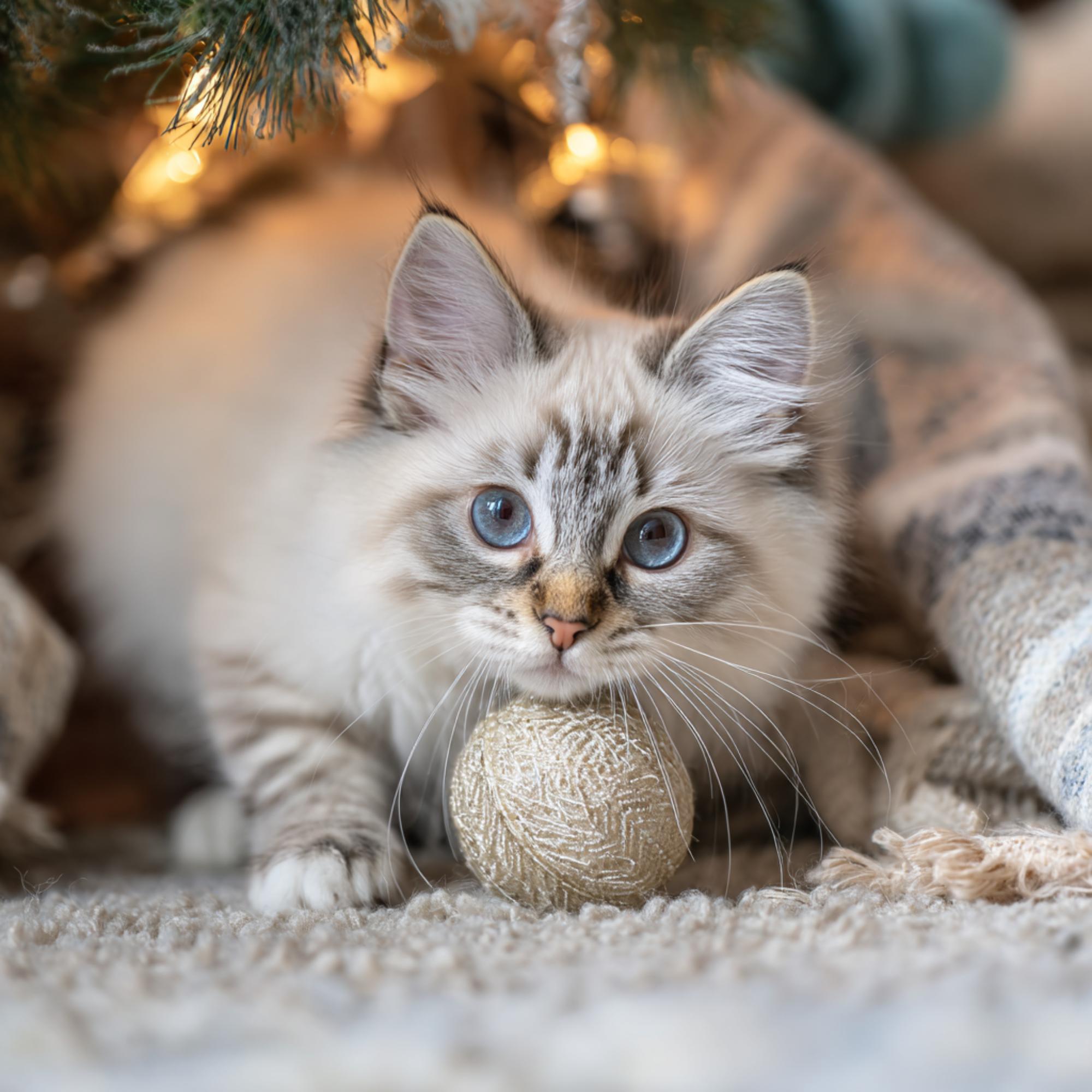
Are Neva Masquerade Kittens Hypoallergenic From Birth?
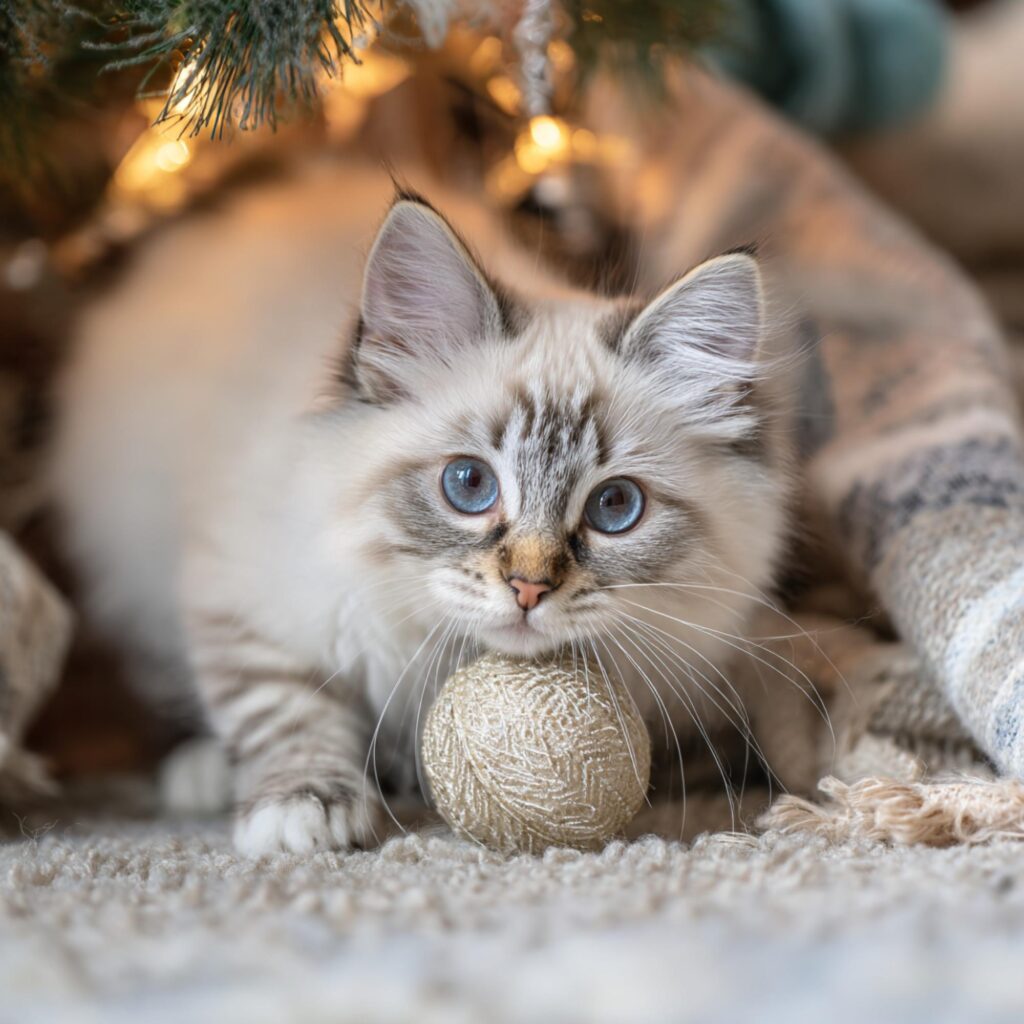
Quick Answer for Allergy-Sensitive Buyers
Short answer: No—no kitten is truly hypoallergenic from birth, including Neva Masquerades.
Neva Masquerade kittens are often better tolerated by allergy-sensitive people compared to many other breeds, but this does not mean they are allergy-free. What they offer is reduced risk, not a guarantee.
Many families hear success stories about Neva Masquerades and allergies and assume the kittens are “safe from day one.” That expectation causes problems later. Some people tolerate a Neva kitten well at first, only to develop symptoms months later as the kitten matures.
The correct way to think about Neva Masquerades is this:
they may lower the odds of a reaction for some allergy sufferers, but they cannot eliminate allergens entirely.
Are Neva Masquerade Kittens Hypoallergenic From Birth? — Quick Summary
| Question | Short Answer |
|---|---|
| Are Neva Masquerade kittens hypoallergenic from birth? | No. No kitten is truly hypoallergenic at any age. |
| Do Neva Masquerades produce fewer allergens than other cats? | Sometimes. Some individuals are better tolerated, but results vary. |
| Why do kittens seem allergy-safe at first? | Fel d 1 levels are naturally low in early kittenhood. |
| Does early tolerance predict adult tolerance? | No. Allergen levels increase with age and hormones. |
| Does coat color or colorpoint pattern reduce allergies? | No. Color and pattern have no proven link to allergen production. |
| Can breeders guarantee a hypoallergenic kitten? | No. Guarantees are a red flag. |
| Who are Neva Masquerades best suited for? | Mild–moderate allergy sufferers willing to test responsibly. |
| Who should avoid this breed for allergy reasons? | Severe allergy sufferers or families needing certainty. |
What “Hypoallergenic” Really Means in Cats
When people talk about cat allergies, they often blame fur length or shedding. In reality, fur is not the cause of cat allergies.
The primary allergen is a protein called Fel d 1. This protein is produced in a cat’s:
- saliva
- skin glands
- sebaceous (oil) secretions
Cats spread Fel d 1 onto their coat when they groom themselves. When the saliva dries, microscopic allergen particles become airborne and settle on surfaces.
This is why:
- A short-haired cat can trigger severe allergies
- A long-haired cat can sometimes be tolerated
- Heavy shedding does not automatically mean more allergens
The term hypoallergenic does not mean “non-allergenic.” It means some cats produce or spread fewer allergens than average, and some people react less to them.
Marketing language often oversimplifies this. For allergy sufferers, that oversimplification can lead to disappointment if expectations aren’t set correctly.
Do Neva Masquerade Kittens Produce Allergens at Birth?
Newborn kittens produce very low levels of Fel d 1, regardless of breed.
In the first weeks of life:
- Sebaceous glands are immature
- Hormonal systems are undeveloped
- Grooming behavior is minimal
This means allergen exposure is naturally low in early kittenhood. Many allergy-sensitive people can hold or interact with young kittens without reacting, including Neva Masquerades.
However, this early tolerance does not predict lifelong compatibility.
As kittens grow:
- Fel d 1 production increases with age
- Hormonal changes affect allergen levels
- Individual genetics become more influential
Some Neva Masquerades remain low-reactive into adulthood. Others do not. A kitten that causes no symptoms at eight weeks can still become allergenic later.
This is why responsible breeders emphasize adult exposure testing, honest education, and realistic expectations—especially for families with known cat allergies. See more about Neva Masquerade Cats and hypoallergenic info in this post.
When Do Neva Masquerade Kittens Start Producing Fel d 1?
Fel d 1 production is not static in kittens. It changes as their bodies, hormones, and grooming behaviors mature. Understanding this timeline explains why many allergy reactions appear after a kitten goes home.
Timeline Overview
Birth to 8 weeks
During this stage, Fel d 1 levels are extremely low. Newborn kittens have immature sebaceous glands, minimal saliva production, and limited self-grooming. Most allergen exposure comes indirectly through the mother, not the kitten itself. This is why early handling often causes little or no reaction.
8–16 weeks (critical change period)
This is when things begin to shift. Kittens start grooming more frequently, skin oils increase, and Fel d 1 production begins to rise. For many allergy-sensitive families, this is the first period where mild symptoms may appear—even if the kitten was previously well tolerated.
After sexual maturity
Hormones play a major role in allergen levels. As cats reach sexual maturity, Fel d 1 production typically increases. Intact males tend to produce the highest levels, while spayed and neutered cats usually produce less. This is why some allergy issues don’t appear until months after adoption.
Hormonal Influence on Allergen Production
Fel d 1 is strongly influenced by sex hormones. Testosterone, in particular, is associated with higher allergen output. This explains why kittens often seem “safe” early on but trigger reactions later as hormone levels rise.
Why Many Allergies Appear After Kittens Go Home
Most kittens go home between 10 and 14 weeks—right as allergen production is ramping up. Families may assume the allergy developed suddenly, when in reality it coincided with a predictable biological change.
Why Some People React Less to Neva Masquerade Kittens
Some allergy sufferers genuinely do better with Neva Masquerades—but not for the reasons most marketing claims suggest.
Genetic Tendencies in Siberian/Neva Lines
Neva Masquerades are a colorpoint variety of the Siberian cat, a naturally developed breed with a broad genetic base. Some lines appear to produce lower average Fel d 1 levels, but this is not universal and varies by individual cat and breeding line.
Saliva Composition Differences
Fel d 1 originates largely in saliva. Small biochemical differences in saliva composition may affect how strongly a person reacts. Two cats producing similar amounts of Fel d 1 can still trigger very different responses in the same person.
Coat Structure and Grooming Behavior
Neva Masquerades have a dense, triple-layer coat that can sometimes trap allergens closer to the body rather than dispersing them quickly into the environment. Additionally, some individuals groom less obsessively than other breeds, reducing how much saliva is spread across the coat.
Why Individual Cats Matter More Than Breed Labels
This is the most important point: individual variation matters more than the breed name. Two Neva Masquerades from the same litter can produce different allergen levels. Breed tendencies may tilt the odds slightly, but they never override individual biology.
Are Neva Masquerade Kittens Better for Allergy Testing Than Adults?
This is one of the most misunderstood aspects of allergy-safe cat selection.
Pros of Kitten Testing
- Easier physical access and handling
- Lower initial Fel d 1 exposure
- Can help identify severe allergies early
For families with very strong reactions, even brief kitten exposure can reveal incompatibility.
Major Limitations and False Reassurance Risks
Kitten testing is not predictive of adult tolerance. Because Fel d 1 levels are naturally low in kittens, many allergy sufferers pass early testing and later develop symptoms as the cat matures. This creates false confidence and emotional stress down the road.
Why Adult Cats Give More Reliable Allergy Feedback
Adult cats have stable hormone levels, established grooming habits, and consistent allergen production. Testing with adults—especially spayed or neutered ones—provides a far more accurate picture of long-term compatibility.
Best Testing Window for Families Considering a Kitten
The most responsible approach is layered testing:
- Short exposure to the kittens
- Follow-up exposure to adult cats from the same lines
- Honest discussion with the breeder about past allergy outcomes
This approach doesn’t guarantee success—but it dramatically reduces surprises.
Does Coat Color or Pattern Affect Allergies in Neva Masquerades?
One of the most persistent myths surrounding Neva Masquerades is that their colorpoint pattern makes them more hypoallergenic than other Siberians.
There is no scientific evidence that coat color, pattern, or point coloration affects Fel d 1 production. The gene responsible for colorpoint patterning controls pigment distribution—not skin glands, saliva composition, or allergen output.
Why the Colorpoint Myth Persists
Many buyers believe they “react less” to Neva Masquerades than to darker or solid-colored cats. What they are often noticing instead is:
- Individual cat variation
- Lower allergen levels due to age or hormonal status
- Environmental factors during brief exposure
- Expectation bias when testing a highly anticipated breed
These experiences feel real, but they do not establish a causal link between color and allergens.
What Science Supports vs What Buyers Perceive
Research consistently shows that allergen levels vary between individual cats, not colors. Two Neva Masquerades of the same color can produce very different allergen levels, while a non-colorpoint Siberian may produce less Fel d 1 than either.
Color may influence aesthetics and buyer preference—but it does not determine allergy safety.
Can Breeders Tell If a Neva Masquerade Kitten Will Be Hypoallergenic?
The honest answer is no.
Even the most experienced breeder cannot reliably predict whether a specific kitten will be allergy-safe for a specific person long term.
Honest Breeder Limitations
- Fel d 1 levels change with age
- Hormones strongly influence allergen output
- Individual immune responses vary widely
- Early tolerance does not equal adult tolerance
Because of this, no ethical breeder can make guarantees.
Why Fel d 1 Testing Is Rare and Inconsistent
Commercial Fel d 1 testing exists, but it has significant limitations:
- Results vary depending on sampling method
- Testing reflects a single moment in time
- Levels change with stress, health, and maturity
- There is no universal threshold for “safe” levels
Testing can provide data, but it cannot predict lifelong compatibility.
Red Flags: “Guaranteed Hypoallergenic” Claims
Buyers should be cautious of breeders who claim:
- “Our kittens are allergy-free”
- “Nevas don’t cause allergies”
- “We guarantee hypoallergenic kittens”
These statements ignore biology and oversimplify a complex issue. Guarantees are not just unrealistic—they are misleading.
What Ethical Breeders Can Help With Instead
Responsible breeders focus on education and risk reduction, not promises. They may:
- Encourage adult cat exposure
- Share honest feedback from past allergy-sensitive homes
- Discuss spay/neuter timing and allergen trends
- Help families assess whether a Neva Masquerade is a reasonable risk
Transparency matters more than certainty.
How Allergy Sensitivity Often Changes as the Kitten Grows
Many allergy-sensitive families report that symptoms appear months after adoption, even when the kitten seemed fine at first.
Why Symptoms May Appear Later
This delayed response is common and predictable. As kittens mature:
- Fel d 1 production increases
- Grooming becomes more frequent
- Hormonal changes elevate allergen output
The immune system may also become sensitized over time, leading to stronger reactions with repeated exposure.
Environmental Accumulation of Allergens
Allergens build up gradually in the home. Upholstery, bedding, carpets, and clothing collect Fel d 1 particles. Even if daily symptoms are mild at first, accumulation can tip the balance.
Seasonal and Hormonal Shifts
Seasonal coat changes, stress, illness, and hormonal fluctuations can all affect allergen levels. Some families notice symptoms worsen during seasonal shedding periods or around sexual maturity.
Why Long-Term Planning Matters More Than First Impressions
Initial tolerance is only a snapshot. Families considering a Neva Masquerade for allergy reasons should plan for:
- Ongoing allergen management
- Realistic adaptation strategies
- The possibility that tolerance may change
Approaching the decision with long-term awareness reduces emotional and practical stress later.
How to Reduce Allergy Risk When Bringing Home a Neva Masquerade Kitten
While no cat is allergy-free, practical management can significantly reduce allergen exposure for many households. The goal is risk reduction, not elimination.
Grooming Routines That Help
Regular grooming limits how much saliva-based allergen spreads through the coat and home.
- Brush several times per week to remove loose hair before allergens shed into the environment
- Use gentle tools that do not irritate the skin, which can increase allergen production
- Wipe the coat occasionally with a damp cloth to reduce surface allergens
- Bathe only if the cat tolerates it well; stress can increase grooming and allergen output
Consistency matters more than intensity. Calm, predictable routines are most effective.
Home Setup Strategies
How the home is organized has a major impact on allergen exposure.
- Keep at least one bedroom cat-free, especially where allergy sufferers sleep
- Use washable throws on furniture
- Choose smooth flooring when possible over wall-to-wall carpet
- Wash bedding and cat blankets frequently in hot water
Reducing allergen reservoirs is often more effective than trying to “clean the air” alone.
Air Quality and Cleaning Considerations
Airborne allergens are a major trigger for symptoms.
- Use HEPA air purifiers in high-use rooms
- Vacuum with a sealed HEPA vacuum several times per week
- Avoid dry dusting, which redistributes allergens into the air
- Maintain balanced indoor humidity to support healthy skin
Small, consistent habits add up over time.
Feeding and Health Factors That Influence Skin and Saliva
Skin health directly affects allergen spread.
- Feed a high-quality, species-appropriate diet
- Ensure adequate omega-3 fatty acids for skin barrier support
- Address skin issues, dental disease, or chronic stress promptly
- Maintain regular veterinary care
Healthy skin and saliva reduce excessive grooming and allergen shedding.
Who Neva Masquerade Kittens Are — and Aren’t — a Good Fit For
Neva Masquerades can be a reasonable choice for some allergy-sensitive households, but they are not appropriate for everyone.
Best Fit
Neva Masquerade kittens tend to work best for:
- People with mild to moderate cat allergies
- Experienced cat owners who understand grooming and management
- Families willing to test exposure carefully and realistically
- Buyers comfortable with some uncertainty
These households approach ownership with flexibility rather than assumptions.
Not Ideal For
Neva Masquerade kittens are usually not a good choice for:
- People with severe or medically significant cat allergies
- Families who need certainty or guarantees
- Buyers relying on kitten age or color alone as proof of safety
- Homes unwilling to adapt environment or routines
For these situations, alternative pets—or no pets—are often the safer choice.
Final Verdict: Are Neva Masquerade Kittens Hypoallergenic From Birth?
Neva Masquerade kittens are not hypoallergenic from birth.
They may present a lower allergy risk for some people compared to many breeds, but the risk is never zero. Kittens naturally produce fewer allergens early on, yet this stage does not predict long-term tolerance. As the cat matures, allergen levels and human sensitivity can change.
The most important factor is the individual cat, not the breed name, color, or age.
Families who succeed with Neva Masquerades do so because they make informed, cautious decisions, test responsibly, and plan for long-term management rather than relying on early impressions or marketing claims.
Thinking About a Neva Masquerade for Allergies?
Choosing a cat with allergies requires honesty, testing, and realistic expectations. A Neva Masquerade may work for some households, but it is not a guarantee.
Before committing, take time to:
- evaluate breeders who are transparent about allergies
- test reactions with adult cats in real environments
- understand the long-term responsibility of allergen management
The right decision is not about finding a hypoallergenic label, but about deciding whether a colorpoint Siberian is a risk your household is prepared to manage.
See Neva Masquerade Kittens Available
Neva Masquerade Related Posts
- Neva Masquerade Kitten Information
- Neva Masquerade Cat Complete Overview
- Are Neva Masquerade Cats Cuddly?
- Neva Masquerade Cat History
- Neva Masquerade vs Siberian Cat
See More About Siberian Cats
If you’re continuing your research, these related posts cover Siberian cat care, development, and ownership considerations:
- Are Siberian Cats Hypoallergenic?
- Siberian Cat Grooming
- Siberian Cat Lifespan
- Male vs Female Siberian Cats and Allergies
- Siberian Cat Size, Growth, and Maturity Timeline
- Siberian Kitten Growth: What to Expect Month by Month
- Living With a Siberian Cat When You Have Allergies
- Siberian Cat Diet and Nutrition
- Siberian Cat Fel d 1 Explained
- Do Siberian Kittens Trigger Allergies More then Adults?
- Siberian Cat Complete Overview
- Siberian Cats vs Other Hypoallergenic Breeds
Sources
- Vredegoor DW, et al.
Can f 1 and Fel d 1 in hair and dust of different dog and cat breeds: Lack of evidence to describe any dog or cat breed as hypoallergenic.
Journal of Allergy and Clinical Immunology, 2012.
https://www.jacionline.org/article/S0091-6749(11)01796-3/fulltext - National Institute of Allergy and Infectious Diseases (NIAID)
Pet Allergy Overview
Explains Fel d 1 as the primary cat allergen and individual variability in reactions.
https://www.niaid.nih.gov/diseases-conditions/pet-allergy - American College of Allergy, Asthma & Immunology (ACAAI)
Pet Allergy
Clarifies that fur length and shedding are not the cause of cat allergies.
https://acaai.org/allergies/allergic-conditions/pet-allergies/ - Woodfolk JA, et al.
The immune response to cat allergens.
Journal of Allergy and Clinical Immunology, 2010.
Discusses Fel d 1 production, saliva transfer, and immune sensitization over time.
https://www.jacionline.org/article/S0091-6749(10)00256-5/fulltext - Savelkoul HFJ, et al.
Are cats hypoallergenic?
Veterinary Dermatology, 2019.
Reviews Fel d 1 variability, hormonal influence, and why no cat is truly hypoallergenic.
https://onlinelibrary.wiley.com/doi/10.1111/vde.12728 - Morris DO.
Feline allergic skin disease and sebaceous gland activity.
Veterinary Clinics of North America: Small Animal Practice.
Supports the link between skin health, grooming, and allergen spread. - Purina Institute
Understanding Fel d 1 and Cat Allergies
Explains where Fel d 1 originates and why levels vary by individual cat.
https://www.purinainstitute.com/science-of-nutrition/neutralizing-allergens - American Academy of Allergy, Asthma & Immunology (AAAAI)
Cat Allergy
Covers delayed sensitization, environmental accumulation, and testing limitations.
https://www.aaaai.org/tools-for-the-public/conditions-library/allergies/cat-allergy






Read the Comments +