
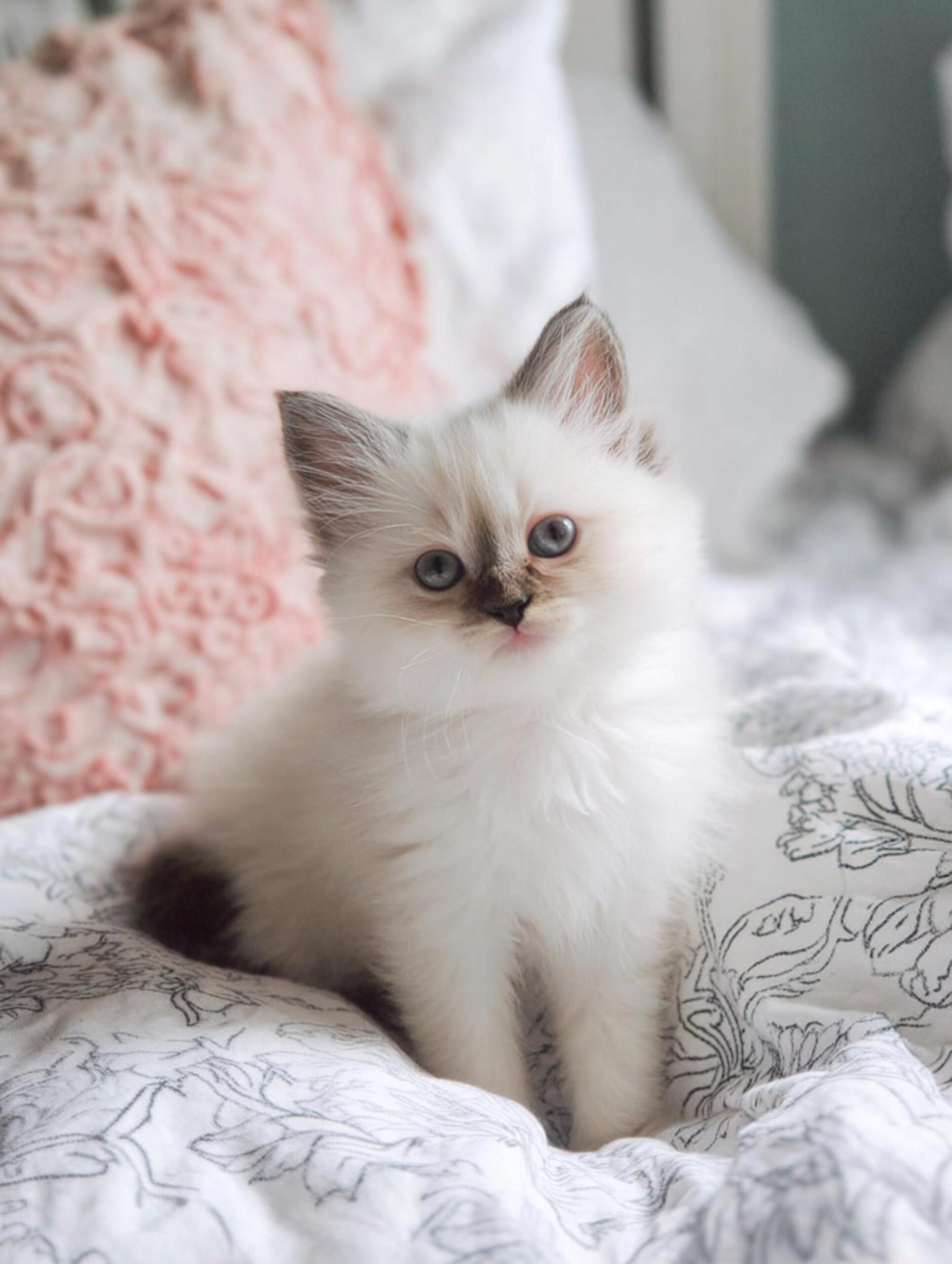
Neva Masquerade Kitten Price: What Buyers Should Expect
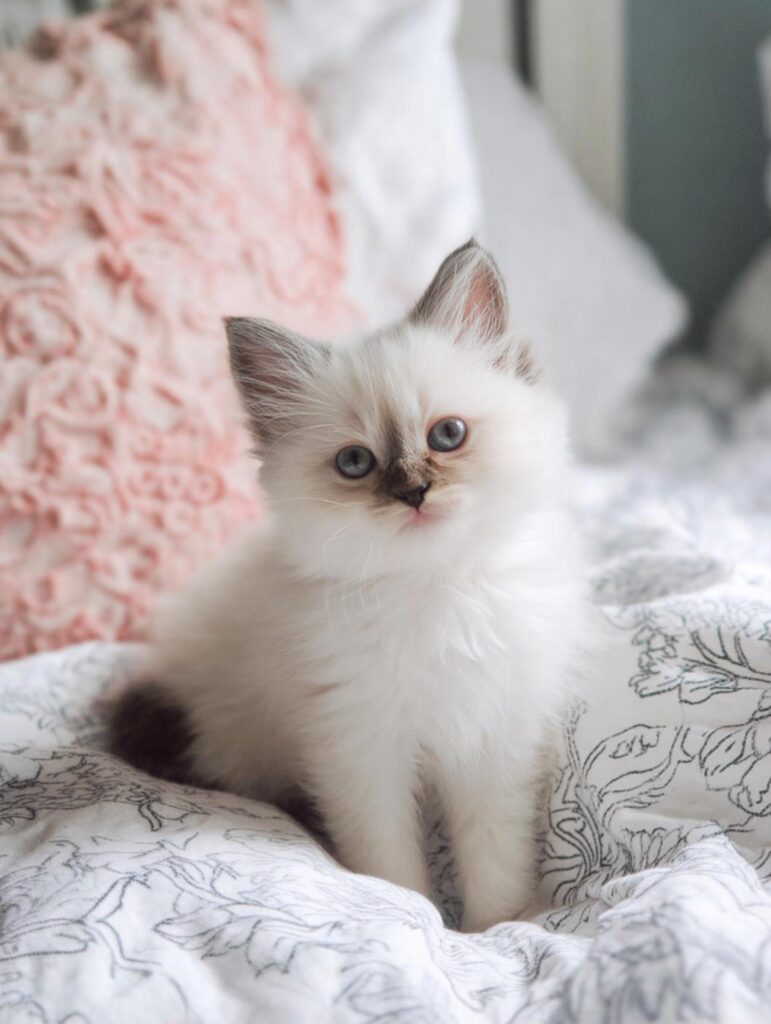
The price of a Neva Masquerade kitten varies widely depending on color pattern, pedigree depth, breeder reputation, and whether the kitten comes from imported or long-established lines. Because Neva Masquerades are the colorpoint variety of the Siberian, pricing reflects both breed-level investment and high demand for the colorpoint look.
Neva Masquerade kitten prices typically range between $3,500 and $5,500 or more when purchased from a registered, ethical cattery in the United States. Pricing varies based on color pattern, pedigree depth, breeder reputation, and whether the kitten comes from imported or long-established lines. Because Neva Masquerades are the color point variety of the Siberian, demand for their striking appearance often places them at the higher end of the Siberian price spectrum.
Most reputable U.S. breeders price Neva Masquerade kittens within this range.
If you’re researching how much a Neva Masquerade kitten costs, this post breaks down realistic pricing tiers, explains what determines cost differences, and helps you distinguish responsibly bred Neva kittens from misrepresented or scam listings often found online.
👉 Inquire about Neva Masquerade kittens

Neva Masquerade Kitten Price Overview
When buyers ask, “How much does a Neva Masquerade kitten cost?”, the answer depends on genetics, breeding goals, and long-term investment—not just appearance.
Below is a realistic overview of typical Neva Masquerade pricing in the U.S. market:
Neva Masquerade Kitten Price Overview Graph
| Neva Masquerade Type | Typical Price Range (USD) | What This Usually Reflects |
|---|---|---|
| Pet Quality (Registered) | $3,500 – $4,500 | Health-tested parents, correct Neva type, companion placement |
| Show / Breeding Quality | $4,500 – $5,500+ | Pedigree depth, structure, coat quality, breeder evaluation |
| High-Demand Colors & Patterns (lynx, tortie, silver, bicolor) | $4,800 – $6,500+ | Demand-driven pricing, not increased genetic value |
| Imported or Elite Bloodlines | $5,500 – $8,500+ | Import costs, long-term breeding investment, limited availability |
| Retired Adult | $1,500 – $3,000+ | Proven adults placed after breeding or program retirement |
Neva Masquerades are often priced higher than many longhaired breeds due to their luxury colors, and strong international demand.
Lower-priced listings—especially those found on social media or classified sites—are frequently:
- Misidentified domestic longhairs
- Unregistered Siberian mixes
- Poorly bred cats marketed under the Neva name
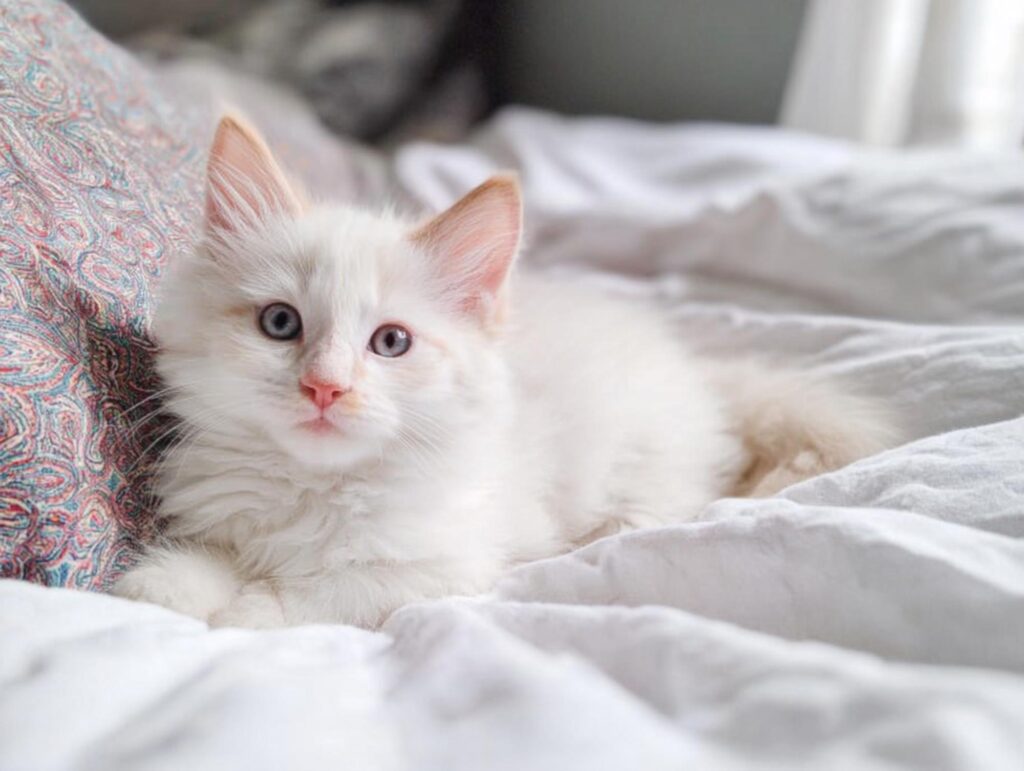
Why Neva Masquerade Kittens Are Expensive
The cost of a Neva Masquerade kitten reflects years of breeder investment, not just the kitten itself. Ethical Neva breeding is resource-intensive, slow, and selective by necessity.
Selective, Multi-Generation Breeding Programs
Neva Masquerades are not mass-produced. Responsible breeders carefully plan matings to preserve:
- Correct Siberian structure and bone
- Dense, weather-resistant triple coat
- Balanced head type and facial expression
- Stable, confident temperament
- Accurate colorpoint expression
Producing consistent Neva Masquerade quality—especially in lynx, tortie, silver, and bicolor patterns—often takes multiple generations of intentional breeding and significant financial investment.
Because Nevas mature slowly, breeders may wait several years to fully evaluate breeding cats before repeating or advancing lines. This long-term approach directly impacts pricing but protects breed integrity.
Health Testing & Veterinary Care
Responsible Neva Masquerade breeders invest heavily in preventive health care and screening. Because Nevas are a colorpoint variety of the Siberian, health protocols reflect Siberian breed standards, not shortcuts.
Typical investments include:
- HCM (Hypertrophic Cardiomyopathy) screening
- PKD (Polycystic Kidney Disease) testing where lines require it
- Routine veterinary exams throughout kittenhood
- Age-appropriate vaccinations and deworming
- Microchipping
- Health certificates prior to placement
These costs are non-negotiable in ethical programs. They are built into pricing long before a kitten is ever offered for sale and are one of the clearest distinctions between responsibly bred Nevas and cheap online listings.
Registration, Pedigree & Breed Authenticity
Authentic Neva Masquerade kittens are registered and documented through established cat registries, such as The International Cat Association, Cat Fanciers’ Association, Governing Council of the Cat Fancy, and Fédération Internationale Féline.
Registration confirms:
- Verified Siberian lineage
- Correct colorpoint (Neva Masquerade) genetics
- Compliance with breed standards
Maintaining pedigrees, registry memberships, and compliance requirements adds meaningful cost for breeders—but it protects buyers from misrepresentation, mixed ancestry, and falsely labeled “Neva” kittens that are not true to type.
Slow Growth & Intensive Early Rearing
Neva Masquerades are slow-maturing cats, both physically and emotionally. Ethical breeders do not rush placement.
Kittens are typically held 12–14+ weeks or longer, during which breeders provide:
- Premium, species-appropriate nutrition
- Structured early socialization
- Litter training and household exposure
- Gentle behavioral conditioning
- Early coat care and handling desensitization
This extended rearing period significantly increases costs compared to faster-maturing or mass-produced breeds. It also results in kittens that transition more smoothly into new homes—one of the reasons well-bred Nevas command higher prices.
Why Certain Neva Masquerade Colors and Patterns Cost More
Some Neva Masquerade colors and patterns sit at the upper end of the price range—not because they are “better,” but because they are harder to produce responsibly.
Pricing increases are often tied to:
- Complex color genetics (lynx, tortie, silver, bicolor)
- Limited breeding combinations that preserve correct type
- Strong global demand for high-contrast Nevas
- Importing and maintaining high-quality Siberian lines capable of producing consistent Neva expression
These kittens are the result of long-term breeding strategy, not accidental pairings. Higher pricing reflects breeder investment and scarcity of correctly produced examples—not superiority in temperament, health, or allergy compatibility.

How Much Does a Neva Masquerade Cat Cost to Own?
The purchase price of a Neva Masquerade kitten is only part of the overall investment. Like all well-bred pedigree cats, Neva Masquerades come with ongoing lifetime costs related to nutrition, veterinary care, grooming, and general upkeep.
Because Nevas are large, slow-maturing cats with dense triple coats, ongoing care tends to be slightly higher than average, especially during shedding seasons and senior years.
Below is a realistic estimate of annual ownership costs for a Neva Masquerade in the United States:
| Expense | Estimated Annual Cost (USD) |
|---|---|
| Premium, Species-Appropriate Food | $600 – $1,000 |
| Routine Veterinary Care | $350 – $800 |
| Pet Insurance | $400 – $700 |
| Litter & Household Supplies | $350 – $600 |
| Grooming Tools & Coat Care | $200 – $400 |
| Estimated Annual Total | $1,900 – $3,500 |
Neva Masquerades commonly live 14–18+ years. Over a lifetime, total ownership costs can realistically reach $30,000–$50,000+, particularly when accounting for senior care, dental cleanings, seasonal grooming support, travel, or medical management later in life.
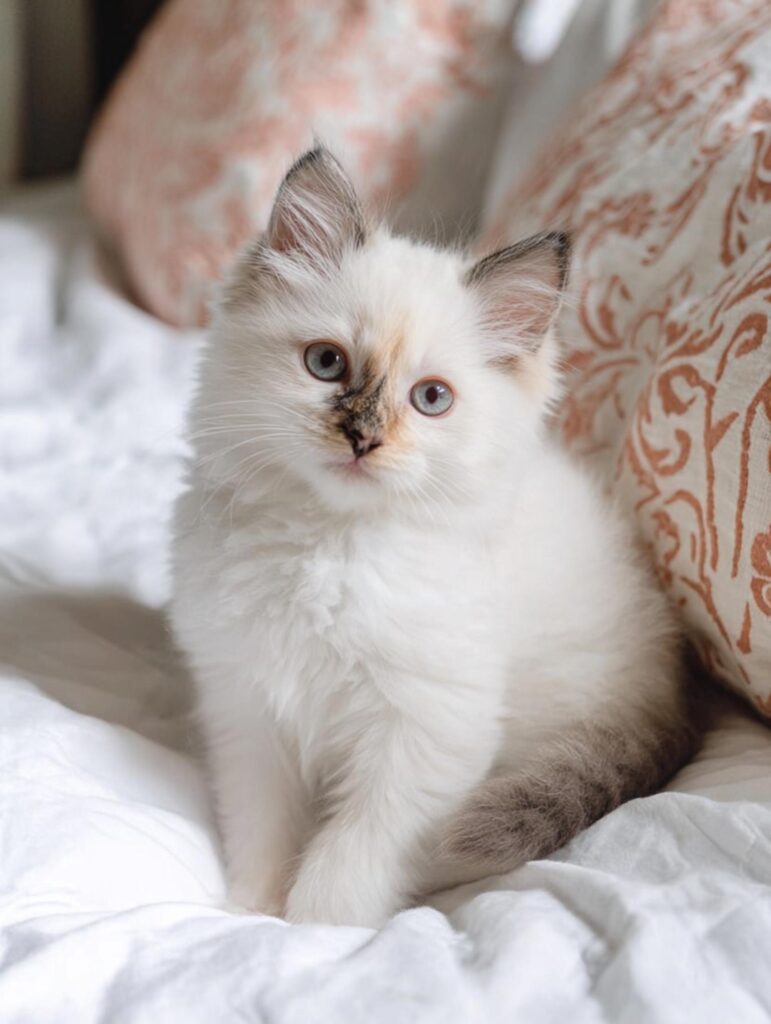
Neva Masquerade Kittens for Sale: Understanding Price Ranges
Not all Neva Masquerade kittens are priced the same. Cost reflects pedigree depth, coat development, color genetics, breeder investment, and long-term breeding goals—not just appearance.
Pet Quality vs. Show / Breeding Quality
Pet Quality ($3,500–$4,500)
Registered, well-socialized kittens with excellent temperament and health. These kittens may have minor cosmetic variations that do not affect companionship. Ideal for families and companion homes.
Show / Breeding Quality ($4,500–$5,500+)
Kittens with exceptional structure, coat density, eye color clarity, and overall Neva type. These kittens meet or closely approach breed standards and are suitable for show homes or selective breeding programs.
How Color & Pattern Affect Neva Masquerade Kitten Price
Color and pattern can influence Neva Masquerade pricing—but not because some colors are “better.” Price differences reflect breeding complexity, demand, and how difficult a color or pattern is to produce consistently while maintaining correct Siberian type.
Average Neva Masquerade Kitten Price by Color & Pattern
| Color / Pattern | Typical Price Range (USD) | U.S. Demand | Notes |
|---|---|---|---|
| Seal Lynx / Blue Lynx Point | $4,500 – $6,500+ | ⭐⭐⭐⭐⭐ | High contrast, extremely popular |
| Seal / Blue Point (Solid) | $3,500 – $5,500 | ⭐⭐⭐⭐ | Classic Neva appearance |
| Tortie Point (any base color) | $5,000 – $7,000+ | ⭐⭐⭐⭐ | Almost exclusively female, unpredictable patterning |
| Silver Lynx Point | $5,500 – $7,500+ | ⭐⭐⭐ | Often misidentified, harder to produce correctly |
| Chocolate / Lilac Point | $4,800 – $6,800+ | ⭐⭐⭐ | Requires specific genetics |
| Bicolor / Mitted (any point color) | $4,500 – $6,500+ | ⭐⭐⭐⭐ | White patterning increases demand, not rarity |
Why Certain Neva Masquerade Colors Cost More
Higher pricing for some Neva Masquerade colors and patterns reflects breeding difficulty and demand, not superiority.
Price increases are typically driven by:
- Complex color genetics (lynx, tortie, silver, dilute colors)
- Limited breeding combinations that preserve correct Neva type
- Strong international demand for high-contrast colorpoints
- Importing and maintaining Siberian lines capable of producing consistent Neva expression
These kittens are the result of long-term planning, not accidental pairings. Higher pricing reflects breeder investment and scarcity of correctly produced examples—not differences in temperament, health, or allergy compatibility.
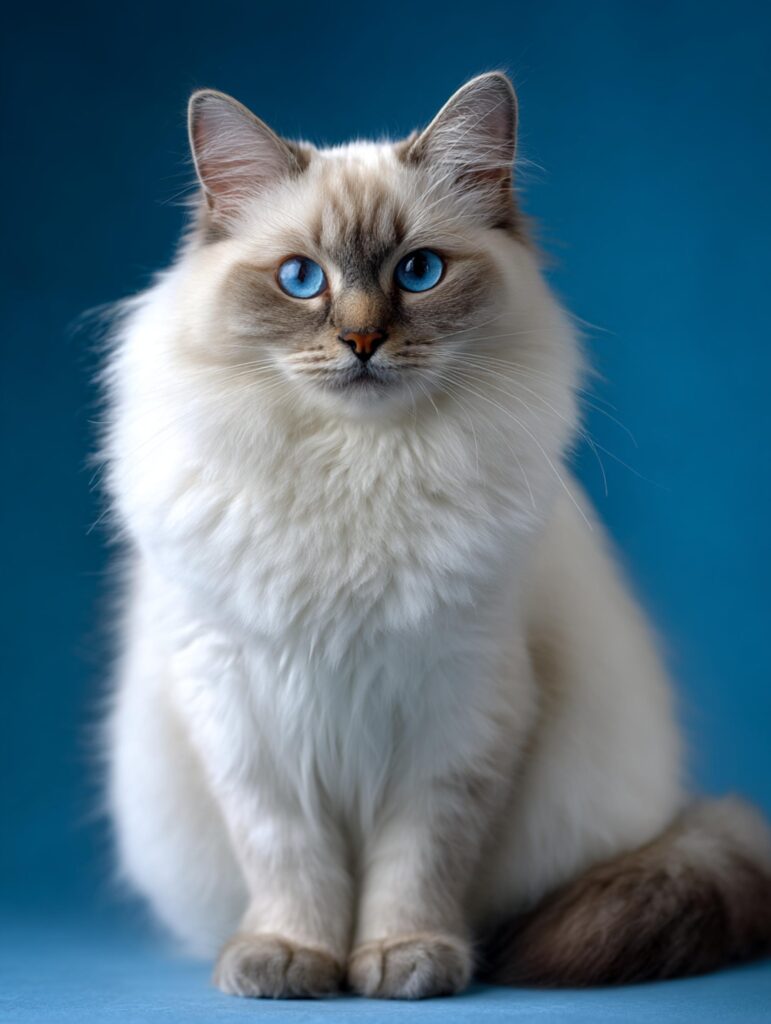
Does Neva Masquerade Kitten Price Vary by Color?
Yes — color and pattern can influence Neva Masquerade pricing, but not because some colors are better cats.
The most consistently in-demand Neva Masquerade varieties include:
- Seal lynx and blue lynx point Nevas, valued for high contrast and expressive tabby patterning
- Bicolor Neva Masquerades, sought after for dramatic facial markings
- Tortie point Nevas, almost exclusively female and visually unique
- Silver lynx point Nevas, often misunderstood and less commonly produced correctly
While color affects price, responsible breeders emphasize that health, temperament, pedigree depth, and breeder ethics matter far more than appearance alone. A well-bred Neva Masquerade of any color will offer the confident, intelligent, people-aware temperament the breed is known for.
How Much Does a Seal or Blue Lynx Point Neva Masquerade Cost?
Seal lynx and blue lynx point Nevas are among the most recognizable and consistently requested Neva Masquerade colors.
For registered, health-tested kittens from ethical U.S. breeders, pricing typically falls in the range of:
- $4,500 – $6,500+
Kittens from selectively developed or imported lines—especially those with strong contrast, clear lynx striping, and correct Siberian structure—may exceed this range.
Reputable Neva breeders focusing on lynx points prioritize:
- Clear, well-defined tabby striping on the points
- Strong mask and facial expression
- Dense, weather-resistant triple coat
- Balanced bone and confident temperament
Listings advertising “lynx point Nevas” far below market norms are often misidentified cats or unregistered mixes using the Neva name inaccurately.
How Much Do Bicolor and Tortie Neva Masquerades Cost?
Bicolor and tortie Neva Masquerades tend to sit at the upper end of the Neva price spectrum, driven by demand and breeding complexity rather than genetic superiority.
Typical price ranges include:
- Bicolor Neva Masquerades: $4,500 – $6,500+
- Tortie Point Neva Masquerades: $5,000 – $7,000+
These kittens command higher prices because:
- Tortie expression is sex-linked and nearly always female
- White pattern distribution must remain balanced
- Predicting final appearance takes experience and time
- Demand often exceeds availability
These cats are valued for visual individuality, not for differences in health, temperament, or allergy compatibility.
How Much Does a Neva Masquerade Kitten Cost Overall?
Across all colors and patterns, Neva Masquerade kitten prices in the United States generally fall into the following ranges:
- Pet Quality (Registered): $3,500 – $4,500
- Show / Breeding Quality: $4,500 – $5,500+
- High-Demand Colors & Patterns: $4,800 – $7,500+
Neva Masquerades are not discounted Siberians. Well-bred Nevas with correct structure, coat, and temperament often command prices comparable to—or higher than—standard Siberians due to demand for the colorpoint appearance and limited ethical breeding programs.
What Affects Neva Masquerade Kitten Price by Country?
Neva Masquerade pricing varies globally based on breeding availability, demand, and import logistics.
| Country / Region | Typical Price Range (USD Equivalent) |
|---|---|
| United States | $3,500 – $7,500+ |
| Western Europe | €2,500 – €5,500 |
| United Kingdom | £2,000 – £4,500 |
| Canada | $3,500 – $6,500 |
| Australia | AUD 4,000 – 8,000 |
| Eastern Europe | €1,800 – €3,500 |
Importing a Neva Masquerade kitten can raise total cost to $6,000–$10,000+ once airfare, veterinary documentation, customs clearance, and quarantine requirements are included.
For this reason, higher pricing in domestic programs often reflects avoided import risk and established local lines, not inflated margins.
Are Neva Masquerade Cats Worth the Price?
Yes. A properly bred Neva Masquerade is an investment in health, temperament, and long-term companionship, not just striking appearance.
The Neva Masquerade is valued for:
- Confident, intelligent, people-aware temperament
- Affection without clinginess or neediness
- Strong indoor adaptability when mentally engaged
- Robust health when responsibly bred
- Long average lifespan (often 14–18+ years)
When viewed over a decade or more of companionship, the Neva Masquerade’s stability, engagement, and durability make its price reflect genuine long-term value, not superficial luxury markup. The cost represents careful breeding, slow development, and thoughtful placement—not trend-driven pricing.
How to Find Reputable Neva Masquerade Breeders
Because Neva Masquerade kittens are premium-priced and limited in availability, they are frequently misrepresented or exploited online. Protecting yourself starts with knowing what ethical Neva breeders provide—and which red flags to avoid.
What to Look For in a Reputable Neva Masquerade Breeder
Verified Registration
Authentic Neva Masquerade kittens are registered through recognized organizations such as The International Cat Association, Cat Fanciers’ Association, Governing Council of the Cat Fancy, or Fédération Internationale Féline. Registration confirms Siberian lineage and correct colorpoint (Neva) genetics.
Documented Health Testing
Ethical breeders provide proof of appropriate health screening (such as HCM testing) on parent cats and are transparent about long-term health goals and line management.
Parent Visibility
Reputable breeders are willing to show parent cats via video or in person, explain temperament traits, and discuss how kittens are raised and socialized.
Clear Contracts
A proper contract should include:
- Health guarantees
- Spay/neuter terms for companion kittens
- Return-to-breeder or lifelong support policies
Public Reputation
Search the breeder’s name alongside terms like reviews, complaints, or scam. Ethical breeders maintain a consistent, verifiable presence over time—not disposable social media accounts.
Be cautious of sellers who:
- Refuse video calls
- Offer parking-lot or airport meetups
- Use stock or stolen photos
- Push for fast deposits without contracts or documentation
If you want a safer route, focus on registered Neva Masquerade breeders with established programs, not anonymous marketplace listings.
What Does It Cost to Adopt a Neva Masquerade From a Shelter?
In practice, Neva Masquerade cats are almost never available in shelters. This variety is tightly controlled within registered Siberian breeding programs and placed directly with approved families.
If a cat labeled “Neva Masquerade” appears in a shelter or rescue, it is almost always:
- A domestic longhair with colorpoint markings, or
- A Siberian-type cat without documentation
Typical Shelter Adoption Fees (General Reference)
If a Neva-like cat were to appear in a shelter—which is extremely uncommon—adoption fees would likely fall within standard ranges:
- $100 – $300, depending on location and age
- Basic vaccinations and spay/neuter usually included
- Little to no pedigree information
However, appearance alone does not confirm breed. A true Neva Masquerade requires:
- Documented Siberian lineage
- Registry recognition
- Verified colorpoint genetics
Without paperwork, a cat cannot be confirmed as a Neva Masquerade, regardless of how similar it looks.
Why Neva Masquerade Cats Rarely End Up in Shelters
Neva Masquerades are rarely surrendered because:
- They are carefully placed with vetted buyers
- Breeders maintain return-to-breeder clauses
- Owners plan long-term due to the investment involved
- The breed’s confident, adaptable temperament suits indoor life
When a Neva Masquerade cannot remain with its owner, the cat is typically returned to the breeder or privately rehomed, not surrendered to a shelter.
What Buyers Should Know
If your goal is to own a true Neva Masquerade, adoption is not a realistic path. Buyers should be cautious of:
- Shelter listings using breed names without documentation
- Ads claiming “Neva Masquerade mix”
- Sellers offering pedigree cats without registration
Shelters are invaluable for adopting companion animals—but Neva Masquerades are a breeder-placed variety, not a shelter-available one. Choosing a reputable breeder is essential to ensuring authenticity, health, and long-term success.
Are Neva Masquerade Cats Worth the Price?
Yes. A properly bred Neva Masquerade is an investment in health, temperament, and long-term companionship, not just striking appearance.
The Neva Masquerade is valued for:
- Confident, intelligent, people-aware temperament
- Affection without clinginess or neediness
- Strong indoor adaptability when mentally engaged
- Robust health when responsibly bred
- Long average lifespan (often 14–18+ years)
When viewed over a decade or more of companionship, the Neva Masquerade’s stability, engagement, and durability make its price reflect genuine long-term value, not superficial luxury markup. The cost represents careful breeding, slow development, and thoughtful placement—not trend-driven pricing.
How to Find Reputable Neva Masquerade Breeders
Because Neva Masquerade kittens are premium-priced and limited in availability, they are frequently misrepresented or exploited online. Protecting yourself starts with knowing what ethical Neva breeders provide—and which red flags to avoid.
What to Look For in a Reputable Neva Masquerade Breeder
Verified Registration
Authentic Neva Masquerade kittens are registered through recognized organizations such as The International Cat Association, Cat Fanciers’ Association, Governing Council of the Cat Fancy, or Fédération Internationale Féline. Registration confirms Siberian lineage and correct colorpoint (Neva) genetics.
Documented Health Testing
Ethical breeders provide proof of appropriate health screening (such as HCM testing) on parent cats and are transparent about long-term health goals and line management.
Parent Visibility
Reputable breeders are willing to show parent cats via video or in person, explain temperament traits, and discuss how kittens are raised and socialized.
Clear Contracts
A proper contract should include:
- Health guarantees
- Spay/neuter terms for companion kittens
- Return-to-breeder or lifelong support policies
Public Reputation
Search the breeder’s name alongside terms like reviews, complaints, or scam. Ethical breeders maintain a consistent, verifiable presence over time—not disposable social media accounts.
Be cautious of sellers who:
- Refuse video calls
- Use stock or stolen photos
- Push for fast deposits without contracts or documentation
If you want a safer route, focus on registered Neva Masquerade breeders with established programs, not anonymous marketplace listings.
What Does It Cost to Adopt a Neva Masquerade From a Shelter?
In practice, Neva Masquerade cats are almost never available in shelters. This variety is tightly controlled within registered Siberian breeding programs and placed directly with approved families.
If a cat labeled “Neva Masquerade” appears in a shelter or rescue, it is almost always:
- A domestic longhair with colorpoint markings, or
- A Siberian-type cat without documentation
Typical Shelter Adoption Fees (General Reference)
If a Neva-like cat were to appear in a shelter—which is extremely uncommon—adoption fees would likely fall within standard ranges:
- $100 – $300, depending on location and age
- Basic vaccinations and spay/neuter usually included
- Little to no pedigree information
However, appearance alone does not confirm breed. A true Neva Masquerade requires:
- Documented Siberian lineage
- Registry recognition
- Verified colorpoint genetics
Without paperwork, a cat cannot be confirmed as a Neva Masquerade, regardless of how similar it looks.
Why Neva Masquerade Cats Rarely End Up in Shelters
Neva Masquerades are rarely surrendered because:
- They are carefully placed with vetted buyers
- Breeders maintain return-to-breeder clauses
- Owners plan long-term due to the investment involved
- The breed’s confident, adaptable temperament suits indoor life
When a Neva Masquerade cannot remain with its owner, the cat is typically returned to the breeder or privately rehomed, not surrendered to a shelter.
What Buyers Should Know
If your goal is to own a true Neva Masquerade, adoption is not a realistic path. Buyers should be cautious of:
- Shelter listings using breed names without documentation
- Ads claiming “Neva Masquerade mix”
- Sellers offering pedigree cats without registration
Shelters are invaluable for adopting companion animals—but Neva Masquerades are a breeder-placed variety, not a shelter-available one. Choosing a reputable breeder is essential to ensuring authenticity, health, and long-term success.
Neva Masquerade Cost Compared to Other Popular Breeds
| Breed | Average Kitten Price (USD) | General Temperament |
|---|---|---|
| Neva Masquerade (Siberian colorpoint) | $3,500 – $7,500+ | Confident, intelligent, people-aware |
| Ragdoll | $2,500 – $5,500 | Very affectionate, highly people-focused |
| Maine Coon | $2,500 – $6,000+ | Playful, outgoing, social |
| British Longhair | $3,000 – $7,000+ | Calm, emotionally steady, reserved |
| Exotic Shorthair | $2,500 – $5,000 | Affectionate, low-energy |
Neva Masquerades sit at the higher end of the companion cat price spectrum due to slow maturity, dense triple coats, limited ethical breeding programs, and strong demand for the colorpoint appearance. They appeal to buyers who value intelligence, presence, and engagement rather than passivity.
How Much Does It Cost to Raise Neva Masquerade Kittens?
To understand Neva Masquerade pricing, it’s important to understand what ethical breeders invest before, during, and after a litter is born.
Neva Masquerades are slow-maturing, low-yield cats, and breeding programs are typically closed, carefully managed, and intentionally limited. Many litters cost far more to raise than buyers ever see reflected on the surface.
Typical Breeder Costs Per Neva Masquerade Litter
| Breeder Expense | Estimated Cost (USD) |
|---|---|
| Importing or Maintaining Breeding Cats | $4,000 – $10,000+ per cat |
| Health Testing & Screening | $1,000 – $2,500 |
| Stud Fees or Line Access | $1,500 – $4,000 |
| Prenatal Veterinary Care | $400 – $900 |
| Emergency C-Section (if required) | $2,500 – $6,000+ |
| Neonatal & Postpartum Care | $300 – $800 |
| Premium Food & Litter (14+ weeks) | $700 – $1,200 |
| Vaccinations, Exams, Microchips | $900 – $1,600 |
| Registration, Pedigrees, Contracts | $300 – $600 |
| Time, Socialization, Conditioning | Significant, ongoing |
A single Neva Masquerade litter can easily exceed $8,000–$15,000, even when everything goes smoothly.
The Costs Buyers Don’t See
Neva Masquerade breeding carries real financial risk, not guaranteed profit.
Common realities include:
- Small litter sizes (often 2–4 kittens)
- Emergency veterinary intervention even in healthy pregnancies
- Cesarean sections that cannot be predicted or avoided
- Loss of kittens or failed litters that cannot be “recouped”
- Long-term maintenance of breeding cats who may be retired early
A breeder may invest tens of thousands of dollars into a single breeding cat over its lifetime, often producing only a small number of litters.
Why This Matters for Buyers
When you see a Neva Masquerade kitten priced at $5,500–$8,000+, you are not paying for hype or trend.
You are paying for:
- Carefully selected, often imported bloodlines
- Health-tested, ethically managed parent cats
- Emergency-ready veterinary planning
- Extended, in-home socialization and development
- A breeder who absorbs risk instead of cutting corners
Lower-priced Neva listings almost always reflect:
- Minimal health investment
- Limited pedigree depth
- No contingency planning
- Short-term or unsustainable breeding practices
Raising Kitten Costs Summary
Ethical Neva Masquerade breeders do not profit by cutting costs.
They remain viable by planning for emergencies, investing deeply in genetics, limiting litters, and protecting their cats and themselves.
That investment is what allows buyers to bring home a healthy, stable, well-raised Neva Masquerade kitten with confidence and realistic expectations.
Neva Masquerade Kitten Price FAQ
1. How much does a Neva Masquerade kitten cost?
Neva Masquerade kittens from registered, ethical breeders typically cost $3,500–$5,500 or more. Breeders set pricing based on pedigree depth, long-term program investment, color and pattern demand, and whether the kitten comes from imported or established domestic lines.
2. Why do Neva Masquerade kittens cost more than some other cats?
Neva Masquerades mature slowly, grow large, and develop dense triple coats. As a result, breeders invest more time, resources, and veterinary care into each kitten. Low litter sizes and extended rearing periods further increase the true cost of responsible breeding.
3. Is a Neva Masquerade more expensive than a regular Siberian?
Often, yes. Because Neva Masquerades represent the colorpoint variety of the Siberian, demand for blue eyes and pointed contrast frequently pushes pricing toward the higher end of the Siberian range. This difference reflects buyer demand and breeding focus—not better health or temperament.
4. Do Neva Masquerade prices vary by color?
Yes. Certain colors and patterns—such as lynx point, tortie point, silver lynx, bicolor, and mitted—often sell at higher prices. Breeding complexity and demand drive these differences, not quality or superiority.
5. Are rare Neva Masquerade colors healthier or better?
No. “Rare” only describes how often breeders produce a color. Every Neva Masquerade color shares the same breed foundation, health potential, and temperament range.
6. Why do tortie Neva Masquerades often cost more?
Tortie coloration depends on sex-linked genetics and appears almost exclusively in females. Because breeders cannot predict tortie patterning and availability remains limited, demand often exceeds supply and raises pricing.
7. Why do silver Neva Masquerades cost more?
True silver lynx Nevas require the silver inhibitor gene combined with correct lynx patterning. Breeders must plan carefully to produce this combination while preserving proper Siberian structure and coat quality, which increases cost.
8. Does price indicate whether a Neva Masquerade is hypoallergenic?
No. Price does not influence allergen production. No Neva Masquerade qualifies as truly hypoallergenic, regardless of color, lineage, or cost.
9. What does the price of a Neva Masquerade kitten include?
Breeders typically price kittens to reflect:
- Health-tested parent cats
- Veterinary care during kittenhood
- Vaccinations and microchipping
- Registration and pedigree documentation
- Extended socialization and development
- Ongoing breeder support
However, exact inclusions vary by program.
10. Why do ethical breeders keep Neva kittens longer?
Neva Masquerades develop slowly. Breeders usually place kittens at 12–14+ weeks to support physical growth, confidence, litter habits, and early coat care tolerance.
11. Why do Neva Masquerade breeders have small litters?
Nevas commonly produce 2–4 kittens per litter. Because breeders must spread costs across fewer kittens, the per-kitten price naturally increases.
12. Are cheaper Neva Masquerade kittens legitimate?
Sometimes, but buyers should proceed carefully. Listings far below market norms often indicate misidentified cats, unregistered breeding, or limited investment in health and long-term planning.
13. Why do imported Neva Masquerade kittens cost more?
Importing kittens requires airfare, veterinary certification, quarantine compliance, and currency exchange. Many breeders choose to absorb these costs by developing domestic lines, which pricing reflects.
14. Do breeders make large profits on Neva Masquerade kittens?
No. Ethical breeding involves high fixed costs, unpredictable emergencies, and long timelines. In many cases, breeders spend more raising a litter than buyers expect, and margins remain modest.
15. What is the lifetime cost of owning a Neva Masquerade?
Over a 14–18+ year lifespan, total ownership costs often reach $30,000–$50,000+, including food, veterinary care, grooming, insurance, and senior care.
16. Do Neva Masquerades ever appear in shelters?
Almost never. Breeders place Neva Masquerades directly with approved homes. Cats labeled as “Neva” or “Siberian” in shelters typically lack pedigree documentation and represent domestic longhairs.
17. Does the meeting location determine whether a breeder is ethical?
No. Ethical breeders often choose secure, neutral locations such as veterinary clinics, police stations, airports, or transport hubs. These choices prioritize safety, biosecurity, and privacy.
18. When do breeders provide health records?
Breeders typically provide health records, registration documentation, and microchip information at placement, which reflects standard practice in ethical programs.
19. Is a Neva Masquerade worth the price?
For buyers who value intelligence, presence, stability, and long-term companionship, a well-bred Neva Masquerade offers lasting value well beyond the initial purchase price.
20. What should buyers prioritize over price?
Buyers should focus on:
- Breeder integrity and consistency
- Health-focused breeding decisions
- Temperament suitability
- Long-term lifestyle compatibility
Price provides context—but it should never drive the decision alone.
Thinking About a Neva Masquerade Kitten?
Our kittens are placed with families who understand that color affects appearance—not temperament, health, or allergies. Learn how our program approaches color genetics honestly, raises kittens for long-term success, and helps buyers choose based on fit rather than trends.
See Neva Masquerade Kittens Available
Neva Masquerade Related Posts
- Neva Masquerade Kitten Information
- Neva Masquerade Cat Colors
- Neva Masquerade Cat Complete Overview
- Are Neva Masquerade Cats Cuddly?
- Neva Masquerade Cat History
- Neva Masquerade vs Siberian Cat
- Neva Masquerade Cat Personality
See More About Siberian Cats
If you’re continuing your research, these related posts cover Siberian cat care, development, and ownership considerations:
- Are Siberian Cats Hypoallergenic?
- Siberian Cat Grooming
- Siberian Cat Lifespan
- Male vs Female Siberian Cats and Allergies
- Siberian Cat Size, Growth, and Maturity Timeline
- Siberian Kitten Growth: What to Expect Month by Month
- Living With a Siberian Cat When You Have Allergies
- Siberian Cat Diet and Nutrition
- Siberian Cat Fel d 1 Explained
- Do Siberian Kittens Trigger Allergies More then Adults?
- Siberian Cat Complete Overview
- Siberian Cats vs Other Hypoallergenic Breeds
Sources
- The International Cat Association (TICA)
Siberian Breed Standard
Confirms Neva Masquerade as the colorpoint variety of the Siberian, accepted colors/patterns, slow maturity, and breed characteristics.
https://tica.org/breeds/browse-all-breeds?view=article&id=843 - Fédération Internationale Féline (FIFe)
Siberian / Neva Masquerade Breed Description
Supports classification, blue-eye requirement, coat type, and long development timeline.
https://fifeweb.org/wp/breeds/breeds-s/ - Cat Fanciers’ Association (CFA)
Siberian Breed Profile
Confirms breed temperament, lifespan expectations, and recognition of colorpoint Siberians.
https://cfa.org/siberian/ - Governing Council of the Cat Fancy (GCCF)
Siberian Breed Standard
Supports coat density, slow maturation, and breeding limitations relevant to pricing.
https://www.gccfcats.org/getting-a-cat/choosing/cat-breeds/siberian/ - International Cat Care (iCatCare)
Cat Lifespan, Care & Welfare Resources
Used for lifespan ranges, grooming needs, and long-term ownership cost context.
https://icatcare.org/advice/ - University of California Davis Veterinary Genetics Laboratory
Cat Genetics & Health Testing Resources
Supports discussion of inherited conditions, responsible screening, and why health testing affects breeder costs.
https://vgl.ucdavis.edu/resources/cat-genetics - Robinson’s Genetics for Cat Breeders & Veterinarians
Foundational reference for colorpoint genetics, sex-linked colors (tortie), dilution, silver inhibitor gene, and breeding complexity affecting pricing. - Veterinary Practice Management & Breeder Cost Literature
Used for generalized cost ranges related to:- Prenatal care
- Emergency cesarean sections
- Neonatal care
- Extended kitten rearing timelines
(Costs vary by region; ranges reflect typical U.S. veterinary billing.)






Read the Comments +