

Siberian Cat Breeder Standards & Buyer Expectations

Siberian cat breeder searches often include buyers interested in Neva Masquerades as well. Because Neva Masquerades are colorpoint Siberians, reputable breeders follow the same standards regardless of coat color. This article explains what buyers should understand before reaching out to any Siberian or Neva Masquerade breeder, including expectations around availability, communication, and placement.
Siberian & Neva Masquerade Breeder Contact — At a Glance
| Topic | What Buyers Should Know |
|---|---|
| Breed Relationship | Neva Masquerades are colorpoint Siberians, not a separate breed |
| Ethical Standards | Health, rearing, and placement standards do not change by color |
| Availability | Limited by biology, imports, and long-term program capacity |
| Communication Style | Structured, intentional, and professional—not retail-based |
| Cattery Access | Closed programs and neutral pickup locations are normal |
| Waitlists | Common due to small litters and careful planning |
| Kitten Development | Kittens change significantly as they mature |
| Grooming Needs | Dense, seasonal coats require consistent maintenance |
| Allergy Reality | No Siberian or Neva is truly hypoallergenic |
| Buyer Preparation | Informed, flexible buyers experience the best outcomes |
Siberian Cat Breeder Quick Overview
Neva Masquerades are colorpoint Siberians, not a separate breed.
Ethical standards do not change based on coat color.
Most conflicts arise from expectation gaps, not breeder behavior.
This guide explains what to understand before contacting any breeder.
Education protects breeders, buyers, and cats alike.
Siberian and Neva Masquerade — Same Breed, Same Standards
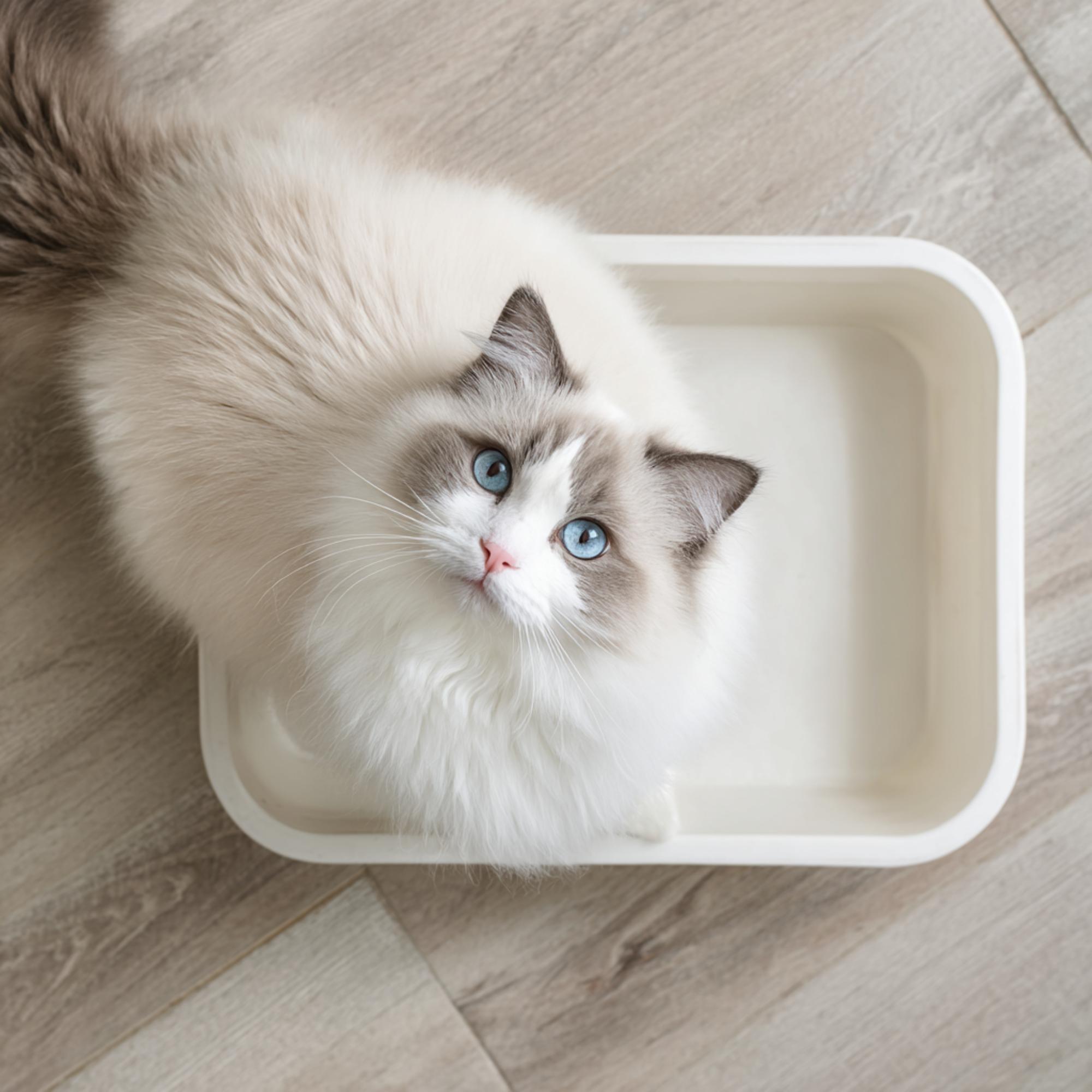
A Neva Masquerade is a colorpoint variety of the Siberian cat. The colorpoint gene changes appearance—blue eyes and pointed contrast—but it does not create a different breed with different rules. As a result, reputable Siberian and Neva Masquerade breeders operate under the same health expectations, rearing practices, and ethical framework.
Because the foundation is identical, breeder standards do not shift between Siberian and Neva placements. Responsible programs plan matings over multiple generations, prioritize long-term health and temperament stability, raise kittens slowly, and place cats thoughtfully. These practices remain consistent whether a kitten develops classic Siberian coloring or Neva Masquerade points.
Where differences do exist, they are practical—not ethical. Neva Masquerades often face higher demand, longer wait times, and narrower availability because the colorpoint look attracts more buyers and limits breeding combinations. Appearance, popularity, and timing can vary. Standards do not.
Understanding this distinction early prevents confusion later. When buyers approach Siberian and Neva Masquerade breeders with the same expectations for professionalism, boundaries, and timelines, conversations stay respectful and placements work better for everyone involved.
Why Contacting a Breeder Is Not the Same as Shopping Online
Contacting a Siberian or Neva Masquerade breeder is not the same experience as purchasing from a retail website or marketplace. Breeders do not operate as storefronts, and treating the process like e-commerce often creates confusion and unnecessary tension.
Breeders are not retail sellers. They do not stock inventory, offer instant checkout, or operate on demand. Each litter represents years of planning, genetic evaluation, and risk management. Availability depends on biology, not supply chains.
Closed programs are standard, not secretive. Many ethical breeders operate closed or semi-closed programs to protect their cats, their families, and their breeding work. This approach prioritizes biosecurity, safety, and stability. Privacy is a professional boundary, not a lack of transparency.
Breeders also limit access and communication intentionally. They manage multiple responsibilities at once: animal care, veterinary coordination, record keeping, and family life. As a result, communication tends to be structured and purposeful rather than constant or transactional. This reflects professionalism, not disinterest.
Professionalism in breeding looks different from online retail. Instead of instant responses, open access, or visual proof on demand, professionalism shows up as consistency over time, clear policies, thoughtful placement decisions, and firm boundaries. Understanding this difference before making contact helps buyers approach the process with appropriate expectations and respect.
What Buyers Should Understand Before Contacting a Siberian or Neva Breeder
Before reaching out to any Siberian or Neva Masquerade breeder, buyers benefit from grounding their expectations in breed reality, not internet mythology.
Siberians and Neva Masquerades are often described online using extremes—either as effortless, hypoallergenic lap cats or as rare, exotic showpieces. In reality, these cats fall somewhere in between. They are intelligent, people-aware, and confident, but they are not passive or maintenance-free.
These cats also mature slowly, both physically and emotionally. Full development can take several years. Kittens often appear easy, adaptable, and soft in temperament early on, then grow into more independent, expressive adults. Early behavior does not reliably predict adult personality.
Grooming and coat care matter more than many buyers expect. Siberians and Nevas have dense, seasonal coats that change throughout the year. Shedding cycles, coat texture, and grooming needs evolve with age, environment, and health. Buyers who underestimate this often feel surprised later.
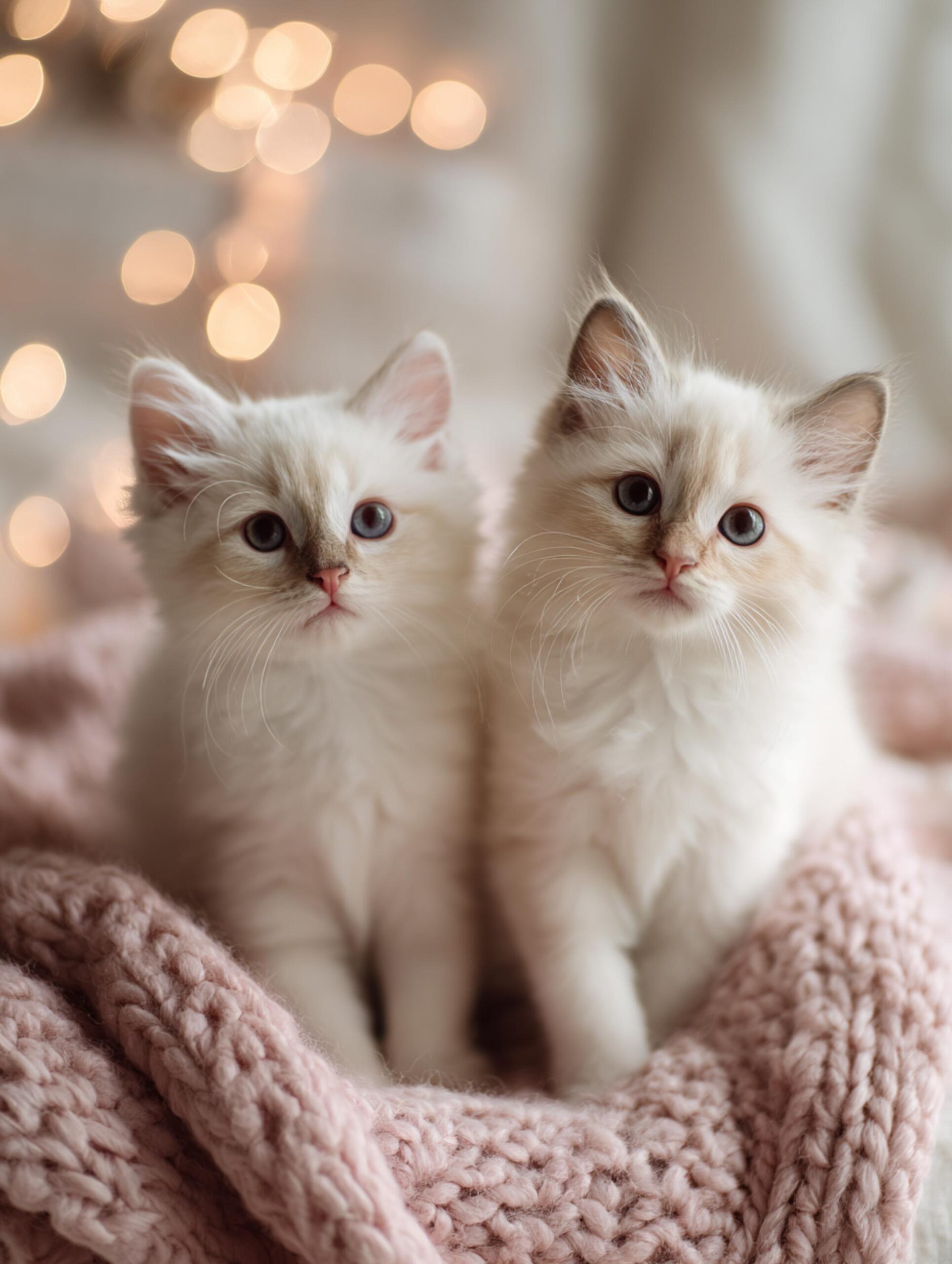
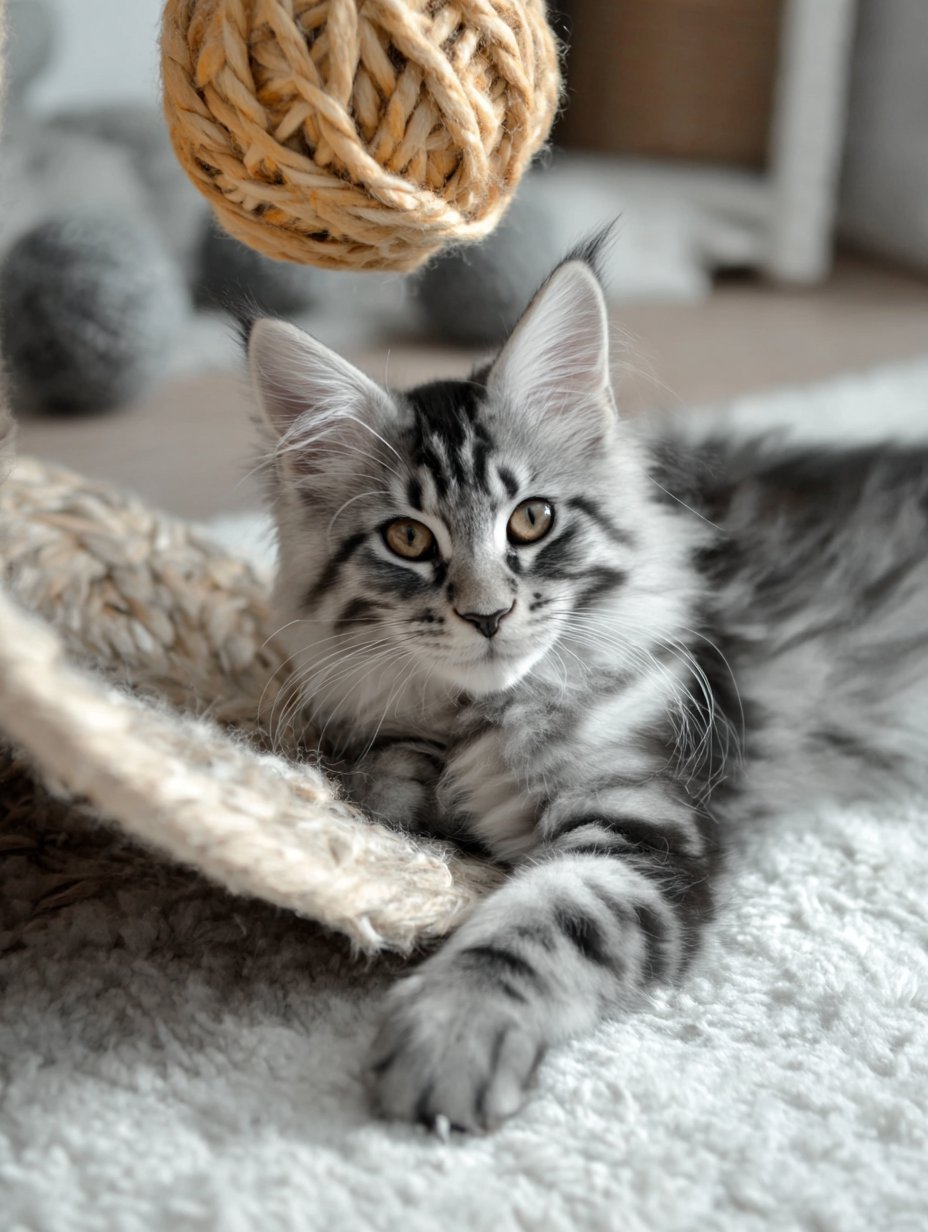
Kittens also change significantly over time. Color deepens, contrast shifts, coat density increases, and personality becomes more defined. Photos and early impressions capture a moment—not the finished cat.
Because of all of this, patience matters. Ethical breeders plan long-term, place carefully, and prioritize stability over speed. Buyers who approach the process with flexibility and realistic timelines tend to have the most positive outcomes.
Why Ethical Siberian & Neva Breeders Are Limited in Number
Ethical Siberian and Neva Masquerade breeders are limited for one simple reason: very few people have the ability, resources, and long-term commitment required to build and maintain healthy lines in the United States.
Importing strong Siberian and Neva bloodlines is difficult, expensive, and risky. Breeders must know where to source healthy cats, how to evaluate pedigrees beyond surface appearance, and how to navigate international logistics, health requirements, and quarantine protocols. One poor import decision can set a program back years.
Even after importation, running a high-quality cattery requires exceptional dedication. Ethical breeders invest daily time into nutrition, health monitoring, record keeping, socialization, grooming, and long-term planning. They manage cats through multiple life stages, not just kittenhood, and they accept that progress happens slowly.
Many breeders simply do not sustain this level of commitment. Burnout is common. Programs close. Others never move beyond a small scale because the workload and responsibility outweigh the financial return.
Because of this reality, ethical Siberian and Neva programs stay small by necessity. Breeders limit litters, keep careful control over which cats they breed, and prioritize consistency over volume. Expanding production would require compromising health, temperament, or care standards—something serious breeders refuse to do.
Meanwhile, demand continues to grow, especially for Neva Masquerades. The number of buyers increases far faster than the number of people capable of running a truly responsible program. This imbalance—not exclusivity or gatekeeping—explains waitlists, selective placement, and limited availability. Read How Much is a Neva Masquerade Kitten here.
When buyers understand how rare well-run programs actually are, breeder decisions make sense. Limited numbers reflect competence and commitment, not artificial scarcity.
What Buyers Often Misinterpret as “Red Flags”
Many buyer guides frame normal professional boundaries as warning signs. In reality, these practices exist to protect cats, breeders, and buyers, not to exclude people or hide information. Understanding this distinction prevents boundary-pushing and keeps interactions safe and respectful.
Closed catteries and limited home visits are standard in ethical programs. Breeders limit physical access to reduce disease risk, protect breeding cats from stress, and safeguard personal privacy. A closed cattery reflects responsibility and biosecurity—not secrecy.
Neutral or secure pickup locations are also normal. Breeders commonly arrange handoff at veterinary clinics, police stations, airports, or other secure public locations. These settings provide safety, structure, and predictability for everyone involved, especially when animals have significant value.
Structured applications or waitlists help breeders place kittens thoughtfully. These systems allow breeders to match temperament, timing, and household needs without rushing decisions. Waitlists reflect limited availability and careful planning, not artificial barriers.
Firm timelines and policies keep programs sustainable. Breeders set clear expectations around deposits, placement age, and communication so they can care properly for their cats and families. Consistency reduces misunderstandings and protects all parties.
The key point is simple: boundaries equal professionalism. Ethical breeders establish limits to do their work well. Respecting those limits supports safer placements and better long-term outcomes.
How to Contact a Siberian or Neva Masquerade Breeder Respectfully
The first contact sets the tone for the entire relationship. Approaching a Siberian or Neva Masquerade breeder with clarity and respect creates productive conversations from the start.
A strong first message stays concise and informed. Buyers do not need to share their entire life story, but they should demonstrate that they understand the breed and the process. Briefly introducing your household, experience level, and general timeline shows preparation without pressure.
Breeders need specific information to assess fit. This usually includes:
- Household composition and other pets
- Experience with long-haired or slow-maturing breeds
- General expectations around timing and placement
- Openness to guidance on temperament and development
Flexibility matters more than demands. Ethical breeders plan litters months or years in advance. Buyers who remain open on color, timing, or minor traits allow breeders to place kittens more successfully and reduce frustration on both sides.
Respectful communication builds trust over time. Clear questions, patience with response schedules, and acceptance of boundaries signal maturity and readiness. When buyers approach breeders as professionals rather than vendors, conversations stay collaborative and placements work better for everyone involved.
What Ethical Breeders Prioritize (Regardless of Color)
Ethical Siberian and Neva Masquerade breeders focus on outcomes that extend far beyond appearance. Coat color may influence buyer interest, but it does not guide responsible breeding decisions.
Health stability across generations sits at the top of every serious program. Ethical breeders track health trends over time, evaluate parents carefully, and make conservative decisions to protect longevity and resilience. This long-view approach prevents short-term gains from undermining future generations.
Temperament consistency matters just as much. Breeders select cats that demonstrate confidence, social awareness, and emotional stability. They aim to produce kittens who adapt well to family life, not extremes in behavior or sensitivity.
Structural soundness remains a core priority. Ethical programs preserve correct bone structure, movement, and overall balance. These traits support long-term comfort and mobility and cannot be rushed or improvised.
A sustainable breeding pace protects both cats and breeders. Responsible programs limit litters, rotate breeding cats carefully, and retire animals appropriately. This approach avoids burnout, health decline, and inconsistent quality.
Finally, ethical breeders prioritize long-term placement success. They plan matches thoughtfully, offer guidance, and remain invested in outcomes well beyond pickup day. The goal is stability—not volume or speed.
Siberian vs Neva Masquerade — What Buyers Should Expect to Be Different
When comparing Siberians and Neva Masquerades, differences exist—but they center on appearance and demand, not ethics or care standards.
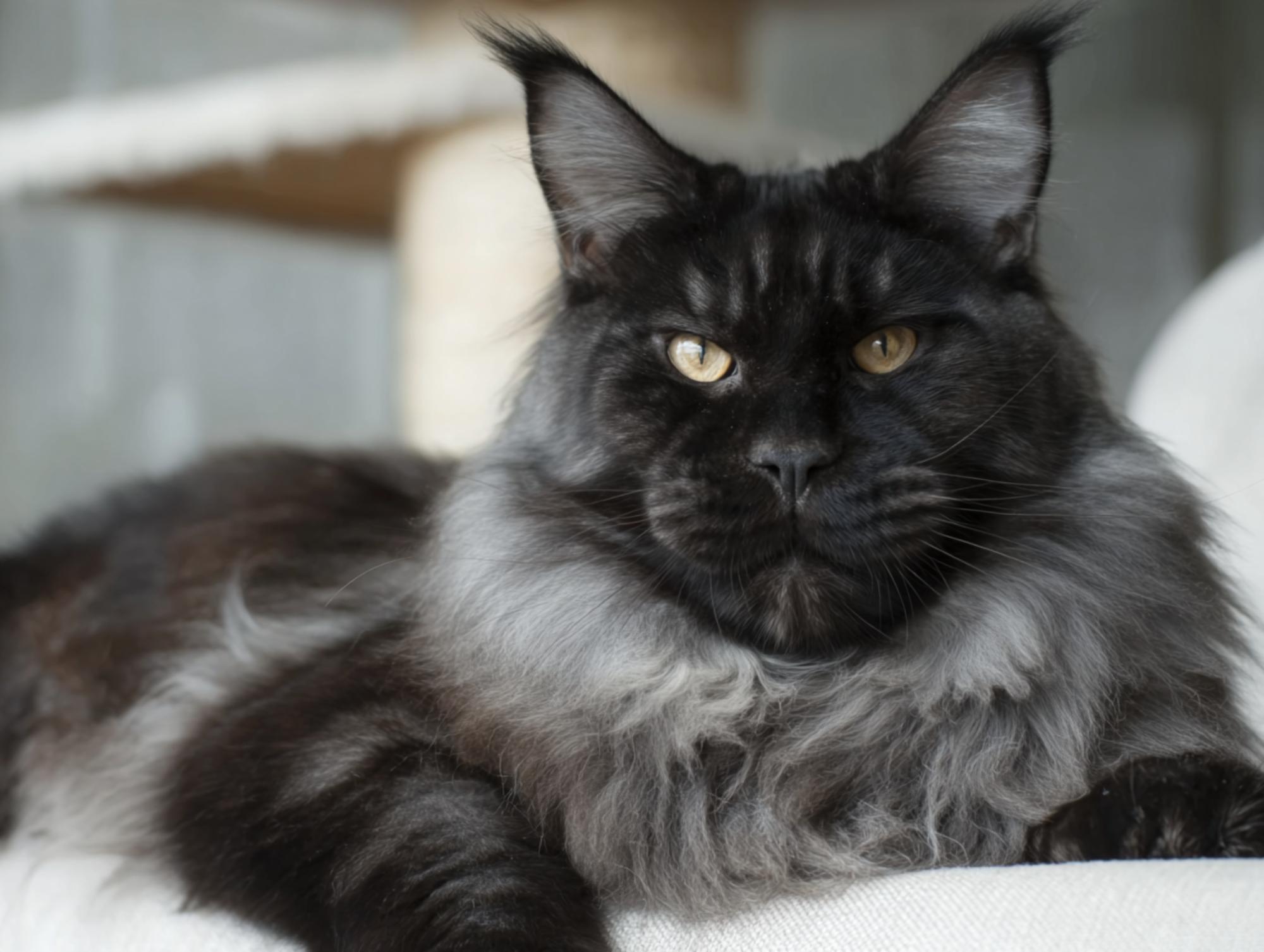
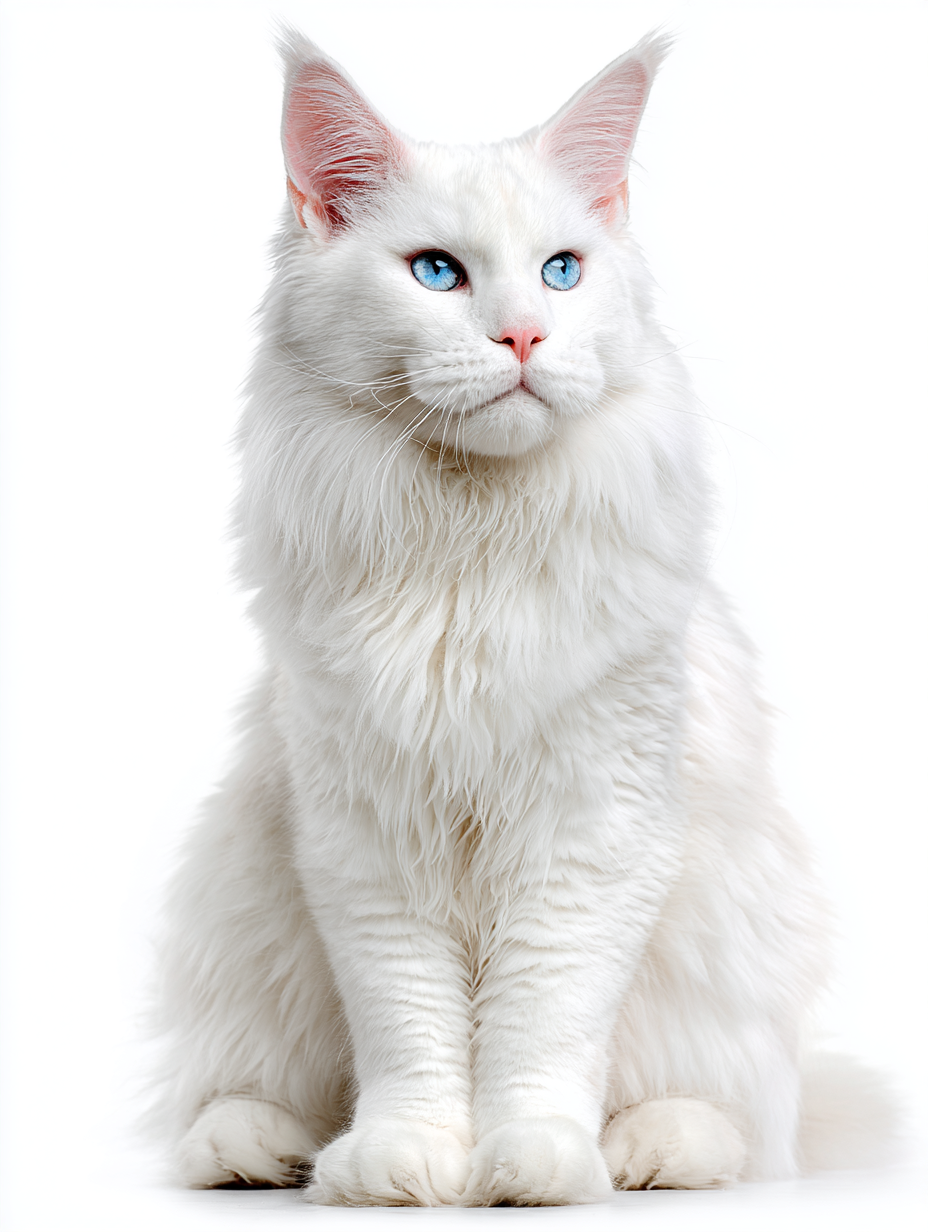
The most visible difference is appearance and color development. Neva Masquerades develop pointed coloring and blue eyes, and their contrast deepens over time. Standard Siberians show a wider range of colors and patterns, often with more uniform body tone.
Demand and waitlist length also differ. Neva Masquerades attract strong interest because of their striking look, which often results in longer waitlists. This reflects popularity, not rarity of ethics or quality.
Pricing variation follows demand and breeding complexity. Nevas may sit at the higher end of Siberian pricing, particularly in certain patterns or lines. This pricing difference reflects market forces, not superior health or temperament.
Importantly, none of these differences affect breeder standards. Health testing, rearing practices, placement policies, and ethical expectations remain the same across both varieties.
Common Buyer Assumptions That Create Conflict
Several widespread assumptions create unnecessary tension between buyers and breeders.
The belief that “access proves legitimacy” leads buyers to equate openness with ethics. In reality, boundaries signal professionalism and safety, not secrecy.
The assumption that “colorpoint means different temperament” causes misaligned expectations. Neva Masquerades share the same foundational temperament as Siberians; appearance does not rewrite behavior.
Many buyers assume “kittens stay the same forever.” In truth, Siberians and Nevas mature slowly, and personality, coat, and confidence evolve significantly over time.
Finally, the expectation that “availability should be immediate” clashes with biological reality. Ethical breeding follows natural timelines, not retail schedules.
These assumptions often lead to frustration, not because breeders behave unreasonably, but because expectations never aligned in the first place.
Preparing Your Home Before Contacting a Breeder
Preparation makes the entire process smoother—for buyers, breeders, and most importantly, the cat. Taking time to evaluate readiness before making contact signals seriousness and helps prevent mismatches later.
Start with a lifestyle fit assessment. Siberians and Neva Masquerades are intelligent, present, and socially aware cats. They thrive in homes that value interaction and routine rather than hands-off ownership. Buyers should consider work schedules, travel frequency, and daily availability for engagement.
Next, plan realistically for grooming and enrichment. These cats carry dense, seasonal coats that require consistent brushing and coat care. Mental stimulation also matters. Puzzle feeders, climbing space, interactive play, and rotation of toys help prevent boredom and stress.
Conduct allergy reality checks early. No Siberian or Neva Masquerade is truly hypoallergenic. Households with sensitivities should test responsibly and accept that tolerance can change as the cat matures. Waiting until after placement to address allergies often leads to difficult outcomes.
Consider the long-term commitment. Siberians and Nevas commonly live well into their teens. Ownership includes years of veterinary care, grooming, enrichment, and stability. These cats do best in homes prepared to plan beyond the kitten stage.
Preparation improves placement outcomes because it aligns expectations with reality. Buyers who think through these factors before contacting a breeder tend to communicate more clearly, make better decisions, and enjoy stronger long-term relationships with their cats.
When a Siberian or Neva Masquerade Is Not the Right Choice
While Siberians and Neva Masquerades suit many homes, they are not the right fit for everyone—and recognizing that early is responsible, not disappointing.
Homes that need guarantees, whether about allergies, temperament, or behavior, often struggle. Living animals develop over time, and ethical breeders cannot promise fixed outcomes.
Buyers who want instant availability may also find the process frustrating. Ethical breeding follows biological timelines, and patience remains essential.
People unwilling to groom consistently often underestimate the coat. Seasonal shedding and coat changes require routine maintenance to keep the cat comfortable and healthy.
Households expecting a passive, low-interaction pet may feel mismatched. Siberians and Nevas engage with their environment and people; they do not thrive when ignored.
Choosing a different breed—or waiting until circumstances change—protects both the buyer and the cat. A good match matters more than fulfilling a preference quickly.
Avoiding Online & Facebook Scams When Searching for a Siberian or Neva Masquerade
Online scams disproportionately target high-demand breeds like Siberians and Neva Masquerades. Education—not fear—remains the best protection. Understanding how scams operate helps buyers avoid financial loss and emotional stress without placing pressure on ethical breeders.
How Siberian & Neva Masquerade Scams Commonly Operate
Most scams follow predictable patterns. They exploit urgency, appearance-driven demand, and buyer unfamiliarity with how real breeding programs function.
Scammers frequently advertise “available now” kittens using stolen photos from legitimate breeders’ websites or social media. These listings often emphasize rare colors, unusually low prices, or immediate shipping to trigger fast decisions.
Communication usually happens exclusively through private messages. Scammers avoid phone calls or video conversations that would expose inconsistencies. They may claim to operate “privately” or “without a website” to explain the lack of verifiable presence.
Payment requests often include:
- Zelle, gift cards, crypto, or wire transfers
- “Holding deposits” without contracts
- Pressure to pay quickly to “secure” the kitten
These tactics rely on speed and emotion, not transparency. Ethical breeders do not rush placement or create artificial urgency.
Why Facebook Is a High-Risk Environment for Breed Scams
Facebook groups and Marketplace listings present a unique risk because anyone can claim a breed name without verification. The platform does not validate pedigree claims, registration, or breeding legitimacy.
Scammers take advantage of:
- Breed-specific groups with thousands of members
- Comment threads where urgency spreads quickly
- New buyers unfamiliar with standard pricing or timelines
Common warning signs include:
- Multiple litters always “ready now”
- Inconsistent kitten photos or backgrounds
- Profiles created recently or with limited history
- Refusal to provide verifiable registration context
Importantly, price alone is not the indicator. Scams can appear at both low and mid-range pricing. The risk comes from lack of consistency, not affordability.
How to Protect Yourself Without Pressuring Legitimate Breeders
Buyers can reduce scam risk by focusing on verification through consistency, not confrontation or demands.
Ethical programs show:
- A long-term, stable online presence
- Consistent language, photos, and timelines
- Clear placement processes and boundaries
- Predictable pricing within market norms
Buyers should avoid:
- Sending money before understanding placement terms
- Relying on screenshots instead of verifiable context
- Engaging with sellers who discourage patience or planning
Most importantly, scam avoidance should not translate into interrogating legitimate breeders. Ethical breeders already operate transparently within professional boundaries. Respectful patience and realistic expectations protect buyers without endangering breeders.
Siberian Cat Breeder & Neva Masquerade Breeder FAQ
1. What is a Siberian cat breeder?
A Siberian cat breeder is a breeder who works specifically with the Siberian breed and maintains documented pedigrees, consistent breeding standards, and long-term health and temperament goals. Reputable Siberian cat breeders focus on genetics, structure, and stability rather than producing kittens on demand.
2. Is a Neva Masquerade breeder different from a Siberian cat breeder?
No. Neva Masquerades are colorpoint Siberians, not a separate breed. A Neva Masquerade breeder is simply a Siberian cat breeder whose program includes colorpoint lines. Ethical standards, health practices, and rearing timelines remain the same.
3. How can buyers tell if a Siberian cat breeder is reputable?
Reputable Siberian cat breeders demonstrate consistency over time. They maintain stable programs, use structured placement processes, follow clear timelines, and prioritize long-term outcomes. Professional boundaries and predictability matter more than constant availability or access.
4. Why do many Siberian cat breeders have waitlists?
Siberian cats mature slowly and typically produce small litters. Ethical breeders plan carefully and limit the number of kittens they place each year. As demand grows faster than ethical capacity, waitlists become normal rather than exceptional.
5. Why don’t many Siberian or Neva Masquerade breeders allow home visits?
Many breeders operate closed catteries to protect their cats, their families, and their breeding programs. Disease prevention, privacy, and safety all factor into this decision. Closed access reflects professionalism, not secrecy.
6. Are neutral pickup locations normal for Siberian breeders?
Yes. Many Siberian and Neva Masquerade breeders use secure, neutral locations such as veterinary clinics, police stations, airports, or transport hubs. These locations support safety, biosecurity, and predictable handoff procedures.
7. Do Siberian cat breeders require applications?
Often, yes. Applications help breeders understand household fit, timing, and expectations. Structured intake processes support thoughtful placement rather than impulse decisions.
8. Why does contacting a Siberian cat breeder feel different from buying a pet online?
Breeders do not operate as retail sellers. Availability depends on biology, not inventory. Communication tends to be intentional and structured rather than instant. This difference reflects the nature of ethical breeding, not poor customer service.
9. What should buyers understand before contacting a Siberian or Neva Masquerade breeder?
Buyers should understand that these cats mature slowly, change significantly over time, require grooming, and do not come with guarantees around allergies or adult personality. Preparation leads to better conversations and outcomes.
10. Are Siberian cats or Neva Masquerades hypoallergenic?
No. While some people tolerate Siberians better than other breeds, no Siberian or Neva Masquerade is truly hypoallergenic. All produce Fel d 1 protein, and individual reactions vary.
11. Do Neva Masquerade breeders charge more than Siberian breeders?
Sometimes. Neva Masquerades often sit at the higher end of Siberian pricing due to demand and breeding complexity. This pricing difference reflects market forces, not superior health or temperament.
12. Does coat color affect breeder standards?
No. Ethical standards do not change based on coat color. Health testing, rearing practices, and placement ethics remain the same across all Siberian varieties, including Neva Masquerades.
13. Why do Siberian kittens change so much as they grow?
Siberians and Neva Masquerades develop slowly. Coat density, color contrast, confidence, and boundaries evolve over several years. Kitten behavior and appearance represent an early stage, not the finished adult.
14. How long do Siberian cat breeders usually keep kittens before placement?
Most ethical breeders place kittens at 12–14 weeks or later. This supports physical development, social confidence, litter habits, and early grooming exposure.
15. Are lower-priced Siberian kittens always a problem?
Not always, but prices far below market norms often reflect misidentification, lack of pedigree documentation, or reduced investment in health and long-term planning. Buyers should evaluate context, not just price.
16. Why are ethical Siberian cat breeders relatively rare?
Building and maintaining healthy Siberian lines requires importing quality genetics, extensive knowledge, and long-term dedication. Many people underestimate the workload and responsibility required to run a serious program.
17. What information do breeders typically need from buyers?
Breeders usually want to understand household composition, experience with long-haired cats, lifestyle expectations, and general timing. This information helps them assess fit and plan placements responsibly.
18. Does asking many questions help when contacting a Siberian cat breeder?
Clear, relevant questions help. Excessive demands or interrogation often create friction. Respectful, informed communication supports better conversations and trust.
19. Are Siberian or Neva Masquerade cats good for first-time cat owners?
They can be, but only for owners prepared for grooming, engagement, and slow maturity. These cats suit households that value interaction and planning rather than low-maintenance ownership.
20. When is a Siberian or Neva Masquerade not the right choice?
These cats may not suit homes that need guarantees, want instant availability, dislike grooming, or expect a passive pet. Choosing a different breed can be the responsible decision in those cases.
21. Why does education matter before choosing a Siberian cat breeder?
Education aligns expectations with reality. Buyers who understand timelines, boundaries, and development reduce frustration, improve placements, and support ethical breeding practices.
22. What matters more than finding “the best” Siberian cat breeder?
Finding a compatible breeder and a cat that fits your lifestyle matters more than rankings or comparisons. Long-term success depends on the breeder you choose to adopt you new Siberian kitten from.
Siberian Cat Breeder Summary
Scams thrive on urgency and confusion. Ethical Siberian Cat breeding thrives on consistency and planning. When buyers slow down, verify calmly, and understand how real programs function, scams lose their power—and legitimate Siberian Cat breeders remain protected.
Thinking About a Neva Masquerade Kitten?
Our kittens are placed with families who understand that ethical cat breeding is a labor of love. Learn how our program approaches color genetics honestly, raises kittens for long-term success, and helps buyers choose based on fit rather than trends.
See Neva Masquerade Kittens Available
Neva Masquerade Related Posts
- Neva Masquerade Kitten Information
- Neva Masquerade Cat Colors
- Neva Masquerade Cat Complete Overview
- Are Neva Masquerade Cats Cuddly?
- Neva Masquerade Cat History
- Neva Masquerade vs Siberian Cat
- Neva Masquerade Cat Personality
See More About Siberian Cats
If you’re continuing your research, these related posts cover Siberian cat care, development, and ownership considerations:
- Are Siberian Cats Hypoallergenic?
- Siberian Cat Grooming
- Siberian Cat Lifespan
- Male vs Female Siberian Cats and Allergies
- Siberian Cat Size, Growth, and Maturity Timeline
- Siberian Kitten Growth: What to Expect Month by Month
- Living With a Siberian Cat When You Have Allergies
- Siberian Cat Diet and Nutrition
- Siberian Cat Fel d 1 Explained
- Do Siberian Kittens Trigger Allergies More then Adults?
- Siberian Cat Complete Overview
- Siberian Cats vs Other Hypoallergenic Breeds
Sources & References
- The International Cat Association (TICA)
Official breed standards and classification confirming that the Neva Masquerade is a colorpoint variety of the Siberian cat.
https://tica.org/breeds/browse-all-breeds?view=article&id=859 - Fédération Internationale Féline (FIFe)
Breed standard documentation outlining Siberian cats and Neva Masquerades as the same breed with colorpoint variation.
https://fifeweb.org/breeds/breed/siberian/ - Governing Council of the Cat Fancy (GCCF)
Breed recognition and color classification standards for Siberian cats and Neva Masquerades.
https://www.gccfcats.org/getting-a-cat/choosing/cat-breeds/siberian/ - Cat Fanciers’ Association (CFA)
General breed information on Siberian cats, including temperament, development, and care expectations.
https://cfa.org/siberian/ - UC Davis Veterinary Genetics Laboratory
Scientific information on Fel d 1 allergens, coat genetics, and color inheritance relevant to Siberian and Neva Masquerade cats.
https://vgl.ucdavis.edu - Cornell University College of Veterinary Medicine
Educational resources on feline development, behavior changes from kittenhood to adulthood, and long-term health planning.
https://www.vet.cornell.edu/departments-centers-and-institutes/cornell-feline-health-center - American Association of Feline Practitioners (AAFP)
Guidelines on feline health, behavior, and preventive care that inform ethical breeding and placement practices.
https://catvets.com - International Society of Feline Medicine (ISFM)
Research-based resources on feline welfare, stress reduction, social development, and best practices in cat care.
https://icatcare.org






Read the Comments +