
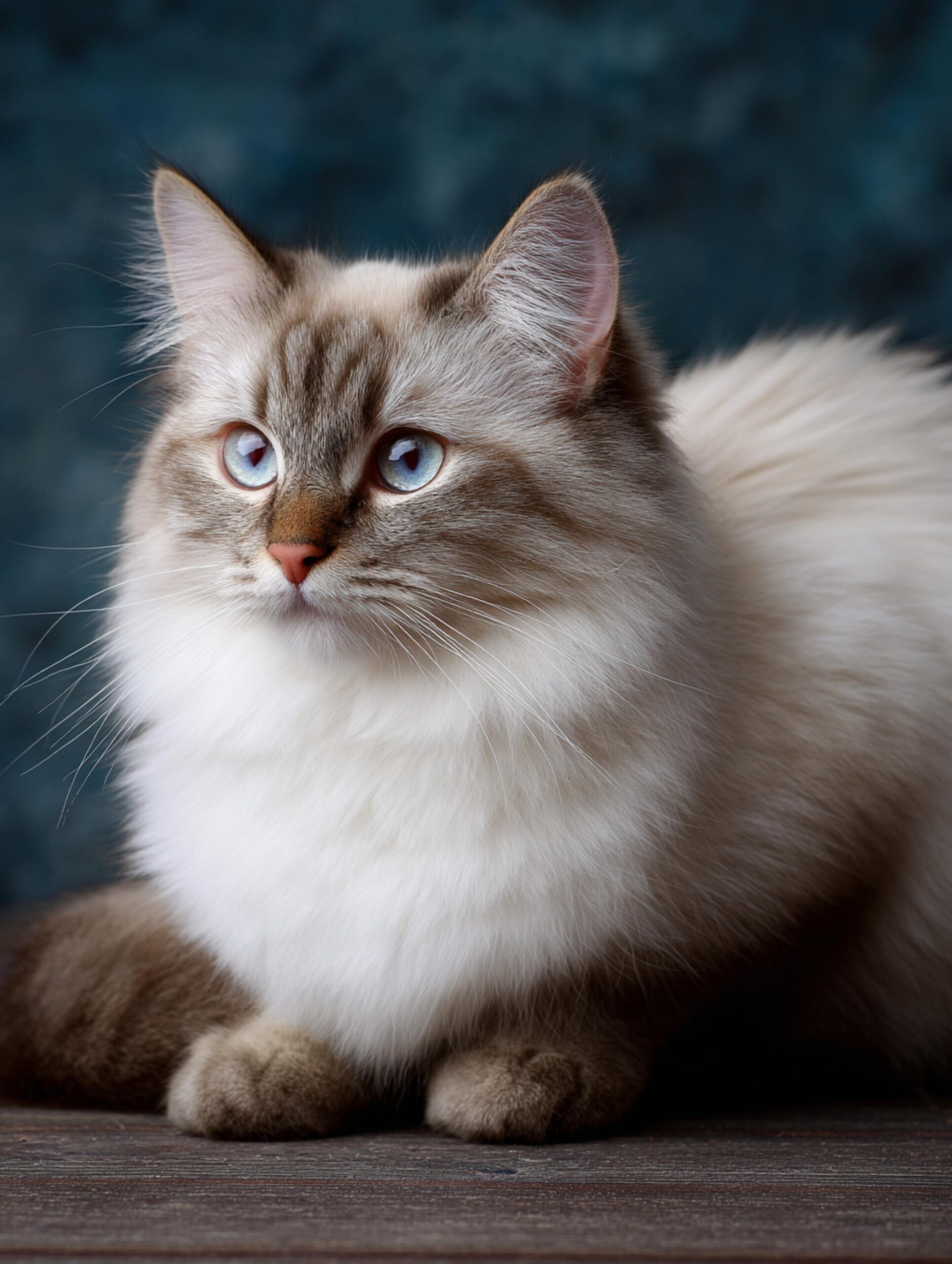
Why Do Some Breeders Reject the Neva Masquerade Color in Siberians?
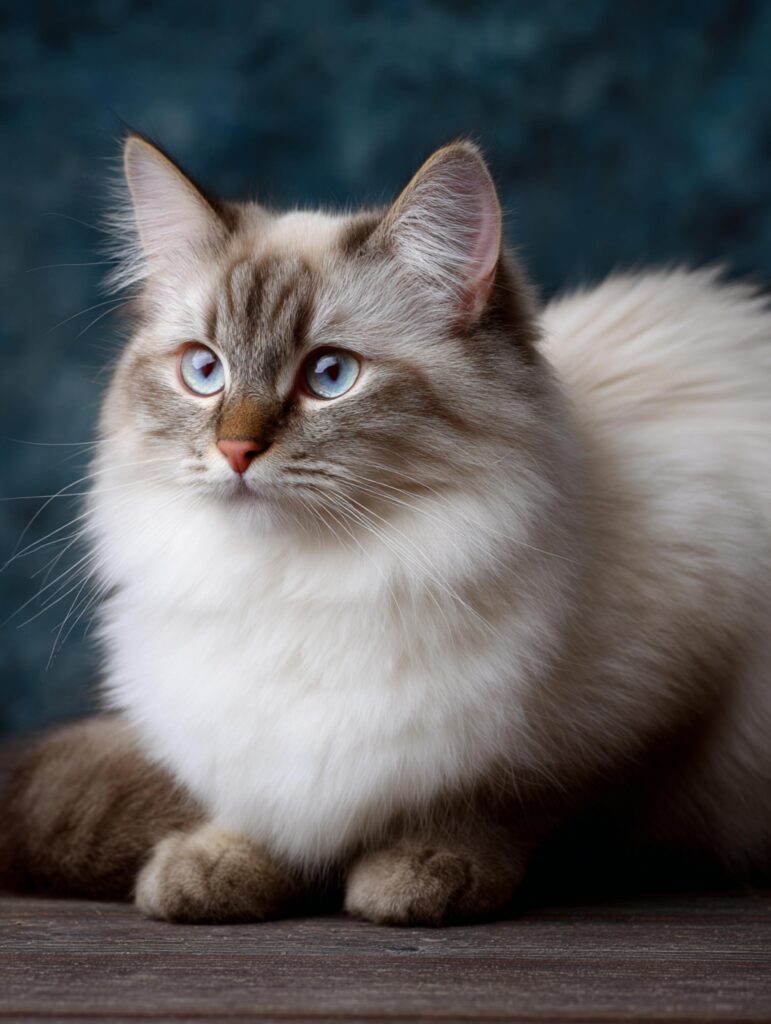
The Short Answer (Details Below)
Neva Masquerades are colorpoint Siberians. They are not a separate breed, a hybrid, or a modern invention designed for marketing appeal. When some breeders reject the Neva Masquerade color, it is not a rejection of the cats themselves, but of the color not being considered a ‘Real Siberian’.
The divide exists because of a combination of factors that accumulated over time:
history, registry politics, ethical disagreements, and widespread misuse of the name by irresponsible sellers. Over the years, these issues became tangled together, leading many breeders to draw firm lines—sometimes publicly, sometimes quietly—about whether they will work with colorpoint lines at all.
Understanding this distinction is critical. The controversy is about how the color has been used, not about whether Neva Masquerades are legitimate Siberians.
Neva Masquerade & Siberian Controversy — Quick Facts
| Topic | Clear Answer |
|---|---|
| Are Neva Masquerades a real type of Siberian? | Yes. Neva Masquerades are colorpoint Siberian cats, not a separate breed. |
| Why do some breeders reject them? | Due to historical concerns, registry labeling differences, and ethical misuse of the color—not because the cats are illegitimate. |
| Is the rejection about health or temperament? | No. When bred responsibly, Nevas share the same health and temperament expectations as other Siberians. |
| Do all registries recognize the Neva name? | No. Some registries use the Neva Masquerade designation, others register them simply as Siberians. |
| Were Nevas created through outcrossing? | Ethical modern programs use documented Siberian lines, though early history created lasting suspicion. |
| Are Nevas more hypoallergenic than other Siberians? | No. All Siberians, including Nevas, vary individually; no cat is guaranteed hypoallergenic. |
| Is breeder rejection universal? | No. Many ethical breeders work with Neva Masquerades, while others choose not to for program consistency. |
| What should buyers focus on instead of the controversy? | Breeder ethics, health testing, pedigree transparency, and long-term breeding goals. |
What the Neva Masquerade Cat Actually Is
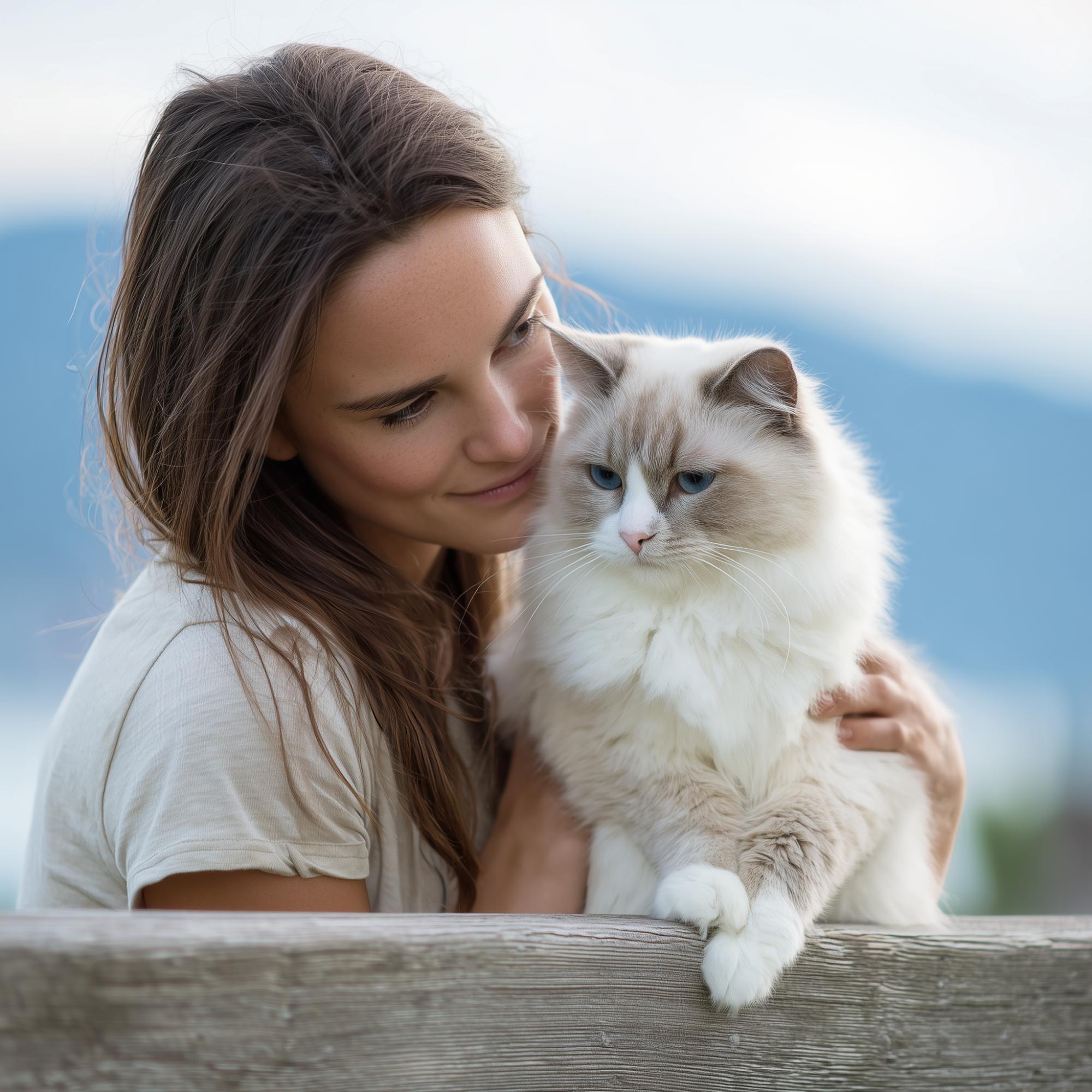
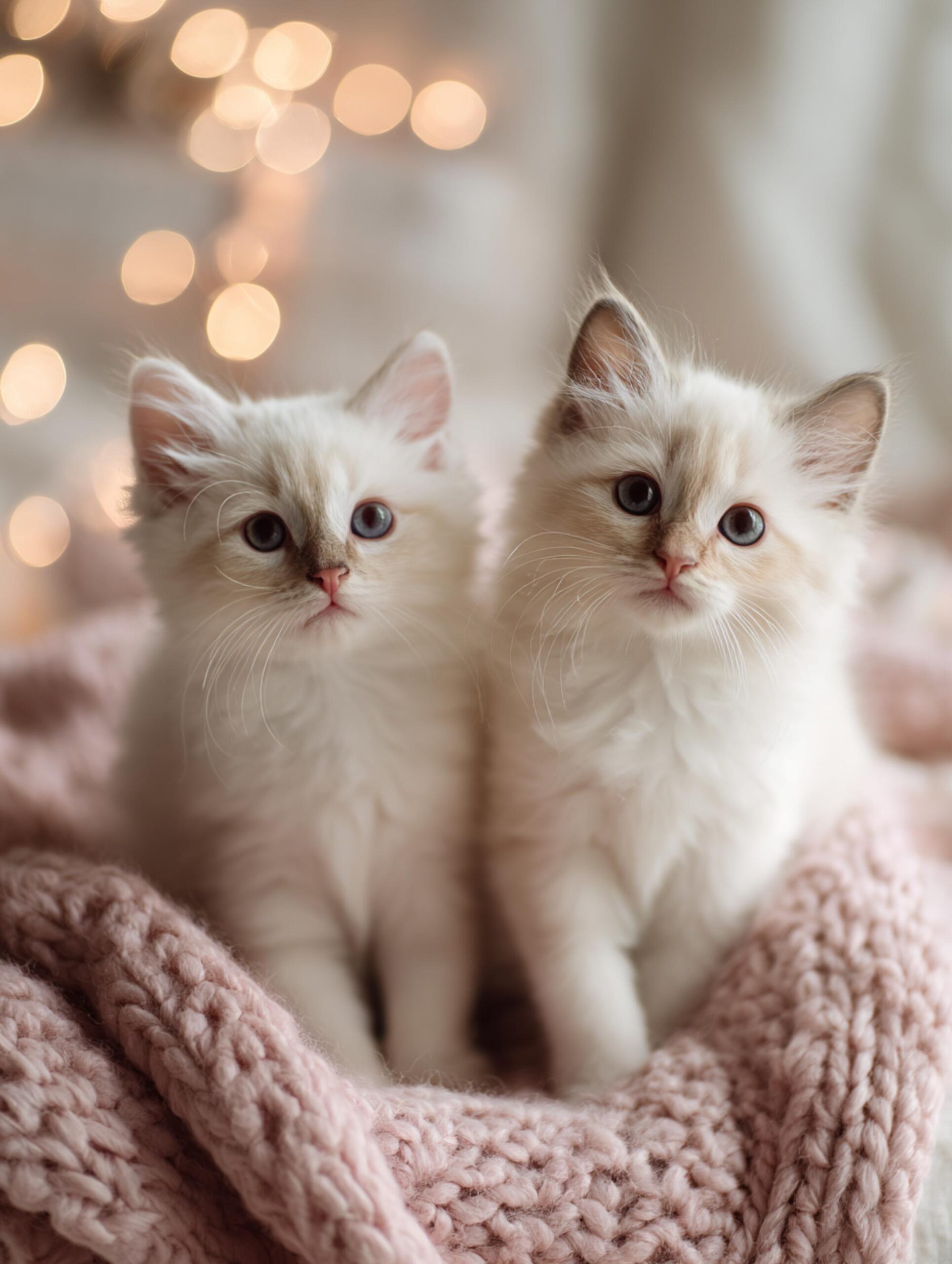
A Neva Masquerade is the colorpoint variety of the Siberian cat. Structurally, genetically, and temperamentally, Nevas are Siberians. They share the same foundation breed, the same slow-maturing development, the same dense triple coat, and the same health expectations when bred responsibly.
The name “Neva Masquerade” originates from Russia, referencing the Neva River region and the dramatic facial mask created by the colorpoint pattern. It was a descriptive name, not an attempt to establish a new breed or category. In many registries and breeding programs, Nevas are simply listed as colorpoint Siberians, while others retain the traditional name to distinguish the pattern.
This is where misunderstanding begins. The separate name leads many buyers to assume Neva Masquerades are something different—sometimes even implying a Siamese connection or intentional crossbreeding. That assumption fuels confusion, and confusion fuels controversy, especially among breeders focused on preserving clarity and consistency within the breed.
Historical Roots of the Controversy
The Siberian cat developed naturally in Russia long before modern registries existed. Early breeding programs were informal, regionally varied, and not always documented to today’s standards. When Siberians began entering formal registries, breeders worked to stabilize type, temperament, and health across a wide genetic pool.
The introduction of the colorpoint gene became controversial during this transitional period. Some early lines included pointed cats without complete or transparent records, raising concerns about whether outcrossing had occurred. Even when later programs clarified pedigrees and standardized breeding practices, the initial uncertainty left a lasting impression.
For breeders who prioritize strict lineage documentation, that early ambiguity mattered. Skepticism formed early, and once established, it never fully disappeared. Over time, that skepticism was reinforced by unethical breeding practices and misleading marketing, making it difficult for some breeders to separate historical concerns from modern, well-documented Neva Masquerade programs.
As a result, what began as a cautious response to incomplete records evolved into a broader philosophical divide—one that still shapes breeder attitudes today.
Registry Recognition Differences Fuel Confusion
One major reason the Neva Masquerade remains controversial is how different registries classify the colorpoint Siberian. Some registries recognize Nevas explicitly as a variety or named color group within the Siberian breed, while others register them simply as Siberians without using the Neva name at all.
For example, registries such as The International Cat Association allow the Neva Masquerade designation to be used, while others prefer all colorpoints to be listed under the Siberian umbrella with no separate naming. Neither approach means the cats are more or less legitimate—but the inconsistency creates confusion.
That confusion often spills into breeder disagreement. When breeders operate under different registry philosophies, it can appear as if one group is “accepting” Nevas while another is “rejecting” them. In reality, they may simply be using different labeling standards.
Buyers frequently mistake these registry preferences for statements about authenticity. When a breeder says they do not work with Nevas, the assumption is often that the cats are not real Siberians. In most cases, the issue is classification preference, not breed denial—but that nuance is easily lost outside breeder circles.
Ethical Concerns That Legitimate Siberian Breeders Have
The strongest objections to Neva Masquerades rarely center on the color itself. Instead, they stem from ethical concerns caused by how the colorpoint pattern has been marketed and exploited.
One major issue is mislabeling. Some sellers advertise pointed cats as Neva Masquerades without verified Siberian lineage, relying on appearance alone. Others lean heavily on emotional or misleading language to inflate value, especially around allergy claims.
Another concern is color being prioritized over health or temperament. In poorly run programs, breeding decisions may revolve around producing pointed kittens rather than maintaining structure, stability, and long-term health. This can lead to weakened lines and inconsistent temperament—outcomes responsible breeders work hard to avoid.
Overbreeding rare colors to meet demand is also a problem. High demand for Nevas has encouraged volume breeding in some spaces, particularly online, where transparency is minimal and accountability is low.
Finally, the use of “hypoallergenic guarantee” claims deeply troubles ethical breeders. No cat can be guaranteed allergy-safe, and promising otherwise puts both the buyer and the cat at risk. Many breeders reject association with Nevas simply to distance themselves from these practices and protect the integrity of the Siberian breed as a whole.
The Problem With Color-First Breeding
When demand for colorpoint kittens rises sharply, breeding priorities can shift in unhealthy ways. Color-first breeding places aesthetic outcomes ahead of structural soundness, temperament consistency, and genetic planning.
In weak programs, this approach has led to visible compromises:
poor bone, inconsistent head type, unstable temperaments, and reduced resilience. While these issues are not inherent to Neva Masquerades, they have become associated with the color due to repeated exposure in low-quality breeding environments.
For some long-established Siberian breeders, the solution has been avoidance. Rather than risking dilution of their lines or association with unethical sellers, they choose not to work with colorpoints at all.
This is an important distinction. Color rejection is often a defensive choice, not a hateful one. It reflects a desire to protect breeding goals, preserve reputation, and maintain clarity for buyers—not a belief that Neva Masquerades themselves are inferior or illegitimate.
Why Some Siberian Breeders Refuse to Work With Colorpoint Lines
For some Siberian breeders, the decision to avoid colorpoint lines is a strategic breeding choice, not a statement about legitimacy. One factor is line purity concerns—sometimes based on historical ambiguity, sometimes on personal risk tolerance. Even when pedigrees are complete and transparent today, early uncertainty around pointed lines left a lasting impression for breeders who value conservative genetic planning.
Another motivation is avoiding association with unethical sellers. Because Neva Masquerades have been heavily marketed online, reputable breeders often worry that producing colorpoints will place them in the same visual or keyword space as high-volume or misleading programs. Maintaining distance becomes a way to protect reputation and buyer trust.
There is also a real concern about buyer confusion or misrepresentation. Some breeders prefer to keep their programs simple and clear: Siberian cats, no qualifiers, no explanations required. Introducing colorpoints can mean spending extra time correcting myths, explaining registry language, or defending the breed against misconceptions that the breeder did not create.
Finally, many breeders refuse to work with colorpoints to maintain consistency in breeding goals. When a program has been built around a specific type, temperament profile, and long-term vision, introducing a controversial color—regardless of legitimacy—may feel unnecessary or counterproductive.
Are Neva Masquerades “Less Siberian” Than Traditional Colors?
The clear answer is no. Neva Masquerades are not less Siberian than traditional colors. They share the same genetic foundation, the same breed standard, and the same expectations for structure, temperament, and health when bred responsibly.
The differences between Neva Masquerades and other Siberians are aesthetic, not functional. Coat pattern and eye color do not alter working traits, personality, or breed identity. A well-bred Neva Masquerade should look, move, and behave like a Siberian—because it is one.
So why does the perception persist? Largely because of naming, marketing, and misuse. A separate name suggests separation, and repeated exposure to poorly bred examples reinforces the idea that something is “different,” even when the underlying genetics say otherwise. Over time, perception hardens into belief, especially when reinforced by online discourse.
The Role of Buyer Demand in the Divide
Buyer demand plays a significant role in keeping the controversy alive. Social media strongly favors visual impact, and colorpoint cats photograph dramatically. This visual bias has amplified demand far beyond what careful breeding programs can responsibly support.
As popularity grows, misinformation spreads alongside it. Simplified narratives—about rarity, hypoallergenic traits, or special status—are easier to sell than nuanced explanations. This creates pressure on breeders to “follow the market,” even when doing so conflicts with their values or long-term plans.
Some breeders respond by adapting carefully. Others choose the opposite path and walk away from the color entirely, preferring to preserve clarity and stability rather than compete in a market driven by aesthetics. That choice often appears divisive from the outside, but internally, it is about protecting breeding integrity—not rejecting the cats themselves.
How Unethical Sellers Damaged the Neva Masquerade’s Reputation
Much of the resistance toward Neva Masquerades can be traced directly to unethical selling practices, not the cats themselves. As demand for colorpoint Siberians increased, some sellers began exploiting the name without respecting the breed behind it.
One of the most damaging practices has been mixing breeds and calling them Nevas. Pointed cats with no Siberian ancestry—sometimes with clear influence from Siamese or other colorpoint breeds—have been marketed as Neva Masquerades based on appearance alone. This erodes trust and fuels long-standing fears about outcrossing.
Others sell pointed cats with no verifiable Siberian lineage, relying on visual traits, vague backstories, or incomplete paperwork. Over time, repeated exposure to poorly bred or misrepresented cats shapes breeder perception, even when ethical programs exist.
Social media and online marketplaces, particularly Facebook groups and classified-style platforms, have amplified the problem. Minimal oversight, viral sharing, and emotional marketing allow misinformation to spread quickly. For breeders who have spent decades building credibility, watching the breed reduced to a trending keyword has been deeply frustrating.
As a result, responsible Neva Masquerade breeders now work harder than ever. They must document lineage meticulously, correct misinformation constantly, and distance themselves from unethical sellers—often while facing skepticism that has nothing to do with their own practices.
Why Ethical Neva Masquerade Breeders Still Exist
Despite the controversy, ethical Neva Masquerade breeders continue their work because the cats themselves are not the issue. These programs prioritize health-first breeding, placing genetic stability, longevity, and temperament above color demand.
They maintain transparent pedigrees, clearly documenting Siberian lineage and registry history. Ethical breeders focus on producing cats with correct Siberian structure, movement, coat texture, and balanced temperament—regardless of whether the kitten is pointed or not.
Education is another defining feature. Responsible Neva breeders spend significant time teaching buyers what the colorpoint pattern does and does not mean, especially around allergies, rarity, and pricing. They are often the loudest voices pushing back against guarantees and exaggerated claims.
This is why it matters to separate disagreement from condemnation. The existence of breeders who reject Nevas does not mean the color is invalid. It means ethical standards vary—and many ethical breeders still believe the Neva Masquerade deserves preservation when done correctly.
How to Tell the Difference Between Ethical Disagreement and Red Flags
Not all criticism of Neva Masquerades is the same. Understanding the difference between ethical disagreement and genuine red flags helps buyers make better decisions and avoid misinformation.
Ethical breeder disagreement often looks like:
- Clear, calm explanations of breeding philosophy
- Transparency about registry preferences
- Respectful acknowledgment that Nevas are Siberians
- Focus on health, structure, and long-term goals
- Willingness to discuss lineage openly
When objections are rooted in preservation, clarity, and responsibility, they are part of healthy breed discourse—not an attack on the cats or their owners.
Transparent reasoning, registry clarity, and respect for breed standards
When you encounter breeder opinions about Neva Masquerades, the key is not whether they “like” or “dislike” the color. The key is whether their position is rooted in clear, ethical breeding logic.
Transparent reasoning means the breeder can explain their stance without drama. They can tell you what they are protecting in their program—type consistency, long-term health goals, temperament predictability, or their preferred interpretation of breed development—without resorting to insults or conspiracy language.
Registry clarity means they can clearly state how their cats are registered and how they describe them. Ethical breeders may say, “We register all cats as Siberians and do not use the Neva name,” or “We breed colorpoint Siberians and use the Neva Masquerade designation in our registry.” Either can be legitimate. What matters is that the breeder understands their registry’s classification and explains it accurately.
Respect for breed standards shows up in what they prioritize. Ethical breeders—whether they breed Nevas or not—will talk about structure, temperament, coat quality, health testing, and long-term consistency. They won’t reduce the breed to a color trend or use controversy as a marketing hook.
Red flags
Controversy can be useful information, but only if you know what you’re looking at. These red flags tend to signal misinformation or unethical intent:
- Absolutes like “not real” or “fake breed.”
Neva Masquerades are colorpoint Siberians. A breeder may choose not to work with the color, but declaring them “fake” is usually an emotional claim, not an educated one. - Guarantees, especially around allergies.
“Hypoallergenic guaranteed” is not responsible. Allergy tolerance is individual and variable. Ethical breeders avoid promises that put families and cats at risk. - Refusal to discuss lineage.
If a seller won’t show registration, pedigree context, health testing, or even basic lineage transparency, that’s a serious concern. Appearance is not proof of breed. Ethical programs welcome questions because they have nothing to hide.
What Buyers Should Take Away From the Controversy
The most important takeaway is that controversy doesn’t equal illegitimacy. Neva Masquerades exist at the intersection of history, registry language, and modern internet marketing, so debate is almost inevitable. Debate does not mean the cats aren’t real Siberians.
What this controversy should do is push buyers toward better questions. Instead of asking, “Are Nevas real?” ask:
- How are the cats registered and how is the terminology used?
- What health testing is performed and how consistently?
- What is the breeder selecting for besides color?
- Can the breeder clearly explain their program goals and lineage transparency?
Informed buyers improve breed integrity because buyer demand shapes the market. When buyers reward health-first, transparent programs, the incentive shifts away from hype and toward responsible breeding.
Most importantly, choose breeders over colors. A well-bred Siberian—pointed or not—comes from a program that prioritizes temperament, structure, health, and honest guidance. Color is the finishing detail, not the foundation.
Final Perspective: Rejection Is About Protection, Not Prejudice
Most breeder objections to Neva Masquerades stem from ethics, not hate. Many breeders are protecting their lines, their clarity, and the long-term reputation of the Siberian breed—not attacking the cats or the families who love them.
Neva Masquerades are not the problem. Poor breeding practices are. Mislabeling, lineage shortcuts, color-first decisions, exaggerated allergy claims, and high-volume marketplace selling are what damage trust and create division.
Education is what bridges the gap. When buyers understand what a Neva Masquerade is, how registries label them, and what ethical breeding actually looks like, the conversation becomes less emotional and more practical. And when buyers shop responsibly, the market rewards the breeders doing it right—regardless of whether their kittens are pointed or not.
Neva Masquerade & Siberian Breeder Controversy FAQ
Are Neva Masquerades a real type of Siberian cat?
Yes. Neva Masquerades are colorpoint Siberians, not a separate breed. When bred responsibly and registered correctly, they share the same genetic foundation, structure, temperament, and health expectations as other Siberian cats.
Why do some breeders say Neva Masquerades aren’t real Siberians?
Most often, this statement reflects philosophical or ethical objections, not factual ones. Some breeders reject the separate name, dislike how the color has been marketed, or want to distance themselves from misuse and unethical sellers. Saying “not real” is usually shorthand for “not part of my breeding program,” not a literal genetic claim.
Are Neva Masquerades the result of Siamese or other outcrossing?
Not in ethical programs. Modern, reputable Neva Masquerade breeders work with documented Siberian pedigrees. However, early historical ambiguity and later misuse—where pointed cats of unknown origin were sold as Nevas—created lasting suspicion that still affects perception today.
Do registries disagree on whether Neva Masquerades are legitimate?
Registries do not dispute that Nevas are Siberians, but they differ in how they label them. Some allow the Neva Masquerade designation, while others register all colorpoints simply as Siberians. This difference in terminology often gets mistaken for a legitimacy dispute.
Why do some ethical breeders refuse to work with colorpoint lines at all?
Common reasons include:
- Avoiding buyer confusion
- Protecting long-established breeding goals
- Distancing their program from unethical sellers
- Not wanting to participate in color-driven demand
This refusal is about risk management and clarity, not a judgment that Nevas are inferior cats.
Are Neva Masquerades less healthy than other Siberians?
No. Health depends on breeding practices, not color. A well-bred Neva Masquerade from a health-tested, responsibly managed program should be just as healthy as any other well-bred Siberian.
Does the Neva Masquerade color affect temperament?
No. Temperament is shaped by genetics, early socialization, and breeder selection—not coat pattern. Neva Masquerades should display the same Siberian traits: confident, social, adaptable, and people-oriented.
Why are Neva Masquerades often marketed as hypoallergenic?
Because Siberians as a breed are sometimes better tolerated by allergy-sensitive people, and the Neva’s striking appearance makes them easier to market. Unfortunately, this has led to exaggerated or false claims. No cat, including Nevas, is guaranteed hypoallergenic.
Is rejecting Neva Masquerades a sign of prejudice within the breed community?
Usually no. Most objections come from protective instincts, not hostility. Breeders are responding to real issues—mislabeling, guarantees, and poor breeding—not attacking the cats themselves.
How can buyers tell if a Neva Masquerade breeder is ethical?
Look for:
- Clear registry explanation and consistent terminology
- Willingness to discuss lineage and health testing
- No allergy or temperament guarantees
- Emphasis on structure, temperament, and long-term health
- Education-focused communication rather than hype
Avoid sellers who rely only on appearance, rarity language, or emotional pressure.
Should buyers avoid Neva Masquerades because of the controversy?
No. Buyers should avoid poor breeders, not specific colors. A responsibly bred Neva Masquerade can be an excellent Siberian cat. The controversy simply means buyers need to be more informed and selective.
What is the most responsible way to approach buying a Neva Masquerade?
Choose the breeder first, not the color. Ask detailed questions, verify registration and health practices, and ignore guarantees or dramatic claims. When buyers reward ethical programs, they help protect the future of the Siberian breed—including Neva Masquerades. See Siberian Cat Breeder info here.
Thinking About a Neva Masquerade Kitten?
Our kittens are placed with families who understand that ethical cat breeding is a labor of love. Learn how our program approaches color genetics honestly, raises kittens for long-term success, and helps buyers choose based on fit rather than trends.
See Neva Masquerade Kittens Available
Neva Masquerade Related Posts
- Neva Masquerade Kitten Information
- Neva Masquerade Cat Colors
- Neva Masquerade Cat Complete Overview
- Are Neva Masquerade Cats Cuddly?
- Neva Masquerade Cat History
- Neva Masquerade vs Siberian Cat
- Neva Masquerade Cat Personality
Sources & References
The International Cat Association (TICA)
Siberian Breed Standard & Color Acceptance
– Confirms that colorpoint (Neva Masquerade) cats are registered as Siberians under accepted standards
– Clarifies breed structure, temperament expectations, and classification
https://tica.org/breeds/browse-all-breeds?view=article&id=863:siberian-breed
Fédération Internationale Féline (FIFe)
Neva Masquerade Breed Classification
– Recognizes Neva Masquerade as the colorpoint variety of the Siberian
– Explains naming conventions and breed differentiation by color pattern
https://fifeweb.org/breeds/breed-information/siberian/
Cat Fanciers’ Association (CFA)
Siberian Breed Overview
– Details Siberian breed development, history, and accepted traits
– Useful for understanding why some registries avoid separate naming
https://cfa.org/siberian/
Governing Council of the Cat Fancy (GCCF)
Siberian Cat Breed Standard
– Illustrates how registry language and classification vary internationally
– Supports discussion on registry preference vs legitimacy
https://www.gccfcats.org/getting-a-cat/choosing/cat-breeds/siberian/
University of California Davis Veterinary Genetics Laboratory
Feline Coat Color Genetics (Colorpoint Gene)
– Explains the cs allele responsible for colorpoint patterning
– Confirms that colorpoint is a genetic expression, not a breed indicator
https://vgl.ucdavis.edu/resources/cat-coat-color
Cornell University College of Veterinary Medicine
Cat Breeding Ethics & Genetic Health Considerations
– Supports discussion on health-first breeding vs color-driven selection
https://www.vet.cornell.edu/departments-centers-and-institutes/cornell-feline-health-center
International Cat Care
Responsible Breeding & Buyer Education
– Establishes best practices around transparency, ethics, and buyer guidance
https://icatcare.org/advice/choosing-a-cat/





Read the Comments +