

Neva Masquerade Cat Health: Are They as Healthy as Siberians?

Neva Masquerade Cat Health Summary
- Neva Masquerades are colorpoint Siberians, not a separate breed
- Health expectations are identical to standard Siberians
- Coat color does not change genetic health
- Most health myths come from appearance, not science
- Line quality and breeder decisions matter far more than color
Are Neva Masquerade Cats as Healthy as Siberians?
Yes. Neva Masquerade cats are just as healthy as Siberians because they are Siberians.
The term “Neva Masquerade” describes a color pattern, not a different genetic foundation. Nevas share the same breed history, structure, temperament range, and health expectations as non-pointed Siberians. There is no separate Neva gene pool and no parallel set of health risks tied to the name.
It helps to be precise here: calling a cat a “Neva Masquerade” explains how the coat and eyes look, not how the body functions. Health outcomes track with breeding decisions, genetic diversity, and long-term program quality, not with whether a Siberian expresses colorpoint markings.
This section isn’t meant to reassure anxious buyers with vague promises. It exists to clarify a common misunderstanding so health decisions can stay grounded in genetics and reality rather than assumptions based on appearance.
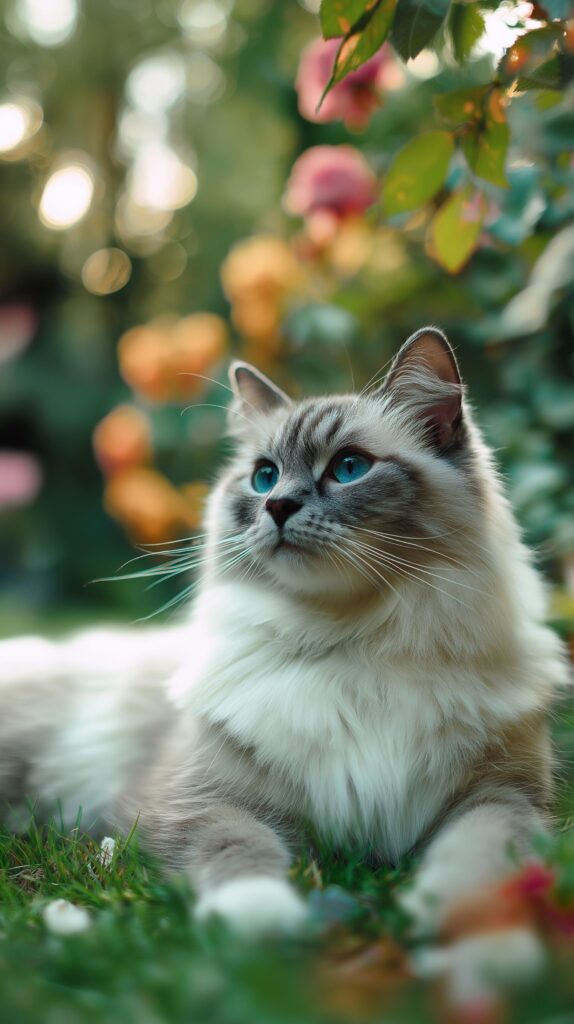
What Makes a Neva Masquerade a Siberian?
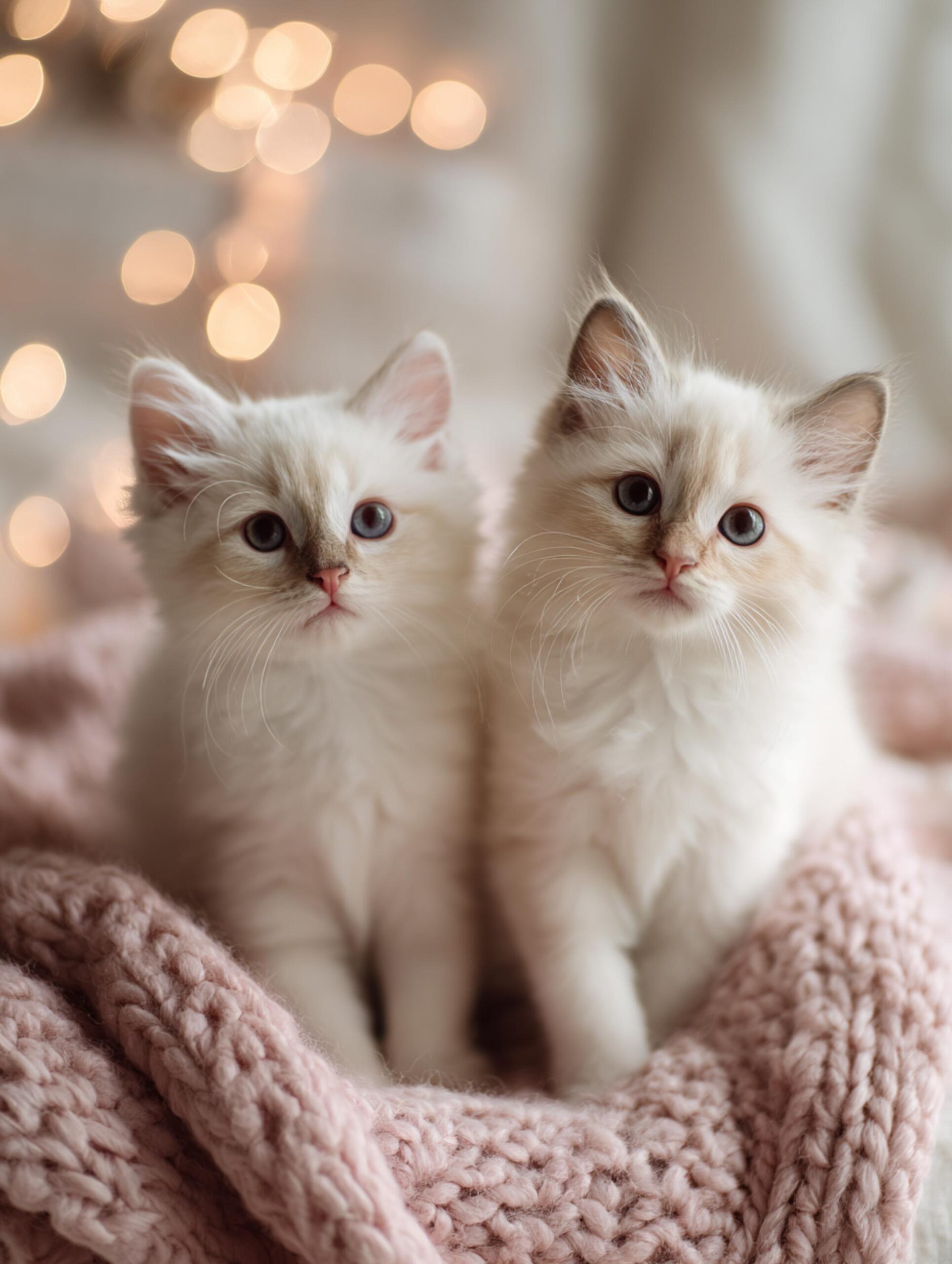
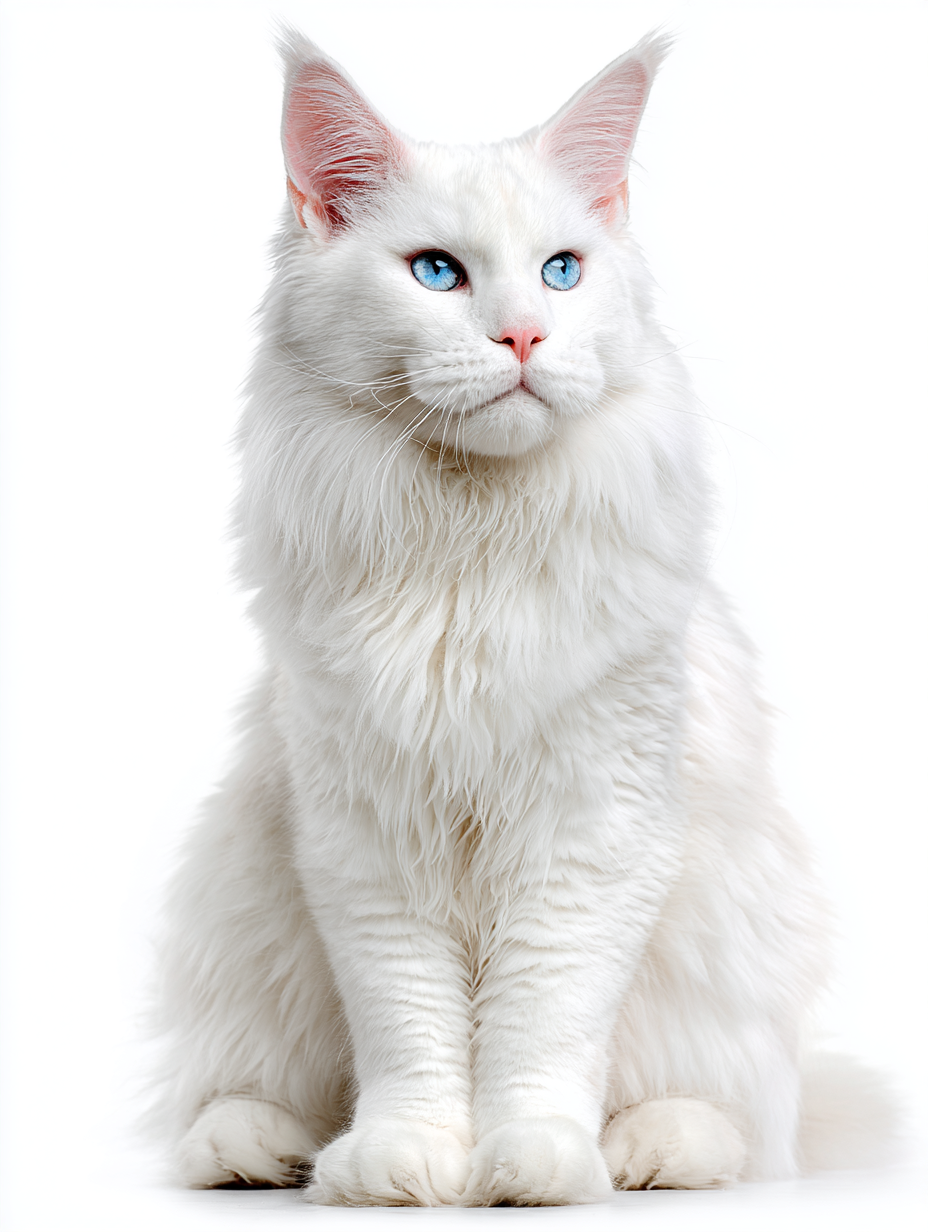
A Neva Masquerade is a Siberian that carries two copies of the colorpoint gene (cs/cs). This gene affects where pigment appears on the coat and results in blue eyes with darker “points” on the face, ears, legs, and tail.
Importantly, the colorpoint gene does not influence organs, skeletal structure, immune function, or lifespan. It operates independently from genes that affect cardiac health, joint development, or overall robustness. Eye color and point contrast may change with age and temperature, but those changes remain cosmetic.
Color genes and health traits sit on different genetic pathways. A cat can be seal point, blue point, or lynx point and still share the same health profile as a brown tabby or solid Siberian from the same lines.
Because of this, major registries classify Neva Masquerades within the Siberian breed, not as a separate breed with separate standards. Organizations such as The International Cat Association and Fédération Internationale Féline recognize Nevas as colorpoint Siberians and apply the same breed criteria, including health expectations.
Understanding this framework removes confusion at the source: Neva Masquerade health is Siberian health. Any meaningful differences in outcomes come from line selection and breeder practices, not from the color point pattern itself. See Complete Siberian Cat Health info here.
Why People Assume Neva Masquerades Have Different Health Issues
Most assumptions about Neva Masquerade health start with appearance, not genetics.
The strongest driver is visual comparison to Siamese and other colorpoint breeds. Because Nevas have blue eyes and pointed coats, buyers often assume they share the same health profile as Siamese-derived breeds. In reality, the Neva Masquerade did not originate from Siamese crosses. The shared look comes from the colorpoint gene, not shared ancestry or health traits.
A second factor is misunderstanding of colorpoint genetics. Many people believe that any gene affecting color must also affect health. That isn’t how feline genetics work. Colorpoint genes influence pigment expression in cooler areas of the body; they do not alter organ development, skeletal structure, or immune function.
Internet myths and partial information reinforce these misconceptions. Outdated articles, forum posts, and poorly explained breeder marketing blur the line between appearance and health. Once a myth circulates—“colorpoint cats have more problems”—it spreads quickly, even without evidence.
Finally, humans naturally associate visual difference with biological difference. When a cat looks distinct, people assume the body must function differently as well. With Neva Masquerades, that assumption feels intuitive—but it’s incorrect.
Neva Masquerade vs Siberian Health — What’s Actually Different?
Nothing meaningful.
Neva Masquerades and standard Siberians share the same health expectations, the same lifespan range, and the same variability by line. There is no separate list of Neva health issues and no evidence that colorpoint Siberians experience different outcomes simply because of coat pattern.
Both varieties draw from the same genetic pool. They reflect the same breadth of genetic diversity within the breed and respond to the same influences: careful line selection, avoidance of overuse in popular cats, and long-term planning.
Health outcomes depend on breeding decisions over generations, not on whether a Siberian expresses points or solid coloration. Separating health by color creates a false distinction and distracts buyers from the factors that actually matter.
When people frame Neva health as something “different,” they often overlook the real determinants of wellbeing and focus on cosmetic traits that have no medical relevance.
Common Health Considerations in Siberians (Including Nevas)
Siberians, including Neva Masquerades, are generally regarded as a robust, well-balanced breed, especially when bred with attention to genetic diversity and long-term stability. Like all pedigreed cats, however, their health reflects population-wide considerations rather than color-specific risks.
Overall health depends on:
- Line quality and genetic management, not coat pattern
- Avoidance of excessive inbreeding, especially in high-demand lines
- Moderate, thoughtful use of breeding cats to preserve longevity
- Consistent evaluation over generations, not single-litter outcomes
No single condition defines the Siberian breed. Health trends vary by family line, breeder priorities, and how responsibly programs are managed over time. Kittens often appear uniformly healthy early in life; true stability becomes clearer as cats mature.
The most accurate way to think about Neva Masquerade health is simple: they share the same strengths, the same considerations, and the same long-term outlook as any other well-bred Siberian. Color does not rewrite the body’s blueprint—breeding decisions do. See more about Siberian Cat health here.
General Health Context in Siberians (Including Nevas)
The Siberian breed is widely regarded as structurally sound and generally robust, particularly when programs prioritize long-term planning over short-term trends. This reputation comes from breadth of genetics, moderate structure, and careful selection—not from any single trait or color.
Cardiovascular monitoring across lines matters. As with many pedigreed cats, responsible programs pay attention to heart health trends within families over time. This is not about labeling the breed with a single risk; it’s about tracking patterns, making conservative decisions, and adjusting breeding plans as data accumulates.
Genetic diversity and outcross history play a central role. Siberians benefit when breeders maintain diversity, avoid narrowing gene pools, and resist overusing popular cats. Diversity supports resilience across generations and reduces the chance that any one issue becomes amplified.
No single issue defines the breed. There is no “Siberian problem list” that applies uniformly, and there is certainly no Neva-specific list. Health outcomes vary by family line, management choices, and time—not by coat pattern.
For that reason, it’s more accurate to think in population-level terms rather than fear-based checklists. Strong programs look at trends, not anecdotes, and make decisions that support stability across decades.
Does Colorpoint Genetics Affect Health or Longevity?
Colorpoint genetics affect pigment distribution, not health.
The colorpoint gene controls where color appears on the coat by responding to temperature differences across the body. That’s why points darken on cooler areas and why contrast increases with age. This mechanism influences appearance only.
What colorpoint genes do not affect:
- Organ development
- Skeletal structure
- Immune function
- Metabolism
- Lifespan
Blue eyes in Neva Masquerades come from the colorpoint gene’s effect on pigment, not from Siamese ancestry or a separate genetic pathway. Blue eyes alone do not indicate different health risks.
Longevity tracks with breeding decisions, not with color expression. Cats from well-managed lines with thoughtful selection and balanced diversity tend to age well regardless of whether they are pointed, tabby, solid, or silver.
What Actually Influences Neva Masquerade Health Outcomes
When health differences do appear among Neva Masquerades, they trace back to program-level choices, not to the colorpoint pattern itself.
Foundation line selection matters first. The quality, diversity, and stability of the cats used to build a program shape outcomes years later.
Import quality and genetic evaluation matter next. Importing cats without deep evaluation can introduce weaknesses; careful sourcing and long-term assessment strengthen programs instead.
Multi-generation planning separates stable programs from short-lived ones. Breeders who track outcomes across generations can adjust proactively rather than reactively.
Avoidance of overuse in popular lines protects diversity. High demand—especially for Nevas—creates pressure to reuse certain cats. Ethical programs resist that pressure to preserve balance.
Finally, rearing, nutrition, and early development influence resilience. Thoughtful care during kittenhood supports immune strength, confidence, and long-term wellbeing.
Taken together, these factors explain why Neva Masquerade health outcomes mirror Siberian health outcomes: the same breed, guided by the same decisions, produces the same potential for long-term stability.
Neva Masquerade Kittens vs Adult Health Expectations
Neva Masquerade kittens often appear uniformly healthy and problem-free, which can create unrealistic expectations. At a young age, most kittens—regardless of breed—show strong energy, clean coats, and few visible issues. This early stage reflects youth, not the full picture of long-term health.
As Nevas mature, true health stability becomes clearer. Structure settles, cardiovascular patterns emerge, coat density changes, and immune resilience develops over time. These shifts are normal and expected in a slow-maturing breed like the Siberian.
Slow development is a defining trait of the breed. Siberians and Nevas continue growing and maturing well into adulthood, both physically and emotionally. Expecting adult outcomes from a young kitten often leads to unnecessary worry or misinterpretation of normal changes.
For this reason, a long-term perspective matters. Evaluating health means looking beyond early impressions and understanding how stability reveals itself gradually, not instantly.
Myths About Neva Masquerade Health
Several persistent myths continue to distort how buyers think about Neva Masquerade health. Separating myth from reality helps prevent misplaced concern.
“Nevas have Siamese health problems.”
Reality: Neva Masquerades are Siberians. They do not share the health profile of Siamese-derived breeds. Similar appearance does not indicate shared genetic risk.
“Colorpoint cats are less healthy.”
Reality: Colorpoint genes affect pigment expression only. They do not influence organs, structure, or lifespan.
“Blue eyes mean genetic weakness.”
Reality: Blue eyes in Nevas result from the colorpoint gene’s effect on pigment, not from compromised development or fragile genetics.
“Rare colors are riskier.”
Reality: Rarity describes how often a color is produced, not how healthy a cat is. Health tracks with breeding decisions, not coat popularity.
Each of these myths ties health assumptions to appearance rather than biology, which leads buyers away from the factors that actually matter.
How to Evaluate Health Without Focusing on Color
Evaluating Neva Masquerade health requires shifting attention from what a cat looks like to how a program is built.
Line consistency matters. Health stability emerges when breeders make careful, repeated decisions across generations rather than chasing trends or single traits.
Breeder transparency matters more than promises. Ethical breeders explain their approach, their goals, and their limits. They do not offer guarantees or oversimplify complex outcomes.
No breeder can guarantee specific health results. Genetics, environment, and time all influence outcomes. Responsible programs manage risk thoughtfully rather than claiming certainty.
Health should be understood as a spectrum, not a checklist. Strong lines trend toward stability over time, but no living population can be reduced to a set of absolutes. When buyers evaluate health through this lens, decisions stay grounded and realistic.
When Health Concerns Are Really Expectation Issues
Many concerns raised about Neva Masquerade “health” actually stem from misaligned expectations, not medical problems.
One common source of confusion involves allergies. Allergic reactions relate to human sensitivity, not feline health. When symptoms appear, buyers sometimes interpret them as evidence that the cat is unhealthy, when in reality the cat may be perfectly well.
Behavioral changes also trigger unnecessary worry. As Nevas mature, they often become more independent, more confident, or less overtly clingy. These shifts reflect normal development, not illness. Mistaking personality evolution for health decline leads to anxiety that education could easily prevent.
Grooming and coat changes cause similar misunderstandings. Seasonal shedding, coat blow, or matting from inconsistent brushing can make a cat appear “worse” temporarily. These are management issues, not indicators of underlying disease.
Education reframes these situations correctly. When buyers understand development, coat cycles, and temperament shifts, they respond calmly instead of assuming something is wrong. Clear expectations protect both the cat’s wellbeing and the owner’s peace of mind.
Neva Masquerade Health FAQ
Are Neva Masquerade cats as healthy as Siberians?
Yes. Neva Masquerades are colorpoint Siberians, so they share the same genetic foundation and health expectations as standard Siberians.
Do Neva Masquerade cats have Siamese health problems?
No. Neva Masquerades are not Siamese-derived. The colorpoint appearance comes from a pigment gene, not from Siamese ancestry or related health risks.
Does the colorpoint gene affect health or lifespan?
No. The colorpoint gene affects coat color and eye color only. It does not influence organs, skeletal structure, immune function, or longevity.
Are blue-eyed cats less healthy?
No. Blue eyes in Neva Masquerades result from the colorpoint gene’s effect on pigment. Blue eye color alone does not indicate weakness or increased health risk.
Are Neva Masquerades more prone to genetic issues than other Siberians?
No. Health outcomes vary by line and breeding decisions, not by coat pattern. Nevas and non-pointed Siberians share the same range of potential outcomes.
Do rare Neva Masquerade colors have more health risks?
No. “Rare” refers to how often a color is produced, not to health quality. Rarity does not improve or worsen genetic health.
What matters most for Neva Masquerade health?
Line quality, genetic diversity, thoughtful breeding decisions, and long-term planning matter far more than color or appearance.
Final Verdict — Neva Masquerade Health Is Siberian Health
Neva Masquerade health is Siberian health. There is no separate health category, no special risk profile, and no biological distinction tied to color.
Coat pattern affects appearance only. It does not alter organs, structure, immune function, or lifespan. Healthy outcomes come from breeding quality, genetic diversity, and long-term decision-making, not from whether a cat carries the colorpoint gene.
When buyers approach Neva Masquerade health with accurate information, decisions stay grounded and calm. Understanding the breed correctly prevents unnecessary fear and allows the focus to remain where it belongs: thoughtful selection, realistic expectations, and long-term care.
Thinking About a Neva Masquerade Kitten?
Our kittens are placed with families who understand that ethical cat breeding is a labor of love. Learn how our program approaches color genetics honestly, raises kittens for long-term success, and helps buyers choose based on fit rather than trends.
See Neva Masquerade Kittens Available
Neva Masquerade Related Posts
- Neva Masquerade Kitten Information
- Neva Masquerade Cat Colors
- Neva Masquerade Cat Complete Overview
- Are Neva Masquerade Cats Cuddly?
- Neva Masquerade Cat History
- Neva Masquerade vs Siberian Cat
- Neva Masquerade Cat Personality
Sources & References
- The International Cat Association (TICA)
Official breed standard confirming that the Neva Masquerade is a colorpoint variety of the Siberian, not a separate breed.
https://tica.org/breeds/browse-all-breeds?view=article&id=859 - Fédération Internationale Féline (FIFe)
Breed classification and standards documenting Siberians and Neva Masquerades under the same breed framework.
https://fifeweb.org/breeds/breed/siberian/ - Cat Fanciers’ Association (CFA)
General Siberian breed information including temperament, development, and health expectations.
https://cfa.org/siberian/ - UC Davis Veterinary Genetics Laboratory
Scientific explanations of feline color genetics, including the colorpoint gene and its lack of connection to organ health or lifespan.
https://vgl.ucdavis.edu - Cornell Feline Health Center
Research-based information on feline development, health across life stages, and population-level health considerations.
https://www.vet.cornell.edu/departments-centers-and-institutes/cornell-feline-health-center - International Cat Care (ISFM / iCatCare)
Educational resources on feline health, welfare, and development that support breed-level health discussions without fear-based framing.
https://icatcare.org






Read the Comments +