


Siberian Cats for Apartment Living: Space, Activity, and Enrichment
Siberian cats adapt well to apartment living when vertical space, enrichment, and routine are present. Square footage matters less than environment design.
- Siberian cats adapt well to apartment living when enrichment and routine are in place
- Square footage matters less than vertical space and predictable daily structure
- Mental engagement outweighs constant physical activity for this breed
- Indoor structure determines success, not the cat’s size
- Apartment living changes management, not temperament
Siberian Cats for Apartment Living — Quick Summary
| Topic | Key Takeaway |
|---|---|
| Apartment suitability | Siberian cats adapt well to apartment living with proper setup |
| Space needs | Vertical space matters more than total square footage |
| Activity level | Moderate physical energy with high mental engagement |
| Enrichment priority | Structure, play, and routine determine success |
| Temperament impact | Apartment living does not change Siberian temperament |
| Shedding & grooming | Seasonal shedding is manageable with routine grooming |
| Noise & vocalization | Typically moderate and situation-based |
| Outdoor access | Not required; safest when enclosed and controlled |
| Neva Masquerade | Same breed, same apartment needs |
| Success factor | Environment design matters more than home size |
Are Siberian Cats Suitable for Apartment Living?
Yes—under the right conditions. Siberian cats can live comfortably in apartments when their environment supports engagement, movement, and routine. Their suitability has less to do with floor space and more to do with how that space is used.
Size alone doesn’t disqualify Siberians. While Siberians are medium-to-large cats with substantial bone and coat, they are not constant motion animals. They do not require open acreage or uninterrupted running space. Instead, they benefit from opportunities to climb, observe, and interact—needs that apartments can meet through thoughtful setup.
Physical capability vs daily needs matters. Siberians are athletic and capable, but capability is not the same as requirement. A cat that can leap and climb does not need unlimited space to do so. What they need is regular, intentional outlets for those abilities—short play sessions, climbing structures, and environmental variety.
Many Siberians thrive in smaller, well-managed homes. Apartments often provide stable routines, close human proximity, and fewer environmental stressors than larger, busier homes. When enrichment replaces empty square footage, Siberians often show calm, confident behavior and strong bonding with their people.
Understanding the Siberian Cat’s Activity Profile
Moderate physical energy, high mental engagement. Siberians balance athleticism with thoughtfulness. They enjoy movement, but they are not driven to expend energy constantly. Mental stimulation—problem-solving toys, interactive play, and environmental observation—meets their needs more effectively than nonstop physical exercise.
Play style preferences favor interaction. Siberians typically respond best to interactive play that involves their humans: wand toys, games that mimic hunting sequences, and activities with a clear beginning and end. While they can entertain themselves, they engage more deeply when play includes social interaction.
Athletic build does not equal hyperactivity. The breed’s strength and coordination often lead to the assumption that Siberians are high-energy or difficult to manage indoors. In reality, they tend to conserve energy and choose moments of activity rather than remaining in constant motion.
Activity levels change with maturity. Siberians mature slowly. Kittens may appear surprisingly easy at first, then increase in confidence and curiosity during adolescence, before settling into a more measured adult rhythm. Apartment living works best when owners anticipate these phases and adjust enrichment accordingly rather than expecting a static activity level.
Space Requirements for a Siberian in an Apartment
Square Footage vs Usable Territory
When evaluating apartment suitability for a Siberian cat, usable territory matters far more than total square footage. Cats do not experience space the way humans do. While people think in terms of open floor plans and room size, cats think vertically, relationally, and in layers.
Vertical space multiplies usable territory. A single wall with shelving or a tall, stable cat tree can create more functional living area for a Siberian than an extra hundred square feet of empty floor. Climbing, perching, and observing from above satisfies both physical and cognitive needs without requiring large horizontal distances.
Multi-level living works well within small footprints. Apartments with limited square footage often succeed when space is intentionally layered. A Siberian can move from floor level to couch height to window perch to high shelf, using the same footprint repeatedly in different ways. This type of movement mirrors natural feline behavior and reduces restlessness.
Cats map territory differently than humans. Siberians define their environment by:
- vantage points
- pathways between levels
- proximity to people
- visual access to activity
A 700-square-foot apartment with vertical options often feels “larger” to a cat than a 1,500-square-foot home with no climbing or observation opportunities.
Vertical Enrichment Essentials
Cat trees, shelving, and wall systems create structure. For apartment living, stable vertical structures are not optional extras—they form the backbone of a Siberian’s environment. Tall cat trees placed near social areas allow the cat to remain involved without being underfoot. Wall-mounted shelves or modular climbing systems extend territory without consuming floor space.
Window access provides critical visual stimulation. Siberians are observant and mentally engaged cats. Access to windows—especially those overlooking movement such as trees, streets, or courtyards—supports natural behaviors like tracking, watching, and resting while alert. Even a single well-placed window perch can dramatically reduce boredom.
Safe climbing matters more than sheer height. Vertical enrichment works best when it is:
- sturdy and secure
- logically arranged for easy transitions
- placed away from fragile or unstable furniture
Chaotic clutter does not substitute for intentional design. A few well-chosen, secure vertical elements support confidence and safety far better than improvised climbing routes that risk falls or broken objects.
Daily Enrichment Needs in Apartment Settings
Mental Stimulation
In an apartment, mental stimulation carries more weight than sheer physical exhaustion for Siberian cats. This breed thrives when their intelligence is engaged in purposeful ways.
Puzzle feeders and problem-solving play encourage natural hunting and foraging behaviors. Food-dispensing toys, hidden treats, and rotating puzzle difficulty give Siberians something to think through rather than simply consume. These activities slow feeding, increase satisfaction, and reduce restlessness in confined environments.
Routine-based engagement supports emotional stability. Siberians respond strongly to predictable patterns. Scheduled play, feeding, and quiet periods help them anticipate daily rhythms, which reduces anxiety and unnecessary vocalization. In apartments—where external stimuli may be limited or inconsistent—routine provides psychological structure.
Preventing boredom-driven behaviors requires intention. Without mental outlets, Siberians may invent their own entertainment through cabinet exploration, attention-seeking behavior, or nocturnal activity. Consistent mental engagement channels curiosity into acceptable outlets rather than suppressing it.
Physical Play
Interactive play suits Siberians best. Wand toys, prey-mimicking movement, and games that involve stalking, chasing, and pouncing align with how Siberians naturally play. These interactions engage both body and mind while reinforcing the human–cat bond.
Short, consistent sessions outperform long bursts. Multiple brief play sessions throughout the day often work better than one extended session, especially in apartments. This approach prevents overstimulation, fits naturally into daily schedules, and keeps energy balanced rather than spiking.
Play timing matters in shared living environments. Play sessions scheduled before meals or in the early evening help release energy at appropriate times. In apartments with neighbors, thoughtful timing reduces late-night activity and minimizes noise-related disruptions.
Managing a Large, Intelligent Cat Indoors
Confidence and environmental awareness define the Siberian temperament. Siberians tend to be observant, thoughtful, and comfortable assessing their surroundings. Indoors, this translates into a cat that notices patterns, reacts to changes, and remembers what works.
Structure prevents anxiety and mischief. Clear routines, designated resting spots, and consistent interaction reduce uncertainty. When Siberians understand where they belong and what to expect, they are less likely to test boundaries or seek stimulation in disruptive ways.
Predictability matters more in smaller spaces. Apartments magnify inconsistency. Sudden changes in routine, cluttered layouts, or unpredictable interactions can feel overwhelming. Predictable schedules and stable environments help Siberians remain calm, engaged, and well-adjusted indoors.
Noise, Vocalization, and Apartment Neighbors
Typical Siberian vocal style is moderate and communicative. Siberians are not known for constant loud vocalization. Most use a range of soft sounds—chirps, trills, and conversational meows—rather than persistent yowling. Their vocal behavior usually reflects engagement rather than distress.
Vocalization increases for situational reasons. In apartments, Siberians may vocalize more during:
- transitions in routine
- anticipation of meals or play
- boredom or under-stimulation
- changes in household schedule
These increases typically signal unmet needs or environmental changes, not an inherently noisy temperament.
Environmental causes matter more than personality traits. Apartment acoustics can amplify sound, making normal vocalization seem louder. Echoing hallways, hard floors, and confined spaces change how sound travels. Addressing the environment—rather than attempting to silence the cat—often reduces perceived noise.
Managing sound works best without suppression. Consistent routines, adequate enrichment, and predictable interaction naturally regulate vocal behavior. Providing outlets for engagement before quiet hours helps align activity with shared living expectations without discouraging communication.
Litter Box Management in Apartments
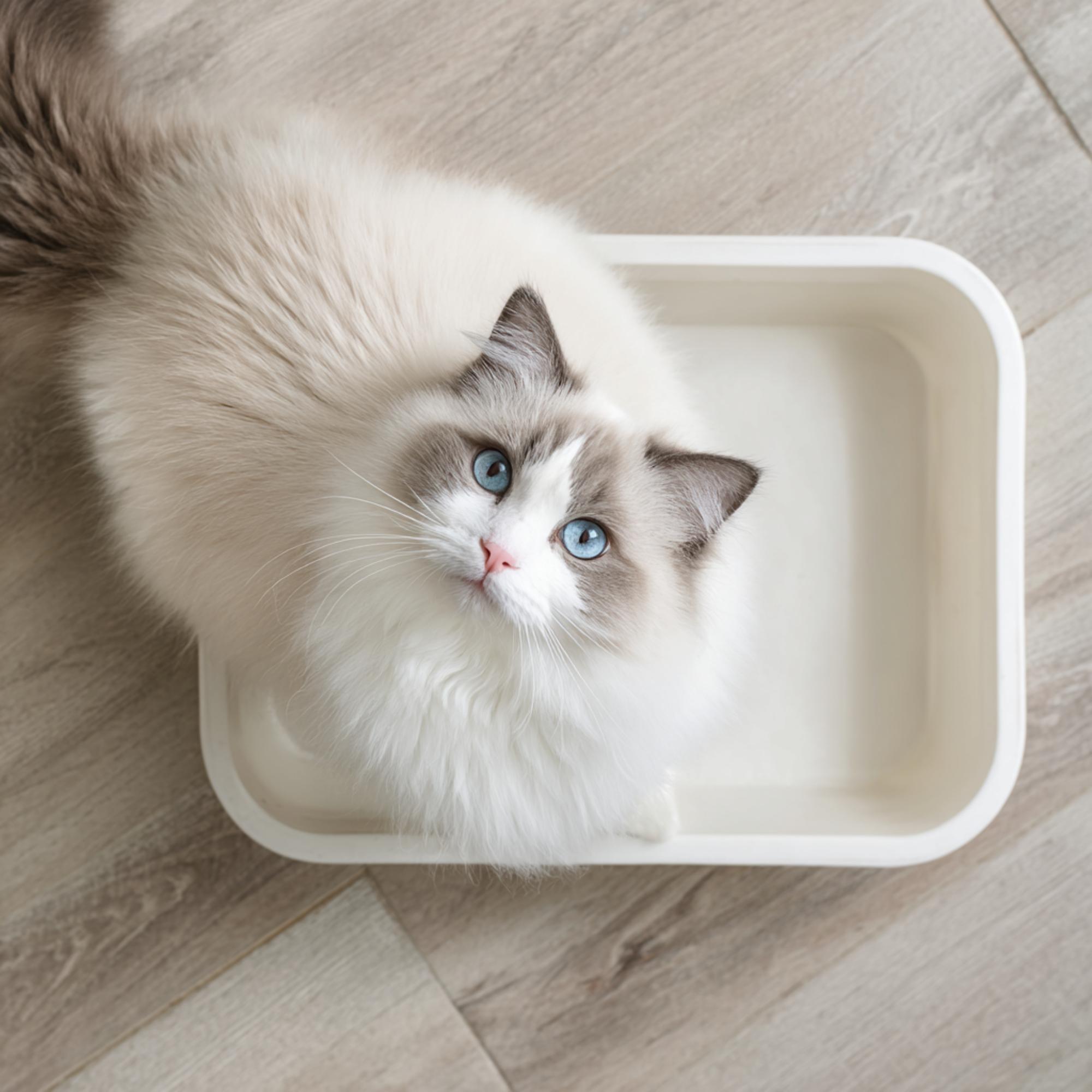
Placement strategy matters more than square footage. In apartments, thoughtful placement makes the difference between smooth use and avoidance. Boxes work best in quiet, low-traffic areas that still allow easy access. Corners, unused bathrooms, or dedicated alcoves often function well.
Number of boxes balances with layout constraints. While general guidance suggests multiple boxes, apartments require flexibility. Two well-placed boxes in separate zones often outperform several poorly located ones. Vertical separation—placing boxes on different levels when possible—can also support preference without crowding.
Odor control comes from management, not gimmicks. Consistent scooping, appropriate litter choice, and good airflow control odor more effectively than scented products. High-quality litter, daily maintenance, and occasional full box refreshes keep apartment spaces comfortable for both cats and humans.
Grooming and Shedding in Apartment Homes
Seasonal coat blow is a predictable reality for Siberians. Siberians carry a dense, triple-layer coat designed to adjust to seasonal changes. In apartment settings, this seasonal shedding—often heaviest in spring and fall—can feel more noticeable simply because living spaces are smaller. The amount of shedding does not increase indoors, but its visibility does.
Managing fur in smaller living areas requires consistency. Regular brushing removes loose undercoat before it spreads across furniture and floors. In apartments, shorter, more frequent grooming sessions work better than infrequent, intensive brushing. Simple management—routine grooming, washable throws, and scheduled cleaning—keeps shedding from becoming overwhelming.
Grooming routines matter more indoors. Indoor environments lack the natural abrasion and environmental variation that help shed fur outdoors. A consistent grooming routine supports coat health, reduces matting, and keeps shared spaces comfortable. For Siberians, grooming also functions as bonding and predictable interaction, reinforcing calm behavior in close quarters.
Siberian Kittens vs Adults in Apartments
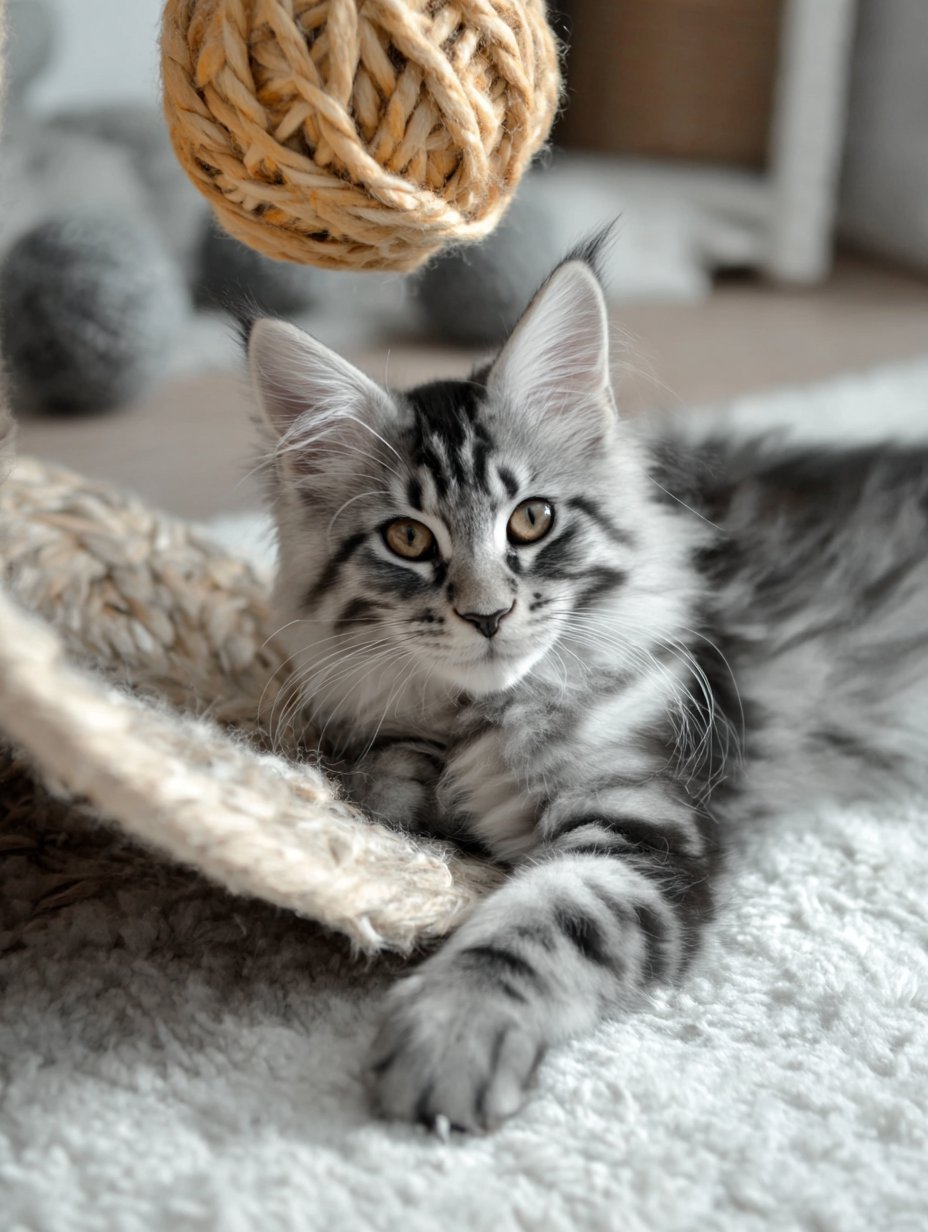
Kittens often feel deceptively easy at first. Many Siberian kittens appear calm, adaptable, and low-demand in early months. This stage reflects limited physical capacity and developing confidence rather than permanent temperament. Apartment living often feels effortless during this phase.
Adolescence brings noticeable changes. As Siberians mature, curiosity increases, boundaries test, and energy patterns shift. Adolescence introduces more climbing, exploration, and engagement needs. In apartments, this phase requires intentional enrichment rather than additional space.
Slow maturity shapes expectations. Siberians mature physically and emotionally over several years. Apartment success depends on anticipating growth rather than reacting to it. When enrichment and routines evolve alongside the cat, Siberians transition smoothly into stable, well-adjusted adult apartment companions.
Neva Masquerade Considerations in Apartments
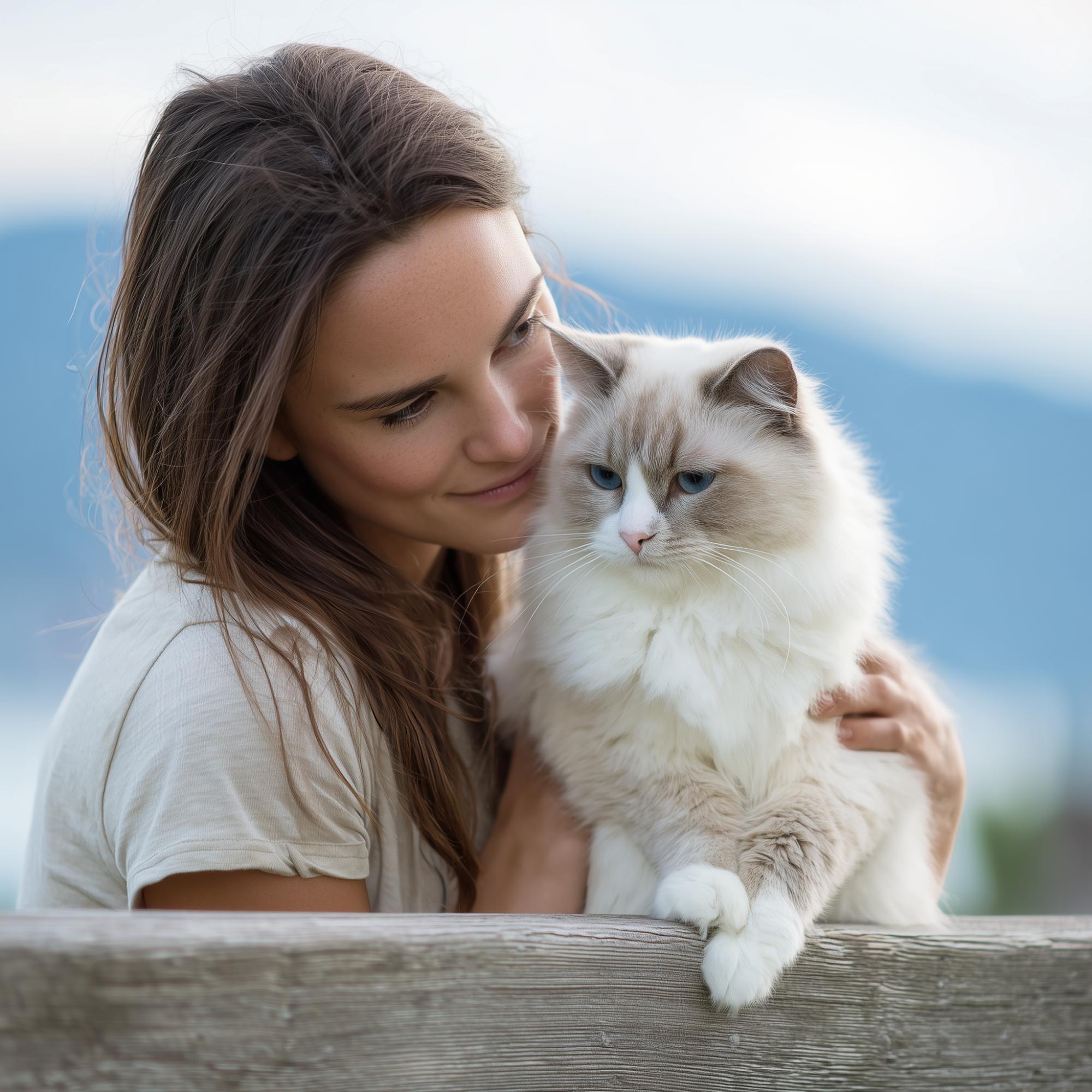
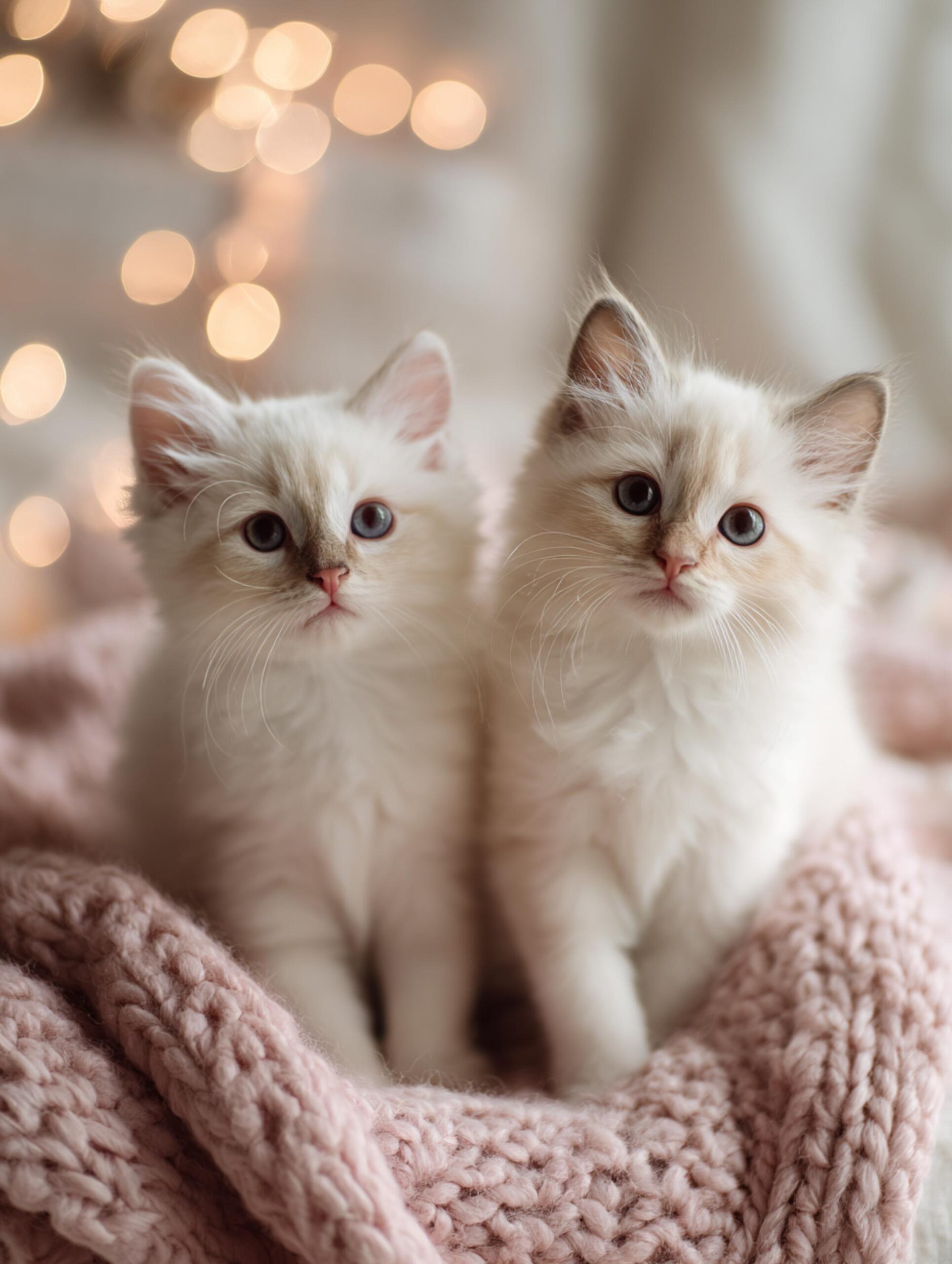
Neva Masquerades have the same environmental needs as other Siberians. Because the Neva Masquerade is a colorpoint variety of the Siberian cat, apartment suitability does not change based on coat pattern or eye color. Space requirements, enrichment needs, activity level, grooming demands, and social engagement remain the same as any other Siberian.
Light coats affect visibility, not behavior. Many Neva Masquerades have lighter body color and higher contrast points, which makes shedding more visible on furniture, flooring, and clothing. This can give the impression that Nevas shed more than darker-coated Siberians. In reality, shedding amount and grooming needs are identical across colors. Visibility changes perception, not biology.
Apartment space and activity requirements do not differ. Neva Masquerades do not require more room, additional exercise, or specialized layouts. They thrive in apartments when vertical space, mental stimulation, and routine are present. Their blue eyes and pointed markings do not translate into higher energy or different management needs.
Behavior follows structure, not appearance. In apartments, Neva Masquerades respond to the same factors that influence all Siberians: predictable routines, thoughtful enrichment, and clear environmental organization. When these elements are in place, Nevas adapt to apartment living just as reliably as any other Siberian.
Common Apartment Myths About Siberian Cats
“They’re too big for apartments.”
This assumption comes from equating body size with space needs. Siberians are solid, well-boned cats, but they are not high-speed, constant-motion animals. Their movement tends to be deliberate and purposeful rather than frantic. What they need is functional territory—places to climb, perch, and observe—not large open floors. Apartments that use vertical space effectively often meet a Siberian’s needs better than larger homes with little structure.
“They need outdoor access.”
Siberians tolerate cold well, which leads to the idea that they require outdoor time. Climate tolerance, however, does not equal lifestyle necessity. Outdoor access does not improve temperament, reduce boredom, or enhance wellbeing. In apartment settings, enrichment, play, and routine fulfill the same needs without introducing external risks. When outdoor access is offered, it works best in controlled, enclosed spaces—not free roaming.
“Indoor cats get bored.”
Boredom stems from lack of engagement, not from being indoors. Siberians are intelligent and observant, and they thrive when their environment provides mental stimulation. Interactive play, problem-solving toys, window access, and predictable routines keep indoor Siberians engaged. An under-stimulated cat can feel bored anywhere—indoors or out.
“Large cats need large homes.”
Cats do not measure space by square footage. They measure it by usability. Vertical territory, clear pathways, and access to people define how spacious a home feels to a cat. A thoughtfully arranged apartment often provides more meaningful territory than a large but unstructured house.
When Apartment Living May Not Work
Lack of enrichment or routine.
Apartment living relies on intentional engagement. Without structured play, mental stimulation, and predictable daily patterns, Siberians may invent their own outlets for curiosity. This can lead to frustration behaviors that are often misattributed to the apartment itself rather than the setup.
Highly inconsistent schedules.
Siberians respond strongly to routine. Frequent disruptions—irregular feeding, unpredictable playtimes, or constant environmental changes—can create stress in smaller spaces. Apartments amplify inconsistency because there are fewer ways for the cat to disengage from disruption.
No vertical space options.
Apartments without climbing, perching, or elevated resting areas limit how Siberians move and observe. When vertical territory is absent, cats may rely on countertops, shelves, or furniture in ways that feel intrusive to humans.
Expectation mismatch.
Apartment living fails most often when expectations do not match reality. Assuming a Siberian will remain inactive, self-entertaining, or unchanged from kittenhood creates frustration. When expectations align with the breed’s need for engagement and structure, apartment living becomes highly workable.
How to Set Up an Apartment for a Siberian Cat
Preparation before arrival shapes long-term success. Apartment living works best when the environment is ready before the cat enters it. Pre-arrival preparation reduces stress, prevents early misbehavior, and establishes predictability from the beginning. This includes identifying quiet resting areas, placing litter boxes thoughtfully, installing vertical structures, and arranging feeding and play zones so the cat understands how the space functions.
Enrichment zoning creates clarity in smaller spaces. Apartments benefit from intentional zoning rather than open, undefined layouts. A Siberian does well when the home includes:
- a designated feeding area with puzzle or slow feeders
- a play zone with interactive toys and climbing options
- resting spaces near people but away from traffic
- window perches for visual stimulation
Clear zones help the cat move confidently through the environment without feeling overstimulated or restricted.
Routine building starts on day one. Siberians respond strongly to predictable patterns. Establishing consistent times for meals, play, grooming, and quiet rest helps the cat anticipate what comes next. In apartments—where external stimuli may be limited—routine replaces randomness and supports emotional regulation. Over time, this predictability reduces vocalization, anxiety, and attention-seeking behavior.
Setup matters more than size. A small apartment with thoughtful structure provides a better environment than a large space without engagement. Vertical territory, routine interaction, and mental stimulation define success far more than square footage.
Siberian Cats for Apartment Living FAQ
Are Siberian cats good for apartment living?
Yes. Siberian cats adapt well to apartment living when their environment includes enrichment, vertical space, and predictable routines. Apartment size matters less than how the space is structured and used.
How much space does a Siberian cat need in an apartment?
There is no minimum square footage requirement. Siberians use vertical territory, pathways, and observation points rather than open floor space. Well-designed vertical space often matters more than total area.
Do Siberian cats get bored indoors?
Not when mental stimulation and routine are present. Interactive play, puzzle feeders, window access, and consistent schedules keep indoor Siberians engaged and balanced.
Are Siberian cats too large for small apartments?
No. Body size does not determine apartment suitability. Siberians are not hyperactive and do not require continuous running space to thrive.
Do Siberian cats need outdoor access?
No. Outdoor access does not improve temperament or wellbeing. When outdoor time is offered, it works best in enclosed, secure environments such as catios rather than free roaming.
How active are Siberian cats in apartments?
Siberians have moderate physical energy and high mental engagement. Short, interactive play sessions throughout the day suit apartment living better than long, high-intensity activity.
Are Siberian cats noisy in apartments?
Siberians are typically moderate vocalizers. Increased vocalization usually reflects routine changes, boredom, or anticipation rather than a naturally loud temperament.
How do you manage shedding in an apartment?
Regular brushing, especially during seasonal coat changes, manages shedding effectively. Apartments make shedding more visible, not more intense.
Are Siberian kittens easier than adults in apartments?
Kittens often appear easy at first, but adolescence brings increased curiosity and confidence. Apartment success depends on adjusting enrichment as the cat matures.
Do Neva Masquerades need more space than other Siberians?
No. Neva Masquerades are colorpoint Siberians and have identical space, activity, and enrichment needs.
How many litter boxes should an apartment have?
Two well-placed litter boxes usually work better than one, even in small apartments. Placement and cleanliness matter more than quantity.
What happens if an apartment setup lacks vertical space?
Without climbing and perching options, Siberians may redirect movement onto furniture or counters. Vertical enrichment prevents this by providing appropriate outlets.
Can Siberian cats live alone in an apartment?
Yes, if they receive sufficient daily interaction and stimulation. Siberians bond strongly with people and do well with consistent engagement.
Do Siberian cats adapt to apartment routines quickly?
Most do. Predictable schedules help Siberians settle faster and remain emotionally stable indoors.
Is apartment living stressful for Siberian cats?
Apartment living itself is not stressful. Stress arises from inconsistency, lack of enrichment, or unmet expectations.
What is the biggest mistake apartment owners make with Siberians?
Assuming space alone determines success. Engagement, routine, and structure matter far more than square footage.
Final Thoughts — Apartments Don’t Limit Siberians, Environments Do
Siberians adapt to structure, not square footage. This breed thrives when its environment offers clarity, engagement, and stability. Apartment living does not restrict a Siberian’s potential when space is used intentionally.
Apartment success depends on planning and engagement. Daily interaction, enrichment, and predictable routines shape behavior more than physical size. When these elements are in place, Siberians remain calm, confident, and socially connected.
A well-managed indoor life supports long-term wellbeing. Stability, safety, and consistent engagement allow Siberians to express their natural temperament fully. In apartments, thoughtful management—not ideology—determines outcomes.
Looking to Adopt a Siberian Kitten?
Our kittens are placed with families who understand that color affects appearance—not temperament, health, or allergies. Learn how our program approaches color genetics honestly, raises kittens for long-term success, and helps buyers choose based on fit rather than trends.
See Siberian Kittens Available
See More About Siberian Cats
If you’re continuing your research, these related posts cover Siberian cat care, development, and ownership considerations:
- Are Siberian Cats Hypoallergenic?
- Siberian Cat Grooming
- Siberian Cat Lifespan
- Male vs Female Siberian Cats and Allergies
- Siberian Cat Size, Growth, and Maturity Timeline
- Siberian Kitten Growth: What to Expect Month by Month
- Living With a Siberian Cat When You Have Allergies
- Siberian Cat Diet and Nutrition
- Siberian Cat Fel d 1 Explained
- Do Siberian Kittens Trigger Allergies More then Adults?
- Siberian Cat Complete Overview
- Siberian Cats vs Other Hypoallergenic Breeds
- Siberian Cats Indoor vs Outdoor
Sources
- International Cat Care (ISFM / iCatCare) – Indoor cat wellbeing, enrichment, and environmental management
https://icatcare.org - American Association of Feline Practitioners (AAFP) – Feline behavior, indoor housing, and stress prevention
https://catvets.com - Cornell Feline Health Center – Cat behavior, environment, and long-term health indoors
https://www.vet.cornell.edu/departments-centers-and-institutes/cornell-feline-health-center - American Veterinary Medical Association (AVMA) – Indoor vs outdoor risk and lifespan context
https://www.avma.org - The International Cat Association (TICA) – Siberian & Neva Masquerade breed standards and temperament
https://tica.org - Fédération Internationale Féline (FIFe) – Breed classification confirming Siberian & Neva Masquerade equivalence
https://fifeweb.org





Read the Comments +