

Grey Siberian Cat: Color Types, Personality, Price & What to Expect as They Grow
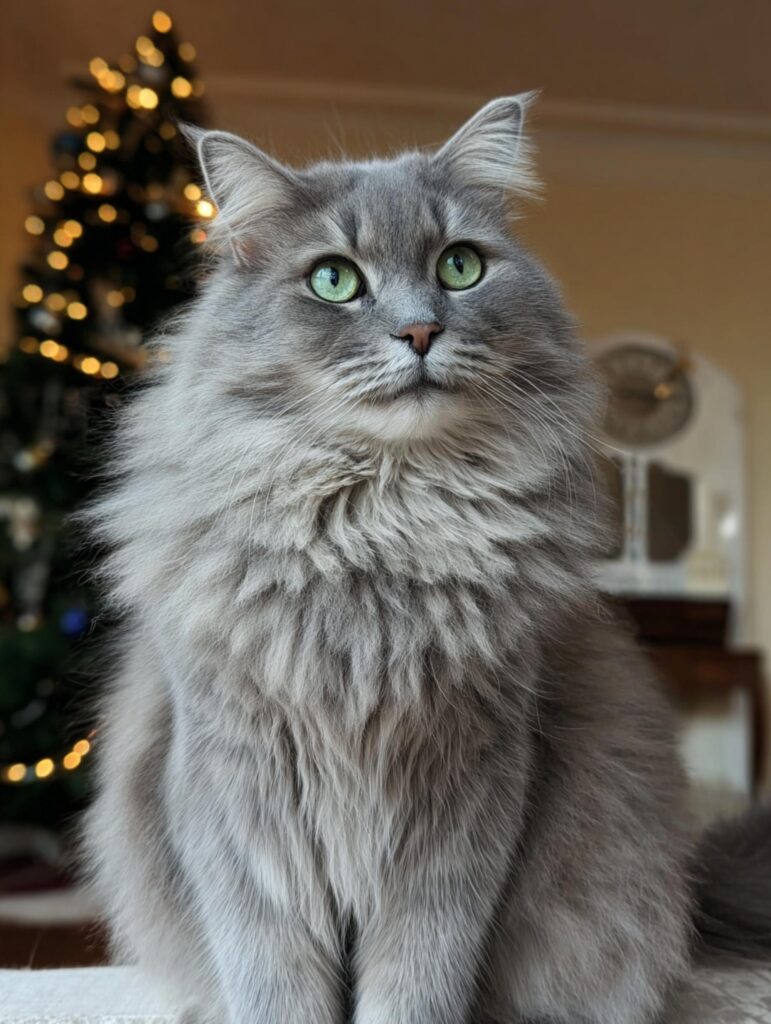
A grey Siberian cat is one of the most searched Siberian color variations, usually referring to blue, blue tabby, or blue silver tabby coats. While “grey” is not a formal registry term, reputable breeders recognize it as a common request and routinely produce these colors.
Grey Siberians are not rarer, calmer, or more hypoallergenic than other Siberians, but they are prized for their plush coats, striking contrast, and predictable development.
Understanding how grey Siberian kittens mature, what the color actually means genetically, and what buyers should expect long term helps prevent confusion and ensures a confident, well-informed adoption decision.
Grey Siberian Cat — Quick Facts & Buying Guide
| Topic | What Buyers Should Know |
|---|---|
| What “Grey” Means | “Grey” is a visual descriptor. Most grey Siberians are genetically blue, blue tabby, or blue silver tabby — all standard, well-bred colors. |
| Most Common Type | Blue tabby Siberians (what most people mean when they search “grey Siberian cat”). |
| Is Grey an Official Color? | Registries use genetic terms (blue, blue tabby, blue silver), not the casual term grey. |
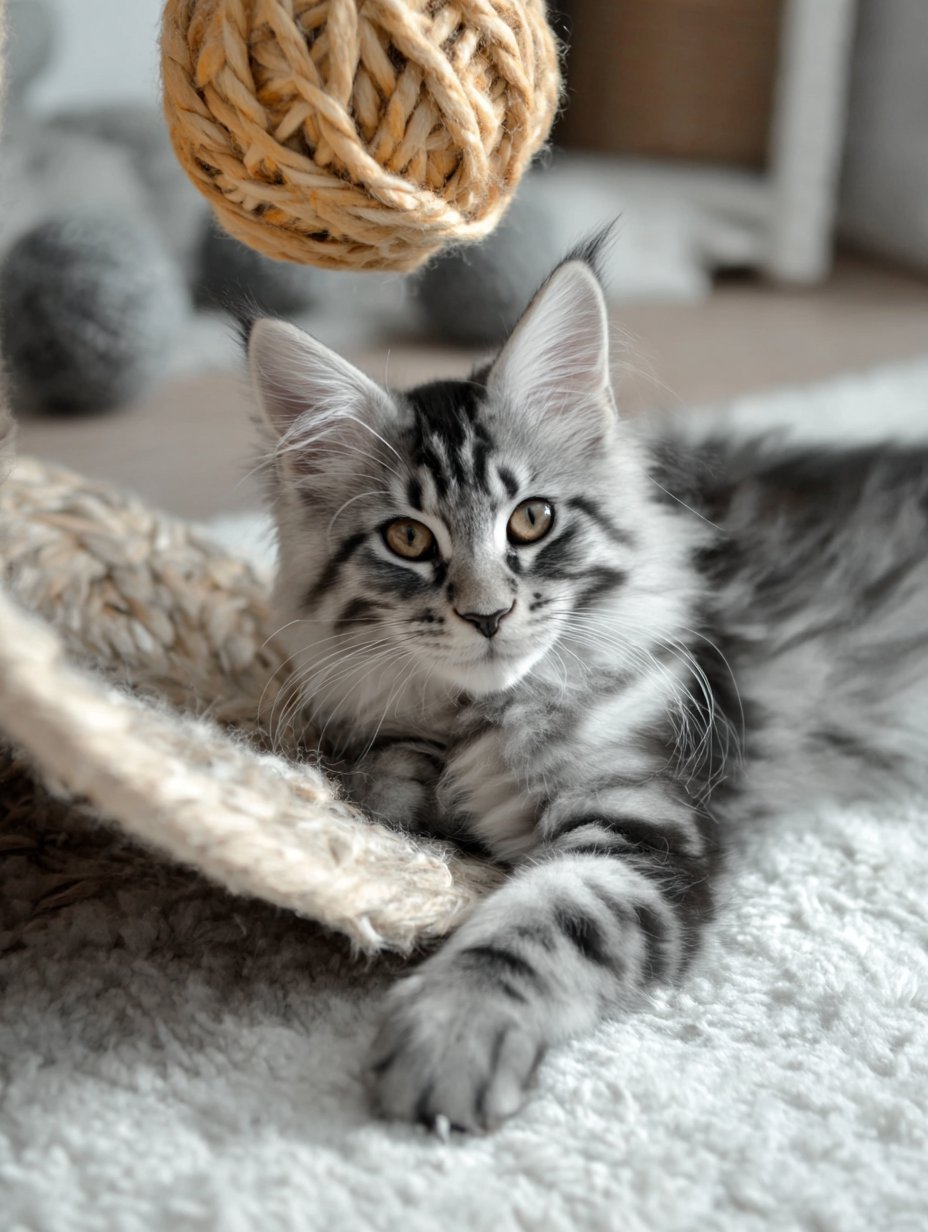
| Kitten vs Adult Color | Kittens look lighter; adult coats deepen and gain contrast over months and years. |
| Personality & Color | Color does not influence temperament — personality comes from genetics, socialization, and environment. |
| Shedding | Grey Siberians shed the same as other colors. Fur may be more visible on certain surfaces, but amount shed doesn’t change. |
| Hypoallergenic Myths | Grey cats are not more hypoallergenic — Fel d 1 allergen levels are unaffected by color. |
| Rarity | Grey (blue and blue tabby) Siberians are not rare — availability varies by breeder planning. |
| Typical Siberian Cat Price Range (U.S.) | $3,500 – $4,000+ for a kitten from a reputable breeder; most range from about $3,000 – $3,500. |
| Adoption Alternative | Adoption fees (rare purebreds) typically $50 – $400 if available through rescue. |
| Does Silver Cost More? | Silver/blue silver tabbies may fetch higher prices due to demand, not superiority. |
| Where to Find One | Contact reputable Siberian breeders directly (many list kittens $3,000 – $4,500). |
| Questions to Ask Breeders | Ask about parent colors, coat maturity timing, health testing, and socialization practices — these matter more than color. |
| Best Buyer Advice | Focus on breeder quality, temperament, and long-term fit, not color alone. |
Grey Siberian Cat things to know:
- “Grey Siberian cat” is a common search term, not an official color name in cat registries
- Most cats called “grey” are genetically blue, blue tabby, or blue silver
- Grey/blue coloring affects appearance only—not temperament, health, or allergen levels
- Coat shade changes noticeably with age, season, and coat condition
- Understanding basic color genetics helps buyers avoid disappointment as kittens mature
For a full breakdown of all Siberian colors and how they develop over time, see our complete Siberian Cat Colors & Genetics guide.
What People Mean When They Say “Grey Siberian Cat”
When most people search for a grey Siberian cat, they are almost always referring to a grey tabby Siberian. Breeders understand this, and it’s a common, straightforward request.
“Grey” in Everyday Language vs Breeder Language
While “grey” isn’t the technical registry term, it’s a perfectly reasonable visual description. In Siberians, this usually points to:
- Blue tabby (the most common “grey tabby” people want)
- Occasionally blue silver tabby, which appears lighter and more contrasted
Reputable Siberian breeders know exactly what buyers mean when they ask for a grey kitten and can reliably identify and produce these colors.
Grey Tabby Siberians Are Common and Predictable
Grey (blue) tabby is one of the most established and consistent color patterns in the breed. It is not rare, experimental, or confusing. Breeders track these lines intentionally, and coat development follows well-understood patterns.
Buyers requesting a grey Siberian are not being unrealistic — they are asking for a standard, widely bred color.
What Actually Changes as Kittens Grow
What may shift slightly over time is not the color itself, but:
- Depth of contrast
- Warmth or coolness of the grey tone
- Seasonal coat density and brightness
A grey tabby kitten remains a grey tabby adult.
The Practical Takeaway for Buyers
If you’re looking for a grey Siberian:
- Ask for blue tabby or blue silver tabby
- Expect normal seasonal and maturity-related coat changes
- Work with a breeder who routinely produces these colors
There’s nothing unusual or complicated about requesting a grey Siberian — it’s one of the most common and well-understood choices in the breed.
Is “Grey” an Official Siberian Cat Color?
Short answer: no — but that doesn’t make it wrong or confusing in practice.
Why Registries Do Not Use the Term “Grey”
Cat registries use genetic color terminology, not visual descriptors. “Grey” is subjective and varies by lighting, coat condition, and individual perception, so registries avoid it in favor of precise, repeatable terms.
Accepted Genetic Equivalents Buyers Call “Grey”
When someone says grey Siberian, they are almost always referring to one of the following accepted colors:
- Blue – solid diluted black
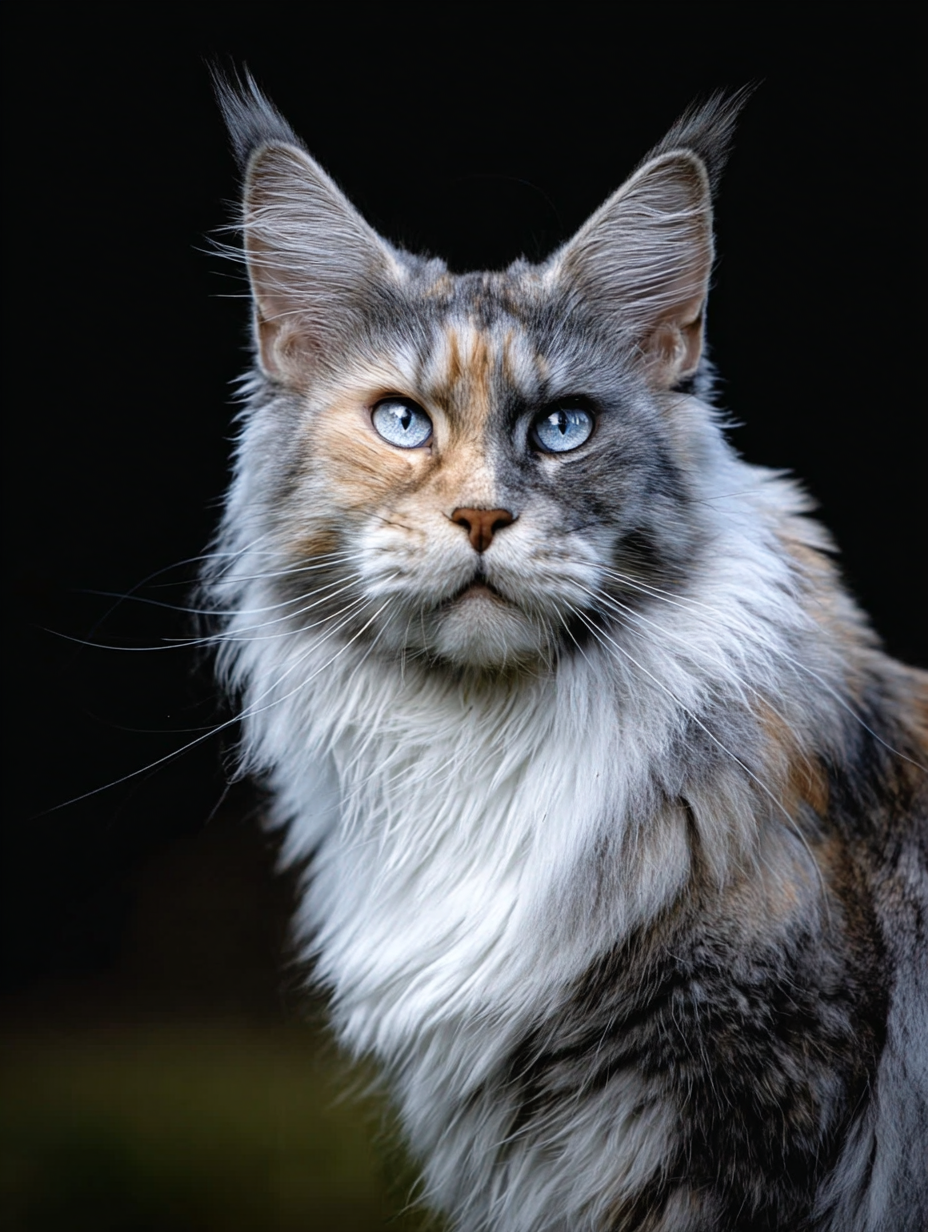
- Blue tabby – grey background with darker tabby patterning
- Blue silver tabby – pale silver base with darker grey pattern contrast
All three are fully recognized, standard Siberian colors.
How Breeders and Registries Classify These Cats
Breeders register Siberians using:
- Base color (black → blue if diluted)
- Pattern (solid, tabby)
- Modifier (silver, if present)
So a “grey tabby” kitten is correctly recorded as blue tabby or blue silver tabby, depending on genetics.
Why Correct Terminology Matters When Searching for a Kitten
Using the correct terms helps buyers:
- Find breeders who actually produce the color they want
- Read pedigrees accurately
- Understand how the coat will mature over time
That said, experienced Siberian breeders fully understand what buyers mean when they ask for a grey kitten and can translate that request accurately.
Grey Siberian Cat Genetics Explained Simply
Grey Siberians are not genetically complex — the color is one of the most stable and well-understood in the breed.
Black-Based Pigment and the Dilution Gene
All grey (blue) Siberians start with a black-based pigment.
Here’s the simple version:
- Black is the base color
- A single dilution gene softens black into blue
- Blue appears grey because the pigment granules are spread farther apart
This is why the coat looks slate, steel, or silver-grey instead of jet black.
Importantly, dilution affects color only. It does not change:
- Coat texture
- Coat length
- Shedding level
- Allergy potential
A blue Siberian sheds and feels the same as a black Siberian.
Why Lighting Changes How Grey Siberians Look
Grey is one of the most light-sensitive coat colors.
Indoor vs outdoor light
- Indoor lighting makes grey coats appear darker and flatter
- Natural light brings out silver tones and contrast
Photography exaggeration
- Cameras often brighten grey coats
- Silver undercoats can look nearly white in photos
- Contrast can appear stronger than it is in real life
Why kittens photograph lighter than adults
- Kitten coats are softer and less pigmented
- Adult coats deepen with maturity and seasonal cycles
- Winter coats often look darker and richer than summer coats
This is normal development — not a color change.
Types of Grey Siberian Cats (Visual & Genetic Breakdown)
This section covers the three Siberian colors most commonly called “grey”, both visually and genetically. These are standard, well-established coat types that breeders produce intentionally and predictably.
Blue Siberian Cat (Solid Grey)

Appearance and coat depth
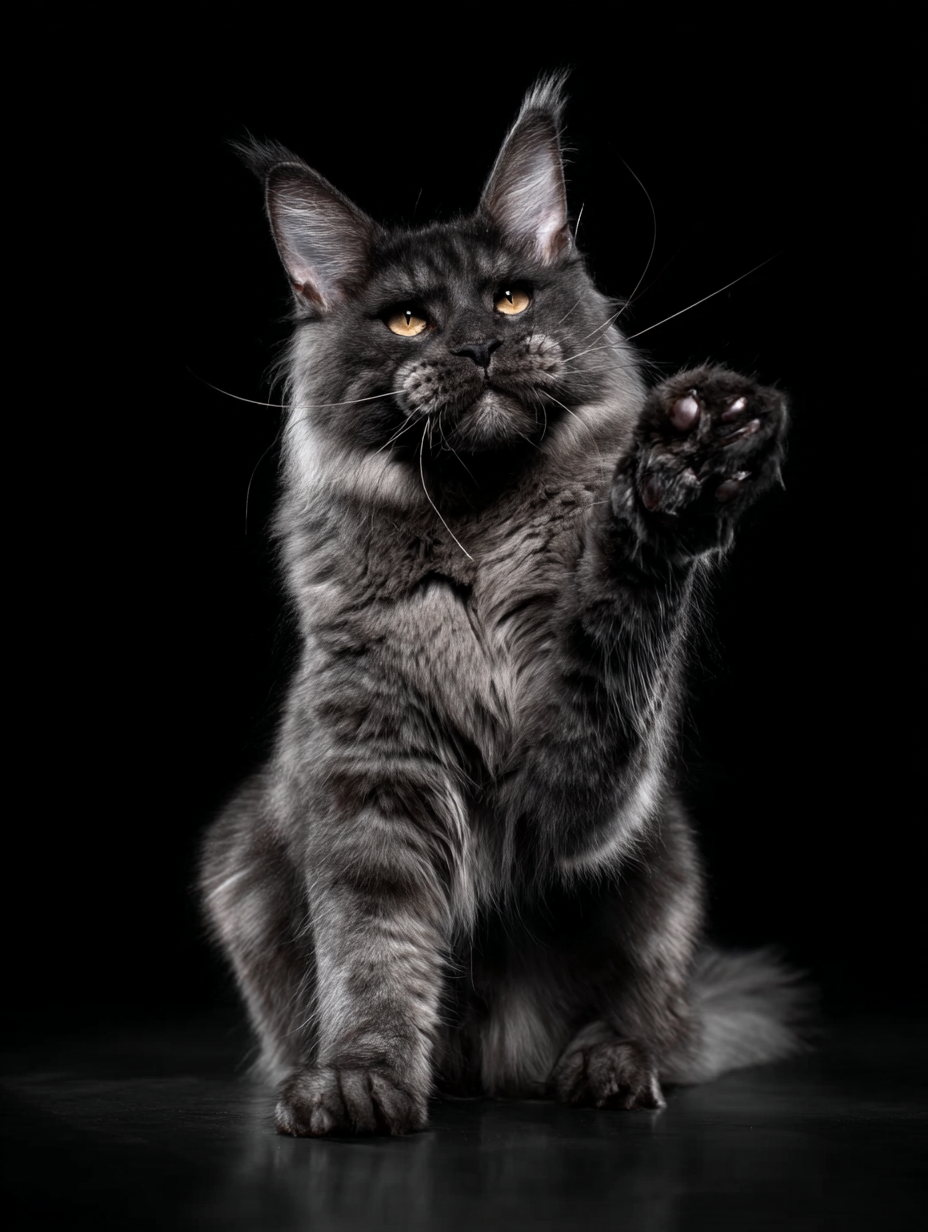
A solid blue Siberian has an even, slate-to-steel grey coat with no visible patterning. The color can range from pale dove-grey to a deeper charcoal tone depending on genetics and coat condition.
Kitten vs adult color changes
Blue kittens often appear lighter and softer in tone. As the coat matures, pigment density increases and the color deepens, especially after the first full adult coat comes in.
Seasonal tone shifts
Winter coats are usually darker and richer. Summer coats tend to look lighter and flatter due to reduced undercoat.
Common buyer misconceptions
- Expecting the kitten’s pale shade to stay identical into adulthood
- Assuming solid blue is rarer than it is
- Believing solid grey equals less shedding (it doesn’t)
Blue Tabby Siberian Cat
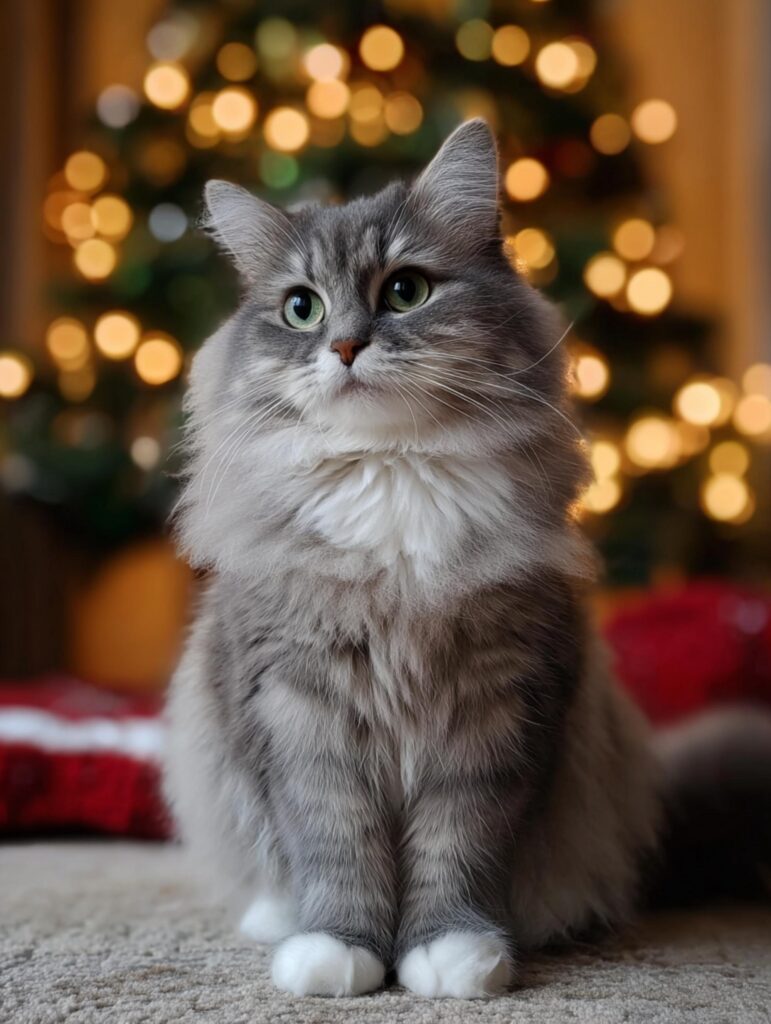
Striping visibility
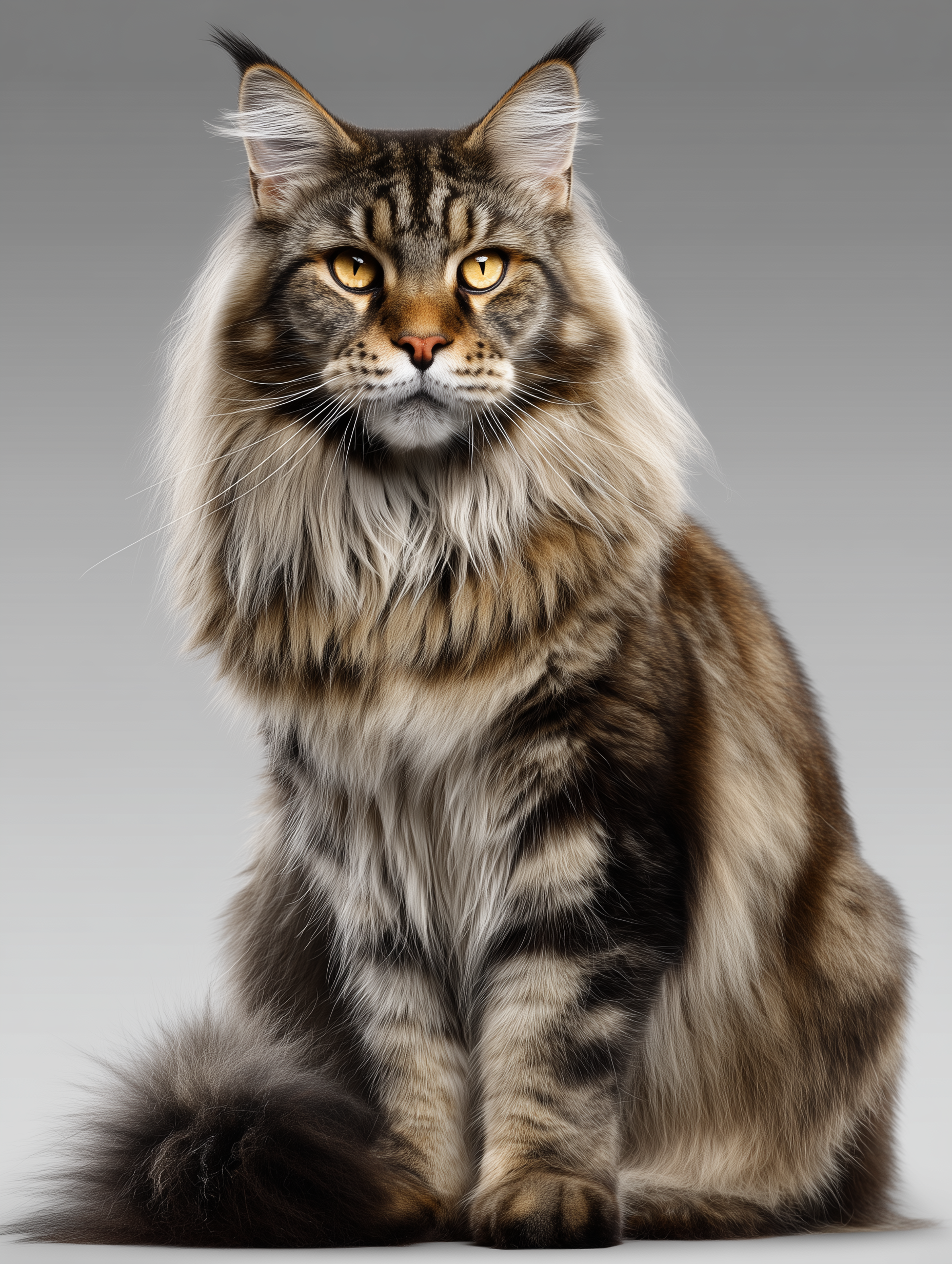
Blue tabby Siberians have a grey background with darker blue-grey tabby markings. Contrast can be bold or subtle depending on individual genetics.
Why tabby markings fade or sharpen with age
As the base coat darkens with maturity, contrast can temporarily soften. Seasonal coats and grooming condition also affect how crisp striping appears.
Differences between classic and mackerel patterns
- Classic tabby: broader, swirling patterns
- Mackerel tabby: narrow, vertical striping
Both are common and remain stable throughout life.
Blue Silver Tabby Siberian Cat
What silver actually means genetically
Silver cats carry the silver inhibitor gene, which lightens the base of each hair shaft while leaving the tip pigmented.
Why silver looks brighter and higher contrast
Because the undercoat is nearly white, tabby markings stand out sharply. This creates the bright, high-contrast look many buyers associate with “light grey.”
Silver vs “light grey” confusion
Silver is not just a pale blue. It’s a distinct genetic modifier that stays visually striking into adulthood, even as the coat matures.
How Grey Siberian Cats Change Color Over Time
Grey Siberians are known for gradual, predictable coat evolution, not sudden or random color changes.
Newborn and young kitten stages
Kittens are born with soft, lightly pigmented coats. Greys often look pale, muted, or washed-out in the first weeks.
6–18 month coat transitions
This is the most noticeable change period. The adult coat begins replacing the kitten coat, and color depth increases. Tabby contrast may temporarily soften during coat turnover.
2–4 year maturation window
Siberians are slow to mature. Full color richness, coat density, and pattern clarity typically settle between two and four years of age.
Seasonal coat blow effects
- Spring shed: coat may look lighter and flatter
- Winter coat: darker, fuller, and richer in tone
This cycling continues throughout adulthood.
Why adult coats often look darker than expected
Adult hairs are thicker, longer, and more densely pigmented. Combined with fuller winter coats, this makes many grey Siberians appear deeper in color than they did as kittens.
Grey Siberian Cat Personality — Does Color Matter?
Short answer: no. Coat color has zero influence on Siberian temperament.
Why People Assume Grey Cats Are Calmer
Many people associate grey animals with being quieter or more reserved. This perception comes from cultural bias and selective memory, not biology. Calm grey cats stand out; energetic grey cats are ignored. Over time, the myth reinforces itself.
What Actually Shapes a Siberian’s Personality
A Siberian’s temperament is determined by factors that have nothing to do with color:
- Individual temperament
Just like people, kittens are born with different baseline personalities. Some are bold, some are thoughtful, some are intensely social. - Early socialization
Handling, exposure to household life, confidence-building, and breeder practices matter far more than coat color ever could. - Household environment
Noise levels, routine, other pets, children, and owner interaction shape how a cat behaves day to day.
Two grey Siberians from the same litter can have completely different personalities, while a grey, brown, and red Siberian raised the same way may act nearly identical.
Why Color-Based Personality Myths Persist
Color myths are simple, memorable, and emotionally satisfying. They give buyers a sense of control. Unfortunately, they don’t reflect how cats actually develop.
Breeders evaluate temperament by watching behavior, not coat color—and buyers should too.
Grey Siberian Cats and Hypoallergenic Myths
Grey Siberians are not more hypoallergenic than other Siberians.
Why Grey Color Does Not Affect Allergies
Allergen production is unrelated to pigment genes. A grey Siberian and a brown tabby Siberian produce allergens in the same way.
There is no scientific or breeding evidence that grey coats reduce allergic reactions.
Fel d 1 Explained Simply
Cat allergies are primarily triggered by Fel d 1, a protein found in:
- saliva
- skin oils
- dander
When cats groom themselves, this protein spreads onto the coat and into the environment. Fur color does not change this process.
Why Sex and Neutering Matter More Than Color
What does influence Fel d 1 levels:
- Sex: intact males produce the highest levels
- Neutering: significantly reduces Fel d 1 production
- Individual variation: some cats naturally produce less than others
This is why two grey Siberians can trigger completely different allergy responses in the same person.
Where Grey Fits in the Siberian Allergy Conversation
If someone tolerates Siberians well, they may tolerate a grey one—but not because it’s grey. The breed’s overall lower Fel d 1 tendency is what matters, not the color.
For a deeper, evidence-based explanation of allergies, testing, and realistic expectations, see our full Siberian Cats & Allergies pillar.
Grooming and Shedding in Grey Siberian Cats
Grey Siberians do not shed more than other Siberians—but shedding visibility can feel different depending on coat color and home environment.
Does Grey Fur Shed More Visibly?
Grey fur tends to be more noticeable on light furniture and dark clothing. This is a contrast issue, not a shedding issue. A grey Siberian sheds the same amount as a brown, red, or black Siberian with the same coat type.
Managing Light-Colored Shedding Indoors
For homes with light flooring or furniture, grey hair can blend in more easily. In darker interiors, it stands out. Practical management includes:
- Weekly brushing outside of seasonal coat blows
- Increased brushing during spring and fall
- Washable throws on high-use furniture
Seasonal Grooming Expectations
Siberians have a true seasonal coat cycle.
- Spring: heavy undercoat release (most visible shedding)
- Summer: lighter, flatter coat
- Fall/Winter: dense, plush coat with less loose hair
Grey coats do not change this cycle—they just show it differently.
Why Coat Texture Matters More Than Color
A dense, plush coat with good guard hair sheds more cleanly than a soft, cottony coat that mats. Texture is genetic and line-based, not color-based. A well-textured grey coat is often easier to maintain than a poorly textured coat of any other color.
Are Grey Siberian Cats Rare?
No. Grey Siberians are not rare.
Genetic Availability of Blue and Blue Tabby
Blue and blue tabby are black-based colors with dilution. These genes are widespread and stable in Siberian breeding programs worldwide. Most established breeders produce them regularly.
Why Breeders May Produce Fewer at Times
Availability fluctuates due to:
- Pairings chosen for structure, health, or temperament
- Demand cycles for certain colors
- Temporary focus on other color projects
This is planning—not rarity.
“Rare” vs “Less Commonly Bred”
A color can be less common in a specific cattery without being genetically rare. Marketing often blurs this distinction.
Why Rarity Does Not Equal Quality
Color has no relationship to:
- Health
- Temperament
- Longevity
- Allergy potential
Quality comes from breeding decisions, not coat color.
Grey Siberian Cat Price Expectations
Grey Siberians are priced within the standard Siberian range.
Typical Pricing for Blue and Blue Tabby Siberians
Blue and blue tabby kittens are usually priced the same as other standard colors. They are neither discounted nor premium by default.
Does Silver Increase Price?
Blue silver tabbies may sometimes be priced slightly higher due to:
- Higher demand
- Fewer silver-producing pairings
This reflects market demand, not increased value to the cat.
Why Price Reflects Demand, Not Superiority
Higher price does not mean:
- Better temperament
- Lower allergens
- Better health
It simply reflects what buyers are currently seeking.
For a full breakdown of pricing ranges, demand drivers, and what actually influences cost, see our complete Siberian Cat Price guide.
Grey Siberian Kittens vs Adult Grey Siberians
One of the most common points of confusion for buyers choosing a grey Siberian is the difference between kitten appearance and adult reality. This isn’t a flaw in the breed—it’s a normal part of Siberian development.
Why Grey Siberian Kittens Look Lighter
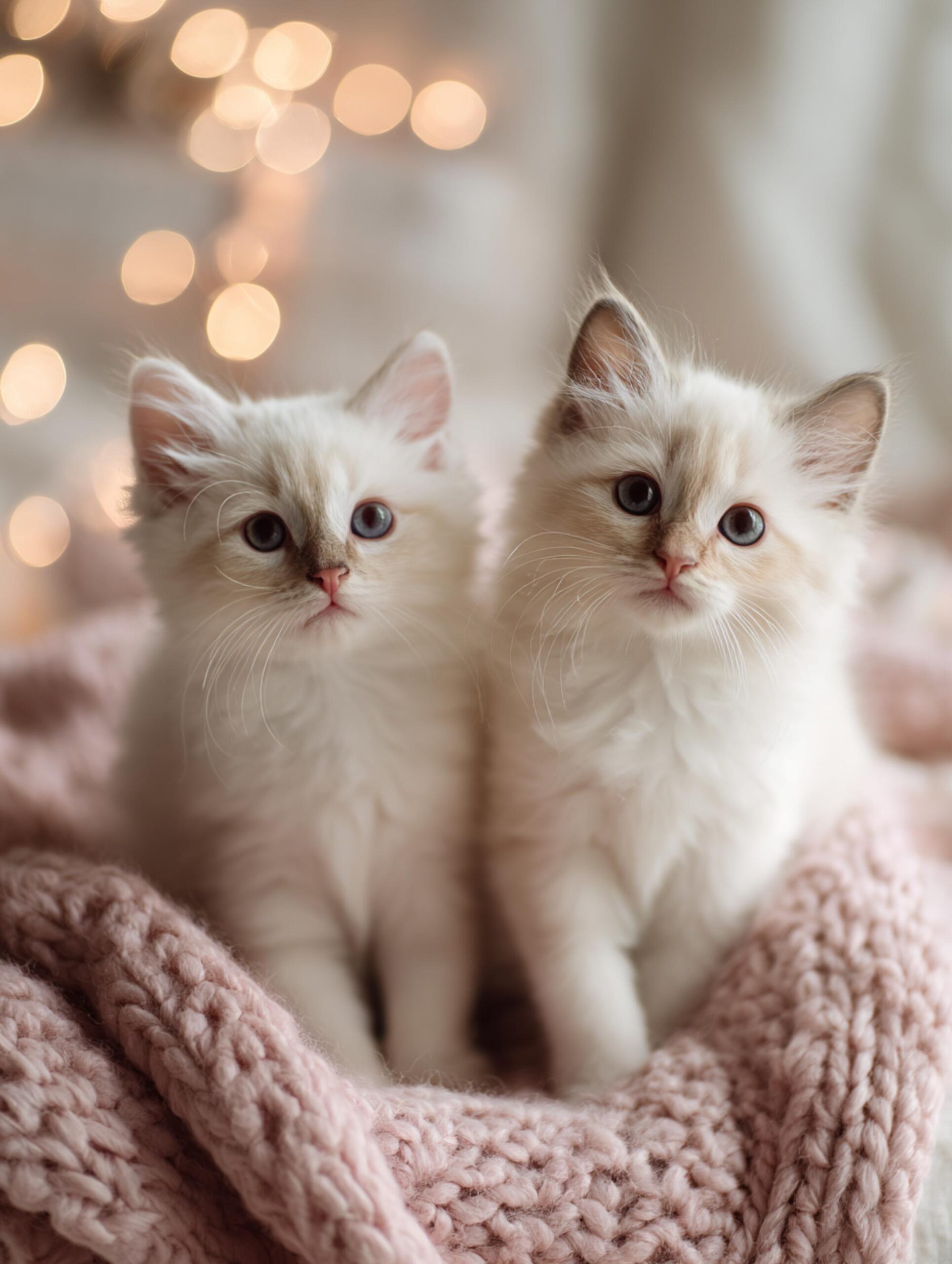
Grey (blue-based) Siberian kittens are born with soft, lightly pigmented coats. The individual hairs are thinner, shorter, and less densely colored than adult hairs. This creates a pale, airy look that photographs very light—sometimes almost silver, even when the kitten is genetically blue.
At this stage:
- Pigment concentration is low
- Guard hairs are still developing
- Undercoat dominates the visual appearance
This is especially true in blue and blue tabby kittens.
Why Buyers Feel Surprised Later
As the kitten matures, the coat begins to change in both density and pigment depth. Many buyers expect the kitten’s exact shade to remain permanent. When the adult coat darkens or loses some of its “baby softness,” it can feel unexpected—even though it is completely normal.
Common surprises include:
- Solid blues becoming deeper slate instead of pale grey
- Tabby contrast shifting as the base coat darkens
- Silver kittens losing the extremely bright look seen in early photos
None of this means the color has changed. The cat is simply maturing.
What Responsible Breeders Explain Upfront
Experienced Siberian breeders set expectations early. They explain that:
- Kittens do not show their final color
- Adult coats take years to fully mature
- Seasonal coat cycles affect appearance long-term
This transparency prevents disappointment and helps buyers appreciate the breed’s slow, natural development.
The Importance of Long-Term Expectations
Siberians are a long-lived, slow-maturing breed. Choosing a grey Siberian should be about loving the adult cat you will live with for 15+ years, not just the kitten stage.
When expectations align with reality, owners tend to be far more satisfied with their choice.
Choosing a Grey Siberian Cat Responsibly
Color is a preference—but it should never be the primary decision factor.
Matching Aesthetics With Lifestyle
A grey Siberian can fit many homes, but buyers should think beyond looks:
- Do you want a highly interactive cat or a quieter companion?
- Are you home often or gone most of the day?
- Do you have children, dogs, or other cats?
These questions matter more than whether the coat is blue or silver.
Why Temperament and Health Matter More
A well-bred Siberian should have:
- Stable, confident temperament
- Strong immune health
- Predictable adult size and coat quality
None of these are determined by color. A beautiful grey kitten with poor temperament or weak health is not a good match, no matter how striking the coat.
Avoiding Color-Only Decisions
Choosing based solely on color increases the risk of:
- Overlooking breeder quality
- Ignoring temperament mismatches
- Being disappointed as the coat matures
Responsible breeders prioritize placement over aesthetics and will guide buyers toward the best fit—not just the requested color.
Questions Buyers Should Ask Breeders
Instead of focusing only on “grey,” buyers should ask:
- What are the parents’ adult coats like?
- How do kittens from this line mature in color and temperament?
- What health testing is done on breeding cats?
- How are kittens socialized before placement?
These answers matter far more than any color label.
Common Myths About Grey Siberian Cats
“Grey Siberians are calmer”
False. Calmness is not a color trait. Grey Siberians can be playful, bold, vocal, or reserved—just like any other color.
“Grey cats shed less”
False. Shedding depends on coat density, texture, and seasonal cycles. Grey fur may look more or less visible in a home, but the amount shed is the same.
“Grey cats are rarer”
False. Blue and blue tabby are common, well-established Siberian colors. Availability varies by breeder planning, not rarity.
“Grey cats are more hypoallergenic”
False. All Siberian colors have the same allergy considerations. Fel d 1 production is influenced by the individual cat, sex, and neuter status—not coat color.
Grey Siberian Cat FAQ
Are grey Siberian cats a real color?
Yes — grey is a common, accurate visual description, even though registries use genetic terms like blue, blue tabby, or blue silver tabby. Breeders understand exactly what buyers mean when they ask for a grey Siberian, and these cats are fully recognized and standard within the breed.
What color are most “grey” Siberian cats genetically?
Most grey Siberians are genetically:
- Blue (solid grey)
- Blue tabby (grey with tabby striping)
- Blue silver tabby (light silver base with darker grey pattern)
These are black-based colors modified by the dilution gene, which softens black into blue.
Do grey Siberian kittens stay the same color as adults?
No. Grey Siberian kittens almost always look lighter as kittens and deepen in color as they mature. This is normal and expected. Adult coats develop more pigment density, longer guard hairs, and fuller undercoats, which makes the color appear darker and richer over time.
Why does my grey Siberian look different in photos than in real life?
Lighting and cameras exaggerate grey coats. Indoor lighting flattens color, while natural light brings out silver tones and contrast. Cameras also brighten pale coats, making kittens look lighter than they truly are. What you see in photos is not a guarantee of final adult shade.
Are grey Siberians calmer than other colors?
No. Coat color does not influence temperament. Siberian personality depends on genetics, early socialization, and environment. Grey Siberians can be playful, outgoing, reserved, or highly social — just like any other color.
Do grey Siberian cats shed less?
No. Grey Siberians shed the same amount as other Siberians. Shedding depends on coat density, texture, and seasonal cycles. Grey fur may be more or less noticeable in a home depending on furniture and flooring, but the amount shed does not change.
Are grey Siberian cats more hypoallergenic?
No. Grey Siberians are not more hypoallergenic than other Siberian colors. Allergies are caused by the Fel d 1 protein, not fur color. Individual variation, sex, and neuter status matter far more than coat color.
Does silver make a grey Siberian more allergy-friendly?
No. Silver is only a color modifier that affects how the hair shaft looks. It does not reduce allergen production and does not change how a person with allergies reacts to the cat.
Are grey Siberian cats rare?
No. Blue and blue tabby are common, well-established Siberian colors. If a breeder has fewer grey kittens at a given time, it reflects breeding choices or demand — not genetic rarity.
Why do some breeders advertise grey Siberians as “rare”?
“Rare” is often a marketing term. While availability may fluctuate, grey Siberians are not genetically rare. Rarity does not indicate better health, temperament, or quality.
Do grey Siberian cats cost more?
Typically, no. Blue and blue tabby Siberians are usually priced within the standard Siberian range. Blue silver tabbies may sometimes cost slightly more due to demand, not superiority.
Is a solid grey Siberian better than a grey tabby?
Neither is better. Solid blue, blue tabby, and blue silver tabby are equally valid choices. The best option depends on which appearance you prefer, not health or behavior differences.
Will my grey Siberian get darker with age?
Most likely, yes. Adult Siberians often look darker than expected once their full coat matures, especially in winter. This is due to thicker hair shafts and increased pigment density.
When does a grey Siberian reach final coat color?
Siberians mature slowly. Most reach near-final color between 2 and 4 years of age, with ongoing seasonal variation throughout life.
Should I choose a Siberian based on color alone?
No. Color should be a preference, not the deciding factor. Temperament, health testing, breeder practices, and lifestyle compatibility matter far more for long-term satisfaction.
What should I ask a breeder if I want a grey Siberian?
Ask about:
- Parent coat color and adult appearance
- How kittens from that line mature
- Health testing and socialization practices
- Whether the kitten’s current shade is expected to deepen
These questions give you a clearer picture than color labels alone.
Is “grey tabby Siberian” the same as blue tabby?
Yes. Grey tabby is the everyday term; blue tabby is the correct genetic term. They describe the same color pattern.
Can a grey Siberian change from tabby to solid?
No. Tabby pattern does not disappear. Contrast may soften or sharpen with age and seasonal coat changes, but the pattern remains.
Are grey Siberians good family cats?
Yes — when well bred and properly socialized. Color does not affect family compatibility. Siberians are known for adaptability, intelligence, and strong bonds with their people.
Is there any reason to avoid a grey Siberian?
Only if color expectations are unrealistic. Buyers who expect a kitten to stay exactly the same shade forever may feel disappointed. Understanding coat development eliminates this issue entirely.
Grey Siberian Cat Summary
A grey Siberian cat is a common and well-understood choice, even though “grey” is a visual description rather than an official registry term. Most grey Siberians are genetically blue, blue tabby, or blue silver tabby, all of which are standard, predictable colors within the breed.
Grey kittens almost always appear lighter than their adult selves. As Siberians mature slowly, their coats deepen in color, gain density, and shift seasonally, often reaching full richness between two and four years of age. These changes are normal and should be expected—not mistaken for a color change.
Coat color does not influence personality, shedding, health, or allergy potential. Grey Siberians are no calmer, rarer, or more hypoallergenic than other colors. Temperament depends on individual genetics, early socialization, and environment, while allergies relate to Fel d 1 production, not fur color.
Grey Siberians are not rare and are typically priced within standard Siberian ranges. Occasional price differences reflect demand, not quality or superiority. Choosing a grey Siberian responsibly means focusing on breeder practices, health testing, and long-term compatibility rather than selecting based on color alone.
When buyers understand coat development and realistic expectations, grey Siberian cats remain one of the most reliable, attractive, and satisfying choices within the breed.
Looking to Adopt a Siberian Kitten?
Our kittens are placed with families who understand that color affects appearance—not temperament, health, or allergies. Learn how our program approaches color genetics honestly, raises kittens for long-term success, and helps buyers choose based on fit rather than trends.
See Siberian Kittens Available
See More About Siberian Cats
If you’re continuing your research, these related posts cover Siberian cat care, development, and ownership considerations:
- Are Siberian Cats Hypoallergenic?
- Siberian Cat Grooming
- Siberian Cat Lifespan
- Siberian Cat Size, Growth, and Maturity Timeline
- Living With a Siberian Cat When You Have Allergies
- Siberian Cat Diet and Nutrition
- Siberian Cat Fel d 1 Explained
- Do Siberian Kittens Trigger Allergies More then Adults?
- Siberian Cat Complete Overview
- Siberian Cats vs Other Hypoallergenic Breeds
- Siberian Cats Indoor vs Outdoor





Read the Comments +