

Can a Maine Coon Live in an Apartment? A Reality-Based Guide for Urban Homes
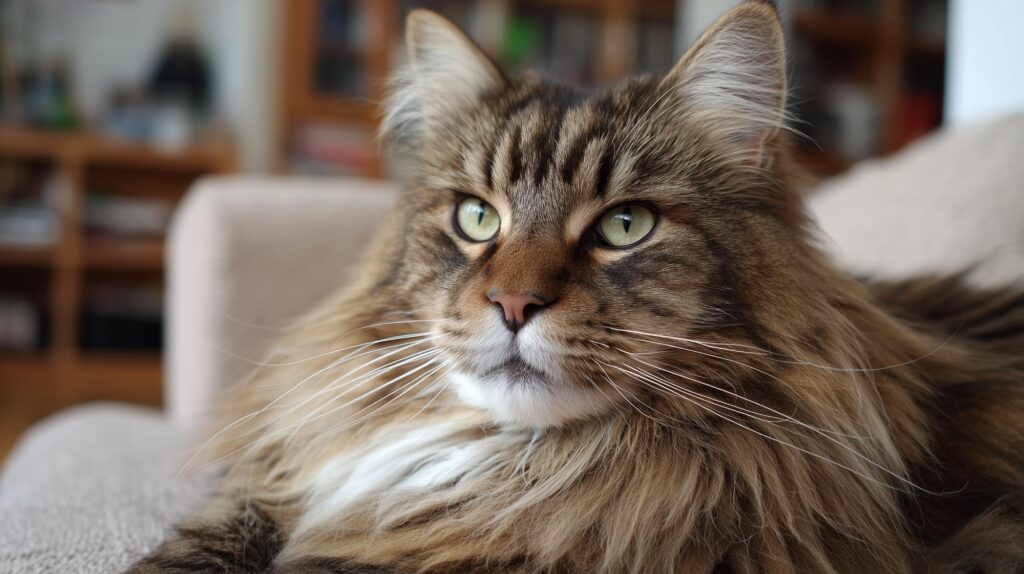
Yes—Maine Coons can live in apartments, but not every apartment and not every owner are a good match. Their success depends far more on daily engagement, enrichment, and routine than on raw square footage alone.
This question comes up constantly because Maine Coons are large, social, and intelligent—and people worry those traits automatically conflict with apartment living. Most online answers are either overly reassuring (“size doesn’t matter at all”) or overly negative (“they need a house”), and both miss the real variables that determine success.
This guide strips away hype and anecdotes to help you honestly decide whether your apartment, schedule, and expectations align with a Maine Coon’s real needs—before you commit.
Can a Maine Coon Live in an Apartment? Quick Reality Check
| Factor | Apartment Reality | What Actually Matters |
|---|---|---|
| Apartment size | Size alone is not a deal-breaker | Layout, ceiling height, and vertical space |
| Cat size | Maine Coons are large but agile | Length ≠ space needs; climbing matters more |
| Daily exercise | Required and non-negotiable | 30–45 minutes of intentional play per day |
| Temperament fit | Highly social and interactive | Thrives with engaged, present owners |
| Noise level | Usually manageable | Excess noise signals boredom or stress |
| Shedding impact | More noticeable in small spaces | Regular grooming prevents buildup |
| Litter box needs | Must be oversized | Standard boxes are often too small |
| Work schedules | Long absences are risky | Remote or flexible schedules work best |
| Studios | Can work in specific cases | Only with heavy enrichment and planning |
| Overall verdict | Apartment-friendly for the right home | Lifestyle matters more than square footage |
A Maine Coon can live happily in an apartment when social time, exercise, and vertical territory are planned intentionally—but they are not a low-effort or hands-off choice.
Quick Answer: Are Maine Coons Apartment-Friendly?
Yes, Maine Coons can be apartment-friendly when their social and mental needs are met—but they are not a low-effort or “set it and forget it” apartment cat. In a well-enriched space with daily interaction, vertical territory, and consistent routines, many Maine Coons thrive in apartments. In under-stimulated homes or with hands-off owners, problems show up quickly, regardless of square footage.
At a glance:
- Size ≠ incompatibility — layout and vertical space matter more than floor area
- Temperament matters more than square footage — social, engaged cats struggle with isolation
- Lifestyle is the deciding factor — time, routine, and interaction determine success
Why Maine Coons Are Often Considered “Bad Apartment Cats” (And Why That’s Not Always True)
Maine Coons get labeled as “bad apartment cats” largely because of misunderstood traits, not because they can’t adapt to smaller homes. Much of the advice circulating online—especially in forums and comment threads—confuses management challenges with hard limitations. When you separate myth from reality, a more accurate picture emerges.
The “Too Big for Apartments” Myth
Maine Coons are large cats, but their size is often misunderstood. Most adults look impressive because of length and coat, not because they’re bulky or clumsy. A typical Maine Coon is long-bodied with a flowing tail and ruff, which visually amplifies their presence without necessarily requiring more floor space to move comfortably.
What matters more than square footage is how space is used. Maine Coons navigate vertical environments extremely well. Tall cat trees, wall shelves, window perches, and multi-level furniture allow them to move, observe, and rest without pacing the floor. In many apartments, a well-designed vertical setup provides more usable territory than a poorly arranged larger home.
The “They Need a House” Assumption
This assumption mixes up space with stimulation. A house does not automatically meet a Maine Coon’s needs—and an apartment does not automatically fail them.
Maine Coons are intelligent, social cats that need:
- interaction with their people
- mental engagement through play and routine
- predictable daily structure
A bored Maine Coon in a house can be just as destructive, vocal, or restless as a bored Maine Coon in an apartment. The difference isn’t walls or square footage—it’s whether the cat’s mental and social needs are consistently met. Apartments often succeed when owners are more intentional about enrichment because space constraints force planning rather than complacency.
What Reddit Gets Right (and Wrong)
Online discussions do highlight real challenges—but they often stop short of explaining why those issues occur or how to prevent them.
Common complaints include:
- Vocalization: Maine Coons are communicative and will talk when under-stimulated or lonely
- Energy: They are playful well into adulthood and need daily outlets
- Night activity: Disrupted routines or unmet play needs can lead to nocturnal zoomies
What’s missing from most threads is context. These behaviors are management issues, not deal-breakers. When owners schedule interactive play, provide climbing space, feed on a predictable routine, and meet social needs during the day, these same cats are often calm, settled, and content—even in apartments.
In short, Maine Coons don’t fail apartment living. Unmet expectations do. See What No One tells you about Maine Coon cats for more breed insight.
Maine Coon Temperament in Small Spaces
Maine Coon temperament is often oversimplified online as “gentle giant,” which doesn’t explain why some Maine Coons thrive in apartments while others struggle. In smaller spaces, their social wiring and intelligence matter far more than their physical size.
Social Nature and Attachment to Owners
Maine Coons struggle far more with isolation than with limited square footage. They are people-oriented cats that want to be involved in daily life—following from room to room, supervising tasks, and settling near their humans. When that need goes unmet, stress behaviors appear.
Apartments can actually support stronger bonding:
- Fewer rooms mean more shared time
- Owners are often more present and intentional
- Daily routines are more predictable
A Maine Coon that feels included and engaged will usually settle well, even in a modest space. A Maine Coon left alone for long hours with minimal interaction often won’t—no matter how large the home is.
Intelligence and Stimulation Needs
Maine Coons are problem-solvers. In under-enriched apartments, that intelligence works against the household. These cats will invent their own entertainment if none is provided—opening cabinets, knocking items down, vocalizing excessively, or becoming restless at night.
This is where they differ from lower-drive, more sedentary breeds, which may tolerate passive environments more easily. Maine Coons need:
- interactive play
- novelty and rotation of toys
- climbing and observation points
When mental stimulation is built into daily life, apartments work well. When it’s ignored, even large apartments feel confining to a bored cat.
Vocalization in Apartments
Maine Coons are known for chirping and trilling, which is very different from constant, distressed meowing. Normal vocalizations are social and conversational, not disruptive.
Noise becomes a problem when:
- the cat is under-stimulated
- routines are inconsistent
- the cat is lonely or anxious
In shared-wall buildings, unmanaged vocalization can create tension with neighbors. Proper play schedules, predictable feeding times, and social engagement usually keep vocalization within normal, non-problematic levels.
Apartment Size: What’s Actually Enough for a Maine Coon?
There is no single square-footage rule that determines success. Layout, ceiling height, and enrichment matter more than size alone, which is why apartments of similar dimensions can produce very different outcomes.
Studio vs 1-Bedroom vs 2-Bedroom
Studios can work if they are well organized and the owner is highly engaged. They fail when there is:
- no vertical space
- no separation between litter, food, and rest zones
- long periods of owner absence
One-bedroom apartments are often ideal, offering enough separation for routines without isolating the cat.
Two-bedroom apartments work well but don’t automatically guarantee success—unused space doesn’t benefit the cat if it’s empty.
The deciding factor isn’t size. It’s functional layout and how much usable territory the cat actually has.
Ceiling Height and Vertical Territory
Vertical territory is critical for Maine Coons. Tall cat trees, wall-mounted shelves, and window perches dramatically expand usable space without increasing floor area.
Vertical access:
- reduces stress
- provides security and observation
- channels energy upward instead of outward
Cats with vertical outlets are less likely to pace, zoom, or vocalize excessively—common complaints in apartment settings.
Multiple Maine Coons in an Apartment
In some apartments, two Maine Coons are easier than one. A compatible pair can meet social needs, burn energy together, and reduce loneliness when owners are away.
However, it backfires when:
- space isn’t vertically expanded
- litter boxes are undersized or poorly placed
- personalities aren’t compatible
Multiple cats don’t fix a poor setup—they amplify it. When space, resources, and enrichment are thoughtfully planned, multi-cat apartments can work surprisingly well.
Daily Exercise Needs for Maine Coons in Apartments
This is where most apartment advice fails. Maine Coons don’t just need “space”—they need structured activity. When exercise is planned and consistent, apartments work. When it’s assumed the cat will “self-manage,” problems appear fast.
How Much Activity They Actually Need
Most adult Maine Coons need two to three intentional play sessions per day, totaling about 30–45 minutes. Kittens and adolescents often need more. This isn’t optional enrichment—it’s baseline maintenance for a large, intelligent, slow-maturing breed.
“Free roaming” around an apartment is not exercise. Walking from couch to window burns almost no energy and doesn’t engage the brain. Without interactive movement—chasing, jumping, problem-solving—energy accumulates and spills out later as nighttime chaos or frustration behaviors.
Indoor Play That Works
Wand play
This is the single most effective tool. Long wand toys that encourage full-body chasing, jumping, and directional changes simulate hunting and burn energy efficiently. Short, lazy play doesn’t count—sessions should visibly tire the cat.
Puzzle feeders
Food-dispensing toys turn meals into mental work. They slow eating, prevent boredom, and provide stimulation during alone time. For apartment cats, this replaces the “background activity” they don’t get from roaming large homes.
Training games (leash basics, clicker)
Maine Coons often enjoy learning. Simple clicker training, targeting, or leash acclimation (even if walks never happen) gives their brain a job. Mental fatigue is just as important as physical fatigue in small spaces.
What Happens When Needs Aren’t Met
When exercise is inconsistent or missing, apartment living becomes stressful—for both cat and owner.
Common outcomes include:
- Destructive behavior: knocking items down, shredding furniture, opening cabinets
- Excessive vocalization: persistent meowing, yowling, or demand chirping
- Weight gain and joint stress: large-framed cats carry extra weight poorly, increasing long-term orthopedic risk
These are not “apartment problems.” They are under-exercised cat problems that simply show up faster in confined environments. Read the Pros and Cons of Maine Coons here.
Litter Boxes, Odor, and Cleanliness in Apartments
Litter management is one of the most underestimated factors in apartment success with Maine Coons. Size, placement, and maintenance matter far more when space is limited.
Litter Box Size Requirements for Maine Coons
Standard litter boxes are often too small for Maine Coons. When a cat can’t comfortably turn, posture, or bury waste, avoidance behaviors start—messy use, tracking, or outright refusal.
What works better:
- extra-large or XL litter boxes
- modified storage bins or under-bed containers
- boxes at least 1.5× the cat’s body length
Placement strategies in apartments matter just as much. Avoid high-traffic areas, loud appliances, or cramped corners. Even in small homes, cats need privacy and predictable access.
Odor Control in Small Spaces
Odor issues aren’t inevitable—they’re usually management-related.
Litter types
Clumping litters with strong ammonia control tend to perform best in apartments. Unscented options are often better tolerated by cats and don’t create competing smells.
Cleaning frequency
In apartments, boxes should be scooped at least once daily, ideally twice. Full litter changes and box washing should happen on a consistent schedule, not “when it smells.”
Ventilation tips
Placing boxes near airflow (without drafts), using bathroom fans, or running an air purifier nearby dramatically reduces lingering odors. Good ventilation often matters more than litter brand.
When litter needs are met properly, Maine Coons are typically very clean cats—even in small spaces.
Shedding, Hair, and Allergies in Apartment Living
Maine Coons have a dense, semi-long coat, and in apartments that coat becomes far more noticeable. Shedding itself isn’t a problem—how it concentrates in small spaces is. Understanding what’s normal and how to manage it makes the difference between tolerable and overwhelming. See Are Maine Coon Cats Hypoallergenic for allergy concerns.
Shedding Reality in Confined Spaces
Maine Coons experience seasonal coat blow, typically in spring and fall, when large amounts of undercoat are released. This happens regardless of home size, but apartments magnify the effect.
Apartments make shedding feel worse because:
- hair circulates through fewer rooms
- ventilation is often limited
- furniture and flooring are closer together
What might feel manageable in a house can feel constant in an apartment—not because the cat sheds more, but because there’s nowhere for the fur to disappear. Without routine grooming, hair accumulates quickly on clothing, bedding, and upholstery.
Grooming Routines That Actually Work
Frequency
Most Maine Coons do best with brushing 2–4 times per week, increasing to daily during seasonal sheds. Short, consistent sessions prevent buildup better than occasional long ones.
Tools
A stainless steel comb and a quality slicker brush remove loose undercoat without damaging guard hairs. Aggressive de-shedding tools are often unnecessary and can irritate skin if overused.
Why skipped grooming shows faster in apartments
In small spaces, missed grooming doesn’t just affect the cat—it affects the entire home. Hair mats faster, tracks more easily, and becomes airborne, which can aggravate allergy-sensitive households. Regular grooming is not cosmetic in apartments; it’s functional maintenance.
Noise, Neighbors, and Apartment Rules
This is where apartment living with a Maine Coon can succeed—or fail—quietly or very publicly. Noise and lease compliance are not hypothetical concerns; they’re real friction points that many guides ignore.
Maine Coons and Vocalization Complaints
Maine Coons are not silent cats, but their typical chirps and trills are usually brief and conversational. Problems arise when vocalization shifts from social to stress-driven.
Day vs night noise
Daytime talking is rarely an issue. Nighttime vocalizing—yowling, pacing, calling—almost always points to unmet needs: lack of daytime play, irregular feeding schedules, or anxiety.
Stress-based vocalizing
Changes in routine, loneliness, or boredom increase vocal output. In shared-wall buildings, even moderate noise can feel amplified. Cats that are exercised, mentally engaged, and on predictable schedules are far less likely to become noise complaints.
Lease Restrictions and Weight Limits
Many owners are surprised to learn that pet policies apply to cats more strictly than expected.
Common issues include:
- weight limits that technically include cats
- breed or size clauses written for dogs but enforced broadly
- limits on number of pets
Because Maine Coons are large, they can fall into gray areas of lease language. Size clauses matter even for cats, and misunderstandings can lead to conflict later. Verifying policies before bringing a Maine Coon home protects both the cat and the owner.
Best Apartment Setups for Maine Coons
The apartments where Maine Coons do best aren’t necessarily the biggest—they’re the most intentional. Layout, light, and enrichment matter more than square footage, and the right setup prevents most of the issues people blame on “apartment living.”
Ideal Apartment Features
Large windows
Maine Coons are observers. Wide or tall windows give them visual stimulation throughout the day—birds, weather, movement—which reduces boredom and stress. Window perches effectively expand territory without using floor space.
Quiet environment
Because they’re social and alert, Maine Coons are sensitive to constant noise. Apartments away from heavy foot traffic, elevators, or nightlife tend to work better. Calm environments support better sleep patterns and reduce stress-related vocalization.
Safe balconies or enclosed patios
When properly enclosed, outdoor-access spaces add enormous enrichment value. Fresh air, new scents, and visual stimulation can dramatically reduce restlessness—without exposing the cat to outdoor risks. Safety is non-negotiable; unsecured balconies are not appropriate.
Must-Have Supplies for Apartment Maine Coons
Oversized litter box
Comfort matters. Boxes must be large enough for full turns and digging without spilling. Undersized boxes create mess, avoidance, and odor issues that are amplified in small spaces.
Tall cat tree
Height equals territory. A sturdy, tall tree allows climbing, resting, and observation—meeting both physical and emotional needs. Vertical access is one of the most powerful tools for apartment success.
Multiple scratching zones
Scratching is communication and stress relief. Provide vertical and horizontal options in multiple rooms to prevent furniture damage and territorial frustration.
Interactive toys
Wand toys, puzzle feeders, and rotating enrichment prevent boredom. In apartments, toys aren’t optional extras—they replace the stimulation larger spaces sometimes provide by default.
What People Actually Say About Living in Apartments With Maine Coons
(Real owner experiences, not theory)
Below are real-life statements and patterns directly from apartment-dwelling Maine Coon owners, reflecting what people actually say when they’ve lived it—good, bad, and nuanced.
“My apartment isn’t huge, but my Maine Coon was fine.”
Several owners living in 560–800 sq ft apartments and studios said their Maine Coons adjusted well:
- “I lived in about an 800 sq ft apartment with a Maine Coon and he seemed happy.”
- “I had a cat in an efficiency apartment and he was fine—chased toys, watched out the window.”
- “560 isn’t huge, but it’s not that small either. The cat will be fine.”
The recurring point wasn’t that space didn’t matter—but that moderate apartments weren’t automatically a problem.
“Windows made a huge difference.”
This came up repeatedly and unprompted:
- “Both of my cats, one being a Maine Coon, love sitting in the windows and watching the world go by.”
- “I have bird feeders outside and the cats are entertained all day long.”
- “Furniture by the windows really helped—climbing up and just watching.”
Owners consistently described window access as primary enrichment, not a bonus.
“Furniture layout mattered more than square footage.”
One detailed response focused almost entirely on layout:
- “We pushed furniture against walls to keep the center open for play.”
- “No floating furniture helped a lot.”
- “It made the apartment feel bigger for both us and the cats.”
This shows how people adapted their homes rather than assuming the cat needed more rooms.
“They’re calm most of the time, but have energy bursts.”
Multiple owners described the same rhythm:
- “Maine Coons are kind of on the lazy side, with bursts of energy.”
- “Mine like to chase feathers on a stick.”
This aligns with real-world expectations: not constant chaos, but predictable play windows that need to be managed.
“Leash walks helped—when done properly.”
Several owners shared positive experiences with leash training:
- “I would take him outside for walks a couple of times a week.”
- “It took training so he wouldn’t run across the street.”
- “Now we’re in a house and still go for walks.”
Leash walks were described as optional enrichment, not mandatory—but beneficial when done carefully.
“Adult cats did better than kittens for some people.”
One owner specifically recommended older cats:
- “My 10-year-old Maine Coon is perfectly happy being inside all the time.”
- “He mostly wants to snuggle, be brushed, and nap.”
Adult Maine Coons often adapt more easily to apartment routines than high-energy kittens. If your kitten is high-energy, hang in there. It gets better.
“Not every Maine Coon adapts—and some owners choose not to try.”
One comment stood out for its honesty:
- “My old Maine Coon loved going outside and went crazy during winters.”
- “I wouldn’t put a cat in this situation, even with a large apartment and balcony.”
This wasn’t anti-apartment—it was individual-cat specific. Owners acknowledged that a cat’s previous lifestyle matters.
“Work schedules worried people more than space.”
The original concern about intense work shifts resonated:
- Owners emphasized toys, enrichment, and presence
- Long absences were seen as riskier than apartment size itself
The unspoken takeaway:
A present owner in a small apartment often beats an absent owner in a big one.
What These Real Experiences Show
Across dozens of real comments, people didn’t argue in absolutes. Instead, they repeatedly emphasized:
- Windows and visual stimulation
- Intentional play and engagement
- Layout and vertical space
- Individual cat temperament and history
- Owner availability
Very few people said “apartments never work.”
Many said “it worked for me because I planned for it.” So if you are willing to make it work, it probably will.
Common Myths About Maine Coons in Apartments (Debunked)
Maine Coons are one of the most misunderstood breeds when it comes to apartment living. Much of the advice circulating online is based on assumptions rather than experience. These are the most common myths—and what actually matters instead.
Myth 1: Maine Coons Are Too Big to Live Comfortably in an Apartment
Reality: Size alone is not the limiting factor. Maine Coons are long, flexible cats that use vertical space exceptionally well. Apartments with tall cat trees, shelving, and window perches often provide more usable territory than larger homes with poor layouts.
Myth 2: Maine Coons Need a House to Be Happy
Reality: Maine Coons need engagement, not square footage. A disengaged cat in a large house can be just as stressed and restless as one in a small apartment. Daily interaction, play, and routine determine wellbeing—not the number of rooms.
Myth 3: Maine Coons Are Too Loud for Apartment Buildings
Reality: Maine Coons are communicative, not disruptive by default. Excessive vocalization usually signals boredom, loneliness, or inconsistent routines. When exercise and social needs are met, most Maine Coons are quiet enough for shared-wall living.
Myth 4: It’s Cruel to Keep a Maine Coon Indoors in an Apartment
Reality: Indoor living is safe and humane when enrichment needs are met. Maine Coons do not require outdoor access to thrive, and indoor environments often protect them from injury, disease, and urban hazards.
Myth 5: Maine Coons Are Easy, Low-Maintenance Apartment Cats
Reality: Maine Coons are emotionally and mentally demanding, especially in apartments. They need structured play, grooming, and interaction. They are rewarding companions—but only for owners prepared to invest time and attention.
Who Should NOT Get a Maine Coon for an Apartment
This section matters. Saying “no” protects both the cat and the owner, and it’s often missing from overly optimistic advice.
A Maine Coon is not a good apartment match if you have:
- Long work hours with little daily interaction or playtime
- Minimal interest in daily play or enrichment, assuming the cat will self-entertain
- Strict noise-sensitive buildings where any vocalization could cause conflict
- Expectations of a “low-maintenance” cat that requires little time or planning
Maine Coons are rewarding companions—but only when their social, mental, and physical needs are taken seriously. In apartments, shortcuts show quickly.
Who Thrives With a Maine Coon in an Apartment
Apartment living can be an excellent fit for the right Maine Coon owners. Success isn’t about luck or exceptions—it’s about alignment between the cat’s needs and the owner’s lifestyle.
Maine Coons tend to thrive in apartments with:
Remote or flexible workers
Owners who are home for significant portions of the day naturally meet a Maine Coon’s social needs. Casual interaction, predictable routines, and shared space reduce loneliness and stress without requiring constant attention.
People who enjoy interaction
Maine Coons are not passive background pets. Owners who like play sessions, conversation, and involvement tend to find apartment life rewarding rather than demanding. These cats do best when engagement is seen as enjoyment, not obligation.
Owners who plan vertical space intentionally
Apartment owners who invest in tall cat trees, wall shelving, and window perches effectively multiply usable territory. Vertical planning compensates for limited floor space and keeps cats mentally satisfied.
Households that treat cats as companions, not décor
Maine Coons integrate into daily life. Homes that welcome cats on couches, near desks, and into routines tend to see calmer, more settled behavior—especially in smaller spaces.
Apartment vs House: Is a Maine Coon Happier in One Than the Other?
This comparison ranks well because many people assume a house is automatically better. In reality, the difference isn’t the building—it’s the engagement inside it.
Why Houses Don’t Automatically Mean Happier Cats
A larger home does not guarantee stimulation. Maine Coons don’t benefit from unused rooms or extra square footage if those spaces are empty, boring, or isolated. A disengaged owner in a large house can produce the same behavioral issues seen in under-enriched apartments—sometimes worse, because problems go unnoticed longer.
The Role of Engagement vs Square Footage
Daily play, interaction, and routine outweigh square footage every time. An apartment with intentional enrichment often provides:
- more predictable human presence
- more structured play
- more frequent interaction
These factors support emotional security, which matters more to Maine Coons than roaming distance alone.
When a House Does Make a Difference
A house can be beneficial when it includes:
- safe, enriching vertical space throughout
- secure outdoor access like enclosed patios or catios
- multiple levels that are actively used, not just available
Houses help when they’re used thoughtfully, not simply because they’re larger. Without engagement, even the biggest home won’t compensate for unmet social and mental needs.
Maine Coon Apartment Living FAQ
1. Can a Maine Coon really be happy in an apartment?
Yes—if their social, mental, and physical needs are met consistently. Maine Coons don’t require large homes by default; they require engagement, routine, and enrichment. An apartment with intentional play, vertical space, and daily interaction can be more fulfilling than a larger home where the cat is ignored.
2. Is it cruel to keep a Maine Coon in an apartment?
No. What’s harmful is under-stimulation, not apartment living itself. A bored Maine Coon in a house can suffer just as much as one in a small apartment. Cruelty comes from unmet needs—not square footage.
3. Are Maine Coons too big for apartments?
Size alone is not the limiting factor. Maine Coons are long, not clumsy, and they use vertical space extremely well. Apartments with tall cat trees, shelving, and window perches often provide more usable territory than larger but poorly enriched homes.
4. Can a Maine Coon live in a studio apartment?
Sometimes—but only under specific conditions. Studios work best when:
- the owner is home frequently
- vertical territory is heavily expanded
- litter, feeding, and resting areas are clearly separated
Studios fail when owners expect the cat to self-entertain or when enrichment is minimal.
5. Are Maine Coons too loud for apartment buildings?
Not inherently. Maine Coons are conversational, not screamers. Excessive noise usually signals boredom, stress, or loneliness. With proper play, routine, and daytime engagement, most Maine Coons are not a noise issue—even in shared-wall buildings.
6. Do Maine Coons get depressed in apartments?
They get depressed from lack of interaction, not lack of space. Maine Coons are people-oriented and struggle most when left alone for long hours with no stimulation. Apartments with engaged owners are often emotionally healthier environments than large, quiet houses.
7. How much daily play does a Maine Coon need in an apartment?
Plan for 30–45 minutes of intentional play per day, split into multiple sessions. Wand play, puzzle feeders, and training games are far more effective than passive toys. Free roaming does not count as exercise.
8. Is one Maine Coon better than two in an apartment?
It depends on the setup. Two Maine Coons can:
- reduce loneliness
- burn energy together
- provide social fulfillment
But it backfires if vertical space is limited, litter boxes are undersized, or personalities clash. Two cats don’t fix a poor environment—they magnify it.
9. Does shedding make apartments unmanageable with a Maine Coon?
Shedding feels more intense in apartments, but it’s manageable with routine grooming. Brushing several times per week—and daily during seasonal coat blow—prevents buildup. Missed grooming shows faster in small spaces, but shedding itself is not a deal-breaker.
10. Should I get a Maine Coon if I work long hours?
Usually no. Maine Coons are not independent, low-interaction cats. Long workdays with minimal engagement often lead to vocalization, stress behaviors, and frustration—especially in apartments. Remote or flexible schedules are a much better fit.
11. Can Maine Coons live indoors full-time in an apartment?
Yes. A Maine Coon can live fully indoors without loss of quality of life when enrichment, play, and observation opportunities are provided. Indoor living often increases lifespan and safety. What matters is stimulation—not outdoor access.
12. Do Maine Coons need outdoor access if they live in an apartment?
No, but safe alternatives help. Enclosed balconies, window perches, and screened patios provide sensory enrichment without risk. Unsupervised outdoor access is not required and is often unsafe, especially in urban environments.
13. Are Maine Coon kittens easier to raise in apartments than adults?
Kittens adapt quickly, but they require more structure and play. An under-stimulated kitten will develop habits that become harder to manage later. Adults are often calmer, but they still need routine. Neither age is “easy”—they’re just different.
14. Will a Maine Coon destroy my apartment?
Only if their needs aren’t met. Destructive behavior—scratching walls, knocking items down, chewing—is almost always a sign of boredom or frustration, not malice. Proper scratching zones, daily play, and vertical outlets prevent most damage.
15. How many litter boxes does a Maine Coon need in an apartment?
At minimum, one extra-large box per cat, with a second box strongly recommended—even in small apartments. Maine Coons avoid cramped or dirty boxes, and avoidance behaviors escalate faster in confined spaces.
16. Are Maine Coons good for first-time apartment cat owners?
Sometimes—but only if the owner is prepared. Maine Coons are not “starter cats.” First-time owners who enjoy learning, playing, and interacting often succeed. Those expecting a quiet, low-effort pet often struggle.
17. Does apartment living make Maine Coons overweight?
Apartment living itself doesn’t cause weight gain—lack of exercise does. Maine Coons gain weight easily if play is inconsistent. Structured daily activity and portion control matter more than home size.
18. Can Maine Coons handle being alone during the workday?
They tolerate short absences but struggle with long, repetitive isolation. Eight to ten hours alone every day without enrichment often leads to vocalization or stress behaviors. Flexible schedules or a second compatible cat help significantly.
19. Are Maine Coons suitable for high-rise apartments?
Yes, with precautions. Secure windows, reinforced screens, and balcony safety measures are essential. Height itself isn’t an issue—falls and escapes are. Safety planning is non-negotiable in high-rise living.
20. What’s the biggest mistake apartment owners make with Maine Coons?
Assuming space will compensate for engagement. Maine Coons don’t self-entertain well. Skipping daily play, vertical planning, or routine leads to most problems blamed on “apartment living.” The cat isn’t the issue—the setup is.
See Available Maine Coon Kittens
If you’re ready to bring home a confident, social, easygoing companion, our Maine Coon kittens are raised in-home, health tested, and carefully matched to families.
View Available Maine Coon Kittens






Read the Comments +