
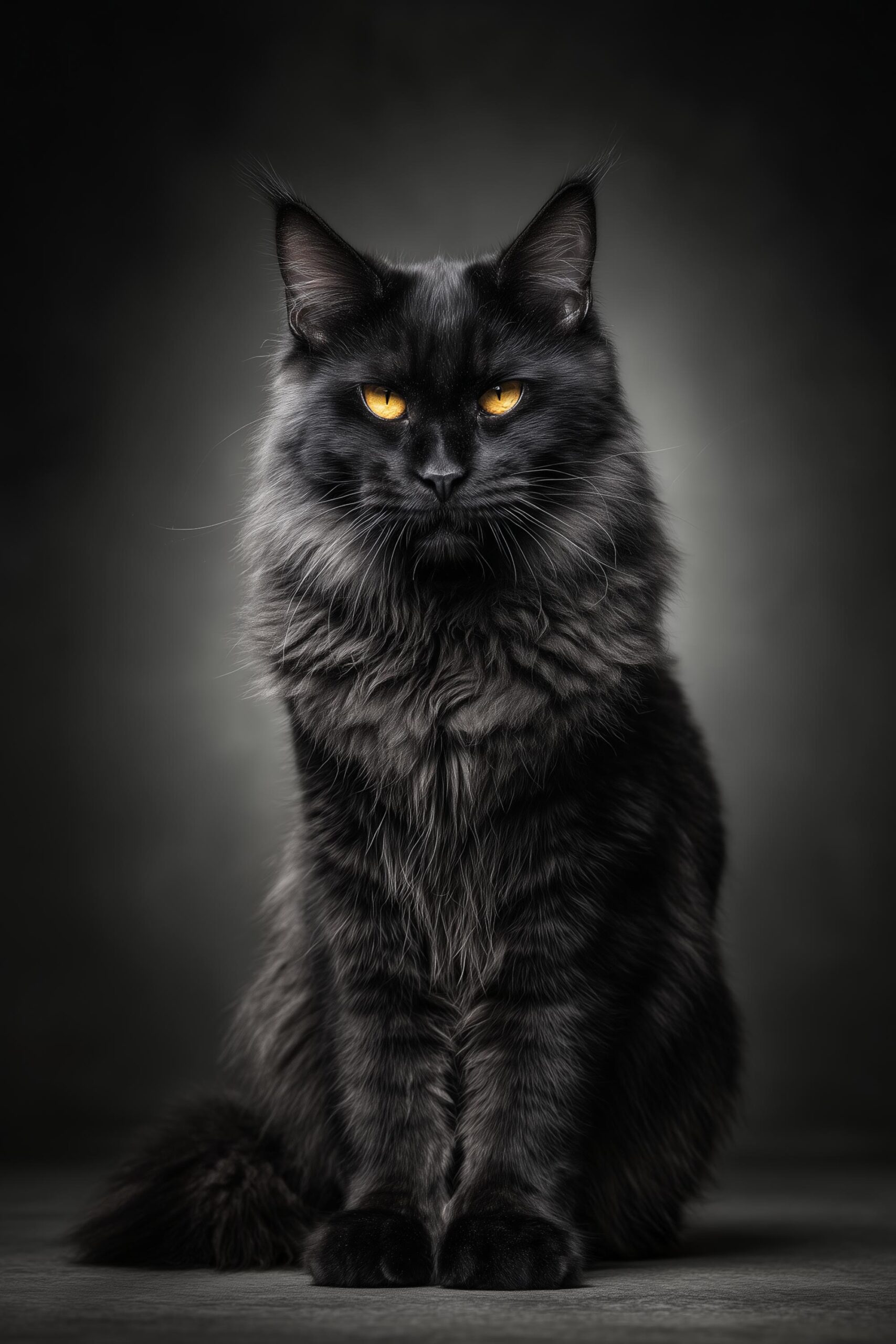
How Spaying and Neutering Affect the Maine Coon Coat (Intact vs Altered: What to Expect)
Spaying and neutering can significantly change a Maine Coon’s coat texture, density, and shedding patterns, but those changes are normal and predictable. Many owners are surprised when coat changes appear months after altering—not immediately—and often worry something has gone wrong.
Hormonal influence on coat development is rarely explained clearly, which leaves owners confused when softness increases, undercoat thickens, or matting suddenly becomes an issue. This guide explains how and why coat shifts happen, what to expect in intact versus altered cats, and how to adjust grooming routines to match these changes with confidence.
Maine Coon Coat Changes After Spay & Neuter — Quick Summary
| Hormonal Status | What the Coat Is Like | What Owners Commonly Notice | Matting Risk | Grooming Focus |
|---|---|---|---|---|
| Intact Male | Coarser guard hairs, less undercoat | Sleeker feel, sheds cleanly | Lower | Maintenance brushing, seasonal checks |
| Neutered Male | Softer, denser undercoat (“neuter coat”) | Sudden fluffiness, slower shedding | Higher | Frequent undercoat removal, friction-area checks |
| Intact Female | Lighter, less dense coat | Reduced fluff during heats or breeding | Lower–Moderate | Seasonal grooming, light maintenance |
| Breeding Female | Thinner coat during pregnancy/nursing | Visible coat loss or thinning | Low | Gentle care, nutrition support |
| Spayed Female | Fuller, softer coat over time | “Coat explosion” months after spay | Moderate–Higher | Undercoat-focused grooming, mat prevention |
Key takeaway:
Spaying and neutering don’t harm the Maine Coon coat—they change how it grows and sheds. Once grooming routines adapt to hormonal status, most coat issues become predictable and manageable.
Why Hormones Influence the Maine Coon Coat
Coat changes after spaying or neutering are driven by shifts in sex hormones that directly affect how hair grows, sheds, and maintains structure. Understanding this makes the changes feel far less mysterious.
The Role of Sex Hormones in Coat Texture
Sex hormones play a quiet but powerful role in coat composition.
- Testosterone tends to promote stronger, coarser guard hairs and a more streamlined coat with less retained undercoat.
- Estrogen influences shedding cycles and overall coat balance, often resulting in a lighter, less dense appearance when levels fluctuate.
When these hormones are reduced through spaying or neutering, the balance shifts. Guard hairs may become less dominant, while the undercoat becomes softer, denser, and more persistent. This is why altered Maine Coons often feel fluffier—and why matting risk can increase if grooming doesn’t adapt.
Why Changes Aren’t Immediate
One of the biggest sources of confusion is timing.
Hormonal changes happen quickly, but coat response does not. Hair growth follows its own schedule, and existing fur doesn’t change overnight.
- Delayed coat response: It can take weeks or months for new hair growth to reflect hormonal changes.
- Shedding cycles vs hormonal cycles: Coat changes often become noticeable during seasonal shedding, when old hair releases and new, hormone-influenced hair grows in.
This delay is why many owners say, “My cat was spayed months ago—why is the coat changing now?” The answer is simple: the coat is finally catching up.
Intact Maine Coon Coat Characteristics
Coat differences between intact and altered cats are real, but they’re often misunderstood. Intact Maine Coons tend to carry coats that look and behave differently—not because they’re “better,” but because hormones influence how hair grows, sheds, and holds structure.
Intact Males
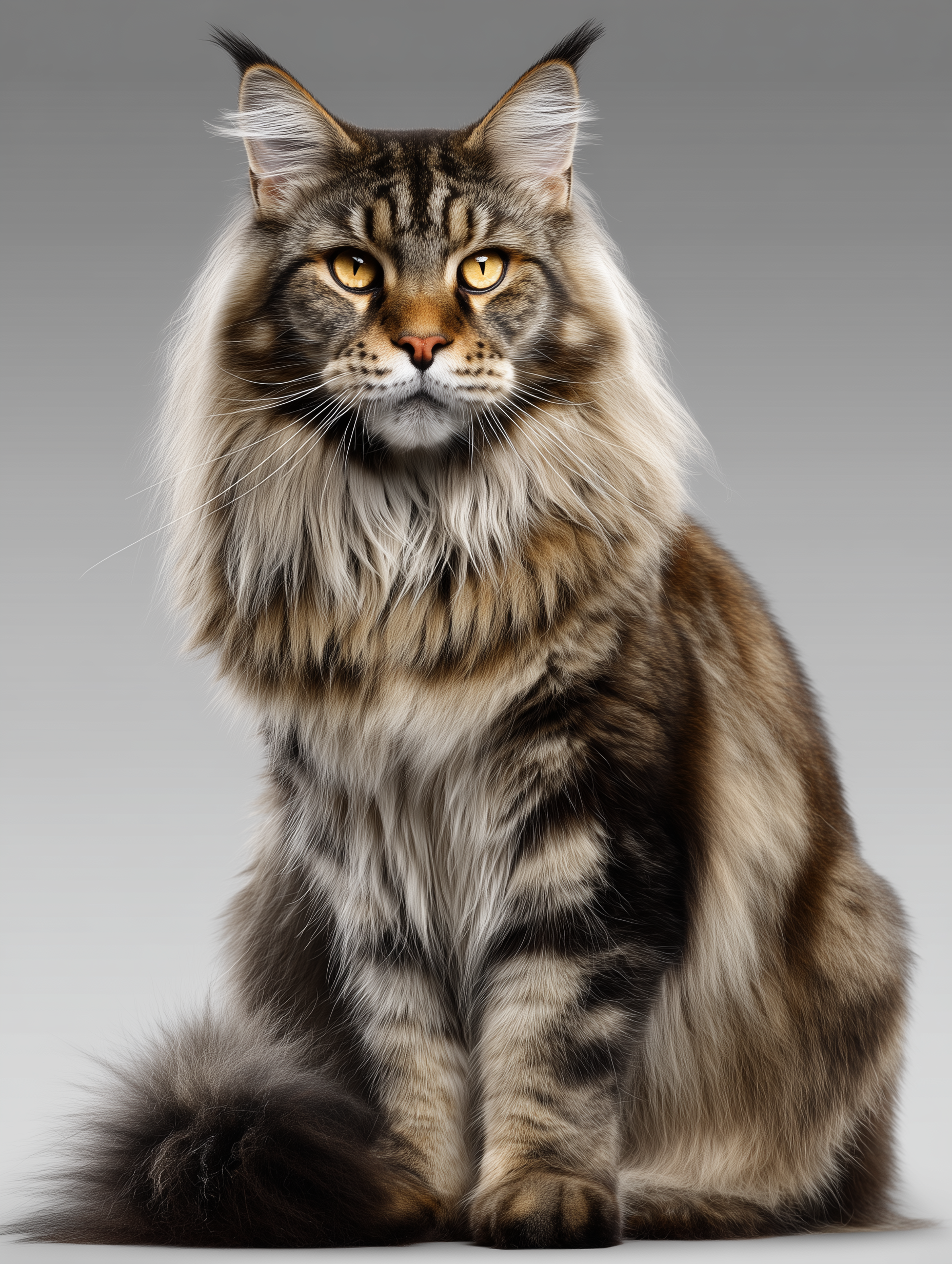
Intact male Maine Coons typically have coats with:
- Coarser guard hairs that give the coat a stronger, more rugged feel
- Less dense undercoat, meaning less retained fluff
- Lower matting tendency compared to neutered males
- A weather-resistant texture that sheds more cleanly
This coat type often looks impressive but requires less intensive undercoat management. The trade-off, of course, comes in behavior and management—not coat care.
Intact Females
Intact females usually carry a lighter, less dense coat overall. Owners often notice:
- Reduced fluffiness, especially during heat cycles
- A coat that feels sleeker rather than plush
- Seasonal variation tied to hormones, with noticeable changes throughout the year
These fluctuations are normal and don’t indicate poor coat quality. The coat is responding to hormonal signals rather than settling into a stable, fully plush state.
Coat Changes in Breeding Females
Breeding females show some of the most dramatic and misunderstood coat changes.
- Noticeably reduced coat fullness during pregnancy and nursing
- Hormonal shedding that can thin the coat significantly
- Nutrients and energy are prioritized for reproduction and milk production, not coat maintenance
Many intact females regain a fuller, fluffier coat after spaying, once hormonal cycling ends and the body no longer diverts resources away from coat growth.
These changes are functional, not flaws—and they’re temporary when breeding concludes.
Why Intact Females Often Look Less “Fluffy”
This is one of the most common points of confusion for owners of intact female Maine Coons. A lighter or thinner-looking coat is usually normal, not a sign of poor genetics or inadequate care.
During heat cycles, pregnancy, and lactation, hormonal shifts signal the body to prioritize reproduction and energy efficiency. As a result:
- the coat may thin or shed more heavily
- overall density decreases
- fluffiness is reduced, sometimes dramatically
Owners often mistake this for poor coat quality because it contrasts so sharply with the plush coats seen in spayed females or neutered males. In reality, the coat is doing exactly what it’s designed to do.
Function takes priority over appearance. A lighter coat helps regulate body temperature, reduces energy expenditure, and supports the physical demands of reproduction and nursing. Once hormonal cycling ends, the coat often changes again.
Coat Changes After Spaying (Females)
Spaying brings hormonal cycling to a stop, and with that change, the coat often enters a new, more stable phase. This transition can feel surprising if owners aren’t expecting it.
What Owners Commonly Notice
After spaying, many owners report:
- the coat becoming fuller and noticeably softer
- increased undercoat development
- a gradual return of the “fluff” associated with the breed
This doesn’t happen overnight, but it’s one of the most consistent coat changes seen in spayed females.
Timeline After Spay
Coat changes follow hair growth cycles, not the surgery date itself.
- Early changes (weeks to months):
Subtle softening, changes in shed patterns, and slightly thicker regrowth begin to appear. - Long-term changes (6–12 months):
The full effect becomes visible as new hair replaces old. The coat often looks denser, plusher, and more uniform.
Because these changes are gradual, owners may only realize how much the coat has shifted when they compare photos months apart.
Grooming Adjustments After Spay
A fuller coat brings new grooming needs.
- Increased matting risk:
More undercoat means loose hair can compact more easily, especially in friction areas. - Need for undercoat management:
Grooming routines often need to shift from light maintenance to focused undercoat removal.
This isn’t a problem—it’s simply an adjustment. Understanding that spaying often leads to a plusher coat helps owners prepare rather than panic when grooming suddenly feels more demanding.
Coat Changes After Neutering (Males)
Neutering often brings some of the most noticeable coat changes in male Maine Coons. These changes are normal, gradual, and driven by shifts in hormone balance rather than grooming mistakes or diet alone.
What “Neuter Coat” Really Means
“Neuter coat” is a common term owners use to describe the coat changes that appear after neutering. It typically involves:
- a softer, denser undercoat that feels plush or cottony
- reduced dominance of guard hairs, which previously gave the coat a sleeker, more weather-resistant texture
As testosterone levels decrease, the coat shifts away from a streamlined structure and toward one that retains more undercoat. This is why neutered males often feel fluffier than they did before—even if their grooming routine hasn’t changed.
Why Neutered Males Mat More
With increased undercoat comes increased grooming responsibility.
- Increased undercoat retention: Loose hair doesn’t release as easily and instead stays trapped in the coat.
- Slower natural shedding: Hair cycles lengthen, so old undercoat hangs on longer and tangles with new growth.
This combination makes friction areas—like the armpits, chest, belly, and hindquarters—much more prone to matting unless grooming techniques adapt.
Timeline for Neuter Coat Development
Neuter coat does not appear immediately after surgery.
- Gradual change over months: Subtle softening and density increases often start several weeks to months later as new hair grows in.
- Peak change during seasonal shedding: The most obvious shift usually shows up during spring or fall coat blow, when hormone-influenced hair replaces the old coat.
Because the change is slow, many owners only realize what’s happening when matting suddenly becomes an issue. Knowing the timeline helps owners anticipate the shift and adjust grooming before problems develop.
Neutered vs Spayed vs Intact: Coat Comparison Table
Understanding how hormonal status affects the coat helps owners set realistic expectations and adjust grooming before problems appear. While every cat is an individual, these patterns are commonly observed in the Maine Coon.
| Hormonal Status | Coat Texture | Coat Density | Matting Risk | Grooming Frequency Needs |
|---|---|---|---|---|
| Intact Male | Coarser, more resilient guard hairs | Moderate undercoat | Lower | Moderate, mostly maintenance |
| Neutered Male | Softer, plush undercoat dominates | High undercoat density | Higher | Frequent, undercoat-focused |
| Intact Female | Lighter, sleeker texture | Lower overall density | Lower to moderate | Moderate, varies seasonally |
| Spayed Female | Softer and fuller over time | Increased undercoat | Moderate to higher | Frequent, especially after coat change |
This table explains why grooming routines that worked before spay or neuter often need to change afterward—particularly for neutered males and spayed females as undercoat increases.
How Spay/Neuter Timing Influences the Coat
Timing plays a role in how noticeable coat changes feel. While spaying or neutering doesn’t “damage” the coat, the stage of development at which it happens can influence how dramatic the transition appears.
Early Altering vs Later Altering
When cats are altered before full coat maturity, the coat often develops directly into its post-alter state.
- Coat maturity differences: Early-altered cats may never develop the coarser, more streamlined intact coat. Instead, the coat grows in softer and denser from the start.
- What owners may notice: A consistently fluffy coat from a young age, with higher grooming needs but fewer dramatic “before and after” changes.
This can feel easier for some owners because there’s no sudden shift—just steady grooming demands as the cat grows.
Adult Altering vs Juvenile Altering
Altering an adult Maine Coon often leads to more noticeable coat changes.
- Adult cats already have a hormonally established coat structure.
- Once hormones change, new hair grows in with different texture and density.
This contrast between old and new coat is why adult-altered cats may experience:
- patchy or uneven texture during transition
- sudden increases in matting
- confusion about why grooming has become harder seemingly overnight
The coat isn’t bad—it’s adjusting. Understanding this timing helps owners respond calmly and adapt grooming routines instead of assuming something has gone wrong.
Grooming Adjustments Based on Hormonal Status
Hormonal status directly shapes how you should groom a Maine Coon. When you align grooming with coat biology, care becomes easier and matting becomes more manageable.
Grooming Intact Cats
Groom intact Maine Coons with a maintenance-first approach.
- Focus on keeping the coat clean and free of debris rather than aggressively removing undercoat.
- Brush regularly but lightly, allowing natural shedding to occur.
- Increase attention during seasonal coat changes, when intact cats may shed more noticeably for short periods.
Most intact cats maintain a more streamlined coat and need consistent, moderate grooming rather than intensive sessions.
Grooming After Spay/Neuter
Shift your routine to an undercoat-focused strategy after spaying or neutering.
- Use tools that remove loose undercoat instead of just smoothing the surface.
- Groom more frequently during the months following surgery, when coat changes begin to appear.
- Target friction areas—armpits, chest, belly, and behind the ears—to stop mats before they form.
Stay proactive during transitions. Early intervention prevents matting far more effectively than reactive grooming.
Common Myths About Spay/Neuter and the Maine Coon Coat
Misinformation creates unnecessary worry. Clearing up these myths helps owners make calm, informed decisions.
“Spaying Ruins the Coat”
Spaying does not ruin the coat. It often changes the coat’s texture and density, making it fuller and softer over time. With proper grooming adjustments, the coat remains healthy and manageable.
“Neuter Coat Means Bad Grooming”
Neuter coat reflects hormonal changes, not grooming failure. The increased undercoat simply requires a different grooming approach than the intact coat did.
“The Coat Will Never Be the Same”
The coat does change—but change does not equal damage. Many owners prefer the post-alter coat once they adapt grooming routines to match its needs.
Maine Coon Coat Changes After Spay & Neuter: FAQ
Does spaying or neutering always change a Maine Coon’s coat?
Not always, but it’s very common. Many Maine Coons experience increased softness, density, or undercoat after altering. The degree of change depends on genetics, age at surgery, and individual hormone response.
How long after spay or neuter will coat changes appear?
Coat changes rarely show up immediately. Most owners notice shifts weeks to months later, often during the next seasonal shed when new hair grows in under altered hormone levels.
What is “neuter coat” in Maine Coons?
Neuter coat refers to a softer, denser undercoat with less dominant guard hairs that commonly appears in neutered males. It isn’t a problem—it simply requires more undercoat management to prevent matting.
Why do neutered males mat more easily?
Neutered males retain more undercoat and shed more slowly. Loose hair stays trapped in the coat, especially in friction areas, which increases matting risk if grooming routines don’t adjust.
Do spayed females always get fluffier?
Many do, but not all. After spaying, hormonal cycling stops and the coat often becomes fuller and softer over time. Changes are gradual and can take 6–12 months to fully show.
Why do intact females often look less fluffy?
Intact females cycle hormonally. During heats, pregnancy, and nursing, the body prioritizes reproduction and energy efficiency over coat fullness, leading to lighter, less dense coats.
Will an intact female’s coat come back after spaying?
In most cases, yes. Once hormonal cycling ends, many intact females develop noticeably fuller coats after spay, especially if nutrition and grooming support the transition.
Does the age at spay or neuter affect coat changes?
Yes. Cats altered before full coat maturity often grow directly into their post-alter coat. Cats altered as adults may show more dramatic changes because new hair grows in with a different texture than the existing coat.
Is increased matting after spay or neuter a grooming failure?
No. Increased matting reflects biological coat changes, not neglect. It simply means grooming techniques need to shift toward undercoat removal and friction-area prevention.
Can diet influence hormonal coat changes?
Yes. Adequate protein, essential fatty acids (especially omega-3s), and overall calorie intake support healthy coat regrowth during hormonal transitions.
Should grooming frequency change after spay or neuter?
Usually, yes. Most spayed or neutered Maine Coons benefit from more frequent, shorter grooming sessions focused on removing loose undercoat before it compacts.
Will the coat ever return to its intact texture?
The coat may not return to its exact intact texture, but it stabilizes. Many owners find the post-alter coat easier to predict and manage once they adapt their routine.
Is coat change a reason to delay spaying or neutering?
Coat changes alone are not a medical reason to delay altering. Understanding and preparing for coat shifts helps owners manage them without stress.
Spaying and neutering don’t damage the Maine Coon coat—they change how it grows, sheds, and holds undercoat. Intact cats tend to carry lighter, more streamlined coats, while spayed and neutered cats often develop softer, denser fur that requires a different grooming approach. When owners understand these hormonal shifts and adjust grooming routines accordingly, matting becomes easier to manage and coat changes feel predictable rather than alarming. With the right expectations, the Maine Coon coat remains healthy, comfortable, and true to the breed at every stage.
Related Maine Coon Care Posts
If you’re managing a Maine Coon coat, these guides will help you understand the bigger picture behind grooming, shedding, and long-term coat health:
- Maine Coon Grooming Guide: How Often to Brush, What Tools Actually Work, and Common Mistakes
- Maine Coon Shedding Explained: Seasonal Coat Blow, What’s Normal, and When to Worry
- Maine Coon Coat Types: Kitten Coat vs Adult Coat and Why Texture Changes Cause Matting
- Maine Coon Lion Cuts: What Works, What Fails, and What Can Make Matting Worse
- Maine Coon Matting: How to prevent them before they start.
- Maine Coon Polydactyl Care: Extra love for the extra toes.
- Maine Coon Diet and Coat Health: How Nutrition Affects Shedding, Dryness, and Mat Formation
- How to Prepare Your Home for a Maine Coon Kitten: details on starting good grooming habits
- Maine Coon Cat Care: Environmental Factors That Affect Coat Condition and Grooming Needs
Sources & References
- Cornell University College of Veterinary Medicine
Feline Hair Growth, Shedding Cycles, and Hormonal Influence
https://www.vet.cornell.edu/departments-centers-and-institutes/cornell-feline-health-center - Merck Veterinary Manual
Hair Coat Disorders in Cats
https://www.merckvetmanual.com/integumentary-system/hair-coat-disorders - BSAVA Manual of Feline Practice
Endocrine Effects on Coat and Skin
(British Small Animal Veterinary Association reference text) - International Cat Care (iCatCare / ISFM)
Understanding the Cat’s Coat and Grooming Needs
https://icatcare.org/advice/cat-grooming/ - VCA Animal Hospitals
Spaying and Neutering in Cats: What to Expect
https://vcahospitals.com/know-your-pet/spaying-and-neutering-in-cats - Plumb’s Veterinary Drug Handbook
Hormonal Influence on Skin and Coat Health
(Clinical veterinary reference) - ASPCA Veterinary Resources
Cat Grooming and Coat Health Basics
https://www.aspca.org/pet-care/cat-care/cat-grooming-tips





Read the Comments +