
Do Maine Coons Need Professional Grooming and What to Ask For

Maine Coons do not always need professional grooming, but some situations make it helpful—or even necessary. Confusion sets in because advice online swings to extremes, leaving owners feeling guilty if they don’t book regular appointments or worried they’re neglecting their cat.
Much of that pressure comes from Reddit-style answers that frame grooming as “always” or “never.” Real life is more nuanced. This guide helps you decide when professional grooming makes sense, when home care is enough, and what to ask for so your Maine Coon gets appropriate care—without unnecessary stress, shaving, or expense.
Do Maine Coons Need Professional Grooming? At-a-Glance Summary
| Situation | Is Professional Grooming Needed? | What to Ask For |
|---|---|---|
| Healthy adult with manageable coat | Usually no | Home brushing + routine checks |
| Kitten or young cat | Rarely | Tolerance-building only |
| Coat transition (6–18 months) | Sometimes helpful | Undercoat removal, light de-matting |
| Post-spay/neuter coat changes | Often helpful short-term | Bath, dry, undercoat management |
| Senior cat with limited mobility | Often | Comfort-focused grooming |
| Mild matting in friction areas | Optional | Targeted trims (armpits, belly, sanitary) |
| Skin-tight or widespread mats | Yes | Professional or veterinary grooming |
| Cat hates brushing at home | Sometimes | Short sessions, minimal trimming |
| Owner fell behind on grooming | Helpful reset | De-matting without full shave |
| Lion cut suggested automatically | Usually avoid | Ask for coat-preserving alternatives |
What Professional Grooming Means for Maine Coons
Professional grooming for Maine Coons isn’t a one-size service or a mandatory routine. It’s a set of tools and skills that can support owners when the coat, the cat, or the circumstances make home grooming difficult.
What a Professional Groomer Typically Does
A qualified groomer focuses on coat health and comfort, not just appearance. Common services include:
- De-matting: Carefully working out tangles or compacted undercoat, especially in friction areas like armpits, chest, belly, and hindquarters.
- Bathing and drying: Using cat-appropriate products and thorough drying to release loose undercoat during heavy sheds.
- Sanitary trims: Keeping the rear and inner thighs clean to prevent hygiene issues.
- Nail trimming: Maintaining safe nail length, especially for indoor cats or seniors.
When done correctly, these services support—not replace—ongoing home grooming.
What Professional Grooming Is Not
Understanding the limits of professional grooming prevents unrealistic expectations.
- Not a replacement for home care: Even beautifully groomed coats require regular maintenance between visits.
- Not required on a fixed schedule: Maine Coons don’t need grooming every 6–8 weeks by default. Coat stage, hormonal status, and individual tolerance matter far more than a calendar.
Professional grooming works best as a situational support, not a permanent dependency.
Can Maine Coons Be Fully Groomed at Home?
Many Maine Coons can be groomed successfully at home—but only when expectations match the coat stage and the cat’s tolerance. Home grooming works best as ongoing maintenance, not as a rescue plan once the coat has already become overwhelmed.
What Most Owners Can Handle at Home
With the right tools and routine, most owners can manage basic grooming needs for a Maine Coon.
- Routine brushing: Regular sessions help remove loose surface hair and keep the coat comfortable.
- Friction-area checks: Catching early tangles behind the ears, in the armpits, chest, belly, and hindquarters prevents matting from escalating.
- Nail trims: Short nails reduce snagging, self-injury, and resistance during grooming.
When done consistently, home grooming maintains coat health and builds tolerance—especially when introduced early.
Where Home Grooming Often Falls Short
Even dedicated owners can hit limits.
- Dense undercoat removal: Surface brushing doesn’t always release compacted undercoat, especially after spay/neuter or during seasonal shedding.
- Advanced matting: Once mats tighten near the skin, safe removal becomes difficult without professional tools or experience.
- Coat blow management: Heavy sheds overwhelm home routines and often require bathing and high-powered drying to reset the coat.
These challenges don’t mean home grooming failed—they simply mark the point where extra help can make a difference.
When Professional Grooming Is Helpful
Professional grooming isn’t an all-or-nothing decision. It often works best as temporary support during high-demand periods.
- Heavy matting during coat transitions: Adolescence and adult coat changes create conditions that overwhelm normal routines.
- Post-spay/neuter coat changes: Increased undercoat retention raises matting risk until grooming strategies adjust.
- Senior cats with limited mobility: Aging cats groom themselves less effectively and benefit from assisted care.
- Owners rebuilding a grooming routine after falling behind: Professional help can reset the coat so maintenance becomes manageable again.
In these situations, professional grooming supports both the cat’s comfort and the owner’s confidence—without turning into a permanent requirement.
When Professional Grooming Becomes Necessary
Professional grooming becomes the right choice when comfort, safety, or coat health can’t be maintained at home. This isn’t a failure—it’s a practical response to specific situations.
Skin-Tight or Widespread Mats
When mats pull at the skin, sit close to sensitive areas, or spread across multiple zones, home tools often can’t remove them safely. Professional groomers have the equipment and experience to release these mats with minimal discomfort and without escalating stress.
Cats Who Cannot Be Safely Groomed at Home
Some Maine Coons resist grooming to the point where handling risks injury to the cat or the person. If your cat panics, becomes aggressive, or cannot tolerate restraint, professional support protects everyone involved and prevents rushed, unsafe attempts at home.
Medical or Comfort-Related Reasons
Health changes can make grooming harder even for cats who previously tolerated it well.
- Arthritis: Pain limits a cat’s ability to groom themselves and tolerate brushing.
- Obesity: Reduced flexibility leads to missed areas and faster matting.
- Skin sensitivity: Conditions that make the skin fragile or inflamed require gentle, experienced handling.
In these cases, professional grooming focuses on comfort first, not cosmetic outcomes.
How Often Do Maine Coons Actually Need Professional Grooming?
Frequency depends on the individual cat—not a fixed rule.
There Is No Universal Schedule
The idea that Maine Coons need grooming every 6–8 weeks doesn’t apply to most cats.
- Coat stage matters more than calendar dates.
- Hormonal status, age, and seasonal shedding change grooming needs.
- Some cats need professional help occasionally; others rarely do.
A schedule should respond to the coat’s behavior, not force it.
Typical Frequency Ranges (When Used)
When owners choose professional grooming, it usually falls into one of these patterns:
- Occasional (1–2 times per year): To support heavy shedding or reset the coat after a challenging phase.
- Situational: During coat blow, after a matting episode, or when health or mobility temporarily limits home care.
Most Maine Coons thrive with home grooming as the foundation and professional grooming used strategically—when it truly helps.
What to Ask a Groomer for a Maine Coon (and How to Avoid the Wrong Service)
This section is where most owners go wrong—not because they choose professional grooming, but because they don’t know what to ask for. Clear language protects your cat’s coat, comfort, and long-term grooming success.
Use the guidance below exactly as written if needed. You are not being difficult—you are being specific.
Start With the Right Framing
How to Describe Your Goal (Before Any Tools Come Out)
Open the conversation with your goal, not the groomer’s default service.
Say something like:
“I’m looking for help managing undercoat and preventing matting. I don’t want a full shave unless it’s medically necessary.”
This immediately steers the appointment away from automatic lion cuts.
If You Do Not Want a Lion Cut
Lion cuts are common, fast, and profitable—which is why some groomers suggest them early. If you don’t want one, you must be explicit.
What to Say Clearly
Use direct language:
- “I do not want a lion cut.”
- “Please do not shave the body.”
- “I only consent to targeted trimming if absolutely needed.”
If you are open to trimming but not shaving, add:
“Targeted trims in friction areas are fine, but I want to preserve the coat structure.”
What to Ask Instead of a Lion Cut
Ask for services that support the coat rather than reset it.
- Undercoat removal, not shaving
- Hand de-matting, where possible
- Targeted trims in armpits, belly, and sanitary areas
- Bath and high-velocity drying to release loose undercoat
These options maintain the natural coat while addressing the problem areas.
If Matting Is the Main Concern
How to Describe Matting Accurately
Be specific about where and how severe the matting is.
Say:
- “The mats are mostly in friction areas.”
- “They’re not skin-tight.”
- “I want to preserve as much coat as possible.”
This helps the groomer choose technique instead of defaulting to shaving.
When to Ask About Partial Shaving
If mats are severe, you can still control the outcome.
Ask:
“Can we clip just the matted sections and leave the rest of the coat intact?”
This keeps shaving limited and avoids unnecessary coat loss.
If Your Maine Coon Is Sensitive or Anxious
What to Say About Temperament
Temperament matters as much as coat condition.
Tell the groomer:
- “My cat tolerates short sessions better than long ones.”
- “Please stop if stress escalates.”
- “I prefer comfort over cosmetic results.”
This signals that you value handling quality, not speed.
Ask About Session Length and Handling
Good questions include:
- “How long do you typically work with a cat before giving them a break?”
- “Do you work one-on-one or with multiple animals at once?”
- “Do you adjust techniques for large, heavy-boned cats?”
A groomer experienced with a Maine Coon should welcome these questions.
If You Want a Bath (and Nothing More)
Baths can be extremely helpful during coat blow or undercoat overload.
How to Ask for a Coat-Supportive Bath
Say:
“I’m looking for a bath and dry to help release loose undercoat, not a style change.”
Confirm:
- Cat-specific shampoo
- Thorough drying (not towel-only)
- Brushing after drying, not before
Drying is where most undercoat release happens.
Questions Every Maine Coon Owner Should Ask a Groomer
Use these as a checklist.
Experience & Approach
- “Do you groom cats regularly?”
- “Are you familiar with Maine Coon coat structure?”
- “Do you default to shaving, or try coat preservation first?”
Technique
- “Do you remove undercoat by hand or rely on clippers?”
- “How do you handle friction-area matting?”
- “What tools do you use for dense undercoat?”
Decision-Making
- “Will you check with me before shaving anything?”
- “Can we agree on a plan before starting?”
A groomer who resists these questions is not the right fit.
Red Flags to Watch For (Do Not Ignore These)
Automatic Lion Cut Recommendations
If the first solution offered is:
- “We’ll just lion cut him”
- “That’s easiest”
- “That’s what we do for Maine Coons”
—pause the appointment.
Dismissal of Coat Stage or Hormonal Changes
If a groomer ignores:
- age
- recent spay/neuter
- coat transition stages
they may misinterpret normal coat behavior as neglect.
No Discussion Before Clippers
A groomer should never shave first and explain later.
If they won’t agree to:
- boundaries
- consent
- a grooming plan
walk away.
How to Set Expectations for the Outcome
End the conversation with clarity.
Say:
“My priority is comfort and coat health. I understand this may take more than one session.”
This removes pressure to “fix everything today” and protects the coat long-term.
Bottom Line: You Are the Advocate
Professional grooming can be incredibly helpful—but only when it’s collaborative.
When you:
- describe your goals clearly
- ask the right questions
- set boundaries around shaving
you turn grooming into a support tool, not a source of regret.
How Much Does Professional Grooming for a Maine Coon Cost?
Professional grooming costs for a Maine Coon vary widely, and that range is one reason owners feel uncertain about whether grooming is “worth it.” Pricing depends less on breed name and more on coat condition, time required, and handling difficulty.
Typical Price Ranges Owners Report
Most owners fall into one of these brackets:
- Basic grooming (bath, brush, nail trim):
$50–$120
Often used during shedding seasons or as a coat “reset.” - Full grooming for long-haired cats (bath, dry, brushing, light trimming):
$70–$150+
Common for Maine Coons with dense undercoat or mild matting. - Lion cuts or extensive de-matting:
$90–$200+
Higher prices reflect time, risk, and coat condition—not luxury. - Mobile or cat-only groomers:
Often $120–$200+ due to specialized handling, travel, and one-on-one sessions.
Why Prices Vary So Much
Owners are often surprised by quotes because grooming costs are not standardized. Common factors include:
- Coat condition: Heavy matting significantly increases time and cost.
- Cat size and strength: Larger, heavier cats require more controlled handling.
- Temperament: Cats that resist grooming may need longer appointments or specialized care.
- Location: Urban areas and mobile services tend to charge more.
- Service scope: Targeted trims cost less than full-body grooming or shaving.
A higher price usually reflects time and skill, not unnecessary add-ons.
What Owners Say About Cost vs Value
Many owners report that:
- occasional professional grooming costs less than repeated vet visits for matting
- a single “reset” appointment can make home grooming manageable again
- investing once or twice a year feels reasonable compared to ongoing stress
Others choose to invest in tools and groom at home after realizing professional grooming isn’t a recurring need for their cat.
Maine Coon Professional Grooming Cost Breakdown
| Grooming Service | Typical Cost Range | When It’s Usually Used |
|---|---|---|
| Basic groom (bath, brush, nail trim) | $50–$120 | Seasonal shedding, light maintenance |
| Full groom for long-haired cats | $70–$150+ | Dense undercoat, mild matting |
| Targeted trims (sanitary, armpits, belly) | $40–$90 | Friction-area mat prevention |
| De-matting session | $90–$180+ | Compacted or widespread mats |
| Lion cut or full shave | $90–$200+ | Severe matting or comfort needs |
| Mobile or cat-only groomer | $120–$200+ | One-on-one handling, reduced stress |
| Veterinary grooming (with sedation if needed) | $150–$300+ | Safety or medical necessity |
Professional grooming for Maine Coons typically costs between $70 and $150, with higher prices reserved for severe matting, lion cuts, or mobile services. For most owners, it’s an occasional support expense, not a monthly obligation—and understanding the pricing helps remove the guilt and guesswork from the decision.
Kitten vs Adult vs Senior Maine Coons: Grooming Needs Change
A Maine Coon’s grooming needs evolve with age. Matching grooming support to life stage keeps the coat comfortable without overdoing professional services.
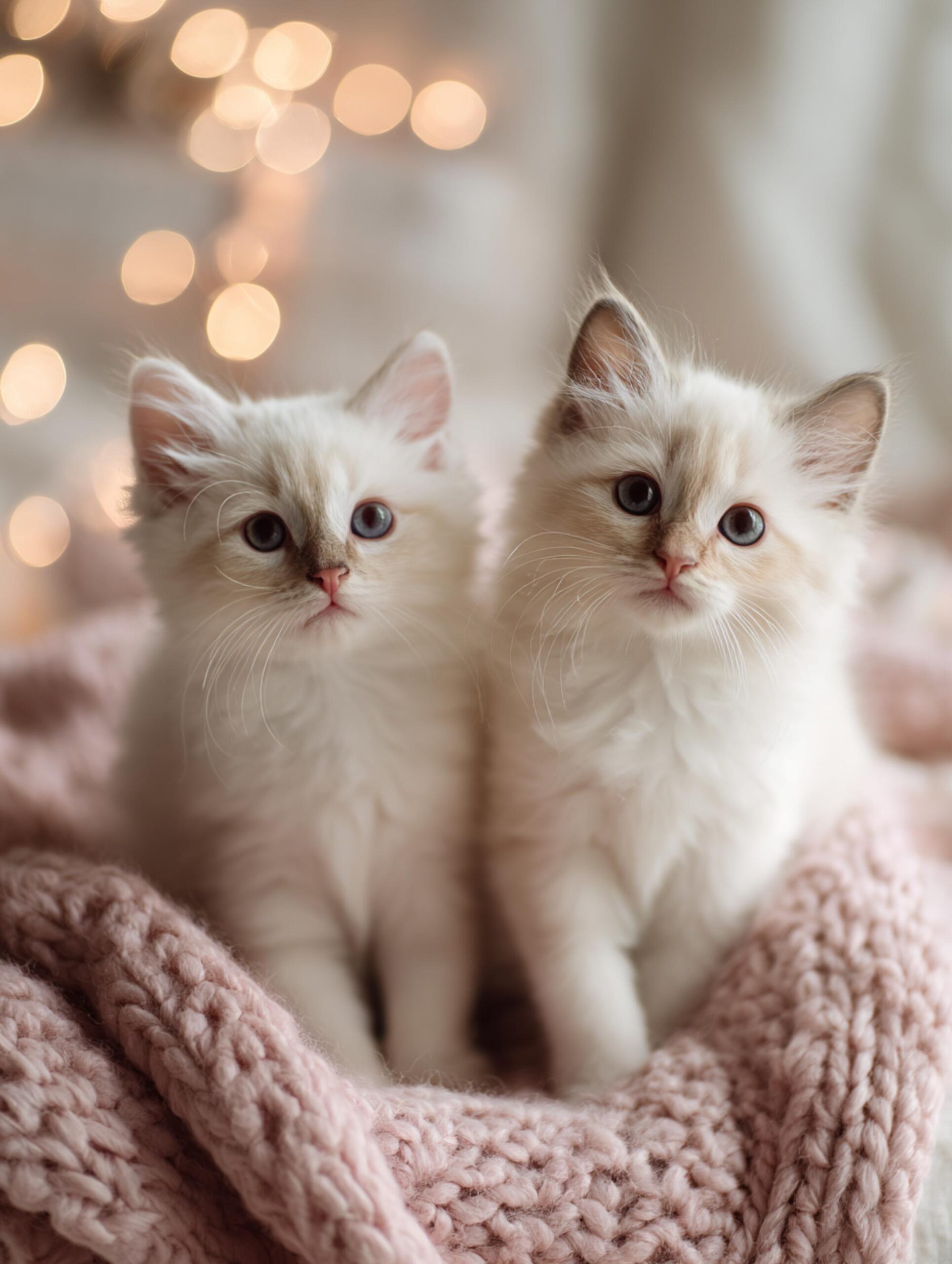
Kittens
Prioritize tolerance-building, not perfection.
- Keep sessions short, calm, and positive.
- Handle paws, tail, belly, and chest gently to normalize touch.
- Focus on routine rather than results.
Most kittens rarely need professional grooming. The goal is to raise a cat who accepts grooming later, not to chase a flawless coat early.
Adolescents & Young Adults
This stage brings the most confusion.
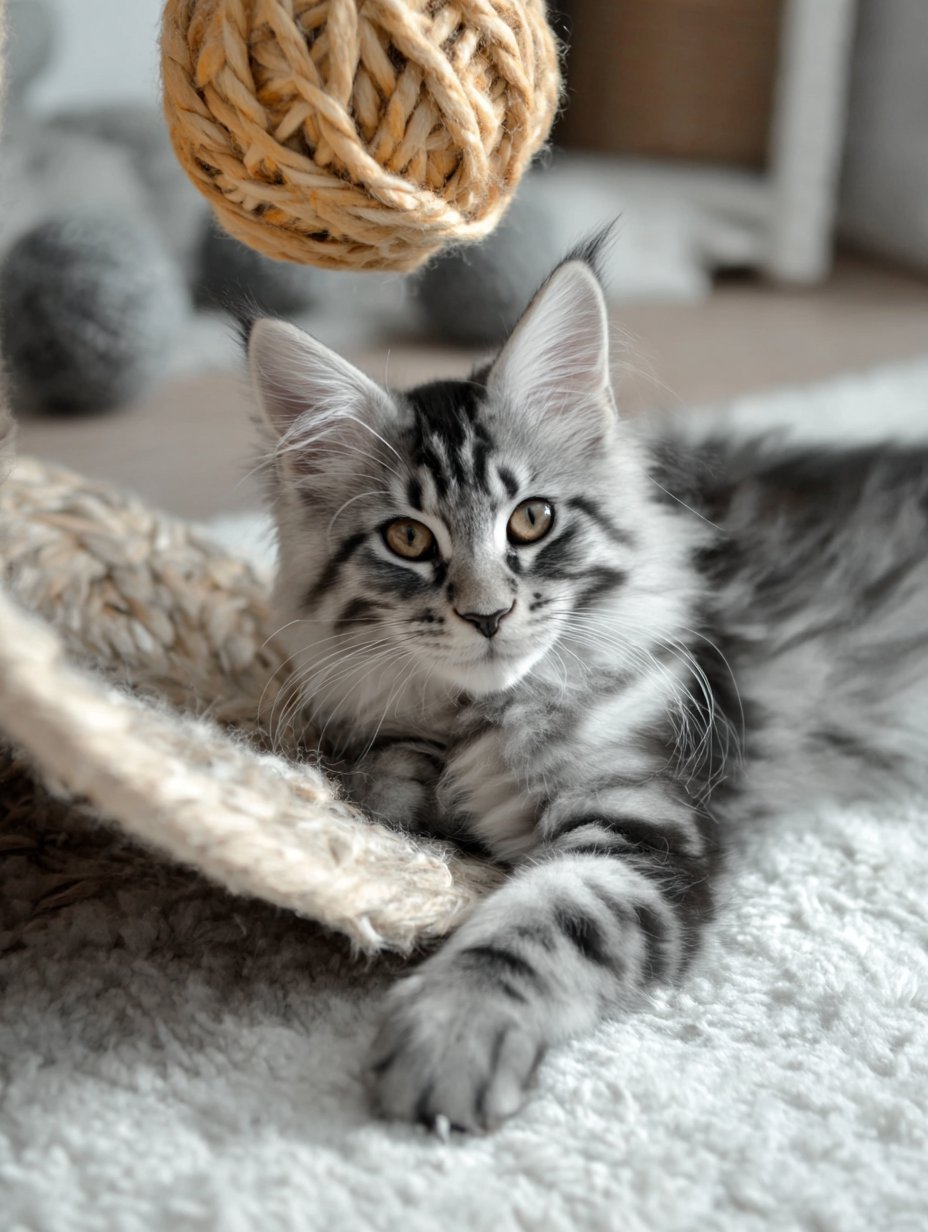
- Transition coats mix kitten fluff with emerging adult guard hairs.
- Matting risk increases, especially in friction areas.
- Grooming demands spike even when effort stays the same.
Professional grooming can help during coat blow or a matting episode, but many young adults return to home maintenance once the coat stabilizes.
Seniors
Shift the goal from appearance to comfort.
- Aging reduces flexibility and self-grooming.
- Arthritis, weight changes, or skin sensitivity may limit tolerance.
- Mats form faster in hard-to-reach areas.
Comfort-focused grooming—often with professional support—keeps seniors clean and pain-free without forcing long or stressful sessions.
Professional Groomer vs Vet Grooming: Which Is Right?
Choosing the right setting matters as much as choosing grooming itself.
When a Cat Groomer Is Appropriate
A professional cat groomer is a good fit when:
- The cat is calm enough to be handled safely.
- Grooming is preventive (undercoat management, light de-matting, baths).
- The goal is coat support, not emergency intervention.
Experienced groomers familiar with the Maine Coon can preserve coat structure while easing grooming demands.
When a Vet Grooming Is Safer
Veterinary grooming makes sense when safety or comfort is at risk.
- Severe or skin-tight matting that cannot be worked out gently.
- Sedation needs due to extreme stress, pain, or aggression.
In these cases, medical oversight protects the cat and prevents rushed decisions. Vet grooming isn’t about aesthetics—it’s about resolving a problem humanely and safely.
Risks and Downsides of Professional Grooming
Professional grooming can be helpful, but it isn’t risk-free. Understanding the downsides helps owners make informed choices instead of assuming that “professional” always means better.
- Stress for sensitive cats:
Not all Maine Coons tolerate unfamiliar handling, sounds, or restraint well. For cats that are anxious, highly bonded to their owner, or easily overstimulated, grooming appointments can be more stressful than beneficial if not handled thoughtfully. - Over-shaving or unnecessary lion cuts:
Some groomers default to shaving because it’s faster and easier than working through undercoat. This can remove healthy coat that didn’t need to be shaved and create new grooming challenges during regrowth. - Inexperienced groomers unfamiliar with Maine Coon coats:
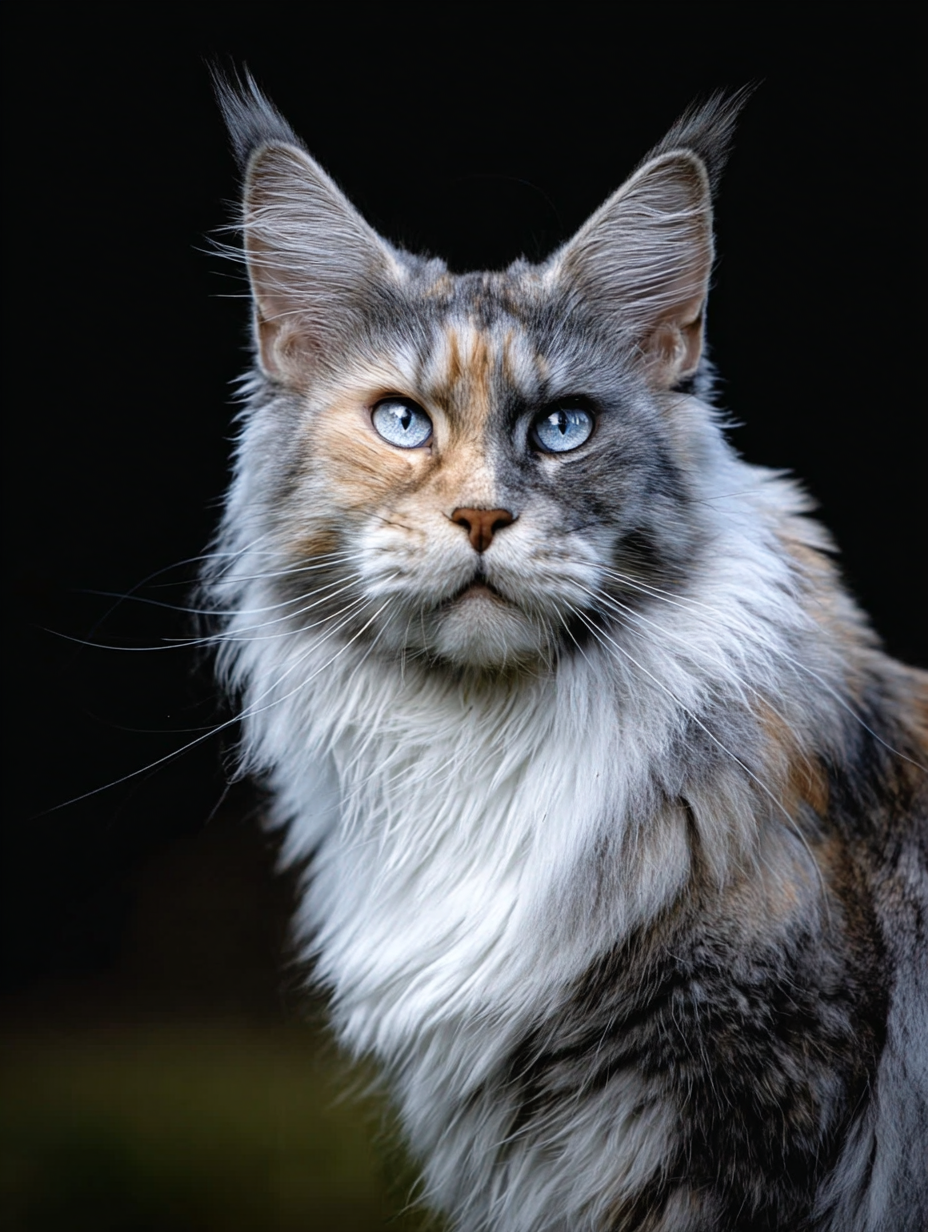
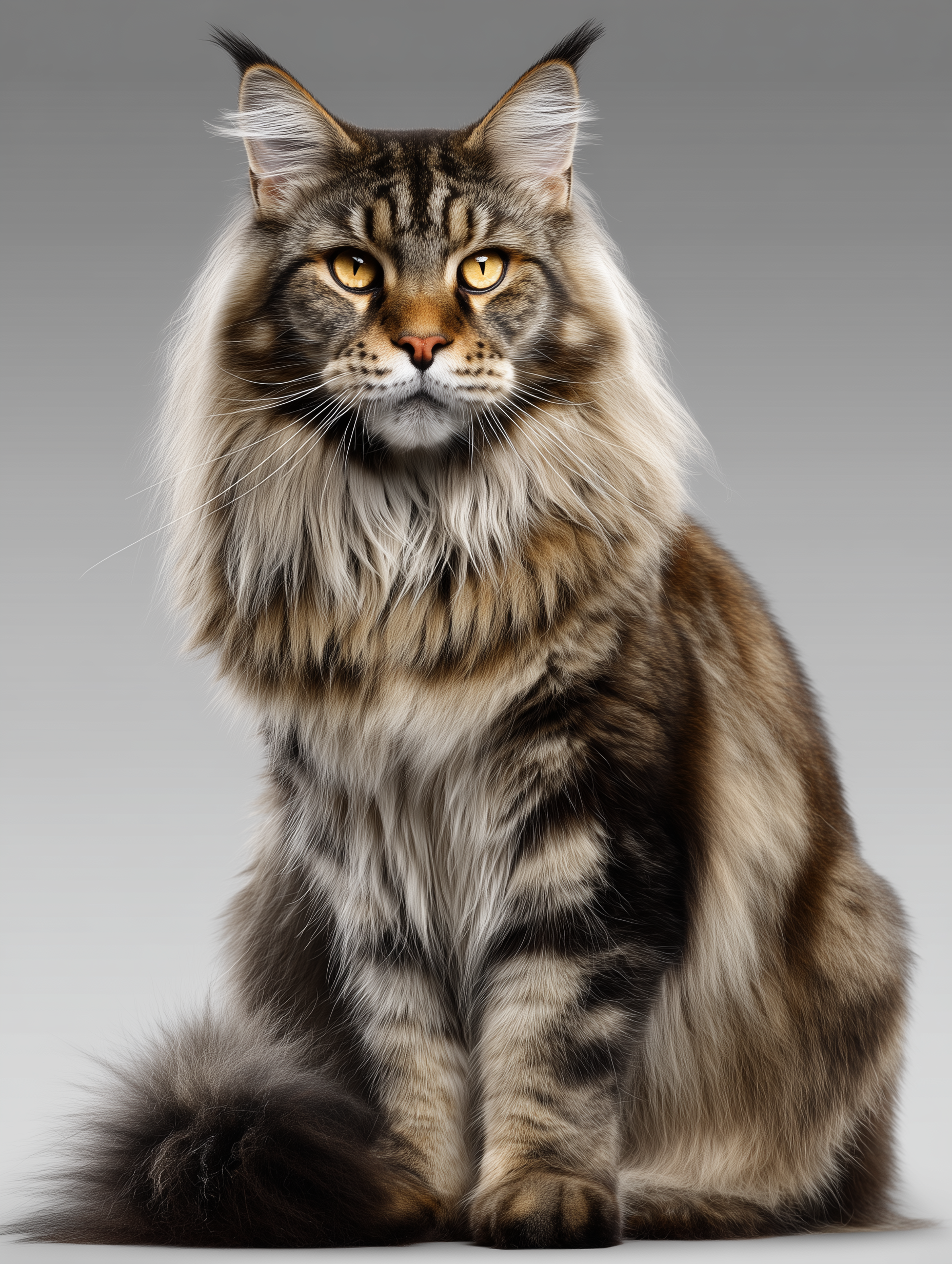
The Maine Coon has a complex, layered coat that behaves differently from typical long-haired cats. Groomers who lack breed or coat-stage awareness may misinterpret normal shedding or transition coats as neglect.
Professional grooming works best when it supports the coat—not when it overrides it.
How to Choose the Right Groomer for a Maine Coon
The right groomer treats you as a partner in decision-making, not a bystander.
Questions to Ask Before Booking
Ask these before you ever schedule an appointment:
- “Do you groom cats regularly, or are cats an occasional service?”
Cat experience matters more than general grooming experience. - “Are you comfortable working with dense undercoat without shaving?”
You want someone skilled at releasing undercoat, not just removing it. - “Do you adjust grooming based on coat stage or recent spay/neuter?”
This shows awareness of how Maine Coon coats change over time.
Clear, confident answers are a good sign.
Red Flags to Avoid
Walk away if you hear:
- Automatic shaving recommendations:
Statements like “We just lion cut all Maine Coons” signal convenience-based grooming, not coat-based care. - Lack of breed or coat-stage understanding:
If a groomer dismisses questions about age, coat changes, or hormones, they may not recognize what’s normal for this breed.
Choosing carefully protects your cat’s comfort—and your trust.
Common Myths About Professional Grooming for Maine Coons (Debunked)
Professional grooming attracts a lot of strong opinions—especially online. Clearing up these myths helps owners make calm, practical decisions instead of reacting to pressure or guilt.
“Maine Coons must be professionally groomed”
Myth. Most Maine Coons do not need routine professional grooming on a fixed schedule. Many thrive with consistent home care and only need professional help during coat transitions, heavy shedding, or specific challenges.
“If mats form, you’ve failed at grooming”
Myth. Matting often appears during coat changes, hormonal shifts, or health-related limitations—even with regular brushing. Mats signal that the coat changed, not that care stopped.
“Professional grooming prevents matting forever”
Myth. Professional grooming can reset the coat temporarily, but it does not replace ongoing maintenance. Without adjusted home routines afterward, matting can return.
“Lion cuts are the best solution for Maine Coons”
Myth. Lion cuts can be appropriate in specific situations, but they are not a default or preventive solution. Targeted trimming, undercoat management, and coat-stage awareness often work better long-term.
“All groomers know how to handle Maine Coon coats”
Myth. Maine Coons have a layered, semi-long coat that behaves differently from typical long-haired cats. Experience with cats—and with dense undercoat—is essential.
“If grooming stresses my cat, it’s still worth it”
Myth. Grooming should improve comfort, not reduce it. For sensitive cats, shorter sessions, different timing, or alternative approaches may be more appropriate than forcing appointments.
“Once professionally groomed, home care doesn’t matter”
Myth. Home care matters more after professional grooming. Maintaining results depends on regular checks, friction-area attention, and undercoat removal as needed.
Professional grooming is a tool, not a requirement or a verdict on your care. The best grooming plan fits your cat’s coat stage, temperament, and tolerance—no myths required.
What Owners Say About Professional Grooming for Maine Coons
There is no single grooming routine that works for every Maine Coon. Owner experiences vary widely—and that’s exactly what makes this breed confusing for newcomers.
Here’s what Maine Coon owners say about professional Maine Coon grooming:
“We’ve Never Used a Groomer—and We’re Fine”
Many owners report that they’ve never booked professional grooming and don’t feel the need to.
They describe routines built around:
- regular brushing at home
- nail trims done gradually or through vet plans
- spot-trimming armpits, belly, or rear when needed
Several mention that starting early—handling paws, nails, and brushing as kittens—made grooming easier long-term. For these cats, professional grooming simply never became necessary.
“It Depends on the Cat—Even Littermates Are Different”
A very common experience: two Maine Coons from the same litter, completely different coats.
Owners often say:
- one cat never mats and barely needs brushing
- another mats constantly no matter how often they groom
Texture matters. Fine, soft coats knot faster than coarser ones. Some cats develop oily coats or dense undercoat that traps loose hair. For these cats, owners often add professional grooming occasionally—not because they failed, but because the coat demands more support.
“We Brush… But Grooming Is a Battle”
Some owners describe grooming as emotionally exhausting—even when they know it’s necessary.
They talk about:
- cats who tolerate brushing for only a few minutes
- grooming sessions that feel like wrestling a toddler
- using treats, lick mats, or distractions just to get through it
In these cases, many owners choose quarterly or biannual professional grooming to handle the hardest parts—armpits, belly, sanitary trims—while maintaining what they can at home.
“Targeted Grooming Works Better Than Full Shaves”
A strong pattern emerges around selective trimming.
Owners frequently say:
- they trim armpits, groin, belly, and rear
- they avoid shaving the mane or body
- partial trims dramatically reduce matting
Several mention investing in quiet pet clippers or combs to manage small mats at home, especially after realizing repeated groomer visits weren’t always necessary.
“We Go Once or Twice a Year—That’s Enough”
Another common approach: occasional professional grooming.
Owners describe booking:
- once during heavy coat blow
- once when matting gets ahead of them
- once a year “reset” appointments
Many say their cats are slightly off for a few hours afterward due to scent changes—but noticeably more comfortable and playful once settled.
“My Cat Hates Grooming—So I Outsource the Worst Parts”
Some owners are very candid: they groom at home where possible and outsource what their cat hates.
That includes:
- nail trimming
- sanitary shaves
- belly and pit mats
They describe this not as laziness, but as choosing peace—for both the cat and themselves.
“Professional Grooming Is a Choice, Not a Requirement”
When you zoom out, most owners land on the same conclusion:
- grooming needs depend on coat type, age, tolerance, and health
- professional grooming is situational, not mandatory
- success comes from adapting—not copying someone else’s routine
For many, the goal isn’t perfection. It’s keeping their Maine Coon comfortable, clean, and stress-free—whatever combination of home care and professional help that takes.
Do Maine Coons Need Professional Grooming? FAQ
Do Maine Coons need professional grooming?
No, not always. Many Maine Coons do well with consistent home grooming. Professional grooming becomes helpful or necessary during coat transitions, heavy shedding, matting episodes, health changes, or when a cat won’t tolerate grooming at home.
How often should a Maine Coon be professionally groomed?
There is no standard schedule. Some cats never go, some go once or twice a year, and others go situationally (coat blow, matting, senior care). Coat type and tolerance matter more than the calendar.
Is professional grooming better than grooming at home?
It’s not better—it’s different. Home grooming is maintenance. Professional grooming helps reset the coat, remove compacted undercoat, or handle situations that are difficult or unsafe at home.
Do Maine Coons need baths?
Most do not need frequent baths. Baths can help during heavy shedding or oily coat phases, but routine bathing isn’t required if the coat is maintained and the cat stays clean.
Does matting mean I’m not grooming enough?
Not necessarily. Matting often appears during kitten-to-adult coat changes, after spay/neuter, or in cats with fine or dense undercoat—even with regular brushing.
Should I get a lion cut if my Maine Coon mats?
Only in specific situations. Lion cuts can help with severe or painful matting, but they are not a preventive solution and aren’t needed for most cats. Targeted trimming and undercoat management often work better.
What should I ask a groomer to do?
Ask for:
- undercoat removal
- targeted trims (armpits, belly, sanitary)
- mat removal without full shaving
Be clear if you do not want a lion cut and ask the groomer to check with you before shaving anything.
Is professional grooming stressful for Maine Coons?
It depends on the cat and the groomer. Calm, cat-experienced groomers and short sessions reduce stress. Some cats find grooming overwhelming and do better with limited or veterinary-assisted grooming.
Can kittens go to a groomer?
They usually don’t need to. For kittens, the priority is tolerance-building at home—handling paws, brushing briefly, and making grooming positive.
Do senior Maine Coons need grooming more often?
Often, yes. Seniors groom themselves less due to stiffness or arthritis. Professional grooming can improve comfort and hygiene when home grooming becomes difficult.
Is it okay to only groom friction areas?
Yes. Many owners focus on armpits, belly, groin, and rear and leave the rest of the coat intact. This approach prevents most matting without over-grooming.
How do I know if I need a groomer or a vet?
Use a groomer for preventive or moderate coat care. Choose a vet when matting is severe, skin-tight, or when sedation is needed for safety.
Final Thoughts: Professional Grooming Is a Support Tool, Not a Requirement
Most Maine Coons don’t need routine professional grooming to live comfortable, healthy lives. What they do need is a grooming approach that matches their coat stage, temperament, and physical needs. For some cats, consistent home care is enough. For others, professional grooming provides timely support during coat changes, matting episodes, or periods when health or tolerance makes grooming harder.
The key is knowing why you’re grooming—not following a schedule or copying someone else’s routine. When owners understand their Maine Coon’s coat and communicate clearly with groomers, professional grooming becomes a helpful option instead of a stressful obligation. The best grooming plan is the one that keeps your cat comfortable, your routine sustainable, and your relationship intact.
Related Maine Coon Care Posts
If you’re managing a Maine Coon coat, these guides will help you understand the bigger picture behind grooming, shedding, and long-term coat health:
- Maine Coon Grooming Guide: How Often to Brush, What Tools Actually Work, and Common Mistakes
- Maine Coon Shedding Explained: Seasonal Coat Blow, What’s Normal, and When to Worry
- How Spaying and Neutering Affect the Maine Coon Coat: Why they get fluffier.
- Maine Coon Lion Cuts: What Works, What Fails, and What Can Make Matting Worse
- Maine Coon Matting: How to prevent them before they start.
- Maine Coon Polydactyl Care: Extra love for the extra toes.
- Maine Coon Diet and Coat Health: How Nutrition Affects Shedding, Dryness, and Mat Formation
- Maine Coon Kitten vs Adult Coat: How the Adult Coat Develops
- Maine Coon Cat Care: Environmental Factors That Affect Coat Condition and Grooming Needs
Sources & References
- International Cat Care (ISFM / iCatCare)
Cat Grooming, Coat Care, and Handling Stress
https://icatcare.org/advice/cat-grooming/ - Cornell University College of Veterinary Medicine – Feline Health Center
Normal Coat, Shedding Cycles, and Grooming Needs in Cats
https://www.vet.cornell.edu/departments-centers-and-institutes/cornell-feline-health-center - Merck Veterinary Manual
Hair Coat Disorders, Matting, and Grooming Considerations in Cats
https://www.merckvetmanual.com/integumentary-system/hair-coat-disorders - VCA Animal Hospitals
Shedding, Grooming Frequency, and Coat Maintenance in Cats
https://vcahospitals.com/know-your-pet/shedding-in-cats - American Association of Feline Practitioners (AAFP)
Feline Handling, Stress Reduction, and Preventive Care Guidelines
https://catvets.com/guidelines - BSAVA Manual of Feline Practice
Coat Structure, Grooming Needs, and Age-Related Changes
(British Small Animal Veterinary Association clinical reference) - ASPCA – Cat Care Resources
Grooming, Nail Care, and Hygiene for Cats
https://www.aspca.org/pet-care/cat-care/cat-grooming-tips





Read the Comments +