
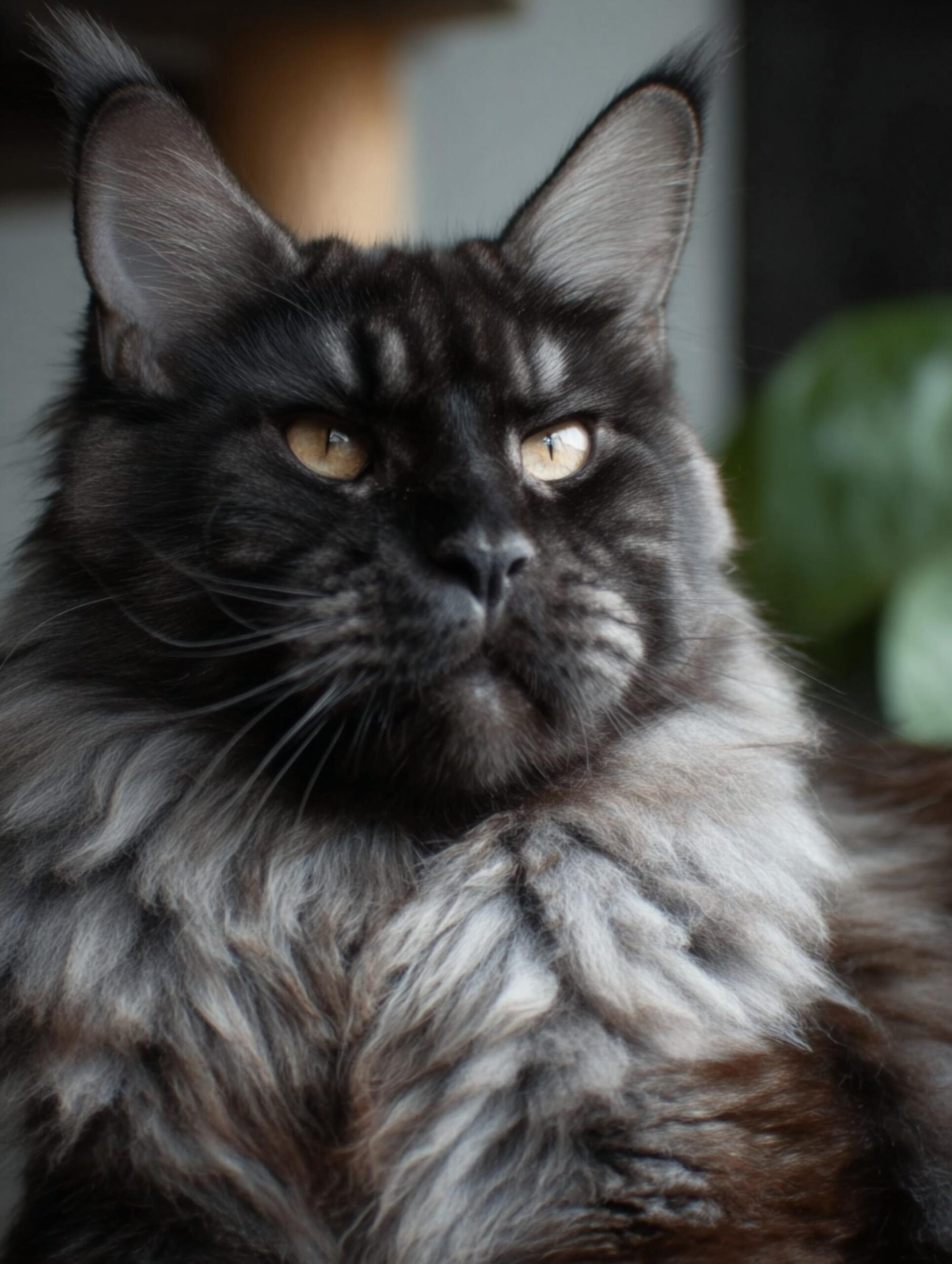
Do Maine Coon Cats Get Lonely? (Yes and Here’s the Simple Fix)
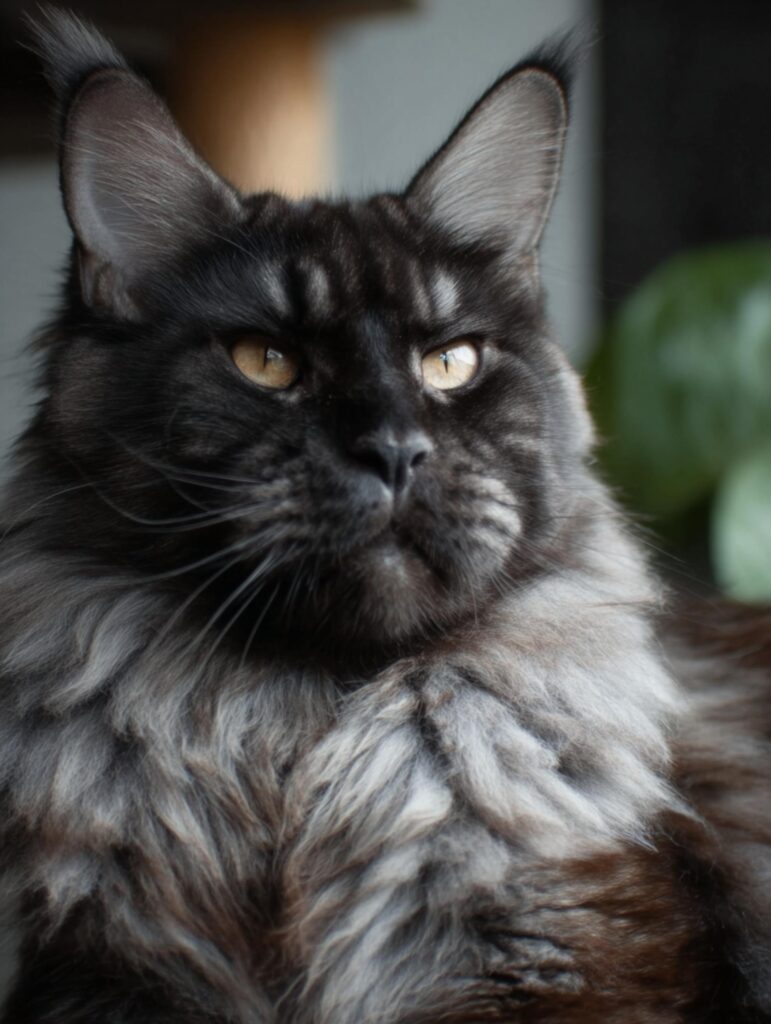
Yes, Maine Coon cats can get lonely if left alone too often because they are highly social and people oriented. However, households that are gone frequently can prevent loneliness easily by keeping two Maine Coons, who will entertain each other and stay emotionally balanced without constant human presence.
This confuses many people because cats are often described as independent animals, which leads owners to assume all breeds tolerate long stretches of solitude equally well.This article explains what loneliness actually looks like in Maine Coons, why it happens, and how pairing cats solves the issue far more clearly than the ongoing debates found in online forums.
Maine Coon Loneliness Summary Table
| Topic | What to Expect With Maine Coons |
|---|---|
| Do Maine Coon cats get lonely? | Yes, especially when left alone often |
| Are Maine Coons independent? | No, they are social and people oriented |
| Primary cause of loneliness | Lack of consistent companionship |
| Loneliness vs boredom | Loneliness is emotional, boredom is stimulation related |
| Signs of loneliness | Increased vocalization, clinginess, withdrawal, routine changes |
| Can toys prevent loneliness? | No, toys help boredom but not social needs |
| Does a second cat help? | Yes, when paired correctly |
| Best companion solution | Two Maine Coons or a close age feline companion |
| Is one Maine Coon ever enough? | Yes, if someone is home often and routines are consistent |
| Best setup for busy homes | Two cats from the start |
| Common owner mistake | Assuming all cats prefer solitude |
| Key takeaway | Maine Coons tolerate solitude less than most breeds |
Short Answer: Do Maine Coons Need Companionship?
Yes, Maine Coons need companionship to remain emotionally stable and behaviorally healthy. They do not thrive in extended isolation, even when their physical needs such as food, water, and toys are fully met. For this breed, social connection plays a central role in overall wellbeing.
Maine Coons are not solitary cats.
Maine Coons are naturally interactive. They follow their people, observe daily routines, and stay mentally engaged with their environment. When that interaction disappears for most of the day, the absence affects them more than it would a truly independent breed.
Loneliness is about social deprivation, not attention seeking.
A lonely Maine Coon is not acting out for attention. Behavioral changes reflect a lack of social contact rather than a desire to demand interaction. Increased vocalization, restlessness, or clinginess are responses to missing companionship, not signs of spoiled behavior.
Key clarification:
A second Maine Coon does not replace the owner. It replaces the missing social presence during the hours humans are away. Two cats provide each other with play, comfort, and shared routines, allowing them to stay emotionally balanced even with limited daily human interaction.
Why Maine Coons Get Lonely More Easily Than Other Cats
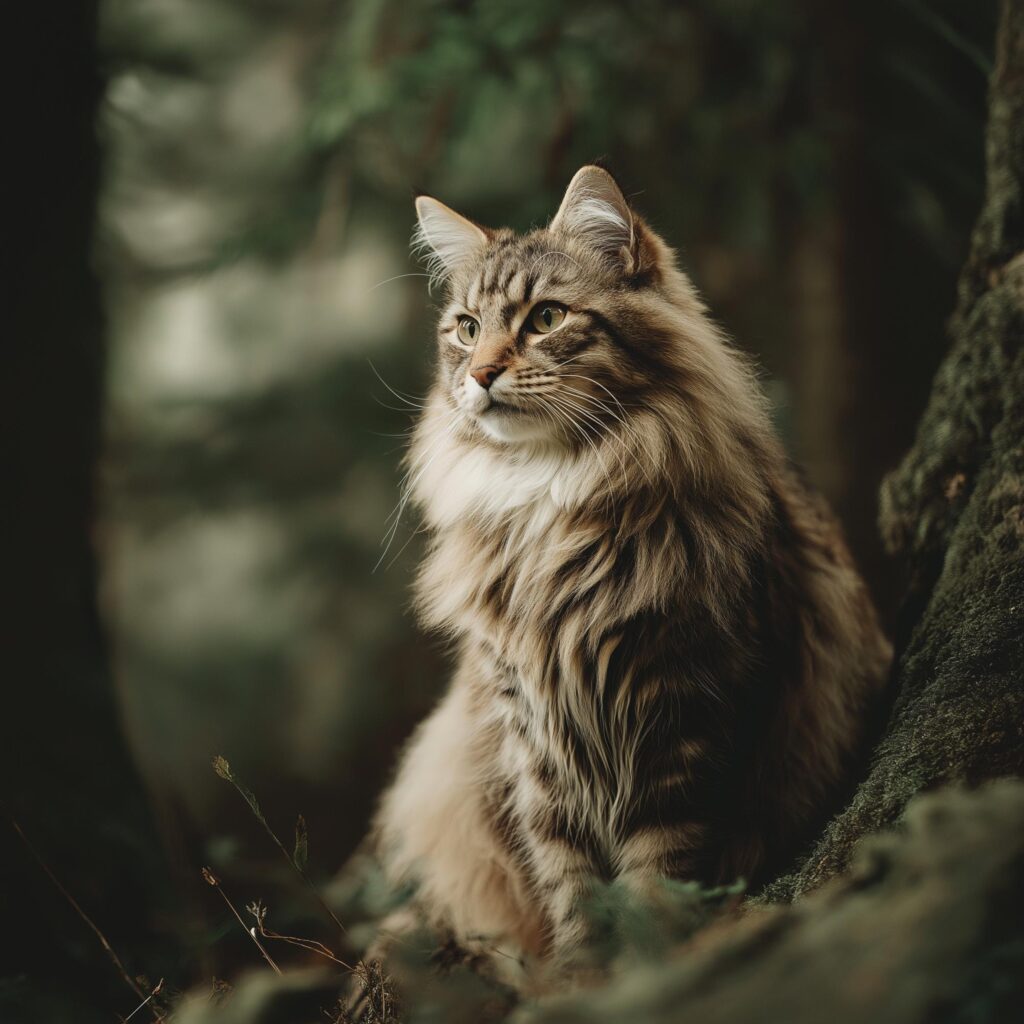
Maine Coons tend to experience loneliness more easily than many other cats because their behavior is built around ongoing social contact. This is not a flaw and it is not a sign of weakness. It is simply how the breed is wired. Where some cats are content to exist alongside people with minimal interaction, Maine Coons stay mentally and emotionally involved in what is happening around them throughout the day.
Strong Social Intelligence
Maine Coons are a people focused breed. They pay close attention to human movement, tone, and routine, often positioning themselves where they can observe and participate. Their intelligence shows up in how quickly they learn schedules and how consistently they expect shared interaction.
They are built for interaction and shared routines. Daily activities such as meals, work hours, and evening downtime become predictable points of connection. When those points disappear for long stretches, the cat does not simply switch off socially. It notices the absence.
Following and Participation Behavior
Maine Coons commonly stay near their people, not because they are needy, but because they prefer proximity. Following behavior allows them to remain engaged and informed. They are participating in the household rather than occupying it passively.
Absence feels more noticeable to them because their baseline expectation includes companionship. When a house that normally has movement and interaction becomes quiet for most of the day, the contrast is sharper for a Maine Coon than it would be for a more solitary breed.
Loneliness vs Boredom
This distinction matters. Loneliness is an emotional need for social presence. Boredom is a lack of stimulation. Toys, puzzles, and enrichment can address boredom, but they do not replace companionship.
Toys alone are not enough because they do not provide feedback, shared attention, or mutual regulation. A Maine Coon can be physically occupied and still feel socially isolated. Without another cat or consistent human presence, stimulation helps pass time but does not meet the underlying social need.
Signs a Maine Coon Is Lonely
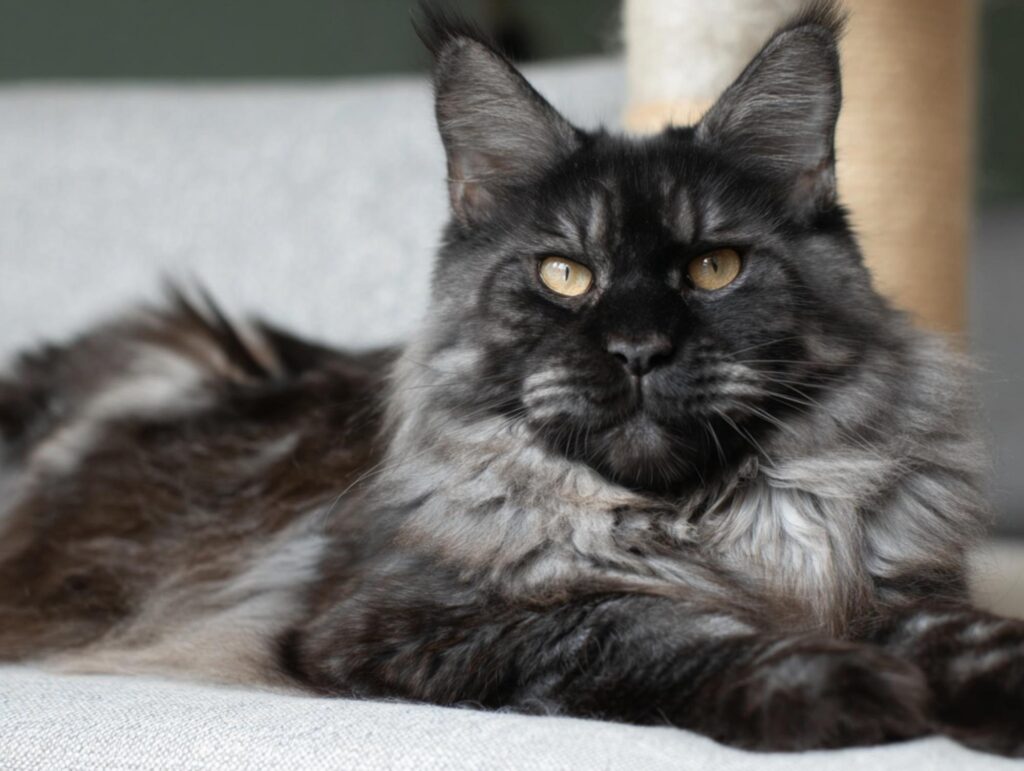
Loneliness in Maine Coons often shows up as a pattern of subtle changes rather than a single dramatic behavior. These signs are easy to miss when viewed in isolation.
Increased vocalization
The cat may talk more frequently, especially during transitions or when left alone, as a way of seeking connection.
Following behavior escalating
A Maine Coon that shadows its owner constantly or struggles to settle alone may be responding to reduced social contact.
Changes in sleep or appetite
Some cats sleep more to pass time, while others show reduced appetite or disrupted routines.
Withdrawal or clinginess
Lonely cats may either detach and become quieter or lean heavily into physical closeness when interaction becomes available.
Destructive or attention seeking behaviors
Scratching, knocking objects over, or interrupting activities can develop when social needs go unmet.
Important clarification:
These behaviors are patterns, not emergencies. Context matters. Occasional changes do not indicate a problem on their own. Consistent shifts tied to long periods of isolation are what signal loneliness.
Does Having Two Maine Coons Solve Loneliness?
Yes, having two Maine Coons does solve loneliness when done correctly. Pairing cats works because it meets the social needs that humans cannot provide consistently during long workdays or frequent absences. For this breed, companionship is not optional enrichment. It is part of emotional stability.
When two Maine Coons live together, they are rarely truly alone. Even when resting separately, they remain aware of each other’s presence. That constant social backdrop prevents the isolation that often leads to vocalization, clinginess, or behavioral changes in single cats.
How Bonded Cats Meet Social Needs
Play
Bonded Maine Coons play throughout the day in short bursts that humans cannot replicate. Wrestling, chasing, and interactive games allow them to release energy and practice social behaviors naturally. This shared play reduces restlessness and excess attention seeking.
Grooming
Mutual grooming reinforces social bonds and provides comfort. Cats groom each other during calm moments, which helps regulate stress and maintain familiarity. This physical contact plays an important role in emotional balance.
Shared routines
Two cats synchronize their schedules. They eat, rest, explore, and observe the environment together. This shared rhythm creates predictability and security, especially in quiet homes.
Emotional regulation
Cats help regulate each other’s emotions through presence alone. A second cat provides reassurance during unfamiliar sounds, schedule changes, or periods of inactivity. This reduces anxiety driven behaviors that are often mistaken for personality flaws.
Why Two Cats Does Not Mean Double the Work
Same environment
Two Maine Coons share the same living space, feeding areas, and routines. You are not managing two separate systems. You are supporting one social unit.
Shared enrichment
Climbing structures, toys, and enrichment items get more use when cats interact together. This often reduces the need for constant human-led play sessions.
Often less behavior management
Households with two cats frequently deal with fewer attention related issues. Destructive behaviors, excessive vocalization, and clinginess often decrease because social needs are met consistently.
In many cases, two cats are easier than one because the cats meet each other’s needs naturally.
When Two Maine Coons Works Best
Owners with long workdays
If the home is empty for most of the day, two cats prevent extended isolation and boredom.
Travel heavy households
Families that travel frequently or keep irregular schedules benefit from the stability cats provide each other.
Quiet or low interaction homes
Homes that do not offer constant daily interaction still provide a fulfilling life when cats have each other for companionship.
Can a Single Maine Coon Be Happy?
Yes, a single Maine Coon can be happy under the right conditions. The key factor is not the number of cats but the consistency of social interaction.
Yes, if:
Someone is home often and available
The cat receives daily interaction that includes play, conversation, and presence
Routines remain predictable and stable
In these environments, a single Maine Coon often thrives and forms a deep bond with its person.
No, if:
The house is empty most of the day
Human interaction is inconsistent or unpredictable
The cat relies entirely on people for stimulation
In these situations, loneliness is likely to develop over time. A second cat becomes a practical and humane solution, not an indulgence.
Recap:
Maine Coons are social cats. When human availability cannot meet that need consistently, another Maine Coon fills the gap in a way no toy, feeder, or camera ever can.
Maine Coons vs Other Cats When It Comes to Loneliness
Maine Coons handle solitude differently than many cats because their baseline expectation includes regular social interaction. This does not mean other cats never get lonely. It means Maine Coons reach that threshold sooner and show clearer behavioral responses when social contact drops.
Maine Coons vs typical domestic shorthairs
Many domestic shorthairs adapt well to parallel living. They share space with people but do not rely on frequent interaction to feel settled. Maine Coons, by contrast, remain mentally involved in the household. They track routines, stay nearby, and expect engagement as part of daily life.
Why “independent cat” advice fails here
General cat advice assumes emotional self sufficiency. That model does not fit Maine Coons. Applying it often leads owners to misinterpret loneliness as personality quirks or training issues instead of unmet social needs.
Clear takeaway:
Maine Coons tolerate solitude less than most breeds. Planning for companionship is not overprotective. It is realistic.
What NOT to Do If You’re Gone a Lot
Relying on toys alone
Toys provide stimulation, not companionship. They help pass time but do not meet emotional needs or provide feedback. Even the best enrichment cannot replace another living presence.
Expecting cats to adjust
Cats adapt within the limits of their temperament. Maine Coons do not simply adjust to long term isolation without cost. Expecting adaptation often delays recognizing the problem.
Using cameras or feeders as substitutes for companionship
Automatic feeders, treat dispensers, and cameras support care but do not replace interaction. Seeing or hearing an owner without physical presence often increases frustration rather than comfort.
Assuming all cats want solitude
Some cats prefer independence. Maine Coons generally do not. Assuming solitude is universally preferred leads to mismatched expectations and preventable behavior issues.
If your lifestyle includes frequent or extended absences, planning for feline companionship is a responsible choice, not an indulgence.
Should You Get Two Maine Coons From the Start?
For many working households, starting with two Maine Coons is the most practical and welfare focused choice. This is especially true if you already know your schedule involves long workdays, travel, or limited daily interaction.
Pros of adopting two
Two Maine Coons meet each other’s social needs in ways humans cannot replicate consistently. They play together, rest together, and provide constant companionship during the hours people are away. This often results in calmer behavior, less vocal frustration, and fewer attention driven issues as they mature.
Starting with two also allows the cats to build their bond early. When cats grow up together, social interaction feels natural rather than forced. They learn each other’s boundaries and rhythms from the beginning, which usually leads to smoother long term dynamics.
When littermates or close age pairs work best
Littermates or kittens close in age tend to integrate easily because their energy levels and developmental stages match. They play at similar intensities, nap on similar schedules, and adjust to the home as a unit. This pairing reduces the chance of one cat overwhelming the other or relying too heavily on humans for stimulation.
If you already have one young Maine Coon, adding a second kitten close in age often works better than waiting years and trying to introduce a companion later.
Cost vs quality of life reality
Two cats do cost more than one, but the difference is often smaller than expected. They share the same environment, enrichment, and routines. In many homes, owners spend less time managing behavior concerns because the cats meet many of their own social needs.
This is not about doubling luxury. It is about preventing loneliness related issues that can lead to stress, vocalization, or behavioral challenges down the line.
Clear framing
Two cats protect the cat’s wellbeing, not just owner convenience.
If you want a deeper breakdown of when one cat is enough versus when two are the better choice, this ties directly into my post on should you get two Maine Coon kittens or one, where I walk through lifestyle, schedule, and long term outcomes in detail.
Maine Coon Loneliness FAQ
Do Maine Coon cats get lonely when left alone?
Yes. Maine Coons are highly social cats and can become lonely when left alone too often, especially in homes where no one is present for most of the day. They notice prolonged absence more than many other breeds.
How long can a Maine Coon be alone?
Most Maine Coons tolerate a normal workday if their social needs are otherwise met. Regularly leaving a Maine Coon alone for long days, evenings, or frequent travel without companionship often leads to loneliness over time.
Is one Maine Coon enough?
One Maine Coon can be enough if someone is home often, interaction is consistent, and routines are predictable. If the household is quiet or empty most of the day, one cat is usually not ideal long term.
Do Maine Coons need another cat?
They do not require another cat in every situation, but many Maine Coons benefit greatly from feline companionship. A second cat often prevents loneliness more effectively than human interaction alone in busy households.
Are two Maine Coons better than one?
In many cases, yes. Two Maine Coons keep each other company, play together, and share routines. This often leads to calmer behavior and fewer loneliness related issues, especially when owners are gone frequently.
Will two Maine Coons bond with me less?
No. Cats do not divide affection the way people fear. Bonded cats still form strong relationships with their owners. Having a companion usually makes them more emotionally secure, not distant.
Can toys and enrichment prevent loneliness?
Toys help with boredom but do not replace companionship. Loneliness is an emotional need for social presence. Enrichment supports wellbeing but cannot meet that need on its own.
Is increased vocalization a sign of loneliness?
It can be. Maine Coons may vocalize more when they feel socially isolated, especially during transitions or when left alone regularly. Context and consistency matter more than any single behavior.
Should I get two Maine Coon kittens from the start?
Often, yes. Littermates or close age kittens adjust easily together and form strong bonds early. This setup works especially well for households with long workdays or limited daily interaction.
Do Maine Coons grow out of loneliness?
No. Loneliness is not a phase or a kitten behavior. Social needs remain throughout life. Cats may adapt by becoming quieter or more withdrawn, but that does not mean the need has disappeared.
What is the simplest way to prevent Maine Coon loneliness?
Match the cat’s social needs to your lifestyle. If you are home often, one cat can thrive. If you are gone a lot, two Maine Coons provide each other with the companionship humans cannot always give.
Final Thoughts: Social Cats Need Social Solutions
Maine Coons are not fragile, and they are not incapable of being alone. They are simply social cats who do best when companionship matches their temperament. When loneliness shows up, it is usually a sign of mismatch between the cat’s needs and the household schedule, not a flaw in the cat.
For homes where people are present and engaged, a single Maine Coon can form a deep, satisfying bond and live a very content life. For homes that are busy, quiet during the day, or travel often, adding a second Maine Coon is not an extra. It is a practical way to support emotional balance.
Loneliness in Maine Coons is preventable. When expectations are clear and social needs are planned for from the start, these cats settle more easily, behave more predictably, and thrive in the long term.
Related Maine Coon Cat Posts
If you are reading about the Maine Coon Breed these posts will help:
- Do Maine Coons Talk A Lot: And What They Sound Like
- Maine Coon Grooming Guide: How Often to Brush, What Tools Actually Work, and Common Mistakes
- Do Maine Coons Need Professional Grooming: When and how often.
- Maine Coon Shedding Explained: Seasonal Coat Blow, What’s Normal, and When to Worry
- How Spaying and Neutering Affect the Maine Coon Coat: Why they get fluffier.
- Maine Coon Lion Cuts: What Works, What Fails, and What Can Make Matting Worse
- Maine Coon Matting: How to prevent them before they start.
- Maine Coon Polydactyl Care: Extra love for the extra toes.
- Maine Coon Diet and Coat Health: How Nutrition Affects Shedding, Dryness, and Mat Formation
- Maine Coon Kitten vs Adult Coat: How the Adult Coat Develops
- Maine Coon Cat Care: Environmental Factors That Affect Coat Condition and Grooming Needs
Sources
- International Cat Care (iCatCare)
Social needs, companionship, and feline emotional wellbeing
https://icatcare.org/advice/cats-and-company/ - American Association of Feline Practitioners (AAFP)
Feline behavior, social structure, and environmental needs
https://catvets.com/guidelines/practice-guidelines/feline-behavior-guidelines - Cornell University College of Veterinary Medicine, Feline Health Center
Behavioral changes related to stress, isolation, and social needs
https://www.vet.cornell.edu/departments-centers-and-institutes/cornell-feline-health-center/health-information/feline-health-topics/behavior-problems-cats - ASPCA
Understanding cat behavior, social needs, and adjustment to environment
https://www.aspca.org/pet-care/cat-care/common-cat-behavior-issues - The Cat Fanciers’ Association (CFA)
Maine Coon breed profile and temperament overview
https://cfa.org/maine-coon/ - The International Cat Association (TICA)
Maine Coon breed standards and general temperament traits
https://tica.org/breeds/browse-all-breeds?view=article&id=819





Read the Comments +