
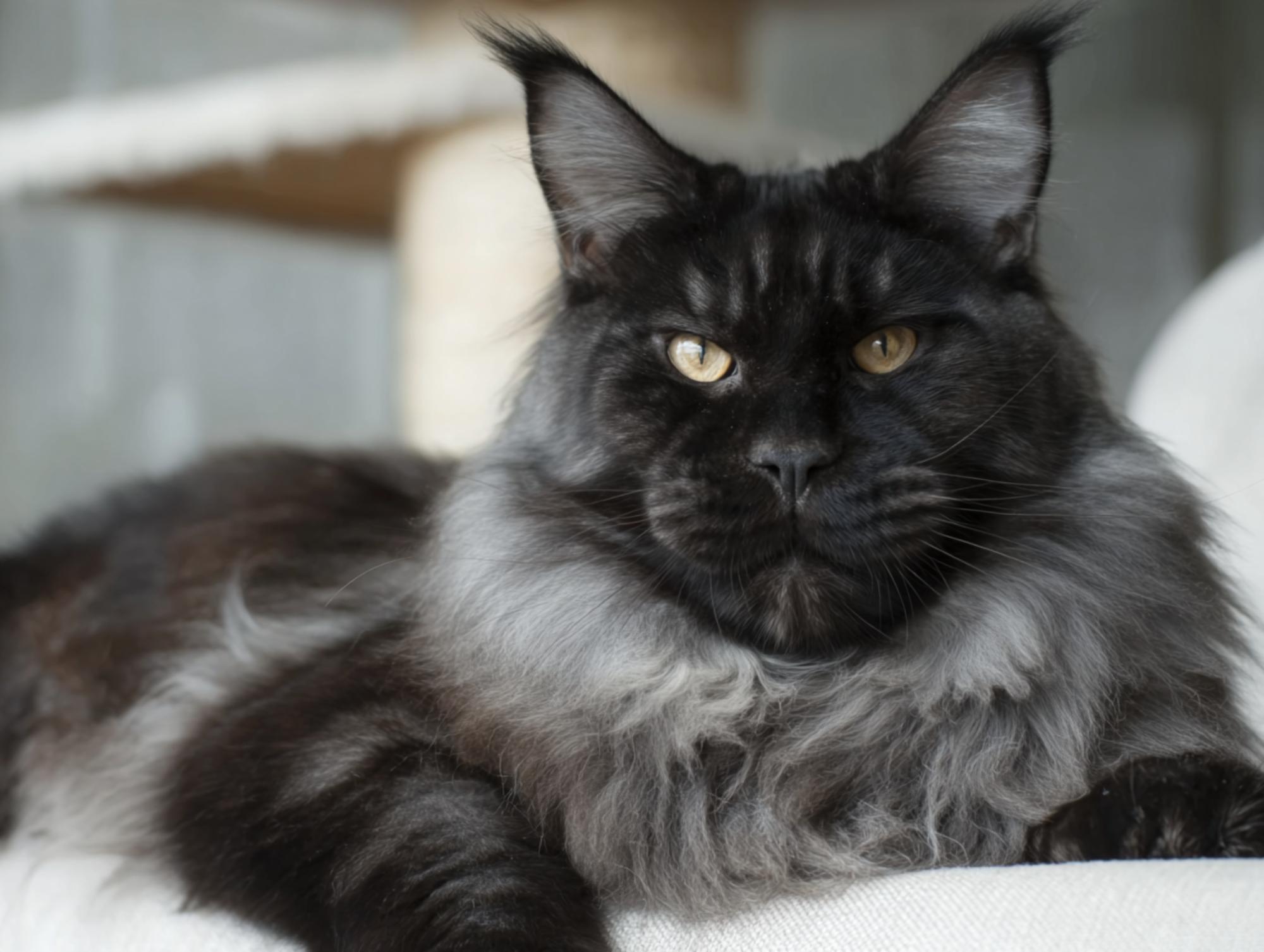
Maine Coon Health: Common Problems, Care & Prevention
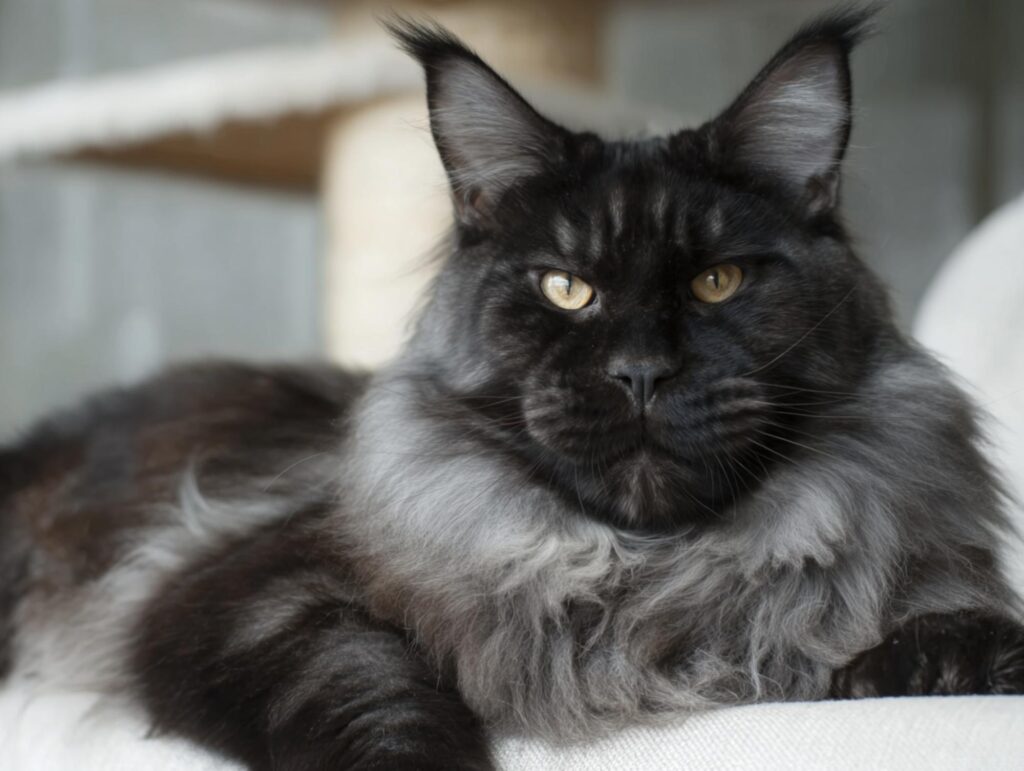
Maine Coons are generally a hardy, well-structured breed when produced by responsible programs, but their large size, long growth period, and slow maturity create a different health profile than most cats. They are not fragile—but they do require proactive monitoring because some risks are size-related and others are hereditary.
Unlike smaller or more sedentary breeds, Maine Coons grow for 3–5 years, putting prolonged demand on the heart, joints, and metabolism. Their friendly, tolerant nature can also mask early discomfort. A Maine Coon that seems “easygoing” may actually be compensating—so understanding what’s normal is critical.
They are best described as robust but not low-maintenance. When owners understand their unique physiology and growth patterns, Maine Coons tend to enjoy long, stable, high-quality lives.
What “Normal” Looks Like for a Healthy Maine Coon
A healthy Maine Coon is confident, interactive, and physically capable—even if they aren’t hyperactive. Owners should expect:
- strong appetite with steady growth (not rapid weight gain)
- large but lean, muscular body condition
- clean coat with minimal matting when brushed regularly
- quiet, unlabored breathing at rest
- curiosity and social engagement with people
- good jumping ability for their age and size
Because Maine Coons are often gentle and tolerant, subtle changes matter. Early warning signs may include reduced jumping, slower movement, less play interest, longer sleep periods, or hesitation on stairs or furniture.
Maine Coon Health Overview — Quick Summary
| Category | Key Points |
|---|---|
| General Health | Generally robust; large size and slow growth create unique cardiac, joint, and weight-management considerations; calm temperament can hide symptoms. |
| Major Hereditary Risks | Hypertrophic cardiomyopathy (HCM), hip dysplasia, spinal muscular atrophy (SMA), obesity, dental disease, joint strain. |
| Early Warning Signs | Appetite changes, reduced activity, reluctance to jump, noisy breathing, vomiting/diarrhea, constipation, litter box changes, rapid weight gain or loss, coat dullness. |
| Kitten Health Priorities | Vaccines (8–16 weeks), parasite control, steady growth tracking (avoid overfeeding), early grooming tolerance, baseline cardiac awareness, joint-friendly play. |
| Adult Health Priorities | Weight control, annual wellness exams, dental care, joint monitoring, cardiac awareness, coat and skin checks. |
| Senior Health Priorities | Cardiac monitoring, arthritis detection, kidney/thyroid screening, hydration support, vet exams every 6 months. |
| Screening Breeders Should Perform | HCM echocardiograms, SMA DNA testing, hip evaluation (where applicable), pedigree risk tracking, long-term cardiac follow-up. |
| Nutrition Essentials | Controlled calories, high-quality animal protein, wet food for hydration, omega-3 support for joints and heart, slow growth management. |
| Preventive Care | Vaccines, parasite prevention, dental care, regular grooming, weight monitoring, early joint and heart screening. |
| When to Contact a Vet Immediately | Labored or open-mouth breathing, collapse, persistent vomiting, refusal to eat >24 hours, constipation >48 hours, sudden hind-limb weakness, blood in urine or stool. |
Why Maine Coon Health Requires Attention
Maine Coons are not “just big cats.” Their size amplifies small problems—extra weight strains joints, mild heart changes matter more, and delayed detection can have larger consequences. The goal is not perfection, but early awareness, steady care, and realistic expectations.
When raised thoughtfully and managed correctly, Maine Coons are among the most stable, affectionate, and rewarding breeds to live with—both emotionally and medically.
Hereditary Conditions Seen in Maine Coon Cats
Maine Coons are widely regarded as one of the most resilient and adaptable pedigreed breeds, but their large size, prolonged growth period, and specific genetic history give them a distinct health profile. Like all purebred cats, they have several hereditary and structure-related conditions that responsible breeders actively screen for.
Understanding these risks helps owners know what is normal, what deserves monitoring, which tests matter, and how health priorities shift as a Maine Coon matures. Many Maine Coon health concerns are manageable when detected early—but because this breed often tolerates discomfort quietly, informed observation is essential.
Hypertrophic Cardiomyopathy (HCM)
What it is
Hypertrophic cardiomyopathy is a disease in which the heart muscle—most often the left ventricular wall—thickens abnormally. As the muscle thickens, the heart becomes less efficient at pumping blood, which can lead to fluid buildup, arrhythmias, heart failure, or sudden cardiac events. HCM is the most common heart disease in cats, including Maine Coons.
Why Maine Coons can be predisposed
Maine Coons are one of the few breeds with a known inherited HCM mutation identified in some lines. Not all Maine Coons carry this mutation, and not all HCM cases are caused by it, but familial risk is well documented. Because Maine Coons are large-bodied and slow to mature, cardiac changes may not become apparent until adulthood—making long-term tracking critical.
Responsible breeders reduce risk by combining:
- genetic testing where applicable
- routine echocardiograms
- multi-generation pedigree analysis
Signs owners should watch for
HCM can remain silent for years. When symptoms appear, they may include:
- rapid or labored breathing
- open-mouth breathing or panting
- sudden decrease in activity or stamina
- reluctance to jump or climb
- collapse, fainting, or sudden hind-limb weakness
Any of these signs require immediate veterinary attention, as cardiac emergencies can progress rapidly.
Screening recommendations (echocardiogram timing)
- Breeding cats should receive echocardiograms every 12–24 months, performed by a veterinary cardiologist.
- Pet owners may consider baseline imaging if:
- the cat comes from a line with known HCM history
- a heart murmur is detected
- subtle breathing or fatigue changes appear
Early detection does not prevent HCM, but it guides monitoring, lifestyle decisions, and medical management over the cat’s lifetime.
Spinal Muscular Atrophy (SMA)
Genetic cause
Spinal muscular atrophy is an inherited neuromuscular condition seen almost exclusively in Maine Coons. It is caused by a recessive gene mutation that affects motor neurons in the spinal cord, leading to muscle weakness rather than pain.
Symptoms and progression
Affected kittens typically show signs between 3–4 months of age, including:
- muscle tremors
- weakness in the hind limbs
- abnormal gait
- reduced muscle mass despite normal appetite
- difficulty jumping as they grow
Importantly, SMA is not painful and does not affect intelligence or quality of life in mild cases, but it does impact physical strength.
Importance of DNA testing in breeding cats
SMA is fully preventable through genetic testing. Ethical Maine Coon breeders:
- DNA test all breeding cats
- avoid carrier-to-carrier pairings
- document SMA status transparently
Because the mutation is recessive, carriers can live normal lives—but two carriers should never be bred together.
Hip Dysplasia
Why hip dysplasia matters in Maine Coons
Hip dysplasia is a structural joint condition in which the hip joint does not form correctly, leading to instability, cartilage wear, and eventual arthritis. While more commonly discussed in dogs, hip dysplasia is a known concern in large, heavy-boned cat breeds, including Maine Coons.
Their size, long growth phase, and rapid early weight gain can place additional stress on developing joints.
Signs owners should watch for
Hip dysplasia often develops gradually. Early indicators may include:
- reluctance to jump or climb
- stiffness after rest
- bunny-hopping gait
- favoring one hind leg
- decreased activity or play
Because Maine Coons are tolerant and adaptable, these changes are often subtle and mistaken for “normal aging.”
Prevention and monitoring
- controlled growth in kittenhood
- avoiding overfeeding
- encouraging low-impact play
- maintaining lean body condition
Some breeders also incorporate hip evaluations into long-term program planning, especially in lines with known joint concerns.
Obesity-Related Health Issues
Why Maine Coons are prone to weight gain
Maine Coons grow slowly but eat enthusiastically. Their friendly nature and impressive size often lead owners to overestimate how much food they need, especially once growth slows. Excess weight is particularly risky for this breed because it compounds stress on the heart and joints.
Associated risks
Obesity increases the likelihood of:
- diabetes
- early-onset arthritis
- reduced mobility
- respiratory strain
- worsened cardiac outcomes
- shortened lifespan
Even moderate excess weight can significantly affect long-term comfort.
Feeding guidelines & prevention
To support longevity:
- avoid free-feeding
- use scheduled meals
- prioritize wet food for hydration
- monitor body condition, not just scale weight
- incorporate daily interactive play
Weight trends should be tracked monthly, especially during the first two years of life.
Dental Health Concerns
Breed tendency toward dental disease
Maine Coons are not uniquely prone to dental disease, but their calm temperament means oral discomfort often goes unnoticed. Tartar buildup and gingivitis can progress quietly without obvious pain behaviors.
Symptoms of dental disease
Owners should watch for:
- bad breath
- drooling
- reduced interest in food
- pawing at the mouth
- red or inflamed gums
Dental disease contributes to systemic inflammation and can worsen heart and kidney health over time.
Prevention
Effective dental care includes:
- introducing brushing early
- using cat-safe toothpaste
- dental diets or treats recommended by a veterinarian
- professional cleanings when indicated
Routine home checks help catch issues before they escalate.
Joint & Mobility Considerations
Why joint support is critical
Maine Coons are among the largest domestic cat breeds, and their joints support significant mass throughout life. Even genetically sound joints are vulnerable to strain if growth is too rapid or weight is excessive.
Early signs of discomfort
- hesitation before jumping
- stiffness after rest
- reduced climbing
- decreased play
- altered gait
These changes often appear gradually and deserve early evaluation.
Importance of controlled growth in kittenhood
Structured feeding and safe play during the first 18–24 months protect developing joints. Avoid encouraging repetitive high-impact jumps from tall furniture during early growth phases.
Respiratory or Structural Considerations
Maine Coons are not brachycephalic and typically have open nasal passages and strong airway structure. However, some individuals may exhibit mild respiratory noises due to allergies, upper respiratory infections, or environmental sensitivity.
When to watch for signs
- persistent snoring
- nasal congestion
- frequent sneezing
- noisy breathing at rest
- increased respiratory effort during mild activity
Any ongoing respiratory symptoms should be evaluated to rule out infection, asthma, or cardiac involvement.
Life Stage Health Overview for Maine Coon Cats
Maine Coons mature more slowly and grow larger than most domestic cats, which means their health priorities change noticeably by life stage. What supports a healthy Maine Coon kitten is not the same as what protects an adult or senior. Understanding these transitions helps owners anticipate needs instead of reacting to problems after they appear.
Kitten Health
Key screenings
Maine Coon kittens should receive a full veterinary wellness exam within their first week home. During this visit, the veterinarian should assess heart sounds, lung function, eyes, ears, joints, gums, abdominal palpation, and overall body condition.
Many owners search “what health tests do Maine Coon kittens need,” and the answer is straightforward: early exams establish a baseline. Because Maine Coons are predisposed to conditions like HCM and hip dysplasia, early cardiac auscultation and joint observation are especially important—even when no symptoms are present.
Baseline evaluations during kittenhood are one of the strongest predictors of long-term health because they allow subtle abnormalities to be tracked over time rather than discovered late.
Growth monitoring
Maine Coon kittens grow slowly and for much longer than most breeds, often continuing to mature until 3–5 years of age. Weekly or biweekly weight checks during the first several months help confirm steady development without excessive or rapid gain.
A common question is “Are Maine Coons supposed to grow slowly?” Yes—controlled, gradual growth is ideal for protecting joints, the spine, and the heart. Rapid weight gain during kittenhood increases the risk of joint strain and may worsen underlying hip or structural weaknesses.
Healthy growth looks like increasing size paired with visible muscle development, not softness or early heaviness.
Parasite control
Maine Coon kittens should follow a structured parasite-prevention plan coordinated between breeder and veterinarian. Even kittens raised indoors can encounter parasites carried in on shoes, clothing, bedding, or other pets.
Only kitten-safe flea and parasite preventatives should be used, and doses must be carefully adjusted for weight. Because Maine Coons gain size quickly, dosing should be reviewed regularly to avoid under- or over-treatment.
Vaccines and early detection
Maine Coon kittens should receive the standard feline FVRCP vaccine series every 3–4 weeks until 16 weeks of age, followed by rabies vaccination according to local law. Owners frequently ask “Do Maine Coons need different vaccines?”—the answer is no. The protocol is the same as for other healthy kittens.
What matters most is consistency. Delayed or widely spaced vaccines weaken immune protection during a vulnerable developmental window.
Adult Maine Coon Health
Weight management
One of the most common adult-owner searches is: “Why is my Maine Coon gaining weight?”
Maine Coons have large frames, excellent appetites, and a calm confidence that can mask gradual weight gain—especially once growth slows after the first year.
Structured feeding, portion control, and daily interactive play are essential. Weight management is especially critical in this breed because excess weight directly increases strain on:
- hips and joints
- the spine
- the heart
- respiratory function
Because their long coat can hide early gain, hands-on body condition checks matter more than visual assessment.
Dental care
Adult Maine Coons may quietly develop tartar buildup and gum inflammation if dental care is delayed. Their tolerant nature often hides discomfort, meaning disease may advance before owners notice behavioral changes.
Preventive dental care includes:
- early introduction to brushing
- cat-safe toothpaste
- vet-approved dental chews or diets
- professional cleanings when indicated
Good oral health supports heart, kidney, and immune function long-term.
Coat and skin health
A healthy adult Maine Coon coat is dense, flowing, and resilient. Because of its length and undercoat, most adults benefit from 2–3 brushing sessions per week to prevent matting, reduce shedding, and allow early detection of skin issues.
Sudden coat dullness, patchy hair loss, dandruff, or increased matting can signal nutritional imbalance, allergies, parasites, or systemic illness and should be evaluated promptly.
Annual wellness exams
Once fully grown, adult Maine Coons should see the veterinarian once per year for a complete physical exam, weight and muscle-condition scoring, dental evaluation, and internal parasite screening.
Annual exams are especially important for this breed because cardiac, joint, and metabolic changes often develop gradually and are easiest to manage when detected early.
Senior Maine Coon Health
When seniors typically emerge (8+ years)
Maine Coons are generally considered senior around 8 years of age, though many remain active well beyond that point. Searches like “How long do Maine Coons live?” are common—most well-bred Maine Coons live 12–15+ years, with some reaching their late teens or early twenties with appropriate care.
Common age-related issues
As Maine Coons age, several conditions become more common:
- Heart disease: ongoing monitoring for HCM or age-related cardiac changes
- Arthritis: large body size and lifetime joint load increase stiffness risk
- Kidney disease: routine bloodwork and urine testing help detect early decline
- Dental disease: tartar and gum inflammation progress faster without intervention
- Mobility changes: reduced jumping or reluctance to climb
Early detection significantly improves comfort and quality of life.
What to monitor at home
Owners should watch closely for:
- reduced jumping or mobility
- stiffness after rest
- weight loss or unexplained gain
- increased thirst or urination
- changes in grooming habits or coat quality
- litter box avoidance
- increased hiding or reduced social interaction
These changes are often subtle but meaningful and deserve prompt veterinary discussion.
Suggested increased vet frequency
Senior Maine Coons benefit from veterinary exams every 6 months, which may include:
- blood chemistry panels
- urine analysis
- weight and muscle-condition scoring
- dental assessment
- joint and mobility evaluation
Regular screening allows age-related conditions to be addressed earlier, giving owners more management options and significantly improving long-term outcomes.
Preventive Care for Maine Coon Cats
Preventive care plays an outsized role in Maine Coon health because this breed often appears well even when subtle problems are developing. Their size, slow maturation, and tolerant temperament mean that conditions affecting the heart, joints, or metabolism may progress quietly. Consistent preventive care creates reliable baselines, allowing veterinarians to detect changes earlier and manage them more effectively.
Vaccination Protocols
Kitten vaccines
Maine Coon kittens should follow the standard core feline vaccination schedule, which provides protection during a long and vulnerable growth period:
- FVRCP at 8, 12, and 16 weeks
- Rabies vaccination according to state or local law
- FeLV only when lifestyle or exposure risk makes it appropriate
Because Maine Coons mature more slowly than most cats, maintaining proper vaccine timing is especially important. Delays or skipped doses leave gaps in immunity during a period when the immune system is still developing and the body is under rapid growth demands.
Adult boosters
Once a Maine Coon reaches adulthood, booster schedules should be determined in partnership with a veterinarian based on health status, lifestyle, and regional risk. Most adults receive:
- FVRCP boosters annually or every three years, depending on vaccine type and risk profile
- Rabies boosters as required by state or country regulations
Maintaining a consistent booster schedule helps protect adult Maine Coons as immune response naturally changes with age.
Why this breed benefits from consistent preventive care
Maine Coons are physically robust, but several breed-associated conditions—such as hypertrophic cardiomyopathy, hip dysplasia, and arthritis—often develop gradually without obvious early symptoms. Regular vaccinations paired with annual wellness exams allow veterinarians to:
- track heart sounds and respiratory patterns
- monitor weight and muscle condition
- identify early joint stiffness or mobility changes
- detect subtle shifts in overall health before clinical disease develops
Establishing year-over-year baselines is especially valuable in a breed where size and temperament can mask early decline.
Parasite Prevention
Safe flea, tick, and worming options
Maine Coons should receive veterinarian-approved parasite preventatives only. Due to their size and rapid weight changes during growth, correct dosing is critical. Products may include:
- topical spot-on preventatives
- oral parasite control medications
- routine deworming protocols recommended by your veterinarian
Many over-the-counter or non-veterinary products marketed for cats are either ineffective or unsafe and should be avoided.
Why prevention matters, even for indoor cats
Even strictly indoor Maine Coons can be exposed to parasites carried inside through:
- shoes and clothing
- bedding, blankets, or furniture
- visiting pets
- screened windows or doorways
- newly adopted animals entering the household
Because Maine Coons have a dense, layered coat, fleas, skin irritation, or hair loss can be difficult to detect early. By the time itching or visible signs appear, an infestation may already be established.
Preventive treatment is significantly easier, safer, and less stressful than treating parasites after they take hold—and it protects both the cat and the household environment.
Nutrition for Long-Term Health
Nutrition plays a defining role in Maine Coon longevity because this breed’s size, slow growth, and joint and cardiac vulnerability magnify the impact of feeding mistakes. Maine Coons are not delicate—but they are unforgiving of chronic overfeeding, poor hydration, or protein imbalance over time.
Controlled calorie intake
Maine Coons are large-framed cats with impressive appetites, but size does not equal unlimited calories. Once early growth slows, excess intake quickly turns into fat rather than muscle. Free-feeding is one of the most common contributors to obesity in this breed.
Measured meals are strongly recommended. Weighing food rather than eyeballing portions creates consistency and prevents gradual calorie creep. Controlled intake protects:
- joints and hips
- cardiac workload
- long-term mobility
- metabolic health
Because Maine Coons grow for several years, calorie needs change repeatedly—what was appropriate at six months may be excessive at eighteen months.
Protein quality
Maine Coons benefit from diets built around high-quality, animal-based protein, not filler-heavy formulations. Protein quality matters more than crude percentage.
Appropriate protein supports:
- steady, lean muscle development
- controlled skeletal growth
- joint stability
- dense, healthy coat production
- long-term weight regulation
Excess calories layered on top of high protein still result in weight gain, so balance—not maximal protein—is the goal.
Hydration habits (wet food importance)
Maine Coons, like many cats, often drink less water than ideal. Their size and predisposition to kidney and urinary stress make hydration especially important.
Daily wet food:
- increases total water intake
- supports kidney function over time
- reduces constipation risk
- helps move ingested hair through the GI tract
While hairballs are not the defining concern in Maine Coons, their dense coat and grooming habits still make hydration a meaningful preventive tool.
Preventing obesity early
Weight management should begin in kittenhood, not after excess weight appears. The most effective strategies include:
- establishing predictable meal routines
- using puzzle feeders or slow-feed bowls
- encouraging short, daily play sessions that do not overstrain joints
- routinely monitoring body condition score (BCS), not just scale weight
Even small weight increases matter in Maine Coons because extra mass places disproportionate stress on hips, spine, and heart.
Early Warning Signs Owners Should Never Ignore
Maine Coons are tolerant, adaptable, and often stoic. Because of this, behavioral or routine changes frequently appear before obvious physical illness. Early recognition makes a significant difference in outcomes.
Appetite changes
Maine Coons are typically enthusiastic, consistent eaters. Skipping meals, eating noticeably less, or sudden pickiness can indicate:
- dental pain
- nausea or GI discomfort
- fever or infection
- stress or systemic illness
Conversely, a sudden increase in appetite may signal metabolic or endocrine changes. Any sustained deviation from normal eating patterns deserves attention.
Weight gain or loss
Because Maine Coons carry weight well visually, changes are often missed until they are significant. Gradual weight gain can progress to obesity quietly, while unexplained weight loss may indicate:
- kidney disease
- thyroid imbalance
- dental disease
- cardiac stress
- digestive disorders
Monthly weighing is one of the most effective health-monitoring tools for this breed.
Respiratory symptoms
Maine Coons are not brachycephalic and should breathe quietly at rest. Watch closely for:
- rapid breathing
- open-mouth breathing or panting
- persistent noisy respiration
- coughing or repeated sneezing
Respiratory changes can signal infection, asthma, fluid buildup, or cardiac disease and should always be evaluated promptly.
Lethargy or hiding
Maine Coons are calm but socially engaged cats. A noticeable increase in hiding, withdrawal, or disengagement from normal routines may indicate pain, illness, or emotional distress—even if appetite appears unchanged.
Sudden behavior changes
This breed is typically predictable and even-tempered, making behavior shifts particularly meaningful. Warning signs include:
- irritability or reduced tolerance for touch
- unusual clinginess
- restlessness
- withdrawal from interaction
- reluctance to be handled
Behavioral changes in cats often precede physical symptoms and should not be dismissed.
Litter box issues
Maine Coons usually have consistent litter habits. Any of the following warrant attention:
- straining
- unusually small urine clumps
- constipation
- loose stool or diarrhea
- missed box events
These may indicate urinary tract issues, kidney disease, digestive disorders, pain, or stress-related illness.
GI symptoms (vomiting, diarrhea)
While occasional hair-related vomiting can occur, frequent vomiting, regurgitation, or persistent diarrhea is not normal. These signs may point to:
- food intolerance
- parasites
- inflammatory GI disease
- infection
- systemic illness
Prompt evaluation prevents minor digestive issues from escalating into emergencies—particularly in a large-bodied breed where dehydration can worsen rapidly.
How Maine Coons Show Illness Differently
Maine Coons are often described as gentle, tolerant, and emotionally steady. These traits make them wonderful companions—but they also mean illness can progress quietly. Maine Coons rarely dramatize discomfort, and many will continue normal routines long after subtle symptoms begin.
Because of their size and laid-back confidence, early warning signs are often behavioral or routine-based rather than obvious pain responses.
Their calm temperament can mask symptoms
Maine Coons are typically quiet and undemanding. They do not vocalize frequently, and they rarely act distressed unless a problem is advanced. A Maine Coon with developing illness may still greet family members, eat politely, and rest calmly—giving the impression that everything is fine.
Early changes may be subtle, such as:
- slightly reduced appetite
- shorter or less frequent play sessions
- less interest in climbing or jumping
- increased sleeping without obvious lethargy
These small shifts are often the only early indicators that something is off.
Importance of observing subtle changes
Because Maine Coons tend to tolerate discomfort, small deviations from routine matter more than dramatic symptoms. Early illness may show up as:
- choosing lower perches instead of favorite high spots
- hesitating before jumping or using stairs
- grooming less thoroughly, especially along the back or hips
- new mats forming in the coat
- reduced engagement with interactive play
Maine Coons are not attention-seeking when unwell. They rely on observant owners to recognize these quiet signals before disease progresses.
Why routine monitoring at home is crucial
For a breed that hides discomfort well, consistent home monitoring provides critical early insight. Simple weekly habits can reveal changes long before a crisis develops.
Owners should routinely track:
- body weight and body condition
- litter box size, frequency, and consistency
- appetite and eating speed
- coat texture and grooming quality
- energy level and mobility
This type of monitoring is especially important for Maine Coons because conditions such as hypertrophic cardiomyopathy, hip dysplasia, dental disease, and early kidney or joint changes often progress silently.
Working With Your Breeder & Veterinarian
A strong partnership between owner, breeder, and veterinarian significantly improves long-term outcomes—particularly in a breed with known hereditary considerations.
What Responsible Maine Coon Breeders Screen For
Hypertrophic Cardiomyopathy (HCM)
Reputable Maine Coon breeders screen breeding cats for HCM using echocardiograms performed by veterinary cardiologists. Because HCM can develop later in life, ongoing screening—not one-time testing—is essential.
These evaluations help reduce risk in offspring and provide valuable lineage data that informs future breeding decisions and owner monitoring.
Spinal Muscular Atrophy (SMA)
Responsible breeders perform DNA testing for SMA. This recessive condition is entirely preventable through careful breeding practices. While carriers live normal lives, ethical programs avoid carrier-to-carrier pairings.
Hip dysplasia and joint health
Due to the Maine Coon’s size and bone structure, responsible breeders pay close attention to joint soundness. While formal hip screening is still evolving in cats, ethical programs track:
- mobility patterns
- joint strength across generations
- age of onset for arthritis or stiffness
This information helps guide both breeding decisions and owner expectations.
Additional line-specific concerns
Every Maine Coon bloodline carries unique tendencies. Ethical breeders actively track and document patterns such as:
- cardiac outcomes across generations
- dental disease frequency
- joint stiffness or mobility changes
- metabolic or weight-management tendencies
- coat density and grooming sensitivity
Breeders who understand these trends provide owners with realistic guidance about what to monitor as their kitten matures—far beyond generic breed descriptions.
When to Contact Your Breeder
A reputable Maine Coon breeder remains a valuable resource well beyond pickup day. Because this breed grows slowly, matures late, and carries known hereditary considerations, ongoing communication helps owners make informed decisions early rather than reacting to problems later.
Growth or diet questions
Maine Coons grow over a 3–5 year period, which is significantly longer than most cats. Weight, appetite, and body condition can fluctuate during this time, especially during growth spurts or transitions from kitten to adult diets.
If you are unsure whether your kitten’s growth rate is appropriate, or if you need guidance on:
- portion adjustments
- transitioning foods
- balancing calories during growth phases
your breeder is an excellent first point of contact. Breeders understand how their lines typically mature and can help distinguish normal variation from potential concerns.
Unusual kitten behaviors
Some behavior changes are normal during adjustment periods, especially in the first few weeks home. However, owners should reach out if they observe:
- excessive or prolonged hiding
- sudden fearfulness not linked to environment changes
- reduced play or curiosity
- unexpected aggression
- significant difficulty adjusting to grooming or handling
Experienced Maine Coon breeders can clarify what is typical for the breed and their specific bloodlines—and when a veterinary evaluation may be appropriate.
Long-term hereditary concerns
If your veterinarian detects or raises concerns about:
- a heart murmur
- early joint stiffness or mobility changes
- abnormal growth patterns
- persistent dental inflammation
- early kidney value changes
it is appropriate to inform your breeder. Responsible Maine Coon breeders track outcomes across generations so they can refine breeding decisions, monitor related cats, and provide meaningful long-term guidance to owners.
See more: How to Choose a Maine Coon Breeder and Avoid Scams
Building a Long-Term Veterinary Plan
Maine Coons benefit from structured, proactive veterinary care that evolves with age. Their calm temperament and large size mean problems often develop quietly, making routine monitoring essential.
Annual exams for adults
Once your Maine Coon reaches adulthood, annual wellness exams are critical. These visits allow your veterinarian to assess trends over time in:
- weight and body condition
- dental health
- kidney function
- heart sounds and rhythm
- joint mobility
- coat and skin quality
Routine exams support early intervention, which is especially important in a breed where illness may not produce dramatic outward signs.
Bi-annual exams for seniors
Maine Coons are generally considered seniors around 8 years of age. At this stage, twice-yearly veterinary exams help detect:
- early kidney disease
- arthritis and mobility decline
- progression of dental disease
- subtle cardiac changes
- thyroid abnormalities
Because cats hide pain exceptionally well, increased monitoring improves comfort, treatment options, and quality of life.
When advanced imaging is appropriate
In some cases, physical exams and basic lab work are not enough to explain symptoms. Your veterinarian may recommend advanced imaging if your Maine Coon shows concerning signs, including:
- abdominal ultrasound for kidney or GI concerns
- dental X-rays when periodontal disease is suspected
- echocardiograms for heart murmurs or known Maine Coon HCM risk
Advanced imaging provides clarity earlier in the disease process, allowing for more targeted, proactive, and effective management rather than reactive care.
Maine Coon Health FAQ
1. Are Maine Coons a healthy breed overall?
Yes. Maine Coons are generally a robust, hardy breed when bred responsibly. They are not medically fragile, but their large size, slow growth, and specific genetic risks mean they benefit from proactive care. Most health issues associated with Maine Coons are manageable when owners understand what to monitor and work with breeders and veterinarians who follow long-term health tracking.
2. What health problems are Maine Coons most prone to?
The most commonly discussed Maine Coon health concerns include:
- Hypertrophic cardiomyopathy (HCM)
- Hip dysplasia and joint degeneration
- Spinal muscular atrophy (SMA)
- Obesity-related joint and cardiac strain
- Dental disease
Not every Maine Coon will experience these issues, and many never do—but awareness allows for earlier detection and better outcomes.
3. How common is heart disease (HCM) in Maine Coons?
HCM is one of the most important hereditary concerns in the breed, but prevalence varies widely by bloodline. Some lines have no history of HCM, while others carry higher risk. Responsible breeders reduce risk through echocardiograms, genetic testing where applicable, and multi-generation tracking. Having risk does not mean disease is inevitable, but it does mean monitoring matters.
4. Can a Maine Coon live a long life despite HCM risk?
Yes. Many Maine Coons live long, full lives even when monitored for cardiac risk. Early detection allows for lifestyle adjustments, medication when appropriate, and avoidance of unnecessary stress. The key is not fear—it’s awareness and early veterinary involvement.
5. Do Maine Coons really get hip dysplasia?
Yes, hip dysplasia does occur in Maine Coons, particularly due to their large size, heavy bone structure, and prolonged growth period. It often develops gradually and may not be obvious until adulthood. Maintaining a lean body condition, avoiding rapid growth, and encouraging low-impact activity significantly reduces long-term joint strain.
6. Are Maine Coons prone to obesity?
Maine Coons are not lazy, but they are efficient eaters and grow very large—making obesity one of the most common preventable health issues in the breed. Overfeeding, free-feeding, and delayed portion adjustments after kittenhood are major contributors. Obesity worsens joint disease, heart strain, and mobility as cats age.
7. How much should a Maine Coon weigh?
Healthy weight varies widely based on sex, structure, and lineage. Males are typically larger than females, but size alone does not indicate health. The most reliable measure is body condition score (BCS), not scale weight. A healthy Maine Coon should have visible muscle, a defined waist when viewed from above, and no excessive fat over the ribs or abdomen.
8. Are Maine Coons prone to kidney disease?
Maine Coons are not uniquely prone to kidney disease compared to other cats, but kidney function naturally becomes a concern with age. Regular hydration, wet food inclusion, and routine senior bloodwork help detect kidney changes early. Kidney disease is far more manageable when caught before symptoms appear.
9. Do Maine Coons have more dental problems than other cats?
They are not genetically predisposed to dental disease, but their calm temperament often hides pain, allowing tartar and gum inflammation to progress quietly. Regular dental checks, early brushing habits, and professional cleanings when needed are important for preventing secondary issues that affect heart and kidney health.
10. Why do Maine Coons hide illness so well?
Maine Coons are stoic, tolerant, and emotionally steady. They rarely vocalize discomfort and often continue normal routines even when something is wrong. This makes subtle changes—like reduced jumping, slower movement, or decreased grooming—especially important to notice. Owners who monitor routines closely often catch health issues earlier than those waiting for obvious symptoms.
11. How long do Maine Coons usually live?
Most well-bred Maine Coons live 12–15 years, with many reaching 16–18+ years when properly cared for. Lifespan is influenced more by genetics, weight management, heart monitoring, dental care, and early detection than by size alone. Maine Coons are slow to mature but not short-lived when supported correctly.
12. Do Maine Coons have more health problems because they are large?
Size does not automatically mean poor health, but it does amplify the impact of small problems. Extra weight strains joints and the heart more than it would in smaller cats, and mobility changes may appear earlier if growth is unmanaged. This is why controlled nutrition and lean body condition matter so much for this breed.
13. Are Maine Coons more expensive to care for medically?
Routine care costs are similar to other cats, but advanced care can be more expensive due to their size. Larger cats may require higher medication doses, advanced imaging like echocardiograms, and more frequent monitoring for joints or heart health. Preventive care significantly reduces the likelihood of costly emergency treatment.
14. Should Maine Coons have pet insurance?
Many owners choose pet insurance for Maine Coons because of HCM screening, joint-related imaging, and senior care costs. Insurance is most beneficial when started in kittenhood before exclusions apply. While not required, it provides financial flexibility if advanced diagnostics or long-term management becomes necessary.
15. Do Maine Coons need special food or supplements?
Maine Coons do not require a “giant breed” cat food, but they benefit from high-quality protein, controlled calories, and wet food for hydration. Supplements should only be added when appropriate—omega-3s for joints, for example—and always under veterinary guidance. Over-supplementation can be harmful.
16. Are Maine Coons more prone to arthritis?
Yes, arthritis is more common in Maine Coons than in smaller breeds due to body mass and joint load over time. Early weight control, joint-friendly play, and mobility monitoring reduce severity. Arthritis often begins subtly, showing up as reduced jumping rather than obvious pain.
17. Do Maine Coons get more hairballs?
They are not inherently prone to hairballs, but their dense coat and grooming habits increase hair ingestion. Adequate hydration, wet food, and routine brushing help hair pass through the digestive tract normally. Frequent vomiting is not normal and should be evaluated.
18. Are Maine Coons prone to urinary problems?
Maine Coons are not uniquely predisposed to urinary disease, but hydration is critical due to their size. Low water intake can increase risk for urinary crystals or irritation. Feeding wet food and encouraging water consumption are effective preventive measures.
19. When should Maine Coons start senior health screening?
Senior screening typically begins around 7–8 years of age. At this stage, bloodwork, urine testing, dental evaluations, and joint assessments become increasingly important. Many age-related conditions are highly manageable when detected early.
20. Do Maine Coons need more frequent vet visits than other cats?
Not in early adulthood. However, senior Maine Coons benefit from twice-yearly exams due to higher joint and cardiac monitoring needs. Their tendency to hide symptoms makes proactive screening more valuable than reactive care.
21. Can Maine Coons live normal lives if they have genetic risk factors?
Yes. Genetic risk does not equal disease. Many Maine Coons with known risk live full, active lives when monitored appropriately. Knowledge allows owners and veterinarians to adjust care plans early rather than respond late.
22. Are Maine Coons more sensitive to anesthesia or surgery?
Maine Coons are not inherently anesthesia-sensitive, but pre-anesthetic bloodwork and cardiac evaluation are especially important due to HCM risk. Experienced veterinarians routinely manage anesthesia safely in this breed when proper precautions are taken.
23. What health myths about Maine Coons are most misleading?
Common myths include:
- “Big cats are unhealthy by default”
- “Maine Coons always get heart disease”
- “They should be huge and heavy to be healthy”
In reality, lean, well-muscled Maine Coons with steady growth and monitored health live longer and more comfortably than oversized cats.
24. What is the single most important thing owners can do for Maine Coon health?
Maintain a lean body condition and observe routines closely. Weight management and early detection have a larger impact on long-term health than any supplement, trend diet, or single test.
25. Should health concerns stop someone from getting a Maine Coon?
No. Maine Coons are not fragile or high-risk when bred responsibly and cared for appropriately. Health awareness is not a warning—it is a roadmap for success. Owners who understand the breed’s structure, growth pattern, and monitoring needs are often rewarded with deeply bonded, long-lived companions.
Wrapping Up the Maine Coon Health Overview
Maine Coons are not fragile cats, but they are a breed that rewards informed ownership. Their large size, slow growth, and calm temperament mean health issues often develop quietly rather than dramatically, making early awareness far more important than reactive care. When bred responsibly and supported with controlled nutrition, weight management, routine veterinary monitoring, and attention to subtle changes in behavior, Maine Coons typically enjoy long, comfortable, and active lives. Understanding their breed-specific health considerations is not about anticipating problems—it’s about giving these cats the structure and support they need to thrive at every stage of life.
Related Maine Coon Articles
If you’re researching Maine Coons, see more health articles here:
- Maine Coon Health Testing: What Owners Should Know
- Maine Coon Lifespan: How Long They Live and What Affects Longevity
- HCM in Maine Coons: Risks, Testing and Genetics
- Why Maine Coons are not for Everyone: An Honest Compatibility Breakdown
- Hip Dysplasia in Maine Coons: Screening, Genetics and Lifestyle
- Maine Coon Health Genetics: Testing, Carriers and More
- How to Increase a Maine Coons Lifespan
- Maine Coon Diarrhea: What is Normal and What is Not
- Maine Coon Size, Growth, and Weight: What’s Normal and What’s Not
Sources
- Cornell University College of Veterinary Medicine
Hypertrophic Cardiomyopathy in Cats
https://www.vet.cornell.edu/departments/riney-canine-health-center/canine-health-information/hypertrophic-cardiomyopathy-cats - NC State College of Veterinary Medicine
Feline Hypertrophic Cardiomyopathy Overview
https://cvm.ncsu.edu/research/labs/genetics/research/feline-hcm/ - University of California Davis – Veterinary Genetics Laboratory
Spinal Muscular Atrophy (SMA) in Maine Coons
https://vgl.ucdavis.edu/test/spinal-muscular-atrophy - International Cat Care (iCatCare)
Caring for Large and Giant Breed Cats
https://icatcare.org/advice/giant-cat-breeds/ - American Association of Feline Practitioners (AAFP)
Feline Preventive Healthcare Guidelines
https://catvets.com/guidelines/practice-guidelines - World Small Animal Veterinary Association (WSAVA)
Nutritional Assessment & Body Condition Scoring
https://wsava.org/global-guidelines/nutrition-guidelines/ - Journal of Feline Medicine and Surgery
Obesity, Arthritis, and Mobility in Cats
https://journals.sagepub.com/home/jfm - Veterinary Partner (VIN)
Hip Dysplasia in Cats
https://veterinarypartner.vin.com/default.aspx?pid=19239&id=4952006 - International Society of Feline Medicine (ISFM)
Senior Cat Care and Monitoring
https://icatcare.org/advice/senior-cats/ - American Veterinary Medical Association (AVMA)
Vaccination and Preventive Care for Cats
https://www.avma.org/resources-tools/pet-owners/petcare/vaccinations






Read the Comments +