
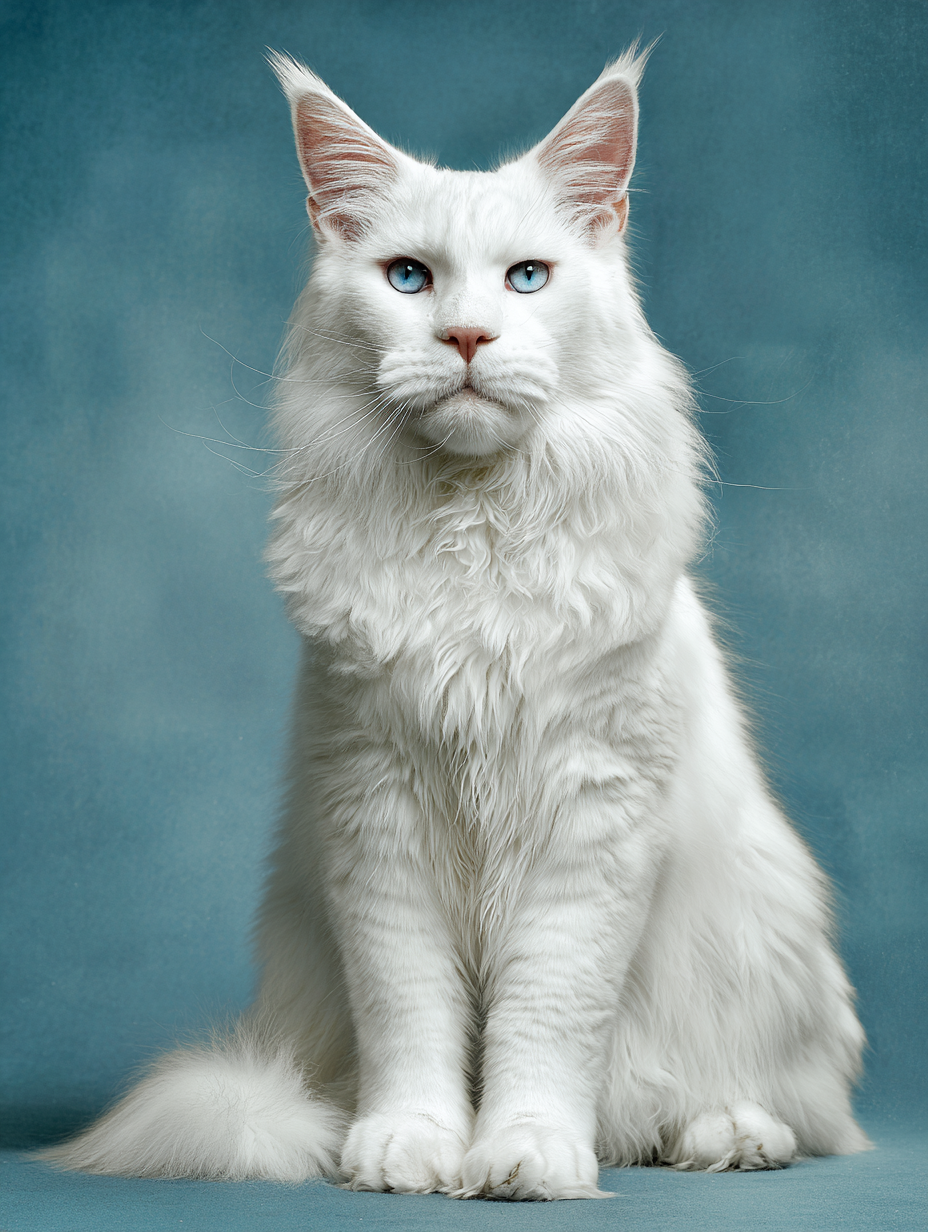
Maine Coon Size, Growth, and Weight: What’s Normal and What’s Not
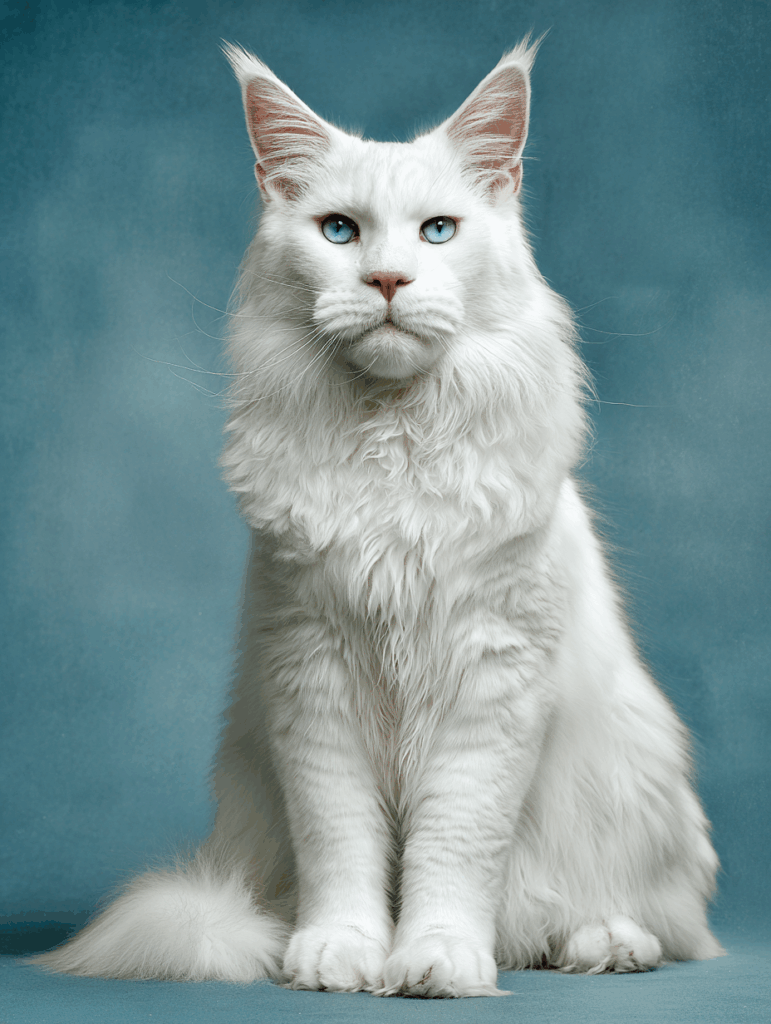
Maine Coons are one of the largest domestic cat breeds, and healthy size follows clear, predictable ranges. Adult male Maine Coons typically weigh between 18 and 22 pounds, with some large-framed males reaching the upper end of that range, while adult females usually weigh between 10 and 15 pounds. Most Maine Coons continue growing for three to five years, reaching full height and length first and then gradually filling out with muscle. Understanding what size and weight are normal, and what is not, helps owners avoid overfeeding, misjudging growth, or confusing healthy structure with obesity.
Maine Coon Size, Growth, and Weight — At a Glance
| Category | Typical Range | What This Means |
|---|---|---|
| Adult Male Weight | 18–22 lbs | Large, lean males often settle here when fully mature |
| Adult Female Weight | 10–15 lbs | Females are lighter but still long and athletic |
| Length (Nose to Tail) | 40–48 inches | Length contributes more to size than weight |
| Height at Shoulder | 10–16 inches | Tall legs create the breed’s imposing presence |
| Growth Duration | 3–5 years | Maine Coons mature much slower than most cats |
| Body Shape | Rectangular, long | Healthy Maine Coons should look long, not round |
| Bone Structure | Heavy, dense | Explains why they weigh more than other breeds |
| Big vs Overweight | Muscle vs fat | Weight alone does not determine health |
| Red Flag Timing | After 12 months | Rapid weight gain past this point needs review |
👉 Apply now for a Maine Coon kitten from Almonte Cats and bring home a well-bred, correctly sized Maine Coon with strong structure, balanced growth, and authentic breed type.
Maine Coon Size Guide: How Big Do Maine Coon Cats Get?
The Maine Coon is known for its impressive size, long frame, and powerful build, which naturally leads many buyers to ask, “How big do Maine Coons actually get?”
Unlike compact or stocky breeds, Maine Coons are built for length, height, and athletic strength, not bulk.
Maine Coons are also late bloomers. Their size develops gradually over several years, which is why young adults often look lanky before they fill out. Their large appearance comes from bone structure and body length, not excess weight.
On average, an adult male Maine Coon weighs 14–20 pounds, while females typically range from 9–14 pounds. Some cats fall outside these ranges, but healthy size is defined by lean muscle and proportion, not the number on the scale.
Why Do Maine Coons Grow Slowly?
The Maine Coon developed as a natural working cat in harsh climates, selected for size, strength, and endurance rather than compactness. Their slow growth supports:
- strong joint and skeletal development
- proper muscle formation
- balanced proportions over time
Rapid early weight gain is not ideal for this breed. Ethical breeders emphasize controlled calories, high-quality protein, and steady development to protect joints, hips, and the heart.
Maine Coons grow outward before they grow heavy—they get taller and longer first, then gradually fill in with muscle.
Are Male Maine Coons Bigger Than Females?
Yes. Male Maine Coons are typically larger than females, often weighing 3–7 pounds more at full maturity. Males tend to have broader heads, thicker necks, heavier bone structure, and more pronounced chest development. Females are smaller overall but still retain the breed’s long frame, strong musculature, and athletic build.
In mixed-sex households, it’s common for males to continue growing longer—often an additional 6–12 months beyond when females appear fully grown. This extended growth phase is normal for the breed and contributes to the Maine Coon’s impressive adult size.
Do Certain Maine Coon Colors Grow Larger Than Others?
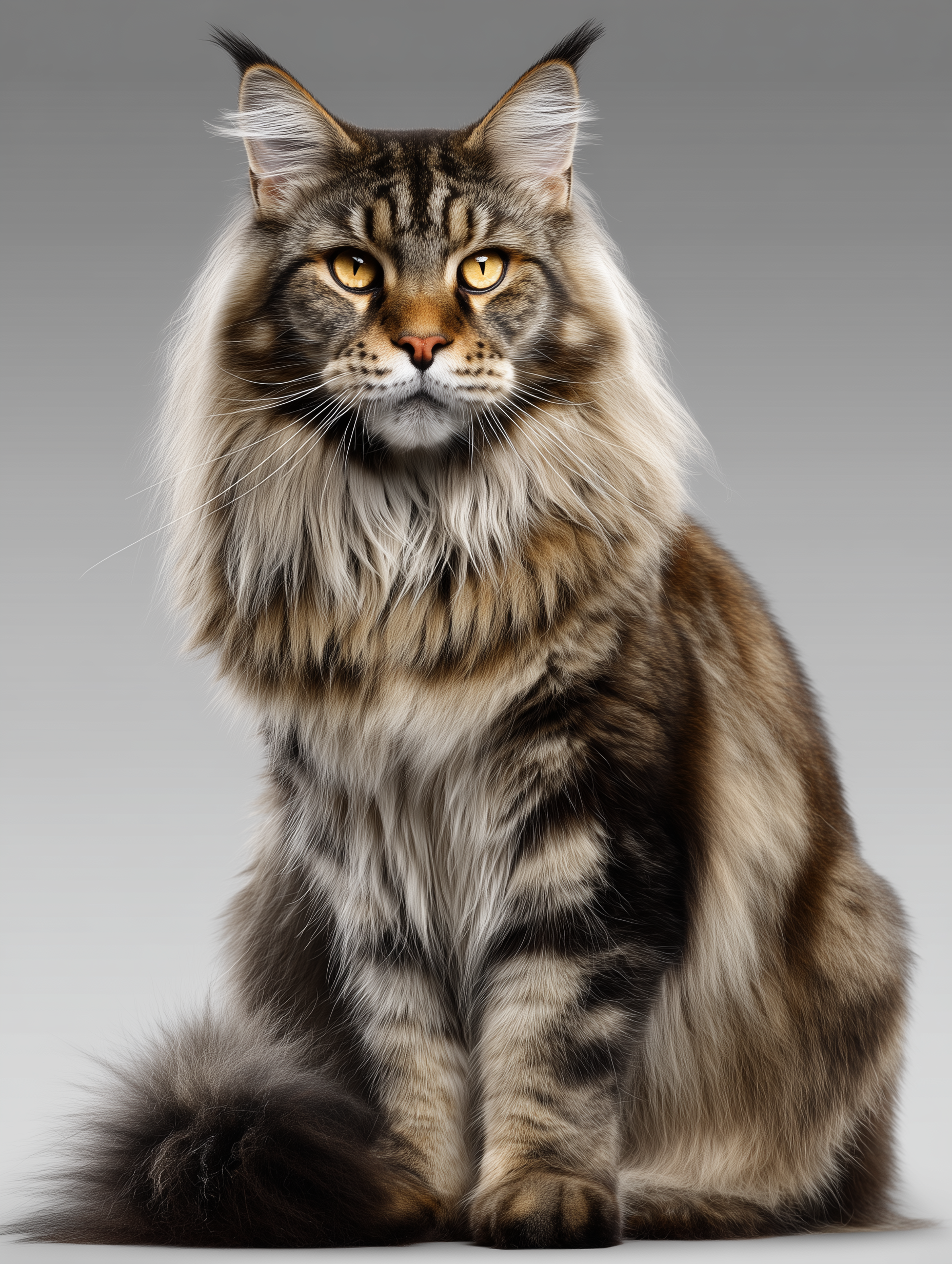
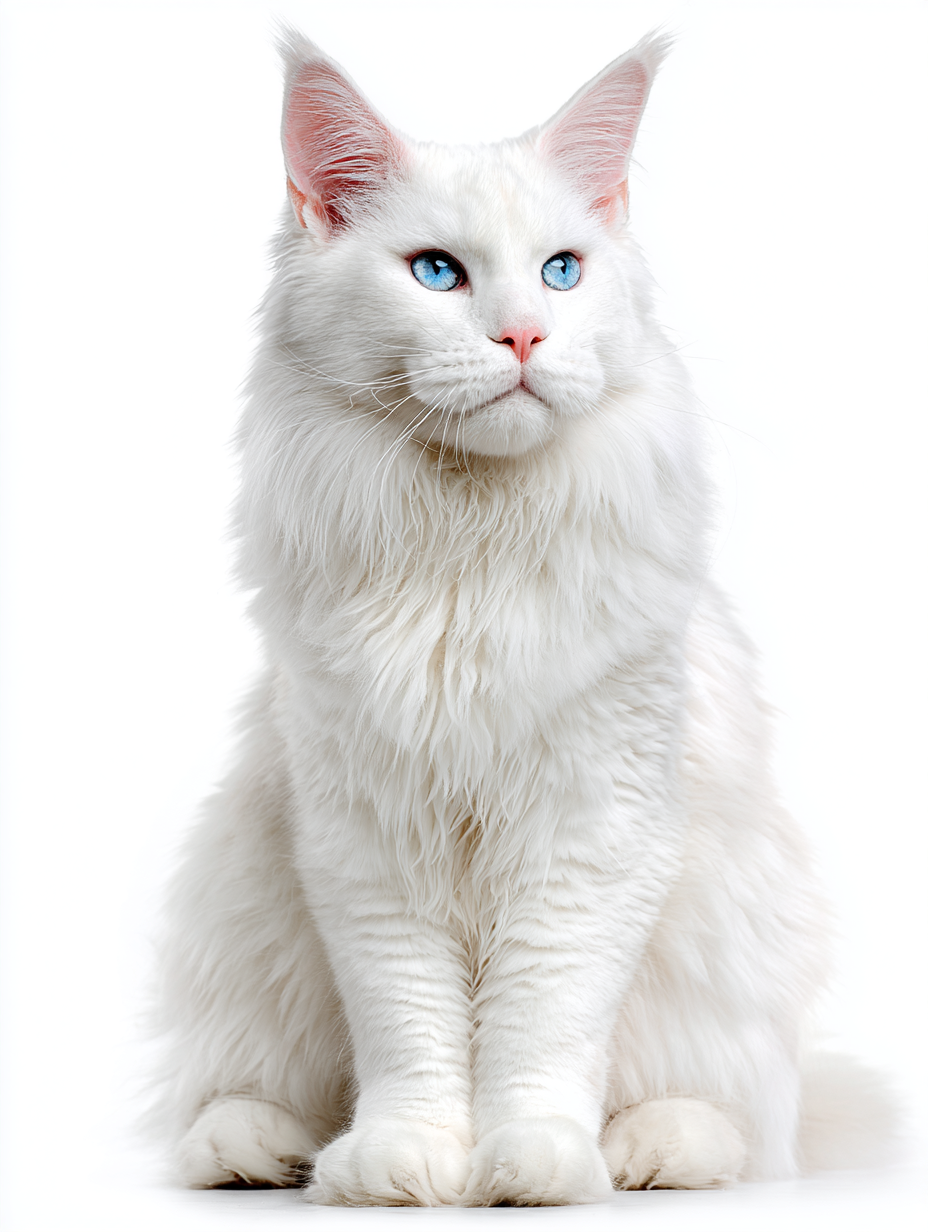
No—coat color does not determine size in Maine Coons. However, some colors can create the illusion of greater size. Darker colors, high-contrast tabbies, and heavily furnished coats may look larger due to visual density, while lighter or silver coats can appear leaner even at the same weight.
Any perceived size differences across colors are typically explained by:
- individual genetics
- lineage and bone structure
- coat length and density
Structure comes from parents and bloodlines, not color.
How to Tell if a Maine Coon Kitten Will Be Large
No method can predict adult size with absolute certainty, but several early physical indicators can give you a reliable picture of future growth, especially when combined with family history. Maine Coons inherit size primarily through genetics, not feeding practices, and their growth unfolds slowly over several years.
Early structural signs to look for include:
- Large paws and thick legs at 8 to 10 weeks. Oversized paws relative to body size often indicate a large adult frame, especially when paired with sturdy leg bone rather than softness.
- Long body length before noticeable weight gain. Kittens that appear stretched or rectangular early on typically grow into longer, taller adults rather than compact cats.
- Wide chest and strong shoulder development. A broad chest and solid shoulders suggest heavier bone structure, which supports larger adult size without excess fat.
- Slow, steady growth instead of rapid weight gain. Kittens that gain size gradually tend to develop better proportions and healthier joints than kittens that bulk up quickly.
While these physical traits matter, genetics matter most. The most accurate predictor of adult size is the average weight and structure of the parents and grandparents, not the kitten’s size on pickup day. Kittens from consistently large, well-structured lines almost always mature into larger adults, even if they start out looking average or lanky.
Reputable breeders track adult weights across generations because size is cumulative. If both parents and multiple generations behind them fall within higher healthy weight ranges, the kitten is far more likely to reach similar size once fully mature. Feeding more will not create a larger Maine Coon, but managing growth correctly allows genetic potential to express itself fully.
The goal is not to rush growth, but to support it. When genetics and proper development align, Maine Coons reach their natural size gradually, with strong bone, lean muscle, and long-term soundness.
Maine Coon Growth Chart by Age
| Age | Average Male Weight | Average Female Weight | Growth Notes |
|---|---|---|---|
| 8 weeks | 2.5 – 3.5 lbs | 2 – 3 lbs | Long-bodied kitten; rapid early growth |
| 4 months | 6 – 9 lbs | 5 – 7 lbs | Legs lengthen; frame stretches |
| 6 months | 9 – 13 lbs | 7 – 10 lbs | Height and length increase before mass |
| 1 year | 11 – 16 lbs | 9 – 12 lbs | Often only 60–70% of adult size |
| 2–3 years | 14 – 20 lbs | 10 – 14 lbs | Chest broadens; muscle fills in |
| 4–5 years | 15 – 22 lbs | 11 – 16 lbs | Full maturity in large-framed cats |
Maine Coons may continue developing until 3–5 years of age, much longer than most cat breeds. Slow,
When Does a Maine Coon Kitten Stop Growing?
Maine Coon kittens grow for much longer than most cat breeds. Most continue developing until three to five years of age, with the most noticeable changes occurring well after the first birthday. By 12 months, a Maine Coon often looks fully grown to the untrained eye, but this is only the beginning of true maturity.
After the first year, growth shifts away from height and length and toward muscle mass, chest width, and overall substance. The body fills out slowly, and the frame becomes stronger and broader over time rather than taller.
Males typically mature later than females, often continuing to gain muscle and bulk into their fourth year. Females usually finish earlier, but even they may continue subtle development into their third year.
Spaying or neutering does not determine final size, but it can affect how growth appears. Cats altered early may fill out sooner because energy is no longer directed toward reproductive hormones. Even so, final adult size remains overwhelmingly genetic, shaped by the size and structure of parents and grandparents rather than timing alone.
If you are tracking milestones and wondering whether your kitten is “behind,” remember that slow, steady development is exactly what you want in a Maine Coon.
How Diet Affects Size and Growth
Nutrition plays a supporting role in helping a Maine Coon reach its natural adult size, but diet cannot override genetics. The goal is to support frame and muscle development without pushing excess weight during a long growth period.
Choose a diet that emphasizes:
- High-quality animal protein to support muscle and bone development
- Moderate fat levels to provide energy without encouraging fat gain
- Balanced minerals to protect joints during prolonged growth
Overfeeding does not create a larger Maine Coon. Instead, it increases fat accumulation and joint strain, especially in a breed that matures slowly and carries significant body mass.
A practical feeding schedule looks like this:
- Kittens up to 6 months: 3 to 4 small, measured meals per day
- 6 to 12 months: 2 to 3 meals per day, adjusted for growth spurts
- Adults: 2 balanced meals per day, with portions adjusted as growth slows
Consistent, portion-controlled feeding supports strong bones, lean muscle, coat quality, and long-term joint health. During adolescence, appetite may fluctuate with growth spurts, but portions should be reassessed regularly rather than increased permanently.
Proper nutrition allows genetics to express themselves fully. It does not rush growth, but it ensures that when a Maine Coon reaches maturity, the result is a large, well-structured, and sound adult, not an oversized but unhealthy one.
Managing Weight in Adult Maine Coons
Because Maine Coons are calm, confident cats with excellent appetites, weight management is essential once growth slows. The goal is lean muscle, not softness.
A healthy adult Maine Coon should:
- feel firm and muscular, not padded
- have ribs that are easily felt but not visible
- show a defined waist when viewed from above
Encourage daily activity with:
- short interactive play sessions
- climbing structures or cat trees
- food puzzles to slow eating
Avoid free-feeding and adjust portions as growth phases change. Extra weight places unnecessary strain on joints, hips, and the heart in this large-bodied breed.
Learn more in our Maine Coon diet post.
Graph: Maine Coon Weight by Age and Sex
| Age (Months) | Male Avg. Weight | Female Avg. Weight |
|---|---|---|
| 2 | 3.0 lbs | 2.5 lbs |
| 4 | 7.5 lbs | 6.0 lbs |
| 6 | 11.5 lbs | 9.0 lbs |
| 12 | 15.0 lbs | 11.5 lbs |
| 24 | 18.0 lbs | 13.5 lbs |
| 36 | 20.0 lbs | 15.0 lbs |
This gradual increase reflects the Maine Coon’s extended growth timeline, which commonly spans 3–5 years. Unlike most cats, Maine Coons continue adding length, height, and muscle well beyond the first year rather than finishing growth early.
What Is the Average Weight for a Male Maine Coon Cat?
Adult male Maine Coons typically weigh between 14 and 20 pounds, with some large-framed individuals reaching slightly higher while still remaining lean and athletic. Weight alone does not define health in this breed—structure, muscle tone, and proportion matter more than the number on the scale.
When compared to the average male domestic shorthair (usually 10–15 pounds), the difference is immediately apparent. Maine Coons are longer, taller, and heavier-boned, with:
- broader chests
- thicker necks
- longer legs
- heavier skeletal structure
Most male Maine Coons continue growing for 6–12 months longer than females, often not reaching full maturity until 3–4 years of age.
If you are tracking male kitten growth, it’s important to remember that Maine Coons mature much later than most cats. What looks “unfinished” at one year is often completely normal for this breed.
Female Maine Coon Average Weight
Female Maine Coons are smaller than males but still noticeably larger than most female cats. The average adult female Maine Coon weighs 9–14 pounds, though large-framed females may mature slightly above this range.
Females retain the breed’s defining traits:
- long rectangular body
- strong bone structure
- broad chest relative to most cats
- muscular, athletic build
Compared to female domestic or American Shorthairs (typically 8–11 pounds), female Maine Coons are taller, longer, and more substantial without appearing bulky.
Females usually reach physical maturity around 2–2.5 years, approximately 6–12 months earlier than males, though subtle muscle development may continue afterward.
Average Maine Coon Size Compared to Other Common Breeds
For context, here are typical adult weight ranges used as a baseline:
- Male domestic or American Shorthair: 11–15 pounds
- Female domestic or American Shorthair: 8–12 pounds
Domestic and American Shorthairs have a medium, athletic build designed for agility and endurance. They reach full size around one year of age and maintain a relatively consistent frame throughout adulthood.
Maine Coons, by contrast, are substantially larger and longer-bodied, with a slower growth rate and more pronounced sexual dimorphism. Their size comes from length and bone, not compact density.
In simple terms:
Domestic shorthairs are medium-athletic.
Maine Coon Weight Compared to 10 Popular Cat Breeds
| Breed | Male Avg. Weight | Female Avg. Weight | Build Type | Coat Type | Growth Rate | Notable Trait |
|---|---|---|---|---|---|---|
| Maine Coon | 15 – 25 lbs | 12 – 18 lbs | Large, rectangular, powerful | Long, shaggy | Slow (3–5 yrs) | Tallest and longest domestic cat |
| Norwegian Forest Cat | 13 – 20 lbs | 9 – 15 lbs | Large, long-legged | Long, water-repellent | Slow | Powerful climber build |
| Ragdoll | 14 – 20 lbs | 10 – 15 lbs | Large, semi-cobby | Long, silky | Moderate | Soft body, relaxed temperament |
| Siberian | 13 – 17 lbs | 9 – 13 lbs | Heavy, muscular | Semi-long, triple | Slow | Dense muscle under thick coat |
| British Shorthair | 14 – 17 lbs | 8 – 13 lbs | Stocky, compact | Short, dense | Slow (2–3 yrs) | High bone density, cobby frame |
| American Shorthair | 11 – 15 lbs | 8 – 12 lbs | Medium, athletic | Short, sleek | Moderate | Balanced, agile hunter |
| Bengal | 10 – 16 lbs | 8 – 12 lbs | Lean, muscular | Short, spotted | Fast | Sleek, wild-type physique |
| Persian | 9 – 14 lbs | 7 – 12 lbs | Cobby, compact | Long, thick | Slow | Broad head, heavy coat |
| Exotic Shorthair | 10 – 15 lbs | 8 – 12 lbs | Cobby, plush | Short, dense | Moderate | Persian look, short coat |
| Scottish Fold | 9 – 13 lbs | 7 – 11 lbs | Medium, rounded | Short or long | Moderate | Folded ears, compact frame |
| Sphynx | 8 – 12 lbs | 6 – 10 lbs | Medium, muscular | Hairless | Fast | Visible muscle, warm touch |
Key Insights for Maine Coon Owners
- Maine Coons are the longest and tallest domestic cats, which is why they often outweigh other breeds even when body fat is low. Their size advantage comes from frame length, leg height, and heavy bone, not compact density.
- Compared to other large breeds like the Norwegian Forest Cat and Siberian, Maine Coons tend to look bigger at similar weights because their bodies are longer and more rectangular rather than compact or plush.
- While breeds such as the Ragdoll may reach similar numbers on the scale, Maine Coons carry firmer muscle and stronger skeletal mass, giving them a more athletic, powerful appearance.
- Against medium breeds like the American Shorthair, the difference is structural: Maine Coons are taller, broader, and slower to mature, with growth continuing years longer.
In short, when comparing weight across breeds, Maine Coons sit at the top not just for pounds—but for overall physical presence. Their size is a product of structure and slow, deliberate growth, not excess weight.
Big vs Overweight — A Hands-On Body Check (This Is Where Reddit Fails)
Most online advice relies on photos, scale numbers, or personal opinions. Those methods fail with Maine Coons. Their long coats, heavy bone structure, and slow growth make visual judgment unreliable. You must assess the body with your hands, using multiple physical checks together.
How a healthy Maine Coon feels vs looks
A healthy Maine Coon often looks massive because the coat adds volume. What matters is what you feel beneath the fur.
- A healthy, big Maine Coon feels firm and muscular through the shoulders, back, and thighs. The body feels long and structured, not soft.
- An overweight Maine Coon feels padded. Fat blunts angles, softens the torso, and hides muscle definition.
If your hands meet softness before structure, the cat carries excess fat—regardless of what the scale says.
Rib check — what you should feel through the coat
This check provides the most accurate single indicator of body condition.
- Place your hands on the ribcage just behind the front legs.
- Apply gentle pressure and move your fingers side to side.
Healthy result:
You feel each rib easily without pressing hard, similar to feeling the knuckles on the back of your hand. A thin layer of padding sits over the ribs, but it never obscures them.
Overweight result:
- You must press firmly to find ribs
- Ribs feel buried or indistinct
- The area feels uniformly soft instead of structured
Never rely on sight alone. If you cannot feel ribs easily, excess weight already exists.
Waist check from above — structure matters more than scale
Stand above your cat while they stand naturally.
Healthy Maine Coon shape:
- A visible waist behind the ribcage
- A slight inward taper before the hips
- A long, rectangular outline
Overweight pattern:
- Straight or bulging sides
- No visible taper
- An oval or barrel-shaped torso
Maine Coons should look rectangular, not round. Loss of waist definition signals early weight gain.
Side profile cues — tuck vs sag
View your cat from the side while standing.
Healthy profile:
- Abdomen tucks upward behind the ribs
- Chest sits deeper than the belly
- No hanging or swinging belly
Overweight profile:
- Belly hangs below the chest line
- Abdomen forms a straight or downward slope
- Fat pad moves independently during walking
A small primordial pouch is normal. A heavy sag combined with poor rib definition is not.
Why photos lie with long fur
Photos exaggerate size in Maine Coons because:
- Ruff and mane inflate chest width
- Seasonal coat changes alter shape
- Camera angles widen the body
- Sitting hides waist and abdominal tuck
Two cats of the same weight can look drastically different online. Hands-on assessment always beats photos.
Maine Coon Size Myths (Direct Reddit Debunk)
Maine Coons attract exaggerated size myths. These myths push owners toward overfeeding and unhealthy expectations.
Myth 1: “All Maine Coons should be 25+ pounds”
Most healthy males weigh 14–20 pounds. Females usually weigh 9–14 pounds. Cats above 22–25 pounds exist, but they represent rare outliers—not the standard.
Extreme weights usually reflect:
- excess fat
- selective photography
- exaggerated marketing
Health depends on body composition, not maximum weight.
Myth 2: “Bigger is healthier”
After a certain point, increased size increases risk.
Excess weight:
- strains hips and spine
- accelerates arthritis
- increases cardiac workload
- reduces mobility and lifespan
A lean 16-pound Maine Coon outperforms a soft 22-pound cat in health every time.
Myth 3: “Huge kittens become huge adults”
Early size does not predict adult size.
Large adult Maine Coons often:
- looked lanky as kittens
- grew slowly
- appeared awkward during adolescence
Rapid kitten weight gain increases fat, not structure, and stresses joints.
Myth 4: “Small Maine Coons are poor quality”
Size varies naturally within healthy lines.
A smaller Maine Coon can still show:
- correct structure
- excellent health
- strong temperament
- proper breed type
Quality comes from genetics and balance—not chasing extremes.
When Maine Coon Size Is a Red Flag
Veterinarians do not flag size alone. They flag patterns over time.
Rapid weight gain after 12 months
After the first year, growth slows. Rapid gain usually signals overfeeding or delayed portion adjustment.
Sudden size changes in adults
Adult Maine Coons should remain stable. Sudden gain or loss requires evaluation and may indicate metabolic, endocrine, cardiac, or GI issues.
Round body shape instead of rectangular
Maine Coons should look long and angular. A round silhouette usually means fat now covers structure.
Reduced jumping or stiffness linked to weight
Owners often mislabel weight-related mobility loss as “calming down.”
Warning signs include:
- hesitation before jumping
- avoiding stairs
- shorter play sessions
- stiffness after rest
Extra weight magnifies joint strain in this breed.
Why vets flag trends, not numbers
A single weigh-in means little. Vets track:
- monthly weight trends
- body condition score
- muscle tone
- mobility changes
Consistent monitoring beats chasing a “perfect” number.
Maine Coon Growth Spurts Explained (Month Ranges)
Growth spurts cause anxiety because bodies change unevenly. This is normal.
Common growth spurts
Most Maine Coons experience spurts around:
- 4–6 months: legs and length increase rapidly
- 9–12 months: frame stretches; appetite rises
- 18–24 months: chest and muscle fill in
Some males continue subtle growth beyond this.
Why appetite spikes do not justify permanent calorie increases
Growth spurts raise energy needs temporarily. Owners create problems when they fail to reduce portions afterward.
Persistent overfeeding replaces muscle with fat.
Why legs and length come before chest
Maine Coons build the frame first:
- height
- length
- limb strength
Bulk and chest depth follow later. A lanky adolescent is unfinished—not underfed.
The “awkward teenage phase” is normal
Between 6 and 18 months, many Maine Coons look disproportional. This phase resolves naturally. Overfeeding during this stage damages joints and structure rather than speeding maturity.
Is My Maine Coon’s Weight Normal? And How to Check
If you’re constantly wondering whether your Maine Coon is too big, too small, too skinny, or growing “wrong,” you’re not alone. This breed develops differently than most cats, and normal often looks unfamiliar—especially during growth phases.
Use the checklist below to assess normal vs concerning patterns without guessing.
Your Maine Coon Is Likely Normal If:
- Growth feels uneven
Legs and body length increase before chest and muscle fill out. A lanky or awkward stage between 6–18 months is typical. - Weight changes happen gradually
Weight increases steadily over months, not suddenly over weeks. - You can feel ribs easily
You feel ribs with light pressure, but they aren’t sharp or protruding. - The body stays rectangular
From above, the torso tapers slightly behind the ribs instead of forming a round or barrel shape. - Energy and mobility remain strong
Your cat jumps, climbs, plays, and moves without hesitation—even if activity slows slightly with age. - Appetite matches growth phases
Hunger increases during growth spurts and settles afterward.
Your Maine Coon May Need Evaluation If:
- Weight jumps quickly after 12 months
Rapid gain often reflects excess calories rather than healthy growth. - The body looks round instead of long
Loss of waist definition or a widening midsection signals fat accumulation. - Ribs feel buried or hard to find
Needing firm pressure to locate ribs suggests overweight status. - Movement changes appear
Hesitation before jumping, stiffness after rest, or reduced climbing often link to weight strain. - Appetite changes without growth
Increased hunger without visible growth or activity changes may indicate dietary imbalance or medical issues. - Adult size changes suddenly
Unexplained gain or loss in a mature cat always deserves veterinary attention.
The Most Important Thing to Remember
There is no single “correct” size for a Maine Coon.
Normal depends on:
- genetics
- sex
- bone structure
- age
- growth stage
Two healthy Maine Coons can weigh the same and look completely different—or weigh very differently and both be perfectly normal.
Focus on body feel, shape, movement, and trends over time, not comparisons to photos or internet numbers.
When in Doubt, Track Patterns—not Opinions
Weigh monthly.
Check ribs regularly.
Watch mobility and posture.
Adjust food as growth slows.
If something feels off for more than a few weeks, trust that instinct and ask your veterinarian—not Reddit.
Maine Coon Size, Growth & Weight FAQ (Comprehensive)
1. How big do Maine Coons actually get?
Adult Maine Coons vary widely. Most males weigh 14–20 pounds and most females 9–14 pounds when fully grown. Some individuals fall outside these ranges, but healthy size depends on structure, muscle, and body condition, not a single number. Length and height contribute more to their visual size than weight alone.
2. When do Maine Coons stop growing?
Most Maine Coons continue growing until 3–5 years of age. Growth slows after the first year, but muscle, chest width, and overall maturity continue developing long after many other breeds have finished growing.
3. Why does my Maine Coon look skinny but weigh a lot?
Maine Coons carry heavy bone and dense muscle. A lean, athletic Maine Coon can weigh more than expected without being overweight. Long legs and a rectangular frame can make them look slim even at healthy weights.
4. Why does my Maine Coon look huge but weigh less than expected?
Coat volume plays a major role. Ruff, mane, and tail plume create visual bulk. Two Maine Coons with the same weight can look dramatically different depending on coat density, posture, and body length.
5. Is my Maine Coon too big or just big-boned?
Check body condition, not size alone. A big-boned Maine Coon:
- has easily felt ribs with light pressure
- shows a visible waist from above
- has a tucked abdomen from the side
If ribs feel buried or the body looks round rather than rectangular, excess fat is likely present.
6. Are male Maine Coons bigger than females?
Yes. Males usually weigh 3–7 pounds more than females and have broader heads, thicker necks, and heavier bone. Males also tend to grow longer, often continuing development 6–12 months beyond females.
7. Do certain Maine Coon colors grow larger than others?
No. Coat color does not determine size. Genetics, lineage, and bone structure matter far more. Some colors may appear larger due to coat density or contrast, but color itself does not affect growth.
8. Are Maine Coons supposed to be overweight to look impressive?
No. A healthy Maine Coon should look powerful and athletic, not soft or round. Excess weight strains joints, worsens mobility, and increases cardiac workload—especially in a large breed.
9. How can I tell if my Maine Coon is overweight under all that fur?
Use hands, not eyes:
- Feel ribs easily without pressing hard
- Check for a waist from above
- Look for a slight abdominal tuck from the side
If softness hides structure, weight management is needed.
10. How fast should a Maine Coon kitten gain weight?
Weight should increase steadily, not rapidly. Growth should feel gradual month to month. Rapid gains often reflect excess calories rather than healthy skeletal development.
11. Are growth spurts normal in Maine Coons?
Yes. Common growth spurts occur around:
- 4–6 months (length and leg growth)
- 9–12 months (frame expansion)
- 18–24 months (muscle and chest fill-in)
Uneven growth during these phases is normal.
12. Why does my Maine Coon suddenly seem hungrier?
Appetite often increases during growth spurts. This does not mean portions should permanently increase. Adjust food during the spurt, then scale back once growth stabilizes.
13. Is it normal for my Maine Coon to look awkward as a teenager?
Yes. Many Maine Coons look lanky, disproportional, or “unfinished” between 6 and 18 months. Overfeeding during this phase causes fat gain, not faster maturity.
14. How much should I feed my Maine Coon to support healthy growth?
Feed based on age, activity, and body condition, not size expectations. Use measured meals, avoid free-feeding, and reassess portions regularly as growth slows.
15. Does neutering or spaying affect Maine Coon size?
Sterilization does not reduce adult size but does lower calorie needs. If portions aren’t adjusted afterward, weight gain can occur quickly.
16. Why does my Maine Coon weigh more than other cats I’ve owned?
Maine Coons have:
- longer bodies
- taller frames
- heavier bone
- more muscle
They naturally outweigh most domestic cats without being unhealthy.
17. When should I worry about my Maine Coon’s size?
Seek guidance if you notice:
- rapid weight gain after 12 months
- sudden weight changes in adults
- loss of waist definition
- reduced jumping or stiffness
- unexplained appetite changes
Patterns matter more than single weigh-ins.
18. Is a smaller Maine Coon lower quality?
No. Size variation exists within healthy, well-bred lines. Quality relates to health, temperament, structure, and longevity, not maximum size.
19. Can Maine Coons live comfortably in apartments given their size?
Yes. Maine Coons adapt well to apartments when owners provide vertical space, climbing opportunities, and daily interactive play. Space matters less than enrichment and movement.
20. Should I compare my Maine Coon to others online?
No. Photos distort size due to coat, angle, and posture. Compare your cat only to their own growth trend, body condition, and mobility.
21. How often should I weigh my Maine Coon?
- Kittens: every 2–4 weeks
- Adolescents: monthly
- Adults: every 1–2 months
Track trends, not single numbers.
22. What’s more important than weight?
Body condition, movement, and muscle tone matter more than scale numbers. A lean, active Maine Coon at a lower weight is healthier than a heavier but soft one.
23. Do Maine Coons get bigger if overfed as kittens?
No. Overfeeding adds fat, not frame. Genetics determine size. Overfeeding increases joint strain and long-term health risks.
24. Can two healthy Maine Coons look totally different in size?
Yes. Differences in bone density, length, coat, and sex can create dramatic visual differences even at similar weights.
25. What’s the single best way to know my Maine Coon is normal?
Track body feel, shape, mobility, and trends over time. If your cat moves well, maintains muscle, and shows stable growth patterns, they’re likely doing just fine.
In summary
Maine Coons are naturally large cats, but healthy size follows predictable patterns. Most adult males mature around 18–22 pounds, with some large-framed males settling comfortably in the 20–22 lb range, while females are typically lighter, usually 10–15 pounds, depending on bone structure and genetics. What matters most is not chasing extremes, but supporting steady growth, lean muscle, and long-term soundness.
If you’re looking for a healthy, well-grown Maine Coon kitten with balanced structure, proper development, and responsible breeding behind it, we’re always happy to talk—contact us to learn more about our kittens and upcoming litters.
Related Maine Coon Articles
If you’re researching Maine Coons, see more health articles here:
- Maine Coon Health Testing: What Owners Should Know
- Maine Coon Lifespan: How Long They Live and What Affects Longevity
- HCM in Maine Coons: Risks, Testing and Genetics
- Why Maine Coons are not for Everyone: An Honest Compatibility Breakdown
- Hip Dysplasia in Maine Coons: Screening, Genetics and Lifestyle
- Maine Coon Health Genetics: Testing, Carriers and More
- How to Increase a Maine Coons Lifespan
- Maine Coon Diarrhea: What is Normal and What is Not
- Maine Coon Size Health: Common Problems, Care & Prevention
Sources
- Cornell University College of Veterinary Medicine – Feline Body Condition Scoring & Weight Assessment
https://www.vet.cornell.edu/departments/riney-canine-health-center/health-info/feline-body-condition-score - International Cat Care (ISFM / iCatCare) – Caring for Large and Giant Breed Cats
https://icatcare.org/advice/giant-cat-breeds/ - American Association of Feline Practitioners (AAFP) – Preventive Care and Weight Management Guidelines
https://catvets.com/guidelines/practice-guidelines - University of California Davis – Veterinary Genetics & Breed Health Information (Maine Coon)
https://vgl.ucdavis.edu - The Spruce Pets – Maine Coon Cat Breed Profile, Size, Growth, and Care
https://www.thesprucepets.com/maine-coon-cat-breed-profile-characteristics-and-care-5221962 - PetMD – Maine Coon Cat Breed Information and Health Overview
https://www.petmd.com/cat/breeds/maine-coon - Journal of Feline Medicine and Surgery – Obesity, Growth, and Musculoskeletal Health in Cats
https://journals.sagepub.com/home/jfm - Wikipedia – Maine Coon (general size ranges, growth patterns, breed standards reference)
https://en.wikipedia.org/wiki/Maine_Coon





Read the Comments +